Social & External
The people behind it
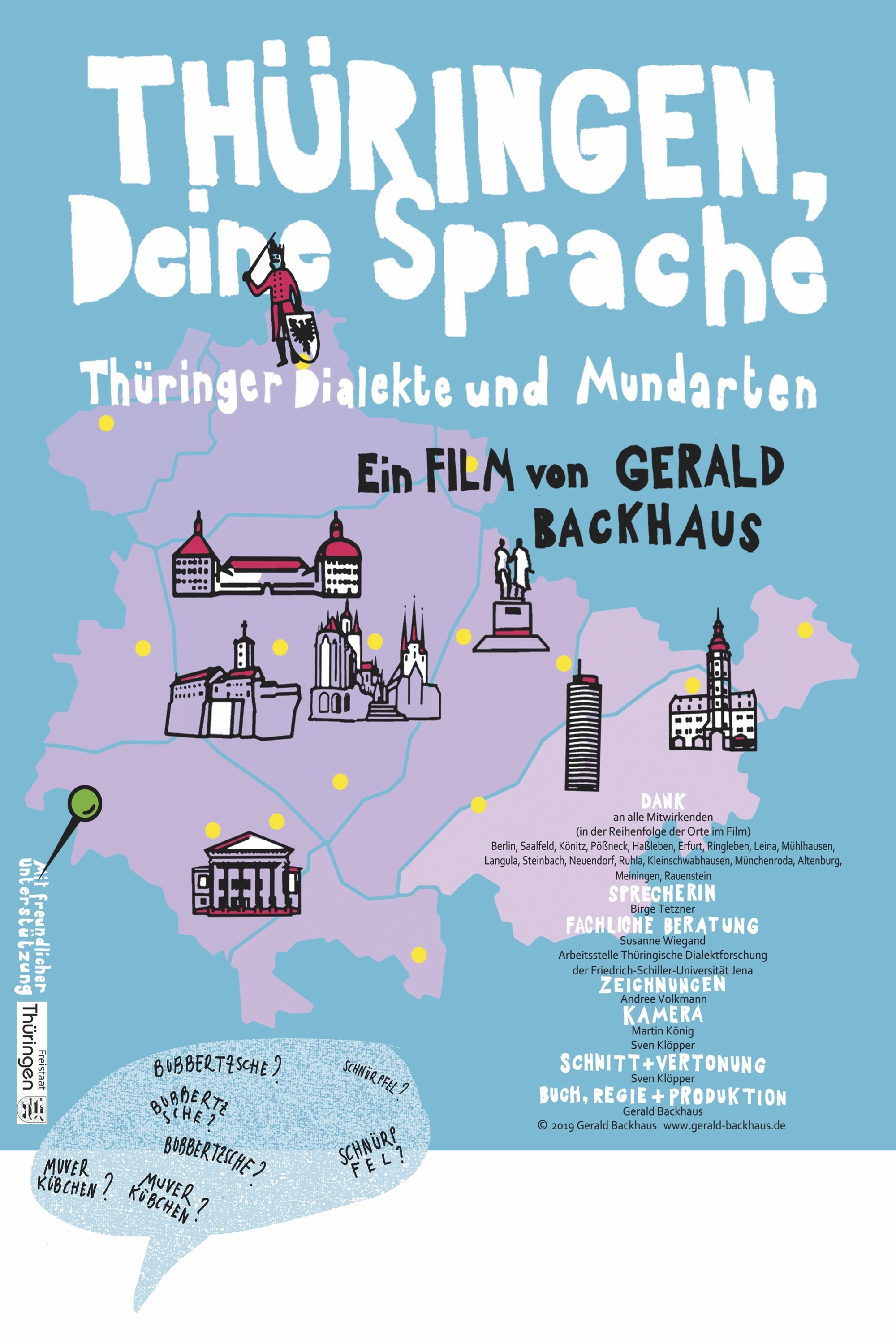
Are dialects and regional languages still spoken in Thuringia, and what do they sound like? The West Thuringian dialect spoken in the Wartburgkreis district, around Eisenach and Bad Salzungen, can sound quite distinctive, as the example from Ruhla shows. Near Mühlhausen, there is the Vogteier Platt dialect, and in the Rudolstadt and Saalfeld area, the Ilmthuringian dialect transitions into the Southeast Thuringian dialect. Around Meiningen and in the Sonneberg area, the dialect sounds Franconian. And the Altenburg dialect belongs to the East Thuringian dialect...
He is already a real star: little polar bear Knut, born on December 5, 2006, is the first polar bear cub at Zoo Berlin for more than 30 years. The little sensation attracts all the attention, because for the first time a camera is looking into the nursery of a hand-reared polar bear. The Berliner Abendschau regularly reports from Knut's nursery and shows his first clumsy steps. After mother polar bear Tosca refused to accept the little white ball, animal keeper Thomas Dörflein took over mother and father duties from day one. Knut and Dörflein have now been living together in a small room at Berlin Zoo for three months.
Stage program is based on the book series of the same name by Bastian Sick, which was created from the collection of Zwiebelfisch columns. In an entertaining way, it deals with doubts about grammar, spelling and punctuation as well as expressions in the German language that Bastian Sick considers unattractive. A PC game has also been published to accompany the book.
Cathy’s birthday’s on 29th February, which is an impossible day as it is, because it’s a leap day. Then her dad comes up with the bright idea of giving her a duck egg to hatch for her tenth birthday. The chick appears when Cathy and her best friend Margot are watching, and the chick thinks Margot is its mummy. But Margot is bound to a wheelchair and will soon have to go to a special home. Unable to look after the duckling on her own, her parents decide to ged rid of it... Cathy and Margot end up in an adventure which teaches them a lot about how to rescue a migratory bird, but even more about themselves.
Watching High Rollers – The Golden Age of Arizona Skateboarding is like finding a lost artifact that helps complete a larger mystery from the past. In this case High Rollers adds a much needed layer of knowledge to the origins of radical vertical, and over-vertical, skateboarding. The skateboard boom of the 1970’s went from “sidewalk surfing” and driveway antics to aerials out of backyard swimming pools in an astonishingly short span of time. This evolutionary leap was for the most part well documented in the pages of Skateboarder Magazine and the 2001 documentary Dogtown and Z-Boyz. However, the field of vision both of these forms of media is narrow (although both are excellent), they both deal almost exclusively with what was happening in California (with occasional nods to Florida). It is understandable as skateboarding was born and given life in California, but what happened next? What was going on elsewhere?
Chronicles archaeologist Dr. Chris McKinny’s search for the Ark of the Covenant. Supported by insights from scientists, historians, and biblical scholars, he explores three ancient legends pointing to final resting place of the iconic relic.
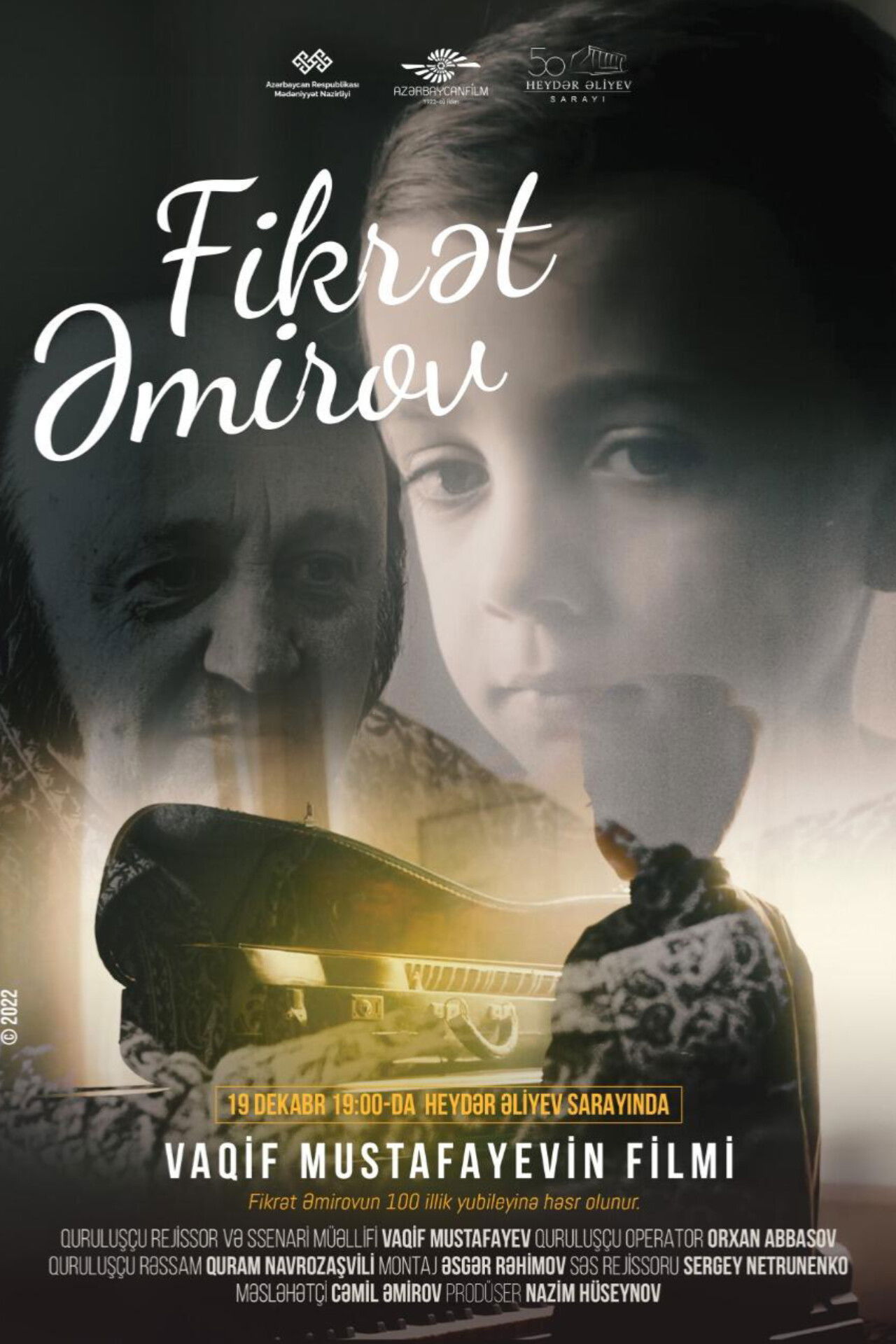
A film about Fikrət Əmirov.
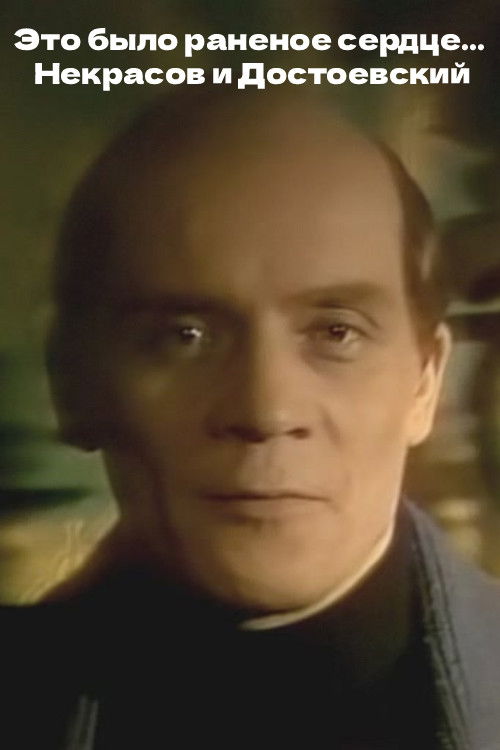
Memoirs of F.M. Dostoevsky about N.A. Nekrasov, performed by the actor Alexander Filippenko.
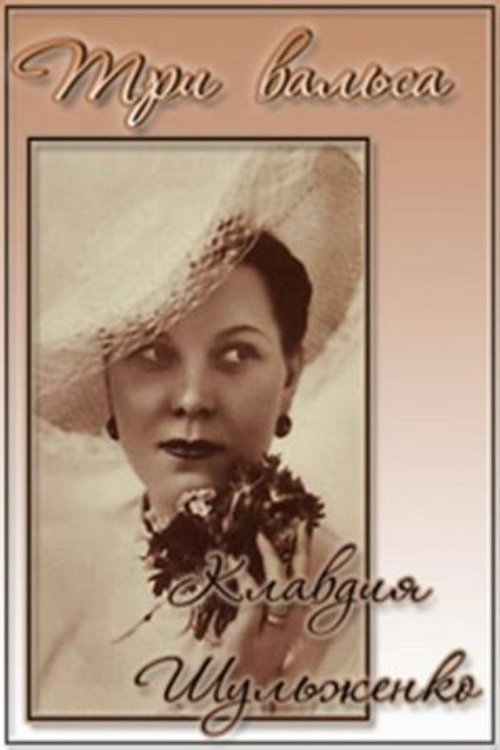
The film is based on the memoirs of Klavdiya Shulzhenko and her songs: "The Blue Scarf", "Three Waltzes", "Silence", "Hands", "The Note". The film features archival footage, as well as scenes shot in Kharkiv and Paris.
Two years ago, Mohammed VI succeeded his father, Hassan II, without any apparent difficulties. Is this succession really as smooth as it seems?
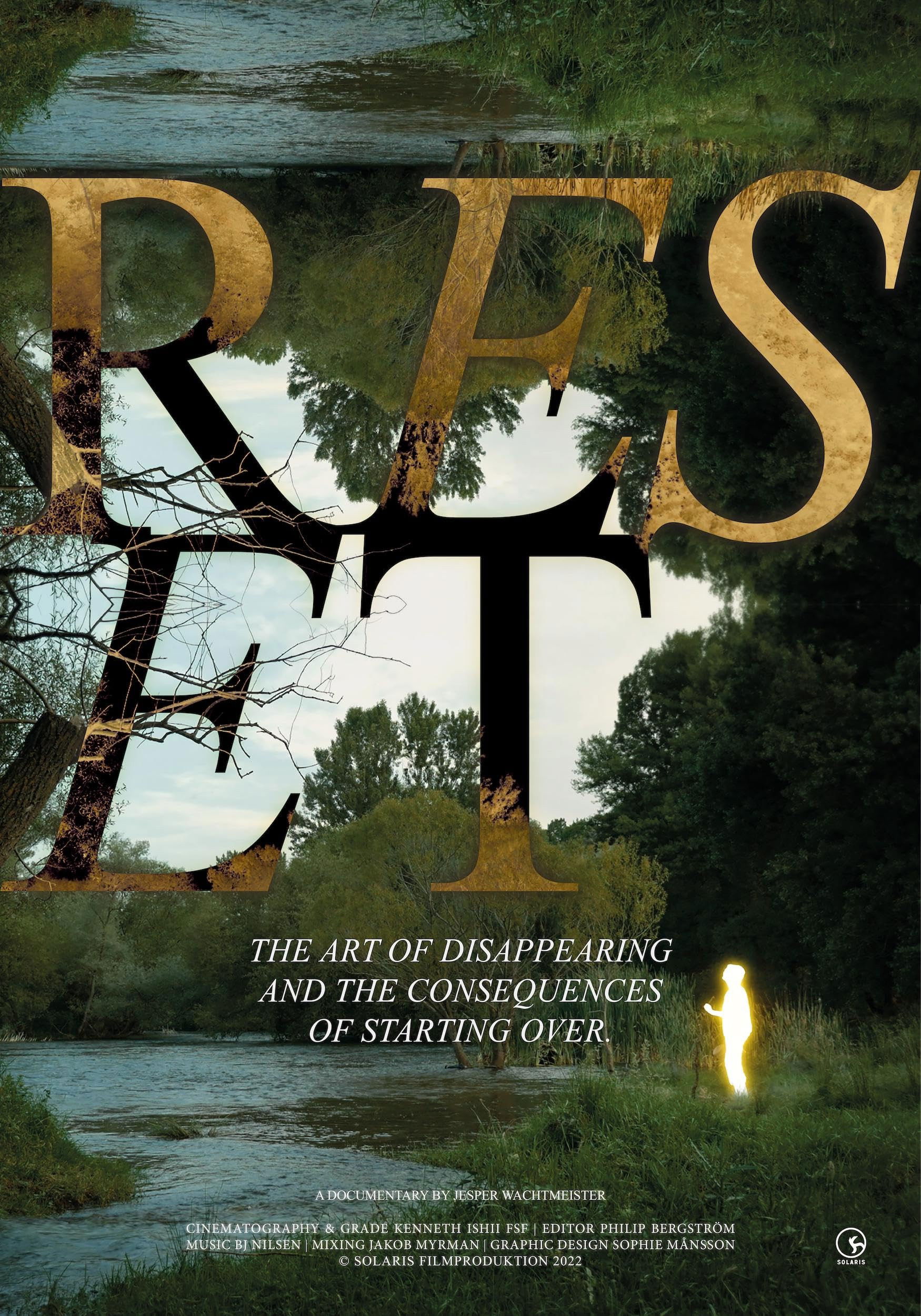
Hat, Lucie, Benny, Paul and Karen leave their old life behind and disappear for a while to reset. Some of them use a new identity. As they try to get closer to their true self, they find themselves re-evaluating the norms they grew up in.
A documentary about the punk band Lagwagon. Includes interviews and live songs.
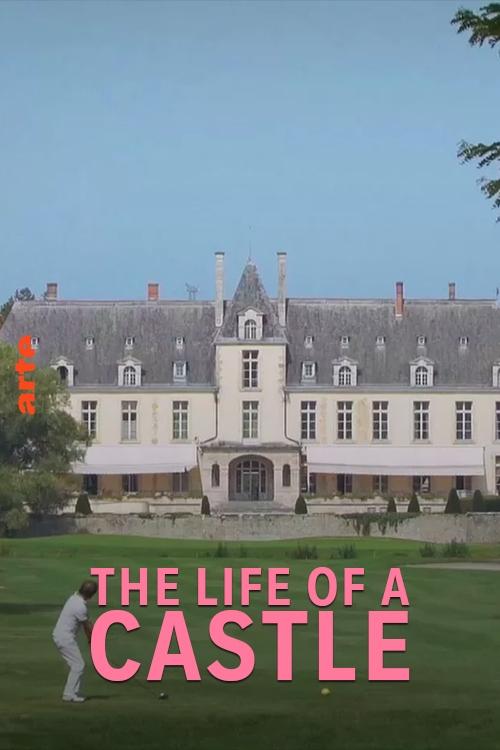
A documentary showing the proceedings around a French castle, turned luxury hotel, over a year.
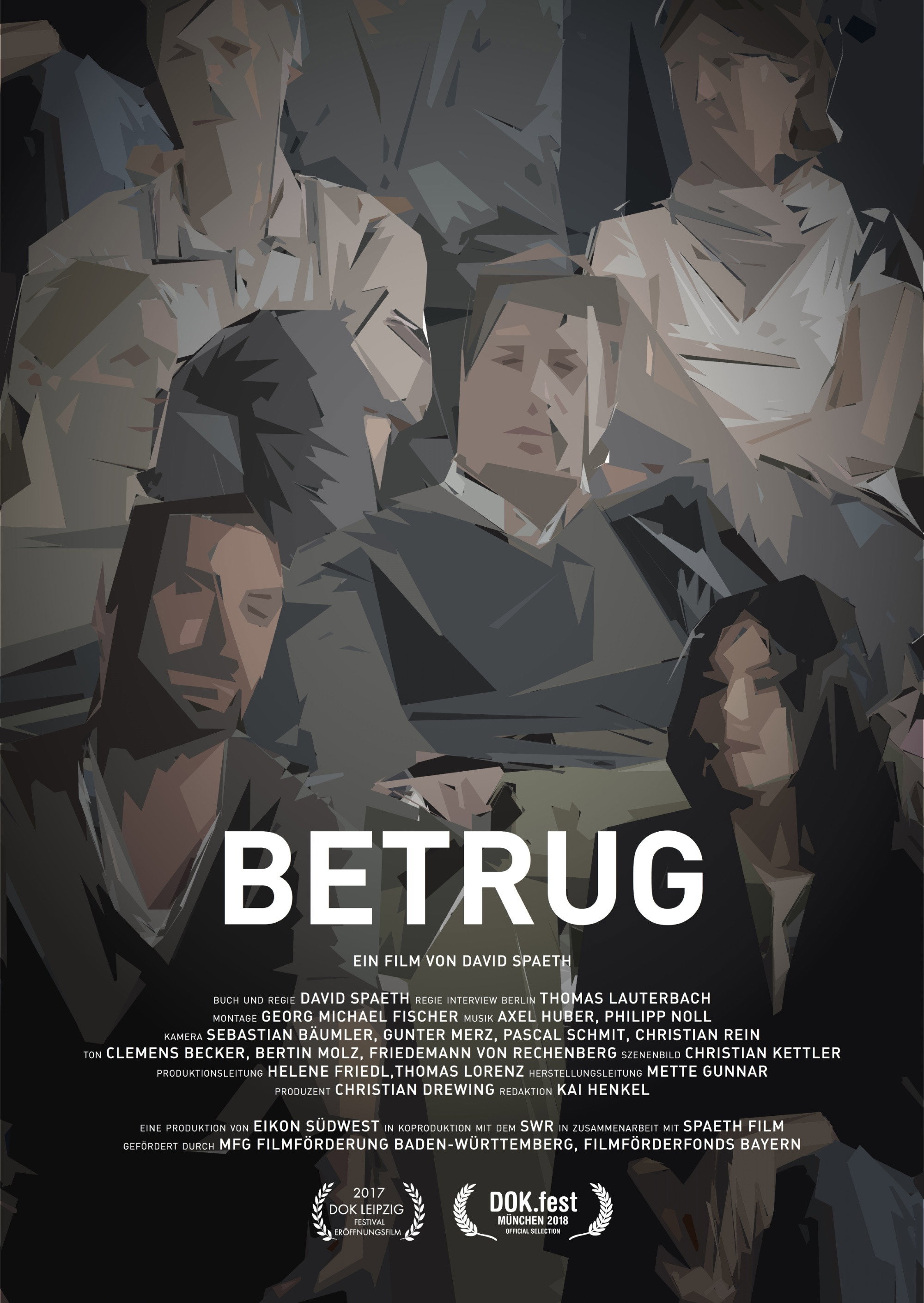
For a life of pomp and splendor, Bastian takes over the kindergarten of a private parents' initiative as treasurer. The documentary tells the true story of an impostor. It is about social coexistence, trust and setting an example of values for children. Bastian doesn't give a damn about these values. For him, they are just annoying conventions, obstacles on the way to a life with a Ferrari and high-class prostitutes. And for this life, Bastian steals from the kindergarten of a private parents' initiative. For the viewer, this is an astonishing balancing act between right and wrong, between pity and schadenfreude.
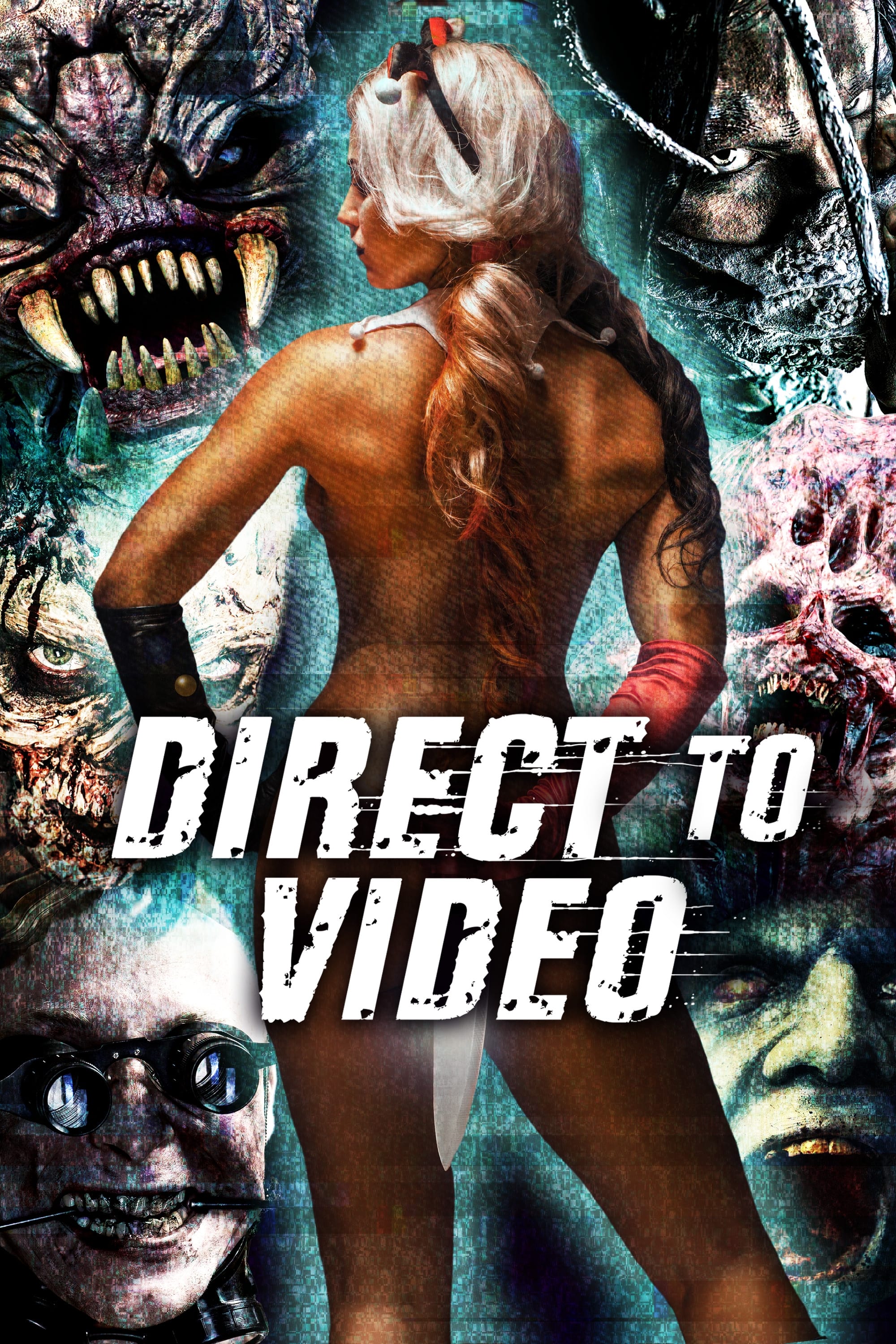
A documentary about the direct-to-video horror hits of the 90s.
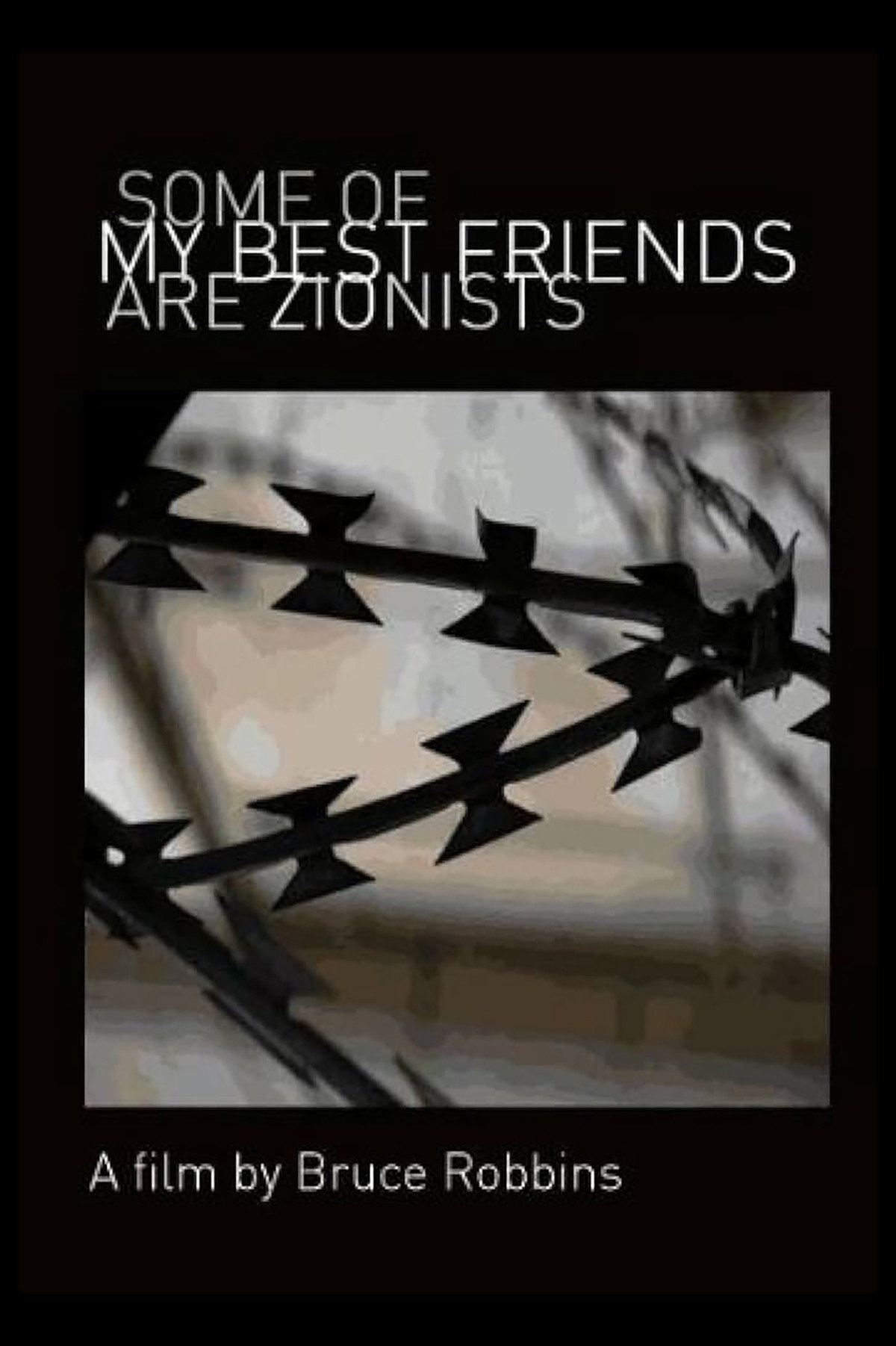
Through interviews with both young people and notable Jewish artists and intellectuals such as Tony Kushner, Judith Butler, James Shamus, and Gary Shteyngart, Some of My Best Friends are Zionists explores the changing views of the American-Jewish community on the state of Israel. Despite statements from official Jewish organizations or the reports of the mainstream media, when it comes to American support of Zionism, change appears to be happening.
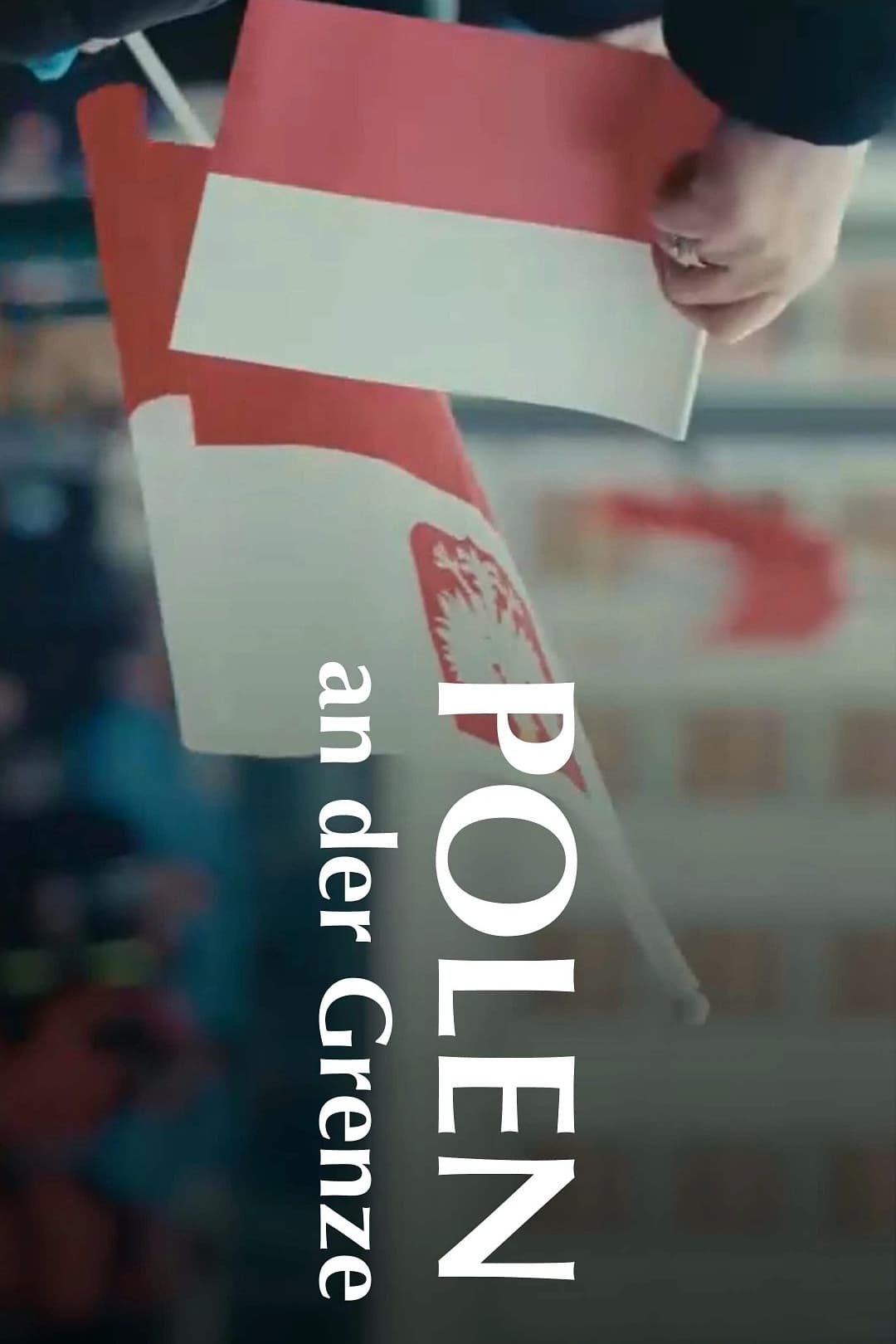
In the run-up to parliamentary elections in mid-October, Polish filmmaker Marcin Wierzchowski travelled across his country to gauge the atmosphere in a society that is more divided than ever.
Al Pacino's deeply-felt rumination on Shakespeare's significance and relevance to the modern world through interviews and an in-depth analysis of "Richard III."
A feature length documentary about the all-women team at the helm of Pixar's original feature, Turning Red. With unprecedented behind-the-scenes access to Director Domee Shi and her core leadership crew, this story shines a light on the powerful professional and personal journeys that brought this incredibly comical, utterly relatable, and deeply heartfelt story to the screen.
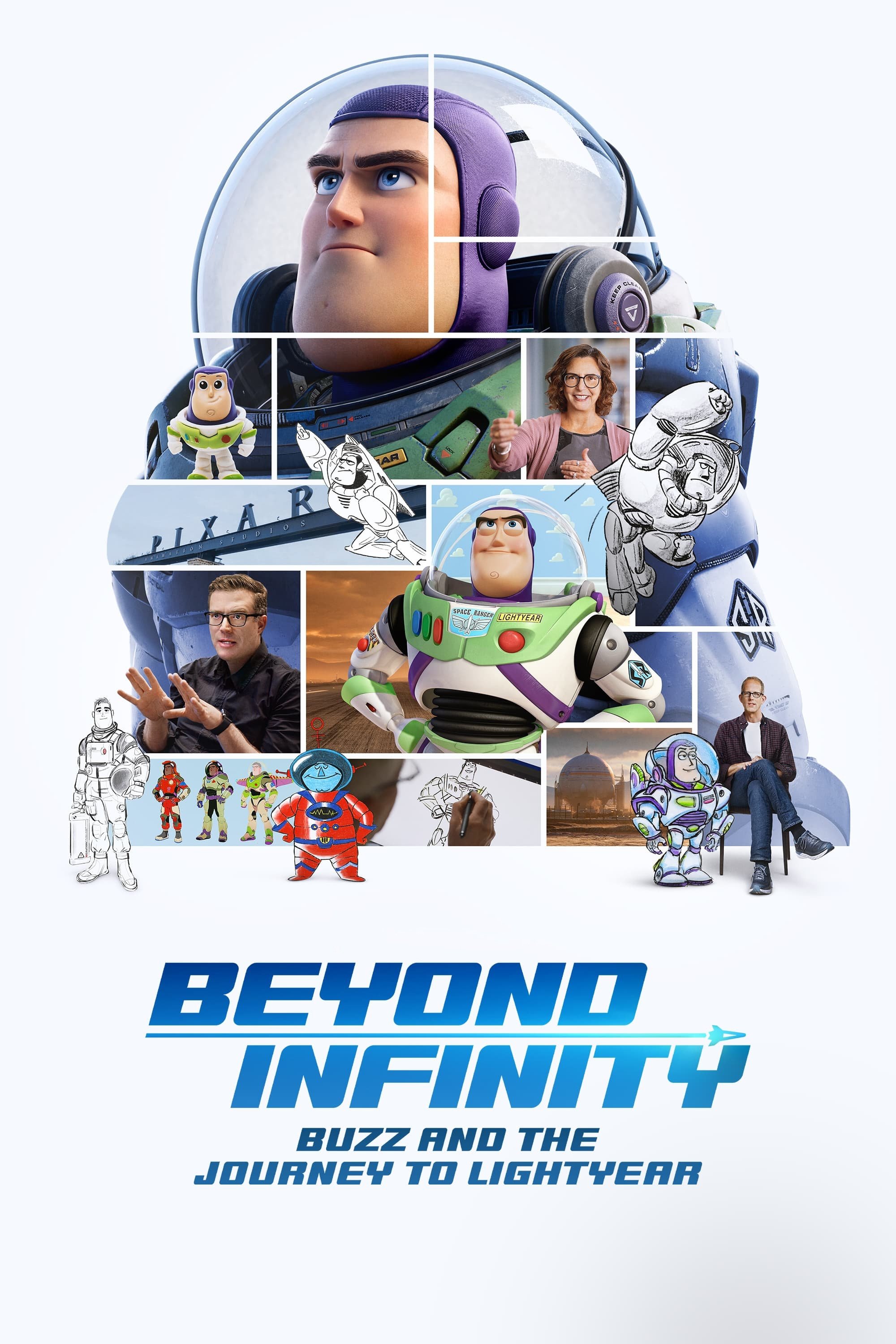
Explore the evolution of Buzz Lightyear from toy to human in the making of Pixar’s Lightyear. Dive into the origin and cultural impact of everyone’s favorite Space Ranger, the art of designing a new “human Buzz,” and the challenges faced by the Lightyear crew along the way.
Daniel Craig candidly reflects on his 15 year adventure as James Bond. Including never-before-seen archival footage from Casino Royale to the upcoming 25th film No Time To Die, Craig shares his personal memories in conversation with 007 producers, Michael G Wilson and Barbara Broccoli.
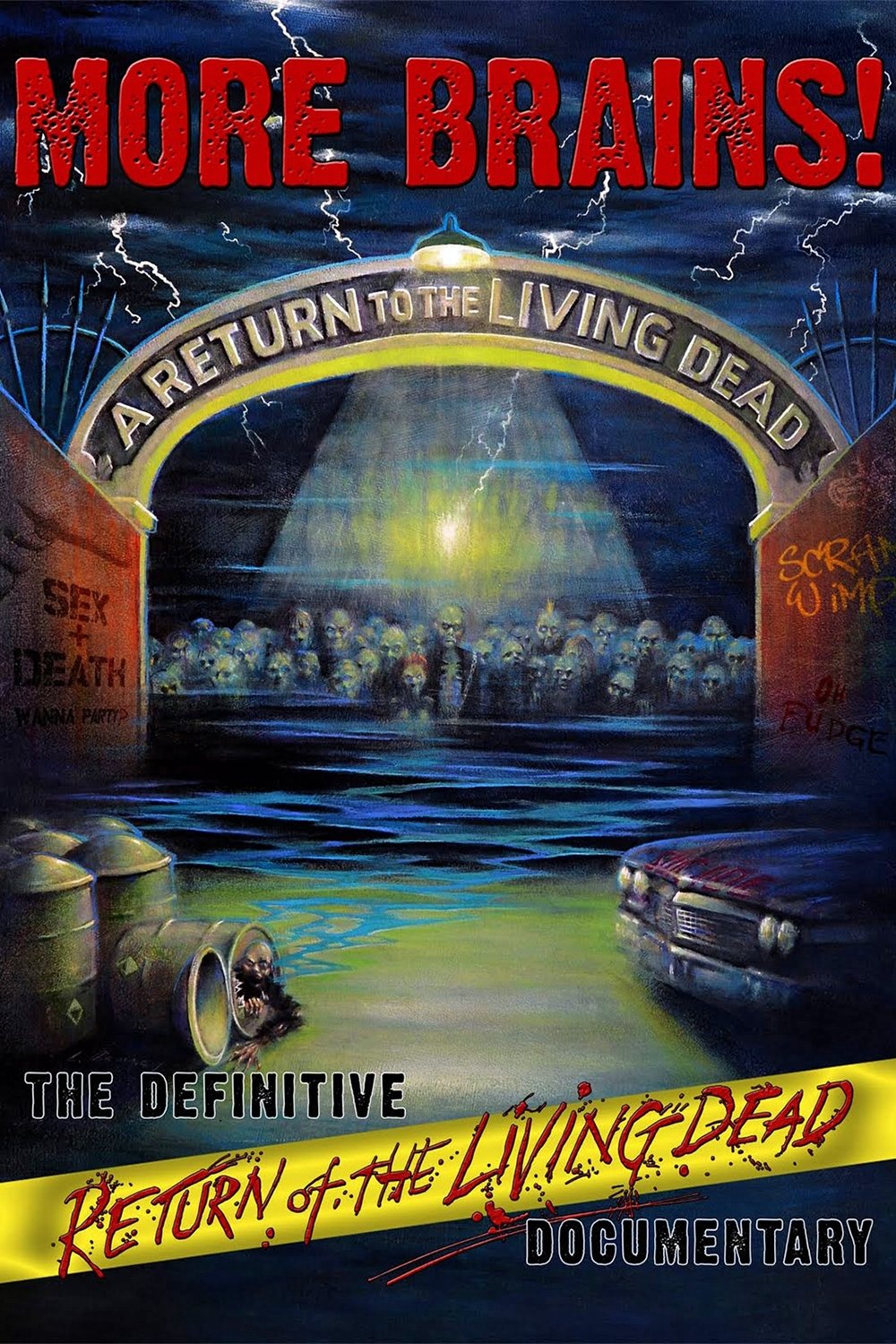
Retrospective documentary about the making of the horror cult classic "The Return of the Living Dead."
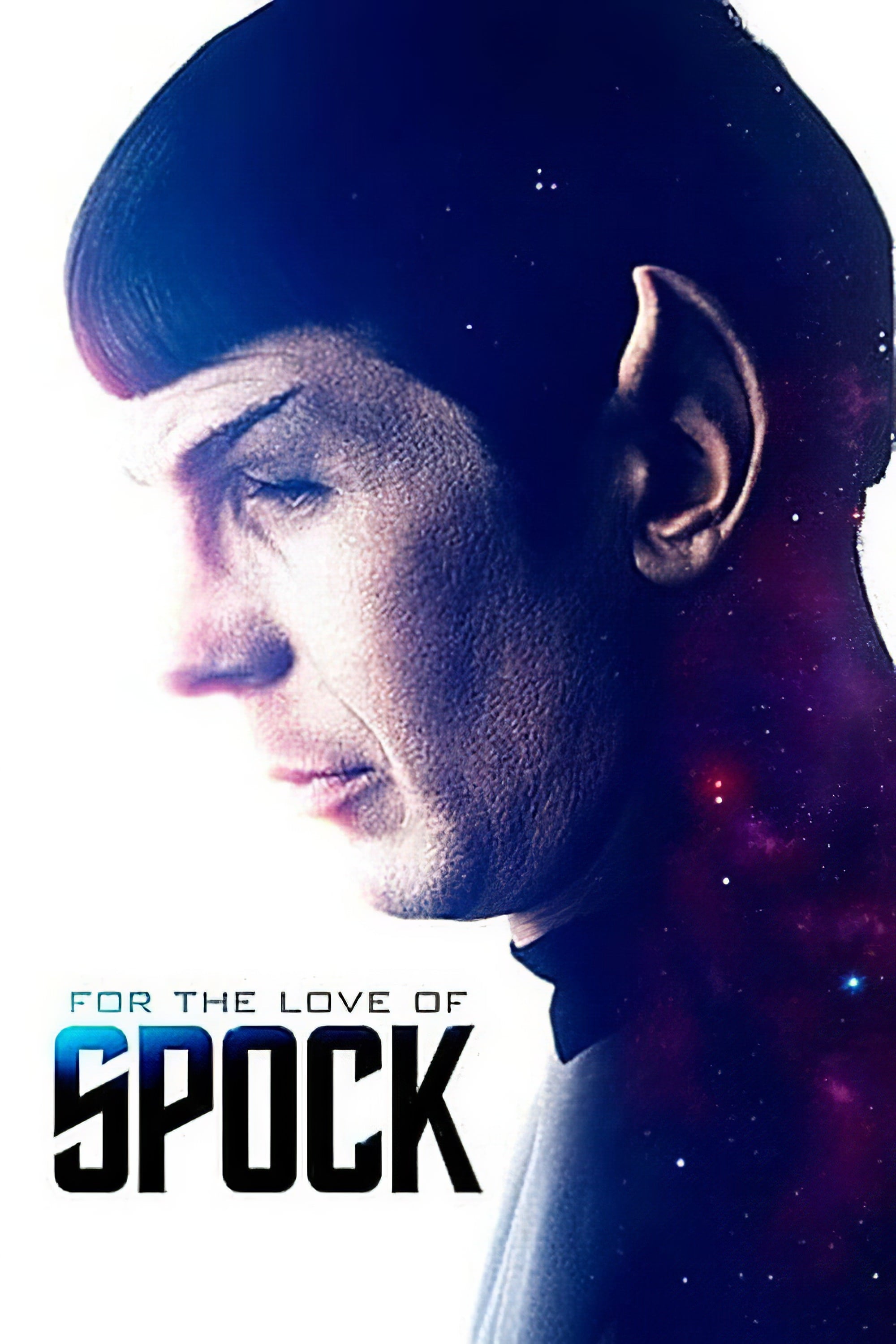
The life of Mr. Spock, as well as that of Leonard Nimoy, the actor who played him for almost fifty years, written and directed by his son: Adam.
Musician and performance artist Laurie Anderson reflects on the deaths of her husband Lou Reed, her mother and her beloved dog.
A visual montage portrait of our contemporary world dominated by globalized technology and violence.
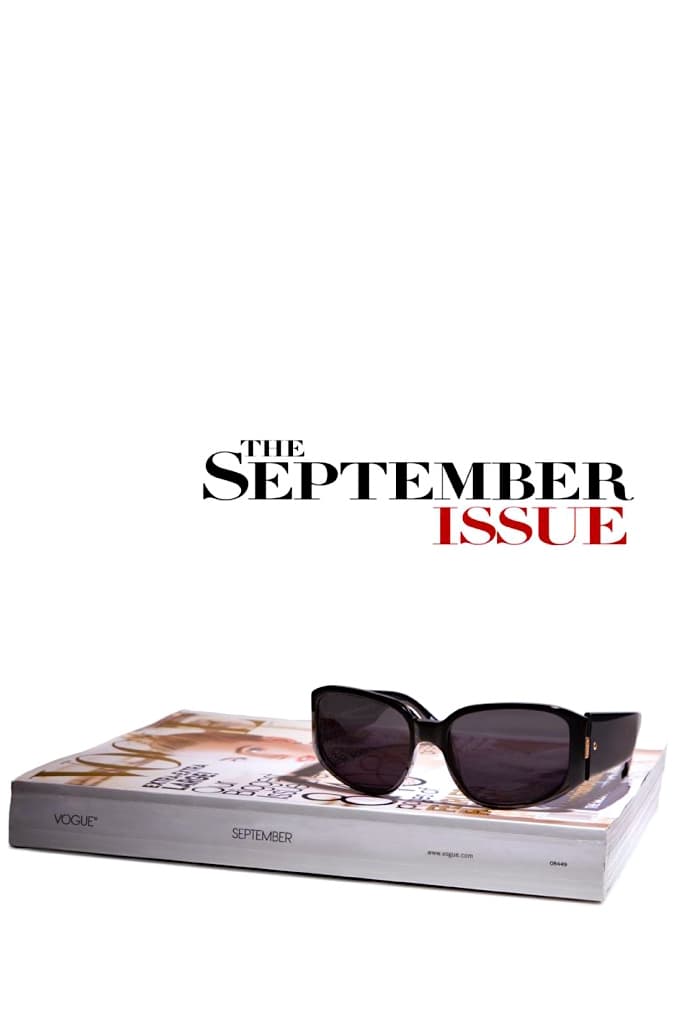
A documentary chronicling Vogue editor-in-chief Anna Wintour's preparations for the 2007 fall-fashion issue.
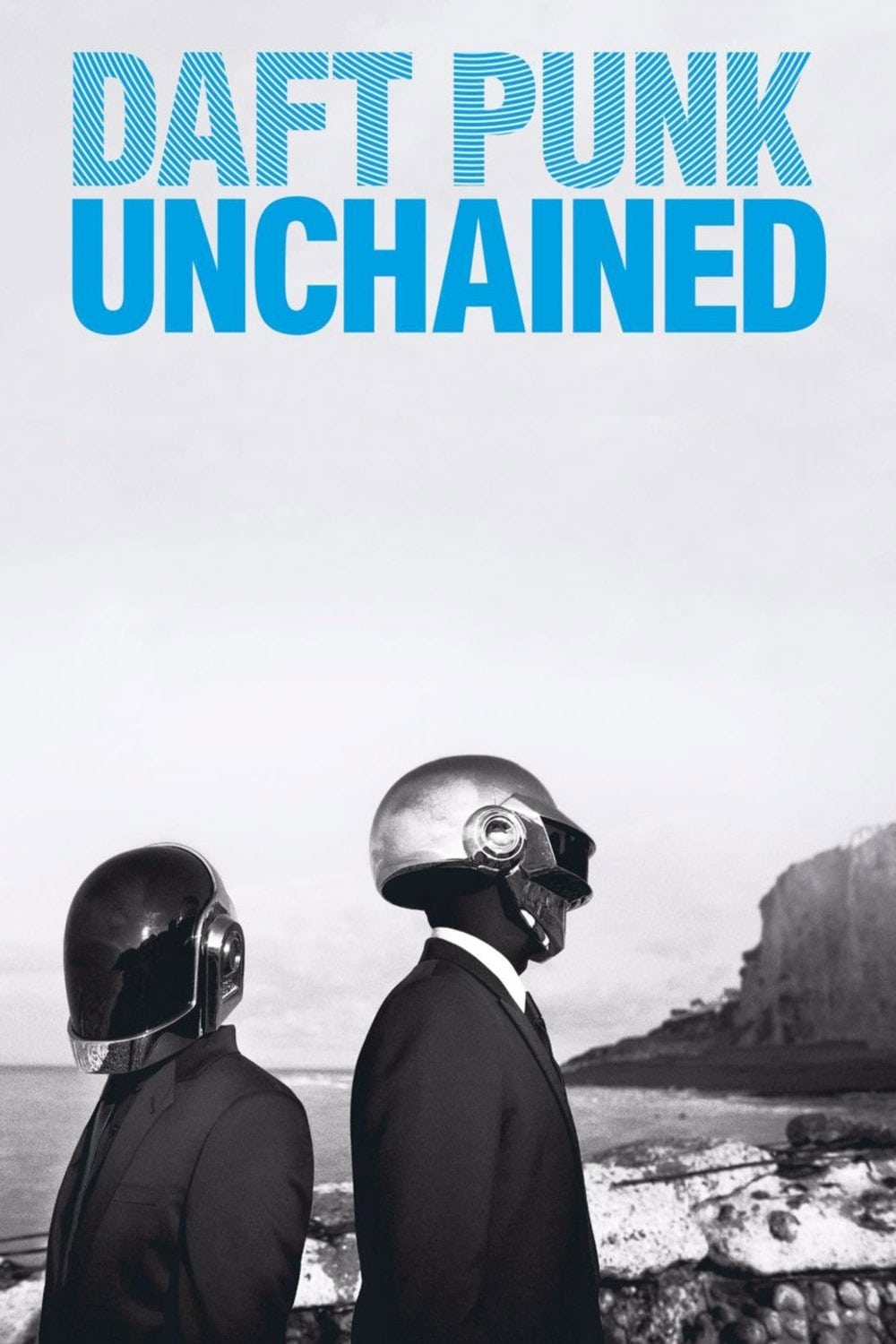
Daft Punk Unchained is the first film about the pop culture phenomenon that is Daft Punk, the duo with 12 million albums sold worldwide and seven Grammy Awards. Throughout their career Thomas Bangalter and Guy-Manuel de Homem-Christo have always resisted compromise and the established codes of show business. They have remained determined to maintain control of every link in the chain of their creative process. In the era of globalisation and social networks, they rarely speak in public and neither do they show their faces on TV. This documentary explores this unprecedented cultural revolution revealing a duo of artists on a permanent quest for creativity, independence and freedom.
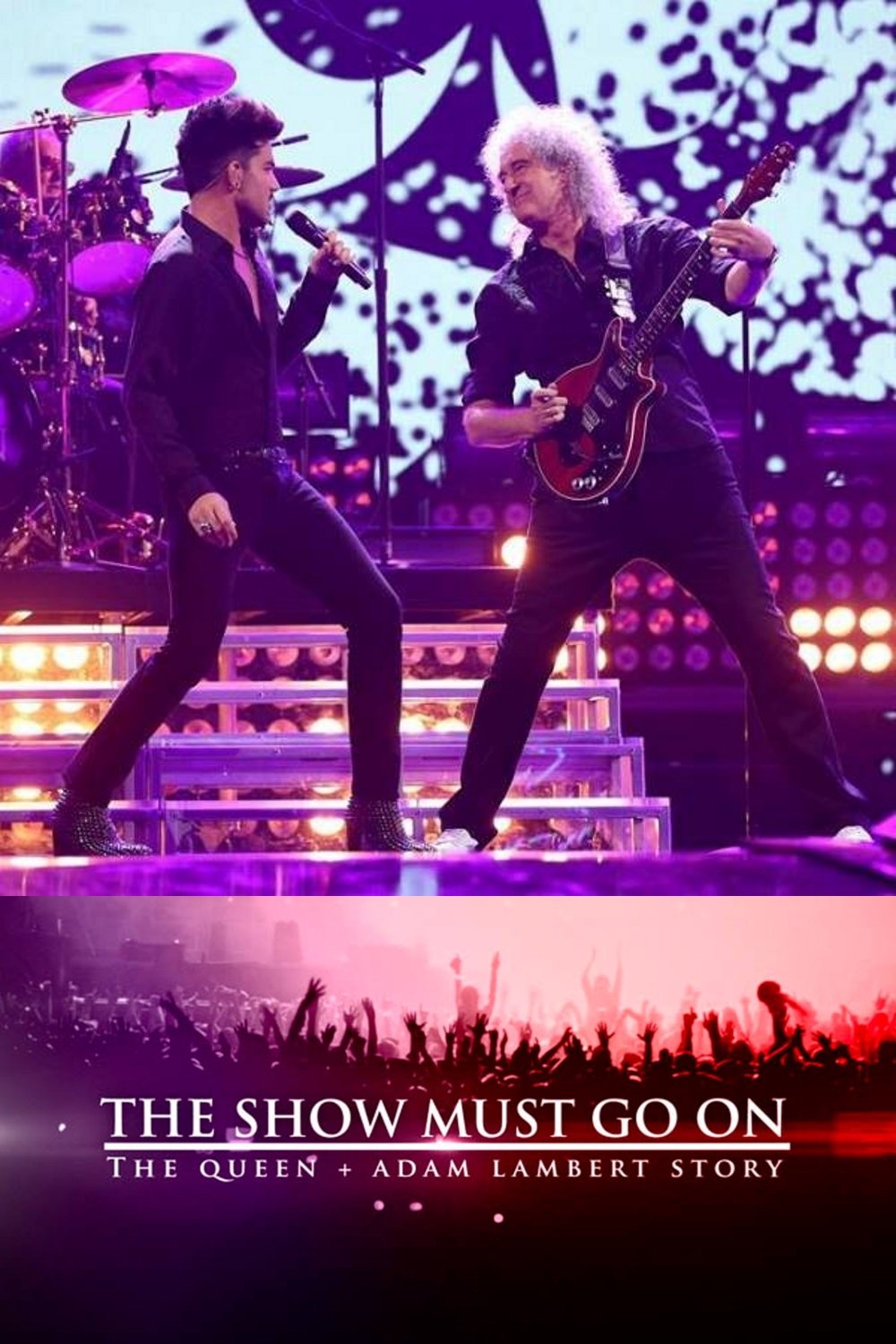
A documentary chronicling Queen and Lambert's incredible journey since they first shared the stage together on "American Idol" in 2009.
A documentary that explores the downloading revolution; the kids that created it, the bands and the businesses that were affected by it, and its impact on the world at large.
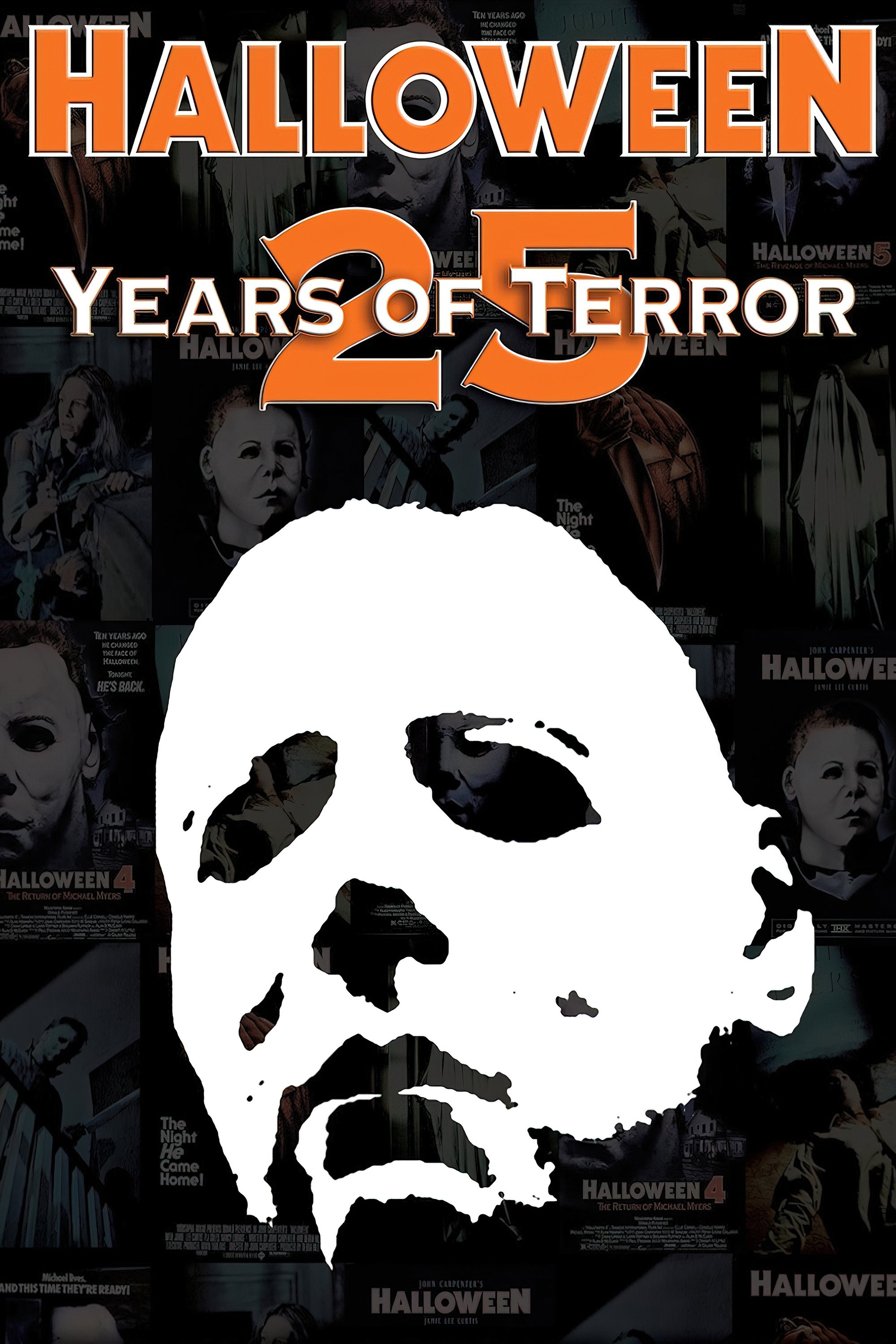
Follow the evolution of the 'Halloween' movies over the past twenty-five years. It examines why the films are so popular and revisits many of the original locations used in the films - seeing the effects on the local community. For the first time, cast, crew, critics and fans join together in the ultimate 'Halloween' retrospective.
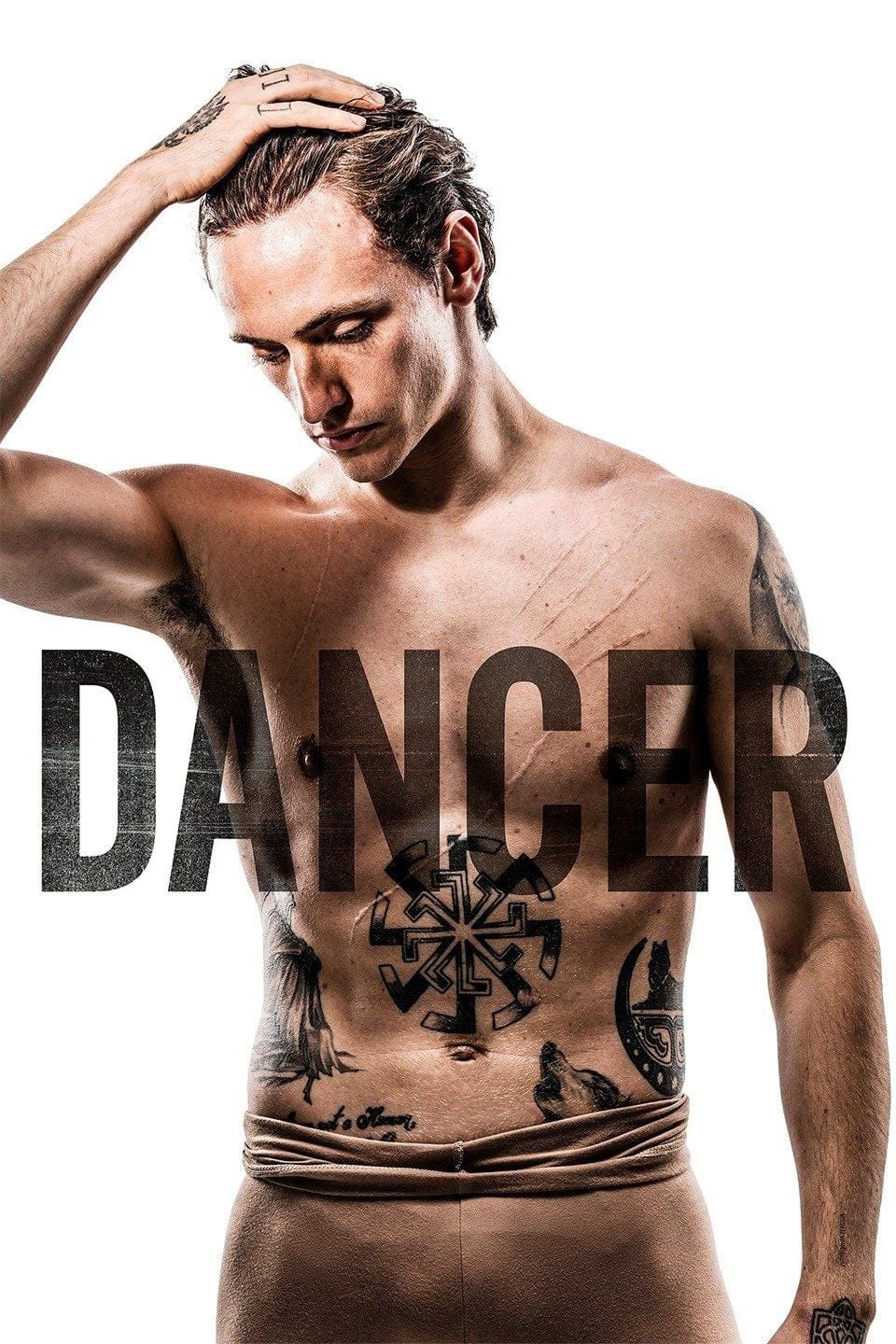
Sergei Polunin is a breathtaking ballet talent who questions his existence and his commitment to dance just as he is about to become a legend.
A documentary about how a dominant cultural and demographic institution both sustains their traditional activities and adapts to the digital revolution.
The life and career of an actor, artist, and icon. His own journey through his own camera.
In this fascinating Oscar-nominated documentary, American guitarist Ry Cooder brings together a group of legendary Cuban folk musicians (some in their 90s) to record a Grammy-winning CD in their native city of Havana. The result is a spectacular compilation of concert footage from the group's gigs in Amsterdam and New York City's famed Carnegie Hall, with director Wim Wenders capturing not only the music -- but also the musicians' life stories.
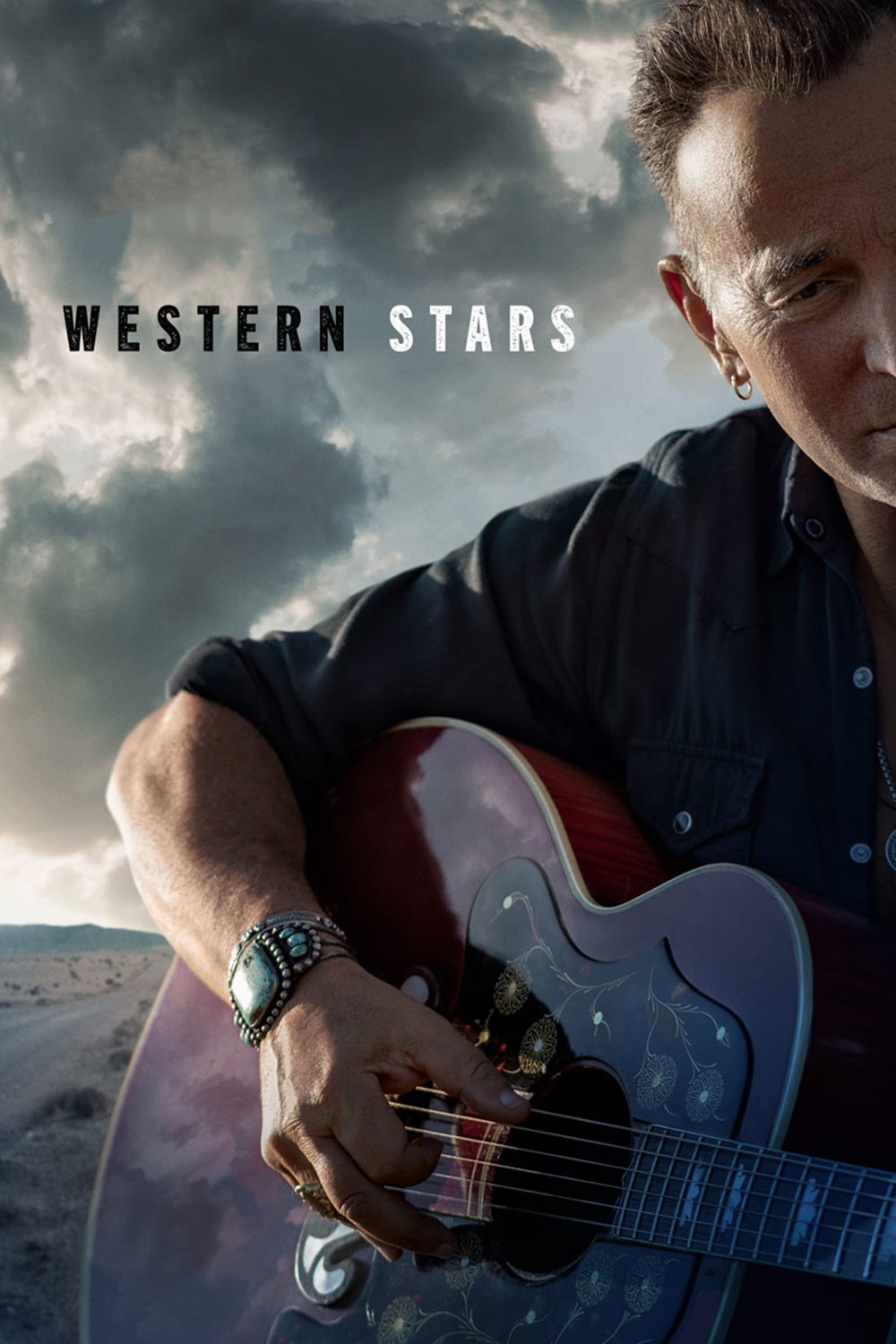
The incomparable Bruce Springsteen performs his critically acclaimed latest album and muses on life, rock, and the American dream, in this intimate and personal concert film co-directed by Thom Zimny and Springsteen himself.
Live Aid was held on 13 July 1985, simultaneously in Wembley Stadium in London, England, and the John F. Kennedy Stadium in Philadelphia, United States. It was one of the largest scale satellite link-ups and television broadcasts of all time: watched live by an estimated global audience of 1.9 billion, across 150 nations. "It's twelve noon in London, seven AM in Philadelphia, and around the world it's time for Live Aid...!"
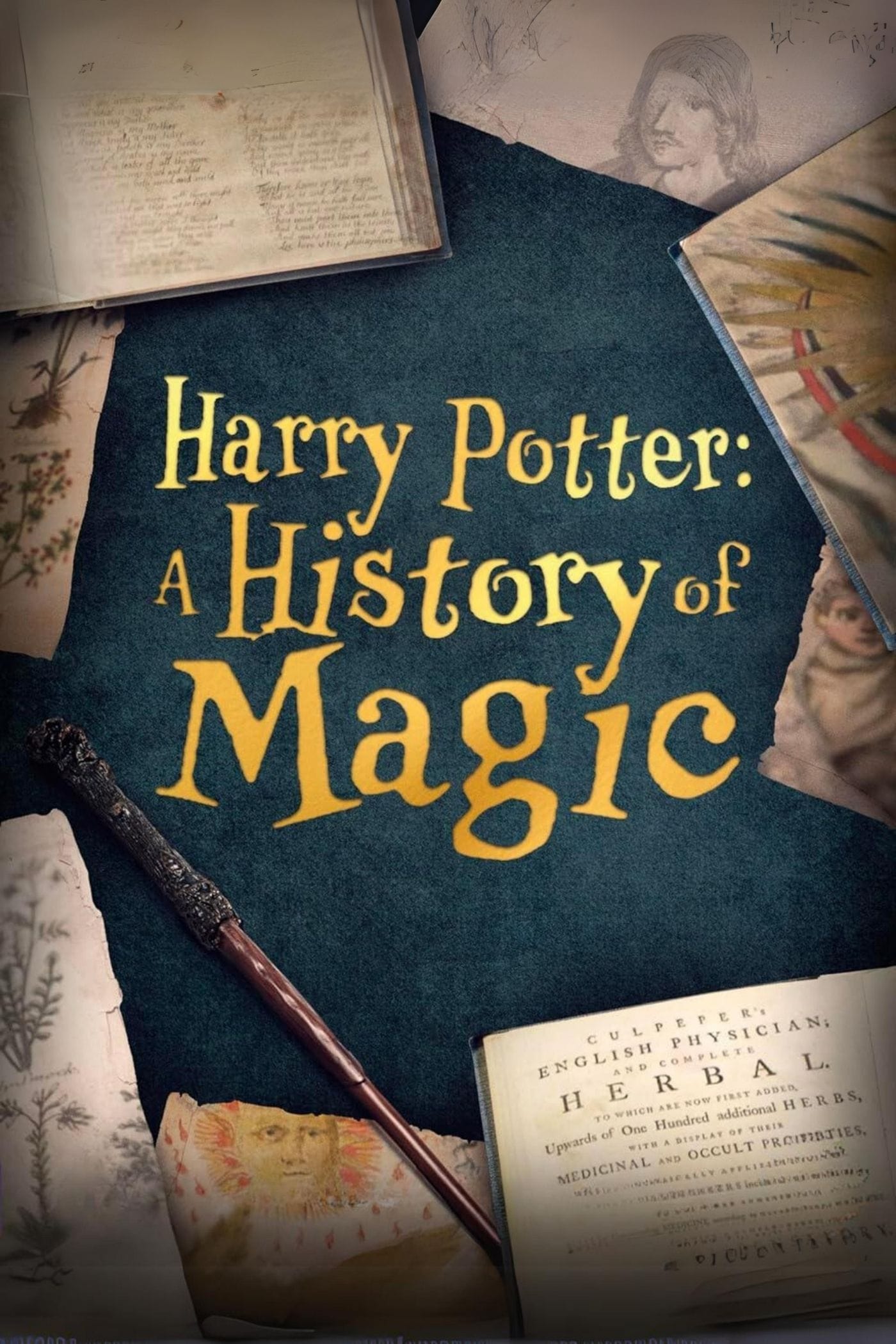
A thrilling journey through legends, belief and folklore, this film goes behind the scenes with the British Library as they search to tell that story through objects in their collection, in an ambitious new exhibition: Harry Potter: A History Of Magic. J.K. Rowling, who is lending unseen manuscripts, drawings and drafts from her private archives (which will sit alongside treasures from the British Library, as well as original drafts and drawings from Jim Kay) talks about some of the personal items she has lent to the exhibition and gives new insight into her writing, looking at some of the objects from the exhibition that have fired her imagination.