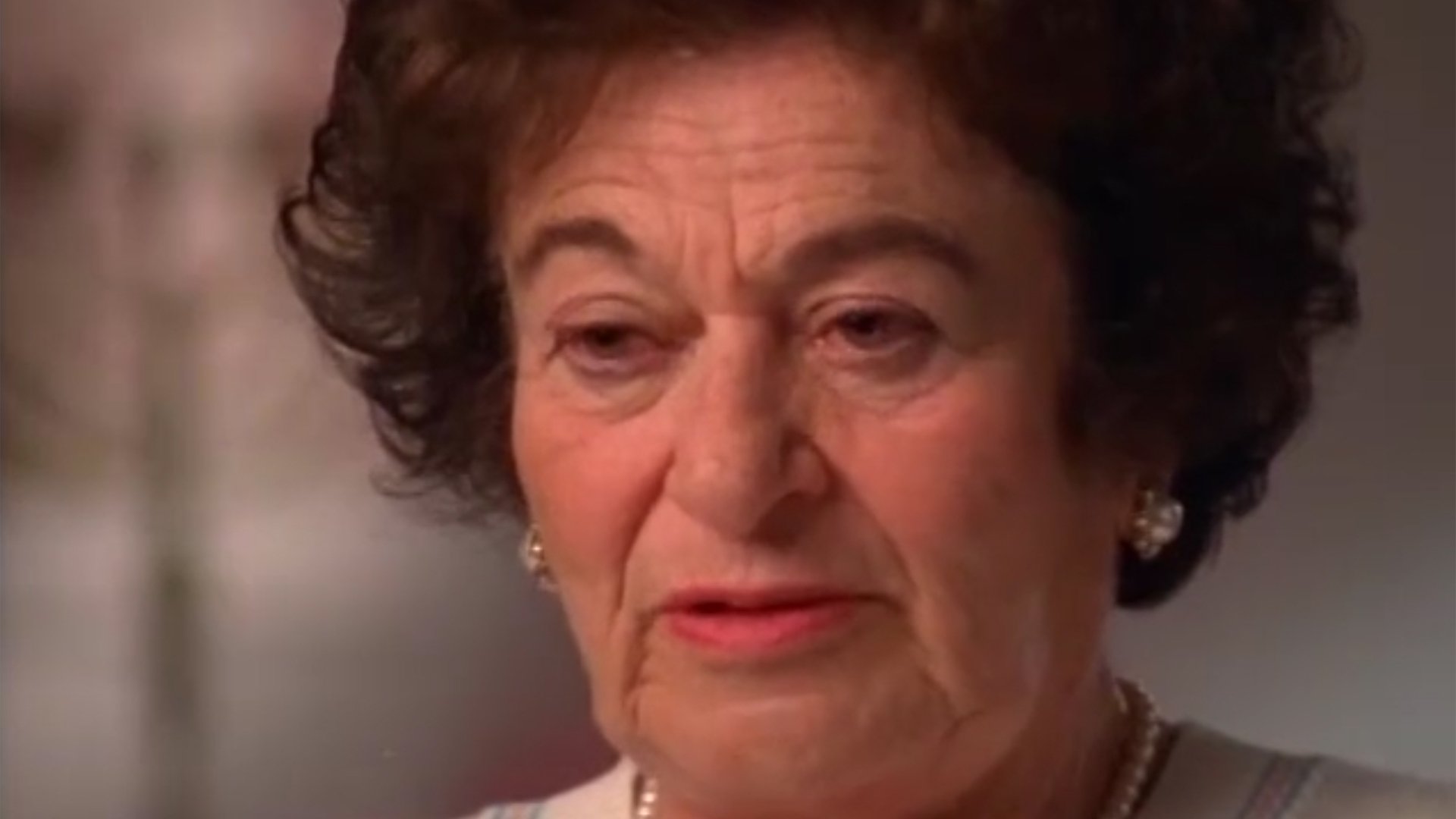
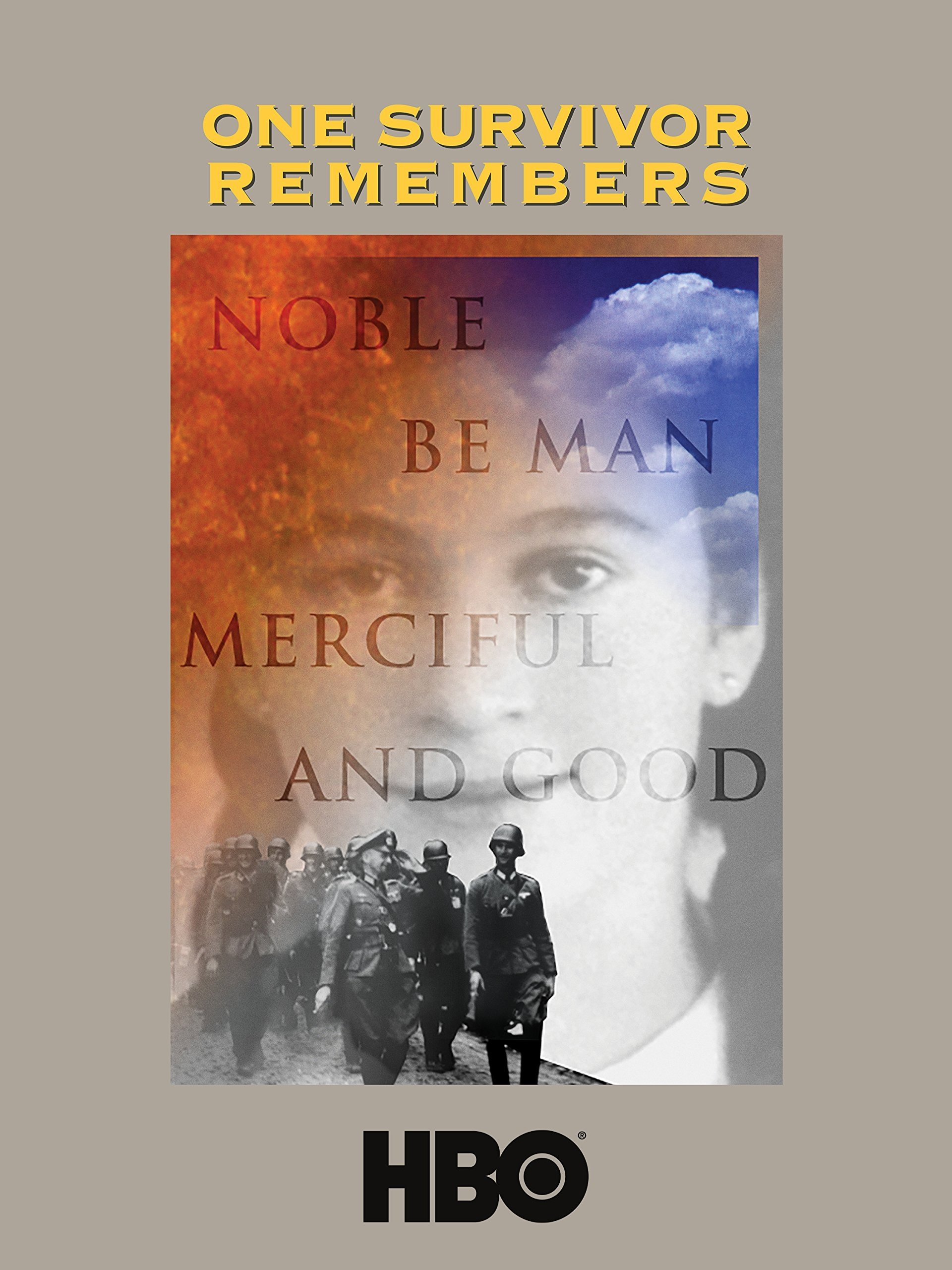
Co-produced by the U.S. Holocaust Memorial Museum Research Institute, this Academy Award-winning documentary relates the harrowing story of Gerda Weissmann Klein and her journey of survival and remembering both before and after the war.
Social & External
The people behind it
Gerda Weissmann Klein
Herself
Kurt Klein
Himself
Peter Thomas
Narrator (voice)
Documentary style presentation of the work of RAF Coastal Command. Shows their work in protecting convoys and attacking enemy aircraft, ships and U-boats, all done by the actual men & women of the RAF.
A short documentary about the work of the National Trust in Great Britain
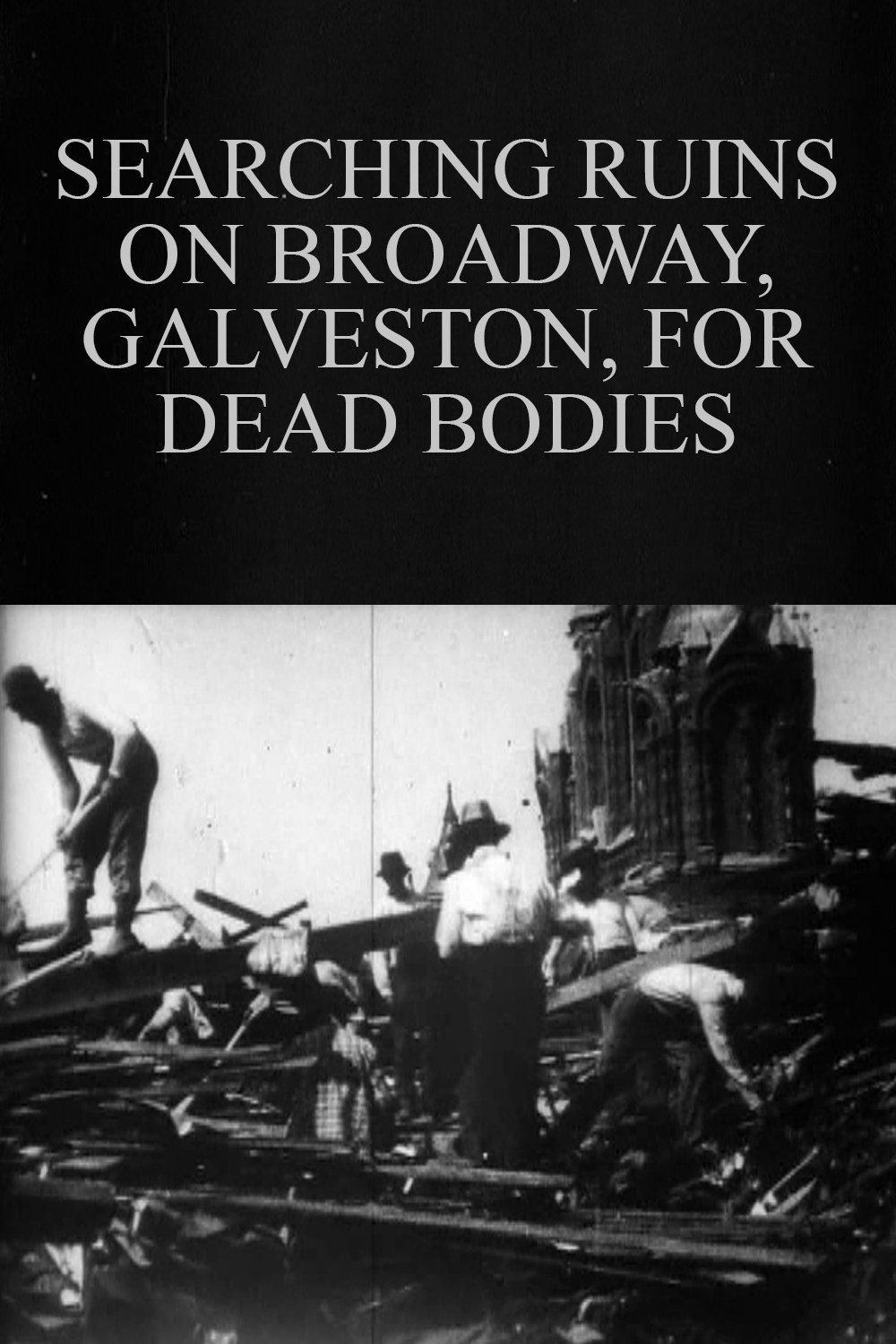
This shows the heart of one of the tremendous drifts in the east end of Galveston. Hundreds of dead bodies are concealed in these immense masses, and at the time the picture was taken the odor given out could be detected for miles. The subject shows a gang of laborers clearing away the debris in the search for corpses, one of which was discovered while the picture was being taken. (Edison film catalog)
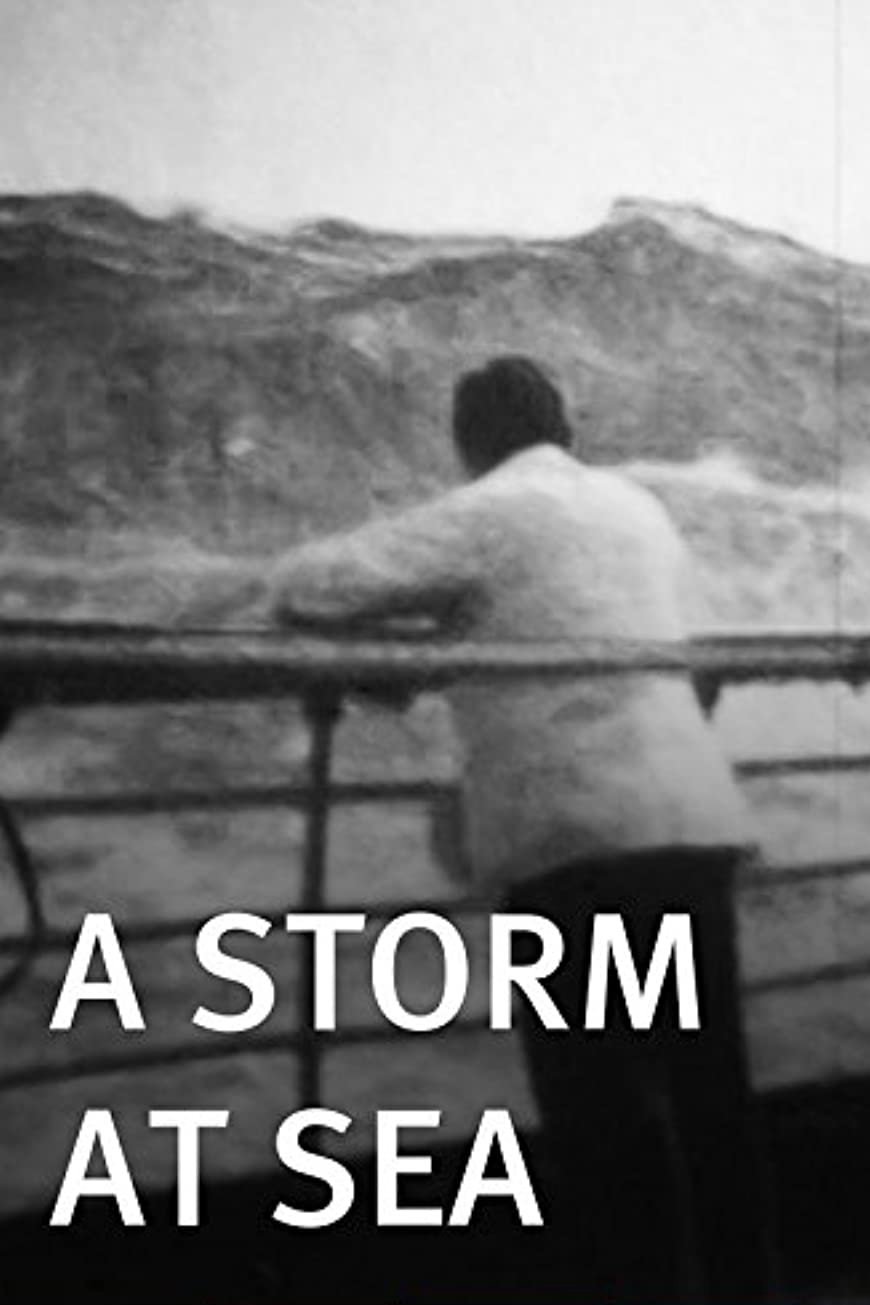
While our photographers were crossing the Atlantic Ocean a most wonderful and sensational picture was secured, showing a storm at sea. The picture was secured by lashing the camera to the after bridge of the Kaiserine Maria Theresa, of the North German Lloyd Line, during one of its roughest voyages. The most wonderful storm picture ever photographed. Taken at great risk. (Edison Films, 1901)
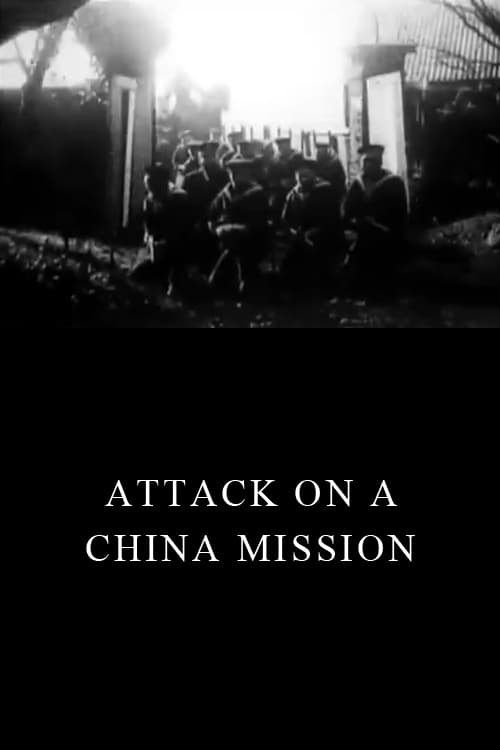
The titles tell us this film is based on an incident in the Boxer Rebellion. A man tries to defend a woman and a large house against Chinese attackers. They attack with swords, guns, and paddles. He's over-matched. What will become of the mission, its defenders, and its occupants?
This documentary is showing Nazi Germany in color. The original and unique color images are portraying the war and German life of the time. You will see the Nazis at work but also in their private situations. All film images are original and fully restored color recordings.
The true WWII story of Audie Murphy, the most decorated soldier in U.S. history. Based on the autobiography of Audie Murphy who stars as himself in the film.
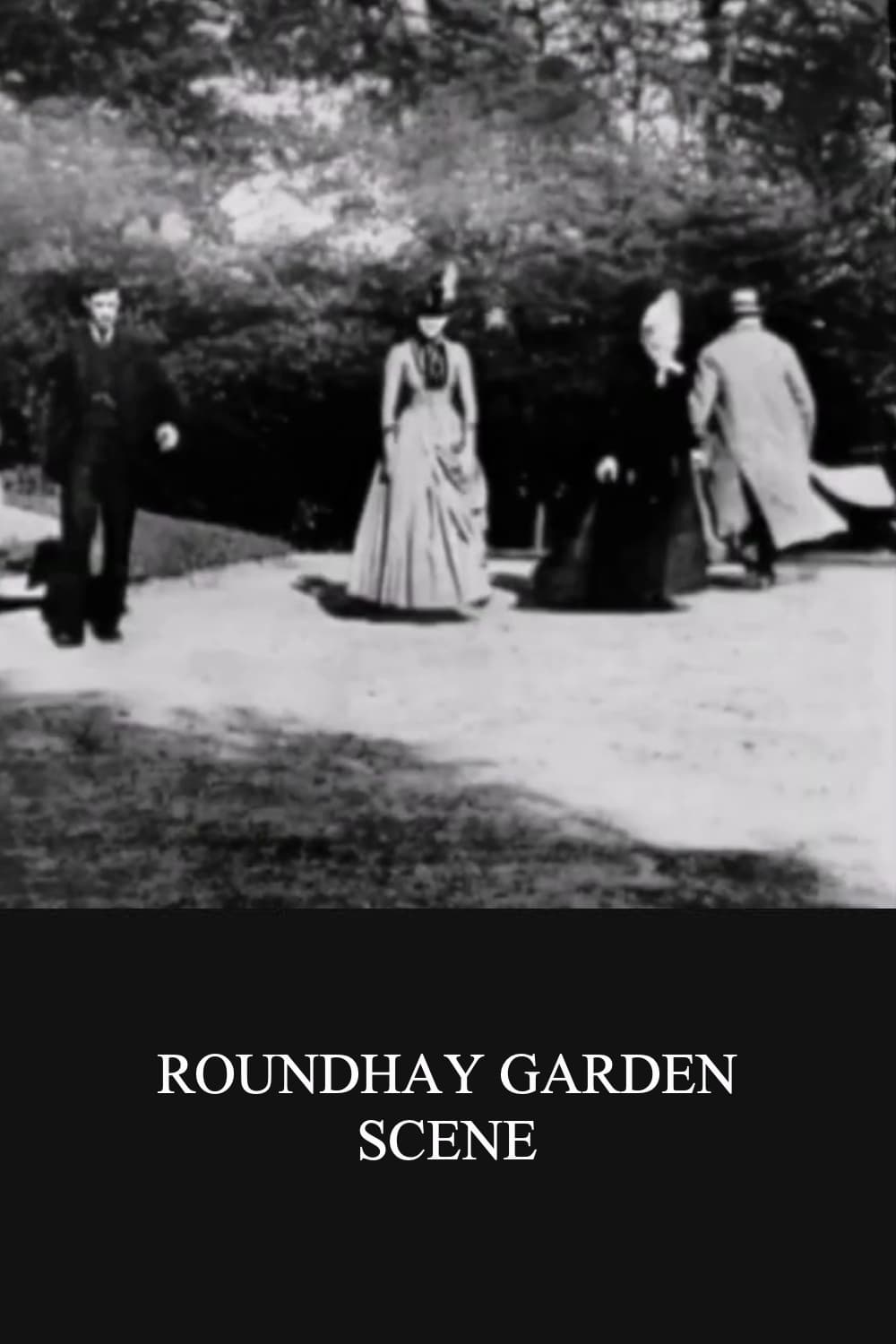
The earliest surviving motion-picture film, and believed to be one of the very first moving images ever created, was shot by Louis Aimé Augustin Le Prince using the LPCCP Type-1 MkII single-lens camera. It was taken on paper-based photographic film in the garden of Oakwood Grange, the Whitley family house in Roundhay, Leeds, West Riding of Yorkshire (UK), on 14 October 1888. The film shows Adolphe Le Prince (Le Prince’s son), Mrs. Sarah Whitley (Le Prince’s mother-in-law), Joseph Whitley, and Miss Harriet Hartley walking around in circles, laughing to themselves, and staying within the area framed by the camera. Roundhay Garden Scene is often associated with a recording speed of around 12 frames per second and runs for about 2 to 3 seconds.
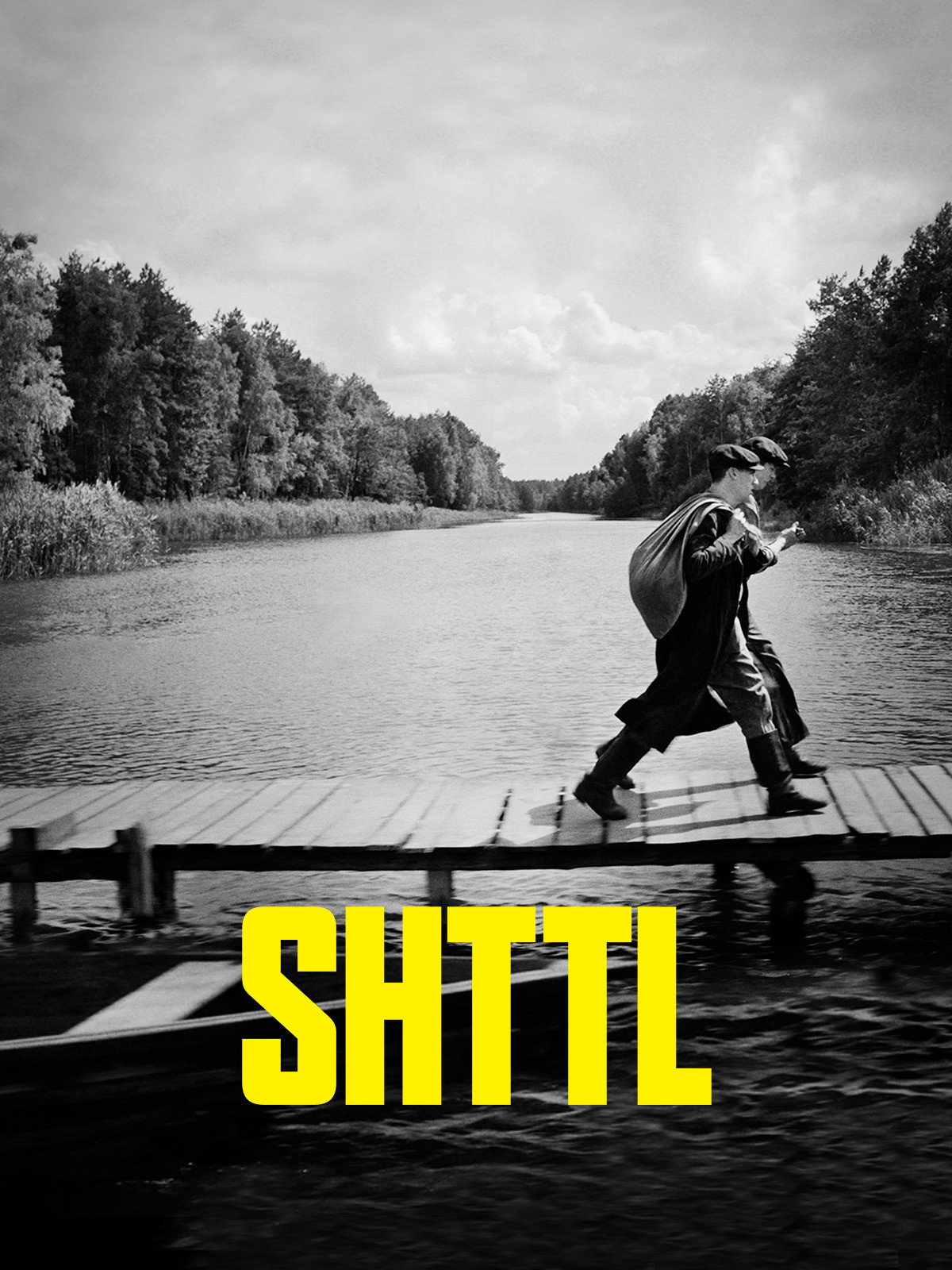
In one continuous shot, SHTTL shows the lives, loves, and inner conflicts within a Yiddish speaking shtetl on the border between Ukraine and Poland - one day before the Nazi invasion of the Soviet Union.
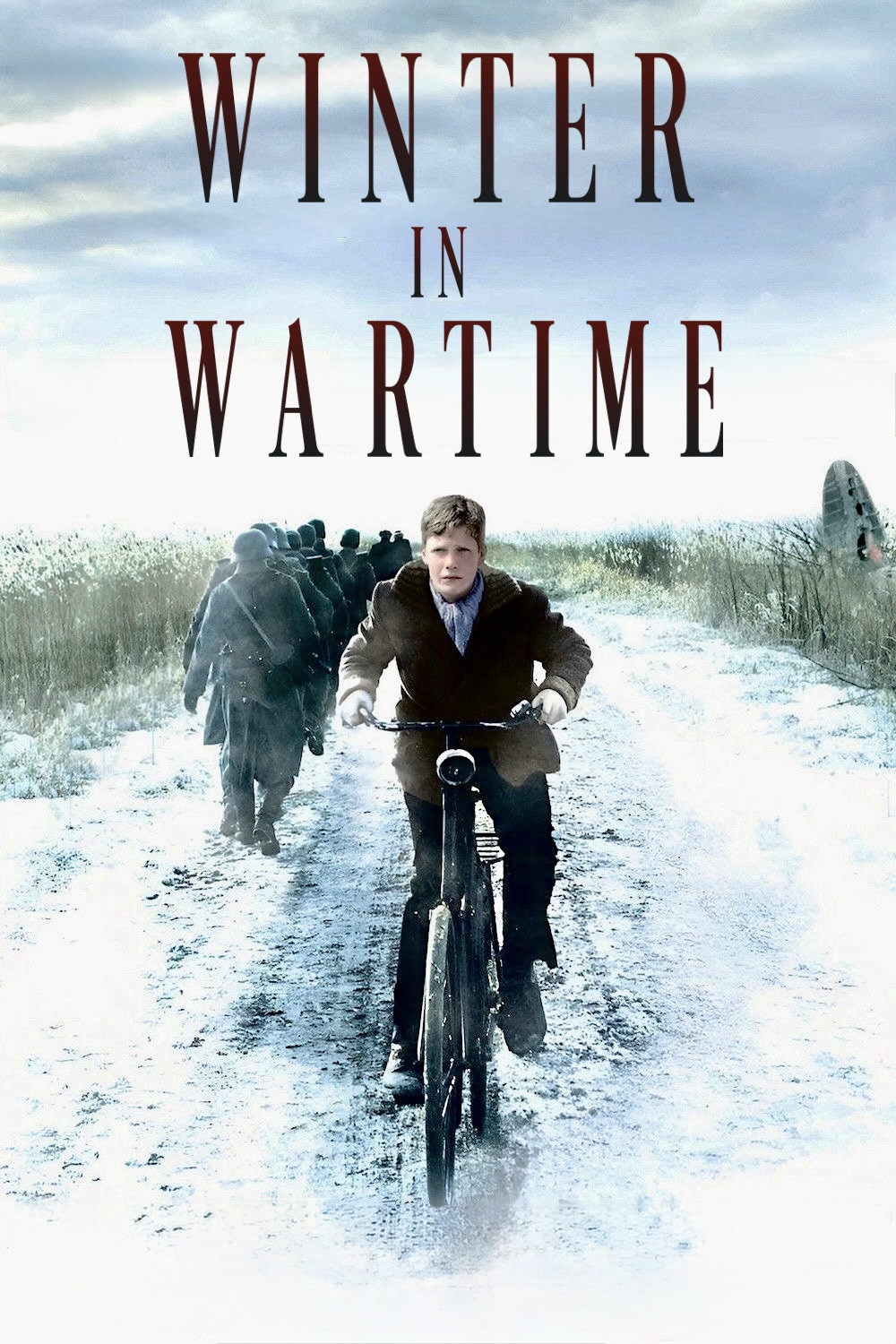
During World War II in the freezing winter of 1944-45 the western Netherlands are in the grip of a famine. Many people move east to provide for their families. Fourteen year old Michiel can't wait to join the Dutch resistance, to the dismay of his father, who, as mayor, works to prevent escalations in the village.
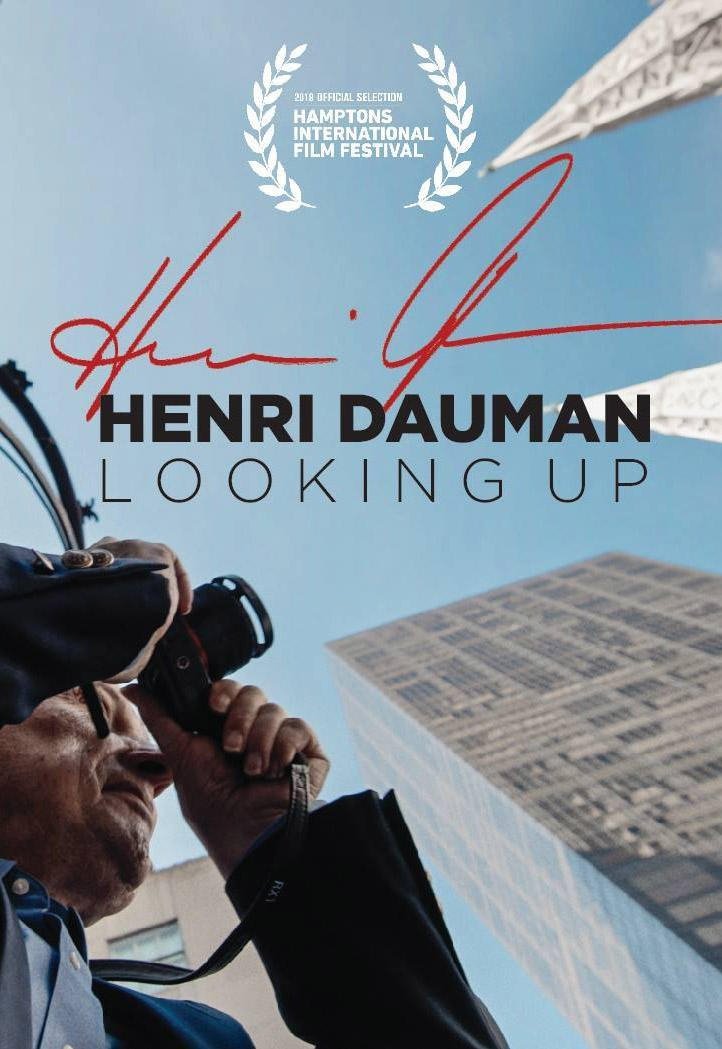
The perfectionist Life magazine photojournalist, famous for his pictures of Elvis, Jackie, and Marilyn, makes an emotional return to France, where he and his Jewish mother almost during World War II.
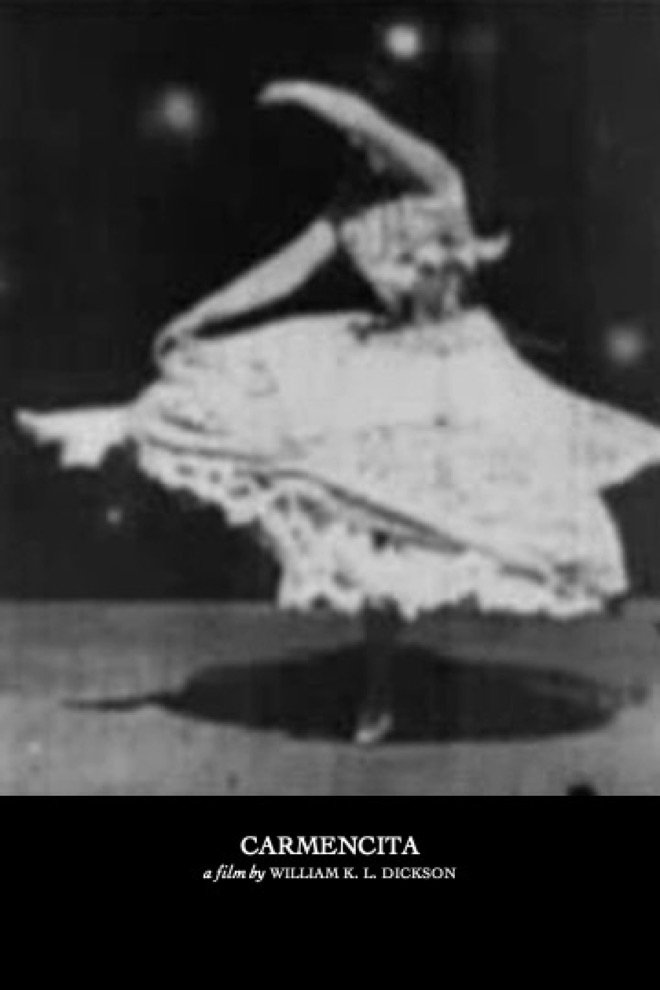
The first woman to appear in front of an Edison motion picture camera and possibly the first woman to appear in a motion picture within the United States. In the film, Carmencita is recorded going through a routine she had been performing at Koster & Bial's in New York since February 1890.
Surfing at Waikiki Beach, Hawaii, on the island of Oahu. Most surfers are human, one is a dog. The educational documentary is part of the Bruce Scenic Novelties series.
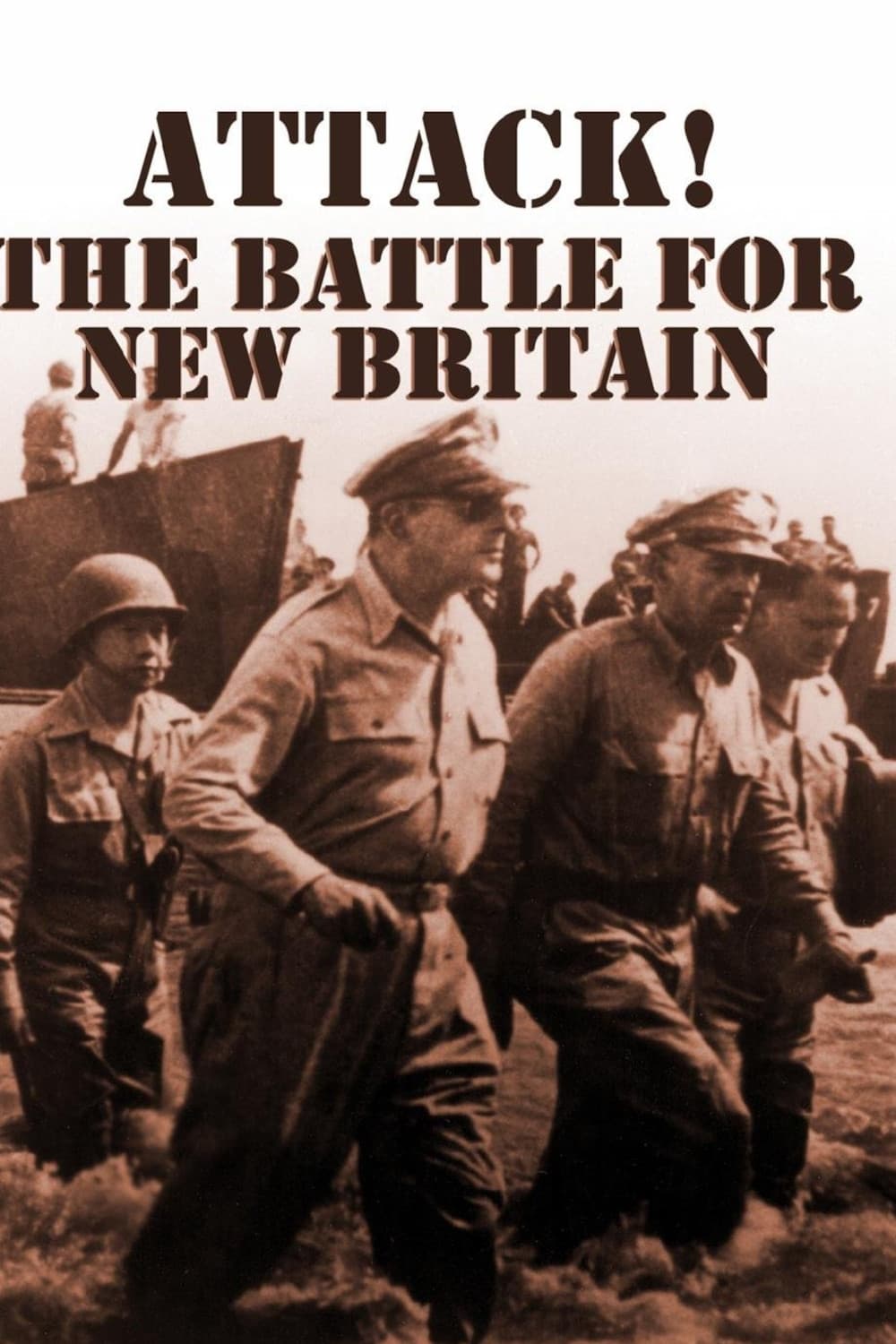
Actual footage by the United States Signal Corps of the landing and attack on Arawe Beach, Cape Glouster, New Britain island in 1943 in the South Pacific theatre of World War Two, and the handicaps of the wild jungle in addition to the Japanese snipers and pill-box emplacements.
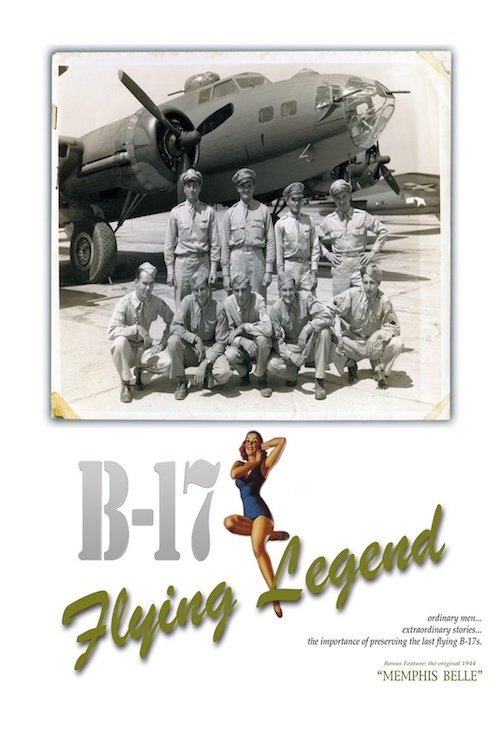
B-17 Flying Legend examines the importance of World War II's most famous airplane, and raises awareness about the importance of keeping the remaining B-17s flying for generations to come. This documentary covers the history of the airplane, from early designs to the outbreak of war, and the stories of bravery behind the faces of the men who flew them. It contrasts the past by also focusing on today's struggles to keep these flying museums in operation. Unless awareness is created to help with this preservation, in the near future B-17s will only be found in static displays. Almost 13,000 B-17s were built during the war. Sixty years later only 13 still fly. It is important to capture the history of the men behind these flying machines while they are still alive. It is also important to capture images of these machines while they still exist.

A pig farm in Lety, South Bohemia would make an ideal monument to collaboration and indifference, says writer and journalist Markus Pape. Most of those appearing in this documentary filmed in Slovakia, the Czech Republic, Poland, France, Germany and Croatia have personal experience of the indifference to the genocide of the Roma. Many of them experienced the Holocaust as children, and their distorted memories have earned them distrust and ridicule. Continuing racism and anti-Roma sentiment is illustrated among other matters by how contemporary society looks after the locations where the murders occurred. However, this documentary film essay focuses mainly on the survivors, who share with viewers their indelible traumas, their "hole in the head".
The classic movie "The Great Escape" was based on a real life escape attempt during the second world war. This documentary follows Archaeologists who are trying to find the original tunnels dug by the real prisoners of war who escaped. Some of the surviving prisoners also join the team to assist with the tunnel locations and to describe what it was really like to live that situation. In an effort to understand the technical details of how this feet of ingenuity was achieved, the team recreate some of the equipment used by the prisoners.

Eighty years after the devastating atomic bombings that ushered in the nuclear age, Bombshell explores how the U.S. government manipulated the narrative about the atomic bombings of the Japanese cities Hiroshima and Nagasaki. Through propaganda, censorship and the co-opting of the press, the government presented a benevolent picture of atomic power, minimizing the horrific human toll. Bombshell sheds light on the efforts of a group of intrepid reporters to let the world know the truth.
You are about to enter the world of double-cross and triple-cross, of information and disinformation, of betrayal, blackmail, and murder. It is the world of international espionage with recently declassified and never before seen footage. A made-to-VHS documentary from the 1990s.
“The Soviet Story” is a story of an Allied power, which helped the Nazis to fight Jews and which slaughtered its own people on an industrial scale. Assisted by the West, this power triumphed on May 9th, 1945. Its crimes were made taboo, and the complete story of Europe’s most murderous regime has never been told. Until now...
In an intimate and joyful story of love in the face of loss, celebrated poets Andrea Gibson and Megan Falley find strength—and unexpected hilarity—in what might be their final year together.
The history of cinematic sound, told by legendary sound designers and visionary filmmakers.
An unprecedented and intimate look at the life, work and enduring legacy of British actress Audrey Hepburn (1929-1993).
A woman’s Holocaust memoir takes the world by storm, but a fallout with her publisher-turned-detective reveals her story as an audacious deception created to hide a darker truth.
A documentary examining possible historical and modern conspiracies surrounding Christianity, the 9/11 terrorist attacks, and the Federal Reserve bank.
This Oscar-winning documentary recounts the harrowing stories of five Hungarian Jews who endured the horrors of the Holocaust and Hitler's reign.
Diaries, audiotapes, videotapes and testimonials from friends and colleagues offer insight into the life and career of Gilda Radner -- the beloved comic and actress who became an icon on Saturday Night Live.
For the 20th anniversary of "Titanic," James Cameron reopens the file on the disaster.
This revealing documentary honors the legendary Sidney Poitier—iconic actor, filmmaker, and civil rights activist. Featuring interviews with Denzel Washington, Spike Lee, Halle Berry, and more.
A documentary on the expletive's origin, why it offends some people so deeply, and what can be gained from its use.
Experience the events of September 11, 2001 through the eyes of President Bush and his closest advisors as they personally detail the crucial hours and key decisions from that historic day.
An inside look at one of the most anticipated movie sequels ever with James Cameron and cast.
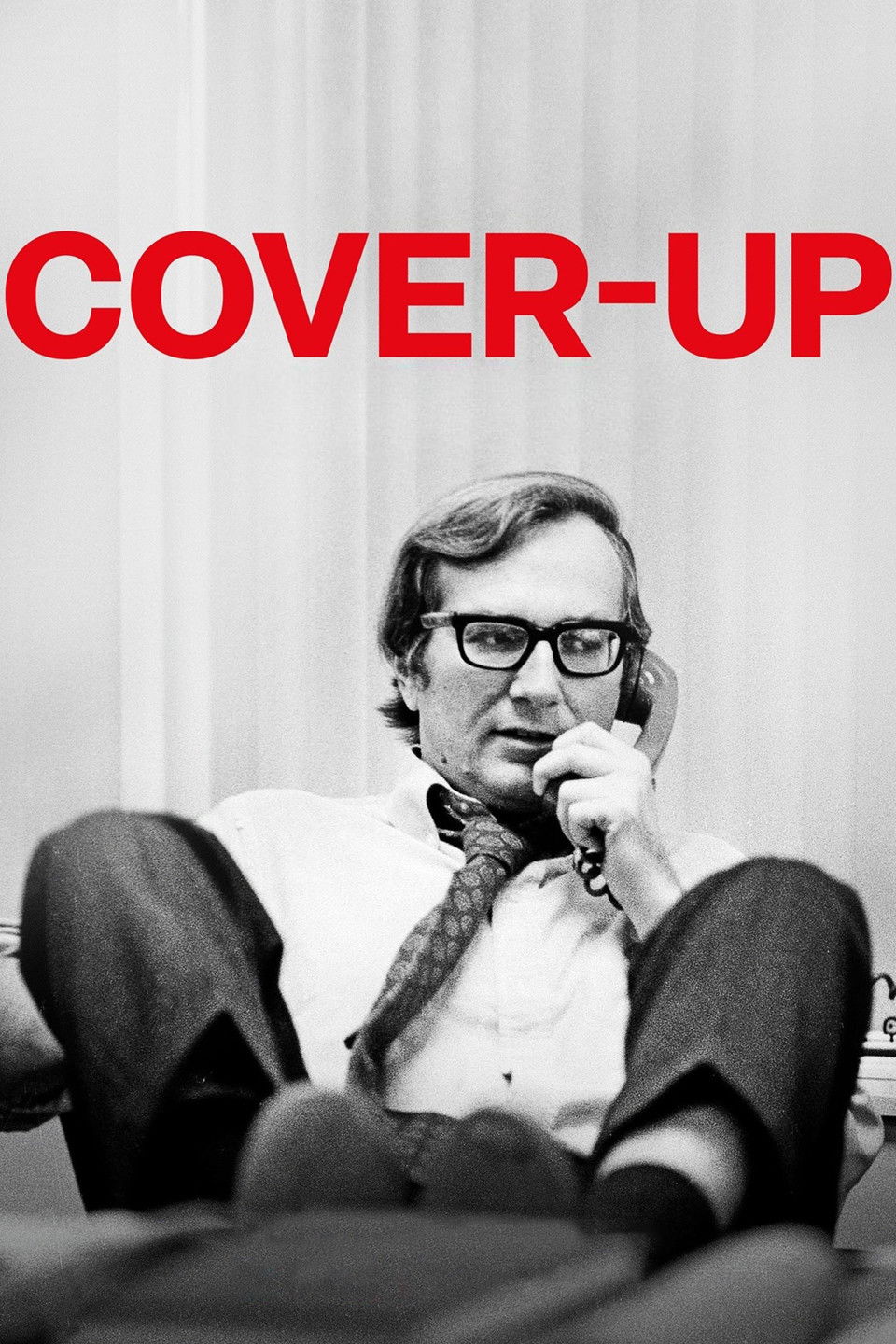
He's devoted his career to uncovering stories the powerful want buried. From My Lai to Abu Ghraib, dig into the life's work of journalist Seymour Hersh.
A subjective documentary that explores various theories about hidden meanings in Stanley Kubrick's classic film The Shining. Five very different points of view are illuminated through voice over, film clips, animation and dramatic reenactments.
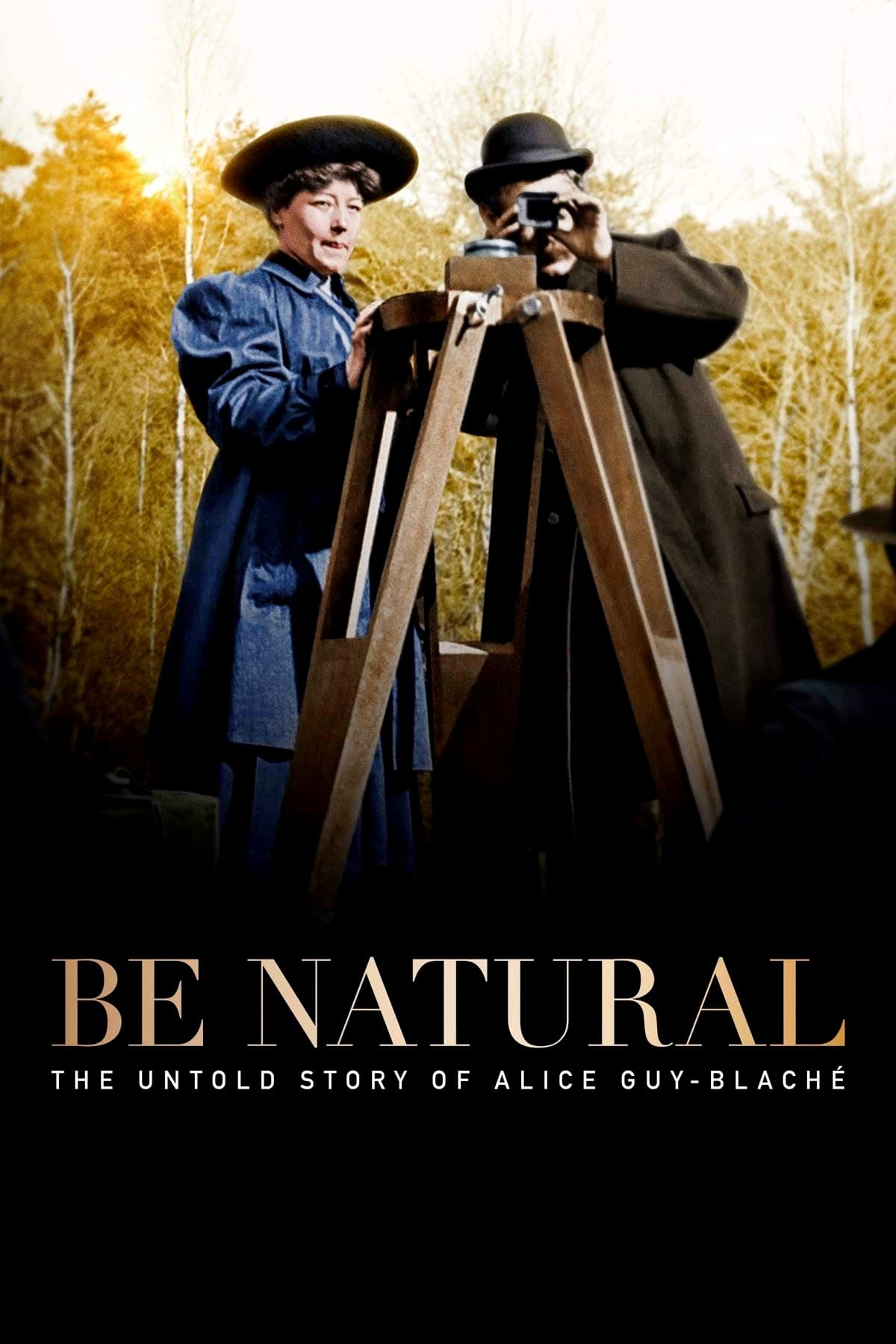
The epic life story of Alice Guy-Blaché (1873–1968), a French screenwriter, director and producer, true pioneer of cinema, the first person who made a narrative fiction film; author of hundreds of movies, but banished from history books. Ignored and forgotten. At last remembered.
Those who knew iconic funnyman John Candy best share his story, in their own words, through never-before-seen archival footage, imagery, and interviews.
Brilliant, long in-the-works story of the life and art of the world's greatest comedian and the cinema's first genius, Charlie Chaplin. Produced, written and directed by renowned film critic Richard Schickel.
Through deeply personal interviews with her siblings and an examination of the photographs, letters, and belongings left behind, Mariska assembles a new portrait of her mother Jayne Mansfield, an extraordinary and complex woman.
14-year-old Laura Dekker sets out on a two-year voyage in pursuit of her dream to become the youngest person ever to sail around the world alone.