Social & External
Created in 1963 at the height of the Cold War, this Civil Defense training film uses a dramatic premise to show how emergency staff should manage and organize a large public fallout shelter during a crisis. A Shelter Manager is shown immediately taking control of the situation in the shelter, speaking calmly to those who have made it into the facility, closing the door promptly once the shelter is full, and sticking to the "shelter plan" as the situation unfolds. Some of the areas discussed in this nuclear war drama are the safety plan, regular inspections, supervised public entry into shelters, ventilation, first aid, sanitation, fire prevention, decontamination of personnel, and more. "Shelter living is different," the Manager states, "But we have a trained staff that will make your stay in this shelter livable for us all."
A heavily dramatized Civil Defense film that demonstrates how a public fallout shelter is supposed to function after a nuclear attack. This scenario takes place in a fictional any town called "Middlebury". The film describes the situation in a public shelter in Middlebury following an attack on the United States.
Training film for shelter managers. Food, water, sanitation, medical, and radiation detection systems are explained.
This Cold War film "Information Within Public Shelters" (1953) takes place in a fallout shelter, showing how a well-trained staff that provides information to shelter occupants, can keep them busy and calm during nuclear armageddon. This film was produced as the U.S. Government began to shift from promoting privately-owned "family" fallout shelters to the concept of large, public shelters.
The termination of the INF Treaty between the USA and Russia shows how little mutual trust there is between the world powers today. Thanks to this agreement, short- and medium-range nuclear missiles were disarmed and banned at the end of the 1980s. The political situation has worsened again. Even Germany is discussing the development of its own nuclear weapons. Is a new Cold War looming?
In 1982, one year after the Soviet submarine U-137 had been found beached in Swedish waters, the Swedish government claimed to have captured another submarine in its waters. As time went on and no submarine turned up the shouts for proof grew louder and luder.
For 50 years, Berlin was the symbol of the Cold War. The city at the heart of the intelligence war between the US and the Soviet bloc. Thousands of KGB or CIA, agents observed each other, cogs in the biggest information war in history.
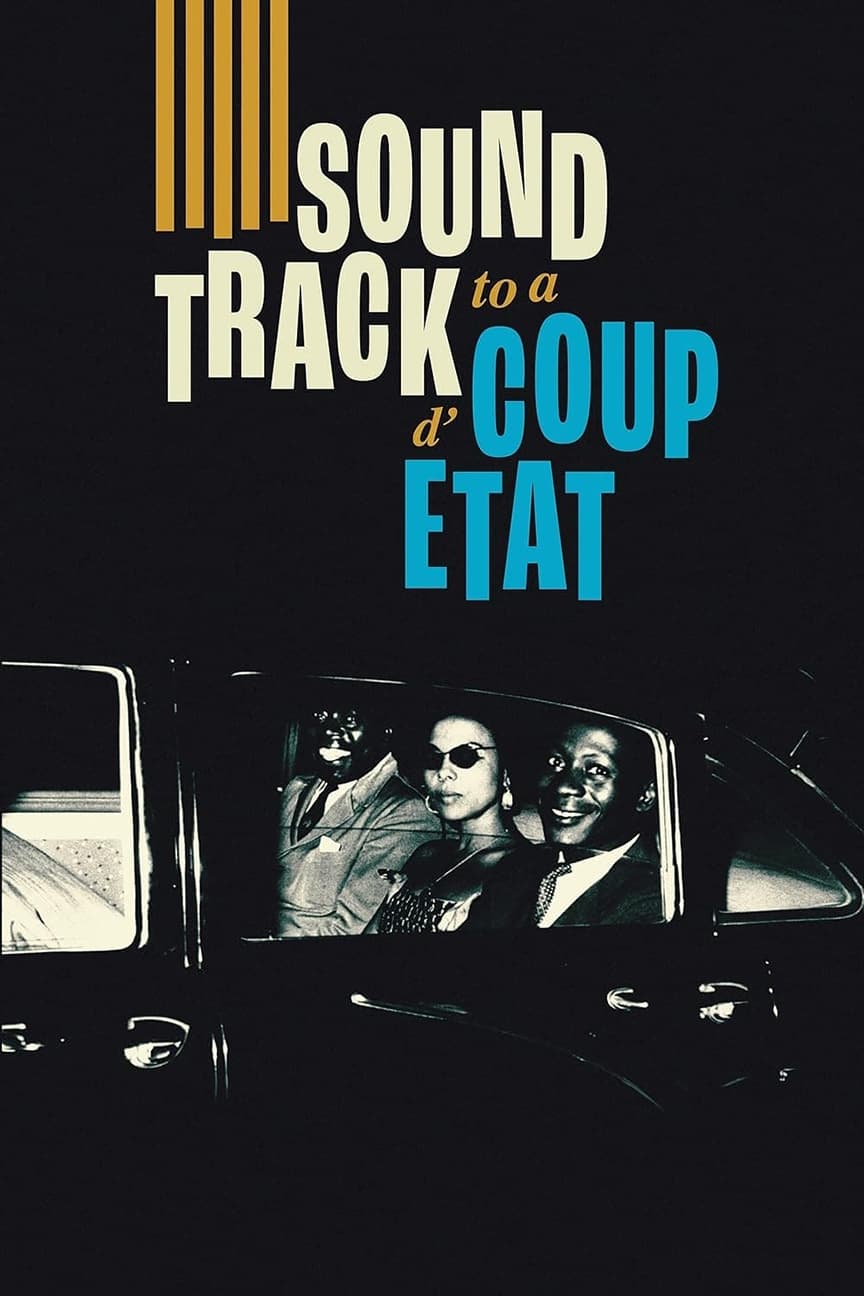
Jazz and decolonization are intertwined in a powerful narrative that recounts one of the tensest episodes of the Cold War. In 1960, the UN became the stage for a political earthquake as the struggle for independence in the Congo put the world on high alert. The newly independent nation faced its first coup d'état, orchestrated by Western forces and Belgium, which were reluctant to relinquish control over their resource-rich former colony. The US tried to divert attention by sending jazz ambassador Louis Armstrong to the African continent. In 1961, Congolese leader Patrice Lumumba was brutally assassinated, silencing a key voice in the fight against colonialism; his death was facilitated by Belgian and CIA operatives. Musicians Abbey Lincoln and Max Roach took action, denouncing imperialism and structural racism. Soviet Premier Nikita Khrushchev intensified his criticism of the US, highlighting the racial barriers that characterized American society.
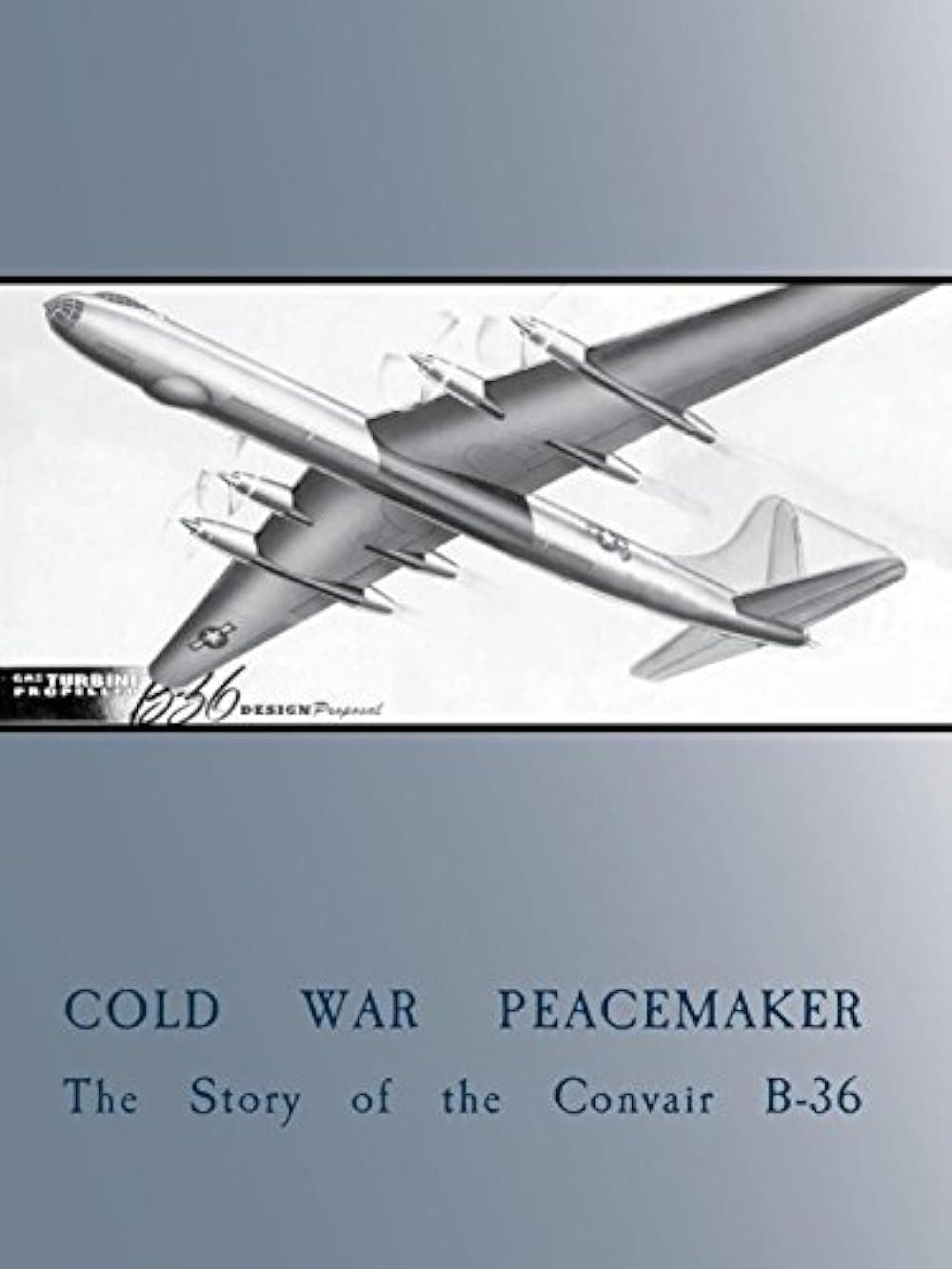
Cold War Peacemaker is the amazing and unique story of the development of the B-36 very-long-long-range nuclear bomber. From its beginnings during WWII, through construction in a former wild-west cattle town and deployment into the Cold War, the story of the Convair B-36 and how it intimidated the Soviet Union is a fascinating study in politics and technology. In Cold War Peacemaker, experience life during the Cold War as your parents and grandparents lived it and discover and understand how the Convair B-36 played a vital role in saving the free world from communist domination.
An account of the last two centuries of the Anthropocene, the Age of Man. How human beings have progressed so much in such a short time through war and the selfish interests of a few, belligerent politicians and captains of industry, damaging the welfare of the majority of mankind, impoverishing the weakest, greedily devouring the limited resources of the Earth.
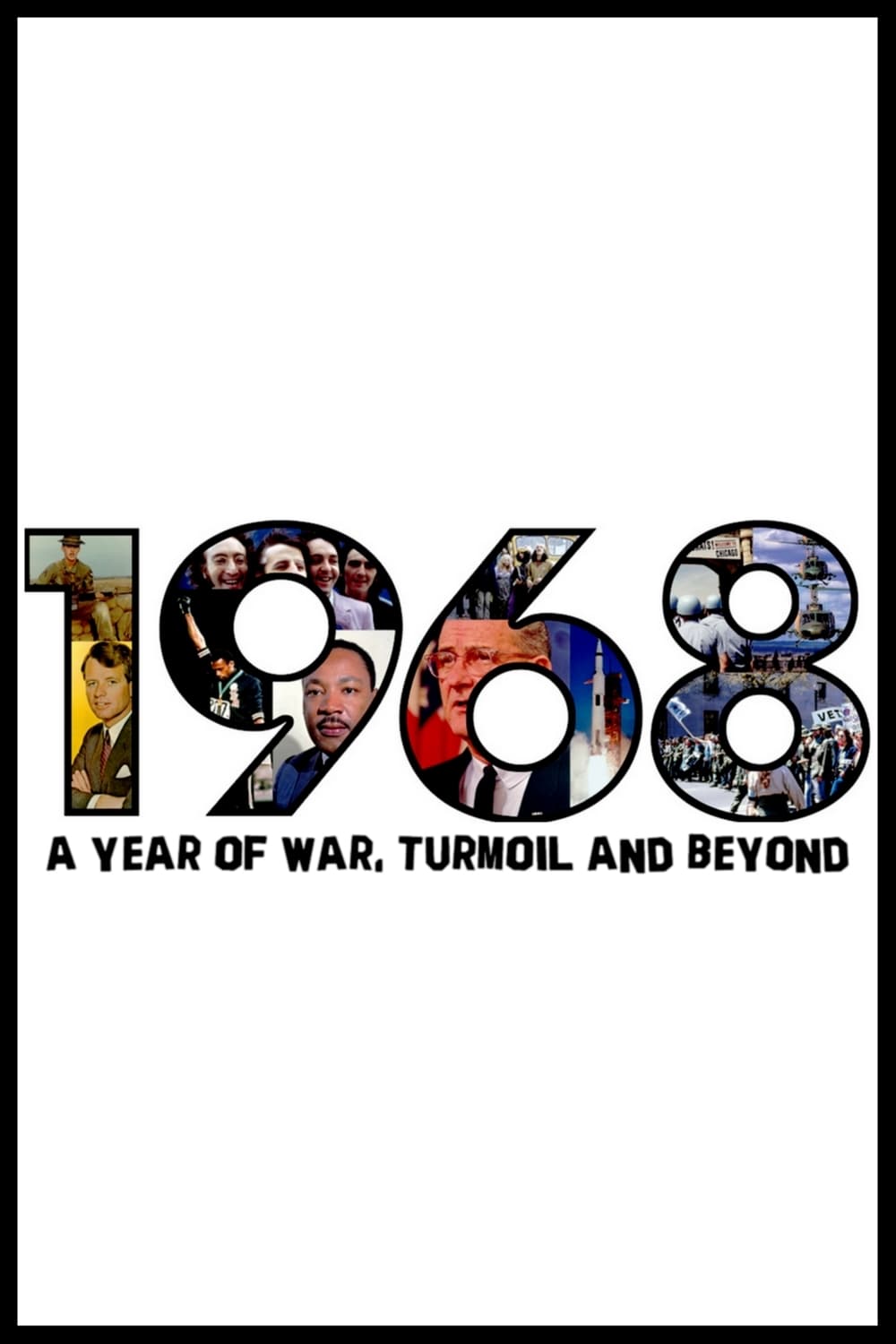
The Tet Offensive during the Vietnam War, the Civil Rights Movement, the May events in France, the assassinations of Martin Luther King and Robert F. Kennedy, the Prague Spring, the Chicago riots, the Mexico Summer Olympics, the presidential election of Richard Nixon, the Apollo 8 space mission, the hippies and the Yippies, Bullitt and the living dead. Once upon a time the year 1968.
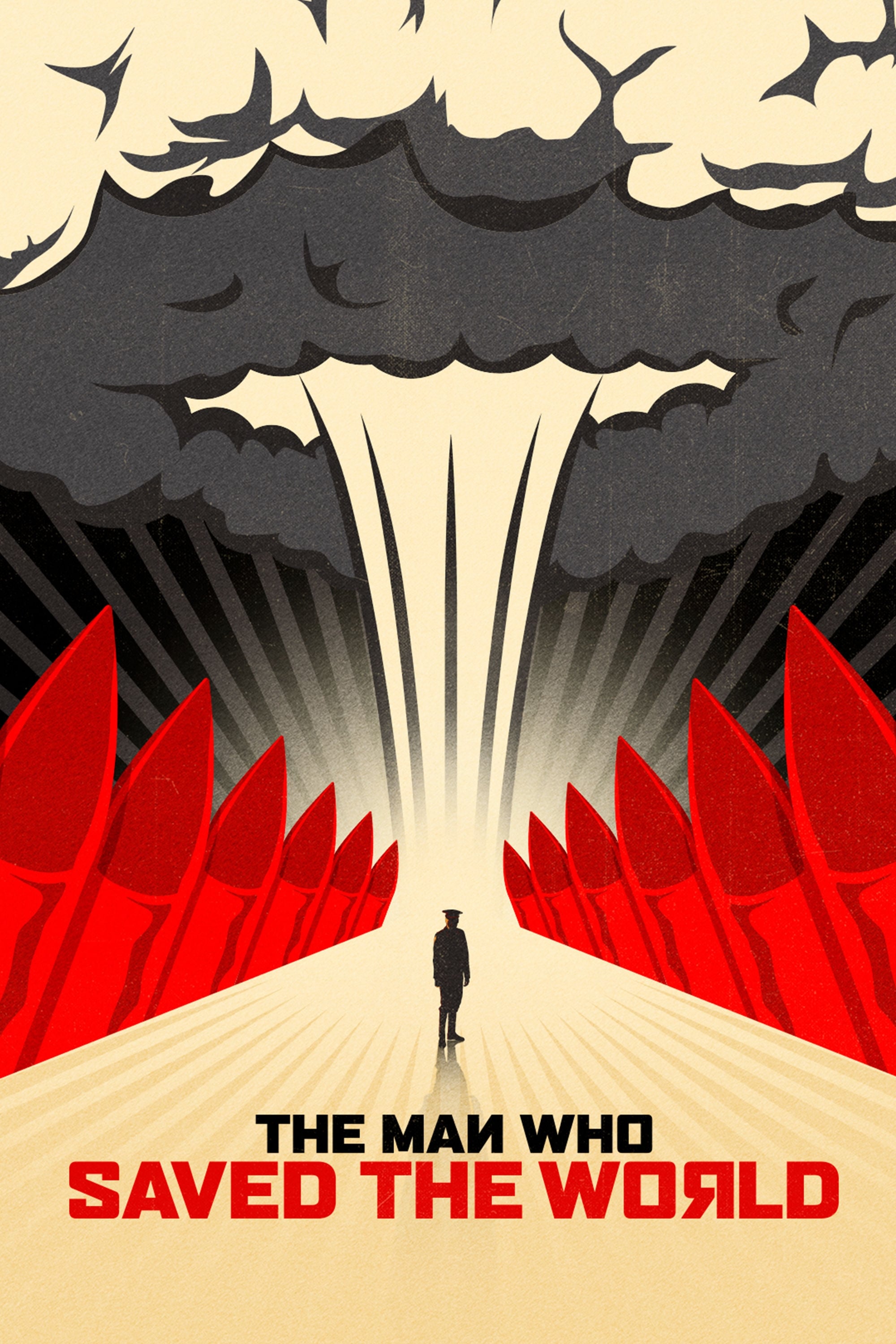
The Man Who Saved the World is a feature documentary film about Stanislav Petrov, a former lieutenant colonel of the Soviet Air Defence Forces.
On 12 March 1999 Polish Minister of Foreign Affairs, Prof. Bronisław Geremek, handed to the United States Secretary of State, Madeleine Albright, the act of Poland’s accession to NATO. In such a way, Poland became a member of NATO. The efforts made by Polish politicians and diplomats of various political stands date back to the beginning of the 90s – the collapse of the Warsaw Pact structure and the time of Lech Wałęsa’s presidency. Accession to NATO was the main objective of Polish diplomacy.
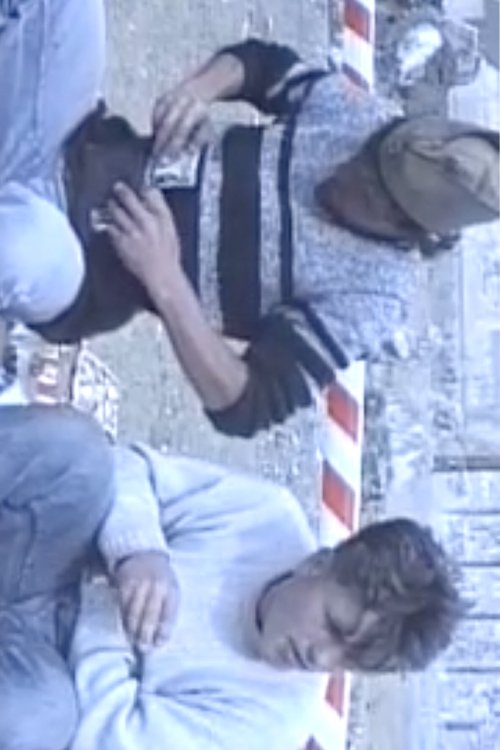
Filmed in Berlin, July 1990. Images of workers taking down the wall and street peddlers selling pieces of it to make a living.