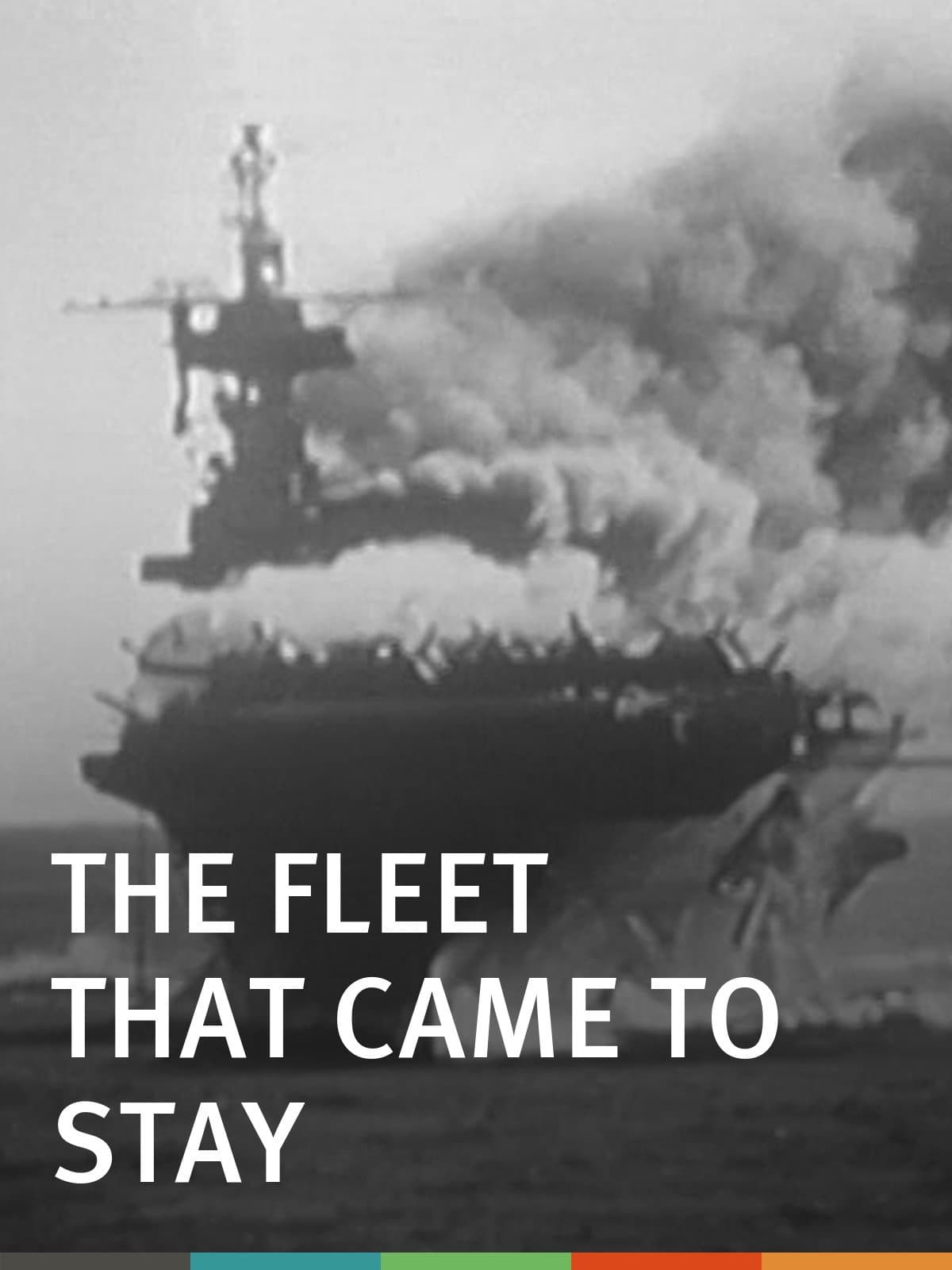
A propaganda short film produced by the US Navy in 1945 about the naval engagements of the invasion of Okinawa.
Social & External
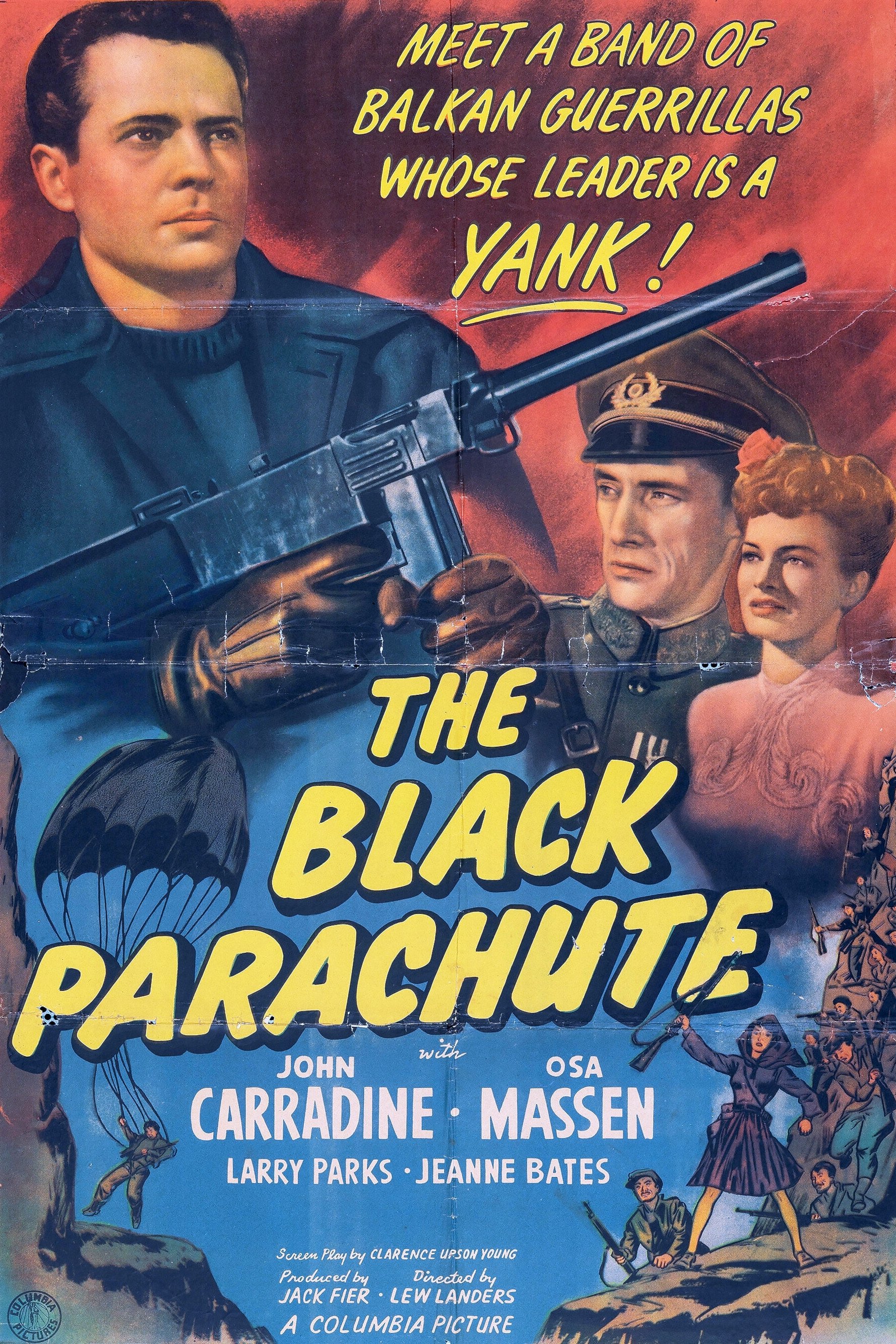
A paratrooper drops behind enemy lines to rescue the deposed king of a mythical Balkan nation.
The drama of the last days of the second world war through the eyes of children in rural areas.
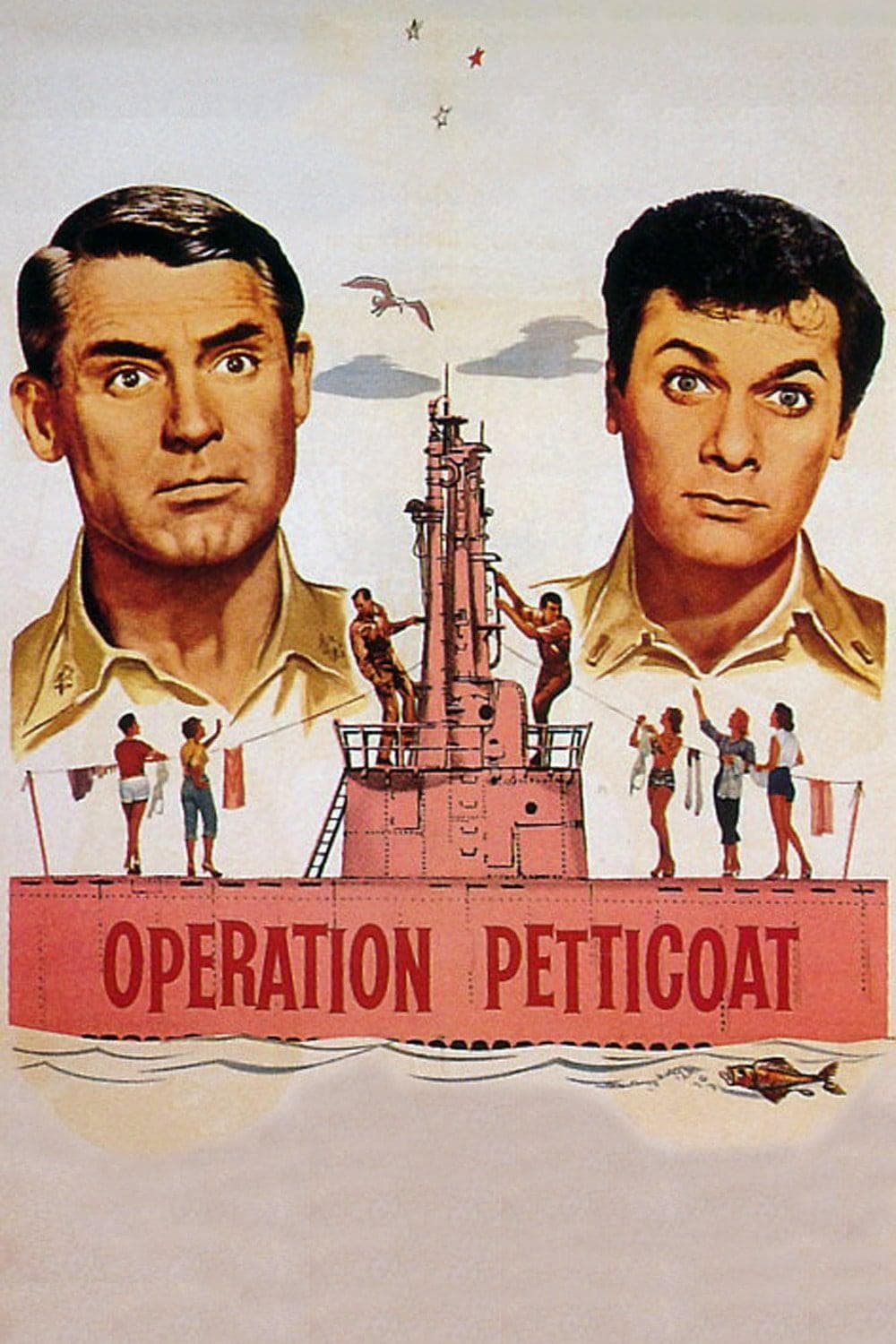
A World War II submarine commander finds himself stuck with a damaged sub, a con-man executive officer, and a group of army nurses.
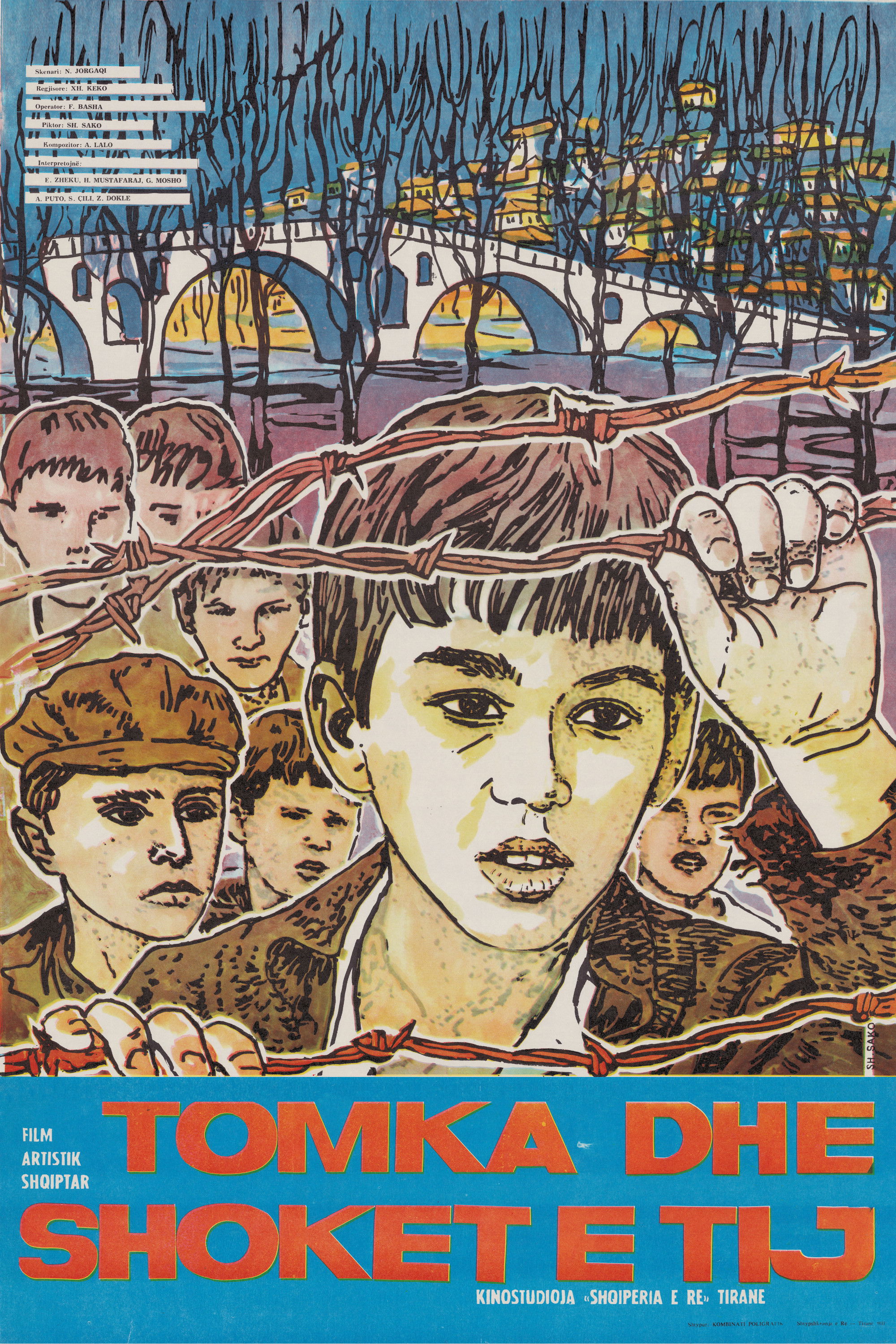
Tomka is a boy who likes playing football with his friends. When the German army captures his town, the German soldiers establish their camp in the town stadium. Tomka with help from his friends and their parents organizes sabotage actions against the soldiers.
A partly dramatised account of the lives of four Allied servicemen ahead of D-Day, the programme told their story through their final letters home before the assault.
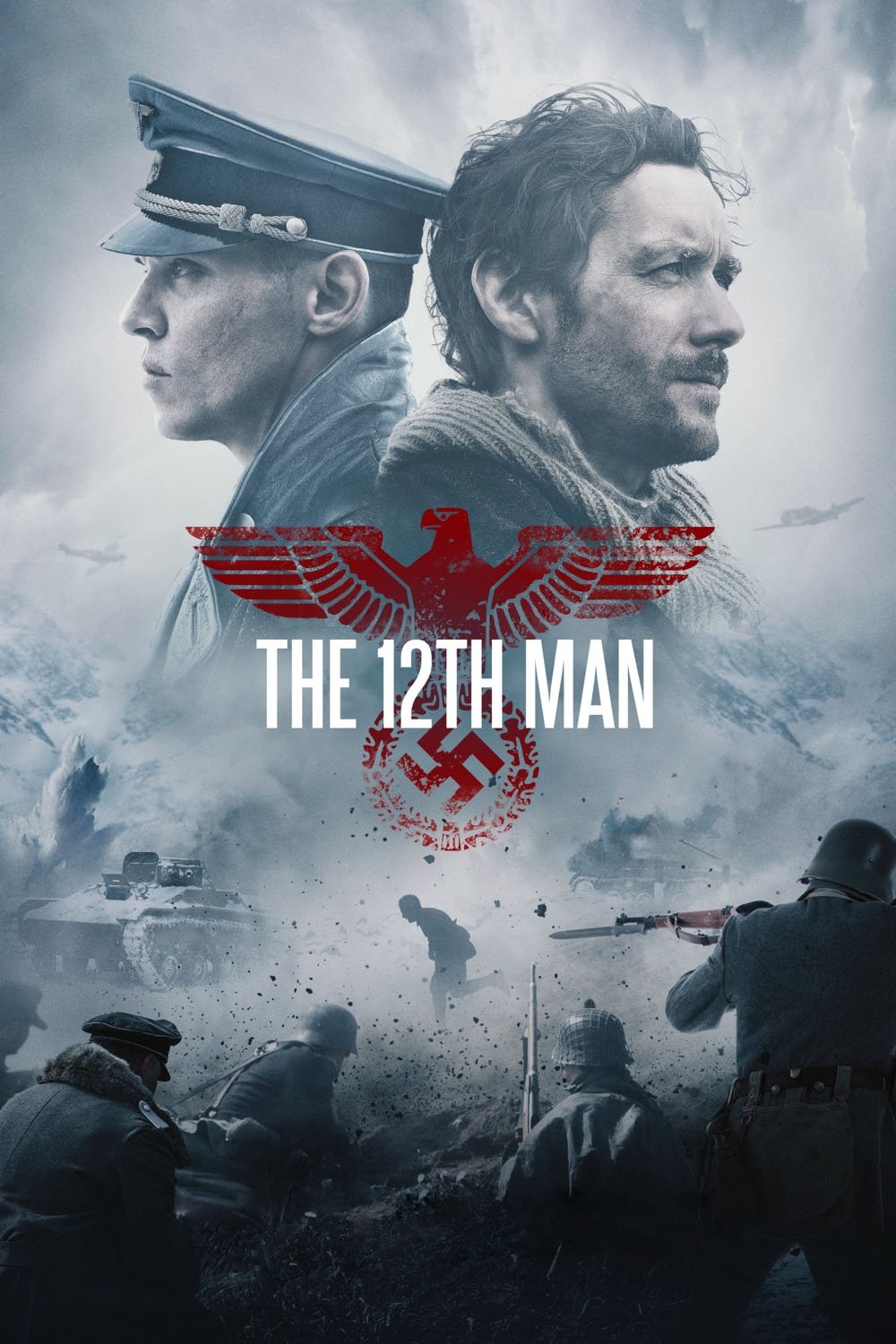
After a failed anti-Nazi sabotage mission leaves his eleven comrades dead, a Norwegian resistance fighter finds himself fleeing the Gestapo through the snowbound reaches of Scandinavia.
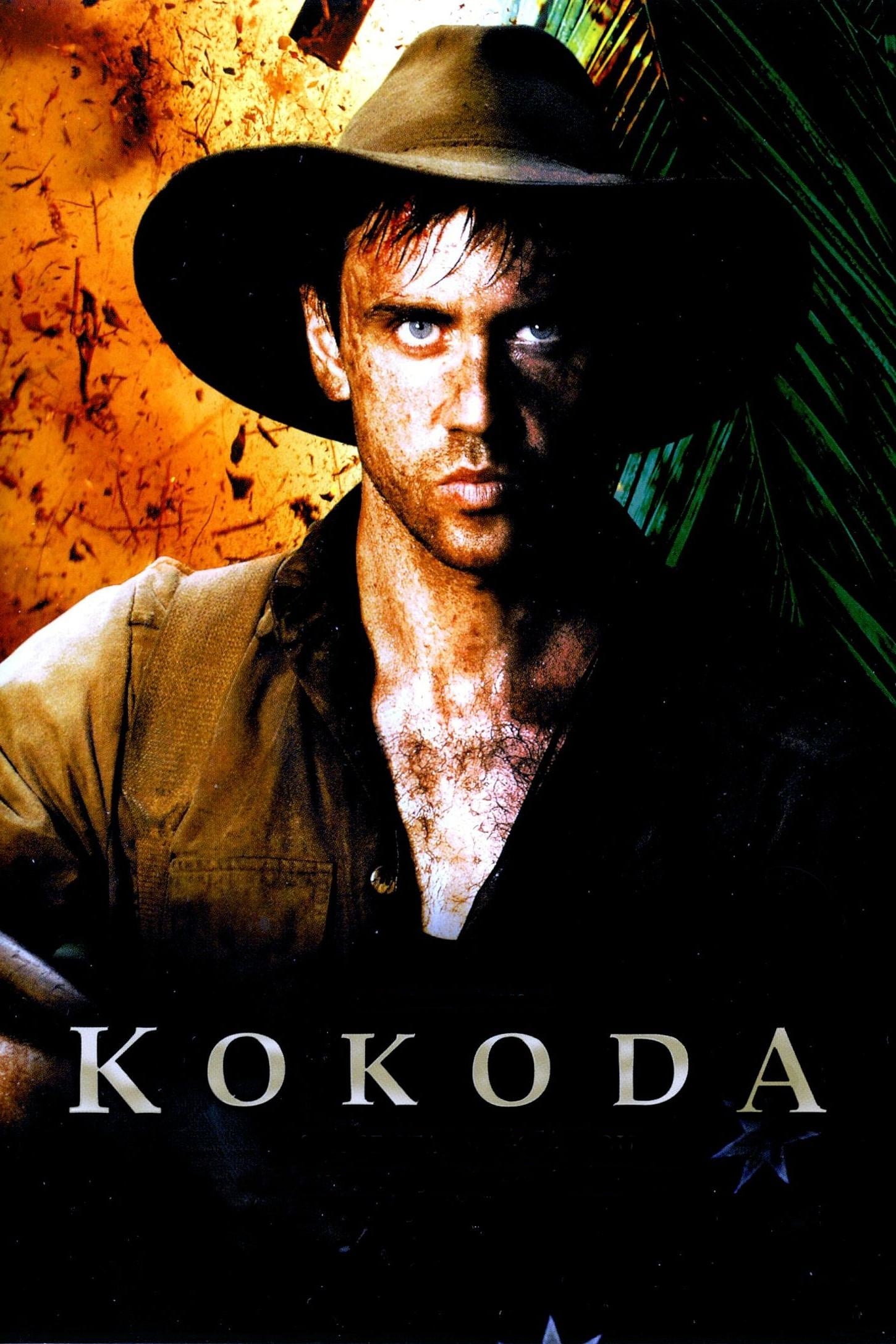
A bitter battle is fought between Australian and Japanese soldiers along the Kokoda trail in New Guinea during World War II.
The movie tells the story of Franz, a Waffen-SS soldier who deserts, and Polina, a Belarusian woman whose village is razed and people massacred.
A two-part television film based on the novel of the same name by Rudolf Jašík, depicting a realistic picture of life and interpersonal relationships during World War II in the mixed Slovak-German environment of the town of Pravna and the nearby village of Planice, as well as life and relationships between soldiers on the Eastern Front. From this perspective, the plot follows a unit of Slovak soldiers, their realisation that they are fighting for foreign interests, their dissatisfaction and distrust of everything, especially their officers.
Yugoslav Partisan propaganda film about the liberation of Istria at the end of the World War II.
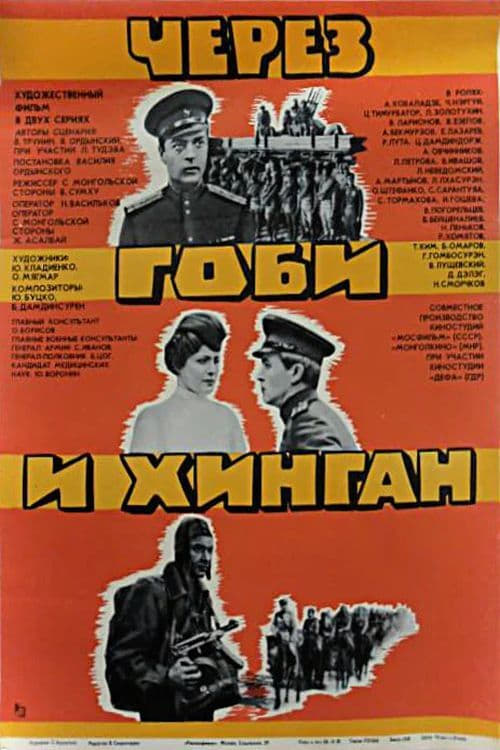
About the events of the final stage of the Second World War — the defeat by Soviet and Mongolian troops of the selected Kwantung army. Bacteriological weapons were created in the laboratory of Japanese General Ishii Shiro. Experiments were conducted on prisoners of war and political prisoners. Epidemiologist Dmitry Sokolov was assigned to solve the mystery of this laboratory. At the cost of his own life, he completed the task. The march of Soviet and Mongolian formations through the Gobi sands and the Khingan spurs was not only a brilliant military operation, but also a warning of the use of bacteriological weapons by Japan.
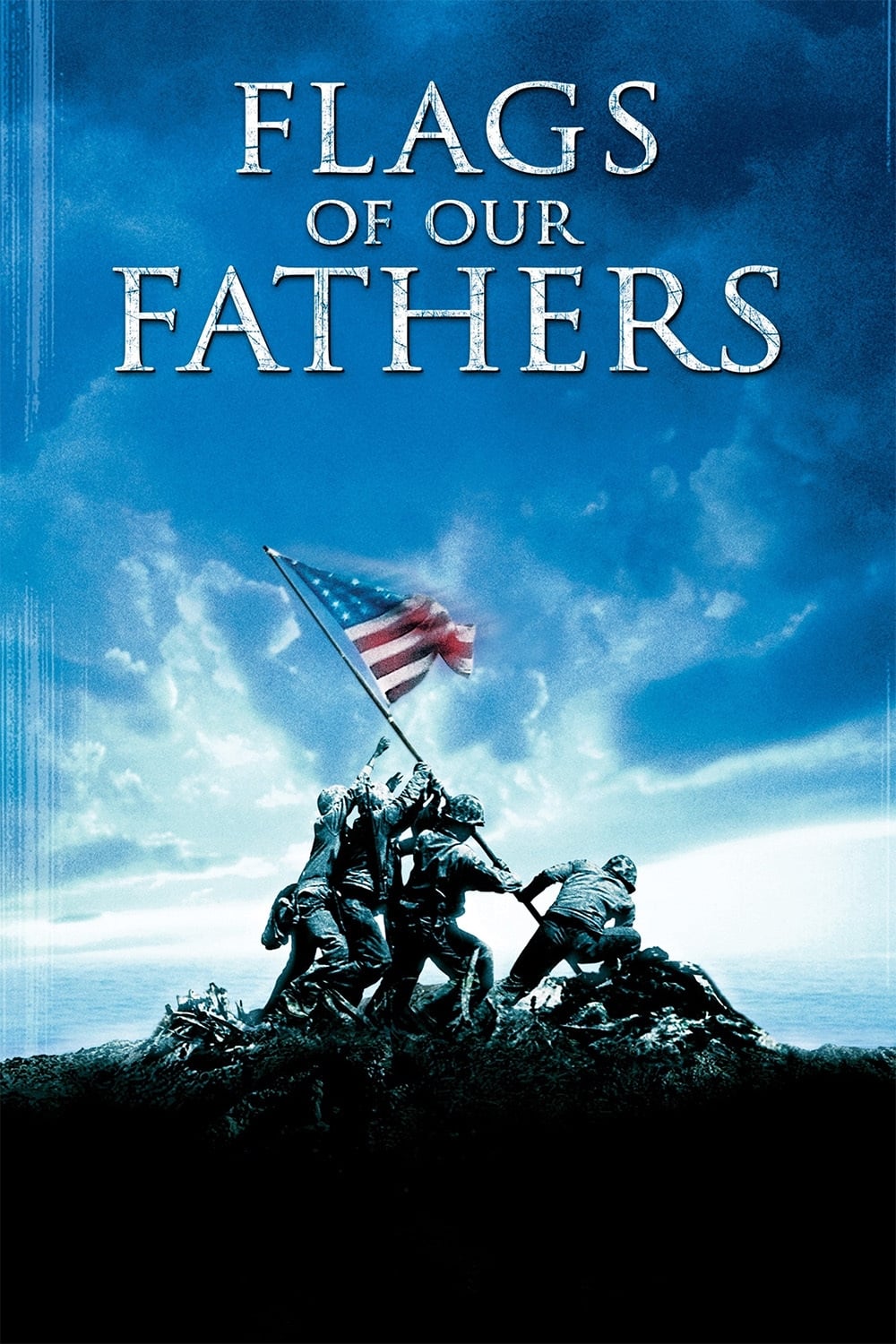
There were five Marines and one Navy Corpsman photographed raising the U.S. flag on Mt. Suribachi by Joe Rosenthal on February 23, 1945. This is the story of three of the six surviving servicemen - John 'Doc' Bradley, Pvt. Rene Gagnon and Pvt. Ira Hayes - who fought in the battle to take Iwo Jima from the Japanese.
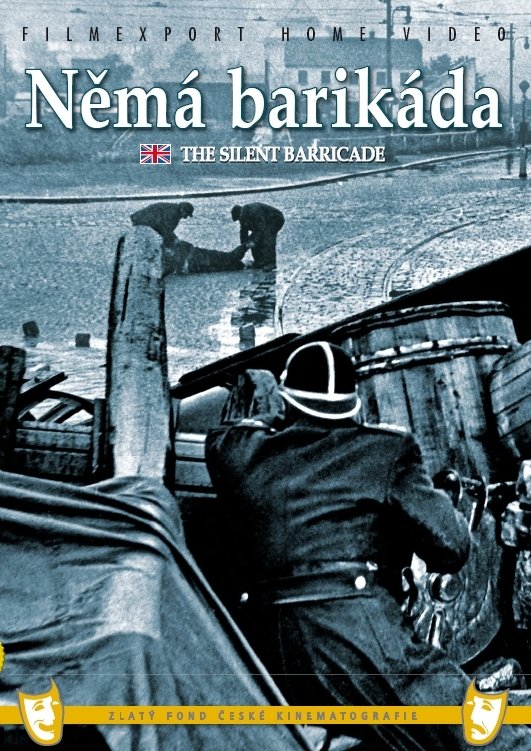
A fiction piece centered around the Czech resistance to the Nazis.
In December 1937, during the Second Japanese-Sino War, a Chinese doctor, his Japanese pregnant wife, their teenage daughter and their young son travel from Shanghai to Nanjing seeking shelter in the Capital during the Japanese invasion. The family faces the Rape of Nanking by the Imperial Japanese Army, with rapes, mass murder of prisoners of war and civilians including women, children and elders, and disrespect of international conventions.
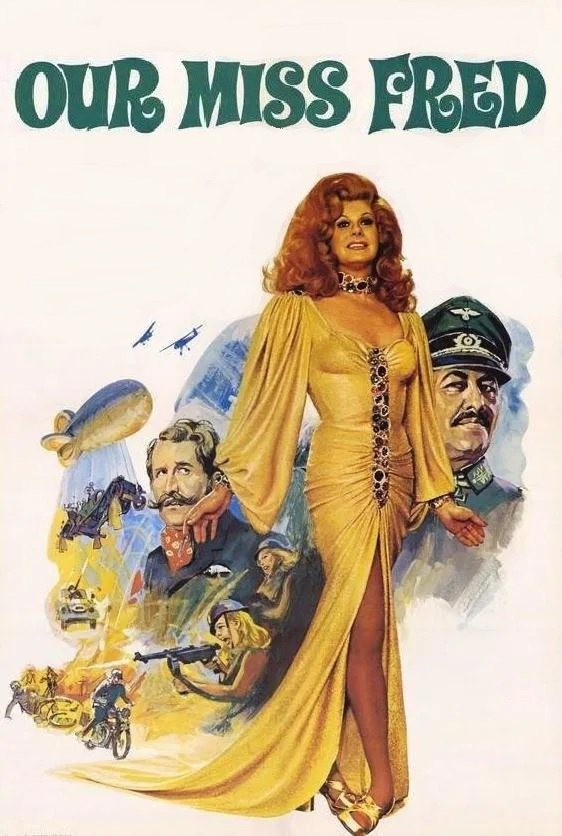
Danny La Rue stars in this 1970s drag comedy as Fred Wimbush, a Shakespearean actor who is drafted into WWII and is appearing in a camp show in France when the Nazis advance. Unless he continues in his female costume, Fred is certain to be shot as a spy. The risque gags and double entendres fly as he attempts to make his escape in the company of a troupe of Girl Guides.
British RAF Wing Commander James Wright is captured by the Japanese during WWII and forced to fight in brutal hand-to-hand combat. The Japanese soldiers get more than they bargained for when Wright’s years of martial arts training in Hong Kong prove him to be a formidable opponent.
A Polish spy working for the British during World War II is betrayed and compromised in Warsaw, leaving her no other choice but to descend into a dangerous world of treachery and deception in order to survive.
The story of the WWII project to crack the code behind the Enigma machine, used by the Germans to encrypt messages sent to their submarines.
During WWII two sisters have stolen some emeralds from the lesbian Nazi SS officer (Rena Riffel) and now are on the run. One gets captured by her and gets tortured with electrified Freddy Krueger glove into revealing the location of the gems. The other escapes to her cousin's house, but her cousin who isn't that pleased with her appearance and blackmails the girl into becoming her personal slave in return for not turning her over to the SS.
Shortly before the end of the war in 1945, the Allies can already be heard in Nesselbühl in Swabia when three freight cars are uncoupled at the station. The screams of the starving concentration camp prisoners inside can be heard throughout the village, but nobody dares to help them. Only the innkeeper's daughter Anna takes heart...
Prelude to War was the first film of Frank Capra's Why We Fight propaganda film series, commissioned by the Pentagon and George C. Marshall. It was made to convince American troops of the necessity of combating the Axis Powers during World War II. This film examines the differences between democratic and fascist states.
This documentary movie is about the battle of San Pietro, a small village in Italy. Over 1,100 US soldiers were killed while trying to take this location, that blocked the way for the Allied forces from the Germans. Preserved by the Academy Film Archive in 2005.
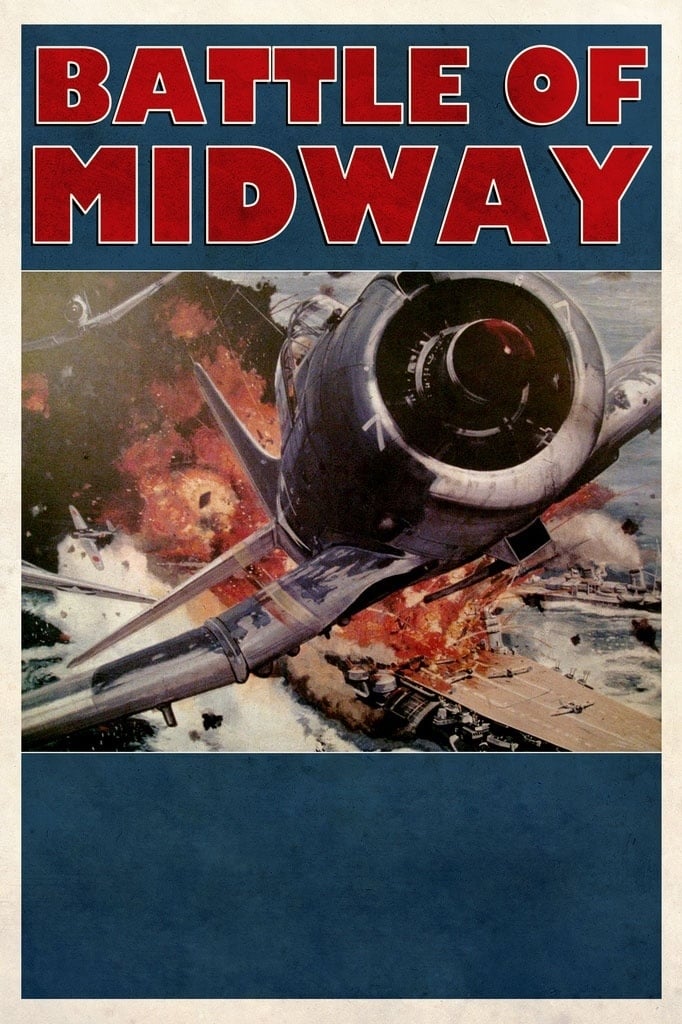
The Japanese attack on Midway in June 1942, filmed as it happened. Preserved by the Academy Film Archive, in partnership with Twentieth Century Fox Film Corporation, in 2006.
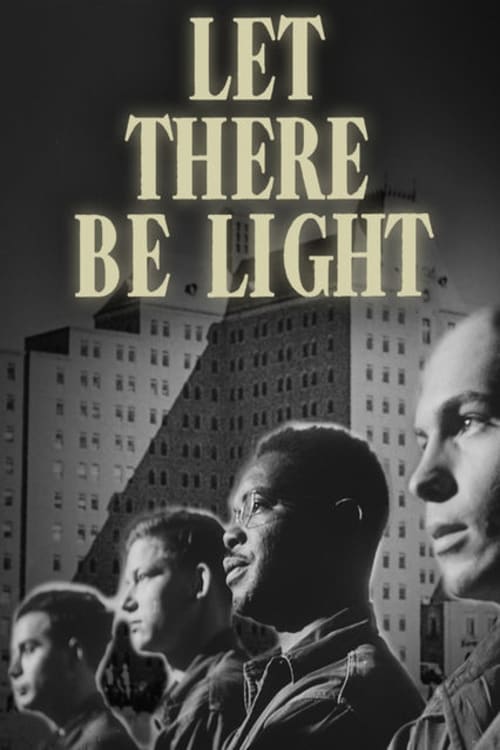
The final entry in a trilogy of films produced for the U.S. government by John Huston. Some returning combat veterans suffer scars that are more psychological than physical. This film follows patients and staff during their treatment. It deals with what would now be called PTSD, but at the time was categorised as psychoneurosis or shell-shock. Government officials deemed this 1946 film counterproductive to postwar efforts; it was not shown publicly until 1981.
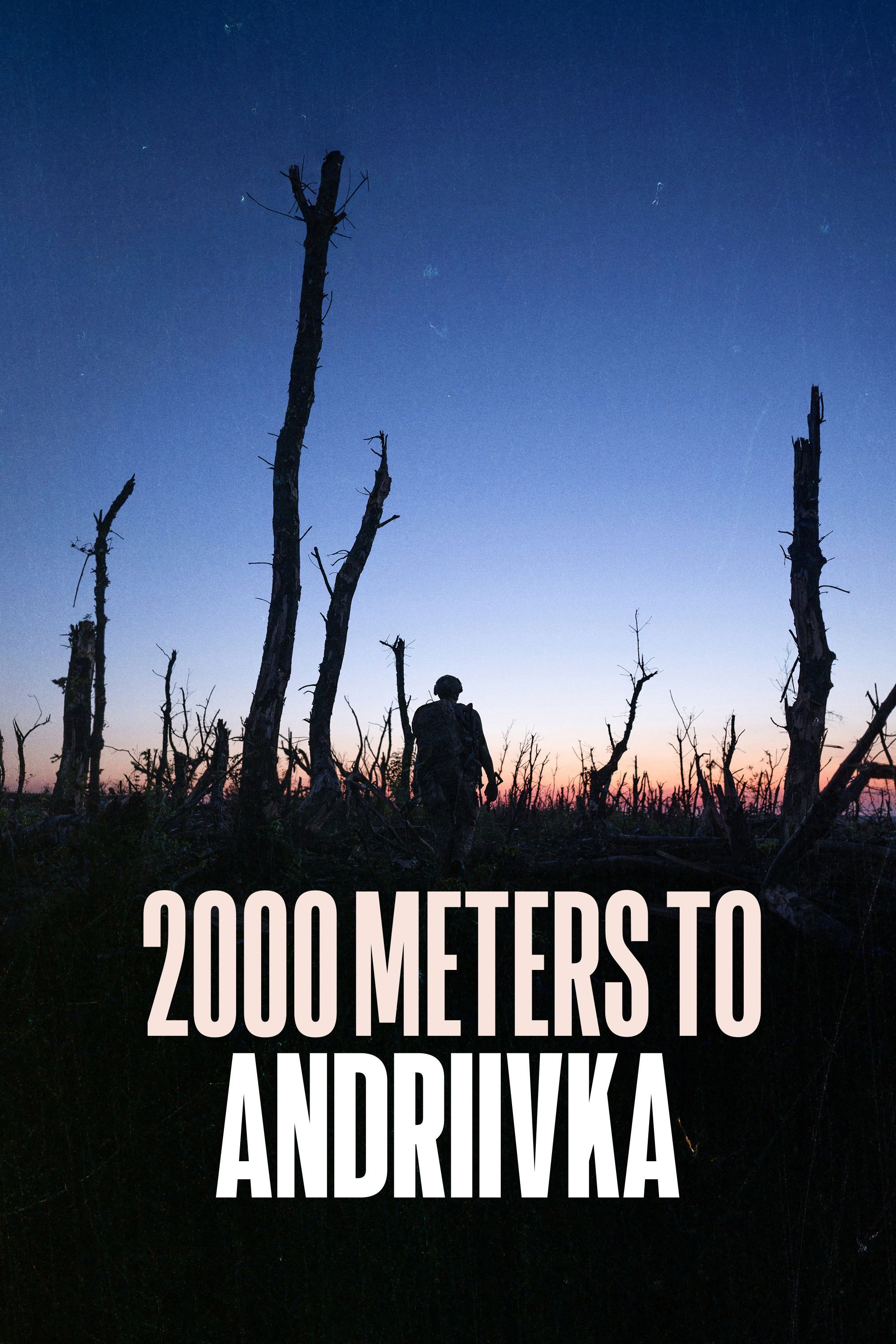
Amid the failing counteroffensive, a journalist follows a Ukrainian platoon on their mission to traverse one mile of heavily fortified forest and liberate a strategic village from Russian occupation. But the farther they advance through their destroyed homeland, the more they realize that this war may never end.
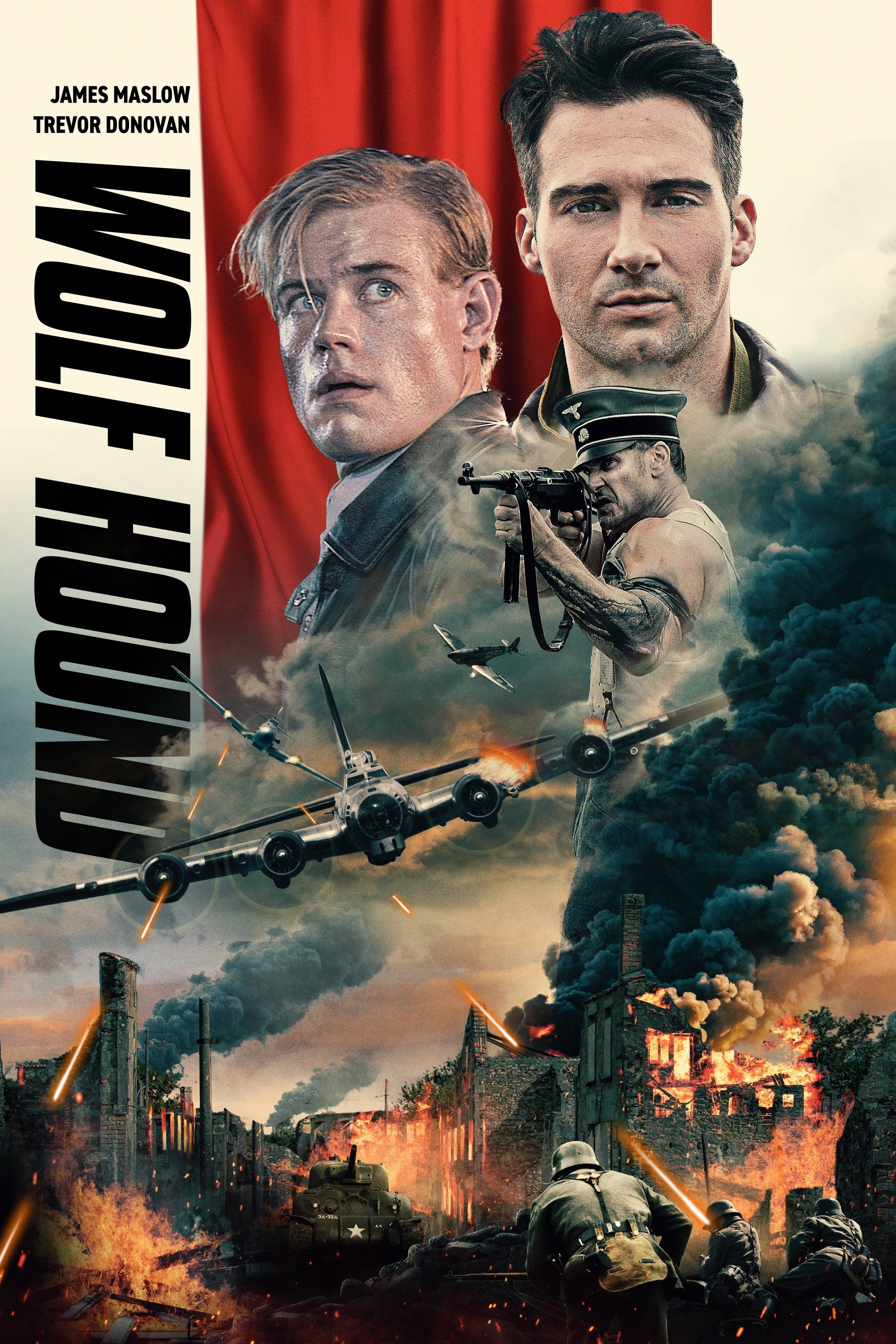
Inspired by the real-life German special operations unit KG 200 that shot down, repaired, and flew Allied aircraft as Trojan horses, "Wolf Hound" takes place in 1944 German-occupied France and follows the daring exploits of Jewish-American fighter pilot Captain David Holden. Ambushed behind enemy lines, Holden must rescue a captured B-17 Flying Fortress crew, evade a ruthless enemy stalking him at every turn, and foil a plot that could completely alter the outcome of World War II.
War stories about family, ethics and honor include the true story of two U.S. Marines who in a span of six seconds, must stand their ground to stop a suicide truck bomb, a Navy Corpsman who attempts to hold on to his humanity, and a WW2 soldier who gets separated from his squad and is forced to re-evaluate his code.
Korengal picks up where Restrepo left off; the same men, the same valley, the same commanders, but a very different look at the experience of war.
When Sgt. First Class Brian Eisch is critically wounded in Afghanistan, it sets him and his sons on a journey of love, loss, redemption and legacy.
A love letter from a young mother to her daughter, the film tells the story of Waad al-Kateab’s life through five years of the uprising in Aleppo, Syria as she falls in love, gets married and gives birth to Sama, all while cataclysmic conflict rises around her. Her camera captures incredible stories of loss, laughter and survival as Waad wrestles with an impossible choice– whether or not to flee the city to protect her daughter’s life, when leaving means abandoning the struggle for freedom for which she has already sacrificed so much.
Set both in Latin America and the United States, the film explores the historic and current relationship of Washington with countries such as Venezuela, Bolivia and Chile. Pilger says that the film "...tells a universal story... analysing and revealing, through vivid testimony, the story of great power behind its venerable myths. It allows us to understand the true nature of the so-called "war on terror". According to Pilger, the film’s message is that the greed and power of empire is not invincible and that people power is always the "seed beneath the snow".
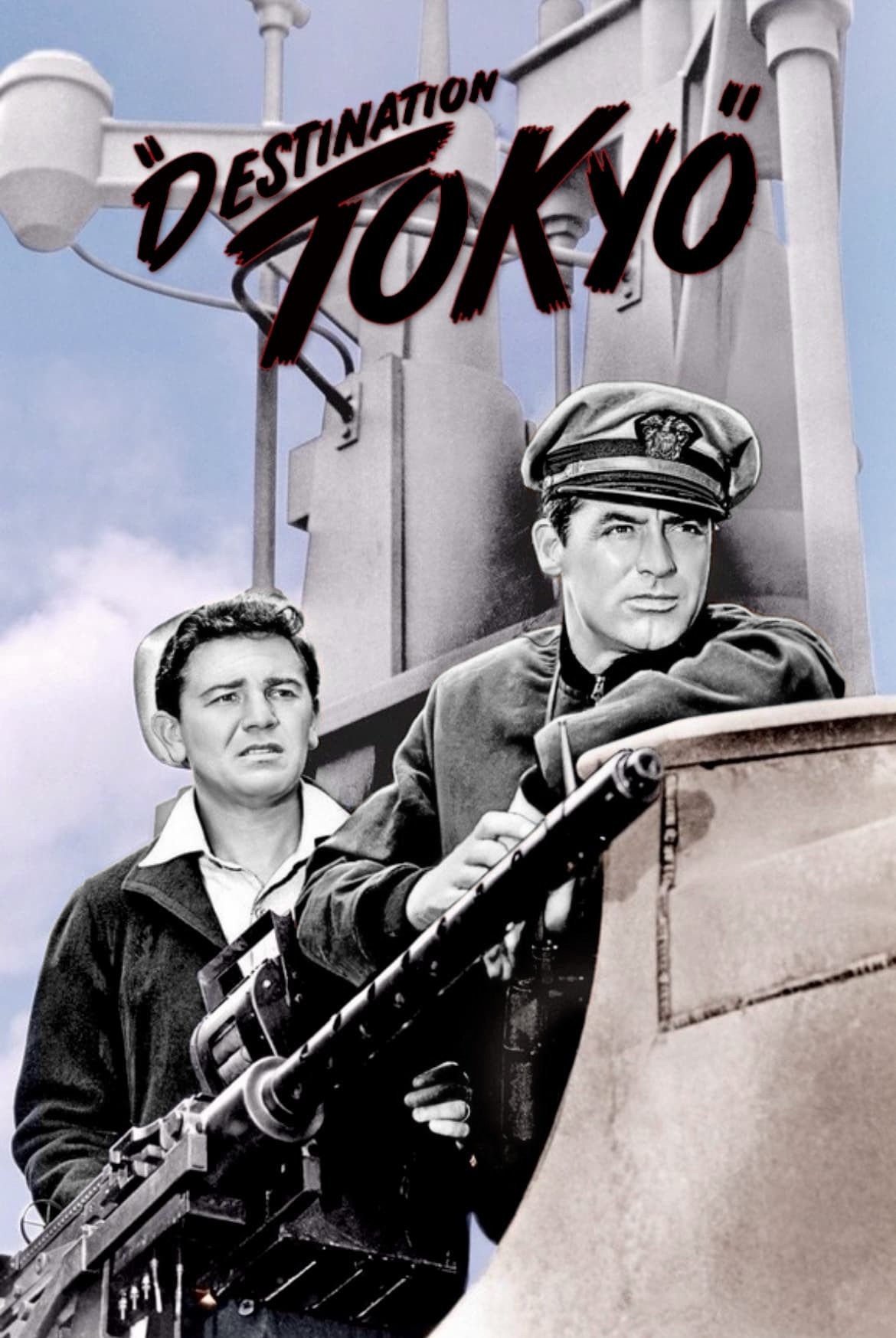
During World War II, Captain Cassidy and his crew of submariners are ordered into Tokyo Bay on a secret mission. They are to gather information in advance of the planned bombing of Tokyo. Along the way, the crew learn about each other as they face the enemy and some of them lose their lives.
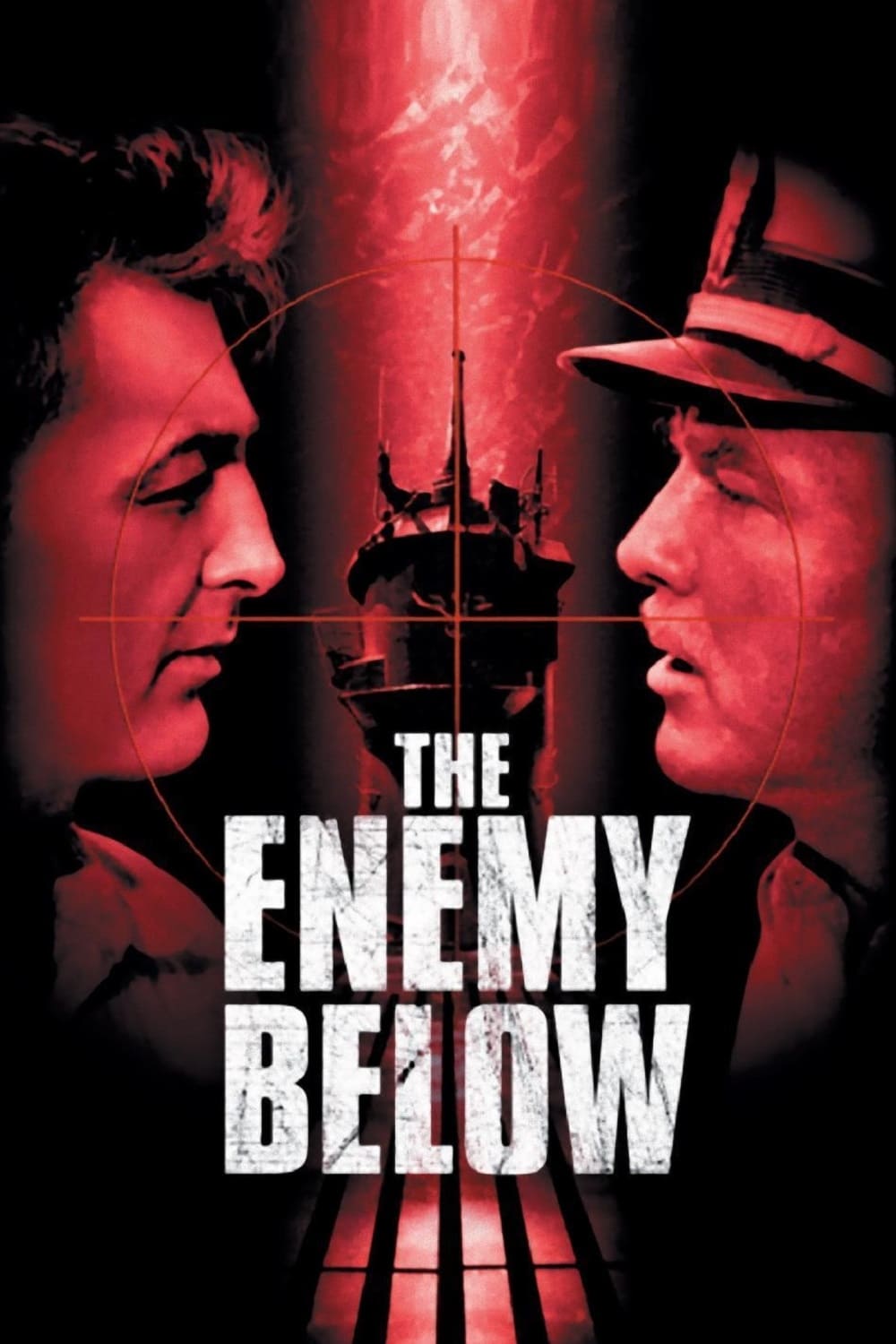
The crew of the American destroyer escort, the USS Haynes, detects a German U-Boat—resulting in a prolonged, deadly battle of wits.
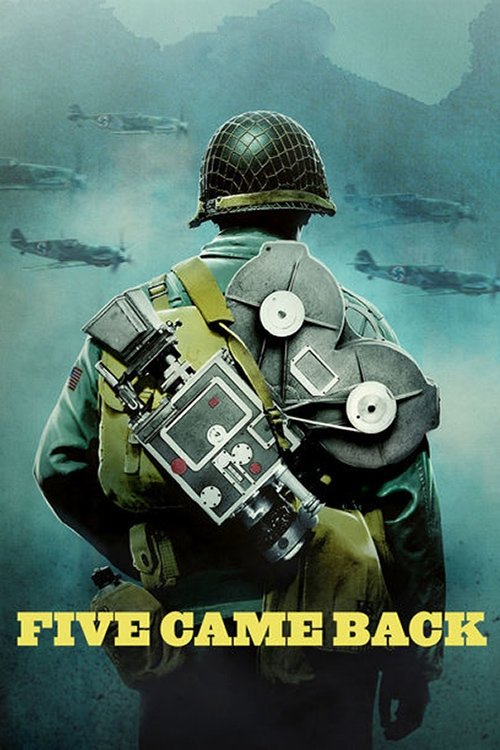
The extraordinary story of how Hollywood changed World War II – and how World War II changed Hollywood, through the interwoven experiences of five legendary filmmakers who went to war to serve their country and bring the truth to the American people: John Ford, William Wyler, John Huston, Frank Capra, and George Stevens. Based on Mark Harris’ best-selling book, “Five Came Back: A Story of Hollywood and the Second World War.”
In the midst of World War II, the battle under the sea rages and the Nazis have the upper hand as the Allies are unable to crack their war codes. However, after a wrecked U-boat sends out an SOS signal, the Allies realise this is their chance to seize the 'enigma coding machine'.
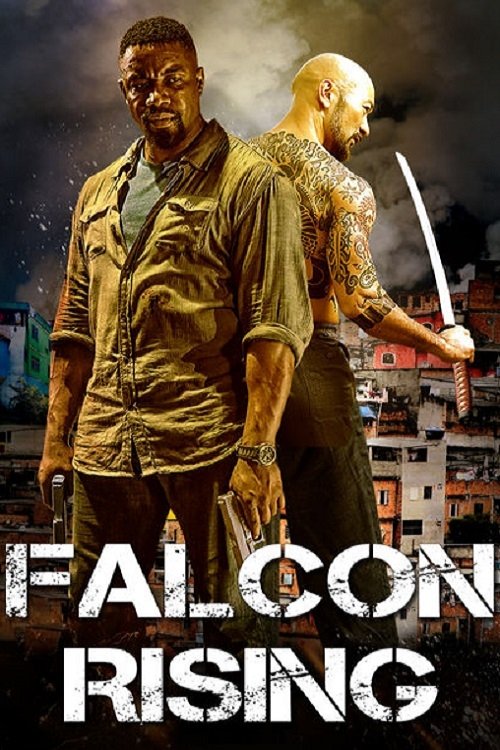
Chapman is an ex-marine in Brazil's slums, battling the yakuza outfit who attacked his sister and left her for dead.
The most comprehensive retrospective of the '80s action film genre ever made.
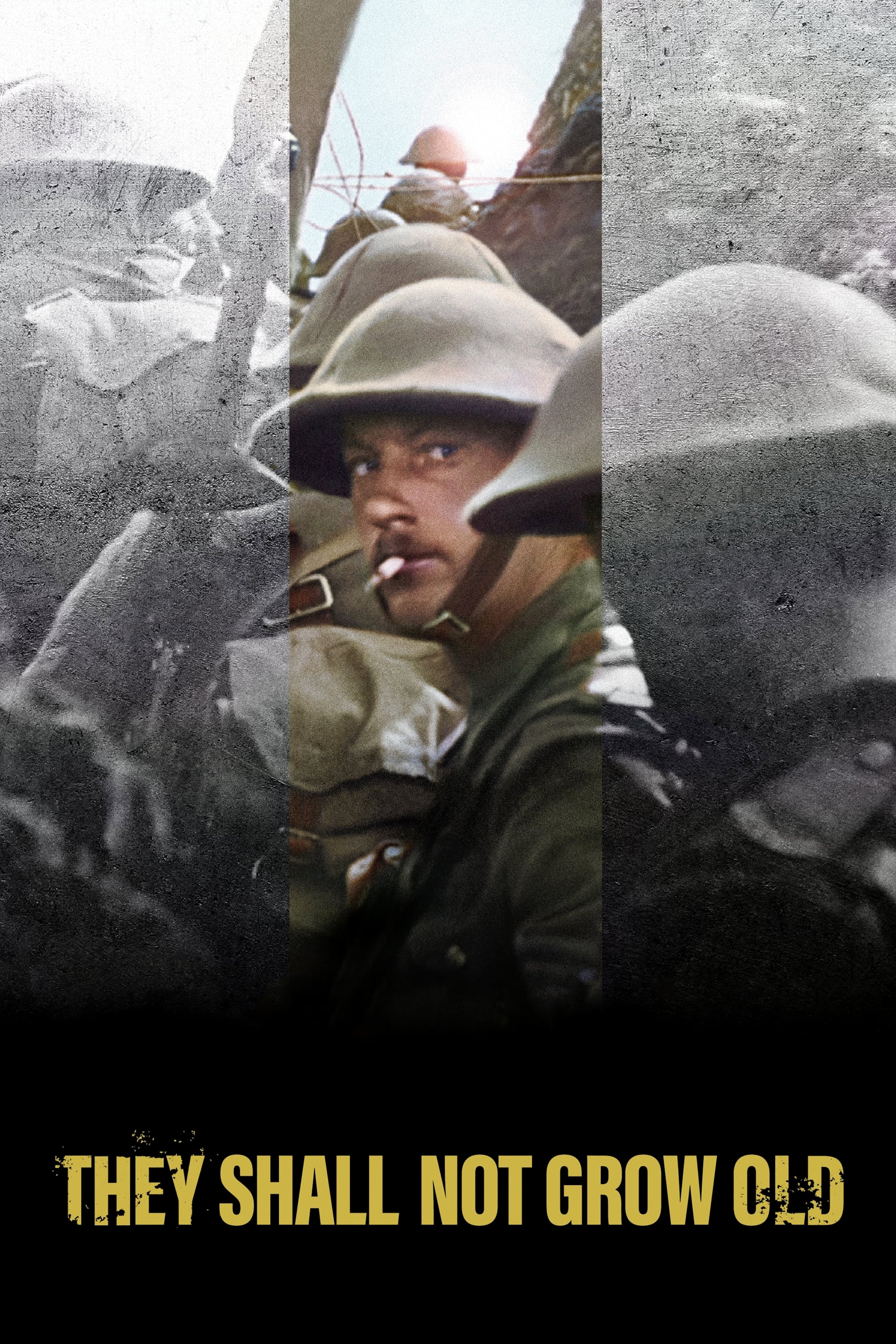
A documentary about World War I with never-before-seen footage to commemorate the centennial of Armistice Day, and the end of the war.
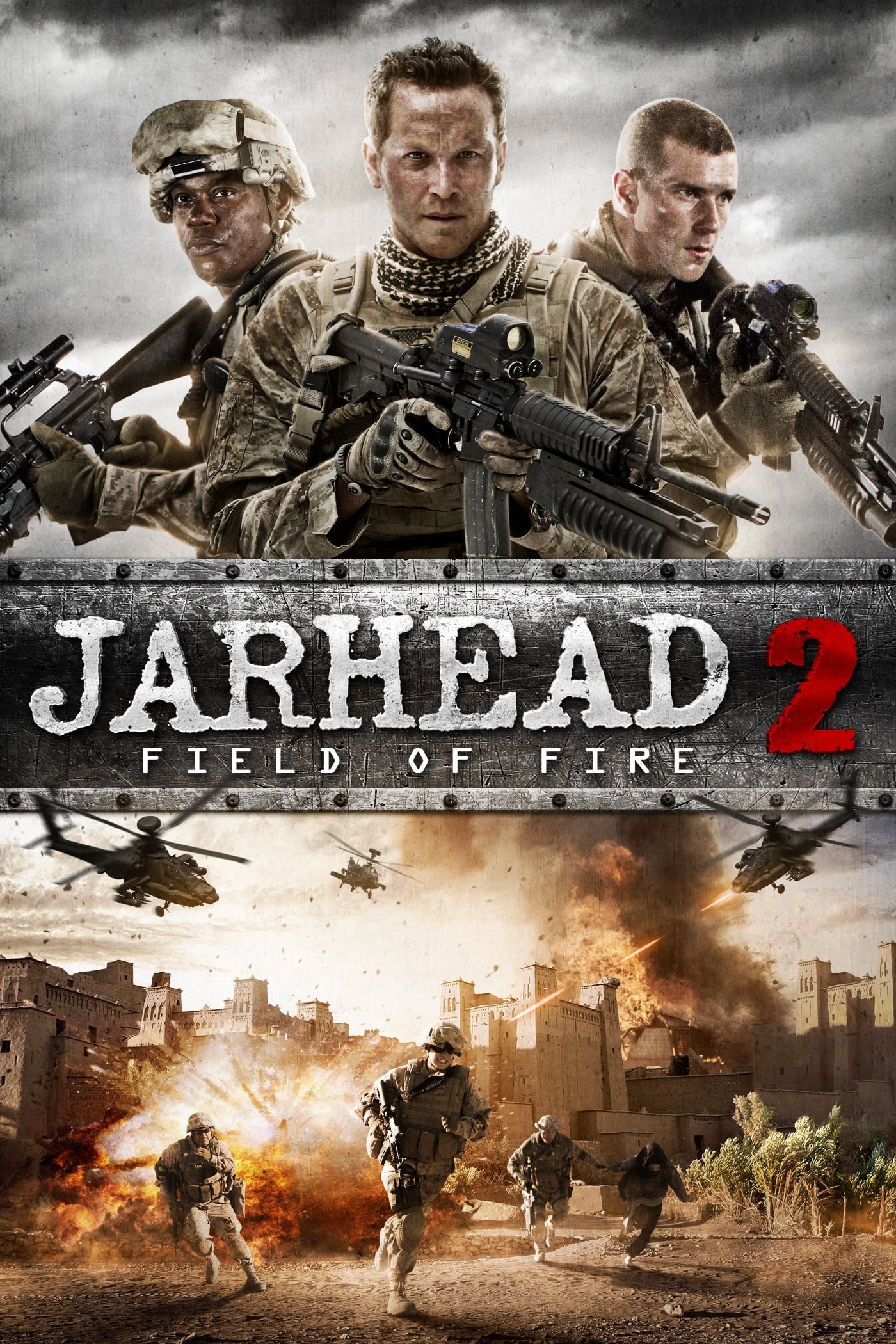
Battle-scarred and disillusioned by the war, Corporal Chris Merrimette is put in charge of a unit whose next mission is to resupply a remote outpost on the edge of Taliban-controlled territory. While driving through the hostile Helmand province, a Navy SEAL flags down their convoy and enlists the unit on an operation of international importance: they must help an Afghan woman famous for her defiance of the Taliban escape the country. Without tanks or air support, Merrimette and his team will need all the courage and firepower they can muster to fight their way across the war-torn country and shepherd the woman to safety.