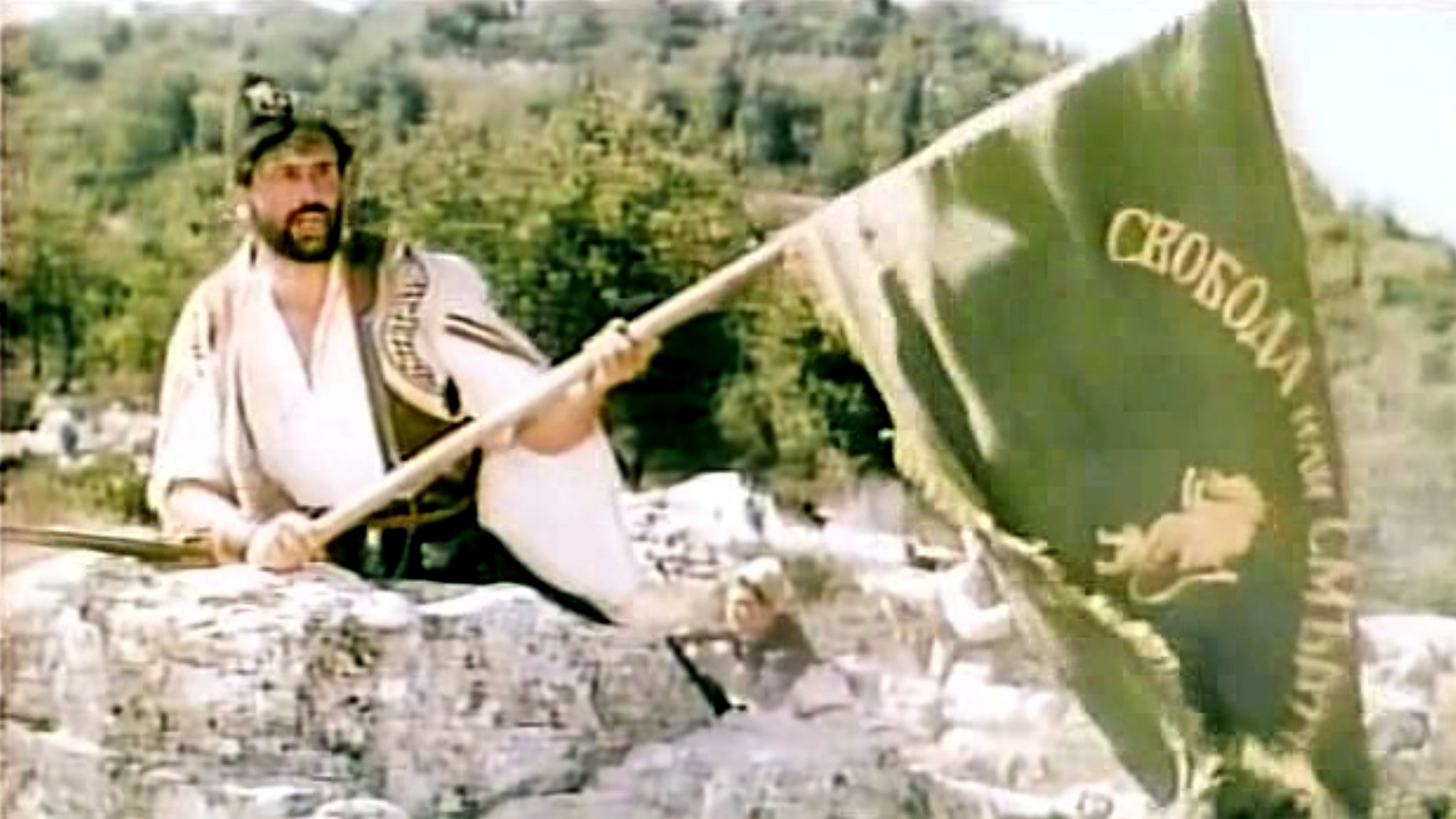
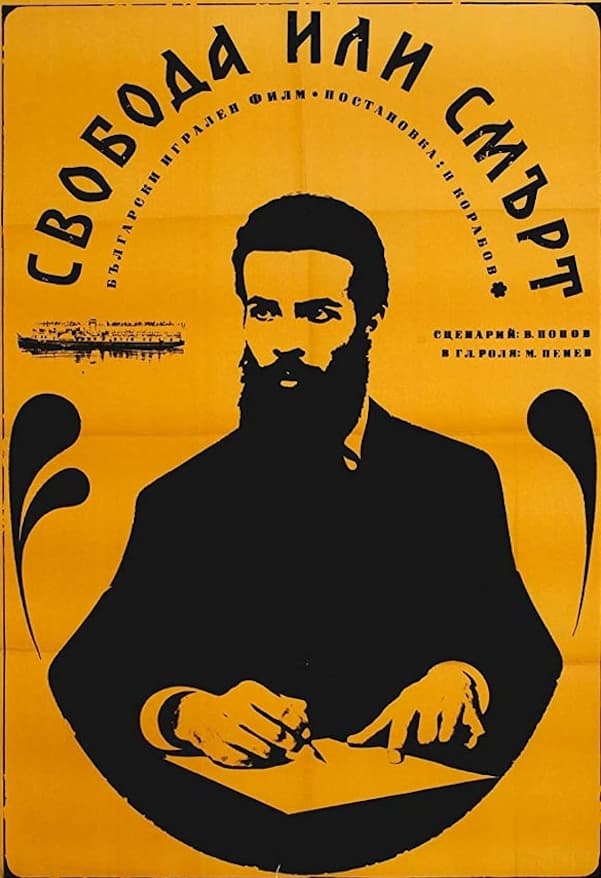
In а short but heroic campaign, Bulgarian poet and revolutionary Hristo Botev leads a band of rebels from the Danube to the Balkan Range.
Social & External
The people behind it
Milen Penev
Hristo Botev
Kosta Tsonev
Vsevolod Safonov
Stefan Iliev
Kiril Gospodinov
Apostol Karamitev
David Todorov
Vassil Mihajlov
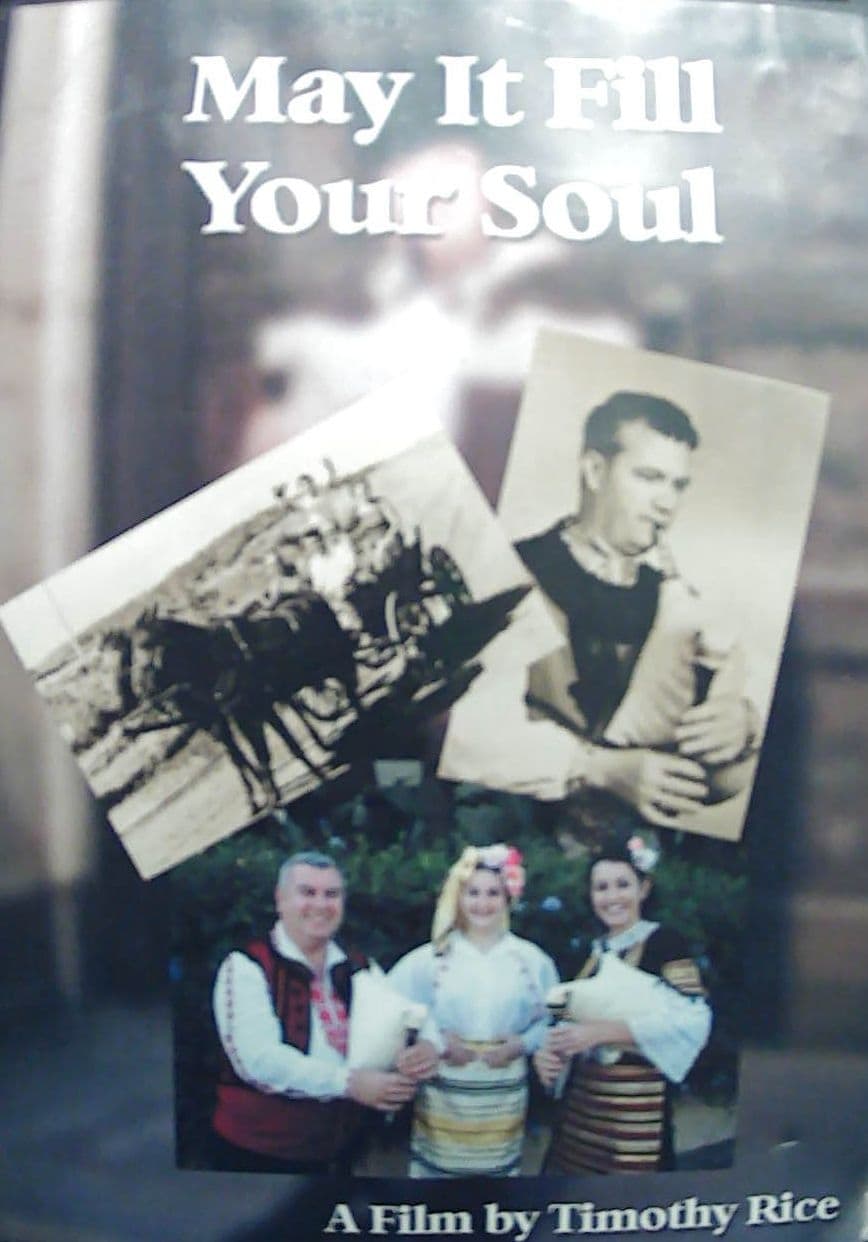
May It Fill Your Soul is a film about Bulgarian traditional music, about the pain of emigration and the promise of immigration, and about a family with a century-long musical history. Bulgaria's astonishingly rich village music traditions include strong women's singing, musical instruments with roots its millennia-old pastoral lifestyle and its 500-year history in the Ottoman Empire, and its lively dancing in additive meters of 5, 7, 9, and 11 beats to the measure. These practices are presented through the lens of a musical family trained during Bulgaria's communist regime (1944-1989) to represent the best that Bulgaria had to offer the world, but who made the wrenching decision in the post-communist period to immigrate to the United States for the sake of their daughters' futures. From that vantage point they have been able to teach their art to, and "fill the souls" of, singers, dancers, musicians, and audiences all over the world.
Djamila, a young Algerian woman living with her brother Hadi and her uncle Mustafa in the Casbah district of Algiers under the French occupation of Algeria, sees the full extent of injustice, tyranny and cruelty on his compatriots by French soldiers. Jamila's nationalist spirit will be strengthened when French forces invade her university to arrest her classmate Amina who commits suicide by ingesting poison. Shortly after the prominent Algerian guerrilla leader Youssef takes refuge with her, she realizes that her uncle Mustafa is part of this network of anti-colonial rebel fighters. Her uncle linked her to the National Liberation Front (FLN). A series of events illustrate Jamila's participation in resistance operations against the occupier before she was finally captured and tortured. Finally, despite the efforts of her French lawyer, Jamila is sentenced to death...
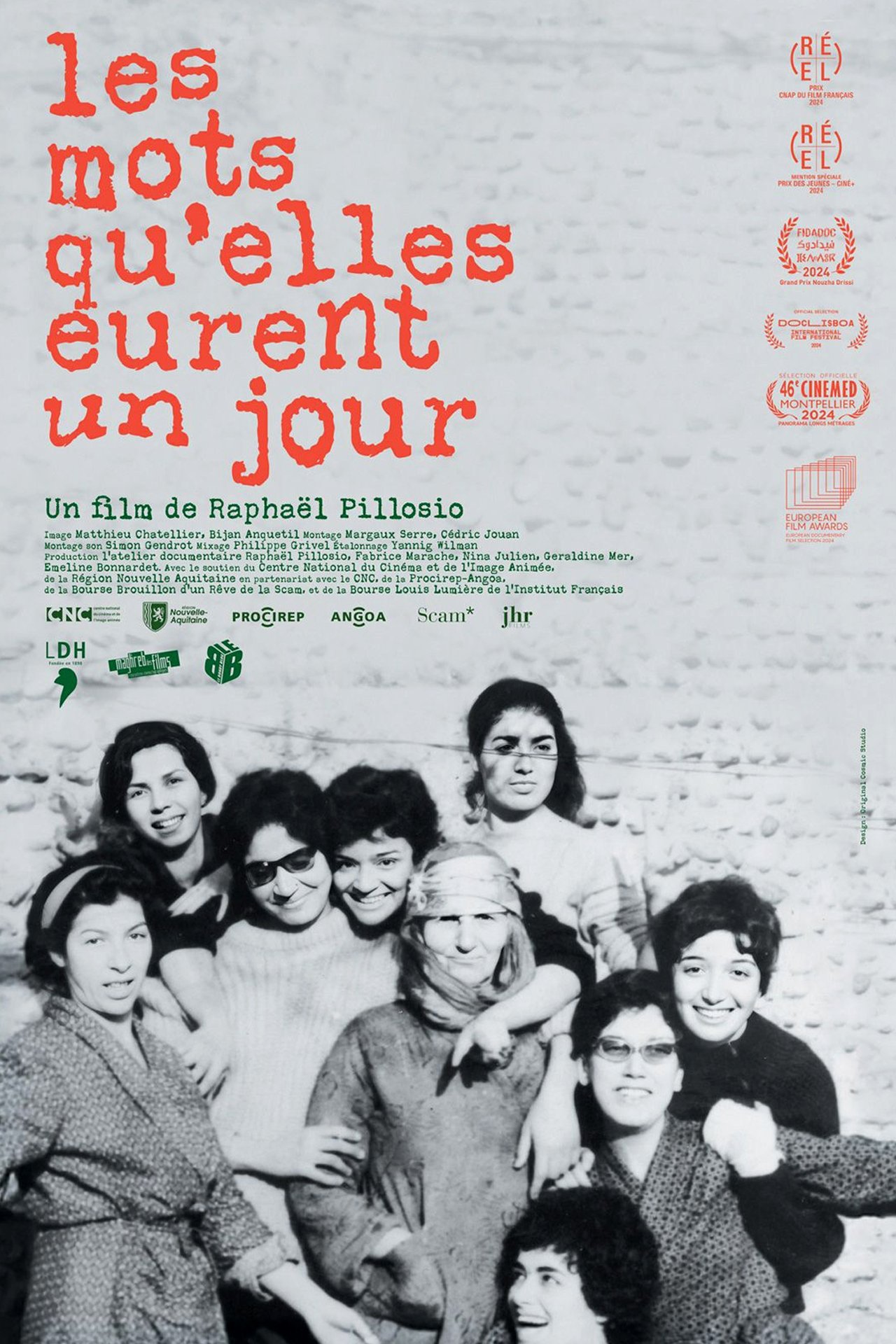
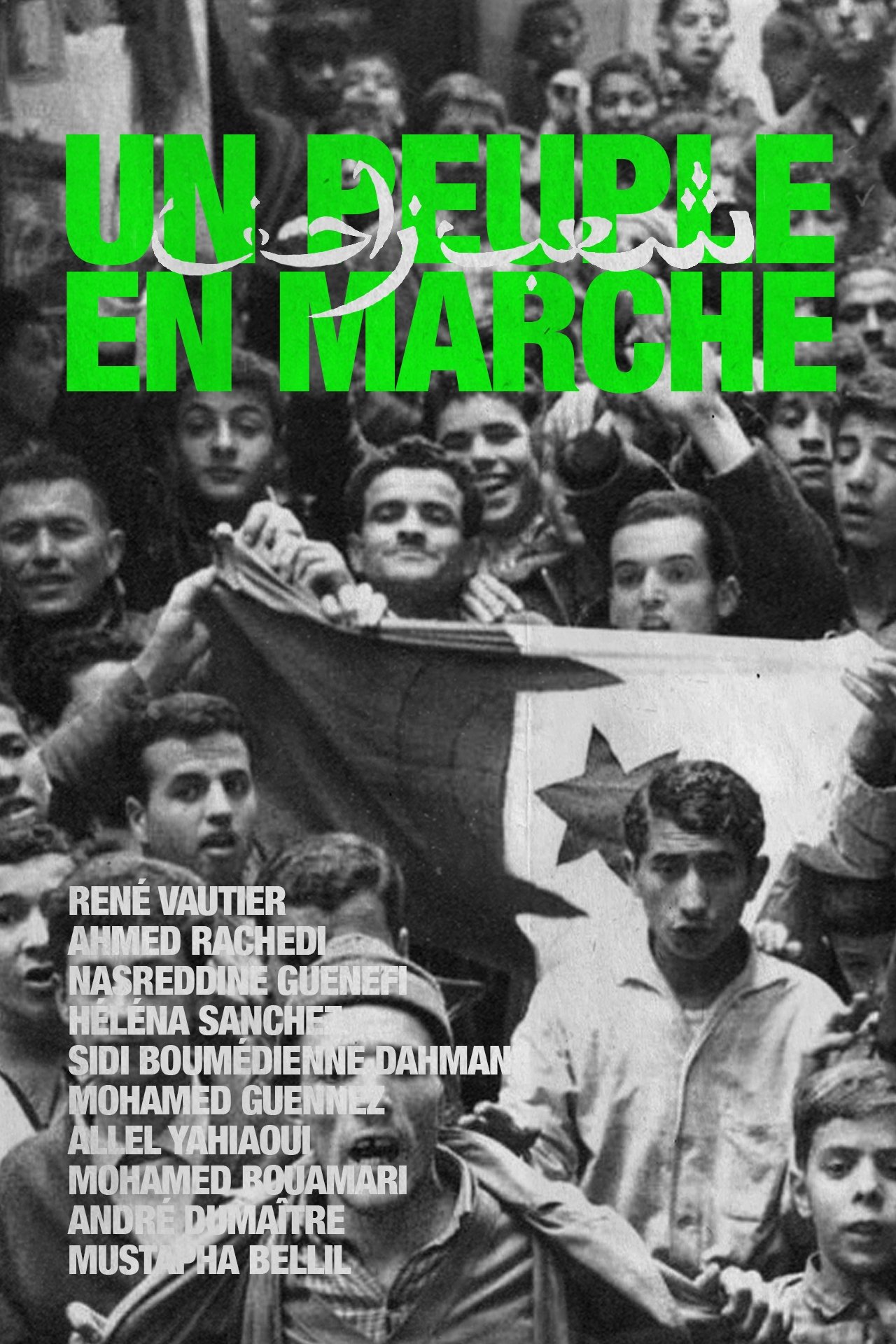
1962, at the end of the Algerian War, Algerian independence activists are released from Rennes prison. For one night, filmmaker Yann Le Masson films them. They tell him their vision for the future of Algeria and the place women must occupy in the new society to be built. Fifty years later, with the soundtrack missing, Raphaël Pillosio sets out to find these women. Two deaf people set about lip-reading the women filmed by Yann Le Masson, revealing snatches of sentences, words cut short by the camera's shifts. An investigative film in which the few activists still alive discover their old testimonies and tell us their silent story. The reconstruction of the lost soundtrack will remain in suspense; no happy ending will come to absorb the absence, to cancel the ferocious operation of time. An essay film about cinema that depicts their disappearance, and forever keeps them alive.
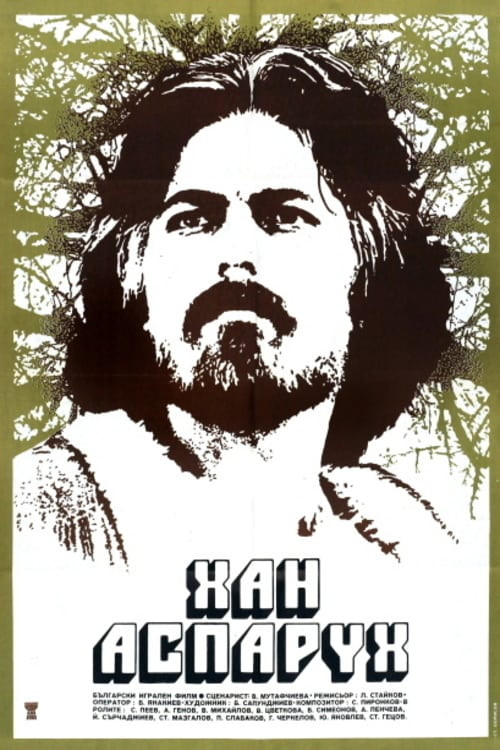
This is an epic screen presentation showing the creation, the consolidation and the power of First Bulgarian Kingdom and the first Bulgarian ruler Khan Asparuh. This is the first part of the film trilogy about the events before the creation of the Bulgarian state in the middle of the VII century. Volga Bulgaria is straining under the attacks of the Khazars. Following the testament of his father, the sons of Khan Kubrat looking for a new home for their tribes. The youngest of them - Asparukh, wander 20 years in search of "land forever" for his people and reaches the mouth of the Danube. The film is narrated by captured Byzantine chronicler Belisarius, which should Asparukh in his journeys. Byzantine witnessed the heroic efforts of the Bulgarians to win the land south of the Danube and to create their new country.
This is an epic screen presentation showing the creation, the consolidation and the power of First Bulgarian Kingdom and the first Bulgarian ruler Khan Asparuh. The second part of the great historical epic - "The Migration" - tells about the long journey to the land of the Bulgarians of today's Bulgaria. Here the young Khan Asparukh laid the foundations of the new state. The authors adhere to the established historical versions for this event. The film builds on the impressive mass scenes and the convincing served psychological characteristics of the main characters. The image of Asparoukh is a natural center of the story, in which many minor persons recreate the environment of the Khan. Romantic exalted, Asparukh is shown as capable leader of the people, consistently implement his own ideas.
The last part of the epic "Khan Asparukh" - "Land Forever" is an impressive finish to scale narrative, created for the nationwide celebration of 13 century anniversary of the Bulgarian state. The authors collected in final chord all storylines, culminating in the political strengthening of the young Bulgarian state. In the center of the film epic again is the image of Khan Asparukh - a lofty romantic hero who embodies the virtues and energy of his people.
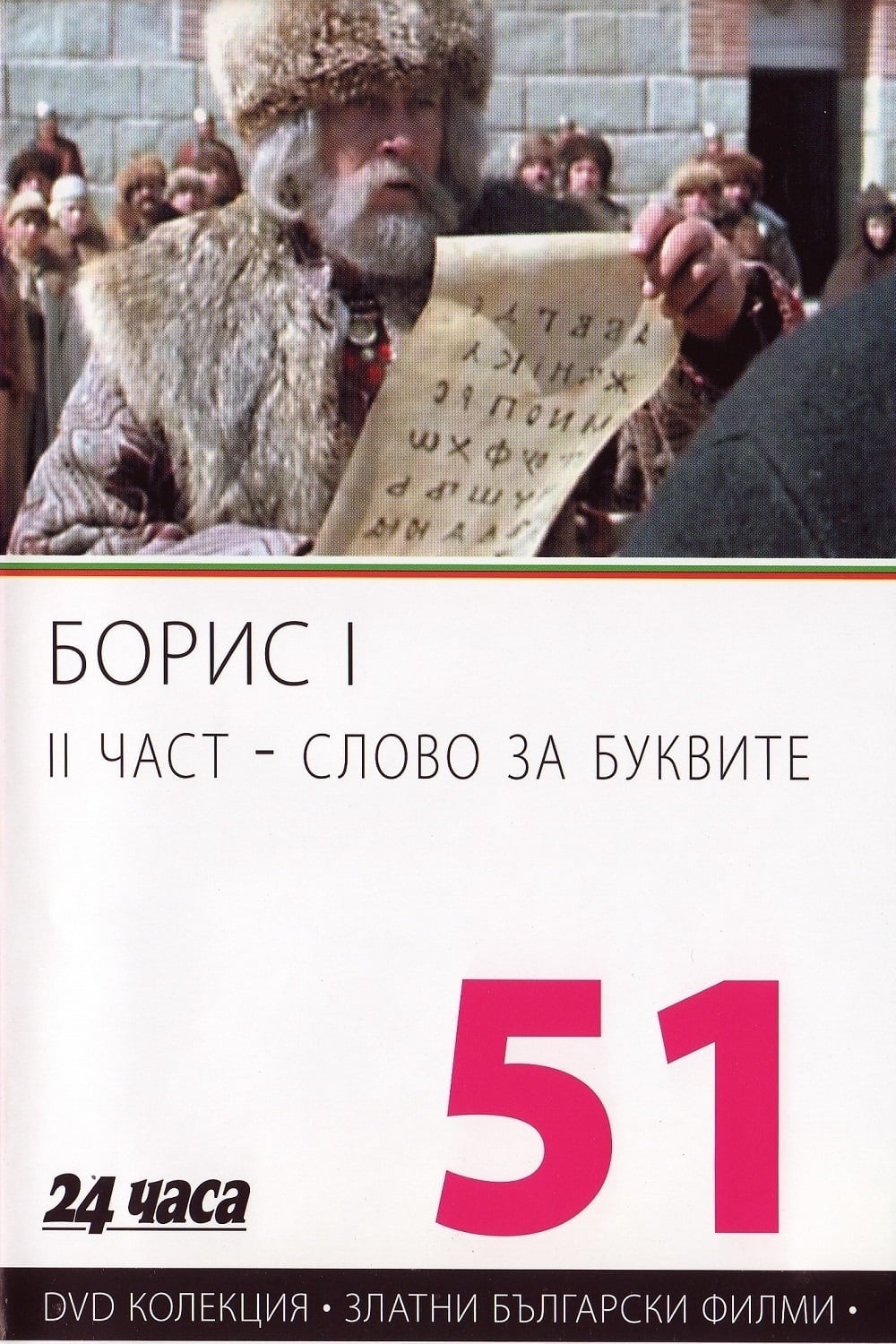
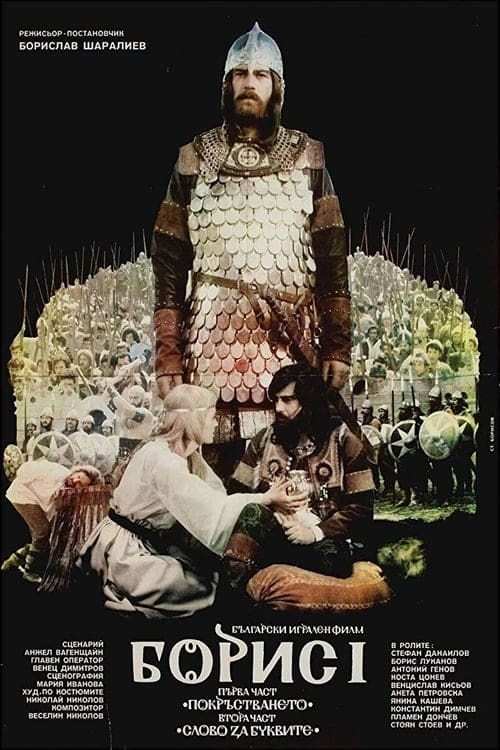
Knyaz Boris I reached the most important spiritual insight - the country needed a single language and script. It accepts students of Cyril and Methodius, creating Ohrid and Preslav Literary School. What other nations took centuries, for bulgarians takes place only about 20 years after their baptizing - introduced a Slavonic Alphabet.
Part one of this two-part epic follows the life and deeds of Boris I – a strong historic personality, which completes his mission to the full and at the end of his life receives holy orders.
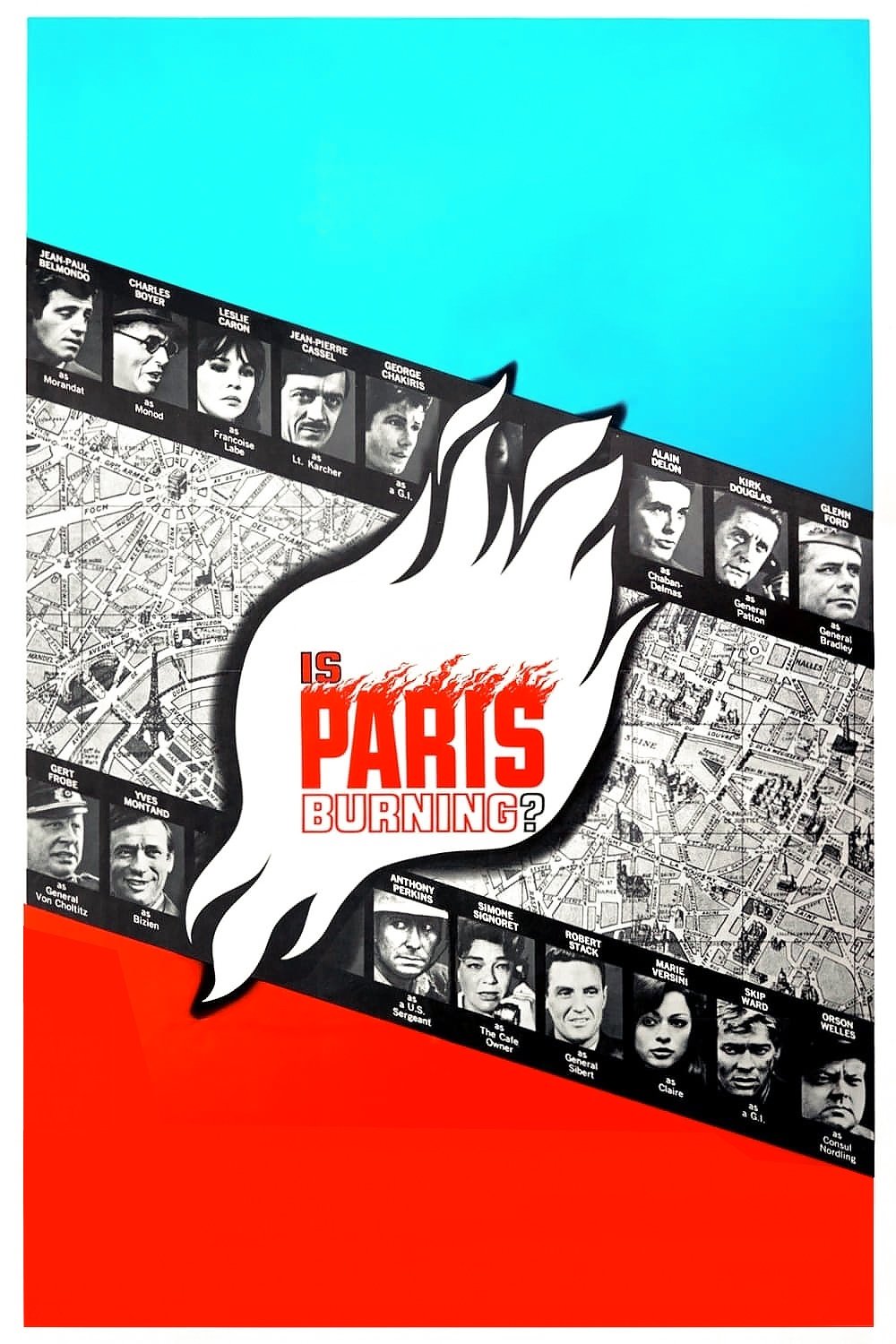
Near the end of World War II, General Dietrich von Choltitz receives orders to burn down Paris if it becomes clear the Allies are going to invade, or if he's unable to maintain control of the city. After much contemplation, Choltitz ignores orders, enraging the Germans and giving hope to various resistance factions that the city will be liberated. Choltitz, alongside Swedish diplomat Raoul Nordling, helps a leader organise his forces.
A new teacher - Marina - arrives in a small Pomak village in the late 1960s. She is a woman trying to live and think independently. Marina finds herself in a world unknown to her, at once pure and immaculate, but with the signs of the deformation of natural life that is typical of the whole country. After meeting the Doctor, Bai Mnogoznai, Mariana, the mayor, the internationalist Yosko, she discovers that each resists authority in their own way. And when the government starts changing the non-Bulgarian names of the Pomak villagers, the heroine realizes she is in a prison - with high mountains, forests, rivers - a prison of tragic beauty.
In 1876 Bulgaria, a desperate revolutionary must convince a room of suspecting Ottoman soldiers that he is innocent. Based on the history of the April Uprising -- a struggle for independence between Bulgaria and the immense Ottoman Empire.
Made just three years after the end of the French-Algerian War (1954-1962), Gillo Pontecorvo's The Battle Of Algiers instantly ignited discussions of this complex historical period. Using the film as a point of reference, this 2004 documentary attempts to reconstruct the Algerian experience of the battle for independence.
A meticulous chronicle of the evolution of the Algerian national movement from 1939 until the outbreak of the revolution on November 1, 1954, the film unequivocally demonstrates that the "Algerian War" is not an accident of history, but a slow process of suffering and warlike revolts, uninterrupted, from the start of colonization in 1830, until this "Red All Saints' Day" of November 1, 1954. At its center, Ahmed gradually awakens to political awareness against colonization, under the gaze of his son, a symbol of the new Algeria, and that of Miloud, half-mad haranguer, half-prophet, incarnation of Popular memory of the revolt, the liberation of Algeria and its people.
Domingos is a member of an African liberation movement, arrested by the Portuguese secret police, after bloody events in Angola. His wife goes from a prison station to another, trying in vain to find out where he is.
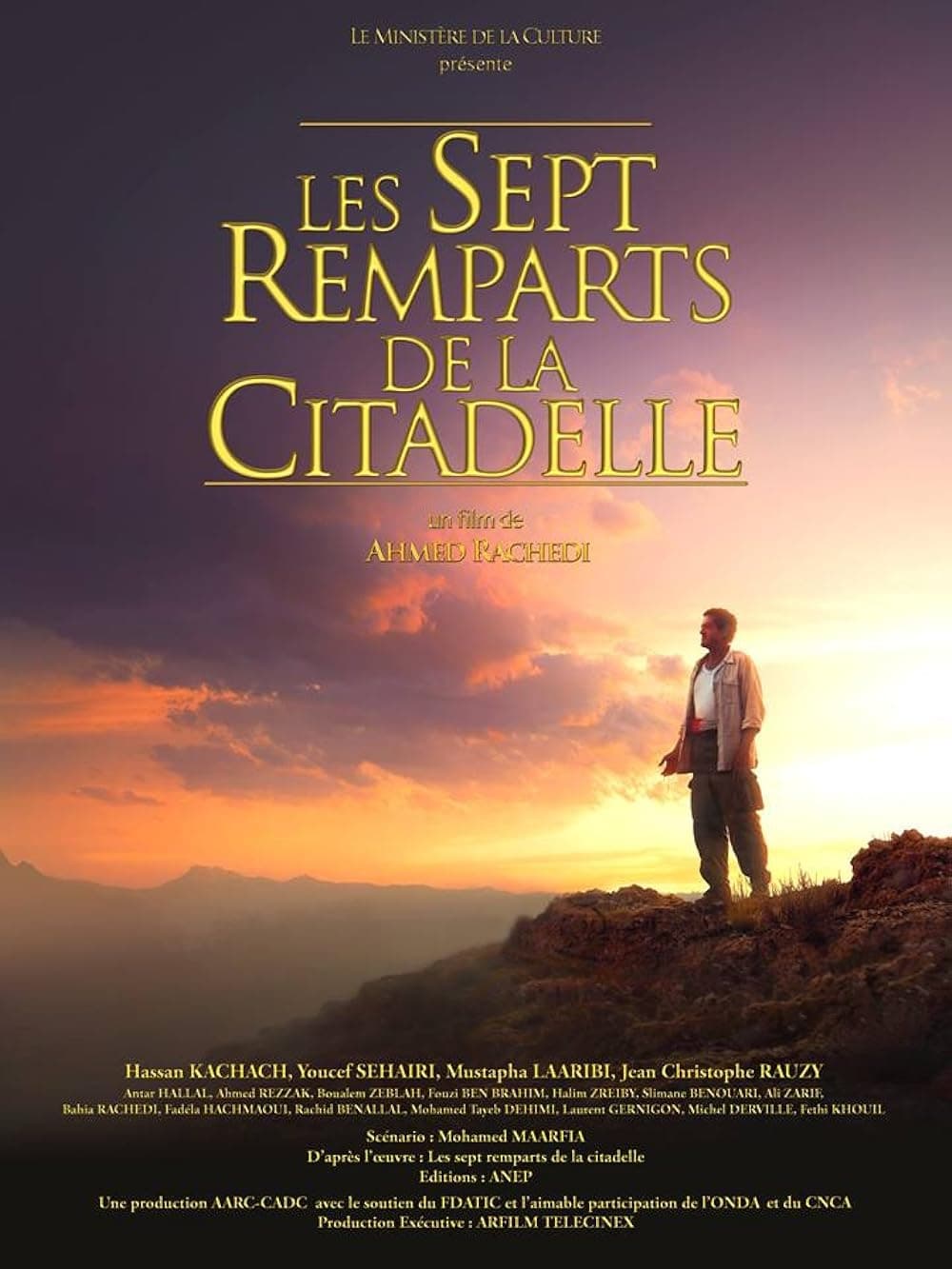
The feature film “The seven ramparts of the citadel”, a fiction recounting the conflict between an Algerian family expropriated from its land and a bloodthirsty settler; by director Ahmed Rachedi. Adapted from the eponymous novel by Mohamed Maarafia, the film, whose plot begins in 1954, tells the story of two characters, Thebti and Lucien, “the fellaga and the colonist”, a story of crossed destinies. “After having engaged in a fight to the death, after having both traveled a long path of embers, (they) finally find themselves face to face and above all each face to themselves”.
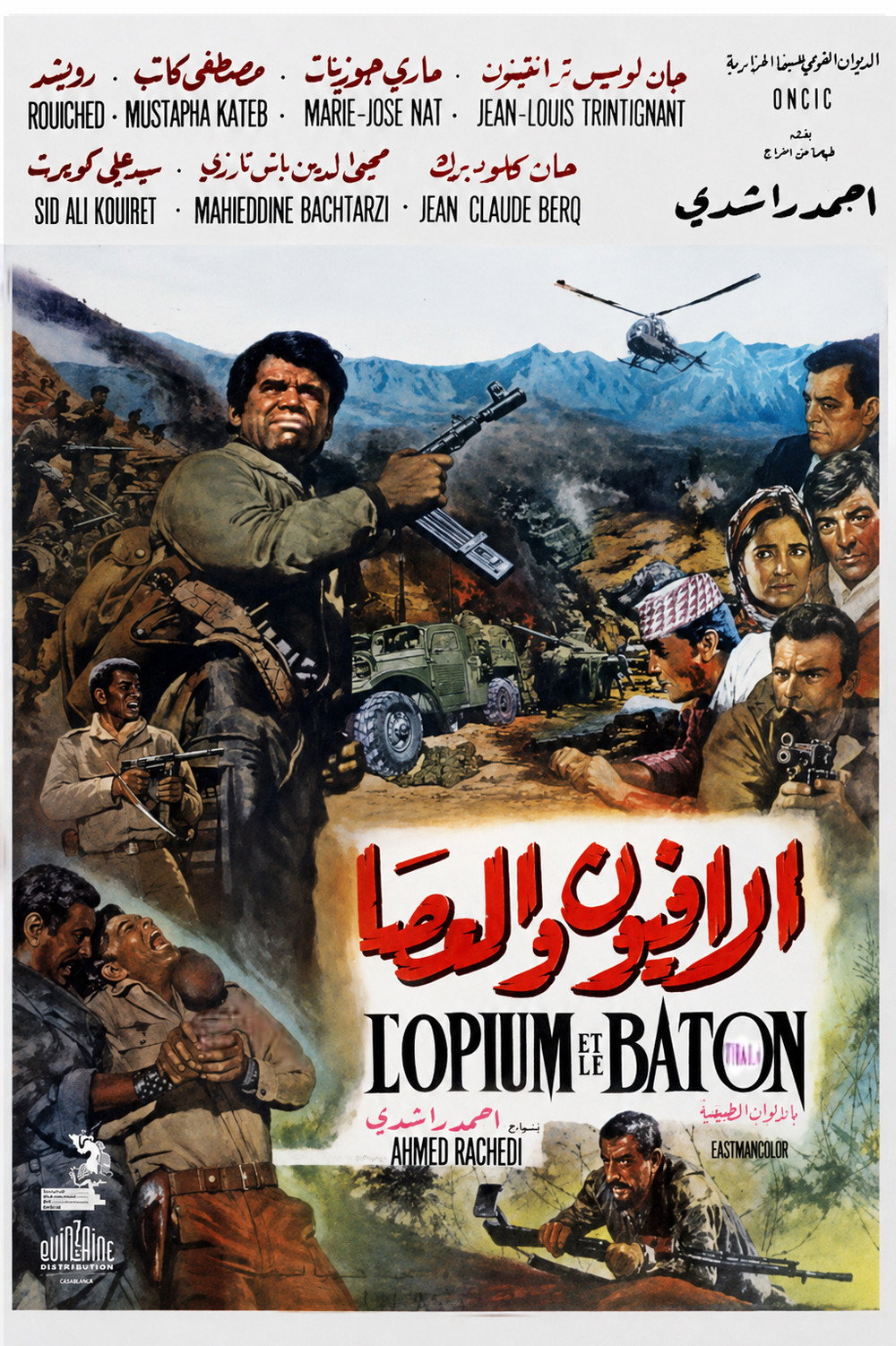
In 1950, in Algeria, in a village in Kabylia, Algerian resistance fighters resisted the French occupation army. Bachir returns to the village to escape the clashes ravaging Algiers. In Thala, he has two brothers, Ali and Belaïd. The first is engaged with the ALN (The National Liberation Army) and fights against the colonizer. His second brother, Belaïd, the eldest, is convinced of a French Algeria. His family torn apart, Bachir decides to join the war and takes sides against the repression of the French army. The French army is trying in vain to turn the population against the insurgents by using disinformation. The more time passes, the more the inhabitants of the village and surrounding areas, oppressed, rally to the cause of the FLN, their houses and their fields will be burned... Adaptation to the cinema of the eponymous novel Opium and the Stick, published in 1965, by Mouloud Mammeri, the film was dubbed into Tamazight (Berber), a first for Algerian cinema.
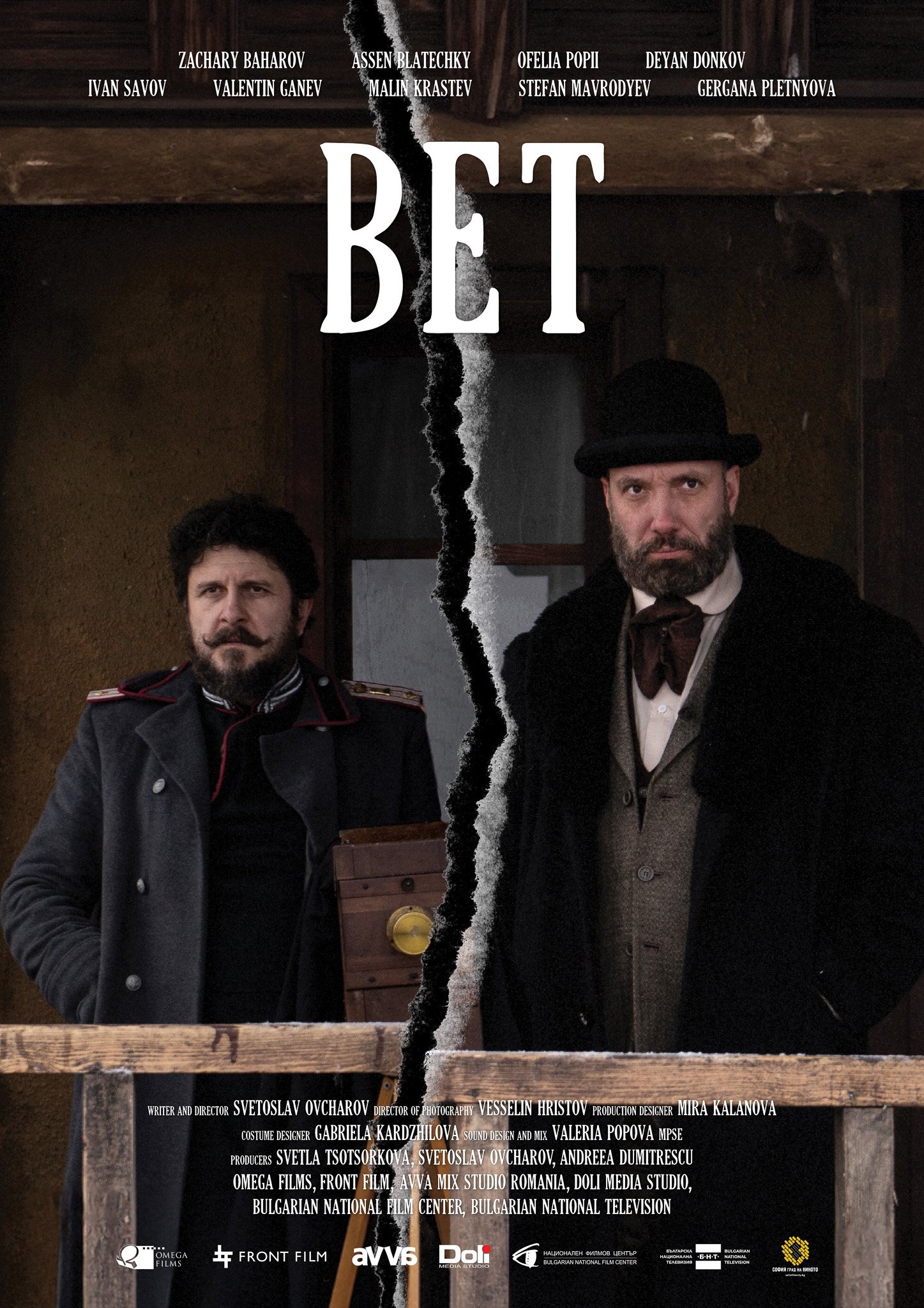
Before the Liberation, during the years of the exiled Bulgarian revolutionaries in Romania, the Major and the Prime Minister once shared the same ideals, the same home, and even the same woman. Today, the Major orchestrates a conspiracy to overthrow the government led by his former friend, the Prime Minister. The head of state must be assassinated, and the Prince – dethroned. The woman is part of the plot, but she will try to prevent the fratricide.
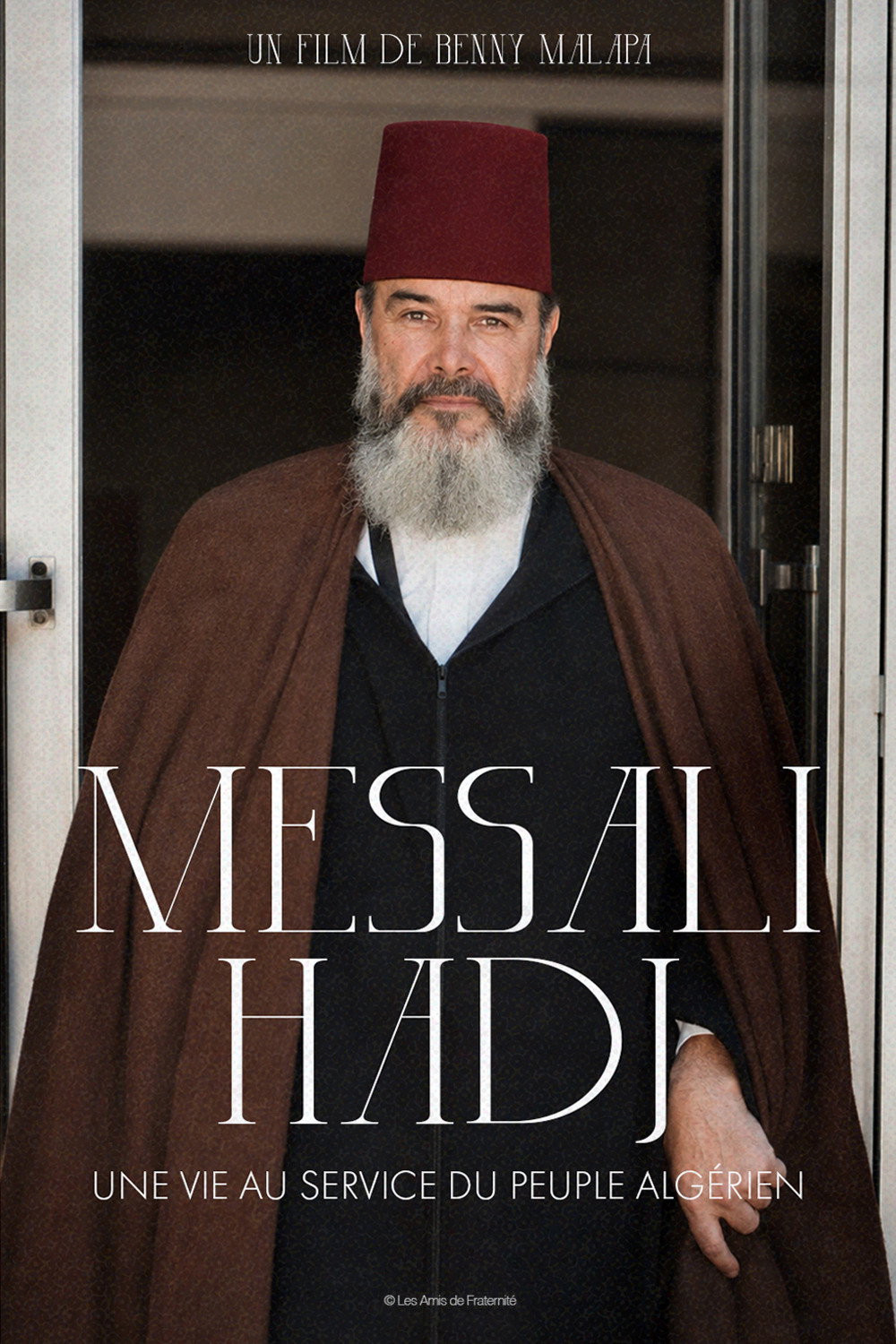
The life and political activism of Messali Hadj (1898-1974), an Algerian internationalist politician who played a pioneering role in the process leading to Algerian independence, which he demanded as early as 1927. He was initially secretary of the North African Star (ENA), then in 1937 he founded the Algerian People's Party (PPA), in 1946 he founded the Movement for the Triumph of Democratic Liberties (MTLD), and finally in 1954, the Algerian National Movement (MNA). In 1937, the leadership of the North African Star (ENA) created its flag, green with a white star and crescent. Messali Hadj's wife, Emilie Busquant-Messali, simply sewed this ENA flag by machine; it would later become the flag of the PPA. In 1943, Messali Hadj, in conjunction with the party leadership, created the ENA-PPA flag, green and white with a red star and crescent, which would later become the current flag of the People's Democratic Republic of Algeria.
Collectively directed by the members of the Centre audiovisuel d'Alger at Ben Aknoun, the film traces, in two parts, Algeria's recent history, from colonial repression to the birth of the National Liberation Army, and the country's postwar reconstruction, framed in sympathy with the socialist project of Ahmed Ben Bella's government. Released in 1964, the film was banned and sealed after Houari Boumediene's June 1965 coup, precisely because of its favorable treatment of Ben Bella.
A WWII veteran escapes his care home in Northern Ireland and embarks on an arduous but inspirational journey to France to attend the 75th anniversary of the D-Day landings, finding the courage to face the ghosts of his past.
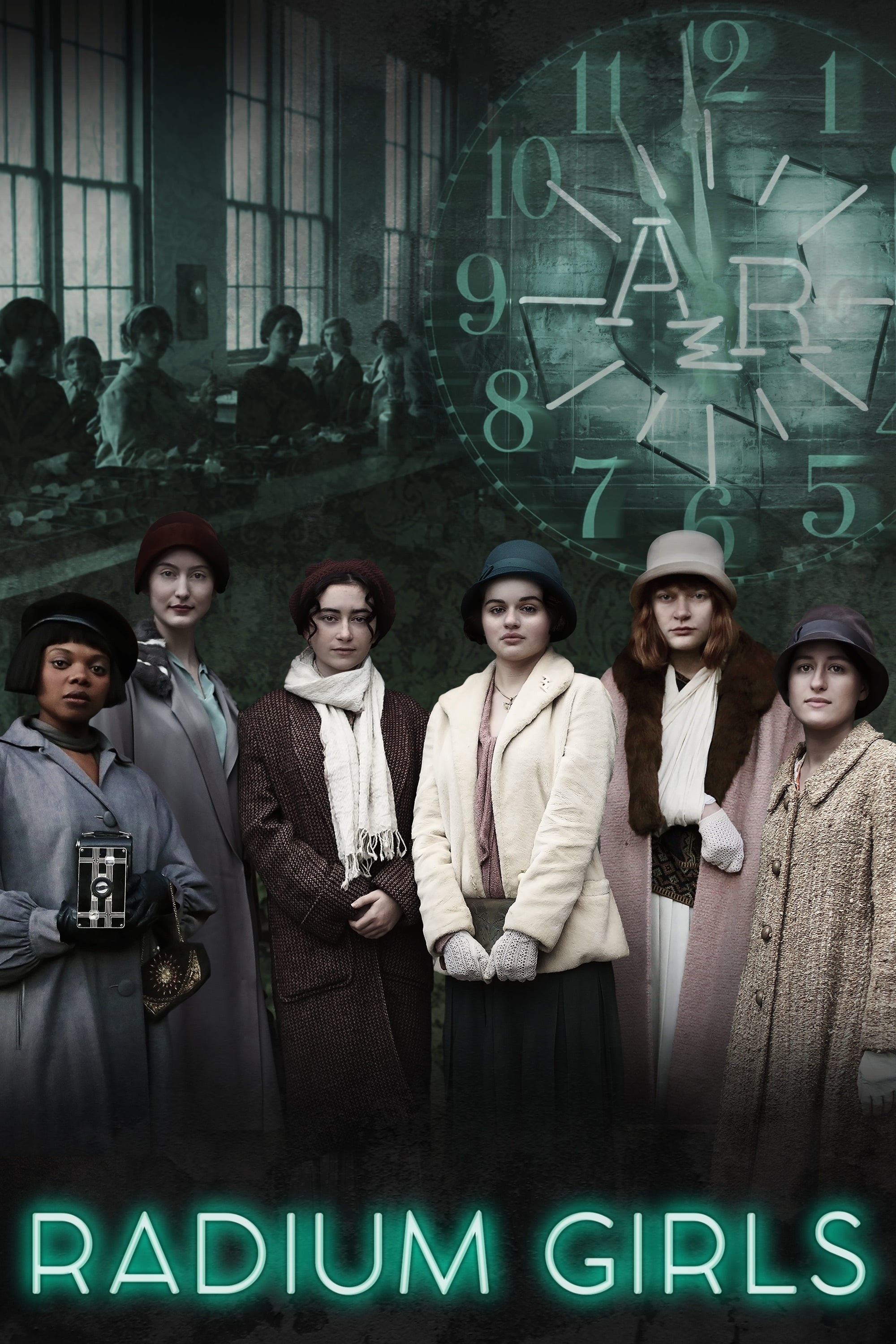
Young women toiling in a factory are exposed to hazardous material which takes a disastrous toll on their health.
Interrogated by a customs officer, a young man recounts how his life was changed during the making of a film about the Armenian genocide.
At the tense 1938 Munich Conference, former friends who now work for opposing governments become reluctant spies racing to expose a Nazi secret.
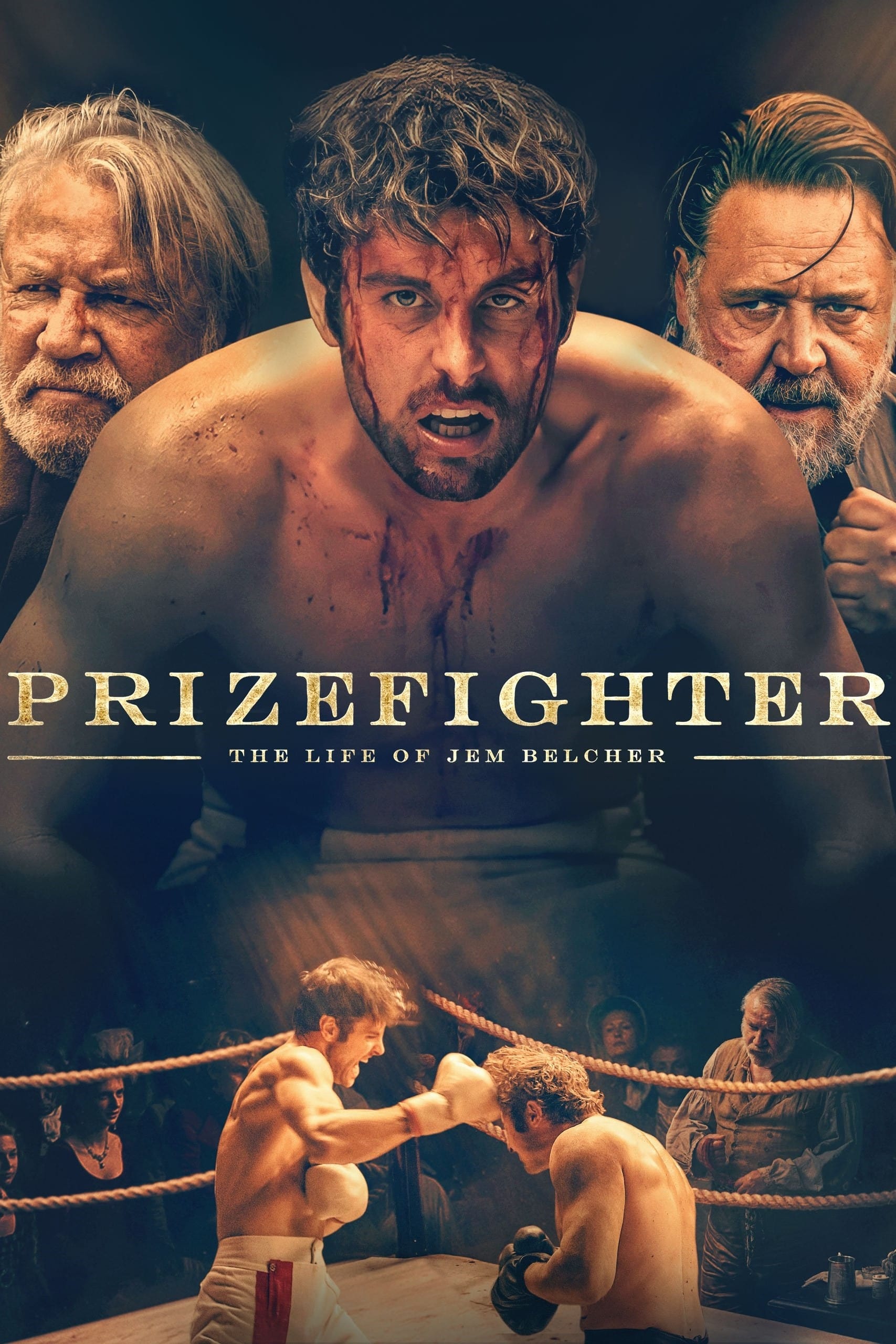
At the turn of the 19th century, Pugilism was the sport of kings and a gifted young boxer fought his way to becoming champion of England.
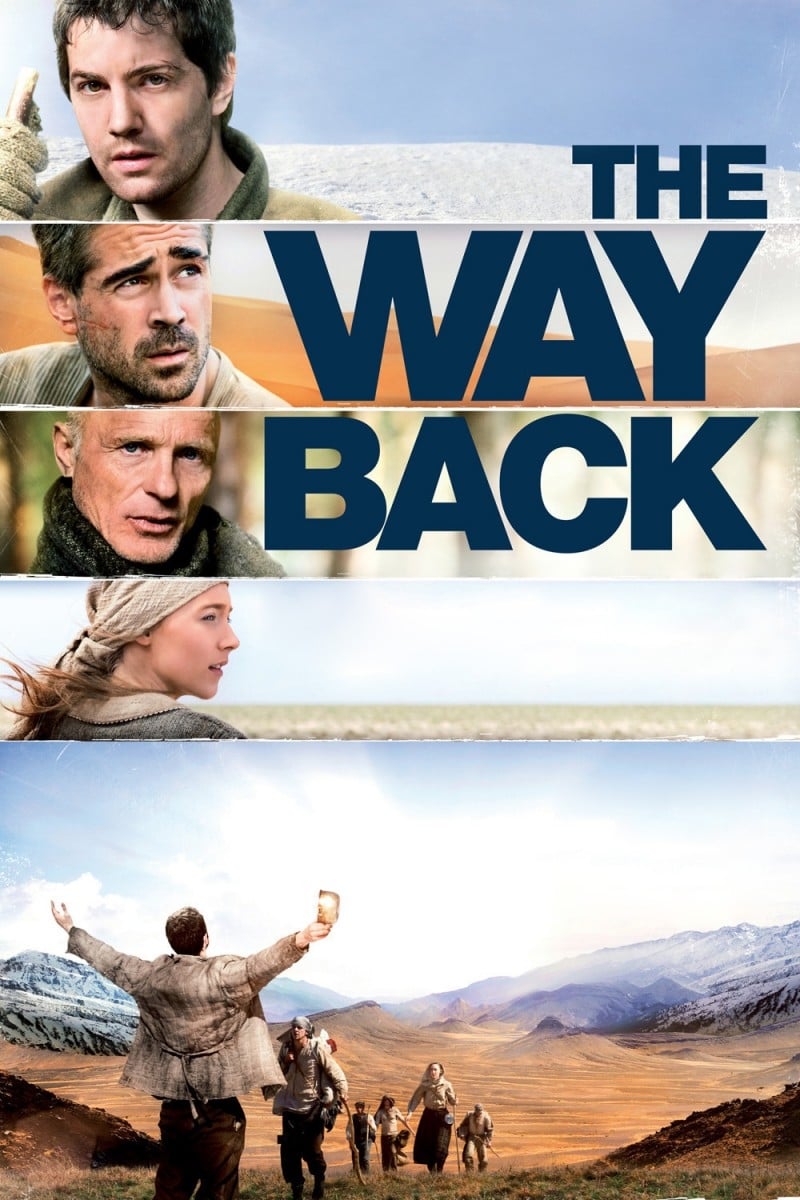
A small band of multicultural convicts stages a daring escape from a WWII-era Siberian gulag, and embarks on a treacherous journey across five countries in a desperate race for freedom and survival.
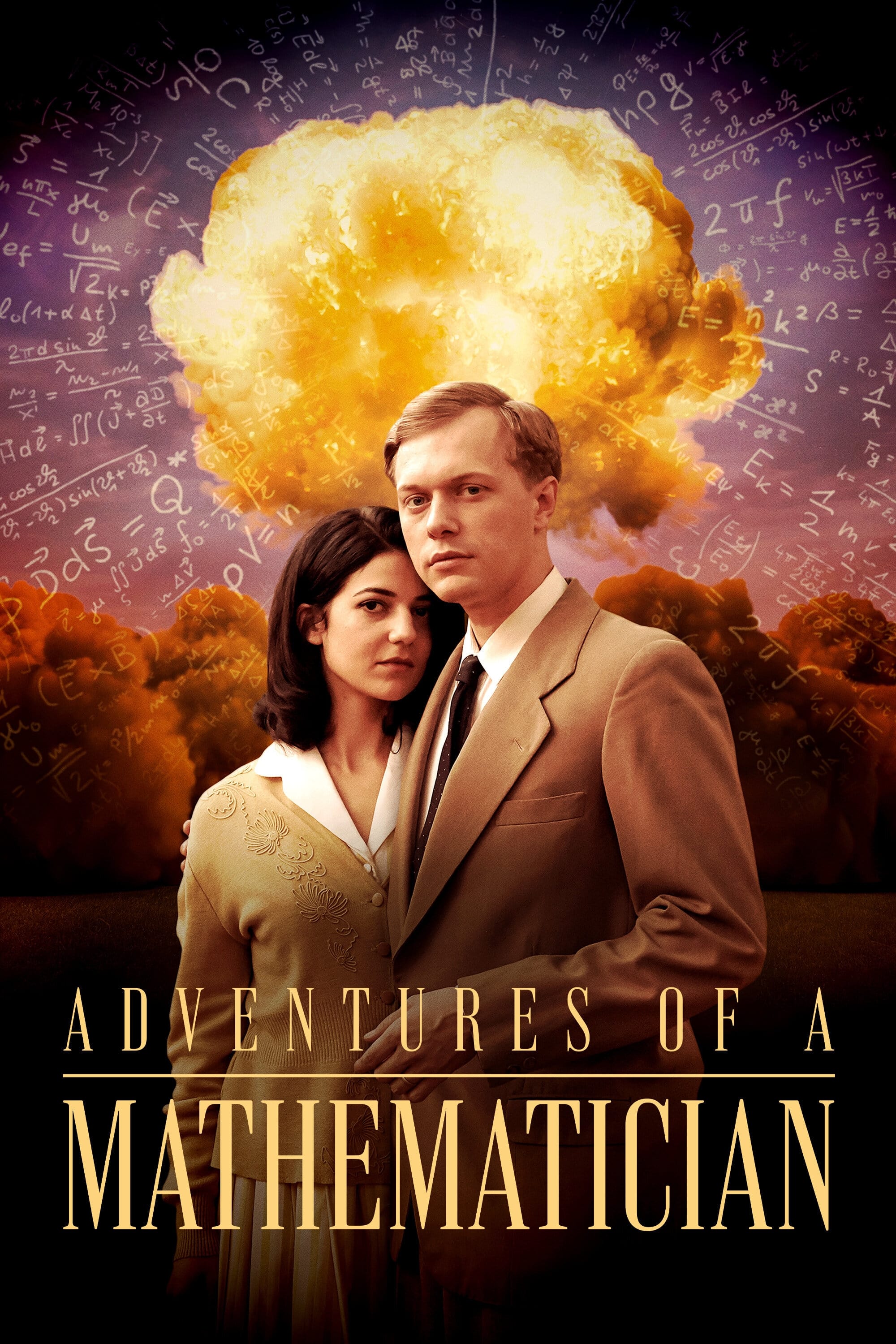
The warmhearted story of Polish immigrant and mathematician Stan Ulam, who moved to the U.S. in the 1930s. Stan deals with the difficult losses of family and friends all while helping to create the hydrogen bomb and the first computer.
A story set in 19th century China and centered on the lifelong friendship between two girls who develop their own secret code as a way to contend with the rigid cultural norms imposed on women.
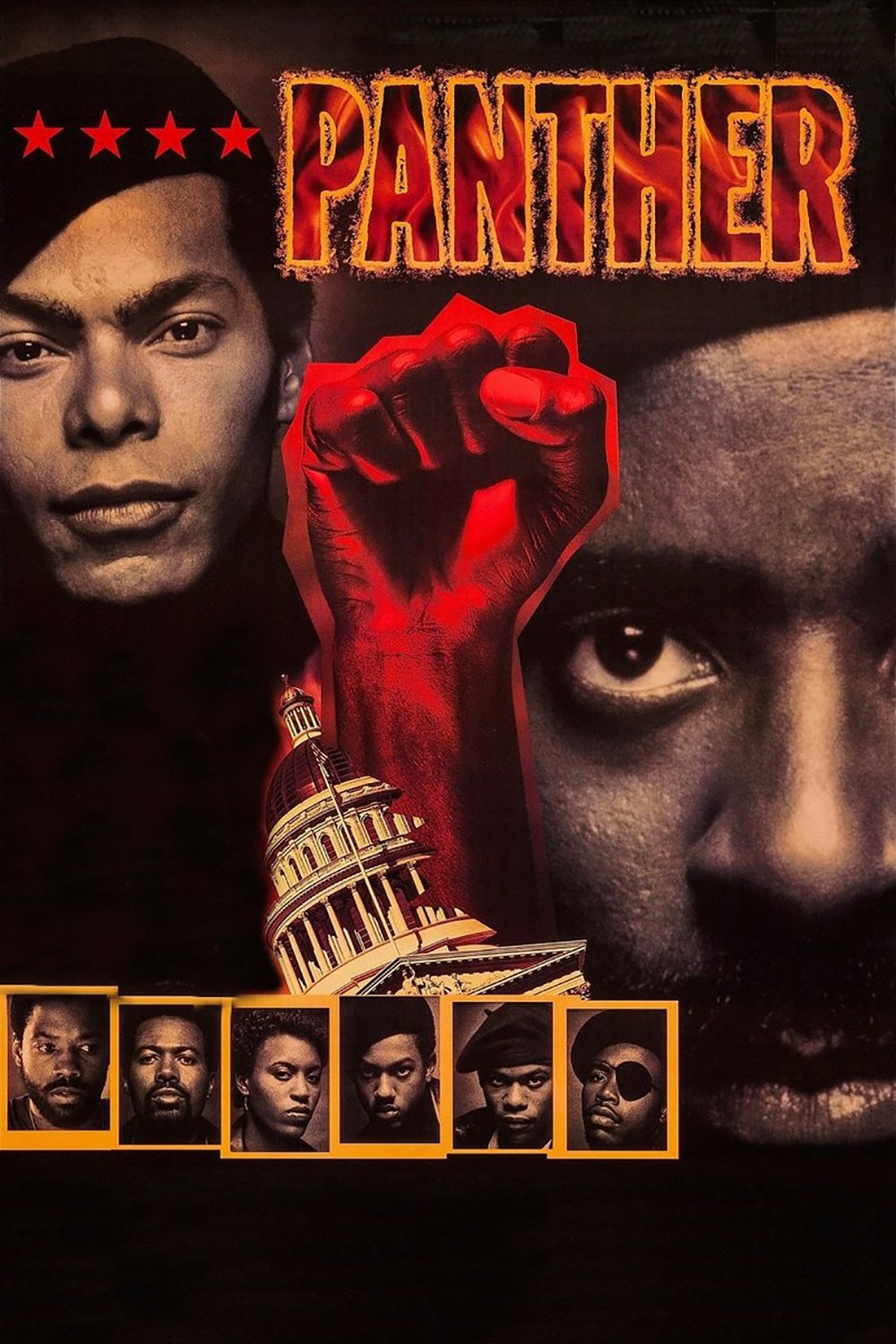
In this sprawling, fictionalized history of the Black Panthers, 1960s Oakland becomes a war zone as the Panthers battle for the right to exist.
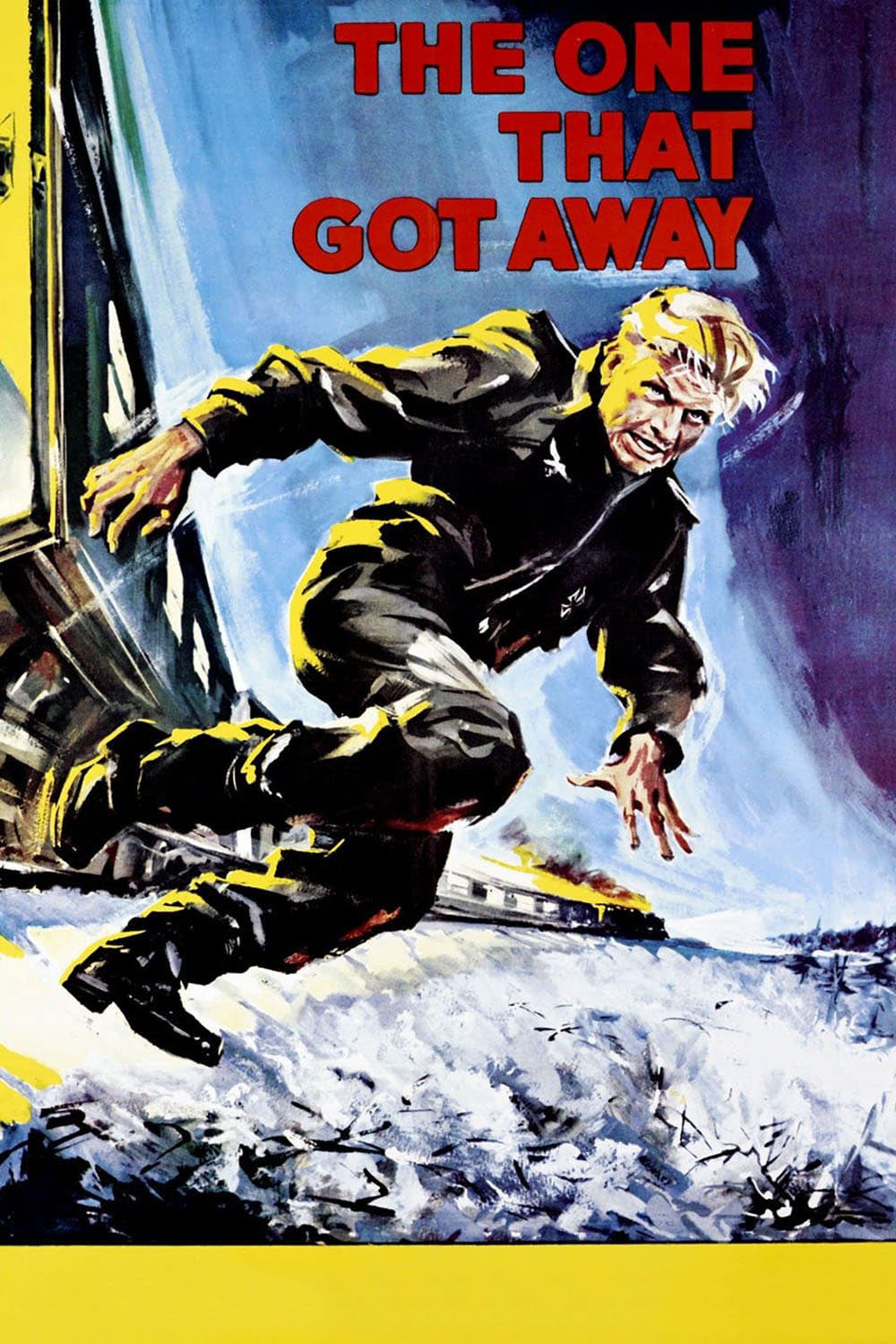
Based on the true story of Oberleutnant Franz von Werra, the only German prisoner of war captured in Britain to escape back to Germany during the Second World War.
XVII century, Bulgaria is under Ottoman rule. Four men break into the house of the shepherd Karaivan, raping and killing his wife in full view of their child, Maria. To protect his daughter and to enact revenge, he raises Maria as a son, teaching her to fight and kill. But as Maria grows up, she longs for a different life.
A drama set in the American South, where a precocious, troubled girl finds a safe haven in the music and movement of Elvis Presley.
Regent Horthy is the leader of Hungary and a German ally, but his favorable standing with Hitler changes as the war comes to an end. Forced to cede Hungary’s power or else witness the execution of his son, Regent Horthy gives up control of his country to the Nazis, who quickly move Hungarians to ghettos and death camps, with no hope in sight. But the despair changes when a young man named Elek emerges. Separated from his family during the relocations and aided by the woman he loves , Elek defies the enemy by becoming one of them. In a race against time, disguised as a Nazi Officer he embarks on a mission to save his family and thousands of his countrymen.
Based on true events about the foot soldiers of the early feminist movement, women who were forced underground to pursue a dangerous game of cat and mouse with an increasingly brutal State.
Stephen Glass is a staff writer for the respected current events and policy magazine The New Republic and a freelance feature writer for publications such as Rolling Stone, Harper's and George. By the mid-90s, Glass' articles had turned him into one of the most sought-after young journalists in Washington, but a bizarre chain of events - chronicled in Buzz Bissinger's September 1998 Vanity Fair article - suddenly stopped his career in its tracks.
The story of Margaret Humphreys, a social worker from Nottingham, who uncovers one of the most significant social scandals in recent times – the forced migration of children from the United Kingdom to Australia and other Commonwealth countries. Almost singlehandedly, Margaret reunited thousands of families, brought authorities to account and worldwide attention to an extraordinary miscarriage of justice.
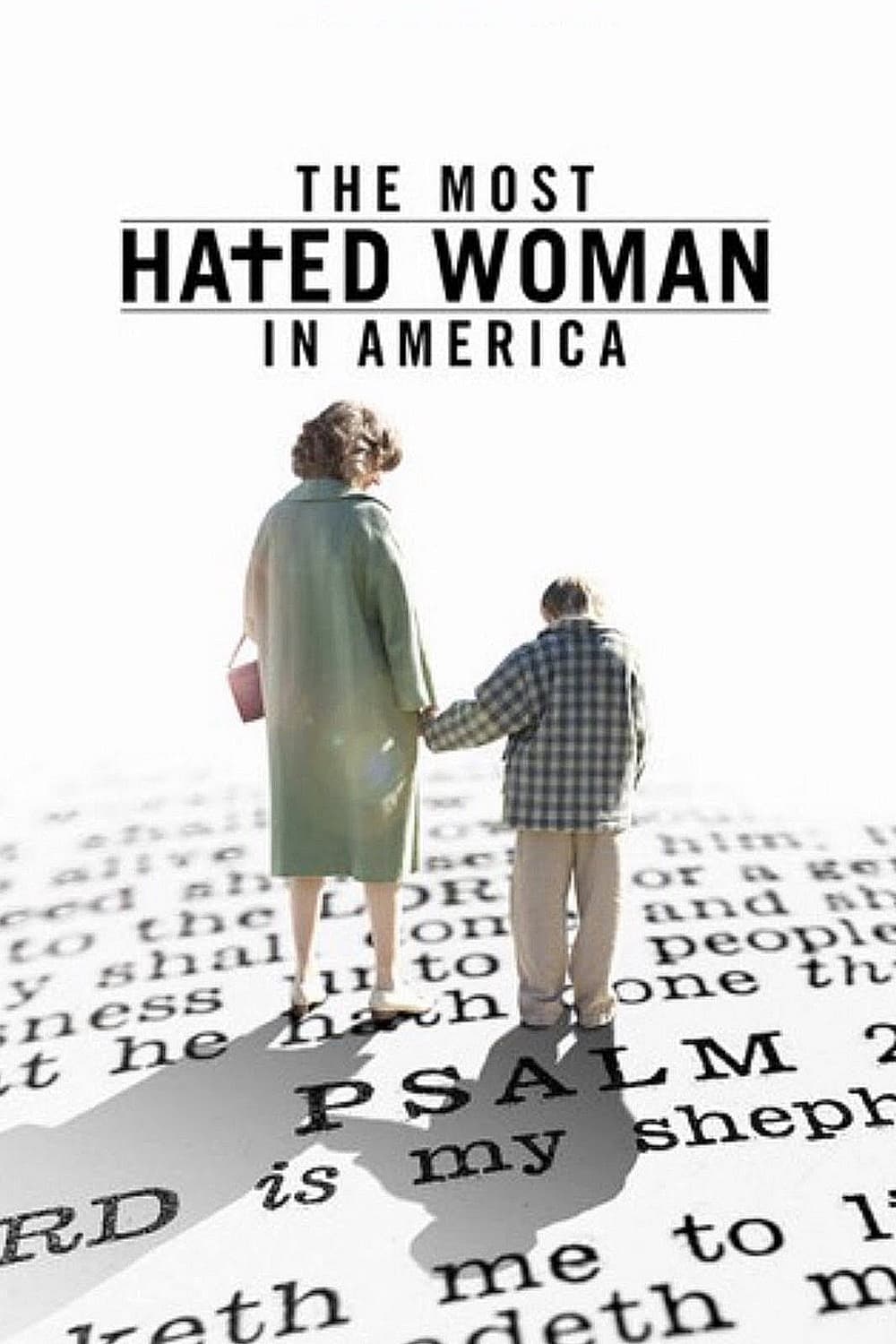
The true story of Madalyn Murray O'Hair -- iconoclast, opportunist, and outspoken atheist -- from her controversial rise to her untimely demise.
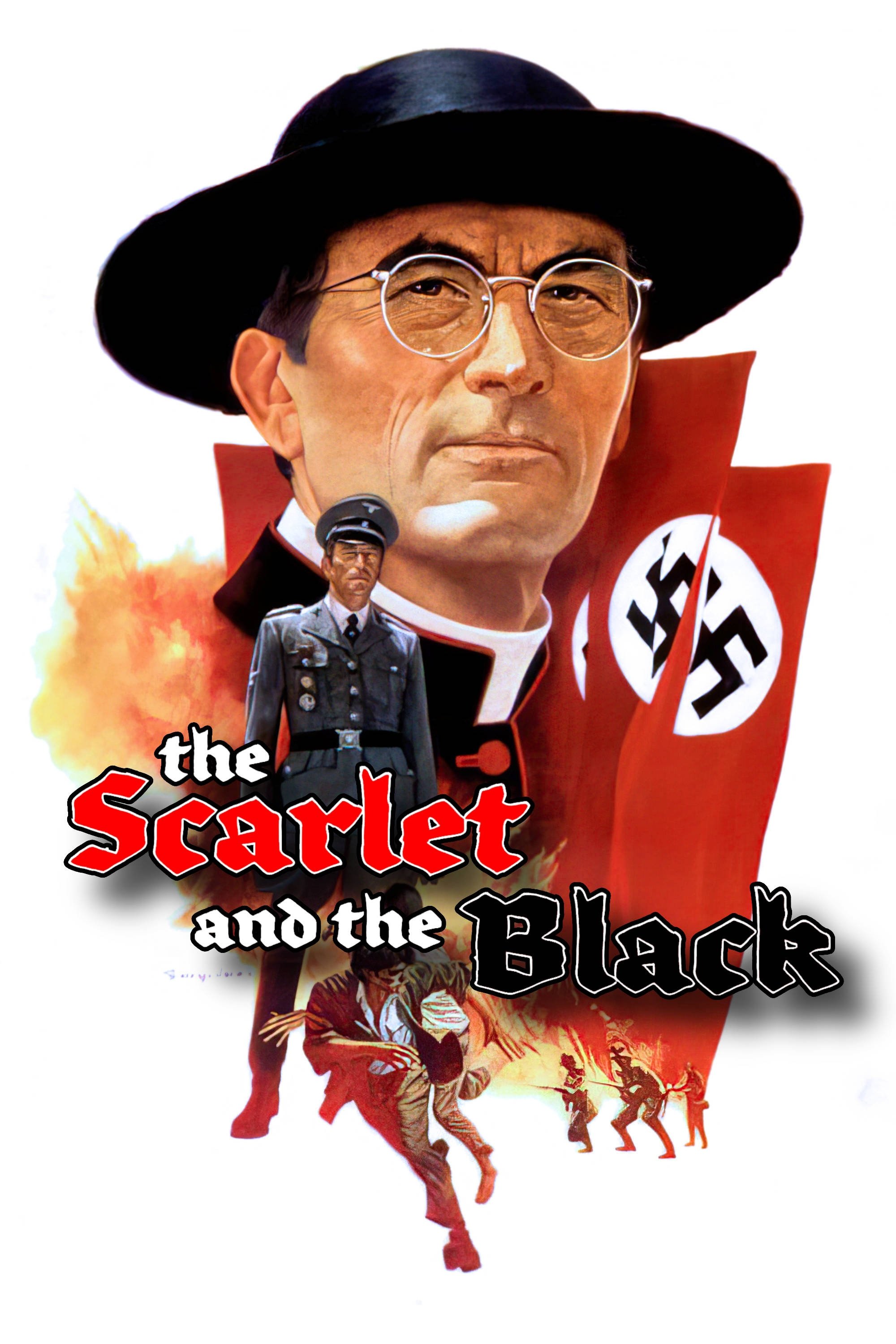
Fr. Hugh O'Flaherty is a Vatican official in 1943-45 who has been hiding downed pilots, escaped prisoners of war, and Italian resistance families. His activities become so large that the Nazis decide to assassinate him the next time he leaves the Vatican.
The remarkable true-life survival story of a Jewish boy hiding and being hunted in the forests of Nazi-occupied Eastern Europe, based on Maxwell Smart's memoir.
In Korea, on 6 September 1950, Lieutenant Benson's platoon finds itself isolated in enemy-held territory after a retreat. Soon they are joined by Sergeant Montana, whose overriding concern is caring for his catatonic colonel. Benson and Montana can't stand each other, but together they must get the survivors to Hill 465, where they hope the division is waiting. It's a long, harrowing march, fraught with all the dangers the elusive enemy can summon.