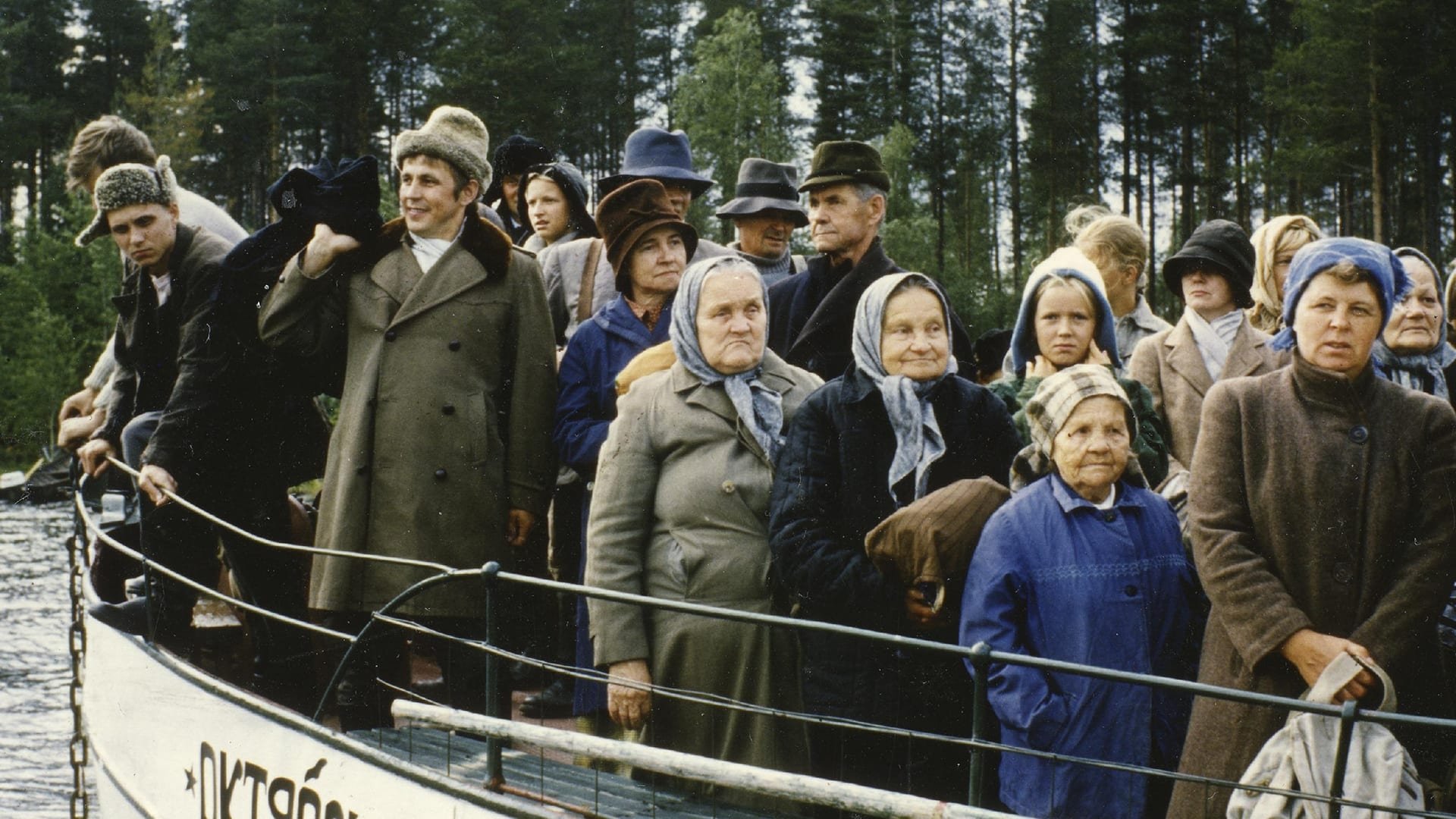
Docudrama about the Soviet occupation of a Finnish village in the fall before the Winter War.
Social & External
The people behind it
Marja-Leena Kouki
Narrator (voice)
Vesa Repo
Pekka Lehto
Self
Pirjo Honkasalo
Mario, a young, handsome surveyor, arrives in a small Patagonian town to prepare the overland transport of a passenger ship. The inhabitants eagerly await the trek, some hoping it will establish a better link to the outside world, others just sensing an opportunity to make money. No only by falling in love with Gloria, who runs a garment store, is married to a wealthy hacienda owner, but also has an affair with the town's mayor, Mario gets entangled in a tight web of relations.
The 1905 law proclaiming the separation of church and state is 120 years old. This law affirms freedom of conscience and religious freedom. It is considered the founding text of secularism. Secularism is the subject of endless controversy and debate.
Black marketeers Marko and Blacky manufacture and sell weapons to the Communist resistance in WWII Belgrade, living the good life along the way. Marko's surreal duplicity propels him up the ranks of the Communist Party, and he eventually abandons Blacky and steals his girlfriend. After a lengthy stay in a below-ground shelter, the couple reemerges during the Yugoslav Civil War of the 1990s as Marko sees the opportunity to exploit the situation.
During World War II, young Rusty was sent to America for safety. It's now five years later and the spunky redhead returns to her native England. From the family she hardly remembers to snobby classmates and rule-filled boarding schools, Rusty must adapt to a whole new way of life.
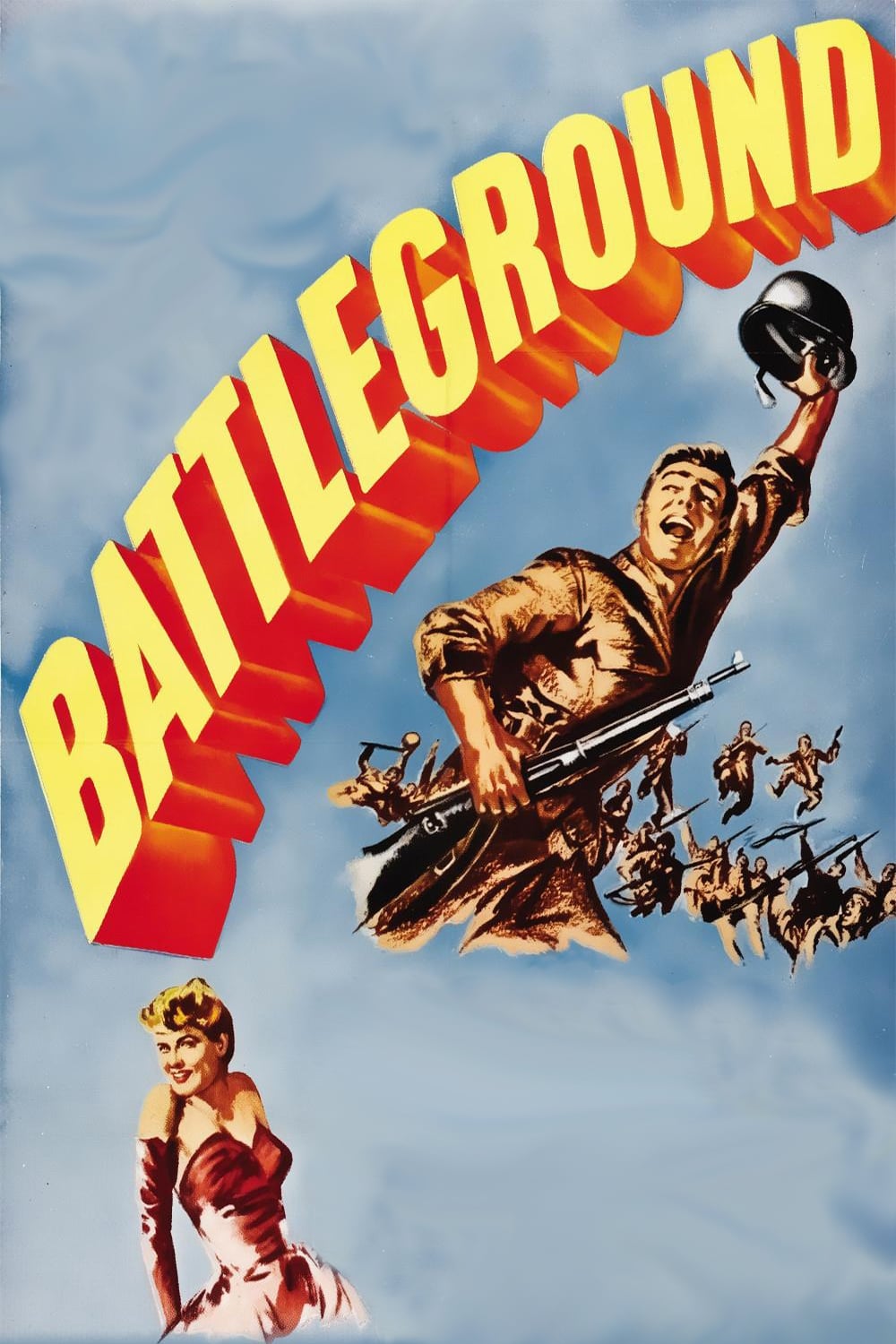
A wounded American soldier fights to survive behind enemy lines during WWII's Battle of the Bulge against the Germans, relying on his instinct, spy craft and a hand-radio to evade capture and find his way back to his unit.
Island of Java, 1942, during World War II. British Major Jack Celliers arrives at a Japanese prison camp, run by the strict Captain Yonoi. Colonel John Lawrence, who has a profound knowledge of Japanese culture, and Sergeant Hara, brutal and simpleton, will witness the struggle of wills between two men from very different backgrounds who are tragically destined to clash.
Heli Valkonen is desperately in love with her husband. But Matti is just not in the mood. He is only interested in playing computer games, dressed in worn out fleece pants. For him, a shoulder massage is the highest form of intimacy. When subtle hints, nice words and fetching clothes won't help, Heli resorts in direct, and increasingly direct action - in vain.
Joe Enders is a gung-ho Marine assigned to protect a "windtalker" - one of several Navajo Indians who were used to relay messages during World War II because their spoken language was indecipherable to Japanese code breakers.
19 year old Irena Gut is promoted to housekeeper in the home of a highly respected Nazi officer in Poland when she finds out that the Jewish ghetto is about to be liquidated. Determined to help twelve Jewish workers, she decides to shelter them in the safest place she can think of – the basement of the German Major's house. Over the next eight months, Irena uses her wit, humour and immense courage to hide her friends as long as possible.
Based on a true incident that occurred in 1942 when nine Nazi saboteurs were put ashore on the coast of Long Island, New York, by submarine, with orders to blow up various defense installations.
In this pitch black comedy the rivalry between two neighbors escalates into an all out war. Through a maintenance error on a tractor they both end up, paralyzed, in a wheelchair. It seems they are doomed to stay together. They no longer focus their rage on each other but on the manufacturer of the tractor, in Helsinki. So get ready for a hilarious wheelchair road movie.
The "Memphis Belle" is a World War II bomber, piloted by a young crew on dangerous bombing raids into Europe. The crew only have to make one more bombing raid before they have finished their duty and can go home. In the briefing before their last flight, the crew discover that the target for the day is Bremen.
Dance of Deception is a tense political thriller set during the German occupation of Denmark in World War II. Journalist Marylin Rutherford conducts an interview with Frits Clausen, the controversial leader of the Danish pro-Nazi political party. What begins as a formal conversation escalates into a dangerous psychological confrontation, as Marylin hides a motive, and a searing personal loss. The line between truth and performance blurs—until everything shatters in a haunting final twist.
This is a drama set in Nazi-occupied France at the height of World War II. Charlotte Gray tells the compelling story of a young Scottish woman working with the French Resistance in the hope of rescuing her lover, a missing RAF pilot. Based on the best-selling novel by Sebastian Faulks.
Late 18th century, Tohoku. An outcast girl, Rin lives in a village suffering from famine. She draws strength from Mt. Hayachine, where the spirits of humans ascend after passing.
Prompted by the death of his father and the grief of his mother, a man recalls the story of how they met in flashback.
Miracle at St. Anna chronicles the story of four American soldiers who are members of the all-black 92nd "Buffalo Soldier" Division stationed in Tuscany, Italy during World War II.
A former clergyman finds himself back in his old boarding school where the disturbances experienced by its community might help him regain his faith and tie up loose ends in regards to his son's death by a deadly spirit.
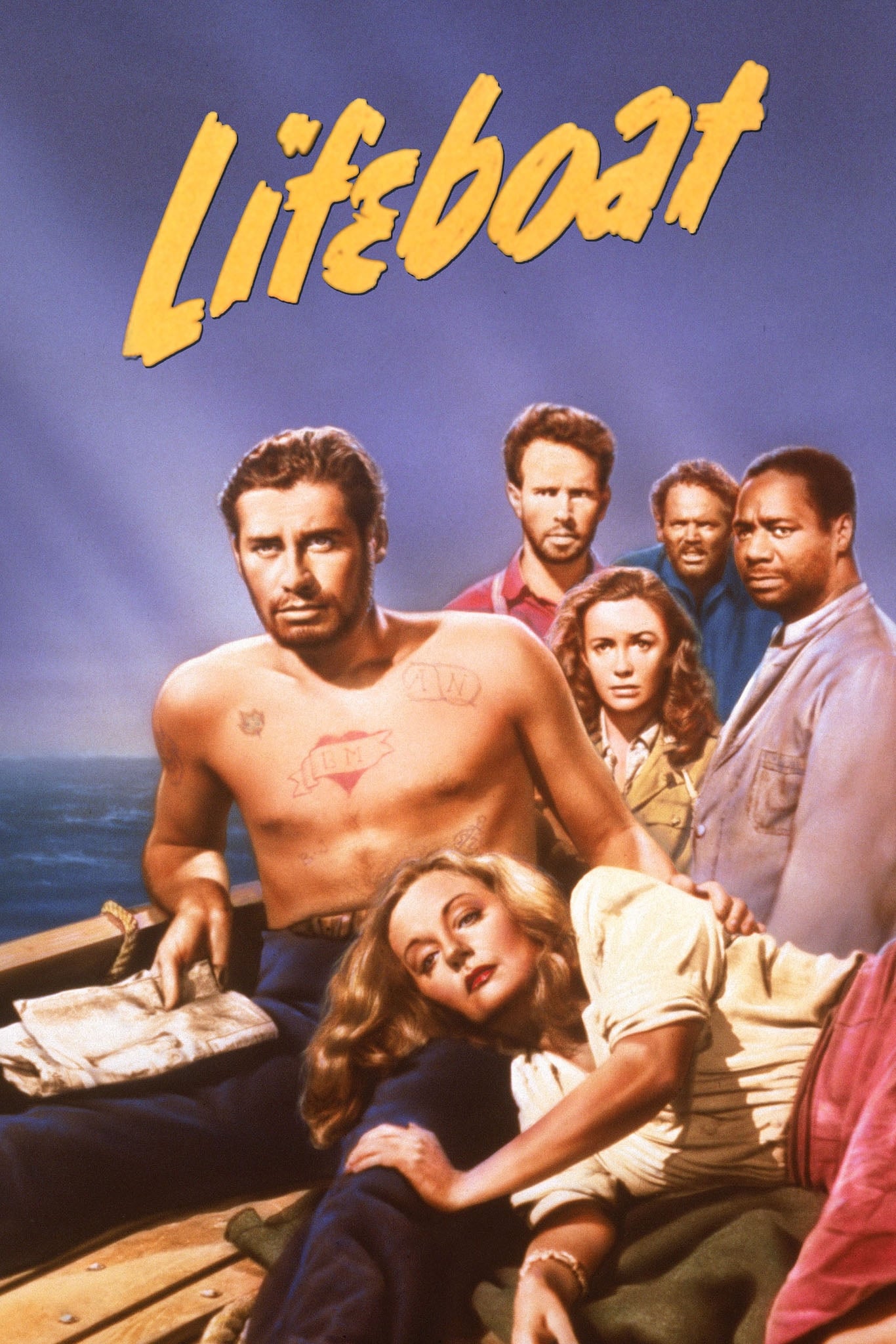
During World War II, a small group of survivors is stranded in a lifeboat together after the ship they were traveling on is destroyed by a German U-boat.
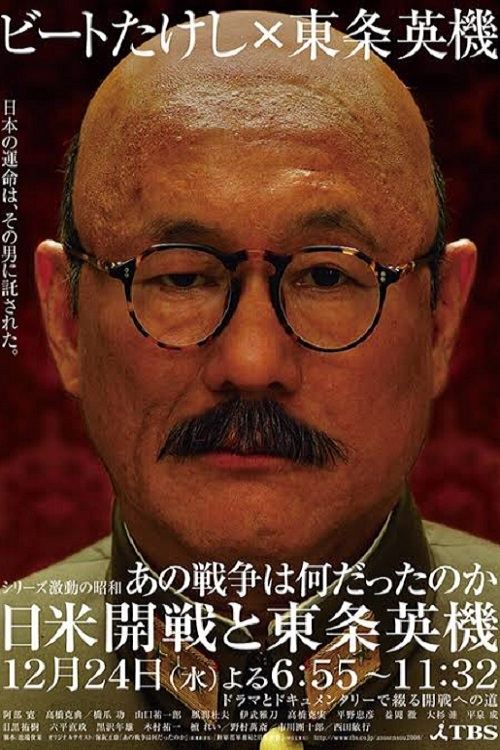
The drama stars Beat Takeshi as General Hideki Tojo, who served as Prime Minister of Japan during World War II and was later executed as a war criminal. The story's theme is said to be a look at how the Pacific War began, focusing mostly on the three month period between the Imperial Conference (Gozen Kaigi) on September 6, 1941, and the attack on Pearl Harbor on December 7, 1941.
After Nazi Germany invades Poland in September 1939, Russia attacks Finland two months later. Finnish reservists leave home and go to war. Brothers Martti and Paavo Hakala, farmers from the municipality of Kauhava in the province of Pohjanmaa/Ostrobothnia, serve in a Finnish platoon.
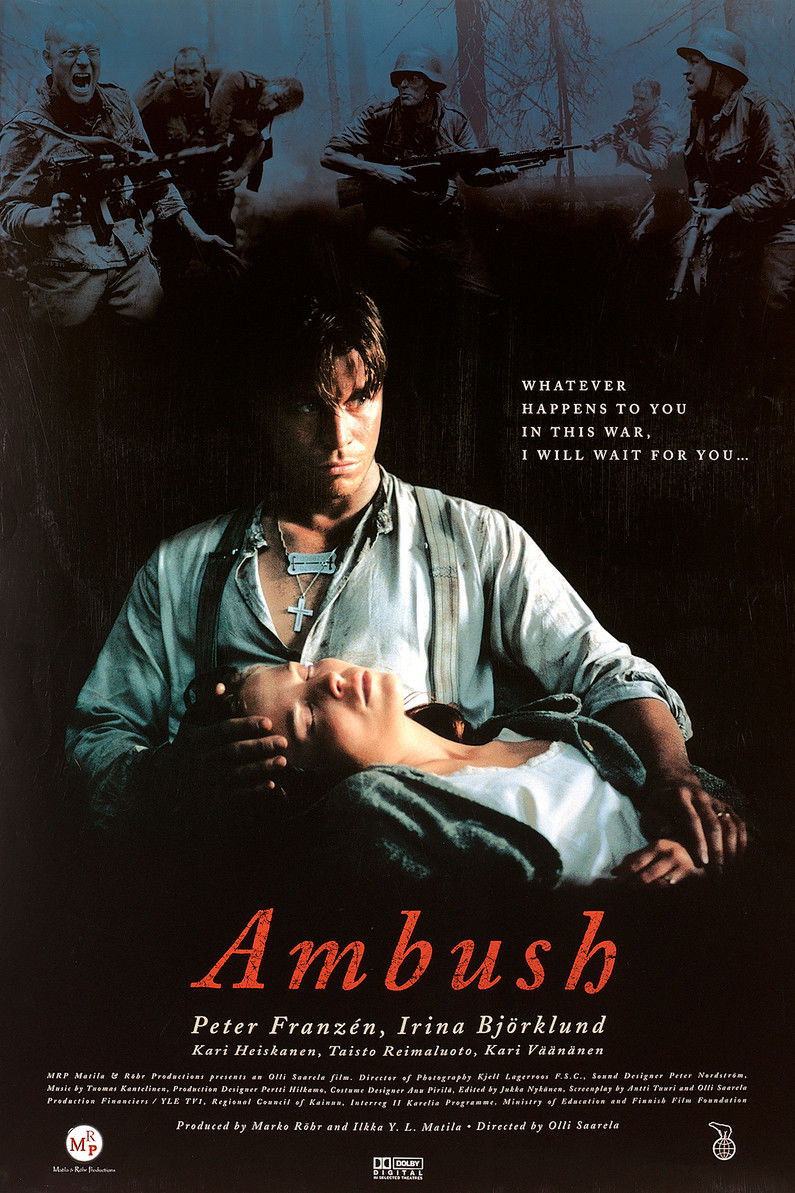
It is the summer of 1941 and the Finnish army has been mobilized along the border with Russia. A platoon led by Lt. Eero Perkola is waiting for orders to go on the offensive. The platoon receives orders for a recon mission through the wilderness around the Lieksa lake to search for possible Russian defensive positions.
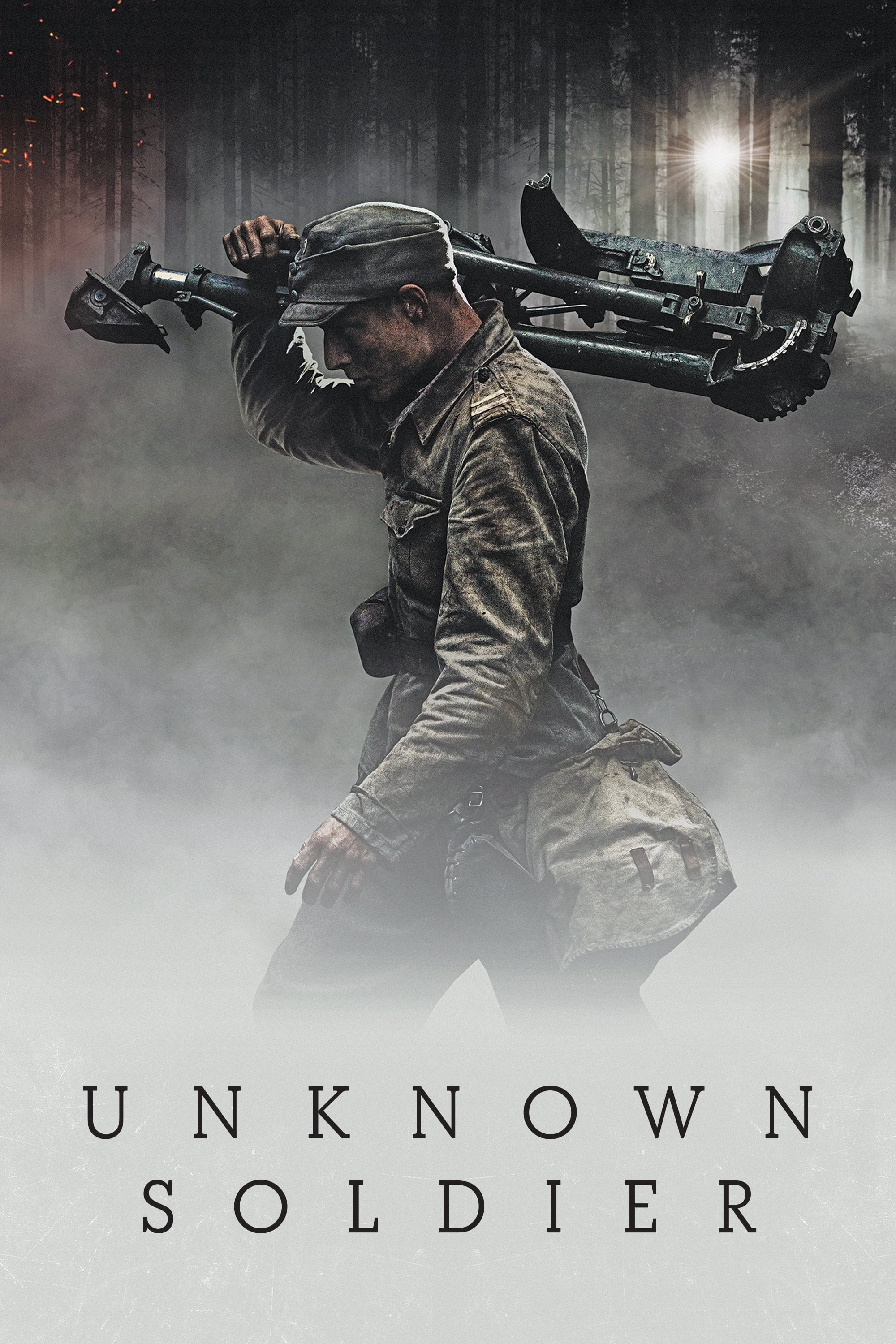
The film follows Finnish army machine gun company in Continuation War against Soviet Union, 1941–1944. Based on Väinö Linna's best selling novel Tuntematon Sotilas (The Unknown Soldier) and the novel's uncensored version, Sotaromaani (A War Novel).
Second silver screen adaption of the Finnish war book by Väinö Linna. The story is based on Linna's experiences as an infantry man in the Finnish army during the so called "Continuation War" (1941-1944).
1943: Nine-year-old Eero whose father is killed during the war is brought to Sweden to foster parents to his protection like thousands of other Finnish children. Eero feels lost, particularly as his foster mother Signe behaves very unfriendly. She was expecting a little girl and still mourns for her daughter who drowned in the sea.
Set during the occupation of Iraq, a squad of U.S. soldiers try to protect a small village.
During the harrows of WWII, Jo, a young shepherd along with the help of the widow Horcada, helps to smuggle Jewish children across the border from southern France into Spain.
Returning to the house where his family was brutally murdered during the war, "the man who refuses to die" dismantles it, loads it on a truck, and is determined to rebuild it somewhere safe in their honor. When the commander who killed his family comes back hellbent on finishing the job, a relentless, eye-popping cross-country chase ensues.
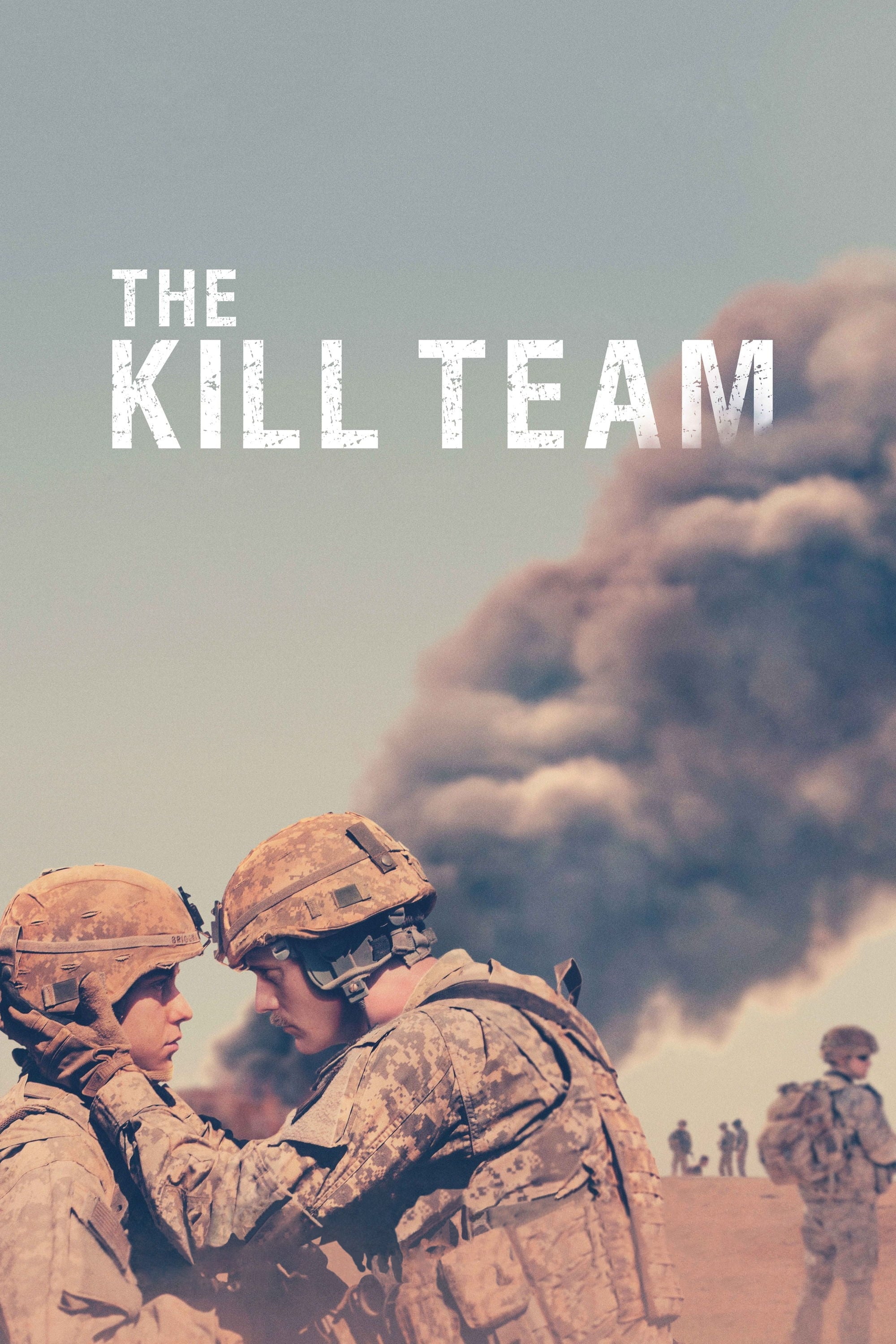
When Andrew Briggman — a young soldier in the US Army during the invasion of Afghanistan — witnesses the murderous behavior of fellow soldiers, under the direction of a malevolent Sergeant, he faces a moral dilemma. His increasingly-violent platoon becomes suspicious that someone in their ranks has turned on them, and Andrew begins to fear for his safety. A fictionalized dramatization based on a true story.
A WWII veteran escapes his care home in Northern Ireland and embarks on an arduous but inspirational journey to France to attend the 75th anniversary of the D-Day landings, finding the courage to face the ghosts of his past.
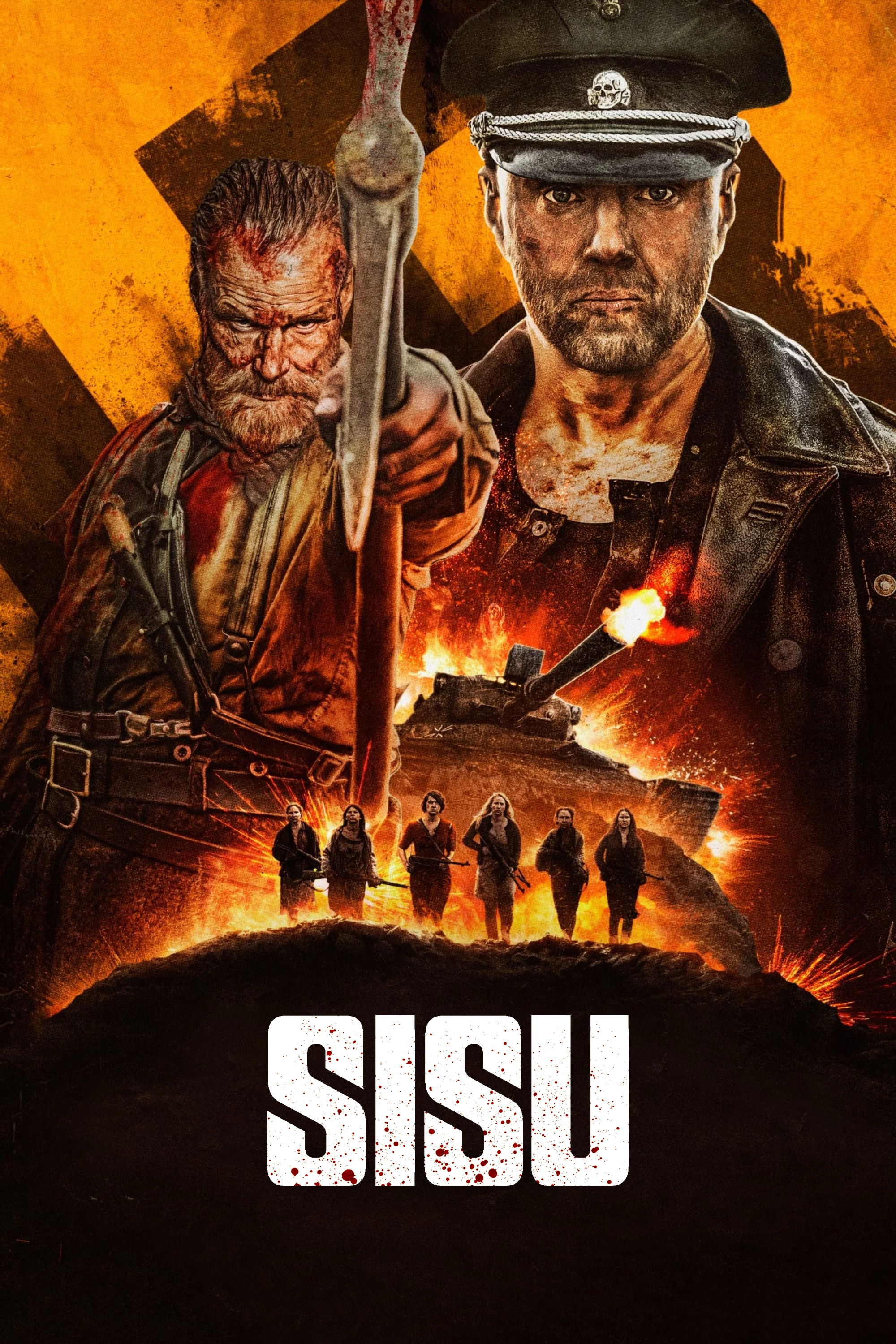
When an ex-soldier who discovers gold in the Lapland wilderness tries to take the loot into the city, German soldiers led by a brutal SS officer battle him.
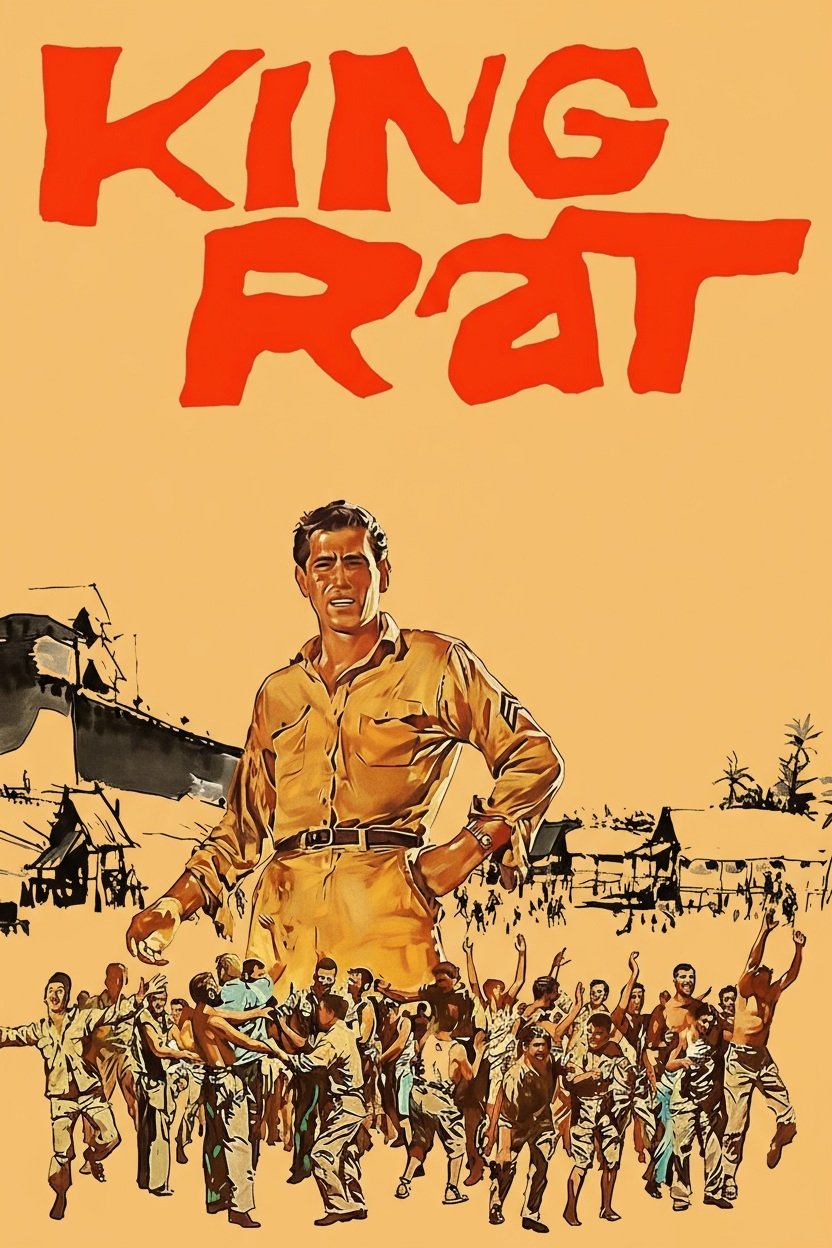
When Singapore surrendered to the Japanese in 1942, the Allied POWs, mostly British but including a few Americans, were incarcerated in Changi prison. Among the American prisoners is Cpl. King, a wheeler-dealer who has managed to establish a pretty good life for himself in the camp. King soon forms a friendship with an upper-class British officer who is fascinated with King's enthusiastic approach to life.
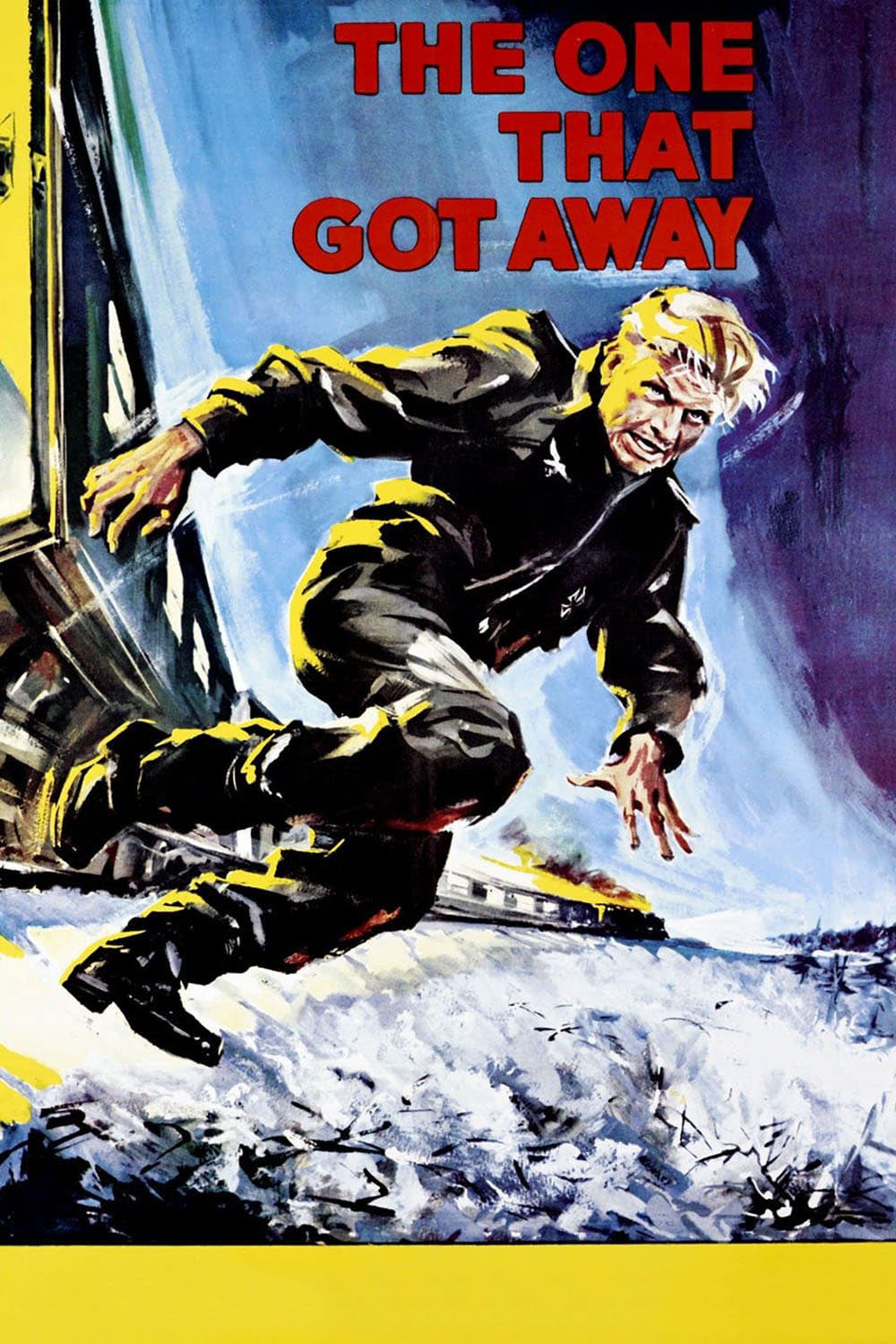
Based on the true story of Oberleutnant Franz von Werra, the only German prisoner of war captured in Britain to escape back to Germany during the Second World War.
Members of the U.S. Army's 101st Airborne Division are fighting for their country amidst the rugged terrain of Bastogne, Belgium, in December 1944. Holley and his American compatriots have already seen one of their own, Roderigues, perish under enemy fire. The men try to rebuff another series of Nazi attacks, but what they really need is a change in the weather. Without clear skies, they'll never get the air support they need.
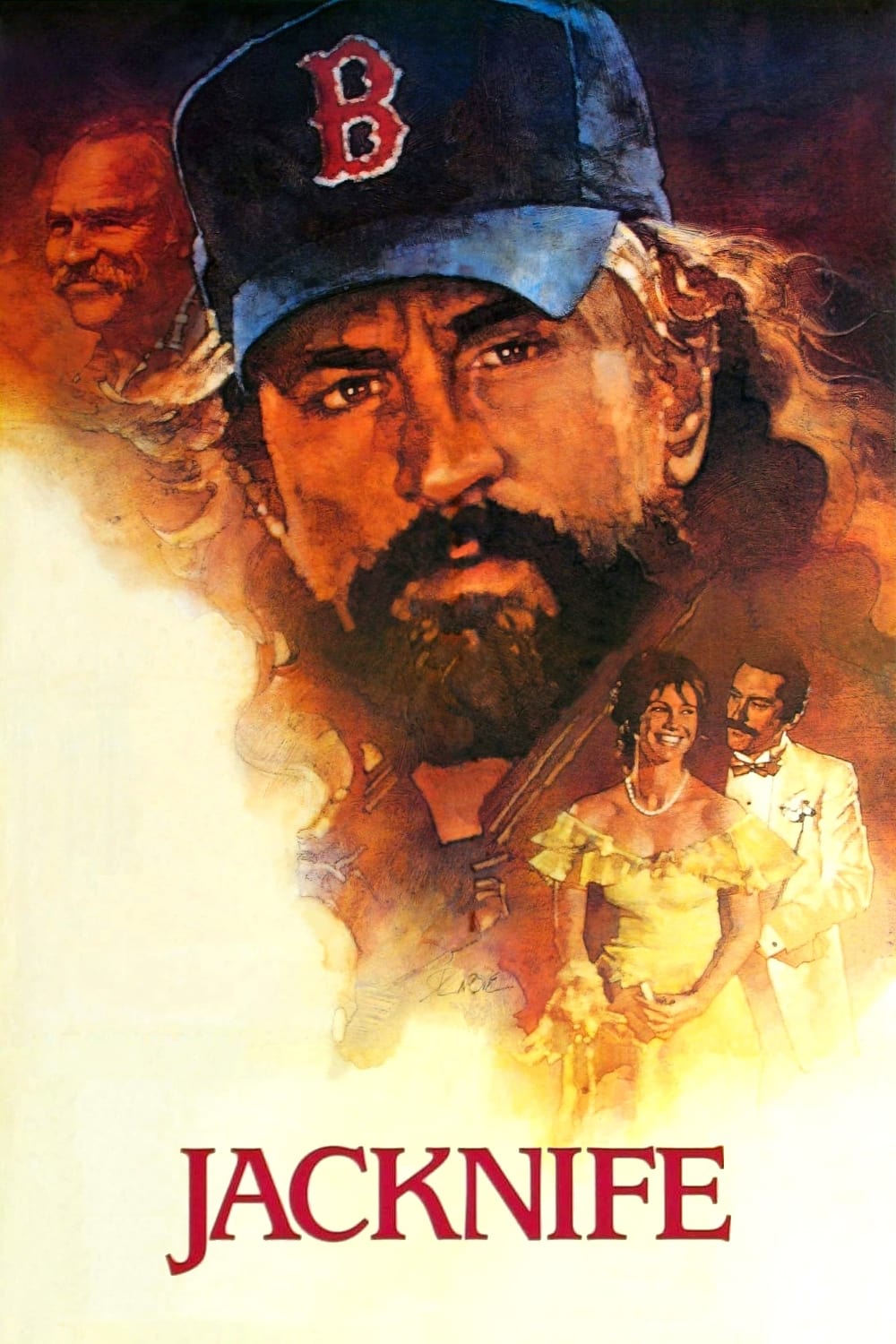
A conflict develops between a troubled Vietnam veteran and the sister he lives with when she becomes involved romantically with the army buddy who reminds him of the tragic battle they both survived.
In post-World War II America, a woman, rebuilding her life in the suburbs with her husband, kidnaps her neighbor and seeks vengeance for the heinous war crimes she believes he committed against her.
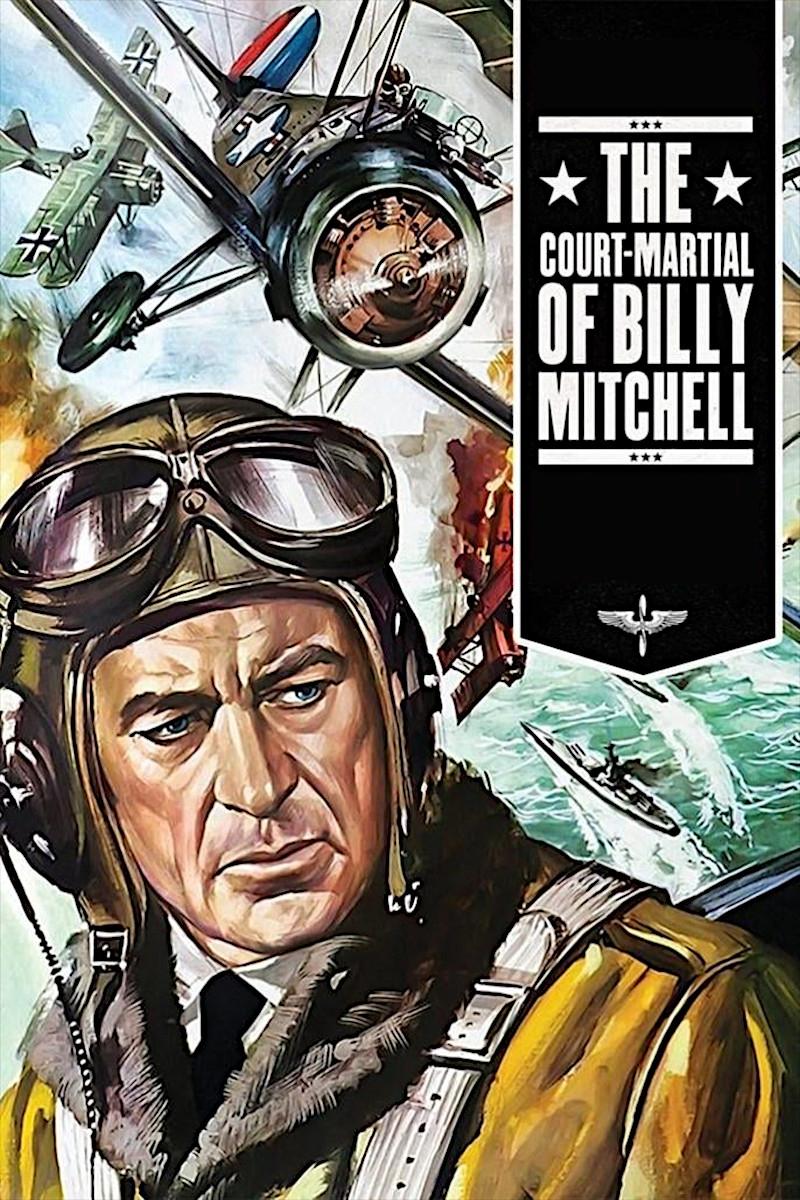
A dramatization of the American general and his court martial for publically complaining about High Command's dismissal and neglect of the aerial fighting forces.
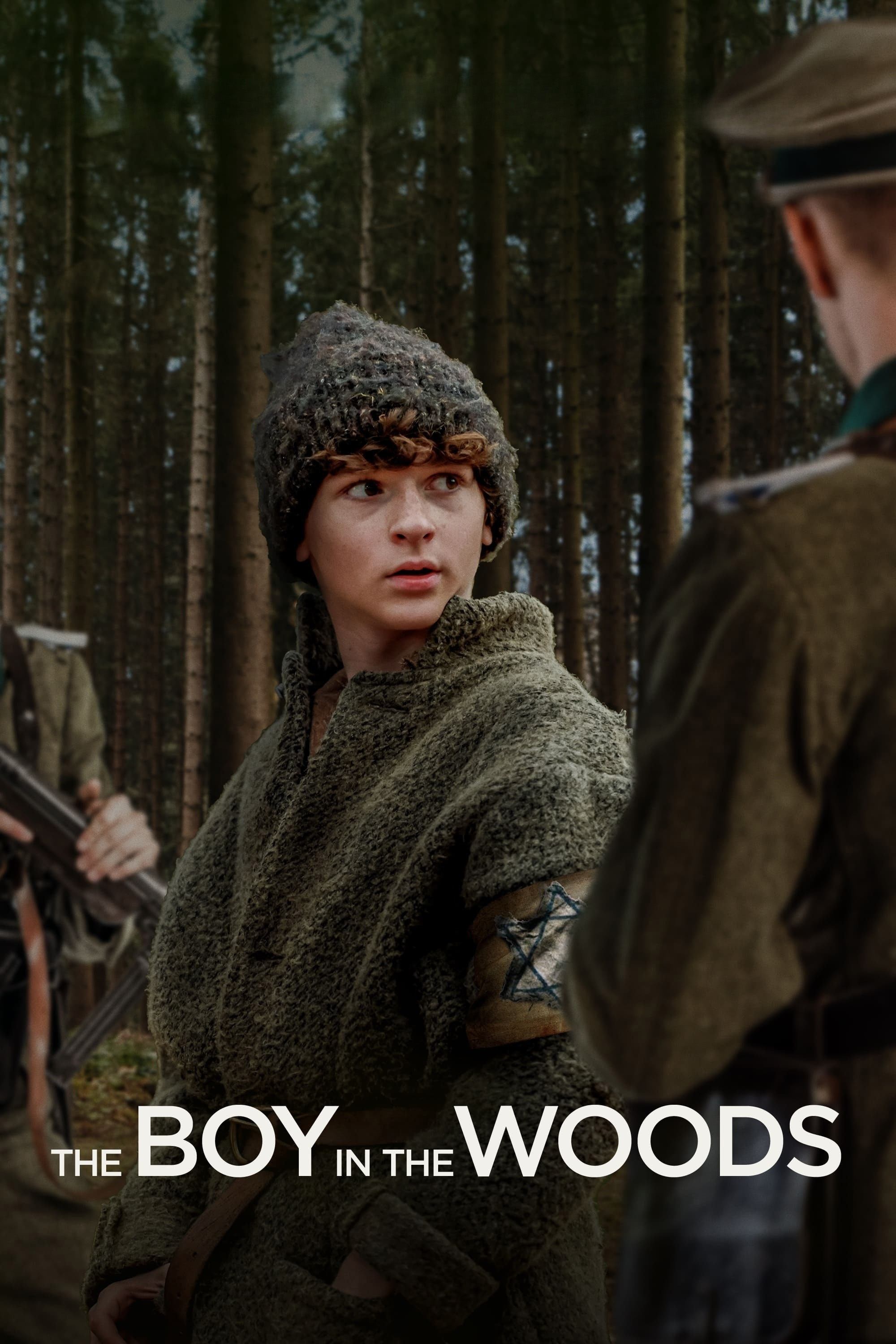
The remarkable true-life survival story of a Jewish boy hiding and being hunted in the forests of Nazi-occupied Eastern Europe, based on Maxwell Smart's memoir.
A chronicle of the Cristeros War (1926-1929), which was touched off by a rebellion against the Mexican government's attempt to secularize the country.