Social & External
The people behind it
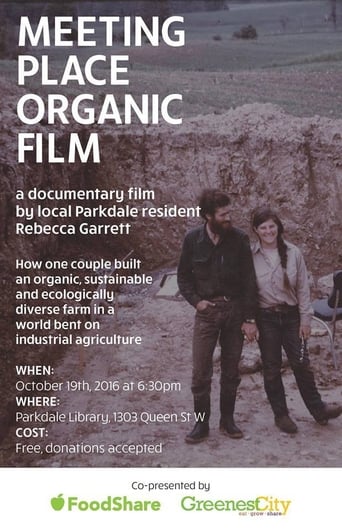
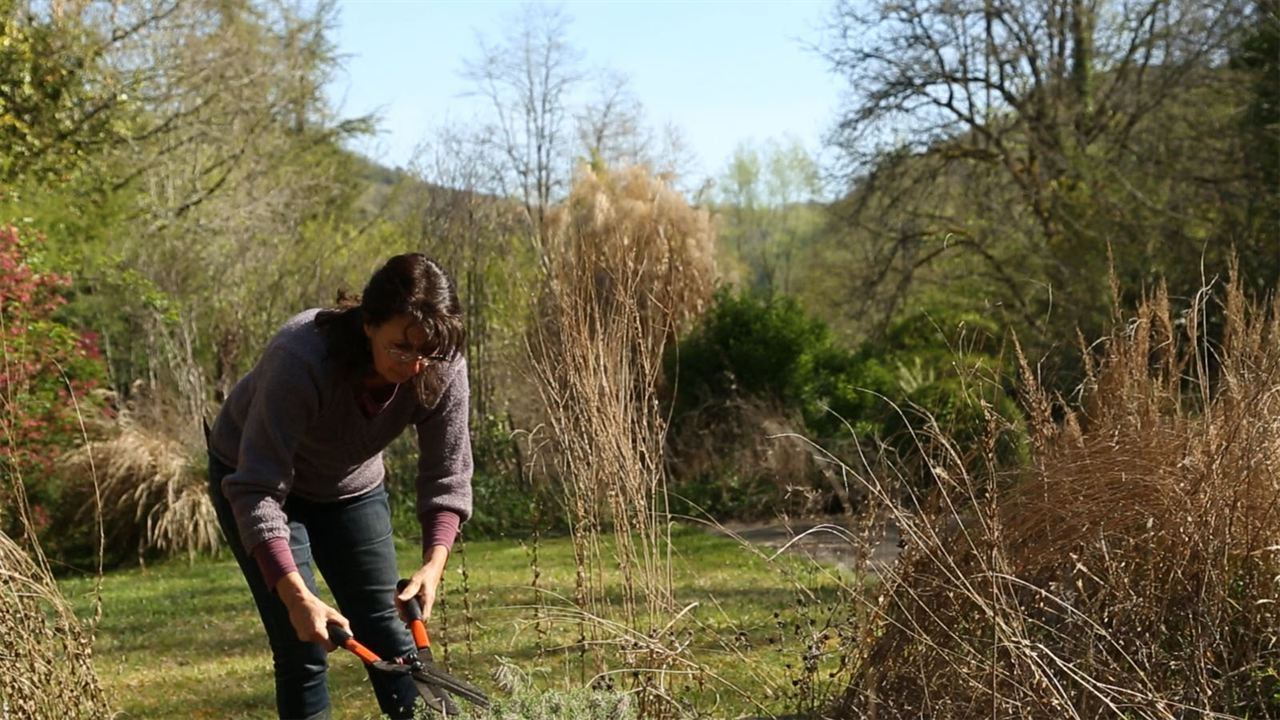
Local, organic, and sustainable are words we associate with food production today, but 40 years ago, when Fran and Tony McQuail started farming in Southwestern Ontario, they were barely spoken. Since 1973, the McQuails have been helping to build the organic farming community and support the next generation of organic farmers. This is a documentary about the McQuails that explores the very real ways their farm has contributed to the long term ecological viability of agriculture in Ontario. It is a call to action for all those who believe there is a better way to take care of our planet and feed the world.
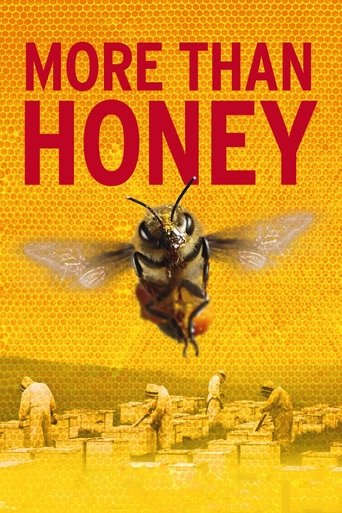
In 1923, Rudolf Steiner, an Austrian scientist, philosopher & social innovator, predicted that in 80 to 100 years honeybees would collapse. Now, beekeepers around the United States and around the world are reporting an incredible loss of honeybees, a phenomenon deemed "Colony Collapse Disorder." This "pandemic" is indicated by bees disappearing in mass numbers from their hives with no clear single explanation. The queen is there, honey is there, but the bees are gone. For the first time, in an alarming inquiry into the insights behind Steiner's prediction QUEEN OF THE SUN: What Are the Bees Telling Us? investigates the long-term causes behind the dire global bee crisis through the eyes of biodynamic beekeepers, commercial beekeepers, scientists and philosophers.
Sepp Holzer explains some of the innovative, labour-saving agricultural techniques he applies at his farm in the Eastern Alps of Salzburg, Austria.
A midwestern mother whose son nearly died from contaminated food embarks on a rollercoaster journey to understand the food industry and improve her family’s eating habits. Surprising, funny, and poignant, this personal film unfolds from one family's story into a powerful consumer movement.
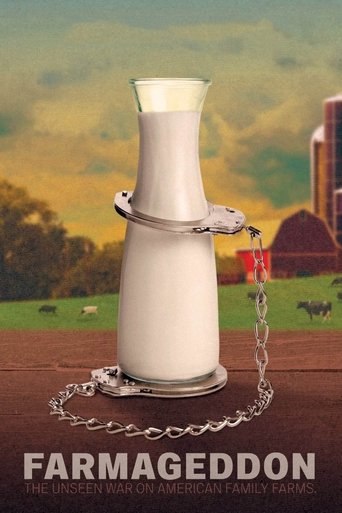
The story of a mom whose son healed from all allergies and asthma after consuming raw milk, and real food from farms. It depicts people all over the country who formed food co-ops and private clubs to get these foods, and how they were raided by state and local governments.
This film explores food sustainability, how farmers' markets build community, and why local food matters. Filmmaker Dr. Benjamin Garner is an Associate Professor at the University of North Georgia. He produces films on food, marketing, and tourism. Dr. Garner consults with companies on soft skills training and produces video ads for web and social media.
Documentary about human impact on the world.
Anaïs is 24 and nothing can stop her. Neither the bureaucratic rules of administration, nor the misogynistic teachers, nor the out-of-order tractor, nor the whims of the weather. One day she will be a farmer and grow her own aromatic and medicinal herbs. The film follows this hard liner, all alone against the rest of the world. She doesn’t care.
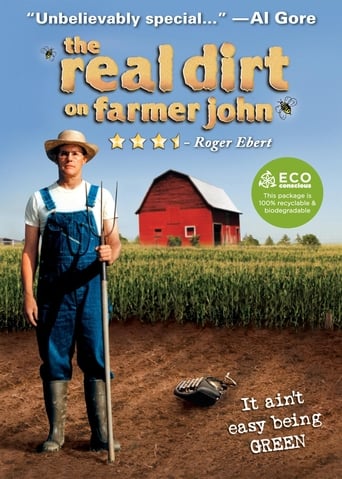
An outcast in his community, Farmer John bravely stands amidst a failing economy, vicious rumors, and violence. By melding the traditions of family farming with the power of art and free expression, this powerful story of transformation and renewal heralds a resurrection of farming in America. Through highly personal interviews and 50 years of beautifully textured footage, filmmaker Taggart Siegel shares Farmer John’s haunting and humorous odyssey, capturing what it means to be wildly different in a rural community.
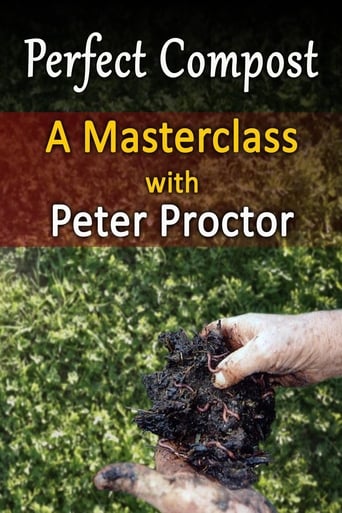
Peter Proctor is New Zealand's father of biodynamic agriculture. Peter has been gardening and making compost for over 65 years. "Biodymanics makes organics work." Compost is the fundamental element in all gardening & farming. This master class takes you through the biodynamic compost making process from gathering and assembling your materials to creating the perfect compost heap. Rudolf Steiner believed biodynamic compoast was the foundation of humanity and the vital link between the cosmos and the earth. In Perfect Compost, Peter Proctor walks you through every step to building perfect compost.
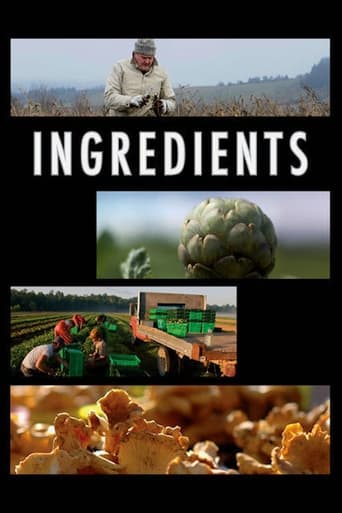
At the focal point of this movement, and of this film, are the farmers and chefs who are creating a truly sustainable food system. Their collaborative work has resulted in great tasting food and an explosion of consumer awareness about the benefits of eating local. Attention being paid to the local food movement comes at a time when the failings of our current industrialized food system are becoming all too clear. For the first time in history, our children's generation is expected to have a shorter lifespan than our own. The quality, taste and nutritional value of the food we eat has dropped sharply over the last fifty years. Shipped from ever-greater distances, we have literally lost sight of where our food comes from and in the process, we've lost a vital connection to our local community and to our health.
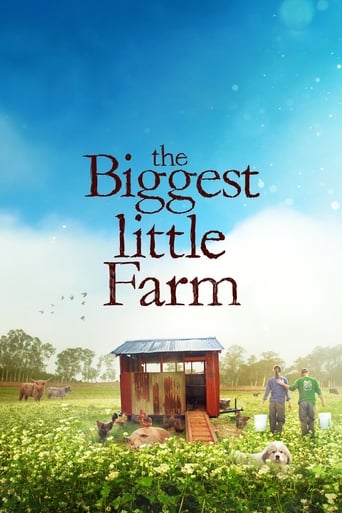
The successes and failures of a couple determined to live in harmony with nature on a farm outside of Los Angeles are lovingly chronicled by filmmaking farmer John Chester, in this inspiring documentary.
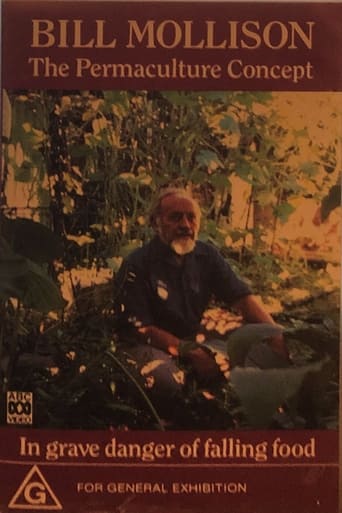
In this introductory video to permaculture, Bill Mollison, the movement’s co-founder, takes the viewer through the history and developments of the movement. With startlingly laconic humor and insight he deconstructs the modern agribusiness and the “modern plague” : manicured ornamental lawns. In this video he offers an antidote, which is an antidote to both our currently unsustainable practices and our unsustainable culture. Both of these have to change and adapt. Permanently.
Marie-Thérèse and Christian have turned their town into a ZUT—a Urgent Zones to Transform. They want pesticides gone. Completely. Immediately. And forever. The radical stance of these 'zutists' echoes a growing thirst for change across Belgium. From tiny garden plots to European institutions, from farm to farm, from laboratories to grassroots struggles, ZUT keep popping up—each one revealing just how dependent we’ve become on chemical inputs, and how deeply we long to break free.
Documentary that tells the story of Steiner’s remarkable life (1861-1925), as well as exploring the influence of his ideas and insights on a whole range of contemporary activities – education, agriculture, medicine, social and financial issues, and the arts. PART ONE describes Steiner’s childhood as the son of a humble railway official, growing up in the Austrian countryside, and his student years in Vienna towards the end of the 19th century. Hugely influenced by Goethe’s scientific writings, he was gradually able to reconcile the powerful spiritual experiences he had had since childhood with his interest in science and philosophy. PART TWO looks initially at the subject of reincarnation and karma, with film at a prison in South Wales, at Ruskin Mill in Gloucestershire – a college for disadvantaged youngsters. In the USA there are scenes at a biodynamic winery in California. Also featured are examples of Waldorf educational ideas being introduced into mainstream schooling.
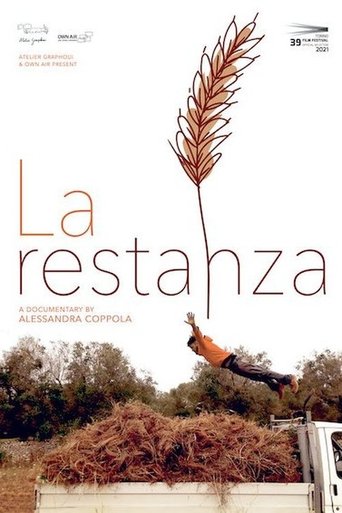
Castiglione d'Otranto, in the South of Italy. A group of thirty-year-olds no longer accept that the solution to the economic, ecological and political problems of the territory is always "to leave". They propose to the villagers who own pieces of uncultivated land, often felt as a burden, to put them in common. They decide to stay, to link their lives to the land and to invest in a value: being together. Castiglione becomes the village of restance. They cultivate ancient seeds and local biodiversity, they make decisions together, they develop a local economy. Accepting the shadows of the past, another potential of the place is rediscovered.
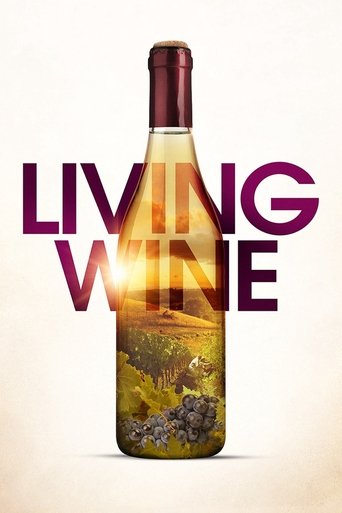
Merging sweeping wine country footage with insightful interviews, filmmaker Lori Miller showcases the dynamic natural wine movement that is transforming a growing number of Northern California vineyards.
A string of threatening emails escalates into a revenge plot involving a newly married US marshal and his ex-girlfriend.
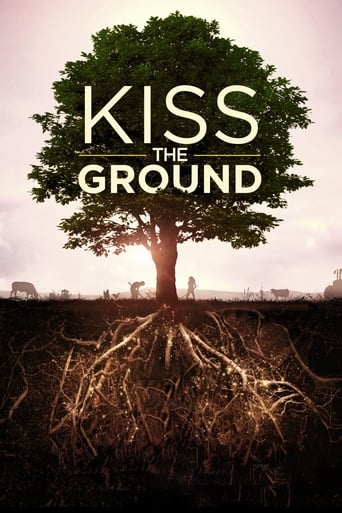
Sheds light on an alternative approach to farming called “regenerative agriculture” that could balance our climate, replenish our vast water supplies, and feed the world.
An inside look at one of the most anticipated movie sequels ever with James Cameron and cast.
The film is based on interviews with 2,000 women from 50 countries, and covers the status of women all over the world. The topics covered include forced marriages, sexual assault, female genital mutilation, acid attacks, motherhood, sexuality, menstruation, education and the professional success of women.
Through deeply personal interviews with her siblings and an examination of the photographs, letters, and belongings left behind, Mariska assembles a new portrait of her mother Jayne Mansfield, an extraordinary and complex woman.
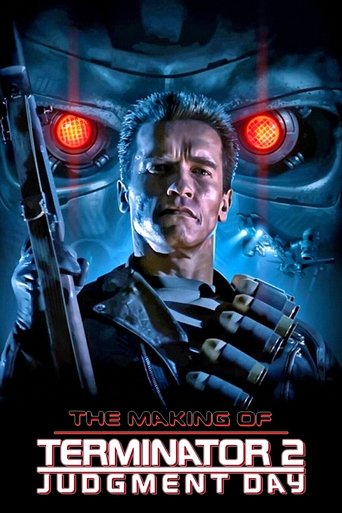
Documentary of the making of the sequel to the popular Schwarzenegger film, The Terminator.
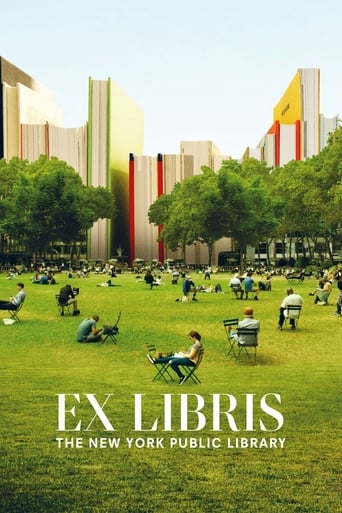
A documentary about how a dominant cultural and demographic institution both sustains their traditional activities and adapts to the digital revolution.
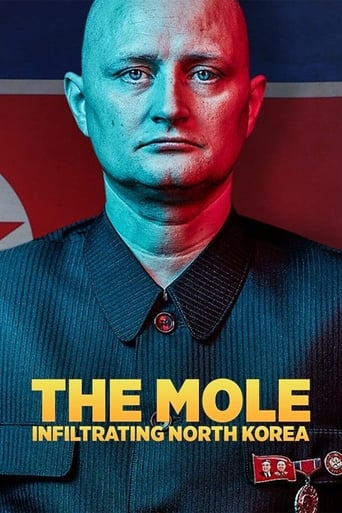
A real-life undercover thriller about two ordinary men who embark on an outrageously dangerous ten-year mission to penetrate the world's most secretive and brutal dictatorship: North Korea.
Ranjit, a farmer in India, takes on the fight of his life when he demands justice for his 13-year-old daughter, the victim of a brutal gang rape. His decision to support his daughter is virtually unheard of, and his journey unprecedented.
A purely observational non-fiction film that takes viewers into the ethically murky world of end-of-life decision making in a public hospital.
Brilliant, long in-the-works story of the life and art of the world's greatest comedian and the cinema's first genius, Charlie Chaplin. Produced, written and directed by renowned film critic Richard Schickel.
This documentary focuses on the actors and their journey over two summers to create the remake to the original IT, by Stephen King. The documentary originally released as bonus material, bundled with IT: Chapter Two.
A documentary about the making of season five of the acclaimed AMC series Breaking Bad.
Retrospective documentary about the making of the horror cult classic "The Return of the Living Dead."
The life of Bambi, a male roe deer, from his birth through childhood, the loss of his mother, the finding of a mate, the lessons he learns from his father, and the experience he gains about the dangers posed by human hunters in the forest.
Interviews with leading authors, philosophers and scientists, with an in-depth discussion of the Law of Attraction. The audience is shown how they can learn and use 'The Secret' in their everyday lives.
A documentary on the expletive's origin, why it offends some people so deeply, and what can be gained from its use.
The life of Mr. Spock, as well as that of Leonard Nimoy, the actor who played him for almost fifty years, written and directed by his son: Adam.
A glimpse into the raw and simple power of nature through encounters with farm animals: the eponymous Gunda, a mother pig; two cows, and a one-legged chicken.