"Documentary, Religion, Philosophy"
A philosophical inquiry about the miracle, through the interview with three specialists that seek to understand the specificity of these phenomena.
Social & External
Raphael de Paola
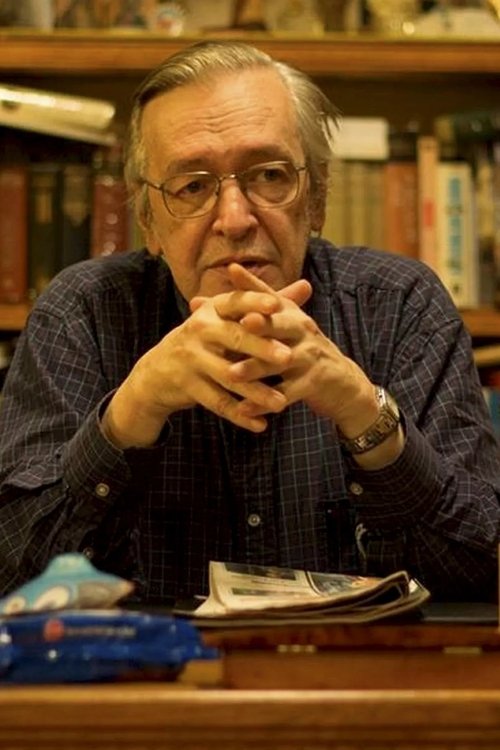
Olavo de Carvalho
Wolfgang Smith
The story of Nisar Ahmed Khan, told through his children and the people he served, a spiritual guide whose followers still visit his tomb on his birth and death anniversaries. And alongside how his family spends a few days at the village keeping his traditions alive.
There are 2.1 billion Christians on the planet – roughly one-third of the entire human population. At the heart of their religion is the New Testament and the birth, life, death, and resurrection of Jesus of Nazareth. To Christianity, the written word is the glue that binds the faith of its followers. So what if it could be proven that Jesus never existed? What if there was evidence that every word of the New Testament – the cornerstone of Christianity – is based on myth and metaphor?
But what is the Church of Satan? Who is Anton LaVey? Where is he from? Why does he do that? It does not take much to imagine the worst. Orgiastic ceremonies, where one revels in the blood of virgins, moonlight lamb sacrifices, noise concerts in the basement of a historical building… No, really nothing that amusing among the activities in the Church of Satan. Anton LaVey is nothing like a horned Charles Manson, and his path is all the more unexpected. Nick Bougas allows us to discover the artist, the musician, the philosopher, all through hallucinatory images retrieved from archives, making this rare documentary only two years before the author of the Satanic Bible disappeared.
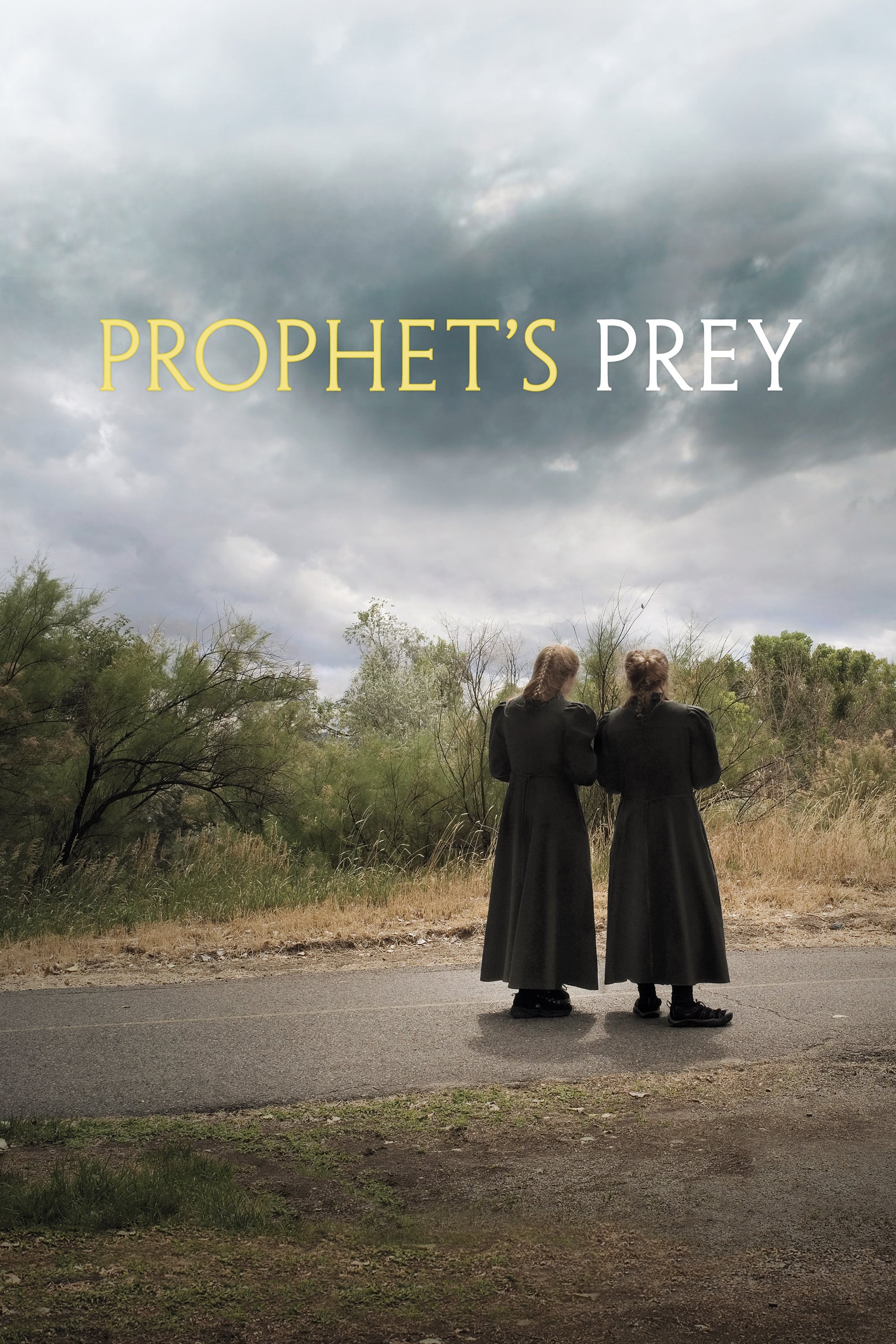
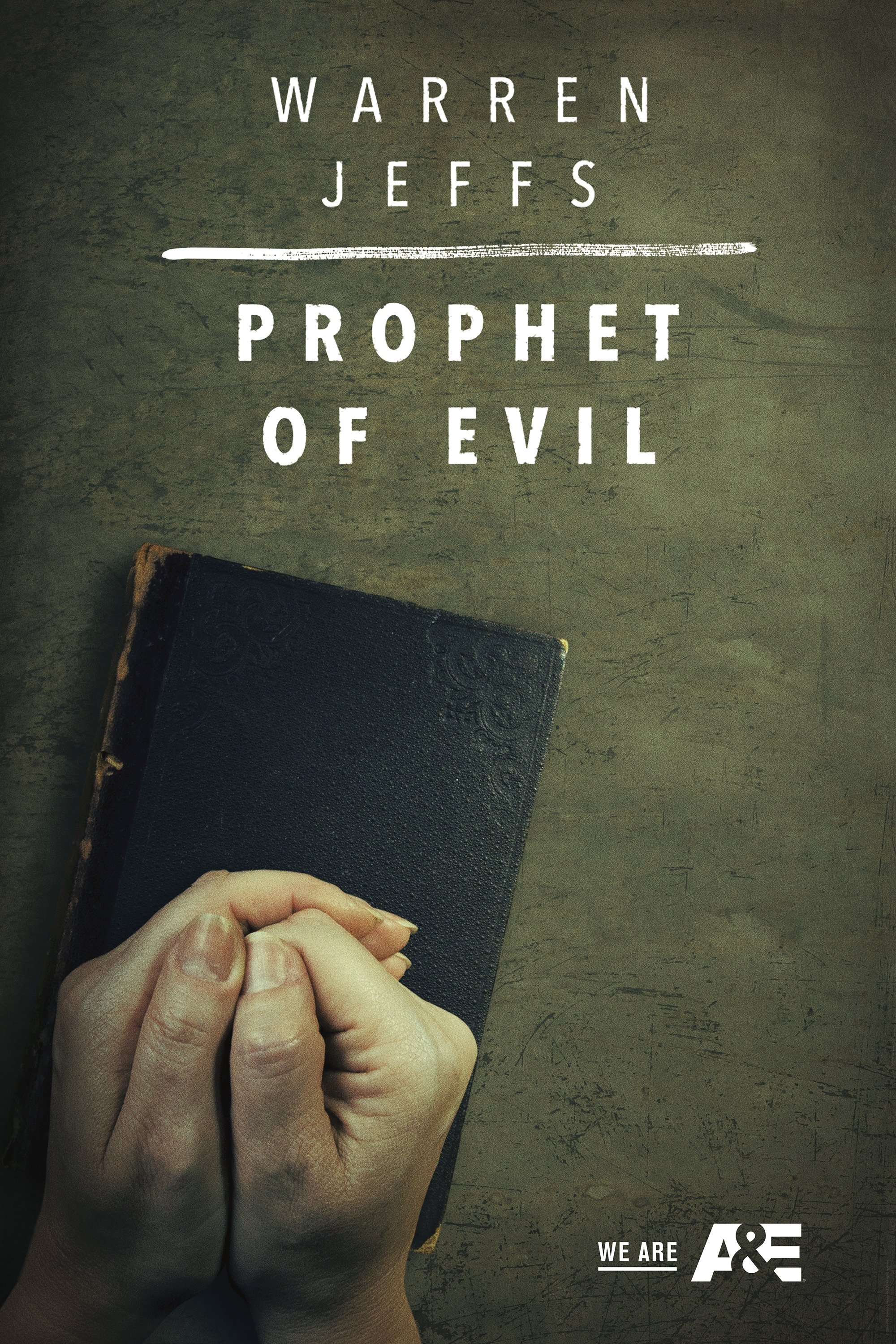
Filmmaker Amy Berg sheds light on the sexual, financial and spiritual abuses heaped upon members of the Fundamentalist Church of Jesus Christ of Latter-day Saints by their former leader, Warren Jeffs.
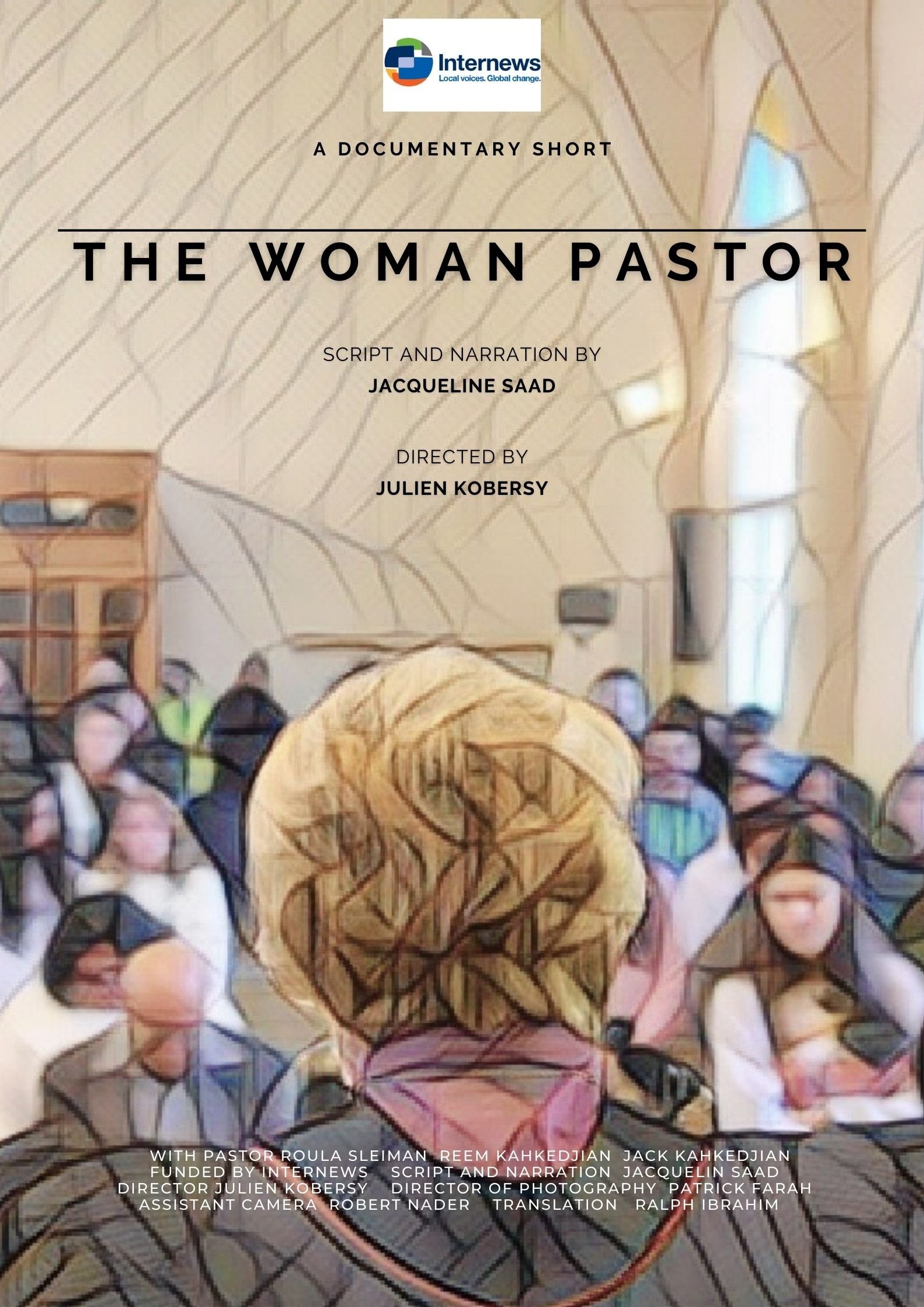
In a community of a Muslim majority, the first woman pastor in the Middle East leads a parish in one of the poorest city of the Mediterranean, in the heart of Tripoli, North Lebanon.
A look from the inside out at a community that was led for decades by the now imprisoned religious prophet who controlled many to quell his demands and desires.
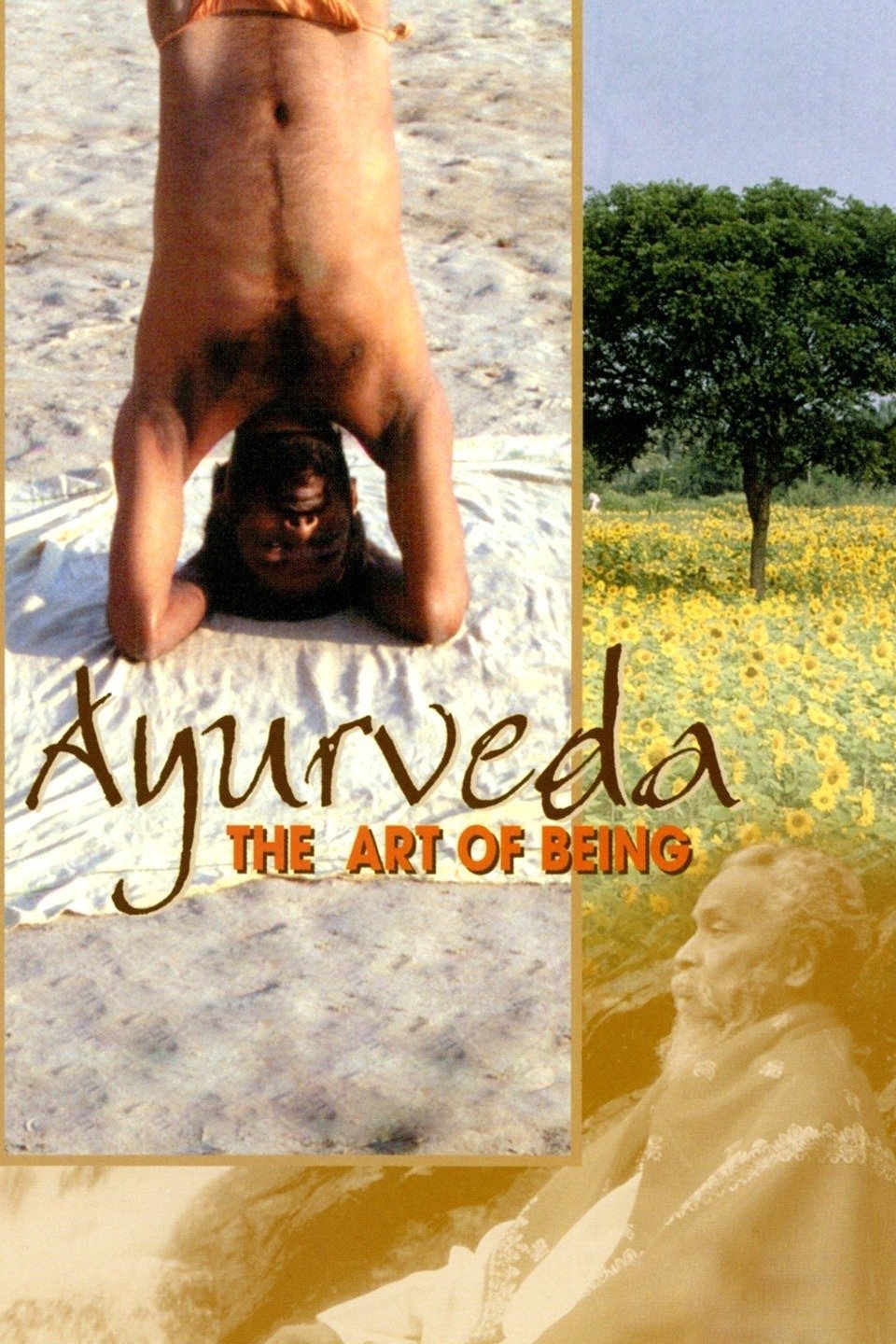
Ayurveda is a science of life and a healing art, where body, mind and spirit are given equal importance. This voyage of thousands of miles across India and abroad takes you on a unique poetic journey, where we encounter remarkable men of medicine or simply a villager who lives in harmony with nature. "Hope is nature's way of enabling us to survive so that we can discover nature itself."
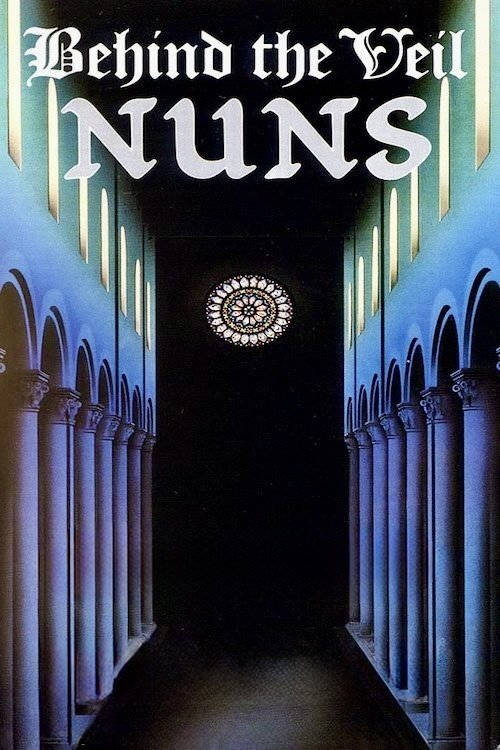
The history of nuns mirrors the history of all women -- in what we are taught about the past, women are almost invisible. Although today's one million nuns outnumber priests two to one, they must struggle to be heard by the all-male Roman Catholic hierarchy from which they are excluded. Behind the Veil: Nuns is the first film ever to record from a global perspective the turbulent history and remarkable achievements of women in religion, from pre-Christian Celtic communities to the radical sisters of the 1980s. Contemporary nuns of strength, dignity and commitment speak of their lives and of their predecessors.
In this fascinating and unusual conversation, writer and physician Deepak Chopra talks to religion professor Robert Thurman about the connections and differences between two of India's most important philosophical beliefs: Vedanta and Buddhism. Chopra explores the foundation of Vedanta, while Thurman -- the father of actress Uma Thurman -- provides the Buddhist point of view in this meeting held in 1999 at New York City's Tibet House.
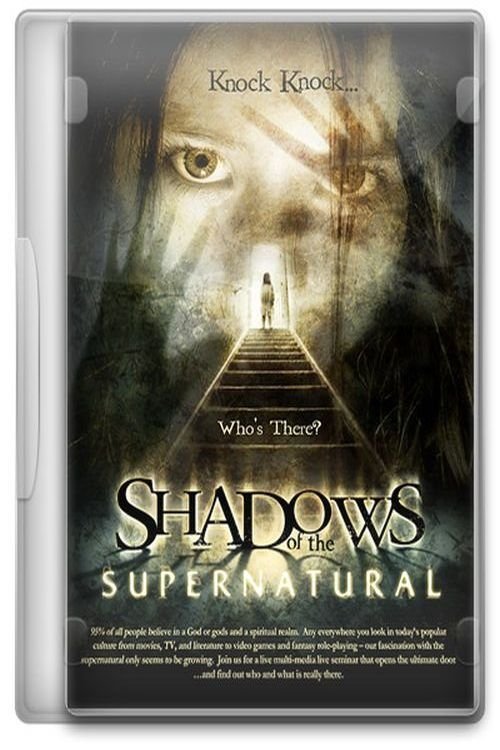
Rarely in the history of Western culture has there been more interest in the supernatural. Hollywood churns out movies and TV shows that deal with otherworldly themes at a rate that is unprecedented. Studies and surveys confirm that despite the growing influence of science and philosophical materialism (the idea that the material world is all that there is) belief in a spiritual world is, if anything, on the rise. But while belief in the supernatural is strong, any type of consensus about what the metaphysical world is like is on the wane. Relativism and multiculturalism have fostered the idea that it’s “whatever you think it is…as long as you’re sincere.” Well, what if it isn’t? What if spiritual realities and decrees are just a firm and immutable as the laws that govern our material world?
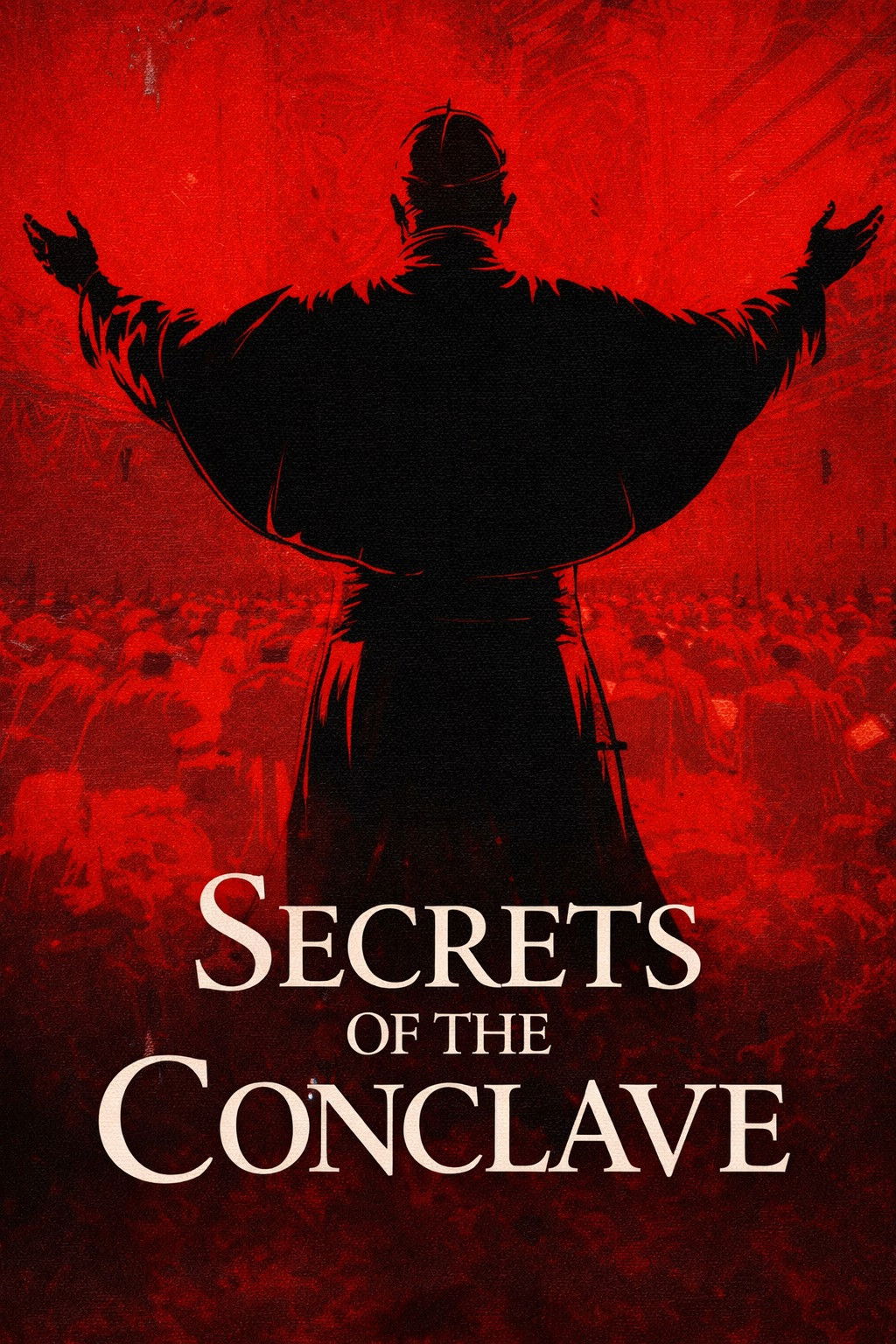
Following the death of Pope Francis, 135 cardinals enter the Vatican in total secrecy to pray, maneuver, and vote among themselves as both electors and candidates in an ancient ritual that determines the future of the Catholic Church.
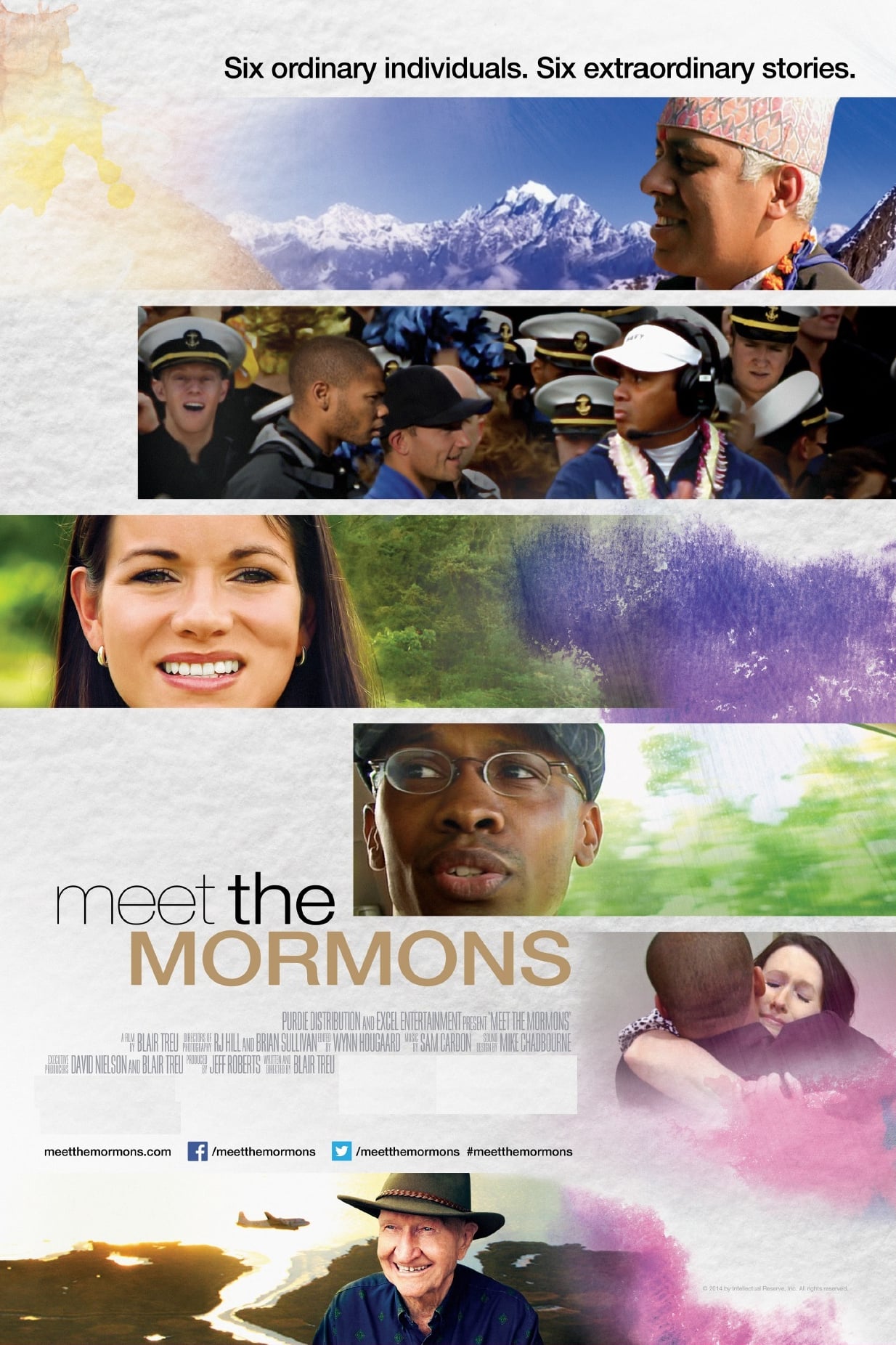
Meet the Mormons examines the very diverse lives of six devout Mormons. Filmed on location and across the globe, Meet the Mormons takes viewers on a journey into the day-to-day realities of individuals living in the U.S., Costa Rica, Nepal and beyond. From their individual passions to their daily struggles, each story paints a picture as rich and unique as the next while challenging the stereotypes that surround the Mormon faith.
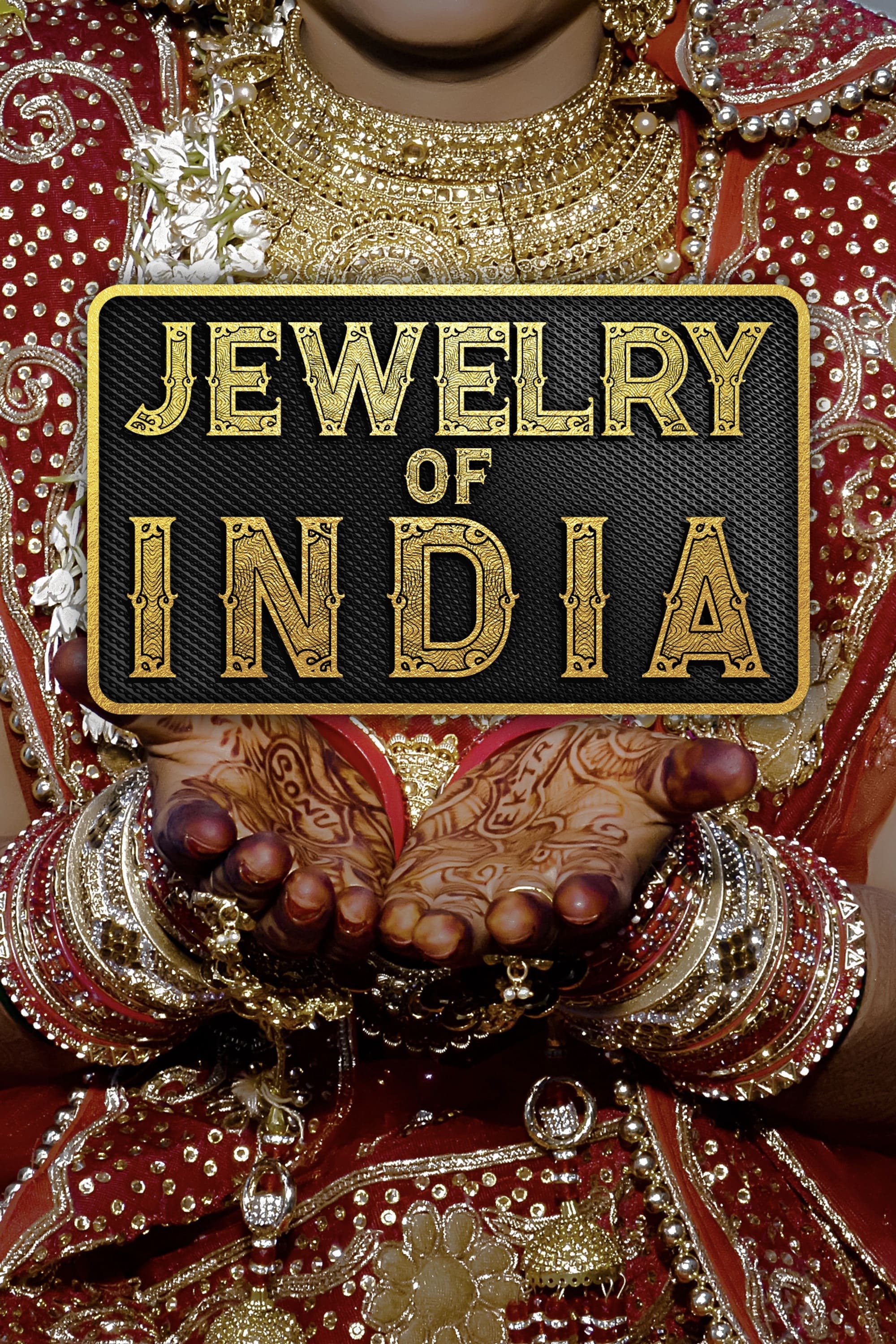
Mother India is home to many castes, tribes and religions and one common factor that brings this diverse country all together is Jewelry. Come explore the deep history and culture of the jewelry of India dating back more than 5000 years. As we explore the history we also take you into Bangalore, India and talk to local Jewelry Stores and Jewelry Artisans as they share their stories and their family history of their involvement in jewelry going far back into their family ancestry.
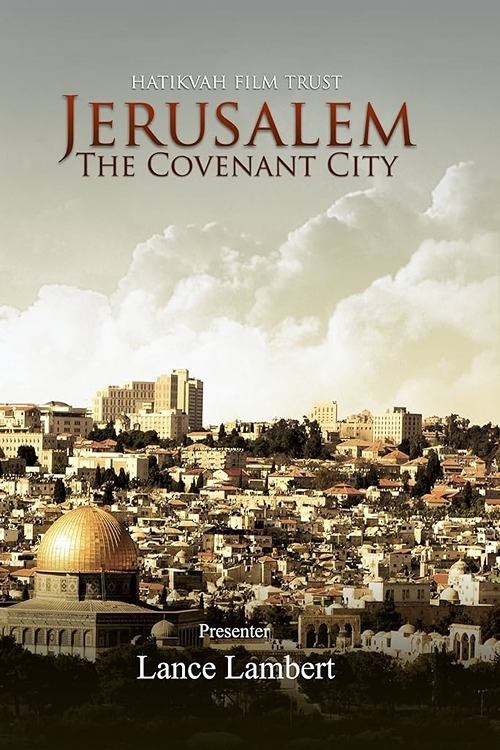
In this superbly produced, two-part documentary, you'll trace the holy city's prophetic history and explore what the Bible professes regarding Jerusalem's fate.
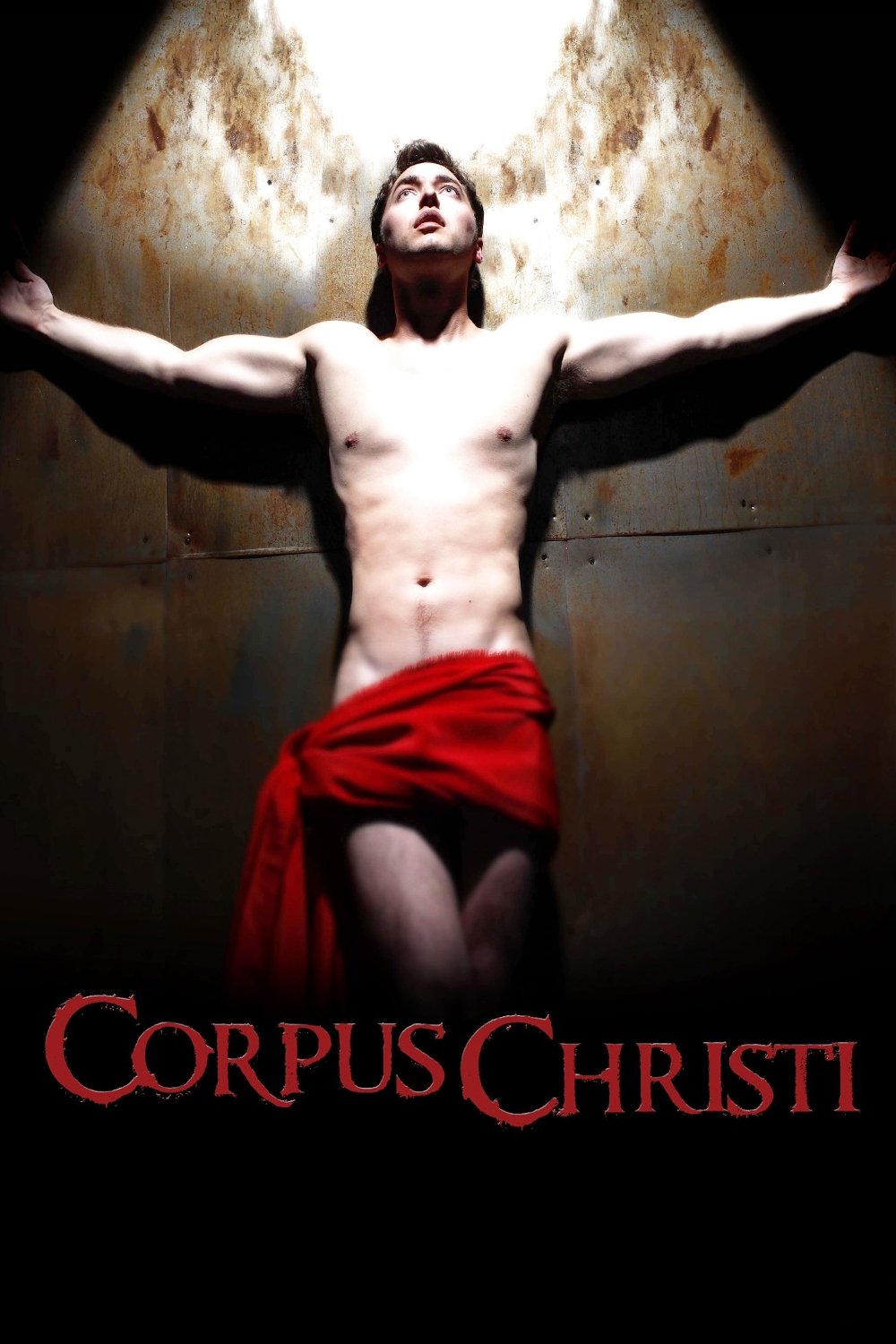
Terrence McNally’s Corpus Christi is a play retelling the Jesus story, with Jesus as a gay man living in the 1950s in Corpus Christi, Texas. This documentary follows the troupe, playwright, and audience around the world on a five-year journey of Terrence McNally’s passion play, where voices of protest and support collide on one of the central issues facing the LGBT community: religion.
Documentary on gentrification, colonialism, and the way that minorities have been repressed through a lack of representation.
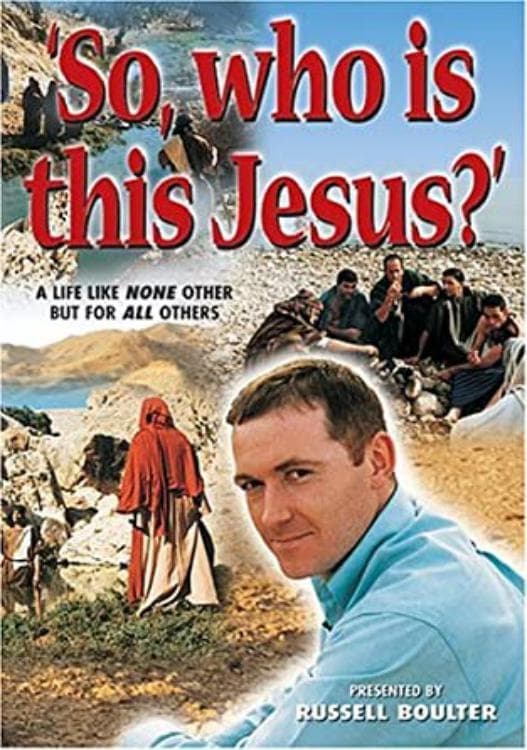
This program has been designed specifically to help people with no previous knowledge of Jesus to have a better understanding of who He is.
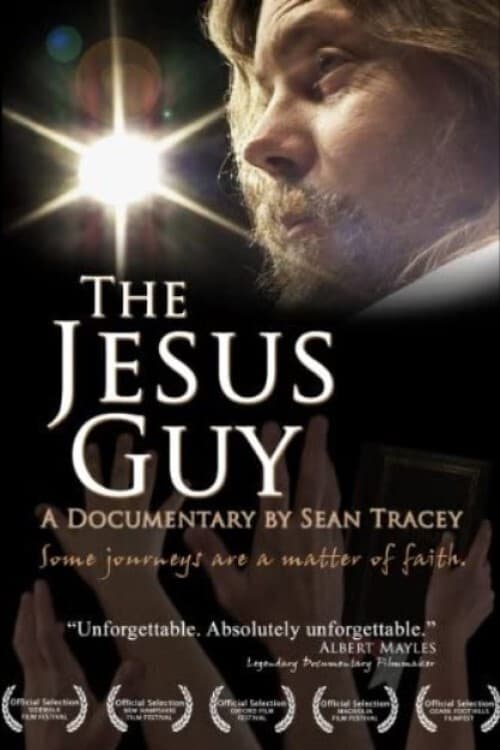
With little more than a white robe, a blanket and a Bible, Carl James Joseph -- who prefers the moniker "What's His Name" -- set out on a spiritual journey through 47 states and 13 countries to live simply and share the word of God. For three years, filmmaker Sean Tracey follows this humble and homeless preacher, capturing the reactions from both skeptics and believers and offering insights from those whose lives he's touched.
Interviews with leading authors, philosophers and scientists, with an in-depth discussion of the Law of Attraction. The audience is shown how they can learn and use 'The Secret' in their everyday lives.
Scientists Richard Dawkins and Lawrence Krauss travel the globe promoting a scientific worldview and the rational questioning of religious belief.
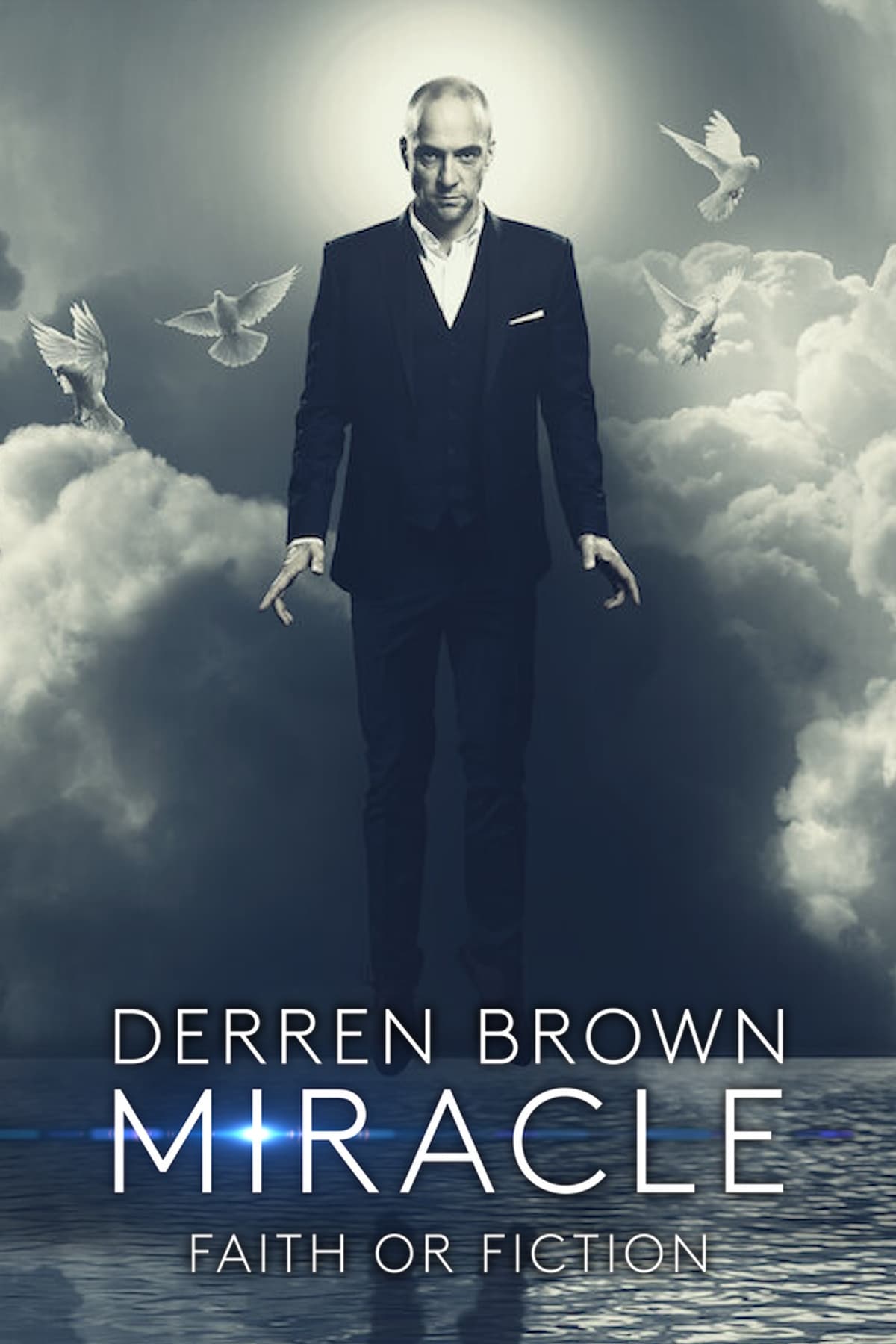
Illusionist Derren Brown reinvents the concept of "faith healing" through a series of stunts that debunk the confines of fear, pain and disbelief.
This character-driven film considers the evolving sex trafficking landscape as seen by the main players: the exploited, the pimps, the johns that fuel the business, and the cops who fight to stop it.
The life and career of one of comedy's most inimitable modern voices, Mr. Gilbert Gottfried.
The special focuses on how Star Wars is relevant today and the history that inspired it, and also makes various connections to Greek mythology. It consists of several interviews with well-known politicians, journalists, and critics, along with historical content and clips from all six of the Star Wars movies.
In the Realms of the Unreal is a documentary about the reclusive Chicago-based artist Henry Darger. Henry Darger was so reclusive that when he died his neighbors were surprised to find a 15,145-page manuscript along with hundreds of paintings depicting The Story of the Vivian Girls, in What is Known as the Realms of the Unreal, of the Glodeco-Angelinnian War Storm, Cased by the Child Slave Rebellion.
Al Pacino's deeply-felt rumination on Shakespeare's significance and relevance to the modern world through interviews and an in-depth analysis of "Richard III."
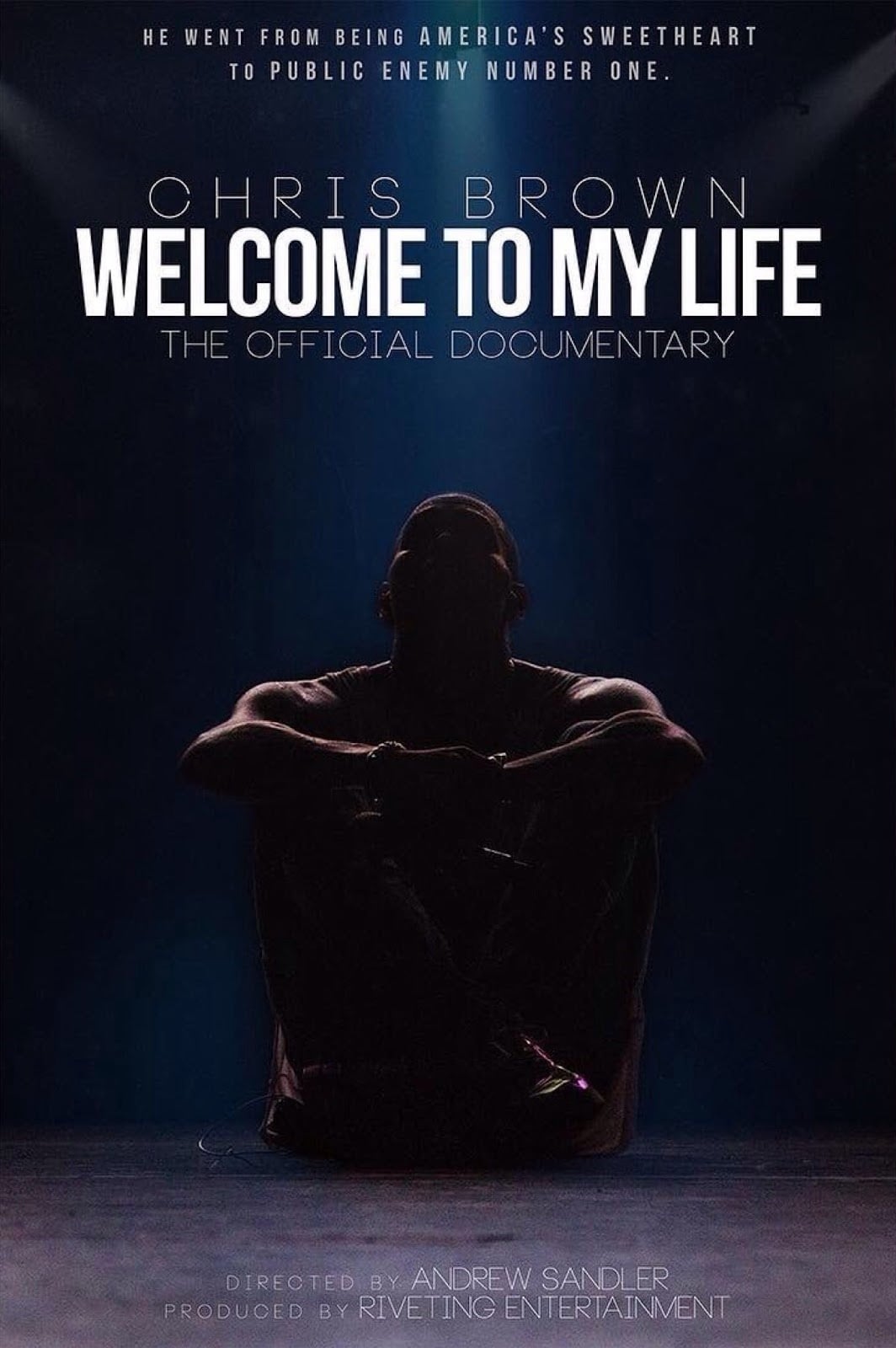
This compelling Documentary moves beyond the spotlight and past the attention-grabbing headlines to give pop superstar Chris Brown a chance to tell his own story. New interviews with the international phenomenon reveal long-awaited answers about his passion for making music, his tumultuous and much publicized relationships, and the pitfalls of coming of age in the public eye. Also included is new concert footage, behind-the-scenes access, and special interviews from Usher, Jennifer Lopez, DJ Khaled, Mike Tyson, Jamie Foxx and others.
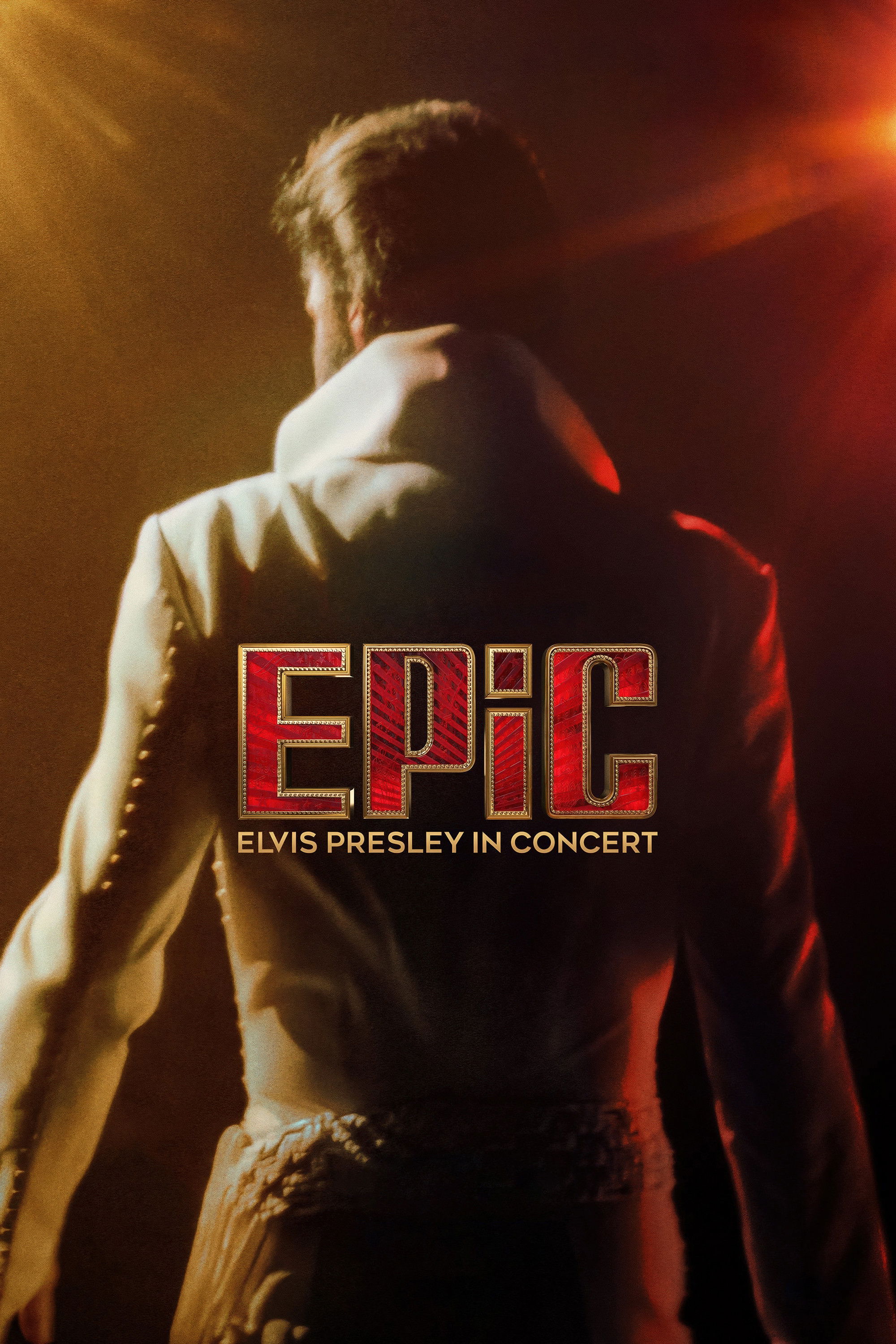
Long-lost footage from Elvis Presley's legendary Las Vegas residency in the 1970s woven together with rare 16mm footage from Elvis on Tour, and 8mm from the Graceland archive, plus recordings of Elvis telling "his side of the story" rediscovered during Baz Luhrmann's research for his 2022 film, Elvis.
Lyrical and powerfully personal essay film that reflects on the deaths of her husband Lou Reed, her mother, her beloved dog, and such diverse subjects as family memories, surveillance, and Buddhist teachings.
After being denied access to the Church of Scientology's headquarters, documentarian Louis Theroux teams up with ex-Scientology official Marty Rathbun to stage re-enactments of alleged abuses within the organization. Theroux soon discovers that the church is watching his every move.
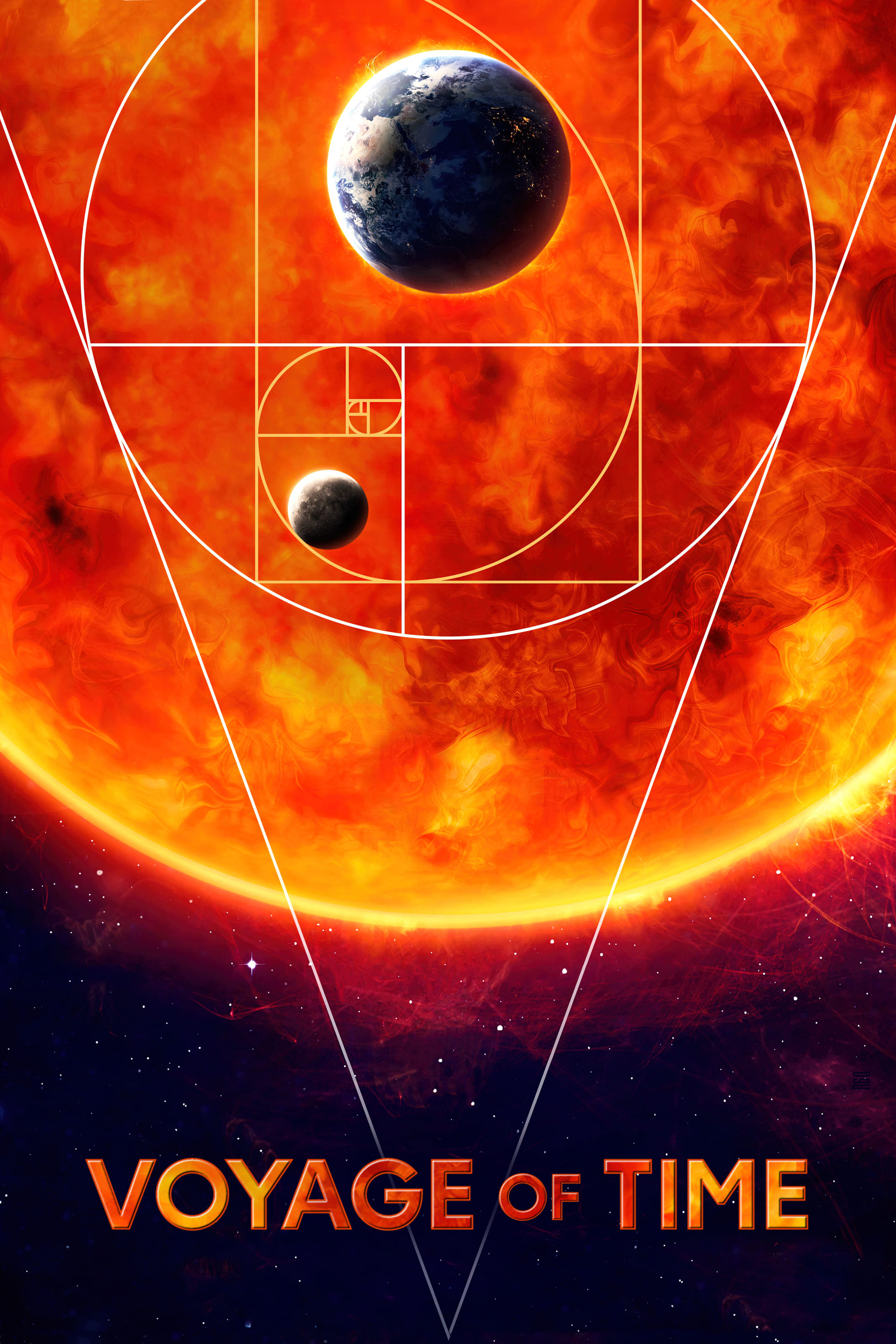
A celebration of the universe, displaying the whole of time, from its start to its final collapse. This film examines all that occurred to prepare the world that stands before us now: science and spirit, birth and death, the grand cosmos and the minute life systems of our planet.
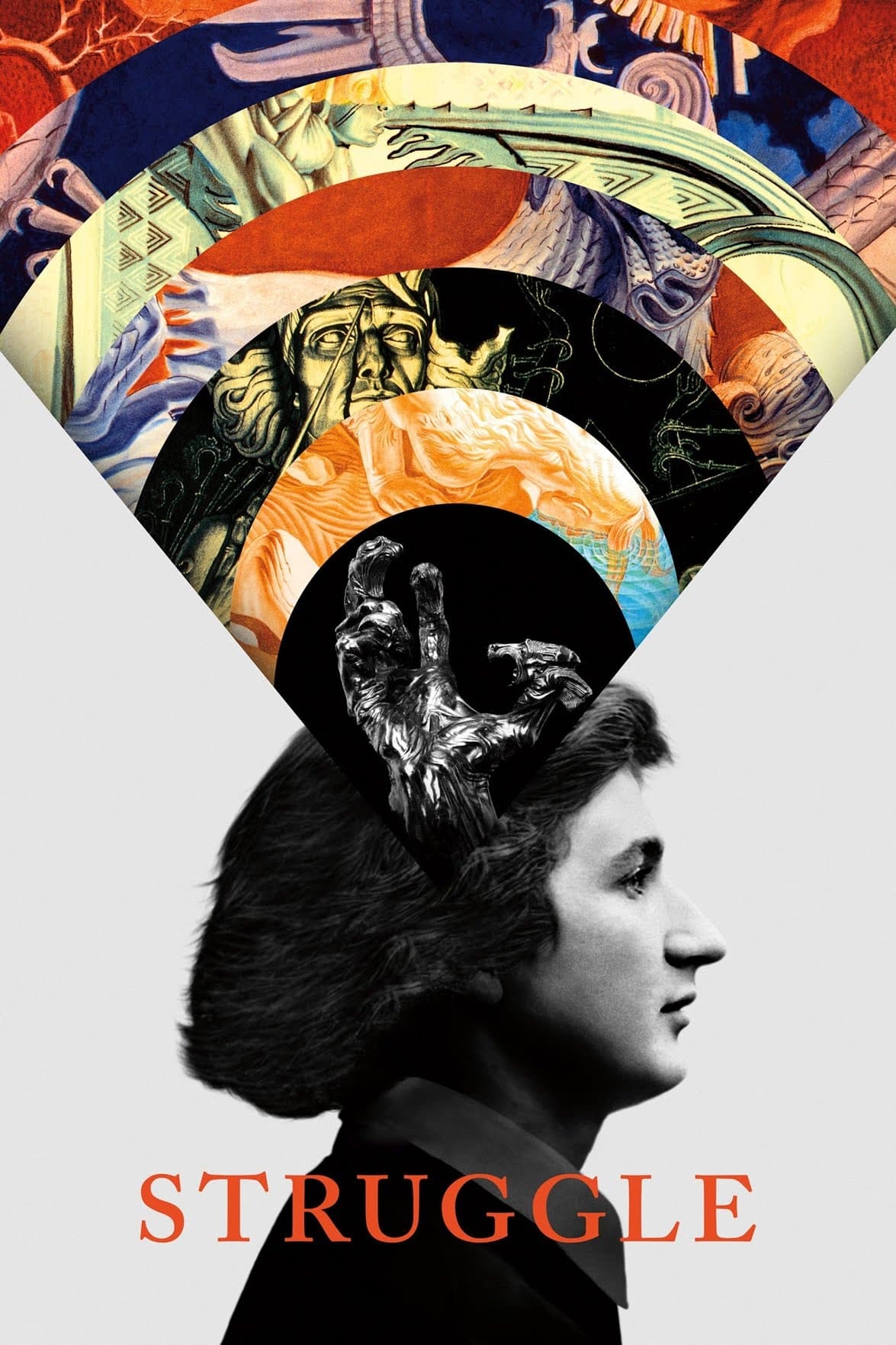
Artists in LA discover the work of forgotten Polish sculptor Stanislav Szukalski, a mad genius whose true story unfolds chapter by astounding chapter.
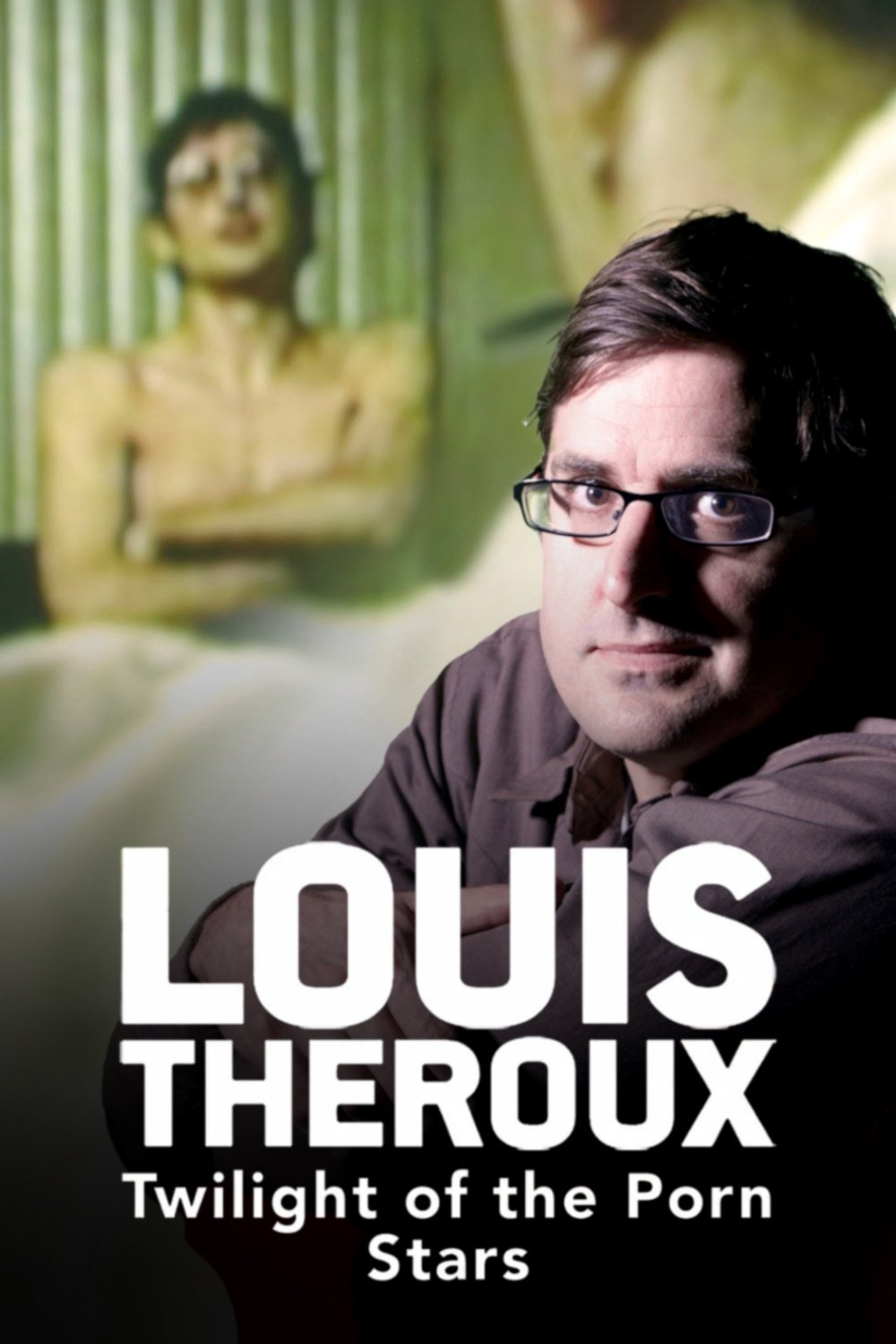
In 1997, Louis Theroux made a documentary about the world of male porn performers in Los Angeles. 15 years later, he returns to find a business struggling with the deluge of free porn on the internet. Louis revisits some of the original programme's contributors as well as meeting the latest crop of porn performers dreaming of porn stardom.
A detailing of the rise to prominence and global sporting superstardom of six supremely talented young Manchester United football players (David Beckham, Nicky Butt, Ryan Giggs, Paul Scholes, Phil and Gary Neville). The film covers the period 1992-1999, culminating in Manchester United's European Cup triumph.
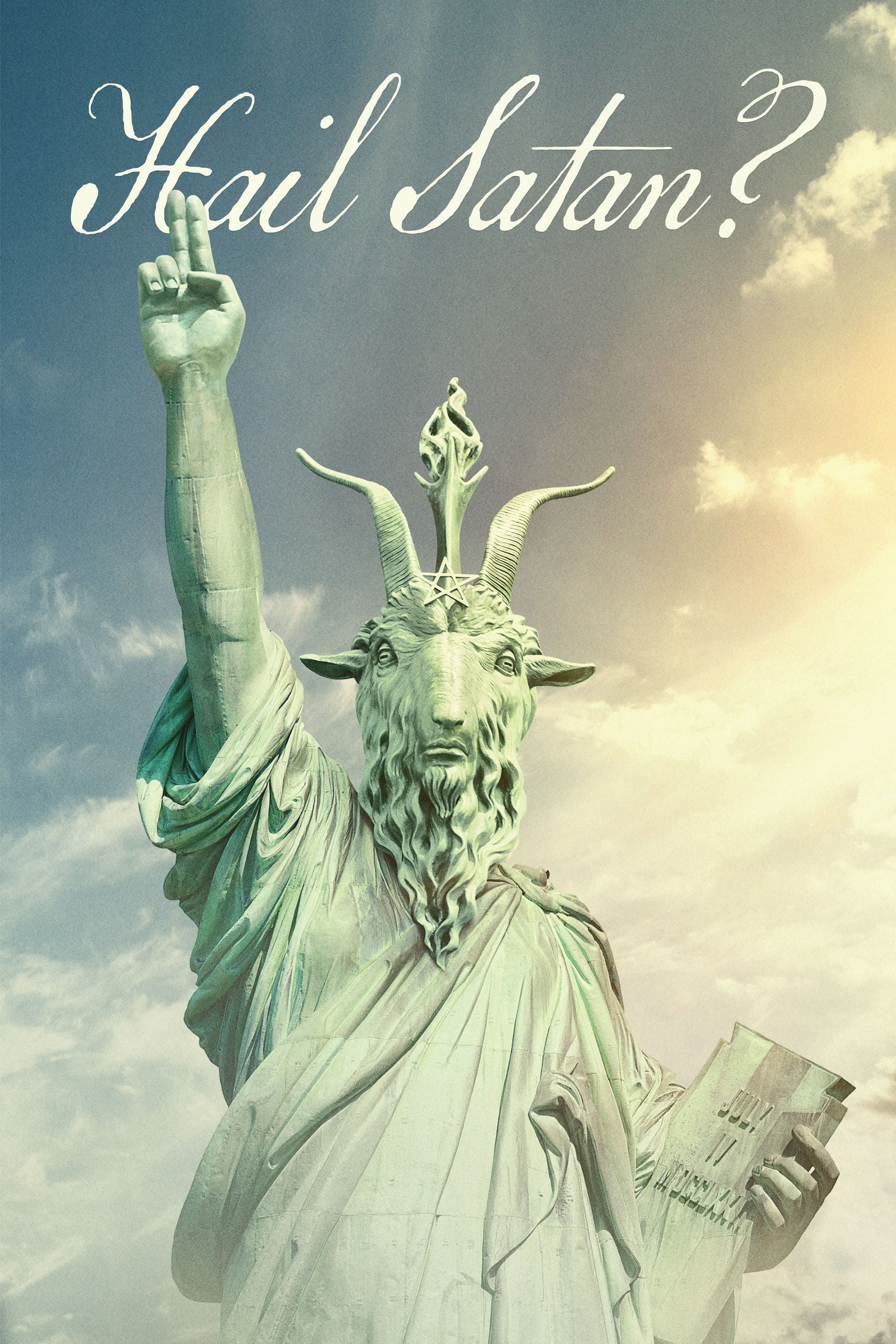
The story of The Satanic Temple, a controversial movement that combines religion and activism with the apparent purpose of questioning the basic foundations of US society.
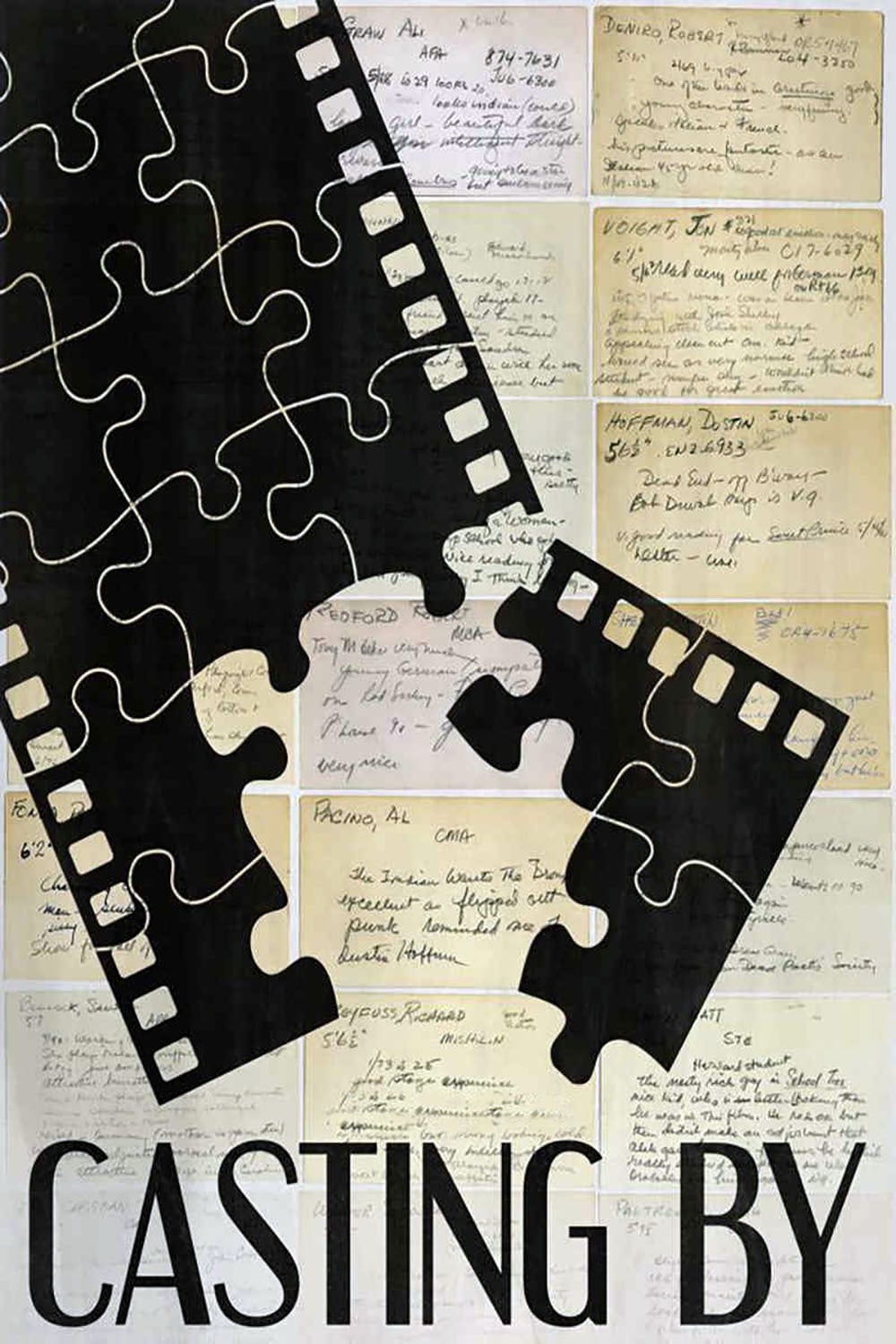
This essential new documentary pays tribute to the legacy of the late, legendary casting director Marion Dougherty and shines a light on one of the most overlooked and least understood crafts in filmmaking.
Alexander McQueen's rags-to-riches story is a modern-day fairy tale, laced with the gothic. Mirroring the savage beauty, boldness and vivacity of his design, this documentary is an intimate revelation of McQueen's own world, both tortured and inspired, which celebrates a radical and mesmerizing genius of profound influence.
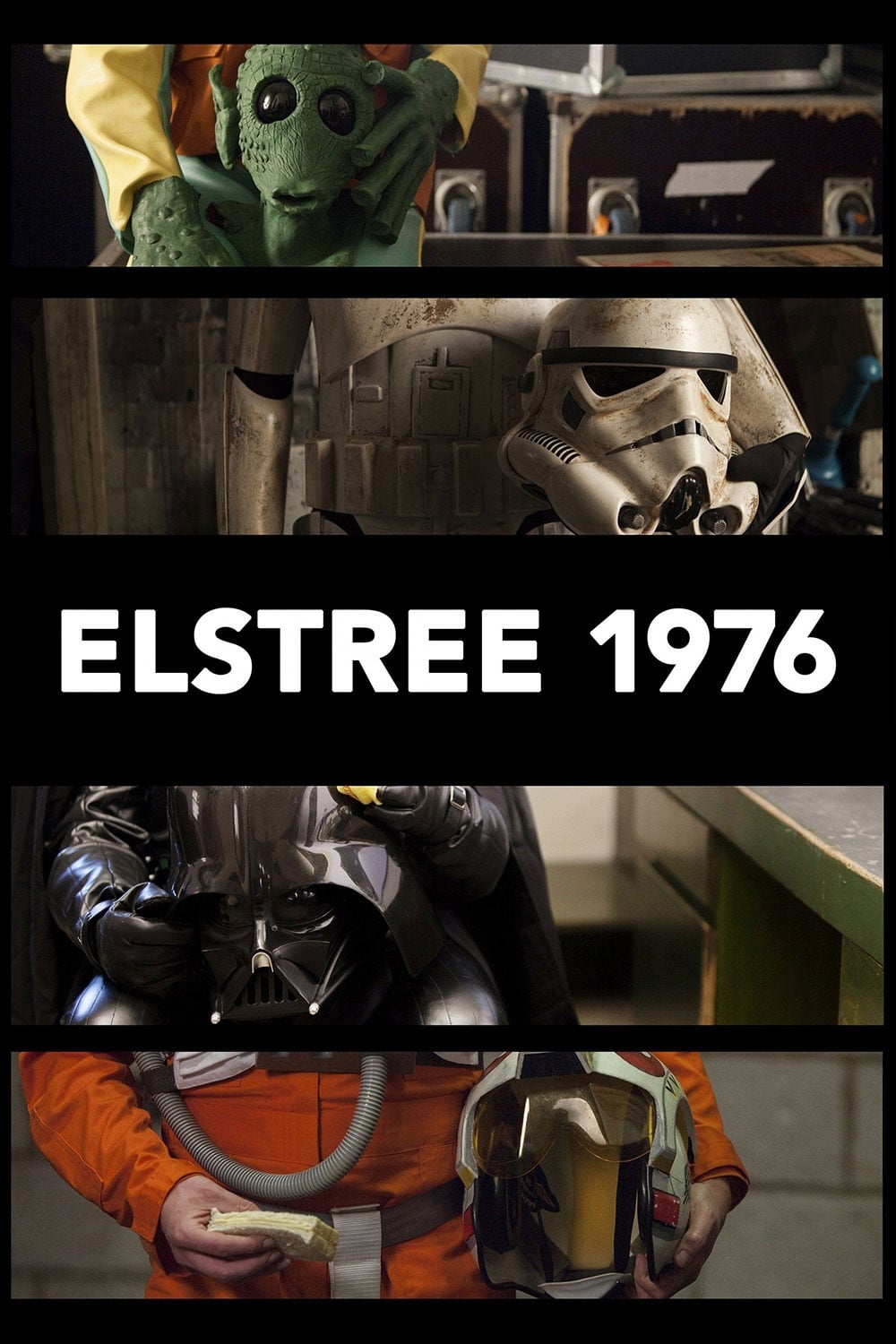
A documentary about ten very different lives connected by having appeared onscreen wearing masks or helmets in Star Wars.