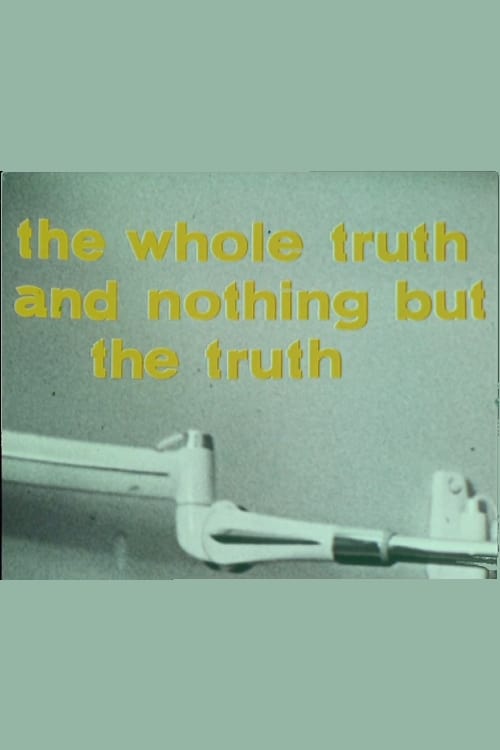
An experimental film about a day at the barber shop.
Social & External
The people behind it
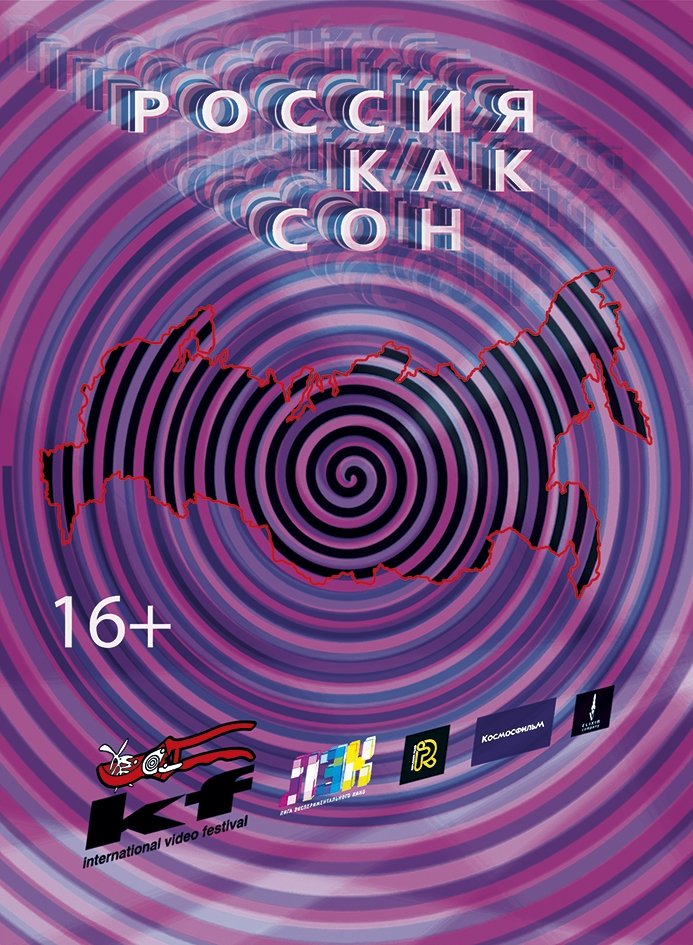
In the small town of Kansk, the Krasnoyarsk Territory many years in a row there is an international festival of short experimental films, which has a strong reputation throughout the world. "Russia as a dream" is an international project, shot by a team of authors and united directors, artists, poets. Each of the guests of the 14th International Kan Video Festival held in 2015 was invited to participate in the creation of a general film, the theme of which was the relationship of man and landscape, civilization and nature, reality and sleep.
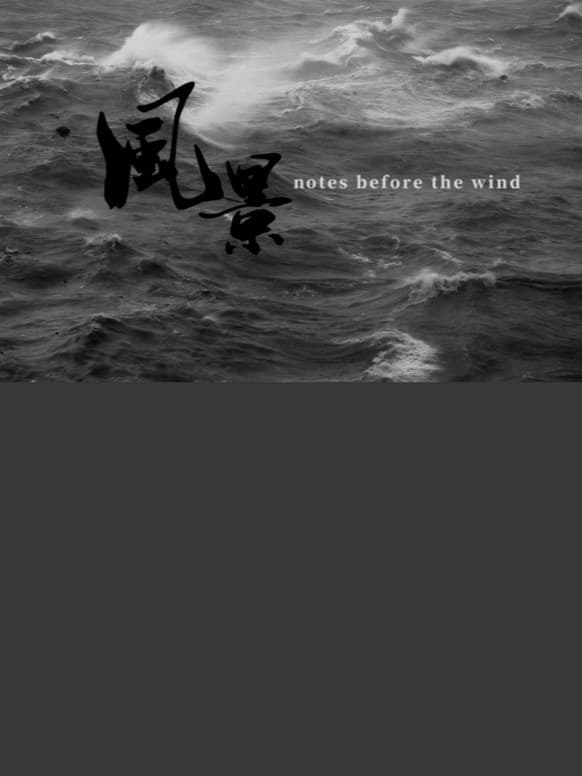
A loose collection of scenes in Hong Kong shot over a five-year period, this film begins with the Umbrella Movement in 2014 and ends right before the summer of 2019, when large-scale social unrest and violent resistance erupted. The everyday scenes capture the ambience and the landscape of change in the city, standing as a quiet prelude to the ensuing conflicts.
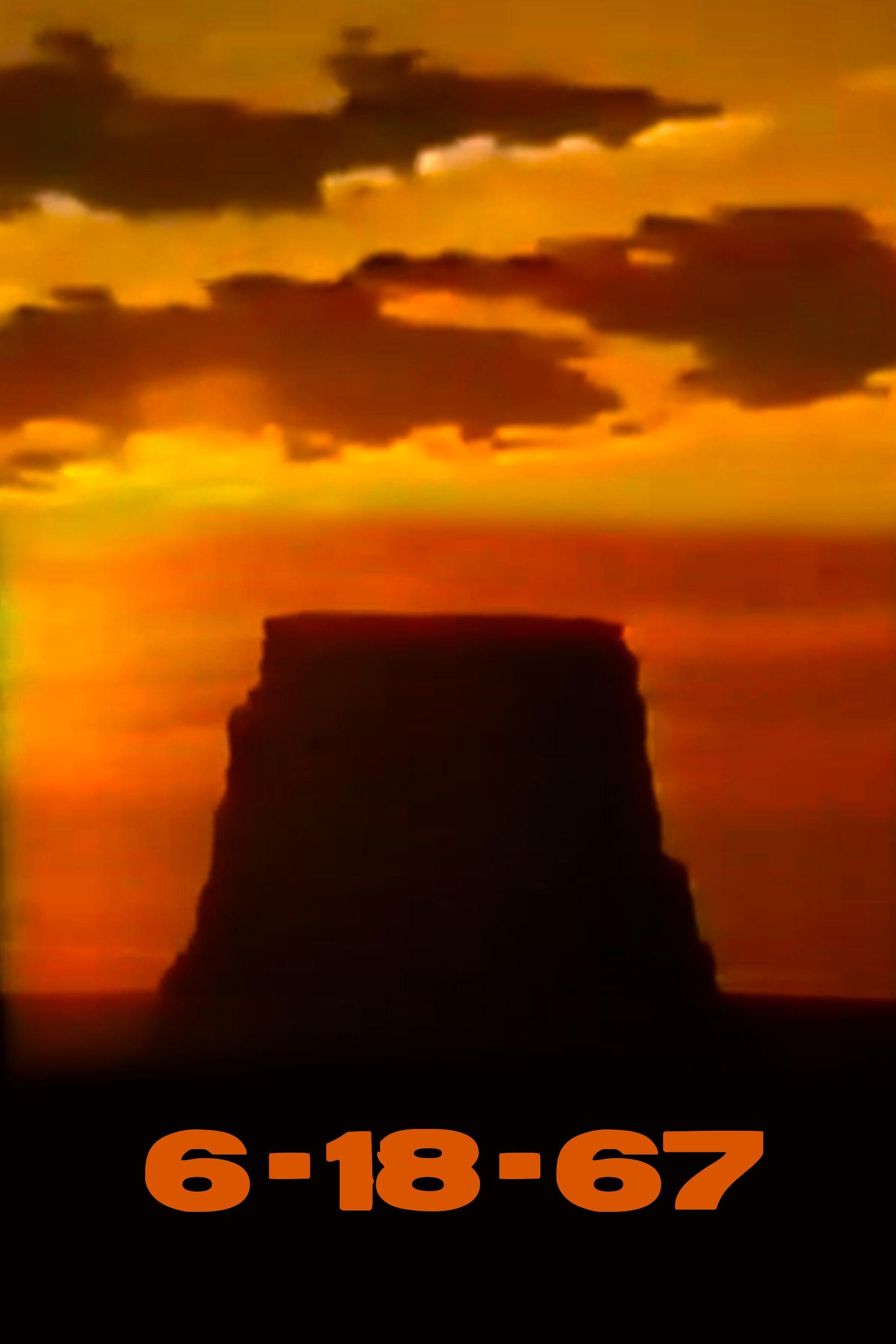
Filmed during the production of the Columbia Pictures western "Mackenna’s Gold," this short work presents a non-narrative visual study of the Arizona desert. Rather than documenting the film set itself, "6-18-67" assembles landscape images, time-lapse photography, and ambient sound into an abstract record of place and duration.
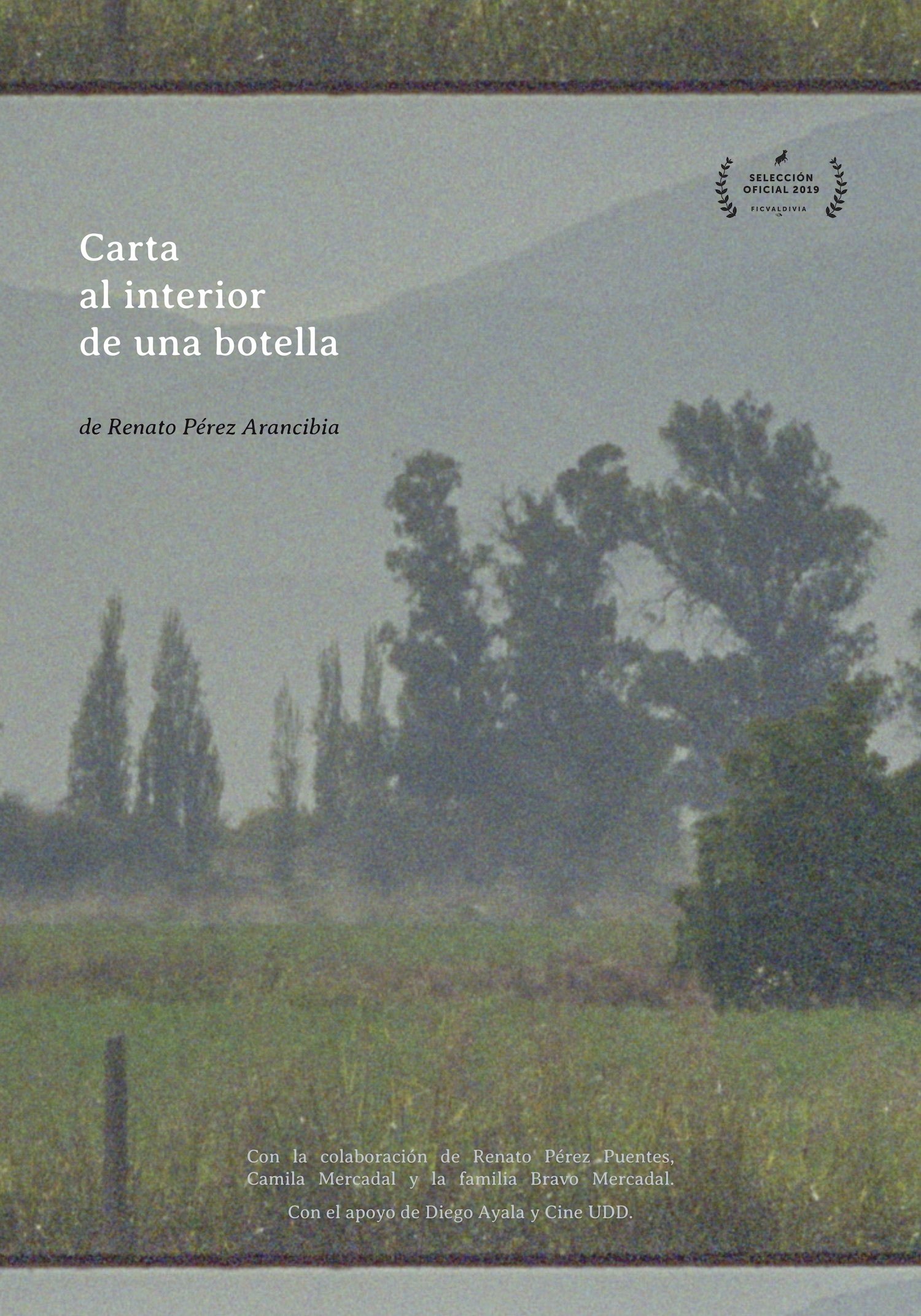
The meeting point between two comunication media: A letter written in 1929 -hidden inside the adobe walls of an old country house - and the shooting of the coutryside along the highway that connects two Chilean cities un 2018.
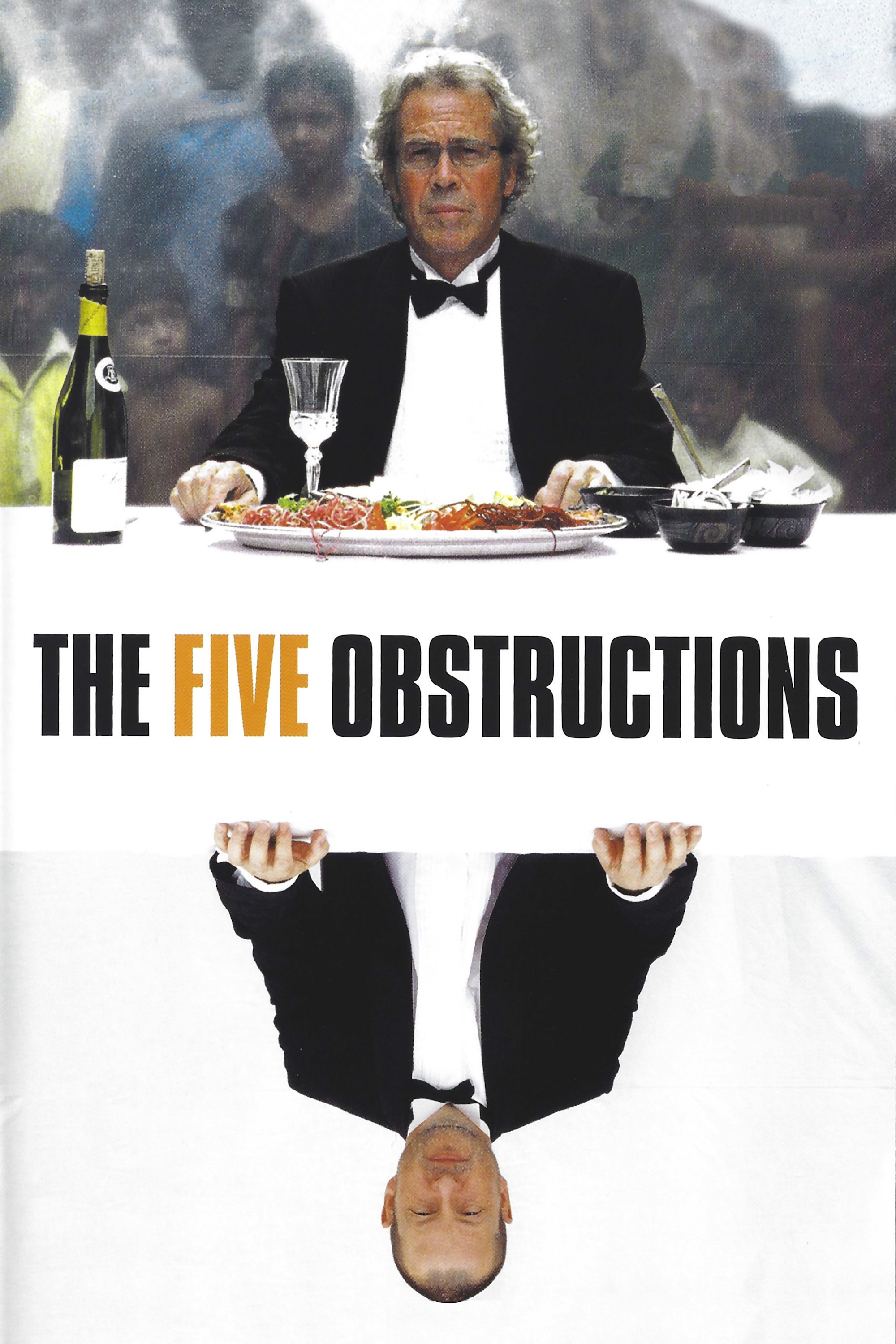
In 1967, experimental filmmaker Jorgen Leth created a striking short film, The Perfect Human, starring a man and women sitting in a box while a narrator poses questions about their relationship and humanity. Years later, Danish director Lars von Trier made a deal with Leth to remake his film five times, each under a different set of circumstances and with von Trier's strictly prescribed rules. As Leth completes each challenge, von Trier creates increasingly further elaborate stipulations.
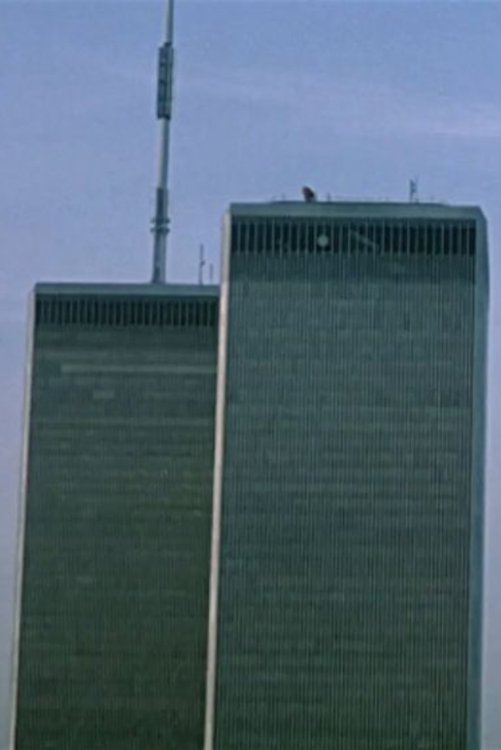
The television images of the collapse of the World Trade Center were preceded by manifold stagings of the building, either as a highly symbolic icon, a speculative destruction fantasy or merely as a spectacular backdrop. In Misty Picture, city symphony, disaster movie and media trauma therapy become one.
Experimental 8mm film.
Performance with live audio equalization.
Film loops with overlapping chromatic density and textures achieved with photochemical development experiments.
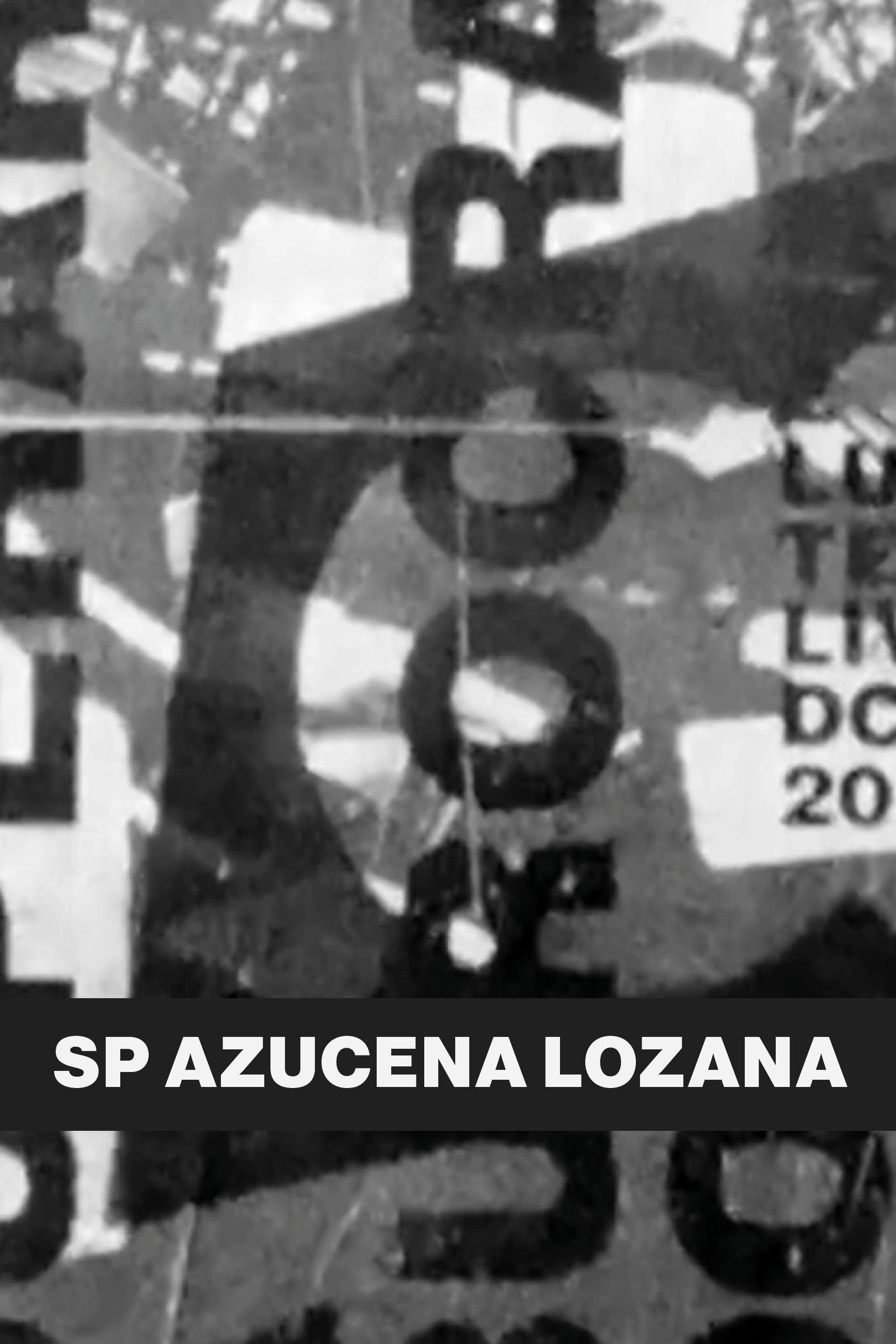
Letraset typeset intervention and editing on the projection copy of the film Cuesta Abajo, by Louis J. Gasnier, 1934.
During the evening, between 15:00 and 17:00 all of Valparaíso's hills appear almost motionless.
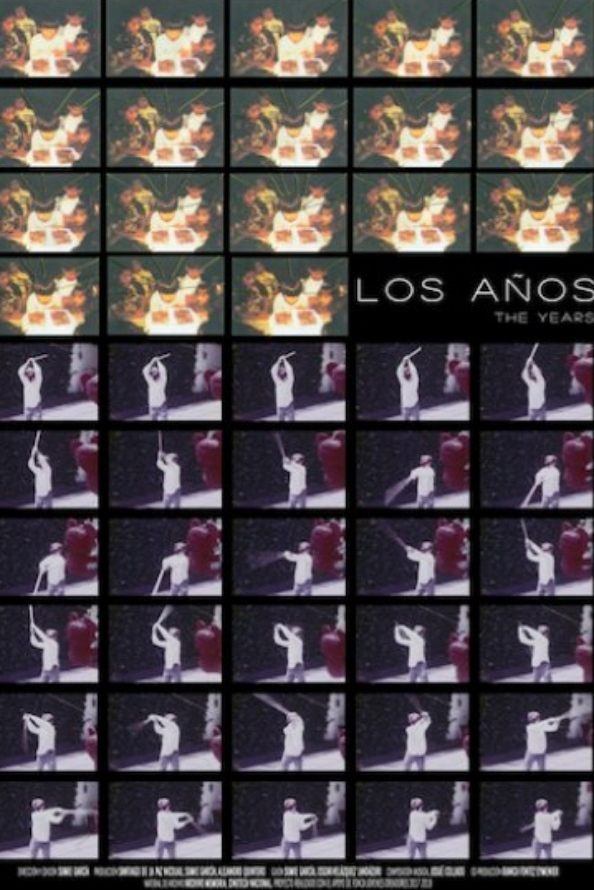
Los Años is a meditation about time, memory and mortality through our representation in images and our lives' rituals. This short highlights our abstract way of understanding time and collective experiences.
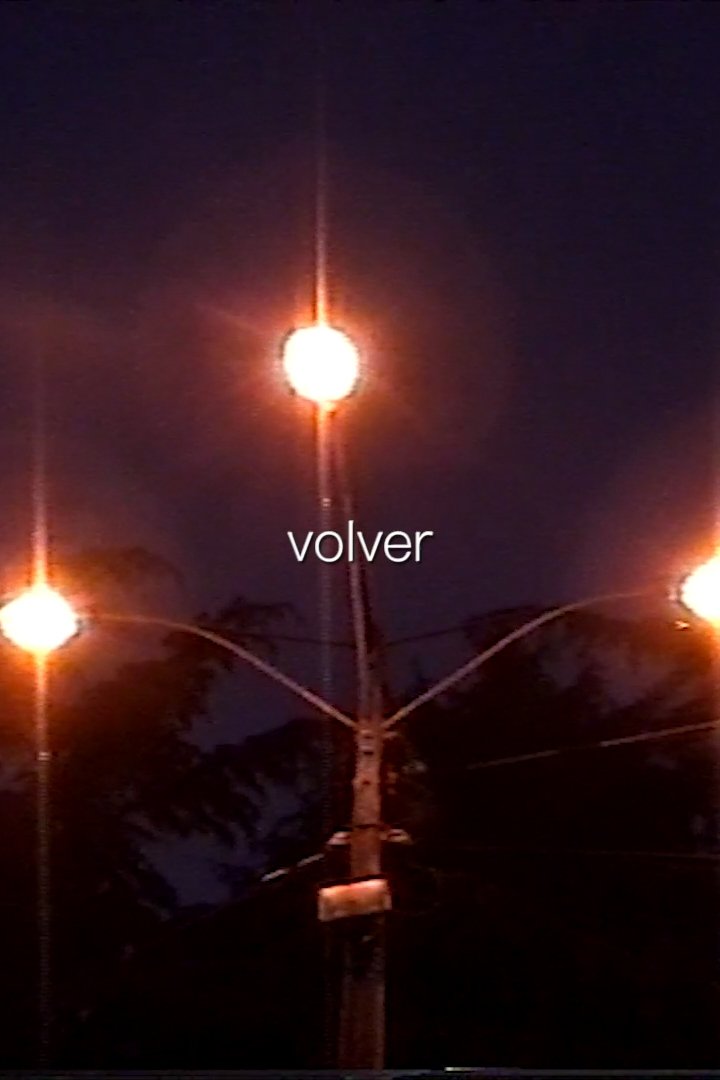
A somber journey on the road. A post with three lights. A crowded street. Stashed cables. The city. A grey square. The sun's reflection. The sun. Going back home.
Women, landscapes and manifestations of color meet experimentally with the possibilities of the artisanal copying technique on 16mm.
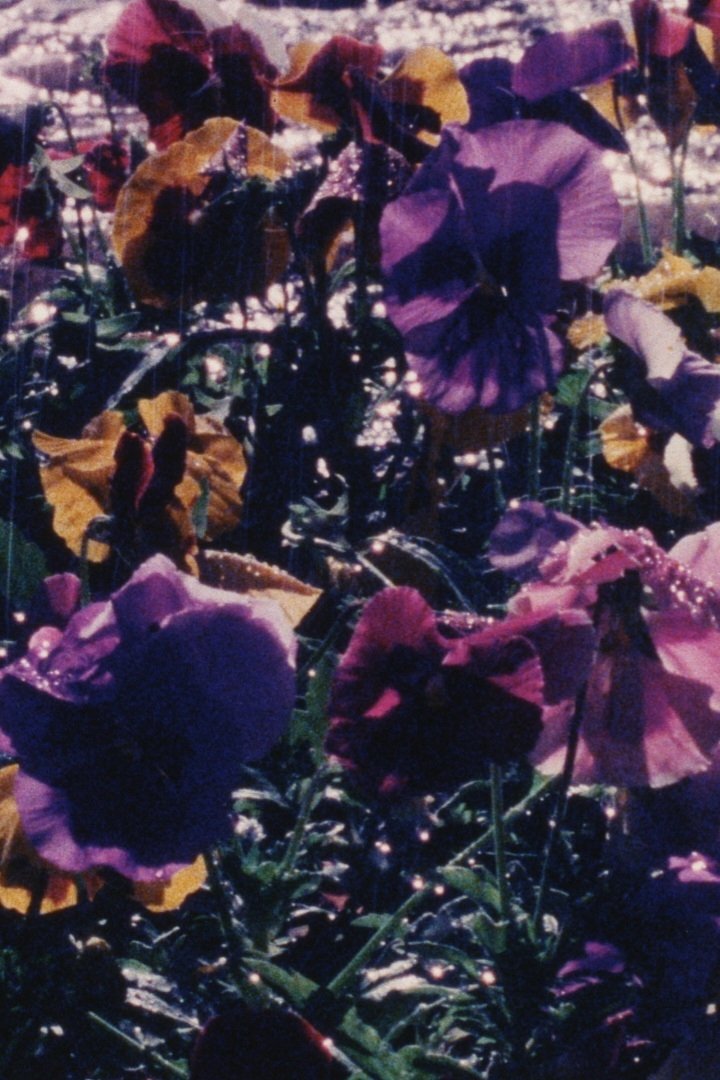
Starting from frame by frame in-camera editing, the film translates a nursery garden from Chillán into a filmic landscape, with a rhythm and structure coming from a personal relationship with color, light and occurrences that took place near the end of the summer at the Olaxis garden. This is the first part of a work which takes reference from Violeta Parra's poetry, created from flowers, plants and certain places of the Ñuble area.
The arrieros hold the lamb's body with their hands. The knife cuts the animal's throat and blood cascades out.
Roaming through the traditional Christmas stands of live carp fish on the street of Prague.
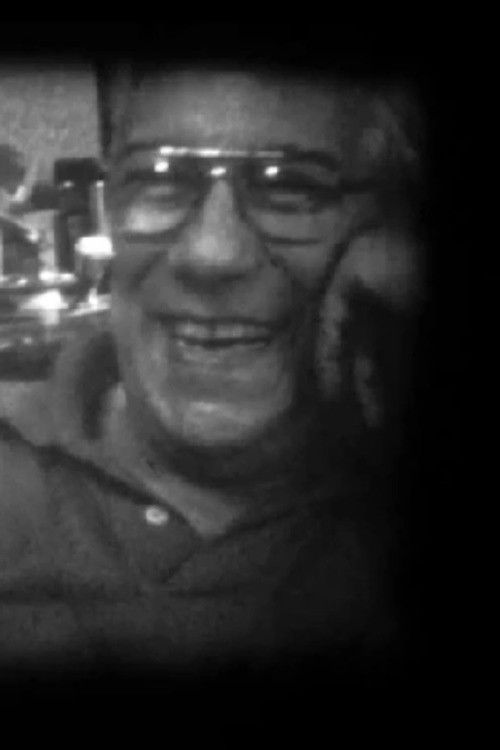
This is the filmic portrait of Daniel Vicinos, one of the most characteristic figures of Argentina's film industry: inventor, technician, collector, ironwork lover, but above all, in love with cinema.
The biggest, most populated, and frantic city in South America. While Cariocas are like tropical birds, Paulistas are like frenetic ants. Distances are longer and they're always in a hurry. A busy journey through this beautiful Brazilian beast which cannot help but beating irregularly.
This is the portrait of Cesar, the heir to a tradition of neon lights that ruled in Buenos Aires' marquees and now resists obsolescence.
Daniel Craig candidly reflects on his 15 year adventure as James Bond. Including never-before-seen archival footage from Casino Royale to the upcoming 25th film No Time To Die, Craig shares his personal memories in conversation with 007 producers, Michael G Wilson and Barbara Broccoli.
Through deeply personal interviews with her siblings and an examination of the photographs, letters, and belongings left behind, Mariska assembles a new portrait of her mother Jayne Mansfield, an extraordinary and complex woman.
The life and career of an actor, artist, and icon. His own journey through his own camera.
The life of Mr. Spock, as well as that of Leonard Nimoy, the actor who played him for almost fifty years, written and directed by his son: Adam.
A documentary chronicling Vogue editor-in-chief Anna Wintour's preparations for the 2007 fall-fashion issue.
Musician and performance artist Laurie Anderson reflects on the deaths of her husband Lou Reed, her mother and her beloved dog.
A feature length documentary about the all-women team at the helm of Pixar's original feature, Turning Red. With unprecedented behind-the-scenes access to Director Domee Shi and her core leadership crew, this story shines a light on the powerful professional and personal journeys that brought this incredibly comical, utterly relatable, and deeply heartfelt story to the screen.
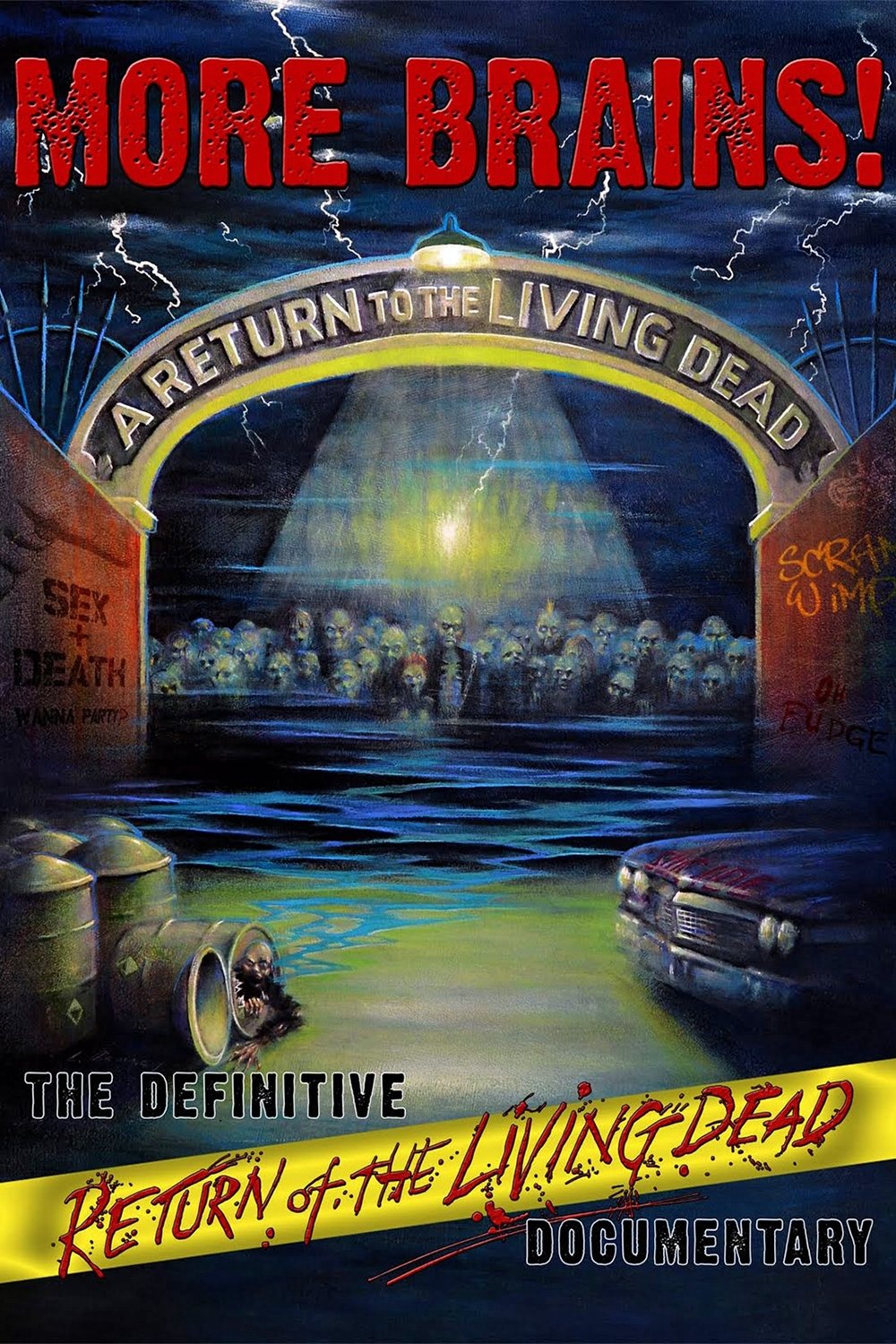
Retrospective documentary about the making of the horror cult classic "The Return of the Living Dead."
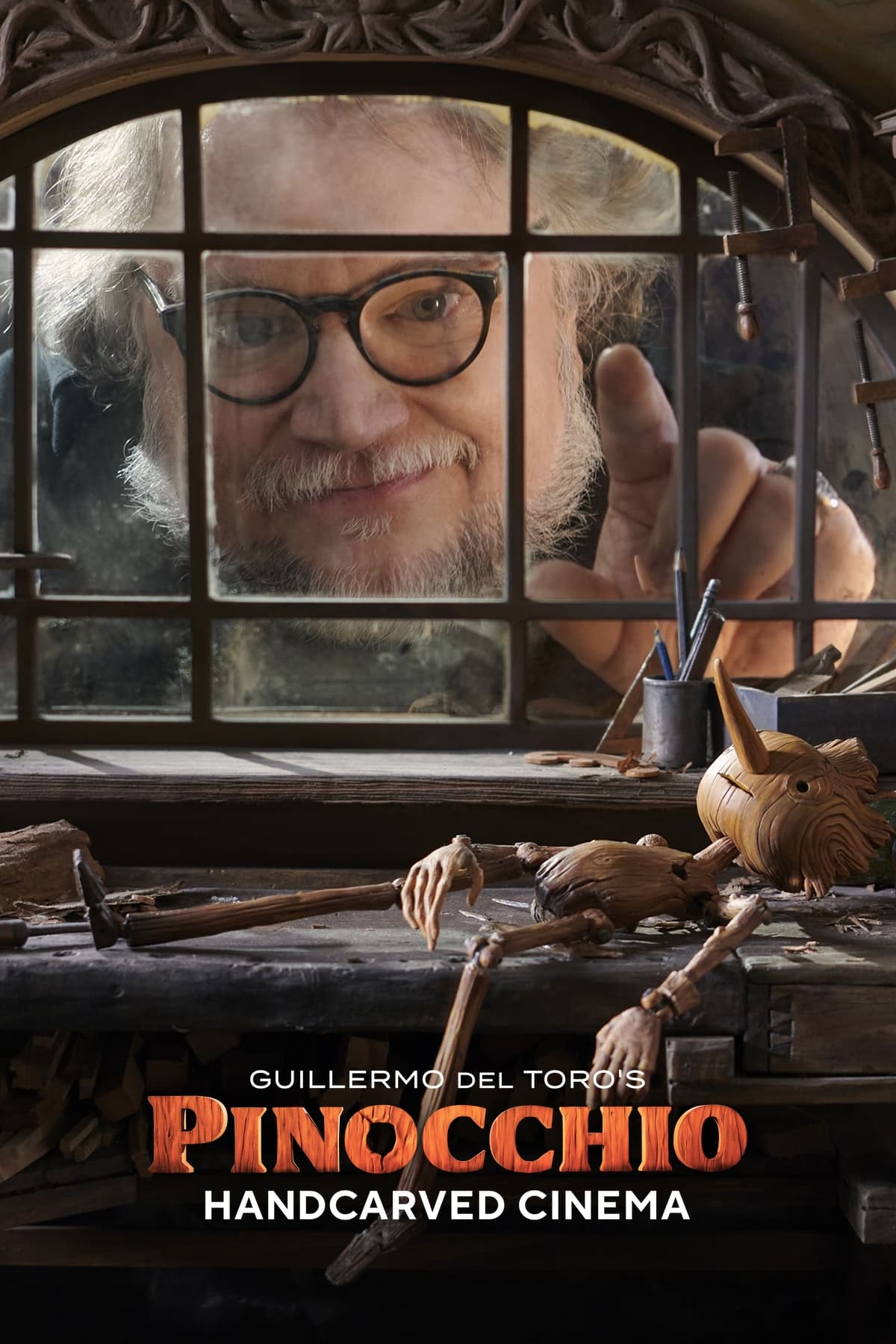
With mesmerizing footage and time lapses of animators at work, this behind-the-scenes special captures the artistry of a unique tale years in the making.
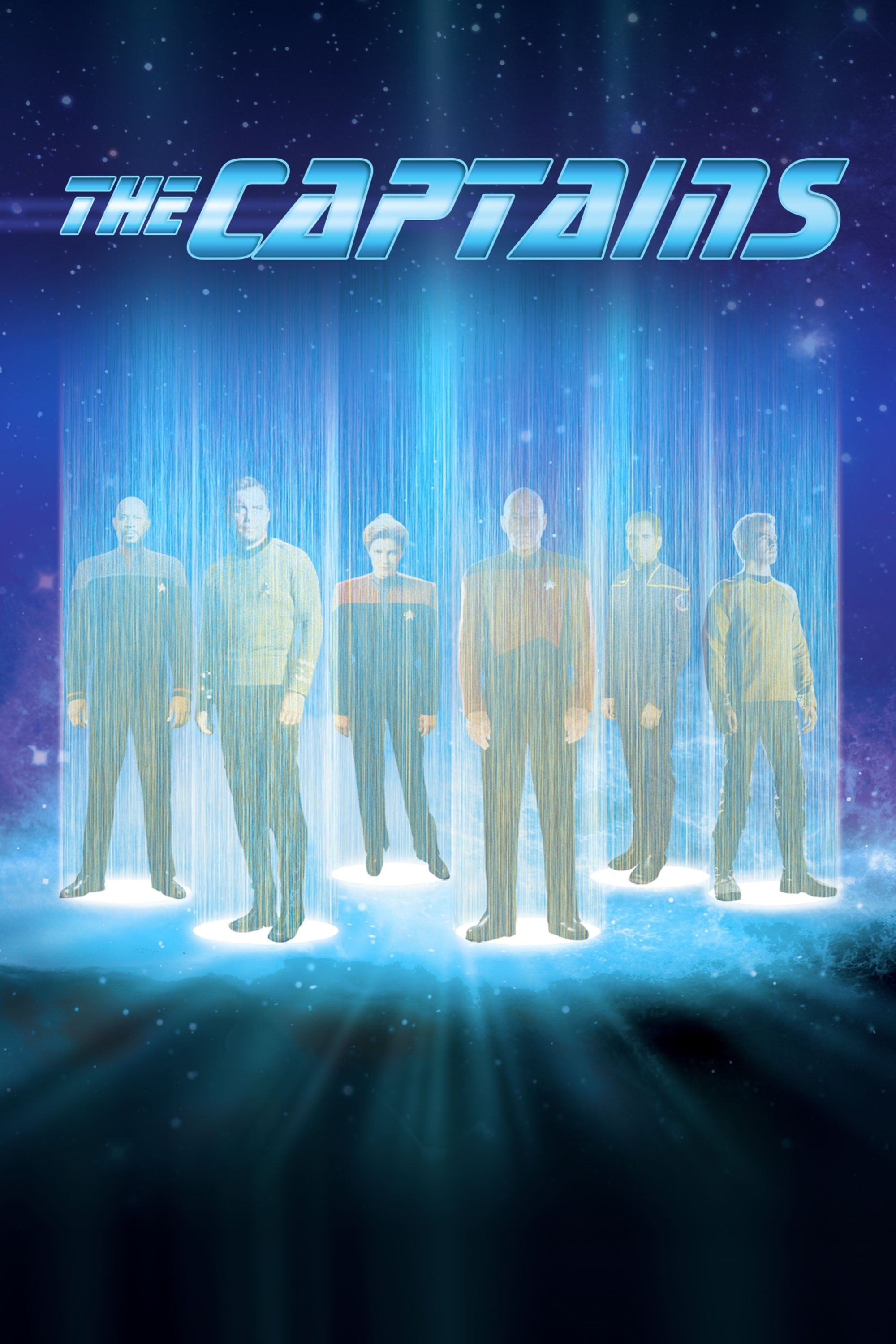
The Captains is a feature-length documentary film written and directed by William Shatner. The film follows Shatner as he interviews the other actors who have portrayed starship captains in the Star Trek franchise.
Al Pacino's deeply-felt rumination on Shakespeare's significance and relevance to the modern world through interviews and an in-depth analysis of "Richard III."
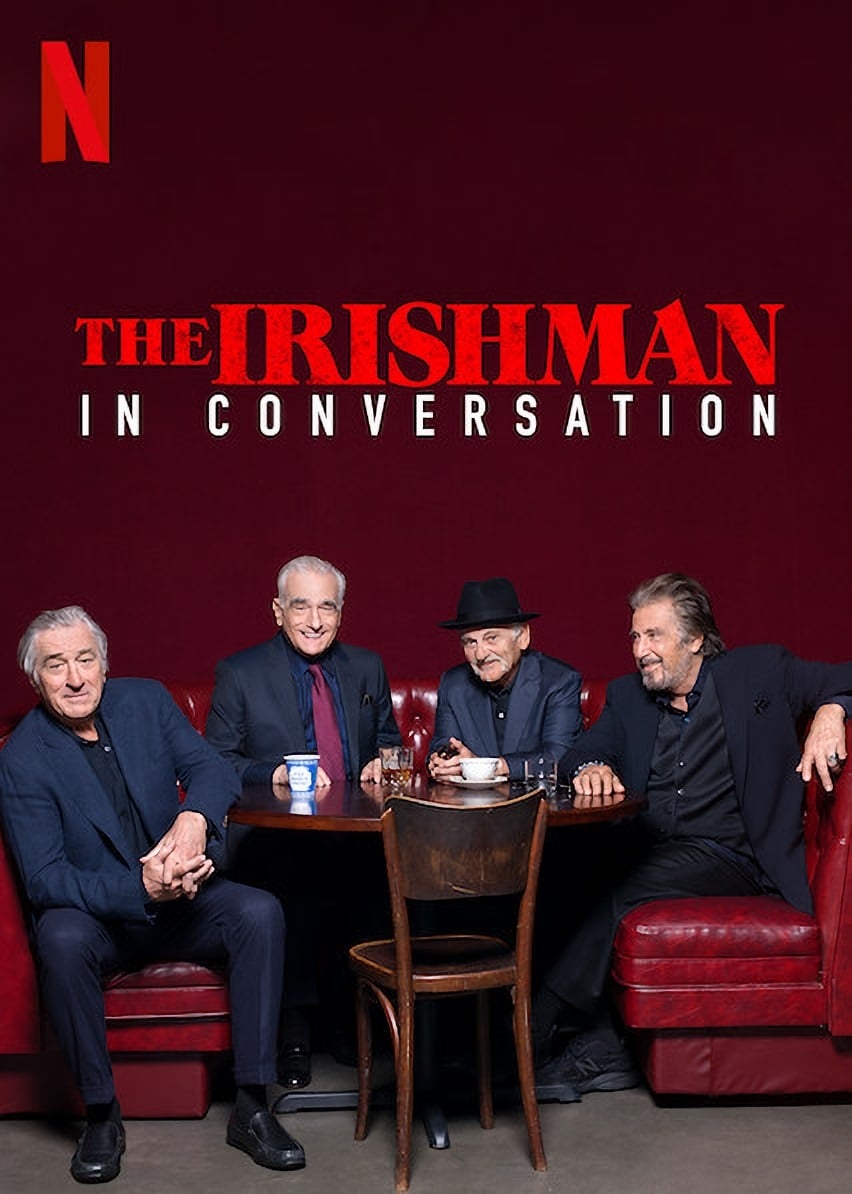
Martin Scorsese, Robert De Niro, Joe Pesci, and Al Pacino in conversation about The Irishman.
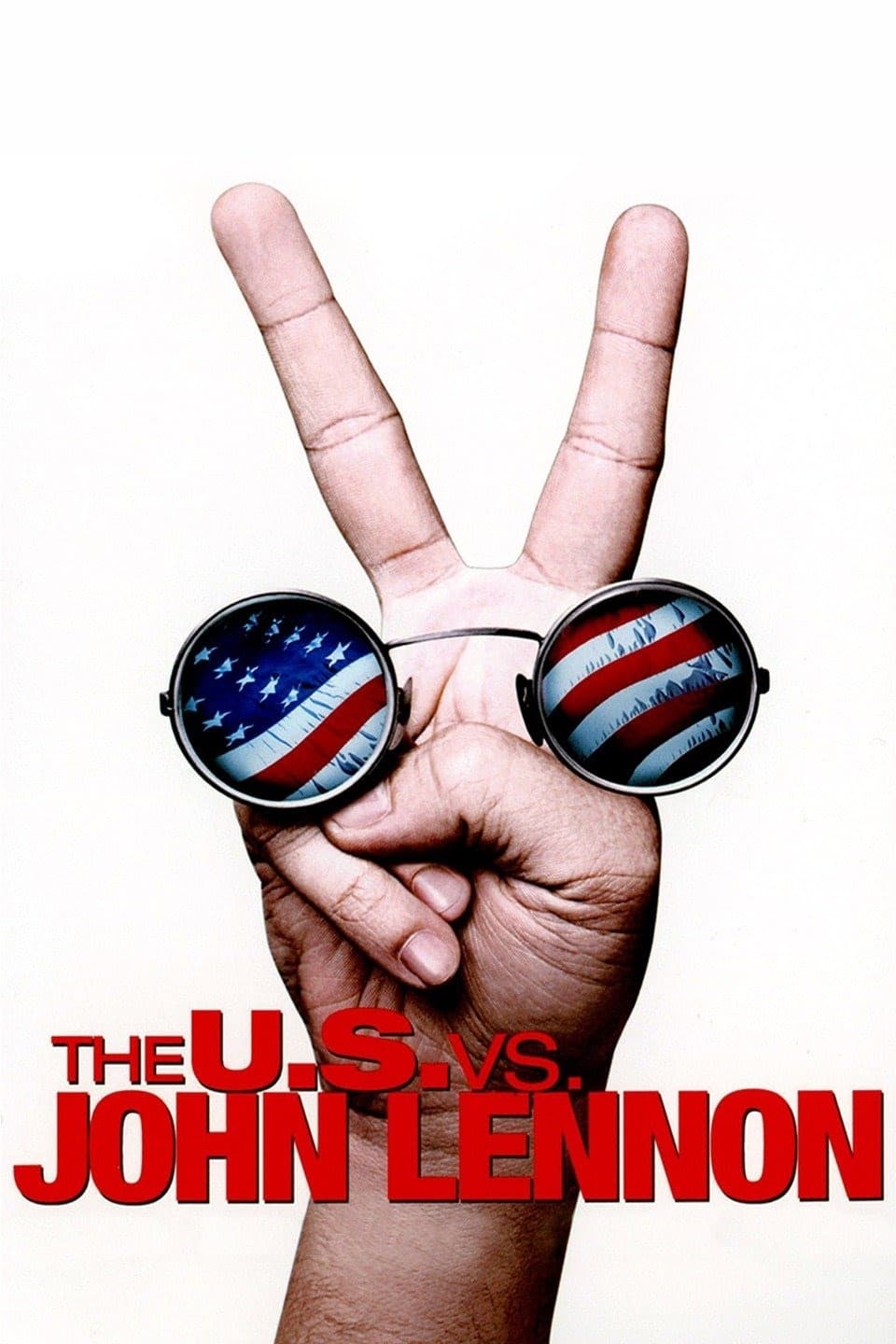
A documentary on the life of John Lennon, with a focus on the time in his life when he transformed from a musician into an antiwar activist.
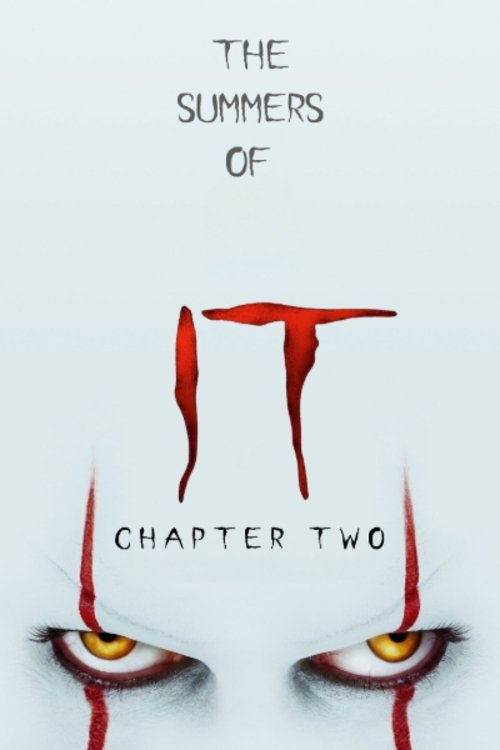
This documentary focuses on the actors and their journey over two summers to create the remake to the original IT, by Stephen King. The documentary originally released as bonus material, bundled with IT: Chapter Two.
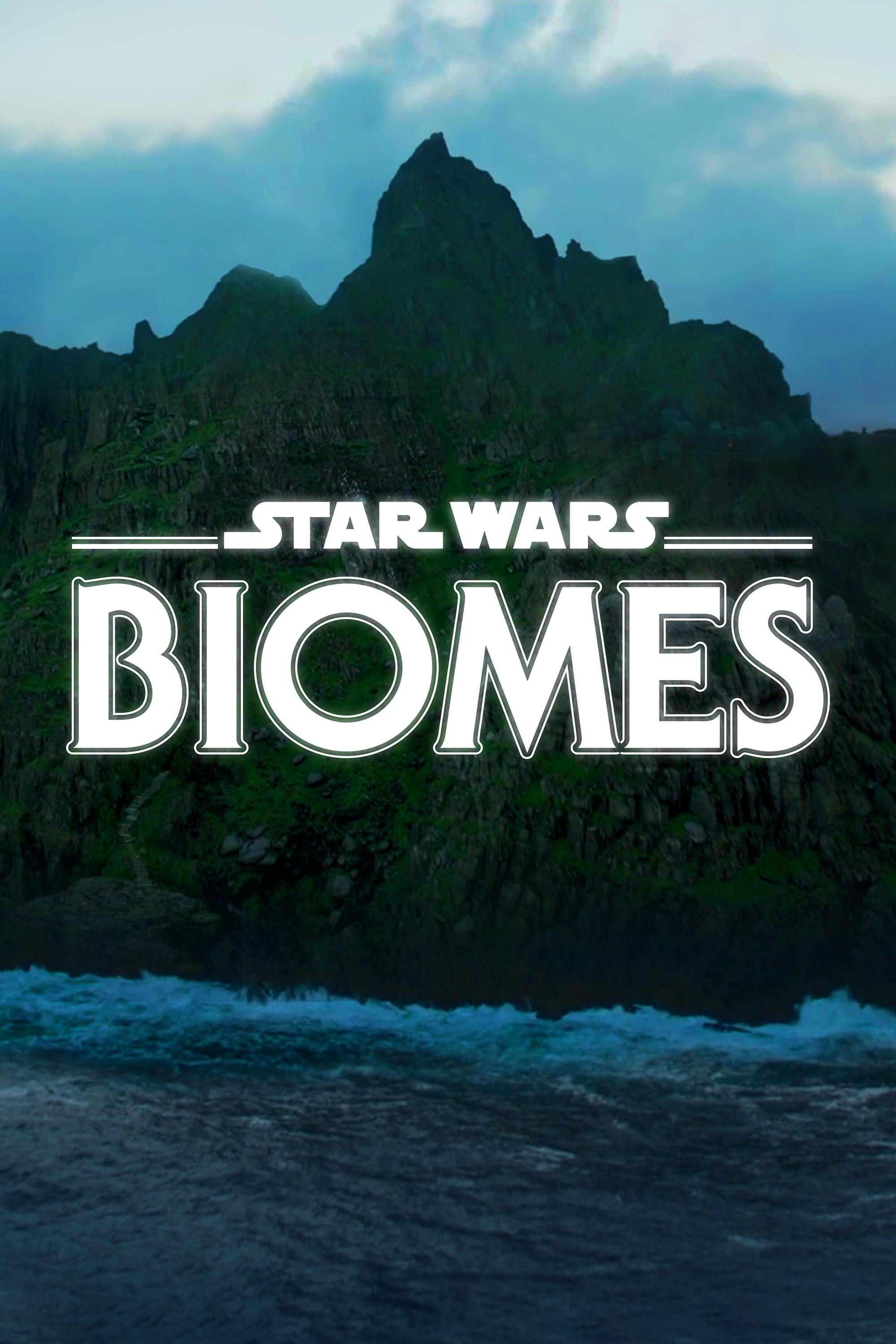
Take a virtual vacation to some of the Star Wars films' most iconic and beloved locations like Hoth, Tatooine, and Sorgan, as this charming series whisks you off for fly-through tours of the Galaxy Far, Far Away.
A visual montage portrait of our contemporary world dominated by globalized technology and violence.
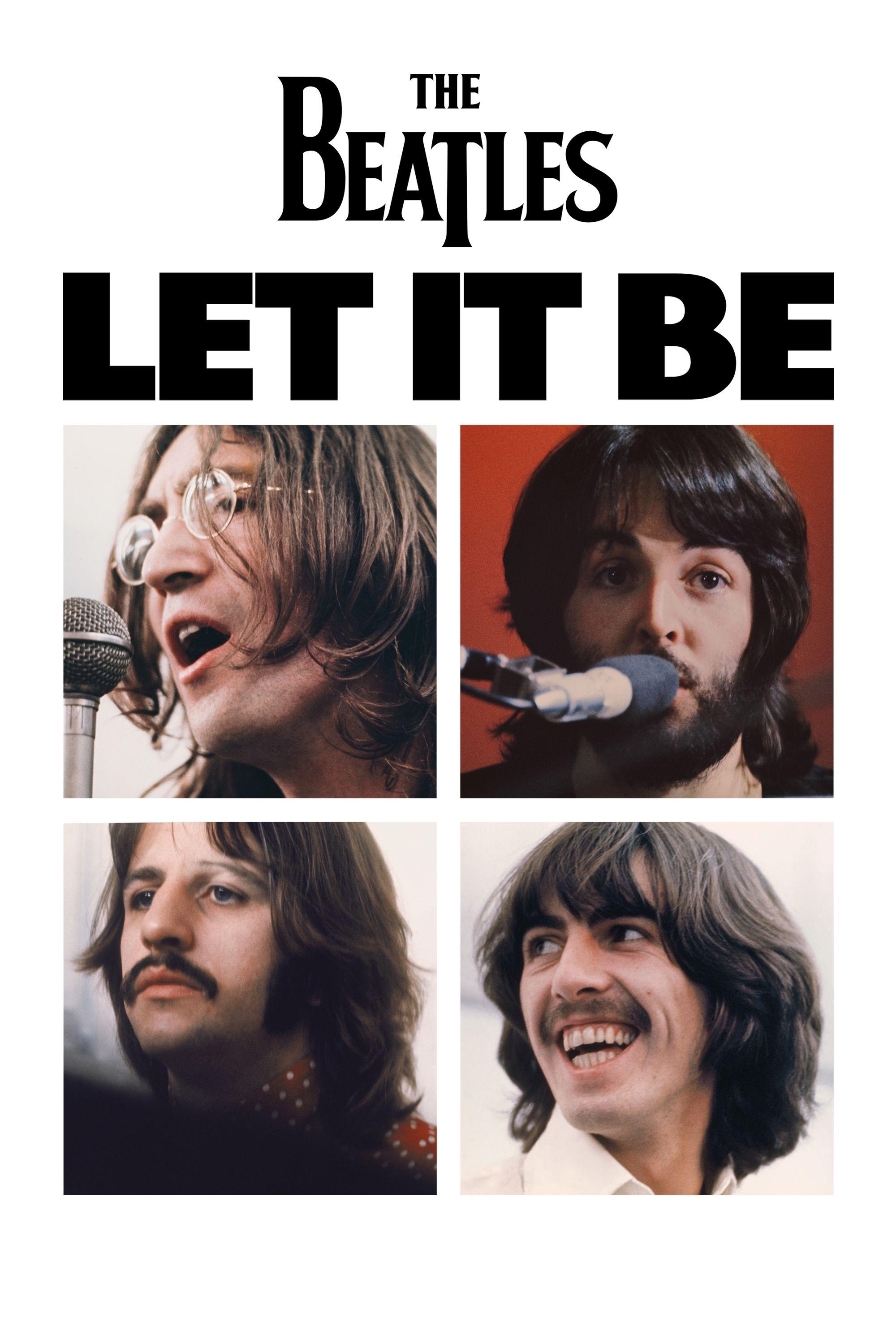
A documentary chronicling the Beatles' rehearsal sessions in January 1969 for their proposed "back to basics" album, "Get Back," later re-envisioned and released as "Let It Be."
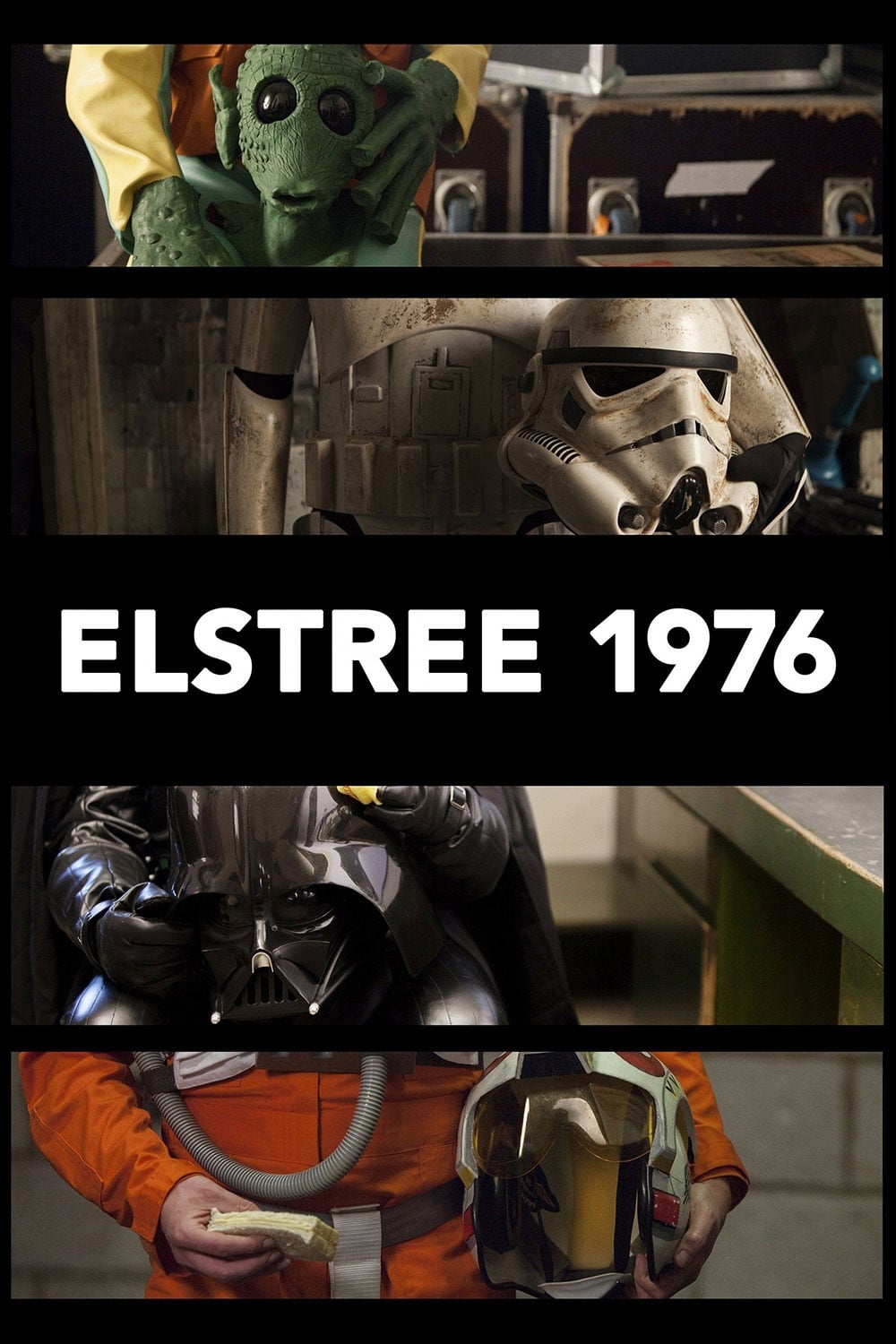
A documentary about ten very different lives connected by having appeared onscreen wearing masks or helmets in Star Wars.
Using the book 'Fragments', which collects Marilyn Monroe's poems, notes and letters, and with participation from the Arthur Miller and Truman Capote estates who have contributed more material, each of the actresses will embody the legend at various stages in her life.
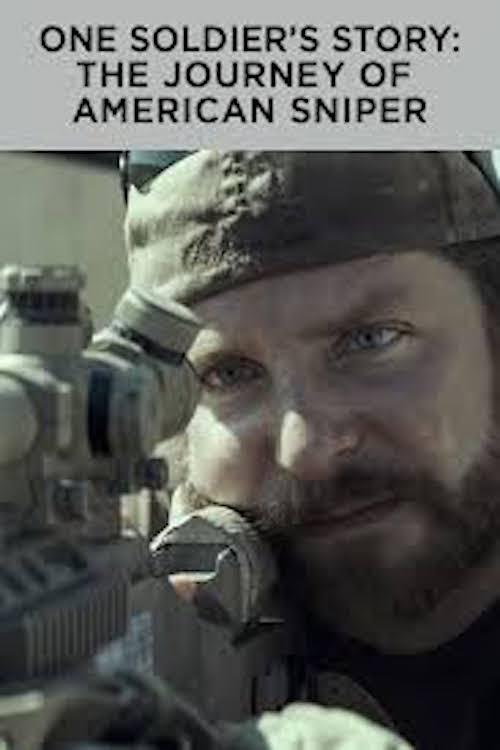
Join director Clint Eastwood and his creative team, along with Bradley Cooper and Sienna Miller, as they overcome enormous creative and logistic obstacles to make a film that brings the truth of Navy SEAL Chris Kyle's story to the screen.