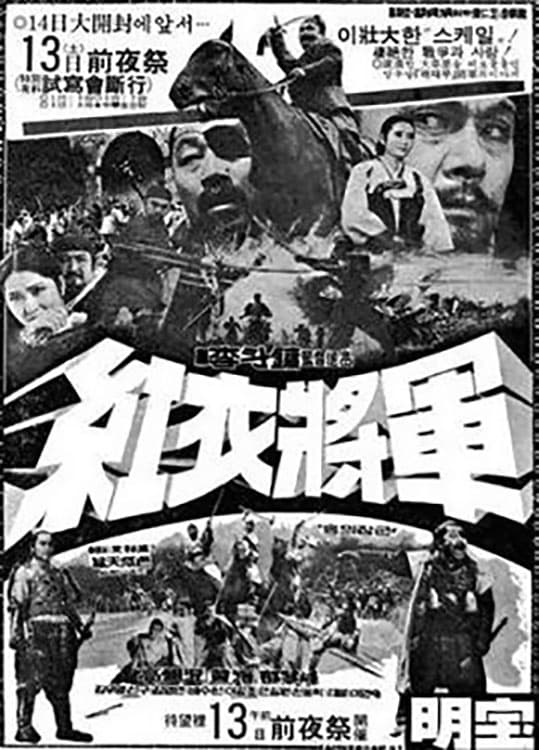
General Kwak, despite having retired from military service, organizes a small army to resist the onslaught of an invasion from Japan in the early Chosun Dynasty
Social & External
The people behind it
Ko Eun-a
Do Kum-bong
Lee Kang-jo
Hwang Hae
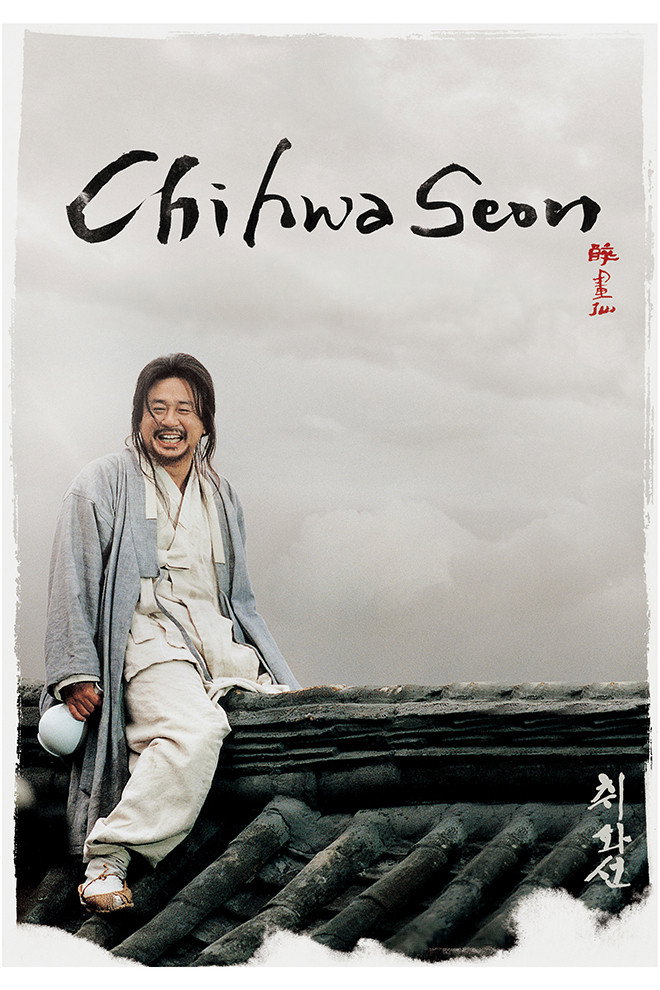
Jang Seung-eop, also known as "Chihwaseon," drinks and paints all day. Through Mae-hyang, he learns the meaning of fate, sees art beyond even the smallest things, and sets out for the path he seeks.
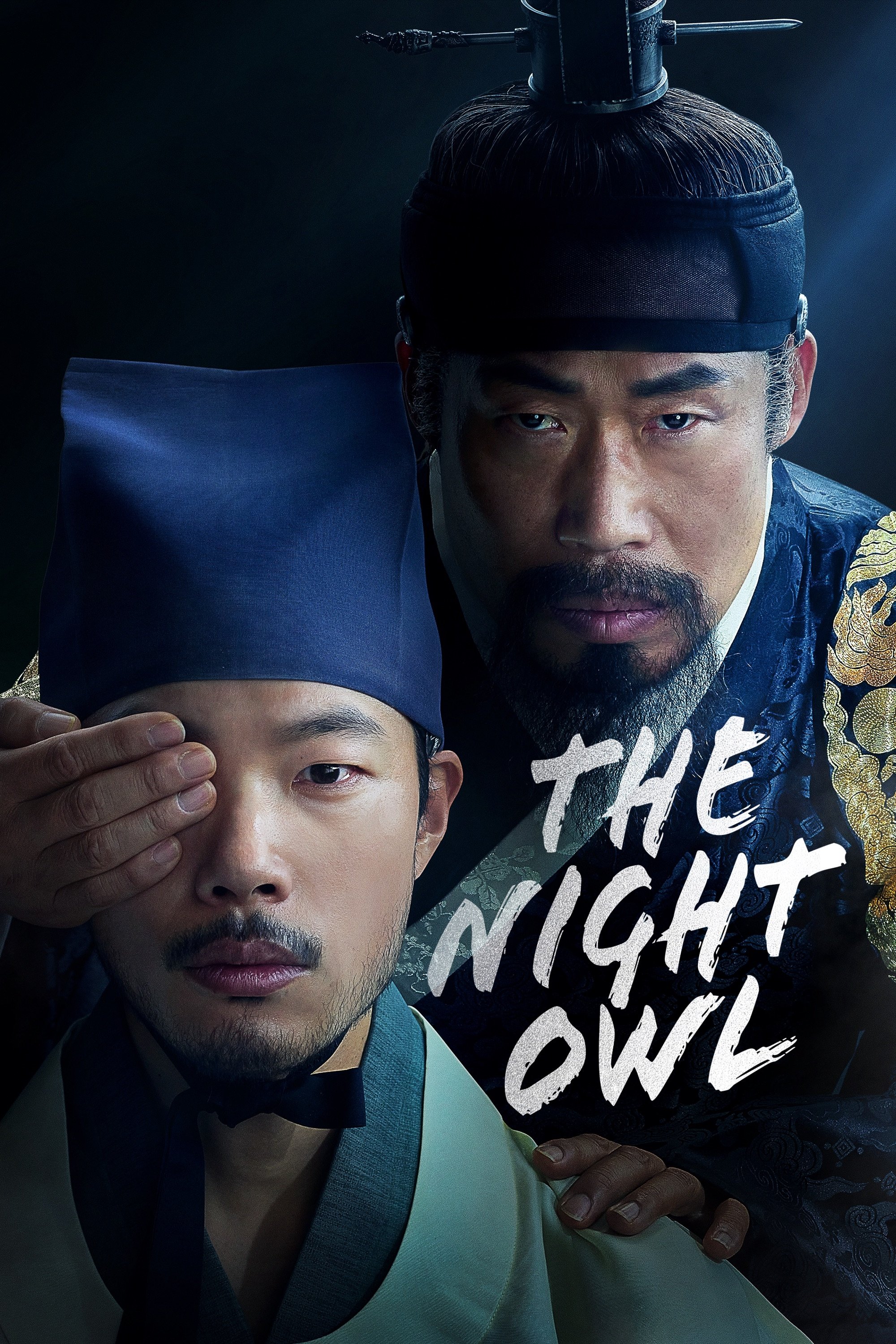
Korea, 1645 - Joseon Dynasty: a partially blind and gifted acupuncturist, Gyeong-su, is invited to work alongside the royal physician in the palace of King Injo, just before the crown prince Sohyeon returns after having been held captive by the Qing Dynasty. Prince Sohyeon and his father begin to differ in opinion on the future direction of their dynasty, leading King Injo to suffer from severe anxiety and paranoia. One night, Gyeong-su witnesses prince Sohyeon's death. Disbelieved as a witness on account of his blindness, Gyeong-su must struggle to reveal the truth while not falling prey to the power-hungry conspirators of the palace.
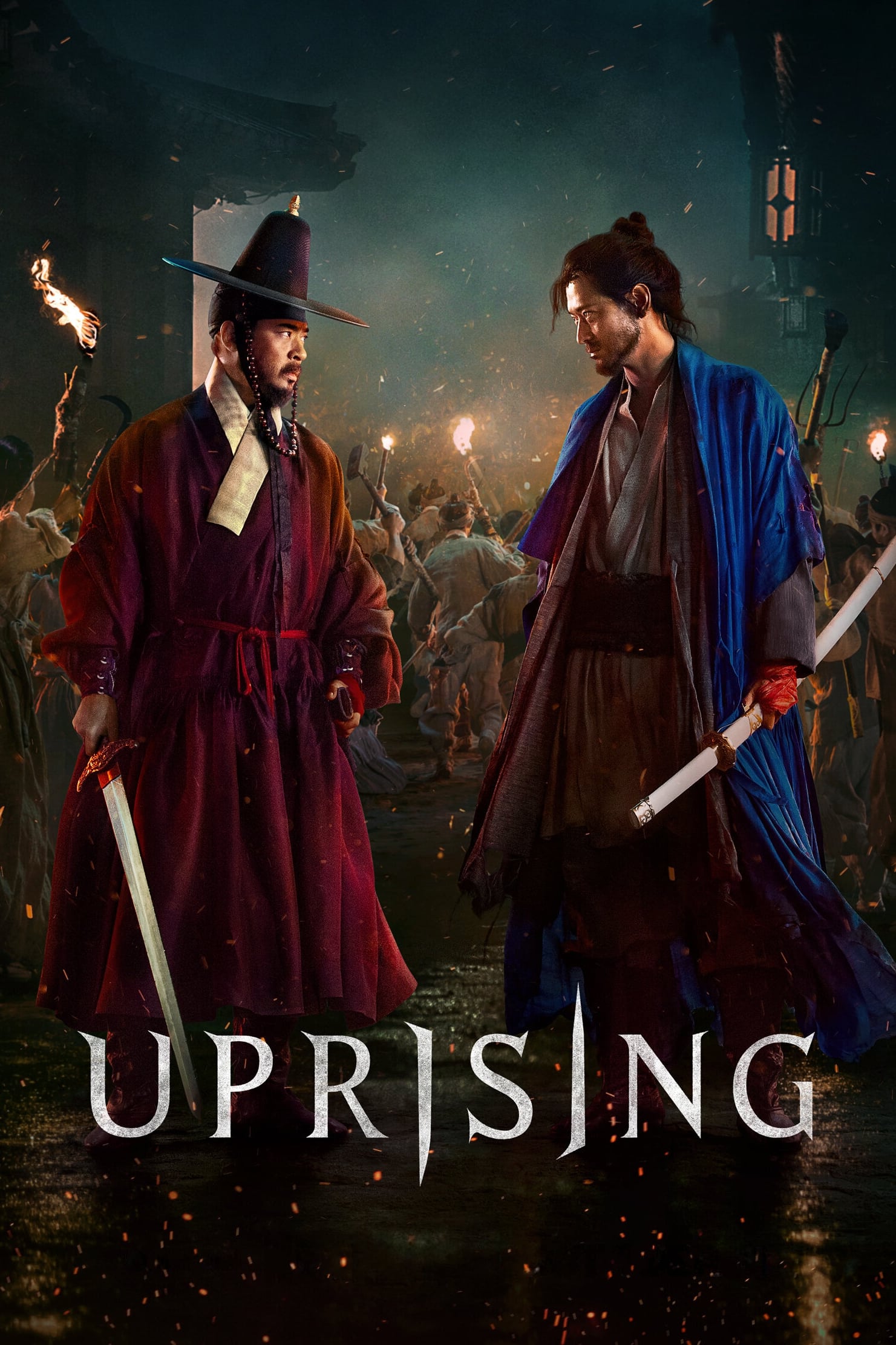
In the late 19th century Catholicism was gaining a foothold on Jeju island, much to the horror of the Confucian community, who were seeing their influence diminishing as well as getting increased taxes from Catholic-friendly government officers. The conflict became a religious war that resulted in a rebel Confucian army massacring hundreds of Christians in little more than a matter of days. The Uprising details the events leading up to the assault, focusing on the story of Yi Jae-su, the young man destined to become the leader of the rebel army.
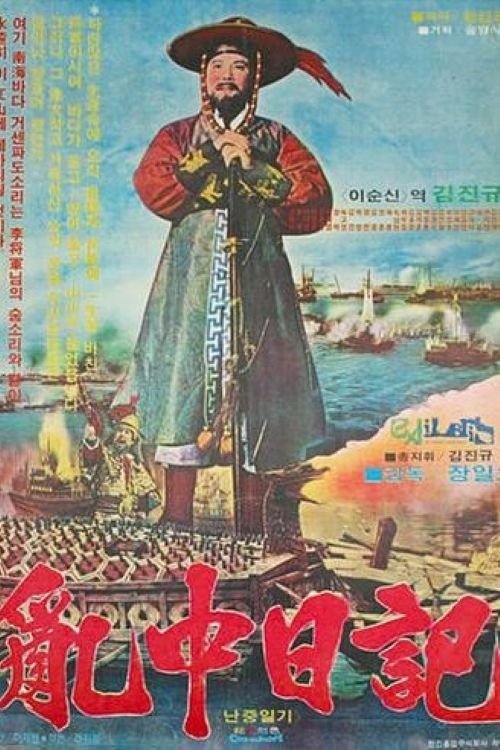
Admiral Lee Sun-shin designs and builds the 'Turtle Ships' in preparation of the Japanese invasion during the Injin War. He is promoted after his victories, but due to his expanding influence and increased popularity in military circles, the king comes to fear him and has him imprisoned. A year later, the Japanese navy attempts another invasion and the king is required to enter the prison and beg the admiral's assistance.
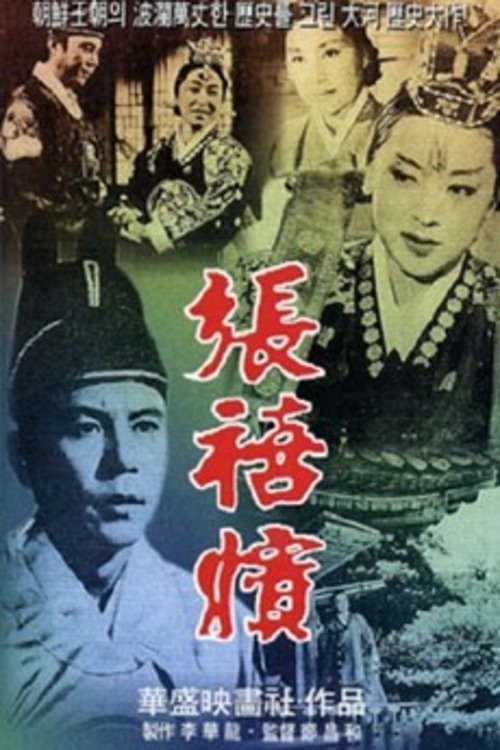
King Sukjong assigns Jang Ok-nan, a court lady, as a concubine overnight. Jang plots to drive the current Queen into exile.
King Sukjong exalts a greedy concubine to the status of Bin, which is next to that of the Queen. The new Bin, who is now called Jang Hui-bin, drives out the Queen through a coup and takes her place. But thanks to loyal court officials, the King finds out what has been going on. He demotes Jang to Bin again and reinstates his Queen. Jang, now vindictive, conspires with her mother to kill the queen and reclaim her place. But the conspiracy is brought to light, and Jang is executed.
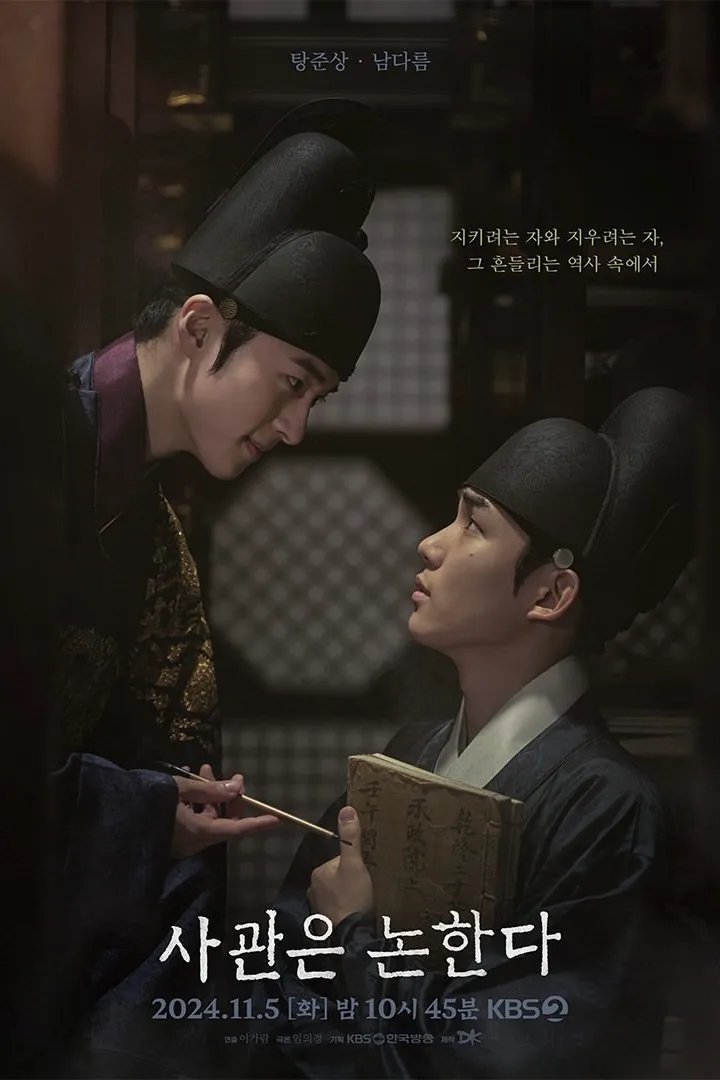
The story of the Crown Prince who tries to erase history in order to become the king, and the young officer who tries to stop him.
A historical drama based in the Joseon times about a person who falls in love with his stepsister.
Queen Yun reigned with King Sunjong since she was just 13 years old. She hid the royal seals needed to complete an agreement between Korea and Japan which would lead to Korea's annexation. However, her patriotic display wins her many enemies.
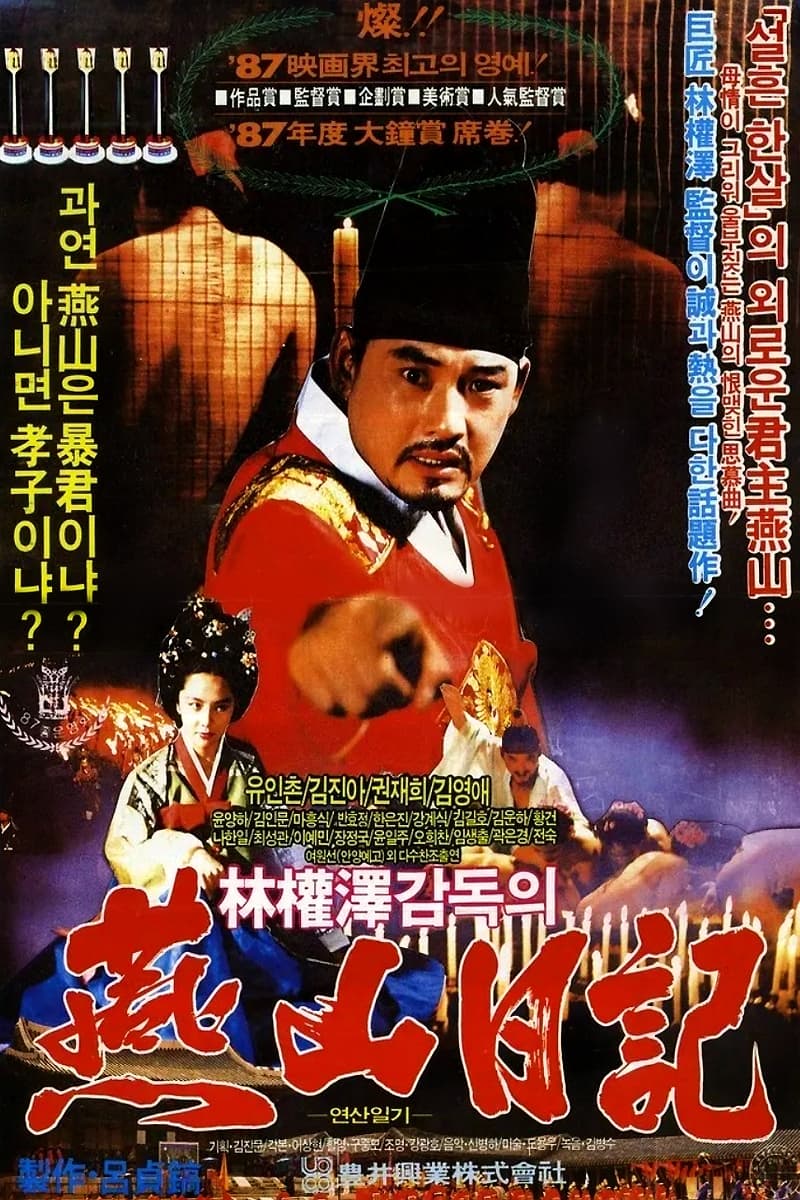
A historical drama about the life of Prince Yeonsan of Joseon,.
In the era of corruption, Hak-gyu sings songs and tells stories on the street with his band. One day, Hak-gyu's wife Gan-nan is kidnapped by gangsters and his daughter Cheong loses her eyesight after the incident. He decides to travel in search of his missing wife and learns that corrupted noblemen are behind the mob.
Late 18th-century Joseon dynasty. The King is beleaguered and surrounded by traitors of the ruling elite. They plan to assassinate and replace him with a puppet. But the King has some aces up his sleeve that may help him defeat them all.
When King Cheol-jang dies, the throne passes to his son King Ko-jang but, because he is considered to be too inexperienced, his ambitious uncle rules as regent. The rightful king's wife, the politically brilliant Queen Min, refuses to accept this situation and brings about the uncle's exile in order to secure the throne.
Mu Myeong is a Joseon dynasty headhunter who meets and falls in love with lady Ja Yeong who will become the future Empress Myseongseong. A few years later, Ja Yeong enters the royal palace to marry King Gojong. Mu Myeong still having feelings for Ja Yeong and in an attempt to get closer to her becomes her personal body guard.
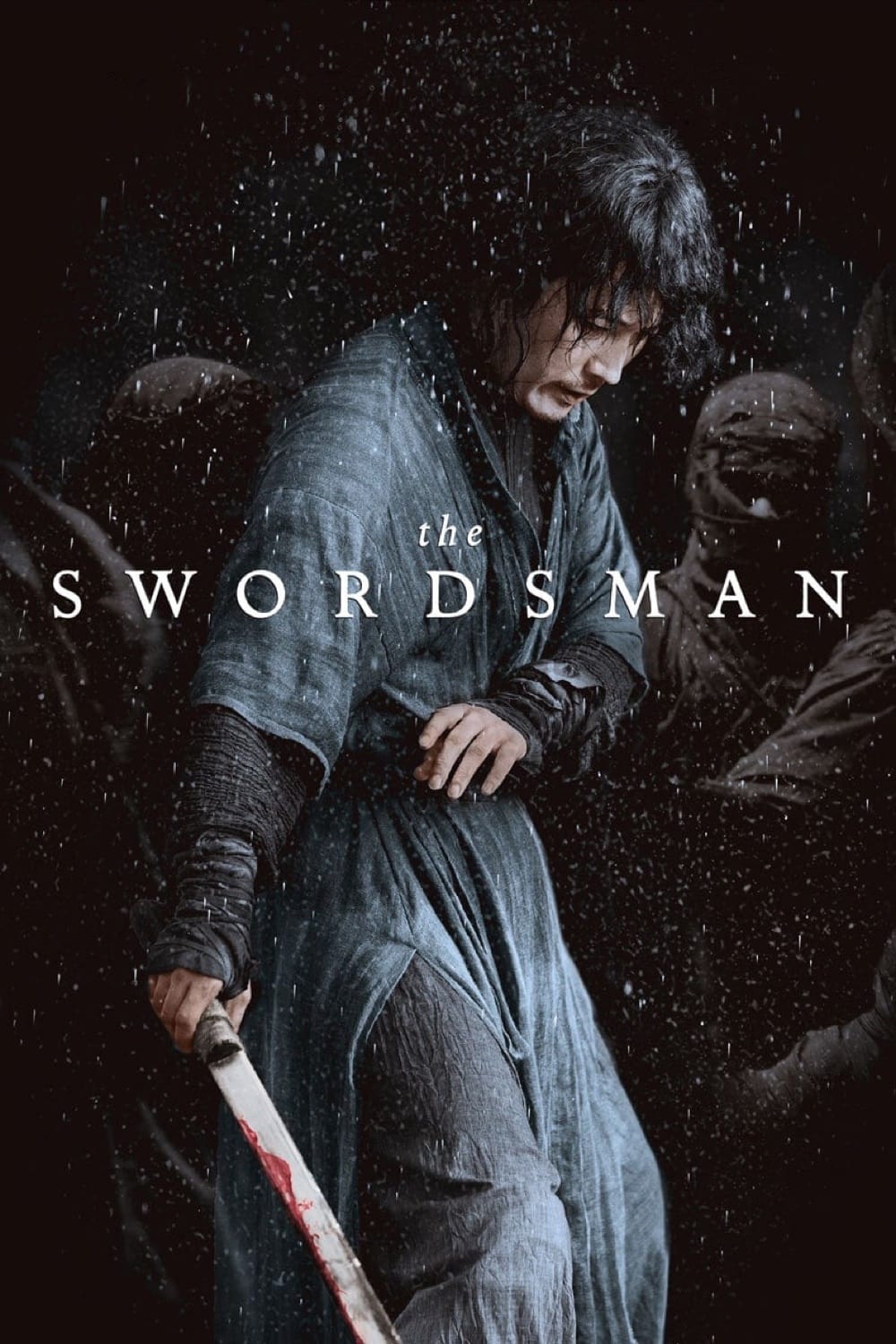
Ancient Korea, 1728. Swordsman Kim Ho, guard of King Yeong-jo of Joseon, is demoted and sent to work in Uigeumbu prison. When night falls, the prison is assaulted by the master warrior Do Man-cheol and his powerful henchmen for the purpose of freeing Lee In-jwa, who has been condemned to death for rising up in revolt against the king.
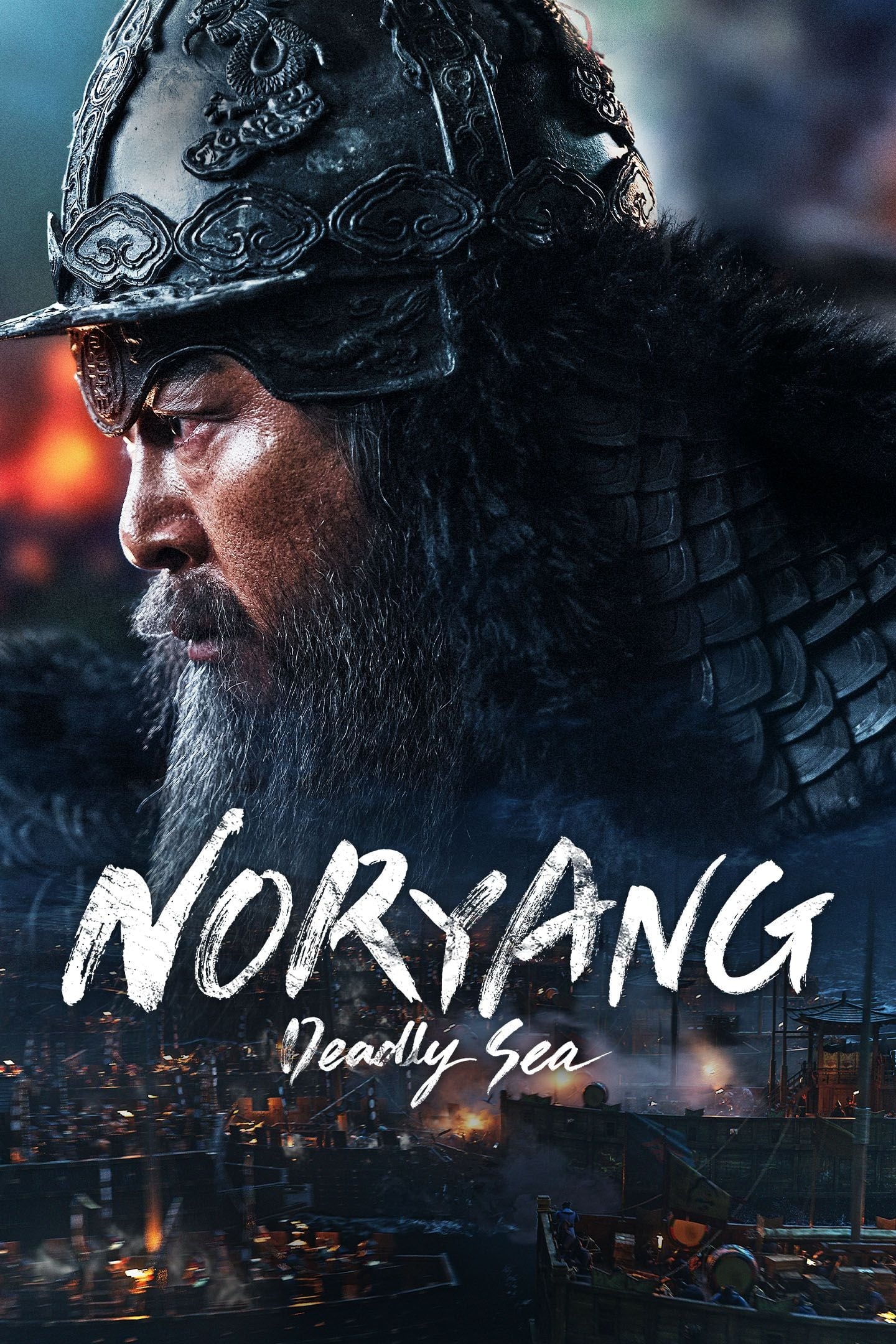
The Imjin War reaches its seventh year in December of 1598. Admiral Yi Sun-shin learns that the Wa invaders in Joseon are preparing for a swift withdrawal following the deathbed orders of their leader Toyotomi Hideyoshi. Determined to destroy the enemy once and for all, Admiral Yi leads an allied fleet of Joseon and Ming ships to mount a blockade and annihilate the Wa army. However, once Ming commander Chen Lin is bribed into lifting the blockade, Wa lord Shimazu Yoshihiro and his Satsuma army sail to the Wa army's rescue at Noryang Strait.
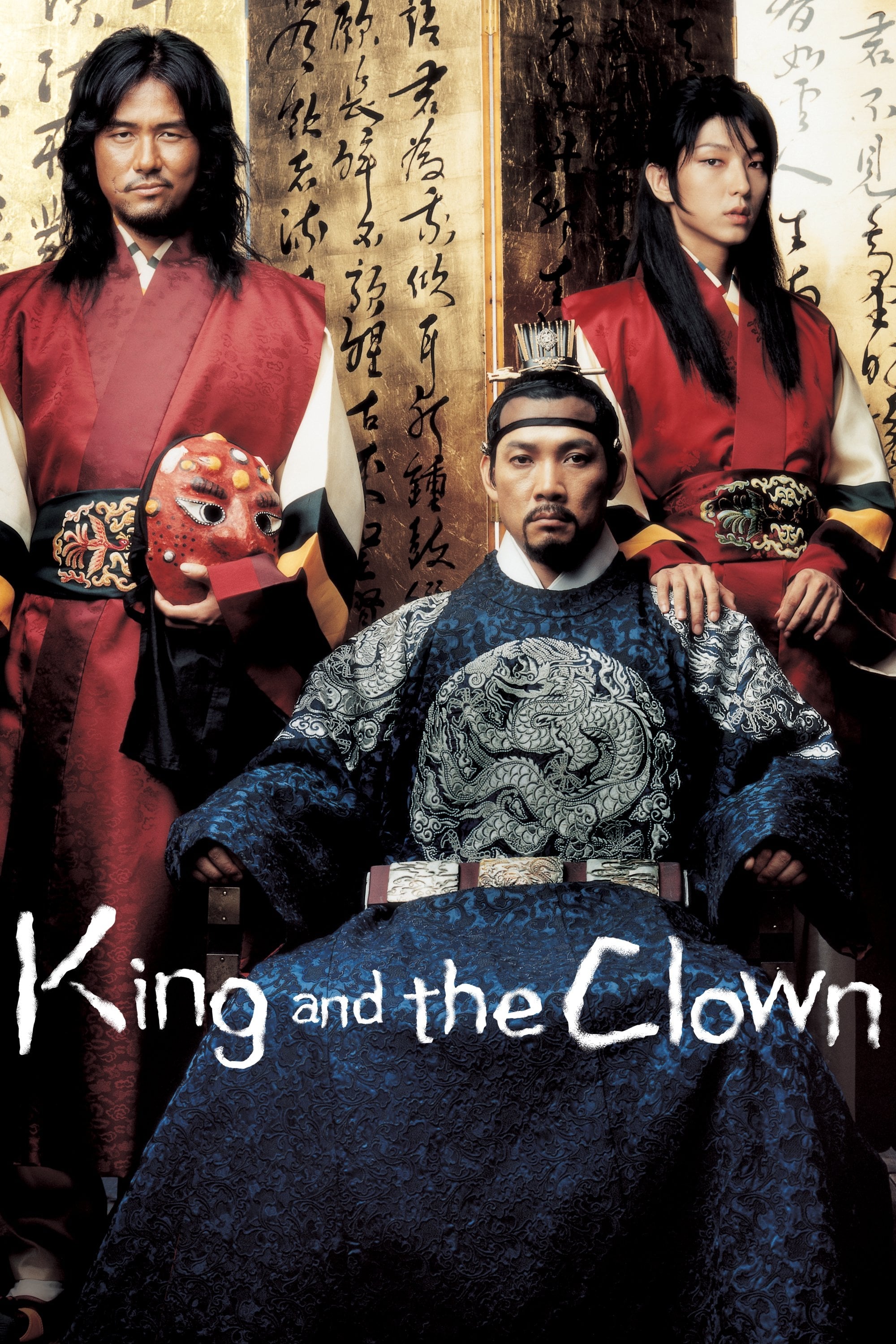
Two clowns living in Korea's Chosun Dynasty get arrested for staging a play that satirizes the king. They are dragged to the palace and threatened with execution but are given a chance to save their lives if they can make the king laugh.
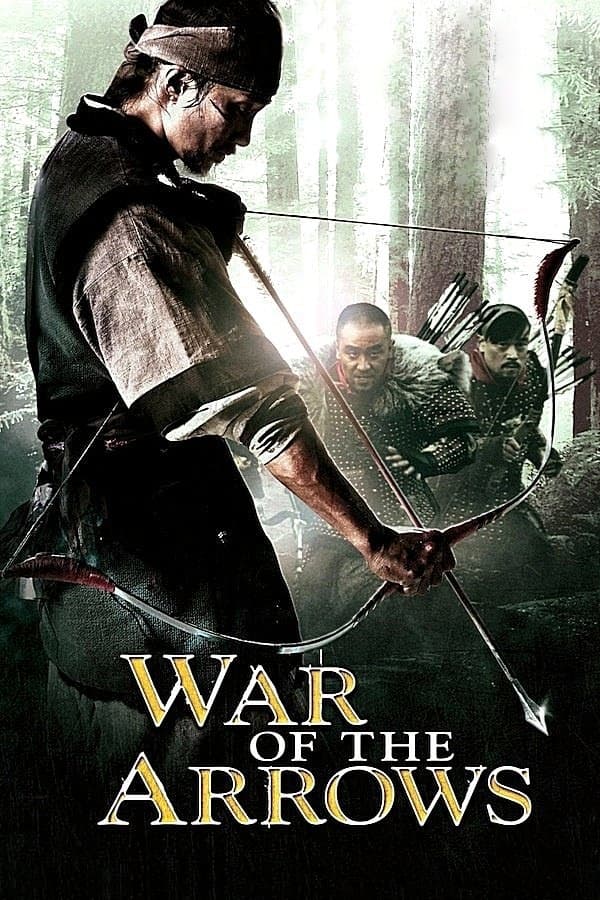
In the Joseon Dynasty, two friends who grew up together — one the master and one the servant — reunite post-war as enemies on opposing sides.
After being blinded in a coup against the king, Joseon's greatest swordsman goes into hiding, far removed from his city's anguish. But when traffickers kidnap his daughter, he has no choice but to unsheathe his sword once more.
After the death of their father, two siblings are raised by their father's best friend. However, when one gets kidnapped just before her wedding, the other rises against the Manchus.
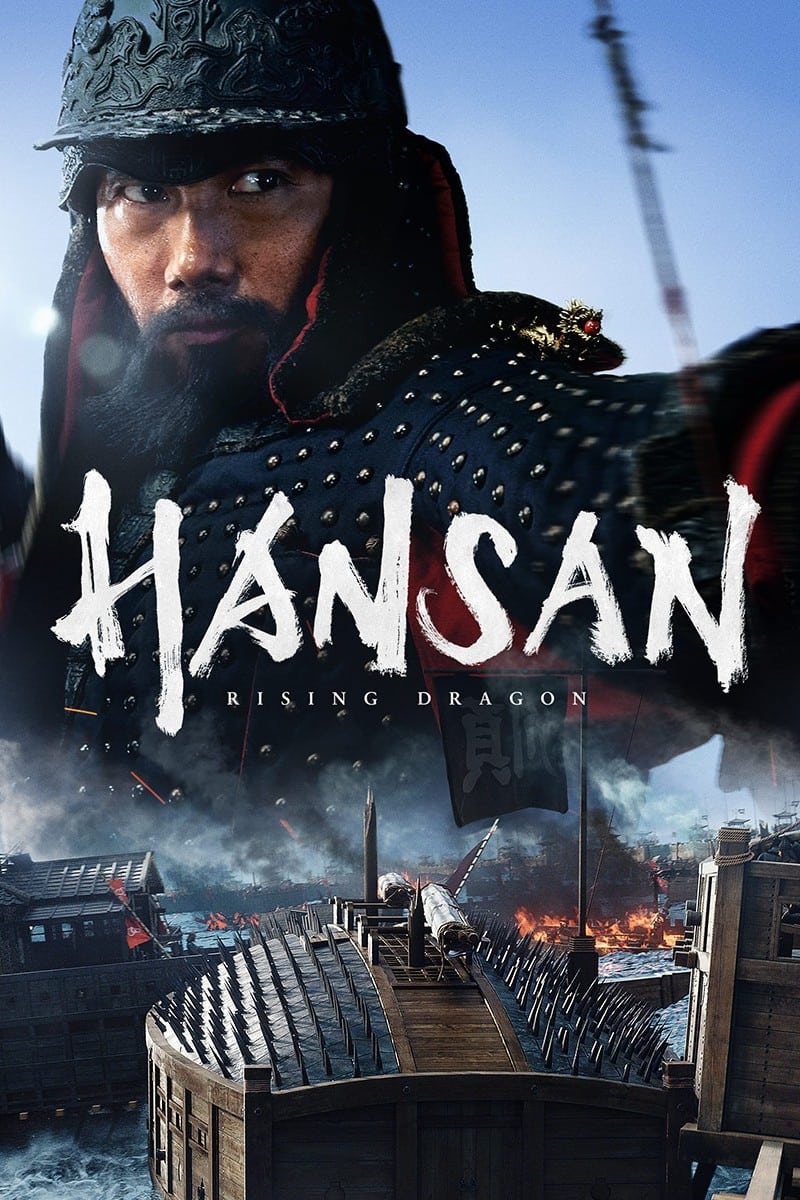
In 1592, admiral Yi Sun-sin and his fleet face off against the might of the invading Japanese navy and its formidable warships. As the Korean forces fall into crisis, the admiral resorts to using his secret weapon, the dragon head ships known as geobukseon, in order to change the tide of this epic battle at sea.
Ancient Korea, 17th century. The powerful Khan of the Jurchen tribe of Manchuria, who fights the Ming dinasty to gain China, becomes the first ruler of the Qing dinasty and demands from King In-jo of Joseon to bow before him; but he refuses, being loyal to the Mings. On December 14th, 1636, the Qing horde invades Joseon, so King In-jo and his court shelter in the mountain fortress of Namhan and prepare to defend the kingdom.
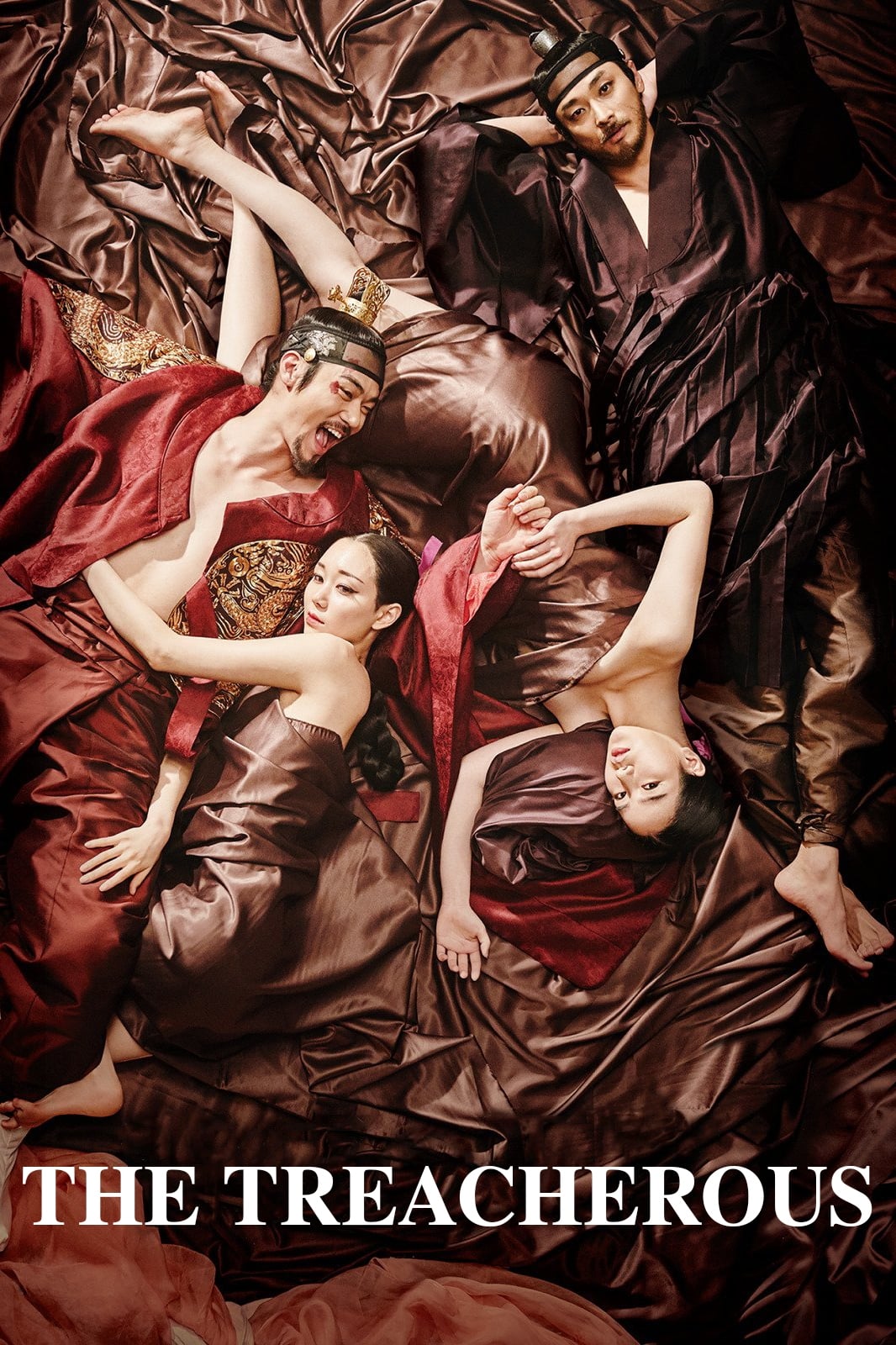
The story of Joseon's tyrant king Yeonsan who exploits the populace for his own carnal pleasures, his seemingly loyal retainer who controls him and all court dealings, and a woman who seeks vengeance.
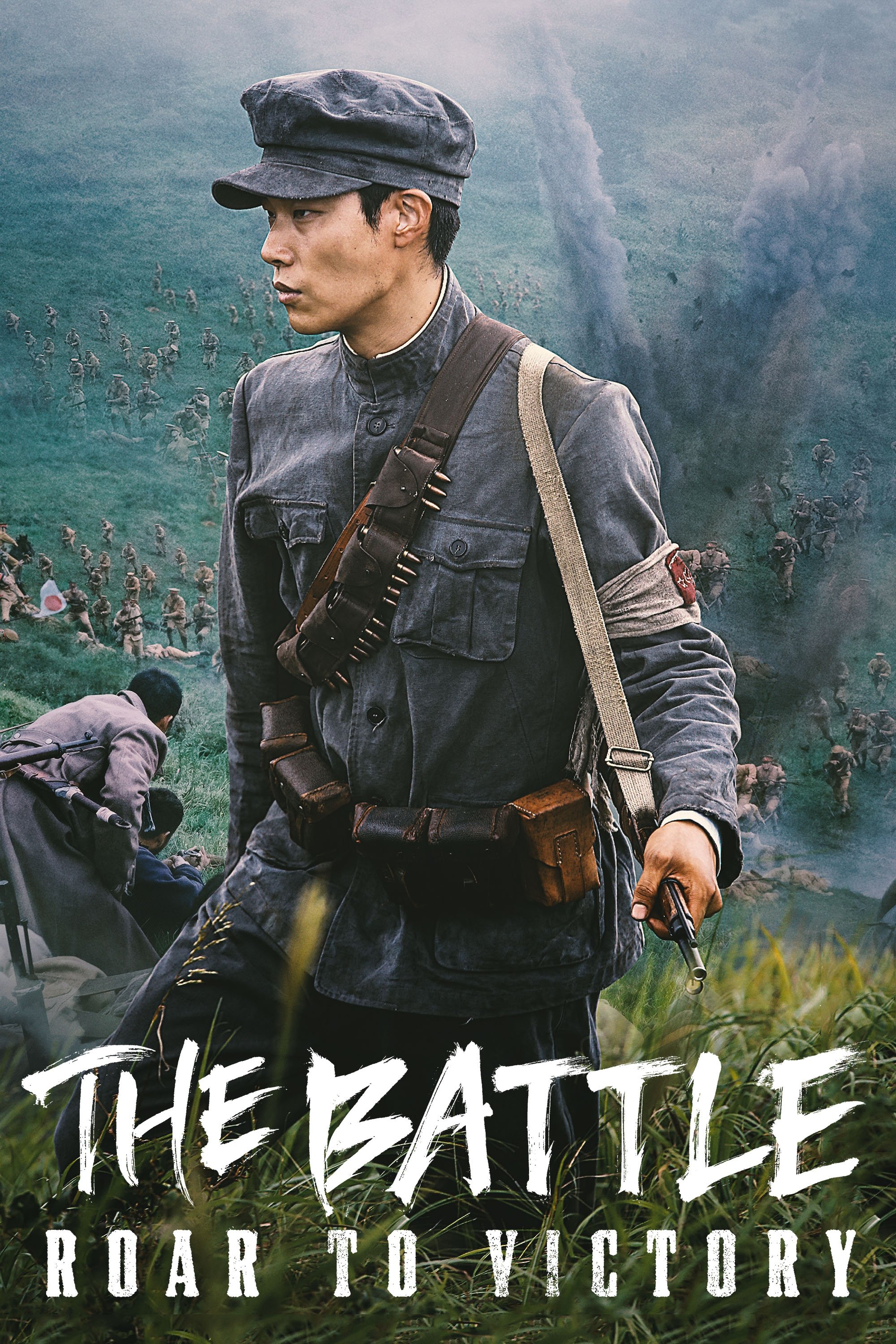
Over a 4 day period, a fierce battle takes place between Korean independence militias and imperialist Japanese forces in Manchuria, China. The militia includes a master swordsman and an expert marksman.
During the reign of King Sejong in the 15th century, the Joseon Dynasty was the embodiment of the perfect state. To the Ming China, the aspiring imperial power, Joseon presented an obstacle to territorial expansion. To protect themselves from war, King Sejong develops a secret weapon to defend their territory and take back their land and supremacy.
During the invasion of Normandy the photograph of a slim Korean man in German uniform was found. It transpired that the man had served as a soldier in the Japanese, Russian and German armies. His incredible story inspired director Kang Je-Gyu to create this epic war drama.
Kingdom of Goguryeo, ancient Korea, 645. The ruthless Emperor Taizong of Tang invades the country and leads his armies towards the capital, achieving one victory after another, but on his way is the stronghold of Ansi, protected by General Yang Man-chu, who will do everything possible to stop the invasion, even if his troops are outnumbered by thousands of enemies.
An exceptionally talented face reader becomes entangled in a bloody power struggle between a child king and his uncle who plans to usurp the throne.
Under the oppressive Japanese colonial rule, Deok-hye, the last Princess of the declining Joseon Dynasty, is forced to move to Japan. She spends her days missing home, while struggling to maintain dignity as a princess. After a series of failed tries, Deok-hye makes her final attempt to return home with help of her childhood sweetheart, Jang-han.
In the turbulent Joseon dynasty, army commander Min-jae watches ambitious Prince Yi Bang-won while becoming entwined with Ga-hee, a vengeful gisaeng. Fate collides as power shifts.
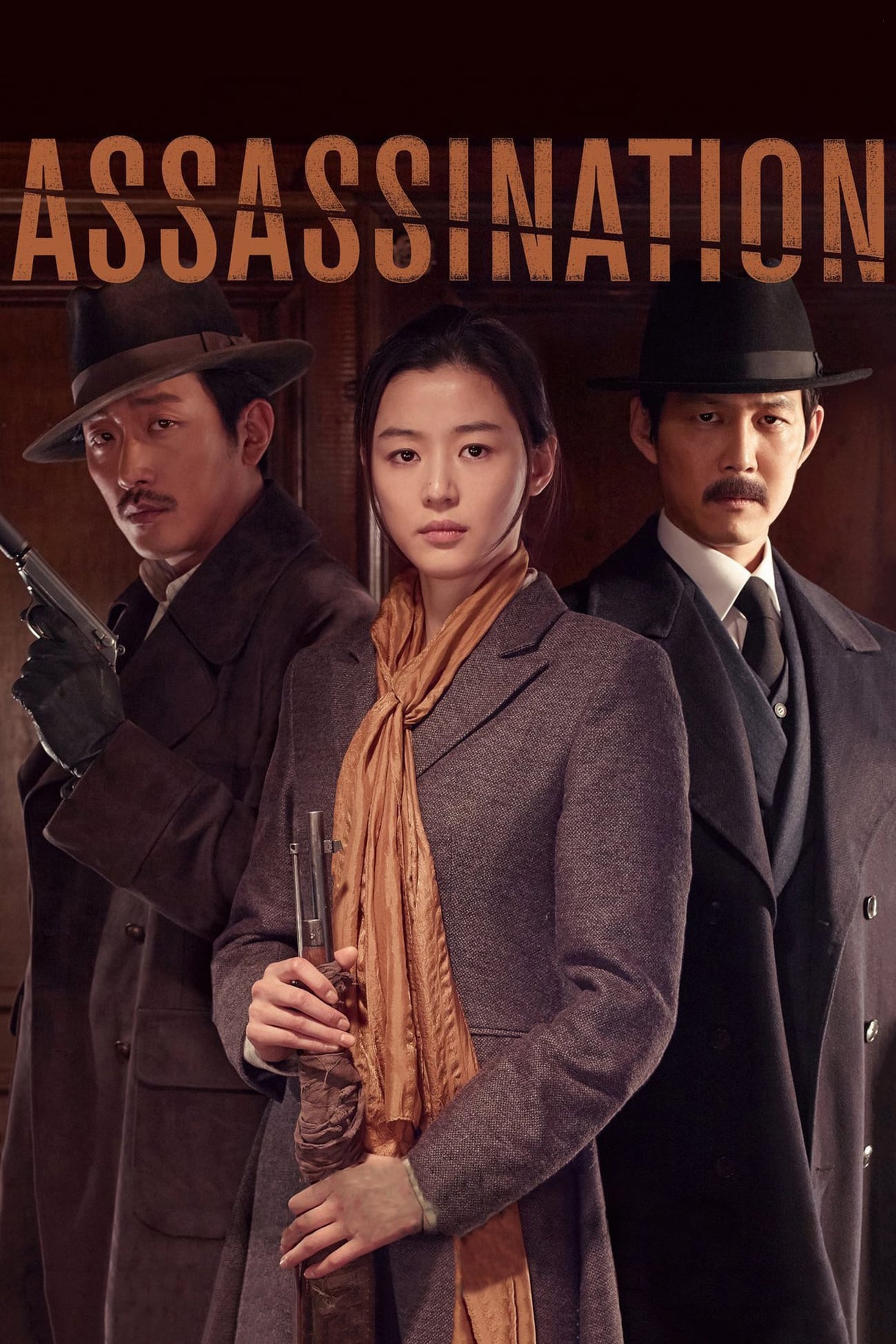
In Japanese-occupied Korea, three freedom fighters are assigned a mission to assassinate a genocidal military leader and his top collaborator. But the plan goes completely awry amidst double-crossings, counter-assassinations, and a shocking revelation about one of the assassins' past.
Admiral Yi Sun-sin faces a tough challenge when he is forced to defend his nation with just 13 battleships against 300 Japanese enemy ships in the Battle of Myeongryang.
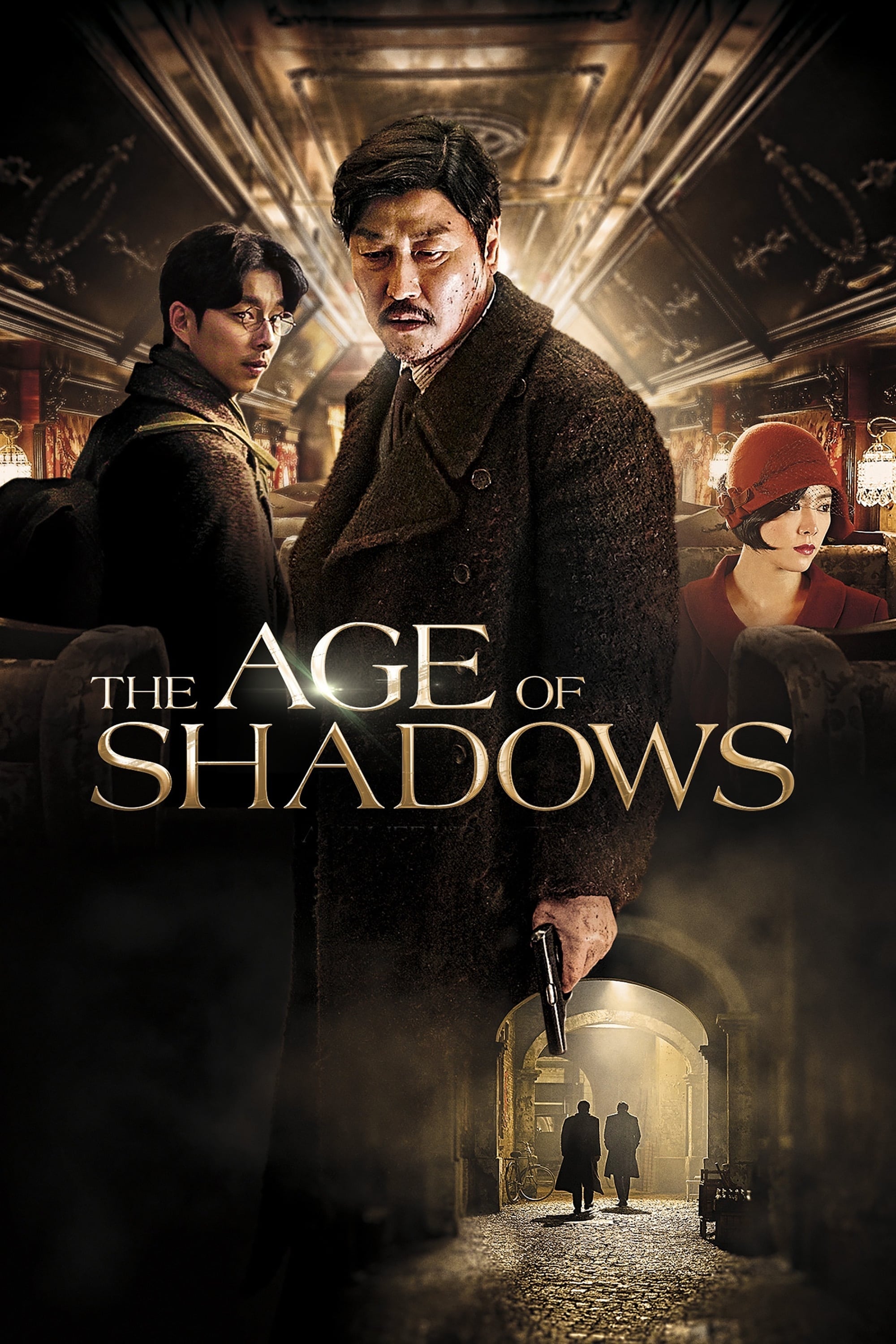
Set in the late 1920s, The Age of Shadows follows the cat-and-mouse game that unfolds between a group of resistance fighters trying to bring in explosives from Shanghai to destroy key Japanese facilities in Seoul, and Japanese agents trying to stop them.
A squad of soldiers fight in the Korean War's crucial Battle of Incheon.
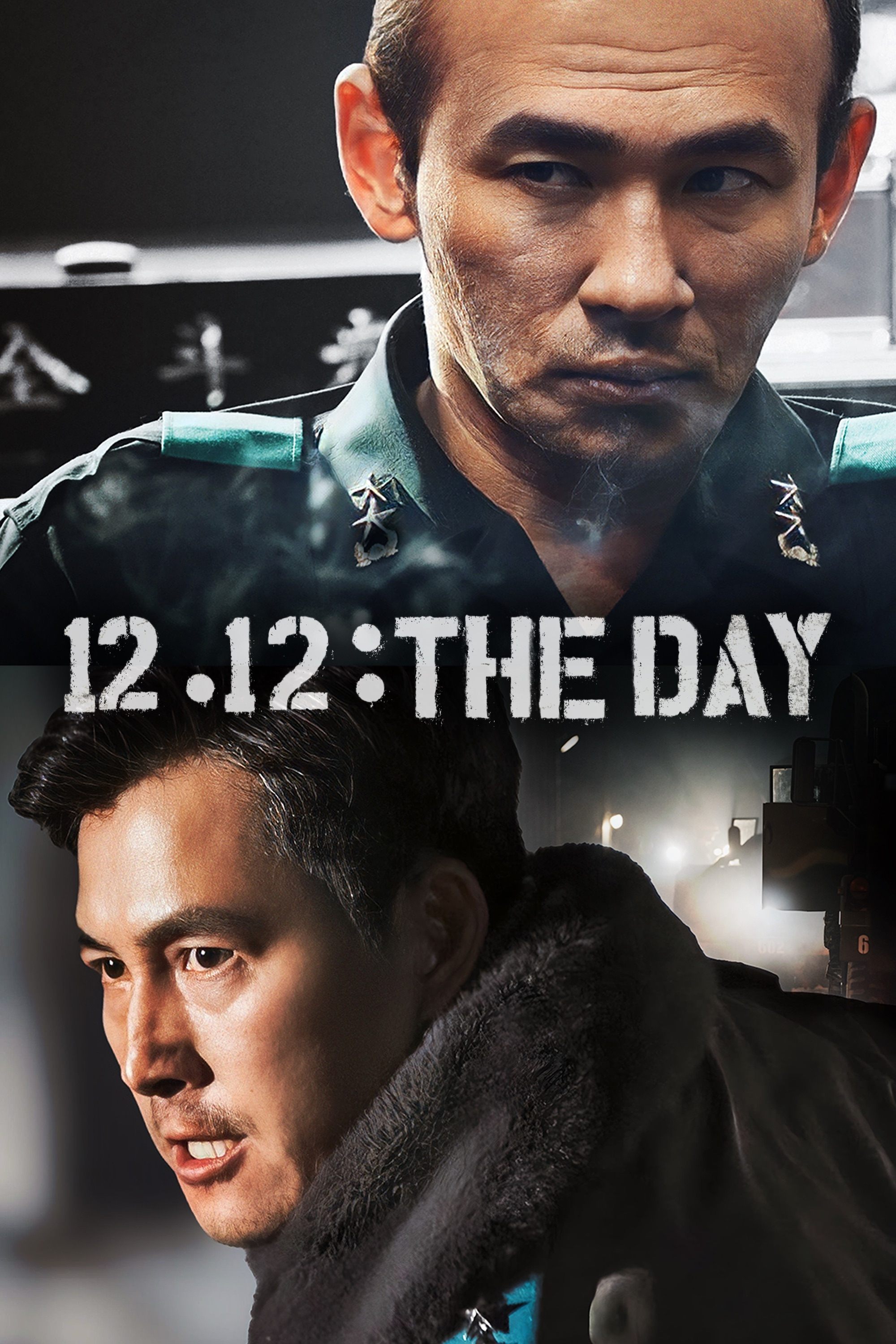
After the assassination of President Park, martial law has been declared. A coup d'état bursts out by Defense Security Commander Chun Doo-gwang and a private band of officers following him. Capital Defense Commander Lee Tae-shin, an obstinate soldier who believes the military should not take political actions, fights against Chun Doo-gwang to stop him. The conflict between the two grows while military leaders are holding their decision and Defense Minister is gone. In the midst of chaos, the spring of Seoul that everyone longed for heads to unexpected direction.