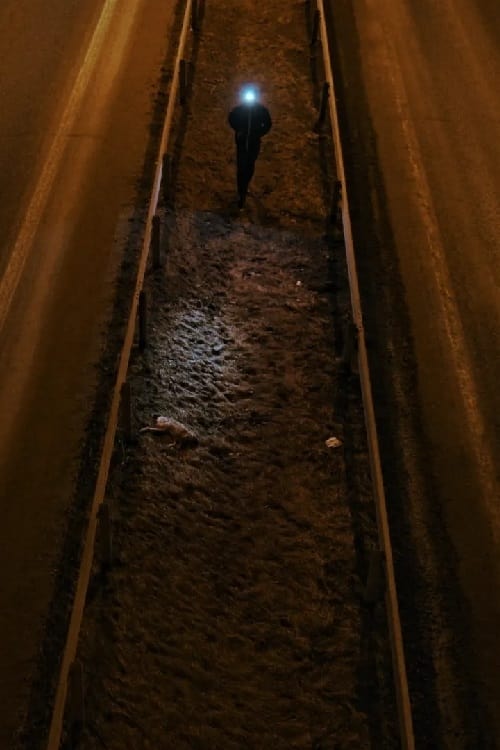
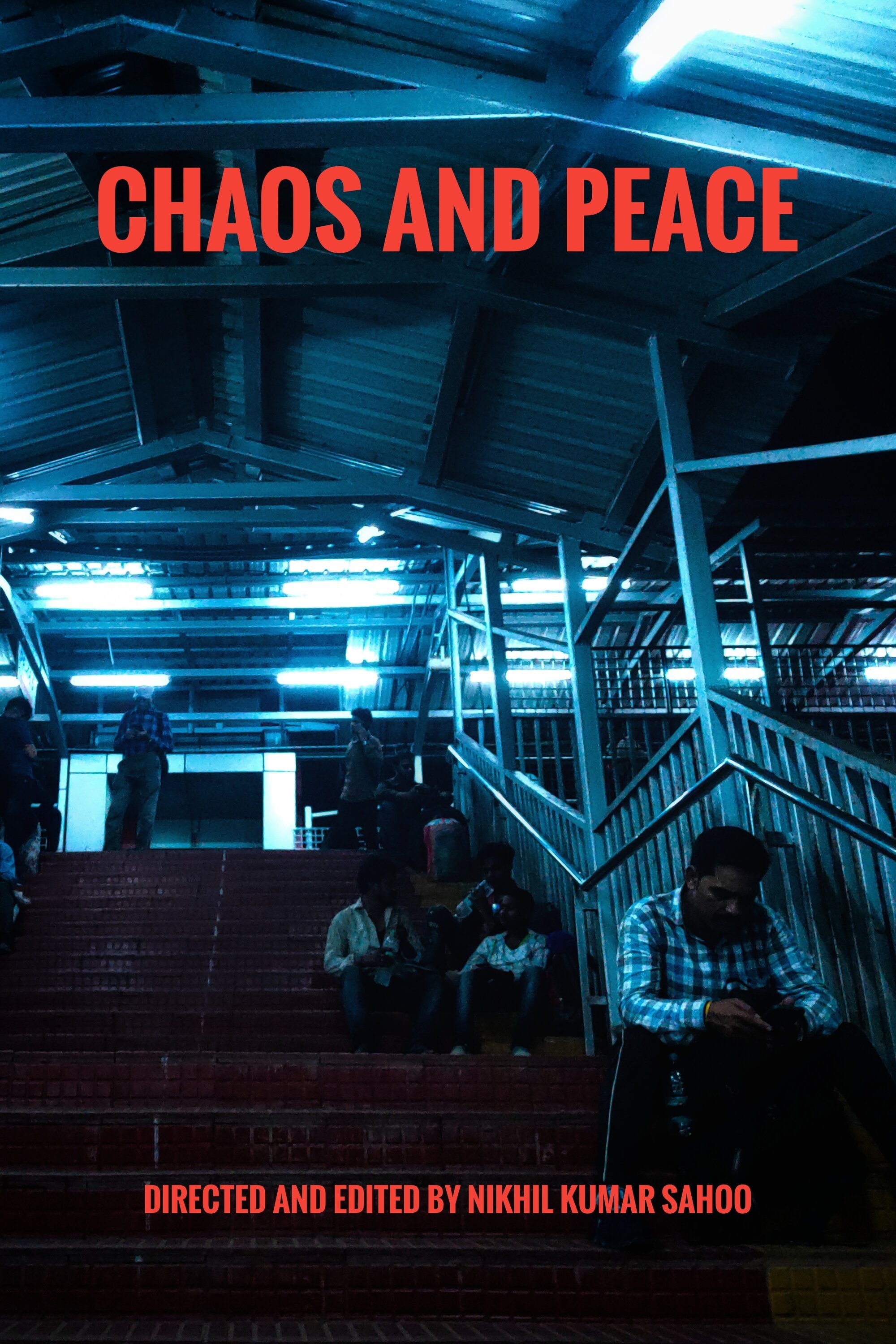
After the sunset, a man wonders between the edges of the highways gathering edible roadkill animals.
Social & External
The people behind it
Toni Beckman
Protagonist
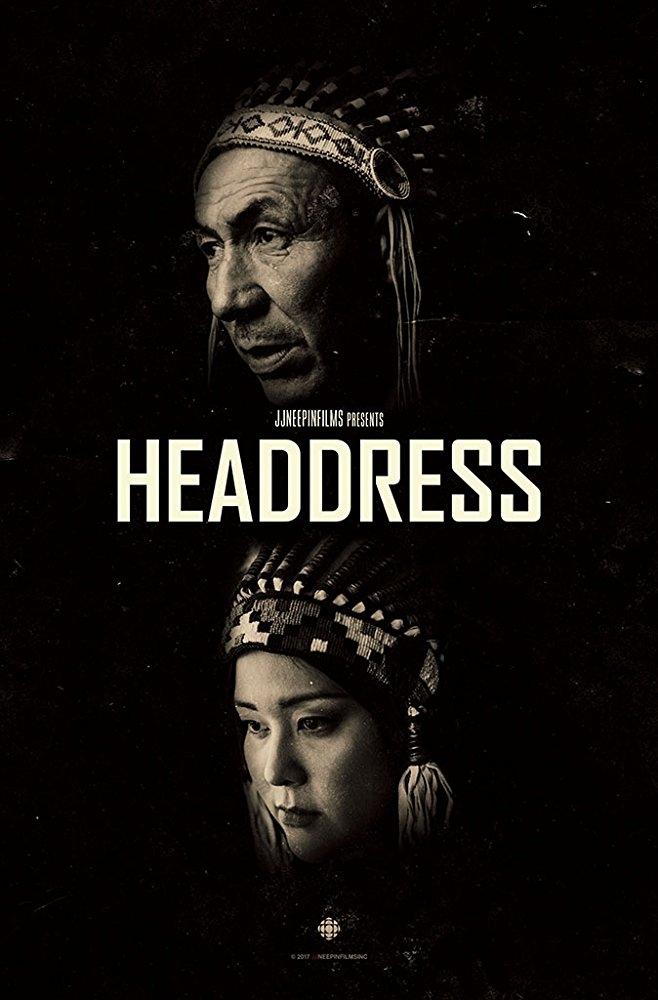
For First Nations communities, the headdress bears significant meaning. It's a powerful symbol of hard-earned leadership and responsibility. As filmmaker JJ Neepin prepares to wear her grandfather's headdress for a photo shoot she reflects on lessons learned and the thoughtless ways in which the tradition has been misappropriated.
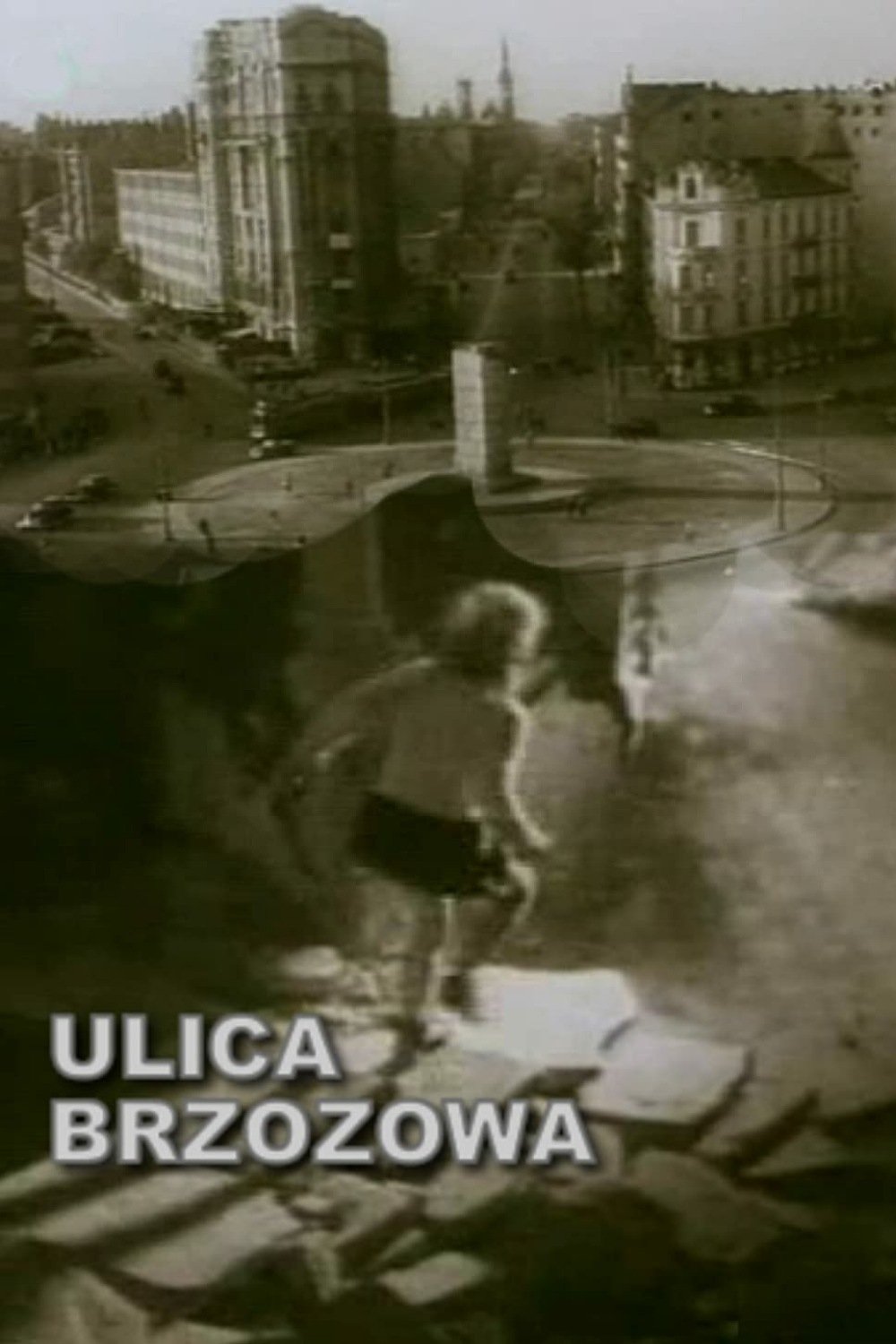
Battered Warsaw is getting back to life after the WW2 destruction. The ruins of the Old Town become homes once again.
Short documentary on Poland's first steam locomotive.
A miniature parable about a young boy who misunderstands the function of a bird feeder.
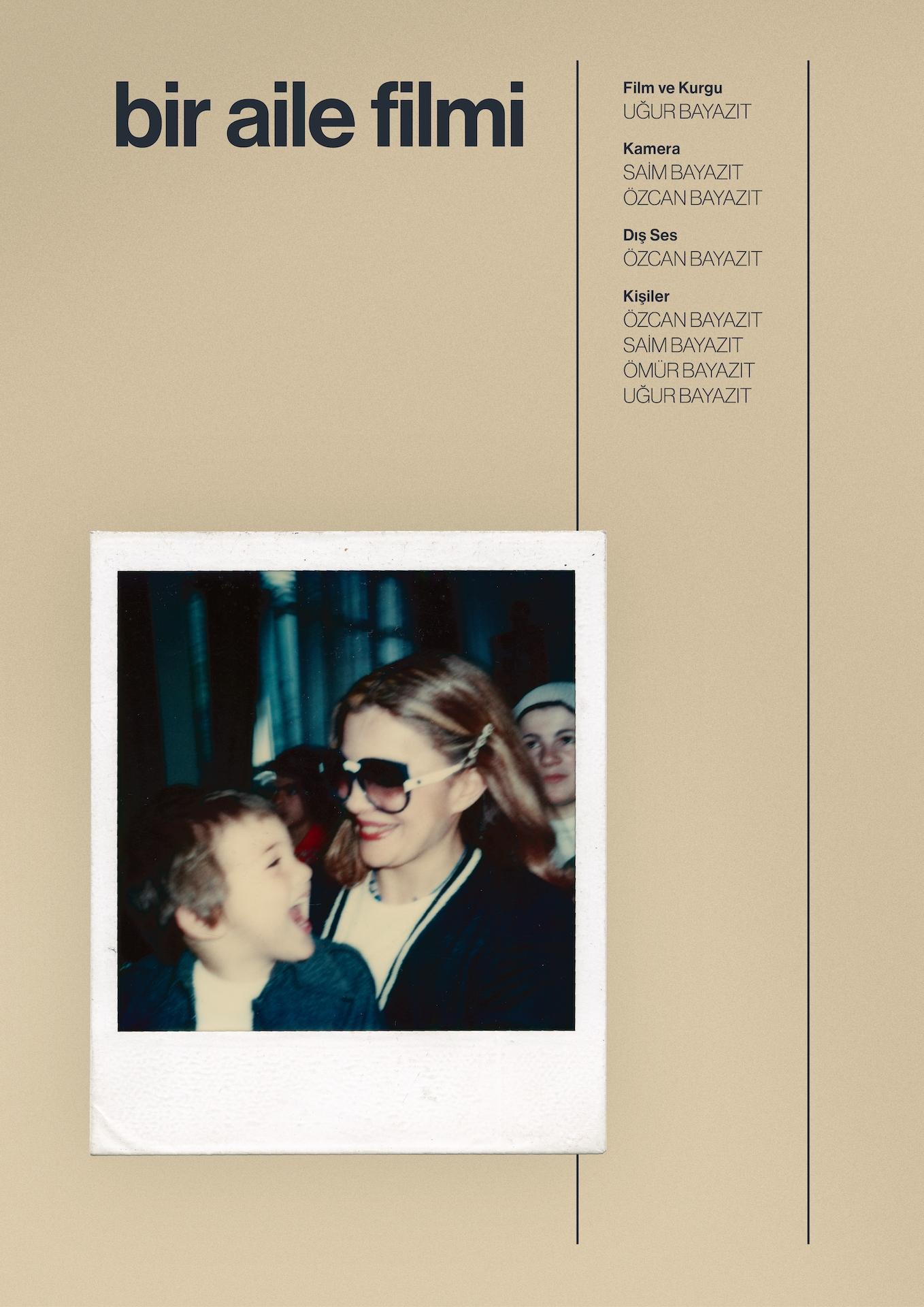
Based on home movies shot on Super 8mm film, A Family Film places the mother at its center as the narrator while tracing the memories of a family living in Istanbul in the 70s.
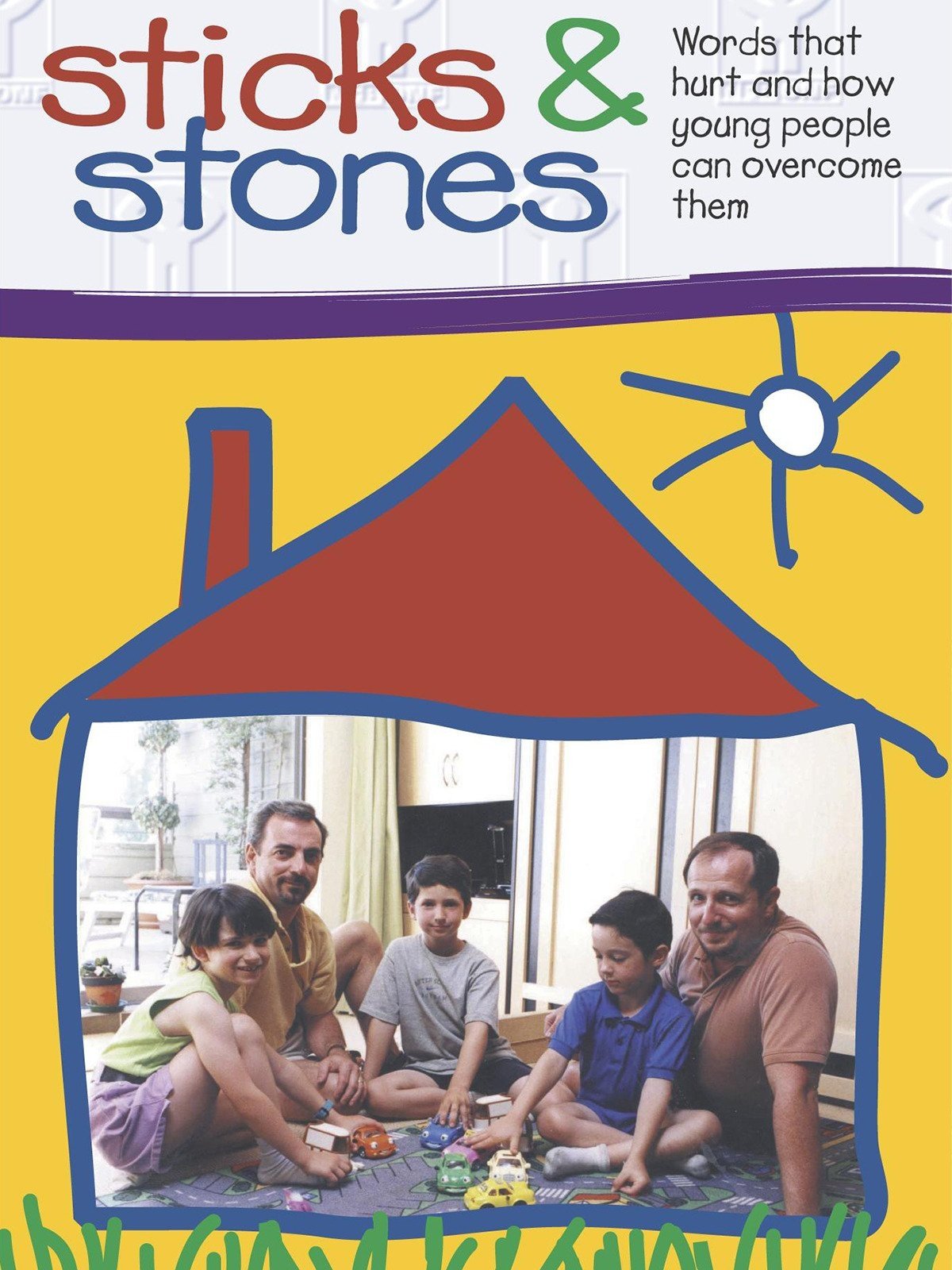
This short documentary features children aged 5 to 12 talking about their experiences with bullying and discrimination because they or their families do not fit into traditional gender and family roles. This film explores the contemporary diversity of families from kids' points of view, while featuring short animated sequences about the history of derogatory slang.
A strange and mischievous documentary on an archeological site in the Qaytarieh hills in Tehran. This short narrates the story of the dead people who wished never to be found.
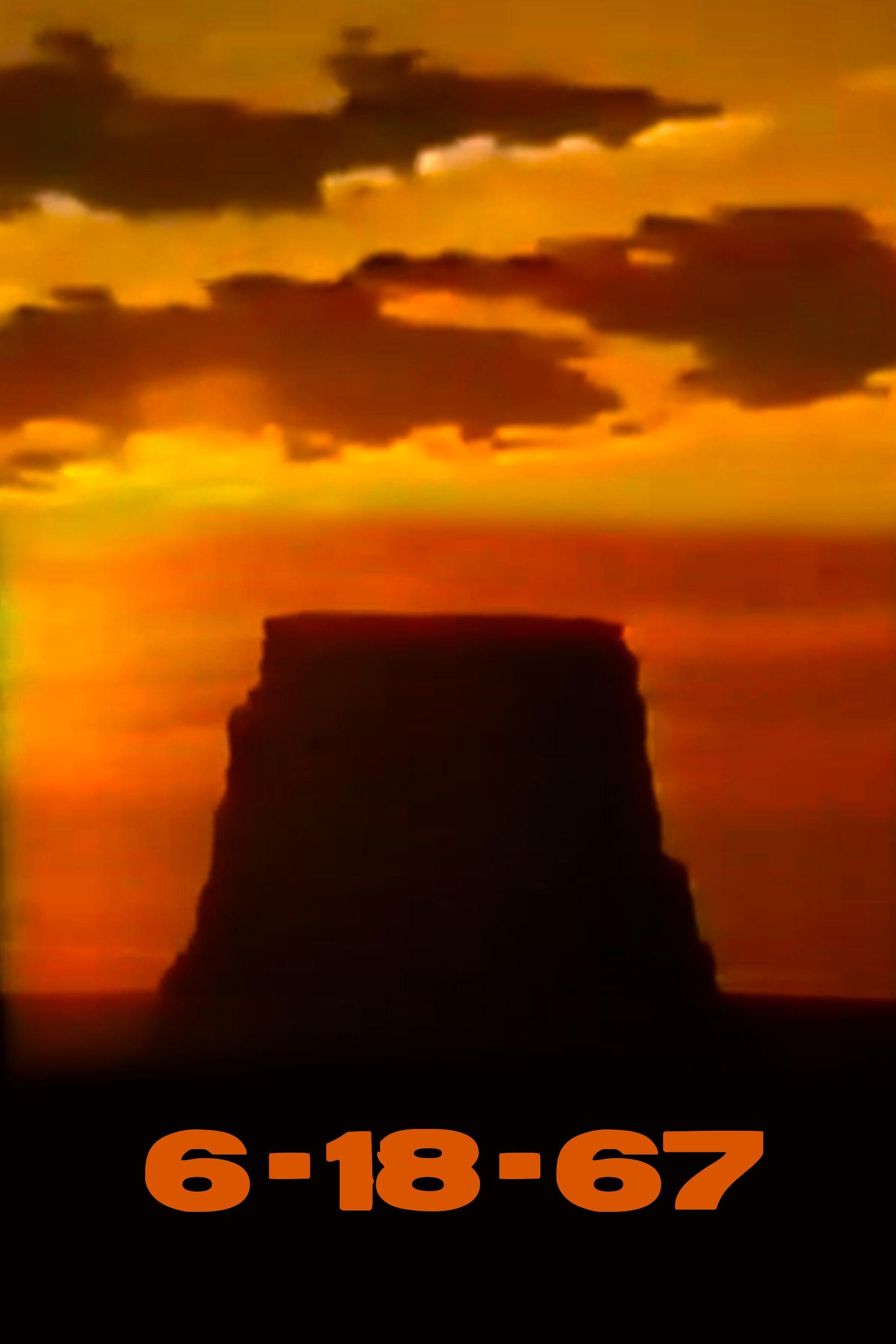
Filmed during the production of the Columbia Pictures western "Mackenna’s Gold," this short work presents a non-narrative visual study of the Arizona desert. Rather than documenting the film set itself, "6-18-67" assembles landscape images, time-lapse photography, and ambient sound into an abstract record of place and duration.
The timber trade calls on animal help.
We meet big Jack Taylor, who hasn’t left his little flat in Bradford, West Yorkshire for 25 years. Jack’s become something of a celebrity, with German camera crews flocking to visit him. But the last time Jack got weighed was many years ago, and then he clocked in at 48 stone. So how much does he weigh now? We’re introduced to Barry, a young man of 41 stone. Barry makes nightclub appearances and talks about the fame that fatness brings. But now he’s determined to lose weight and consults his doctor to discuss medication and diet. Meanwhile, Jack talks about the tragic deaths in his past and his decision to stop inside the house for a quarter of a century. Eventually Barry and Jack meet to discuss the impact of the media on their lives. Determined to confirm Jack as Britain’s fattest man, the director eventually coaxes Jack onto a vast set of scales. So who is the fattest man in Britain? The tale of the scales causes surprise and quivering outrage…
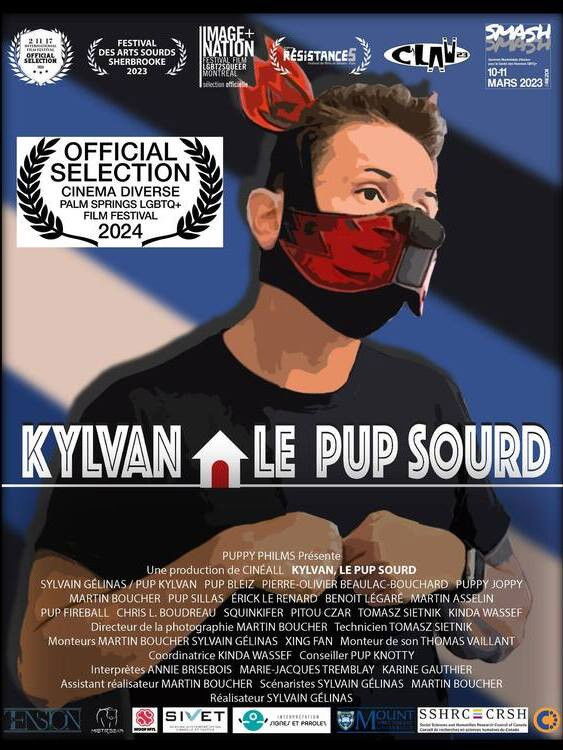
Kelvan describes his daily life as a deaf person in Montreal, with one small detail: he's part of the puppy community. Puppy-Play is a kind of role-playing game in which you adopt the personality and mentality of an animal, and is present in the LGBTQueer+ community.
A contrast between village, peaceful life, and city, hectic life, told through images.
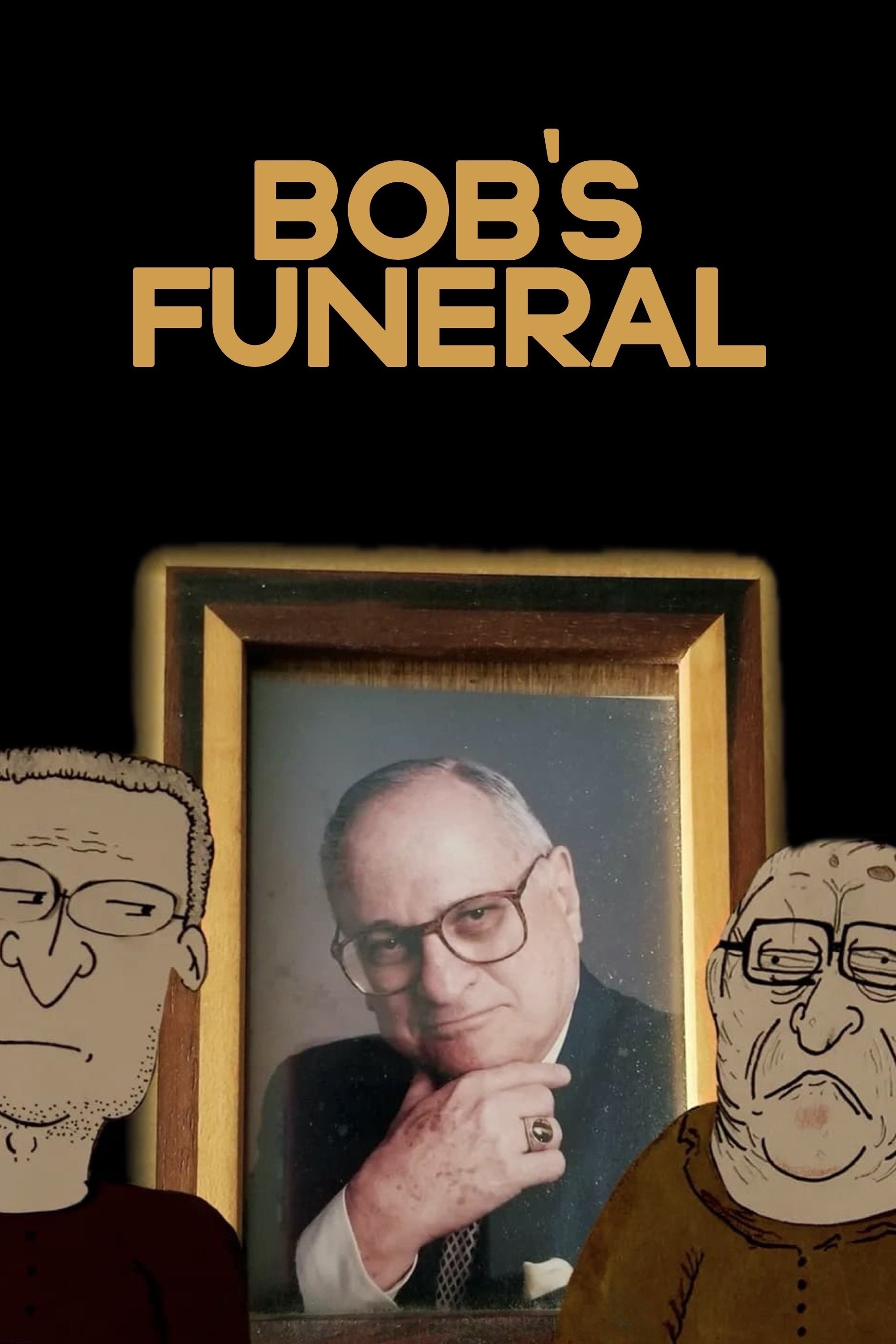
Searching for the root of generational trauma, the director takes a camera into his estranged grandfather’s funeral.
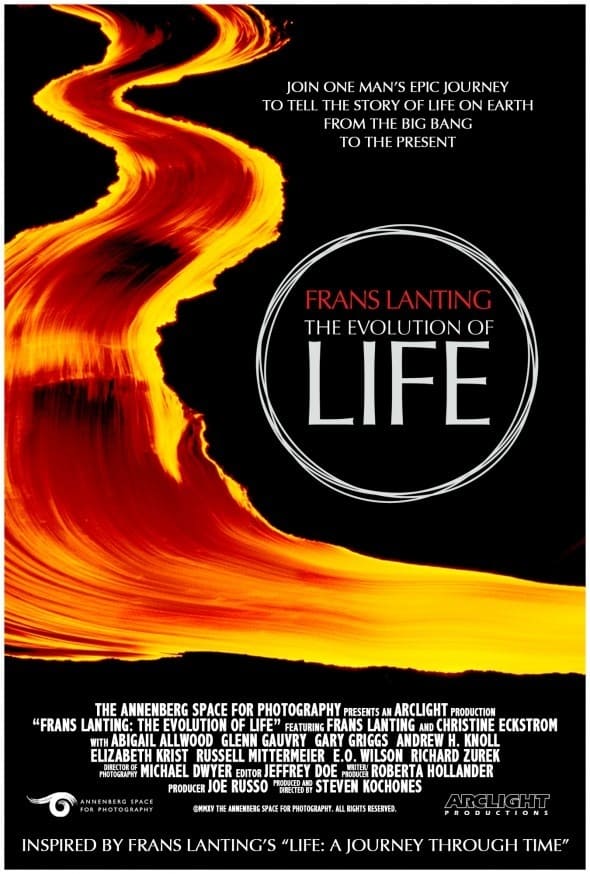
A dazzling journey through time via the remarkable images of National Geographic photographer Frans Lanting and his epic "LIFE" project, which presents a stunning interpretation of life on Earth, from the Big Bang through the present.
A group of four women band together to make rock climbing more accessible in Banff. Every run is a puzzle waiting to be solved, and if the Crush Collective has anything to do with it, gender norms will not be part of the equation.
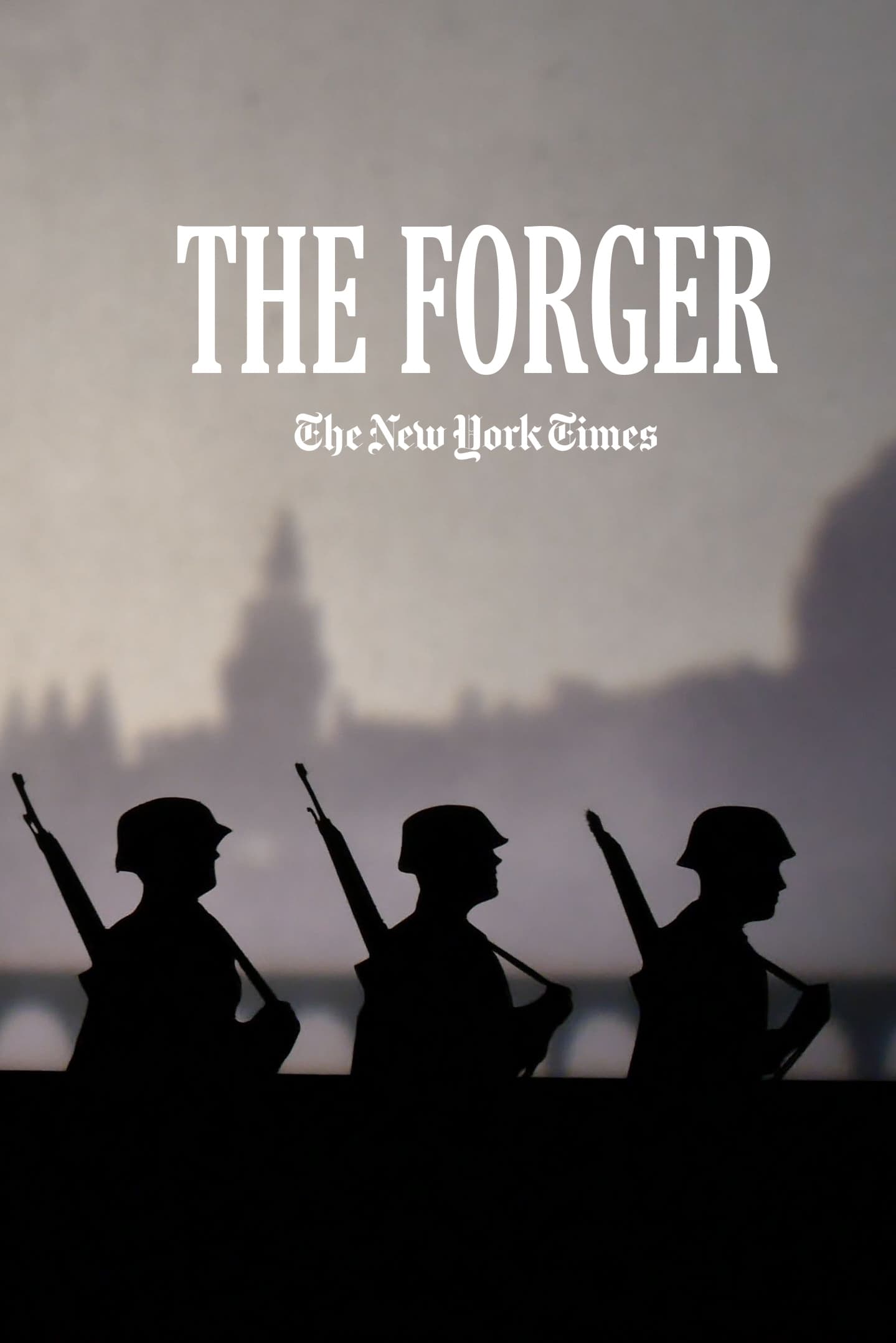
Adolfo Kaminsky started saving lives when chance and necessity made him a master forger. As a teenager, he became a member of the French Resistance and used his talent to save the lives of thousands of Jews. The Forger is a well-crafted origin story of a real-life superhero.
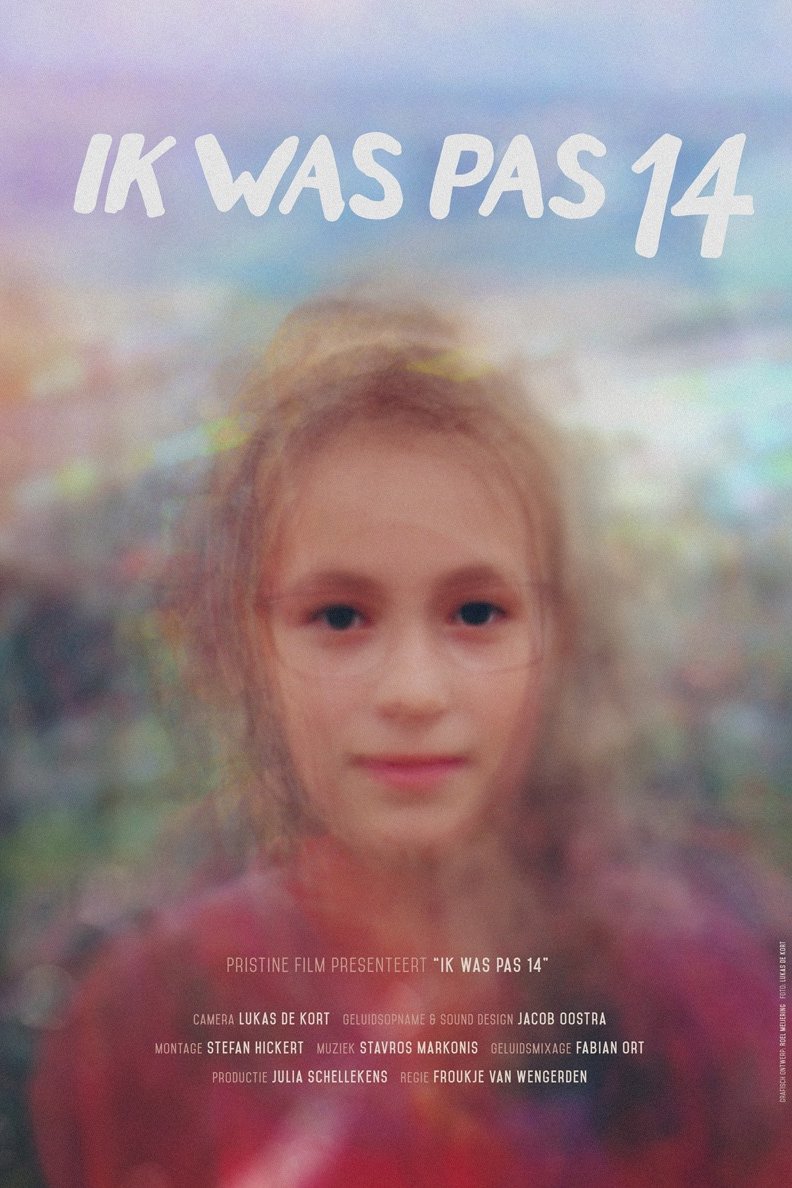
Filmmaker Froukje van Wengerden’s 86-year-old grandmother shares a powerful memory from 1944, when she was just 14. As her story unfolds, we see a group of contemporary 14-year-old girls. Their procession of portraits permits the spectator to see simultaneously forward and back, into the future and towards the past. A miraculous testimonial that uses eye contact to focus the viewer inward and evoke unexpected emotions.
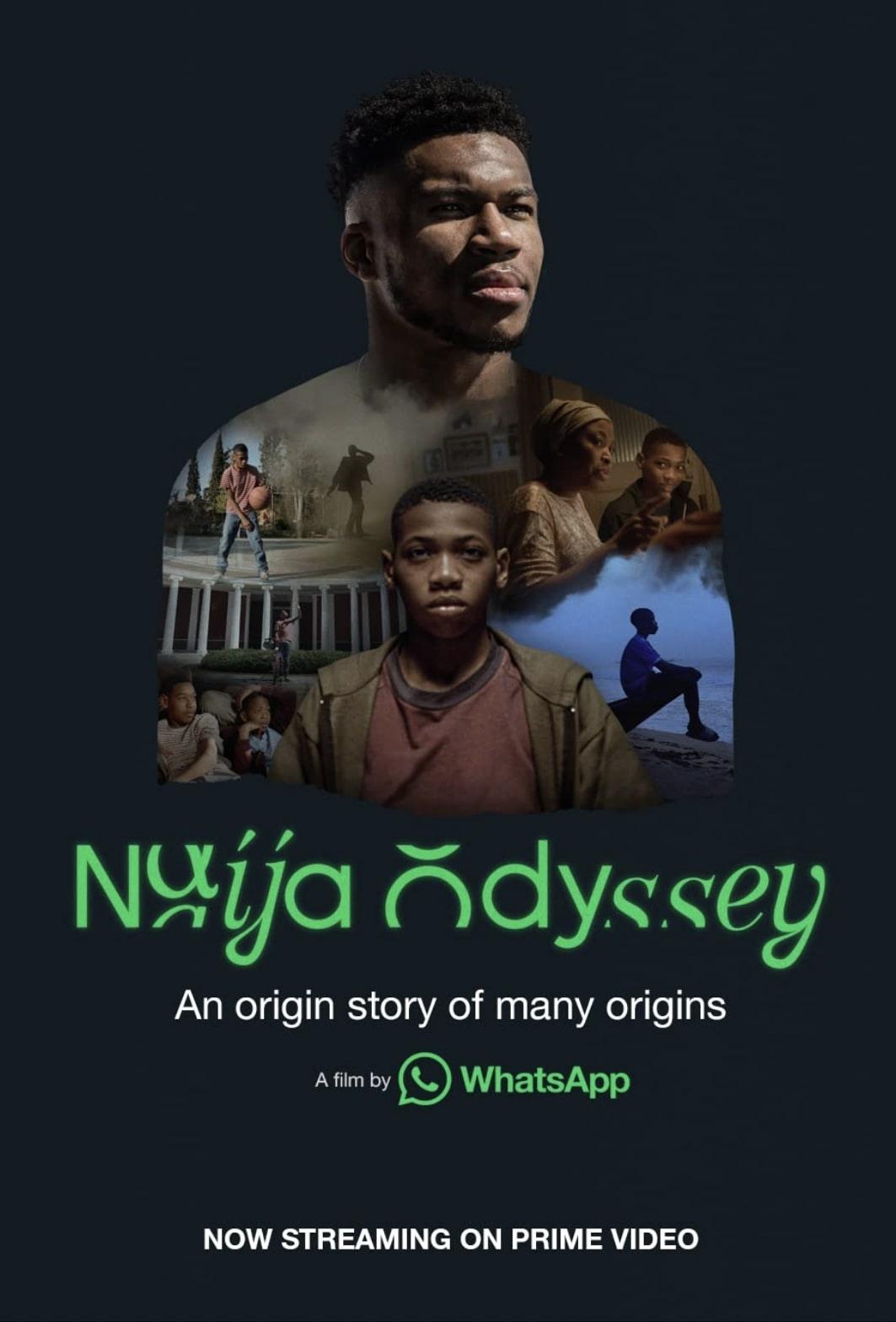
Pro basketball player Giannis Antetokounmpo narrates his journey reconciling himself with his roots between cross-cultural worlds.
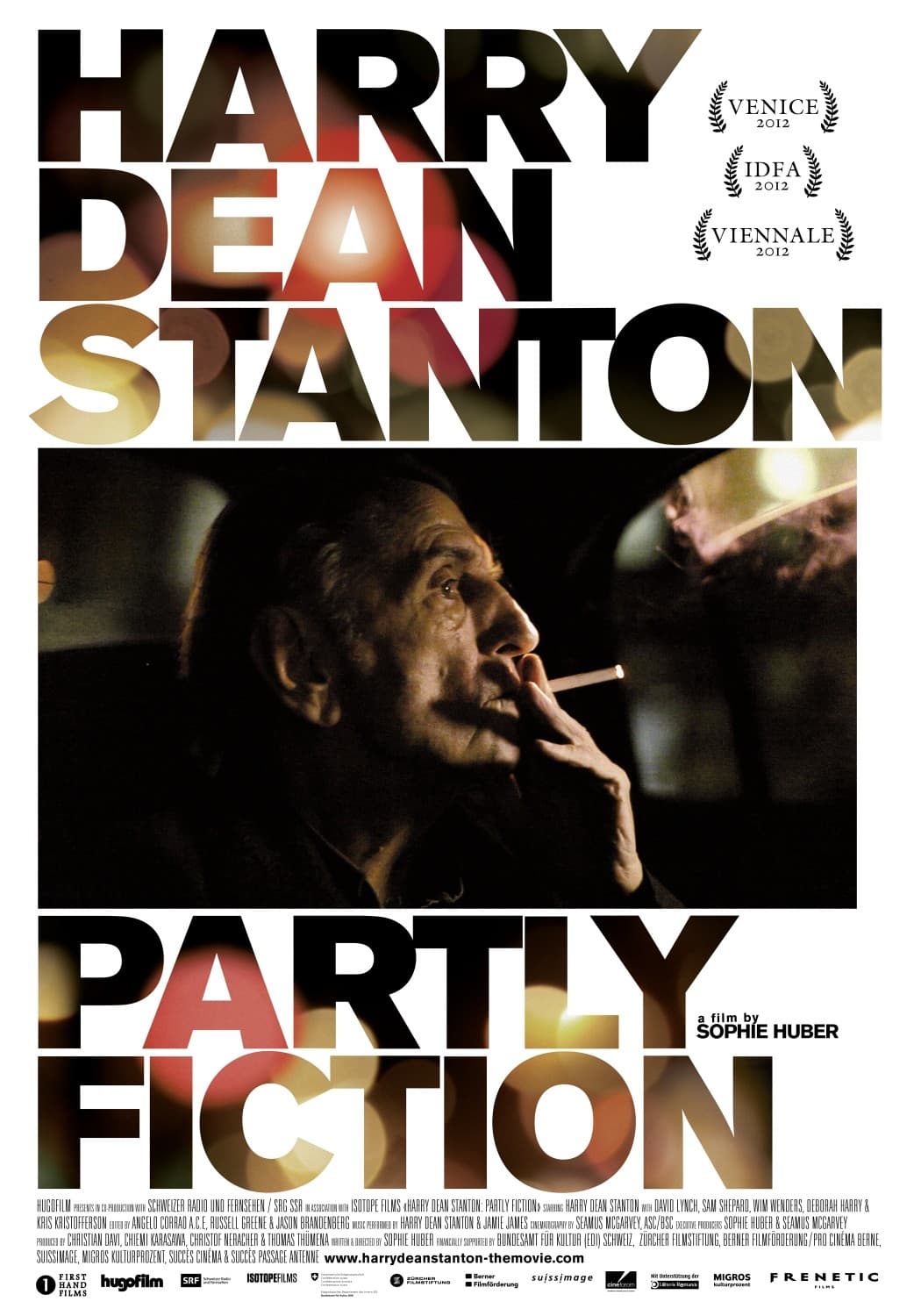
An impressionistic portrait of the iconic actor Harry Dean Stanton comprised of intimate moments, film clips from some of his 250 films and his renditions of American folk songs.
A visual montage portrait of our contemporary world dominated by globalized technology and violence.
Those who knew iconic funnyman John Candy best share his story, in their own words, through never-before-seen archival footage, imagery, and interviews.
In an intimate and joyful story of love in the face of loss, celebrated poets Andrea Gibson and Megan Falley find strength—and unexpected hilarity—in what might be their final year together.
Daniel Craig candidly reflects on his 15 year adventure as James Bond. Including never-before-seen archival footage from Casino Royale to the upcoming 25th film No Time To Die, Craig shares his personal memories in conversation with 007 producers, Michael G Wilson and Barbara Broccoli.
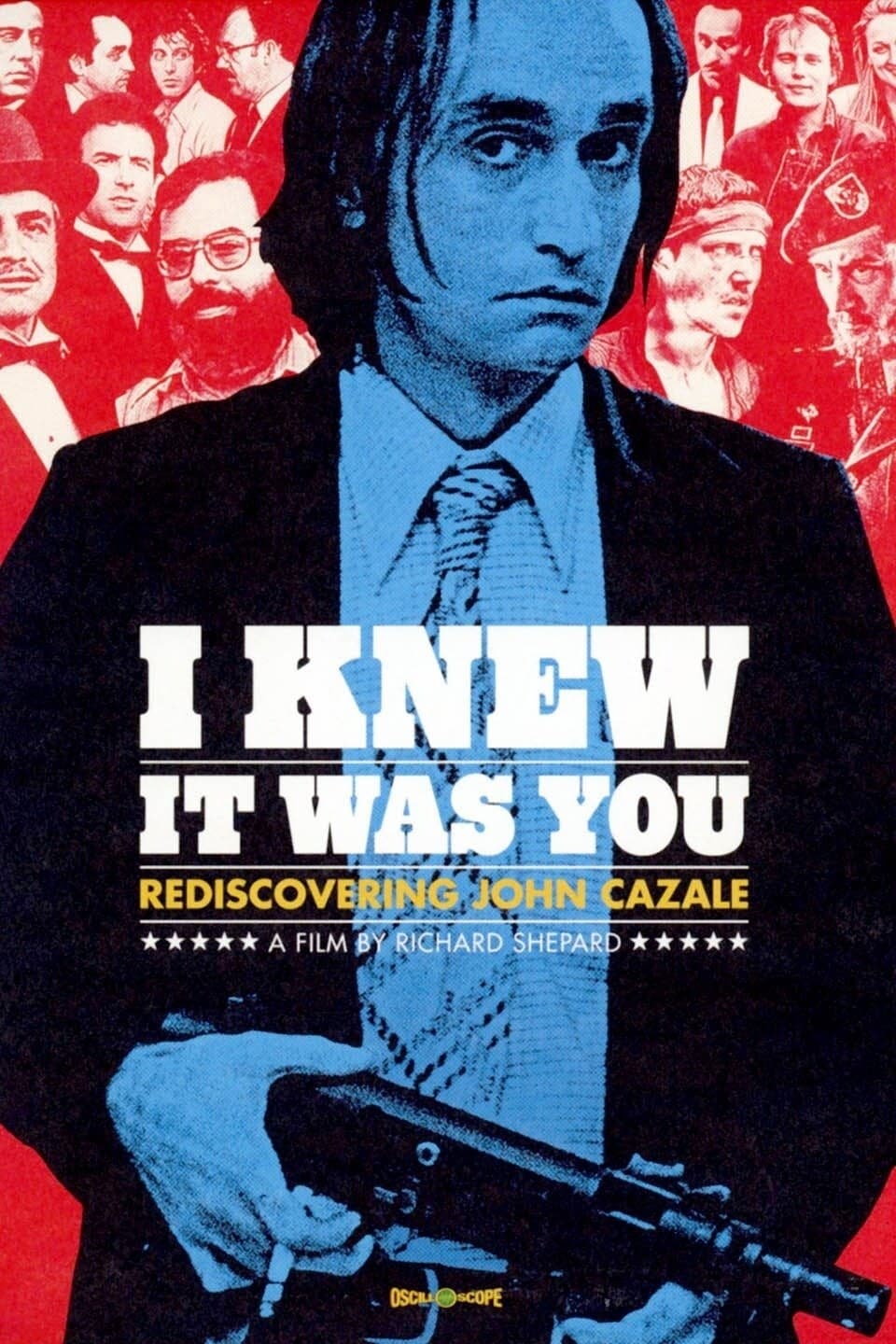
John Cazale was in only five films – The Godfather, The Conversation, The Godfather: Part II, Dog Day Afternoon and The Deer Hunter – each was nominated for Best Picture. Yet today most people don't even know his name. I KNEW IT WAS YOU is a fresh tour through movies that defined a generation.
Musician and performance artist Laurie Anderson reflects on the deaths of her husband Lou Reed, her mother and her beloved dog.
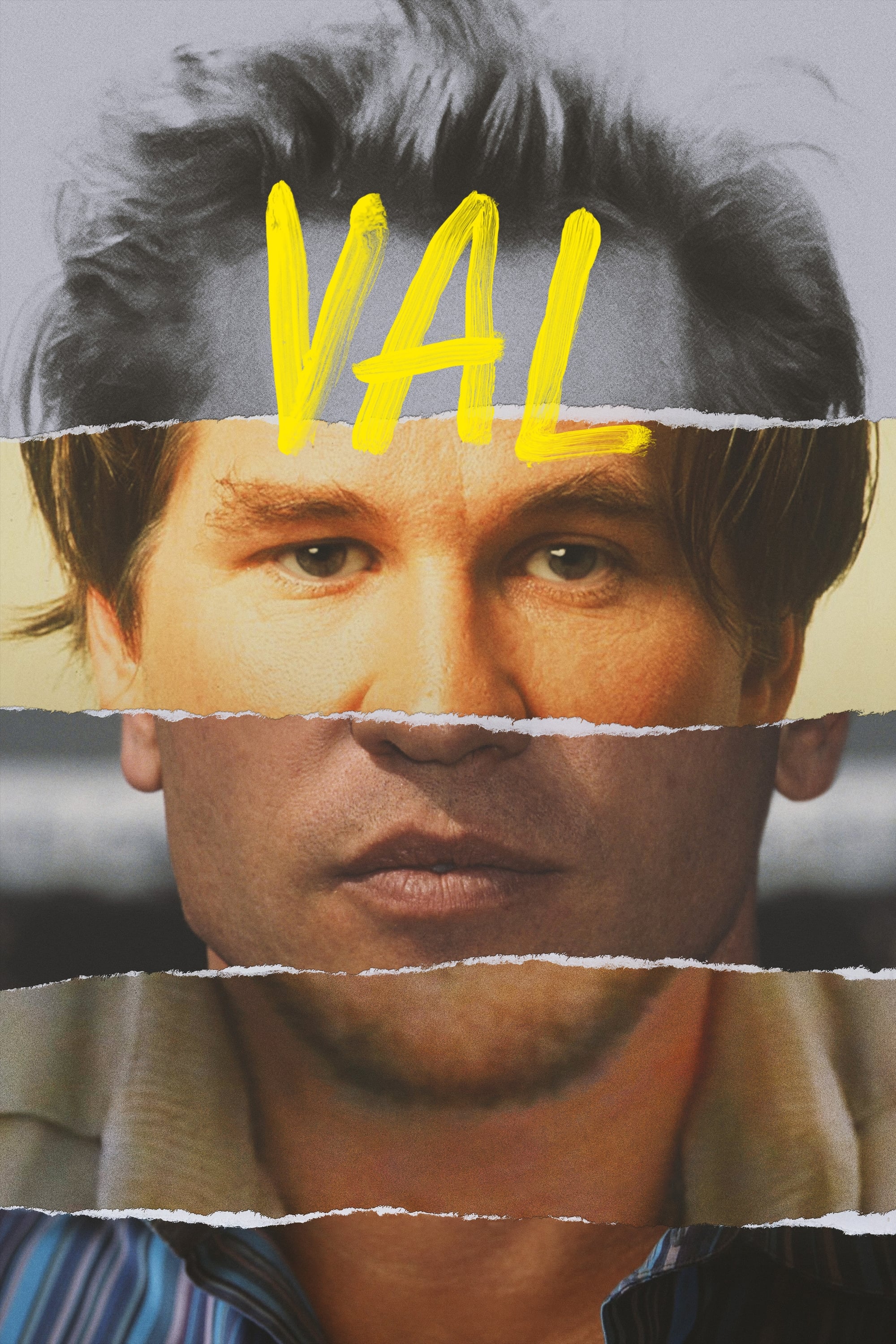
For over 40 years Val Kilmer, one of Hollywood's most mercurial and/or misunderstood actors, has been documenting his own life and craft through film and video. He has amassed thousands of hours of footage, from 16mm home movies made with his brothers, to time spent in iconic roles for blockbuster movies like Top Gun, The Doors, Tombstone, and Batman Forever. This raw, wildly original and unflinching documentary reveals a life lived to extremes and a heart-filled, sometimes hilarious look at what it means to be an artist and a complex man.
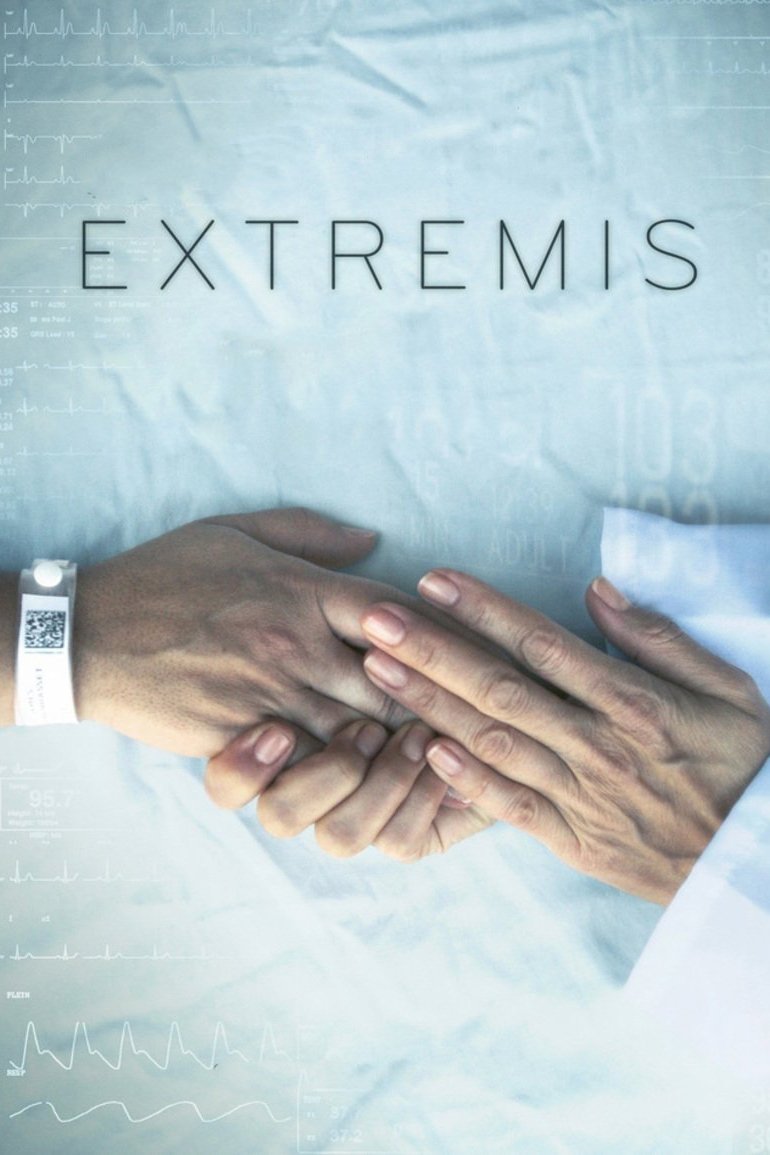
A purely observational non-fiction film that takes viewers into the ethically murky world of end-of-life decision making in a public hospital.
A compilation of over 30 years of private home movie footage shot by Lithuanian-American avant-garde director Jonas Mekas, assembled by Mekas "purely by chance", without concern for chronological order.
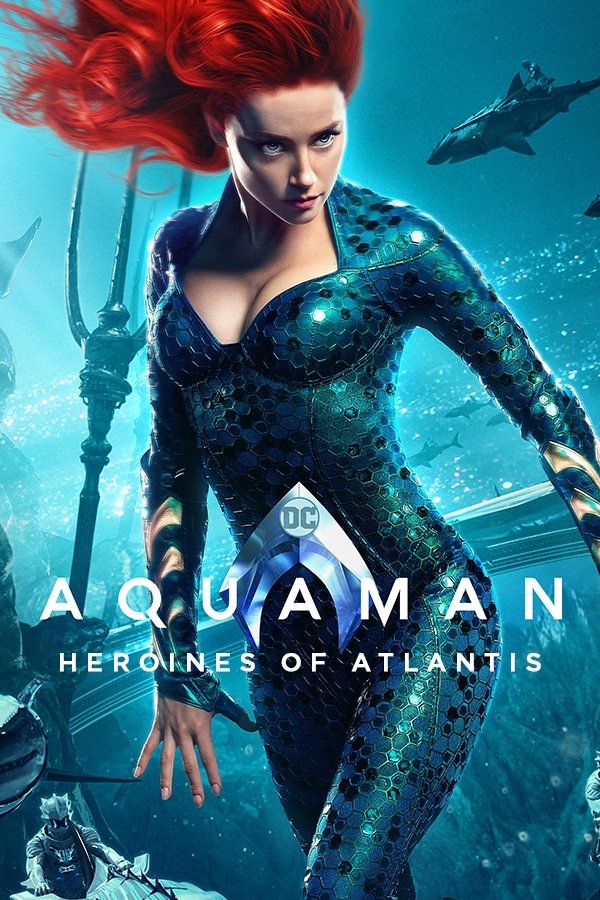
Amber Heard and Nicole Kidman discuss their characters Mera and Atlanna.
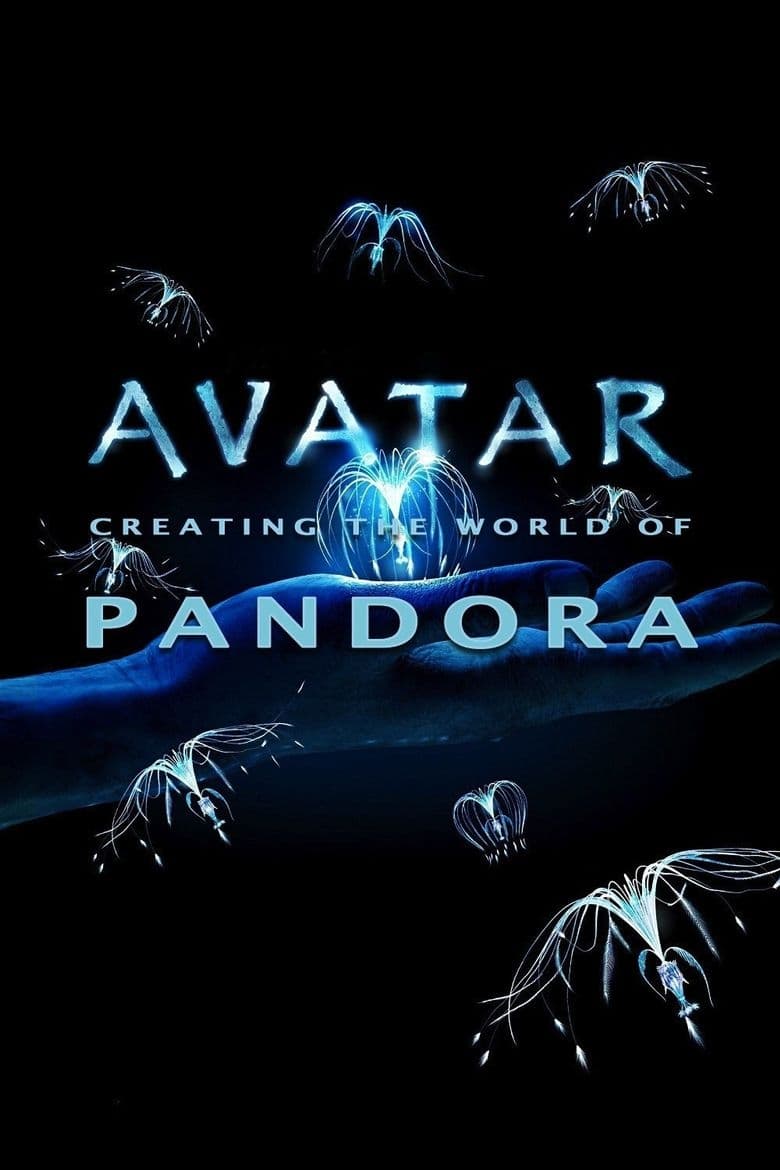
The Making-of James Cameron's Avatar. It shows interesting parts of the work on the set.
A documentary about the life and films of director John Ford.
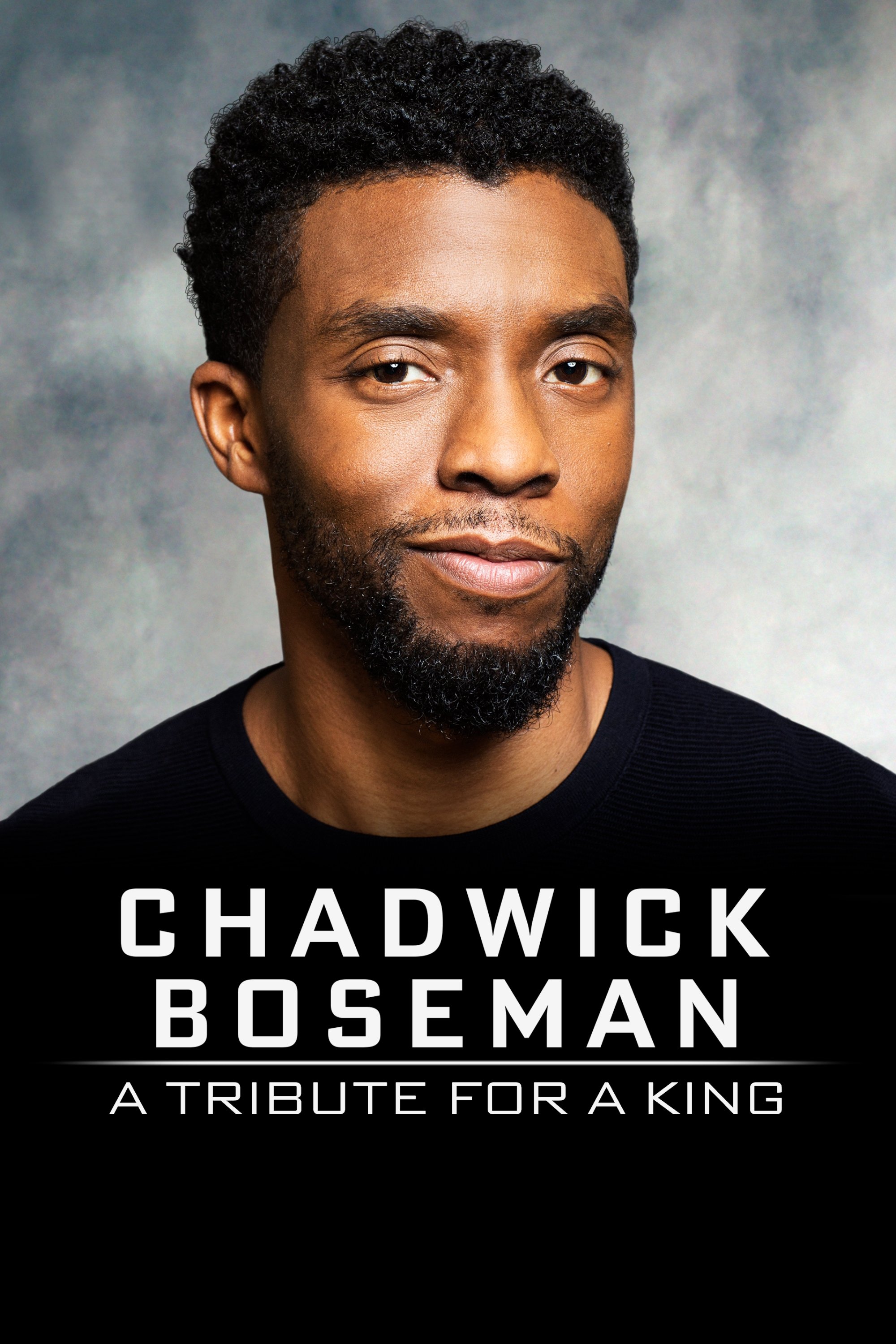
A tribute to Chadwick Boseman, celebrating his life and legacy.
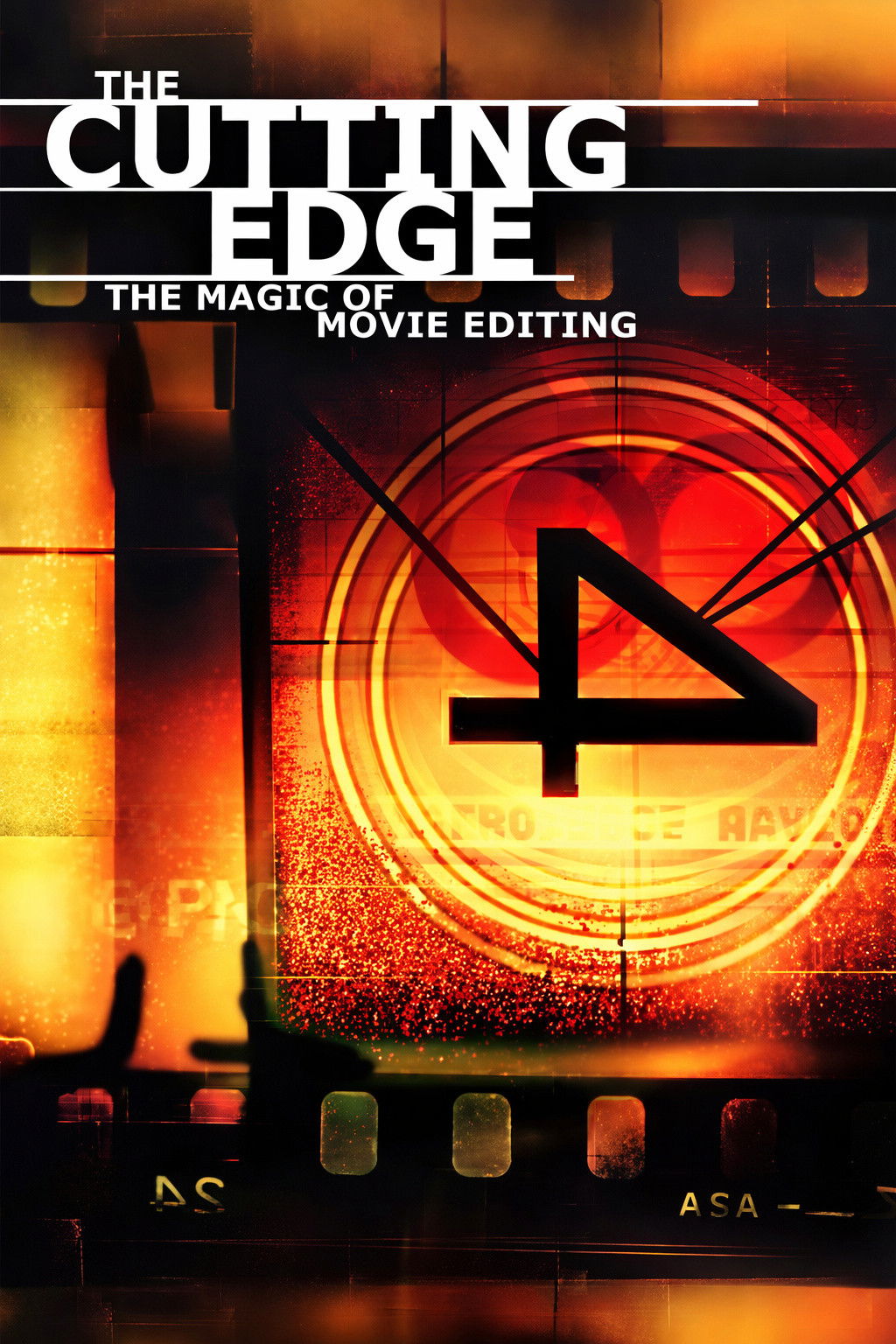
Documentary about the art of film editing. Clips are shown from many groundbreaking films with innovative editing styles.
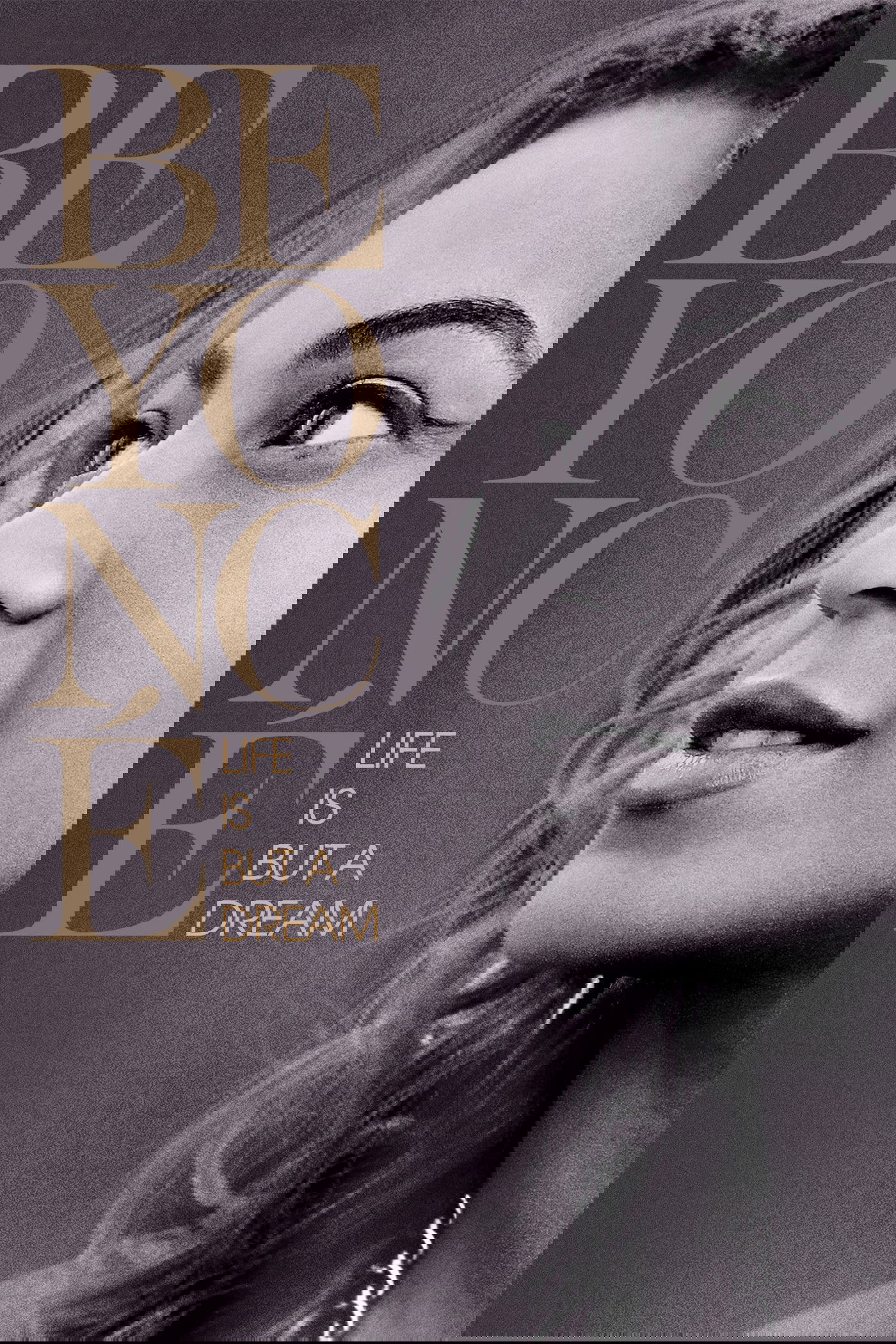
Life Is But a Dream is a HBO documentary about the life of US singer Beyoncé Knowles during the years 2011 and 2012 and on the recording of her fifth album. The film was directed by Beyoncé herself. The film shows Beyoncé from intimate moments of her pregnancy to behind the scenes and rehearsals of the main concerts of that time.
The life and career of an actor, artist, and icon. His own journey through his own camera.
The film follows adventurer Jeff Johnson as he retraces the epic 1968 journey of his heroes Yvon Chouinard and Doug Tompkins to Patagonia.
From the heights of her modeling fame to her tragic death, this documentary reveals Anna Nicole Smith through the eyes of the people closest to her.
A documentary about the making of David Fincher's 2008 film THE CURIOUS CASE OF BENJAMIN BUTTON. Virtually every element in the evolution of the Fincher's film is documented here, from the project's attachment to numerous other directors during the 1990s, to its shoot in 2006 and 2007 in New Orleans, to its complex, CGI-intensive postproduction process.