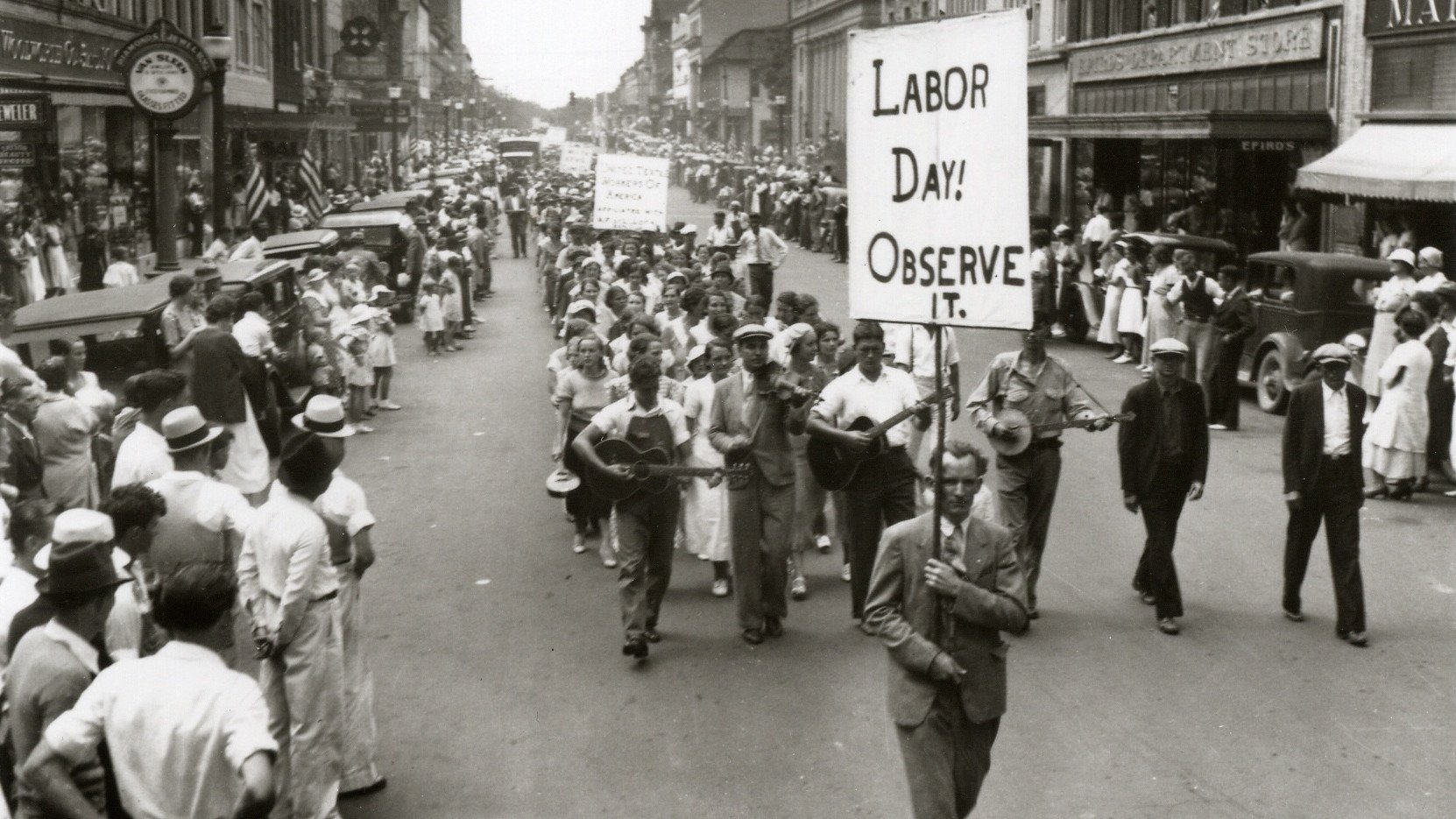
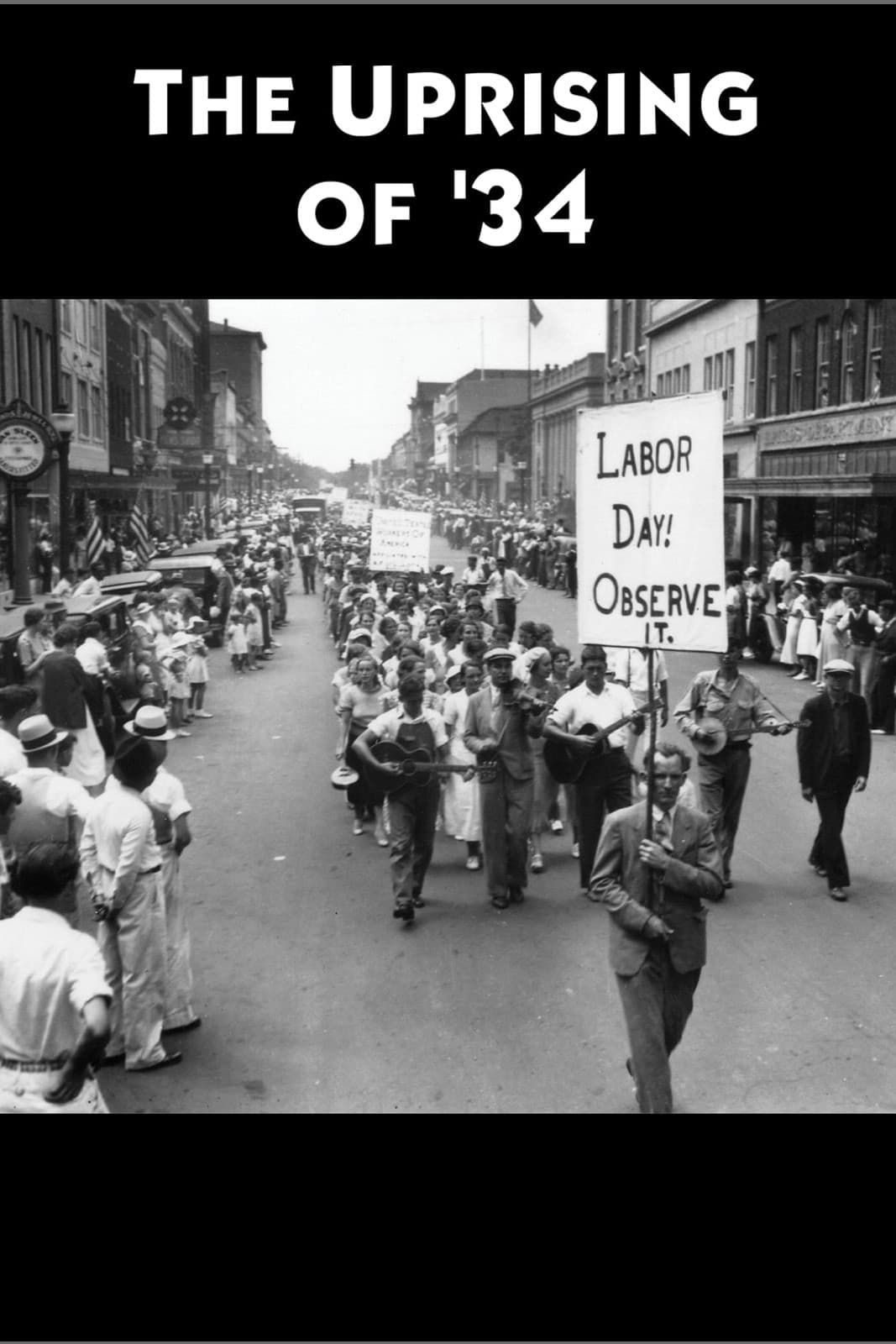
Textile workers recall with pride the long- suppressed story of the General Textile Strike of 1934 when 500,000 Southern mill laborers walked off their jobs.
Social & External
The people behind it
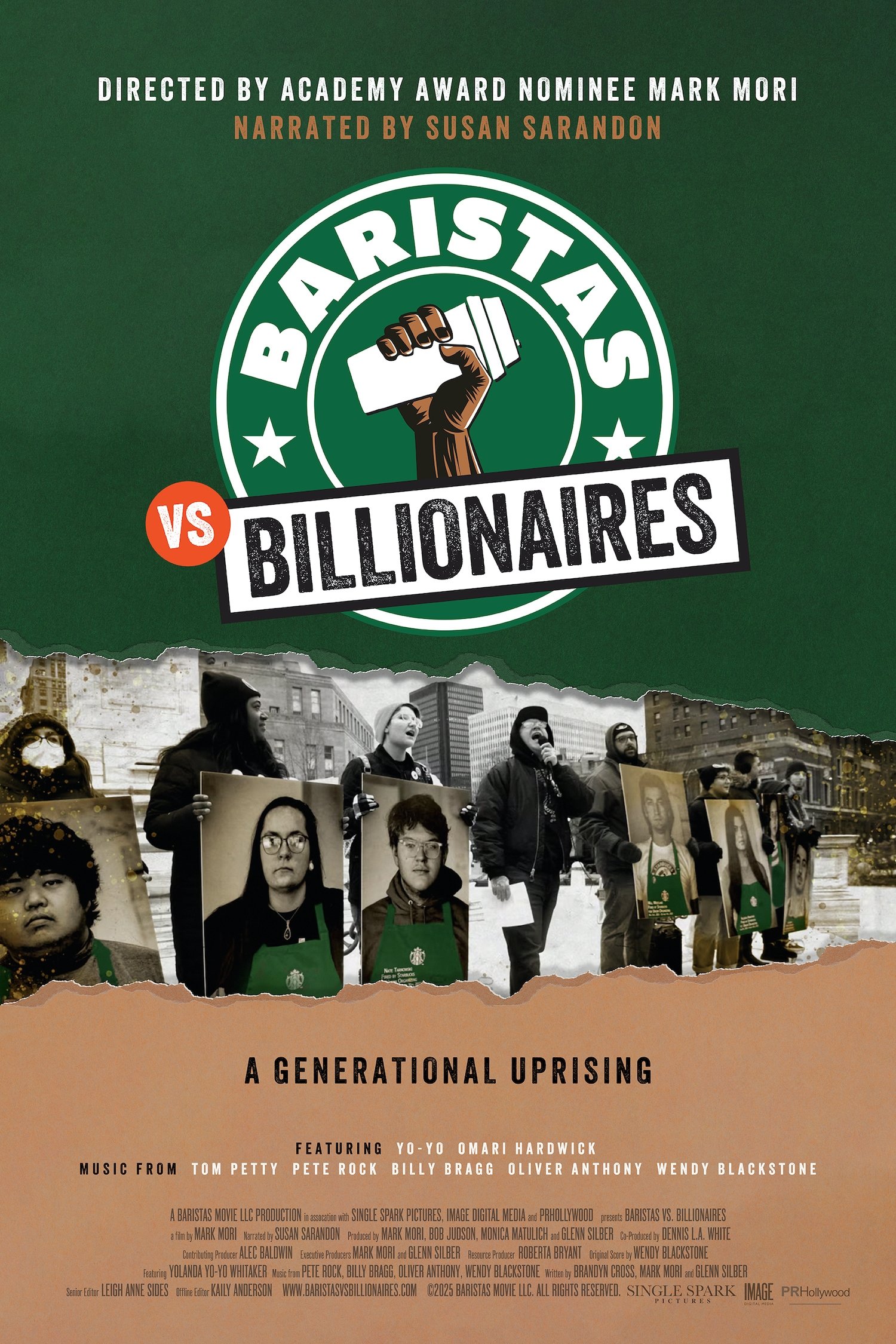
Starbucks baristas in Buffalo unite against corporate exploitation, sparking a generational uprising among working-class Millennials and Gen Z as they challenge a powerful billionaire CEO and fight for their rights.
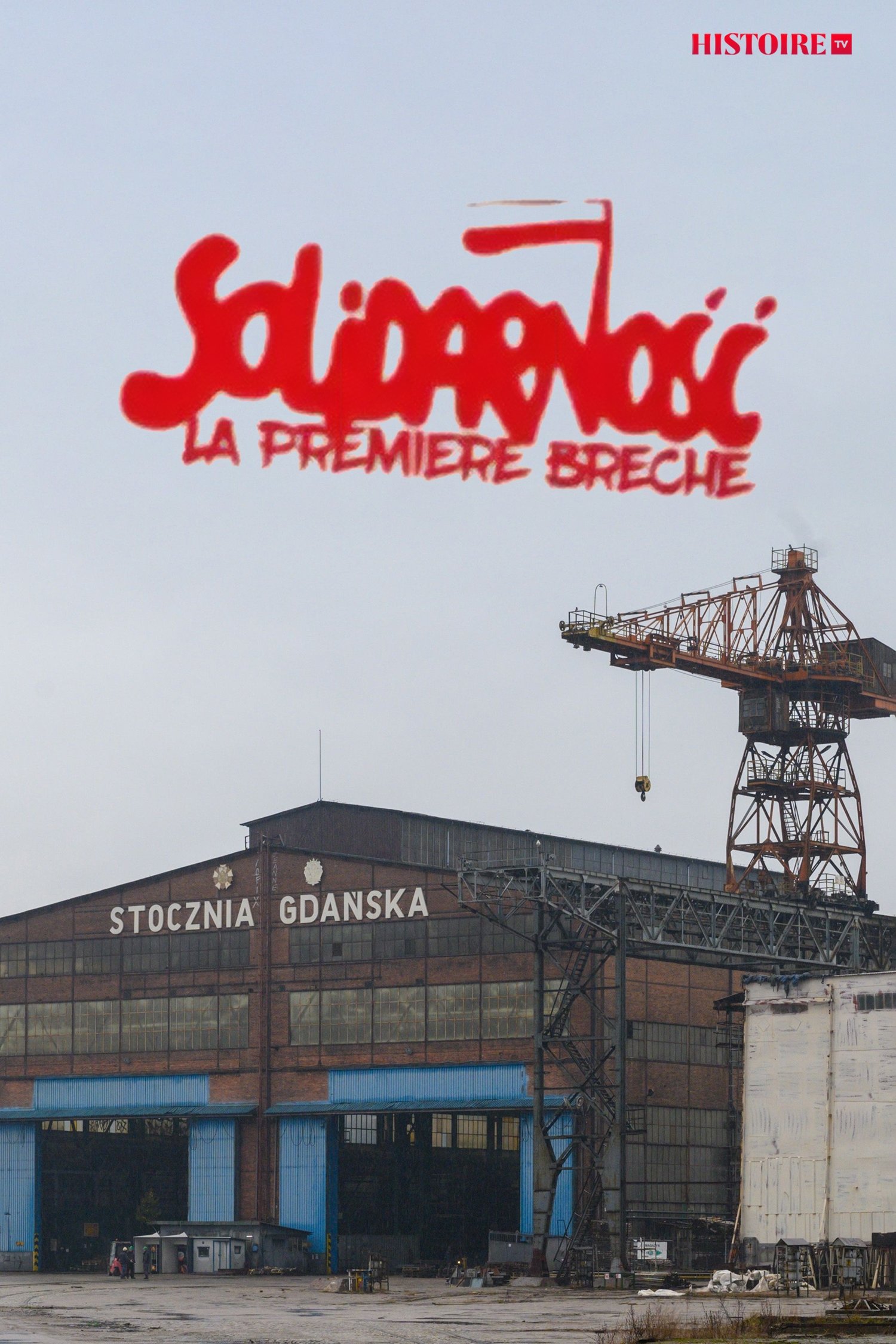
Gdańsk, Poland, September 1980. Lech Wałęsa and other Lenin shipyard workers found Solidarność (Solidarity), the first independent trade union behind the Iron Curtain. The long and hard battle to bring down communist dictatorship has begun.
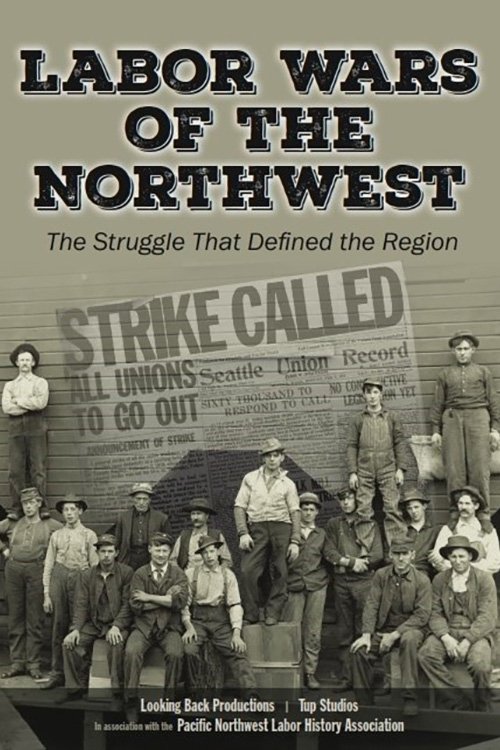
Discontent, radicalism, and violence permeated the U.S. Northwest in the early decades of the twentieth century. Tens of thousands of workers migrated for jobs in logging, mining, and fishing - where they found poverty-level wages, crushing hours, and dreadful conditions. The conflict becomes part of a decades-long struggle involving tragedies such as the Everett Massacre (1916), the Seattle General Strike (1919), and the Centralia Massacre (1919).
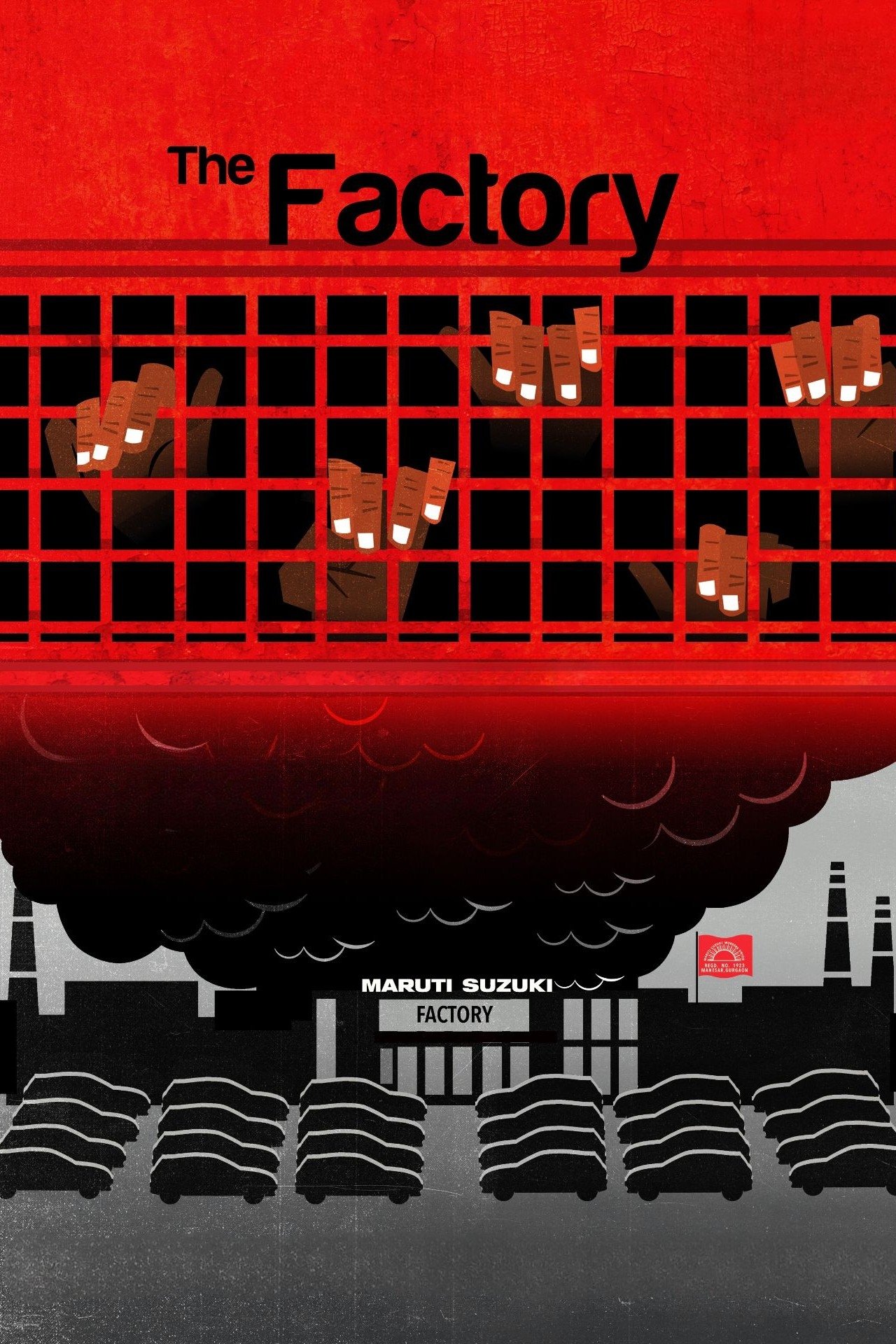
This documentary film traces the struggle of Indian auto workers of the Maruti Suzuki factory in Manesar, near Delhi, in forming a union. Investigating the underbelly of class conflict and exposing a widespread system of injustice, the film focuses on the repression faced by the workers and their criminal prosecution.
Documentary about the nurses' strike in Finland on autumn 2007.
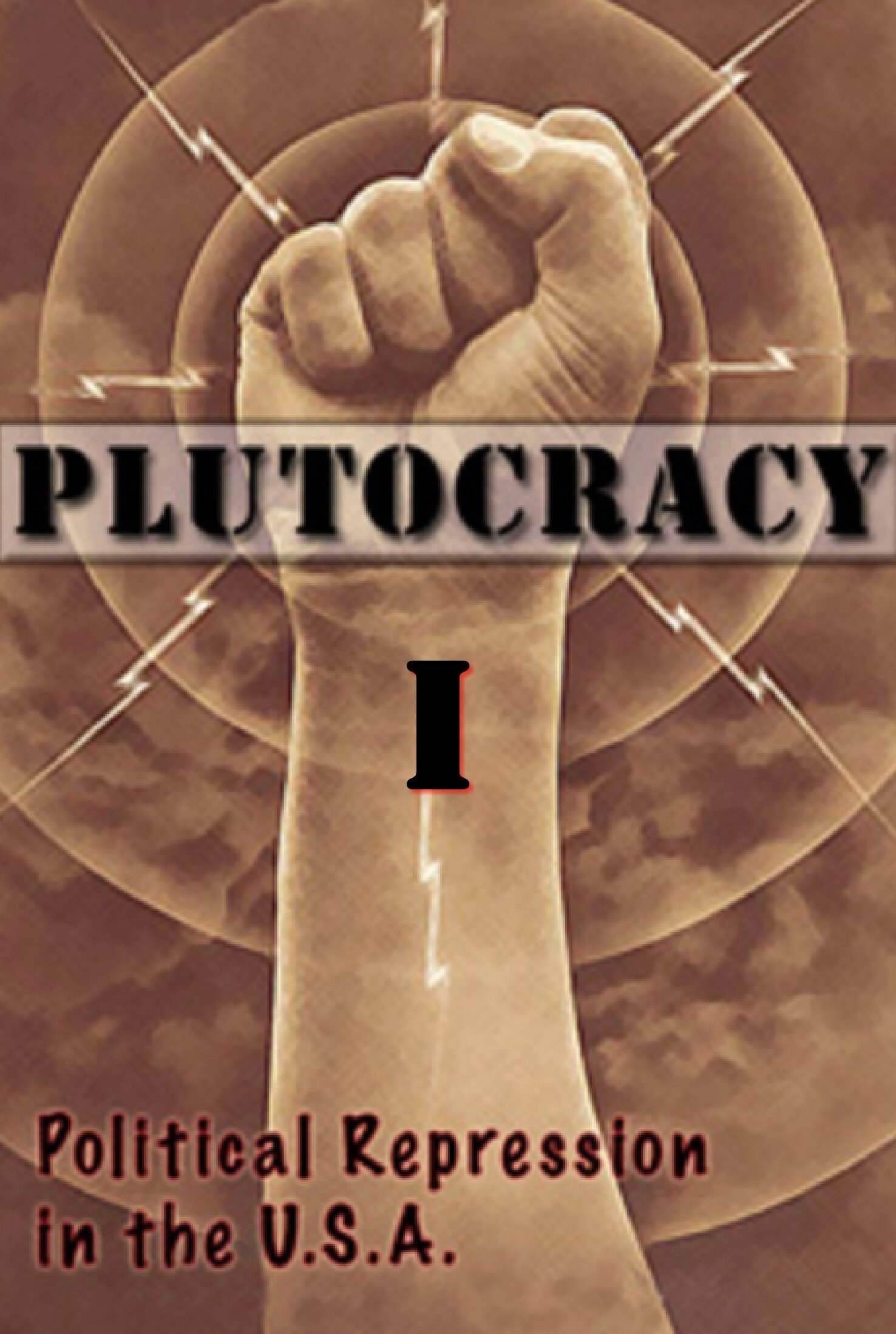
History of US labor movements and their suppression. It includes sections on the American Constitution; the Civil War draft riots; Reconstruction; Industrialization; the evolution of the police; the robber barons; early American labor unions; and major mid-to-late 19th Century labor events including the uprising of 1877, the Haymarket Affair, the Homestead strike and the New Orleans General Strike. The introduction examines the West Virginian coal wars of the early 20th Century, culminating in the Battle of Blair Mountain.
The Confederation of Haitian Workers (CTH) invited an Industrial Workers of the World (IWW) delegation to Haiti to learn about their fight against "le plan neoliberal" and recruit help in the form of material aid and solidarity. The delegation was in Haiti from April 24 to May 25, 2008, two weeks after the country erupted in mass protest at burgeoning food prices. This video shares the stories and experiences.
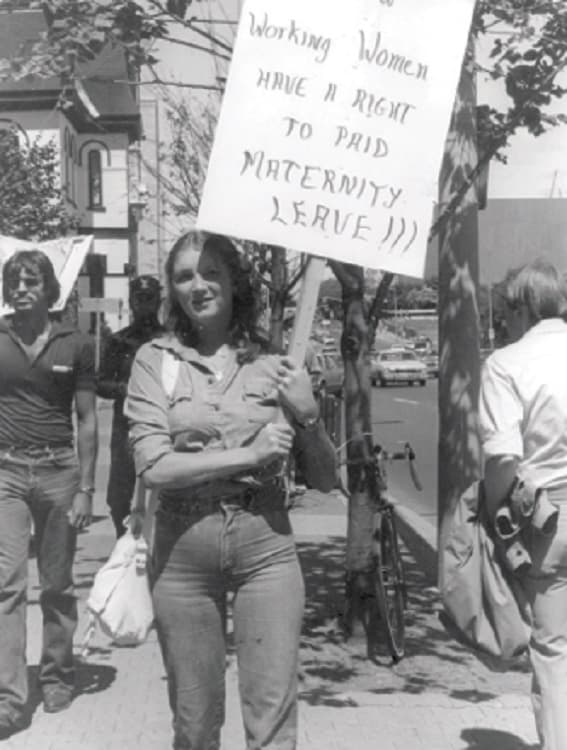
The video documentary "A Struggle to Remember: Fighting for Our Families" puts faces and narratives to the story of the struggle for family leave in Canada. The 20-minute film shows how it became accepted that women be able to return to their jobs after maternity leave and how men and women gained real and enforceable work-life balance provisions.
A description of the work of a research director of a United Steel Workers Union in Canada. The painstaking research and analyses of economic information, and the arrangement of arguments that lie beneath the negotiations of labour unions for better wages and working conditions are shown.
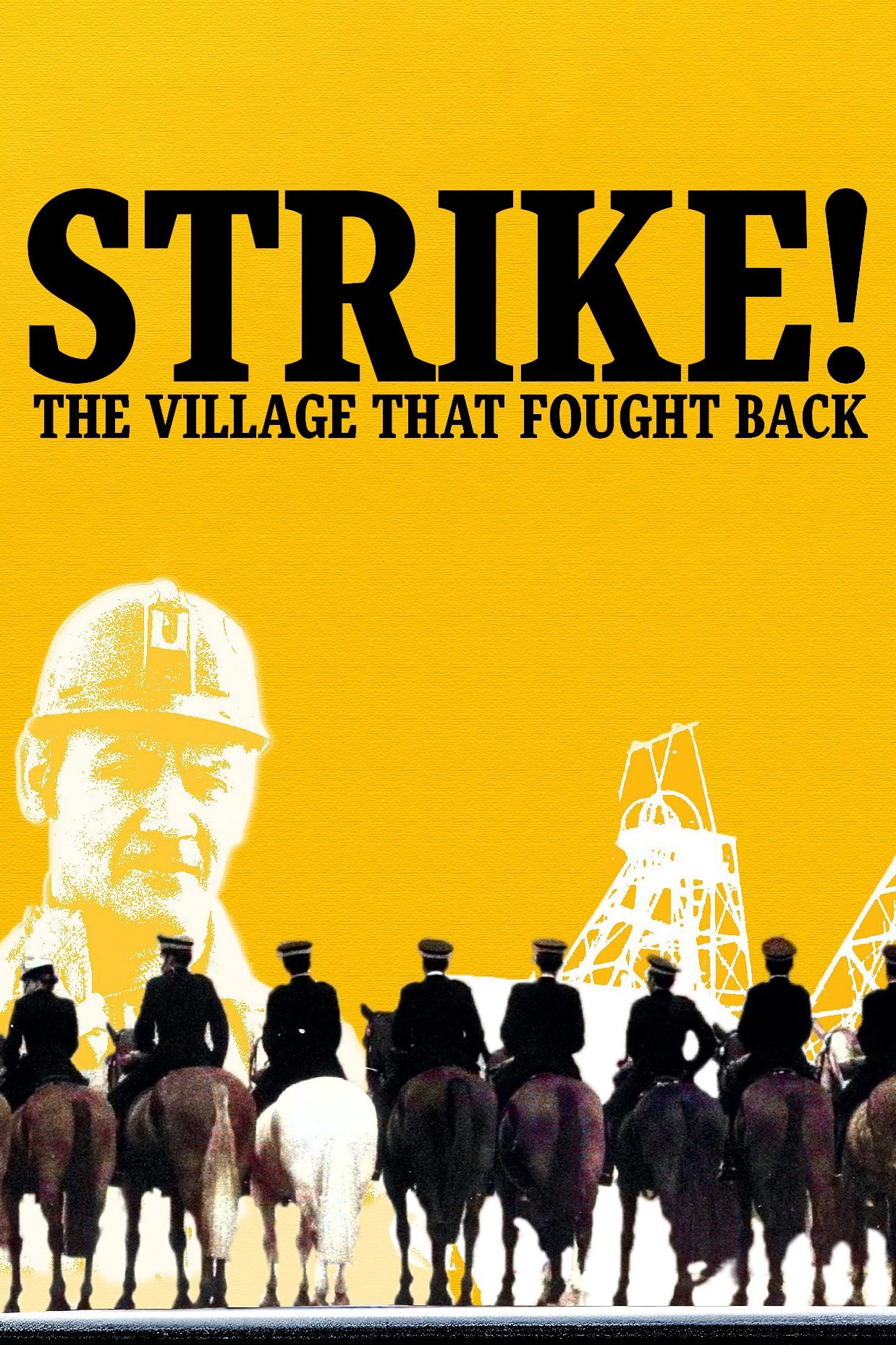
The inside story of Polmaise Colliery and the miners who were the first to walk out and the last to go back to work during the miners' strike.
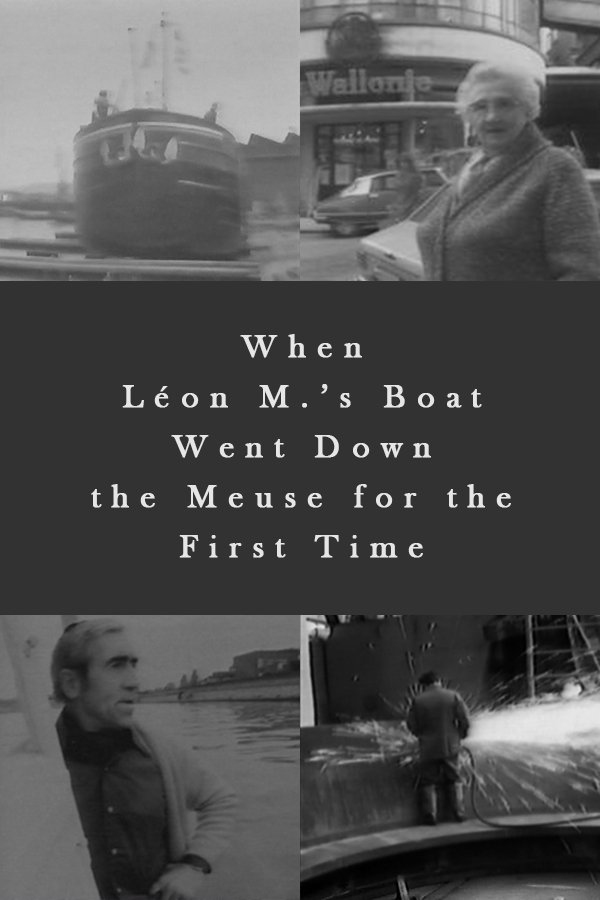
Documentary about a man remembering his struggles while floating on a boat down a river.
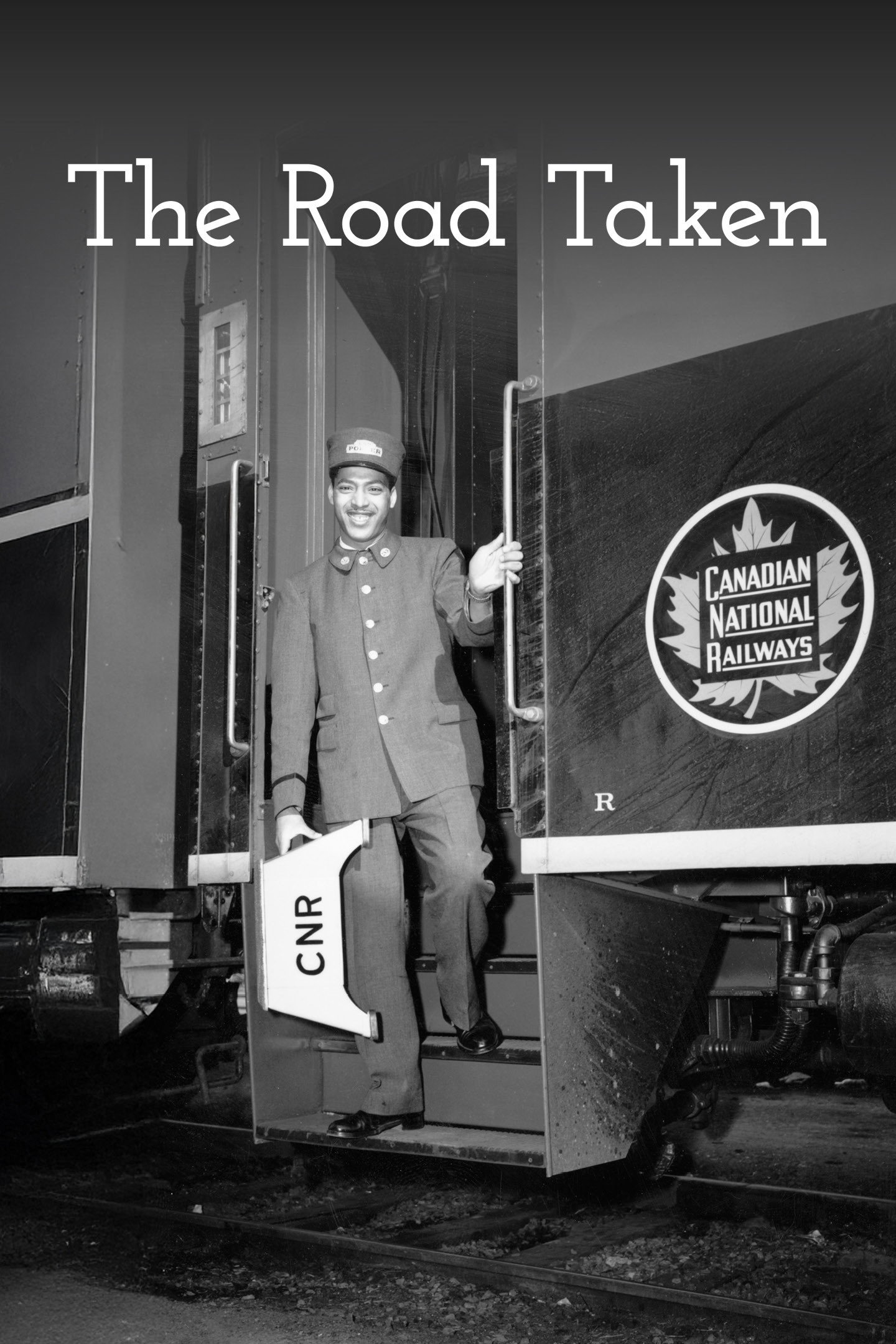
Black sleeping-car porters who worked on Canada's railways from the early 1900s through the 1960s were proud men and well-respected by their community, but harsh working conditions prevented them from being promoted to other railway jobs until 1955 when porter Lee Williams took his fight to the union.
Chronicles the industrial action leading up to the deregistration of the Builders Labourers Federation.
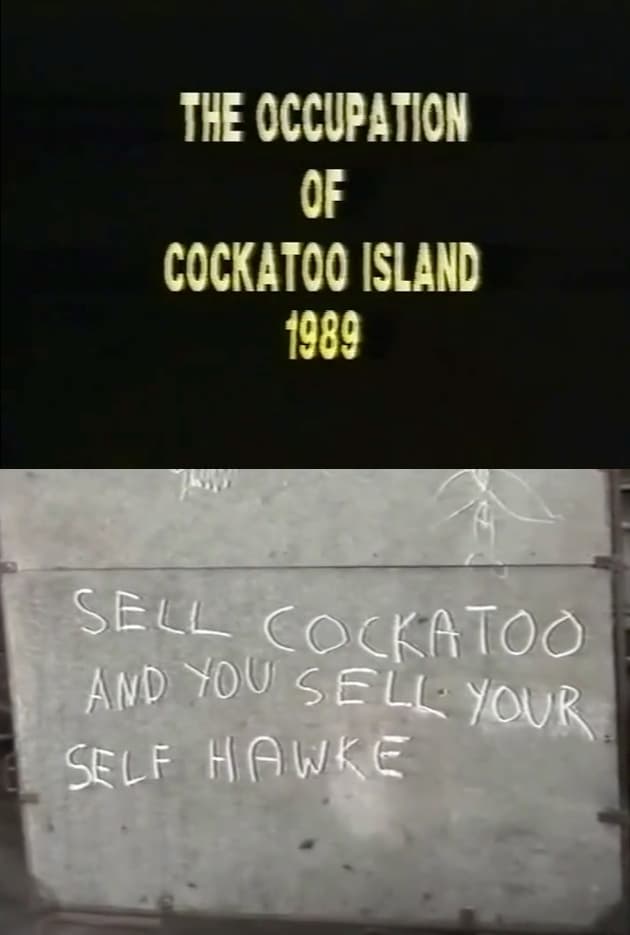
Documents the Cockatoo Island Dockyard occupation and industrial actions of 1989.
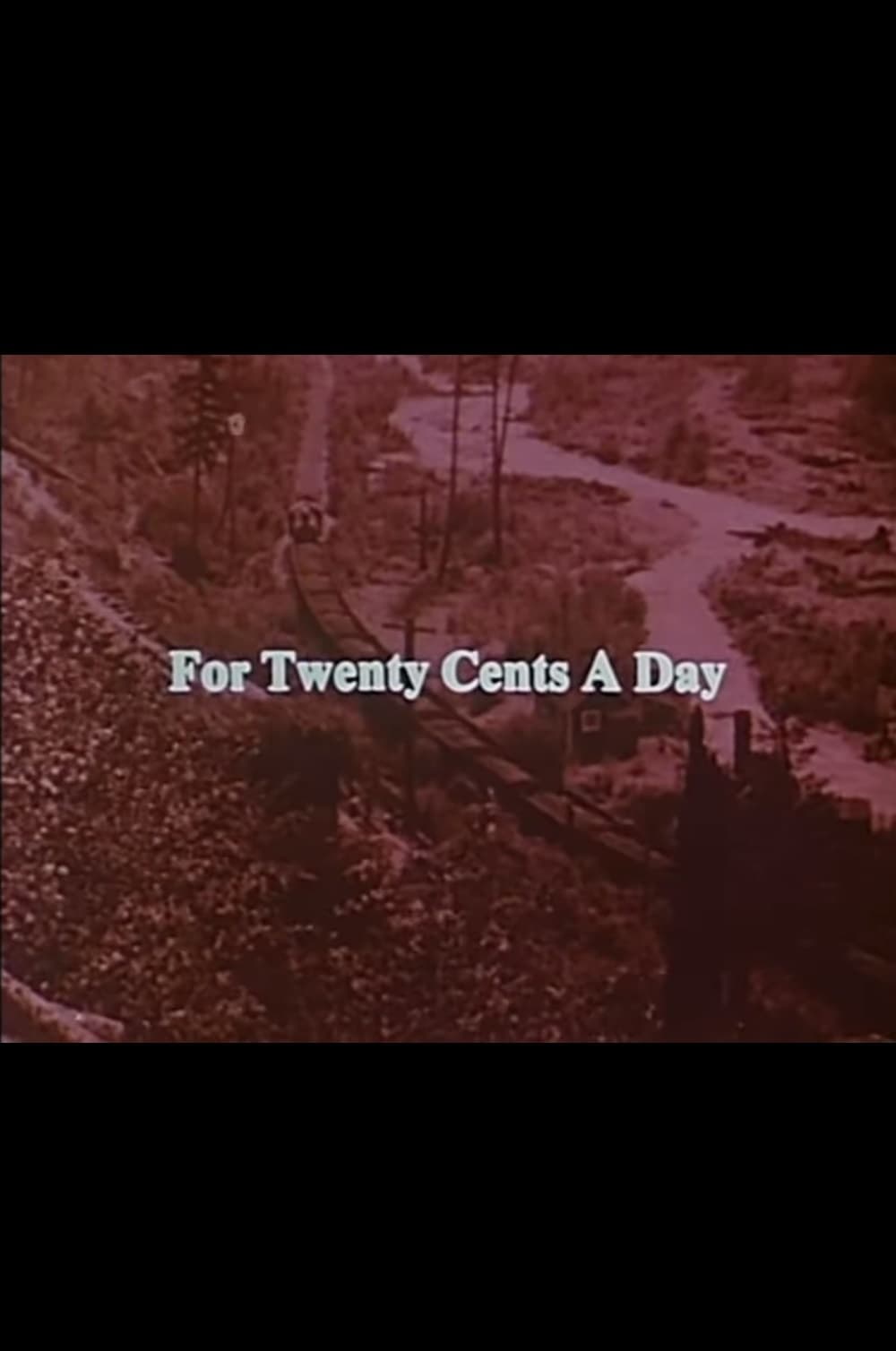
A film documenting work shortages during the Depression of the 1930s and the attempts to deal with the unemployed, in particular young men. The film discusses the establishment of relief camps and projects, where men were paid twenty cents per day; the founding of organizations such as the Co-operative Commonwealth Federation (CCF), Workers' Unity League, and Relief Camp Workers' Union; general unionization and protest of the unemployed, including the On To Ottawa Trek, Regina Riot, sit-in strike from May to June 1938 at the Vancouver Main Post Office, Vancouver Art Gallery and Hotel Georgia, and the resulting Bloody Sunday of June 19.
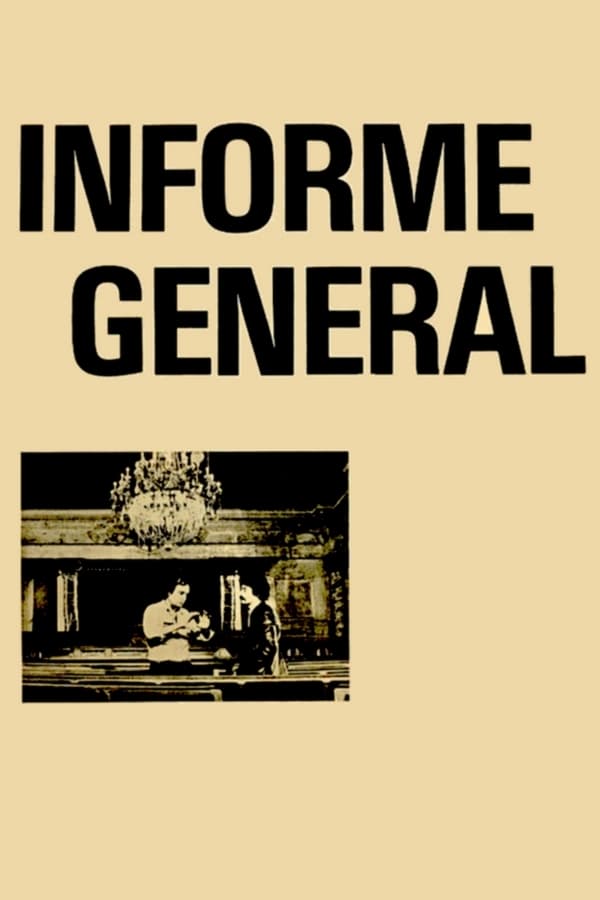
How does a country go from a dictatorship to a democracy? A detailed report on the political representation in the heart of the Spanish Transition, only a few months after General Franco’s death, when the sincere democratic vocation of Spanish people must effort to destroy, one heavy brick after another, the wall that those who supported the dictatorship and those who fought it from the exile built with resentment, hatred and prejudices.
The super-rich determines virtually every aspect of the lives of the other 90% of Americans. This film examines the hidden struggles of American families, the calculated political maneuvers of the elite, and the long overdue uprising of American workers. With affection for the middle-class and the outrageous attempt to color them as lazy, the film explores the question: How do we make sure workers are paid what they are worth, instead of believing they are only worth what they are paid?
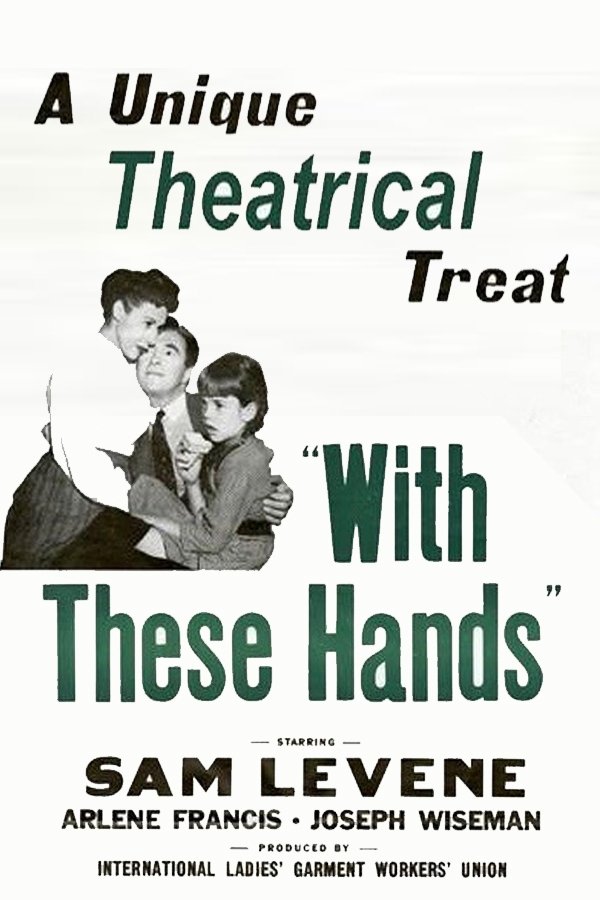
Produced by the International Ladies Garment Workers Union, the film used actors to recreate the Triangle Shirtwaist Factory fire and compare working conditions of the early 20th century to that of the 1950s.
Various MGM stars from yesterday present their favorite musical moments from the studio's 50 year history.
Some of MGM'S musical stars review the studios history of musicals. From The Hollywood Revue of 1929 to Brigadoon, from the first musical talkies to Gene Kelly in Singin' in the Rain.
A celebration of the musical work of a group of session musicians known as "The Wrecking Crew." a band that provided back-up instrumentals to such legendary recording artists as Frank Sinatra, The Beach Boys, and Bing Crosby.
Through deeply personal interviews with her siblings and an examination of the photographs, letters, and belongings left behind, Mariska assembles a new portrait of her mother Jayne Mansfield, an extraordinary and complex woman.
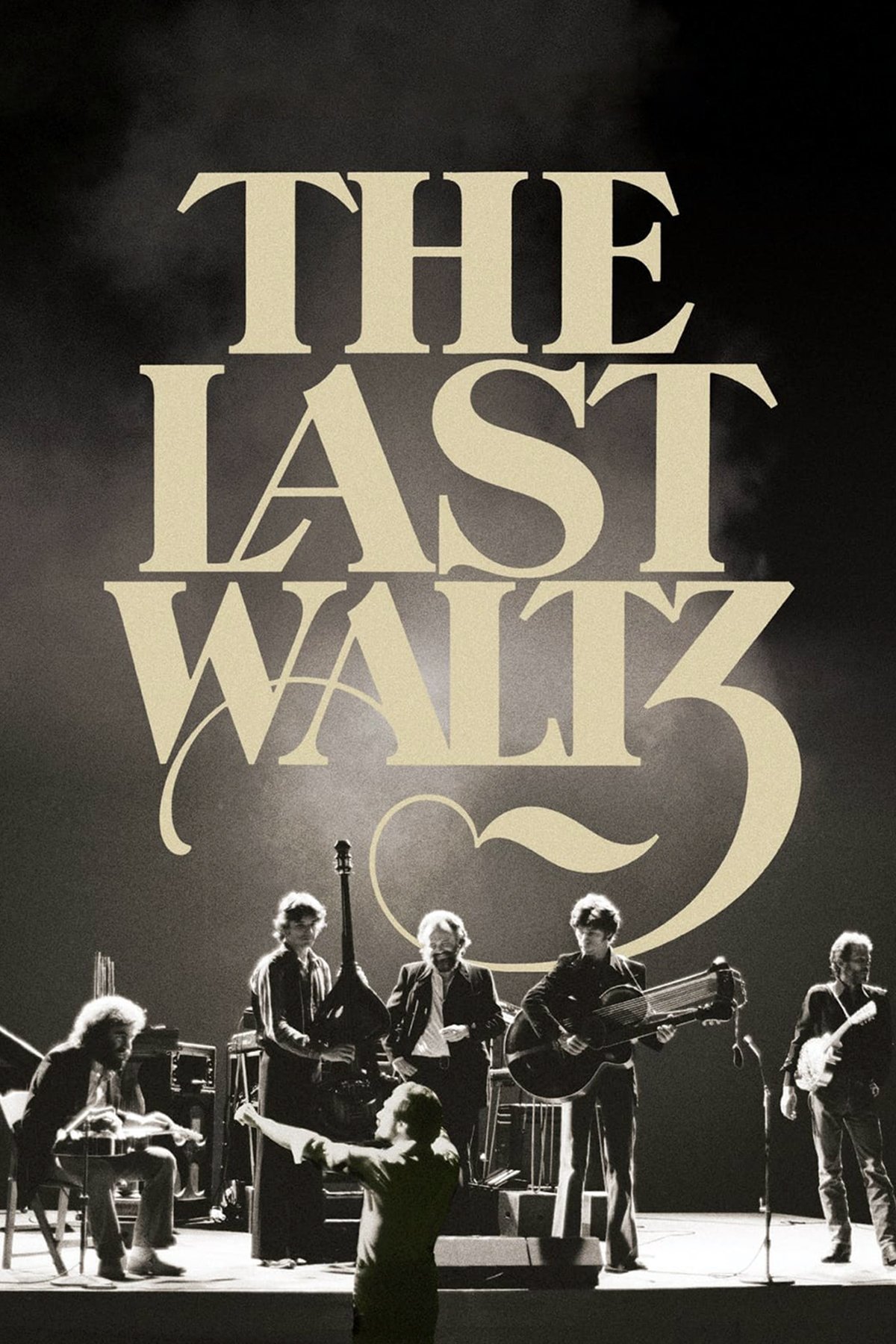
Martin Scorsese's documentary intertwines footage from The Band's incredible farewell tour with probing backstage interviews and featured performances by Eric Clapton, Bob Dylan, Joni Mitchell, Van Morrison, and other rock legends.
The film follows adventurer Jeff Johnson as he retraces the epic 1968 journey of his heroes Yvon Chouinard and Doug Tompkins to Patagonia.
The life and career of an actor, artist, and icon. His own journey through his own camera.
The life of Mr. Spock, as well as that of Leonard Nimoy, the actor who played him for almost fifty years, written and directed by his son: Adam.
Daniel Craig candidly reflects on his 15 year adventure as James Bond. Including never-before-seen archival footage from Casino Royale to the upcoming 25th film No Time To Die, Craig shares his personal memories in conversation with 007 producers, Michael G Wilson and Barbara Broccoli.
With mesmerizing footage and time lapses of animators at work, this behind-the-scenes special captures the artistry of a unique tale years in the making.
BBC Arena's documentary on the Dames of British Theatre and film featuring Maggie Smith, Eileen Atkins, Judi Dench and Joan Plowright on screen together for the first time as they reminisce over a long summer weekend in a house Joan once shared with Sir Laurence Olivier.
Al Pacino's deeply-felt rumination on Shakespeare's significance and relevance to the modern world through interviews and an in-depth analysis of "Richard III."
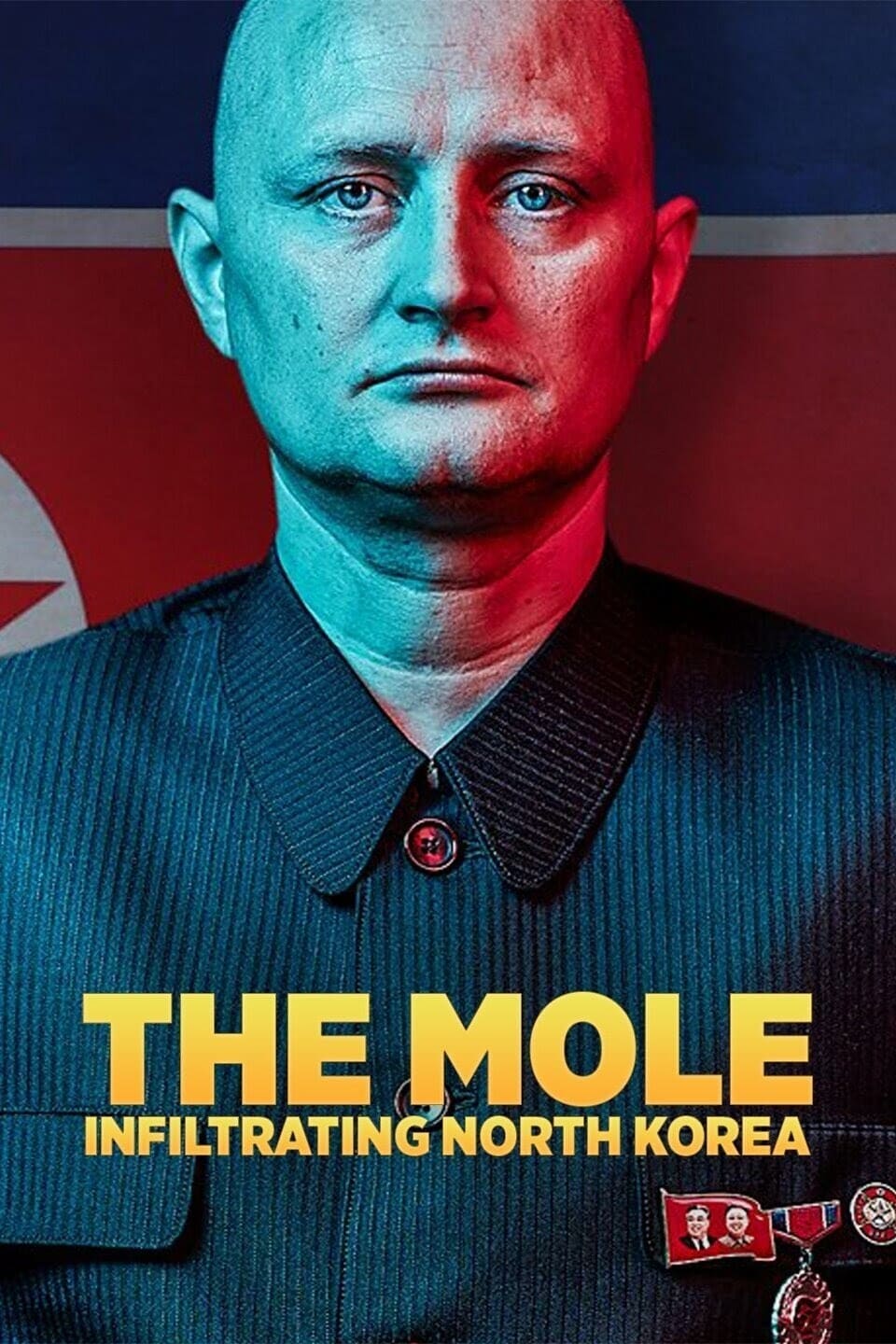
A real-life undercover thriller about two ordinary men who embark on an outrageously dangerous ten-year mission to penetrate the world's most secretive and brutal dictatorship: North Korea.
Long-lost footage from Elvis Presley's legendary Las Vegas residency in the 1970s woven together with rare 16mm footage from Elvis on Tour, and 8mm from the Graceland archive, plus recordings of Elvis telling "his side of the story" rediscovered during Baz Luhrmann's research for his 2022 film, Elvis.
Giving fans unprecedented access to the real life of the music sensation, Katy Perry: Part of Me exposes the hard work, dedication and phenomenal talent of a girl who remained true to herself and her vision in order to achieve her dreams. Featuring rare behind-the-scenes interviews, personal moments between Katy and her friends, and all-access footage of rehearsals, choreography, Katy’s signature style and more, Katy Perry: Part of Me reveals the singer’s unwavering belief that if you can be yourself, then you can be anything.
Live Aid was held on 13 July 1985, simultaneously in Wembley Stadium in London, England, and the John F. Kennedy Stadium in Philadelphia, United States. It was one of the largest scale satellite link-ups and television broadcasts of all time: watched live by an estimated global audience of 1.9 billion, across 150 nations. "It's twelve noon in London, seven AM in Philadelphia, and around the world it's time for Live Aid...!"
Cast, crew and fans explore the "Back to the Future" time-travel trilogy's resonance throughout our culture, thirty years after Marty McFly went back in time.
This documentary focuses on the actors and their journey over two summers to create the remake to the original IT, by Stephen King. The documentary originally released as bonus material, bundled with IT: Chapter Two.
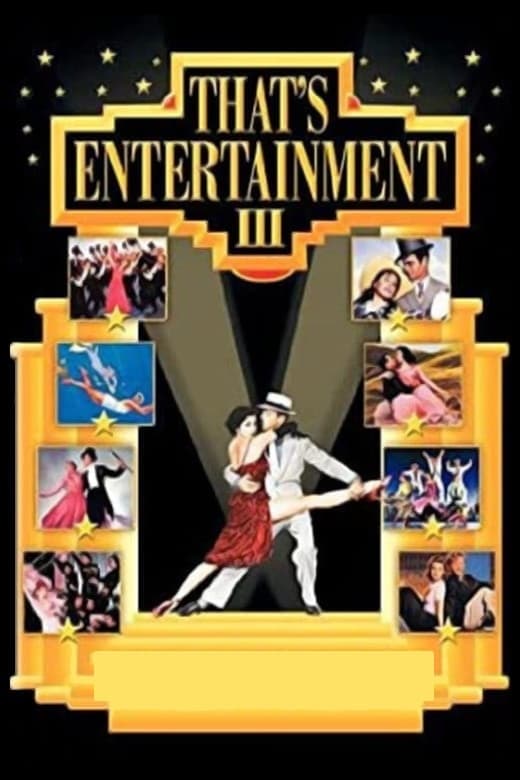
Gene Kelly and Fred Astaire present more golden moments from the MGM film library, this time including comedy and drama as well as classic musical numbers.
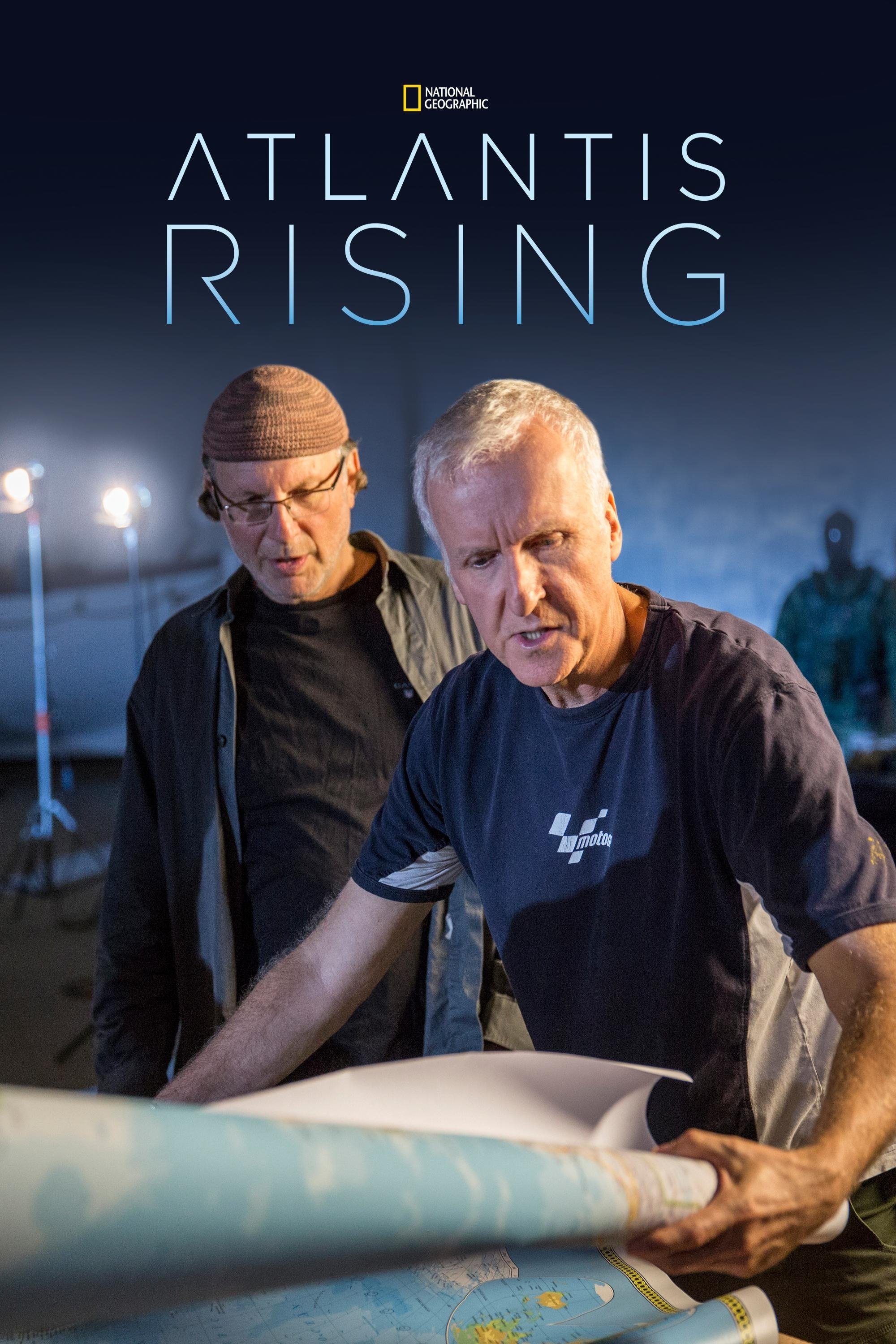
James Cameron and Simcha Jacobovici go on an adventure to find the lost city of Atlantis by using Greek philosopher Plato as a virtual treasure map.