Five scientists and a hairdresser, tackling climate change, one stick at a time.
Social & External
Self
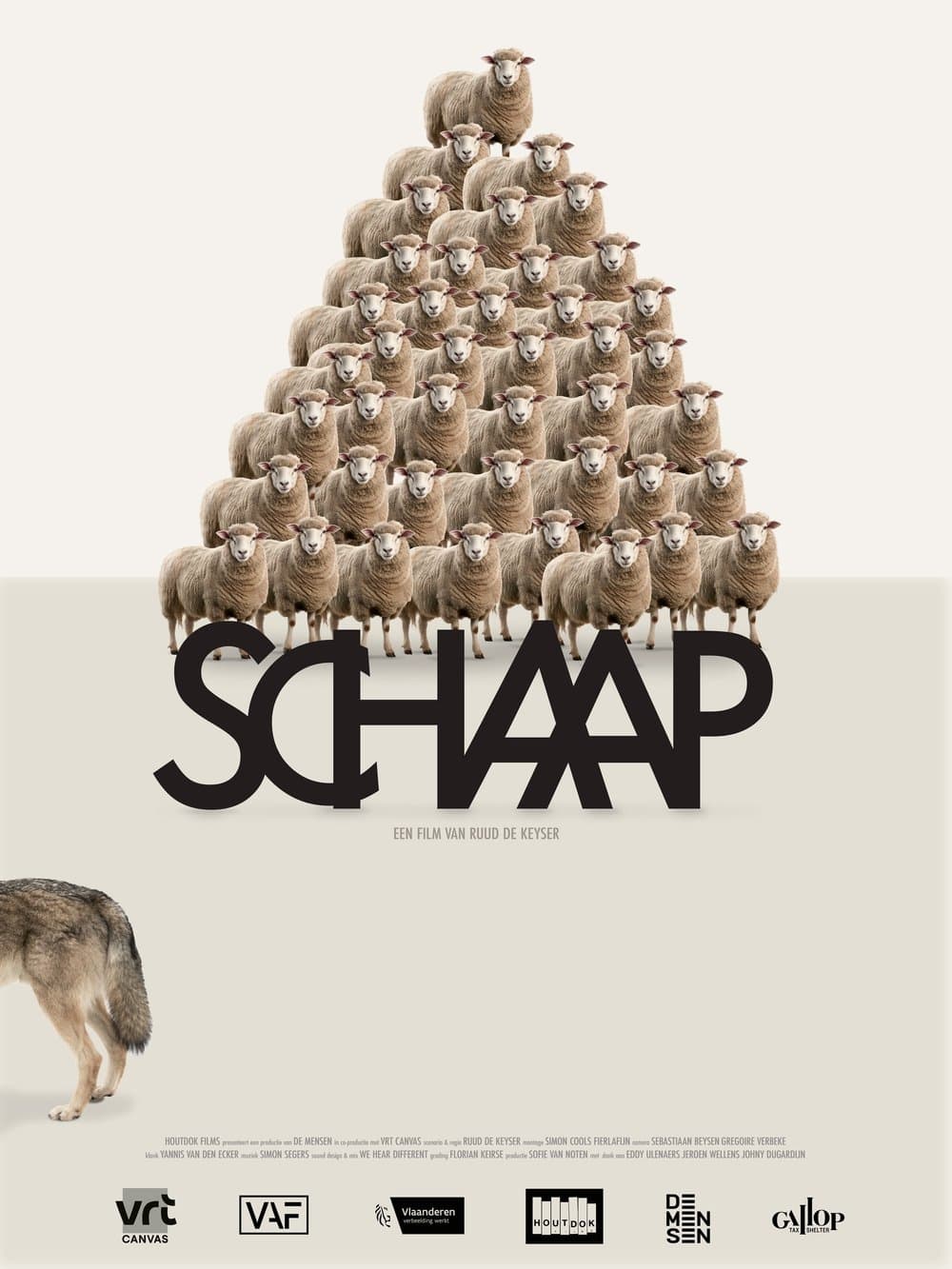
In the lush fields of northern Belgium, as winter tightens its grip, the sheep of Eddy, Jeroen, and Johny become silent witnesses of a hidden drama when a wolf is driven to the edges of human lands in search of sustenance. With the three human protagonists doing anything within their power to patronize their rights of existence, this film stands up for the least heard voice in Belgium’s brand new wolf territory: that of the bleating sheep.
Industrialization brings progress, but also harmful influences on the environment. Warning of the dangers of waste materials dumped into the air and the waters.
Mothers and doctors speak out about the grim reality of life in the five years following the Chernobyl disaster. In children, doctors witnessed a massive increase of recurrent infections, baldness, as well as leukaemia and other cancers.
An epic journey along Africa's Great Green Wall — an ambitious vision to grow a wall of trees stretching across the entire continent to fight against increasing drought, desertification and climate change.
Two very different men are brought together by New Brunswick's decision to hand the management of millions of acres of Crown land to six multinationals. One man is an Acadian woodlot owner retired after nearly 40 years in a pulp mill; the other is a painter and winemaker with homes in France and New Brunswick. They travel to Finland to urge officials at one of the largest licence holders of New Brunswick Crown lands to practise responsible forestry, then go head-to-head with the provincial government to secure a new community-based forestry policy that is environmentally sustainable and produces more jobs than the highly mechanized techniques used today.
Britain is undergoing a domestic heating revolution - heat pumps are replacing gas boilers and apparently everyone should prepare to put one in their homes. Alexis Conran investigates whether these devices live up to the hype, examining the pros and cons to help consumers choose the best option. Plus, tips on maximising savings.
For six years, Melati, 18, has been fighting the plastic pollution that is ravaging her country, Indonesia. Like her, a generation is rising up to fix the world. Everywhere, teenagers and young adults are fighting for human rights, the climate, freedom of expression, social justice, access to education or food. Dignity. Alone against all odds, sometimes risking their lives and safety, they protect, denounce and care for others. The earth. And they change everything. Melati goes to meet them across the globe. At a time when everything seems to be or has been falling apart, these young people show us how to live. And what it means to be in the world today.
16-year-old Bella and Vipulan are part of a generation convinced its very future is in danger. Between climate change and the 6th mass extinction of wildlife, their world could well be inhabitable 50 years from now. They have sounded the alarm over and over, but nothing has really changed. So they’ve decided to tackle the root of the problem: our relationship with the living world. Over the course of an extraordinary journey, they come to realize just how deeply humans are tied to all other living species. And that by saving them… we’re also saving ourselves. Humans thought they could distance themselves from nature, but humans are part and parcel of nature. For man is, after all, an Animal.
Just one of the many far-reaching impacts of the slave trade on human history is on agriculture and horticulture. While the French plantation owners on the Caribbean island of Martinique had their gardens laid out, Versailles-style, their enslaved workers continued their tradition of using medicinal wild herbs. Nowadays these herbs represent one of several resources through which the people of Martinique counter the health and ecological ravage caused by the use of pesticides on the banana plantations. Farmers are reclaiming uncultivated lands to grow indigenous vegetables, without any industrial pesticides; they fight boldly for simple biodiversity.
A documentary that introduces FIT Hives, a student-run organization whose mission is to educate the FIT community about the importance of bees to the environment, the use of bee-derived resources in the industries related to the majors at FIT and its goal to put a beehive on the roof. FIT Hives is a recipient of an FIT Innovation Grant which also supported the making of this documentary.
A document on the importance of forests to the national economy. It represents forests not only as a rich storehouse of wood, but also as an important factor for continuous water supply, as they regulate the water cycle and prevent both droughts and floods.
In "The Cost of Forever", we uncover the hidden and costly dangers of ‘forever chemicals’ in our rivers and drinking water sources, following Riverkeepers and water protectors as they strive to protect communities—and themselves—from PFAS contamination.
At Brandenburg Gate in Berlin, a man jumps over a barrier. Within seconds, five police officers catch him and push him to the ground. He laughs loudly. Evidently, this is exactly what he was aiming for. Dario is disappointed with current climate policies and sees only one solution: strike out and resist. His resistance has already led to several outstanding criminal proceedings against him in Germany. A request from Switzerland comes at just the right moment to prove himself further: the activist group “Klimastreik” is looking for someone who is willing to commit a “crime”.
A documentary following the sharp decline of the cod fishing industry in New England. Included is an in-depth look at the potential causes and the resounding effects upon the lives of the fishermen themselves.