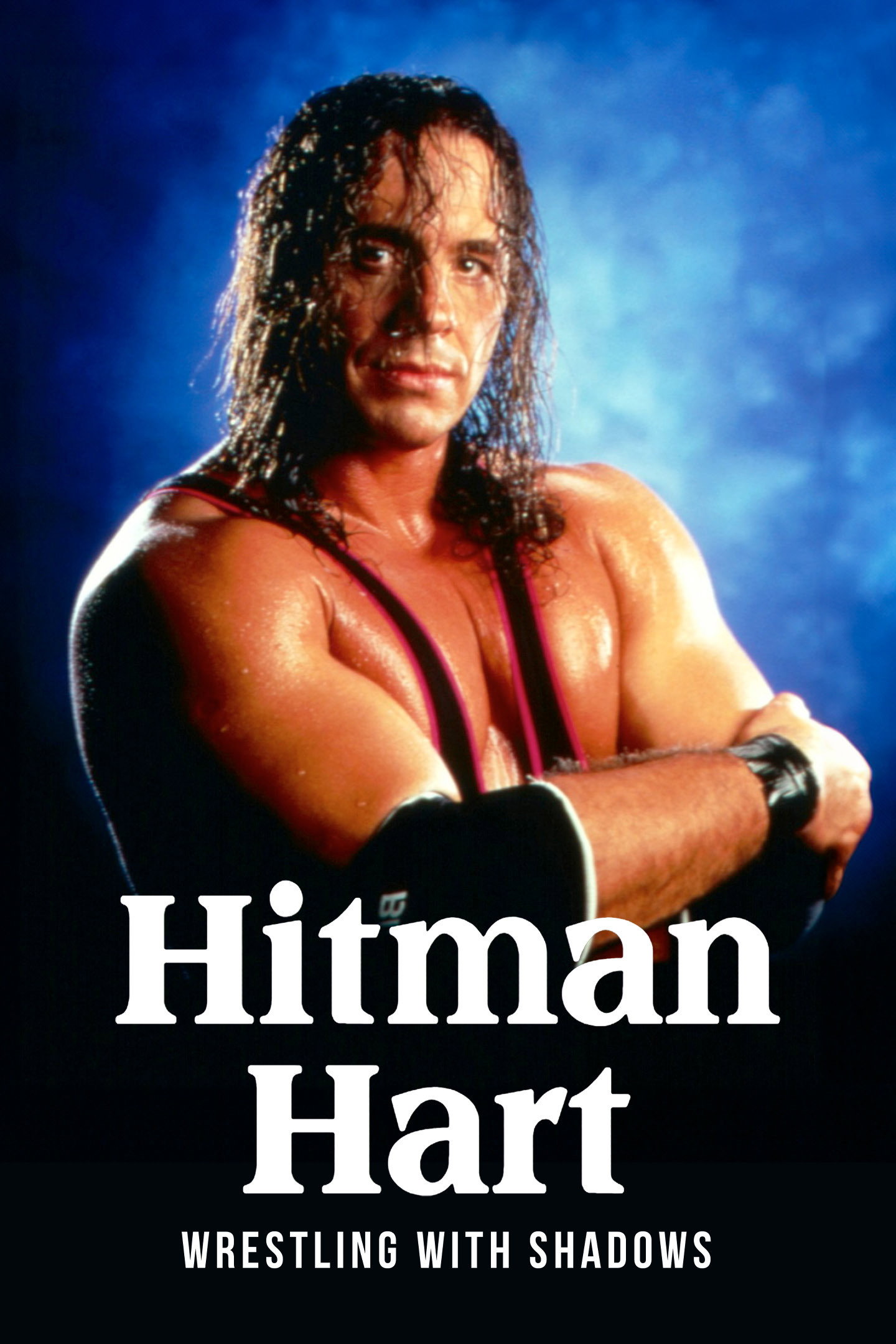
Some 40 years after setting foot in Israel for the first time, journalist Pierre Nadeau felt the desire to return there to take stock of the Israeli-Palestinian conflict.
Social & External
The people behind it
Pierre Nadeau
Himself
For more than forty years, British journalist Robert Fisk has reported on some of the most violent conflicts in the world, from Northern Ireland to the Middle East, always with his feet on the ground and a notebook in hand, travelling into landscapes devastated by war, ferreting out the facts and sending reports to the media he works for with the ambition of catching the interest of an audience of millions.
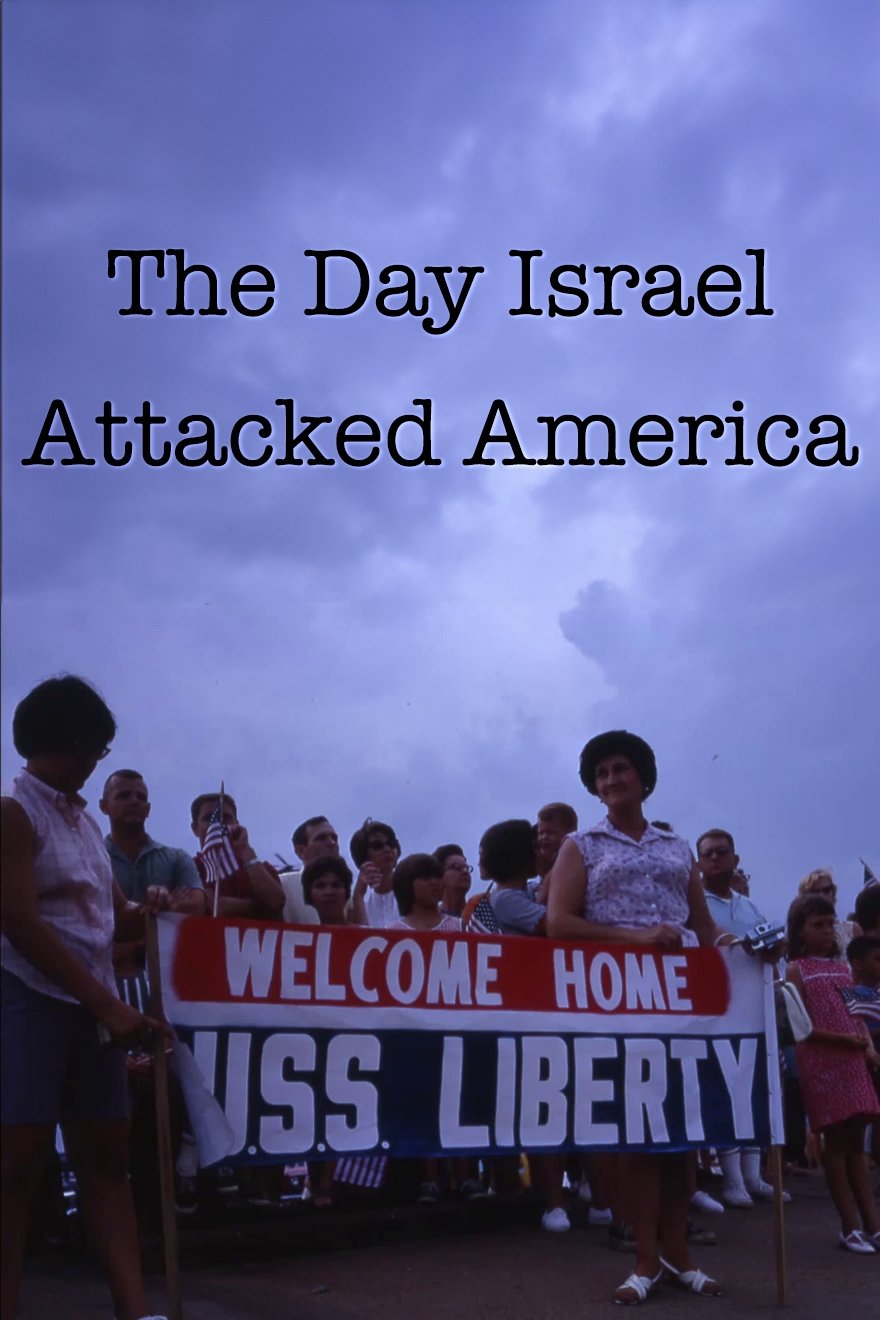
A thought-provoking documentary on the current and historical causes of the Israeli-Palestinian conflict and U.S. political involvement.
Free Fish is a short documentary filmed over the course of a year in Gaza, following two brothers — Abu Nagham and Ahmad — separated by war yet connected by the sea. Displaced from their home, Abu Nagham now lives in a tent in the south, fishing with his young nephew Rami, who lost his twin brother. Ahmad remains in the north, fishing amid ruins and occupation. Once a source of livelihood and freedom, the sea has become a battleground — heavily restricted, constantly watched, and always dangerous.
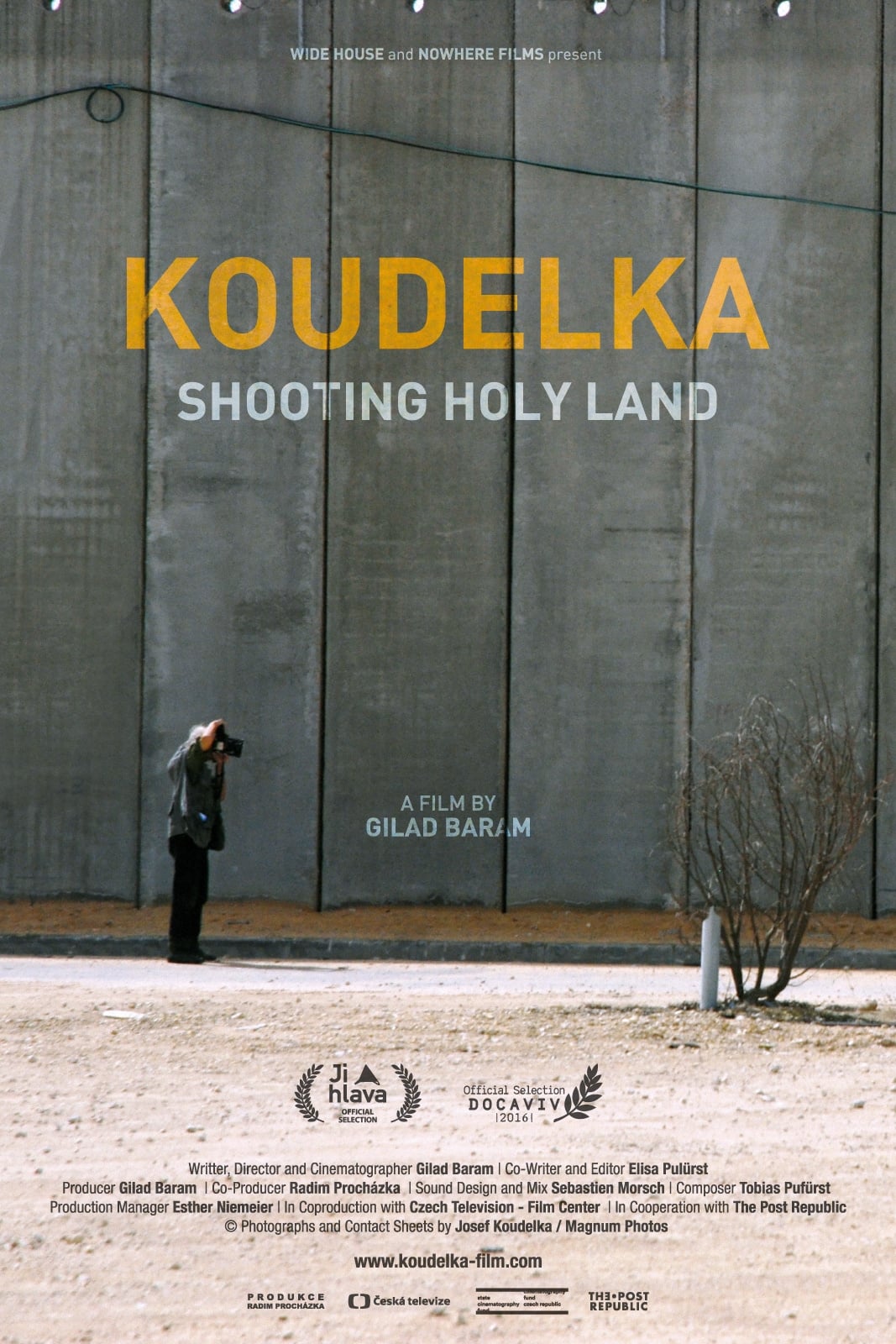
The Israeli filmmaker Shai Corneli Polak records the building of the 'security wall' through Palestinian territory at the village of Bil'in. The villagers protest mostly peacefully, while the Israeli army doesn't react peacefully. By now the Israeli High Court has ruled that the building of the wall was illegal.
What drives a young, well-educated Westerner to volunteer as a “peace activist” in the Middle East? Caiomhe Butterly is one of a growing number of volunteers who risk their own safety to intervene in the long-running and bloody conflict between Israel and Palestine. Several internationals, including her, have now been injured. Some have died. In this film, she describes witnessing the aftermath of the attack on Jenin in April 2002. The film follows her work, the main emphasis being “the accompaniment of communities at risk”. Despite being threatened, shot in the leg and deported later that year, she is determined to go back.
A feature-length documentary film by Carol Mansour and Muna Khalidi. After 43 horrific days working round the clock under constant bombardment in the emergency rooms of Gaza’s Al Shifa and Al Ahli hospitals, British-Palestinian reconstructive surgeon, Dr. Ghassan Abu Sittah, emerged to find himself as a face of Palestinian resistance.
“A land without a people, and a people without a land” is how the relationship between Palestine and the Jewish people was described by Christian writers in the 1800s. And the 20th-century history of the Middle East has largely been written through these eyes. But this film from Al Jazeera Arabic looks at Palestine from a different angle. It hears from historians and witness accounts, and features archive documents that show Palestine as a thriving province of Greater Syria and the Ottoman Empire at the dawn of the 20th century. The evidence suggests that its cities had a developing trade and commercial sector, growing infrastructure, and embryonic culture that would enable it to meet the challenges of the decades ahead. This film is the other side of the Palestinian story.
An inside look at the Palestinian intifada which began in late 1987. Filmed in Jerusalem, the West Bank, and Gaza, this documentary reveals the horrors of Palestinians living under Israeli occupation.
Cinepoem about the current Palestinian tragedy, with Brazilian films from 1922 and 1932 (the indigenous catastrophe), documentaries from 2023/2024, essays by Jean-Luc Godard, Hani Jawharieh and Mustafa Abu Ali, statements by Edgar Morin and Noam Chomsky, and a poem by Mahmud Darwich.
Since 9/11, the Israeli arms industries are doing bigger business than ever before. Large Israeli companies develop and test the vessels of future warfare, which is then sold worldwide by private Israeli agents, who manipulate a network of Israeli politicians and army commanders, while Israeli theoreticians explain to various foreign countries how to defeat civil and para-military resistance. All based on the extensive Israeli experience.The film reveals The Lab, which has transformed the Israeli military occupation of Gaza and the West Bank from a burden to a marketable, highly profitable, national asset.

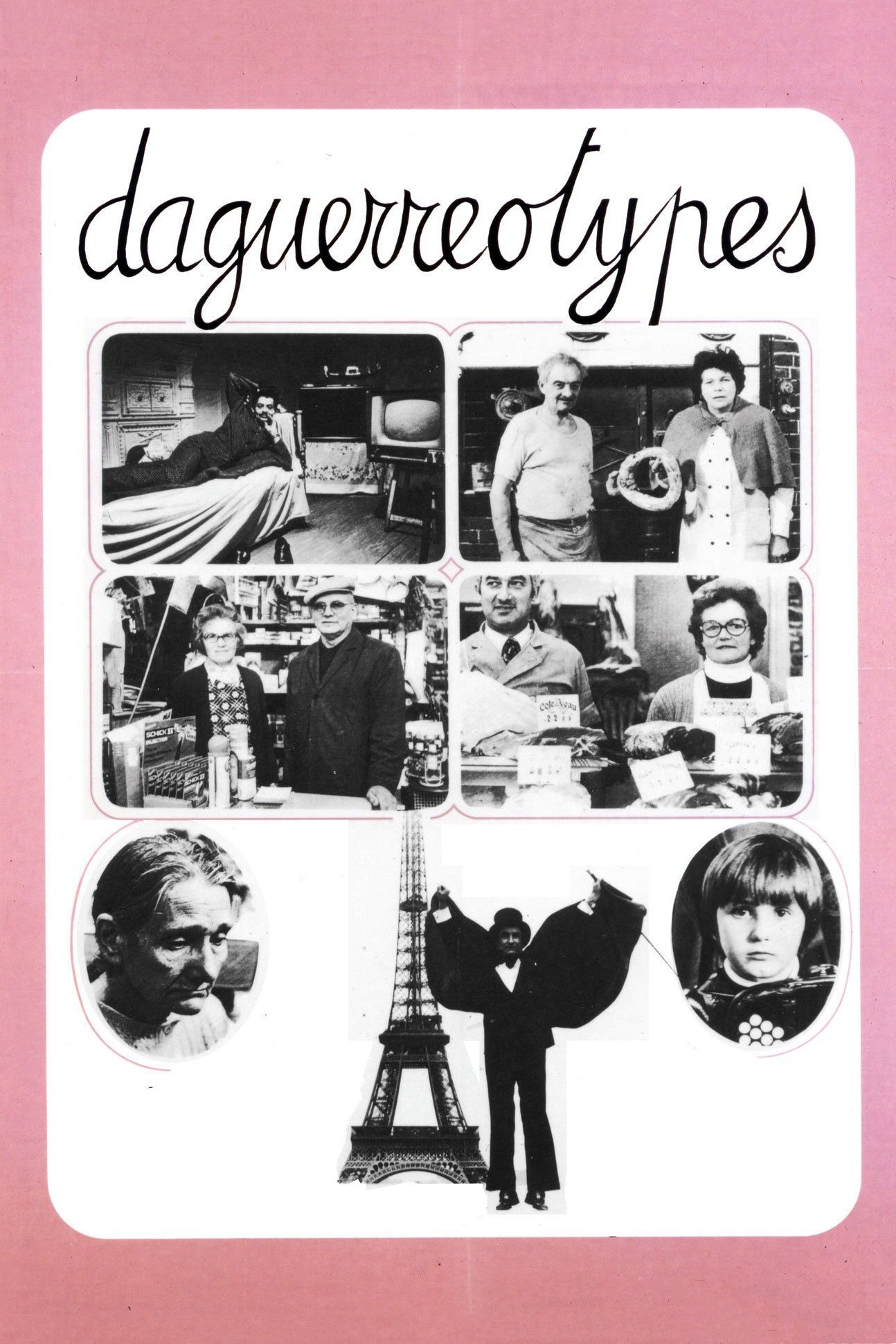
The film returns to the origins of the creation of the State of Israel (from 1896 to 1948) and highlights the responsibility of the Western World.
This documentary, filmed after October 7, places recent events in context and retraces the extraordinary history of this region to shed light on the present, interviewing actors and witnesses to this conflict: Islamists, Jewish nationalists, imams, rabbis, intellectuals, urban planners, soldiers, etc.

Samer lives in Ramallah in the West Bank. His family lives in Gaza, one hour away. They have not seen each other for six years. When Mustafa went for a visit to Gaza in 2006, he was 18 years old. He was never allowed to return – his mother Hekmat has been fighting to see him again for seven years now. Two families torn apart. They share the same “crime”: being registered with a Gaza address in their Identity Cards. Under Israeli rule, they are considered “infiltrators” in their own country. Their lives have turned into a permanent struggle. Parents can only talk to their sons on the phone; sisters can only see their brothers on the internet – mothers and their children fighting to be together at last…
Documentarians Justine Shapiro and B.Z. Goldberg traveled to Israel to interview Palestinian and Israeli kids ages 11 to 13, assembling their views on living in a society afflicted with violence, separatism and religious and political extremism. This 2002 Oscar nominee for Best Feature Documentary culminates in an astonishing day in which two Israeli children meet Palestinian youngsters at a refugee camp.
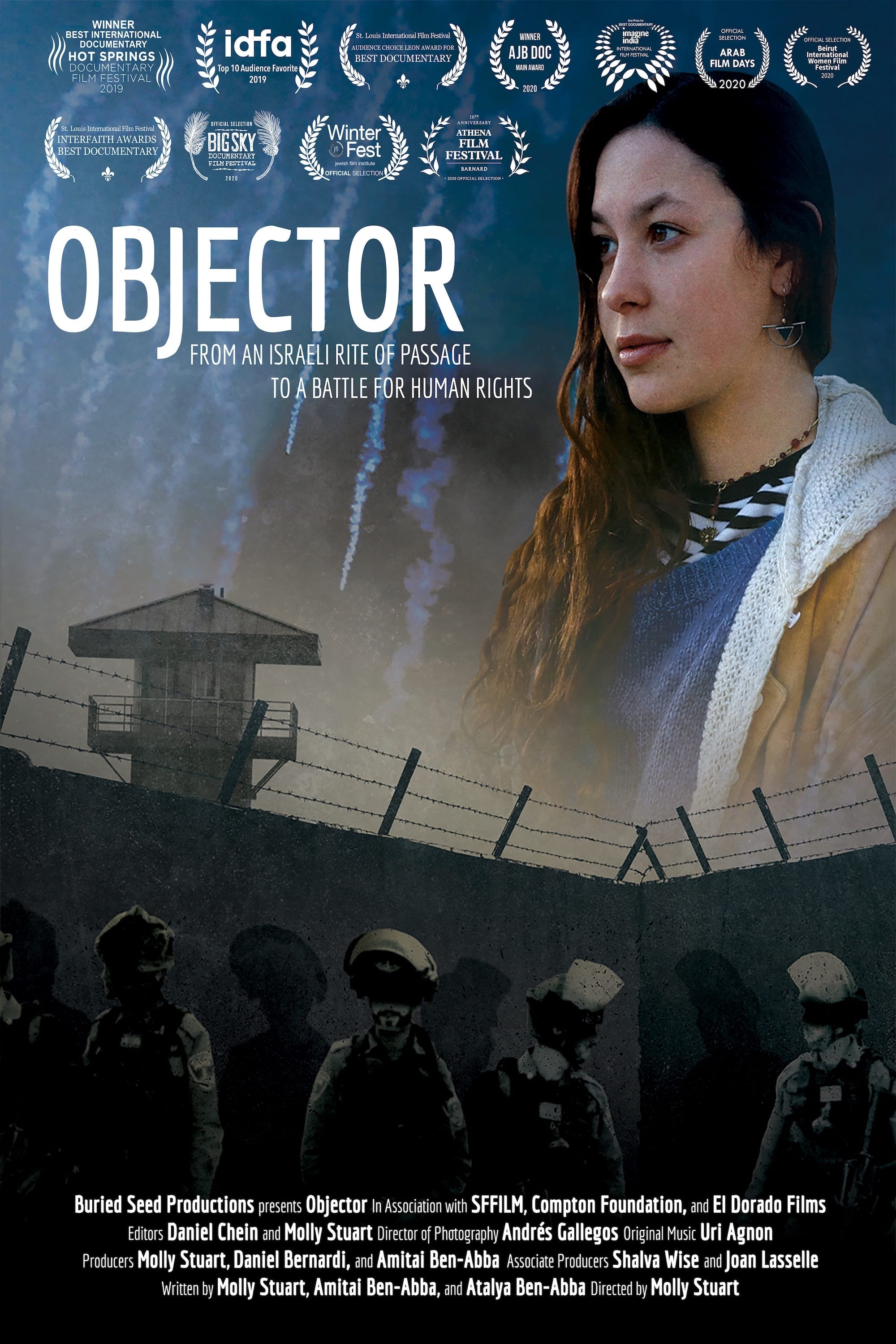
Like all Israeli youth, Atalya is obligated to become a soldier. Unlike most, she questions the practices of her country's military, and becomes determined to challenge this rite of passage. Despite her family's political disagreements and personal concerns, she refuses military duty and is imprisoned for her dissent. Her courage moves those around her to reconsider their own moral positions and personal power. OBJECTOR follows Atalya to prison and beyond, offering a unique window into the Israeli-Palestinian conflict from the perspective of a young woman who seeks truth and takes a stand for justice.
Rachel Corrie, a young American woman and her friends attempt to stop a bulldozer from clearing out some homes and other buildings. Corrie was run over and killed. Witnesses claim it was deliberate.
An Israeli director currently living in Berlin returns to Israel to meet some of her friends from primary school. She learns what has been happening in their lives since their paths parted while we get a glimpse of different Israelis.
In 1970, the barely twenty-year-old high school student Bruno Breguet was arrested in Israel while trying to smuggle explosives into the country for the Palestinian resistance. He became radicalized during his imprisonment and joined the group around the terrorist Carlos after his release. In 1995, he mysteriously disappears.
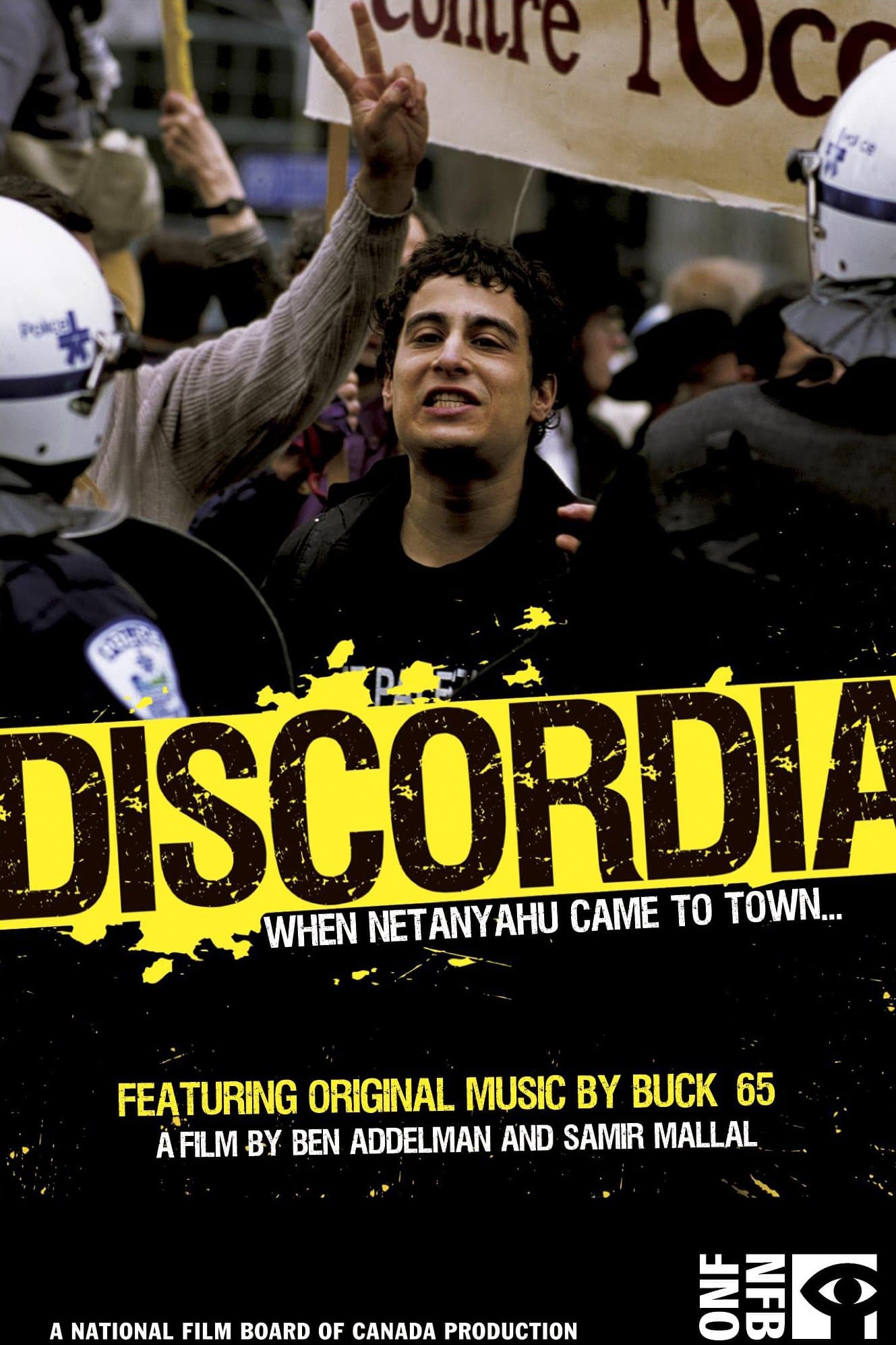
In the fall of 2002, it was announced that Benjamin Netanyahu would deliver a speech at Concordia University in Montreal, and reaction from the student body was swift and sudden.
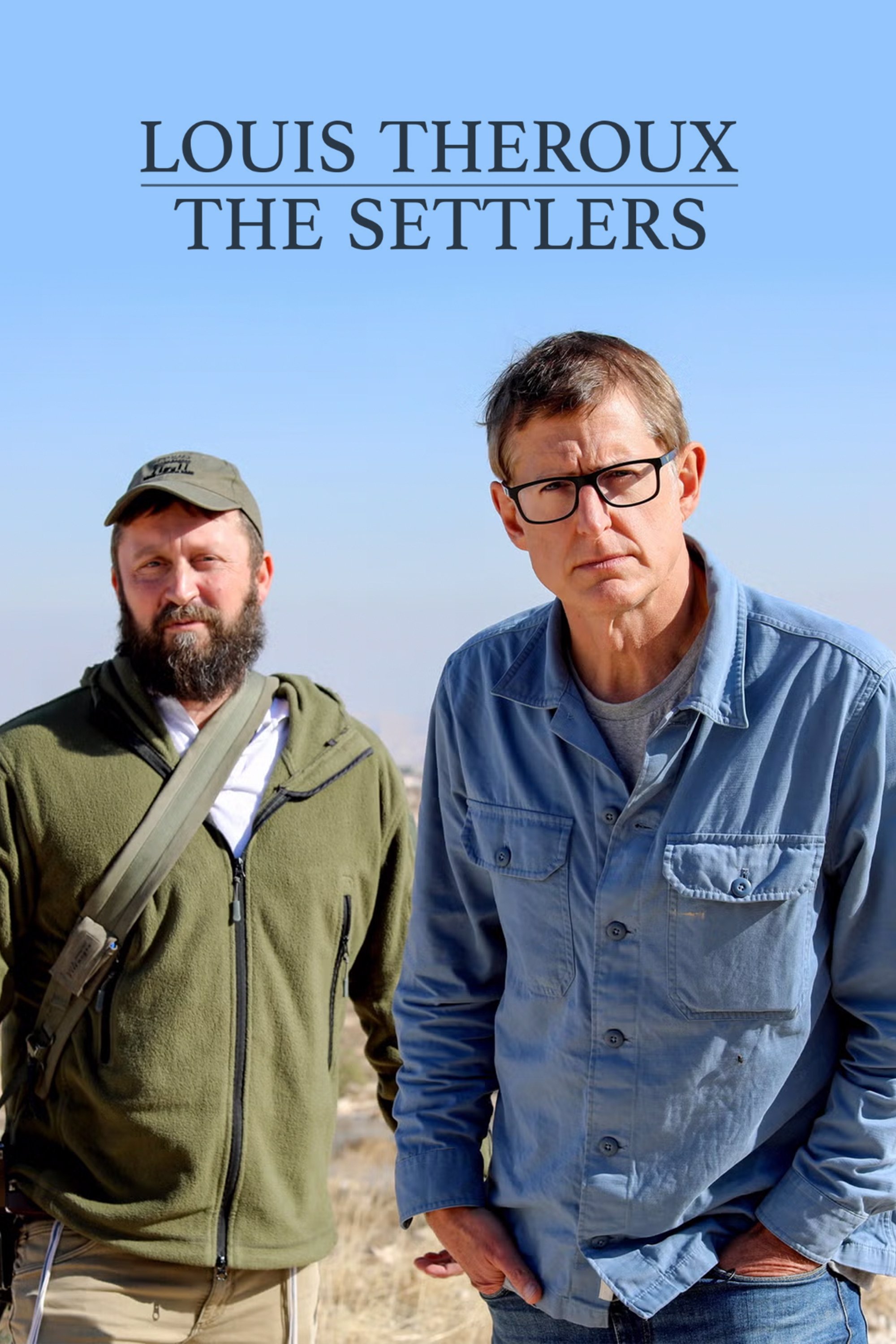
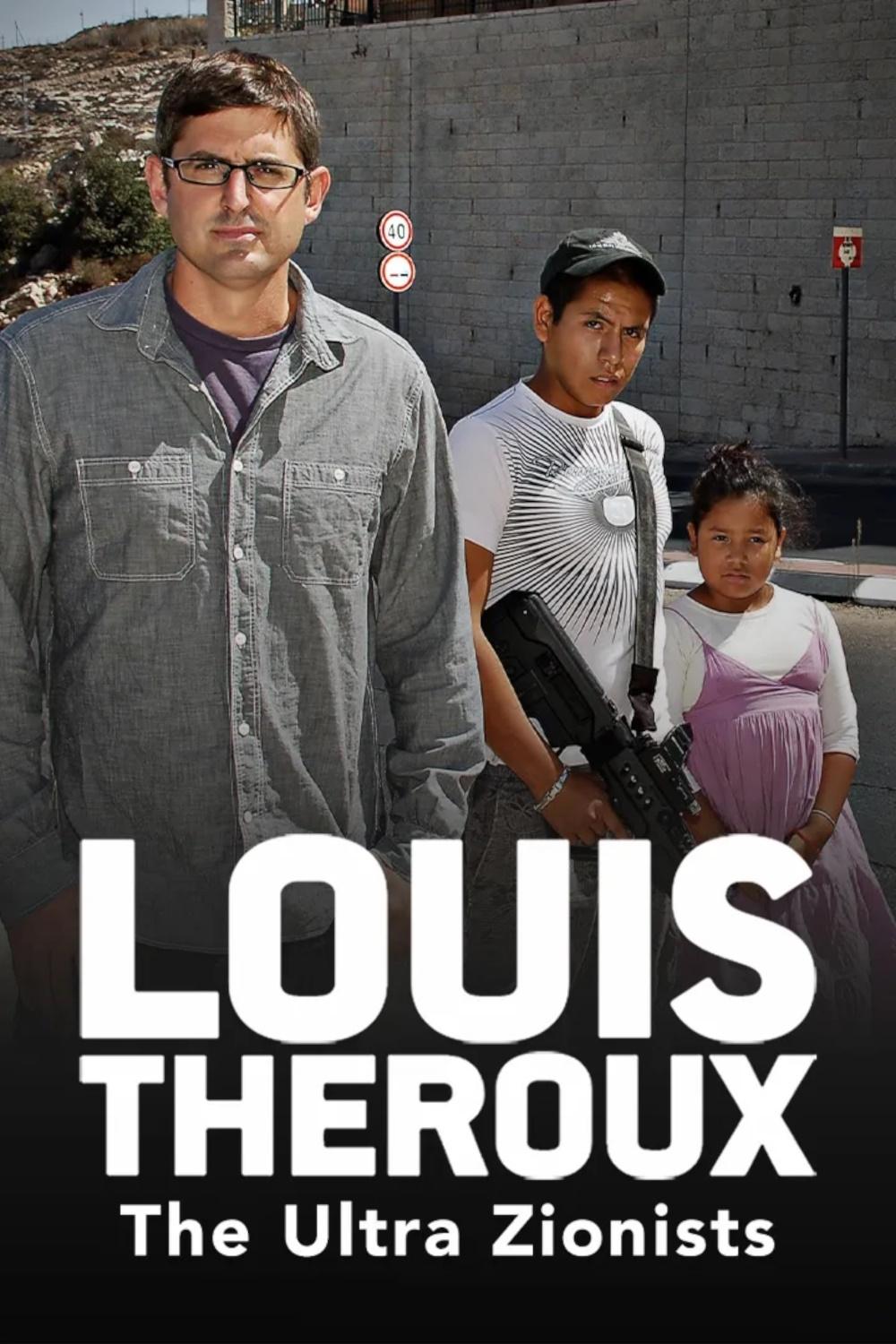
Louis Theroux spends time with a small and very committed subculture of ultra-nationalist Jewish settlers. He discovers a group of people who consider it their religious and political obligation to populate some of the most sensitive areas of the West Bank, especially those with a spiritual significance dating back to the Bible. Throughout his journey, Louis gets close to the people most involved with driving the extreme end of the Jewish settler movement - finding them warm, friendly, humorous, and deeply troubling.
Fourteen years after his first visit, Louis Theroux meets some of the growing community of religious-nationalist Israelis who have settled in the occupied West Bank.
Five broken cameras – and each one has a powerful tale to tell. Embedded in the bullet-ridden remains of digital technology is the story of Emad Burnat, a farmer from the Palestinian village of Bil’in, which famously chose nonviolent resistance when the Israeli army encroached upon its land to make room for Jewish colonists. Emad buys his first camera in 2005 to document the birth of his fourth son, Gibreel. Over the course of the film, he becomes the peaceful archivist of an escalating struggle as olive trees are bulldozed, lives are lost, and a wall is built to segregate burgeoning Israeli settlements.
Al Pacino's deeply-felt rumination on Shakespeare's significance and relevance to the modern world through interviews and an in-depth analysis of "Richard III."
The life and career of an actor, artist, and icon. His own journey through his own camera.
A string of threatening emails escalates into a revenge plot involving a newly married US marshal and his ex-girlfriend.
In a crime-plagued neighborhood near Miami, brutal, bare-knuckled backyard fights give young men a chance to earn money -- and self-respect.
Through deeply personal interviews with her siblings and an examination of the photographs, letters, and belongings left behind, Mariska assembles a new portrait of her mother Jayne Mansfield, an extraordinary and complex woman.
The film is based on interviews with 2,000 women from 50 countries, and covers the status of women all over the world. The topics covered include forced marriages, sexual assault, female genital mutilation, acid attacks, motherhood, sexuality, menstruation, education and the professional success of women.
The life of Mr. Spock, as well as that of Leonard Nimoy, the actor who played him for almost fifty years, written and directed by his son: Adam.
A comedic, brutally honest documentary following self-destructive TV writer Dan Harmon as he takes his live podcast on a national tour.
Brilliant, long in-the-works story of the life and art of the world's greatest comedian and the cinema's first genius, Charlie Chaplin. Produced, written and directed by renowned film critic Richard Schickel.
Daniel Craig candidly reflects on his 15 year adventure as James Bond. Including never-before-seen archival footage from Casino Royale to the upcoming 25th film No Time To Die, Craig shares his personal memories in conversation with 007 producers, Michael G Wilson and Barbara Broccoli.
Those who knew iconic funnyman John Candy best share his story, in their own words, through never-before-seen archival footage, imagery, and interviews.
What does being a woman really mean? How do women live the status society reserves for them? A group of women, beautiful or not, young or not, gifted with motherly instinct or not, answer before Agnès Varda's camera.
Director Michael Apted revisits the same group of British-born adults after a 7 year wait. The subjects are interviewed as to the changes that have occurred in their lives during the last seven years.
In the Realms of the Unreal is a documentary about the reclusive Chicago-based artist Henry Darger. Henry Darger was so reclusive that when he died his neighbors were surprised to find a 15,145-page manuscript along with hundreds of paintings depicting The Story of the Vivian Girls, in What is Known as the Realms of the Unreal, of the Glodeco-Angelinnian War Storm, Cased by the Child Slave Rebellion.
SEDUCED AND ABANDONED combines acting legend Alec Baldwin with director James Toback as they lead us on a troublesome and often hilarious journey of raising financing for their next feature film. Moving from director to financier to star actor, the two players provide us with a unique look behind the curtain at the world's biggest and most glamourous film festival, shining a light on the bitter-sweet relationship filmmakers have with Cannes and the film business. Featuring insights from directors Martin Scorsese, 'Bernando Bertolucci' and Roman Polanski; actors Ryan Gosling and Jessica Chastain and a host of film distribution luminaries.
Prelude to War was the first film of Frank Capra's Why We Fight propaganda film series, commissioned by the Pentagon and George C. Marshall. It was made to convince American troops of the necessity of combating the Axis Powers during World War II. This film examines the differences between democratic and fascist states.
“The Soviet Story” is a story of an Allied power, which helped the Nazis to fight Jews and which slaughtered its own people on an industrial scale. Assisted by the West, this power triumphed on May 9th, 1945. Its crimes were made taboo, and the complete story of Europe’s most murderous regime has never been told. Until now...