Documentary about the Battle of the Scheldt.
Social & External
The people behind it
Stories of the people who built the first atomic weapons are well known. But what about those who provided the uranium? We look at a mysterious man who derived huge profits from the business of war.
The life and career of the hailed Hollywood movie star and underappreciated genius inventor, Hedy Lamarr.
Adolfo Kaminsky started saving lives when chance and necessity made him a master forger. As a teenager, he became a member of the French Resistance and used his talent to save the lives of thousands of Jews. The Forger is a well-crafted origin story of a real-life superhero.
80 years are gone since The Little Prince was released. Author Antoine de Saint-Exupéry was also a pilot, and we follow his last four years from his US exile to when his plane in 1944 disappeared over The Mediterranean without any trace.
Interviews with two veteran survivors of the pivotal battle of WWII
Vastly outnumbered and outgunned, America's triumph at Midway seems like a miracle until you look at the key event that paved the way to victory: Breaking the secret Japanese military code. Discover how an intrepid group of code breakers made this victory possible, and meet Joe Rochefort, their eccentric leader, an oddball genius who wore a smoking jacket and bathrobe to work, but whose brilliance helped put an end to Japanese dominance in the Pacific.
A powerful and emotional new episode of ESPN E60 will look back 50 years to one of the darkest moments in sports history – the Munich Massacre, when Palestinian terrorists murdered 11 Israeli sportsmen at the 1972 Summer Olympics. E60 will tell the story of one Israeli athlete, now 86, who survived, just as he had survived World War II and the Holocaust when he was a child.
A documentary examining possible historical and modern conspiracies surrounding Christianity, the 9/11 terrorist attacks, and the Federal Reserve bank.
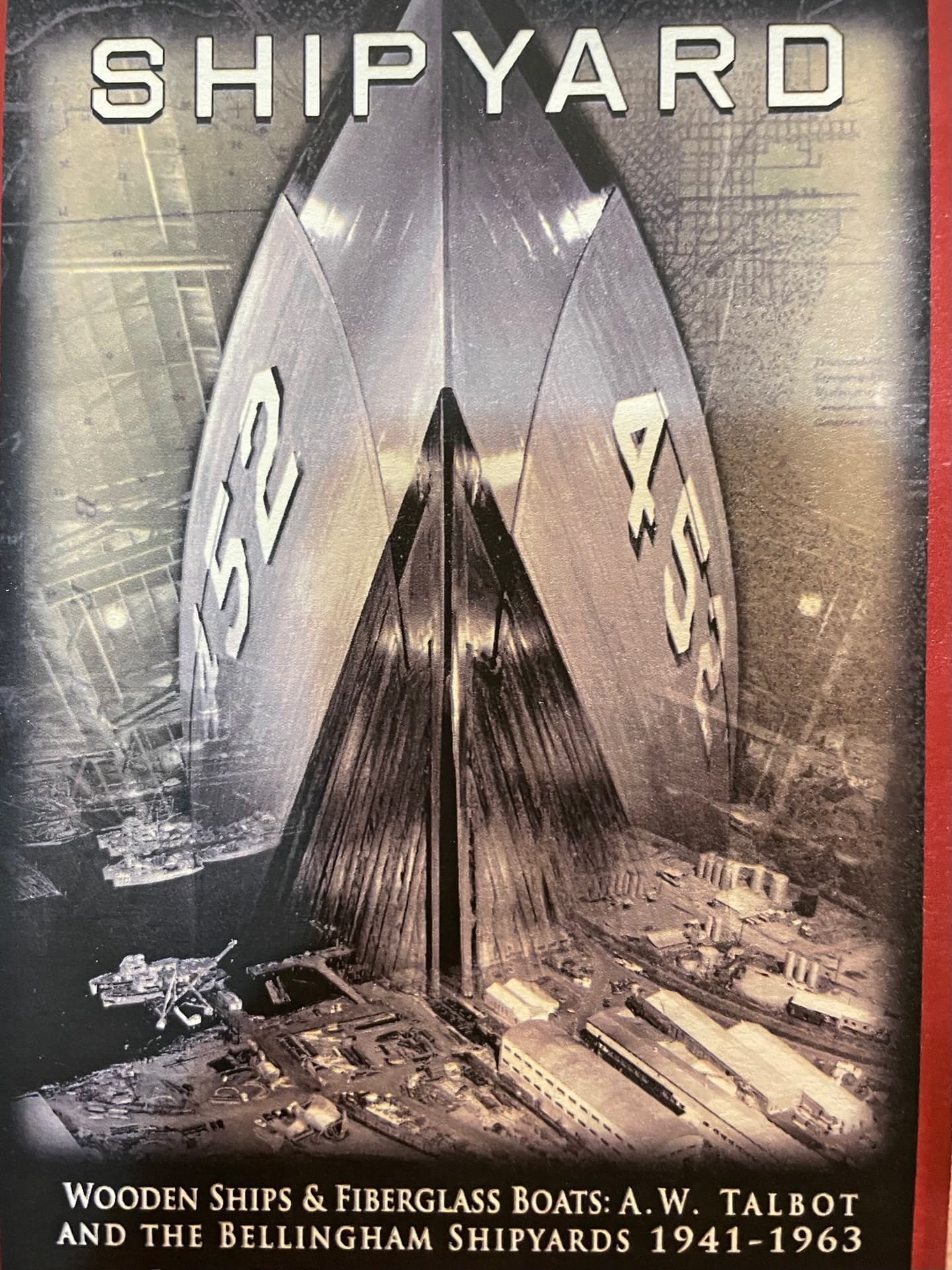
Shipyard is a landmark documentary covering the creation and life of Bellingham, Washington's wooden boat shipyard, which was built in response to the Axis threat of WWII, it's continued growth through the '50's and '60's, as well as it's innovative role in the development and production of fiberglass boats, including patrol riverboats for the Vietnam war.
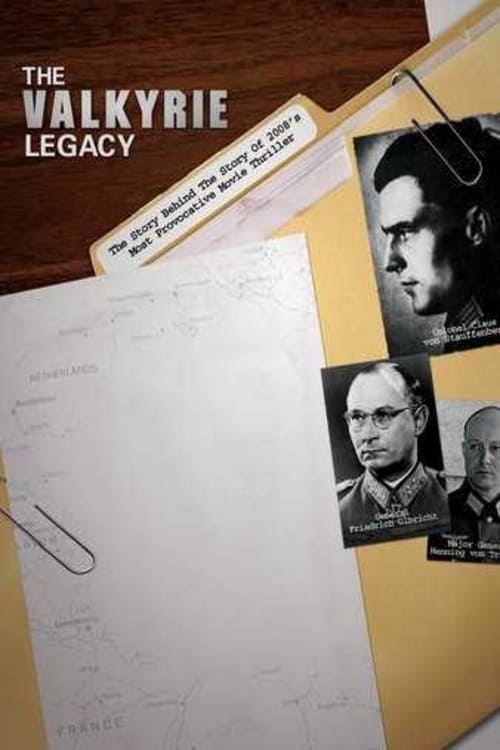
Created as a companion documentary to the film "Valkyrie," this documentary details the true story behind the plot to assassinate Adolph Hitler.
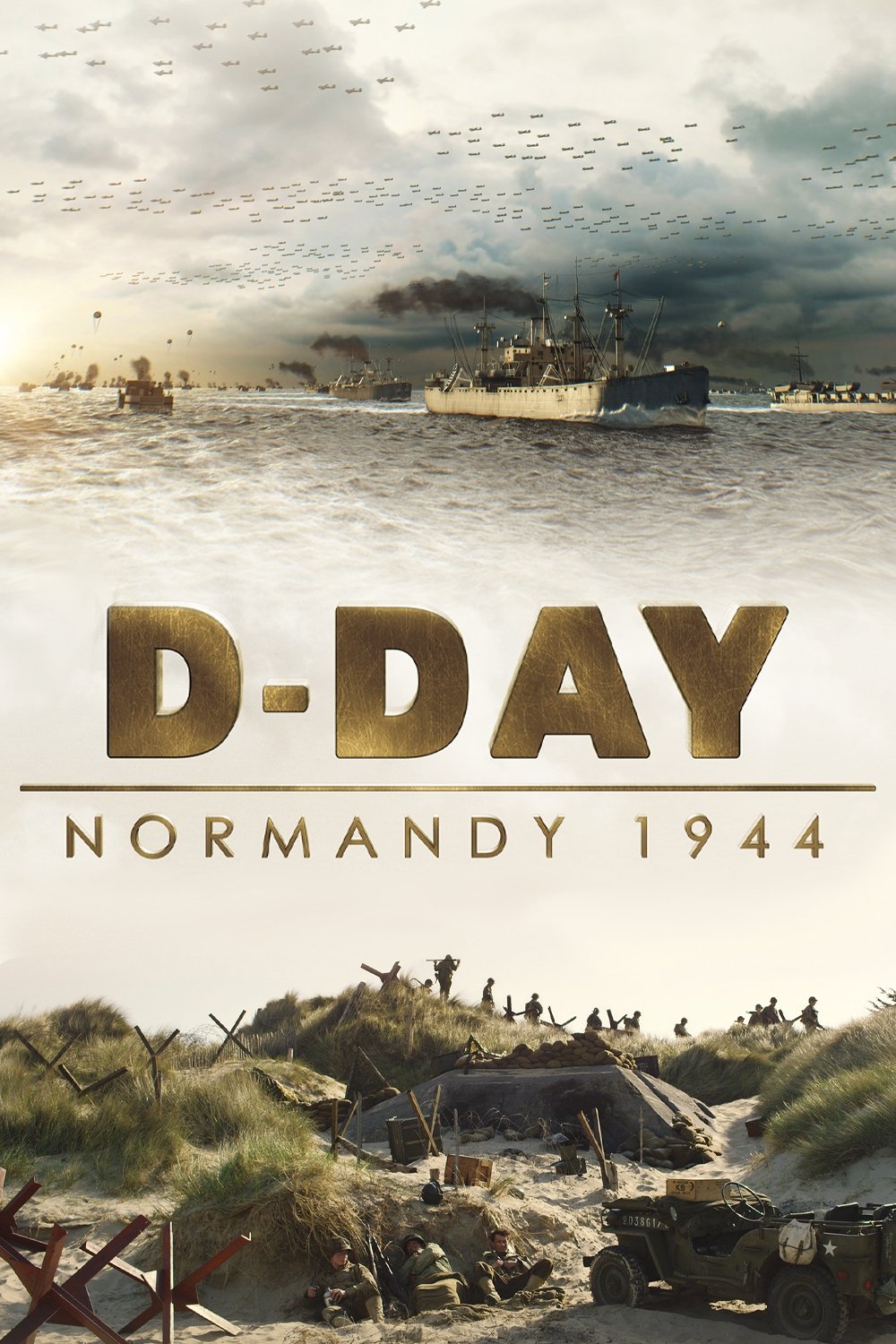
June 6, 1944: The largest Allied operation of World War II began in Normandy, France. Yet, few know in detail exactly why and how, from the end of 1943 through August 1944, this region became the most important location in the world. Blending multiple cinematographic techniques, including animation, CGI and stunning live-action images, “D-Day: Normandy 1944” brings this monumental event to the world’s largest screens for the first time ever. Audiences of all ages, including new generations, will discover from a new perspective how this landing changed the world. Exploring history, military strategy, science, technology and human values, the film will educate and appeal to all. Narrated by Tom Brokaw, “D-Day: Normandy 1944” pays tribute to those who gave their lives for our freedom… A duty of memory, a duty of gratitude.
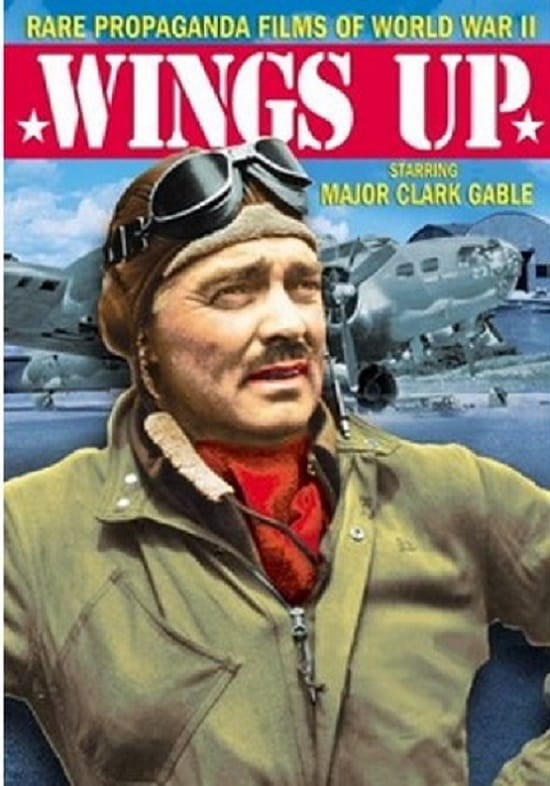
Clark Gable stars in this propaganda short about the Officers Candidate School of the Army Air Forces.
The destruction of the city and its architectural heritage during the Allied bombing of the Second World War.
On March 24, 1944, in the heart of Nazi Germany, 76 British, Canadian, Norwegian and French pilots who were held in Stalag Luft III, a prison camp of the Luftwaffe, escaped. Unique testimony from the last survivors, recreations and today’s digital images sheds new light on the audacious escape.
Filmmaker Alain Resnais documents the atrocities behind the walls of Hitler's concentration camps.
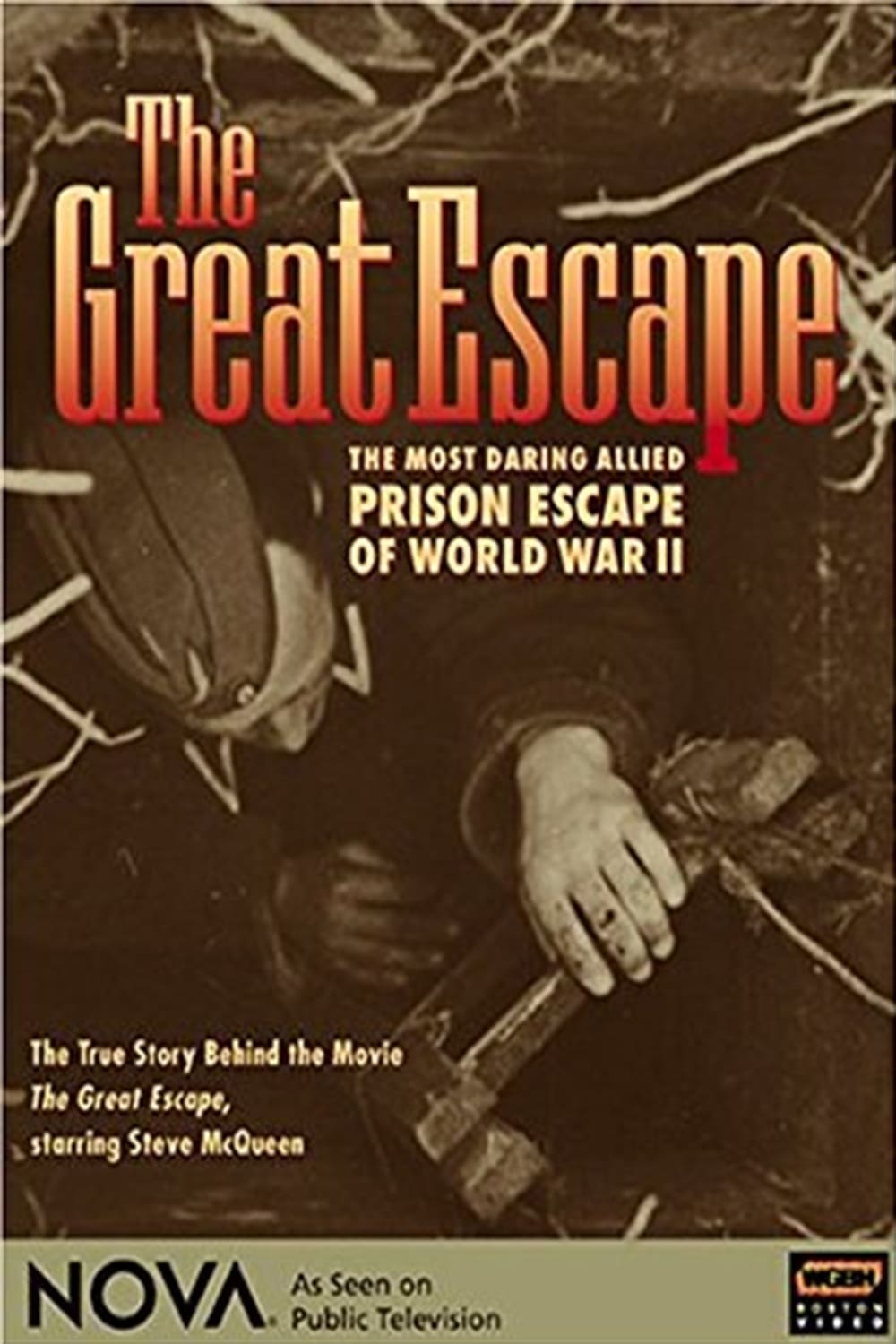
The real Great Escape didn't feature Steve McQueen racing through the Third Reich on a motorcycle like in the 1963 movie, but the big breakout was still thrilling in every way. This program sheds new light on the audacious escape of 76 Allied airmen from a Nazi POW camp during World War II.
Professor Saul David uses the BBC archive to chart the history of the world's most destructive war, by chronicling how the story of the battle has changed. As new information has come to light, and forgotten stories are remembered, the history of World War Two evolves. The BBC has followed that evolution, and this programme examines the most important stories, and how our understanding of them has been re-defined since the war ended over 70 years ago.
František Fajtl and Filip Jánský were among the few Czechoslovak airmen who actively fought on all major European battlefronts during World War II and lived to tell the tale. This unique documentary edit, which combines authentic eyewitness accounts of historic events with little-known archival footage, examines various fates and places as well as the journeys associated with them. The resulting amalgam of images, speeches, and music/sound files is far from your typical historical illustration. A suggestive portrayal of life under bleak conditions, far away from home and on the cusp of death, unfolds before our very eyes.
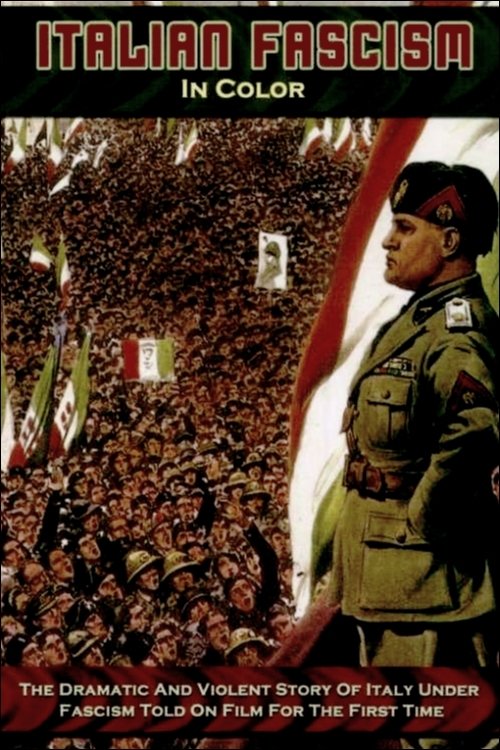
After the World War I, Mussolini's perspective on life is severely altered; once a willful socialist reformer, now obsessed with the idea of power, he founds the National Fascist Party in 1921 and assumes political power in 1922, becoming the Duce, dictator of Italy. His success encourages Hitler to take power in Germany in 1933, opening the dark road to World War II. (Originally released as a two-part miniseries. Includes colorized archival footage.)
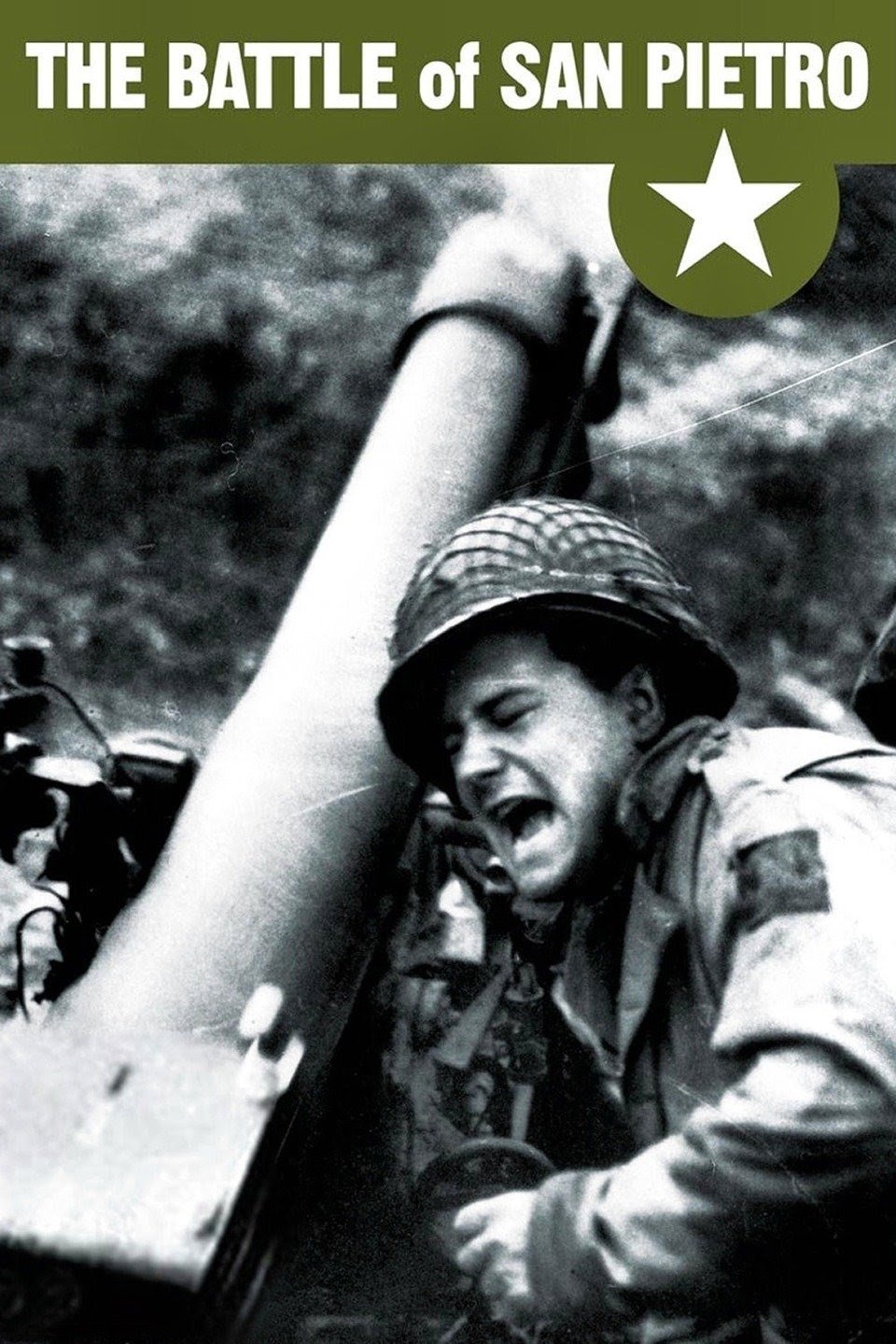
This documentary movie is about the battle of San Pietro, a small village in Italy. Over 1,100 US soldiers were killed while trying to take this location, that blocked the way for the Allied forces from the Germans. Preserved by the Academy Film Archive in 2005.
Prelude to War was the first film of Frank Capra's Why We Fight propaganda film series, commissioned by the Pentagon and George C. Marshall. It was made to convince American troops of the necessity of combating the Axis Powers during World War II. This film examines the differences between democratic and fascist states.
“The Soviet Story” is a story of an Allied power, which helped the Nazis to fight Jews and which slaughtered its own people on an industrial scale. Assisted by the West, this power triumphed on May 9th, 1945. Its crimes were made taboo, and the complete story of Europe’s most murderous regime has never been told. Until now...
When Allied forces liberated the Nazi concentration camps in 1944-45, their terrible discoveries were recorded by army and newsreel cameramen, revealing for the first time the full horror of what had happened. Making use of British, Soviet and American footage, the Ministry of Information’s Sidney Bernstein (later founder of Granada Television) aimed to create a documentary that would provide lasting, undeniable evidence of the Nazis’ unspeakable crimes. He commissioned a wealth of British talent, including editor Stewart McAllister, writer and future cabinet minister Richard Crossman – and, as treatment advisor, his friend Alfred Hitchcock. Yet, despite initial support from the British and US Governments, the film was shelved, and only now, 70 years on, has it been restored and completed by Imperial War Museums under its original title "German Concentration Camps Factual Survey".
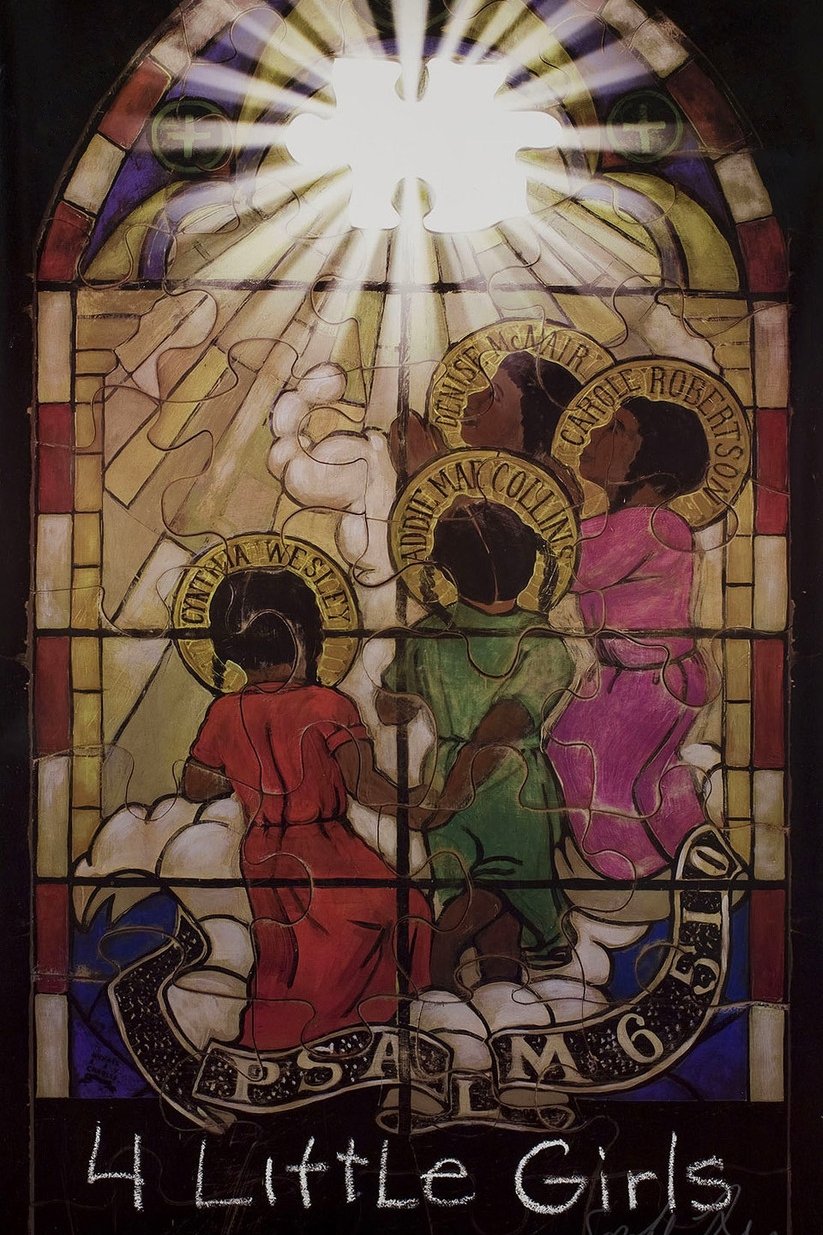
On September 15, 1963, a bomb destroyed a black church in Birmingham, Alabama, killing four young girls who were there for Sunday school. It was a crime that shocked the nation--and a defining moment in the history of the civil-rights movement. Spike Lee re-examines the full story of the bombing, including a revealing interview with former Alabama Governor George Wallace.
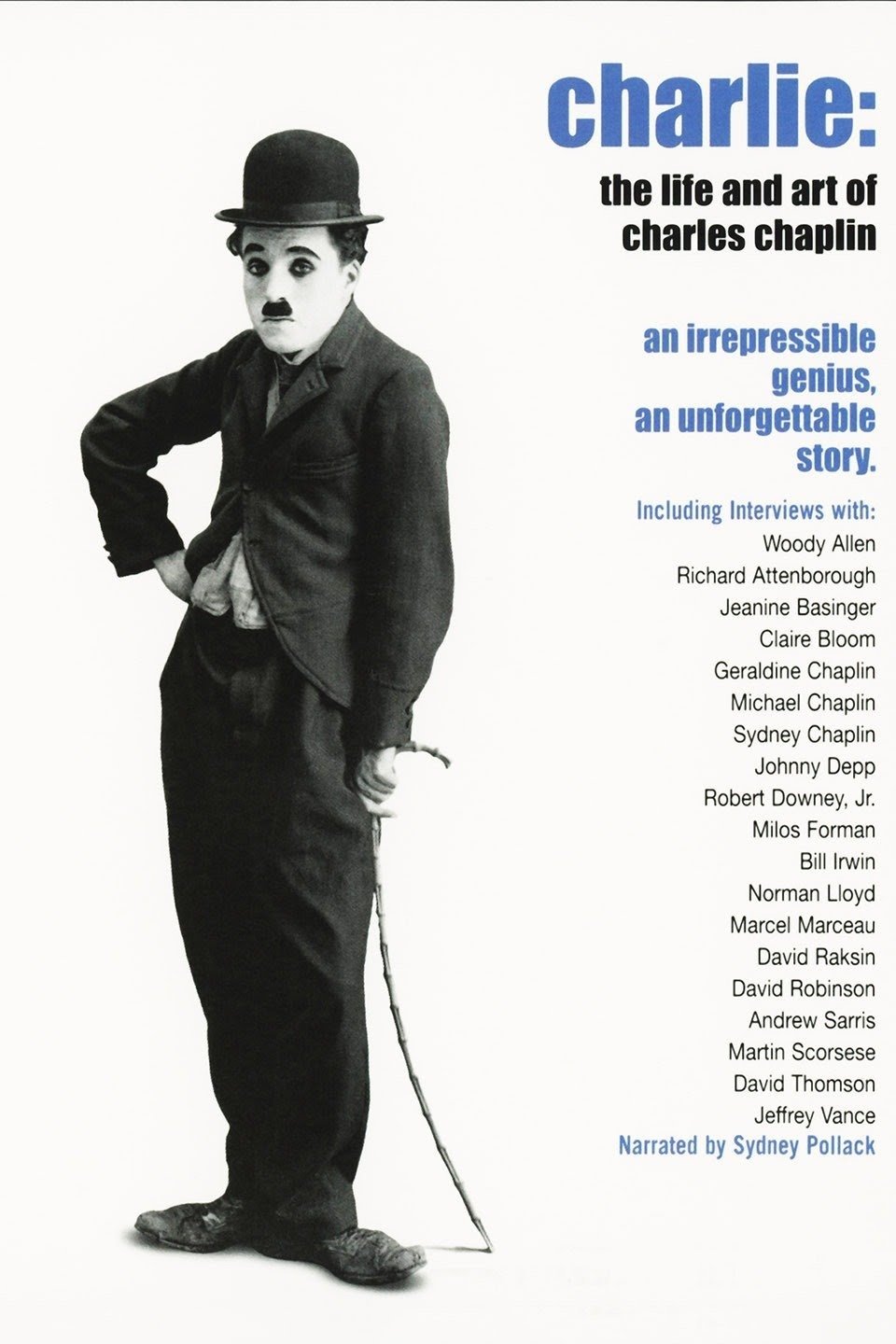
Brilliant, long in-the-works story of the life and art of the world's greatest comedian and the cinema's first genius, Charlie Chaplin. Produced, written and directed by renowned film critic Richard Schickel.
Over a period of two years, Mark Cowen and his crew travelled to thirty U.S. states and ten European cities, to interview the veterans of Easy Company. The stories told by the veterans themselves, create a history of the Second World War from the point of view of this heroic company of men, made famous in the mini-series Band of Brothers.
In an intimate and joyful story of love in the face of loss, celebrated poets Andrea Gibson and Megan Falley find strength—and unexpected hilarity—in what might be their final year together.
An in-depth investigation into the private world of the American writer J. D. Salinger (1919-2010), who lived most of his life behind the impenetrable wall of a self-imposed seclusion: how his dramatic experiences during World War II influenced his life and work, his relationships with very young women, his obsessive writing methods, his many literary secrets.
A documentary about the life and films of director John Ford.
Director Michael Apted revisits the same group of British-born adults after a 7 year wait. The subjects are interviewed as to the changes that have occurred in their lives during the last seven years.
Meet the real-life airmen who inspired Masters of the Air as they share the harrowing and transformative events of the 100th Bomb Group.
Through deeply personal interviews with her siblings and an examination of the photographs, letters, and belongings left behind, Mariska assembles a new portrait of her mother Jayne Mansfield, an extraordinary and complex woman.
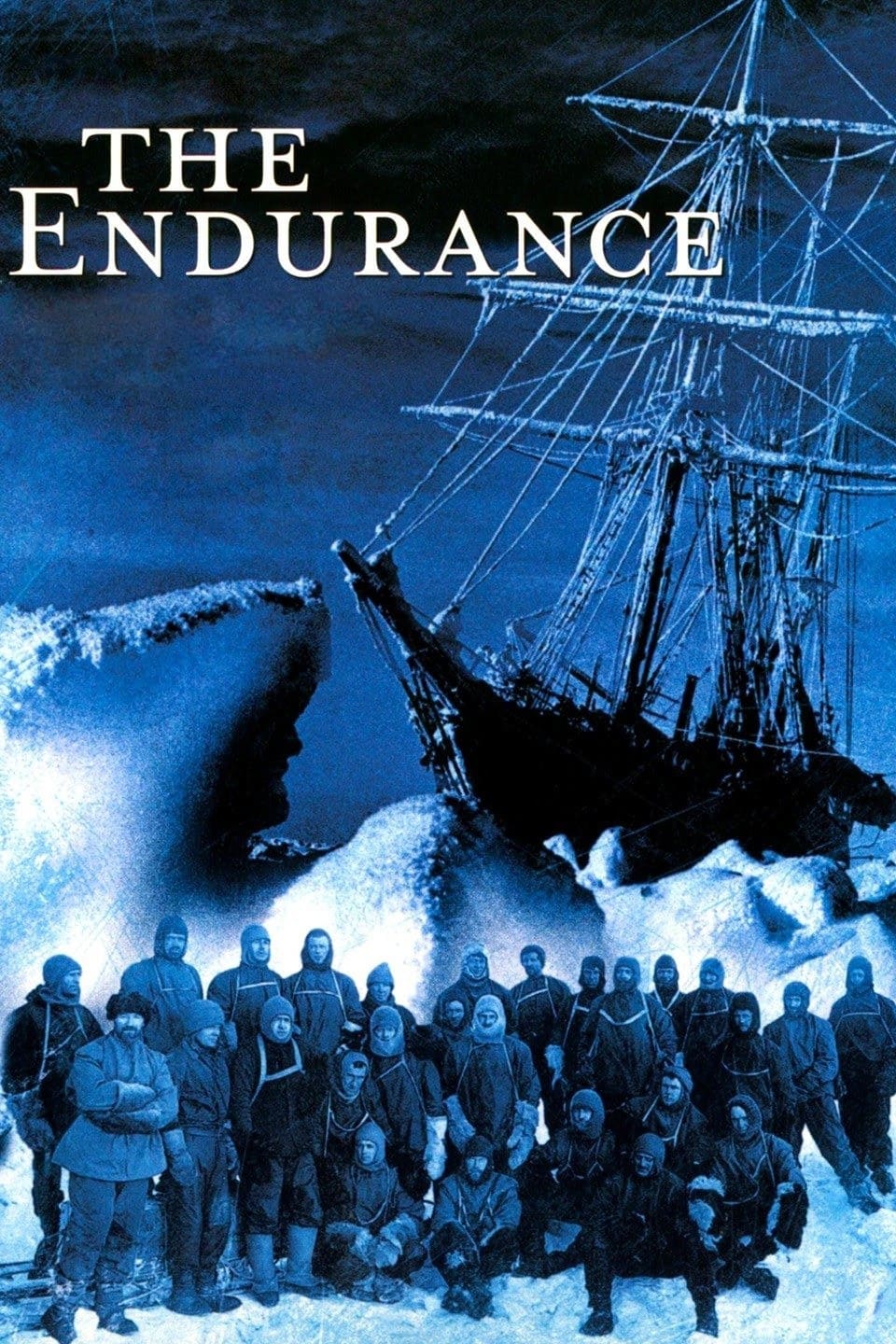
Documentary on the Shackleton Antartic expedition. A retelling of Sir Ernest Shackleton's ill-fated expedition to Antarctica in and the crew of his vessel 'The Endurance', which was trapped in the ice floes and frigid open ocean of the Antarctic in 1914. Shackleton decided, with many of his crew injured and weak from exposure and starvation, to take a team of his fittest men and attempt to find help. Setting out in appalling conditions with hopelessly inadequate equipment, they endured all weather and terrain and finally reached safety. Persuading a local team of his confidence that the abandoned team would still be alive, he set out again to find them. After almost 2 years trapped on the ice, all members of the crew were finally rescued.
A documentary about World War I with never-before-seen footage to commemorate the centennial of Armistice Day, and the end of the war.
This documentary focuses on the actors and their journey over two summers to create the remake to the original IT, by Stephen King. The documentary originally released as bonus material, bundled with IT: Chapter Two.
An inside look at one of the most anticipated movie sequels ever with James Cameron and cast.
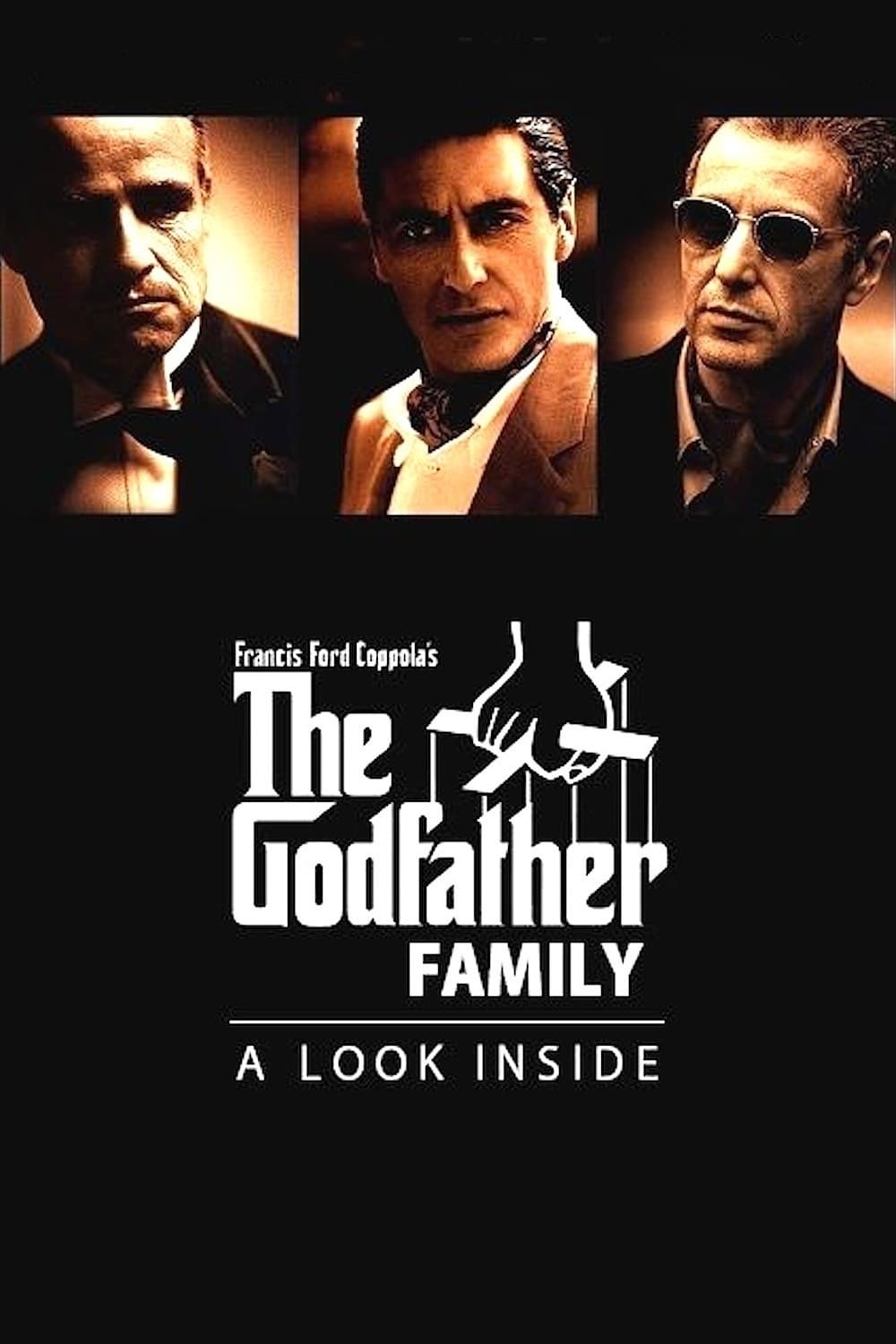
A documentary on the making of the three Godfather films, with interviews and recollections from the film makers and cast. This feature also includes the original screen tests of some of the actors for "The Godfather" film, and some candid moments on the set of "The Godfather: Part III."
From the heights of her modeling fame to her tragic death, this documentary reveals Anna Nicole Smith through the eyes of the people closest to her.