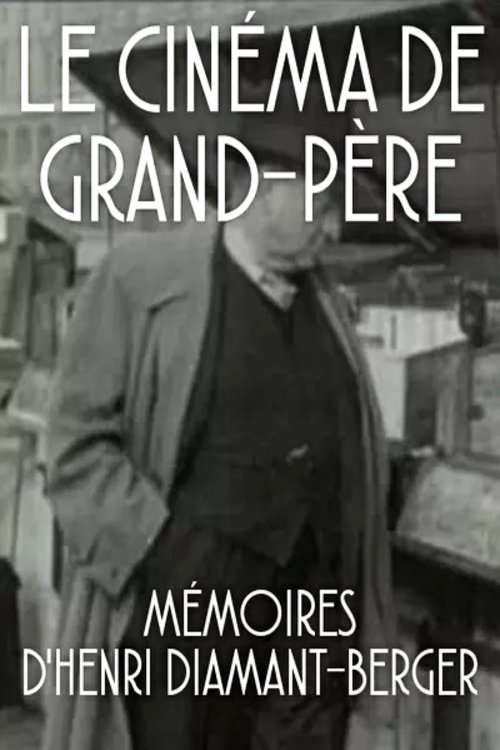
Remarkable life story of Henri Diamant-Berger, a director and screenwriter whose devotion to cinema led him to collaborate with some of the greatest actors and filmmakers of his time.

Social & External
Self
Self (archive footage)
He is the most sought-after man in Europe in the 1960s. Lex Barker embodies the flawless hero in his films and, as Old Shatterhand, becomes a role model for generations of fans. Revered in Europe, misunderstood and almost forgotten in his native America. But who was this American who rode through Yugoslavia in a leather costume for the European audience? In 1973, Lex Barker died of a heart attack on the streets of Manhattan in New York. But no one recognizes the man who was Tarzan in Hollywood. Nobody knows him or cares about that he, as Winnetou's friend, is revered as an icon in Europe. Lex Barker's European western adventures are just a footnote in American film history. On the occasion of the 50th anniversary of his death, the documentary tells the story of one of the most beautiful men who ever flickered across Europe's cinema screens, for whom European cinema proved to be a stroke of luck and for whom a failed Hollywood career took him via Italy to Germany.
For the first 50 years of film history, the newsreel was a fixture in American movie theaters. From 1911 to 1967, these shorts proved an influential source of information – and misinformation – for generations of American moviegoers. Television news and public affairs programs became a great improvement over the scanty information offered by the newsreels. This documentary offers insight into a medium which has disappeared.
A Zen priest in San Francisco and cookbook author use Zen Buddhism and cooking to relate to everyday life.
Shut Up and Sing is a documentary about the country band from Texas called the Dixie Chicks and how one tiny comment against President Bush dropped their number one hit off the charts and caused fans to hate them, destroy their CD’s, and protest at their concerts. A film about freedom of speech gone out of control and the three girls lives that were forever changed by a small anti-Bush comment
In a mountainous but extremely green landscape goats jump over the rocks and laughing children run after them. In this paradise on earth, nomadic families have found their temporary home. From one of these families comes a teenage girl, Shahnaz. The girl should be getting married soon, but her thoughts are focused on the world of literature.
This haunting film comprises of footage shot during WWI from opposite sides of the conflict: Czarist Russia and the Austro-Hungarian empire. The filmmakers tinted the material with sensual colors from sepia to red, blue, and purple and slowed the footage to analyze the material. The total absence of commentary renders the material eloquent and disturbing. - MoMA

In 1926 the remains of two ships built by the Emperor Caligula were found at the bottom of Lake Nemi, near Rome. Mussolini had the lake drained and established a museum as a celebration of the imperial origins of Fascism, but the museum and ships were destroyed by fleeing Nazis in 1944. The film commemorates these events. - MoMA
Legendary rumba musician Alberto Zayas serves as a guide for this vibrant journey through Cuban musical history and culture. The short features interviews, footage of impromptu street performances, and studio recordings.
Right alongside Jerusalem, in a Russian Orthodox Convent in the Mount of Olives, in the middle of the Arab quarter, lives the 82-year-old Estonian nun Mother Ksenya.
Found footage anti-war film comprising film documents of the Austro-Hungarian and Italian army on the Alpine front, and from first generation picture material by war-film pioneer Luca Comerio.
Working from archives of private film footage from a trip to India by the upper class of the late 1920s, a period of strong anti-colonial outbreak, Yervant Gianikian and Angela Ricci Lucchi deconstruct the images and analyze the attitude and behavior of Westerners in the East.
Using images shot in Russia and Armenia from World War I to the 1930s and retrieved from a Soviet film archive, Gianikian and Ricci Lucchi constructed a meditative film about the status of Armenians as a people without a state. Inspired by the diary of Gianikian’s father, People, Years, Life uses rare footage depicting the region’s major historic events: the end of Tsarist Russia, violence in the Caucasus during World War I, the 1918 Armenian exodus from Azerbaijan. Gianikian and Ricci Lucchi’s treatment of the material manipulates the speed of the images, adds color and music, and magnifies various parts of the image, so that the movement of bodies across the frame begins to carry the weight of exile, mourning, dispossession.
Comprised of images shot by amateur photographers and German soldiers in the Balkans from the twenties through the forties, BALKAN INVENTORY was begun by Gianikian and Ricci Lucchi in response to the tragedy unfolding in the former Yugoslavia.
Inspired by their beloved Dolomite area in Northeast Italy, a battle theater in World Wars I and II, Gianikian and Ricci Lucchi continue to explore issues of war and peace in their most recent production. The film uses shots of ordinary toys found in the area, many missing limbs and other pieces, to represent, in both direct and oblique ways, the historical period between Fascism, Nazism, and the postwar era.
In this filmic comment on Fascist ideology - which uses footage from the recently discovered archives of Luca Comerio - invisible hands push captive animals to fight among themselves.
This investigation into the layers of mass incarceration and its shaping of the modern black American family is seen through the eyes of a single mother in New Orleans, Louisiana.
Forty years before WikiLeaks and the NSA scandal, there was Media, Pennsylvania. In 1971, eight activists plotted an intricate break-in to the local FBI offices to leak stolen documents and expose the illegal surveillance of ordinary Americans in an era of anti-war activism. In this riveting heist story, the perpetrators reveal themselves for the first time, reflecting on their actions and raising broader questions surrounding security leaks in activism today.
This documentary tells two stories simultaneously: it's a profile of Bernard Tapie, a wealthy man who rises and falls spectacularly in French society and may be on the rise again; and, it's a look at Marina Zenovich's fascination with Tapie, behaving oddly in spite of her awareness that she's being irrational. Politicians, athletes, friends, companions, and journalists comment on Bernard's charm, his rise to prominence in sports and politics, and his subsequent trouble with the law. Zenovich becomes fixated on her need to interview Tapie, becoming virtually a stalker in her quest.
A 65-year-old cleaning woman for a professional dancers' exercise studio performs her job while telling us in voiceover about her life, hopes, goals, and feelings. A challenge to mainstream media's ongoing stereotypes of women of color who earn their living as domestic workers, this seemingly simple documentary achieves a quiet revolution: the expressive portrait of a fully realized individual.
The history of cinematic sound, told by legendary sound designers and visionary filmmakers.
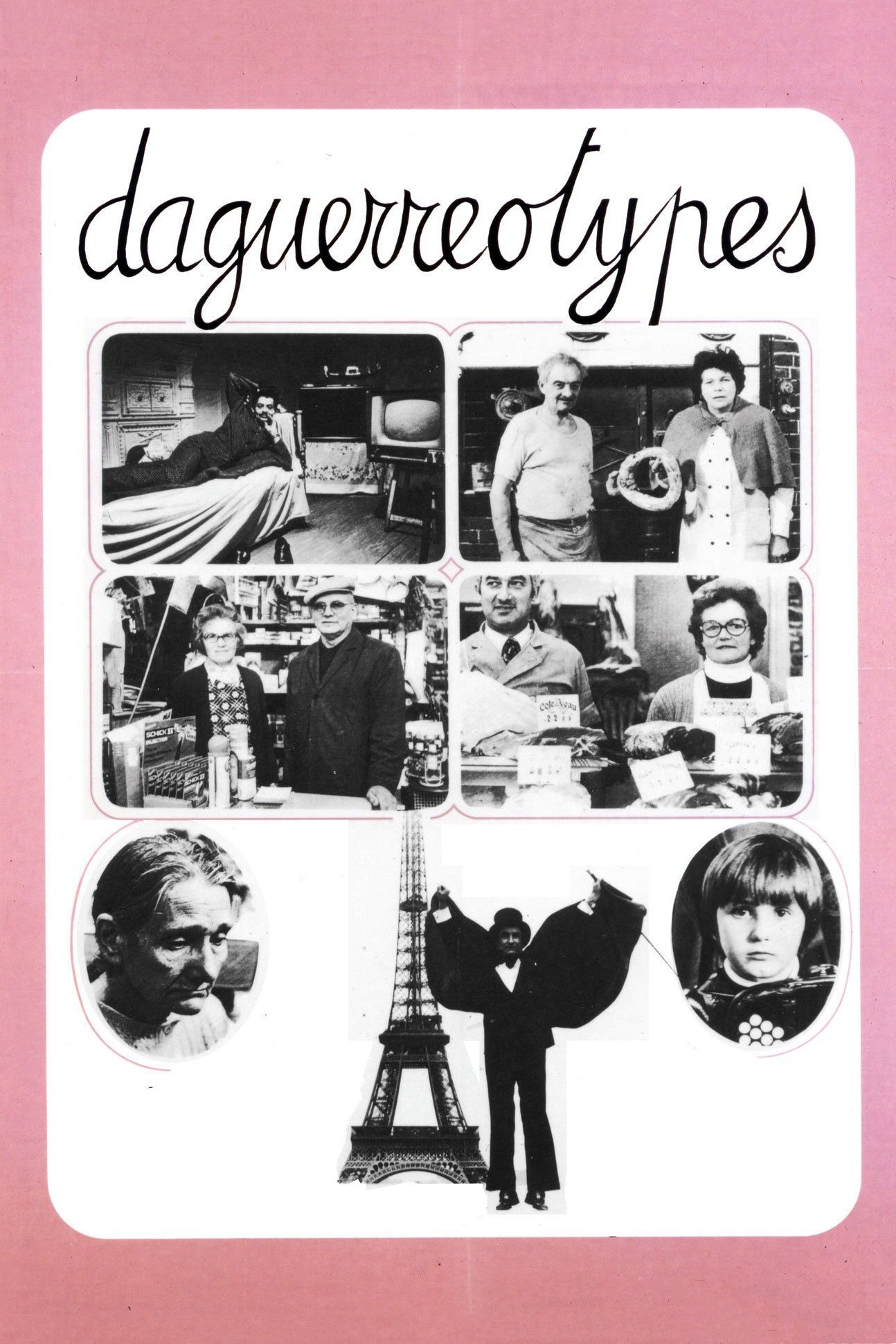
An intimate portrait of the small shops and shopkeepers of the Rue Daguerre in Paris, a picturesque street that has been the filmmaker’s home for more than 50 years.
In the Realms of the Unreal is a documentary about the reclusive Chicago-based artist Henry Darger. Henry Darger was so reclusive that when he died his neighbors were surprised to find a 15,145-page manuscript along with hundreds of paintings depicting The Story of the Vivian Girls, in What is Known as the Realms of the Unreal, of the Glodeco-Angelinnian War Storm, Cased by the Child Slave Rebellion.
Director Claude Lanzmann spent 11 years on this sprawling documentary about the Holocaust, conducting his own interviews and refusing to use a single frame of archival footage. Dividing Holocaust witnesses into three categories – survivors, bystanders, and perpetrators – Lanzmann presents testimonies from survivors of the Chelmno concentration camp, an Auschwitz escapee, and witnesses of the Warsaw Ghetto Uprising, as well as a chilling report of gas chambers from an SS officer at Treblinka.
An account of the extraordinary life of film pioneer Georges Méliès (1861-1938) and the amazing story of the copy in color of his masterpiece A Trip to the Moon (1902), unexpectedly found in Spain and restored thanks to the heroic efforts of a group of true cinema lovers.
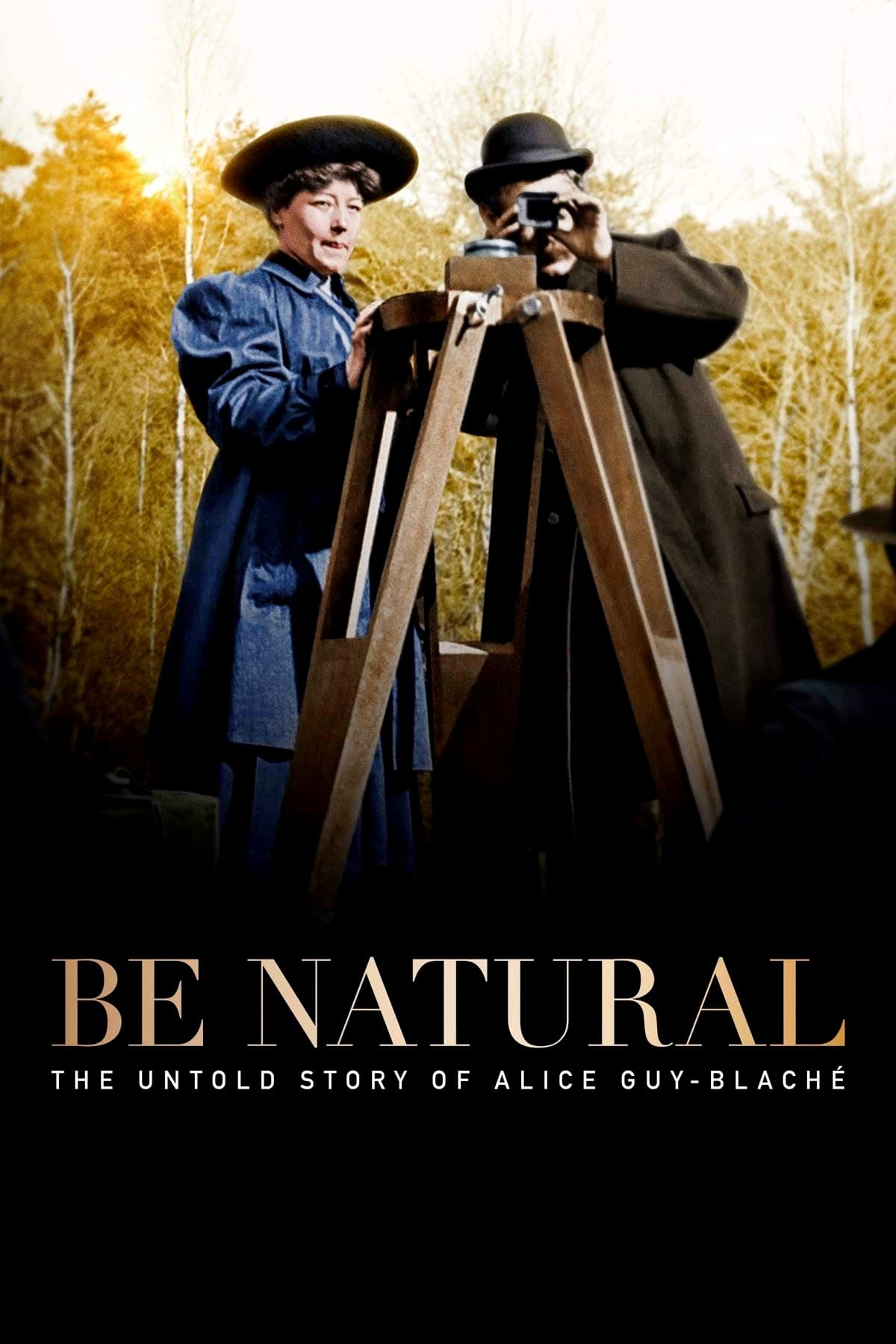
The epic life story of Alice Guy-Blaché (1873–1968), a French screenwriter, director and producer, true pioneer of cinema, the first person who made a narrative fiction film; author of hundreds of movies, but banished from history books. Ignored and forgotten. At last remembered.
An unpredictable documentary from a fascinating storyteller, Agnès Varda’s last film sheds light on her experience as a director, bringing a personal insight to what she calls "cine-writing," traveling from Rue Daguerre in Paris to Los Angeles and Beijing.
Documentary about the art of film editing. Clips are shown from many groundbreaking films with innovative editing styles.
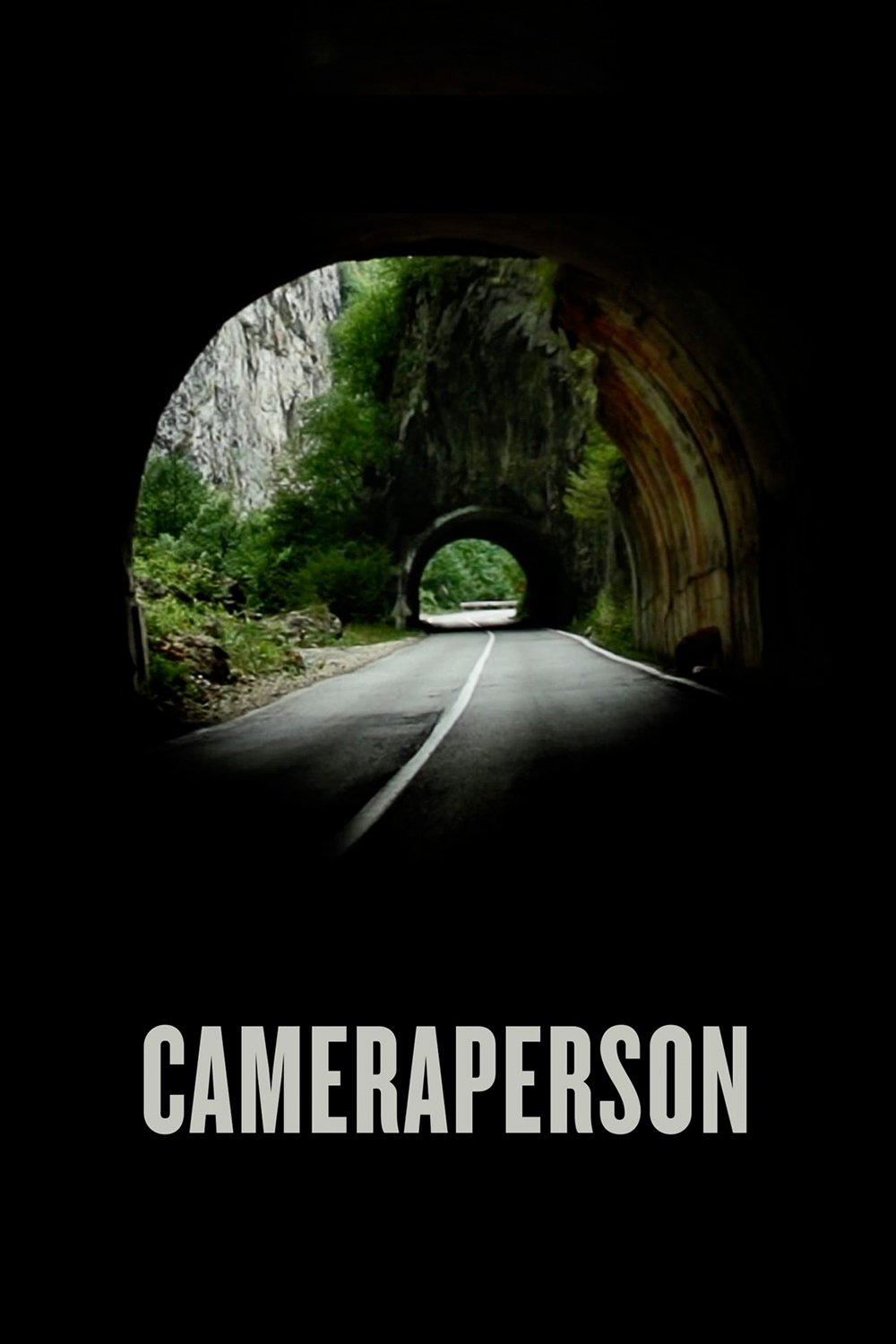
As a visually radical memoir, CAMERAPERSON draws on the remarkable footage that filmmaker Kirsten Johnson has shot and reframes it in ways that illuminate moments and situations that have personally affected her. What emerges is an elegant meditation on the relationship between truth and the camera frame, as Johnson transforms scenes that have been presented on Festival screens as one kind of truth into another kind of story—one about personal journey, craft, and direct human connection.
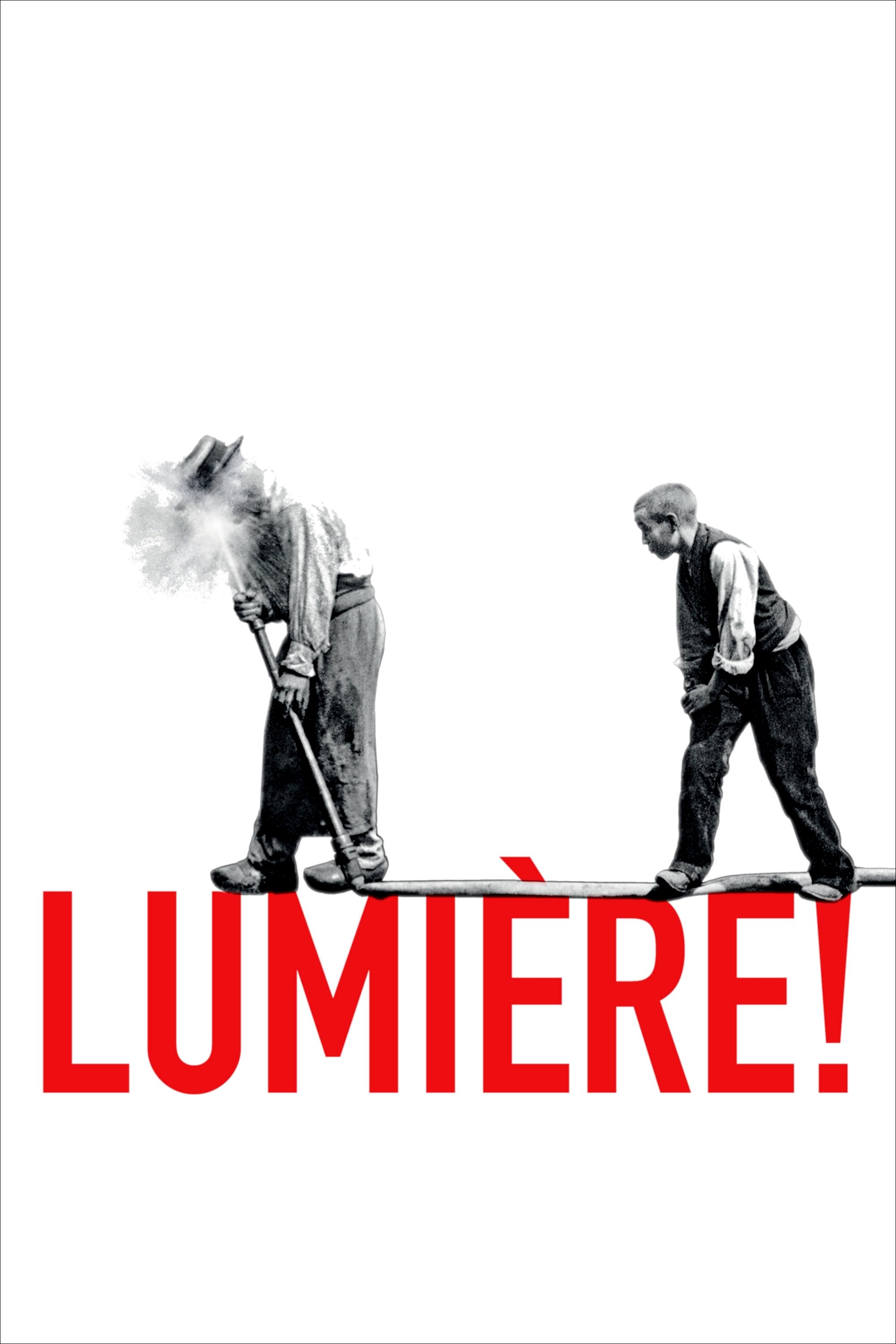
A collection of restored prints from the Lumière Brothers.
An intimate documentary delving into Rian Johnson's process as he comes in as a director new to the Star Wars universe.
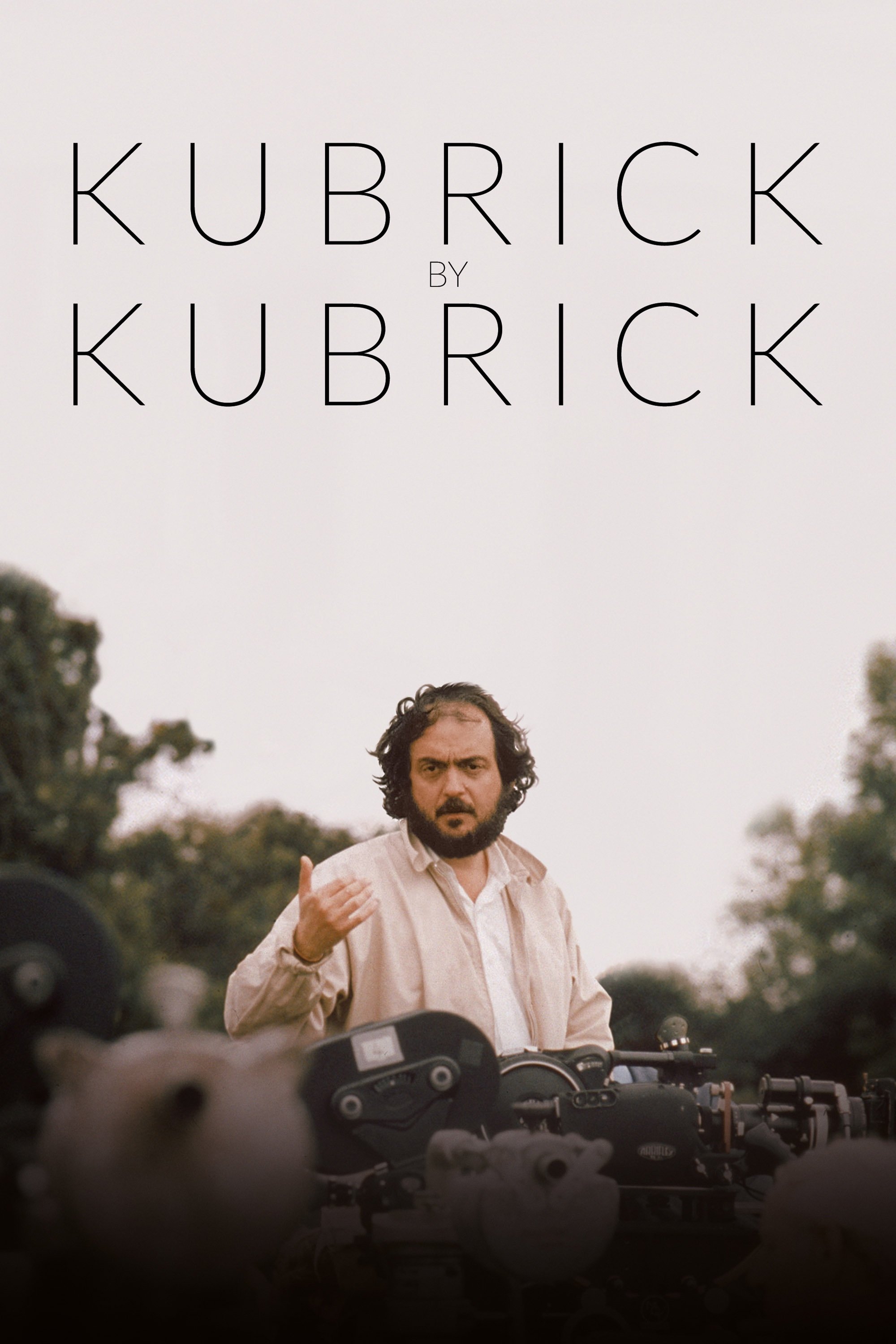
American filmmaker Stanley Kubrick (1928–1999), one of the greatest in history, but also one of the most reserved, gave few interviews throughout his long career, and none of them were filmed. A first-person journey through his life and work, based on a recorded conversation with French film critic Michel Climent.
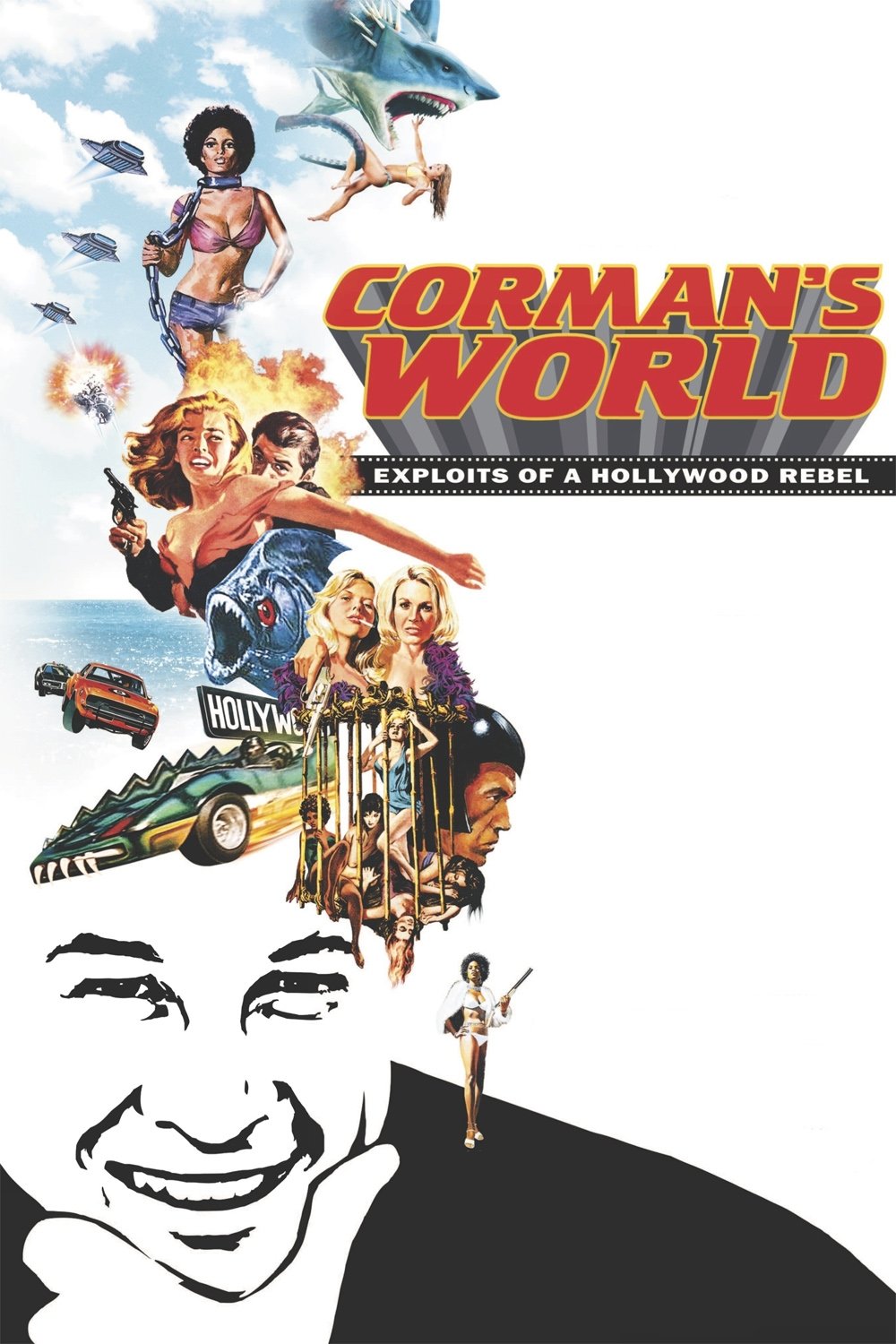
A chronicle of the long career of American filmmaker Roger Corman, the most tenacious and ingenious low-budget producer and director in the US film industry, a pioneer of independent filmmaking and discoverer of new talent.
Cameramen and women discuss the craft and art of cinematography and of the "DP" (the director of photography), illustrating their points with clips from 100 films, from Birth of a Nation to Do the Right Thing. Themes: the DP tells people where to look; changes in movies (the arrival of sound, color, and wide screens) required creative responses from DPs; and, these artisans constantly invent new equipment and try new things, with wonderful results. The narration takes us through the identifiable studio styles of the 30s, the emergence of noir, the New York look, and the impact of Europeans. Citizen Kane, The Conformist, and Gordon Willis get special attention.
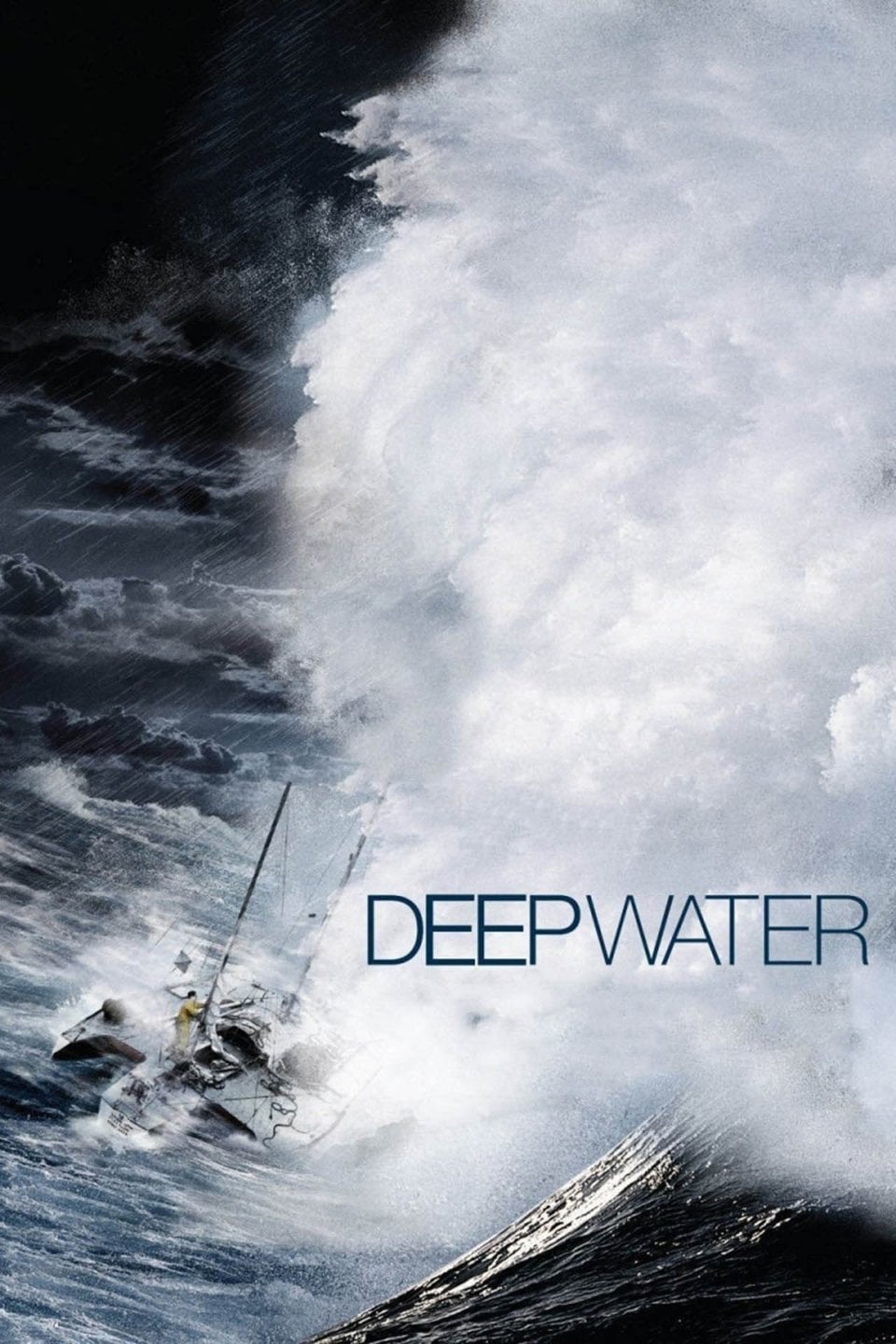
14-year-old Laura Dekker sets out on a two-year voyage in pursuit of her dream to become the youngest person ever to sail around the world alone.
“The Soviet Story” is a story of an Allied power, which helped the Nazis to fight Jews and which slaughtered its own people on an industrial scale. Assisted by the West, this power triumphed on May 9th, 1945. Its crimes were made taboo, and the complete story of Europe’s most murderous regime has never been told. Until now...
Filmmaker Alain Resnais documents the atrocities behind the walls of Hitler's concentration camps.
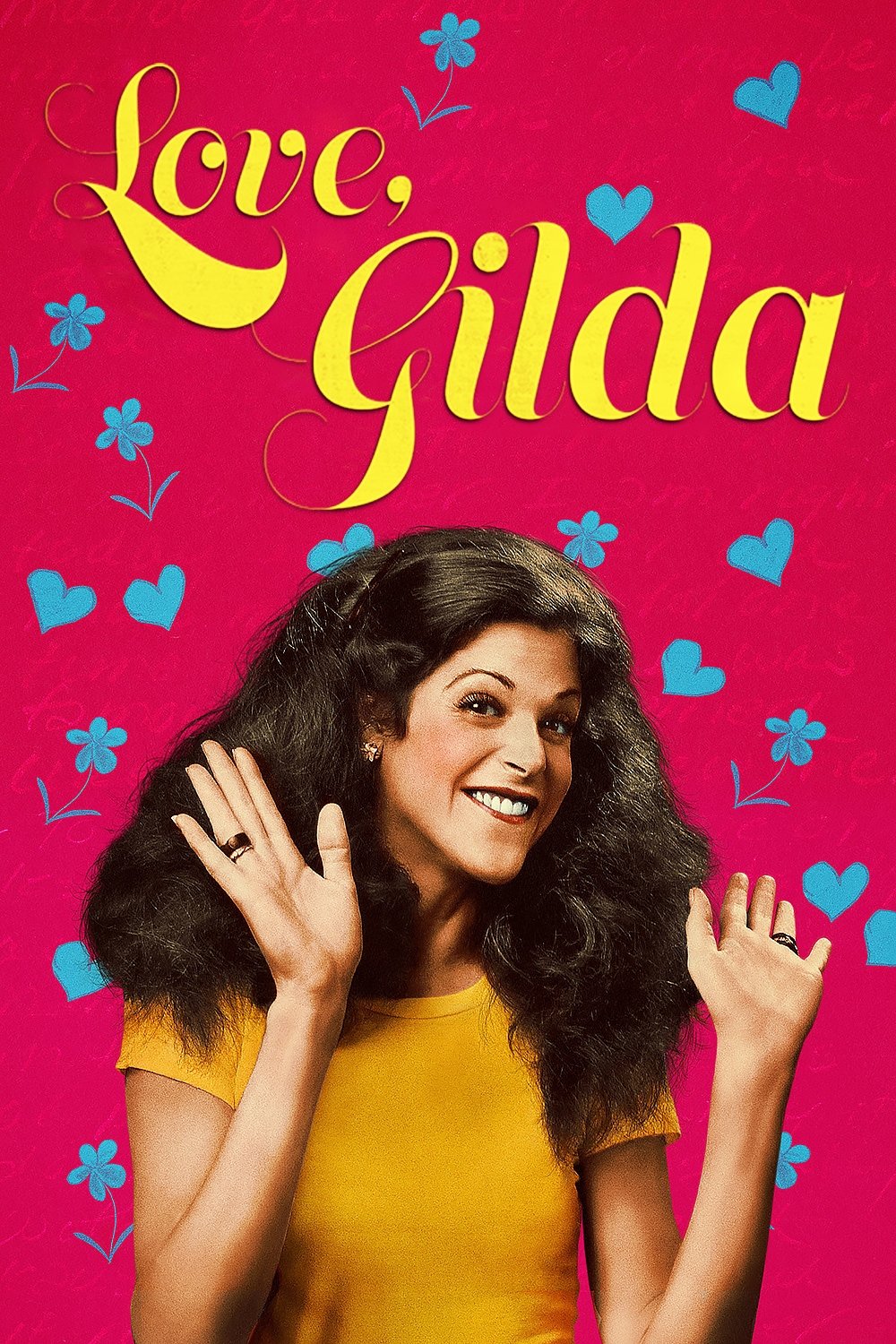
Diaries, audiotapes, videotapes and testimonials from friends and colleagues offer insight into the life and career of Gilda Radner -- the beloved comic and actress who became an icon on Saturday Night Live.
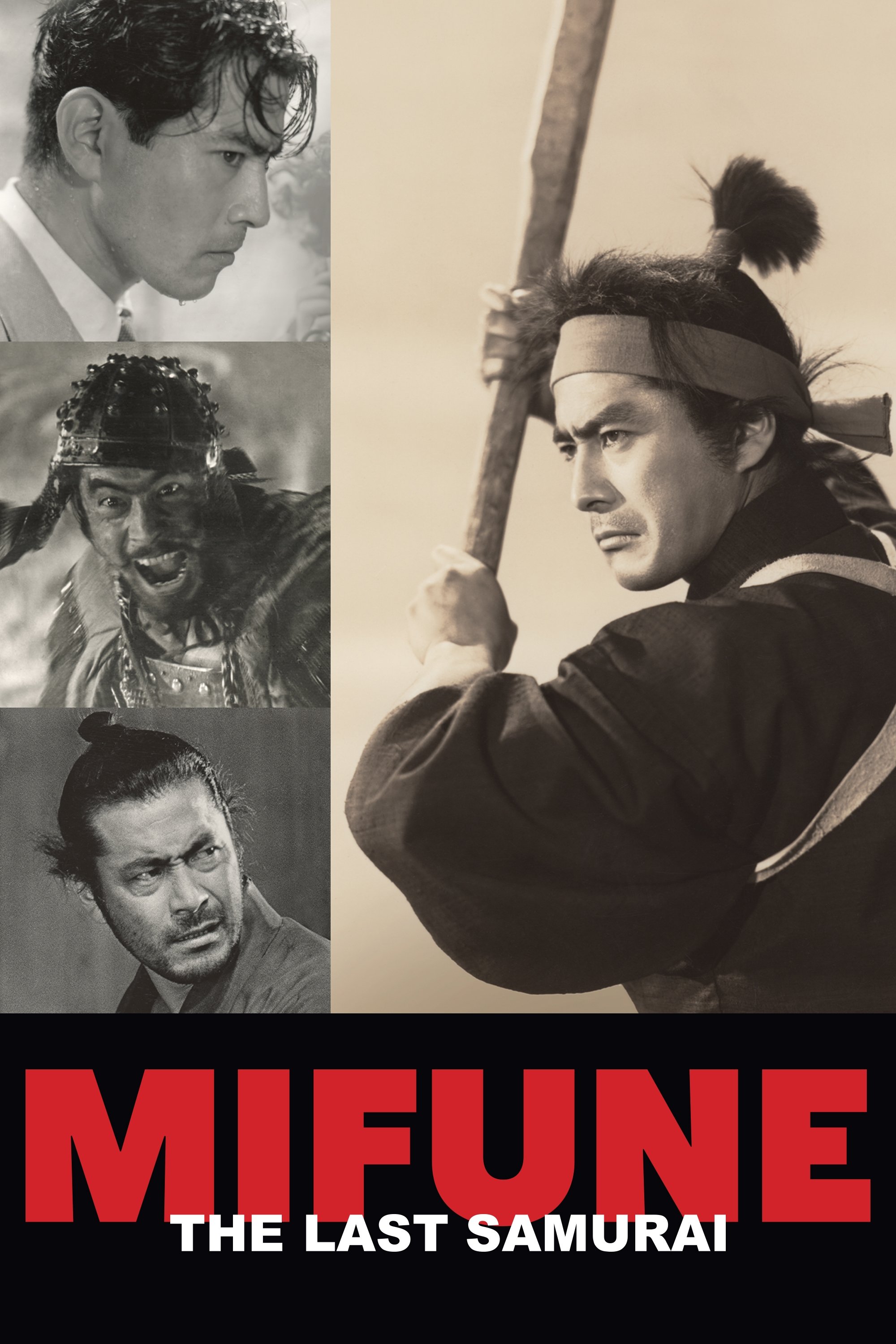
An account of the life and work of legendary Japanese actor Toshirō Mifune (1920-97), the most prominent actor of the Golden Age of Japanese cinema.
An unprecedented and intimate look at the life, work and enduring legacy of British actress Audrey Hepburn (1929-1993).