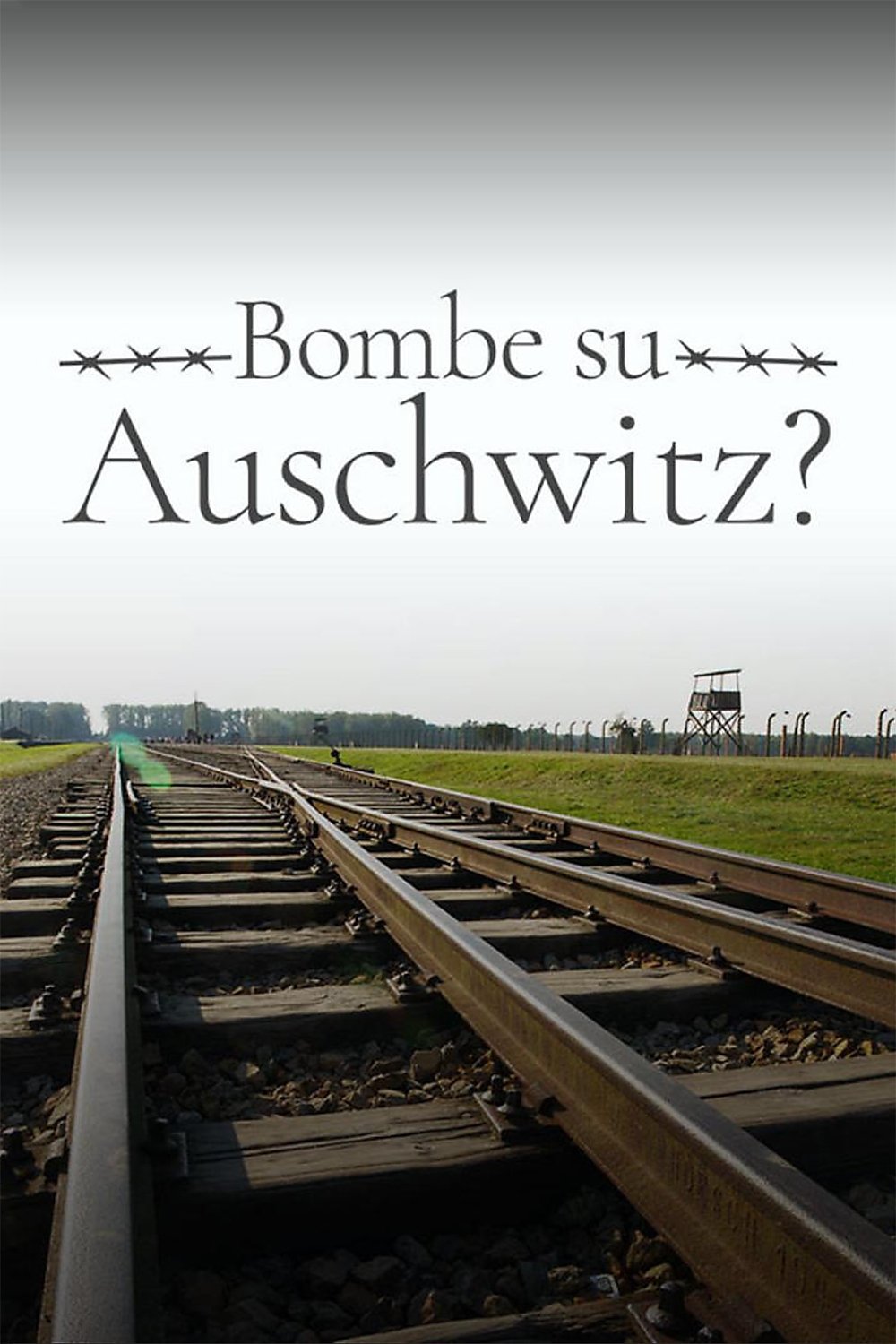
In 1944, two prisoners miraculously escaped from Auschwitz. They told the world of the horror of the Holocaust and raised one of the greatest moral questions of the 20th century.
Social & External
The people behind it
Zoë Wanamaker
Narrator (voice)
Daniel Caltagirone
John Pehle
Doron Davidson
Rabbi Weissmandl
Ilan Goodman
Benjamin Akzin
Simon Haines
Bezalel Sherman
Simon Mattacks
Moshe Shertok
David Moorst
Rudolf Vrba
Oliver Senton
Anthony Eden
Michael Simkins
Archibald Sinclair
Jonathan Tafler
Chaim Weizmann
Queen Yun reigned with King Sunjong since she was just 13 years old. She hid the royal seals needed to complete an agreement between Korea and Japan which would lead to Korea's annexation. However, her patriotic display wins her many enemies.
A historical drama about the life of Prince Yeonsan of Joseon,.
The film is based on a real story that happened in 1943 in the Sobibor concentration camp in German-occupied Poland. The main character of the movie is the Soviet-Jewish soldier Alexander Pechersky, who at that time was serving in the Red Army as a lieutenant. In October 1943, he was captured by the Nazis and deported to the Sobibor concentration camp, where Jews were being exterminated in gas chambers. But, in just 3 weeks, Alexander was able to plan an international uprising of prisoners from Poland and Western Europe. This uprising resulted in being the only successful one throughout the war, which led to the largest escape of prisoners from a Nazi concentration camp.
Easter Island has long been the subject of curiosity and speculation. A triangle of volcanic rock in the South Pacific, Easter Island is over 2000 miles away from the nearest population center, making it one of the most isolated spots on Earth. It is best known for the giant stone statues, known as the Moai, that dot the coastline.
A drama set in the Vítkovice Ironworks at the end of the occupation. It depicts the struggle of Ostrava steelworkers to save the blast furnaces, which the retreating Nazis want to blow up.
The film is dedicated to the philosopher, doctor, scientist of the East and poet Abu-Ali Ibn-Sin, who lived in Bukhara in the 10th century and was known in Europe under the name of Avicenna. Bukhara. Eighteen-year-old doctor Ibn Sina saves the emir from a fatal illness. Refusing gold and honors, the young man only asks for admission to the emir's book depository as a reward. The study of the works of ancient scientists, philosophers, doctors, observations of nature, numerous experiments increase the knowledge of Ibn Sipa. The treacherous attack on Bukhara by the troops of the ruler of Ghazna Mahmud, who devastated the city and set the world's greatest book depository on fire, forced Ibn-Sina to leave his homeland. After many years of wandering, he, together with his student and assistant Juzjani, comes to the capital of Khorezm, Gurganj, to declare war on the plague raging here...
A deep dive surrounding the scandals and events surrounding Boris Johnson that lead to his resignation
The story of the battle of Iwo Jima between the United States and Imperial Japan during World War II, as told from the perspective of the Japanese who fought it.
On the eve of D-Day, a team of American paratroopers crash behind enemy lines and come face-to-face with a Nazi threat unlike any the world has ever seen.
A group of French soldiers, including the patrician Captain de Boeldieu and the working-class Lieutenant Maréchal, grapple with their own class differences after being captured and held in a World War I German prison camp. When the men are transferred to a high-security fortress, they must concoct a plan to escape beneath the watchful eye of aristocratic German officer von Rauffenstein, who has formed an unexpected bond with de Boeldieu.
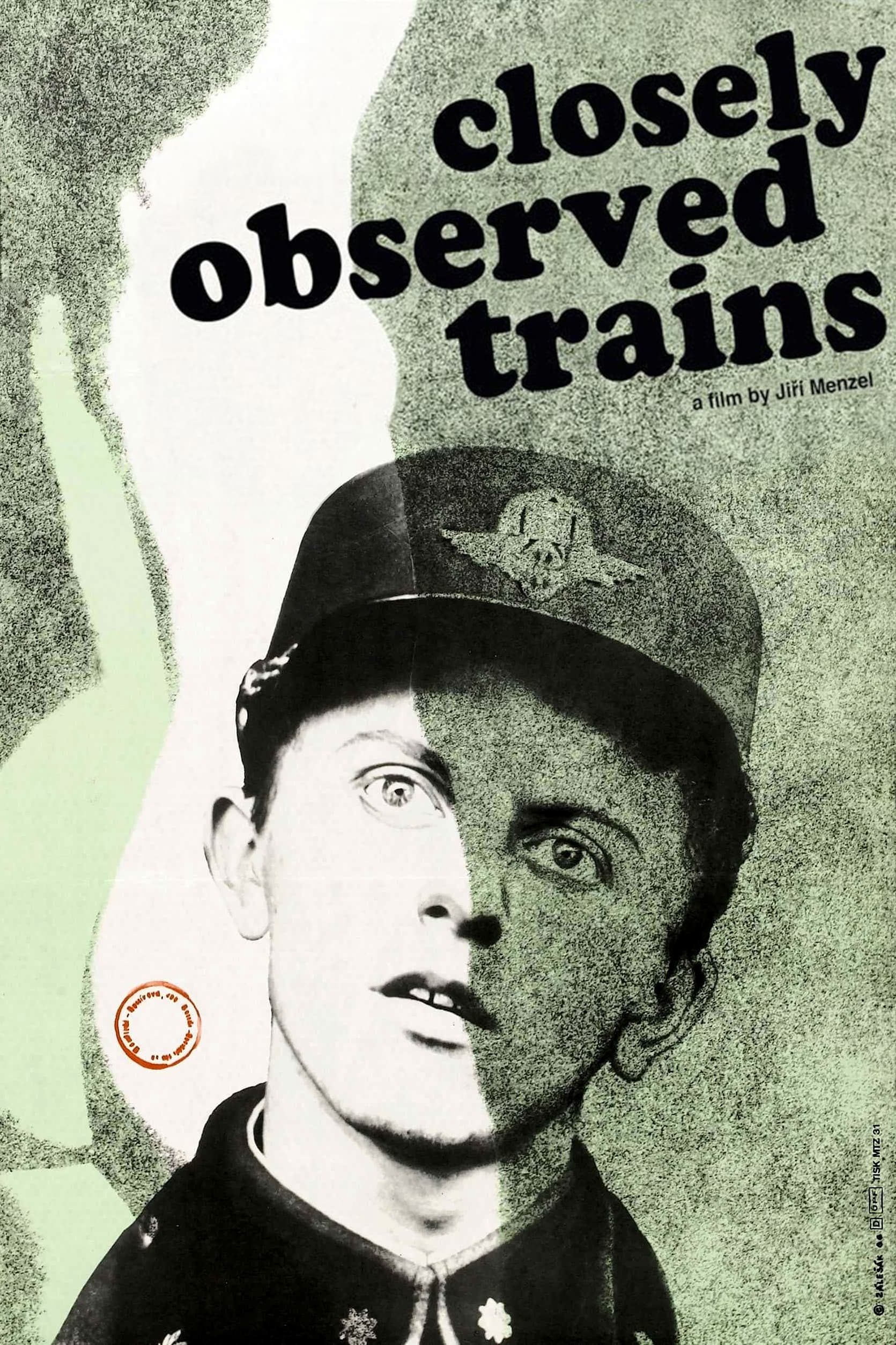
At a village railway station in occupied Czechoslovakia, a bumbling dispatcher’s apprentice longs to liberate himself from his virginity. Oblivious to the war and the resistance that surrounds him, this young man embarks on a journey of sexual awakening and self-discovery, encountering a universe of frustration, eroticism, and adventure within his sleepy backwater depot.
Filmmaker Alain Resnais documents the atrocities behind the walls of Hitler's concentration camps.
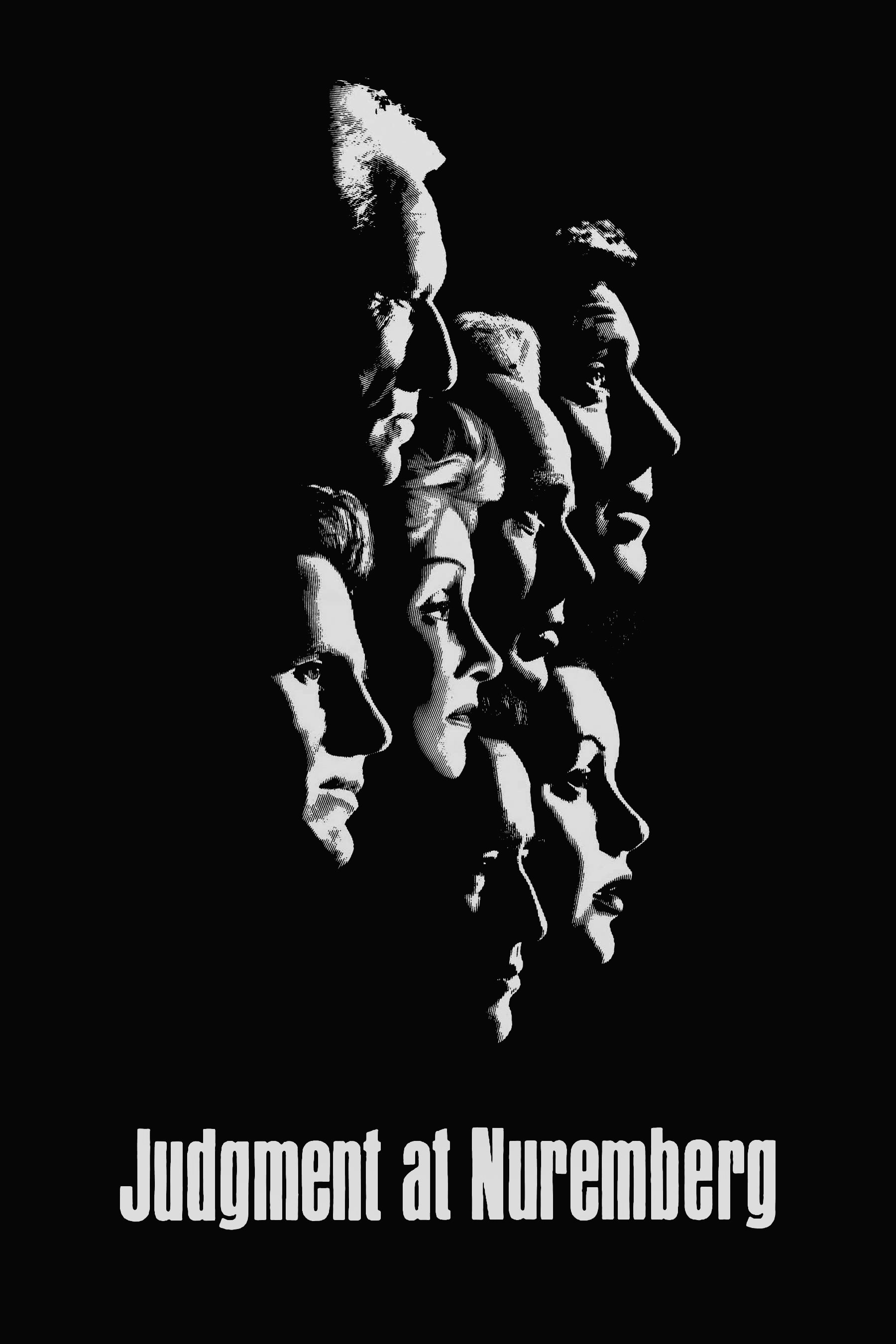
In 1947, four German judges who served on the bench during the Nazi regime face a military tribunal to answer charges of crimes against humanity. Chief Justice Haywood hears evidence and testimony not only from lead defendant Ernst Janning and his defense attorney Hans Rolfe, but also from the widow of a Nazi general, an idealistic U.S. Army captain and reluctant witness Irene Wallner.
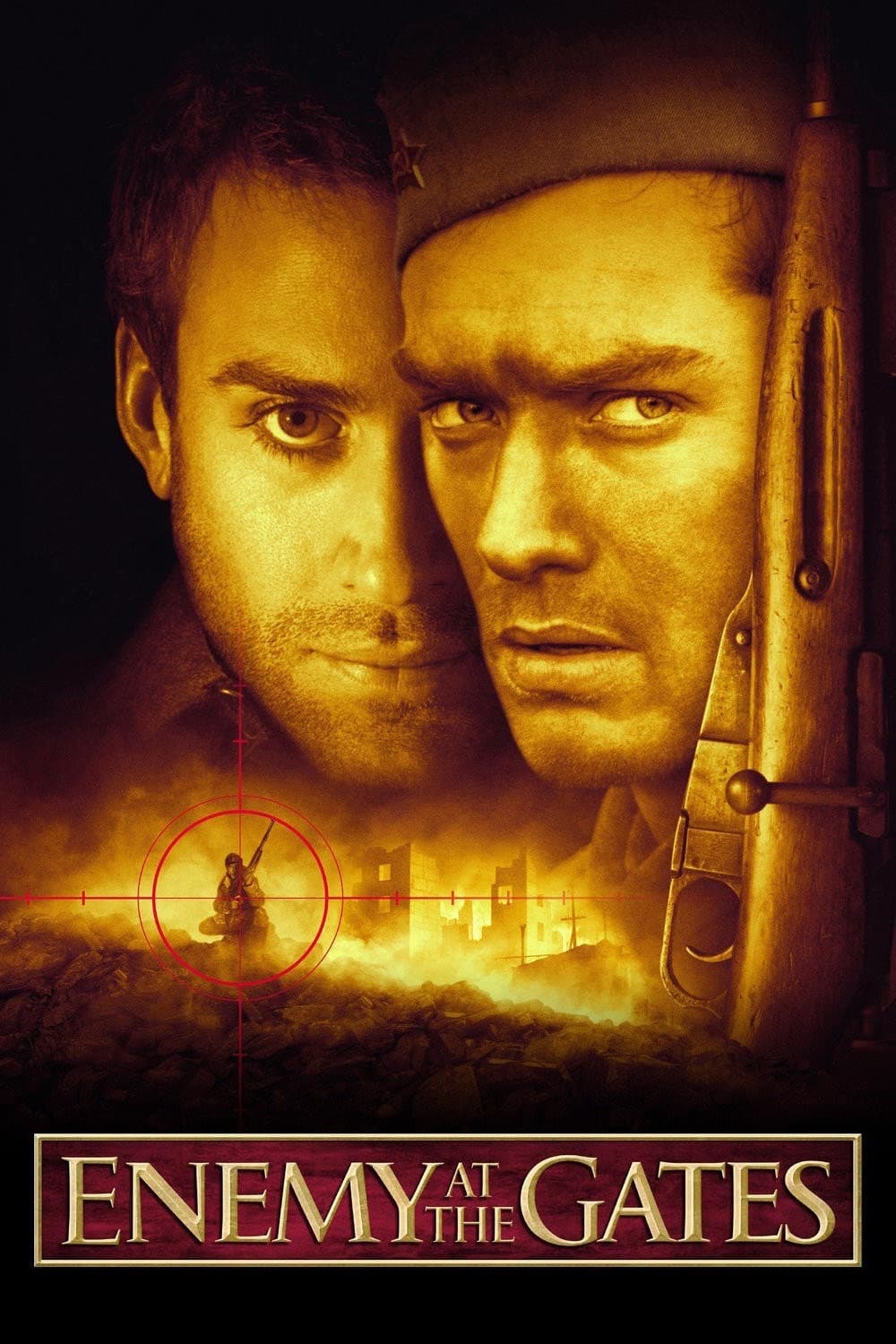
A Russian and a German sniper play a game of cat-and-mouse during the Battle of Stalingrad in WWII.
As U.S. troops storm the beaches of Normandy, three brothers lie dead on the battlefield, with a fourth trapped behind enemy lines. Ranger captain John Miller and seven men are tasked with penetrating German-held territory and bringing the boy home.
It's the hope that sustains the spirit of every GI: the dream of the day when he will finally return home. For three WWII veterans, the day has arrived. But for each man, the dream is about to become a nightmare.
Bardhi, an orphan boy, goes to the city to work in the house of a rich man, where he learns how to play the violin.
Upon Canada's entry into World War II, the RCMP rounded up thousands of people it considered fascist sympathizers. Among them, 700 Italian-Canadians were held for up to three years in internment camps. None were ever charged with a criminal offence.
Three years after the fascist occupation, a group of children create the anti-fascist organization called "Debatik". Coli, an orphan boy, manages to become a member.
World War II. Albania is under the Nazi occupation. The Germans capture two young girls and torture them to learn more about the communist movement.
“The Soviet Story” is a story of an Allied power, which helped the Nazis to fight Jews and which slaughtered its own people on an industrial scale. Assisted by the West, this power triumphed on May 9th, 1945. Its crimes were made taboo, and the complete story of Europe’s most murderous regime has never been told. Until now...
A love letter from a young mother to her daughter, the film tells the story of Waad al-Kateab’s life through five years of the uprising in Aleppo, Syria as she falls in love, gets married and gives birth to Sama, all while cataclysmic conflict rises around her. Her camera captures incredible stories of loss, laughter and survival as Waad wrestles with an impossible choice– whether or not to flee the city to protect her daughter’s life, when leaving means abandoning the struggle for freedom for which she has already sacrificed so much.
A documentary about World War I with never-before-seen footage to commemorate the centennial of Armistice Day, and the end of the war.
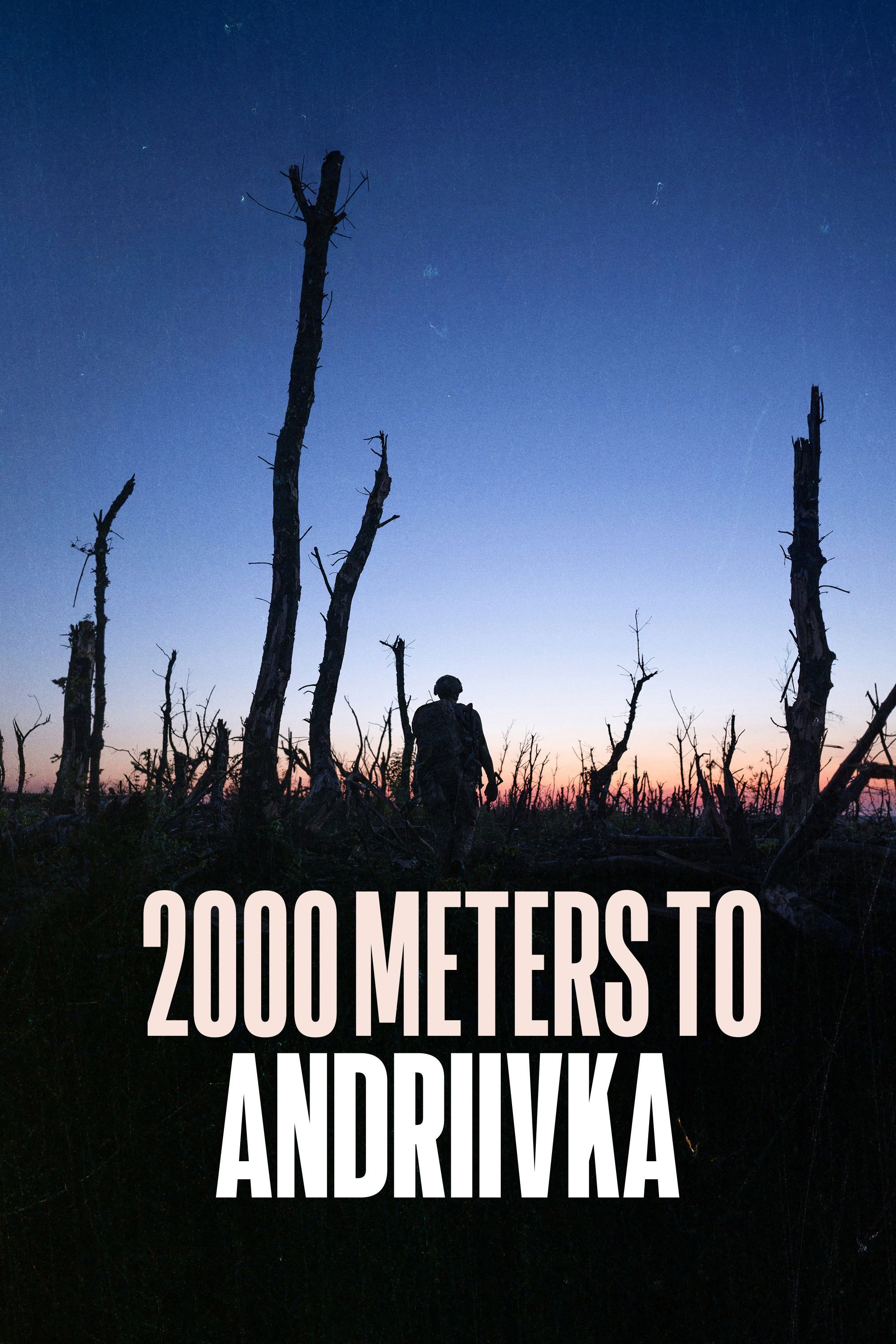
Amid the failing counteroffensive, a journalist follows a Ukrainian platoon on their mission to traverse one mile of heavily fortified forest and liberate a strategic village from Russian occupation. But the farther they advance through their destroyed homeland, the more they realize that this war may never end.
Directors Hetherington and Junger spend a year with the 2nd Battalion of the United States Army located in one of Afghanistan's most dangerous valleys. The documentary provides insight and empathy on how to win the battle through hard work, deadly gunfights and mutual friendships while the unit must push back the Taliban.
Meet the real-life airmen who inspired Masters of the Air as they share the harrowing and transformative events of the 100th Bomb Group.
A documentary about the legendary series of nationally televised debates in 1968 between two great public intellectuals, the liberal Gore Vidal and the conservative William F. Buckley Jr. Intended as commentary on the issues of their day, these vitriolic and explosive encounters came to define the modern era of public discourse in the media, marking the big bang moment of our contemporary media landscape when spectacle trumped content and argument replaced substance. Best of Enemies delves into the entangled biographies of these two great thinkers, and luxuriates in the language and the theater of their debates, begging the question, "What has television done to the way we discuss politics in our democracy today?"
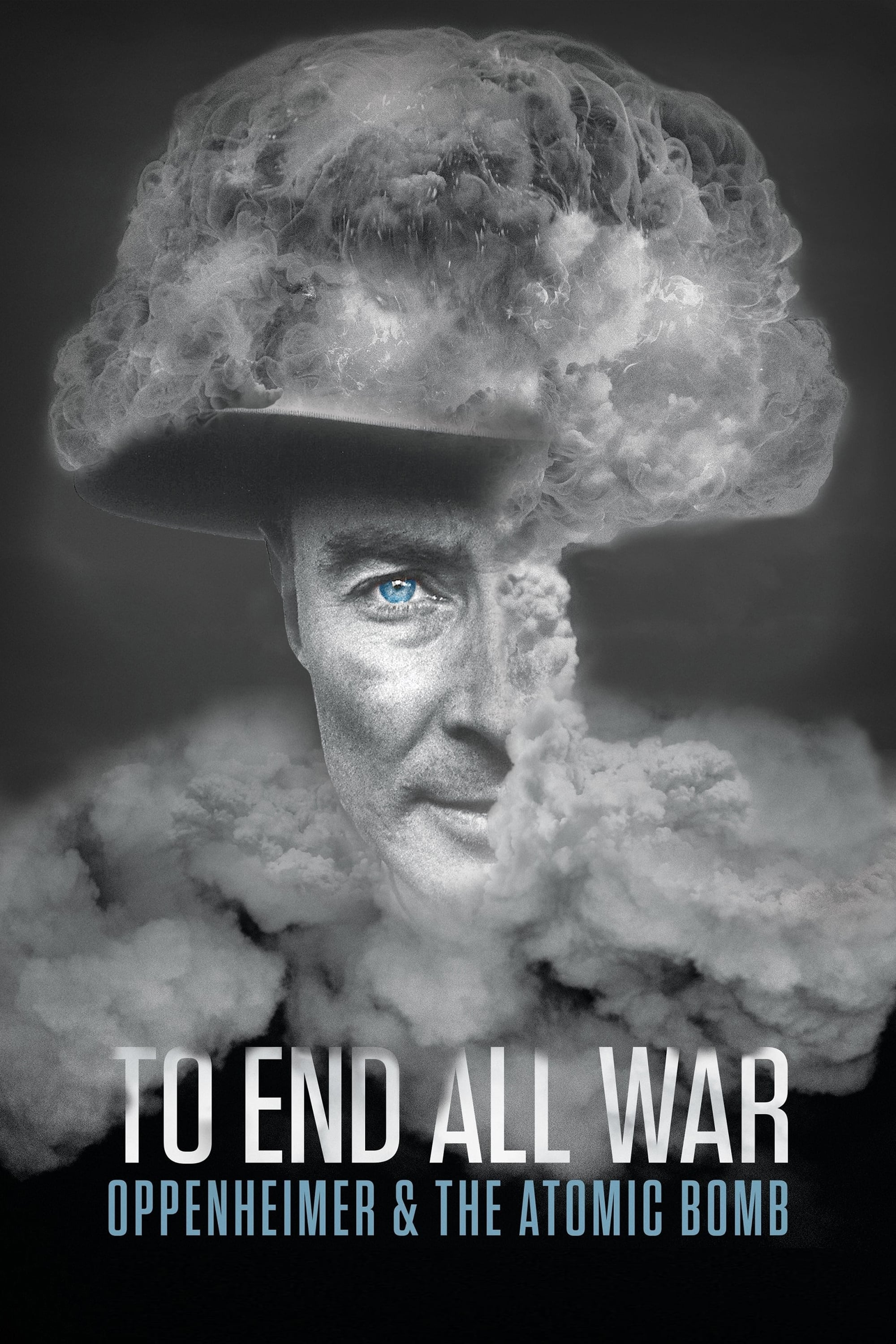
Explore how one man's relentless drive and invention of the atomic bomb changed the nature of war forever, led to the deaths of hundreds of thousands of people and unleashed mass hysteria.
As the Russian invasion begins, a team of Ukrainian journalists trapped in the besieged city of Mariupol struggle to continue their work documenting the war's atrocities.
The history of cinematic sound, told by legendary sound designers and visionary filmmakers.
Korengal picks up where Restrepo left off; the same men, the same valley, the same commanders, but a very different look at the experience of war.
"Trinity and Beyond" is an unsettling yet visually fascinating documentary presenting the history of nuclear weapons development and testing between 1945-1963. Narrated by William Shatner and featuring an original score performed by the Moscow Symphony Orchestra, this award-winning documentary reveals previously unreleased and classified government footage from several countries.
A behind-the-scenes documentary about the Clinton for President campaign, focusing on the adventures of spin doctors James Carville and George Stephanopoulos.
Virunga in the Democratic Republic of the Congo is Africa’s oldest national park, a UNESCO world heritage site, and a contested ground among insurgencies seeking to topple the government that see untold profits in the land. Among this ongoing power struggle, Virunga also happens to be the last natural habitat for the critically endangered mountain gorilla. The only thing standing in the way of the forces closing in around the gorillas: a handful of passionate park rangers and journalists fighting to secure the park’s borders and expose the corruption of its enemies. Filled with shocking footage, and anchored by the surprisingly deep and gentle characters of the gorillas themselves, Virunga is a galvanizing call to action around an ongoing political and environmental crisis in the Congo.
Dick Proenneke retired at age 50 in 1967 and decided to build his own cabin in the wilderness at the base of the Aleutian Peninsula, in what is now Lake Clark National Park. Using color footage he shot himself, Proenneke traces how he came to this remote area, selected a homestead site and built his log cabin completely by himself. The documentary covers his first year in-country, showing his day-to-day activities and the passing of the seasons as he sought to scratch out a living alone in the wilderness.
Michael Moore comes home to the issue he's been examining throughout his career: the disastrous impact of corporate dominance on the everyday lives of Americans (and by default, the rest of the world).
An unprecedented and intimate look at the life, work and enduring legacy of British actress Audrey Hepburn (1929-1993).
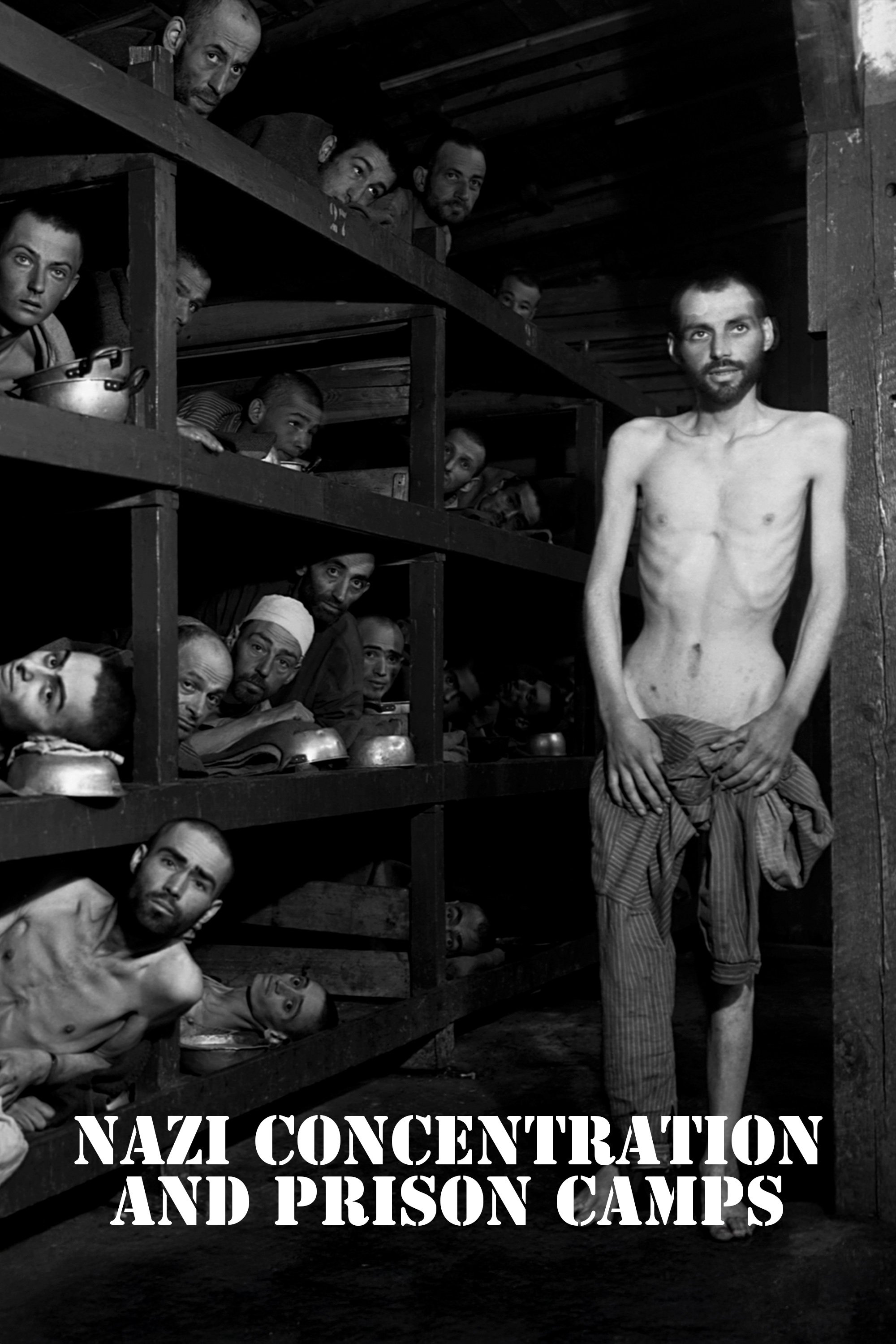
Produced and presented as evidence at the Nuremberg war crimes trial of Hermann Göring and twenty other Nazi leaders, this film consists primarily of dead and surviving prisoners and of facilities used to kill and torture during the World War II.
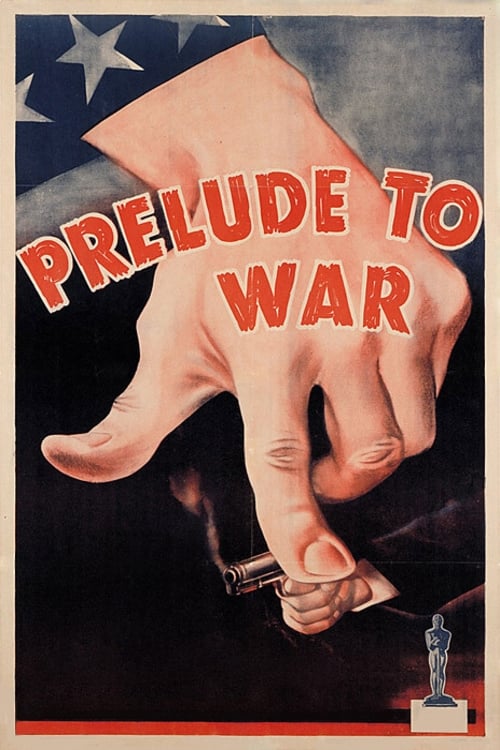
Prelude to War was the first film of Frank Capra's Why We Fight propaganda film series, commissioned by the Pentagon and George C. Marshall. It was made to convince American troops of the necessity of combating the Axis Powers during World War II. This film examines the differences between democratic and fascist states.
Oskar Gröning, known as the "Accountant of Auschwitz," was charged with the murder of 300,000 Jews. When he took the stand in 2015, at the age of 94, his trial made headlines worldwide.