Social & External
The people behind it
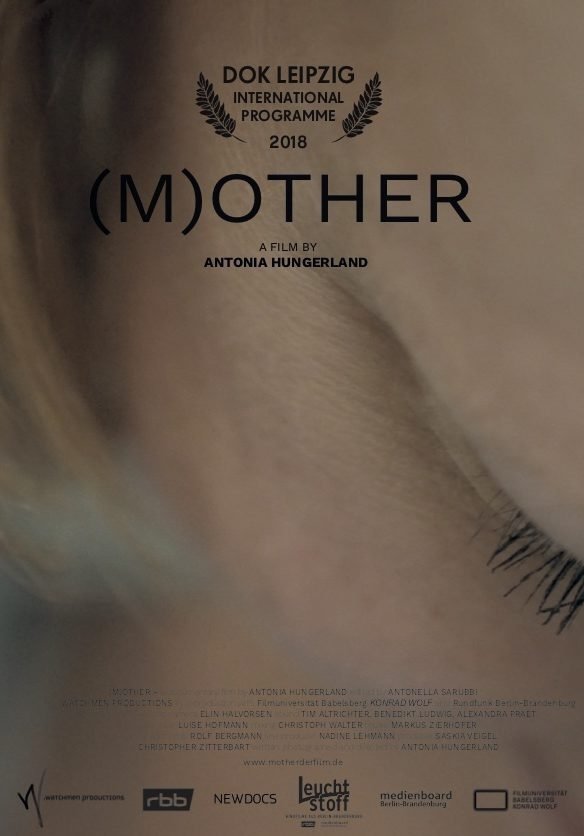
Women reflect on their first year of motherhood and the many joys and challenges it brings – for parent and baby. A gentle, curious and informative conversational documentary about postpartum life, of sublime analogue beauty.
Being mother is the most natural thing in the world. Or so it seems. Yet the demands on women with children have rarely been as overloaded and contradictory as they are in today’s Western world. Promises of happiness are often followed by disadvantages, excessive demands and feelings of guilt. The mother has become an artificially glorified ideal, which nevertheless is often legitimized by the „nature of the woman“. We live in a time when three people could claim to be the same child’s mother: egg donors give their genes to beget children, surrogate mothers deliver babies which they give away immediately after birth, and men raise children by themselves – without a woman at their side. Hence the question arises: What makes a human being a real mother?
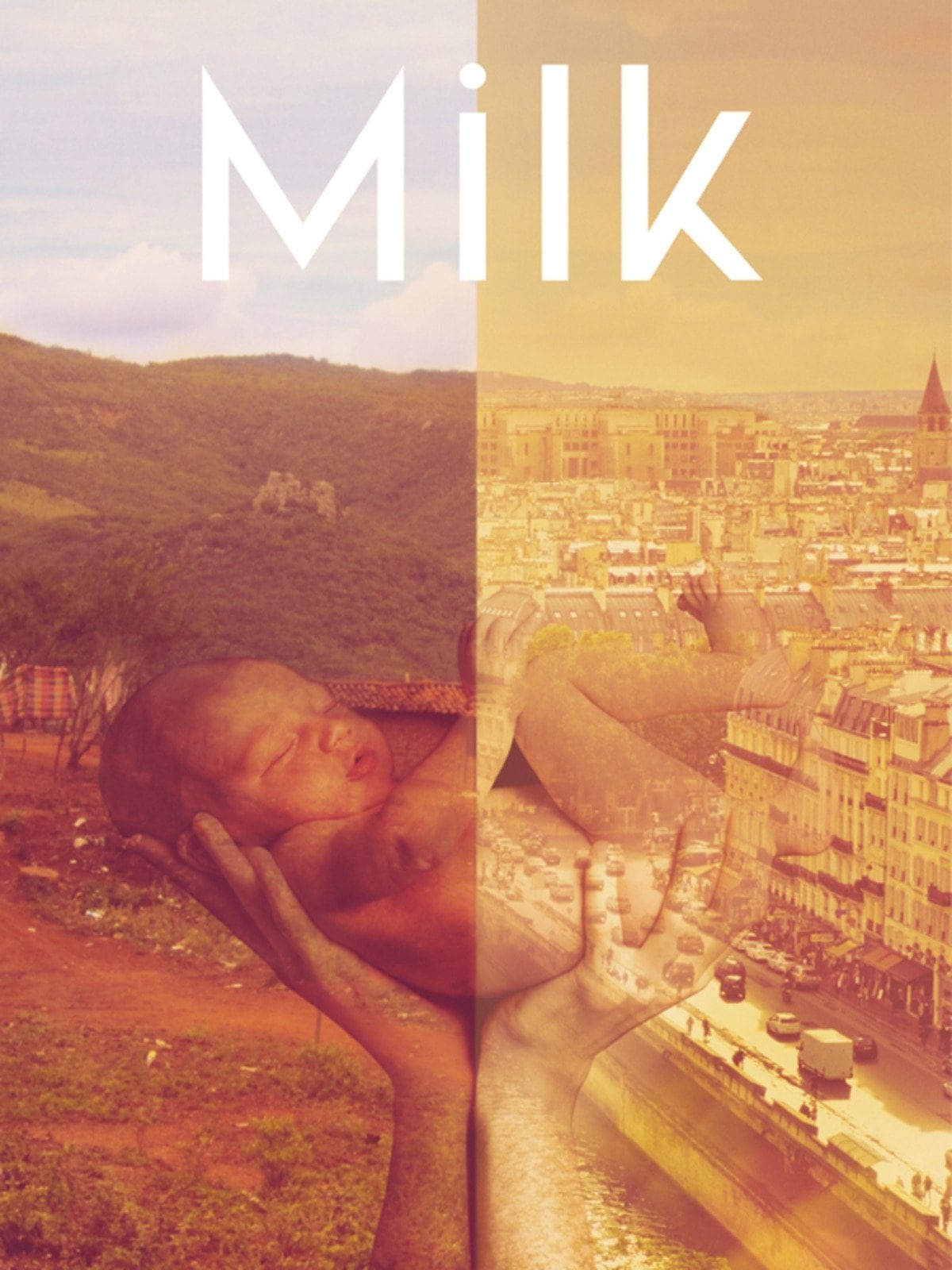
Through an intimate and artistic lens, yet investigative and political, Milk brings a universal focus on the politics, commercialization and controversies surrounding birth and infant feeding over the canvas of stunningly beautiful visuals and poignant voices from around the globe.
As a letter to her son, the filmmaker testifies her experience as a photographer aboard the Aquarius, a ship that rescued 29,523 people in the Mediterranean between 2016 and 2018.
Given the fetishizing and normalizing character that is given to motherhood in patriarchy in order to perpetuate the social order, do we truly choose to be mothers? Why is care, of fundamental vital labor, presupposed as an especially appropriate task for women?
This student film by the award-winning Helena Třeštíková bears many of the hallmarks of her later work. Made as a graduation piece when she was at the FAMU Film and TV Academy in Prague, we see the director developing the distinctive observational style of filmmaking that she has used so effectively throughout her career. Over the course of several months, she follows a young pregnant woman as she becomes slowly acquainted with the joys and responsibilities of motherhood.
What 'Food, Inc.' did for the food industry in America, this film will do for breastfeeding in our country. It will make every viewer rethink motherhood and how we treat mothers. It is a film that will empower each woman to trust her body, her baby, and herself in her journey as a mother. It will make her laugh, cry, nod fiercely in agreement, get angry, and then get so inspired it will be impossible not to take action.
Two drag queens living in a place where homophobia and transphobia are common open their hearts to the world, revealing the human being behind the makeup and wigs. They share the reality of drag as an art form and what it means to move forward as part of the LGBTTTI+ community in a Latin American context.
"On the Tip of the Heart" - is a documentary on the St Peter's Hospital in Brussels, structured around seven doors from the maternity to the morgue. This is an opportunity for the director to ask the audience a question, namely: what is there in common between a medieval city, human life and a hospital?
When Fernanda and Andressa received the autism diagnoses of their sons, Rafael and Martin, they faced a future marked by invasive treatments and fear. Seeking autonomy, they found in cannabis oil a key to give their children the chance to dream and fight for dignity.
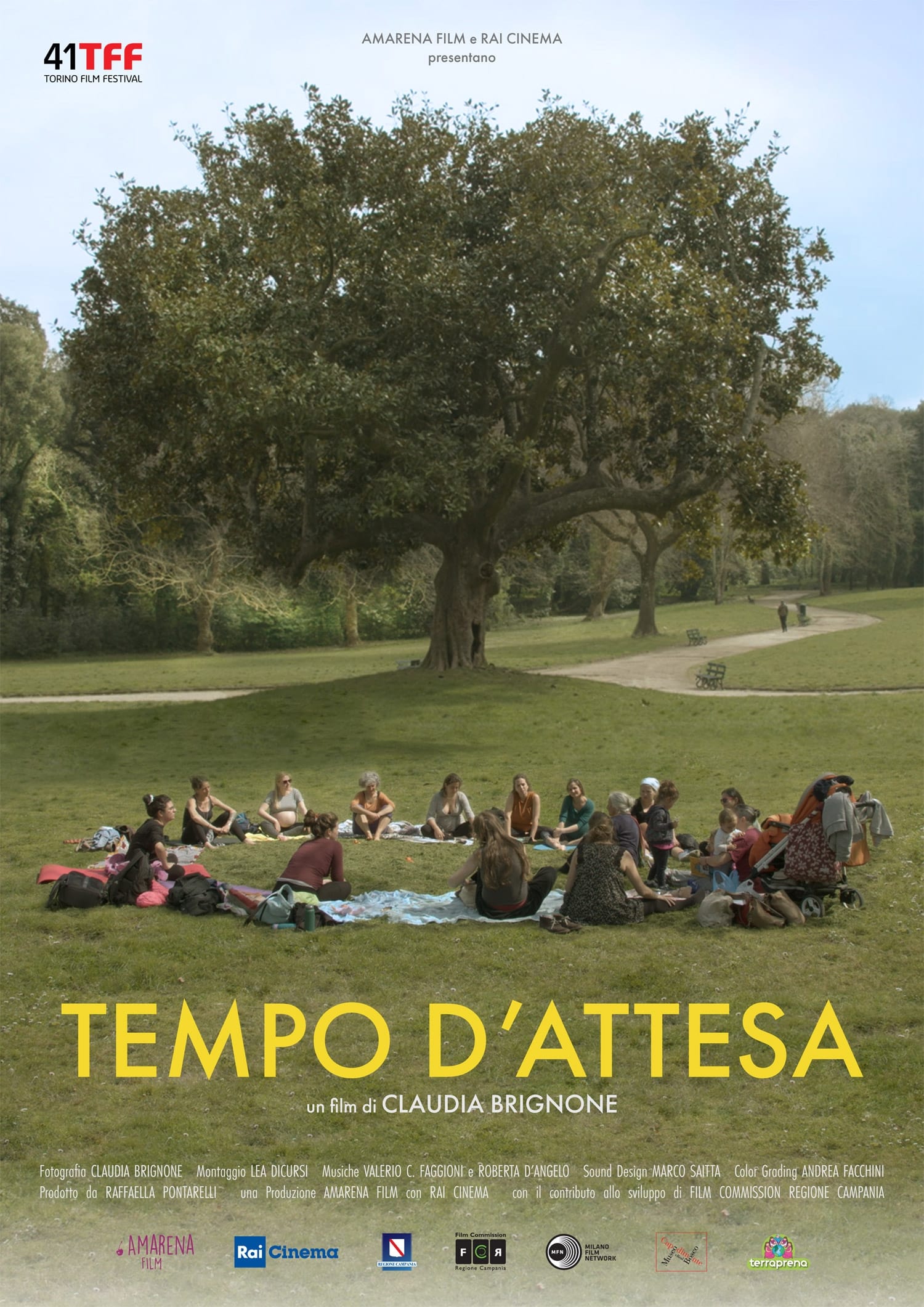
Under the shade of a Magnolia tree, a group of pregnant women gathers weekly. Among them is Teresa, an experienced midwife who listens to them attentively. Sitting in a circle, the women reflect on the impending birth of their children and their own emerging roles as mothers.
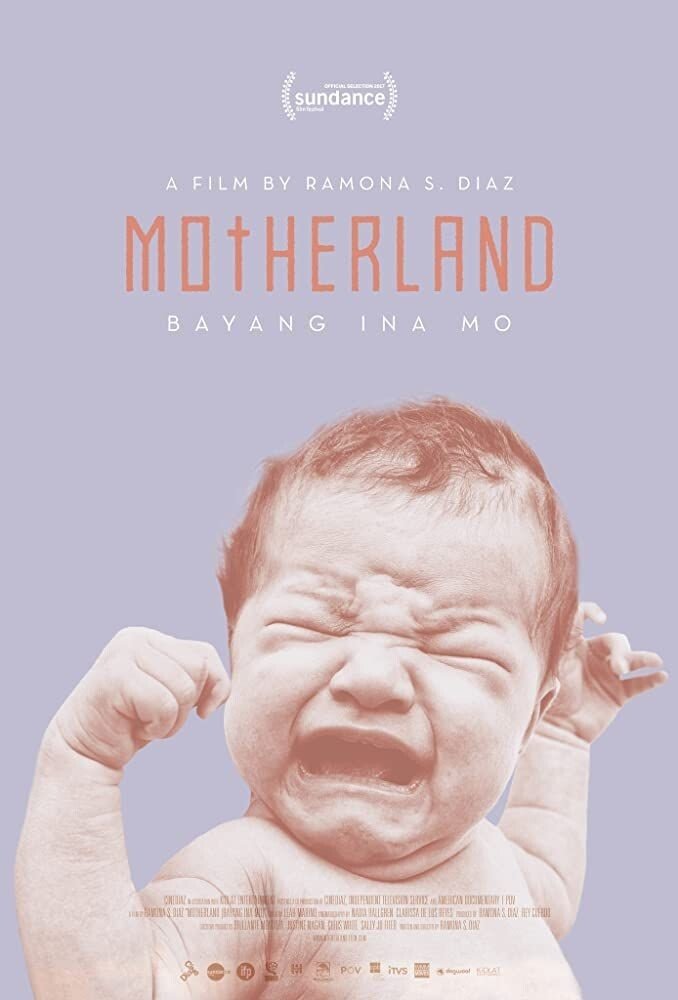
The planet’s busiest maternity hospital is located in one of its poorest and most populous countries: the Philippines. There, poor women face devastating consequences as their country struggles with reproductive health policy and the politics of conservative Catholic ideologies.
Emmett enters into a nightmarish game of therapy with his wife Anya, who has inexplicably taken on the persona of his estranged and recently-deceased mother.
There is a global gender war between men and women. A teenage girl tries to escape this reality and arrives at a hidden place where a strange unicorn lives with a family: sister, brother, many children and an old, bedridden woman who stays in contact with the world through her radio.
Alba, a young woman, lives with her boyfriend in a small apartment. One morning she receives terrible news along with the few month-old baby Mía, who is dropped off in her life. Upon her arrival, Alba experiences a series of insecurities and fears that will cause her into a mental breakdown. After her father is dead, Alba is forced to take care of the baby he left, even though the baby represents imbalance in her life.
A documentary about the making of season five of the acclaimed AMC series Breaking Bad.
A string of threatening emails escalates into a revenge plot involving a newly married US marshal and his ex-girlfriend.
Through deeply personal interviews with her siblings and an examination of the photographs, letters, and belongings left behind, Mariska assembles a new portrait of her mother Jayne Mansfield, an extraordinary and complex woman.
In an intimate and joyful story of love in the face of loss, celebrated poets Andrea Gibson and Megan Falley find strength—and unexpected hilarity—in what might be their final year together.
“Showrunners” is the first ever feature length documentary film to explore the fascinating world of US television showrunners and the creative forces aligned around them. These are the people responsible for creating, writing and overseeing every element of production on one of the United State’s biggest exports – television drama and comedy series. Often described as the most complex job in the entertainment business, a showrunner is the chief writer / producer on a TV series and, in most instances, the show’s creator. Battling daily between art and commerce, showrunners manage every aspect of a TV show’s development and production: creative, financial and logistical.
A documentary about how a dominant cultural and demographic institution both sustains their traditional activities and adapts to the digital revolution.
Musician and performance artist Laurie Anderson reflects on the deaths of her husband Lou Reed, her mother and her beloved dog.
An inside look at one of the most anticipated movie sequels ever with James Cameron and cast.
The Making-of James Cameron's Avatar. It shows interesting parts of the work on the set.
A visual montage portrait of our contemporary world dominated by globalized technology and violence.
A purely observational non-fiction film that takes viewers into the ethically murky world of end-of-life decision making in a public hospital.
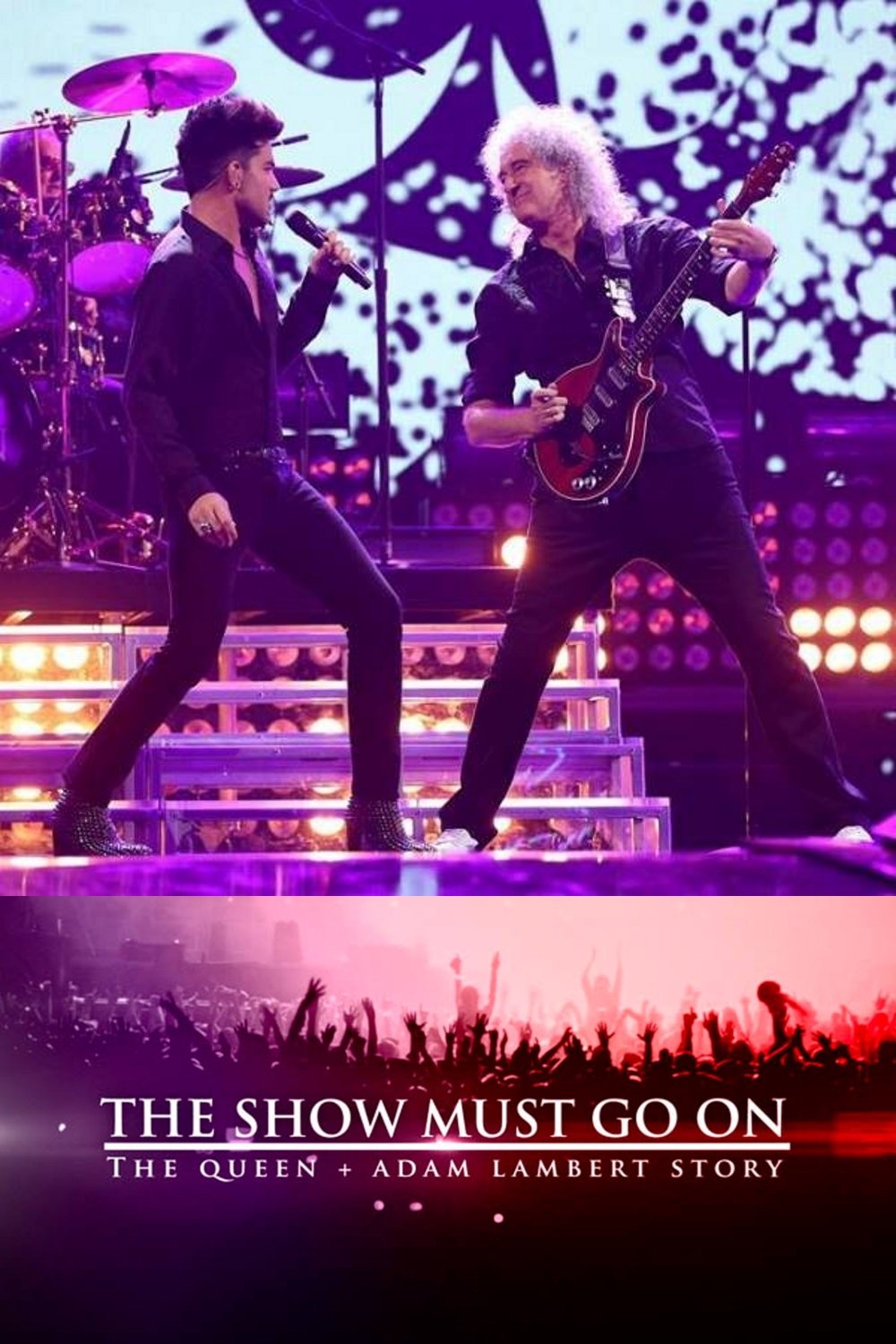
A documentary chronicling Queen and Lambert's incredible journey since they first shared the stage together on "American Idol" in 2009.
Al Pacino's deeply-felt rumination on Shakespeare's significance and relevance to the modern world through interviews and an in-depth analysis of "Richard III."
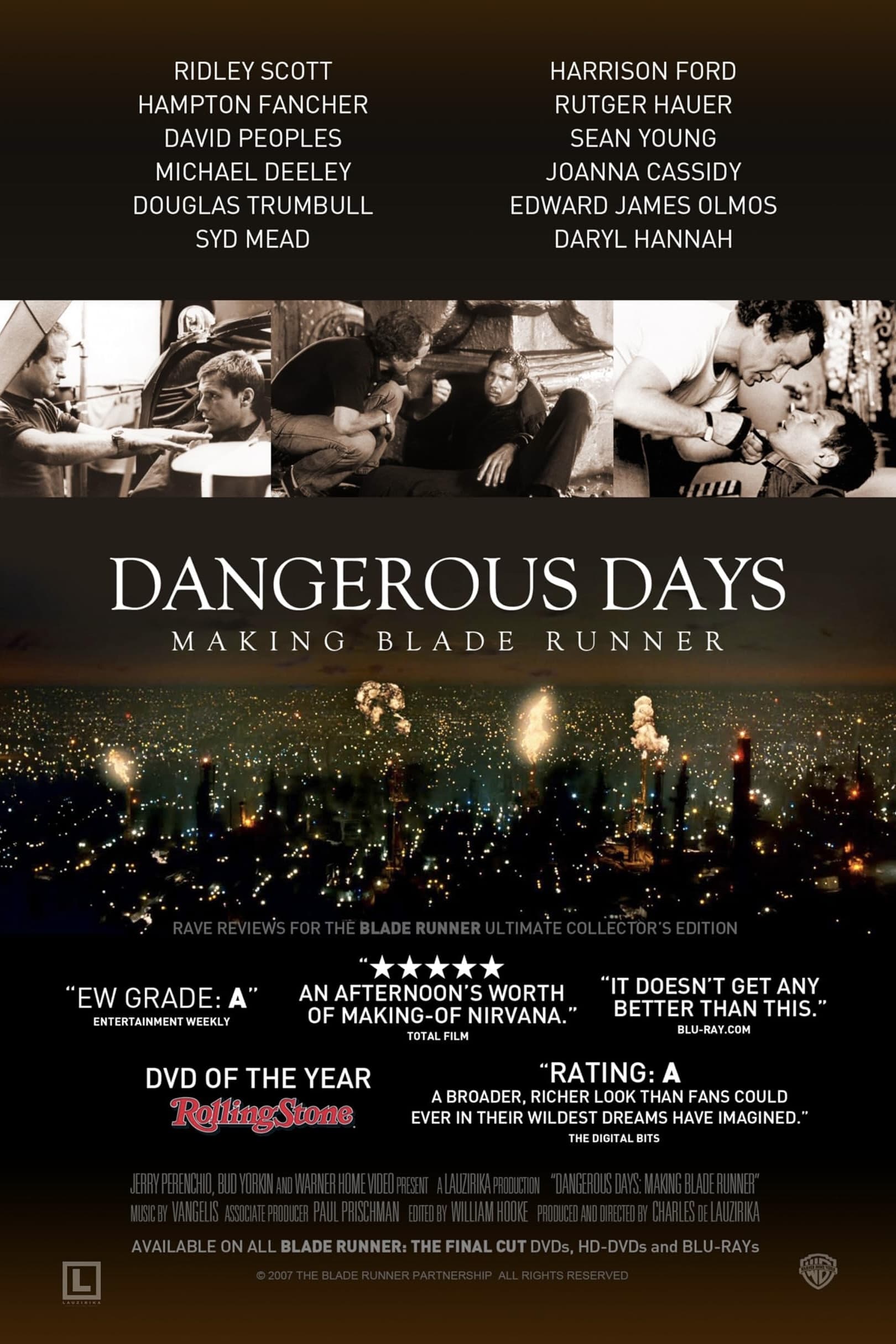
The definitive 3½-hour documentary about the troubled creation and enduring legacy of the science fiction classic 'Blade Runner', culled from 80 interviews and hours of never-before-seen outtakes and lost footage.
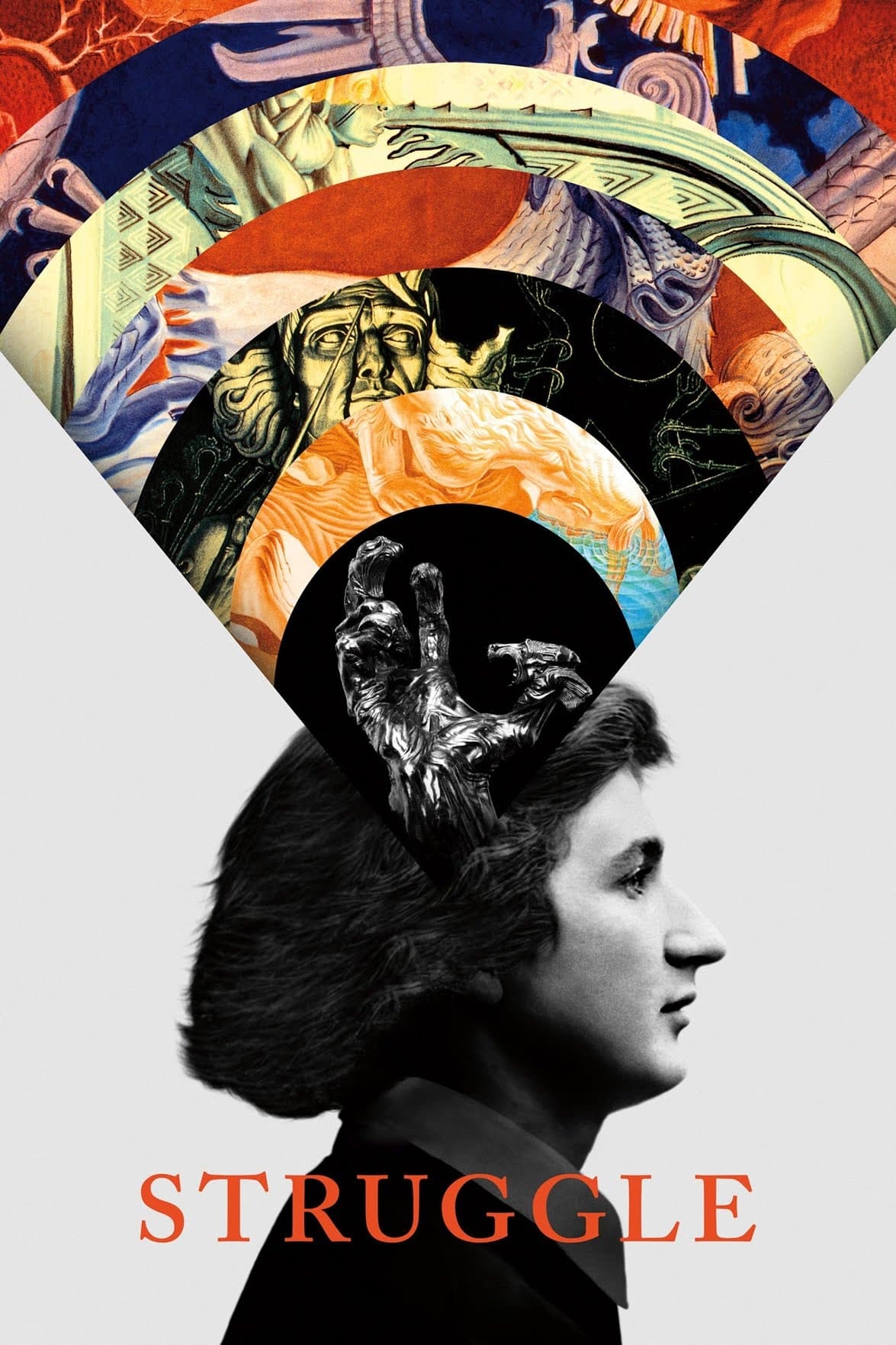
Artists in LA discover the work of forgotten Polish sculptor Stanislav Szukalski, a mad genius whose true story unfolds chapter by astounding chapter.
The Savage X Fenty Show gives a look into Rihanna's creative process for her latest lingerie collection. Modeled by incredible, diverse talent, celebrating all genders and sizes, and featuring performances by the hottest music artists.
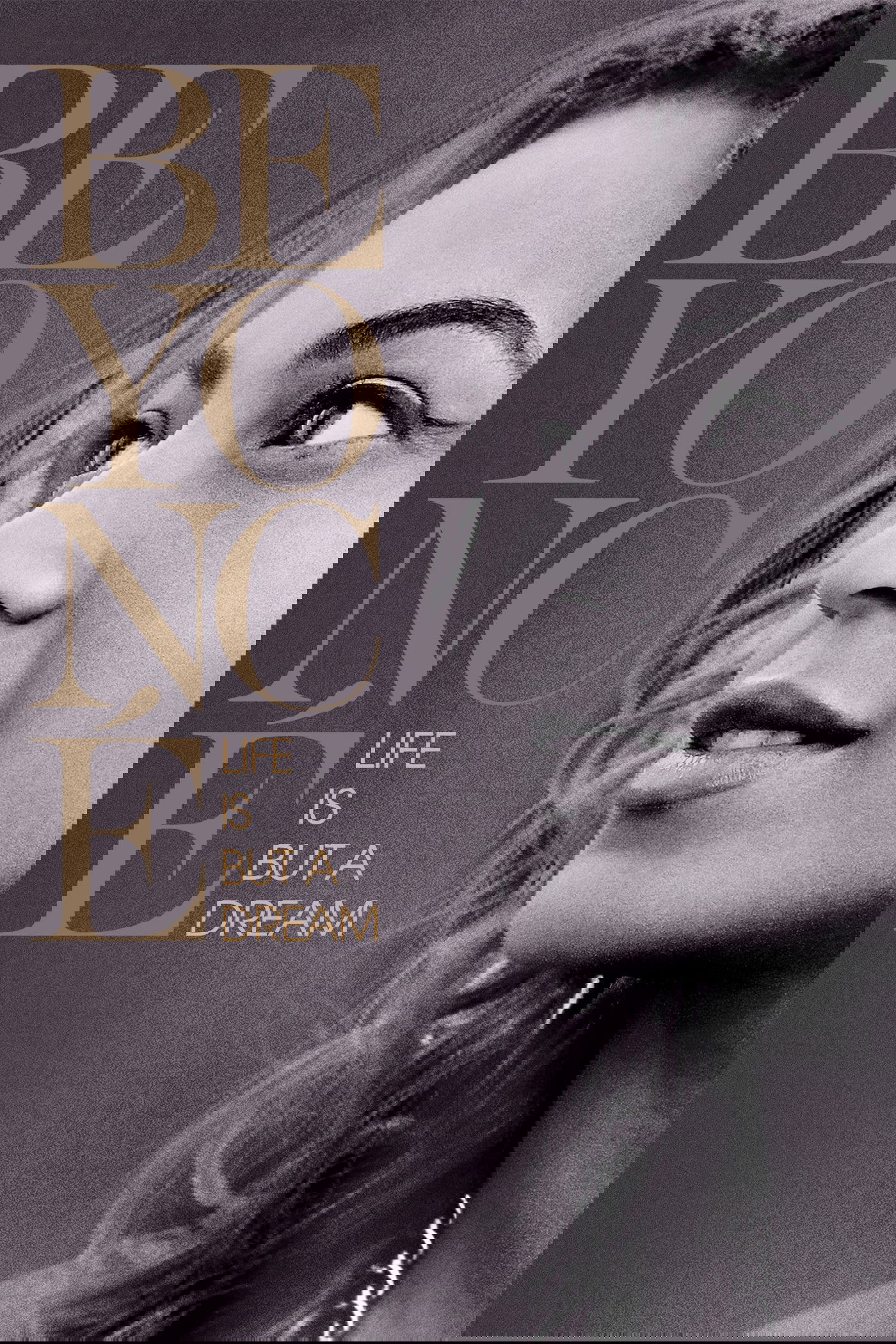
Life Is But a Dream is a HBO documentary about the life of US singer Beyoncé Knowles during the years 2011 and 2012 and on the recording of her fifth album. The film was directed by Beyoncé herself. The film shows Beyoncé from intimate moments of her pregnancy to behind the scenes and rehearsals of the main concerts of that time.
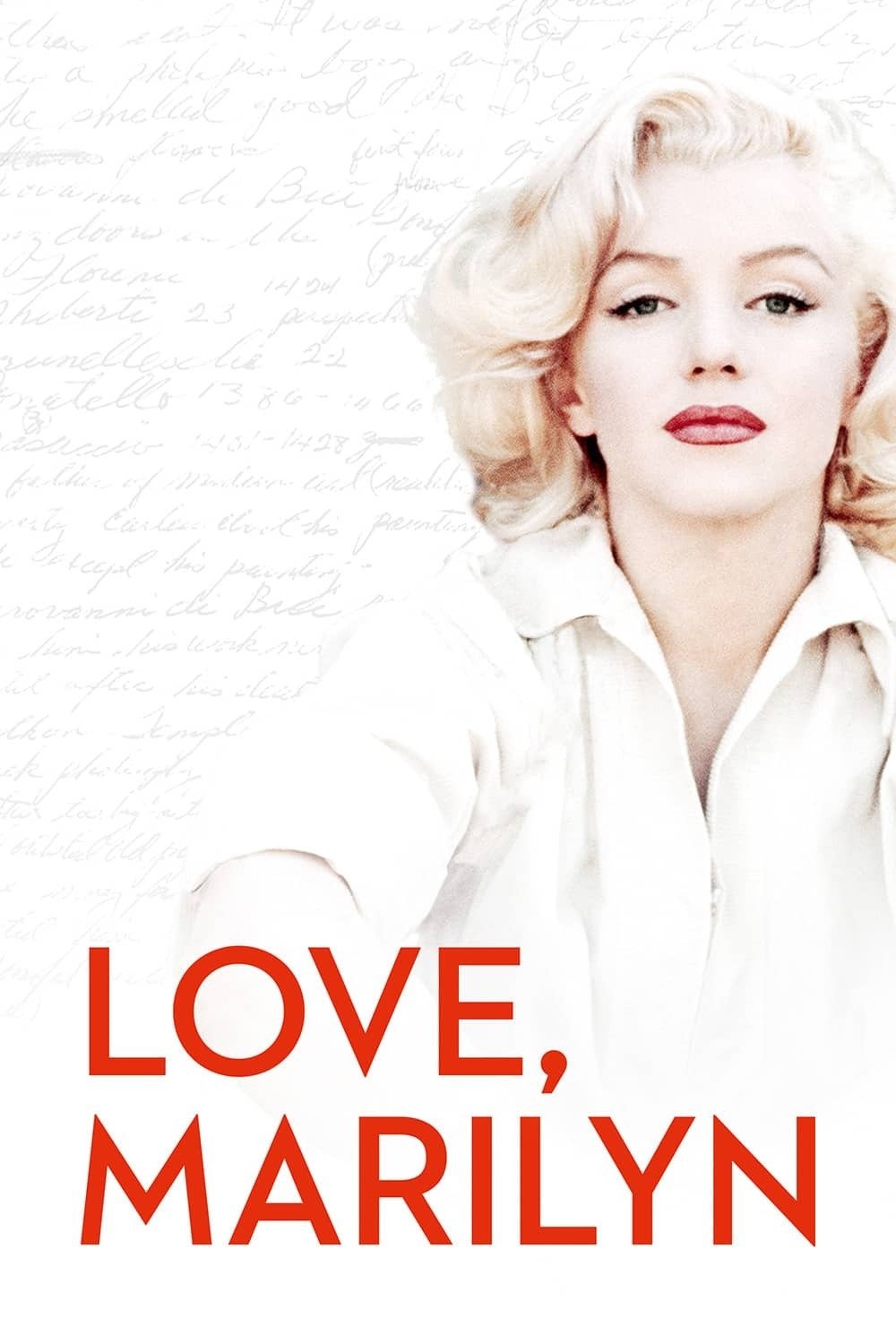
Using the book 'Fragments', which collects Marilyn Monroe's poems, notes and letters, and with participation from the Arthur Miller and Truman Capote estates who have contributed more material, each of the actresses will embody the legend at various stages in her life.
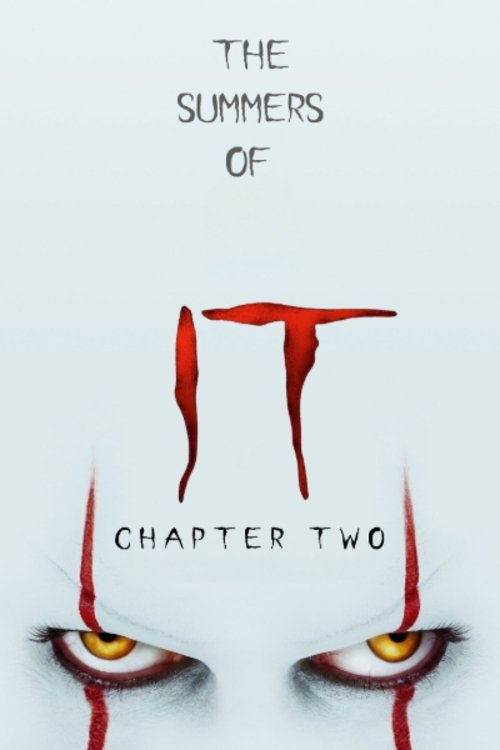
This documentary focuses on the actors and their journey over two summers to create the remake to the original IT, by Stephen King. The documentary originally released as bonus material, bundled with IT: Chapter Two.
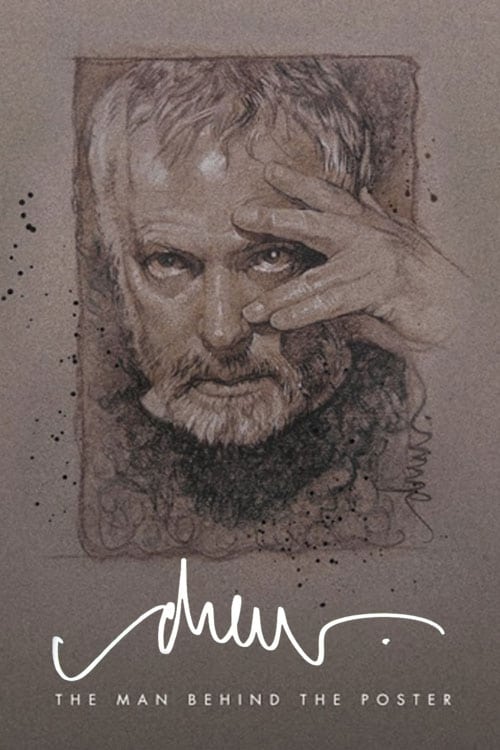
A documentary on legendary movie-poster artist Drew Struzan.