Social & External
The people behind it
Moon Jong-taek
Self
Park Hye-young
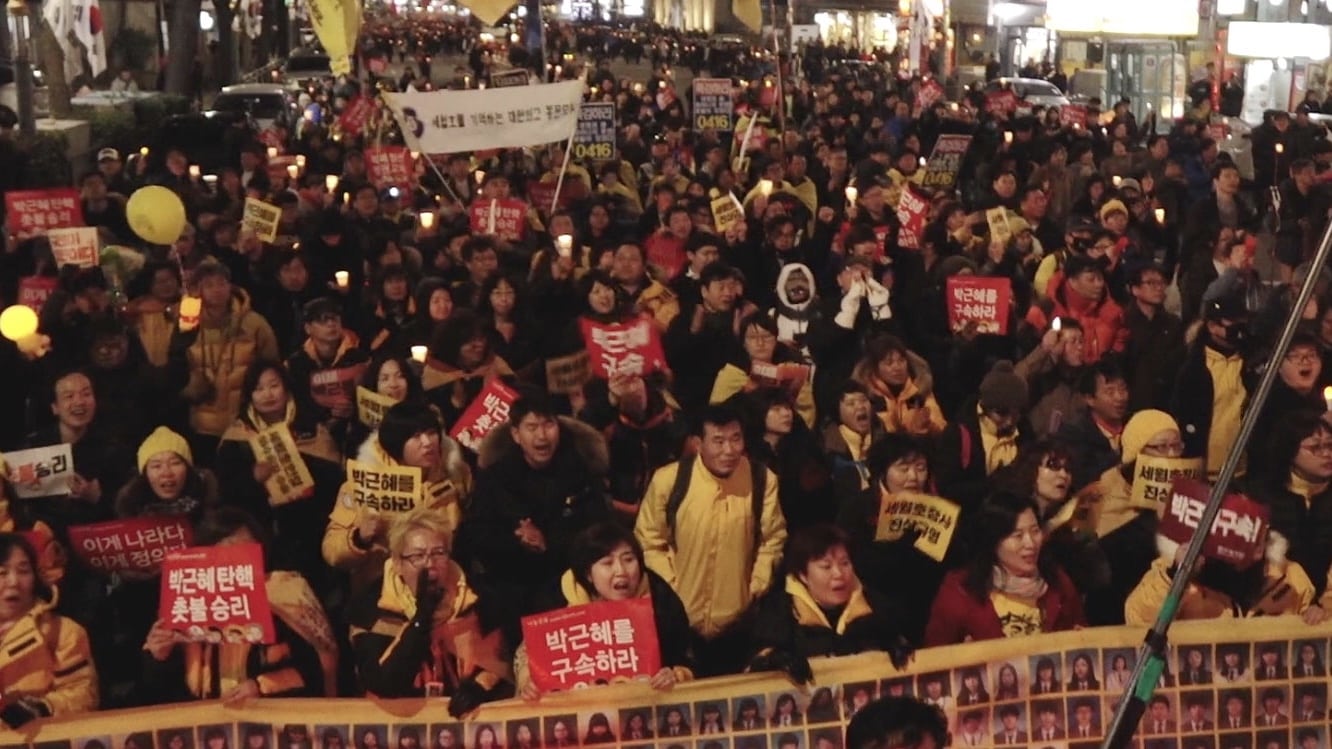
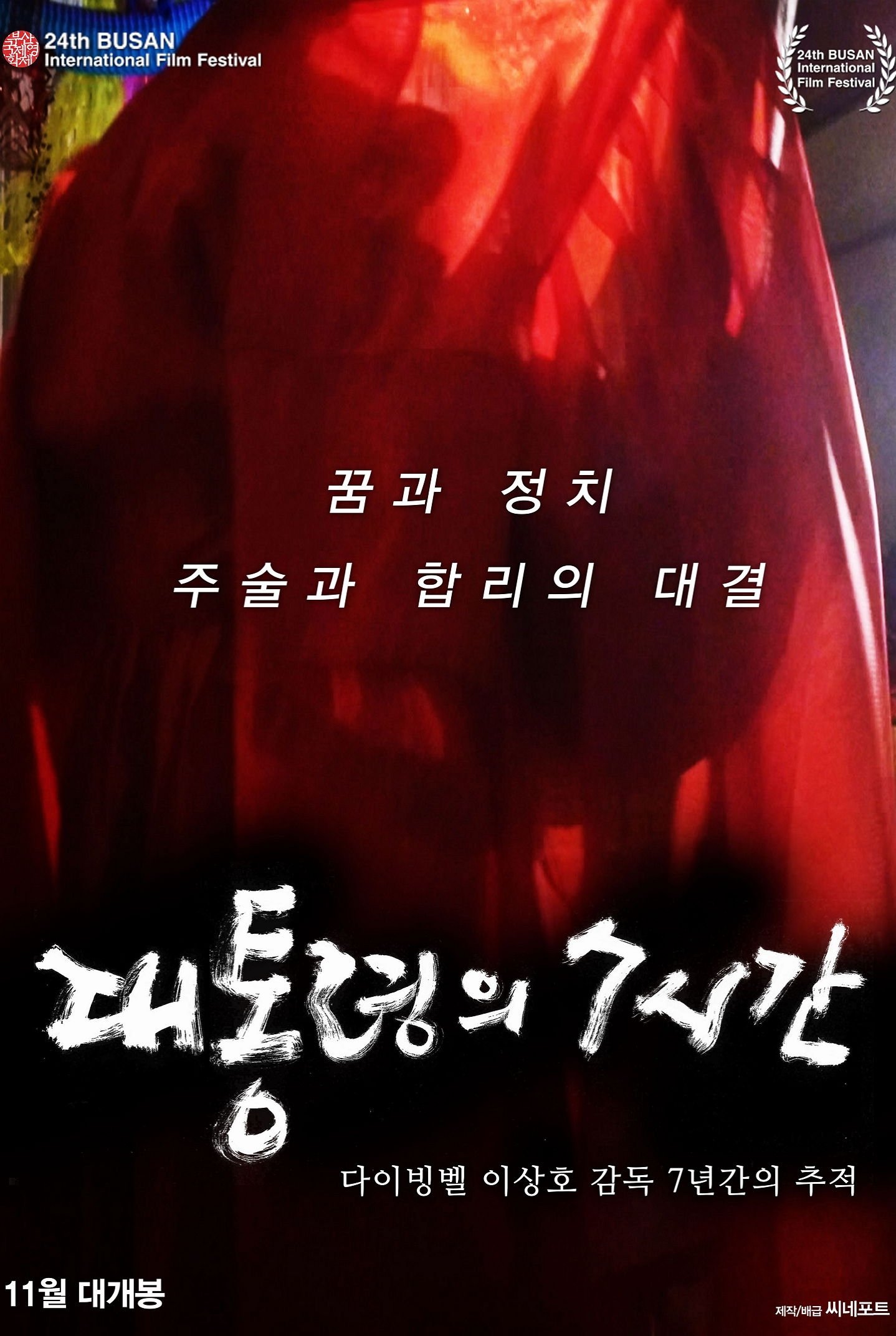
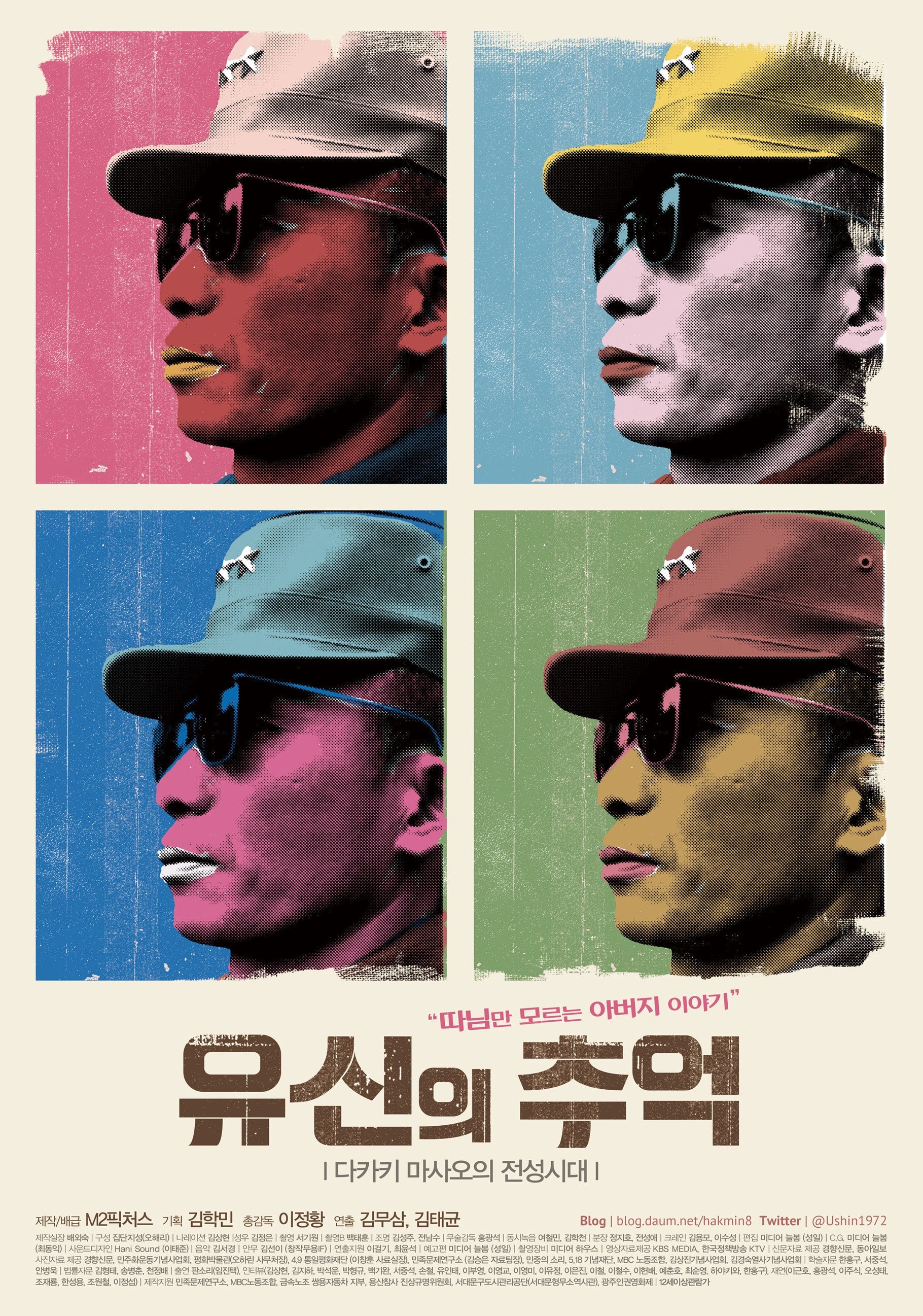
The film traces PARK Geun-hye's life back to the 1970s, when the leader-follower relationship began between PARK, who became the first lady of the Yushin regime, and CHOI Taemin, the leader of a pseudo-religion. It then examines the Sewol ferry incident, CHOI Soonsil Gate, candlelight rallies, and finally the impeachment.
304 people drowned as the car ferry sank. Four fathers recall their memories of their children; high school students who were on their field trip. Professors, lawyers, journalists, an activist, a diver, and a politician explain why the system ultimately allowed the tragedy to occur. What is stopping the next tragedy? The world has turned upside down.
Numerous people are on subway trains running up and down the city center endlessly. There are people who run this decent space “underground”. Under the noisy world today, we approach them to see what life is like underground.
A group of women climbs a summer mountain situated in South Korea. They are refugees who have settled into South Korean society after fleeing from North Korea. For them, climbing the mountains has been an unavoidable journey for survival - a matter of life and death.
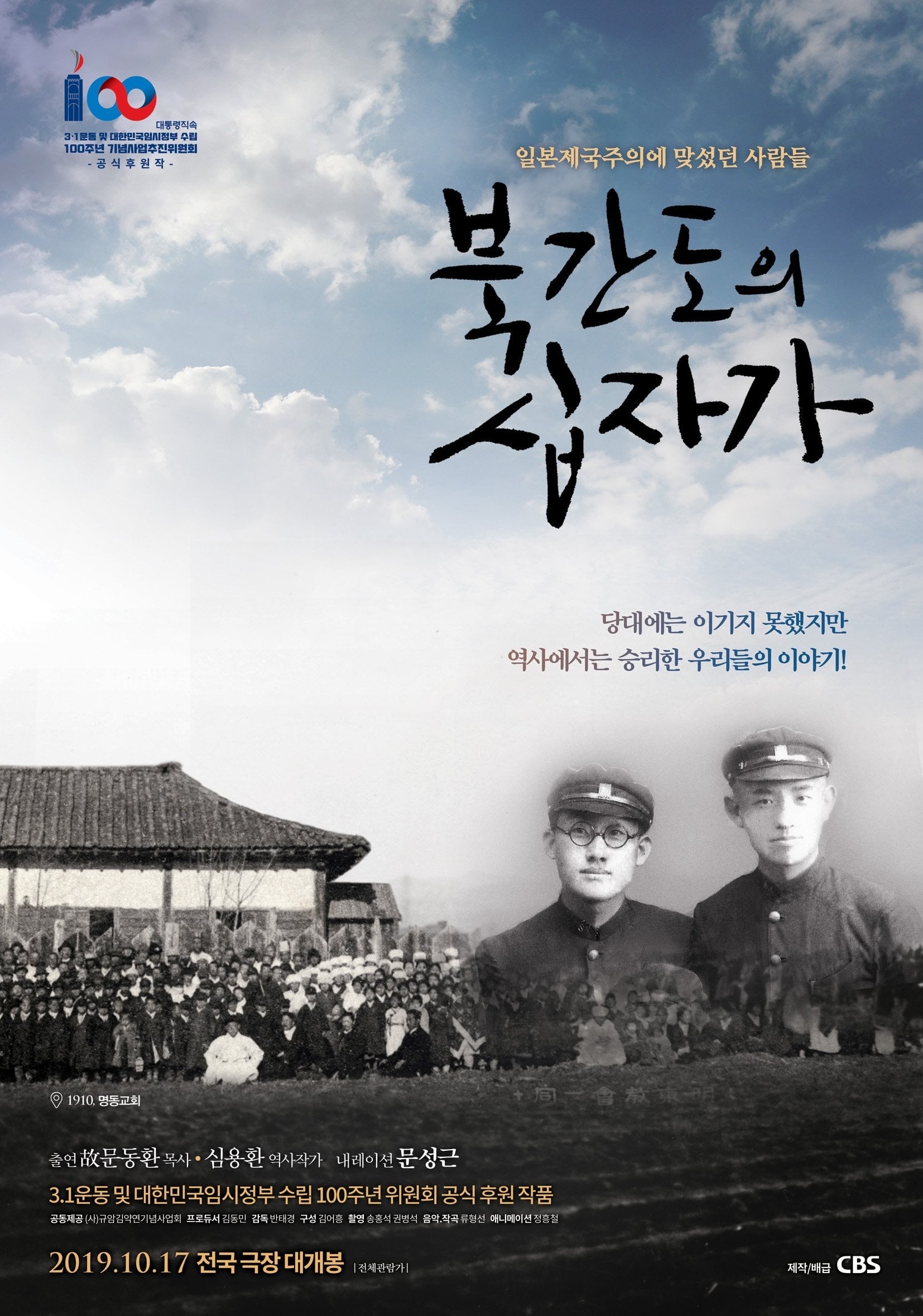
The Christians of North Gando lose their country and leave their hometown, but gain the Gospel. The cross they hold in their hands is the symbol of daring for independence and a royal summon of the generation they have to endure. Historian Sim Yo Han retraces the footsteps of the late Father Moon Dong Hwan and finds meanings of the anti-Japanese independence movement hidden in various parts of North Gando.
The small county of Seongju staged protests against the THAAD. Young mothers led protests from concerns about their kids and the exposure to radiation. Gradually, they learn the system is faulty.
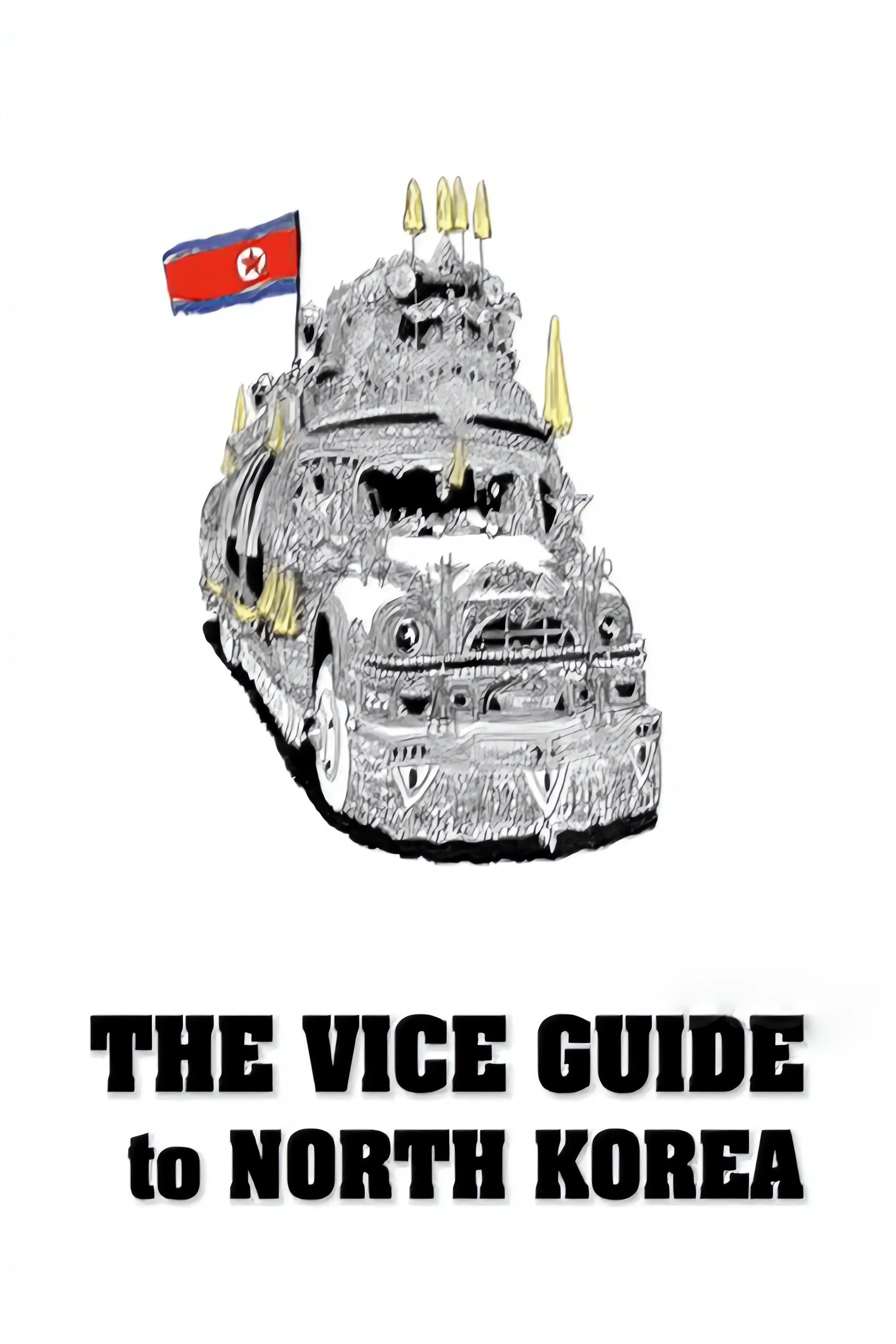
"Getting into North Korea was one of the hardest and weirdest processes VBS has ever dealt with. They finally said, “OK, OK, you can come. But only as tourists.” At the airport, the North Korean consulate brought us to a restaurant and these women came out and started singing North Korean nationalist songs. We were thinking, “Look, we were just on a plane for 20 hours. Can we just go to bed?” but this guy with our group who was from the LA Times told us, “Everyone in here besides us is secret police. If you don’t act excited then you’re not going to get your visa. So we got drunk and jumped up onstage and sang songs with the girls. The next day we got our visas. A lot of people we had gone with didn’t get theirs. That was our first hint at just what a freaky, freaky trip we were embarking on…" -VICE Founder Shane Smith
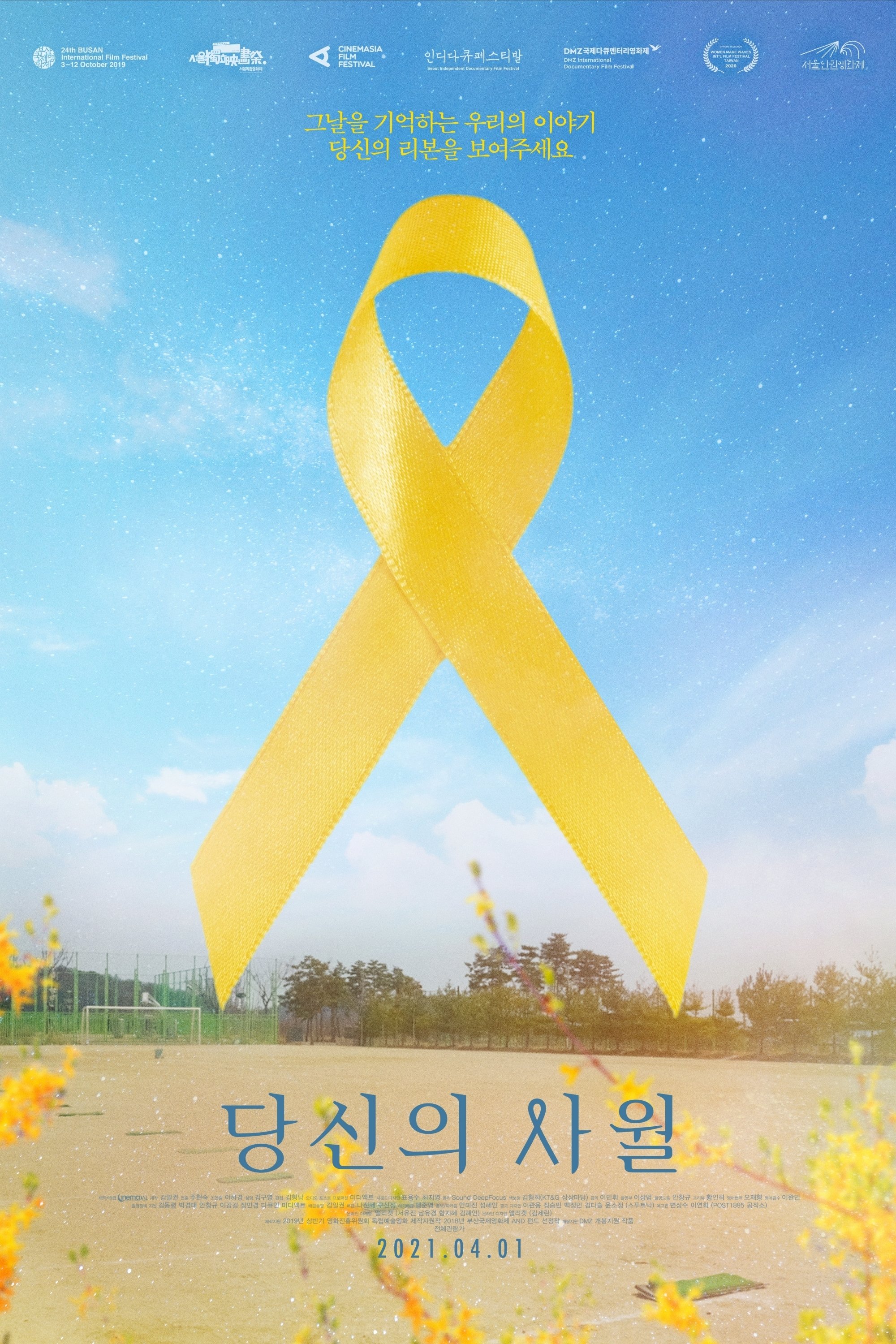
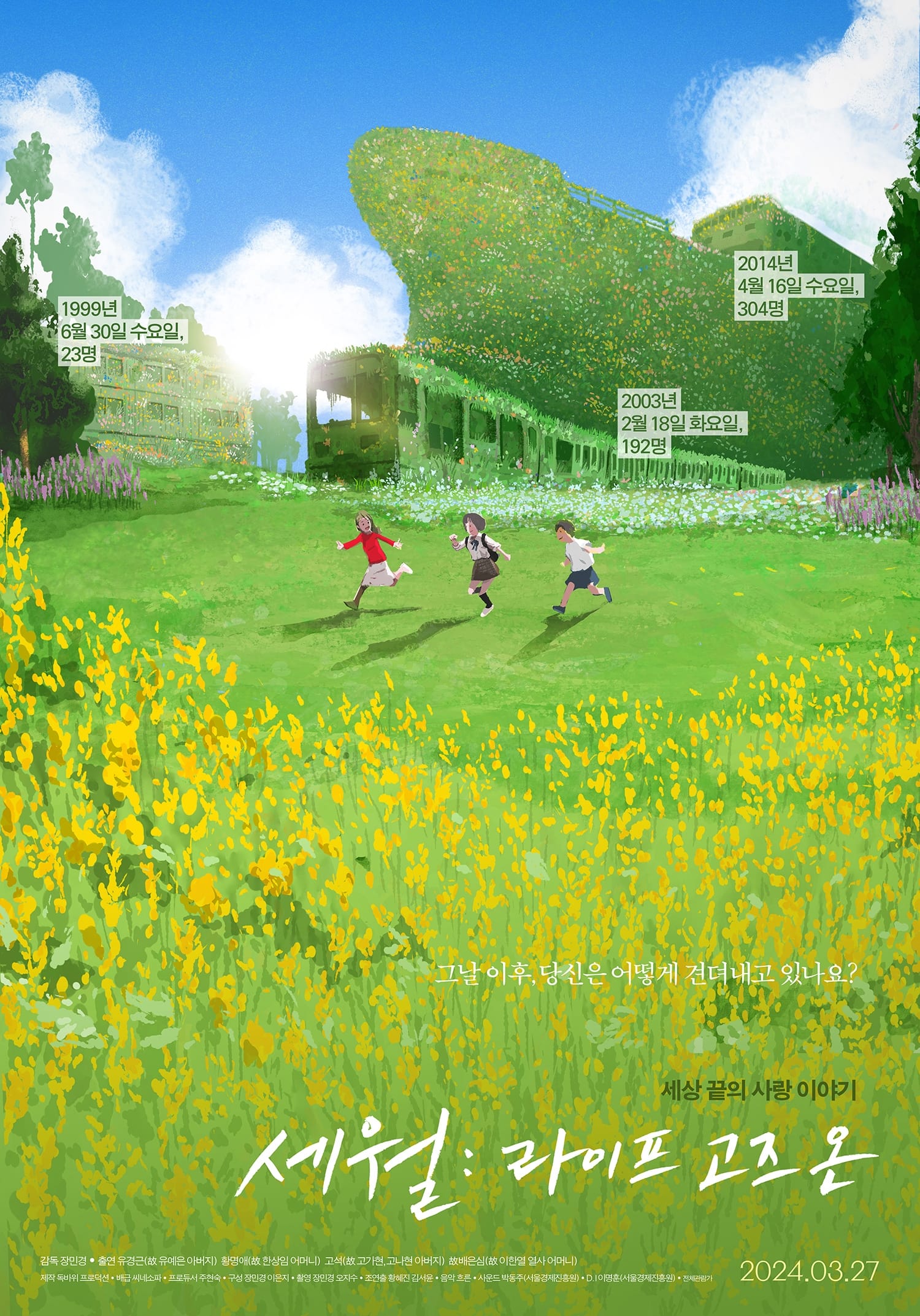
Yoo Kyung-geun, who lost her daughter Ye-eun in the Sewol Ferry Disaster, sits down at the podcast production studio. It is to meet with the bereaved families of numerous social disasters before and after the Sewol Ferry Disaster. They are Hwang Myung-ae, the mother of Han Sang-im who died in the 2003 Daegu Subway Fire, Ko Seok, the father of Gahyun and Nahyun who died in the 1999 Sealand Youth Training Center Fire, and Bae Eunsim, the mother of Lee Hanyeol who died in 1987's June Struggle. The bereaved families talk about "the life after" and their daily lives, and Yoo Kyung-geun learns to live without Ye-eun.
The 10-year struggle of the families who lost their children from the Sewol Ferry Disaster.
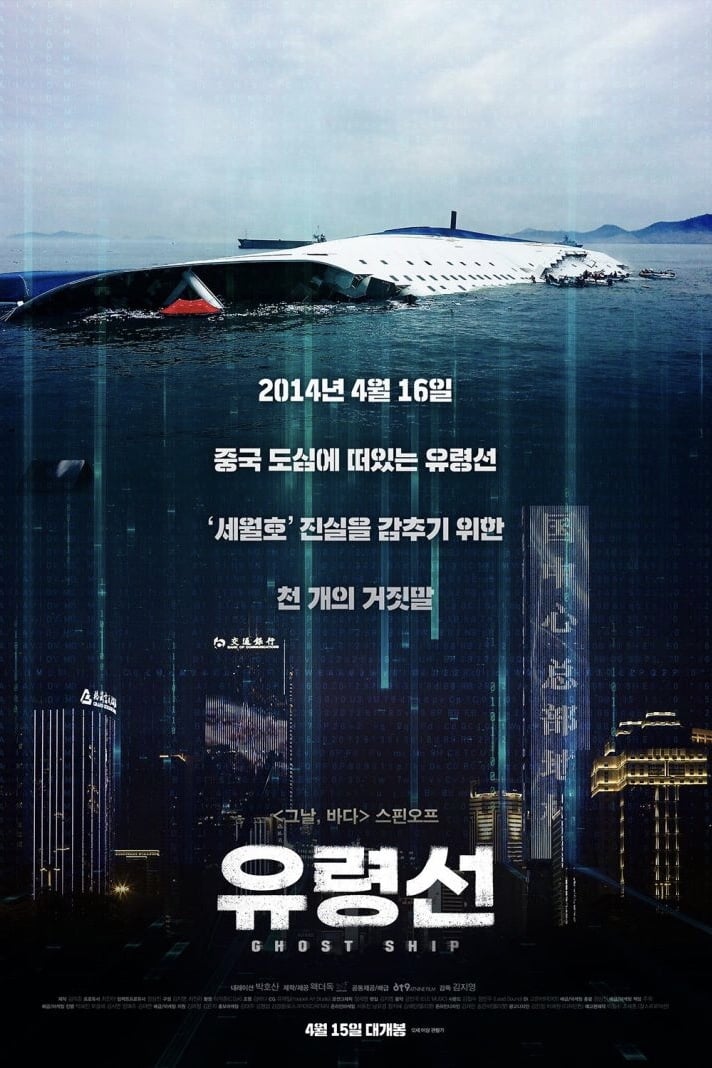
A thousand lies to conceal the truth of the Sewol Ferry. As many as 1,000 ships, 160,000 AIS data, were manipulated to hide the truth behind the sinking of the Sewol Ferry on April 16, 2014. Who are the organizers of this and why did they build a ghost ship! We must ask persistent questions. Since that day, nothing has been revealed yet. Government AIS data of a thousand lies. Now it is time for the Korean prosecution to answer.
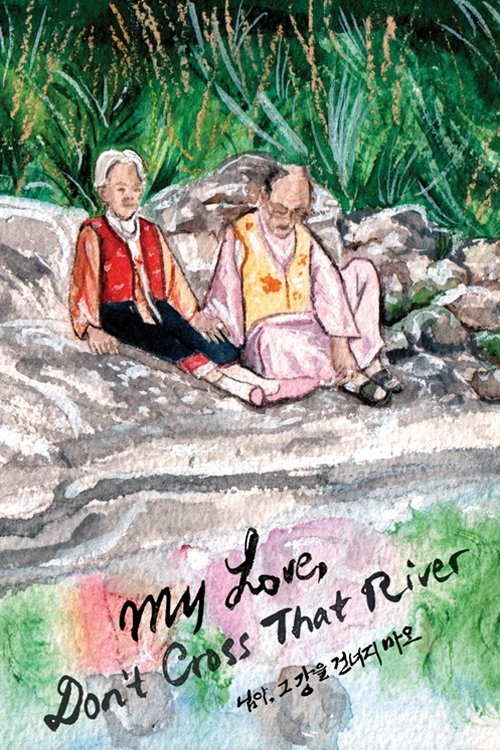
There lives a couple known as "100-year-old lovebirds". They're like fairy tale characters: the husband is strong like a woodman, and the wife is full of charms like a princess. They dearly love each other, wear Korean traditional clothes together, and still fall asleep hand in hand. However, death, quietly and like a thief, sits between them. This film starts from that moment, and follows the last moments of 76 years of their marriage.
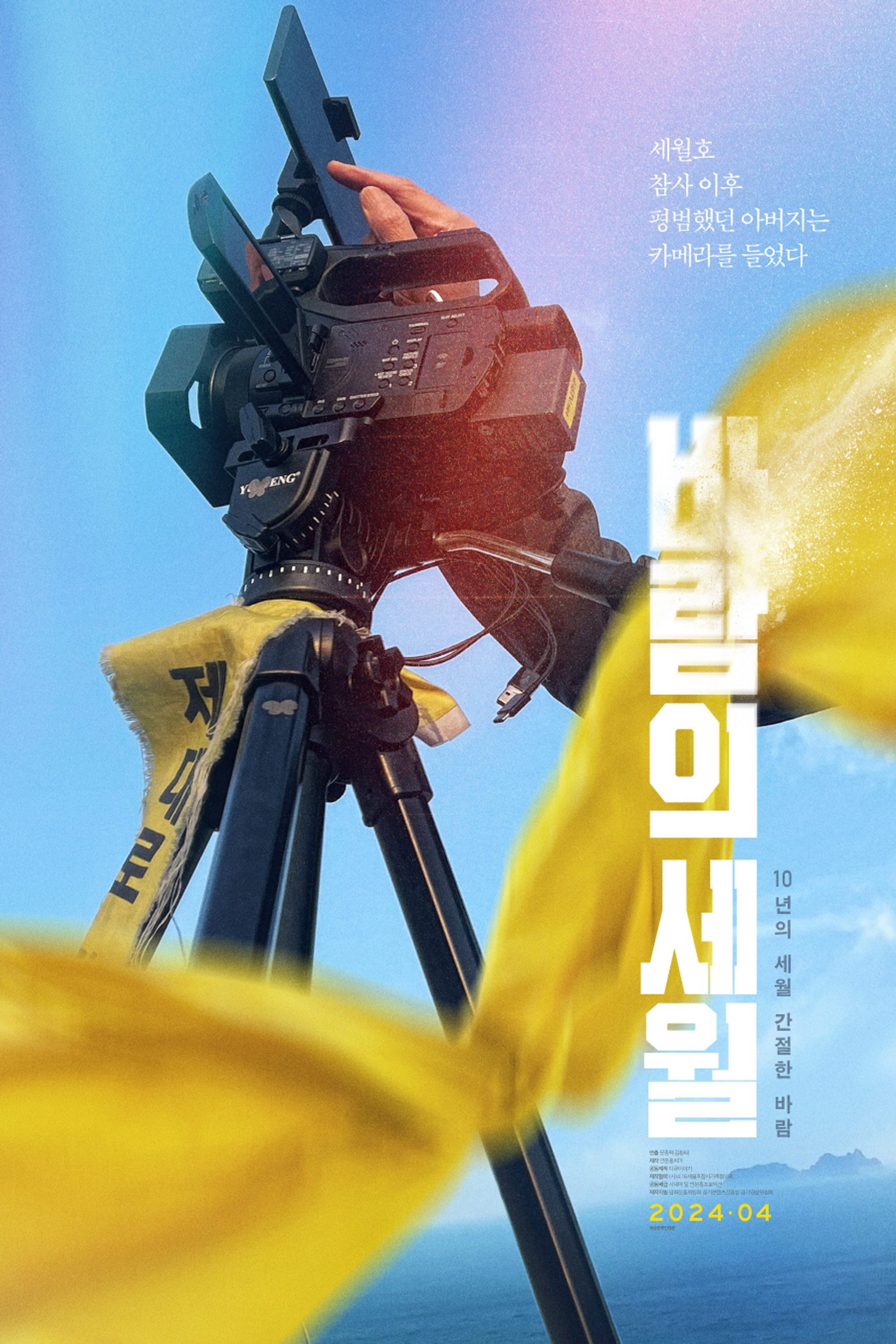
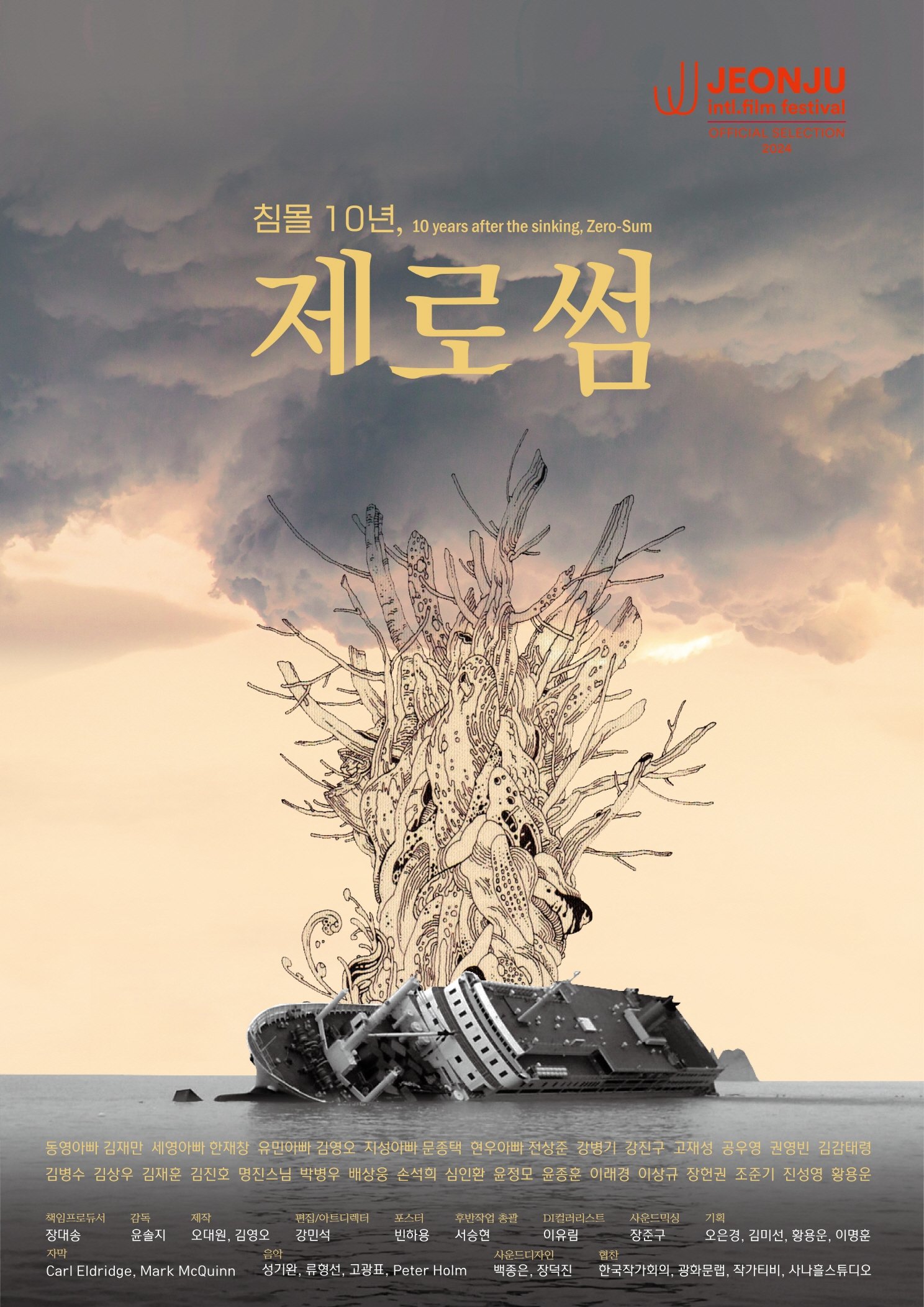
10 years have passed since the Ferry Sewol disaster. People are still waiting for the truth about the incident at Paengmok Port.
Ten years ago, 304 innocent people aboard the Sewol ferry in Korea lost their lives at sea. The reason for the sinking and the complete failure of the rescue are crucial factors yet to be revealed. But the government continues to withhold key evidence, citing national security reasons. This documentary finds a conclusion of why all the matters have gone wrong.
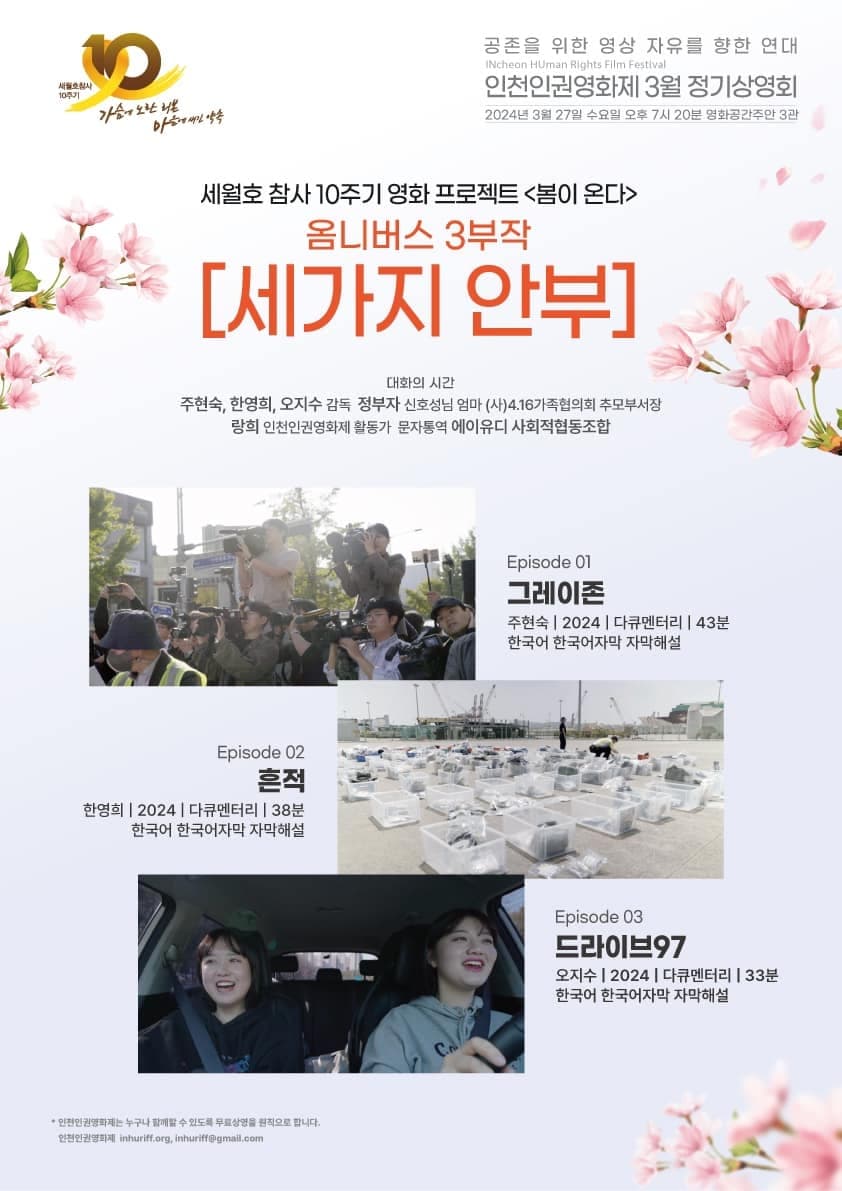
This documentary tells the story of people who were at the scene of the 2014 Sewol Ferry disaster: journalists, bereaved families of the victims, and the survivors. Ten years after the disaster, what did it leave them? These are three omnibus documentaries with different perspectives.
A detailed military history of the Korean War and preceding events, from 1945 to 1953.
A documentary that scientifically analyses and tracks down the route of the Sewol Ferry that sank on the 16th of April in 2014 using its AIS to discover the cause of the unconfirmed sinking.
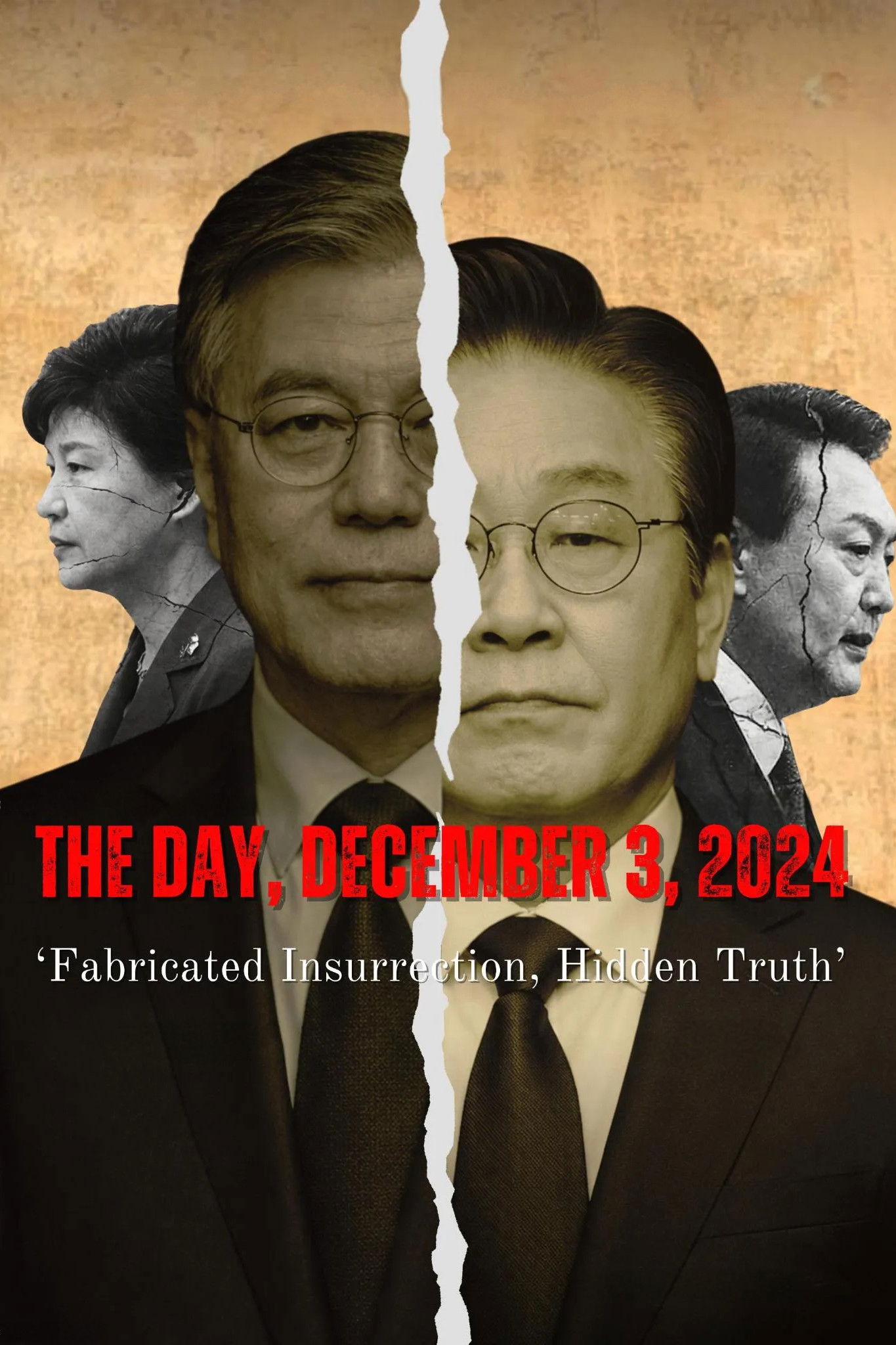
On the night of December 3, 2024, South Korea was thrown into chaos. What the public first heard as "an insurrection" quickly became one of the most polarising political events in modern Korean history. This documentary revisits that night and asks a deeper question: Was it really a coup attempt or the result of a calculated political trap? Through interviews, legal analysis, and evidence, the film investigates the impeachment of President Yoon Suk-yeol and the rapid collapse of his administration. It explores claims that an overwhelming opposition majority, built through alleged election manipulation, enabled a form of "legislative dictatorship" that mirrored the path that led to President Park Geun-hye's impeachment eight years earlier.
A visual montage portrait of our contemporary world dominated by globalized technology and violence.
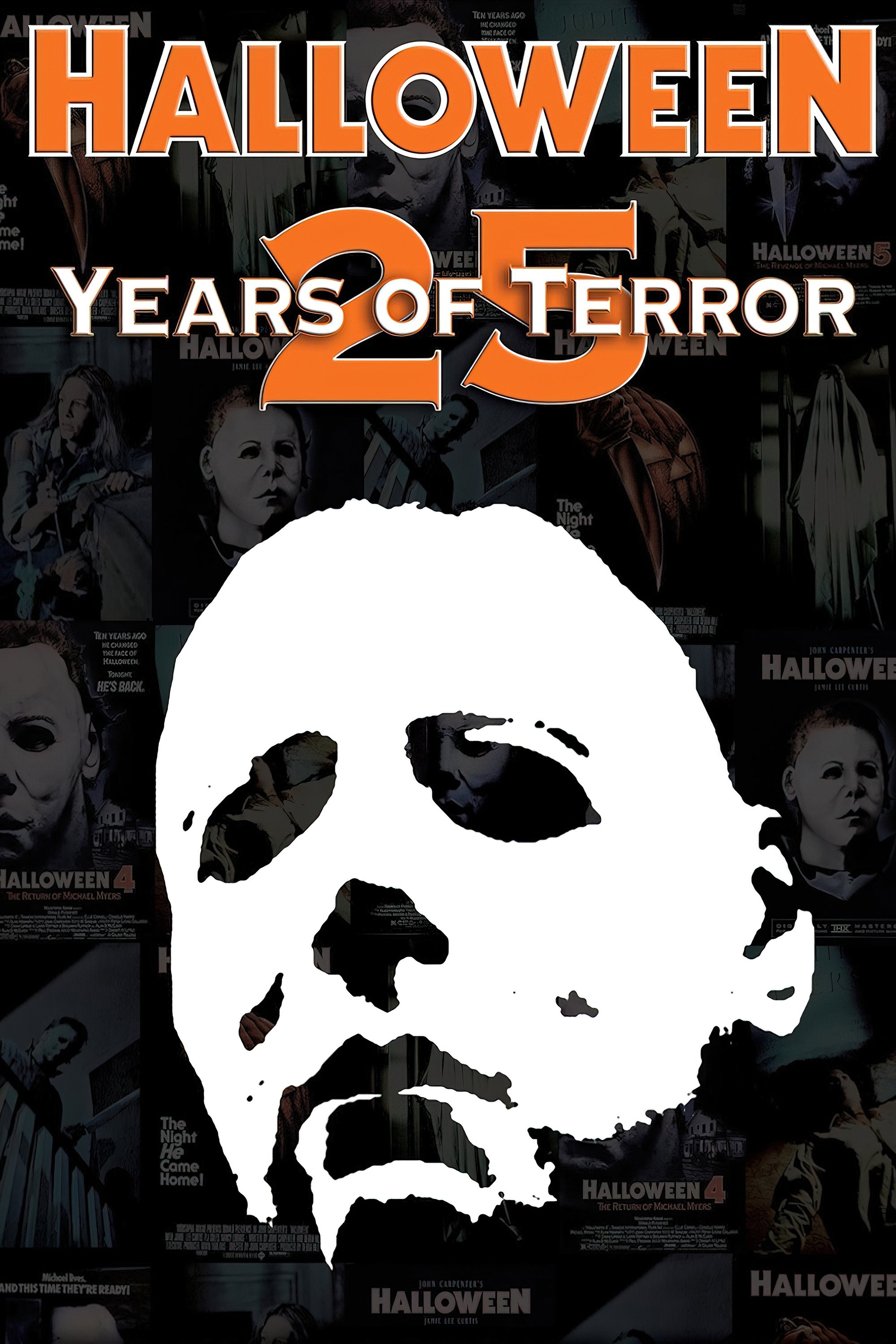
Follow the evolution of the 'Halloween' movies over the past twenty-five years. It examines why the films are so popular and revisits many of the original locations used in the films - seeing the effects on the local community. For the first time, cast, crew, critics and fans join together in the ultimate 'Halloween' retrospective.
The life of Mr. Spock, as well as that of Leonard Nimoy, the actor who played him for almost fifty years, written and directed by his son: Adam.
Musician and performance artist Laurie Anderson reflects on the deaths of her husband Lou Reed, her mother and her beloved dog.
The life and career of an actor, artist, and icon. His own journey through his own camera.
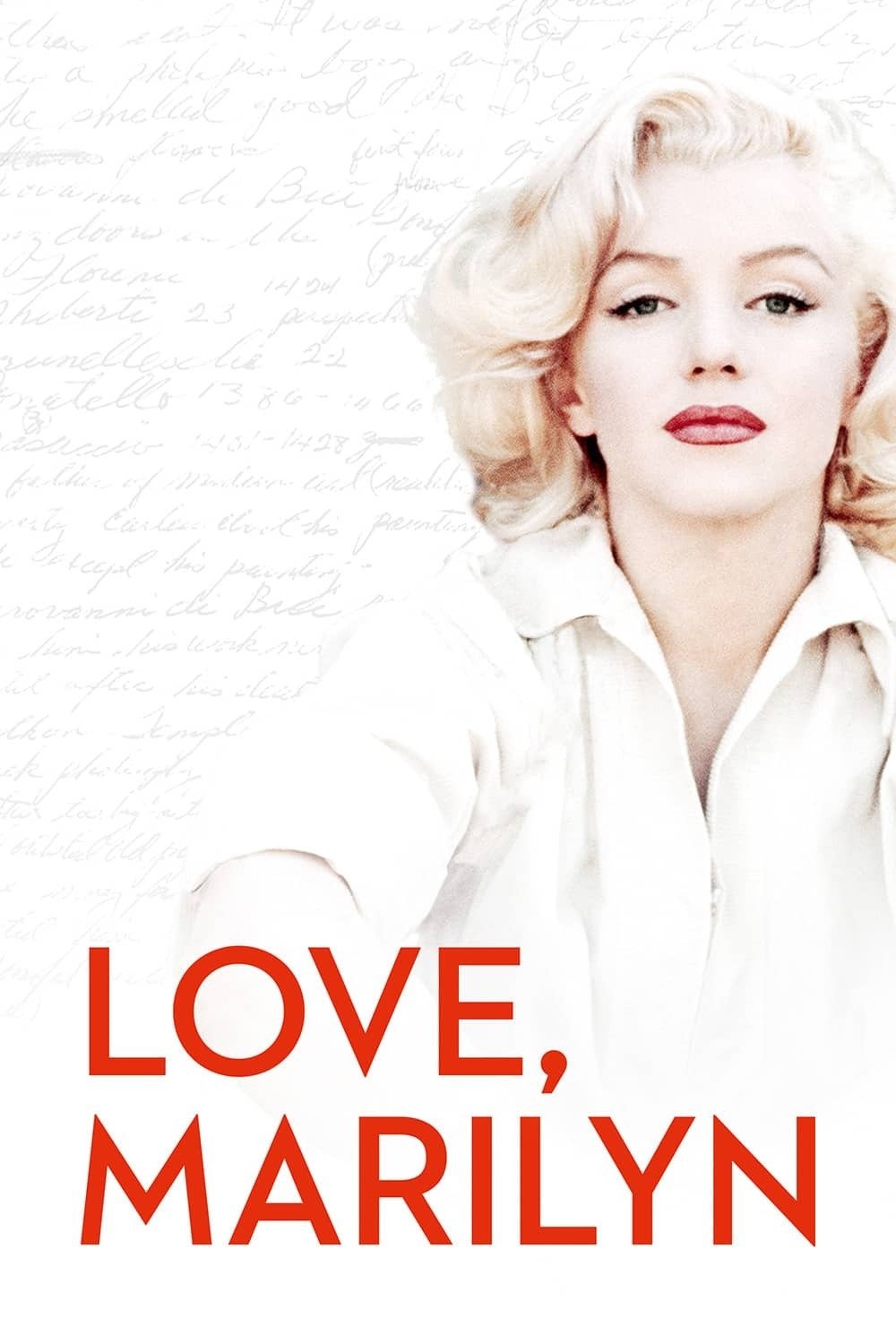
Using the book 'Fragments', which collects Marilyn Monroe's poems, notes and letters, and with participation from the Arthur Miller and Truman Capote estates who have contributed more material, each of the actresses will embody the legend at various stages in her life.
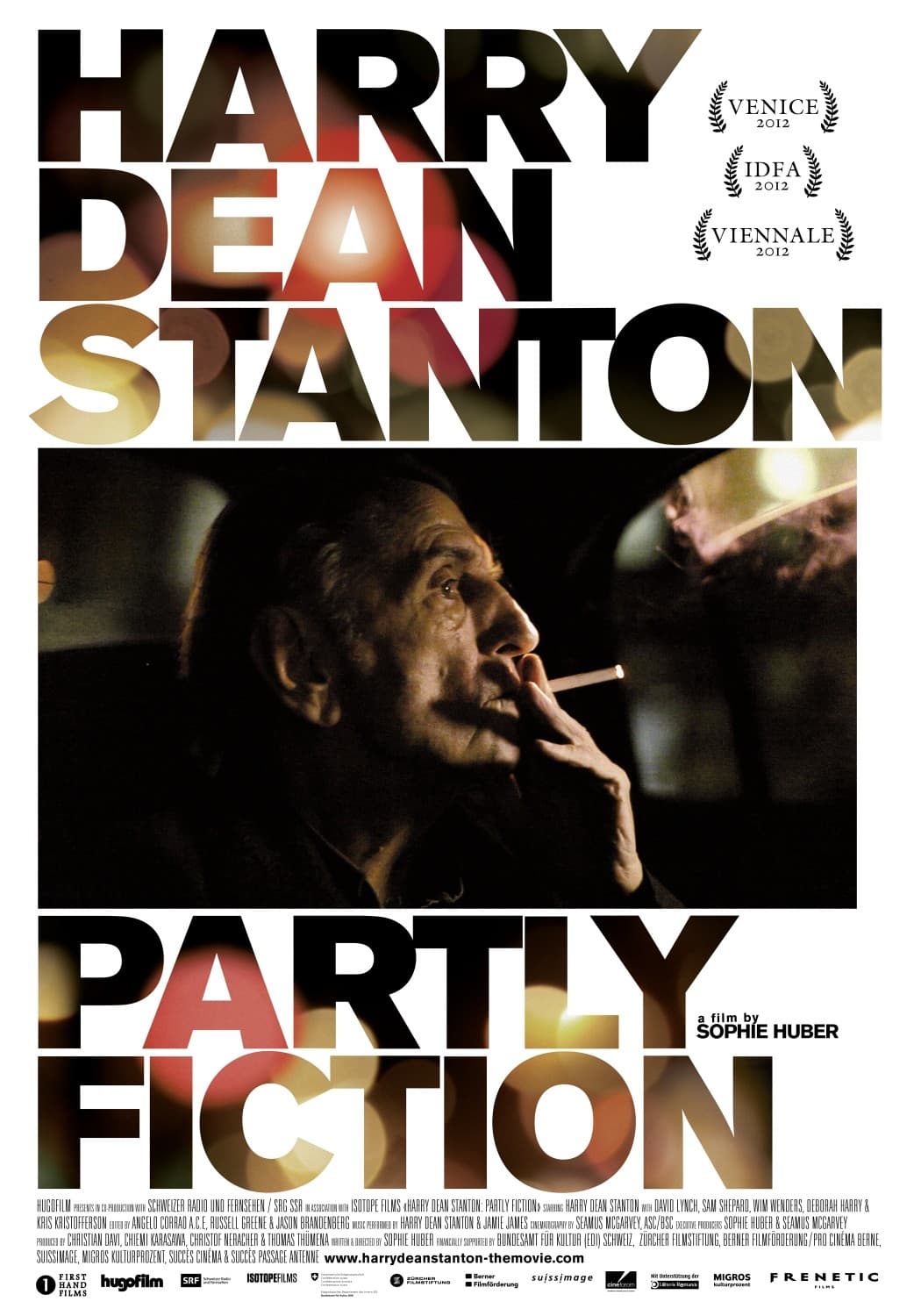
An impressionistic portrait of the iconic actor Harry Dean Stanton comprised of intimate moments, film clips from some of his 250 films and his renditions of American folk songs.
A documentary about how a dominant cultural and demographic institution both sustains their traditional activities and adapts to the digital revolution.
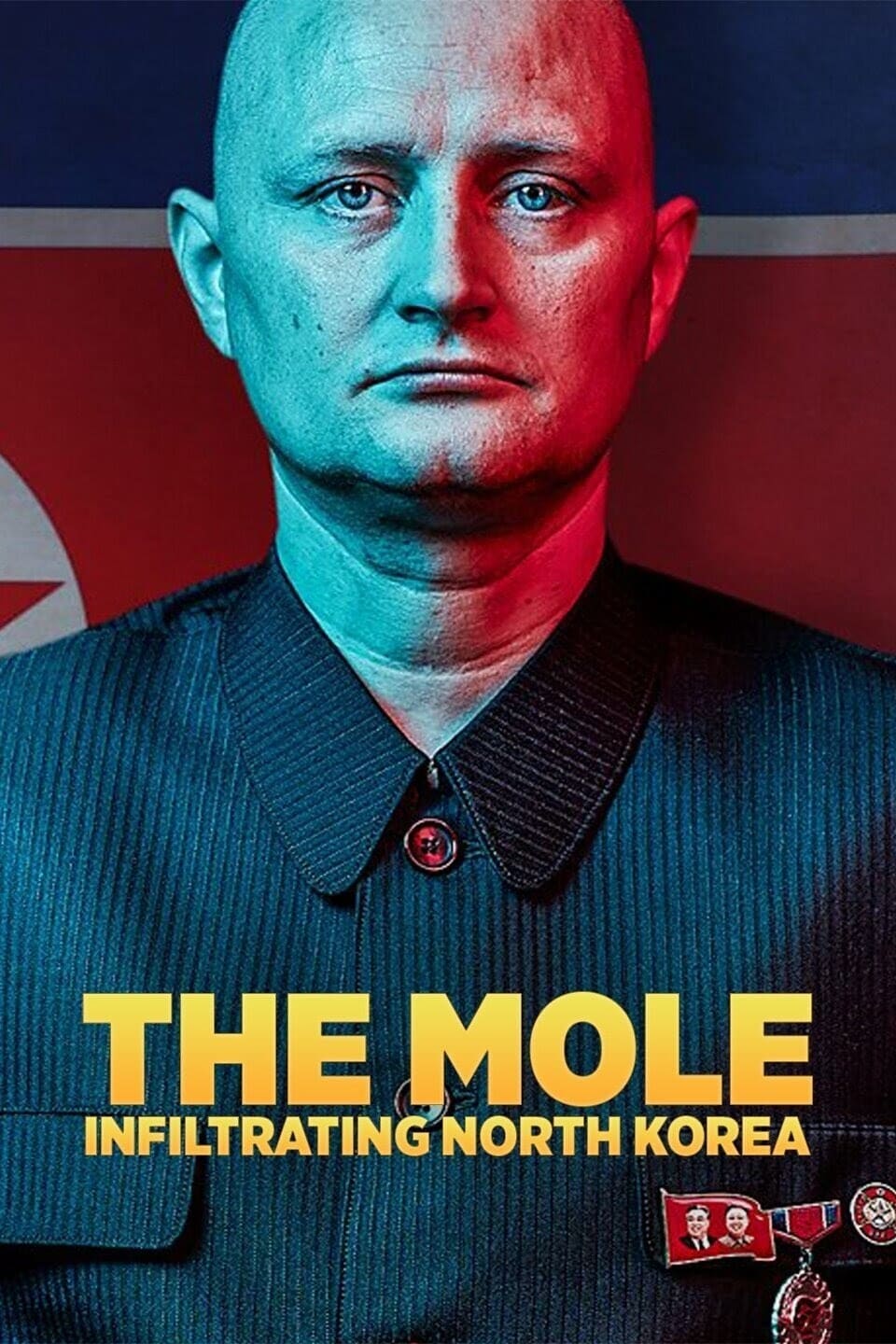
A real-life undercover thriller about two ordinary men who embark on an outrageously dangerous ten-year mission to penetrate the world's most secretive and brutal dictatorship: North Korea.
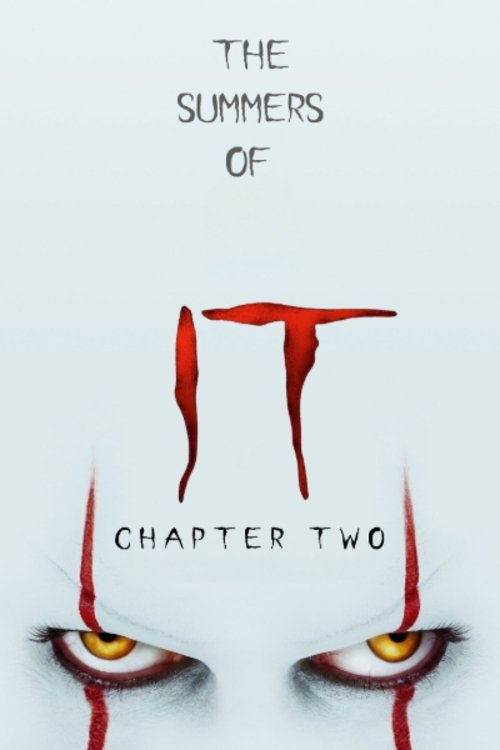
This documentary focuses on the actors and their journey over two summers to create the remake to the original IT, by Stephen King. The documentary originally released as bonus material, bundled with IT: Chapter Two.
Daniel Craig candidly reflects on his 15 year adventure as James Bond. Including never-before-seen archival footage from Casino Royale to the upcoming 25th film No Time To Die, Craig shares his personal memories in conversation with 007 producers, Michael G Wilson and Barbara Broccoli.
A look at the origins, history and conspiracies behind the "Majestic 12", a clandestine group of military and corporate figureheads charged with reverse-engineering extraterrestrial technology.
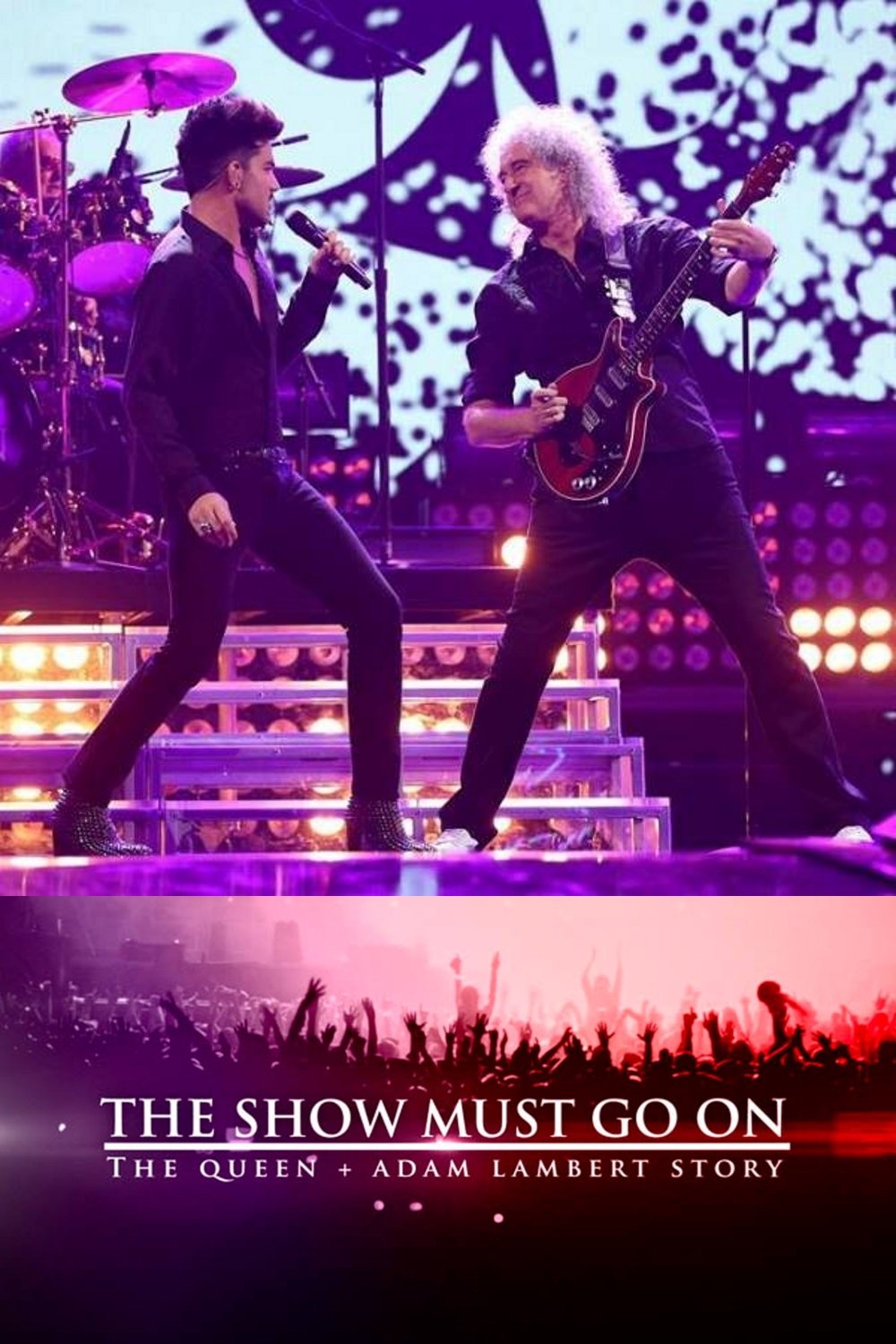
A documentary chronicling Queen and Lambert's incredible journey since they first shared the stage together on "American Idol" in 2009.
Al Pacino's deeply-felt rumination on Shakespeare's significance and relevance to the modern world through interviews and an in-depth analysis of "Richard III."
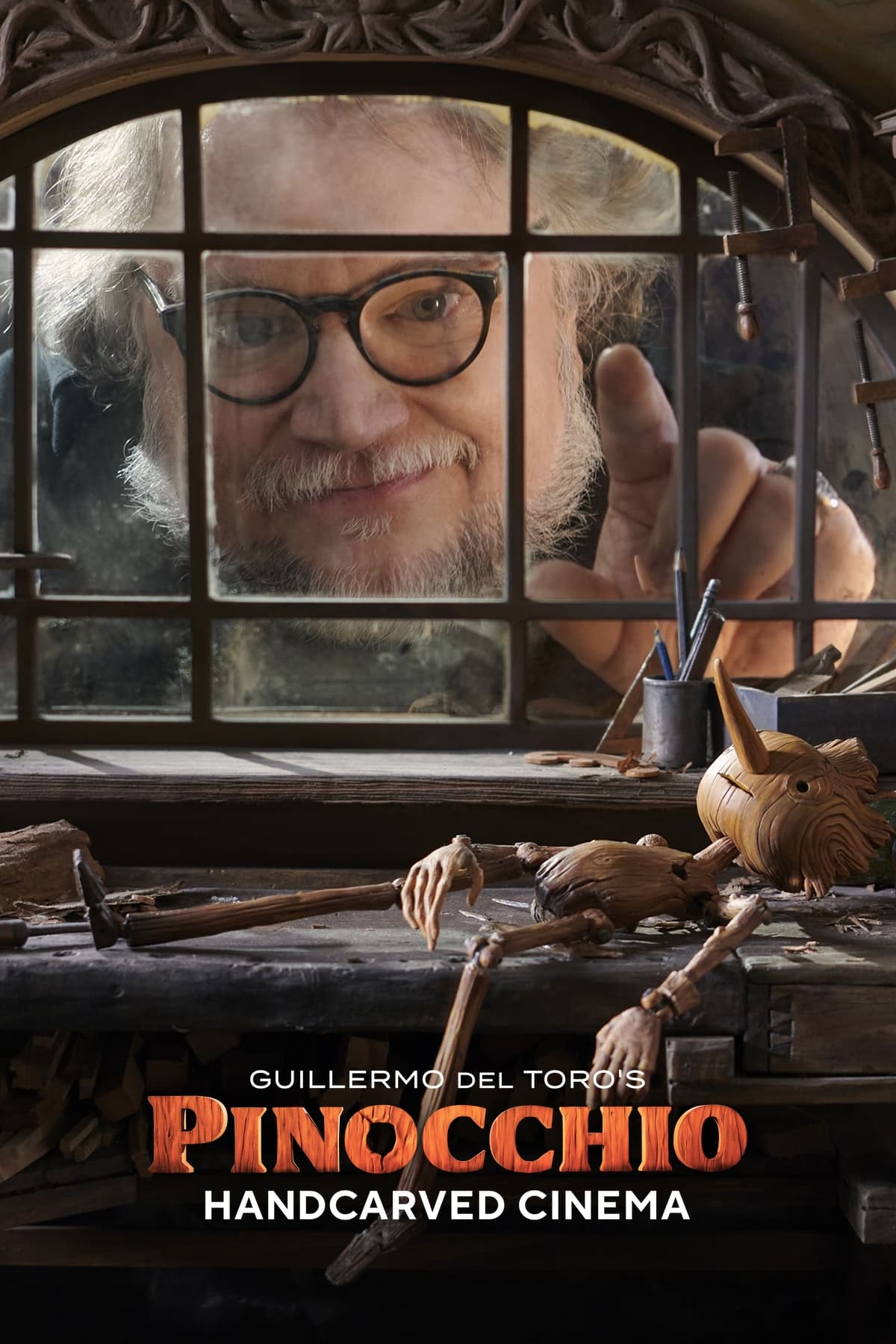
With mesmerizing footage and time lapses of animators at work, this behind-the-scenes special captures the artistry of a unique tale years in the making.
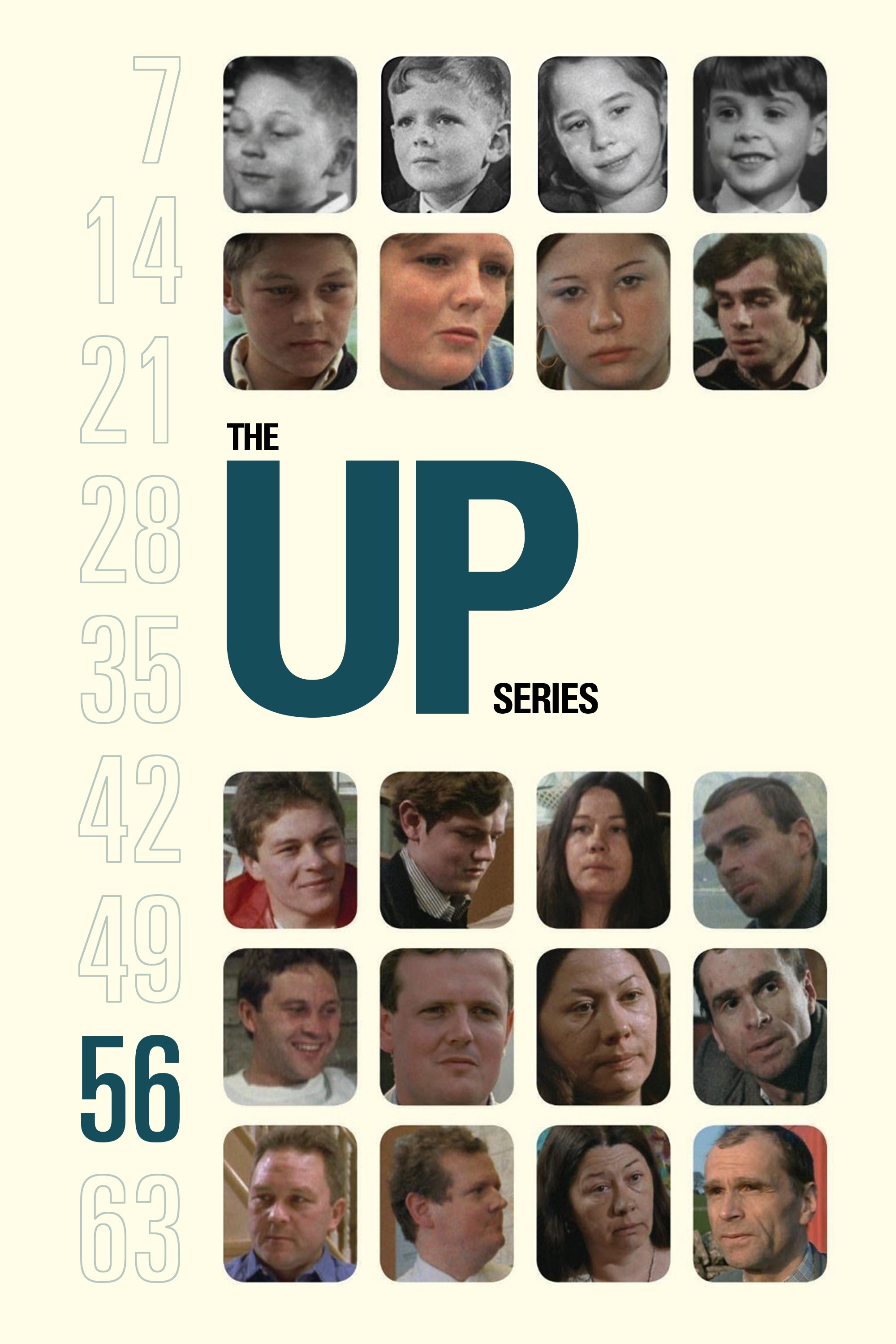
When a cross-section of seven-year-olds were interviewed for 7 Up in 1964 it was immediately evident that their social backgrounds influenced their attitudes towards life. While the upper class children were confident and self-assured, those from middle and working class backgrounds were resigned to a challenging life of hard work. This premise was put to the test every seven years when the same group were interviewed about the progression of their lives. 49 years in the making, the changes that occurred to the original 14 make for fascinating television and are in many ways the stories of all our lives. From success and disappointment, marriage and childbirth, to poverty and illness, nearly every facet of life has been captured on film. Now, at the age of 56, the group are once more brought together and, with the benefit of hindsight, assess whether their lives have been ruled by circumstance or self-determination.
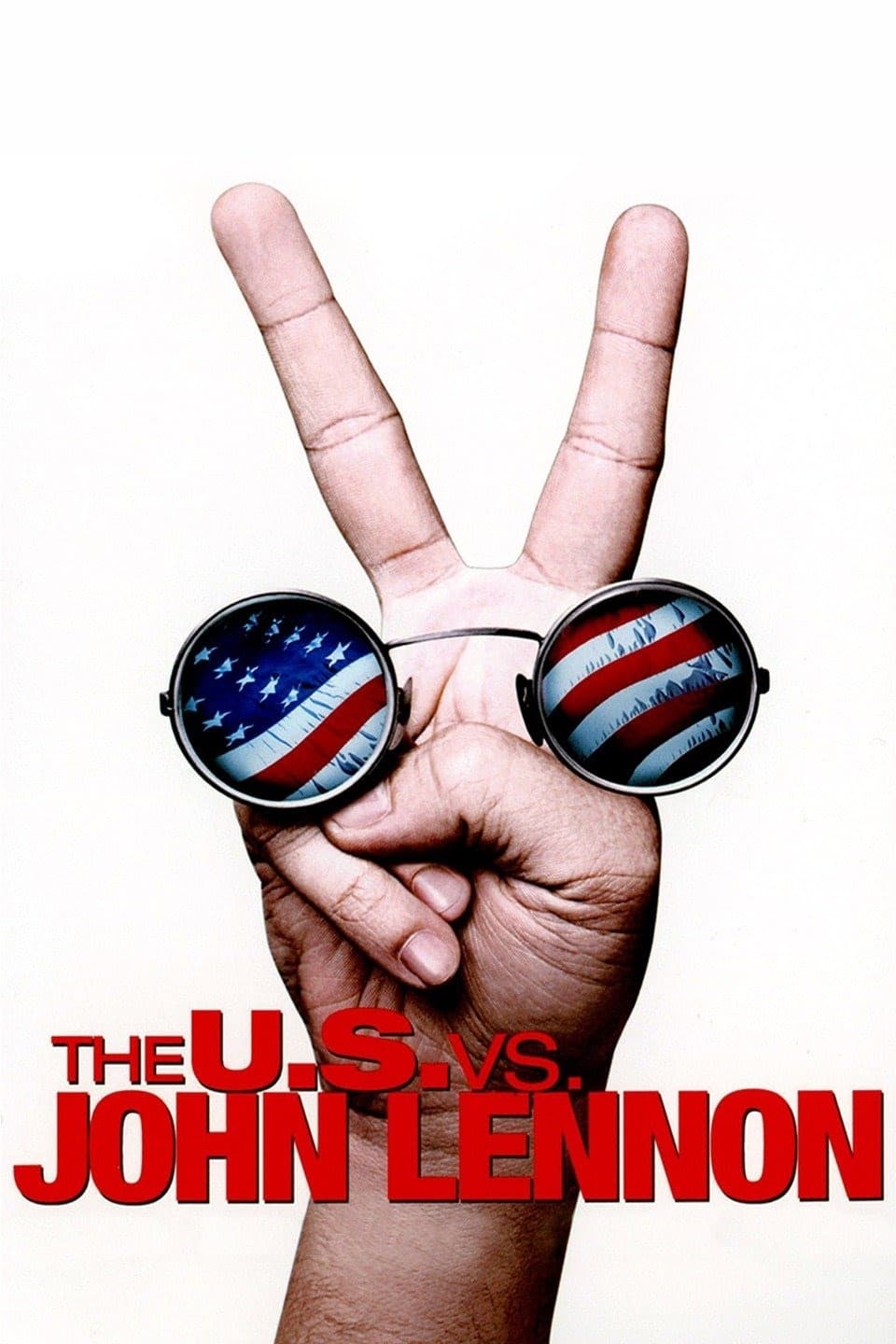
A documentary on the life of John Lennon, with a focus on the time in his life when he transformed from a musician into an antiwar activist.
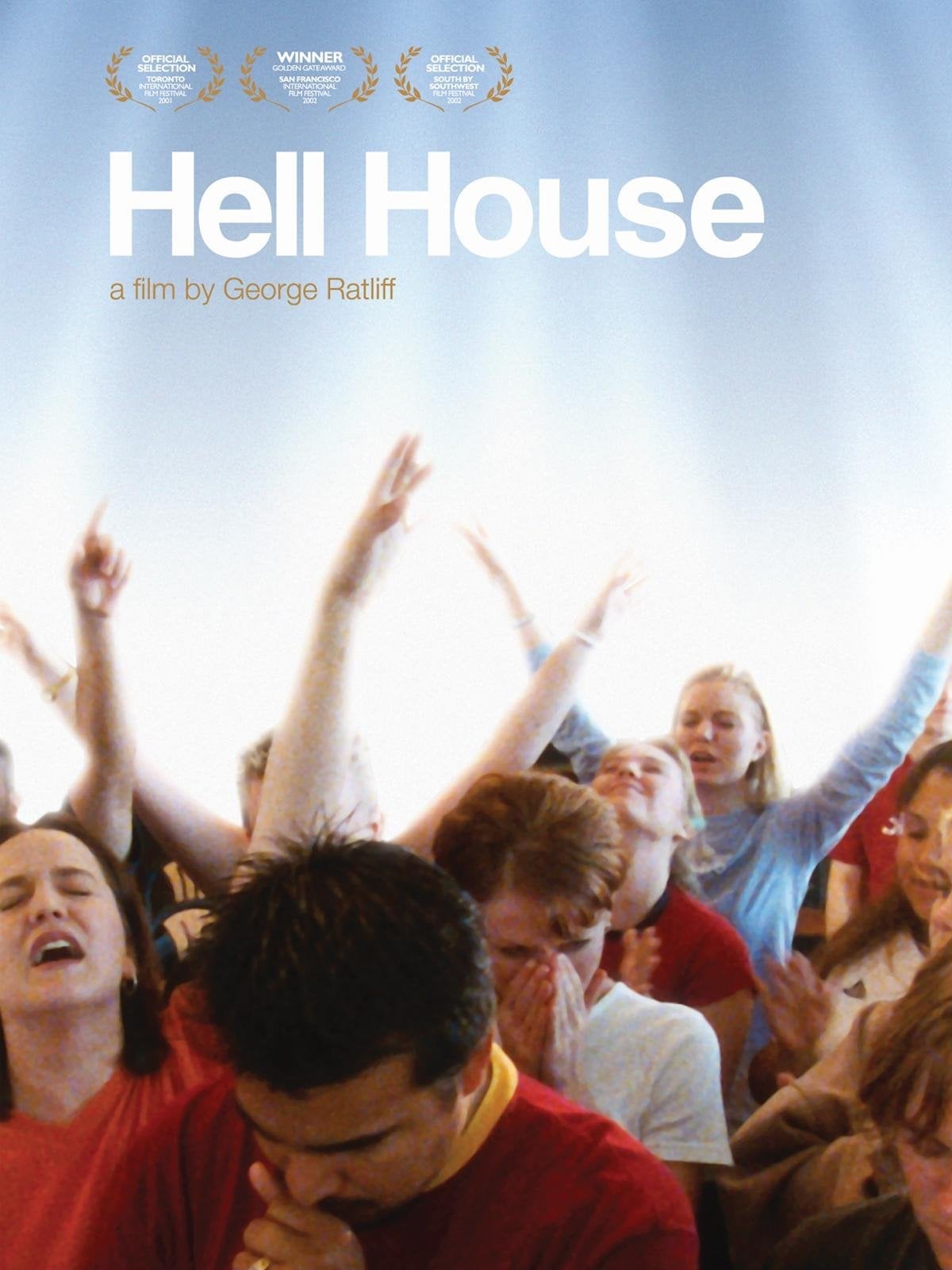
A look at the "Hell House" performed annually in October by the youth members of Trinity Church (Assemblies of God) in Cedar Hill, Texas (a Dallas suburb) — seen by over 10,000 visitors each year.
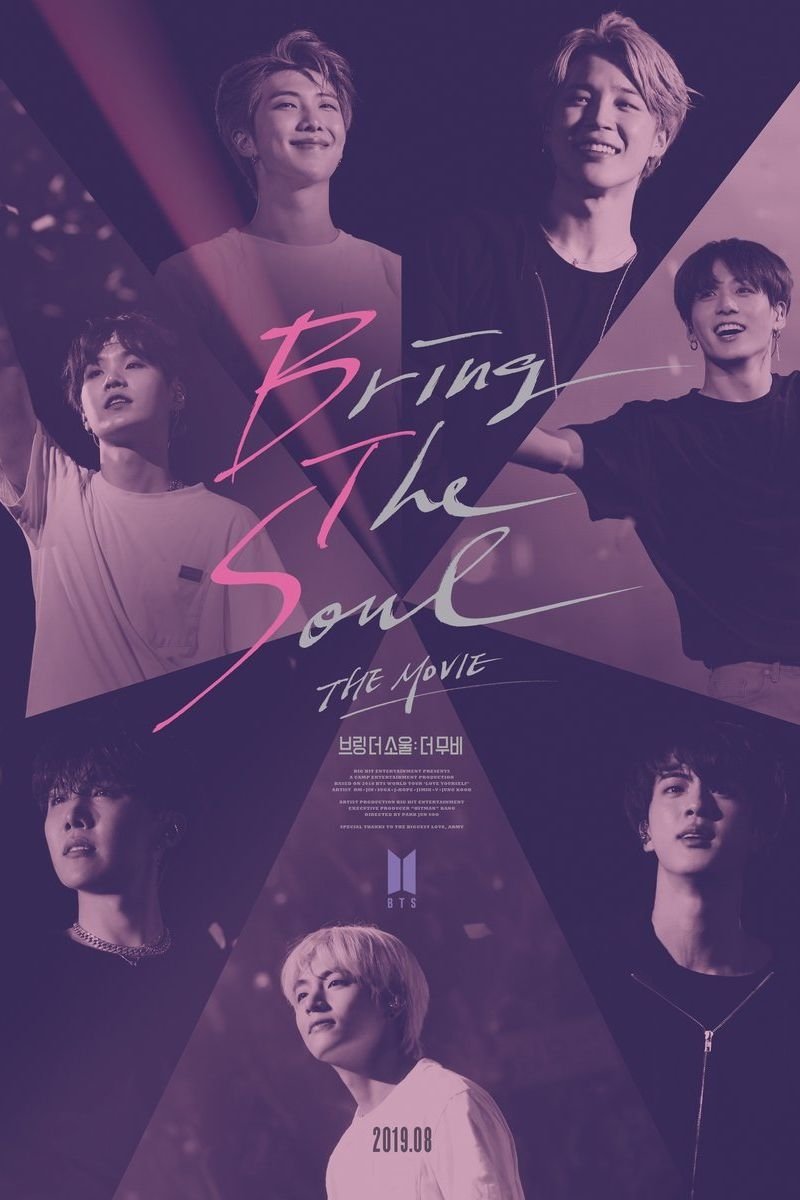
A glimpse into K-pop group BTS’ world away from the stage, featuring intimate group discussions alongside spectacular concert performances from their world tour.
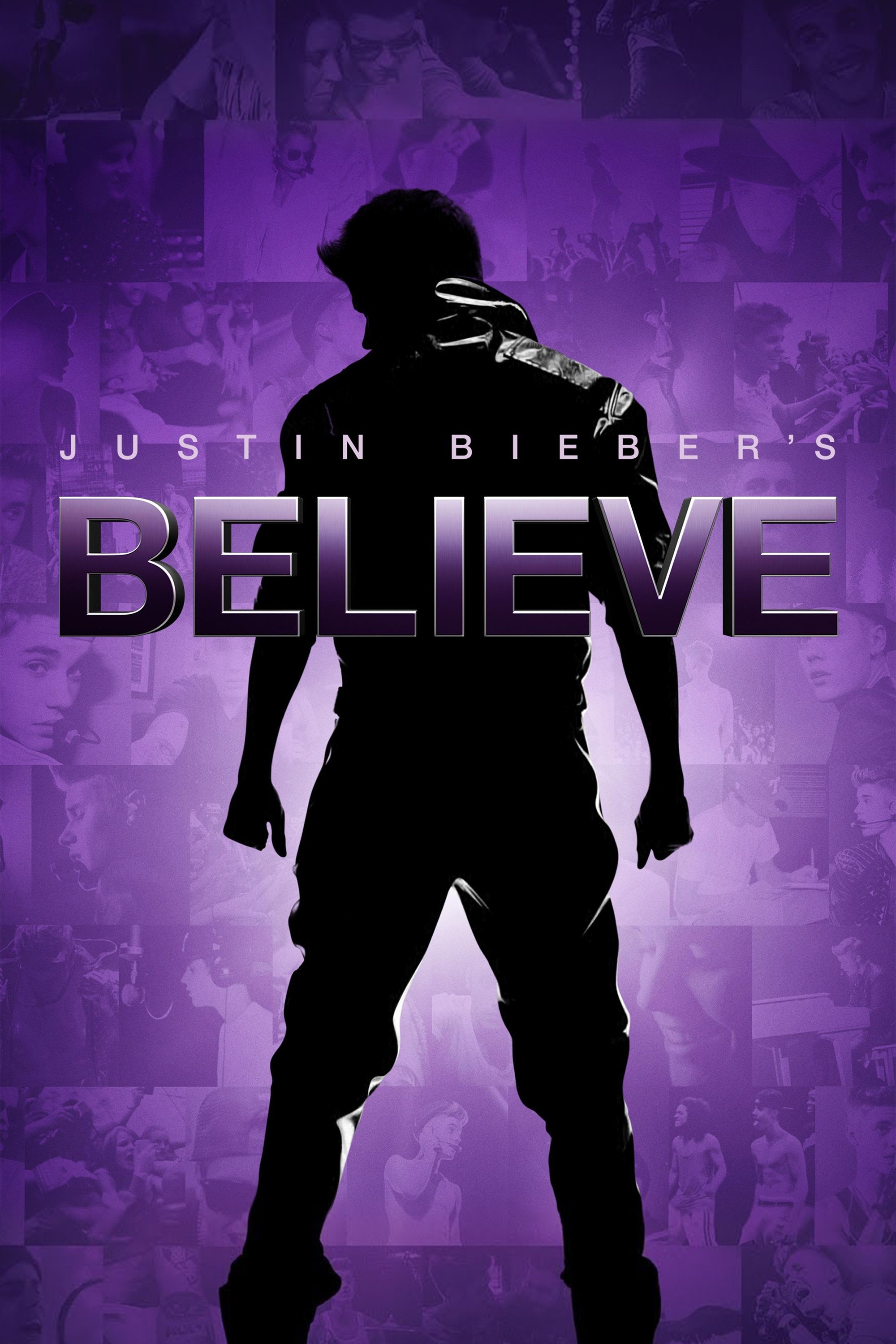
A backstage and on-stage look at Justin Bieber during his rise to super stardom.