Documentary about a utopian housing project in Rio de Janeiro by architect Affonso Eduardo Reidy.
Social & External
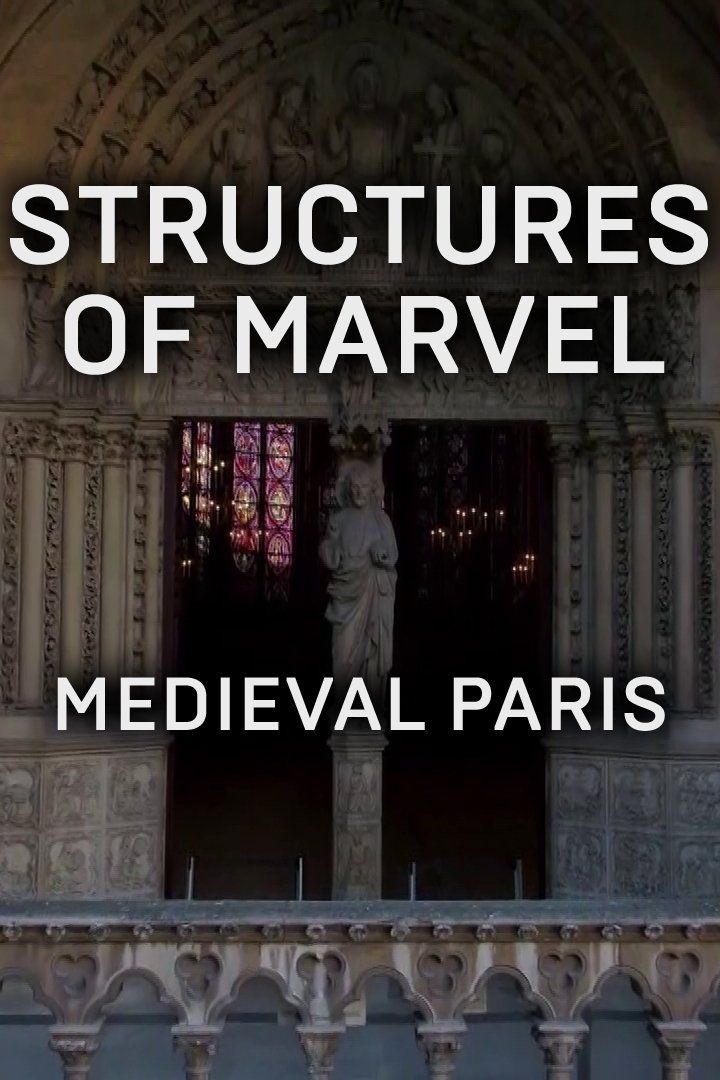
In the heart of Paris, Île de la Cité once featured one of the most majestic palaces of medieval times: The Palais des Rois. Built in the early Middle Ages, only two parts of this grandiose palace remain: The Sainte-Chapelle, the largest and most daring palatial chapel of the time; and the Conciergerie, a medieval room of impressive dimensions, known for having served as a prison and housing the jails of Marie-Antoinette.
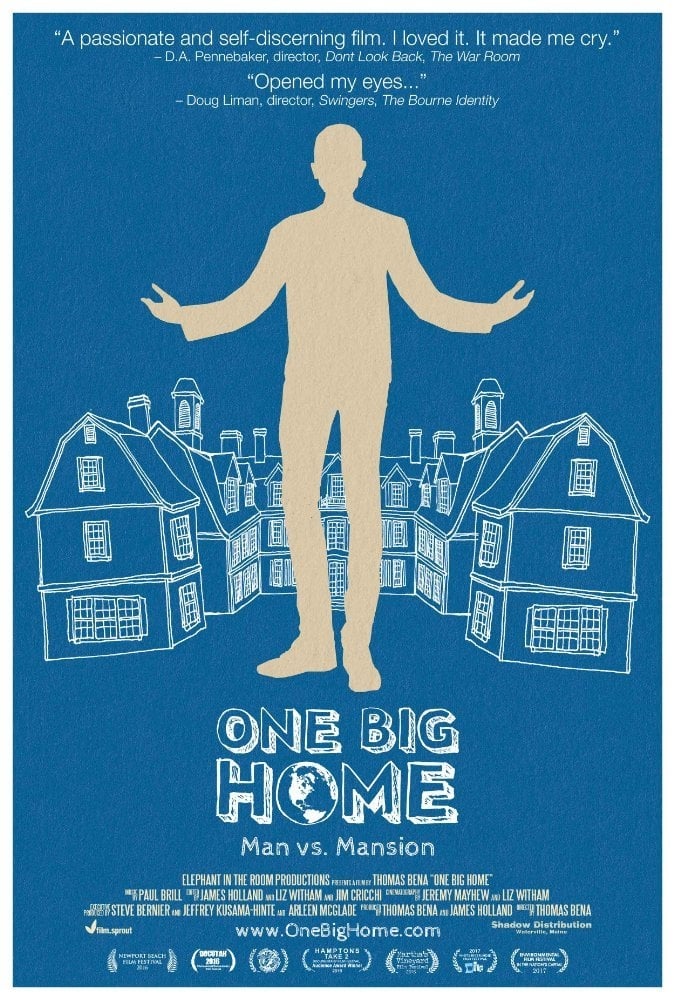
On the tiny island of Martha's Vineyard, where presidents and celebrities vacation, trophy homes threaten to destroy the islands unique character. Twelve years in the making, One Big Home follows one carpenters journey to understand the trend toward giant houses. When he feels complicit in wrecking the place he calls home, he takes off his tool belt and picks up a camera.
Dresden is famous for its attempt to meticulously reconstruct its once bombed-out historical center and bring the colorful baroque settings of the 18th century back to life. It’s infamous for the right-wing-surge that has since 2015 swept the city and made it a center of far-right activity in Germany and Europe. This film is an exploration of where the two intersect.
A visual essay on contemporary Kiwi architecture.
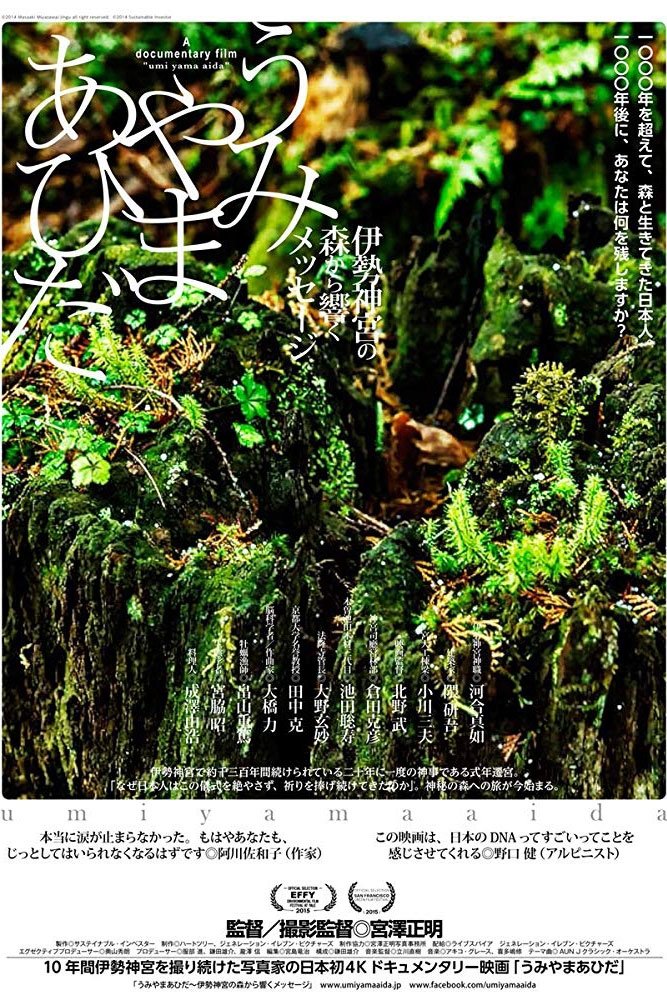
Finding their place between the forest and the sea, the Japanese have always felt awe and gratitude toward Nature. Since ancient times, they have negotiated their own unique relationship with their natural surroundings. Acclaimed photographer Masa-aki Miyazawa discovered the essence of that ancient way of living in Ise Jingu, Japan’s holiest Shinto shrine. Inspired by the idea of sending a message to the future in the same way this ancient shrine keeps alive the traditions of the past, Miyazawa used an ultra-high resolution 4K camera to create a breathtaking visual journey linking the Ise forest with other forests throughout Japan.
The film arose from an encounter with Mario Botta during the 2013 Architecture and Memory exhibit held at the Charlotte, North Carolina Bechtler Museum of Modern Art which was designed by the architect. The exhibit gathered and then proposed to the public the Swiss architect’s most significant projects spanning the gamut from his first single-family homes, original expressions of the School of Ticino, to his large public buildings, libraries, theatres, museums, churches and synagogues which have been built across the globe and features more than 90 works. The film is a dialogue on the themes which characterize Mario Botta’s vision and practice: his relationship with history and the territory, the designing of collective spaces, encounters with the leading protagonists of the 20th century. The interview, conducted in Mario Botta’s studio in Mendrisio, is replete with photographic materials, designs and sketches which document his “spaces of memory”.

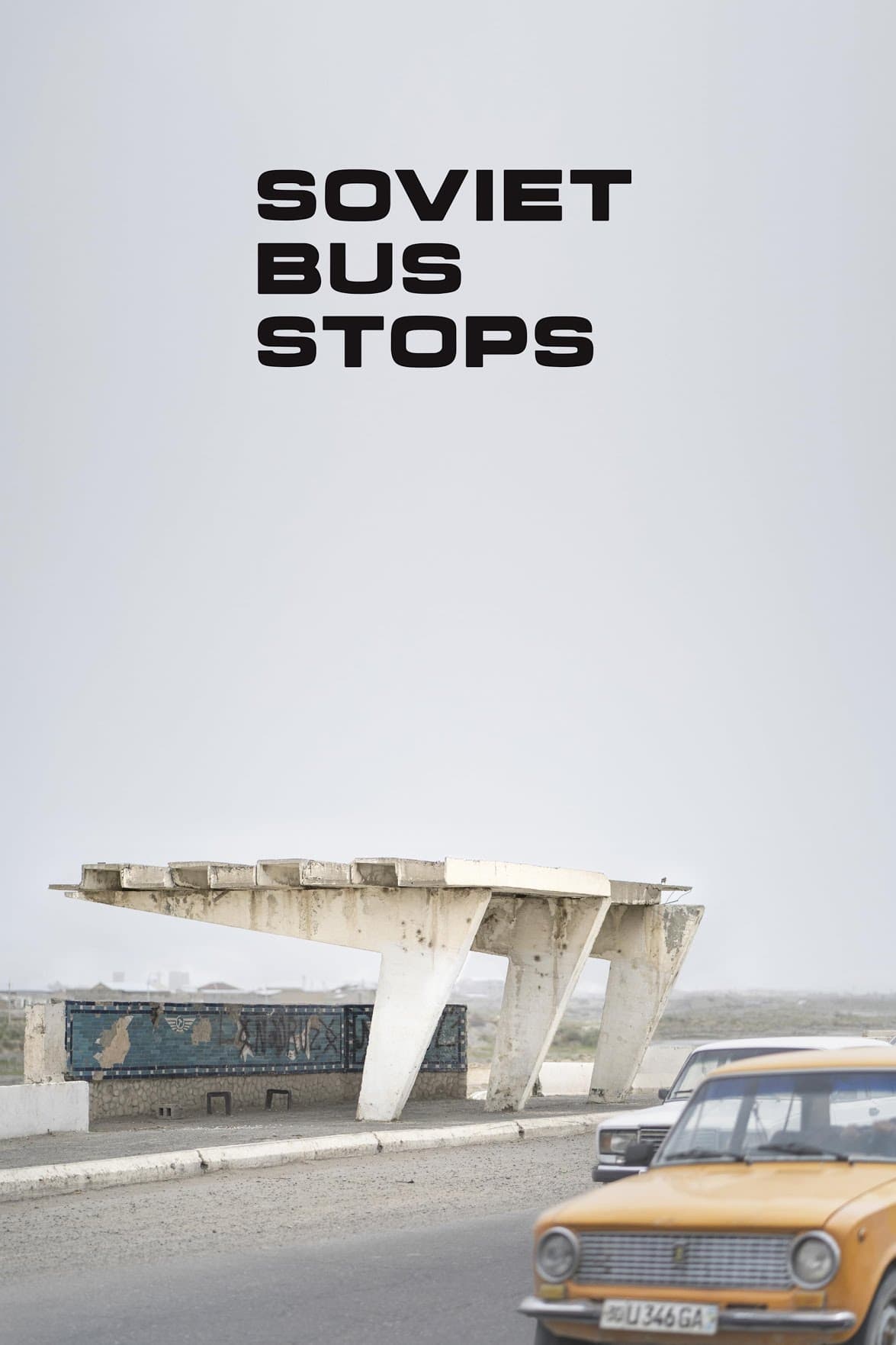
“There’s a bus stop I want to photograph.” This may sound like a parody of an esoteric festival film, but Canadian Christopher Herwig’s photography project is entirely in earnest, and likely you will be won over by his passion for this unusual subject within the first five minutes. Soviet architecture of the 1960s and 70s was by and large utilitarian, regimented, and mass-produced. Yet the bus stops Herwig discovers on his journeys criss-crossing the vast former Soviet Bloc are something else entirely: whimsical, eccentric, flamboyantly artistic, audacious, colourful. They speak of individualism and locality, concepts anathema to the Communist doctrine. Herwig wants to know how this came to pass and tracks down some of the original unsung designers, but above all he wants to capture these exceptional roadside way stations on film before they disappear.
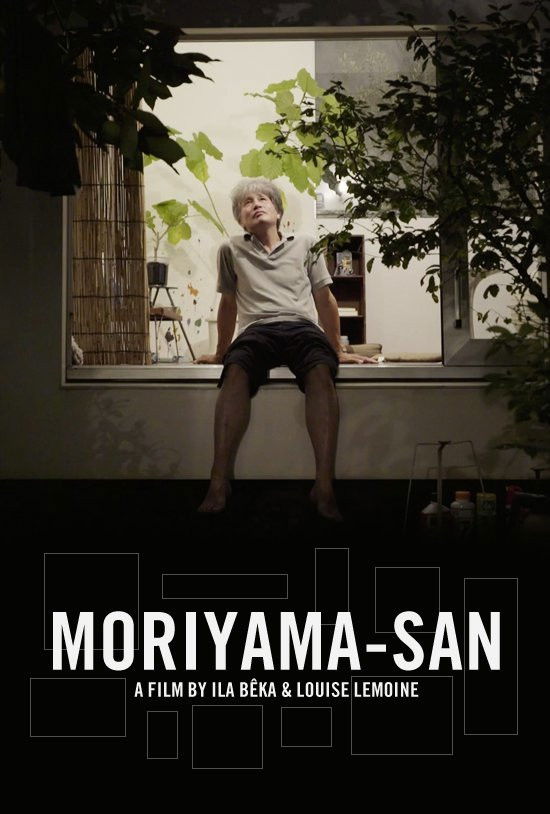
One week in the extraordinary-ordinary life of Mr. Moriyama, a Japanese art, architecture and music enlighted amateur who lives in one of the most famous contemporary Japanese architecture, the Moriyama house, built in Tokyo in 2005 by Pritzker-prize winner Ryue Nishizawa (SANAA). Introduced in the intimacy of this experimental microcosm which redefines completely the common sense of domestic life, Ila Bêka recounts in a very spontaneous and personal way the unique personality of the owner: a urban hermit living in a small archipelago of peace and contemplation in the heart of Tokyo. From noise music to experimental movies, the film let us enter into the ramification of the Mr. Moriyama's free spirit. Moriyama-San, the first film about noise music, acrobatic reading, silent movies, fireworks and Japanese architecture!
Poème Électronique is an 8-minute piece of electronic music by composer Edgard Varèse, written for the Philips Pavilion at the 1958 Brussels World’s Fair. The Philips corporation commissioned Le Corbusier to design the pavilion, which was intended as a showcase of their engineering progress. The pavilion was shaped like a stomach, with a narrow entrance and exit on either side of a large central space. As the audience entered and exited the pavilion, the electronic composition Concret PH by Iannis Xenakis (who also acted as Le Corbusier's architectural assistant for the pavilion's design) was heard. Poème électronique was synchronized to a film of black and white photographs selected by Le Corbusier which touched on vague themes of human existence.
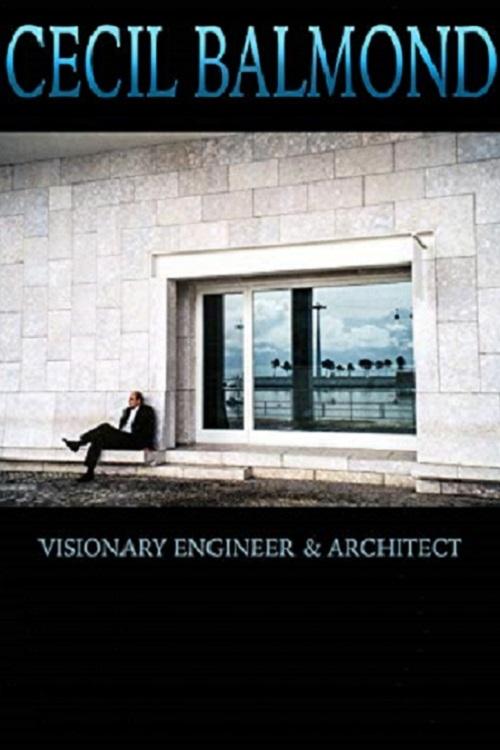
"Cecil Balmond: Visionary Engineer and Architect" is a compelling documentation of a unique thinker and practitioner at the height of his architectural career. Through his conversation with architecture theorist and critic, Sanford Kwinter, Balmond reveals his vision and talent while the two tour his retrospective exhibition at the Graham Foundation in Chicago. Since the early 1980s Balmond has collaborated with many of today's important contemporary architects such as Toyo Ito, Rem Koolhaas and Daniel Libeskind. With his astounding aesthetic algorithms, Balmond has introduced innovative structural concepts that have resulted in some of the most challenging buildings in the canon of contemporary architecture.
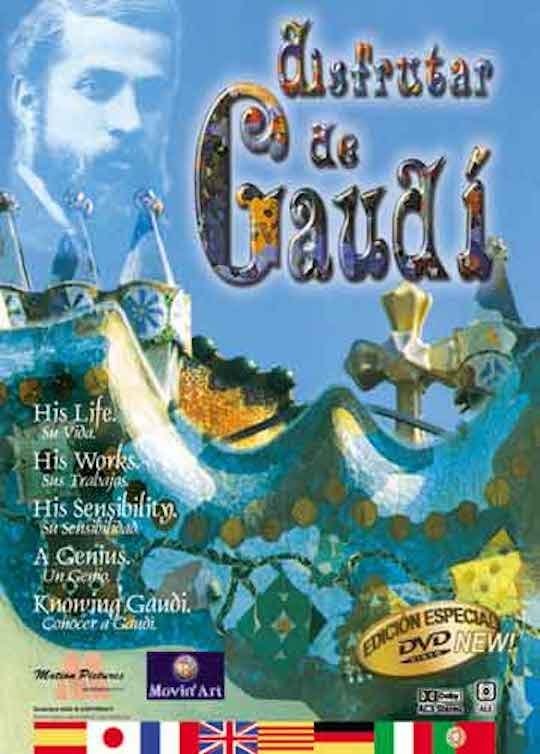
Presented in the guise of an autobiography, this program describes the life and work of Antoni Gaudí. It highlights his personality, his sensitivity and the images of his art.
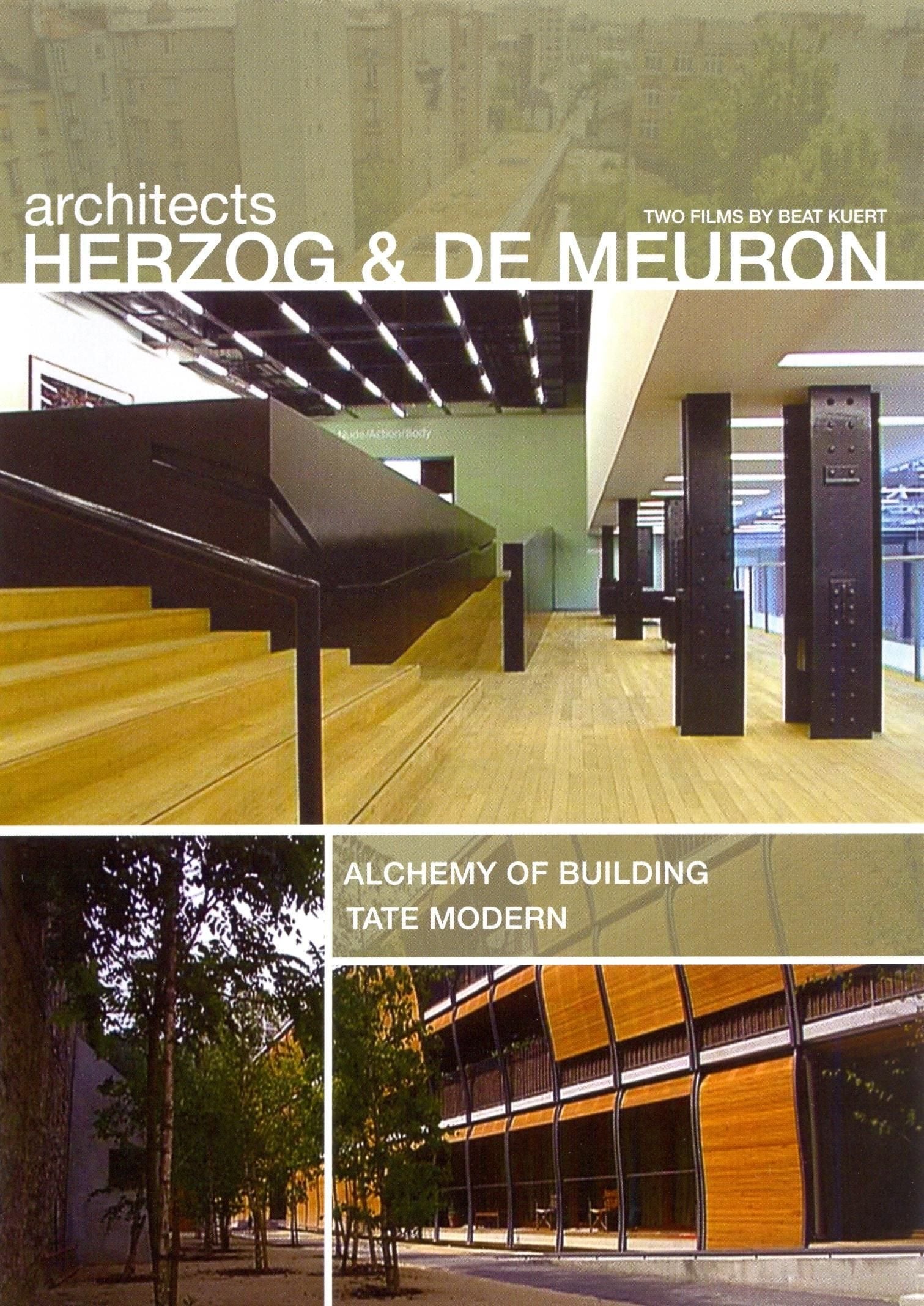
Visiting examples of Herzog and de Meurons ground-breaking style, this film reflects their capacity to astonish and explore the way in which they transform what might otherwise be ordinary through new treatments and techniques.
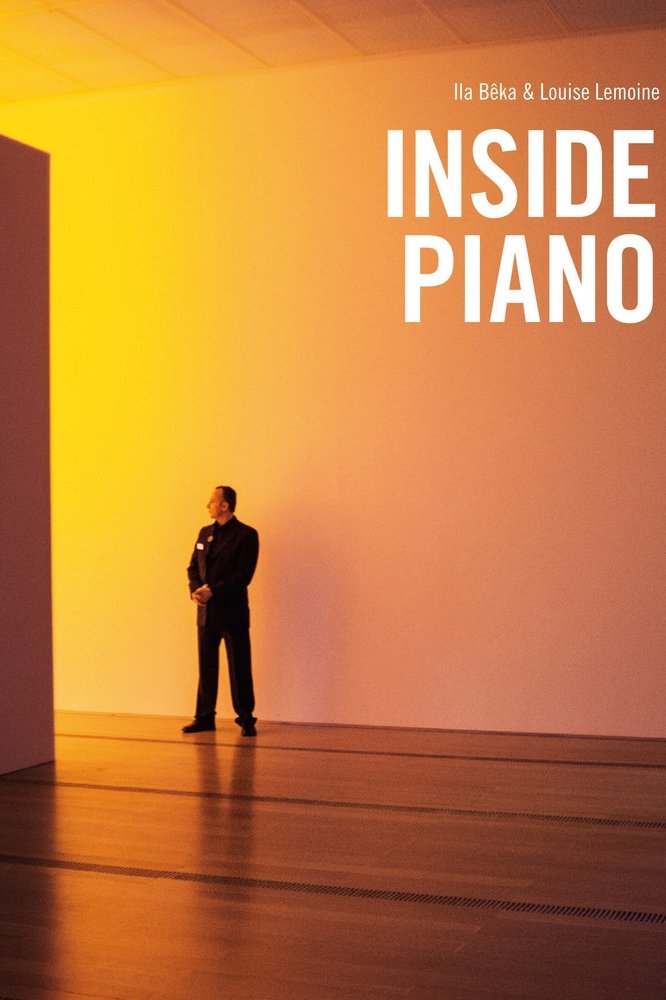
The fifth project of the Living Architectures series, Inside Piano is composed of three films on three symbolic buildings of Renzo Piano's career. A visit throughout the prototype-building of the Centre Pompidou. An immersion in the soundproof world of a submarine floating in the depths of the Parisian underground. A journey aboard a luminous magic carpet of a highly sophisticated architectural machine. A humorous, caustic and quirky point of view.
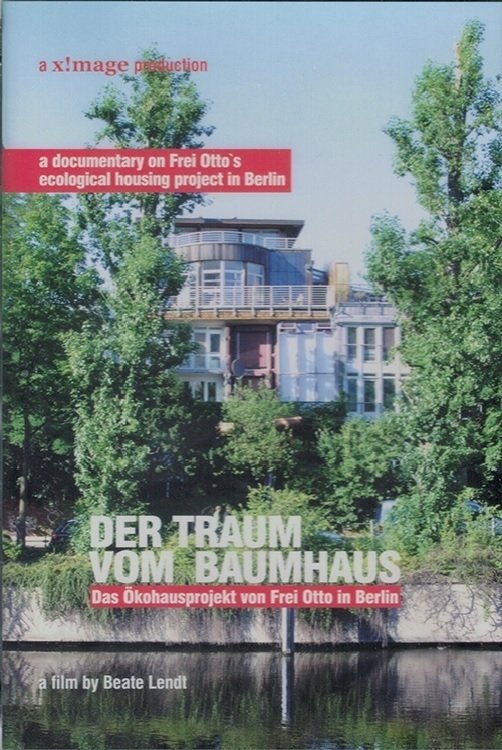
A film about the pioneering community-building project of the world-famous architect Frei Otto in Berlin, called the Okohaus-an experimental, ecological, customized housing project in the city center. Including interviews with Frei Otto, Christine Kanstinger-Otto, Hermann Kendel, Yona Friedman, Anne Lacaton and Jean-Philippe Vassal, and other involved architects, planners, and inhabitants, the film shows the development and the philosophy of the project, which was built for the International Building Exhibition in Berlin 1987 (IBA).
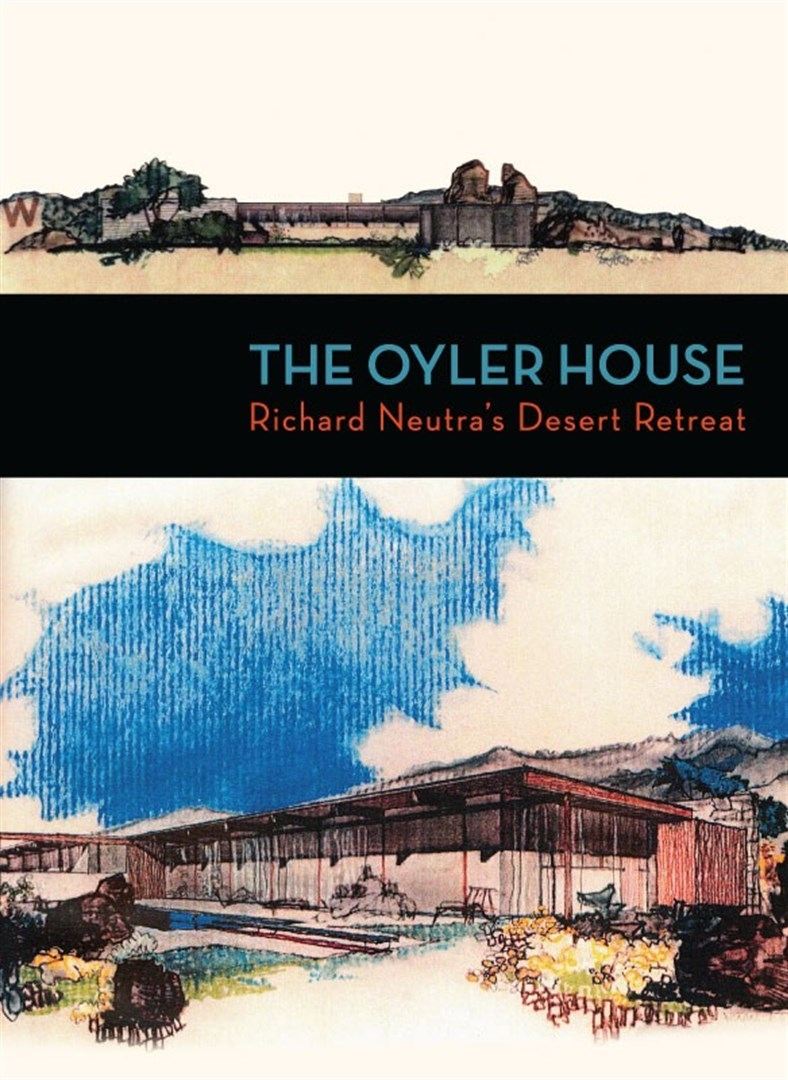
In 1959, a government employee named Richard Oyler, living in the tiny desert town of Lone Pine, California, asked world-famous modern architect Richard Neutra to design his modest family home. To Oyler's surprise, Neutra agreed. Thus began an unlikely friendship that led to the design and construction of an iconic mid-century modern masterpiece.
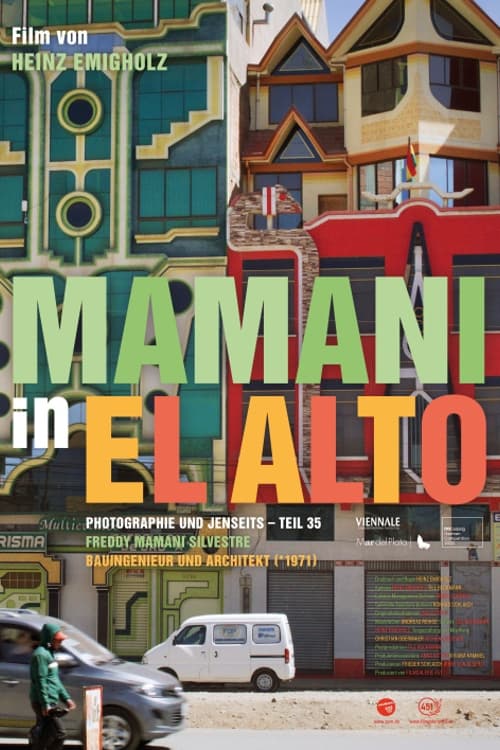
His buildings are garish, colorful and completely overloaded. Columns and glittering chandeliers everywhere, and way too much of everything. The Bolivian civil engineer and architect Freddy Mamani Silvestre (*1971) builds houses in El Alto for a nouveau riche upper class of the Aymara, the largest indigenous ethnic group in Bolivia.
Winy Maas, co-founder of MVRDV architects, always has 100 projects going at once. Documentary filmmaker Jan Louter followed him for two years to make "Under Tomorrow's Sky", a candid and open-hearted look at the highs and lows of the architecture profession.
In an intimate and joyful story of love in the face of loss, celebrated poets Andrea Gibson and Megan Falley find strength—and unexpected hilarity—in what might be their final year together.
Artists in LA discover the work of forgotten Polish sculptor Stanislav Szukalski, a mad genius whose true story unfolds chapter by astounding chapter.
A documentary about the making of season five of the acclaimed AMC series Breaking Bad.
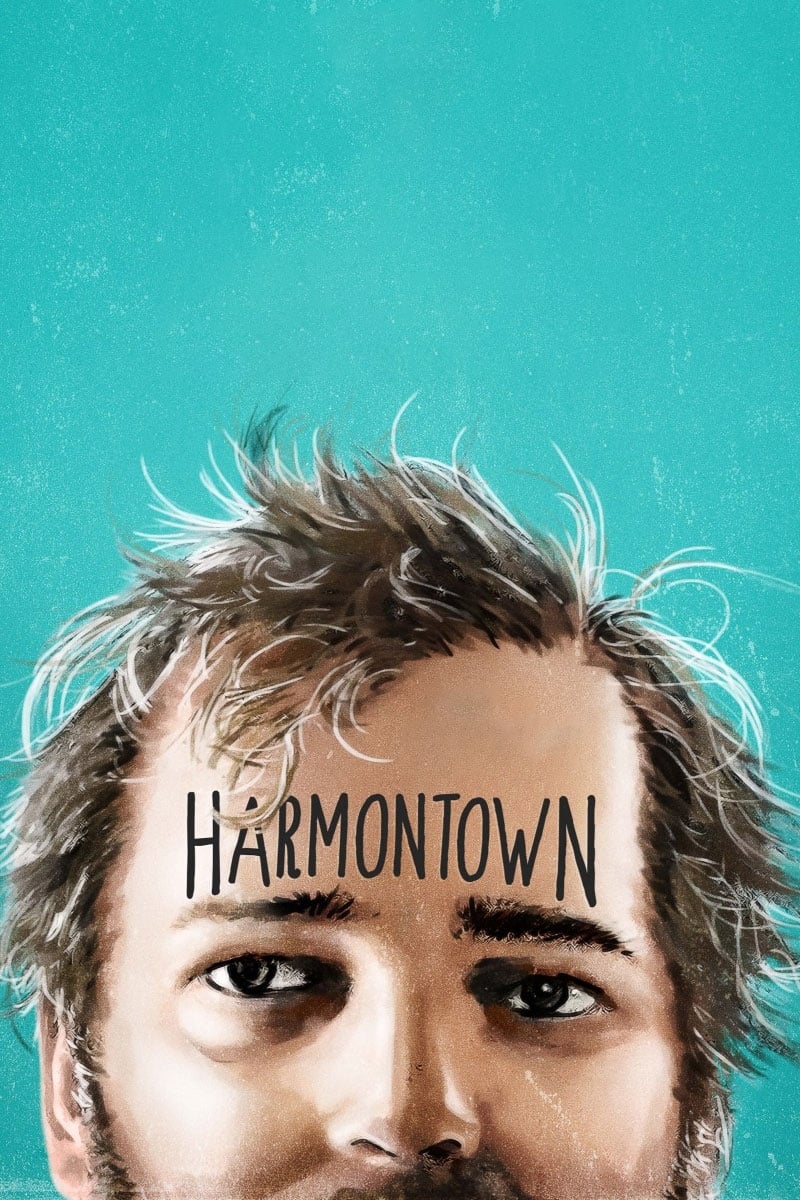
A comedic, brutally honest documentary following self-destructive TV writer Dan Harmon as he takes his live podcast on a national tour.
A string of threatening emails escalates into a revenge plot involving a newly married US marshal and his ex-girlfriend.
An inside look at one of the most anticipated movie sequels ever with James Cameron and cast.
A visual montage portrait of our contemporary world dominated by globalized technology and violence.
“Showrunners” is the first ever feature length documentary film to explore the fascinating world of US television showrunners and the creative forces aligned around them. These are the people responsible for creating, writing and overseeing every element of production on one of the United State’s biggest exports – television drama and comedy series. Often described as the most complex job in the entertainment business, a showrunner is the chief writer / producer on a TV series and, in most instances, the show’s creator. Battling daily between art and commerce, showrunners manage every aspect of a TV show’s development and production: creative, financial and logistical.
A purely observational non-fiction film that takes viewers into the ethically murky world of end-of-life decision making in a public hospital.
Musician and performance artist Laurie Anderson reflects on the deaths of her husband Lou Reed, her mother and her beloved dog.
The life and career of an actor, artist, and icon. His own journey through his own camera.
A documentary about the life and films of director John Ford.
A documentary chronicling Queen and Lambert's incredible journey since they first shared the stage together on "American Idol" in 2009.
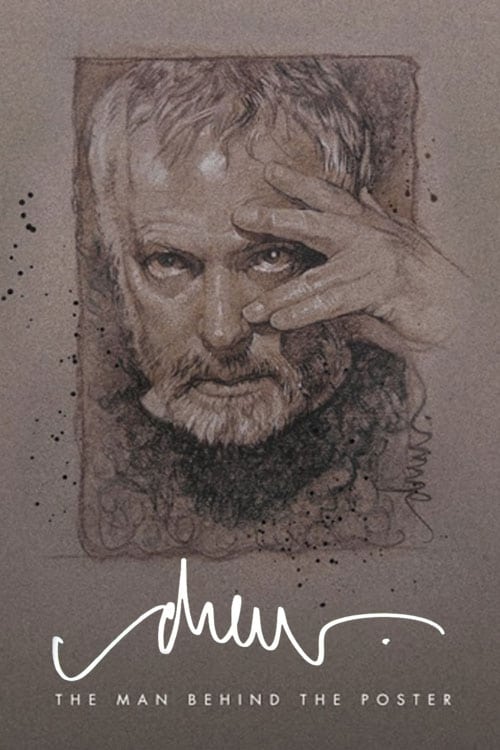
A documentary on legendary movie-poster artist Drew Struzan.
The Making-of James Cameron's Avatar. It shows interesting parts of the work on the set.
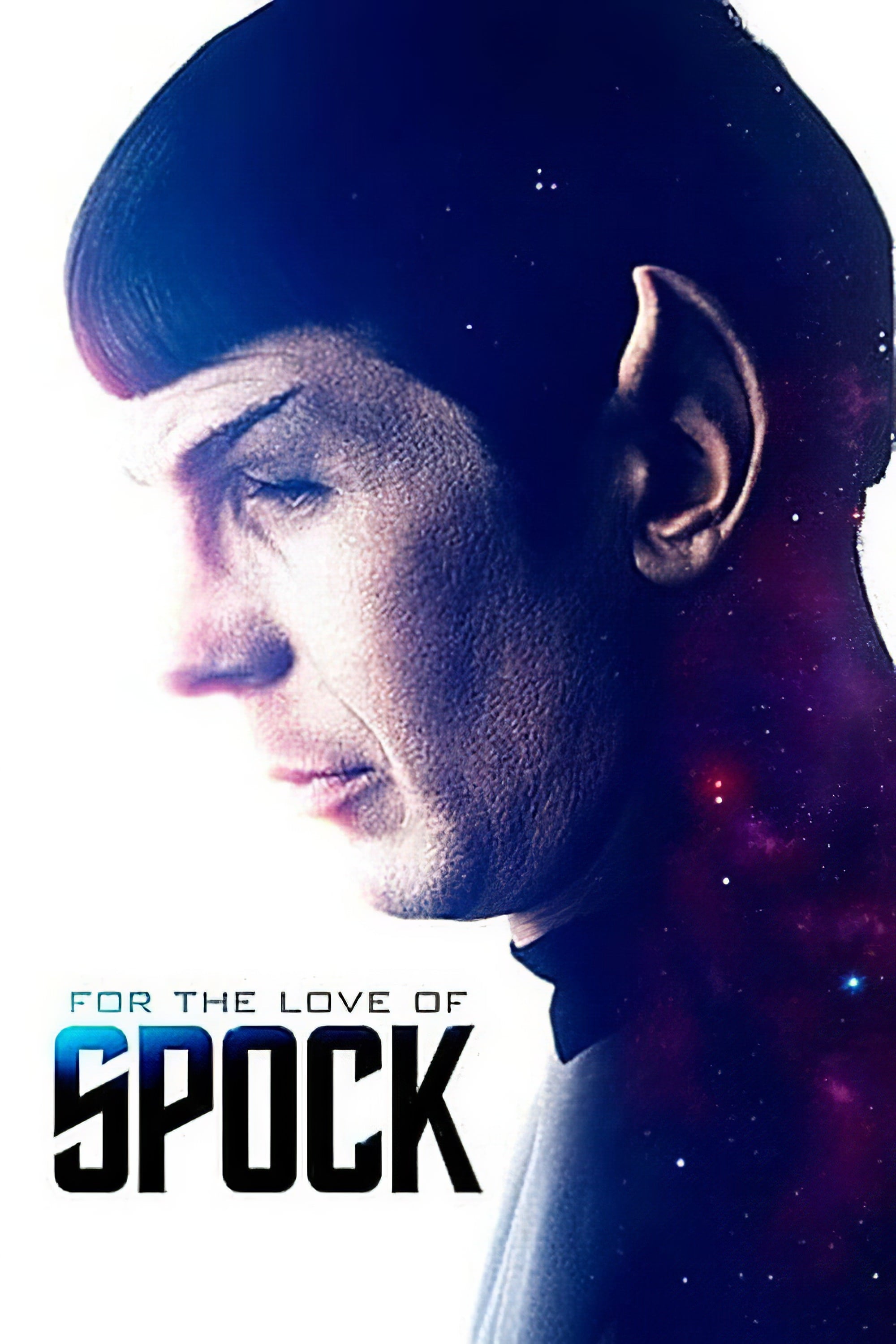
The life of Mr. Spock, as well as that of Leonard Nimoy, the actor who played him for almost fifty years, written and directed by his son: Adam.
The life and career of one of comedy's most inimitable modern voices, Mr. Gilbert Gottfried.
A compilation of over 30 years of private home movie footage shot by Lithuanian-American avant-garde director Jonas Mekas, assembled by Mekas "purely by chance", without concern for chronological order.
A documentary about how a dominant cultural and demographic institution both sustains their traditional activities and adapts to the digital revolution.
Brilliant, long in-the-works story of the life and art of the world's greatest comedian and the cinema's first genius, Charlie Chaplin. Produced, written and directed by renowned film critic Richard Schickel.