Social & External
The people behind it
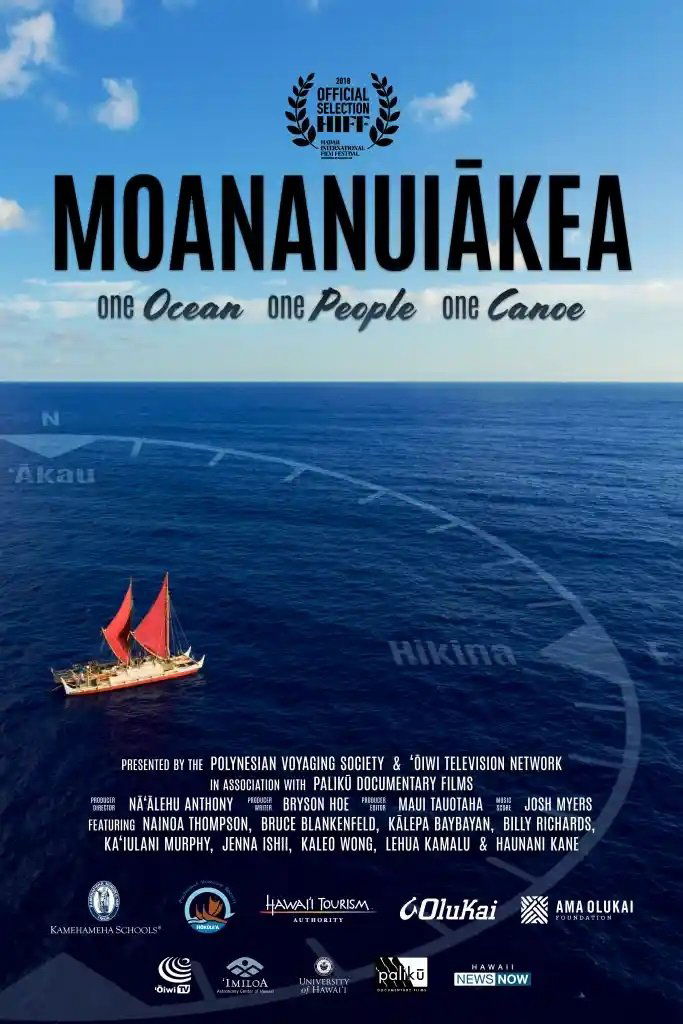
From 2019 Maui Film Festival This powerful documentary celebrates the historic Malama Honua Worldwide Voyage that connected countless individuals and communities from around the globe. A voyage that also represented the fulfillment of the vision of Nainoa Thompson and his contemporaries, the passing of the mantle to the next generation of kanaka maoli who will retain the skills of their ancestors and perpetuate this tradition for generations to come so the legacy of Hokulea can last for 1,000 generations.
How have the changing views on children been reflected in their representation in art? From Baby Jesus to the first photographic portraits, an exploration of six centuries of art history through the prism of childhood.
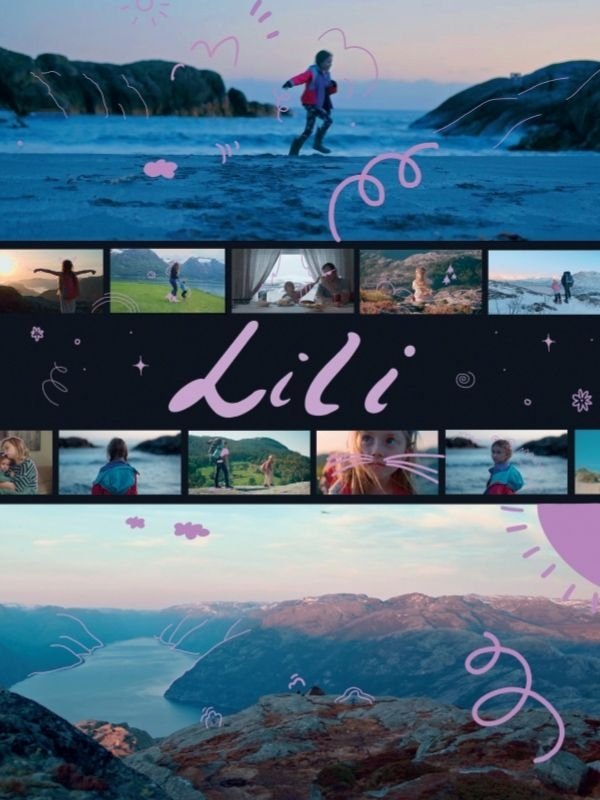
A heartwarming story about a precautious, 8-year-old girl exploring the world with her globetrotting father and growing up in an unconventional family.
The adventures and exploits of Jean-Baptiste Charcot (1867-1936), an intrepid scientist and explorer who laid the foundations of modern oceanography.
On 12th November 2014 Philae lander achieved the 1st ever landing on a comet and became a Space celebrity overnight! This film takes viewers on this unique space odyssey, into deep space and behind the scene in the control room with scientists.
On December 21, Nicolas Vanier will set off with his pack on a new expedition called L’Odyssée sauvage (The Wild Odyssey). He will travel nearly 6,000 kilometers to connect the Pacific Ocean to Lake Baikal, crossing Manchuria, Mongolia, and part of southern Siberia. The documentary follows the preparations for this journey.
Move over, King Tut: There's a new pharaoh on the scene. A team of top archaeologists and forensics experts revisits the story of Hatshepsut, the woman who snatched the throne dressed as a man and declared herself ruler. Despite her long and prosperous reign, her record was all but eradicated from Egyptian history in a mystery that has long puzzled scholars. But with the latest research effort captured in this program, history is about to change.
The Faraway Nearby follows the tragic life of pioneer physicist Joseph Weber, whose pursuit of gravitational waves takes him on a dizzying journey from the height of acclaim to the depths of despair and disdain when he breaks the cardinal rule of science and clings to his ideas though his results can't be duplicated. Physicists, artists, and other creatives explore the emotional side of discovery and question whether the risk is worth the journey.
People have always been fascinated by the tropics. Explorers from Europe were among the first to travel to the equatorial region centuries ago. Modern scientists are continuing what began with these pioneers. The documentary traces the historical exploration of the paradise belt at latitude 0 and looks at modern research at the equator.
Wolves have been demonized for centuries, blood thirsty beasts haunting our nightmares. We were determined to dispel this myth and show the true nature of wolves. Compassionate family animals, both playful and affectionate. For six years in a tented camp in the wilderness of Idaho, we lived among a pack of wolves, listening to them, earning their trust.Now in "Living With Wolves," we share more of the story of The Sawtooth Pack, first told in our two-time Emmy Award-winning documentary, Wolves at Our Door. Our own lives, brought together by a devotion to wildlife, were forever changed by these elusive, intelligent animals who accepted us. Overcoming forest fires, marauding mountain lions and sub-zero winters, we share with you a heart-warming and unique partnership of human and predator, built on trust and defying the storm of controversy surrounding the wolf.
In an intimate and joyful story of love in the face of loss, celebrated poets Andrea Gibson and Megan Falley find strength—and unexpected hilarity—in what might be their final year together.
James Cameron and Simcha Jacobovici go on an adventure to find the lost city of Atlantis by using Greek philosopher Plato as a virtual treasure map.
14-year-old Laura Dekker sets out on a two-year voyage in pursuit of her dream to become the youngest person ever to sail around the world alone.
An inside look at one of the most anticipated movie sequels ever with James Cameron and cast.
A woman narrates the thoughts of a world traveler, meditations on time and memory expressed in words and images from places as far-flung as Japan, Guinea-Bissau, Iceland, and San Francisco.
Giving fans unprecedented access to the real life of the music sensation, Katy Perry: Part of Me exposes the hard work, dedication and phenomenal talent of a girl who remained true to herself and her vision in order to achieve her dreams. Featuring rare behind-the-scenes interviews, personal moments between Katy and her friends, and all-access footage of rehearsals, choreography, Katy’s signature style and more, Katy Perry: Part of Me reveals the singer’s unwavering belief that if you can be yourself, then you can be anything.
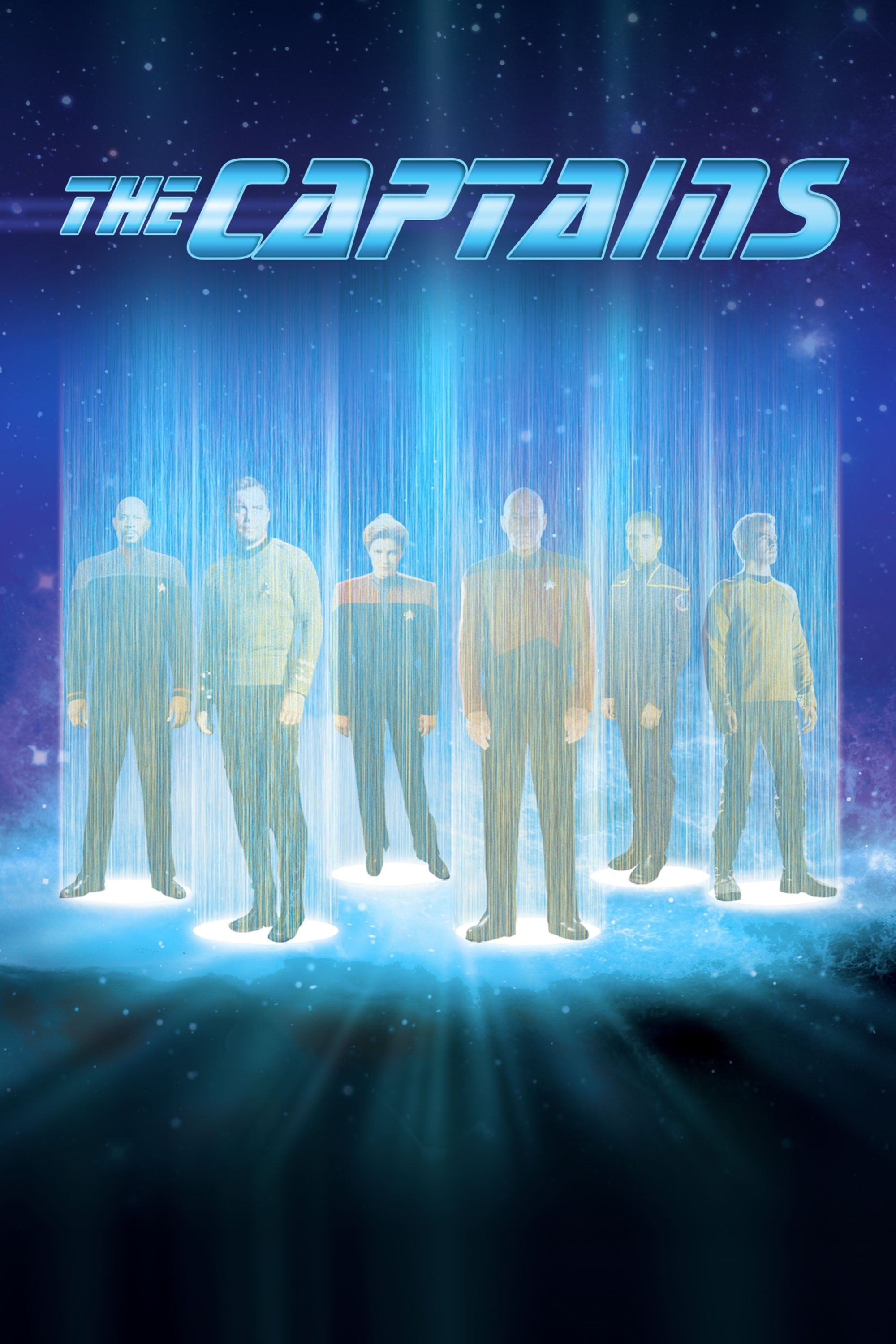
The Captains is a feature-length documentary film written and directed by William Shatner. The film follows Shatner as he interviews the other actors who have portrayed starship captains in the Star Trek franchise.
Through deeply personal interviews with her siblings and an examination of the photographs, letters, and belongings left behind, Mariska assembles a new portrait of her mother Jayne Mansfield, an extraordinary and complex woman.
The life and career of an actor, artist, and icon. His own journey through his own camera.
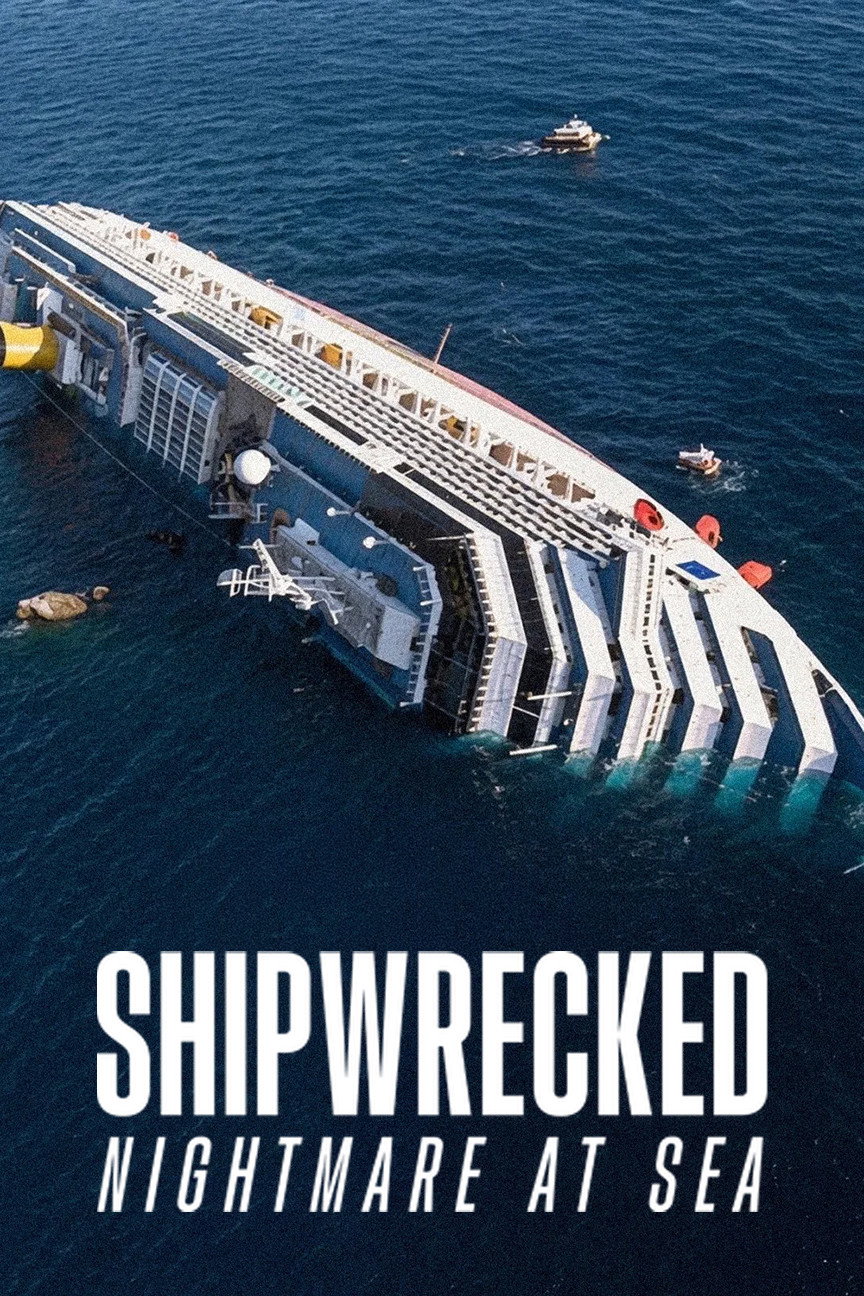
Never-before-seen footage and survivor accounts trace the 2012 shipwreck of a luxury cruise and the disaster that ensued, in this immersive documentary.
Using the book 'Fragments', which collects Marilyn Monroe's poems, notes and letters, and with participation from the Arthur Miller and Truman Capote estates who have contributed more material, each of the actresses will embody the legend at various stages in her life.
Artists in LA discover the work of forgotten Polish sculptor Stanislav Szukalski, a mad genius whose true story unfolds chapter by astounding chapter.
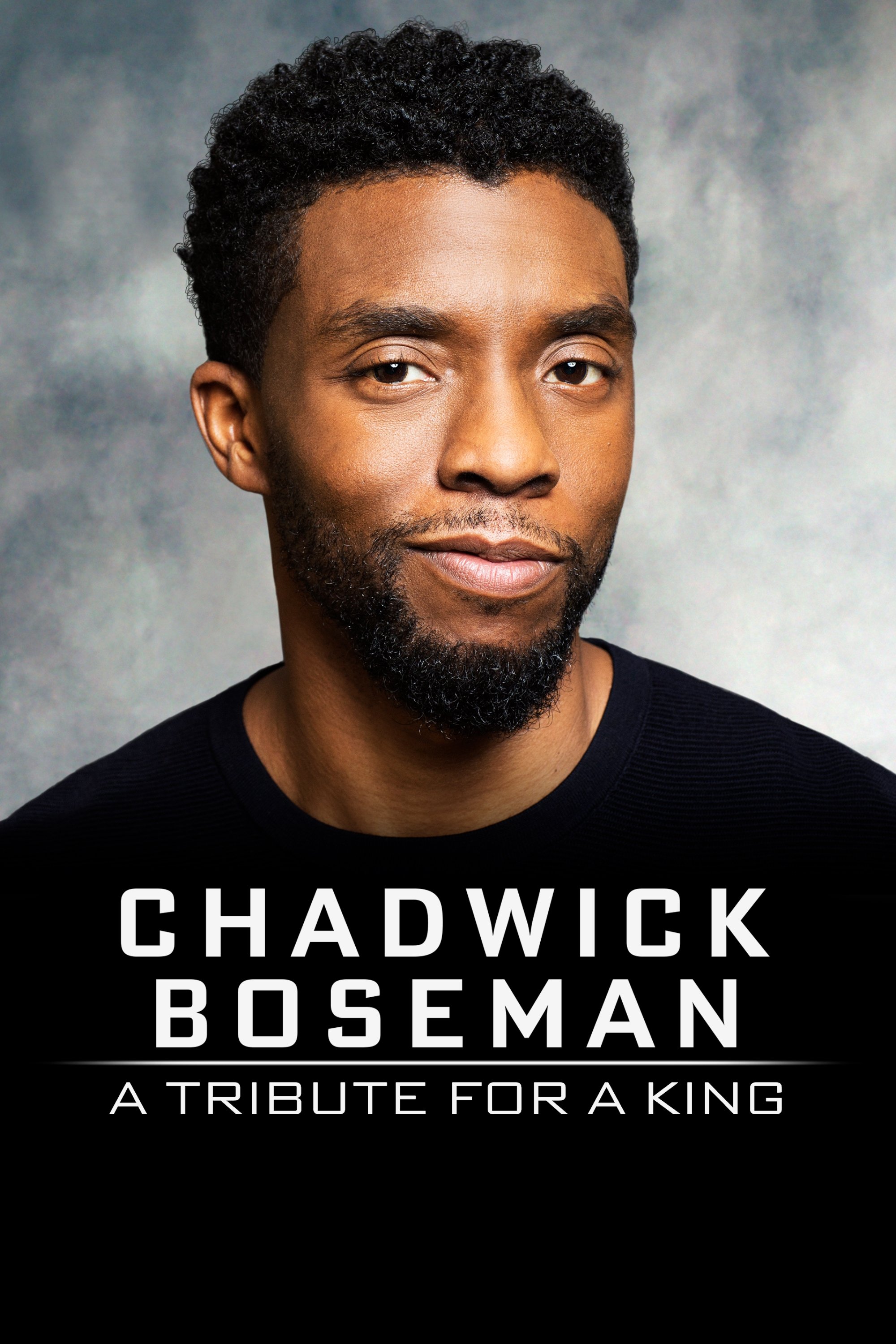
A tribute to Chadwick Boseman, celebrating his life and legacy.
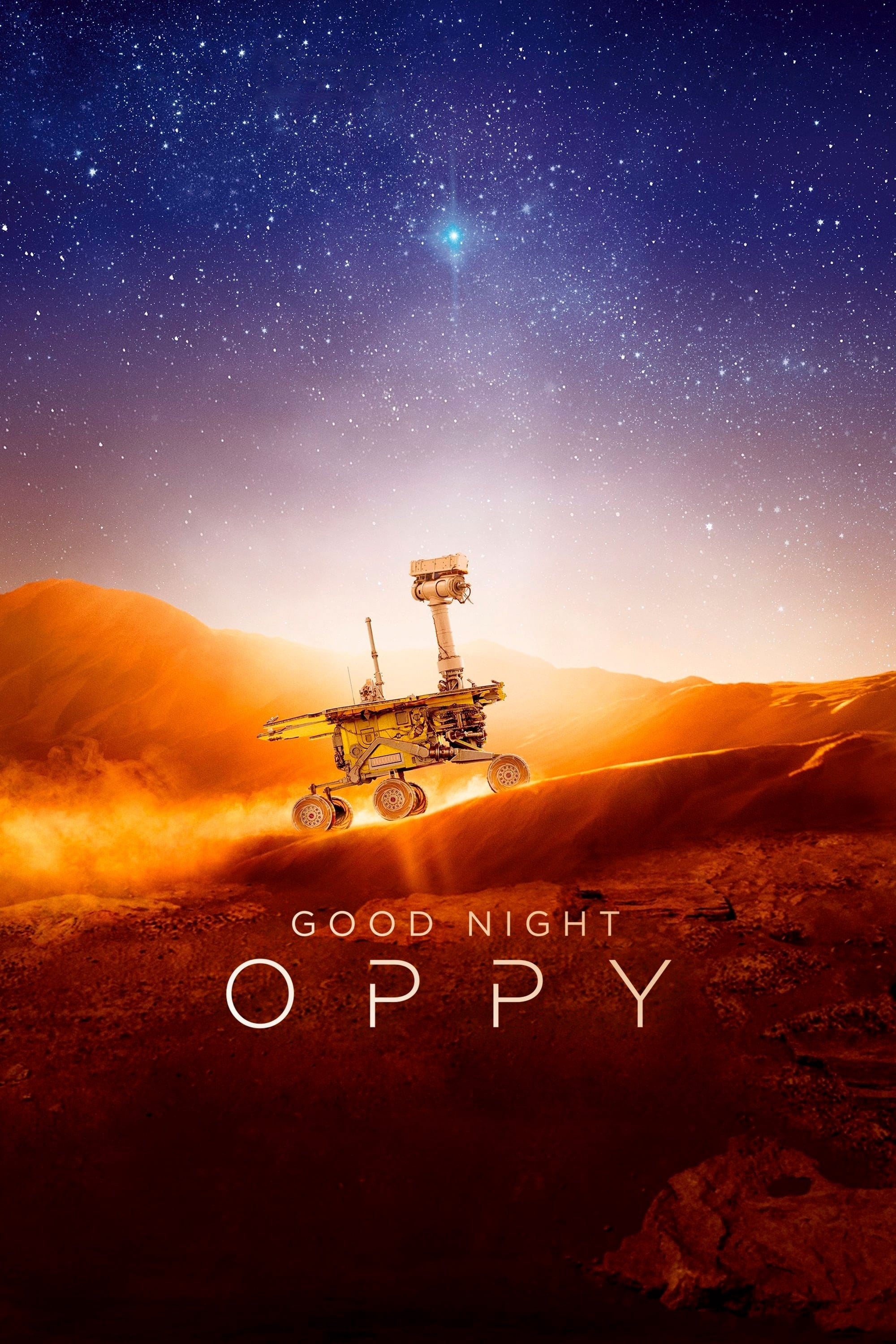
The inspirational true story of Opportunity, a rover that was sent to Mars for a 90-day mission but ended up surviving for 15 years. Follow Opportunity’s groundbreaking journey on Mars and the remarkable bond forged between a robot and her humans millions of miles away.
Over 35 years after Bob Lazar's revelations, this documentary exposes secrets of a facility the government still denies. Featuring Lazar's testimony, recreations, and new evidence, it reopens a case that continues to spark global curiosity
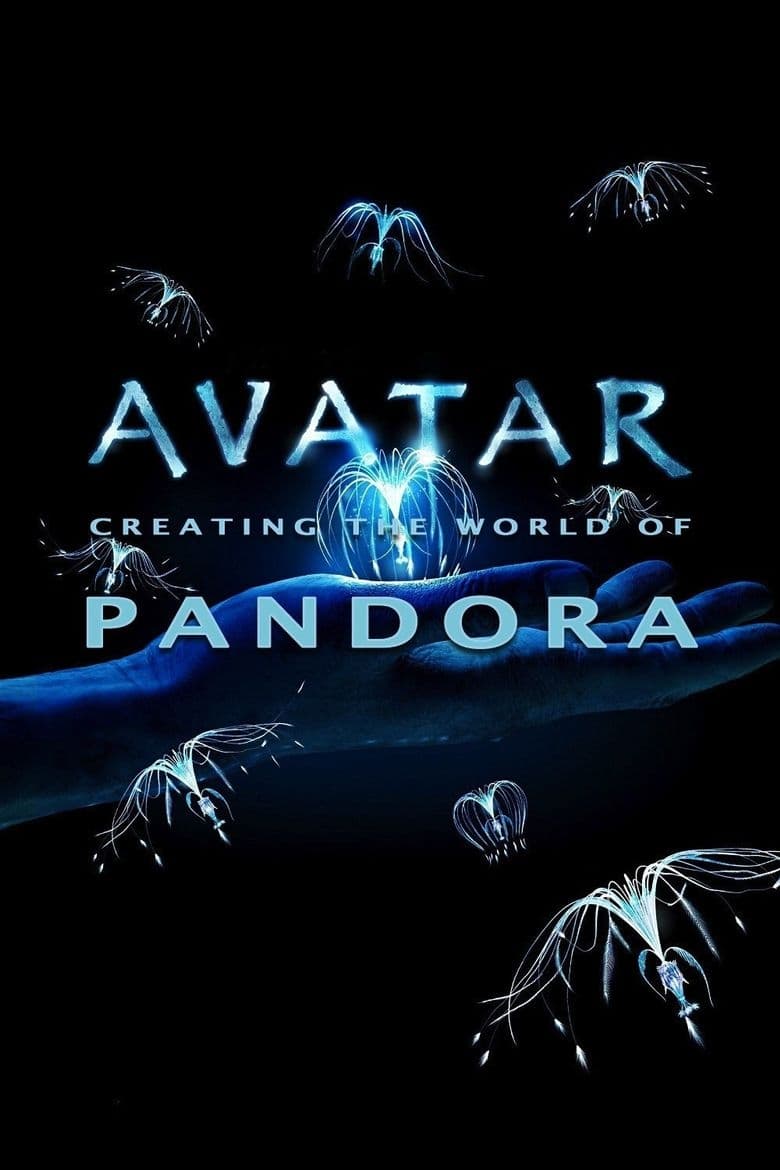
The Making-of James Cameron's Avatar. It shows interesting parts of the work on the set.
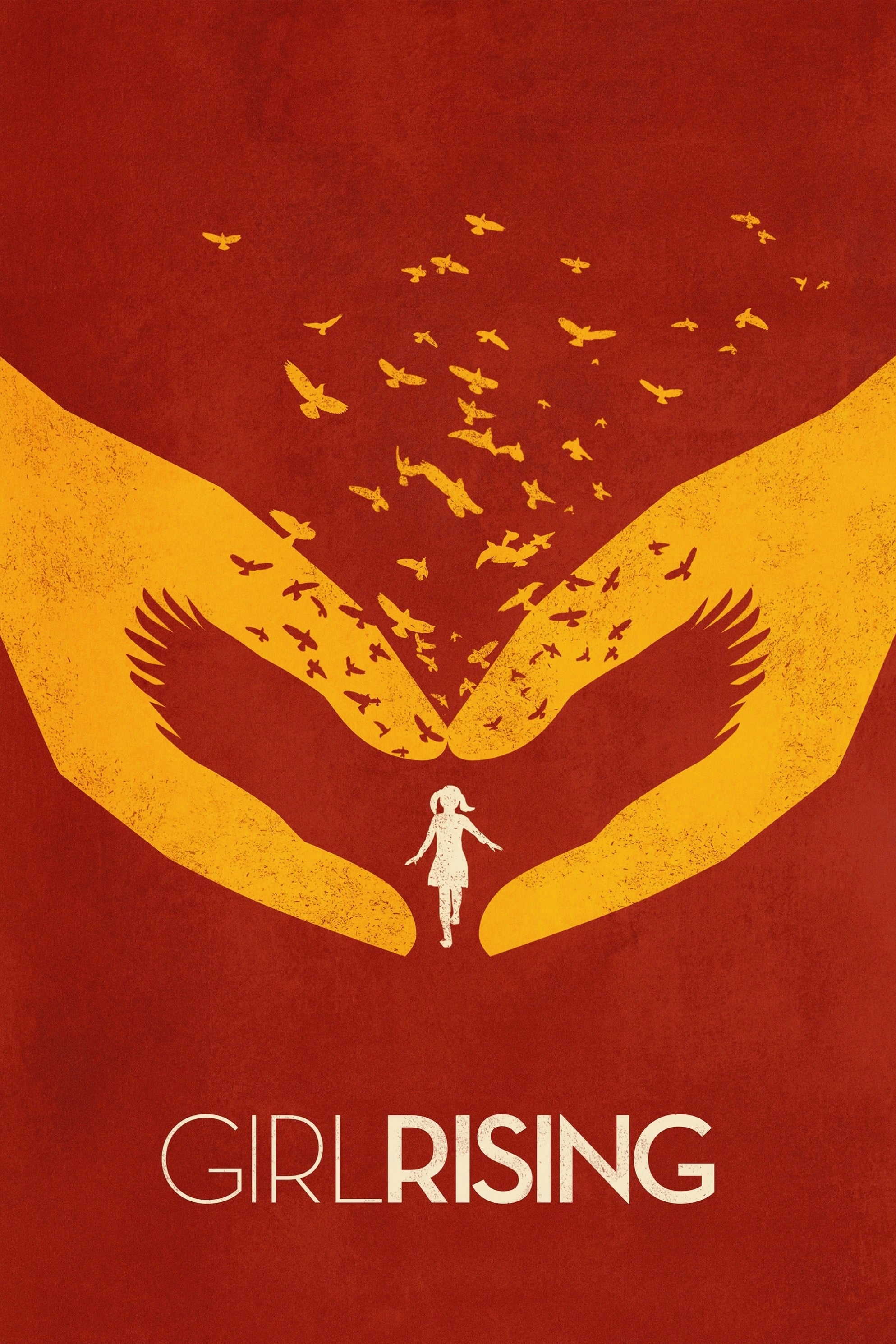
Nine filmmakers each profile a young girl from a different part of the world to weave a global tapestry of youth in the 21st century.
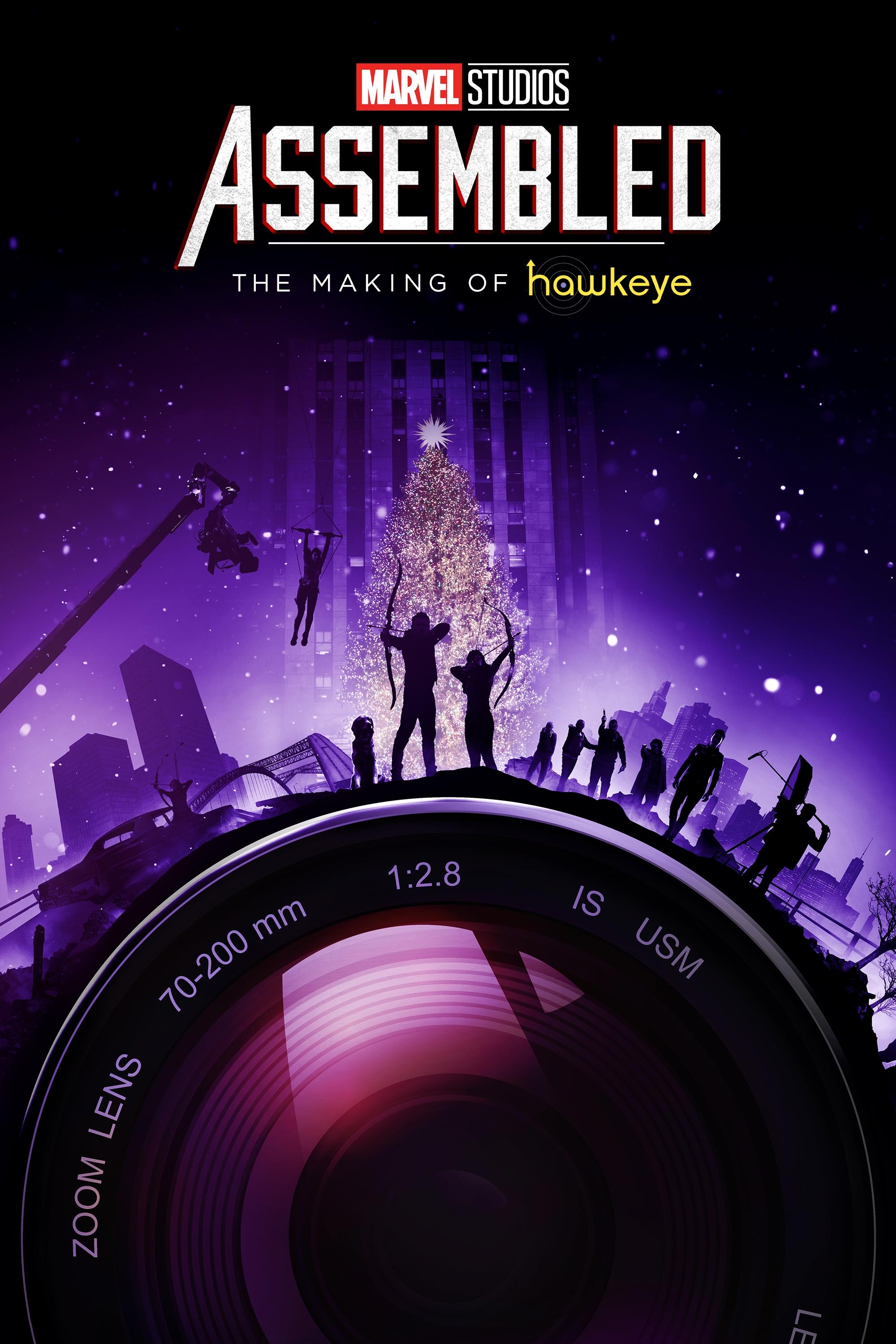
Join the likes of Jeremy Renner, Hailee Steinfeld, Florence Pugh, and Vincent D’Onofrio as they reveal how Marvel Studios’ “Hawkeye” was conceived and created. Witness firsthand what it took to pull off the show’s pulse-pounding action set pieces, and discover how iconic characters from the pages of Marvel Comics such as Kate Bishop were adapted and brought to life for the six-episode series.
A candid look at rehearsal footage in support of a focus on pre-viz.
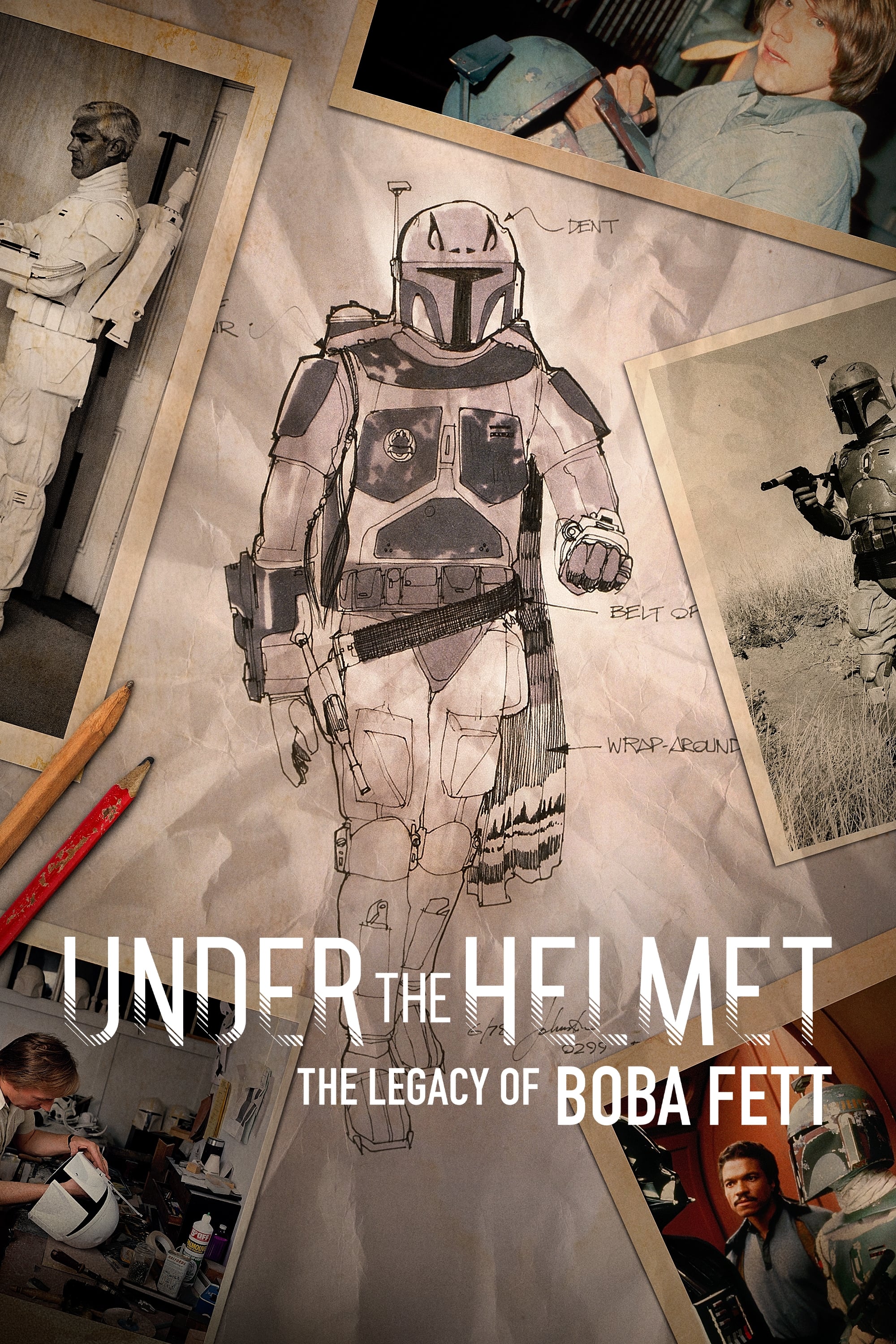
A special celebrating the origins and legacy of Star Wars' legendary bounty hunter, Boba Fett.