"Imagine a Place Where Anything is Possible"
This documentary looks at the stories of a few people in Aspen Colorado and how they contribute to the community.
Social & External
The people behind it
Gretchen Bleiler
herself
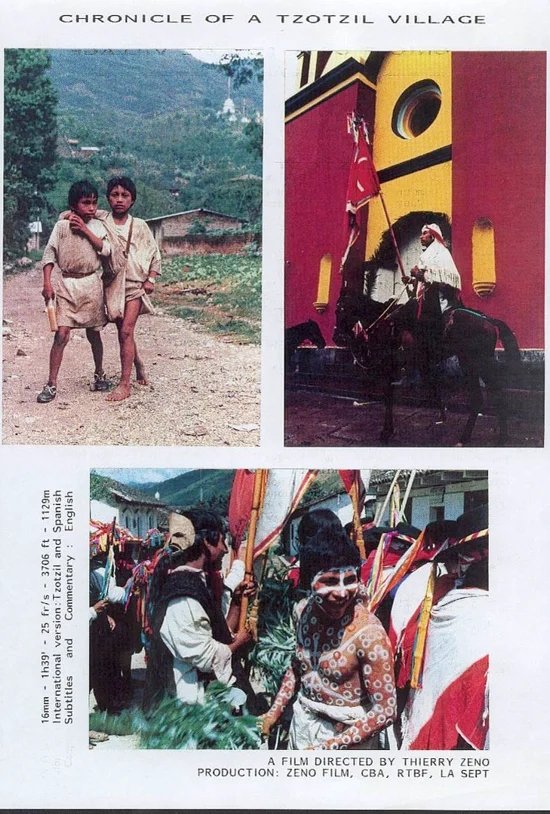
A documentary about the daily life of a native Tzotzil community in southern Mexico, shot over a period of eight years.
Speed, emotion, dream. Smoke and Rubber follows the drivers of Istanbul who dedicate it all to modified car culture. Beyond the noise, it traces how speed, sound, and the performance of masculinity define a way of living, from the garage to the streets. Based on ongoing research, this is a reflective portrait of a noisy world.
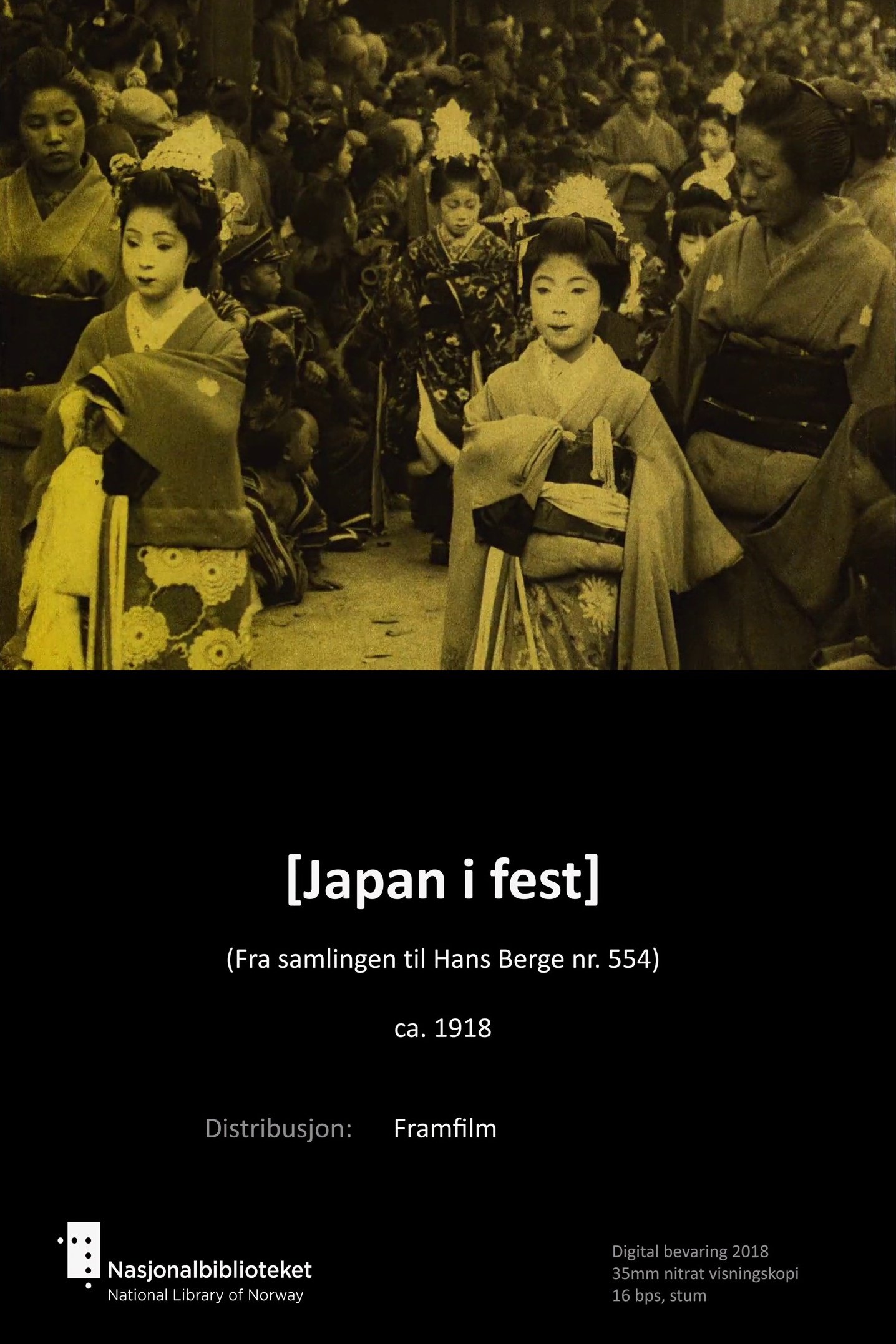
An actuality film showing a Buddhist festival in Kyoto. The procession includes Buddhist monks, geishas, and others dressed coordinately to the Japanese tradition.
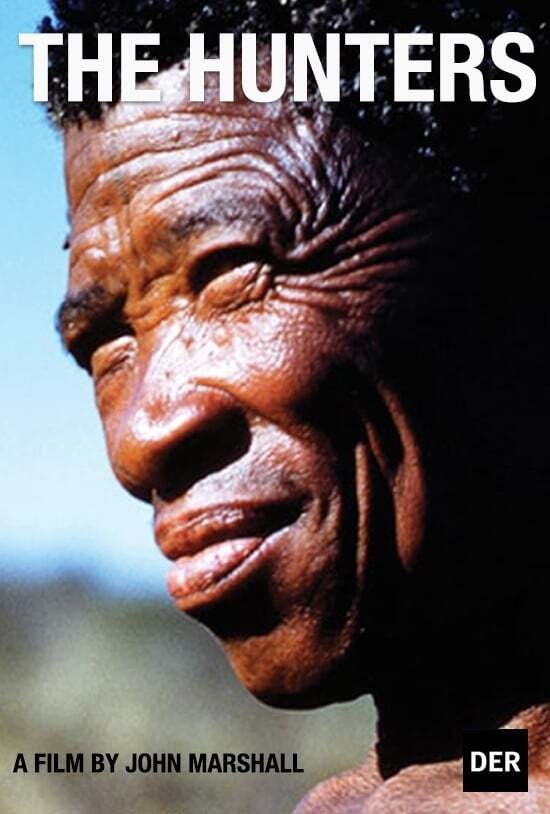
An ethnographic documentary following four Ju/’hoansi (!Kung) men during a multi-day giraffe hunt in the Kalahari Desert, filmed during the Smithsonian–Harvard Peabody expedition of 1952–53.
"With characteristic wit and rigor, experimental filmmaker Larry Gottheim here applies his impressionistic editing style to footage collected during his travels in the Dominican Republic. Gottheim’s formal emphasis on repetition and fissures between sound and image resonates here as a mode of sociological reflection (with the fragmentary montage mirroring elements of ritual while also destabilizing the ethnographic gaze). A largely overlooked antecedent to the contemporary blending of avant-garde and ethnographic filmmaking, MACHETTE GILLETTE… MAMA still poses a potent challenge to documentary convention." - Max Goldberg
An ethnographic documentary which looks at the relationship between music and work in predominantly rural cultures. It depicts the lives of fisherman, shepherds and farmers and their relationship with music. The film also describes Basque ancestral instruments, with special emphasis on the origin and history of ‘bertsolarism’ (Basque verse singing) as a form of oral communication.
Decolonising the Curatorial Process is a forty-minute documentary which explores decolonial strategies in an academic and curatorial context. The film features academics, activists and practitioners, and contains case studies of institutions that are deploying critical, self-reflective forms of curatorial practice. The Museum of London Docklands exhibition on slavery and the sugar industry is examined as an example of how an institution can decolonise the curatorial process, utilise the work of artists in a museum context, and critically examine East London's imperial history. The Pitt Rivers museum in Oxford, who are working with Maasai activists from Kenya and Tanzania on a project centred on repatriating the museum's collection of sacred Maasai artefacts, also features in the film.
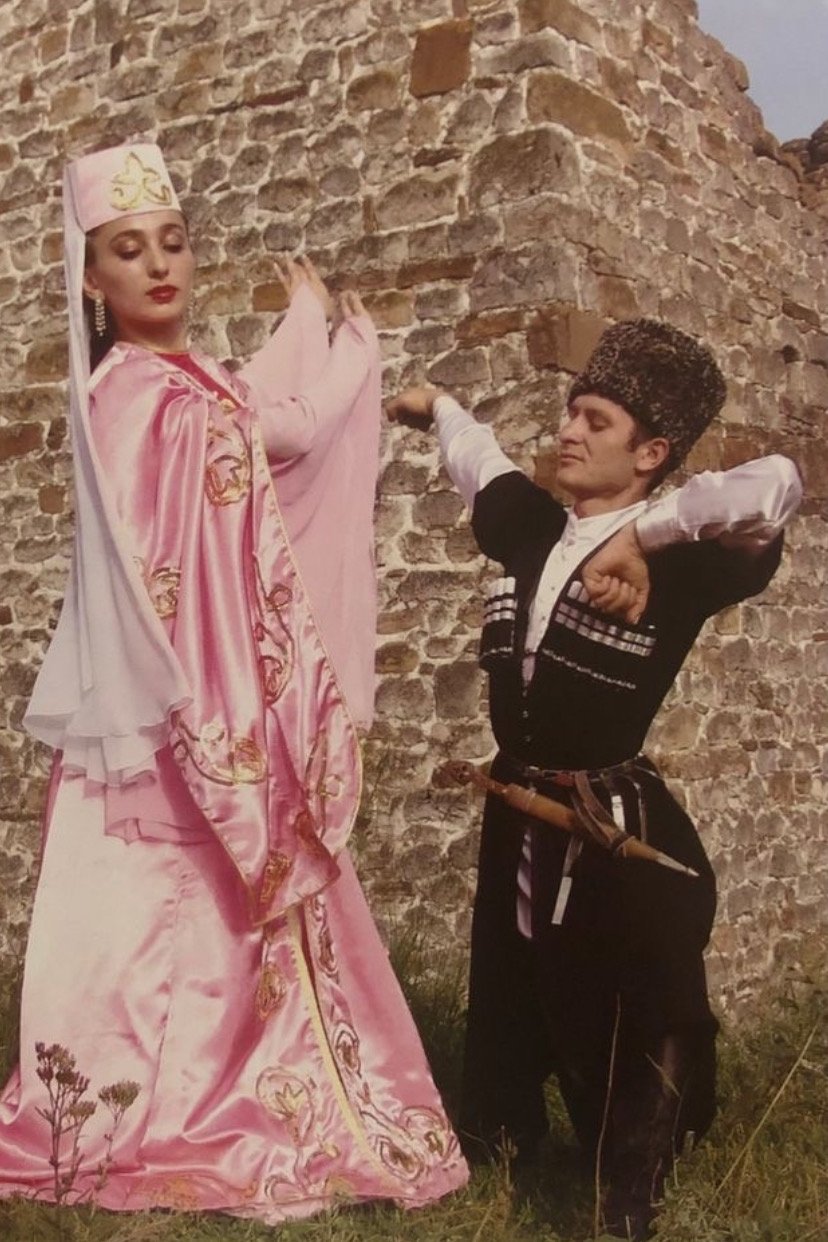
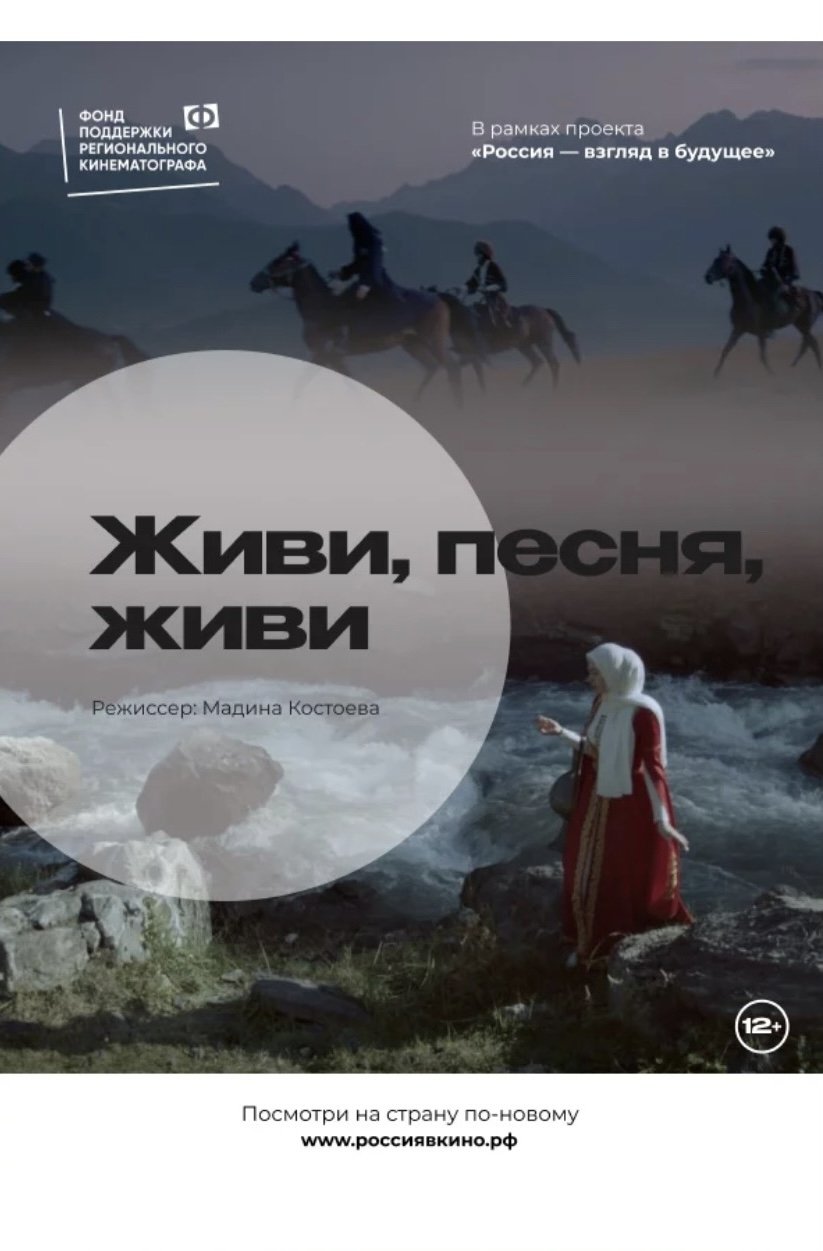
Film about the singing and dancing culture of the Ingush people
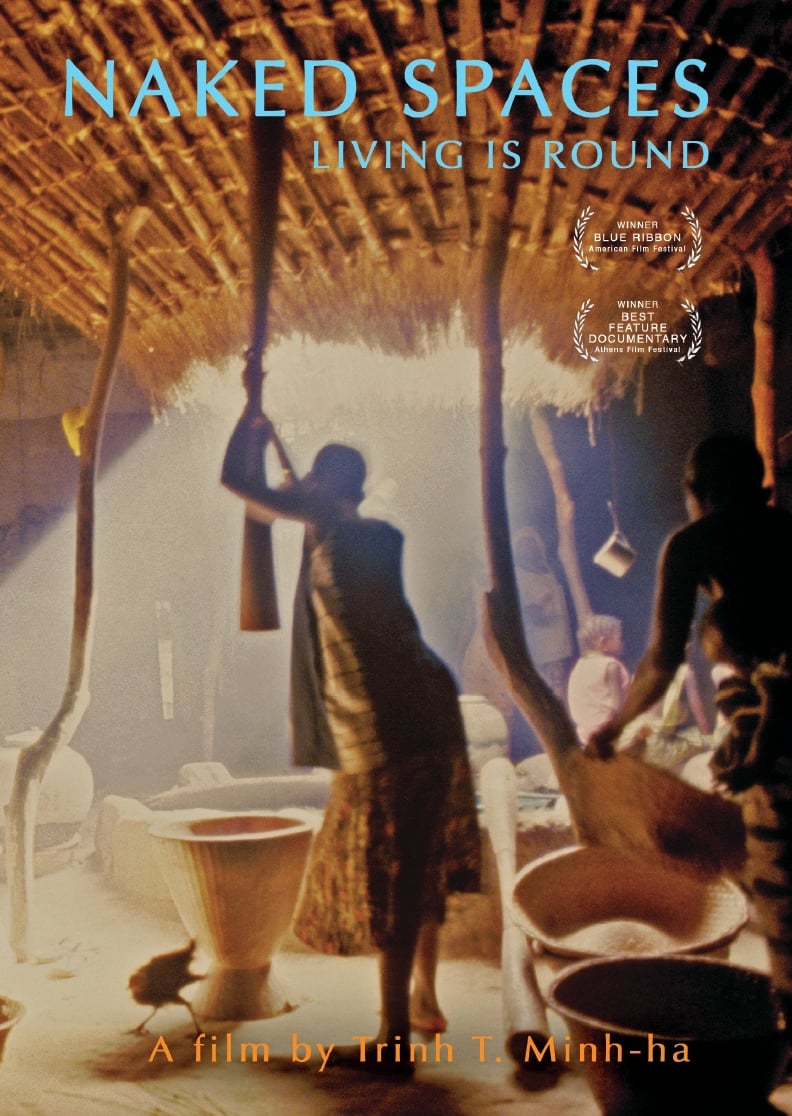
Shot with stunning elegance and clarity, NAKED SPACES explores the rhythm and ritual of life in the rural environments of six West African countries (Mauritania, Mali, Burkino Faso, Togo, Benin and Senegal). The nonlinear structure of NAKED SPACES challenges the traditions of ethnographic filmmaking, while sensuous sights and sounds lead the viewer on a poetic journey to the most inaccessible parts of the African continent: the private interaction of people in their living spaces.
Early Mondo film featuring primitive rituals, animals being butchered, unusual birth defects, and a legit trepanation scene.
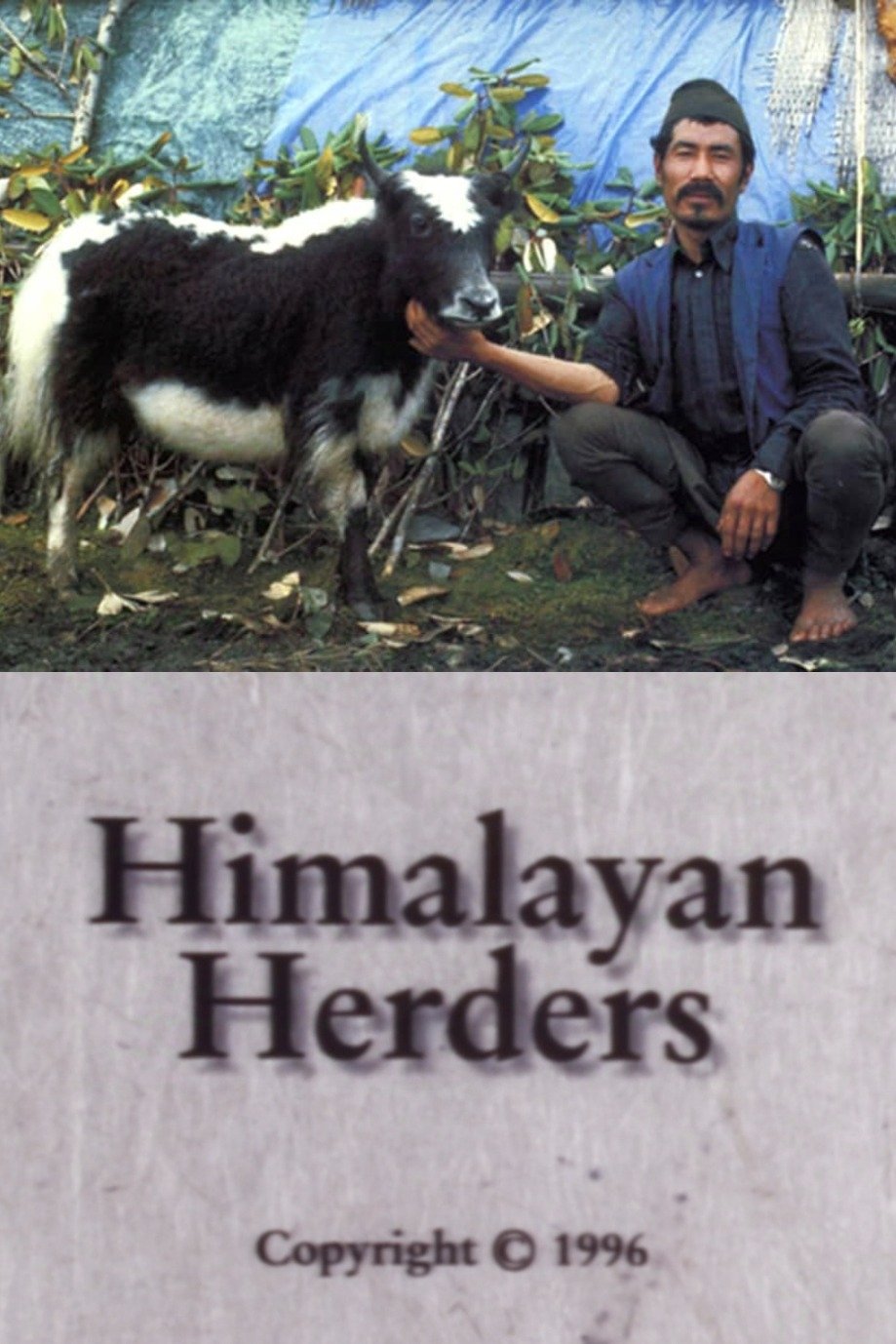
John Bishop and Naomi Bishop present a portrait a peculiar life style of the Himalayan indigenous Sherpa people in their documentary , the Himalayan Herders. The 76 minutes long film is about the diverse culture and life style of herders community near Mt. Everest region of Nepal.The film was made in 1997 as a part of Case Studies in Cultural Anthropology Series.
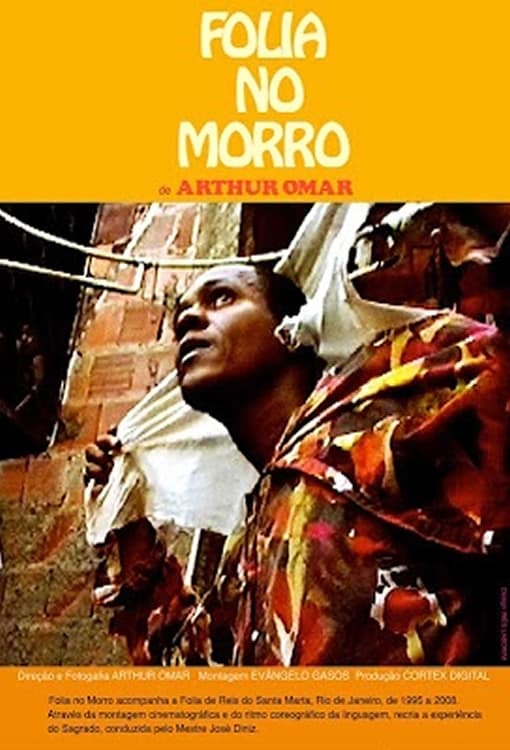
An ethnographic documentary following the Folia de Reis party that is celebrated every year at Morro de Santa Marta on Rio de Janeiro.
An experimental ethnographic documentary that criticizes the colonizer view of anthropology.
Exploring individual responses to rapid social change, Cowboy and Maria in town follows the parallel lives of its two central characters. Cowboy and Maria have independently landed in Port Moresby, negotiating ways to survive urban life in a city ranked as one of the most dangerous in the world. Cowboy is an ex-raskol (urban bandit) and Maria an inhabitant of a squatter settlement. Unemployed and with a jail record, Cowboy has constructed an electric guitar out of scrap materials and plays on street corners. Maria lives an equally precarious existence, cultivating a seasonal garden in an urban settlement inflamed by frustration and intertribal conflicts. Far from being third world victims, they go about their daily lives with humour and imagination, rising to the challenge of enormous cultural upheaval.
This provocative and profound film documents the Choqela ceremony, an agricultural ritual and song of the Aymara Indians of Peru. By offering several different translations of the proceedings, the film acknowledges the problems of interpretation as an inherent dilemma of anthropology.
The film tells two parallel stories. One, set in the present, tells of a pagent about the conquest of America, while the other, set in the 15th century, tells of a group of conquistadors coming ashore searching for gold. The film takes place in an unnamed country.
Ñaalec (Fabián Valdez) is a Moqoit college student disenchanted with formal ways of learning and embarrassed by his drunken classmates. He seeks to recover his people's culture by learning from elders who still remember the old ways. Ñaalec travels to the Nanaicalo Nqote ("eye of the dragon"), a sacred lake whose water gave people the power of the gods. This docudrama is part of a series of community-created films supported by CEFREC (led by Iván Sanjinés, son of legendary Bolivian filmmaker Jorge Sanjinés).
The film tells the story of ancient Ingush lullabies - Ingush women and men tell the lullabies of their families and the stories associated with them: love, friendship, blood feud.
'Mod' is an attempt by the filmmaker at communicating with the young men who hang out at the ‘notorious’ water tank in her neighbourhood in Pratap Vihar, Ghaziabad. The water tank is a space that is frequented by the so-called ‘no-gooders’ of the locality, a place where they play cricket, play cards, drink and smoke up. When she enters the space with her camera, the boys are curious and at the same time wary of it and her. They sometimes resist, sometimes protest, and at times, open up. As the film unfolds we get a hint of the lives the boys lead and the fragile world they create for themselves at the water tank.
A short film set in the mountainous province of Svaneti, documents the performance of polyphonic men’s funerary laments common to the region.
In an intimate and joyful story of love in the face of loss, celebrated poets Andrea Gibson and Megan Falley find strength—and unexpected hilarity—in what might be their final year together.
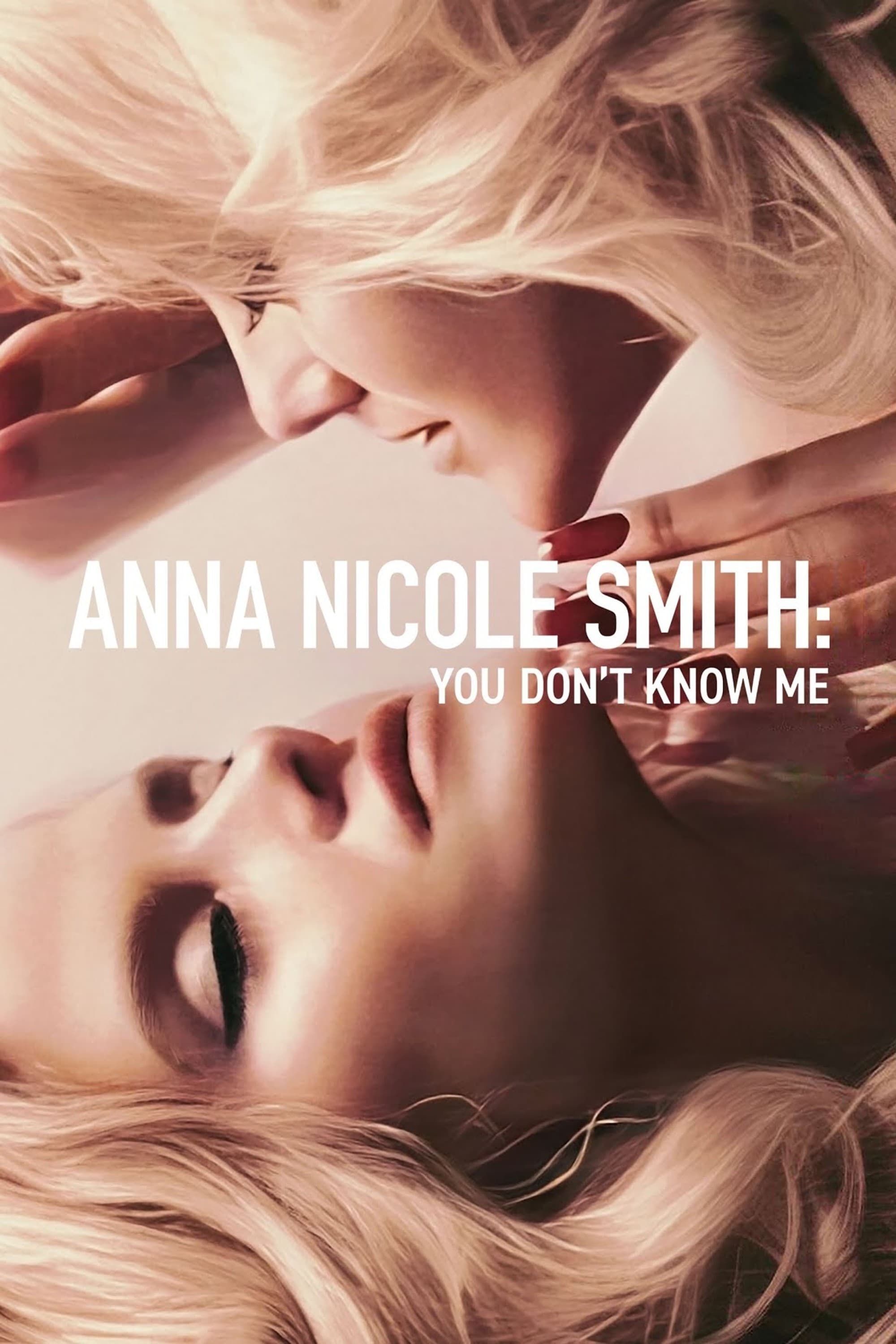
From the heights of her modeling fame to her tragic death, this documentary reveals Anna Nicole Smith through the eyes of the people closest to her.
A documentary about how a dominant cultural and demographic institution both sustains their traditional activities and adapts to the digital revolution.
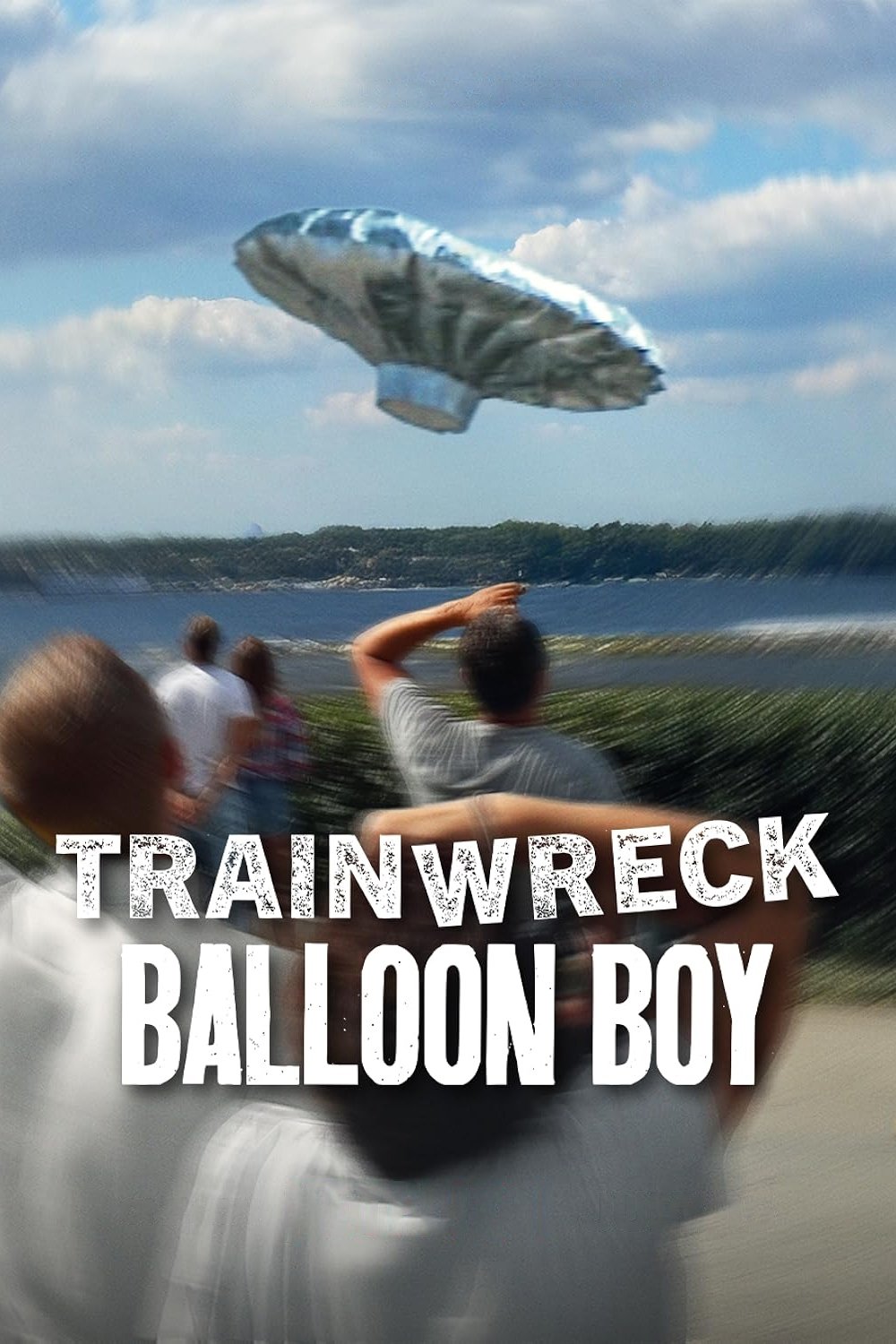
A homemade flying saucer lifts off, and a 6-year-old boy might be inside. National panic ensues — but what truly happened? This documentary investigates.
A visual montage portrait of our contemporary world dominated by globalized technology and violence.
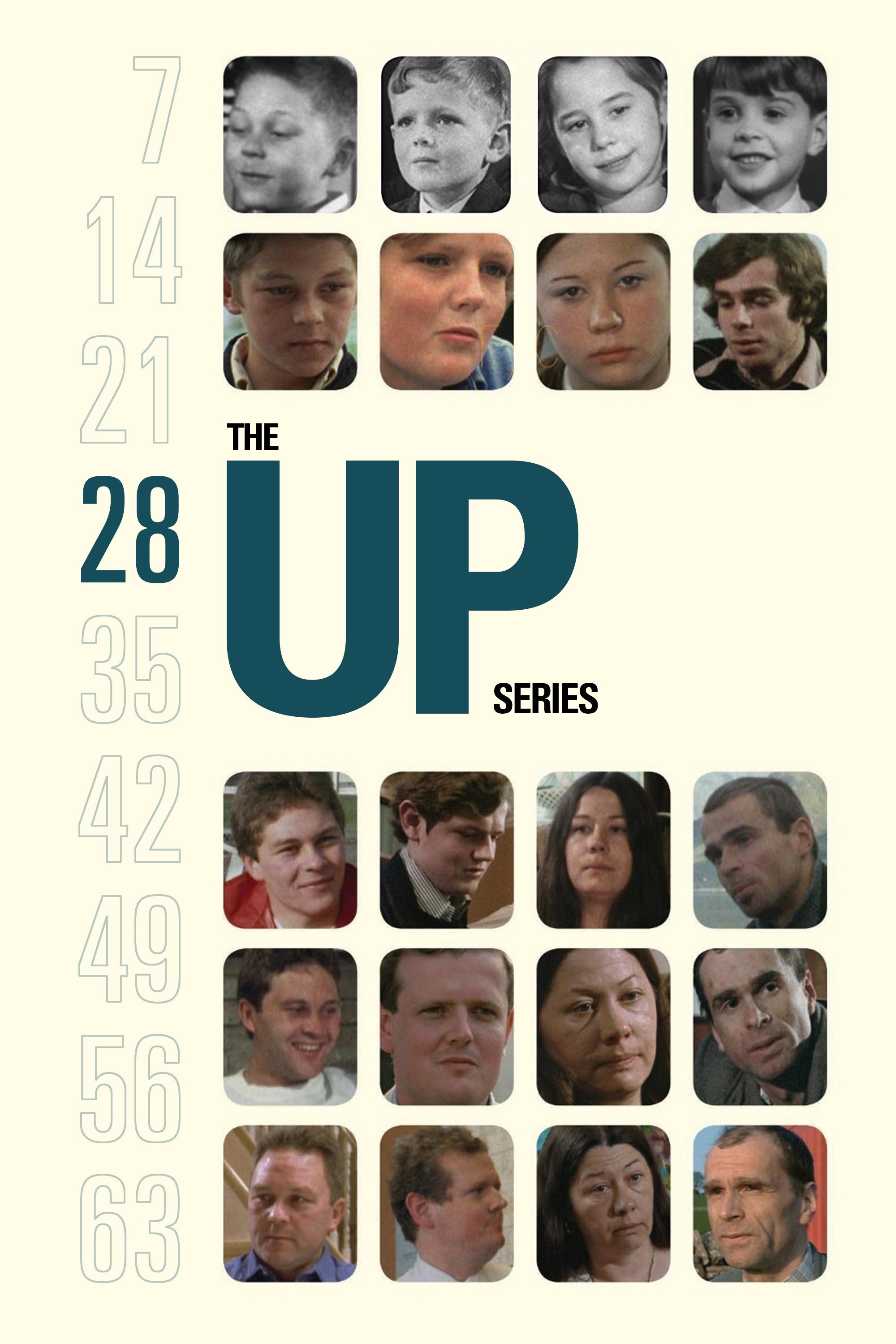
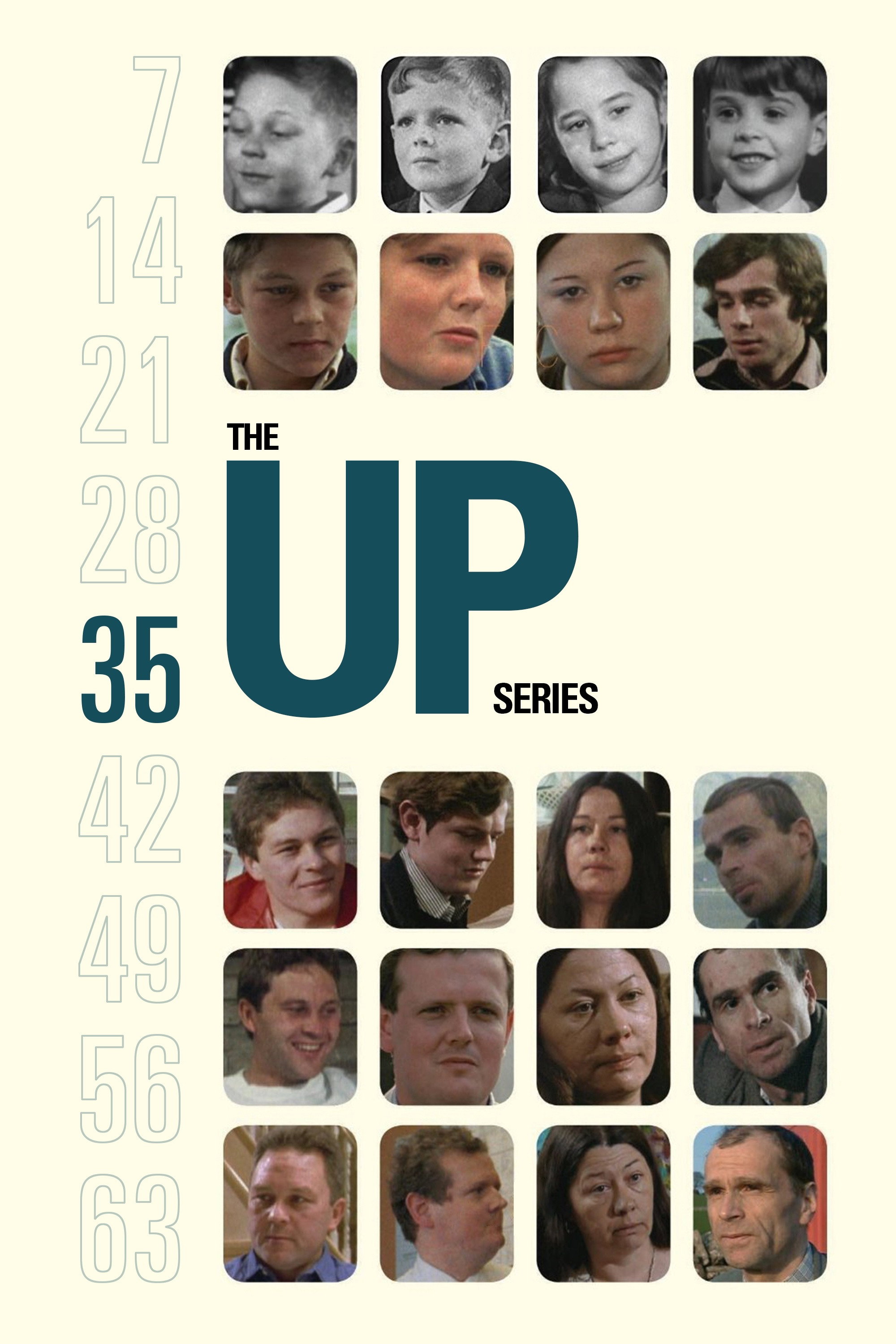
Just two years away from turning 30, participants in Michael Apted's documentary series are facing serious questions of identity and purpose, wondering whether they've found their place in the world.
Through deeply personal interviews with her siblings and an examination of the photographs, letters, and belongings left behind, Mariska assembles a new portrait of her mother Jayne Mansfield, an extraordinary and complex woman.
A documentary about the making of David Fincher's 2008 film THE CURIOUS CASE OF BENJAMIN BUTTON. Virtually every element in the evolution of the Fincher's film is documented here, from the project's attachment to numerous other directors during the 1990s, to its shoot in 2006 and 2007 in New Orleans, to its complex, CGI-intensive postproduction process.
Alexander McQueen's rags-to-riches story is a modern-day fairy tale, laced with the gothic. Mirroring the savage beauty, boldness and vivacity of his design, this documentary is an intimate revelation of McQueen's own world, both tortured and inspired, which celebrates a radical and mesmerizing genius of profound influence.
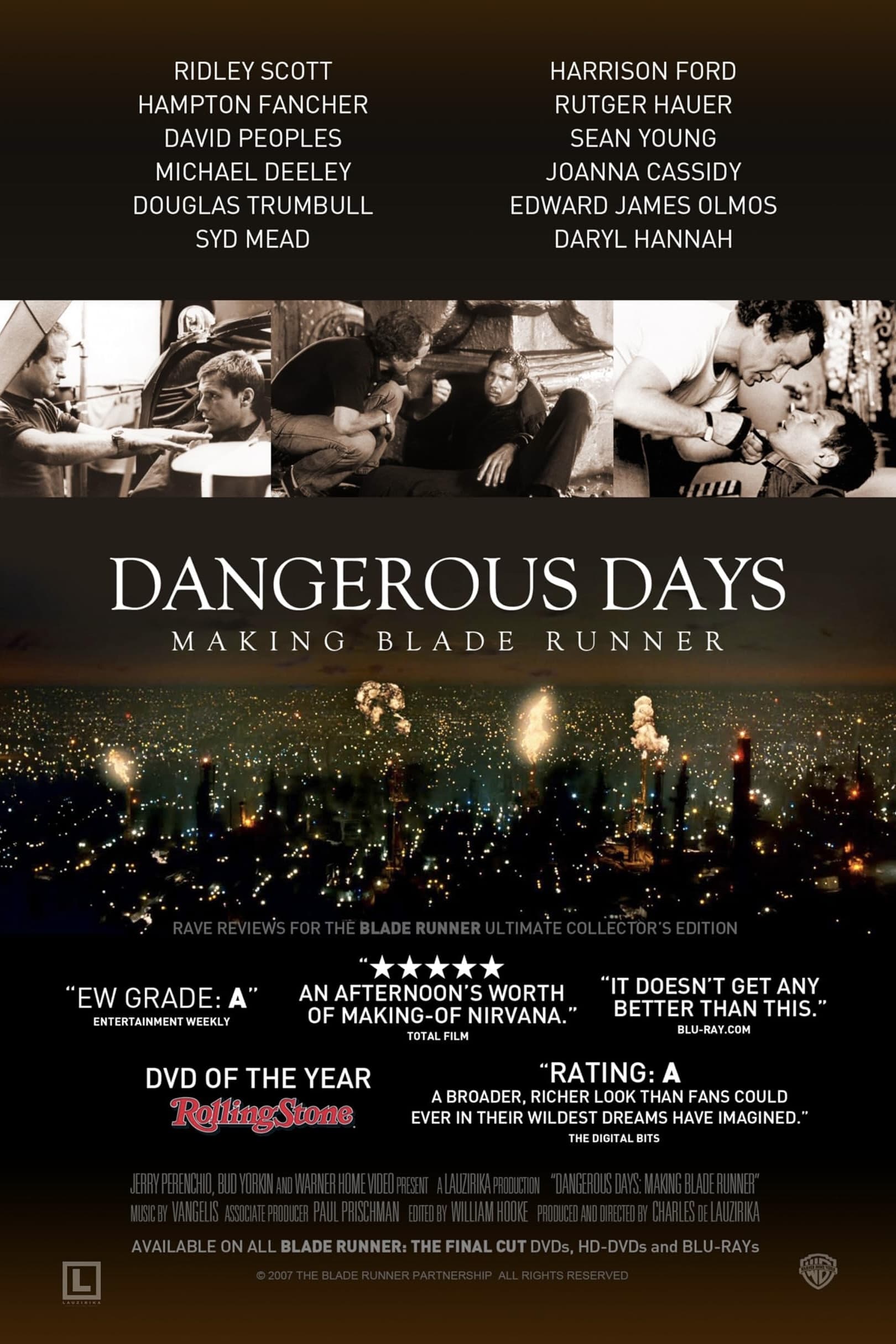
The definitive 3½-hour documentary about the troubled creation and enduring legacy of the science fiction classic 'Blade Runner', culled from 80 interviews and hours of never-before-seen outtakes and lost footage.
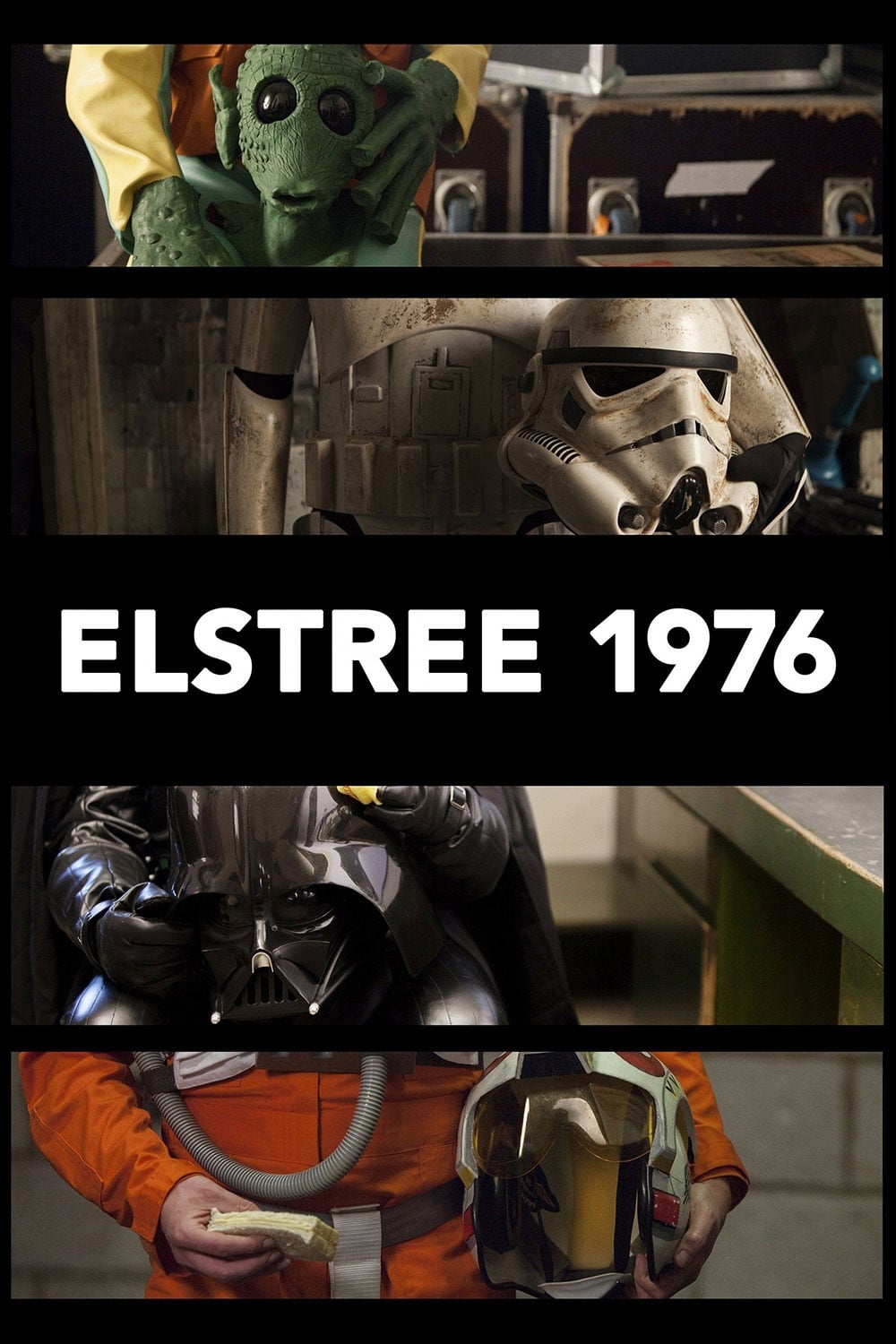
A documentary about ten very different lives connected by having appeared onscreen wearing masks or helmets in Star Wars.
Daniel Craig candidly reflects on his 15 year adventure as James Bond. Including never-before-seen archival footage from Casino Royale to the upcoming 25th film No Time To Die, Craig shares his personal memories in conversation with 007 producers, Michael G Wilson and Barbara Broccoli.
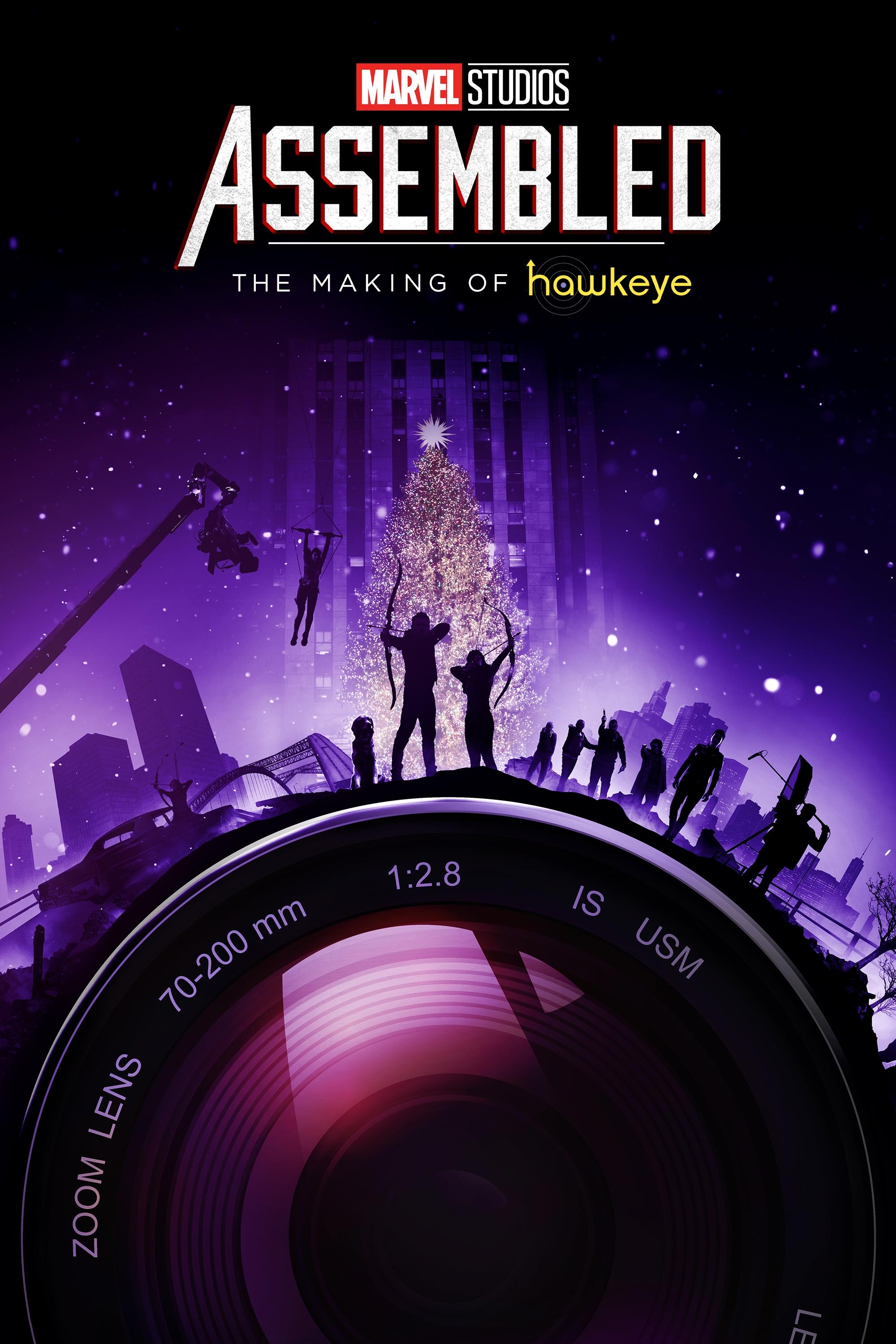
Join the likes of Jeremy Renner, Hailee Steinfeld, Florence Pugh, and Vincent D’Onofrio as they reveal how Marvel Studios’ “Hawkeye” was conceived and created. Witness firsthand what it took to pull off the show’s pulse-pounding action set pieces, and discover how iconic characters from the pages of Marvel Comics such as Kate Bishop were adapted and brought to life for the six-episode series.
Al Pacino's deeply-felt rumination on Shakespeare's significance and relevance to the modern world through interviews and an in-depth analysis of "Richard III."
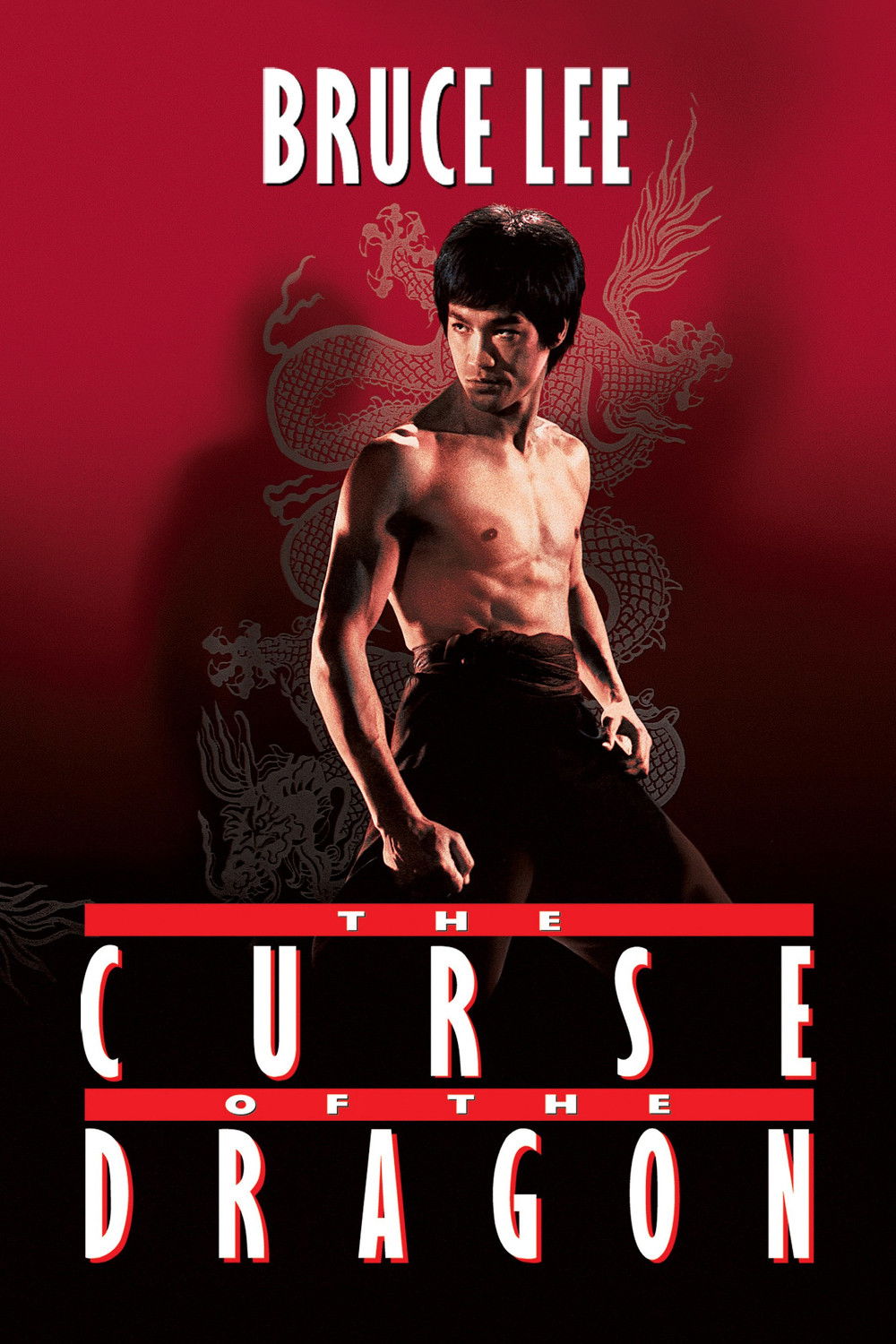
A 1993 documentary film about Bruce Lee. The film includes interviews from some of his fellow students and opponents who worked alongside him in his movies.
Director Michael Apted revisits the same group of British-born adults after a 7 year wait. The subjects are interviewed as to the changes that have occurred in their lives during the last seven years.
An inside look at one of the most anticipated movie sequels ever with James Cameron and cast.
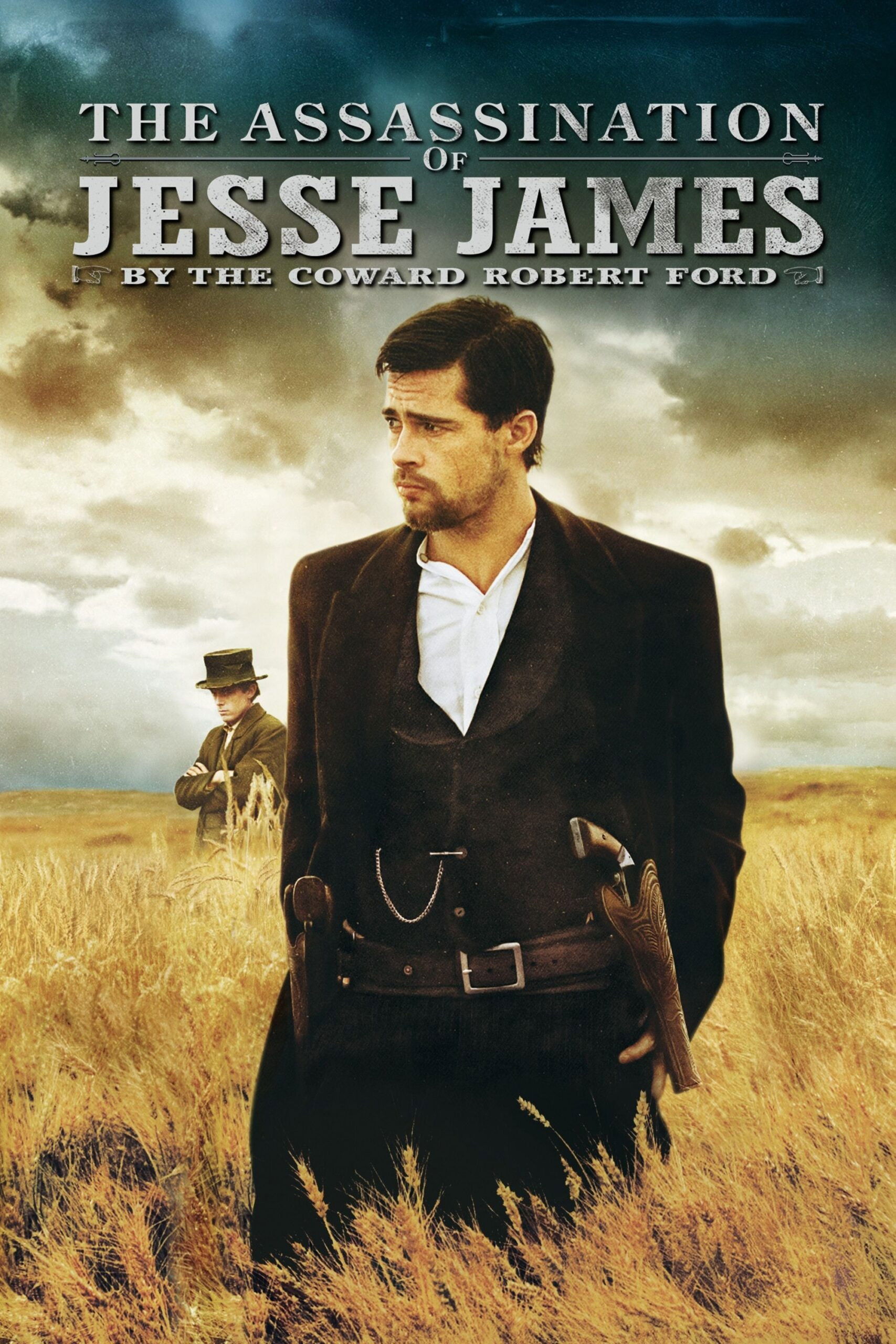
Explores the true story of the notorious Jesse James, how the myth developed during his lifetime, and how the legends have persisted over 100 years after his death at the hands of his former friend, Robert Ford.
A documentary on the expletive's origin, why it offends some people so deeply, and what can be gained from its use.
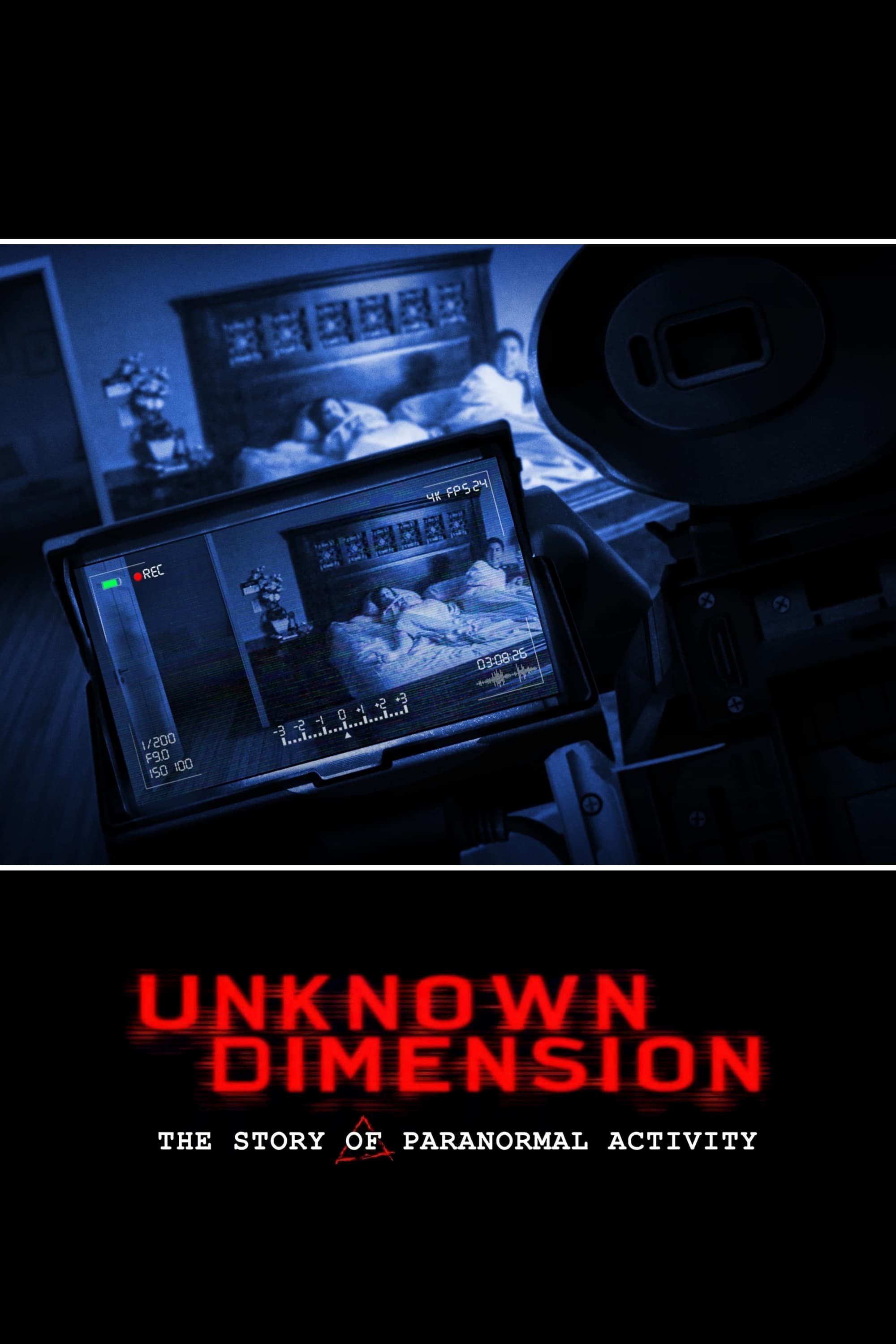
A deep dive into the making of the Paranormal Activity films with first time ever interviews with cast and crew, never-before-seen footage from the movies, and a preview of the seventh installment in the franchise.