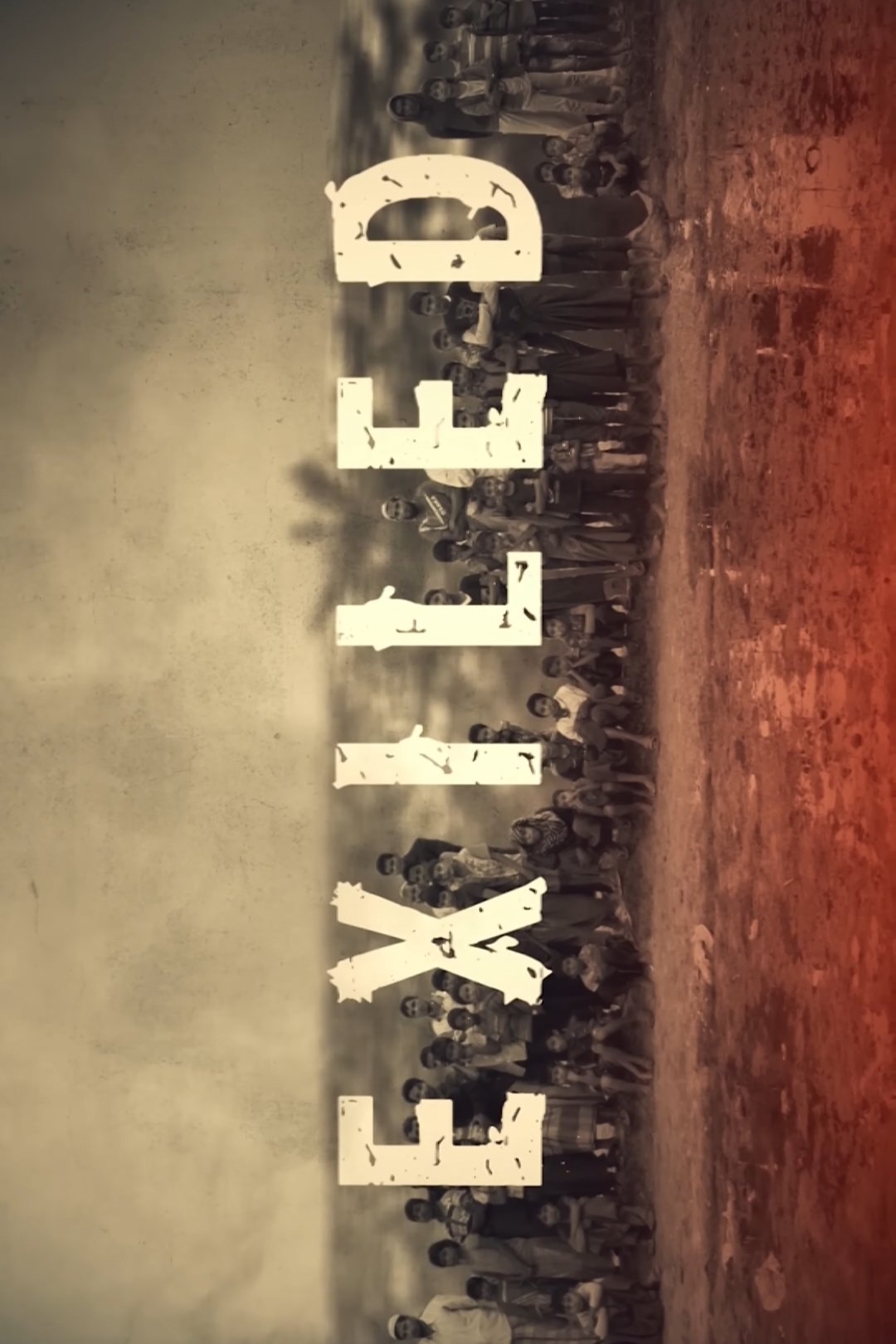
The silence behind the genocide of the Rohingyas in Burma.
Social & External
The people behind it
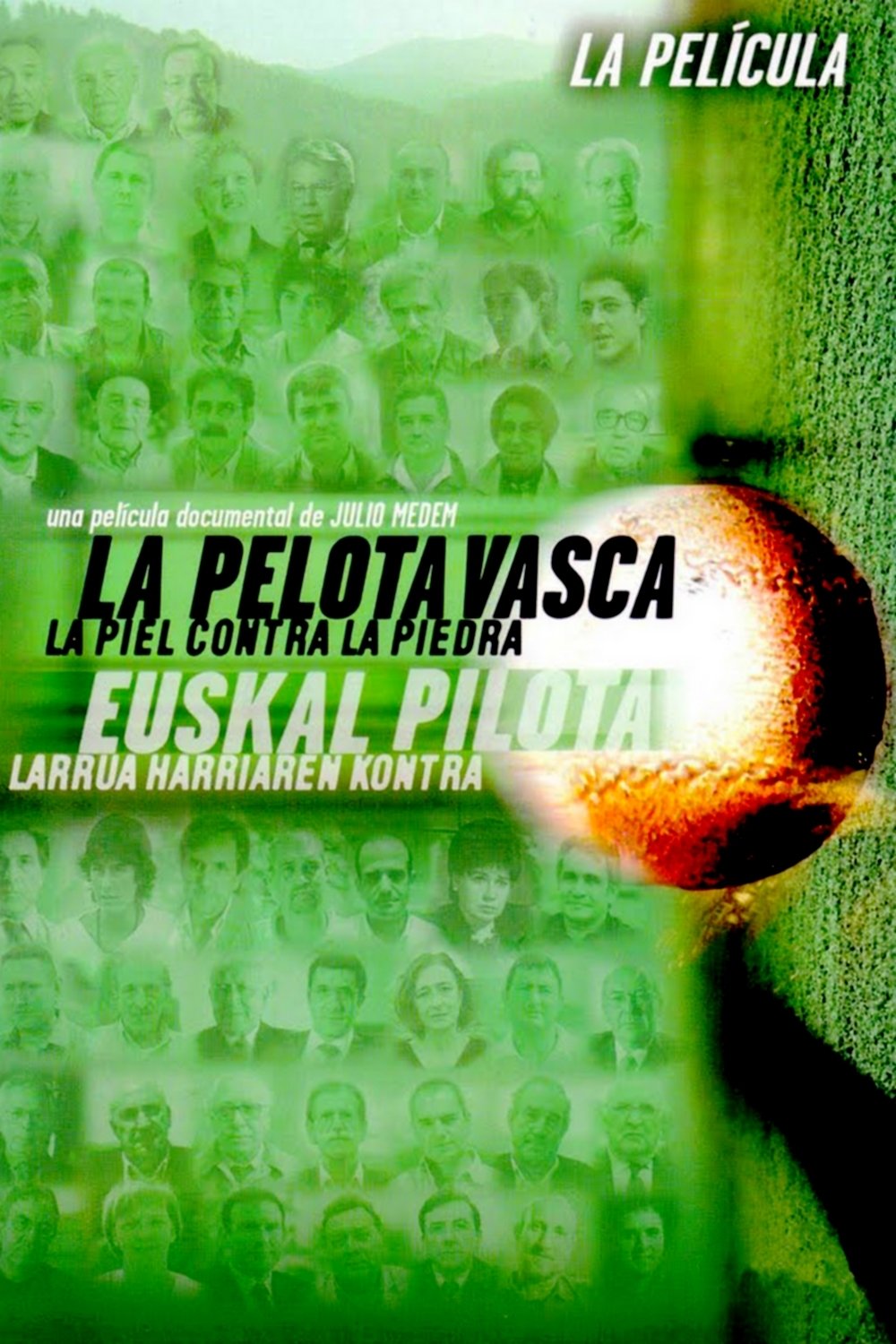
An attempt to create a bridge between the different political positions that coexist, sometimes violently, in the Basque Country, in northern Spain.
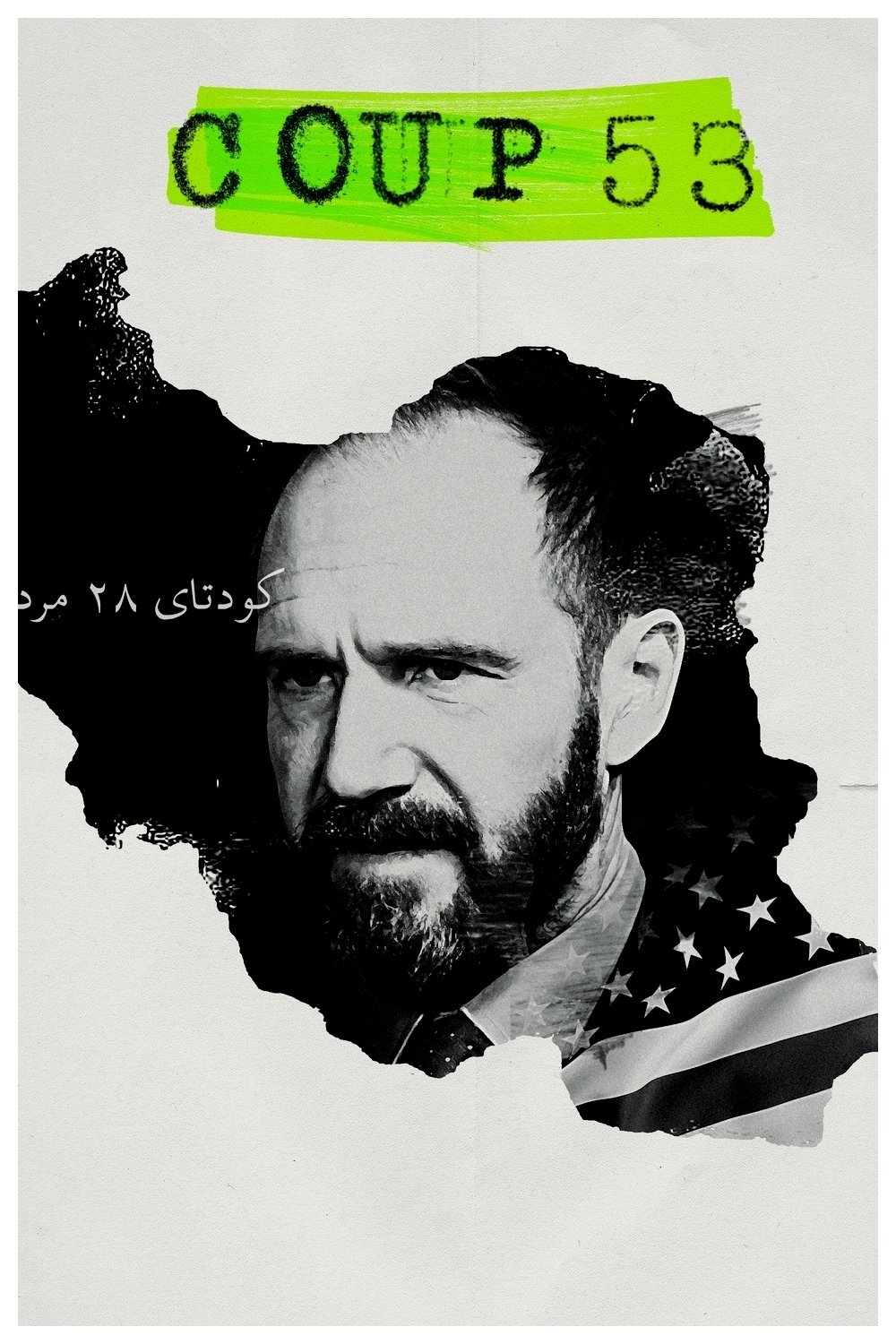
Tehran, Iran, August 19, 1953. A group of Iranian conspirators who, with the approval of the deposed tyrant Mohammad Reza Pahlavi, have conspired with agents of the British MI6 and the US CIA, manage to put an end to the democratic government led by Mohammad Mosaddegh, a dramatic event that will begin the tragic era of coups d'état that, orchestrated by the CIA, will take place, over the following decades, in dozens of countries around the world.
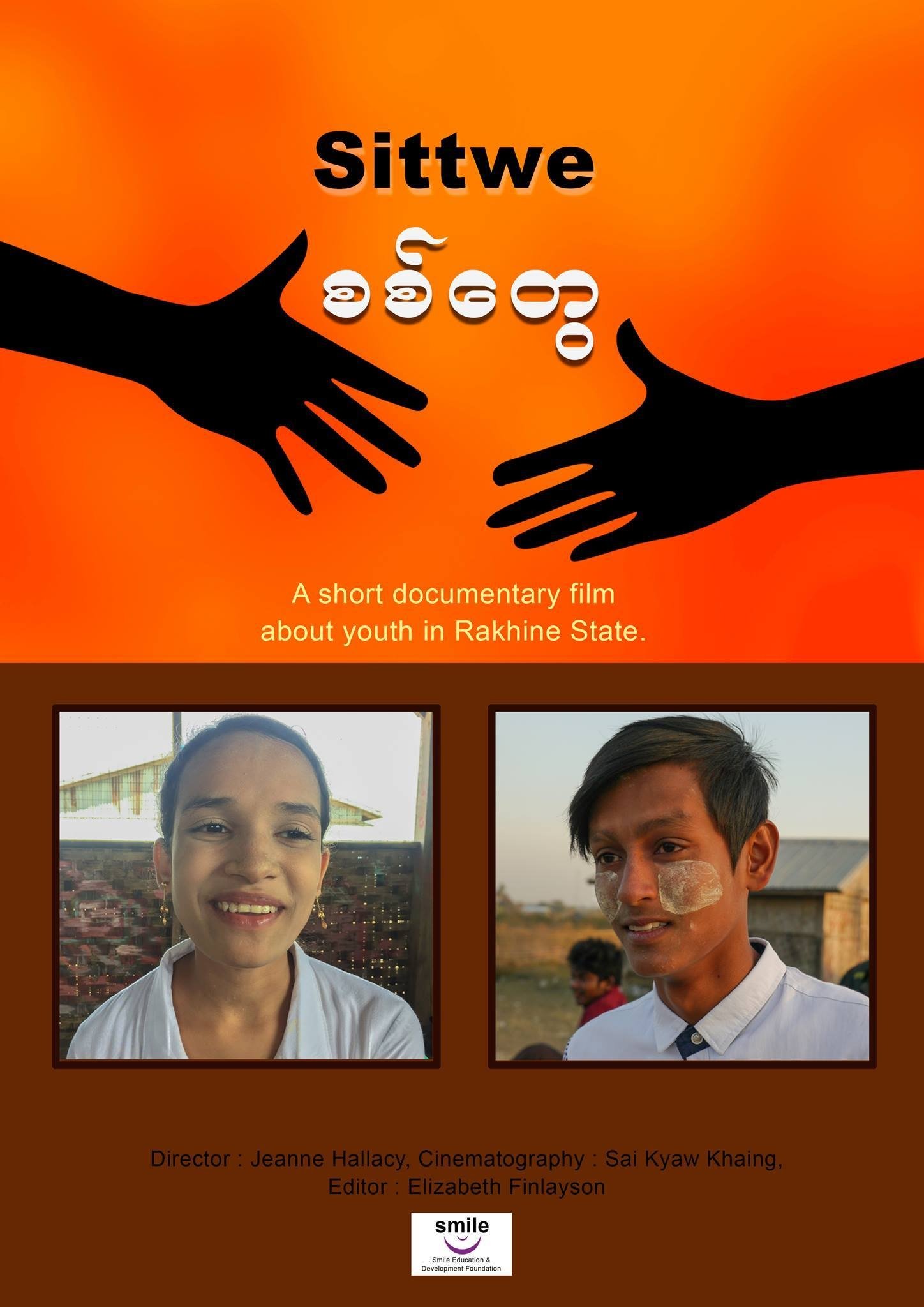
Sittwe is about two teenagers separated by conflict and segregation in Burma's Rakhine state, Phyu Phyu Than, a Rohingya girl and Aung San Myint, a Buddhist boy. Both youth saw their homes burned down during communal violence in 2012. Phyu Phyu Than is confined in an apartheid-style camp and has no chance to go to school or travel to her home just a few miles away. Aung San Myint's family struggles to survive and support his high school studies to fulfill his dream to go to medical school. Interviews filmed over two years with the teenagers reveal their ideas about each other's communities and the hope of reconciliation.
Turkey's history has been shaped by two major political figures: Mustafa Kemal (1881-1934), known as Atatürk, the Father of the Turks, founder of the modern state, and the current president Recep Tayyıp Erdoğan, who apparently wants Turkey to regain the political and military pre-eminence it had as an empire under the Ottoman dynasty.
Gdańsk, Poland, September 1980. Lech Wałęsa and other Lenin shipyard workers found Solidarność (Solidarity), the first independent trade union behind the Iron Curtain. The long and hard battle to bring down communist dictatorship has begun.
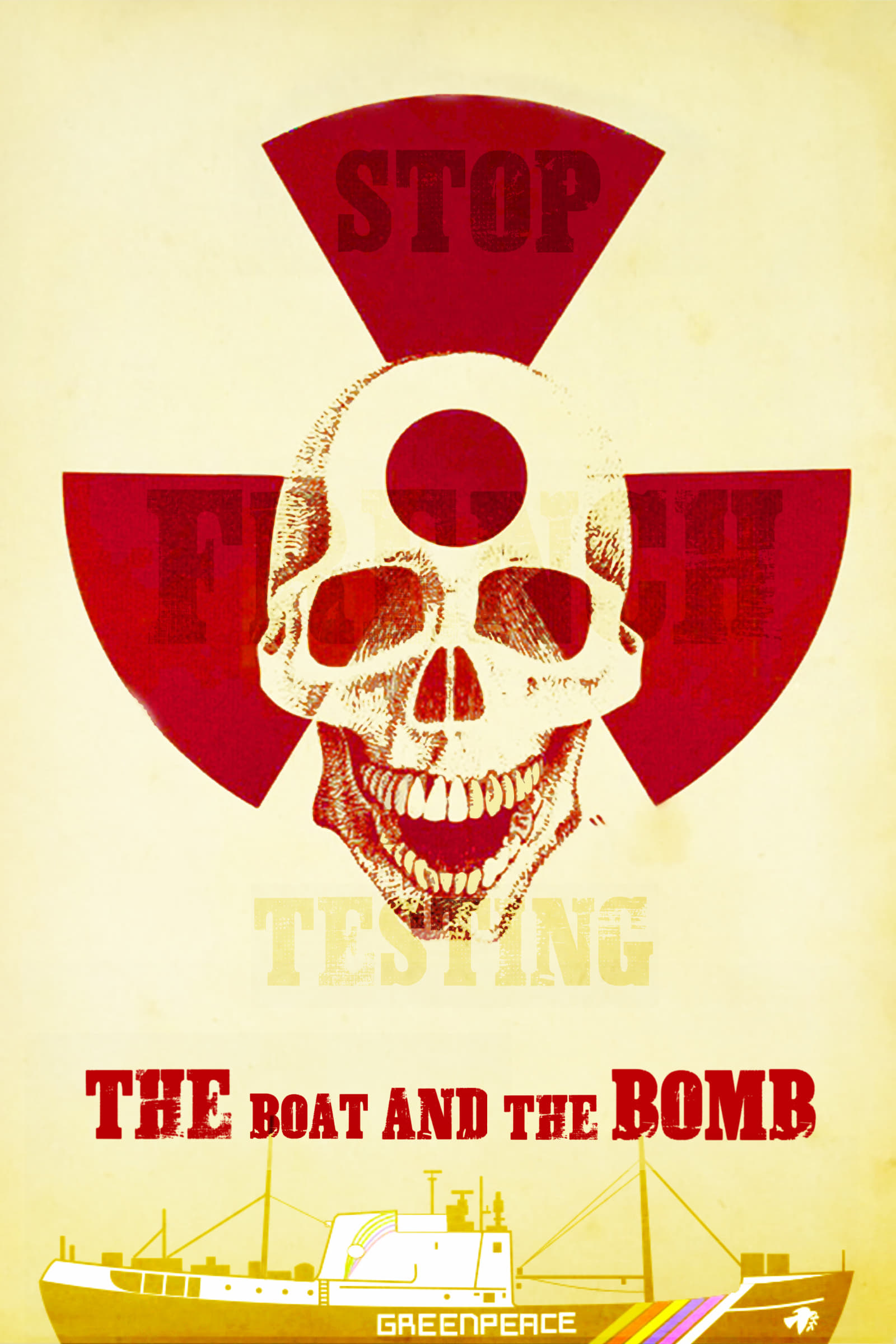
In Aukland Harbour, New Zealand, on July 10th 1985, French navy combat frogmen placed two mines against the hull of the Greenpeace flagship Rainbow Warrior, sinking the ship and killing photographer Fernando Pereira.
"The Actors of Cannes" is a documentary film project that showcases a painful part of Kosovo’s history – the spring 1990 school poising of 8400 students by the Serbian government. The mass poisoning of Albanian Kosovars targeted students, teachers, citizens, even young children in preschools.
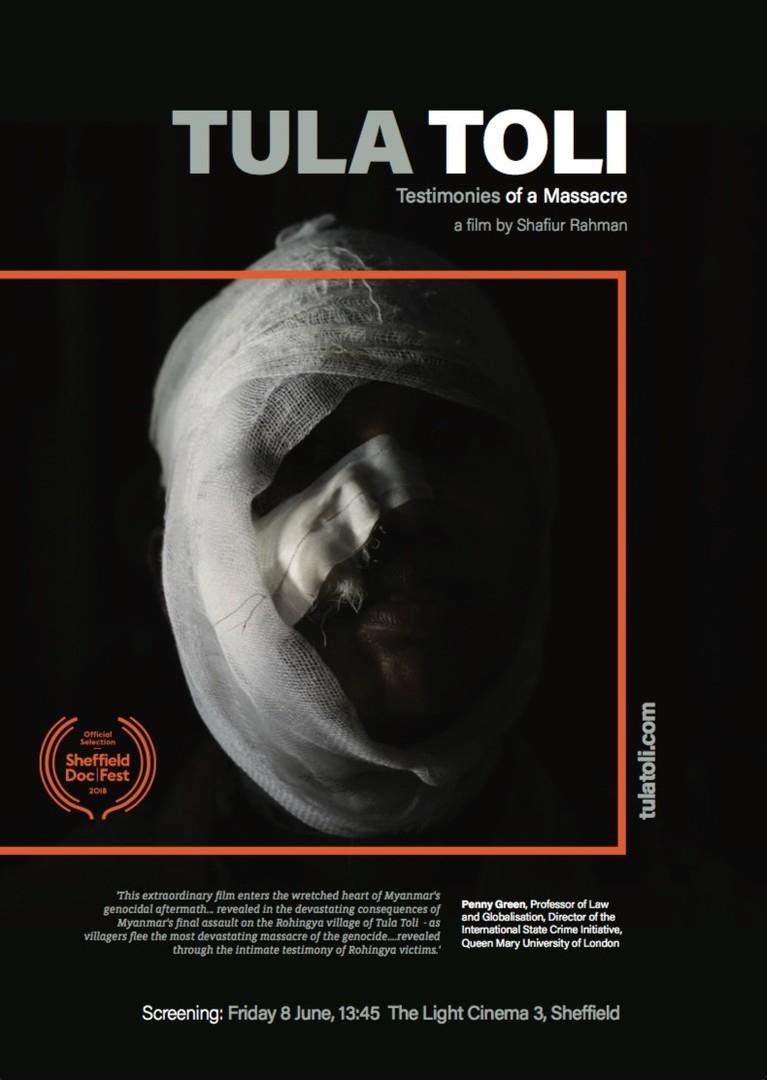
Filmed along the Myanmar-Bangladesh border and within Rohingya refugee camps, Shafiur Rahman’s documentary on the 2017 Tula Toli massacre exposes chilling interviews and evidence of Myanmar military’s premeditated atrocities. The film documents mass killings, sexual violence, and the systematic destruction of the village of Tula Toli, highlighting a humanitarian crisis that forced over half a million people—many of them children—to flee in an exodus of historic scale.
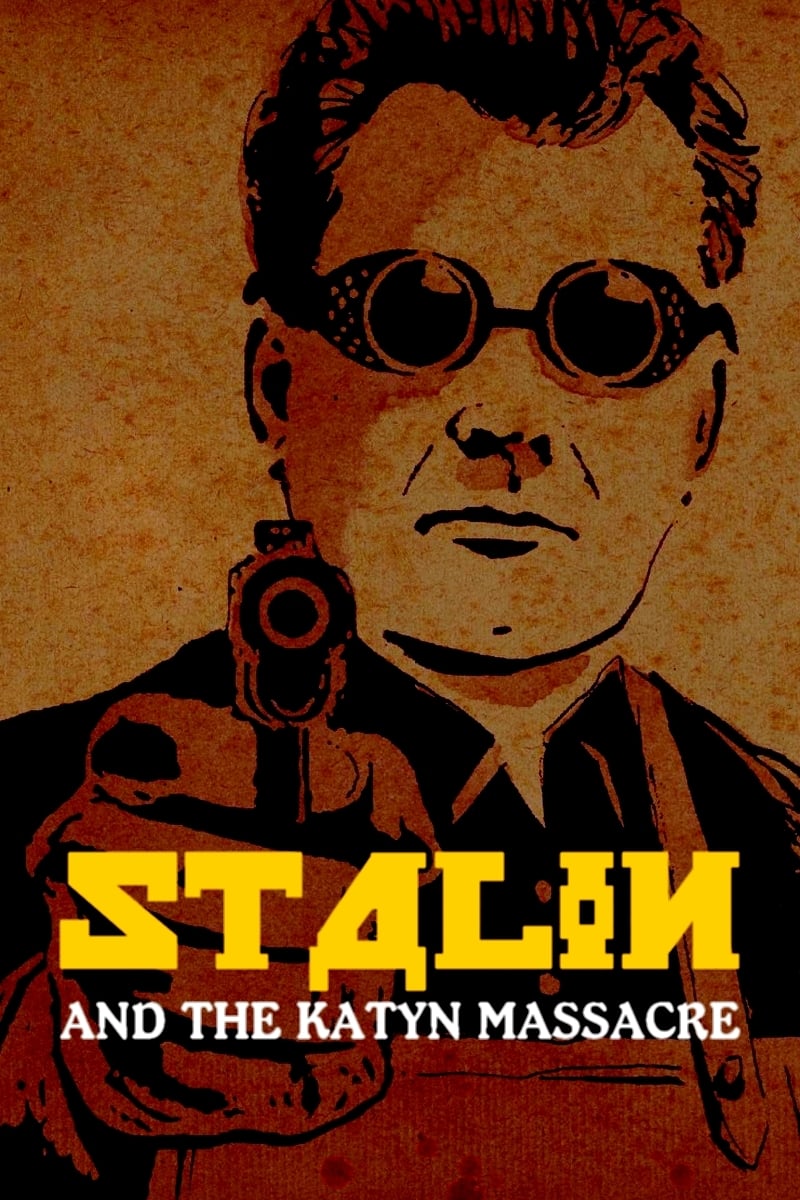
The Katyn massacre, carried out by the Soviet NKVD in 1940, was only one of many unspeakable crimes committed by Stalin's ruthless executioners over three decades. The mass murder of thousands of Polish officers was part of a relentless purge, the secrets and details of which have only recently been partially revealed.
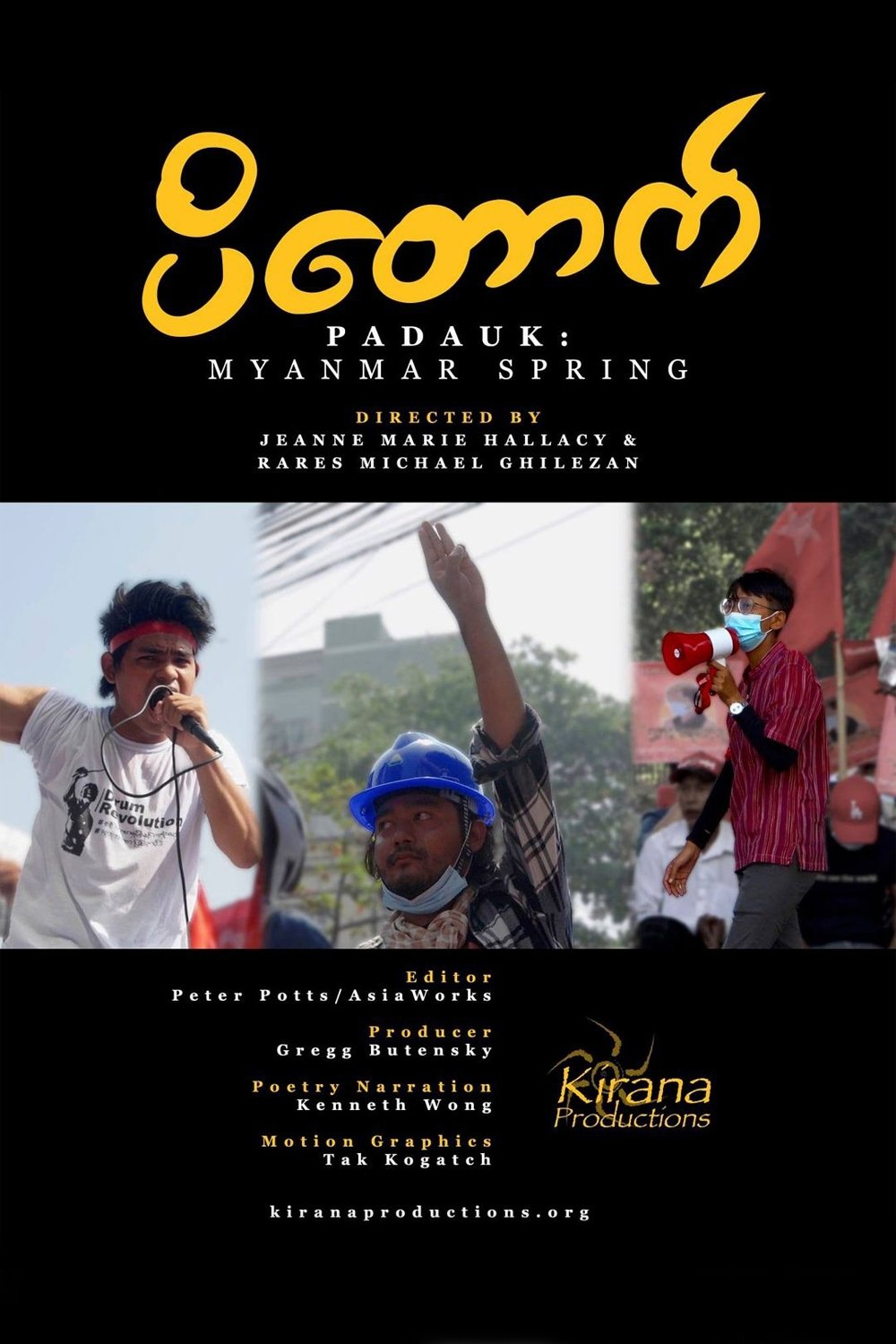
Padauk: Myanmar Spring takes the viewer to the streets of Myanmar during the heady days following the February 2021 military coup. Through Nant, a young, first-time protester, we meet three human rights activists whose lives have been turned upside down by the coup. As the protests continue, Nant comes to understand the truth of a brutal regime that has continued to wage war against its own people for decades. Against a foreboding backdrop, Nant’s political awakening regarding the plight of others in her ethnically diverse country gives hope for the future. Beautifully augmented by poetry and art, Padauk: Myanmar Spring shows the resilience and determination of the people of Myanmar, and the sacrifices they've made.
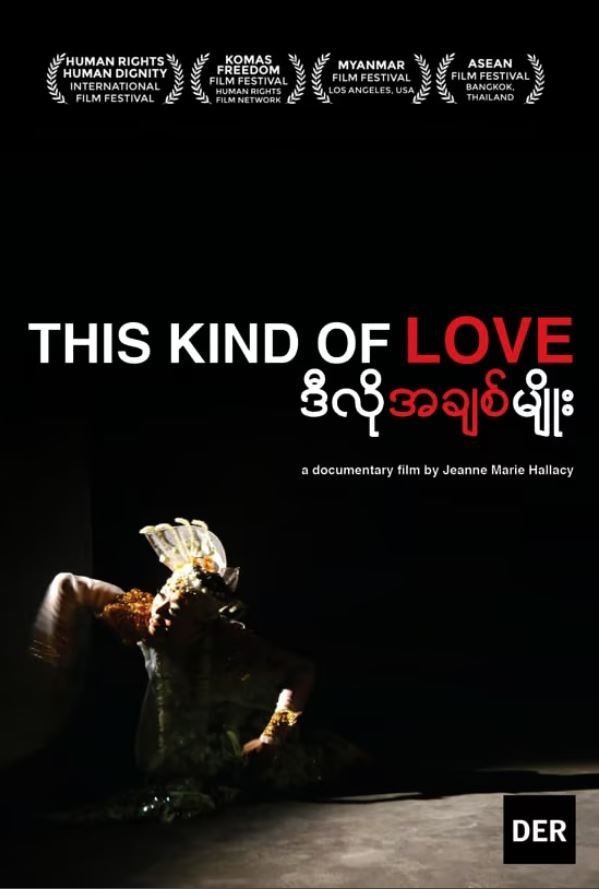
This Kind of Love follows Burmese human rights and LGBT activist, Aung Myo Min, as he returns home after 24 years in exile. Set against Myanmar's historical transition from half a century of brutal military rule, Myo shares his vision for equality for all - from children to transgender people to ethnic nationalities with his countrymen, to be part of his homeland's emergence from the darkness of dictatorship. Myo's story celebrates his belief that community and inclusion are fundamental to creating meaningful political and social change in Burma/Myanmar.
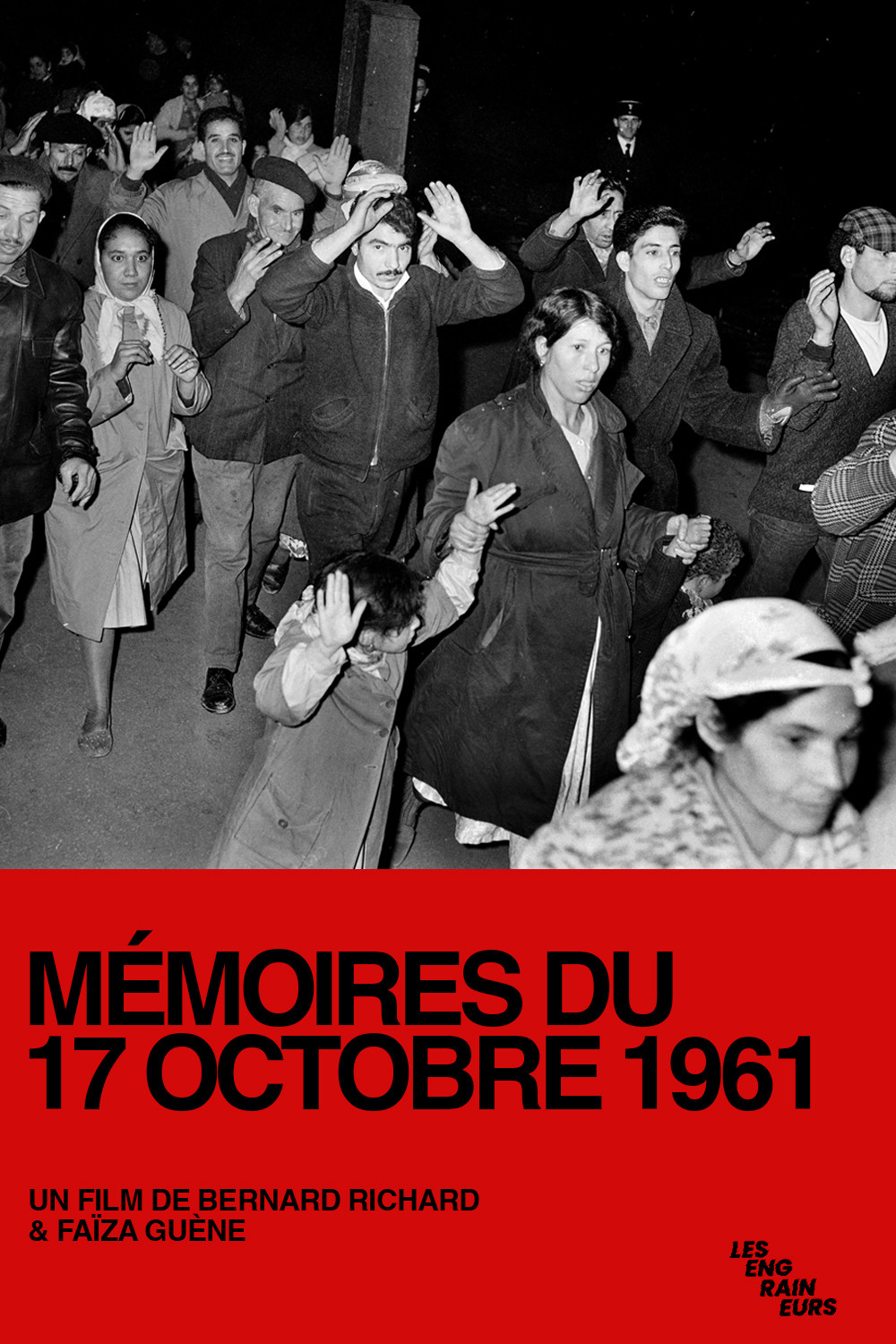
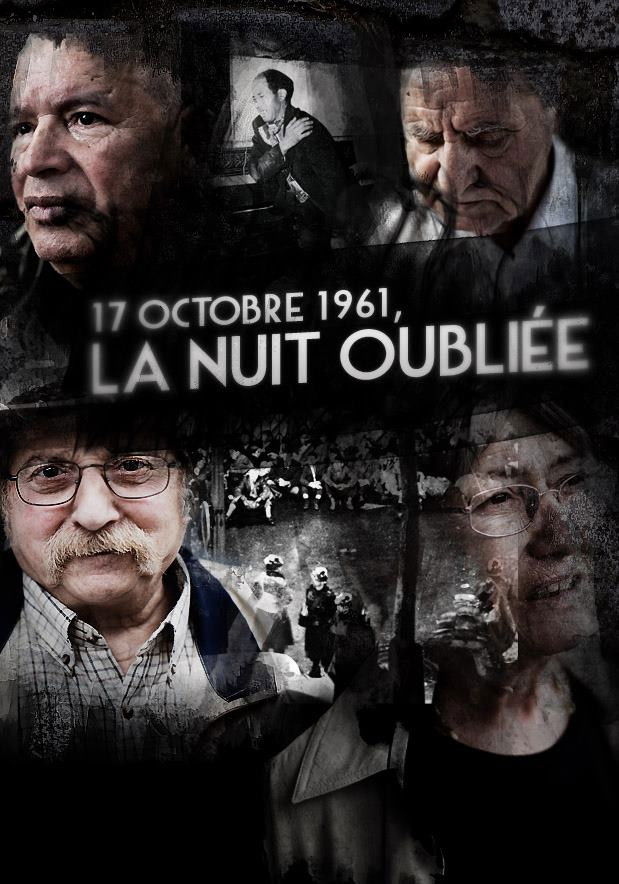
On October 17 and 18, 1961, during a non-violent demonstration against the imposed curfew, dozens of Algerians were murdered in Paris by police officers acting on orders from their superiors. For forty years, this crime has been concealed; yet these events, the deadliest on French soil since the Second World War, resemble, in some respects, the darkest hours of the collaboration. Why has this history been hidden? Under what conditions, and in the name of what reasons, did officials of a democratic state conceal the scale and gravity of such events?
This documentary bears witness to the events that took place more than thirty years before the filming of this movie, on October 17, 1961, in Paris, during the Algerian War. It is a work not only about historical truth but also about memory. Constructed primarily from interviews conducted with those involved in the events, along with archival footage, photographs, and radio broadcasts from the time, our investigation proves that nearly 200 Algerians were killed (drowned, tortured) that night and in the days that followed by the French police. "A Missing Day" seeks to ask two key questions: how could such events have unfolded in the capital of a Western democracy barely thirty years ago? And why have they been silenced ever since?
Three demonstrators from October 17, 1961, and a journalist recount the peaceful success of the demonstration and its brutal repression in the streets of Paris. Five months before the end of the Algerian War, the Gaullist government violently suppressed (40 to 300 deaths in a single evening, according to various sources) a peaceful demonstration by the entire Algerian civilian population of the Paris region, protesting the curfew imposed solely on this population (all participants held French citizenship). The government long denied this state crime; the official version: 3 deaths! In 1962, these events were granted amnesty by a simple decree (later enacted into law) issued by the same Gaullist government.
On October 17, 1961, in response to the curfew imposed on Muslim Algerians by Paris police prefect Maurice Papon, the FLN Federation of France organized a peaceful demonstration in the streets of the capital. The demonstration turned into a bloody crackdown: unprecedented violence, thousands of arrests, hundreds missing, and dozens dead. Today, much is known about the violence of that night: at least 200 Algerians were killed, beheaded, beaten, or thrown into the Seine; 11,500 others were arrested and often tortured. Hundreds were deported back to Algeria. Long silenced, the repression has been acknowledged thanks to the work of remembrance and eyewitness accounts.
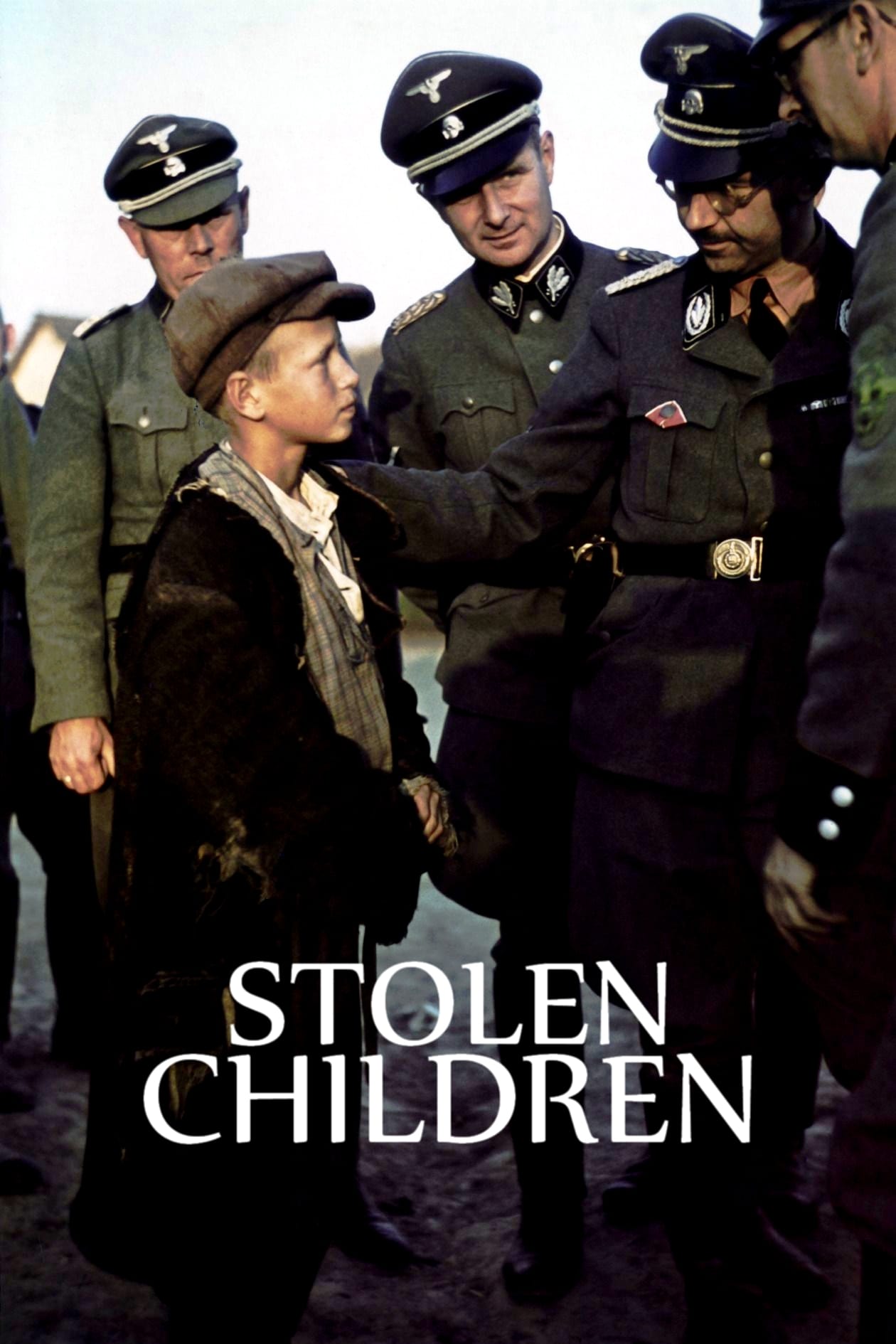
June 1941, during World War II. Reichsführer-SS Heinrich Himmler orders the mass abduction of particularly well-bred young children from Poland and the occupied territories of the Soviet Union in order to be educated in German culture, by both state schools and German families…
The story of what daily life was like in Poland under communism: private conversations, cruel interrogations, recruitment attempts, recorded and filmed with hidden devices; of how the secret services spied on every activity of ordinary citizens: nothing escaped the brutal system of control developed by the Soviets in the name of freedom.
Under the pretext of fighting terrorism or crime, the major powers have embarked on a dangerous race for surveillance technologies. Facial recognition cameras, emotion detectors, citizen rating systems, autonomous drones… A security obsession that in some countries is giving rise to a new form of political regime: numerical totalitarianism. Orwell's nightmare.
In the bitter winter of 1978, four desperate council members from a small Virginia town hatched a daring Bigfoot hoax to save it from the brink of bankruptcy. But as the money grew, so did the greed-triggering the town's first unsolved murder.
A short film produced between September and October of 1969, during the course of the Brazilian military dictatorship. It's authorship remained anonymous for a long time and the precariousness of the production was due because of its clandestinity. The film is a collage of images of popular repression, ruling power violence and its people resistance around the world.
A string of threatening emails escalates into a revenge plot involving a newly married US marshal and his ex-girlfriend.
In an intimate and joyful story of love in the face of loss, celebrated poets Andrea Gibson and Megan Falley find strength—and unexpected hilarity—in what might be their final year together.
Unravel the case of Utah therapist Jodi Hildebrandt, whose child abuse arrest with parenting YouTuber Ruby Franke exposed a twisted tale of manipulation.
Through deeply personal interviews with her siblings and an examination of the photographs, letters, and belongings left behind, Mariska assembles a new portrait of her mother Jayne Mansfield, an extraordinary and complex woman.
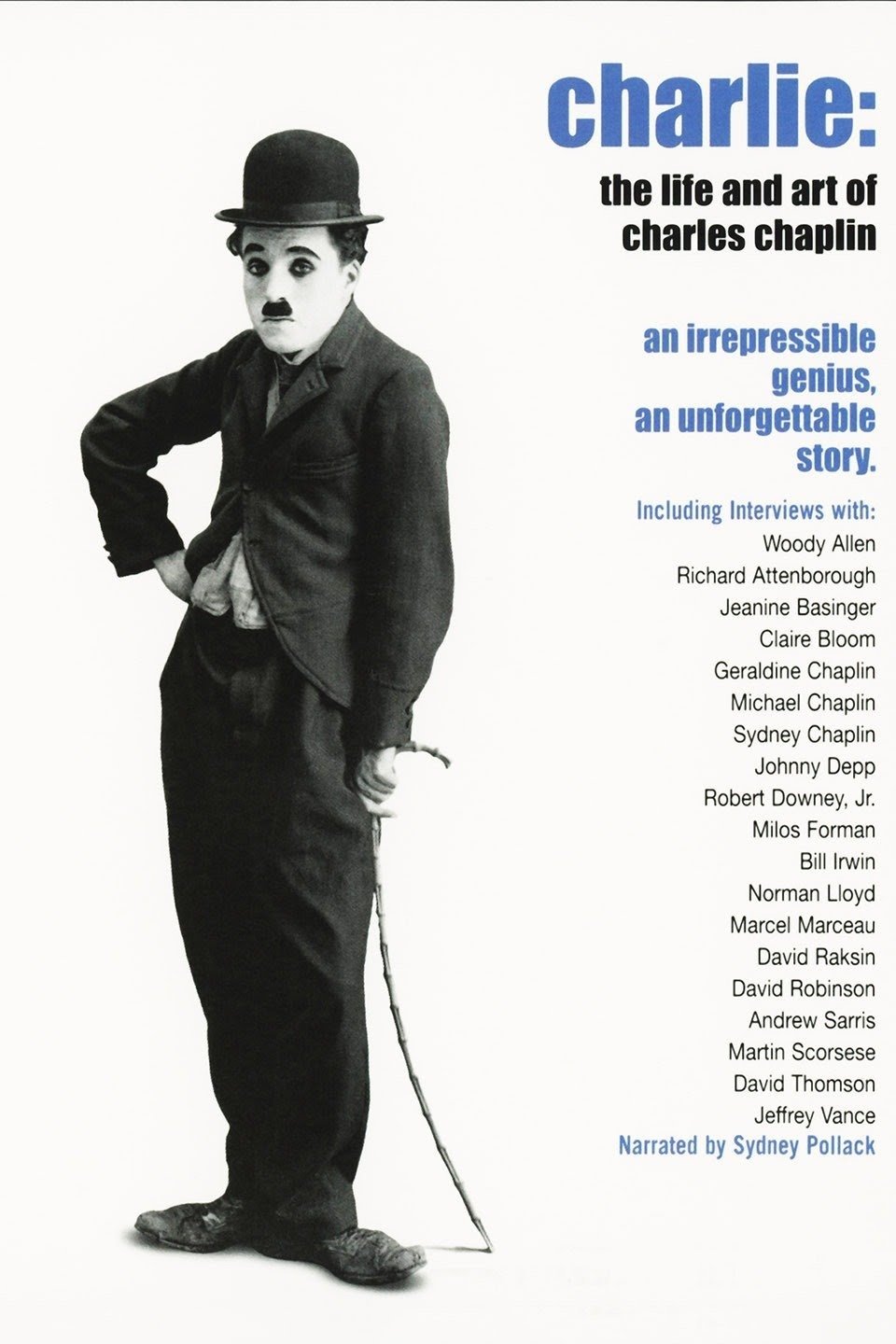
Brilliant, long in-the-works story of the life and art of the world's greatest comedian and the cinema's first genius, Charlie Chaplin. Produced, written and directed by renowned film critic Richard Schickel.
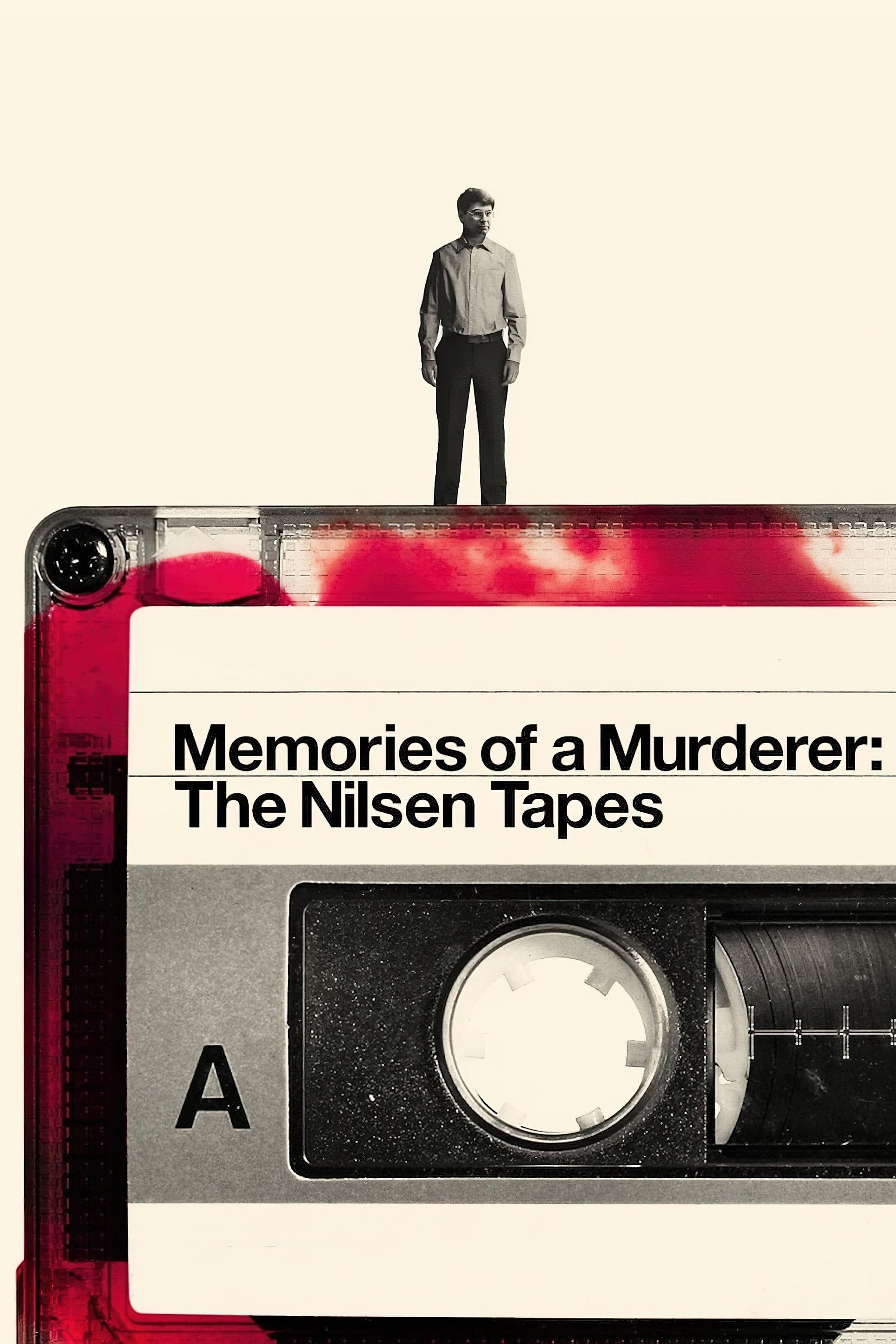
Serial killer Dennis Nilsen narrates his life and horrific crimes via a series of chilling audiotapes recorded from his jail cell.
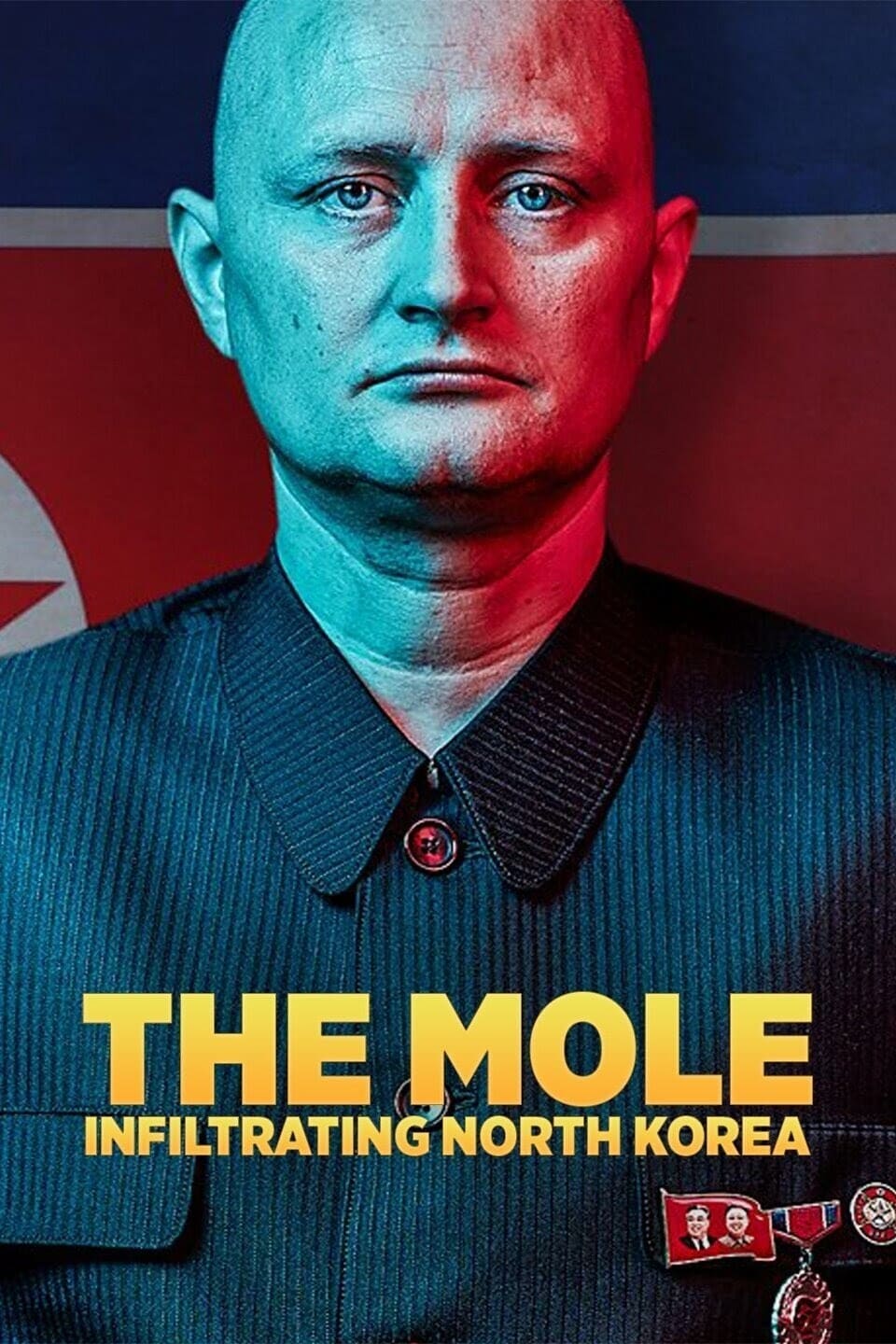
A real-life undercover thriller about two ordinary men who embark on an outrageously dangerous ten-year mission to penetrate the world's most secretive and brutal dictatorship: North Korea.
Al Pacino's deeply-felt rumination on Shakespeare's significance and relevance to the modern world through interviews and an in-depth analysis of "Richard III."
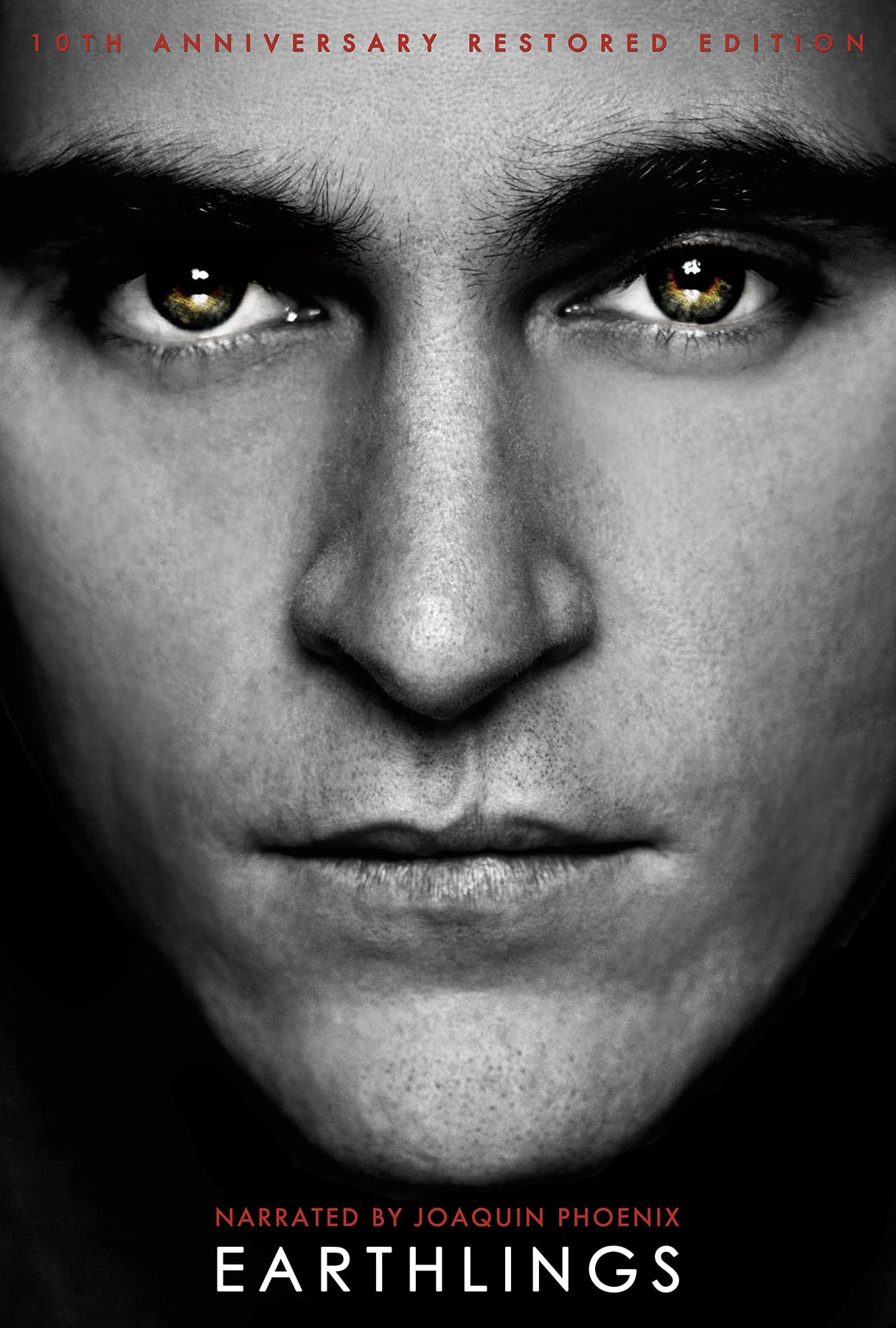
Using hidden cameras and never-before-seen footage, Earthlings chronicles the day-to-day practices of the largest industries in the world, all of which rely entirely on animals for profit.
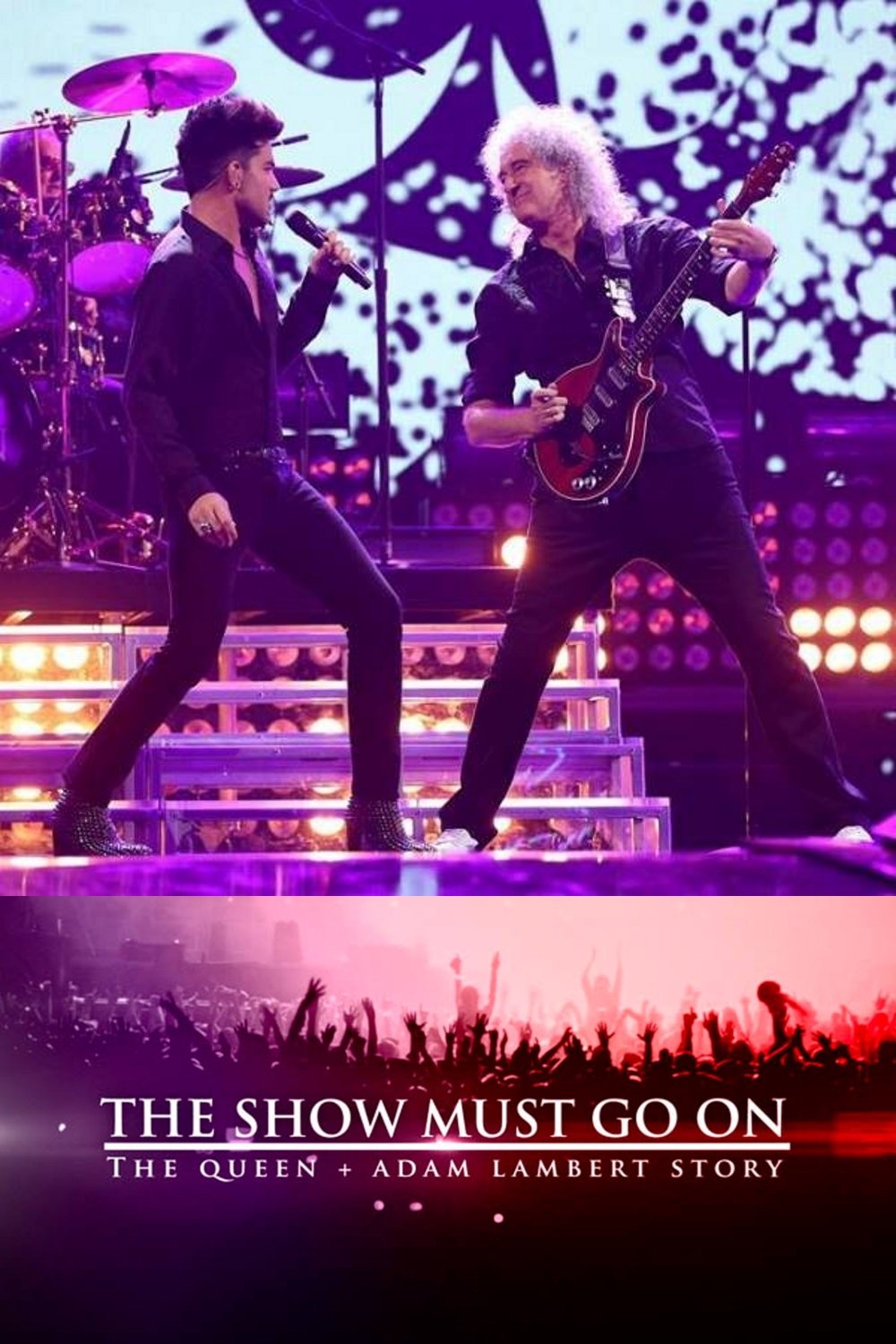
A documentary chronicling Queen and Lambert's incredible journey since they first shared the stage together on "American Idol" in 2009.
Police pull over a woman who claims she just gave birth. But the baby — and the blood — aren't hers. Twisted lies unravel in this true-crime documentary.
Ranjit, a farmer in India, takes on the fight of his life when he demands justice for his 13-year-old daughter, the victim of a brutal gang rape. His decision to support his daughter is virtually unheard of, and his journey unprecedented.
Deep beneath the surface in the Syrian province of Ghouta, a group of female doctors have established an underground field hospital. Under the supervision of paediatrician Dr. Amani and her staff of doctors and nurses, hope is restored for some of the thousands of children and civilian victims of the ruthless Syrian civil war.
Aileen Wuornos remains a rarity: a female serial killer. From childhood abuse to death-row revelations, this documentary revisits her life and crimes.
In 1997, Louis Theroux made a documentary about the world of male porn performers in Los Angeles. 15 years later, he returns to find a business struggling with the deluge of free porn on the internet. Louis revisits some of the original programme's contributors as well as meeting the latest crop of porn performers dreaming of porn stardom.
A comedic, brutally honest documentary following self-destructive TV writer Dan Harmon as he takes his live podcast on a national tour.
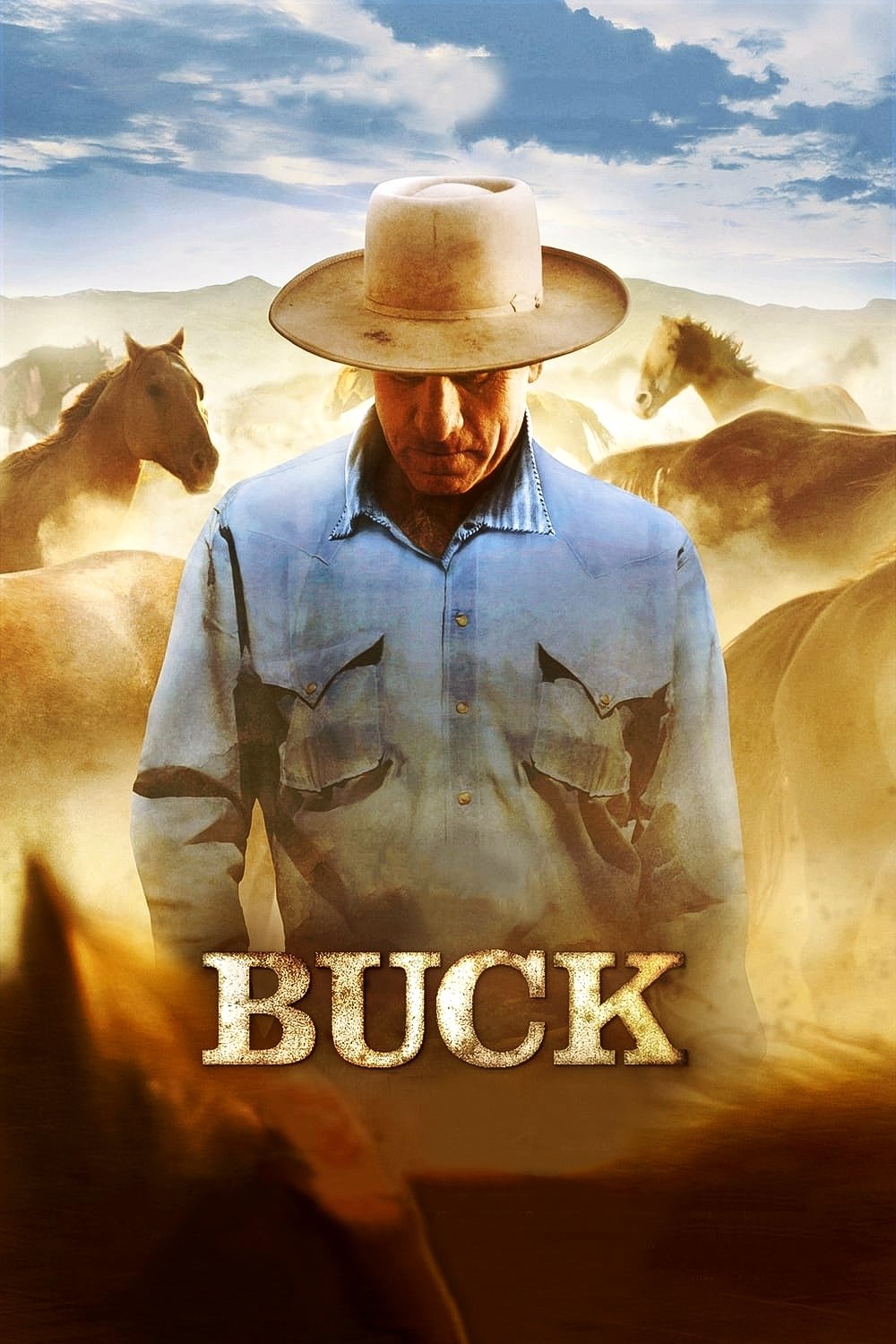
An examination of the life of acclaimed 'horse whisperer' Buck Brannaman, who recovered from years of child abuse to become a well-known expert in the interactions between horses and people.
A glimpse into the raw and simple power of nature through encounters with farm animals: the eponymous Gunda, a mother pig; two cows, and a one-legged chicken.
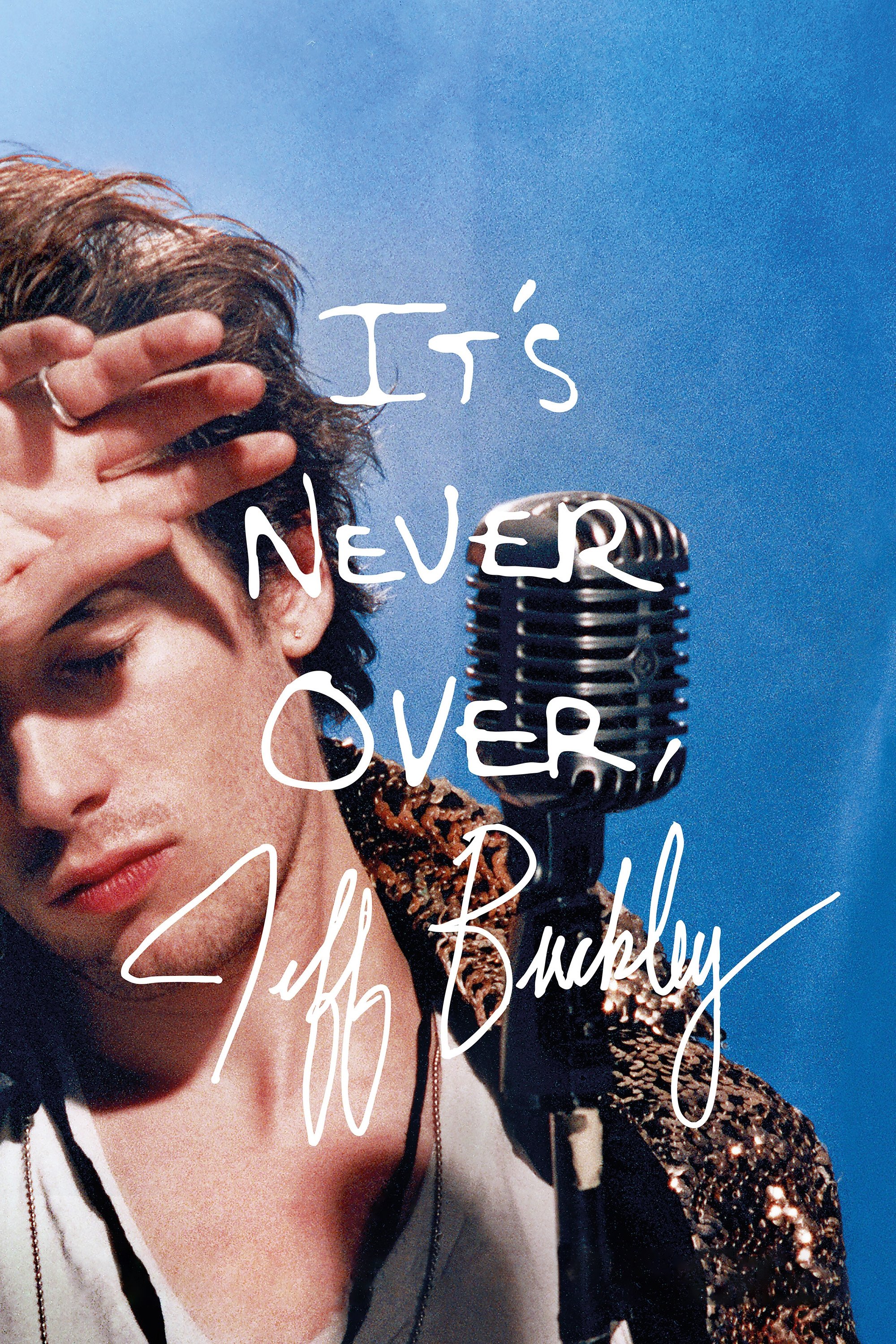
Rising musician Jeff Buckley had only released one album when he died suddenly in 1997. Now, never-before-seen footage, exclusive voice messages, and accounts from those closest to him offer a portrait of the captivating singer.
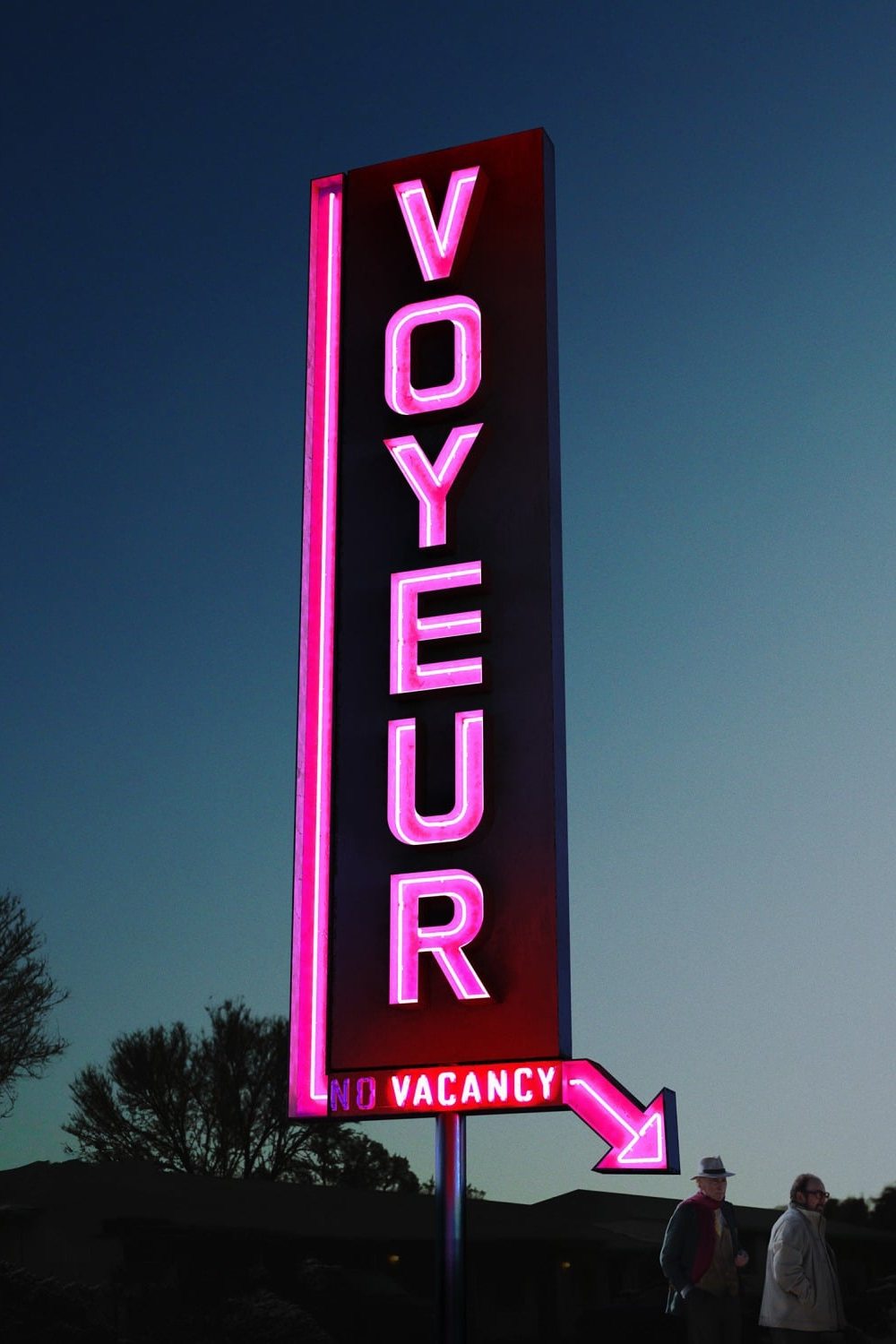
Legendary journalist Gay Talese unmasks a motel owner who spied on his guests for decades. But his bombshell story soon becomes a scandal of its own.