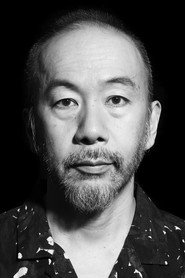
A documentary on Teruo Ishii, the Japanese "King of Cult".
Social & External
The people behind it
Teruo Ishii
Sion Sono
Shinya Tsukamoto
Lily Franky
Tetsuro Tamba
Makoto Tezuka
Ryūichi Honda
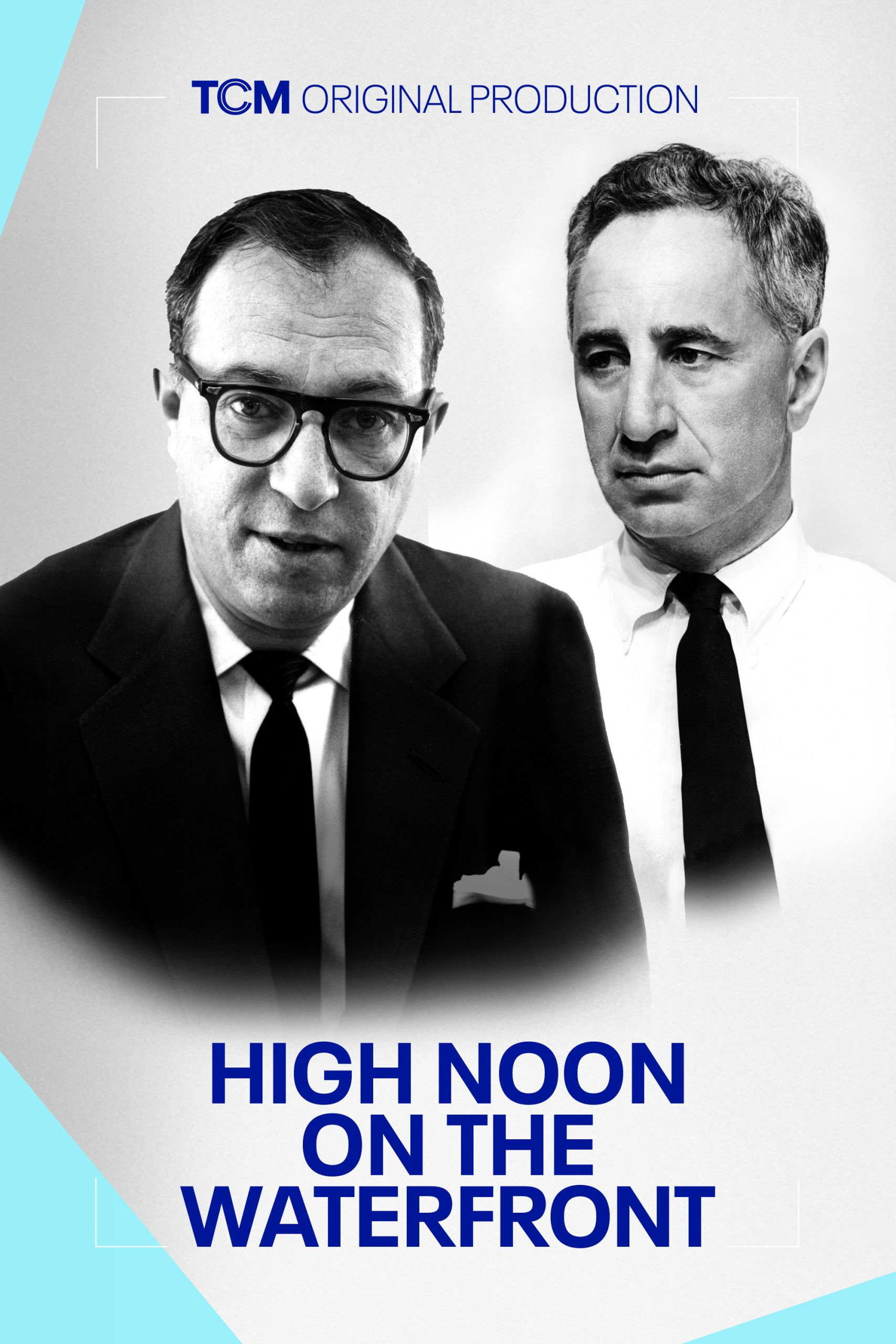
An inventive remembrance of the impact of the Hollywood blacklist on two American classics, rendered as a visually mesmerizing dialogue between Carl Foreman and Elia Kazan.
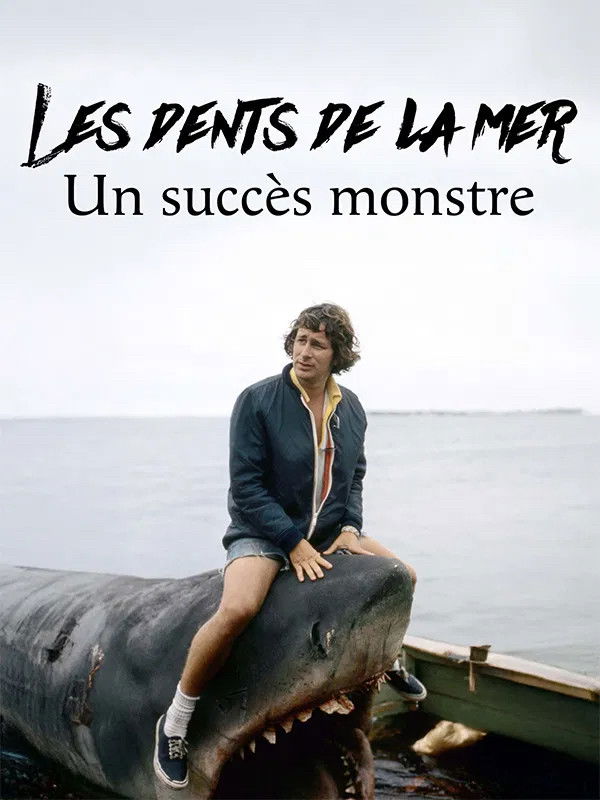
In the summer of 1975, the young director Steven Spielberg set new standards for cinema worldwide with an oversized shark bite, a plastic shark fin and an unmistakable two-note main theme composed by John Williams. With the horror from the deep, a man-eating, gigantic great white shark, the film of the same name became a similarly traumatic reference as Alfred Hitchcock's "Psycho": it triggered lasting primal fears across generations. On the beaches of the world, there was clearly a "before" and an "after". Steven Spielberg, who was only 28 at the time, not only set new standards for the thriller genre, but also hid his biting criticism of US capitalism in the 1970s behind it.
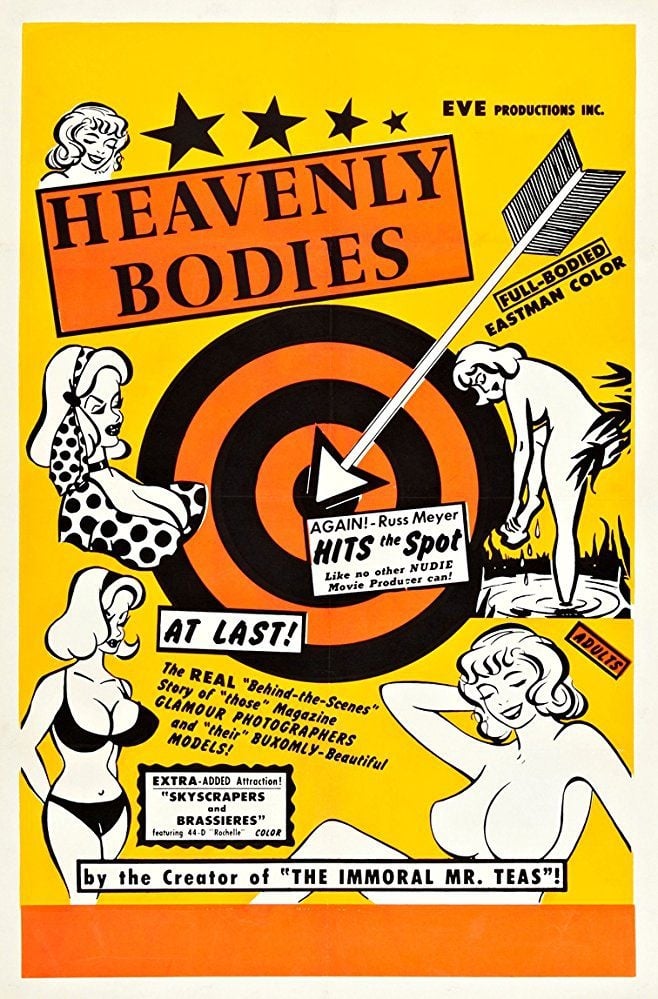
A group of filmmakers shadow some glamour photographers in order to discover the skill involved in getting 'magic' to appear on the photos.
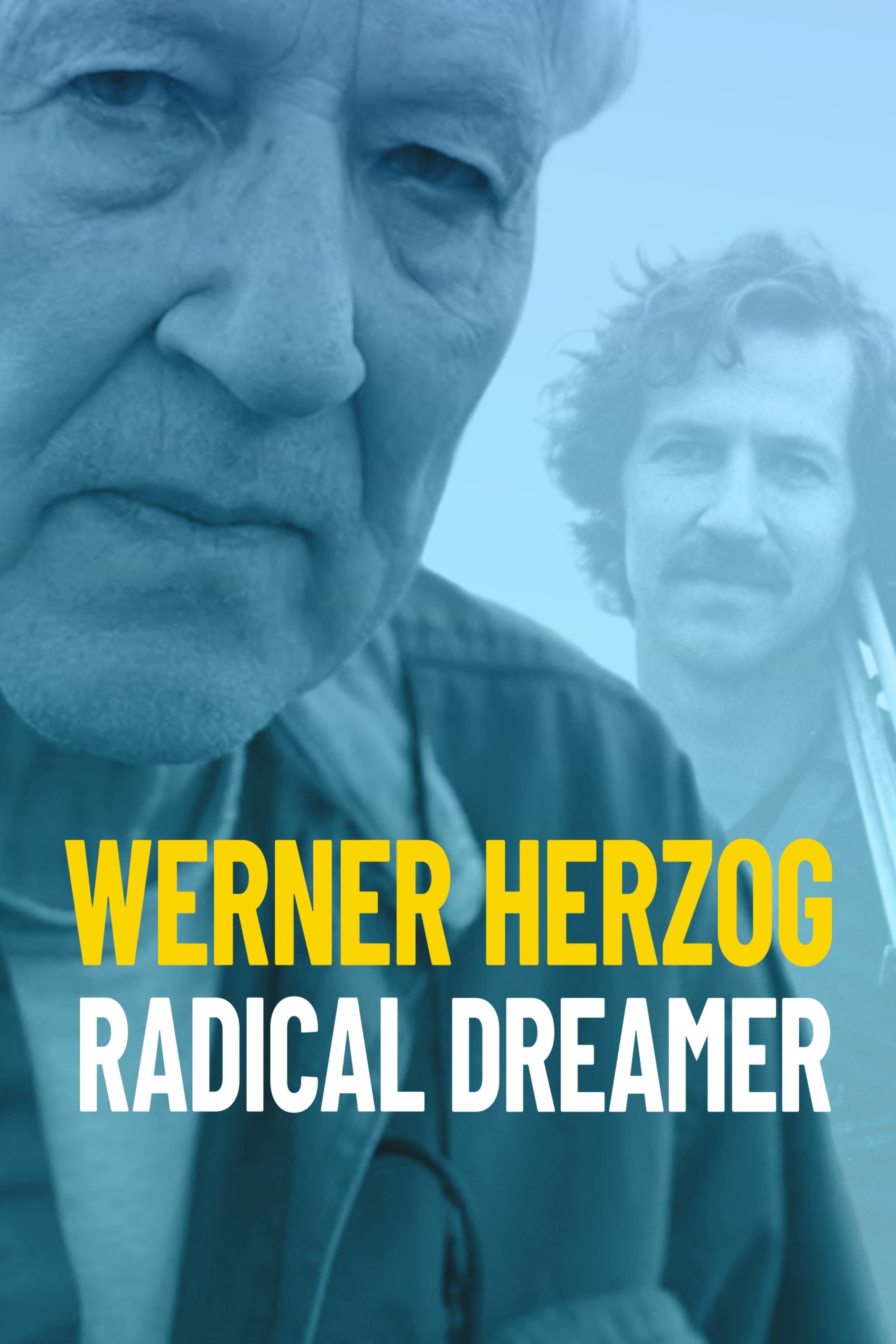
With exclusive behind-the-scenes access into Herzog’s everyday life, rare archive material and in-depth interviews with celebrated collaborators – including Christian Bale, Nicole Kidman, and Robert Pattinson, we are given an exciting glimpse into the work and personal life of the iconic artist.
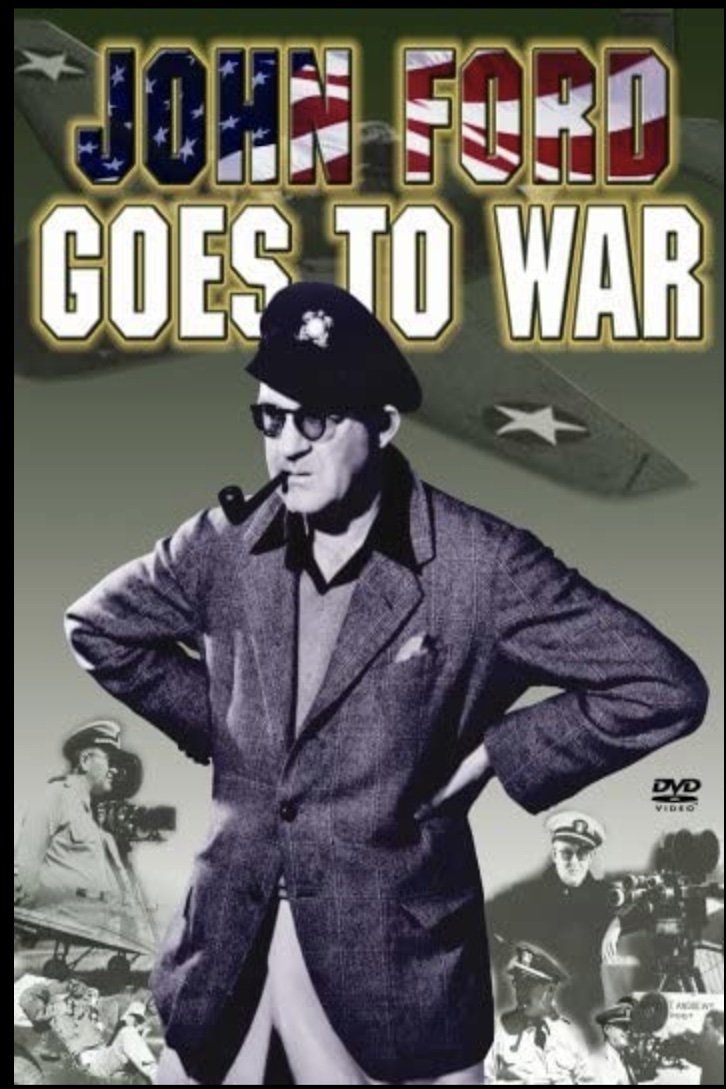
When World War II broke out, John Ford, in his forties, commissioned in the Naval Reserve, was put in charge of the Field Photographic Unit by Bill Donavan, director of the soon-to-be-OSS. During the war, Field Photo made at least 87 documentaries, many with Ford's signature attention to heroism and loss, and many from the point of view of the fighting soldier and sailor. Talking heads discuss Ford's life and personality, the ways that the war gave him fulfillment, and the ways that his war films embodied the same values and conflicts that his Hollywood films did. Among the films profiled are "Battle of Midway," "Torpedo Squadron," "Sexual Hygiene," and "December 7."
A short documentary primarily focused on Nikkatsu's Roman Porno series.
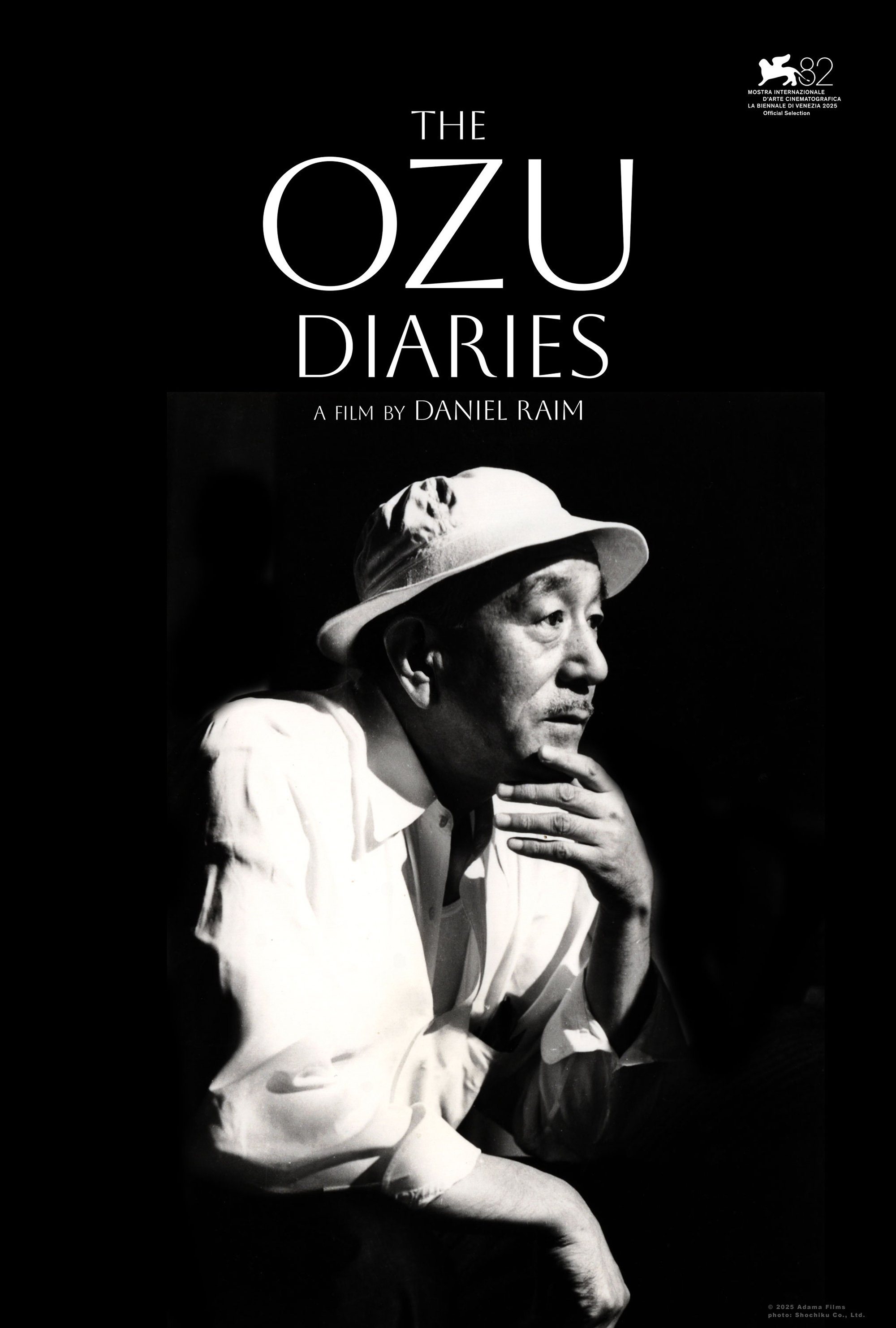
Unveiling Yasujiro Ozu’s legacy through his personal diaries, letters, and interviews, the documentary delves into his life, creative process, and lasting impact on filmmaking.
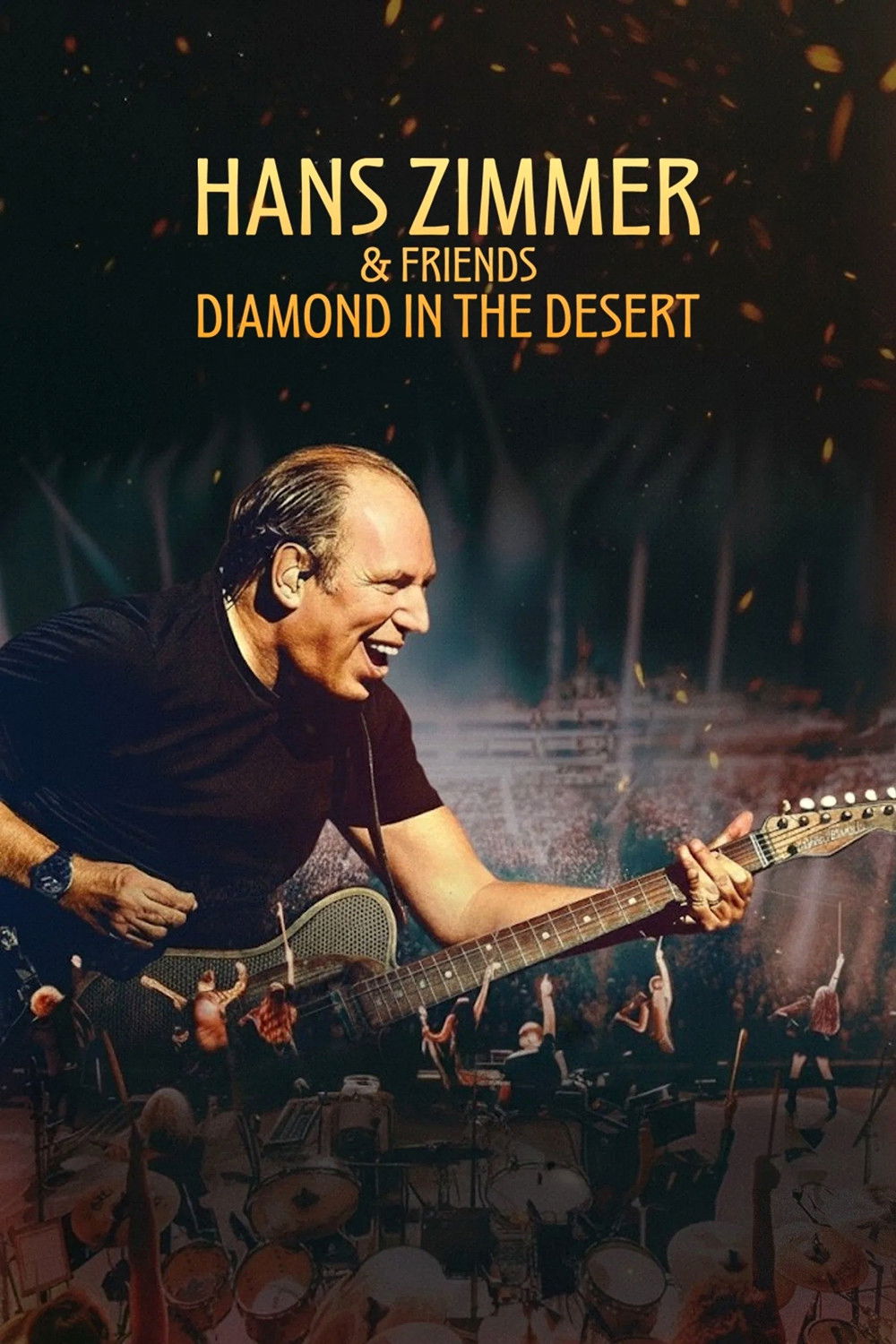
An extraordinary live performance of Hans Zimmer's most beloved and renowned movie soundtracks, including music from Dune, Gladiator, Interstellar, and The Lion King. Featuring conversations with creative collaborators Billie Eilish, Christopher Nolan, Denis Villeneuve, Finneas, Jerry Bruckheimer, Pharrell Williams, Timothée Chalamet, Zendaya, and more.
This feature-length documentary brings together six of the rare television interviews given by Gilles Groulx between 1966 and 1983. Through these interviews, the filmmaker's ethical and aesthetic concerns are revealed. A striking coherence emerges in his thinking regarding his conception of cinema and the role the filmmaker should play in his culture and society.
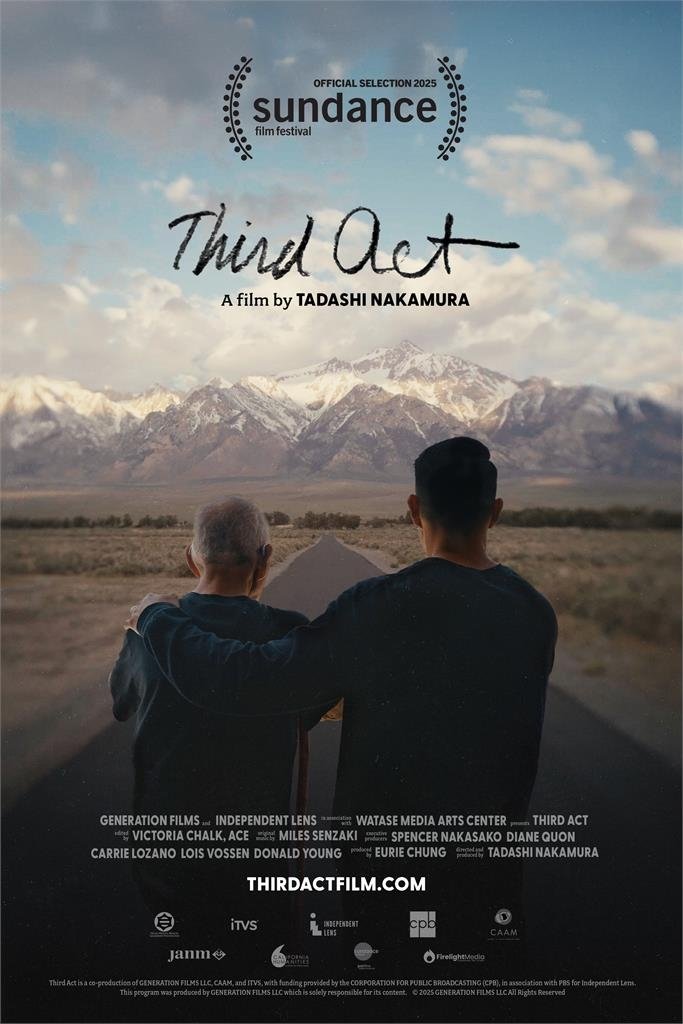
Filmmaker Tadashi explores his father Robert A. Nakamura's life as an influential Asian American artist and activist, while grappling with Robert's Parkinson's diagnosis, navigating themes of art, grief, and their father-son relationship.
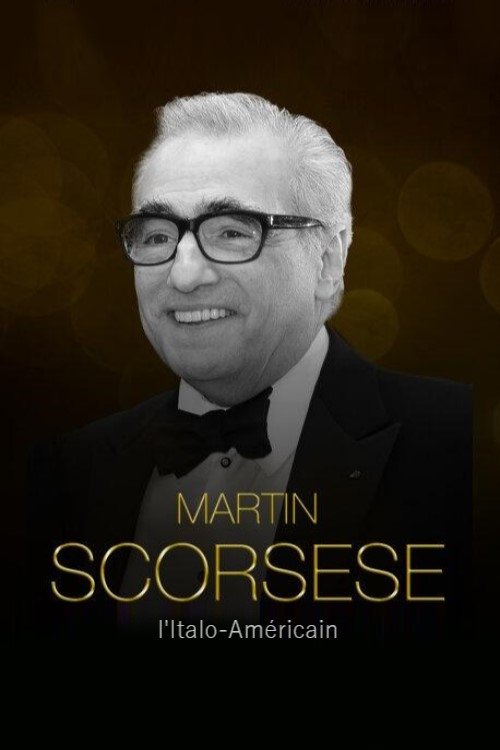
Martin Scorsese is the unchallenged master of the cinematic quest for Italian-American identity. He has etched the cinematic image of the Sicilian mafiosi and the reality of America with incredible actors like DiCaprio and De Niro.
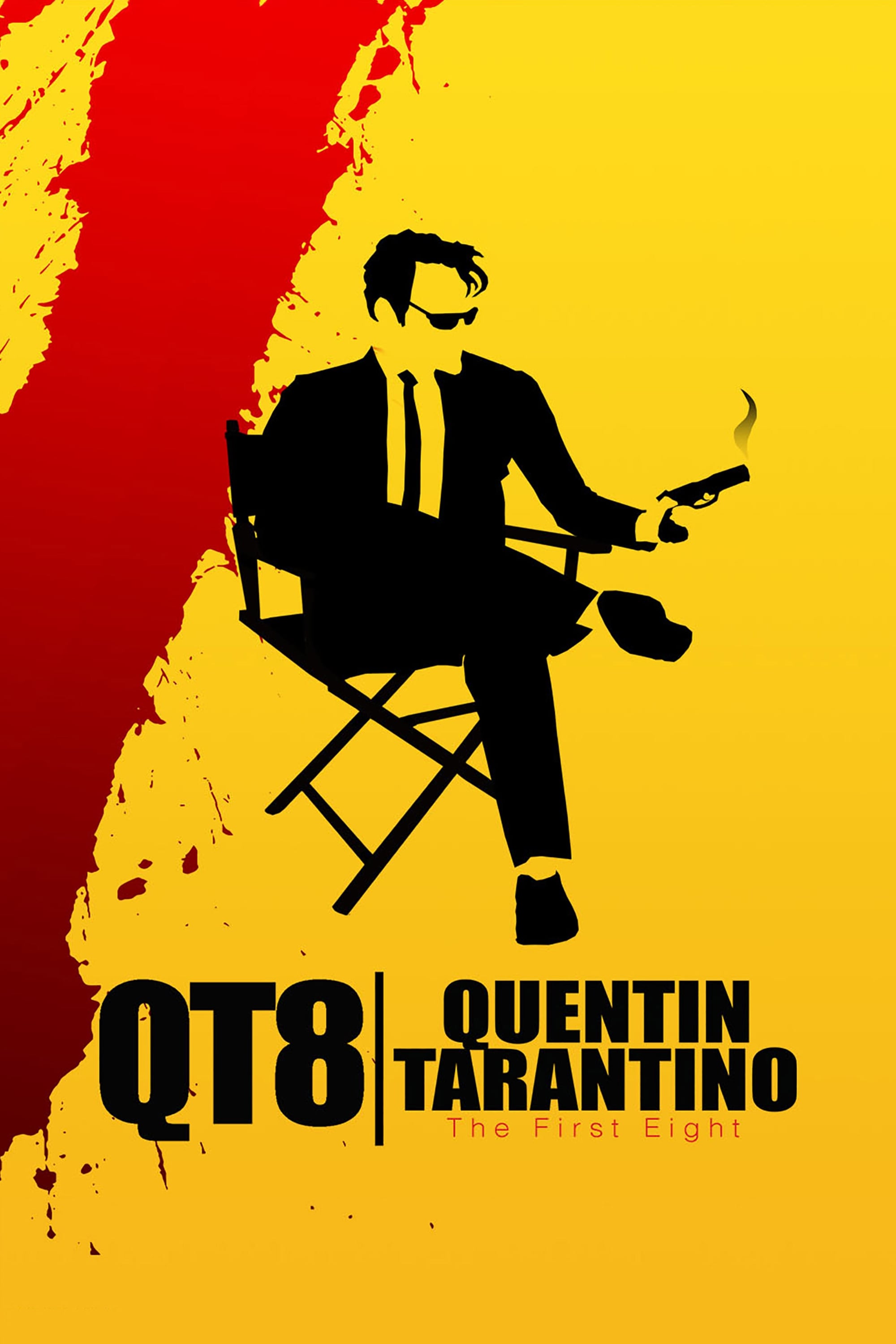
A detailed account of the life and artistic career of legendary filmmaker Quentin Tarantino, from his early days as a video club manager to the scandalous fall in disgrace of producer Harvey Weinstein. A story about how to shoot eight great movies and become an icon of modern pop culture.
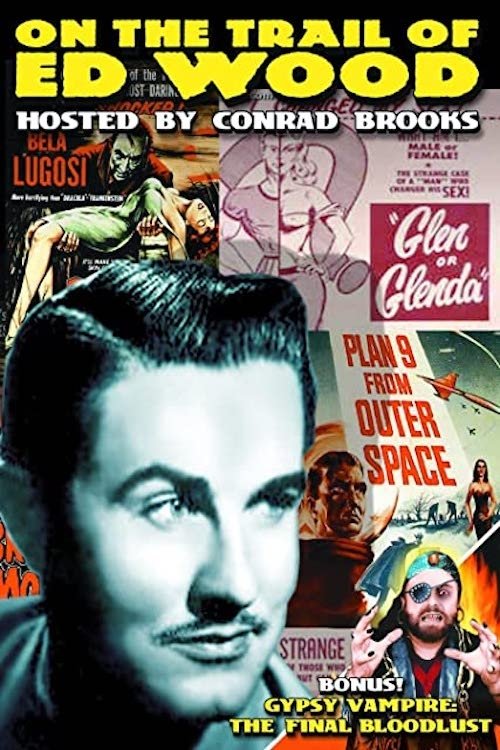
A documentary on the life and career of filmmaker Edward D. Wood Jr., with clips from his films and interviews with the cast and crews of some of his films.
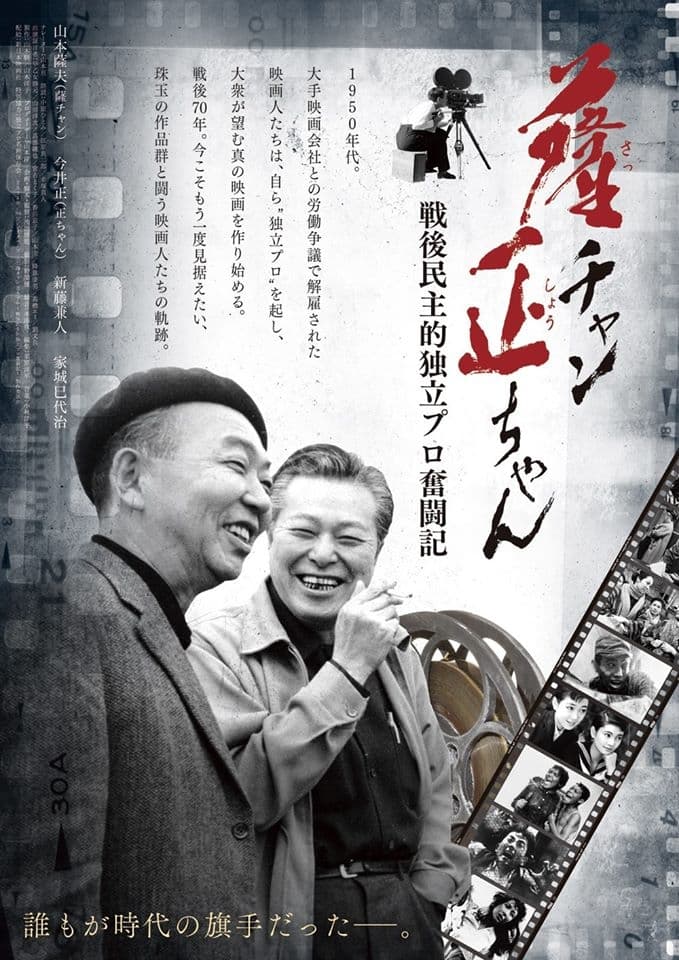
After the war, many filmmakers were expelled from the Japanese film industry due to the Toho Dispute and the Red Purge. Amid such circumstances, there were people who set up their own independent production companies and embarked on film production without relying on corporations. This documentary film focuses on the passionate "spirit of film" of directors such as Satsuo Yamamoto and Tadashi Imai, who, despite many hardships, produced a succession of masterpieces overflowing with humanism and rebellious spirit.
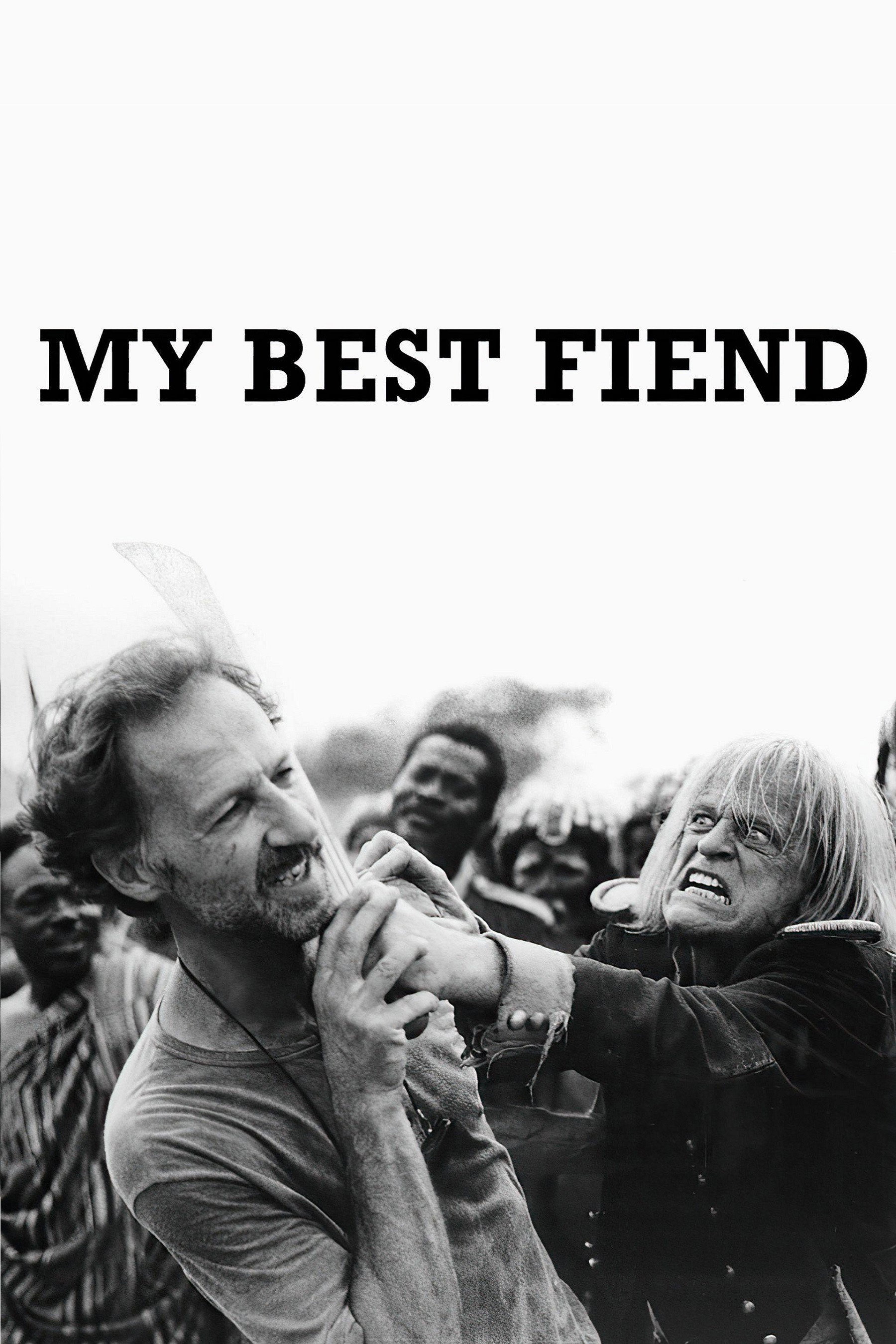
A film that describes the love-hate relationship between Werner Herzog and Klaus Kinski, the deep trust between the director and the actor, and their independently and simultaneously hatched plans to murder one another.
David Kalat discusses the works of Buster Keaton.
A feature-length documentary focusing on the acclaimed work and eclectic career of maverick filmmaker Larry Cohen, writer-director of "Black Caesar," "It's Alive," "God Told Me To," "Q," "The Stuff," and many more.
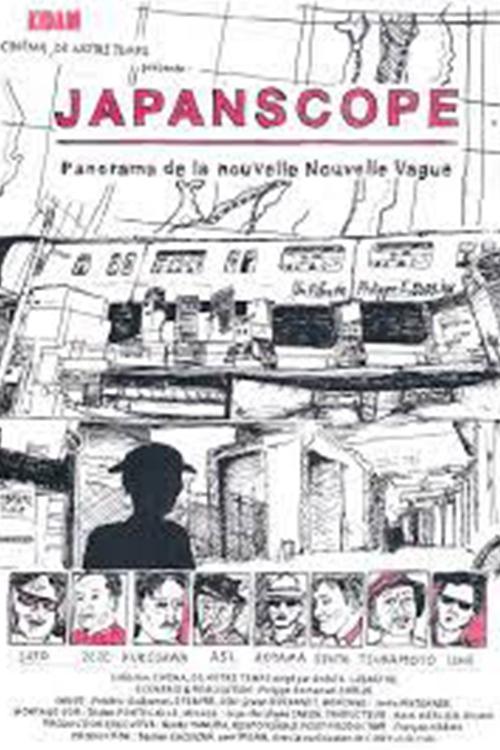
A “Cinéma, de notre temps” series episode directed by french filmmaker Philippe-Emmanuel Sorlin, originally aired 16 June 2015.
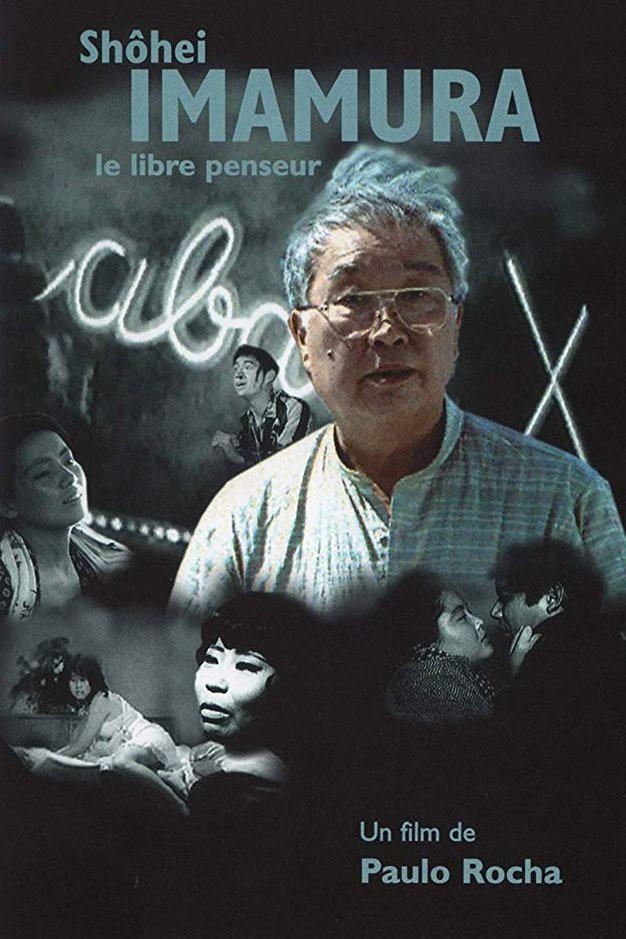
Documentary about Japanese film director Shohei Imamura.
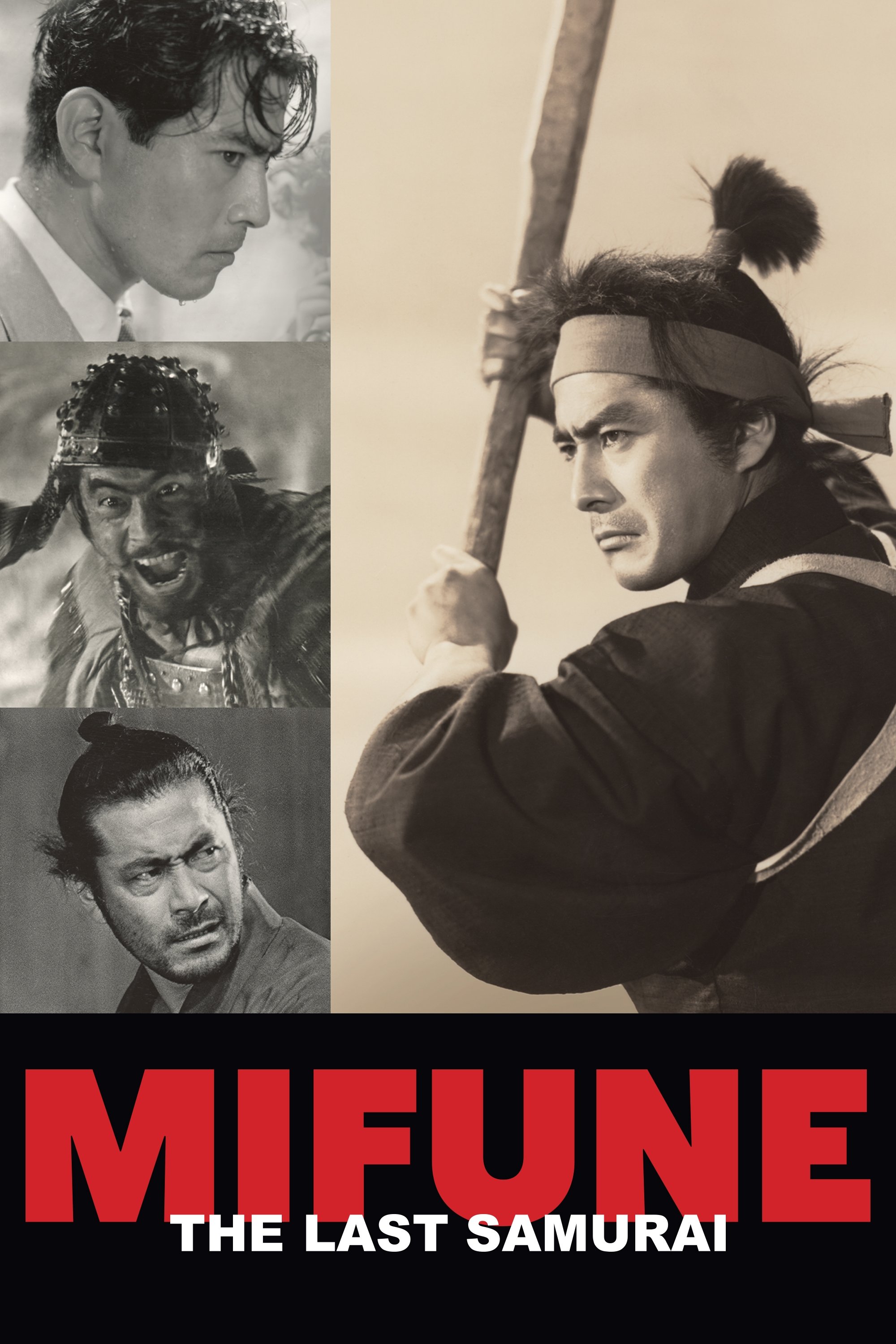
An account of the life and work of legendary Japanese actor Toshirō Mifune (1920-97), the most prominent actor of the Golden Age of Japanese cinema.
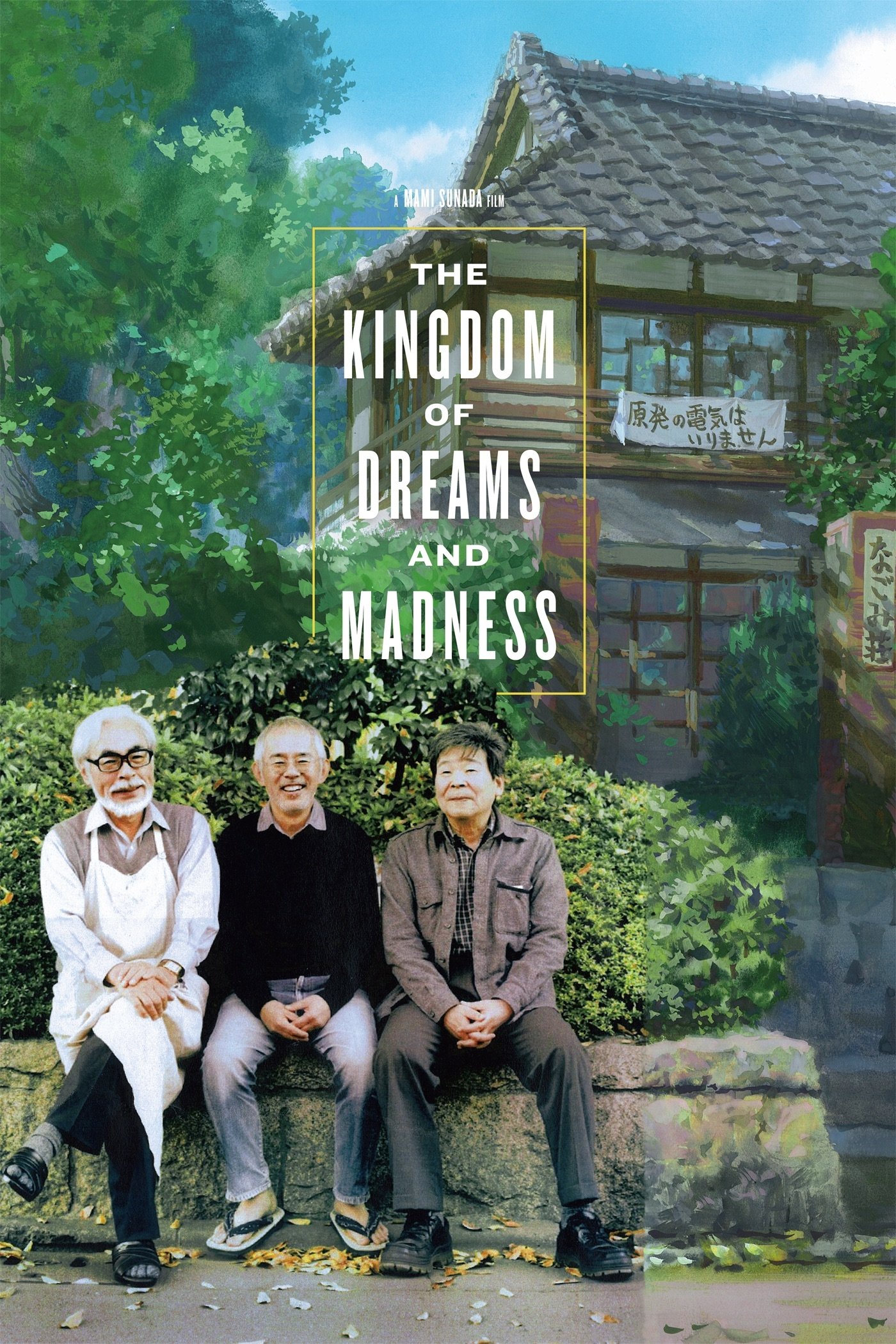
Follows the behind-the-scenes work of Studio Ghibli, focusing on the notable figures Hayao Miyazaki, Isao Takahata, and Toshio Suzuki.
A compilation of over 30 years of private home movie footage shot by Lithuanian-American avant-garde director Jonas Mekas, assembled by Mekas "purely by chance", without concern for chronological order.
As his life comes to its end, famous Hollywood director Orson Welles puts it all on the line at the chance for renewed success with the film The Other Side of the Wind.
An impressionistic portrait of the iconic actor Harry Dean Stanton comprised of intimate moments, film clips from some of his 250 films and his renditions of American folk songs.
This special explores the return of Obi-Wan Kenobi and Anakin Skywalker to the screen, as well as Ewan McGregor and Hayden Christensen to their classic roles. Director Deborah Chow leads the cast and crew as they create new heroes and villains that live alongside new incarnations of beloved Star Wars characters, and an epic story that dramatically bridges the saga films.
Documentary about the art of film editing. Clips are shown from many groundbreaking films with innovative editing styles.
Musician and performance artist Laurie Anderson reflects on the deaths of her husband Lou Reed, her mother and her beloved dog.
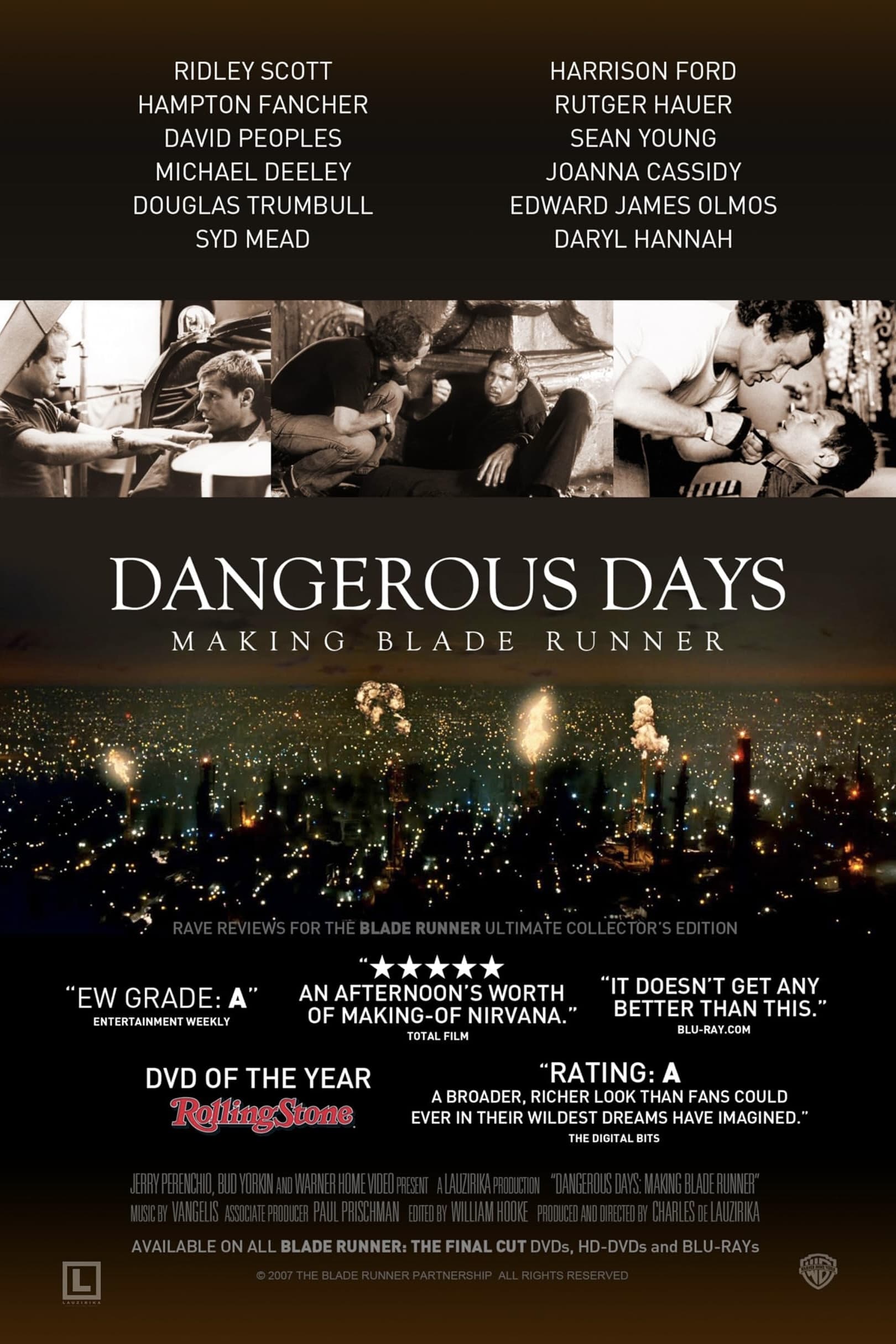
The definitive 3½-hour documentary about the troubled creation and enduring legacy of the science fiction classic 'Blade Runner', culled from 80 interviews and hours of never-before-seen outtakes and lost footage.
A feature length documentary about the all-women team at the helm of Pixar's original feature, Turning Red. With unprecedented behind-the-scenes access to Director Domee Shi and her core leadership crew, this story shines a light on the powerful professional and personal journeys that brought this incredibly comical, utterly relatable, and deeply heartfelt story to the screen.
In the Realms of the Unreal is a documentary about the reclusive Chicago-based artist Henry Darger. Henry Darger was so reclusive that when he died his neighbors were surprised to find a 15,145-page manuscript along with hundreds of paintings depicting The Story of the Vivian Girls, in What is Known as the Realms of the Unreal, of the Glodeco-Angelinnian War Storm, Cased by the Child Slave Rebellion.
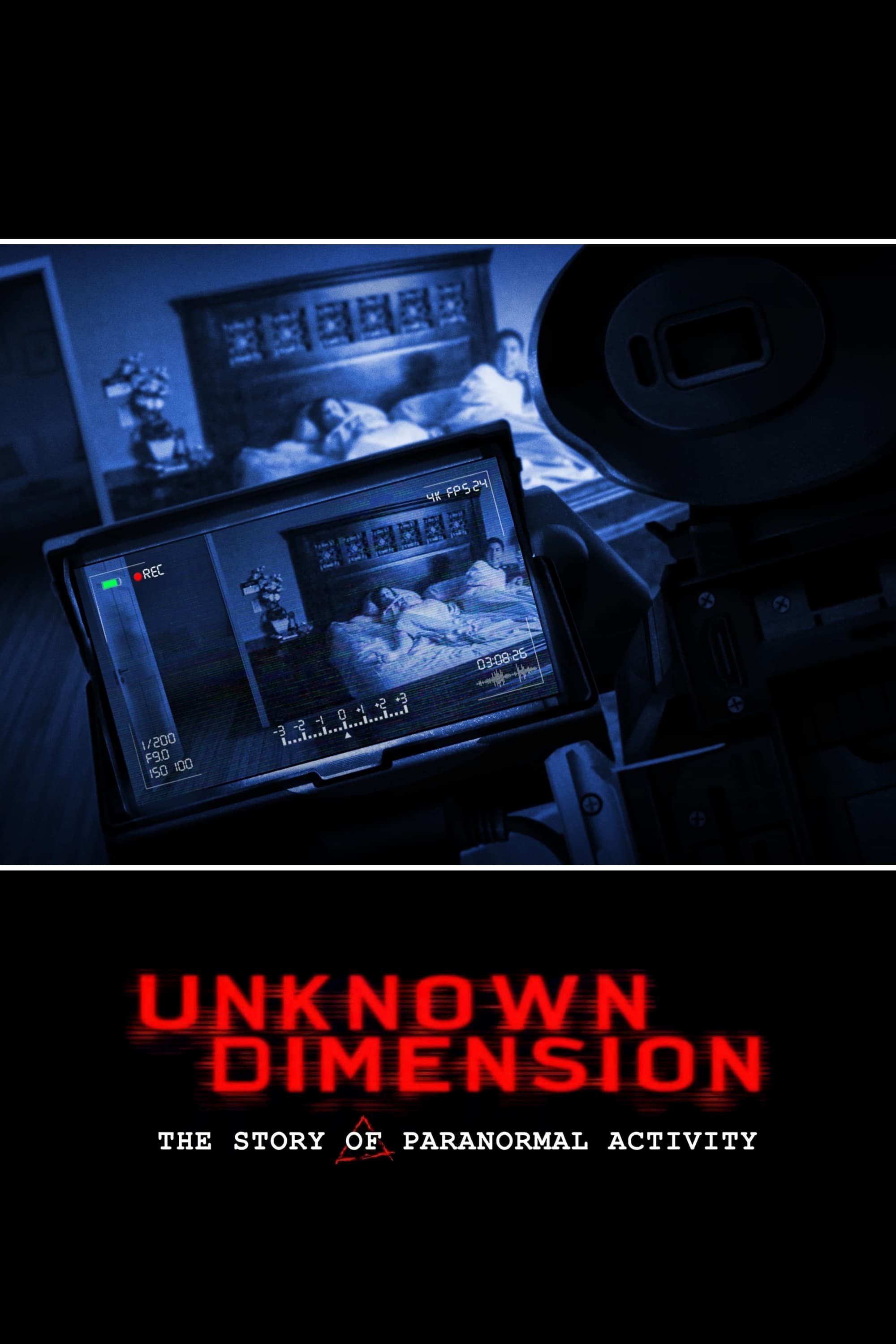
A deep dive into the making of the Paranormal Activity films with first time ever interviews with cast and crew, never-before-seen footage from the movies, and a preview of the seventh installment in the franchise.
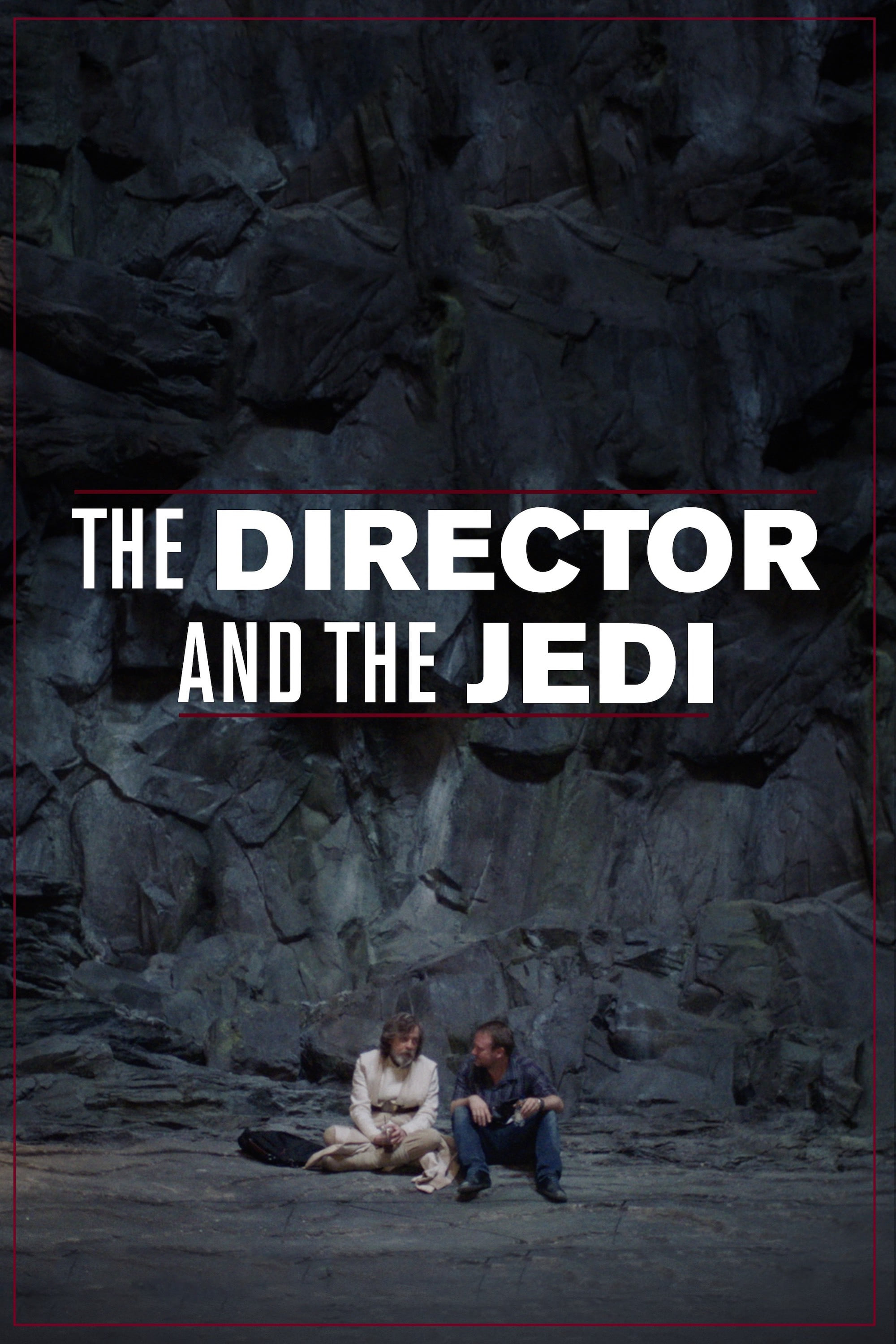
An intimate documentary delving into Rian Johnson's process as he comes in as a director new to the Star Wars universe.
A documentary on the expletive's origin, why it offends some people so deeply, and what can be gained from its use.
This revealing documentary honors the legendary Sidney Poitier—iconic actor, filmmaker, and civil rights activist. Featuring interviews with Denzel Washington, Spike Lee, Halle Berry, and more.
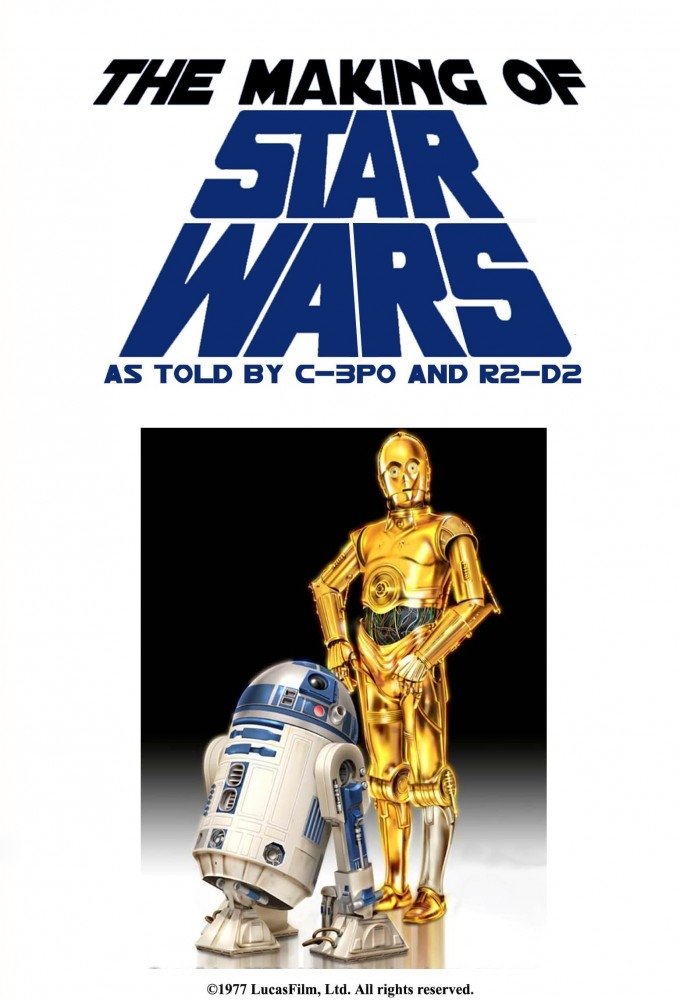
Learn the incredible behind-the-scenes story of how the original Star Wars movie was brought to the big screen in this fascinating documentary hosted by C-3PO and R2-D2 which includes interviews with George Lucas and appearances by Mark Hamill, Harrison Ford and Carrie Fisher.
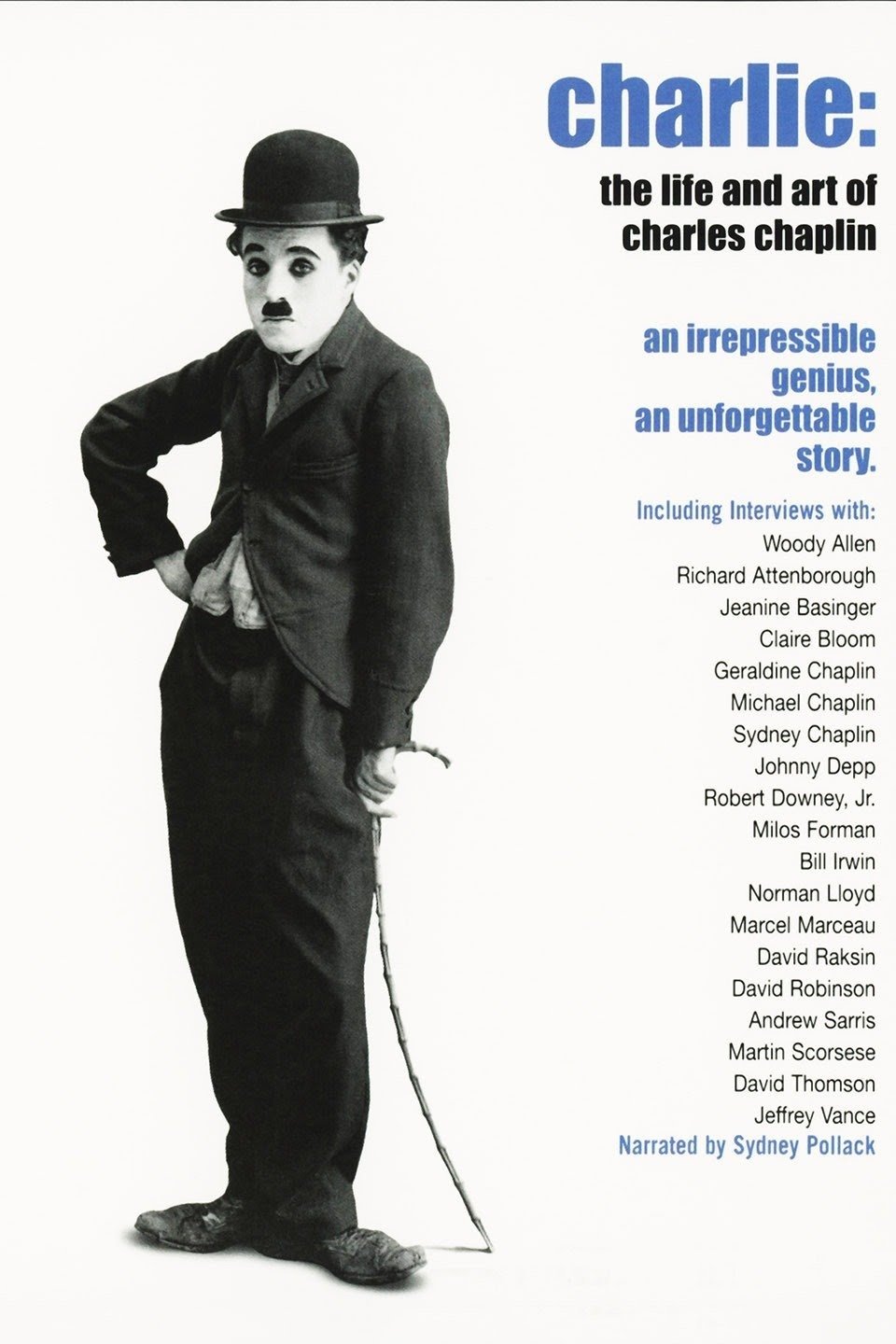
Brilliant, long in-the-works story of the life and art of the world's greatest comedian and the cinema's first genius, Charlie Chaplin. Produced, written and directed by renowned film critic Richard Schickel.
An inside look at one of the most anticipated movie sequels ever with James Cameron and cast.
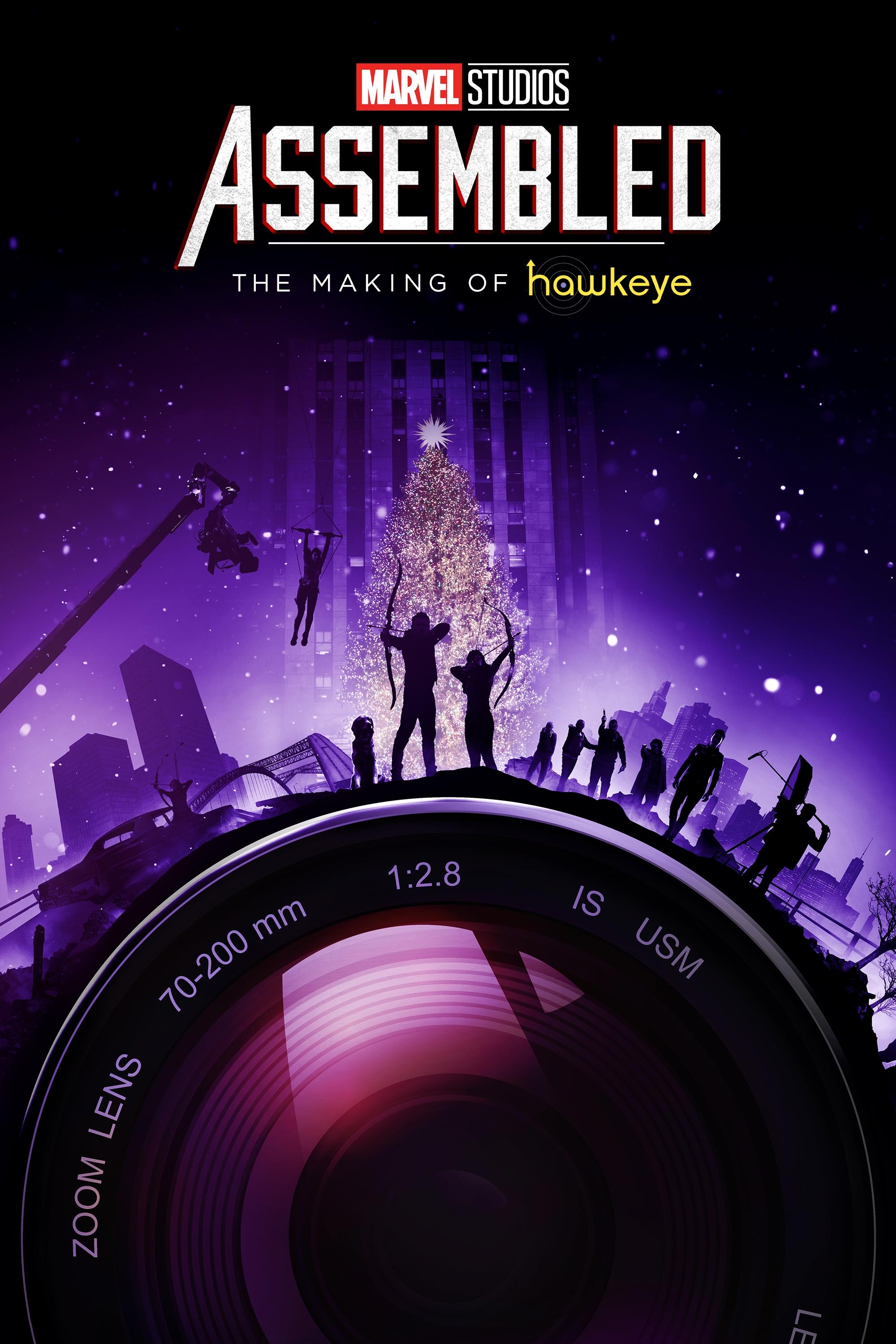
Join the likes of Jeremy Renner, Hailee Steinfeld, Florence Pugh, and Vincent D’Onofrio as they reveal how Marvel Studios’ “Hawkeye” was conceived and created. Witness firsthand what it took to pull off the show’s pulse-pounding action set pieces, and discover how iconic characters from the pages of Marvel Comics such as Kate Bishop were adapted and brought to life for the six-episode series.
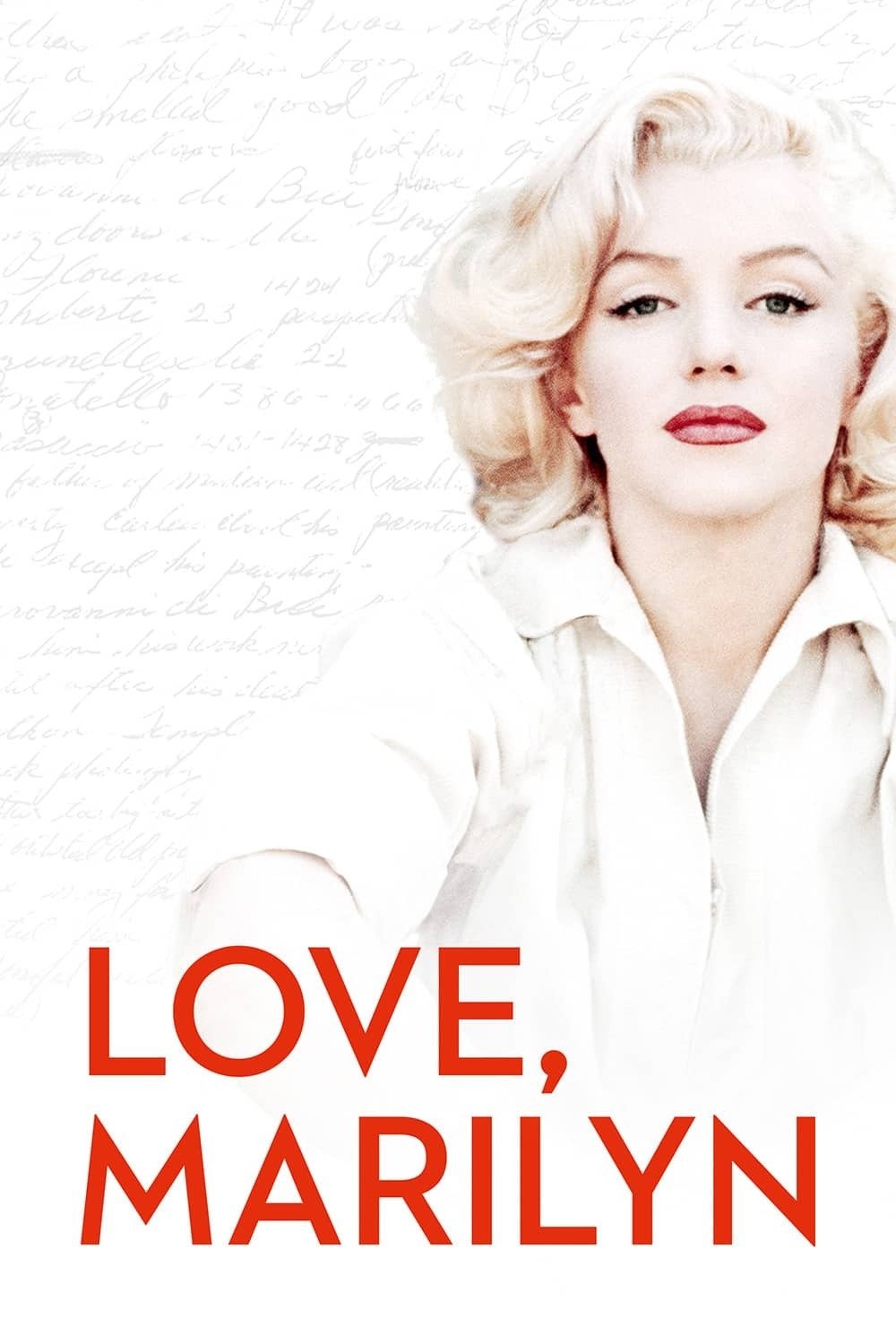
Using the book 'Fragments', which collects Marilyn Monroe's poems, notes and letters, and with participation from the Arthur Miller and Truman Capote estates who have contributed more material, each of the actresses will embody the legend at various stages in her life.