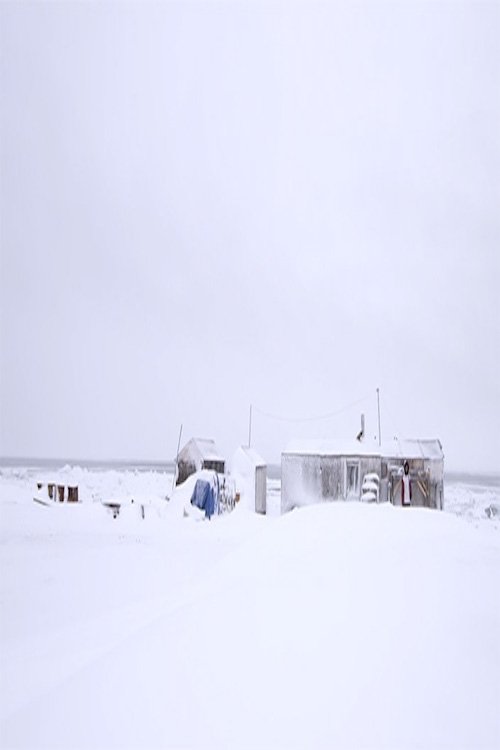
Documentary about filmmaker Bonnie Ammaaq's memories of life on Baffin Island, where her family moved for eleven years during her childhood from the hamlet of Igloolik to return to the traditional Inuit way of life.
Social & External
“Shellmound” is the story of how one location was transformed from a sacred center of pre-historic cultures to a commercial mecca for modern people. What began as a Native American burial ground three thousand years ago, was transformed first into an amusement park, and later an industrial age paint factory. Now, the tainted ancient soil sits beneath the glittering lights of Banana Republic, Victoria’s Secret, and the AMC movie theaters. “Shellmound” examines the decisions made during the recent toxic cleanup, excavation, and construction of the Bay Street mall through the eyes of the city of Emeryville, the developer, the archaeologists, and the native Californians who worked on the site.
A young and ambitious team of chefs face the life-changing challenges of competing in the world's most prestigious culinary competition.
Tom Hill, a Seneca artist and curator, explores the works of four contemporary Indigenous artists.
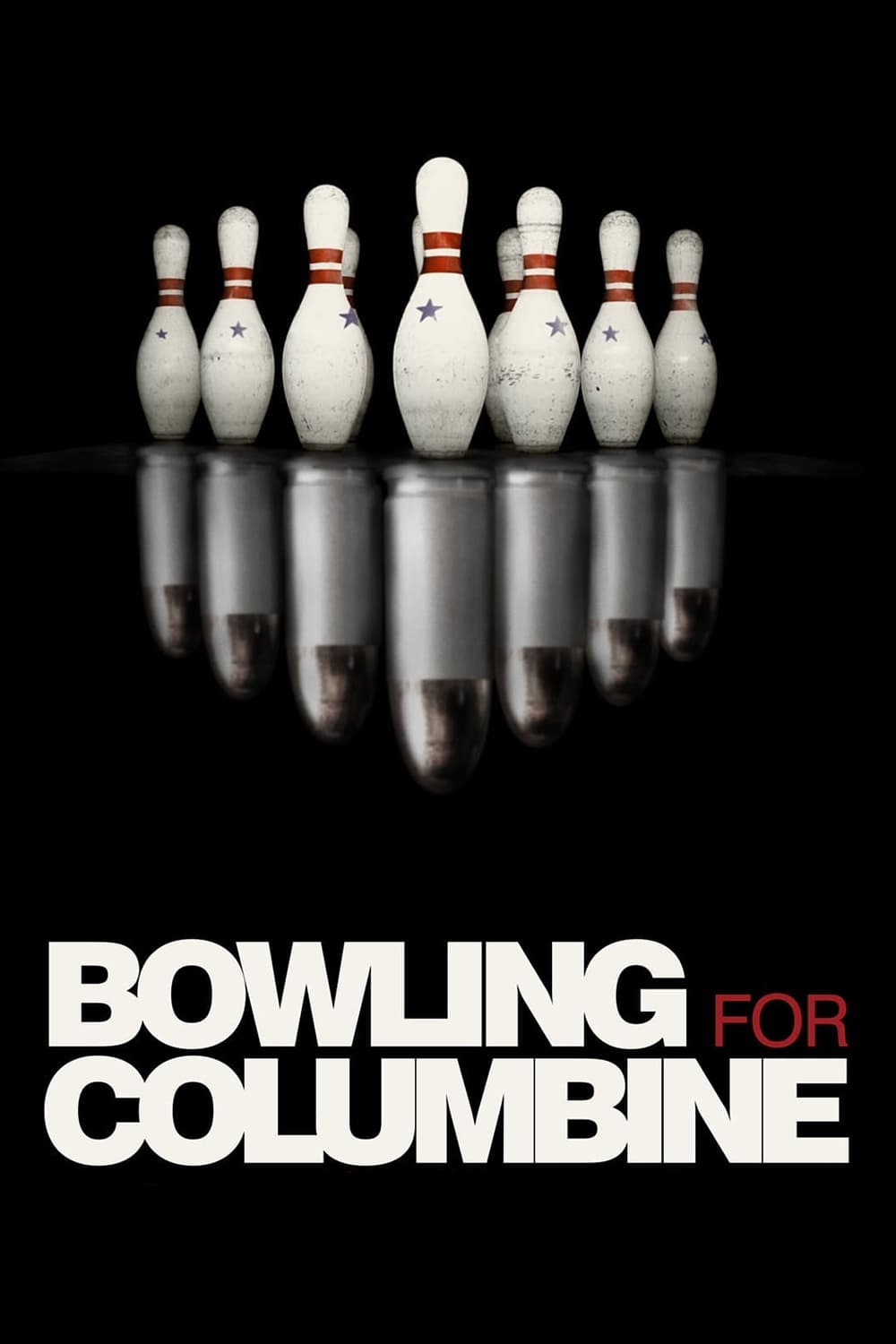
This is not a film about gun control. It is a film about the fearful heart and soul of the United States, and the 280 million Americans lucky enough to have the right to a constitutionally protected Uzi. From a look at the Columbine High School security camera tapes to the home of Oscar-winning NRA President Charlton Heston, from a young man who makes homemade napalm with The Anarchist's Cookbook to the murder of a six-year-old girl by another six-year-old. Bowling for Columbine is a journey through the US, through our past, hoping to discover why our pursuit of happiness is so riddled with violence.
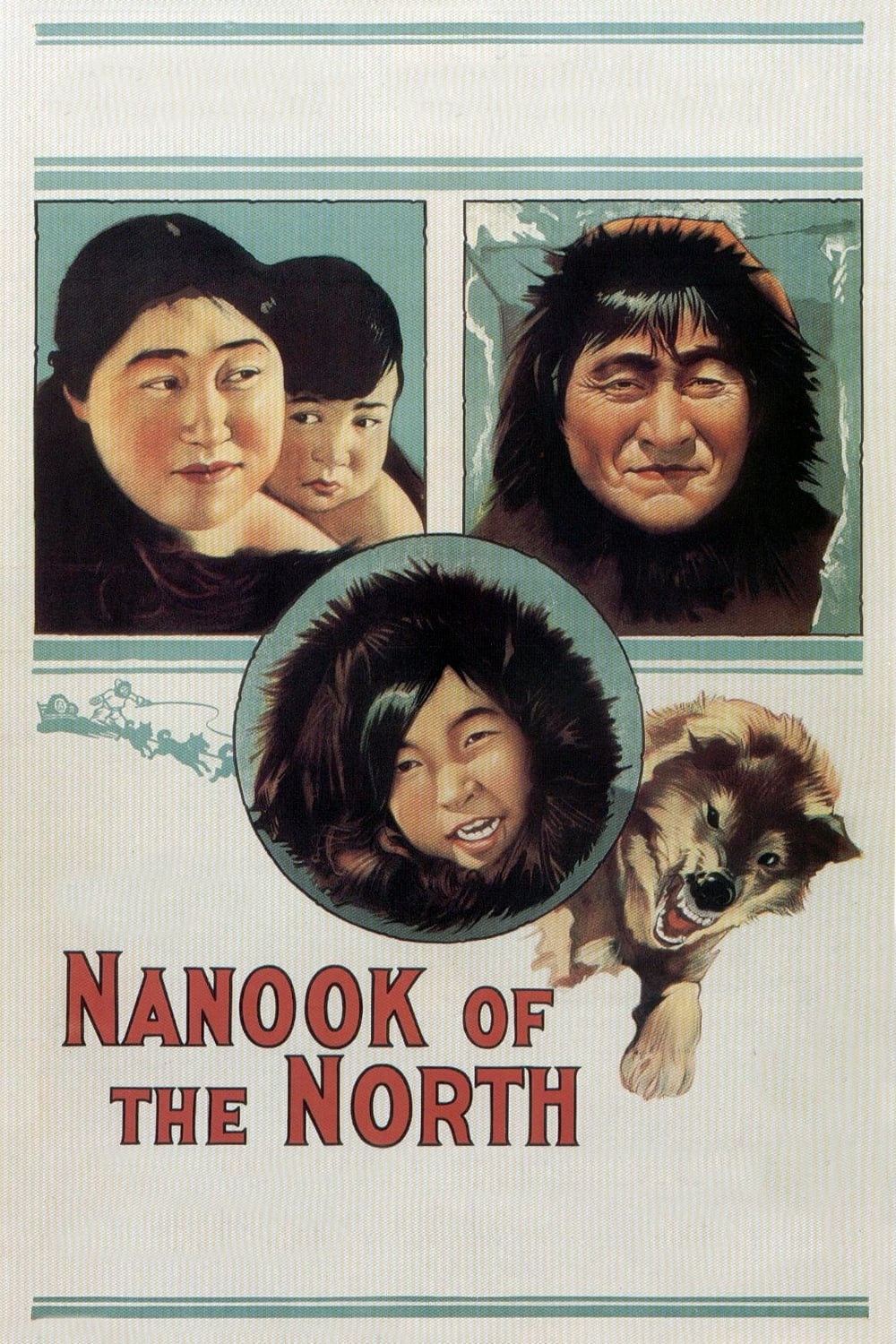
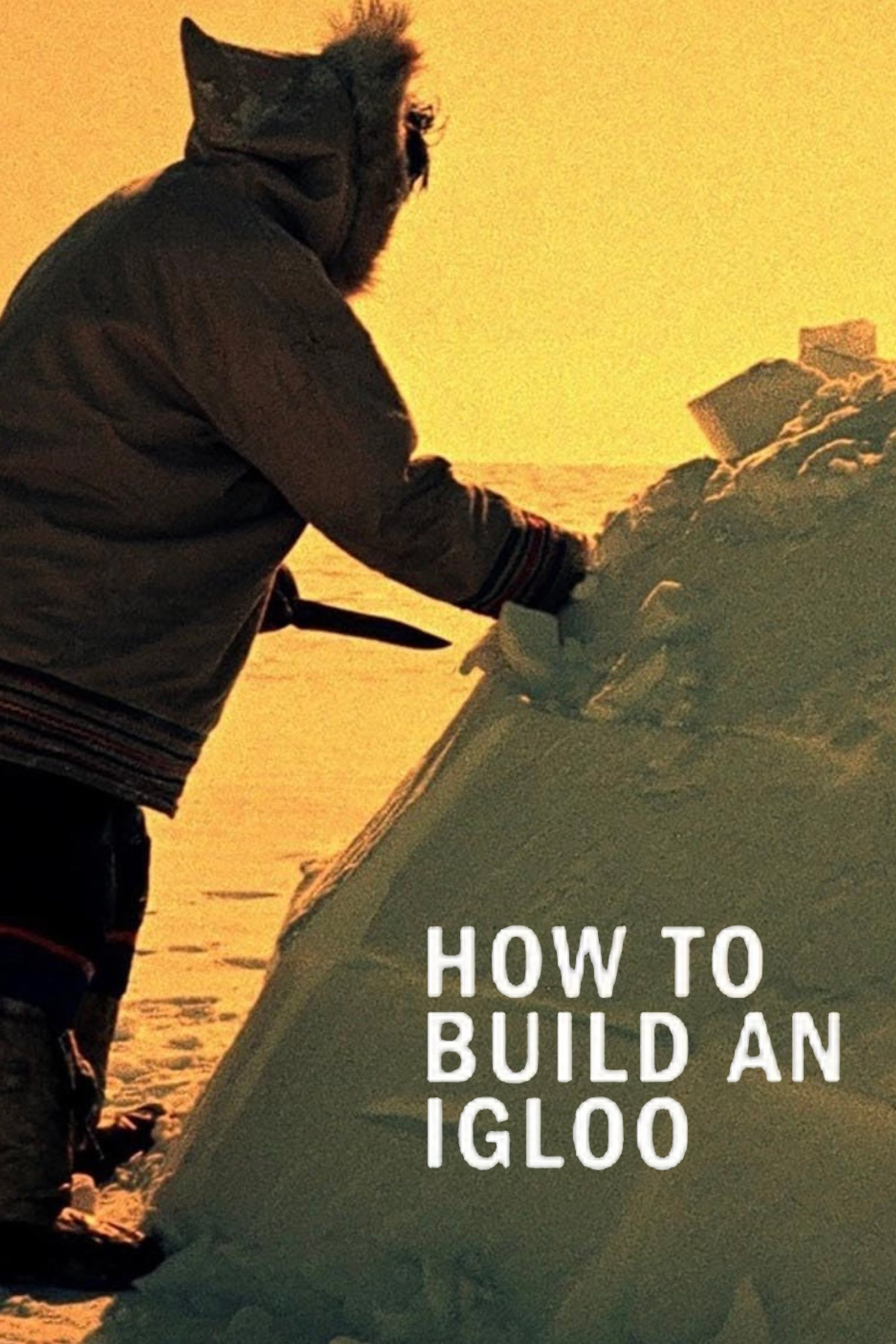
This pioneering documentary film depicts the lives of the indigenous Inuit people of Canada's northern Quebec region. Although the production contains some fictional elements, it vividly shows how its resourceful subjects survive in such a harsh climate, revealing how they construct their igloo homes and find food by hunting and fishing. The film also captures the beautiful, if unforgiving, frozen landscape of the Great White North, far removed from conventional civilization.
Red Fever is a witty and entertaining feature documentary about the profound -- yet hidden -- Indigenous influence on Western culture and identity. The film follows Cree co-director Neil Diamond as he asks, “Why do they love us so much?!” and sets out on a journey to find out why the world is so fascinated with the stereotypical imagery of Native people that is all over pop culture. Why have Indigenous cultures been revered, romanticized, and appropriated for so long, and to this day? Red Fever uncovers the surprising truths behind the imagery -- so buried in history that even most Native people don't know about them.
A documentary film about Comanche activist LaDonna Harris, who led an extensive life of Native political and social activism, and is now passing on her traditional cultural and leadership values to a new generation of emerging Indigenous leaders.
In Inukjuak, an Inuit community in the Eastern Arctic, a baby boy has come into the world and they call him Timuti, a name that recurs across generations of his people, evoking other Timutis, alive and dead, who will nourish his spirit and shape his destiny.
Stompin' Tom performs live at the Horseshoe Tavern on Queen St. in Toronto.
The second IMAX film made, commissioned by the Ontario Government, and produced by MultiScreen Corporation, later to become IMAX corporation. North of Superior is a Northern Ontario travelogue, and was the first short feature to be shown at the newly created Ontario government theme park, Ontario Place, in it's state of the art cinema, Cinesphere, the first permanent IMAX installation.
This short documentary follows the daily struggles of two janitors at a North American university. The film takes a critical look at the communication, or lack of communication, that happens between janitors and those that use the facilities they clean. Shot at Capilano University, in North Vancouver, BC, Canada.
Inuit traditional face tattoos have been forbidden for a century, and almost forgotten. Director Alethea Arnaquq-Baril, together with long-time friend and activist Aaju Peter, is determined to uncover the mystery and meaning behind this beautiful ancient tradition. Together they embark on an adventure through Arctic communities, speaking with elders and recording the stories of a once popularized female artform. Central to the film is Arnaquq-Baril’s personal debate over whether or not to get tattood herself. With candour and humour, she welcomes us into her world, to experience firsthand the complex emotions that accompany her struggle. Past meets present in this intimate account of one woman’s journey towards self-empowerment and cultural understanding.
CREE CODE TALKER reveals the role of Canadian Cree code talker Charles 'Checker' Tomkins during the Second World War. Digging deep into the US archives it depicts the true story of Charles' involvement with the US Air Force and the development of the code talkers communication system, which was used to transmit crucial military communications, using the Cree language as a vital secret weapon in combat.
After the Japanese attack on Pearl Harbor, all persons of Japanese descent in Canada were sent to internment camps. The former Asahi members survived by playing ball. Their passion was contagious and soon other players joined in, among them RCMP officials and local townspeople. As a result, the games helped break down racial and cultural barriers.
Explorer Bruce Parry visits nomadic tribes in Borneo and the Amazon in hope to better understand humanity's changing relationship with the world around us.
All Mixed Up is a gripping tale of two female climbers from Scotland as they push their limits to see if they have what it takes in the spectacular Canadian Rockies. Tackling some of the steepest and toughest routes in the country, their roller coaster ride of self-questioning and sheer bloody-mindedness dressed up as determination is an inspirational story of success in the hard world of winter mixed climbing.
Every winter for decades, the Northwest Territories, in the Canadian Far North, changes its face. While the landscape is covered with snow and lakes of a thick layer of ice, blocking land transport, ice roads are converted to frozen expanses as far as the eye can see.
Filmmaker Gio Petti takes an in-depth look at the city's troublesome transit system in his documentary, Dude, Where's My Bus?. His nearly 2 year-long independent investigation delves into the frustrations of daily commuters in Ottawa and more deeply explores the systemic issues plaguing OC Transpo and their effects on the community. Beginning in the South End Suburbs of Ottawa, Dude, Where's My Bus? peels back layers leading to a broader investigation into issues plaguing the once model transit system. From late buses in neglected areas of the city, sprawl and the greenbelt, to the ever more controversial Confederation Line and the P3 system that built it, Petti aims to explore the impact of policy missteps and broken promises on Ottawa's transit users, with an optimistic look to the future.
A harsh winter in Canada’s Muskoka, where players face sub-zero temperatures, contrasts with New Zealand, where hockey is just starting to take root. Yet, between these two far-apart nations, there’s one thing they share: a deep love for the game of hockey.
Three intrepid women battle for Indigenous women's treaty rights.