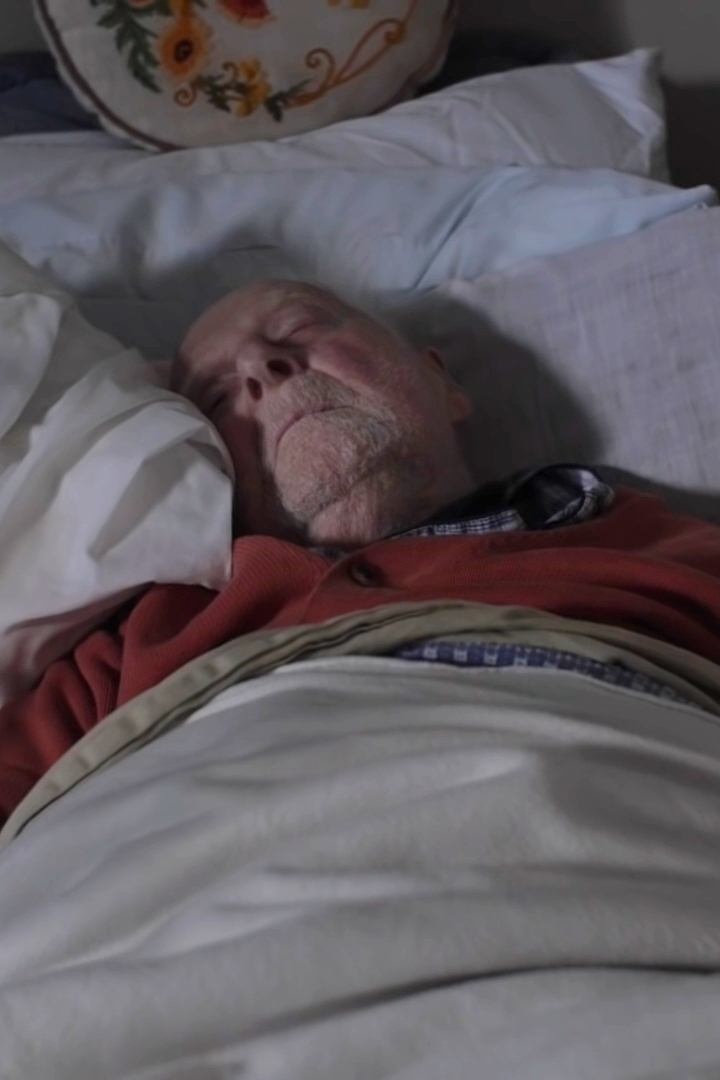
Herbert Fingarette once argued that there was no reason to fear death. At 97, his own mortality began to haunt him, and he had to rethink everything.
Social & External
The people behind it
Herbert Fingarette
himself
Sherly Pontis
herself
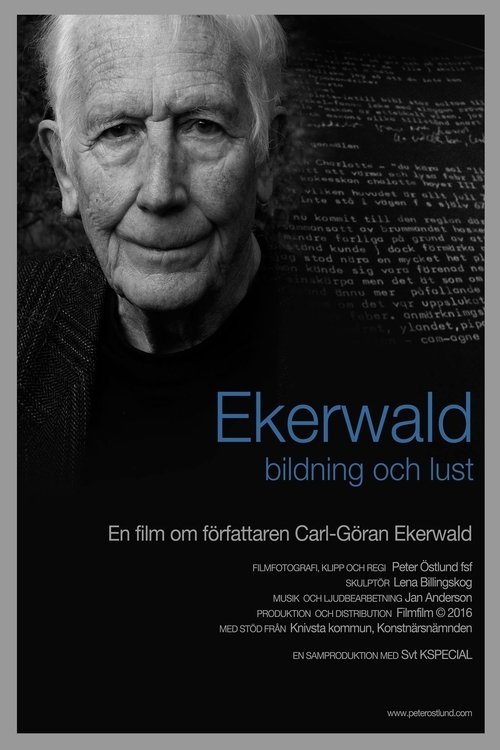
The author Carl-Göran Ekerwald has written more than 50 books. At the age of 87, a new chapter in his life begins when he meets the journalist and author Sigrid Kahle. Ekerwald is a man of eductation and lust.
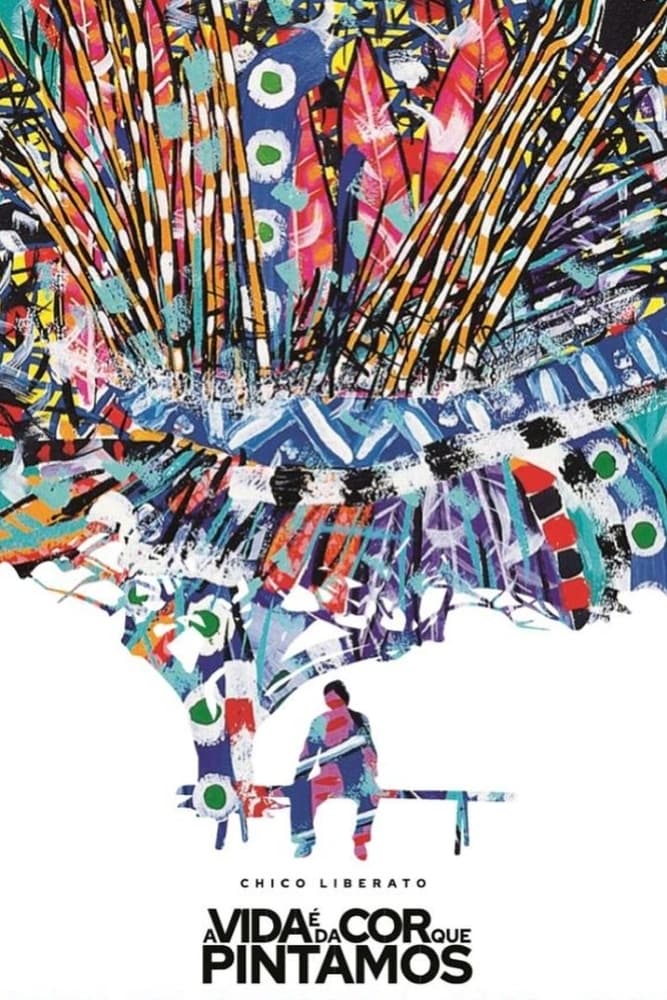
Perpetuating art was the main objective in the life of visual artist, filmmaker and cultural manager Chico Liberato, who died in January, 2023. A pioneer of animation cinema in Bahia, he left a legacy for the area, and even in his family.
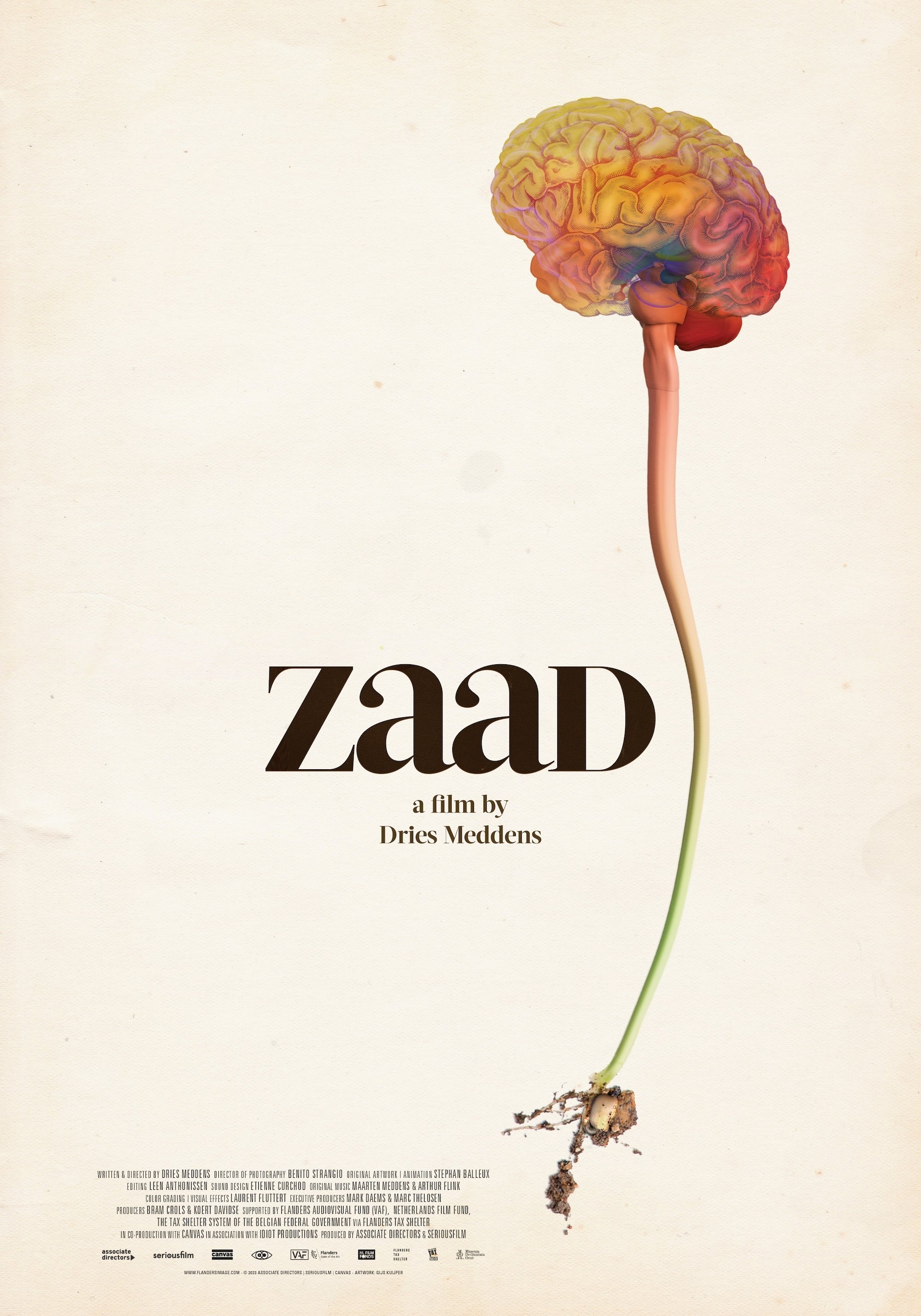
ZAAD tells the autobiographical story of Dries Meddens. After the death of his mother, the care for Dries' bipolar father falls on his plate. He discovers how crudely and ruthlessly society and psychiatry treat patients. His father eventually dies in solitary confinement. While emptying his parent’s home, Dries discovers an old letter from his grandfather. The man appears to have led a busy, productive life. He is the founder of an internationally renowned seed breeding company and still has time to paint, write diaries and conduct intensive correspondence. Dries finds similarities between his grandfather, his father and himself. Slowly the fear grows that his father's psychiatric illness might be hereditary. Strolling through the family’s film and photo archives, with dramatic and sometimes hilarious finds, Dries tries to find answers. He also consults a psychiatrist. Together the consultations and reviewing of his archival material help Dries look at bipolarity with new eyes.
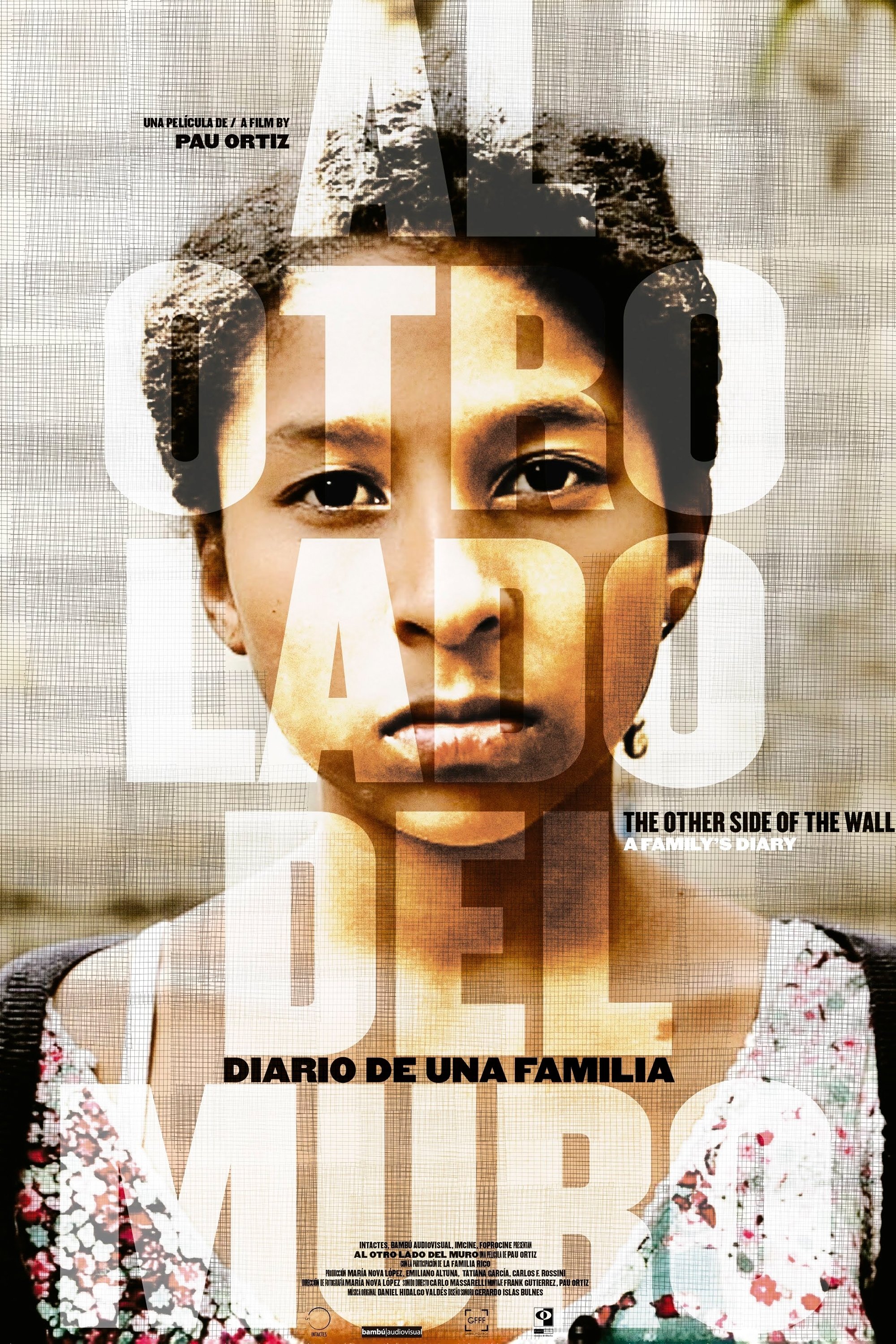
Honduran immigrants living in Mexico, teenage siblings Rocío and Ale must take over care of their two younger siblings after their mother is sentenced to prison on dubious grounds. Tensions grow between the pair as the decision must be made on whether to stay together in Mexico or split the family up to cross into the US to work.
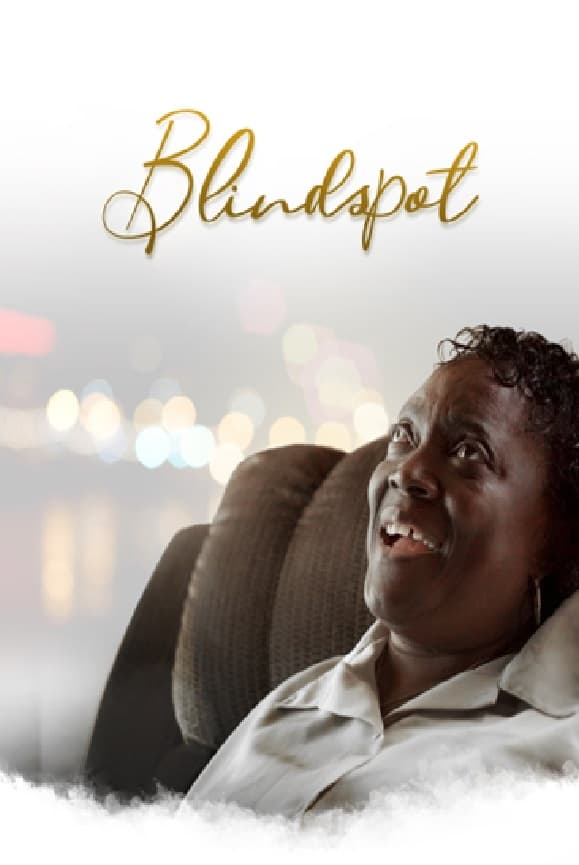
A brief glimpse through the life of Granny Lue. A woman of faith, fearlessness, and fierce energy, she never allowed her disability to determine her ability to live.
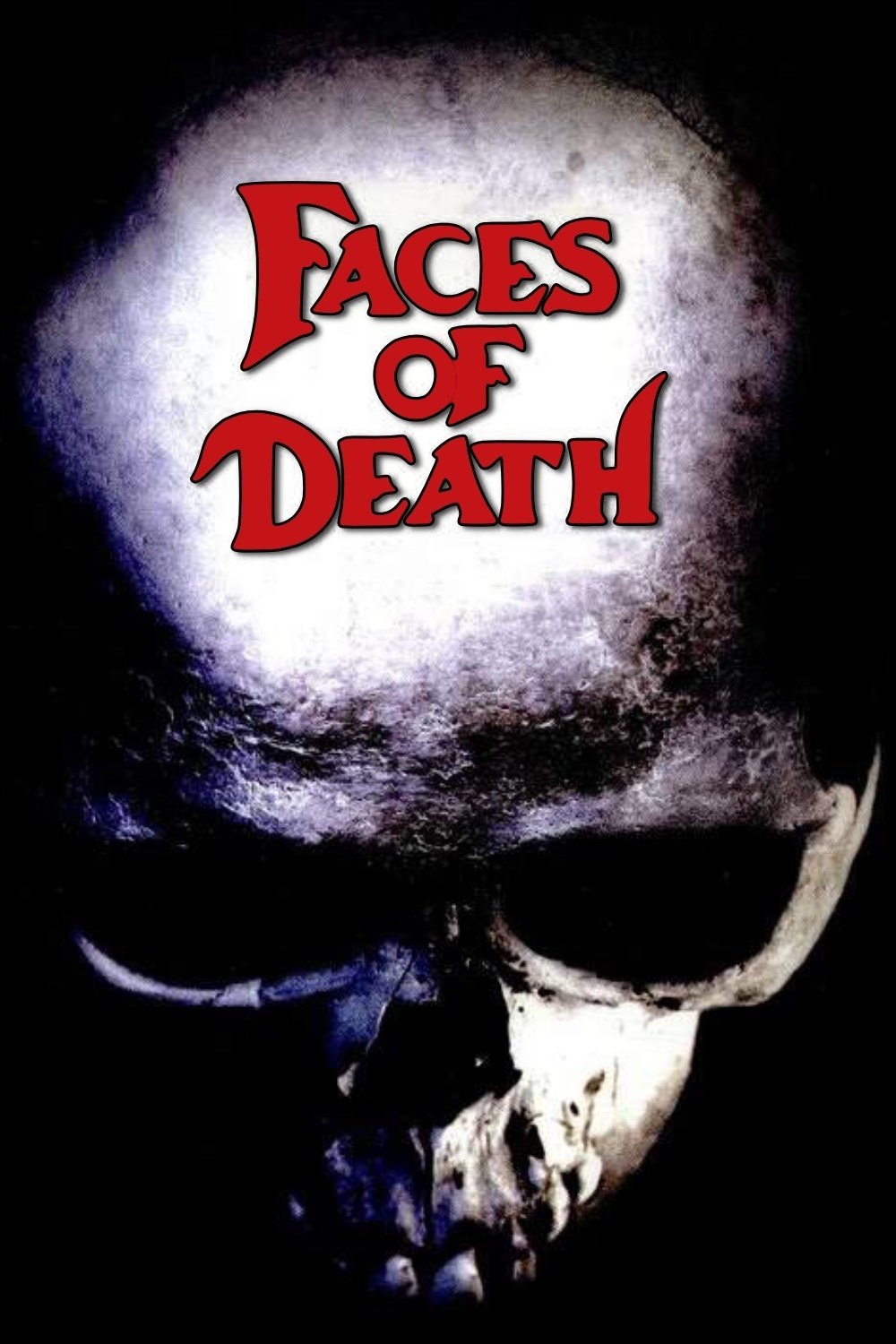
A collection of death scenes, ranging from TV material to homemade super 8 movies.
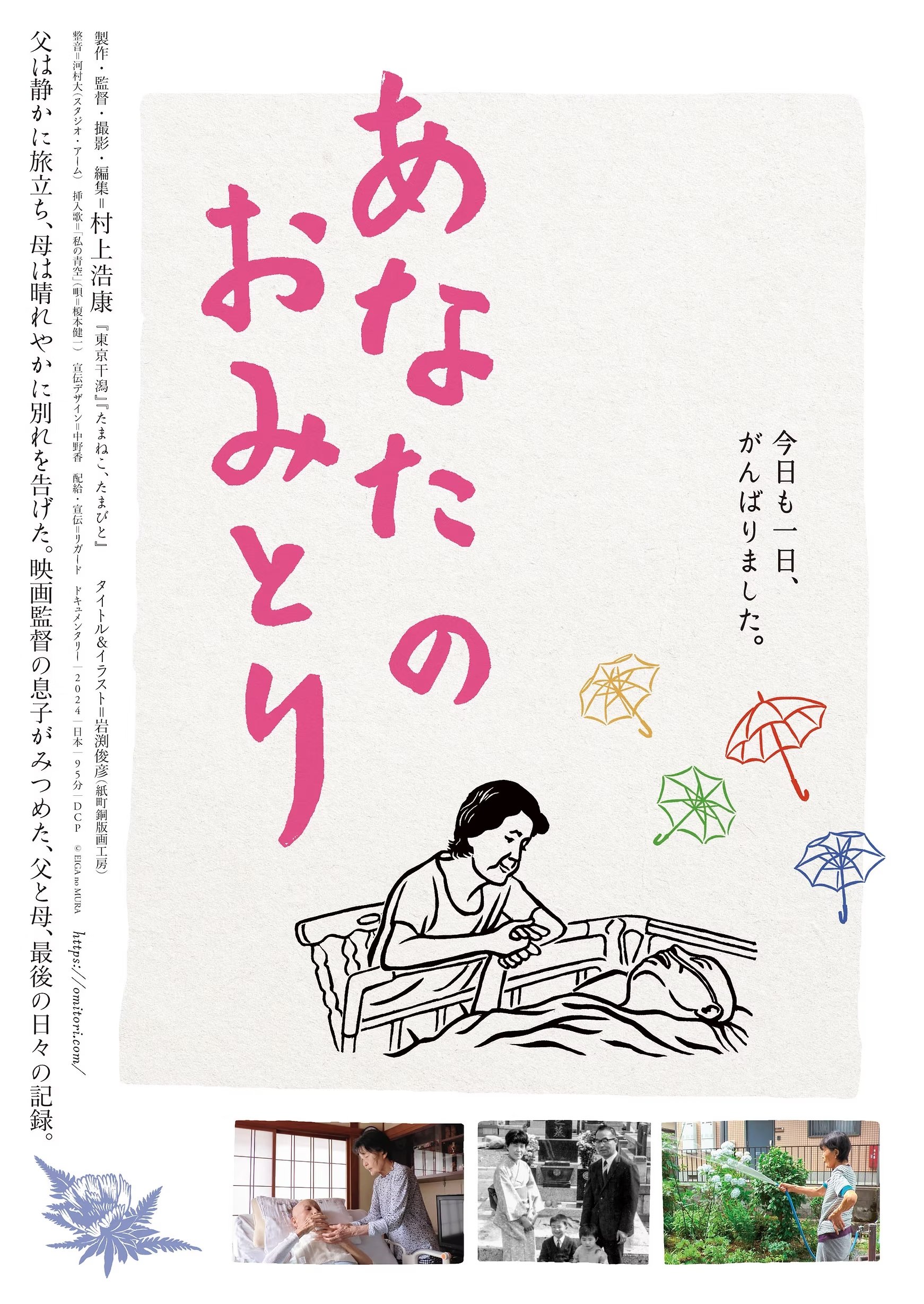
A son films his elderly mother as she cares for his ailing father on his deathbed.
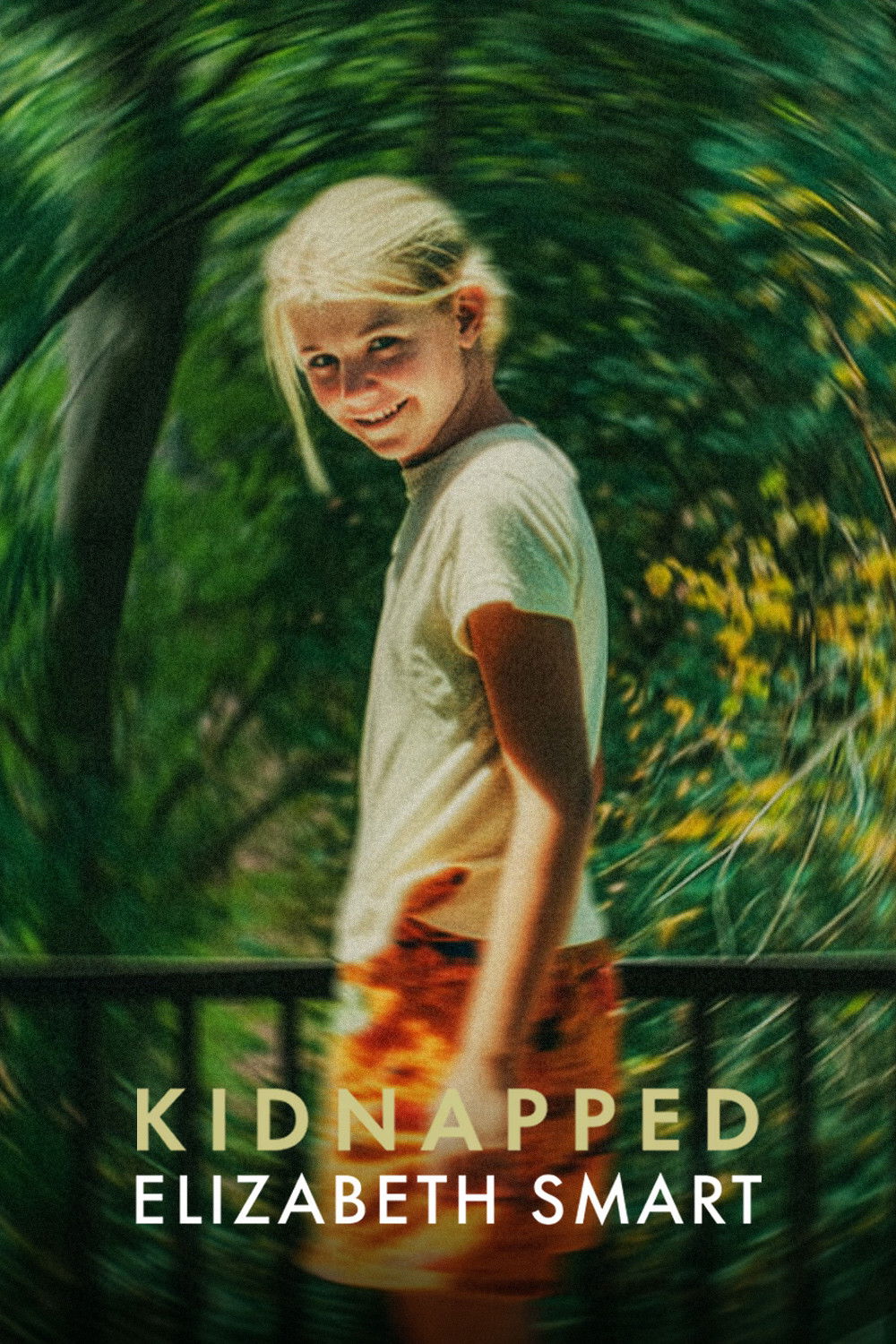
Elizabeth Smart's harrowing abduction at 14 from her family's Utah home unfolds through her own words and never-before-seen material in this documentary.
After 20 years of wandering taiga weather stations searching for a suitable place for having a life, Nataliya and Yuri Usovy settled on Olkhon island, on a remote weather station. They thought to find happiness here.
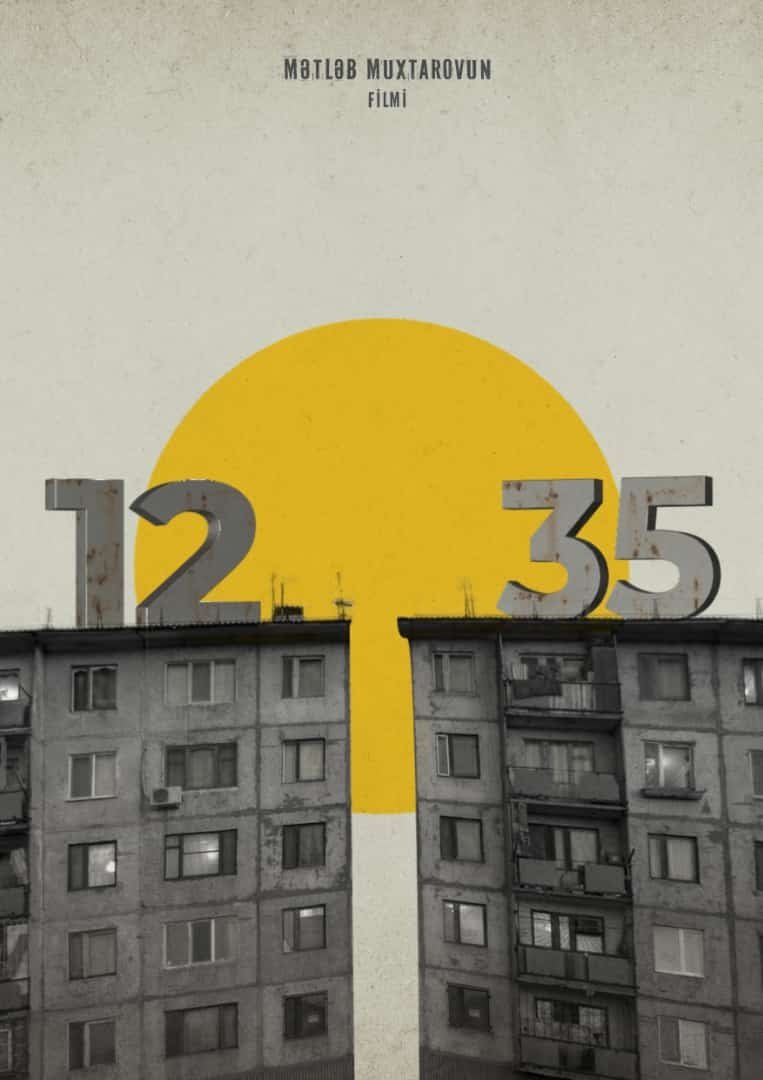
This film explores the lives of those men and the memories of those left behind: the childhoods they shared and the choices they made. These men, now in their 60s, reflect on what has happened to their generation, why most of their friends and relatives died so young and how this particular apartment block captures the story of a whole generation. The voices and lives of the departed are included in clips from amateur videos from the 1990s. Set against the background of old friends’ attempt to understand their deaths, this film is about nostalgia and how memories kindle a special kind of love for home.
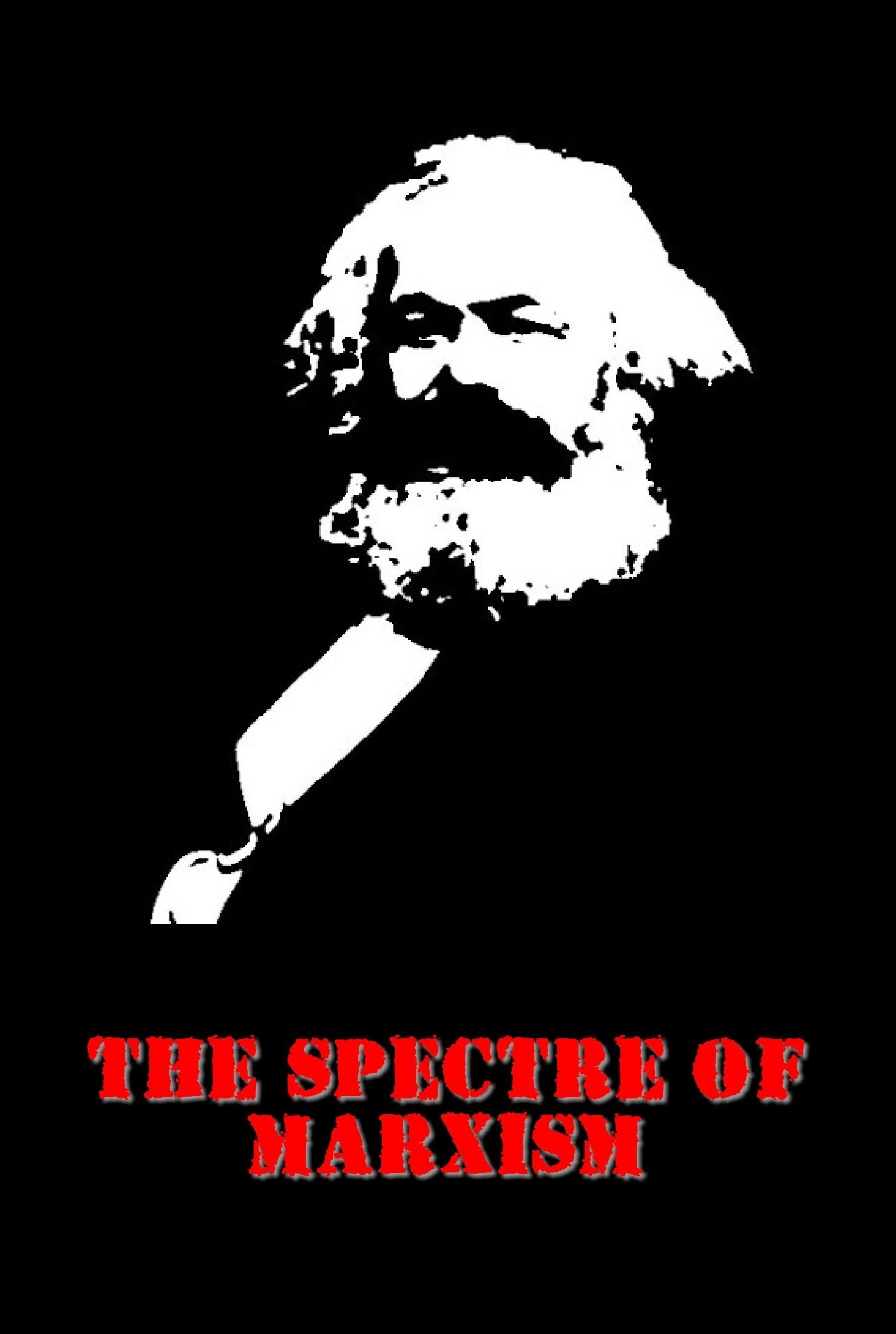
The impact of Marx on the 20th century has been all-pervasive and world-wide. This program looks at the man, at the roots of his philosophy, at the causes and explanations of his philosophical development, and at its most direct outcome: the failed Soviet Union.
It's a sensitive, moving doc chronicling the life of Tétrault's brother Philip , a Montreal poet, musician and diagnosed paranoid schizophrenic. A promising athlete as a child, Philip began experiencing mood swings in his early 20s. His extended family, including his daughter, share their conflicted feelings love, guilt, shame, anger with the camera. They want to make sure he's safe, but how much can they take?
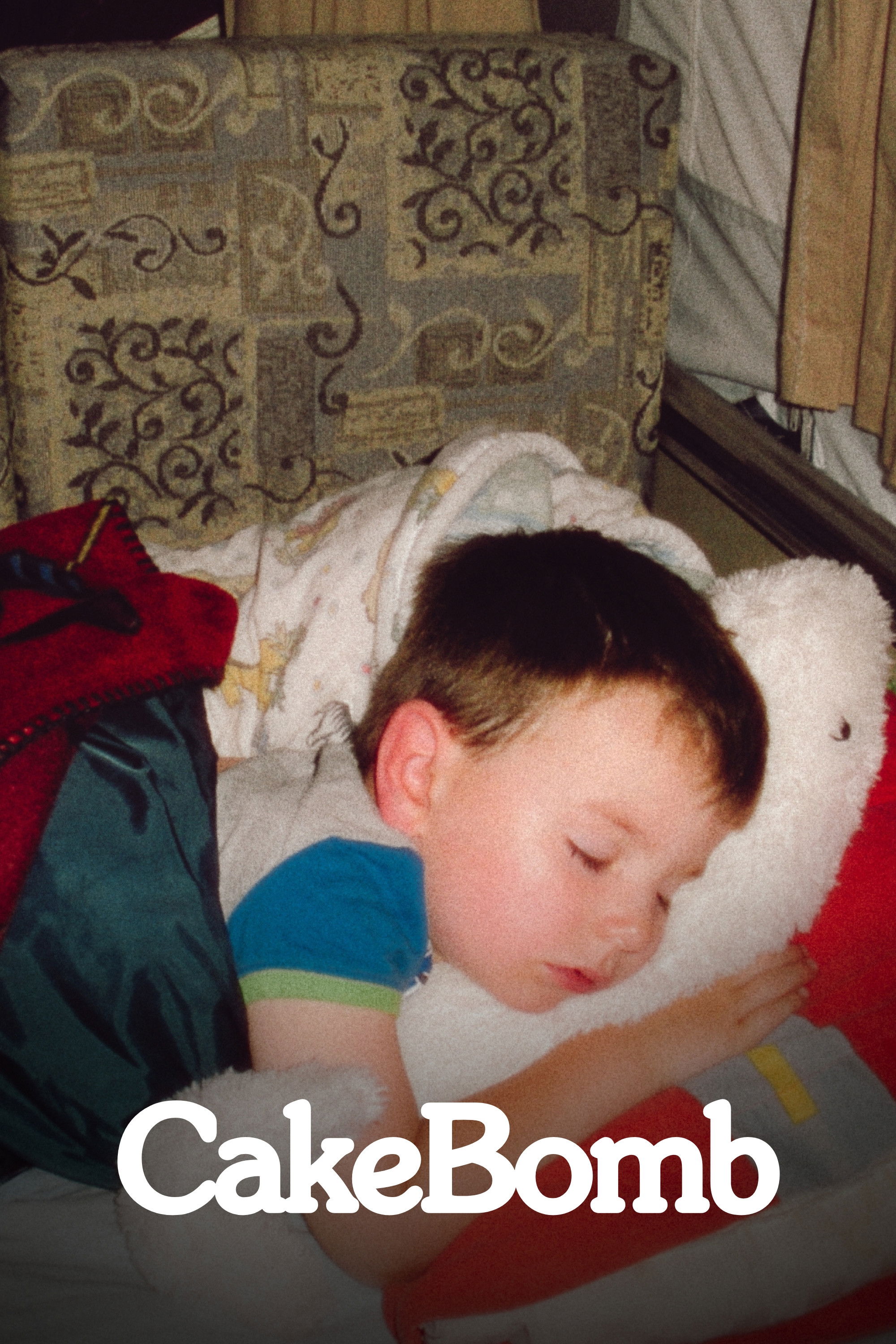
A family must change their way of life when they discover their young child has an invisible medical condition that society has overlooked. 18 years ago, the Couroux Family’s youngest son, James, was diagnosed with Celiac Disease (CD), forcing them to change their way of life. His parents, Daniel and Patricia, found themselves working hard to find the best options for James. Meanwhile, James struggled to cope with the mental and psychological effects of his diagnosis, revealing the darker side of CD. With support from expert opinions, Cake-Bomb is a film that aims to explore what it is like to raise a child with CD, as well as what it is like to be that child.
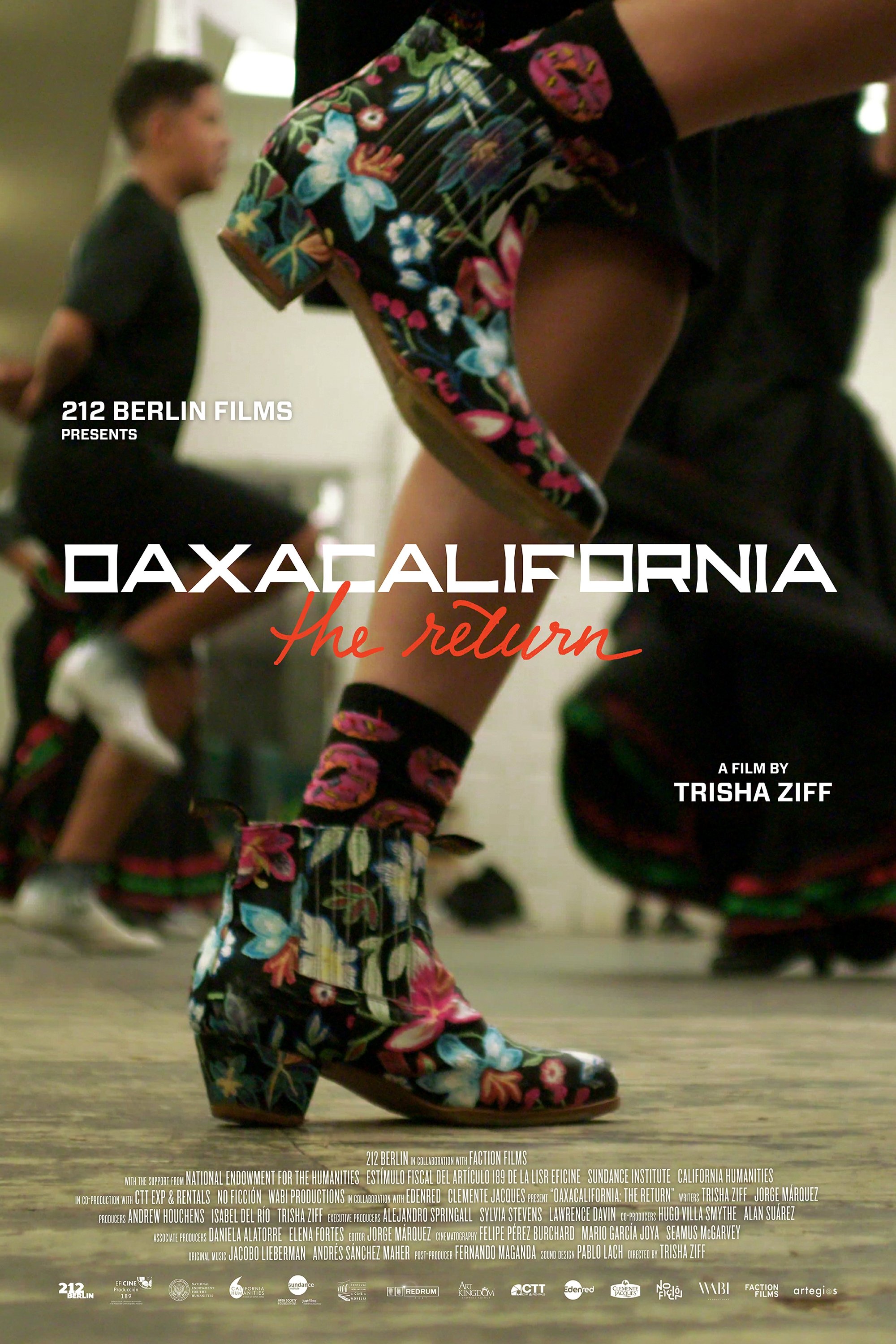
The Mejia family emigrated from Oaxaca to Fresno, California 40 years ago. Filmmaker Trisha ZIff filmed the family in 1996, and returns now to see the changes that have settled over them, and follows the family on their return to Mexico.
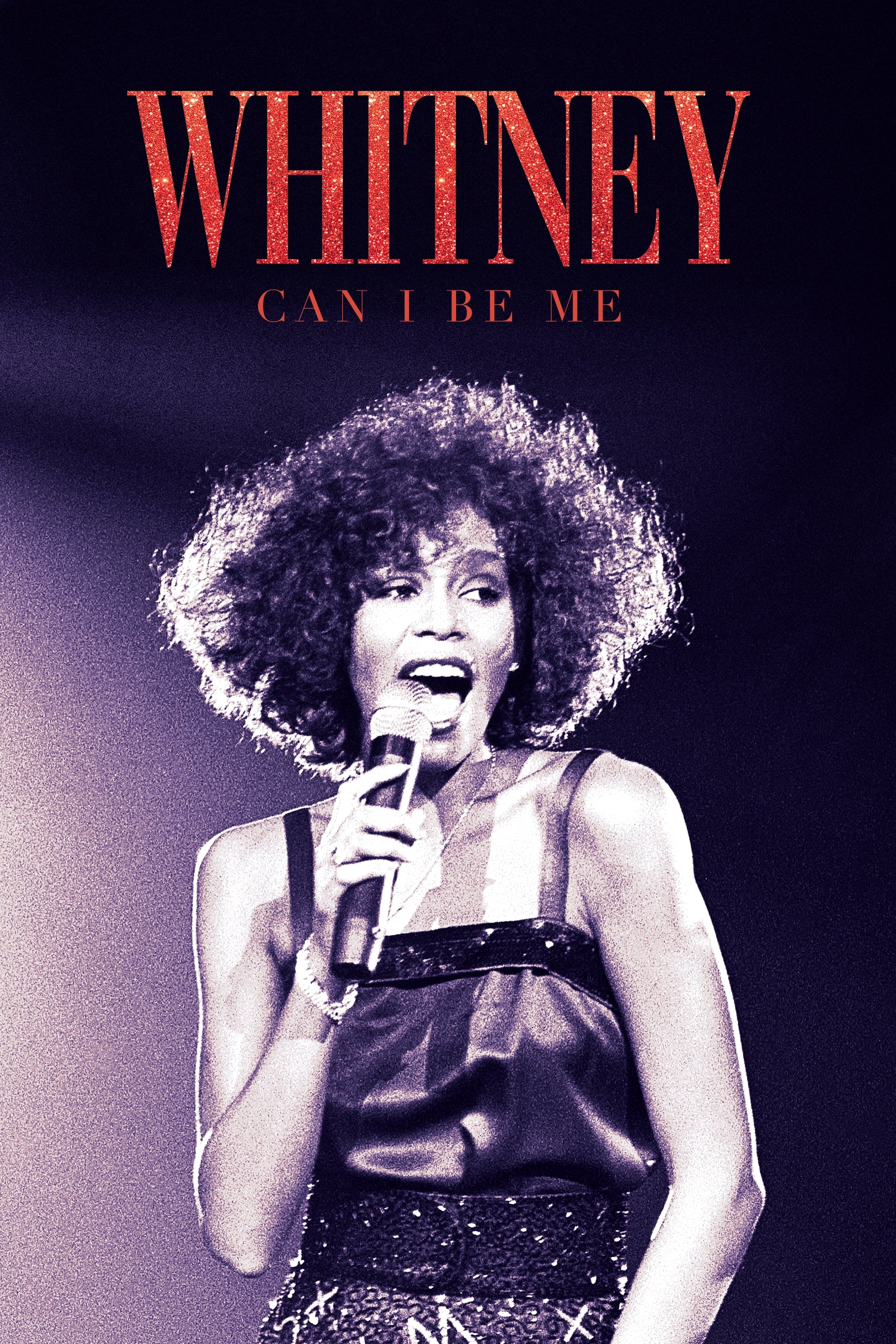
The life and tragic death of Whitney Houston.
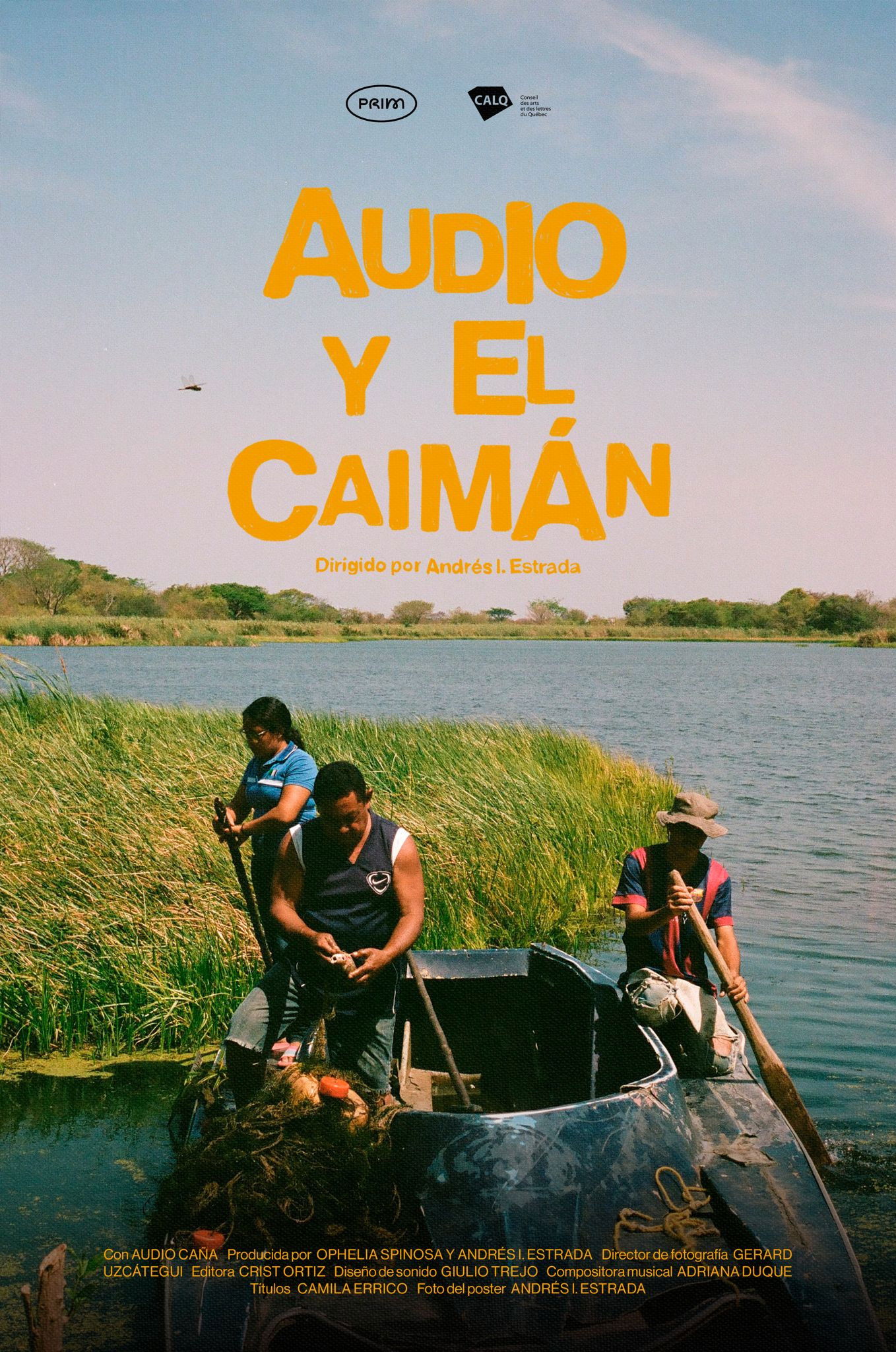
Audio Caña, an old farmer in rural Venezuela, believes there is a giant alligator living in his pond. With his family's help, he's determined to prove its existence to his friends who are often dissuaded by his exaggerated stories.
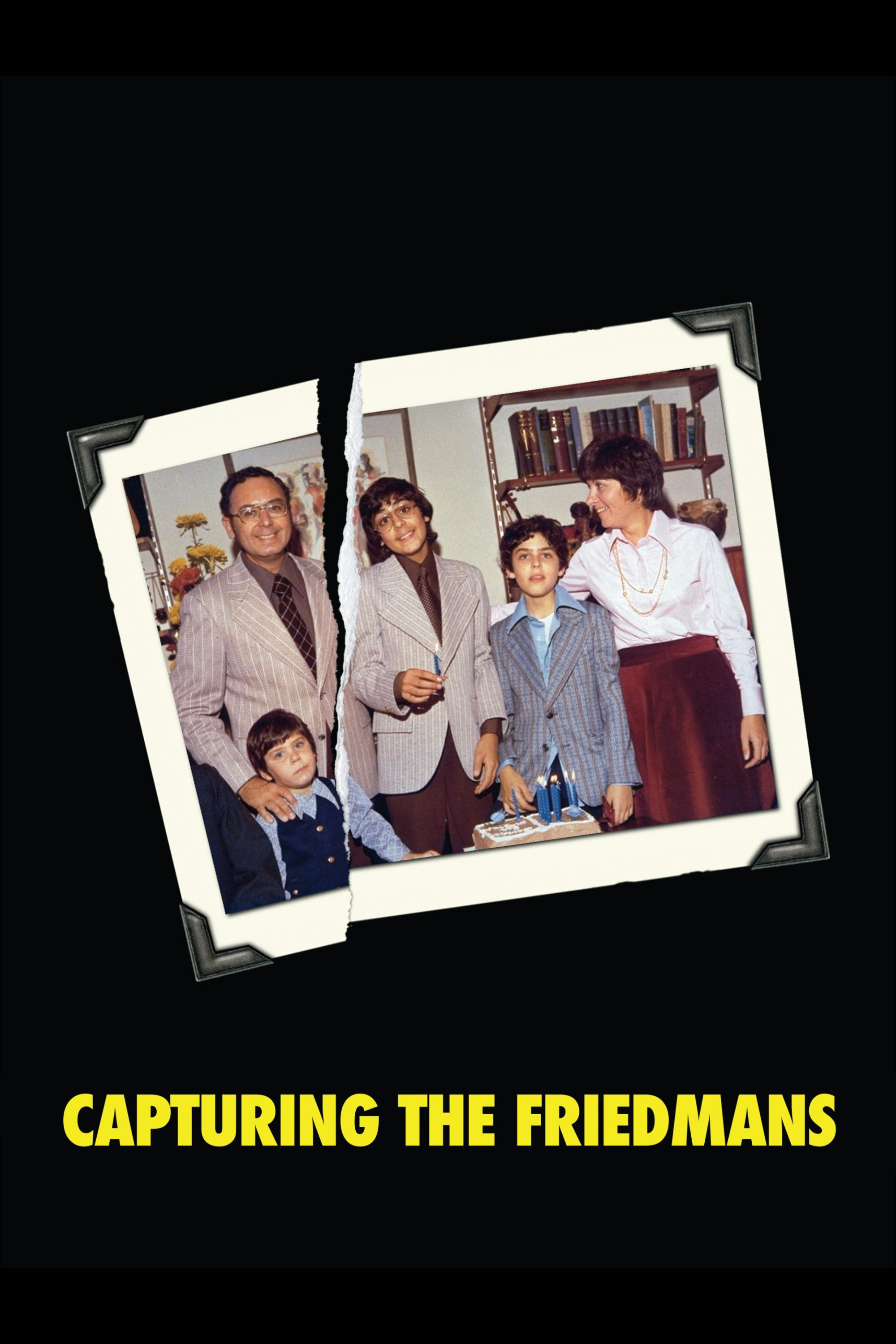
An Oscar nominated documentary about a middle-class American family who is torn apart when the father Arnold and son Jesse are accused of sexually abusing numerous children. Director Jarecki interviews people from different sides of this tragic story and raises the question of whether they were rightfully tried when they claim they were innocent and there was never any evidence against them.
In a forest in Norway, a family lives an isolated lifestyle in an attempt to be wild and free, but a tragic event changes everything, and they are forced to adjust to modern society.
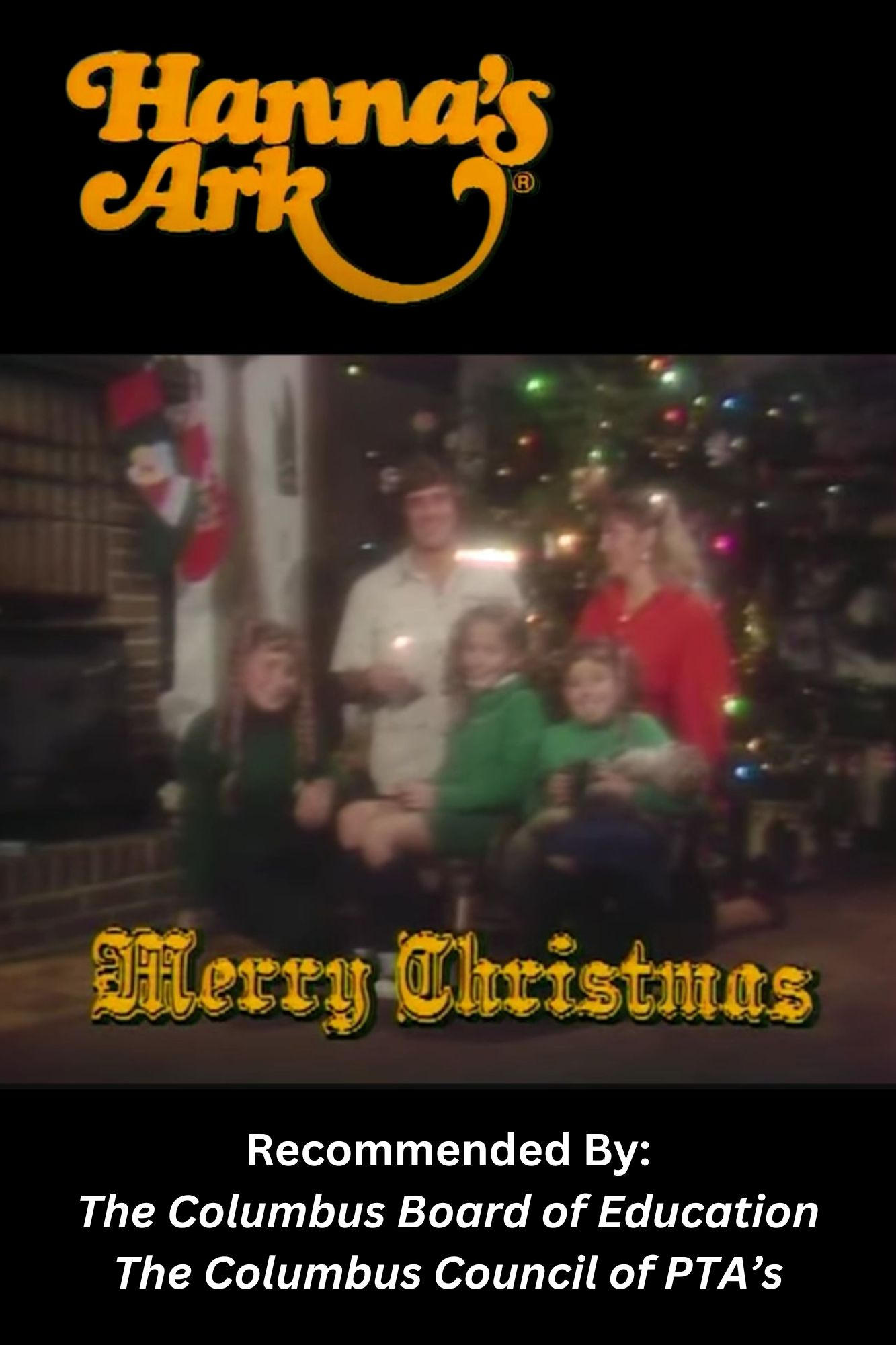
The Hanna family sit around the Christmas tree and reflect back on scenes from the show Hanna's Ark. Co-starred Jack Hanna and his daughter Kathaleen – with regular appearances by his wife Suzi and younger daughters Suzanne and Julie.
Musician and performance artist Laurie Anderson reflects on the deaths of her husband Lou Reed, her mother and her beloved dog.
A purely observational non-fiction film that takes viewers into the ethically murky world of end-of-life decision making in a public hospital.
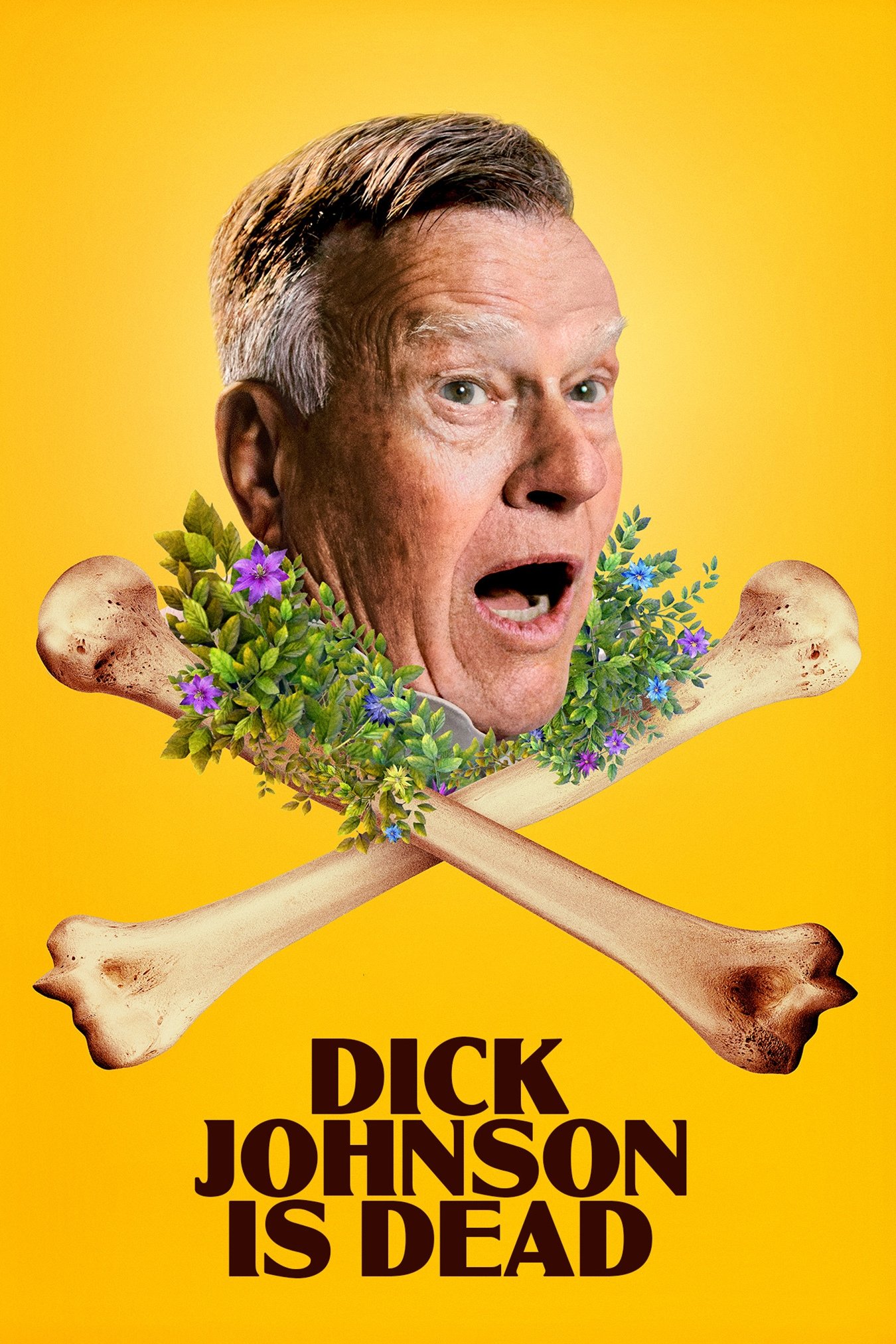
With this inventive portrait, director Kirsten Johnson seeks a way to keep her 86-year-old father alive forever. Utilizing moviemaking magic and her family’s dark humor, she celebrates Dr. Dick Johnson’s last years by staging fantasies of death and beyond. Together, dad and daughter confront the great inevitability awaiting us all.
The life of Mr. Spock, as well as that of Leonard Nimoy, the actor who played him for almost fifty years, written and directed by his son: Adam.
A celebration of the universe, displaying the whole of time, from its start to its final collapse. This film examines all that occurred to prepare the world that stands before us now: science and spirit, birth and death, the grand cosmos and the minute life systems of our planet.
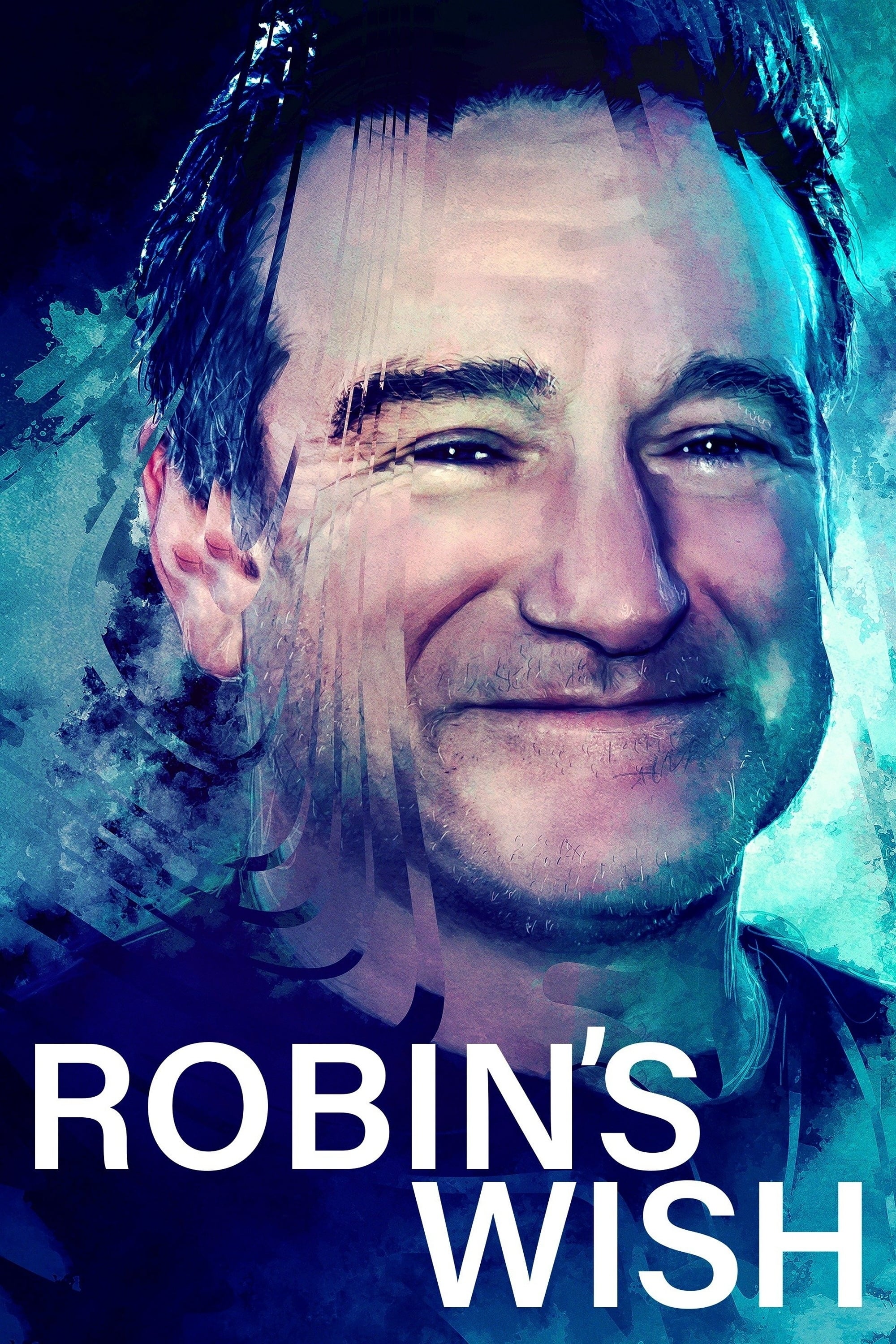
The final word in the story of what really happened to Robin Williams at the end of his life, focusing on his fight against a deadly neurodegenerative disorder known as Lewy body dementia.
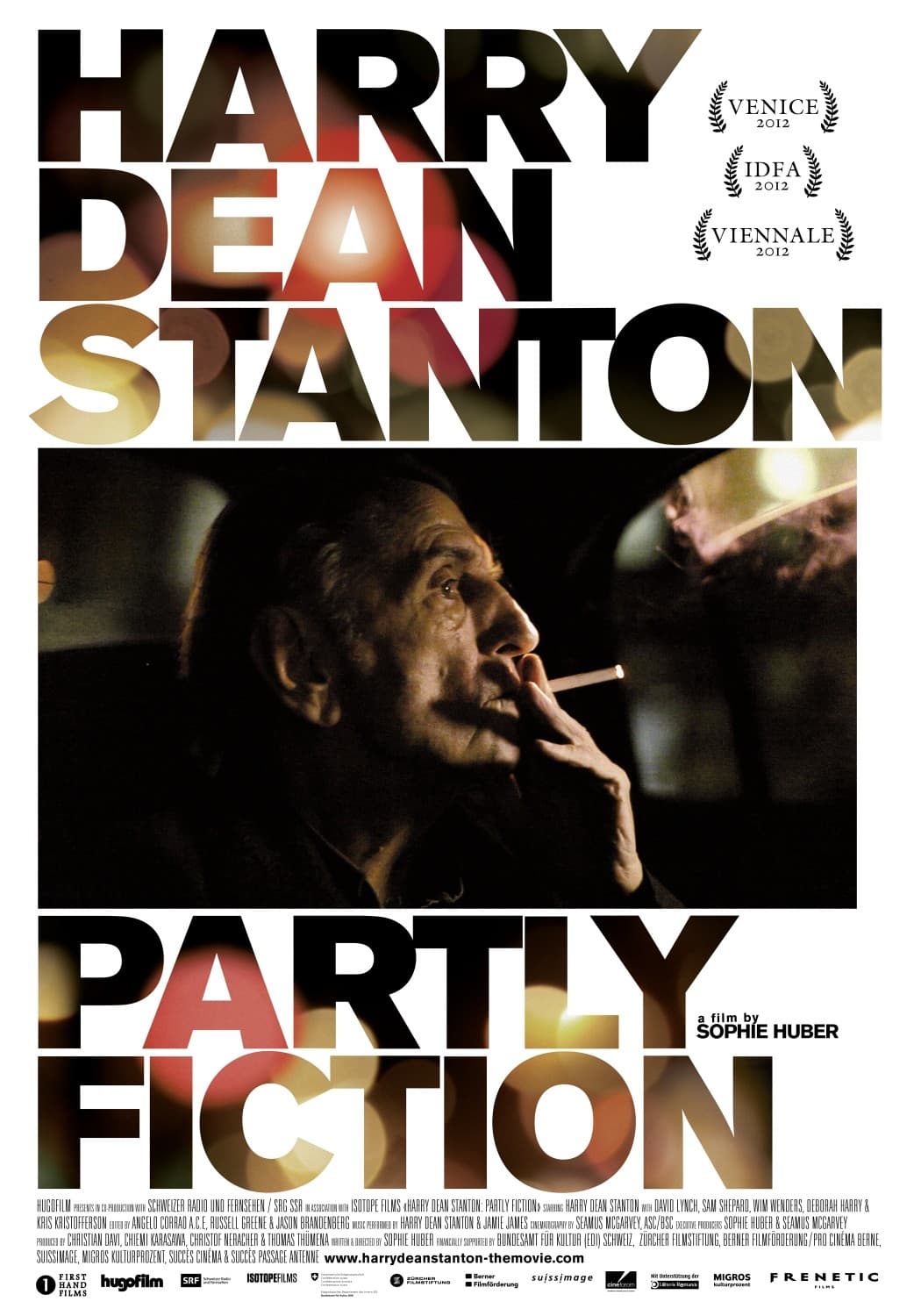
An impressionistic portrait of the iconic actor Harry Dean Stanton comprised of intimate moments, film clips from some of his 250 films and his renditions of American folk songs.
Through deeply personal interviews with her siblings and an examination of the photographs, letters, and belongings left behind, Mariska assembles a new portrait of her mother Jayne Mansfield, an extraordinary and complex woman.
In an intimate and joyful story of love in the face of loss, celebrated poets Andrea Gibson and Megan Falley find strength—and unexpected hilarity—in what might be their final year together.
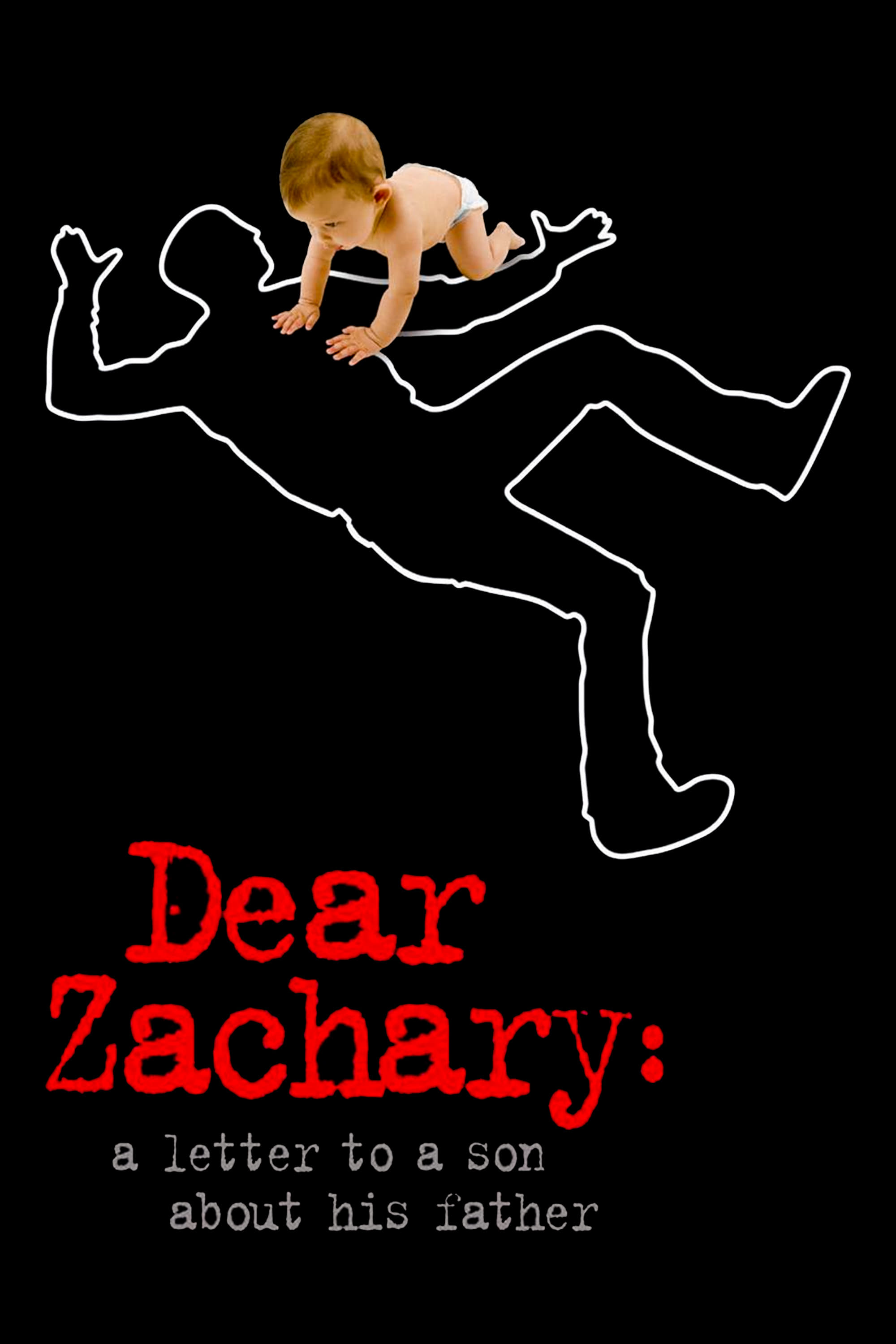
In 2001, Andrew Bagby, a medical resident, is murdered not long after breaking up with his girlfriend. Soon after, when she announces she's pregnant, one of Andrew's many close friends, Kurt Kuenne, begins this film, a gift to the child.
Brilliant, long in-the-works story of the life and art of the world's greatest comedian and the cinema's first genius, Charlie Chaplin. Produced, written and directed by renowned film critic Richard Schickel.
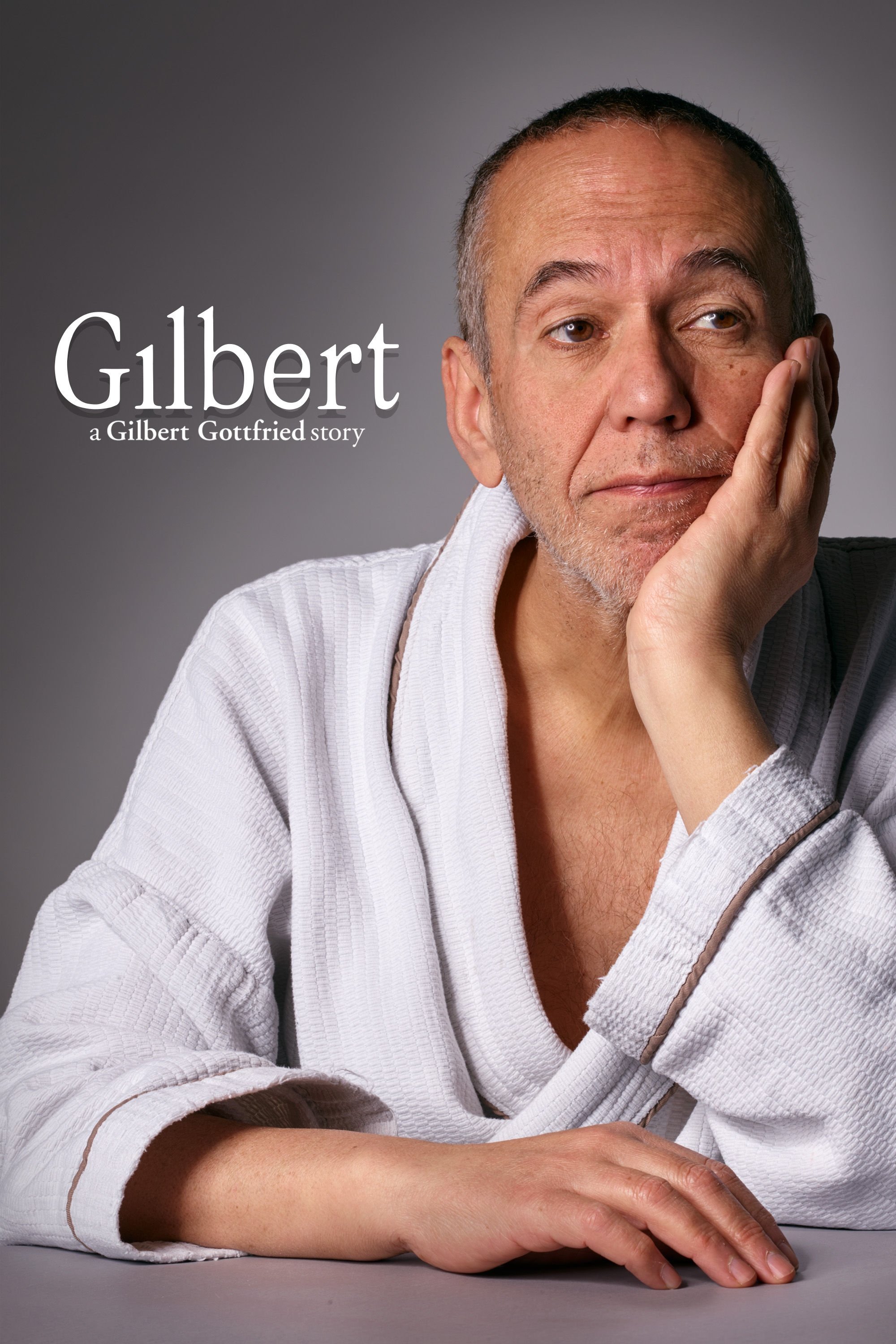
The life and career of one of comedy's most inimitable modern voices, Mr. Gilbert Gottfried.
Al Pacino's deeply-felt rumination on Shakespeare's significance and relevance to the modern world through interviews and an in-depth analysis of "Richard III."
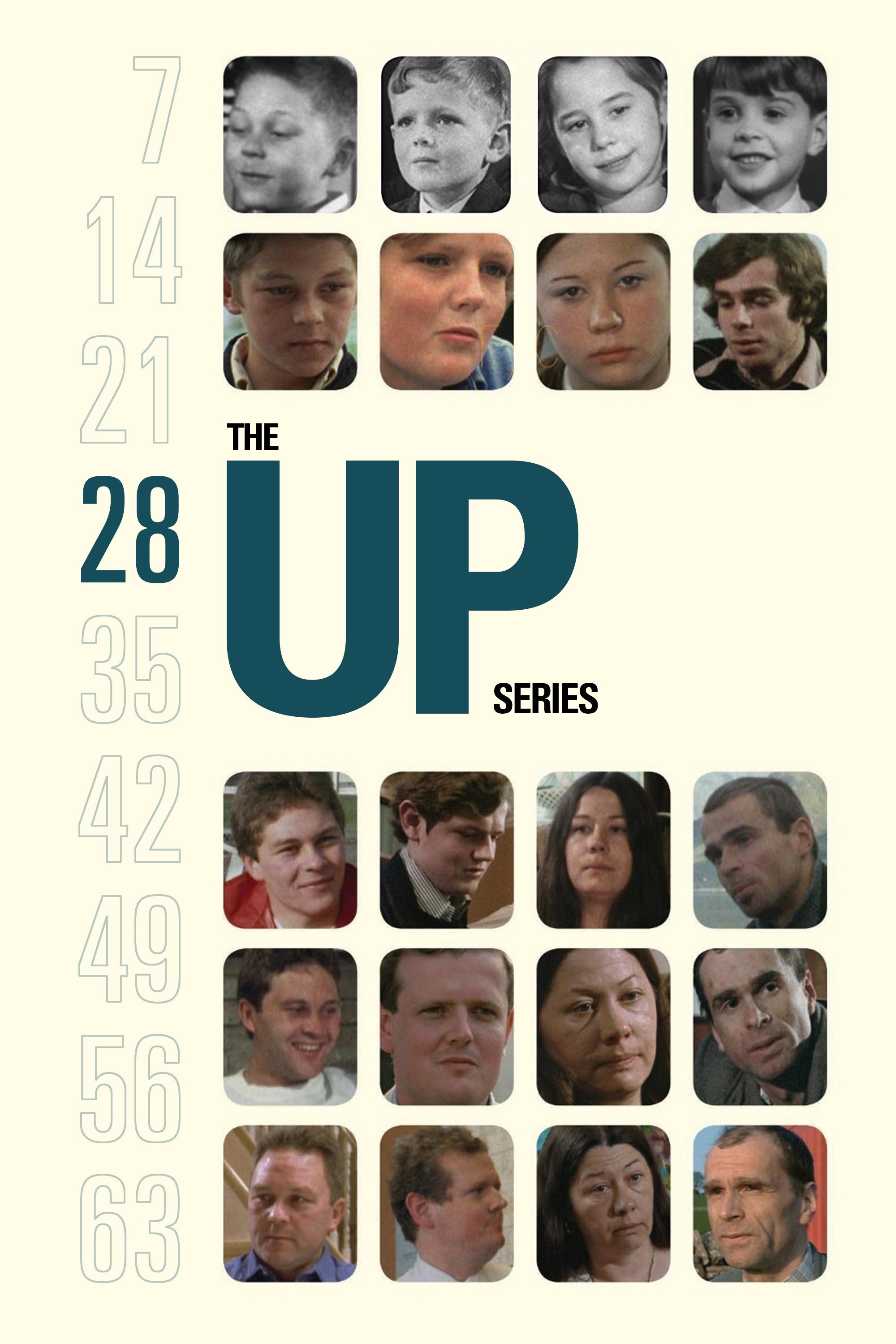
Just two years away from turning 30, participants in Michael Apted's documentary series are facing serious questions of identity and purpose, wondering whether they've found their place in the world.
This revealing documentary honors the legendary Sidney Poitier—iconic actor, filmmaker, and civil rights activist. Featuring interviews with Denzel Washington, Spike Lee, Halle Berry, and more.
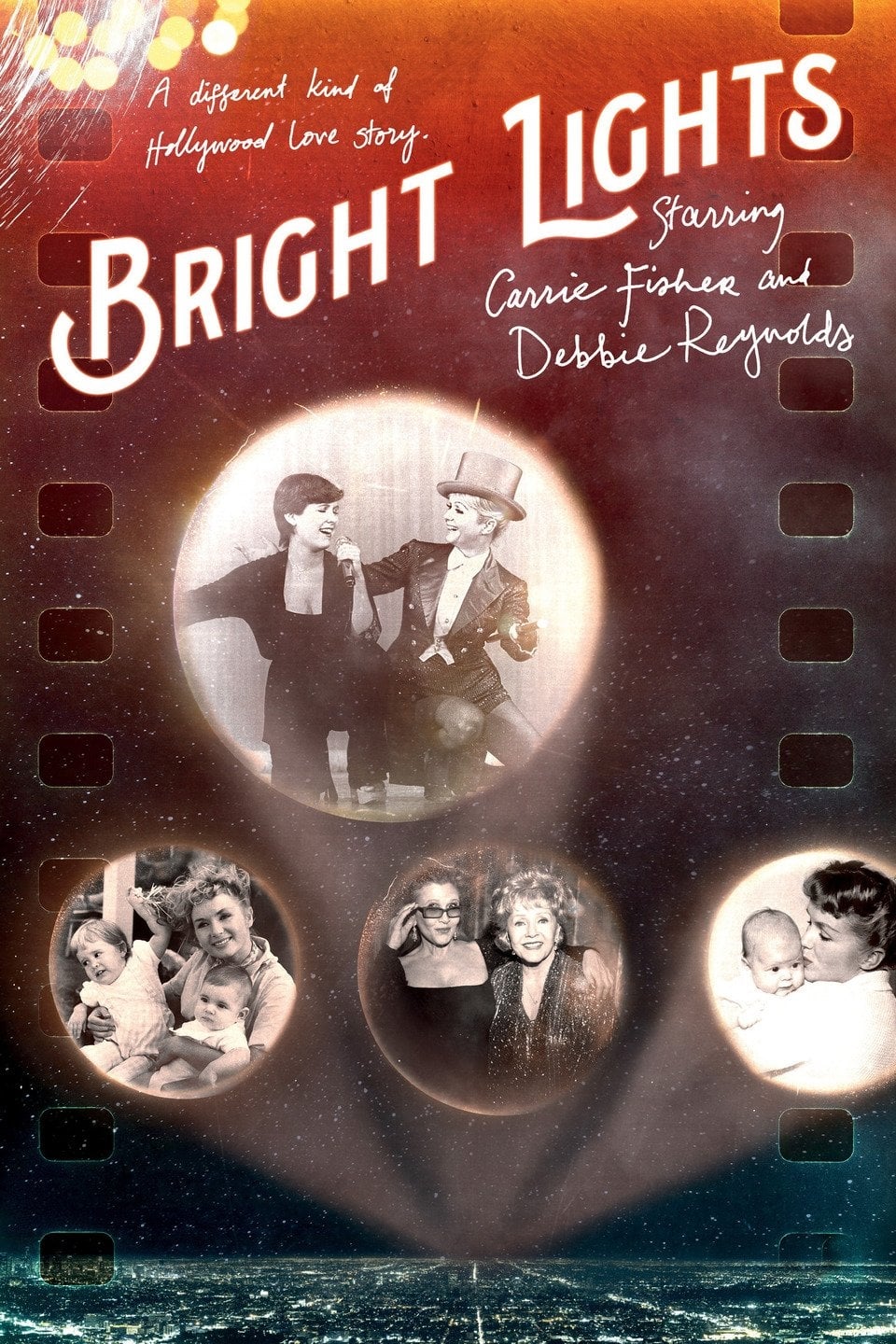
An intimate portrait of Hollywood royalty featuring Debbie Reynolds, Todd Fisher, and Carrie Fisher.
A documentary about the life and films of director John Ford.
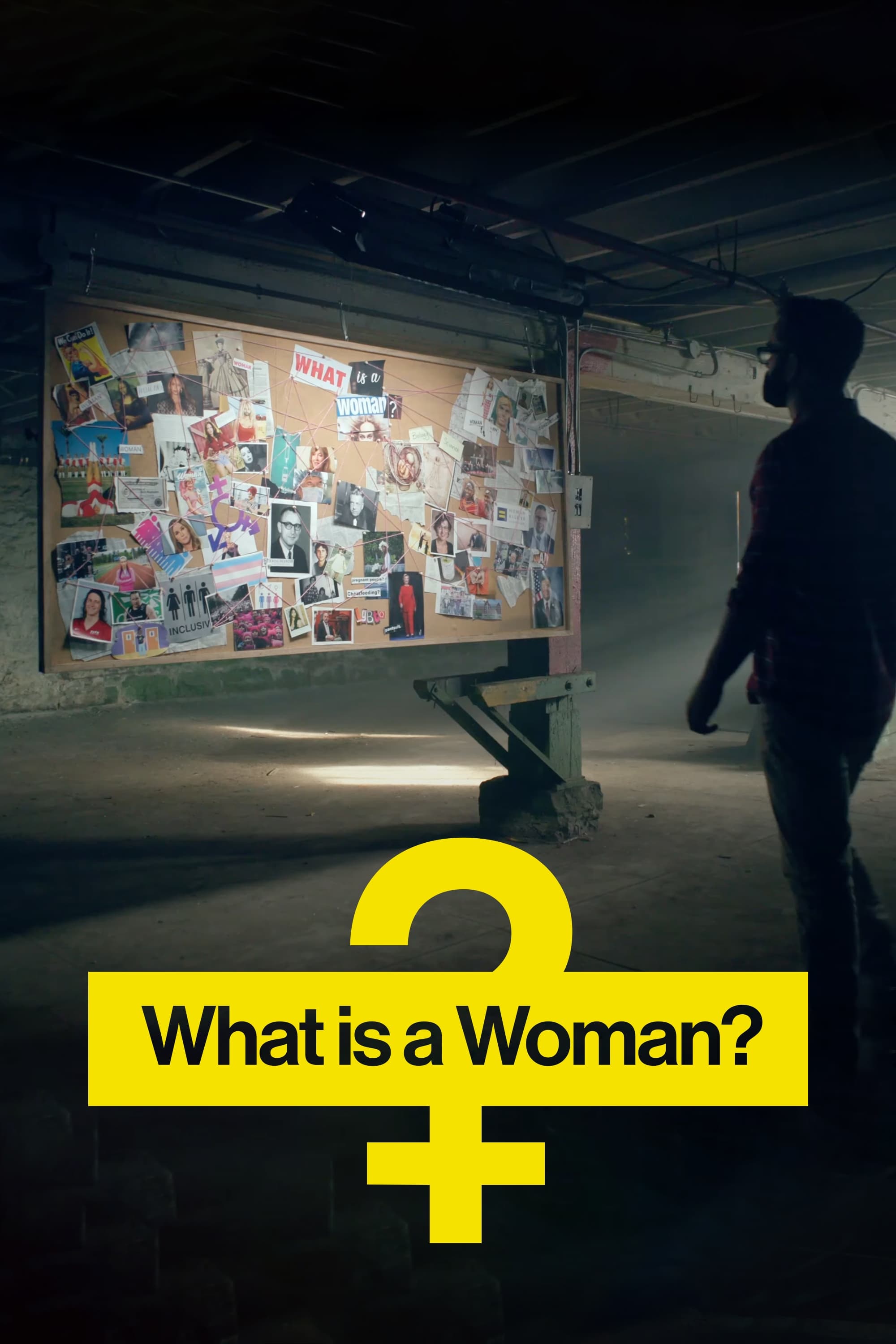
Matt Walsh's controversial doc challenges radical gender ideology through provocative interviews and humor.
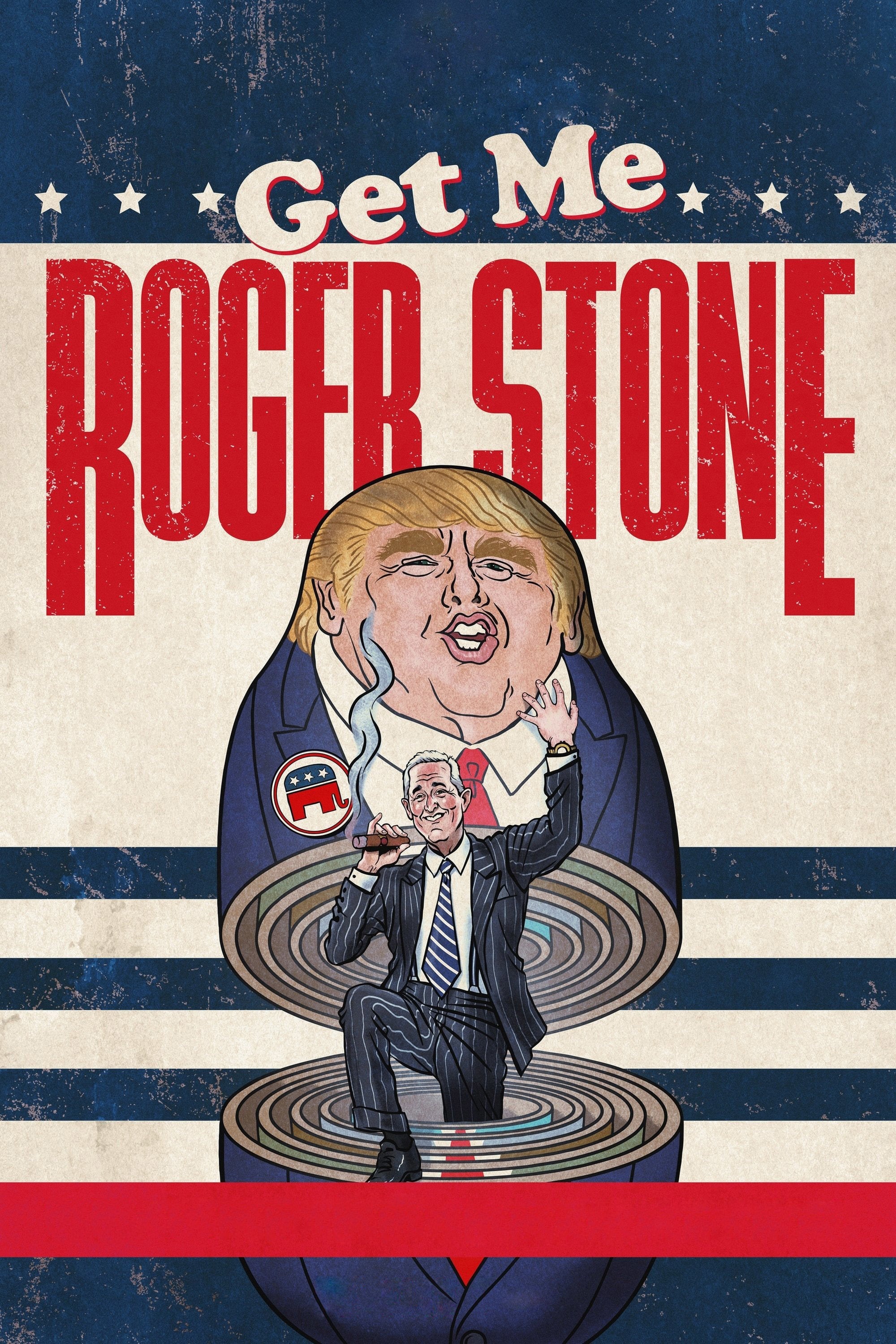
From his days of testifying at the Watergate hearings to advising recent presidential candidate Donald Trump, Roger Stone has long offended people on both sides of the political fence as a force in conservative America. Outspoken author, pundit, ahead of his time election strategist, this is his story.
In the Realms of the Unreal is a documentary about the reclusive Chicago-based artist Henry Darger. Henry Darger was so reclusive that when he died his neighbors were surprised to find a 15,145-page manuscript along with hundreds of paintings depicting The Story of the Vivian Girls, in What is Known as the Realms of the Unreal, of the Glodeco-Angelinnian War Storm, Cased by the Child Slave Rebellion.