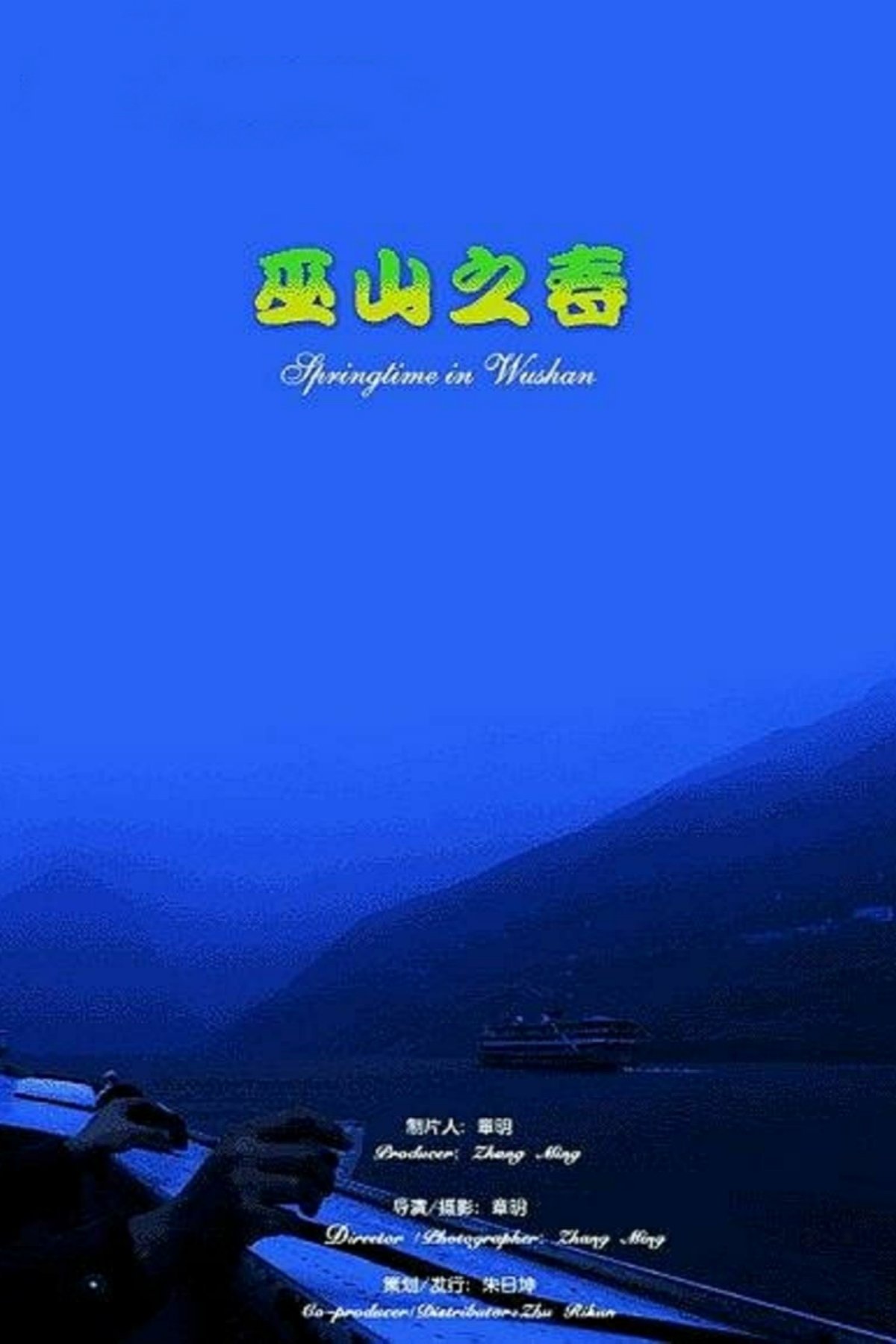
Zhang Ming went back to his hometown Wushan to record the last images before it being changed forever by the upcoming Three Gorges Dam.
Social & External
The people behind it
Zhang Ming
Himself
Wang Qiang
Qi Heping
Zhan Quan
Zheng Jinzhong
A Jian, Zhang Chiand Gou Zi took the train from Beijing to Tongliao. They made a promise that no one could speak during the trip, and who broke the rules should be punished. But it's still necessary to pick up some phone call, ask the way after you get off the train...For educated decadents, life is as if always in a state of intoxication, without goal or objective.
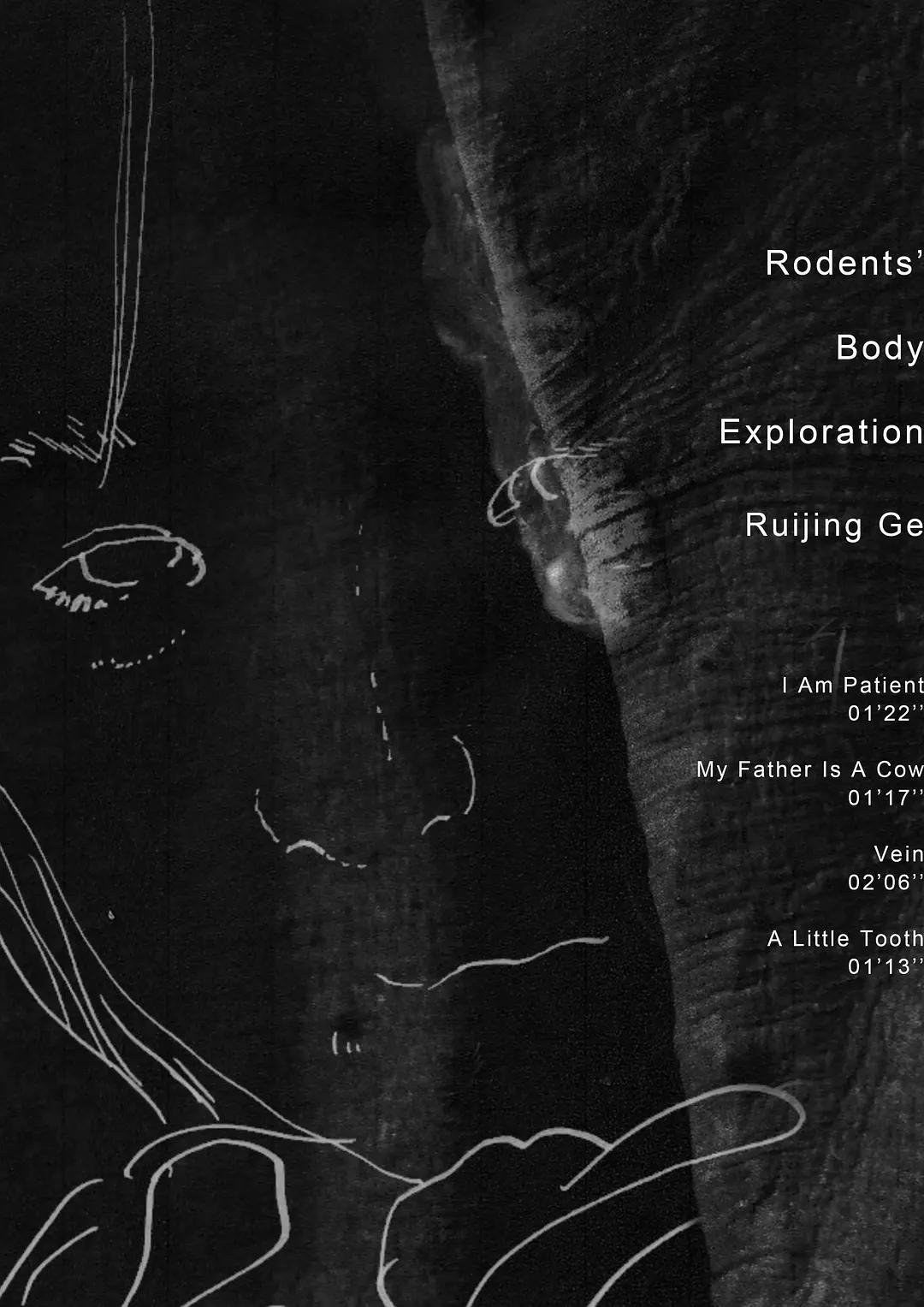
The artist works around the different individual experiences which consolidates the different changes in the body while examines intimate relationships under the structure of the disease, all by making her experience visible and public. Within the realms of Ruijing’s discussions, she hopes for the work to push the boundaries of the marginality of the body, for the work to allow oneself to look at their and others’ body in an objective manner that escapes the ontological. She further wished for the experience of living and the reflection on the mass would help the discovery of the self and its connection with society, while reflecting on life itself by doing so.
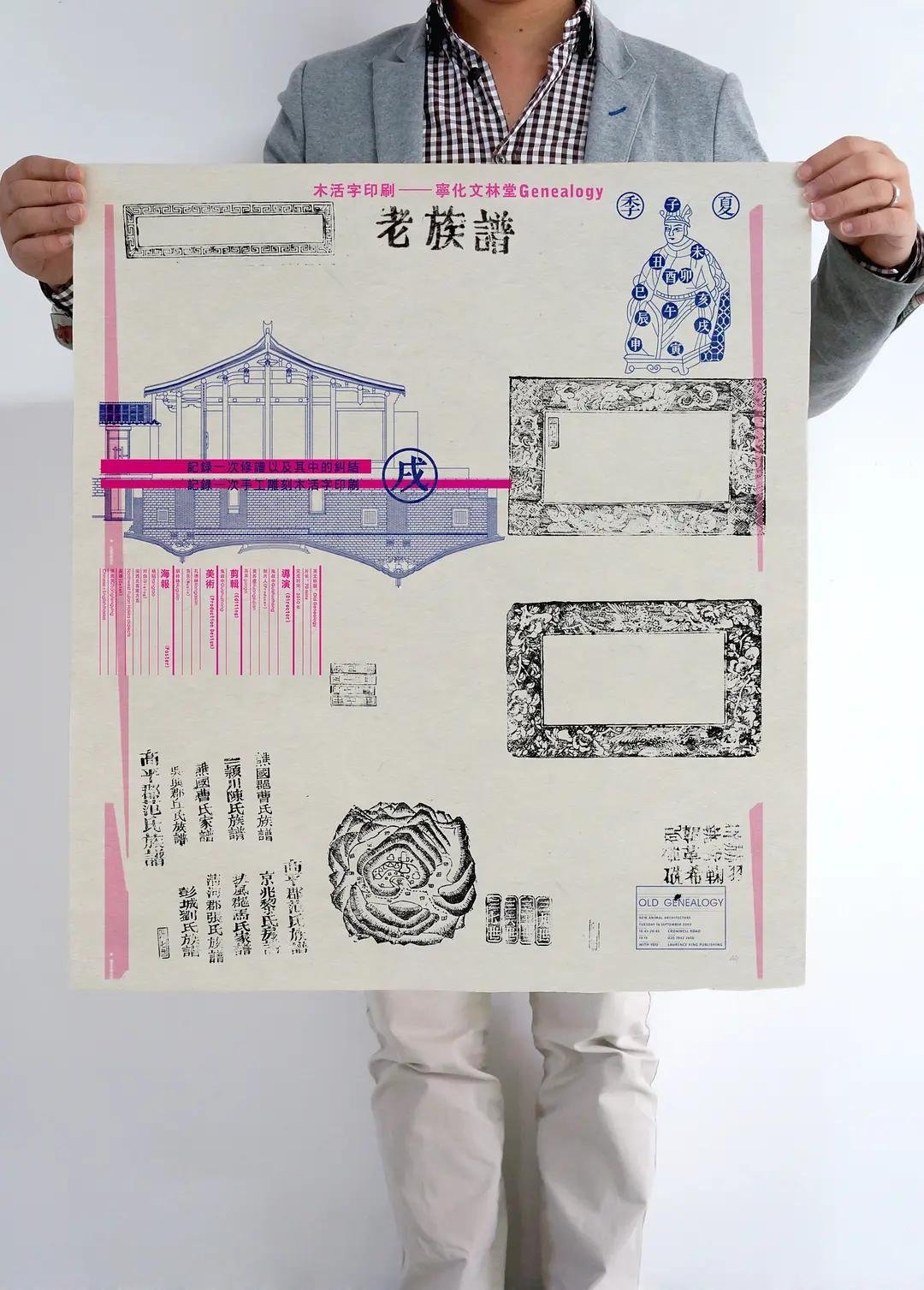
Record the entangled experience for changing the genealogy. Record the experience for engraving movable type, hand-printed.
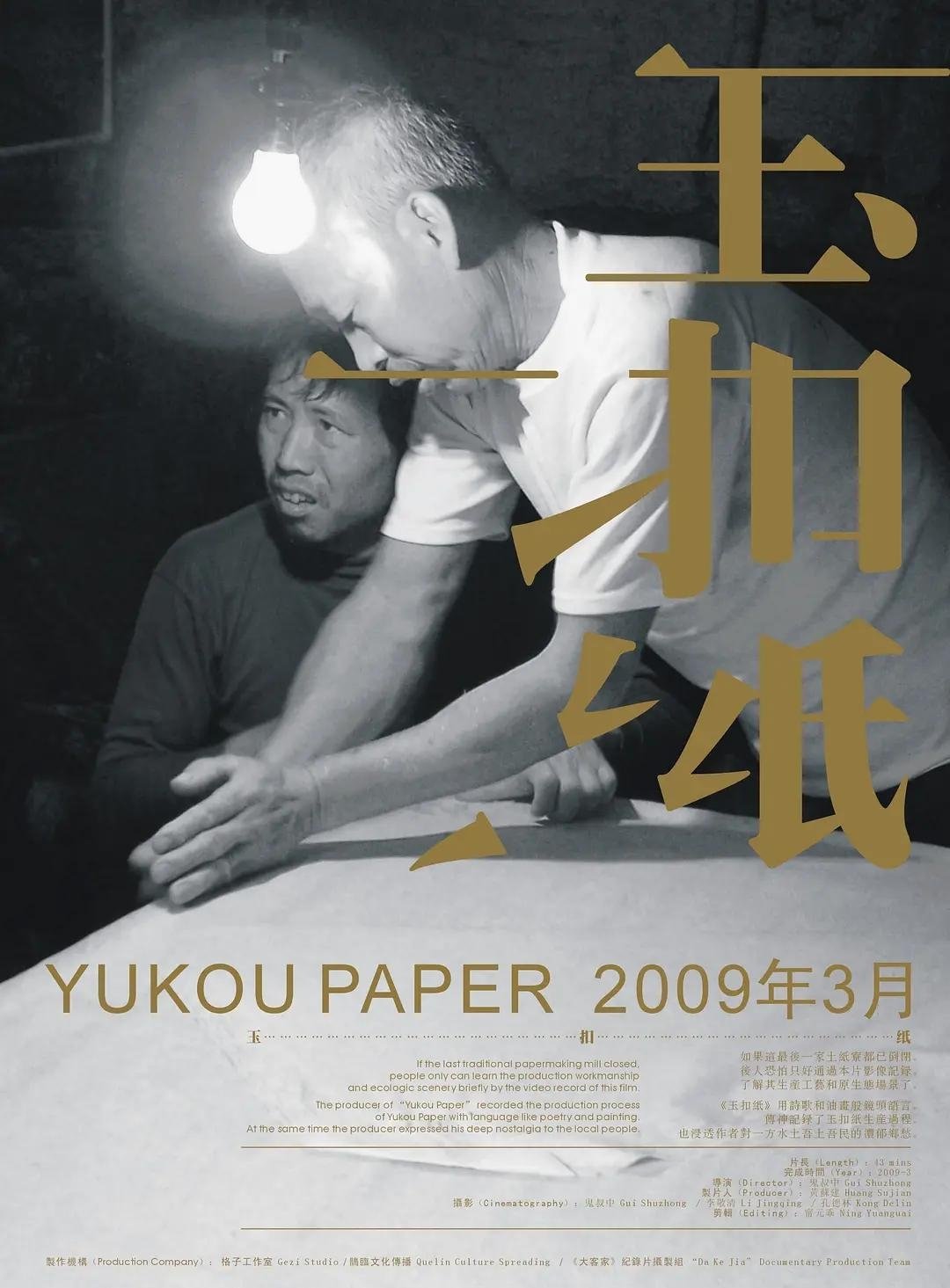
As a kind of traditional handmade paper in the area of Ninghua in western Fujian Province, Yukou paper is named after its soft and delicate quality as well as white and jade-like color. It is the best of handmade papers and needs to go through several complicated and elaborate processes. In a small village deep in the Wuyi Mountains, Xikeng, there were once more than five hundred paper mills, but now only one remains, still struggling to survive. The film crew focused their camera on the paper maker Hu Lanshan's family, quietly recording the process of making Yukou paper, the joys and sorrows of the paper maker’s family, and the changes of the whole era...
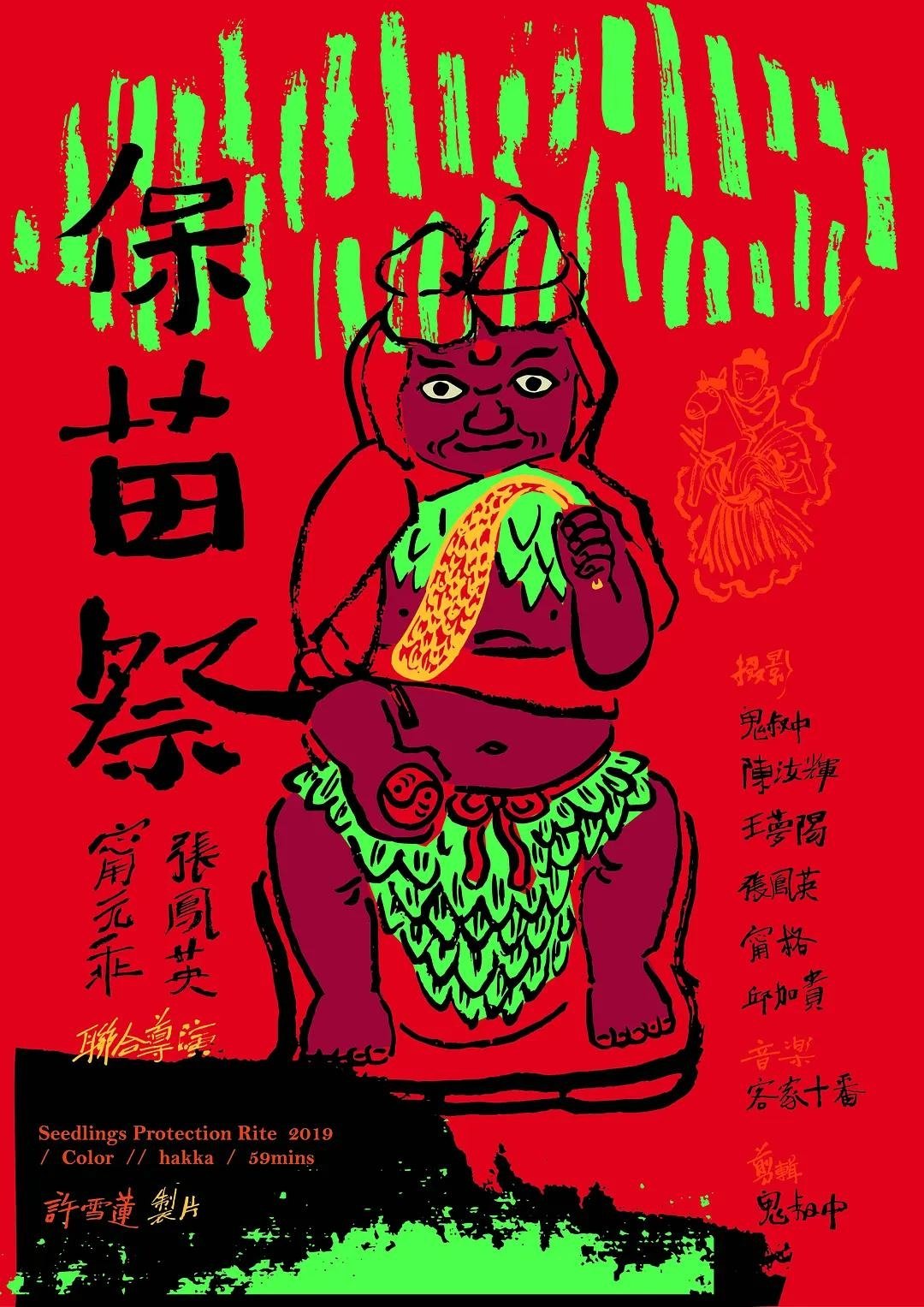
Seedlings protection rite (also called the parade of big rice dumplings) is a spring agricultural festival of Hakka people in Western Fujian, China. People worship the God of Grains (Shennong) in the rite. People collect thousands of fresh bamboo leaves, sew them together and make a pair of big dumplings filled with 120 kilograms of rice each. They also make tens of thousands of finger-sized rice dumplings for believers to take home. On the 15th day of the 2nd lunar month, villagers carry out the statues of the God of grains and big dumplings. Followed by flowers cars, eight sheds carry children chosen from every clan name in the village who are dressed up as ancient heroes, as people parade around the village. After the rite, villagers believe that farmland is awakened and that disasters are averted. A new agricultural cycle begins.
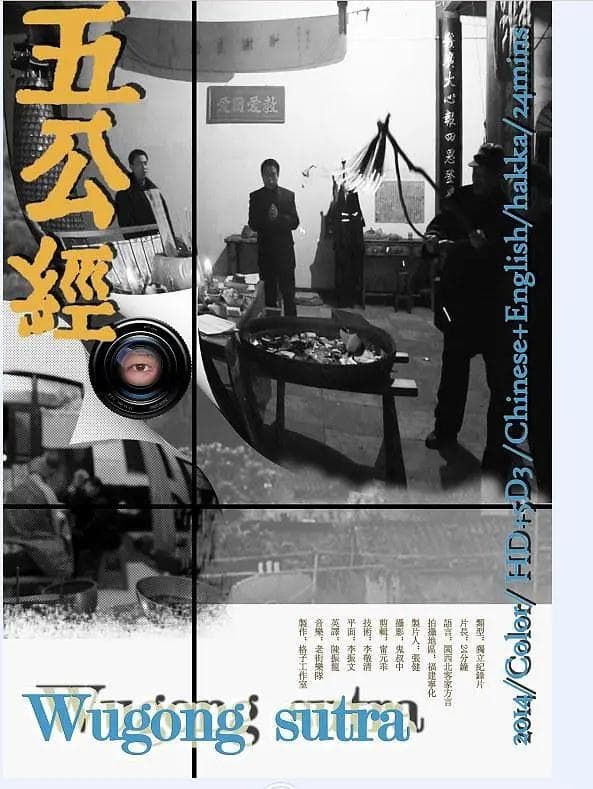
The "Wugong sutra" is also known as "Transfer to the Sky". A prophecy written by the people since the Five Dynasties Northern Song Dynasty is said to be the proverb of the Tiangongshan Zhigong, Huagong, Yigong, Tanggong and Baogong Wugong Bodhisattvas. The salvation people were robbed at the end, often used by rural secret social organizations, and also banned by the imperial court rulers. The belief in the "Five Annals" in the rural society of northwestern Yunnan has abandoned the function of politics, and only pays attention to the practical effect of the Wugong sutra curse on treating and saving people and protecting one side. This film is a field survey of the Wugong sutra as a folk belief in rural society in northwestern Yunnan.
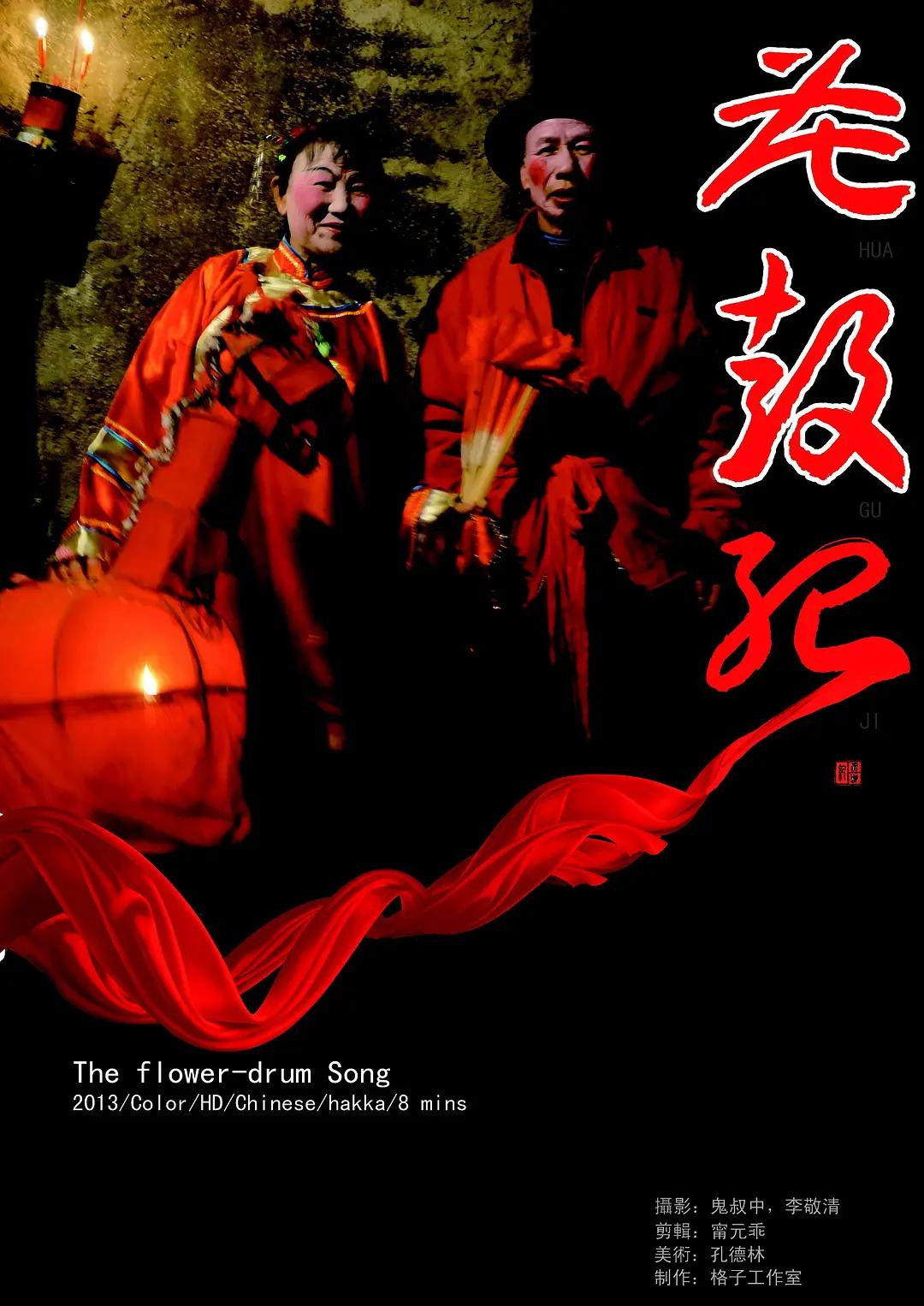
The arrogant Hua Pozi, the first-time brother who is full of joy. Even the seemingly greasy, exaggerated, and gaudy drum art seems to be unrelenting in the villages and villages.
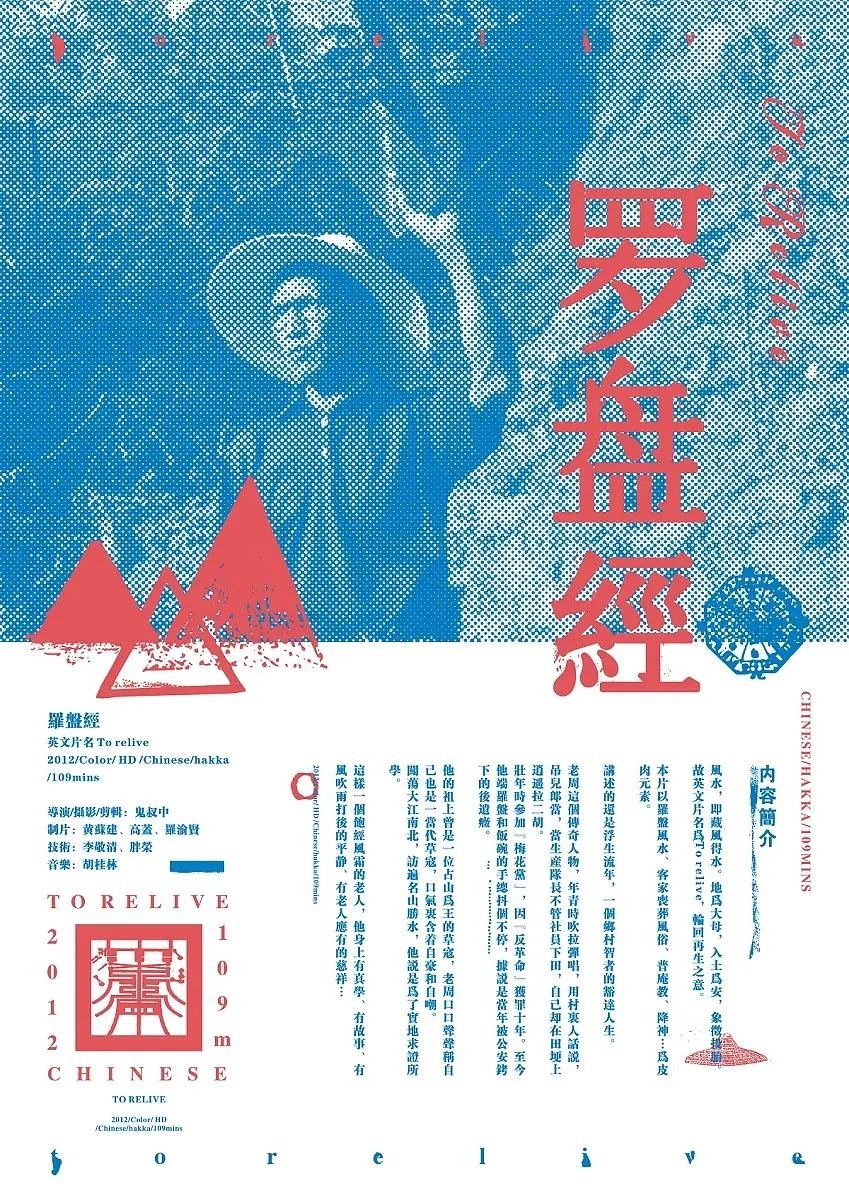
Geomancy is to say hinding winds to gain water. The earth is mother , burial brings peace to the deceased, symbolizing reincarnation. So the name of this story in English is “Revive”, which means getting into the cycle of reincarnation. The documentary is going to tell a story contains several elements such as Geomancy of compass, Hakka funeral and interment culture, General om teach, Seance. Moreover, it also porse deeply on the floating life with fleeting time- the sanguine life of a wise man in countryside. This is an old man whose life is full of hardships, he possesses real learning and stories, owns peace after overcoming severe difficulties, and has the special graciousness as being in such an age…
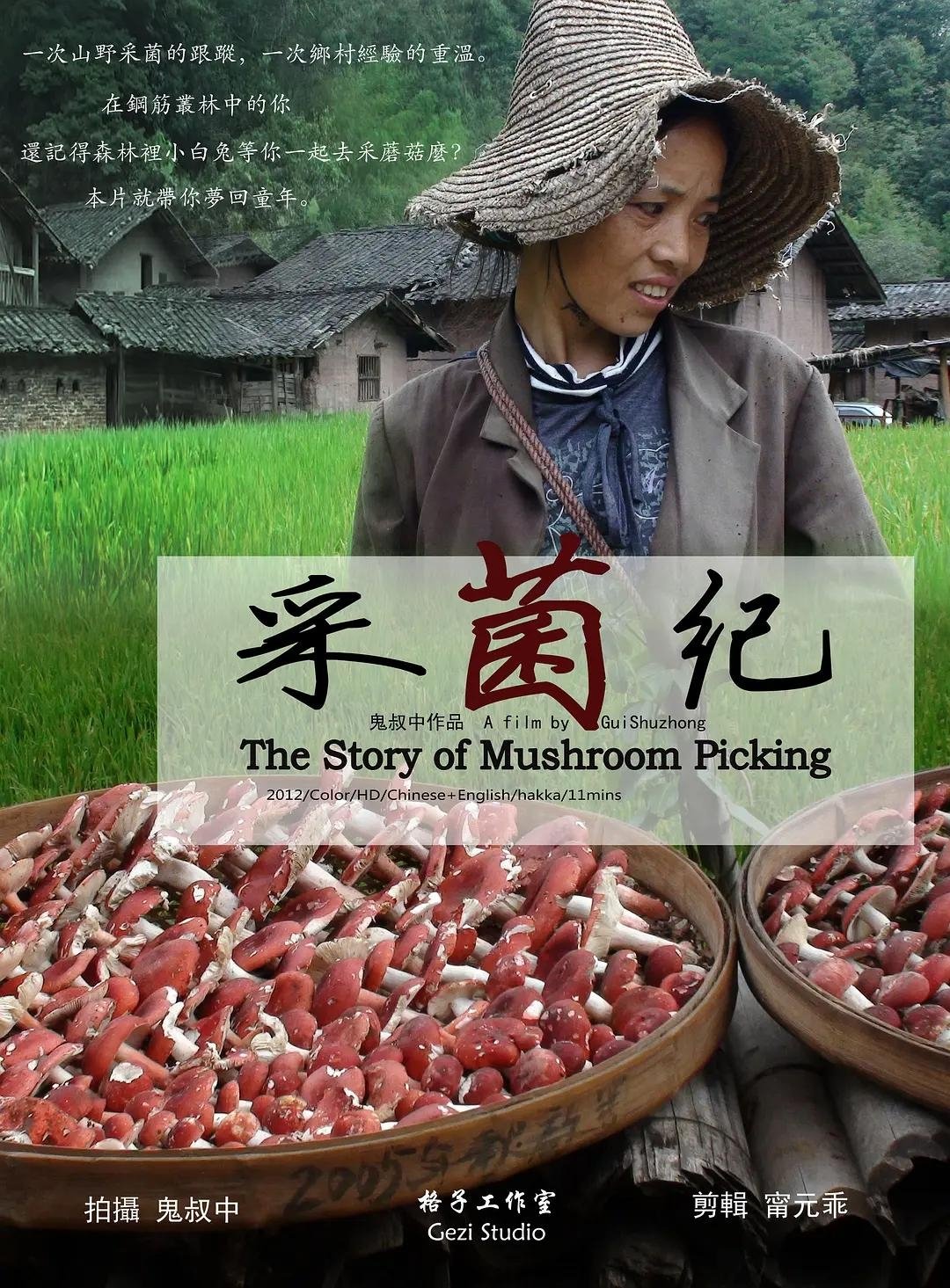
In the mountains of western Fujian, mushrooms emerge in large numbers after rain. Hakka people pick mushrooms up the mountain with baskets at three or four o 'clock in the morning. The process of picking mushrooms is also the process of harvest.
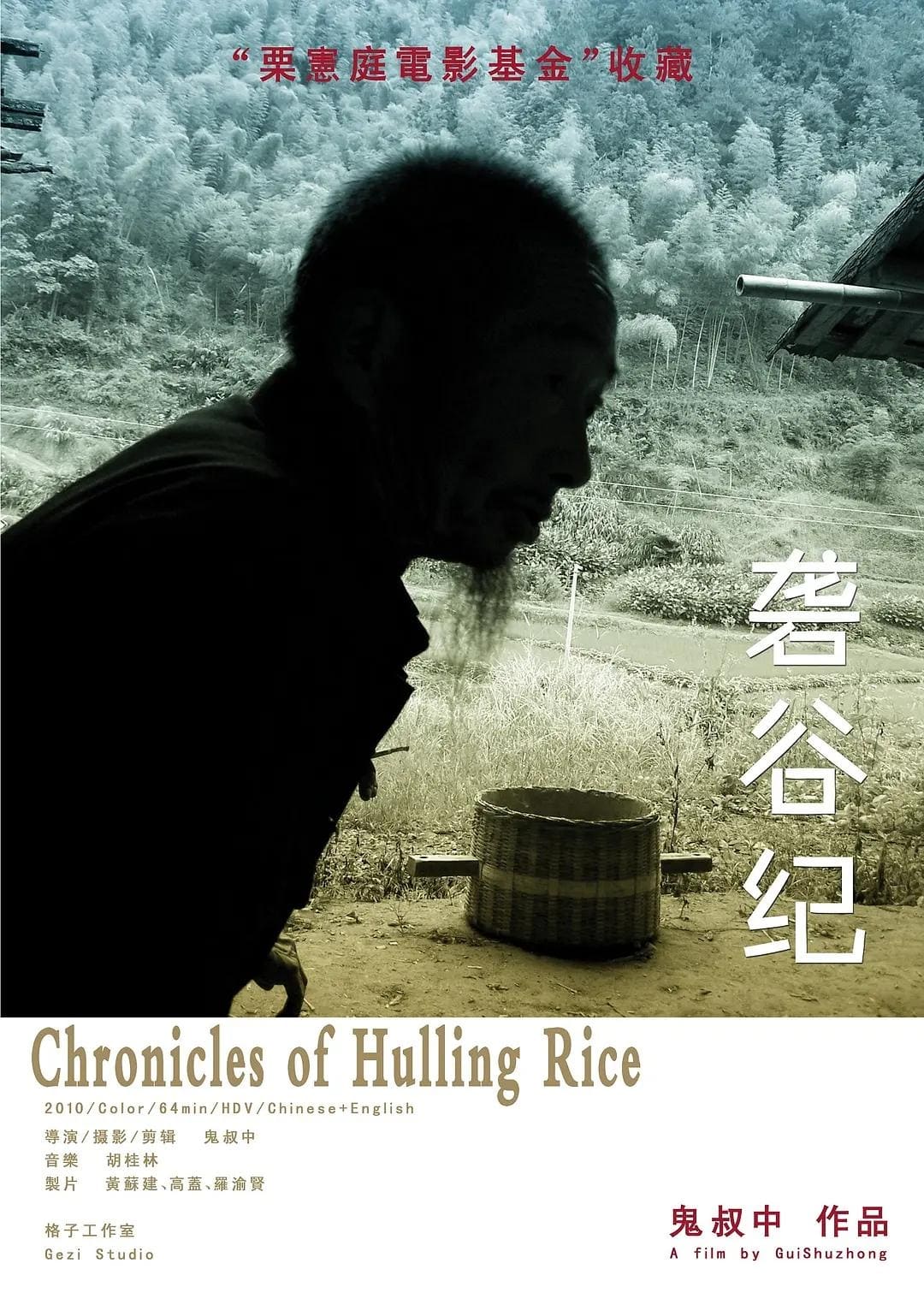
In the sound of rice huller, the rice falls to the jar; and in the booming sound of thunder, the rain drops falldown on the ground. Witha shovel on shoulder, we're farming under the sky. -- This is a children's folk rhymes used to be very popular among the Hakka people lived in the westernpart of Fujian Province, China. While farming is not an easy work, rice hulling is an even more laborious work. Rice-huller is a tool used by the peasants in southern China to hull the rice for thousands of years in theirfarming history. This documentary films the making of probably the last rice-huller ever made by mankind.
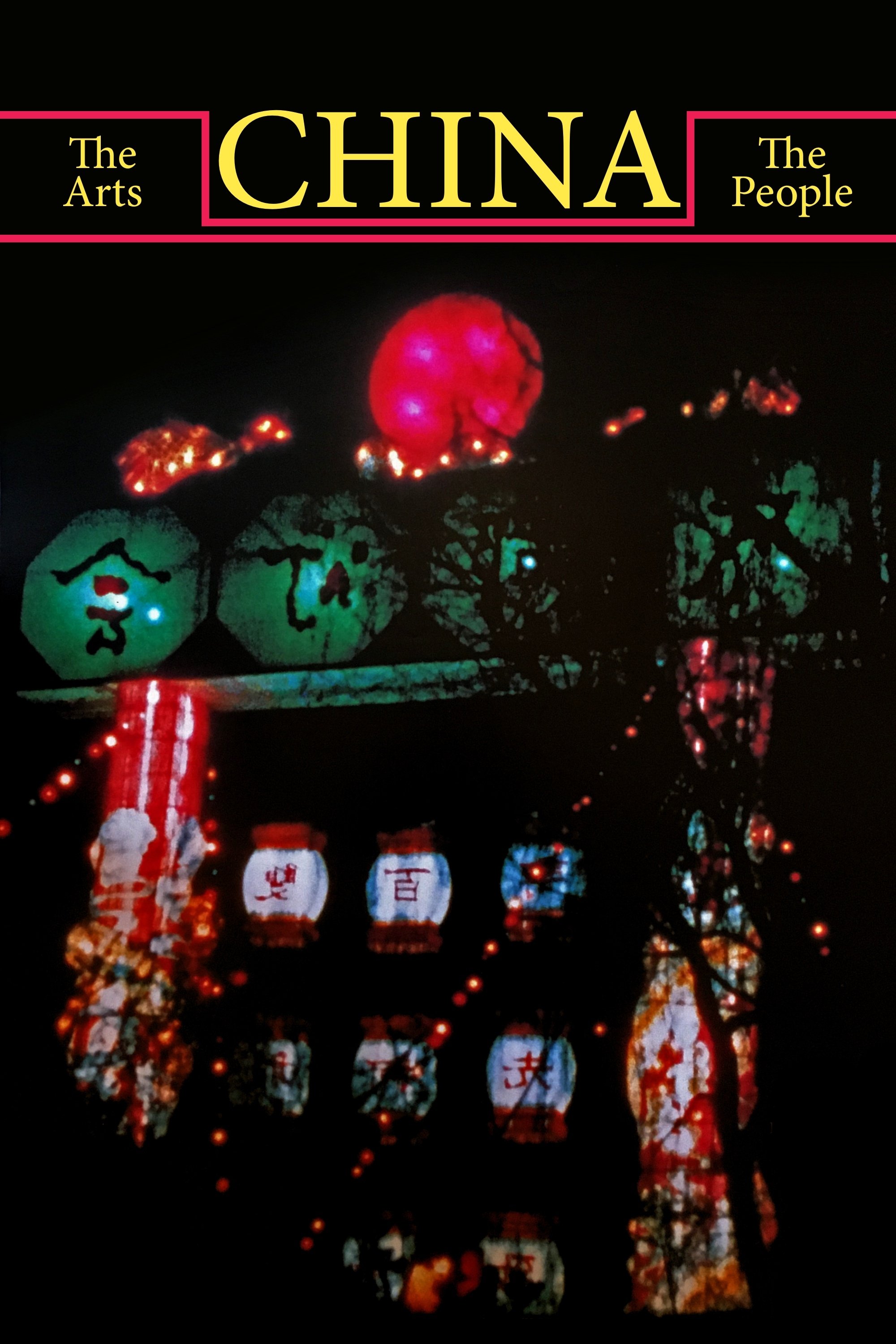
China marks the beginning of the extensive Asian theme in Ottinger’s filmography and is her first travelogue. Her observant eye is interested in anything from Sichuan opera and the Beijing Film Studio to the production of candy and sounds of bicycle bells.
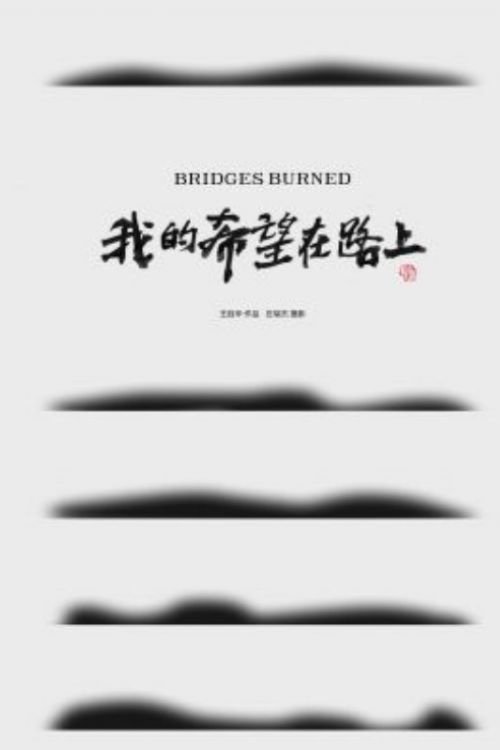
In the autumn of 2010, the poet Xiaozhao set off from Beijing and took a national tour of his personal poem collection "My Hope is on the Road" printed at a print shop. All the way up and down, full of ambition. Photographer Zhuang Ruijie went to Guangdong halfway to shoot. He recorded a trip to Guangzhou, Shenzhen, Chengdu, Shaanxi Shanyang, Huashan, Zhongnanshan, Xi'an and returned to Beijing for about 15 days.
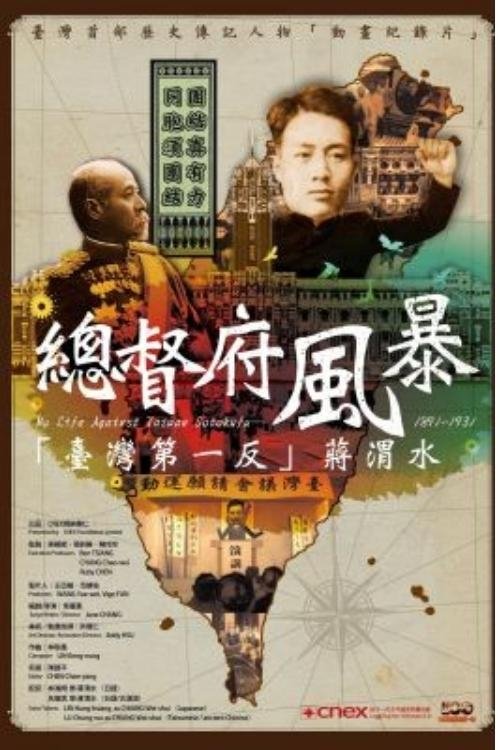
“My Life Against Taiwan Sotofuku – 1891~1931” is Taiwan’s first biographical animated documentary. The film combines animation, archival photos, footage, and sound theater to recreate the heroic epic of CHIANG Wei-shui, the “the Savior of Taiwanese People,” during Japan’s colonial rule of Taiwan. Through first-person flashback narrations, Taiwan’s pioneer revolutionary CHIANG Wei-shui tells the turbulent tale of the rise and fall of Taiwan’s non-violent anti-Japanese movements, as well as a lifetime of remarkable resistance against Taiwan Sotofuku (Japan’s colonial government). Cast
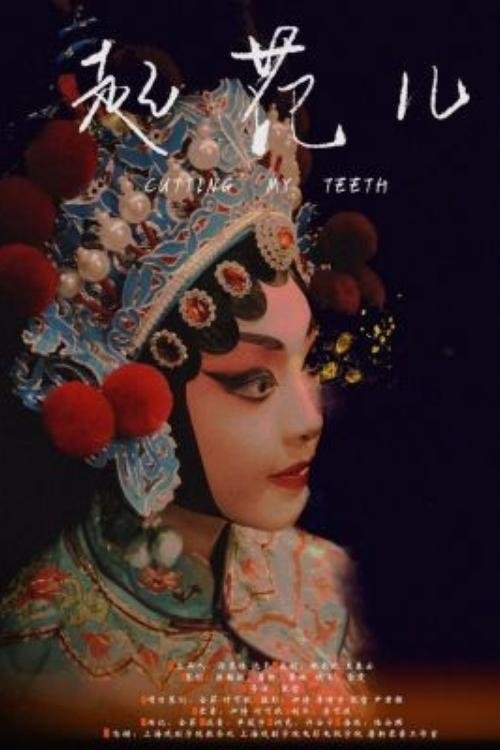
This film mainly records the story of two adolescent children receiving primary education of Peking Opera in Shanghai Opera School in a documentary form. As they are in their adolescence, they gradually form their own plans and ideals for the future. On this unusual learning path, they face the problem of choice between reality and ideals, and gradually learn to accept and grow up.
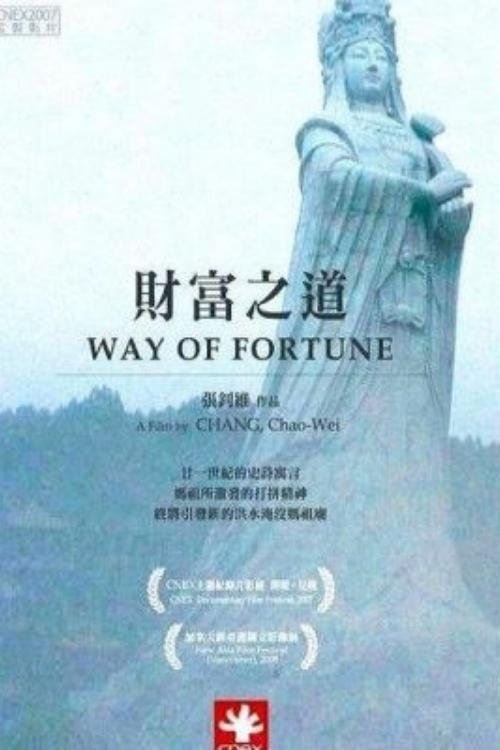
"Mazu" or "The Sea God" has been the most important religious belief of ordinary people in my hometown for four hundred years. Along the coast of China and even in the Nanyang region, there is at least one temple dedicated to Mazu in various seaside cities-this geographical and historical distribution coincides with the contemporary economic or industrial area of Chinese society. It is frustrating that rapid economic development has led to global warming. The factories located on the coast of southern China from all over the world will eventually cause flooding and inundate these temples dedicated to Mazu. This is indeed a very ironic discovery for our civilization, "We", not only Chinese or all human beings, now or in the past, how can we Chinese avoid this upcoming tragedy?
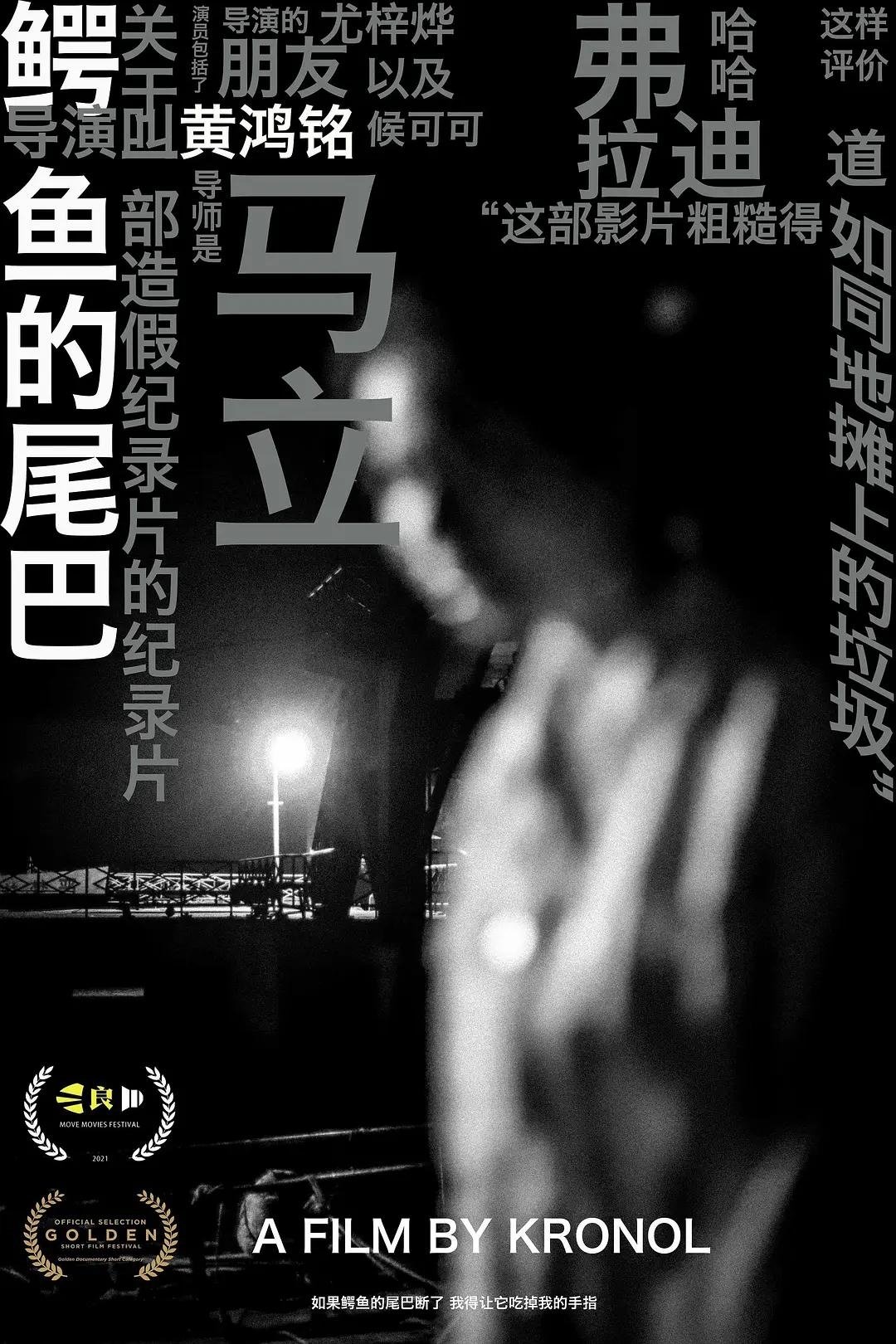
In order to finish her homework, the girl decided to shoot a fake documentary. In the process, she came closer to her grandmother's world and found herself.
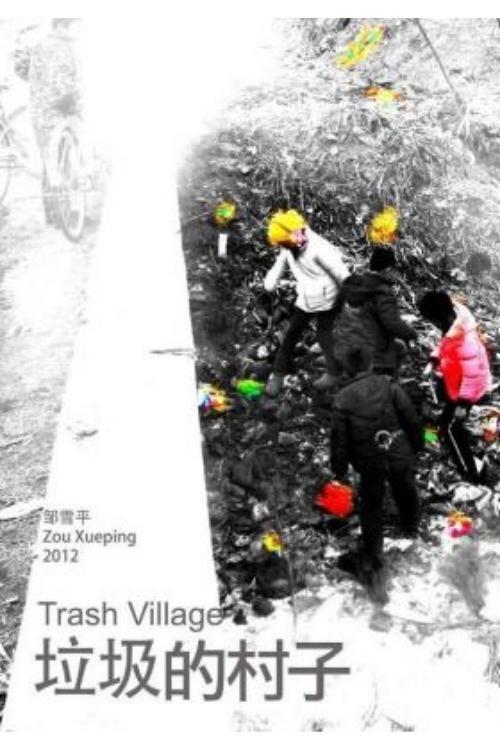
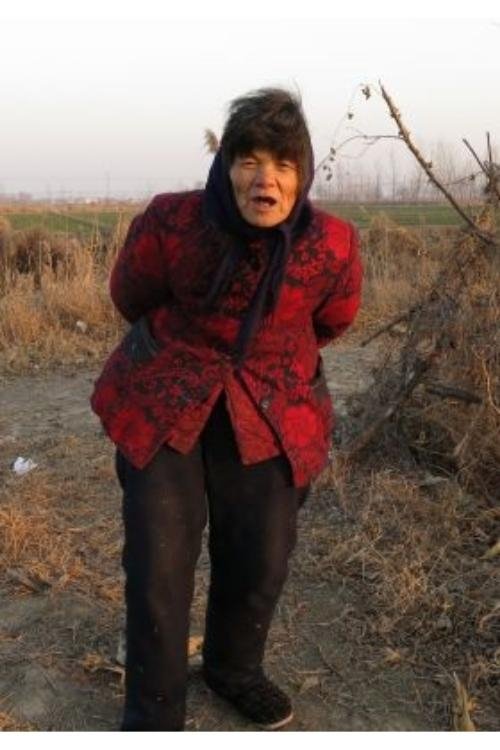
This is the fourth film in my Zoujiacun series within the Folk Memory Project. In 2013, I came back to my village and faced the trash all over the village. The children and I tried to improve the environment of our village. This was a tough fight against the trash and ideas of villagers. I felt like that the trash was in my heart. The 95-year-old grandma Sha and her 49-year-old son Xizhu, their lonely solitary life is also in this film. This film is about the progress that I fight with myself.
This is my fifth time coming back to my own village, where I was born and brought up. After I graduated from college, when I was staying in my village, I was always suspected and judged by the village people. Xizhu grandpa was called ‘fool’ by other villagers, and Zengxiang aunty was looked down by others. They come into my life, and I stayed with them. Their naïve and strange thought made think about my village in a new way. In this quite ‘normal’ village, who are normal people? In those normal people’s eyes, am I another fool of this village?
The term "garbage" is relative, but most people's definition of garbage is absolute and rigid, and the definition of a person like "garbage man" is also relative. Compared to the ostrich that disappears when humans avoid garbage and not see psychological. With a lively and lovely tone, the film brings out the special views of how the two protagonists look at trash when they walk between the cities, and then connects the delicate relationship between their love for trash and their families.
A visual montage portrait of our contemporary world dominated by globalized technology and violence.
The film follows adventurer Jeff Johnson as he retraces the epic 1968 journey of his heroes Yvon Chouinard and Doug Tompkins to Patagonia.
Through deeply personal interviews with her siblings and an examination of the photographs, letters, and belongings left behind, Mariska assembles a new portrait of her mother Jayne Mansfield, an extraordinary and complex woman.
Daniel Craig candidly reflects on his 15 year adventure as James Bond. Including never-before-seen archival footage from Casino Royale to the upcoming 25th film No Time To Die, Craig shares his personal memories in conversation with 007 producers, Michael G Wilson and Barbara Broccoli.
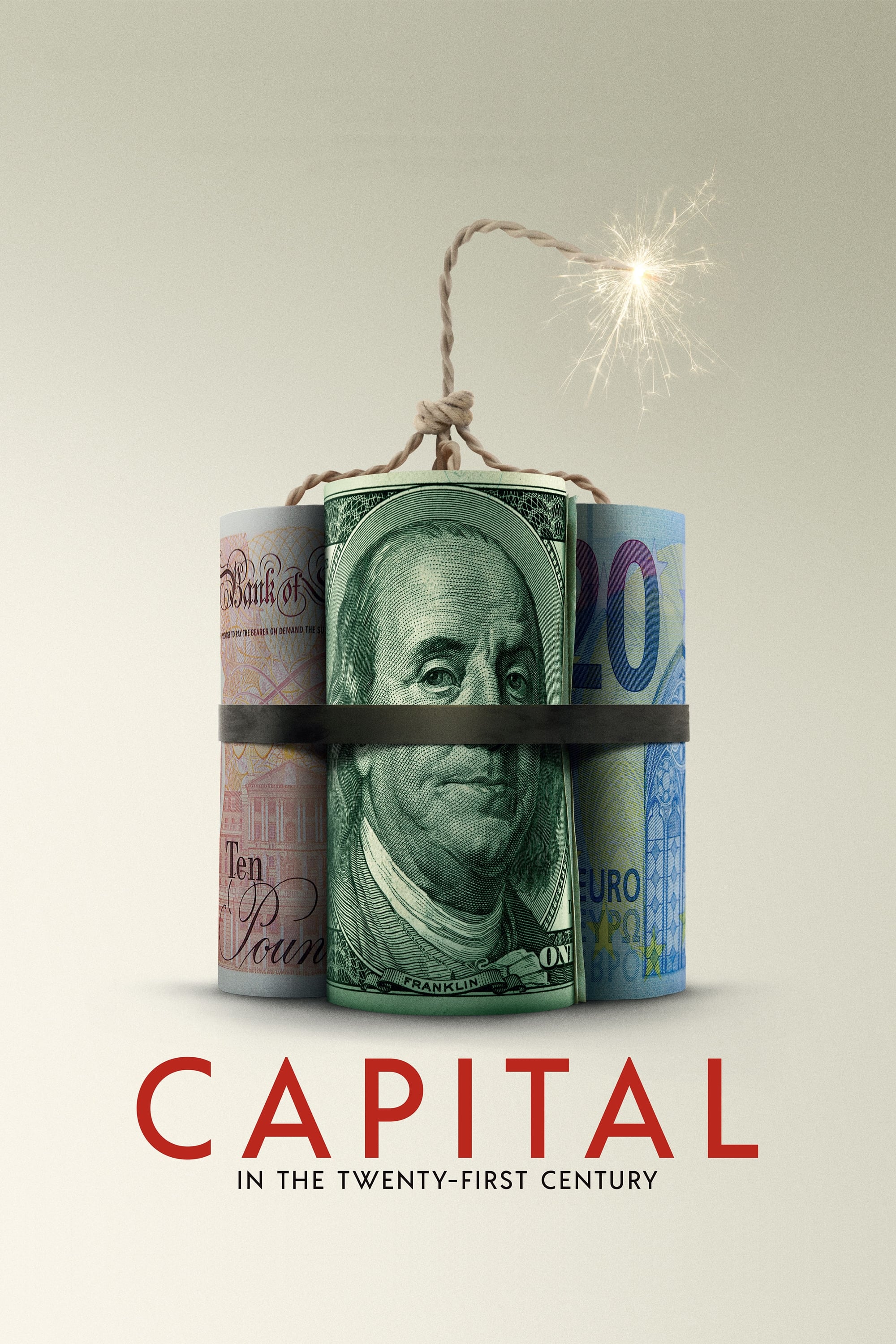
Film adaptation of French economist Thomas Piketty's ground-breaking global bestseller of the same name: an eye-opening journey through wealth and power.
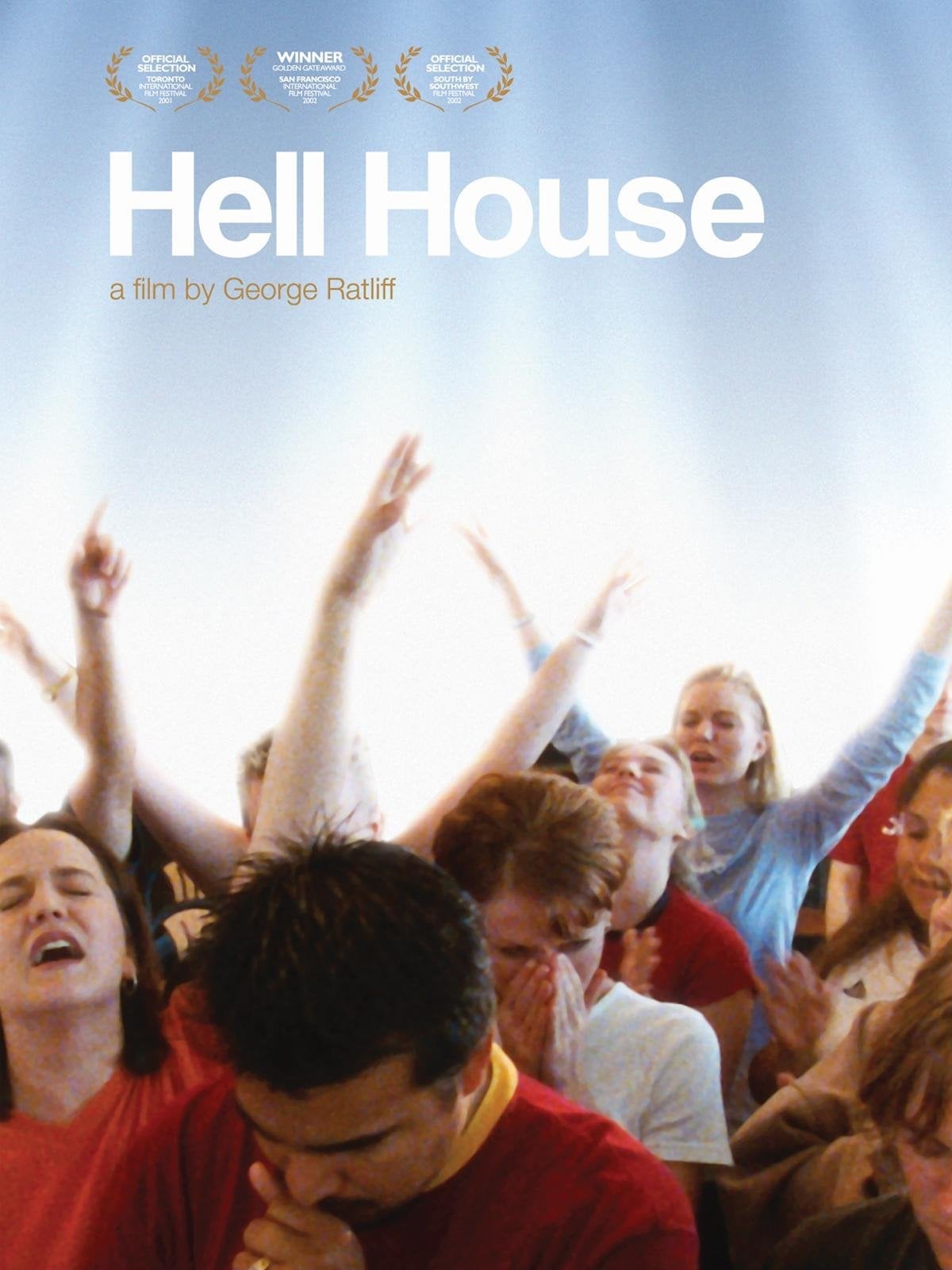
A look at the "Hell House" performed annually in October by the youth members of Trinity Church (Assemblies of God) in Cedar Hill, Texas (a Dallas suburb) — seen by over 10,000 visitors each year.
The life and career of an actor, artist, and icon. His own journey through his own camera.
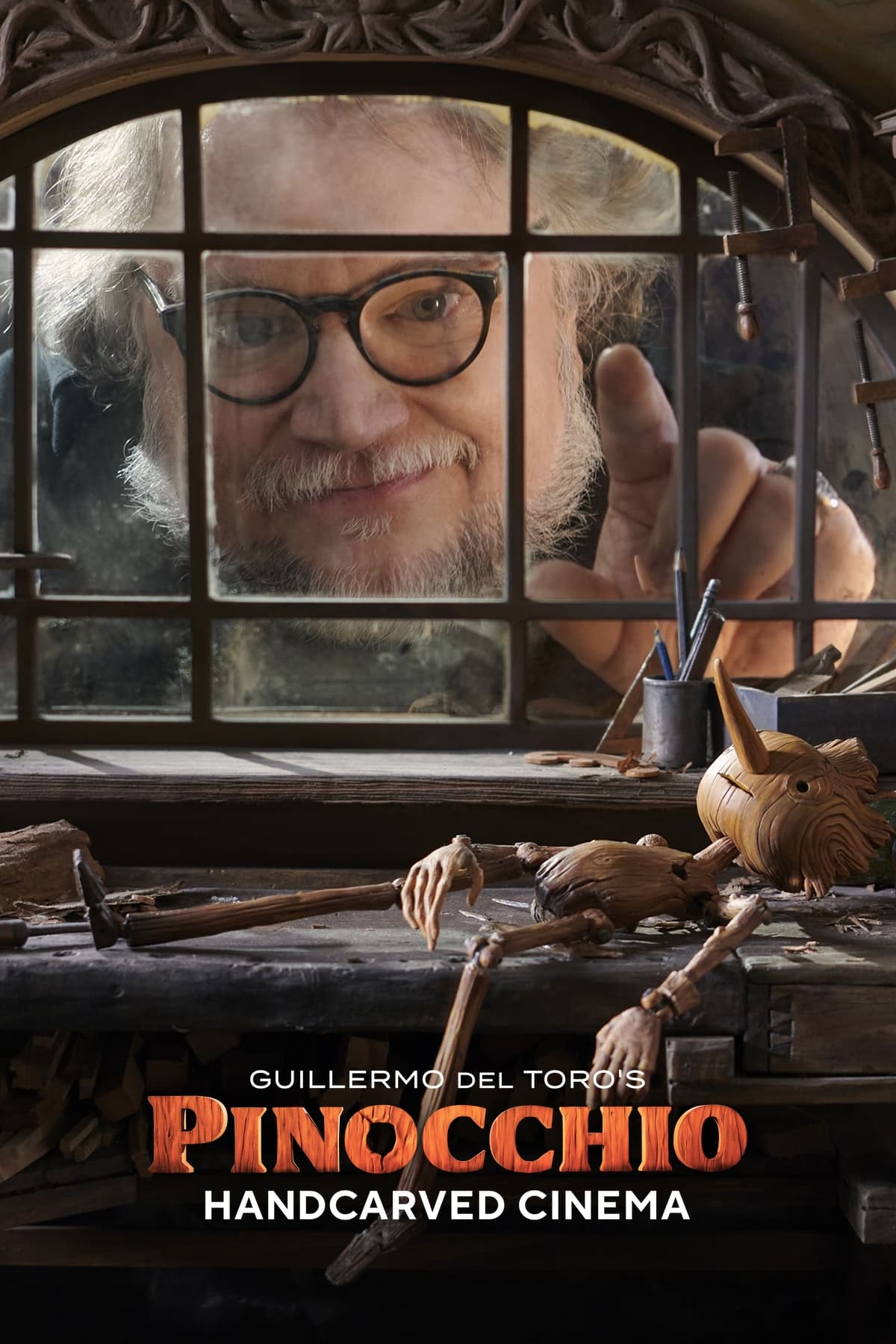
With mesmerizing footage and time lapses of animators at work, this behind-the-scenes special captures the artistry of a unique tale years in the making.
A deep dive into the making of the Paranormal Activity films with first time ever interviews with cast and crew, never-before-seen footage from the movies, and a preview of the seventh installment in the franchise.
Retrospective documentary about the making of the horror cult classic "The Return of the Living Dead."
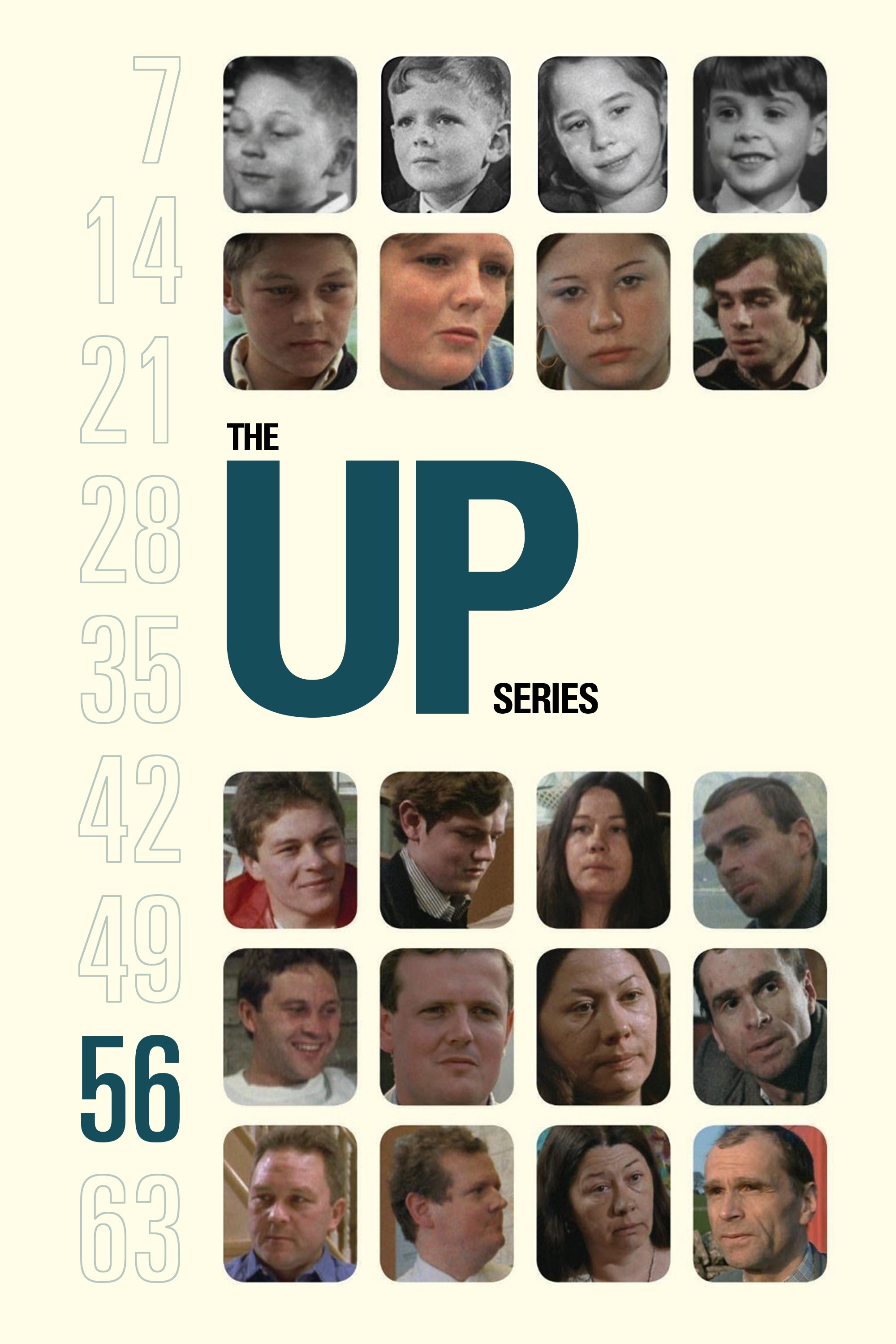
When a cross-section of seven-year-olds were interviewed for 7 Up in 1964 it was immediately evident that their social backgrounds influenced their attitudes towards life. While the upper class children were confident and self-assured, those from middle and working class backgrounds were resigned to a challenging life of hard work. This premise was put to the test every seven years when the same group were interviewed about the progression of their lives. 49 years in the making, the changes that occurred to the original 14 make for fascinating television and are in many ways the stories of all our lives. From success and disappointment, marriage and childbirth, to poverty and illness, nearly every facet of life has been captured on film. Now, at the age of 56, the group are once more brought together and, with the benefit of hindsight, assess whether their lives have been ruled by circumstance or self-determination.
An exploration of technologically developing nations and the effect the transition to Western-style modernization has had on them.
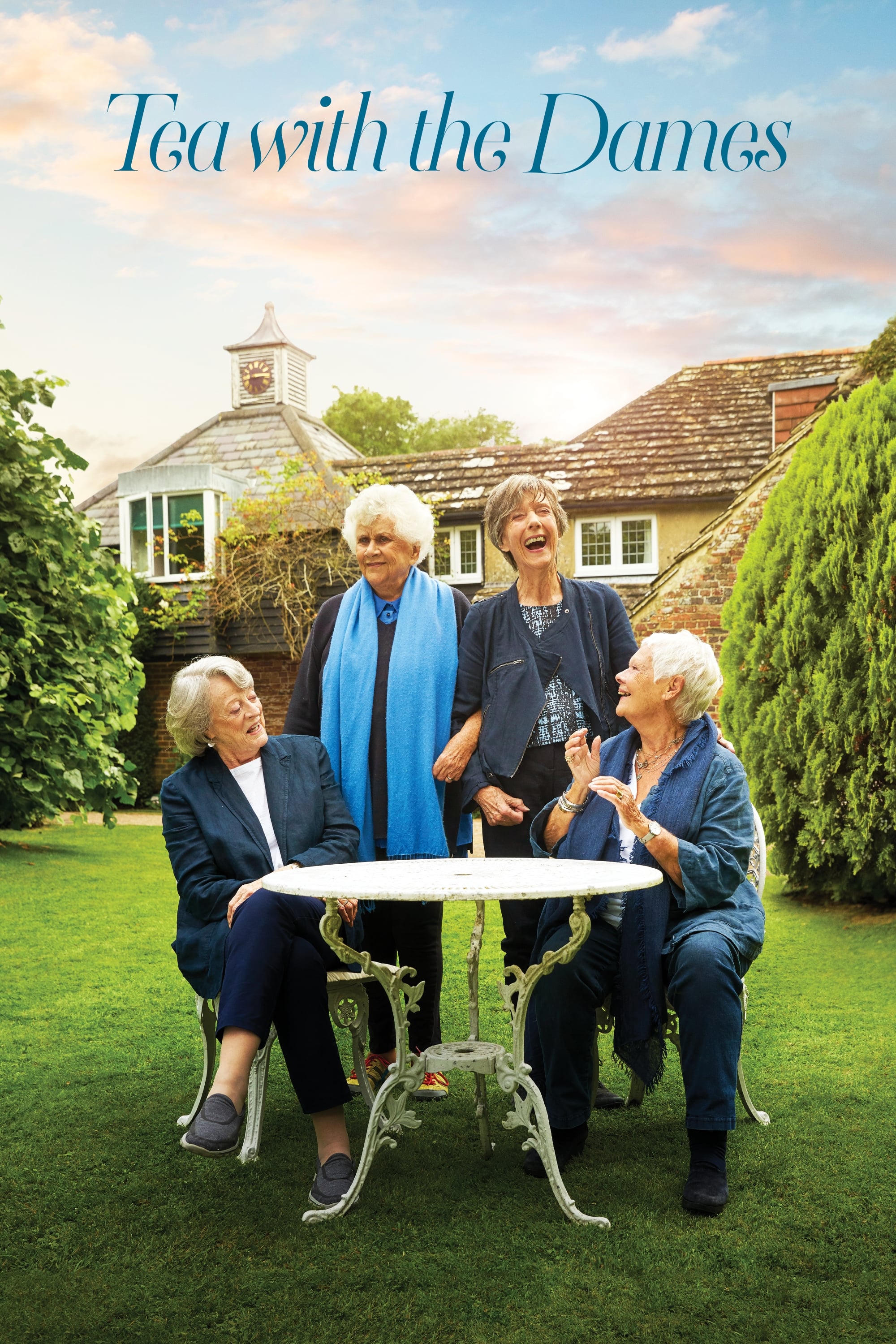
BBC Arena's documentary on the Dames of British Theatre and film featuring Maggie Smith, Eileen Atkins, Judi Dench and Joan Plowright on screen together for the first time as they reminisce over a long summer weekend in a house Joan once shared with Sir Laurence Olivier.
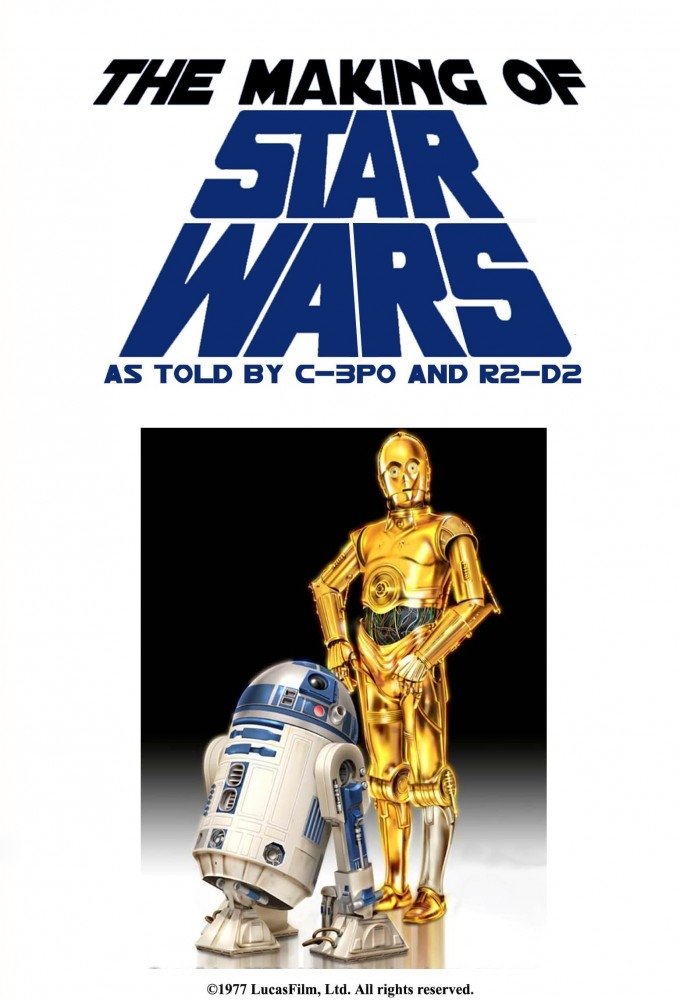
Learn the incredible behind-the-scenes story of how the original Star Wars movie was brought to the big screen in this fascinating documentary hosted by C-3PO and R2-D2 which includes interviews with George Lucas and appearances by Mark Hamill, Harrison Ford and Carrie Fisher.
Filmed over 14 months with unprecedented access into the inner circle of the man and the sport, this is the first official and fully authorised film of one of the most celebrated figures in football. For the first time ever, the world gets vividly candid and un-paralleled, behind-closed-doors access to the footballer, father, family-man and friend in this moving & fascinating documentary. Through in-depth conversations, state of the art football footage and never before seen archival footage, the film gives an astonishing insight into the sporting and personal life of triple Ballon D'Or winner Cristiano Ronaldo at the peak of his career. From the makers of ‘Senna’ and ‘Amy’, Ronaldo takes audiences on an intimate and revealing journey of what it’s like to live as an iconic athlete in the eye of the storm.
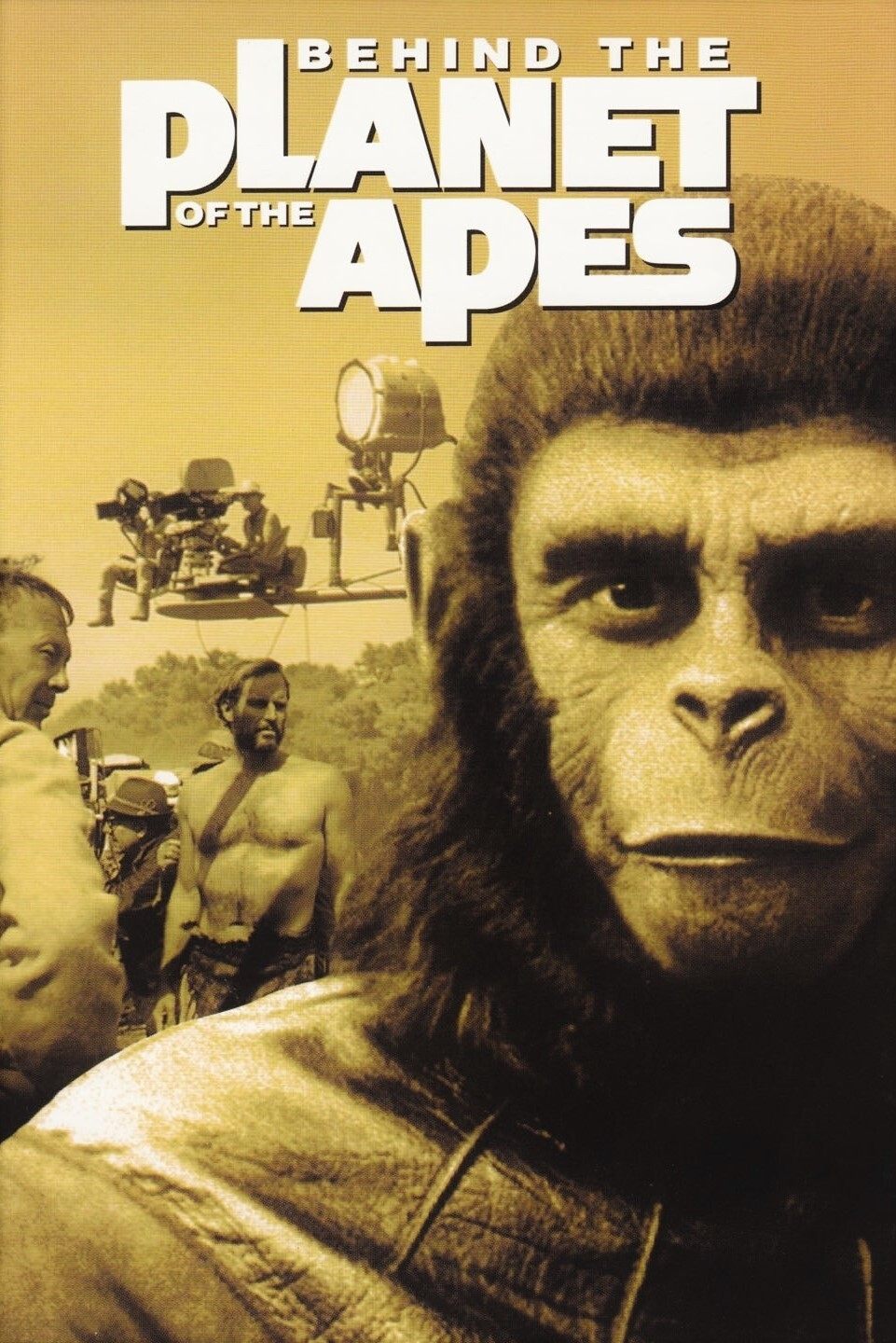
Roddy McDowall takes you, film by film, from production meetings to make-up sessions, then right onto the movie set to see the actual filming of the science fiction masterpiece. The most comprehensive history of Planet of the Apes ever created, this fascinating 127-minute documentary explores one of the most imaginative and influential series in movie history.
A documentary on the life of John Lennon, with a focus on the time in his life when he transformed from a musician into an antiwar activist.
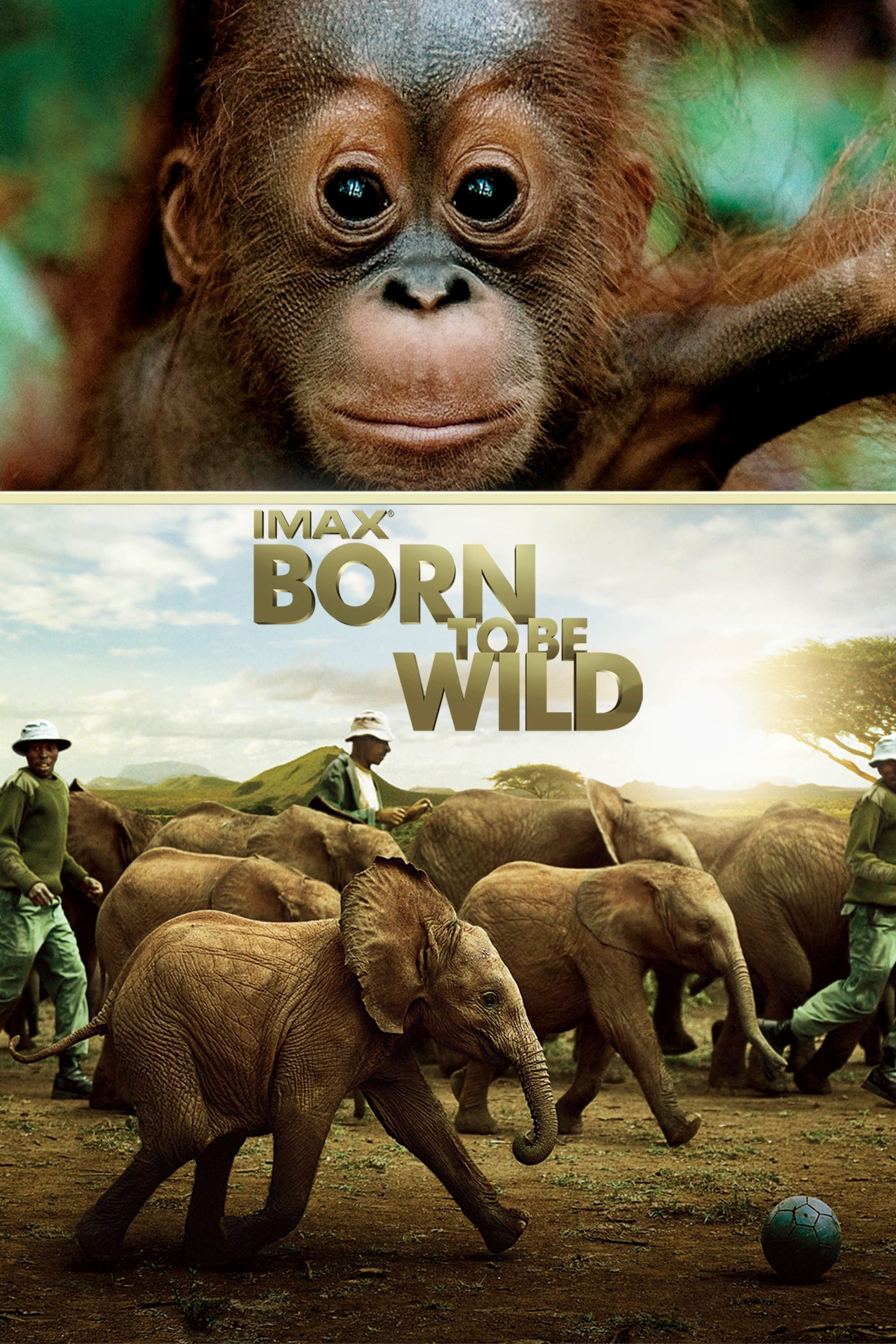
Born to Be Wild observes various orphaned jungle animals and their day-to-day behavioural interactions with the individuals who rescue them and raise them to adulthood. The film unfurls in two separate geographic spheres. Half of it takes place in the rain forests of Borneo, where celebrated primatologist Dr. Birute Galdikas assists baby orangutans; the other half takes place on the arid savannahs of Kenya, where zoologist Dame Daphne Sheldrick works with baby elephant calves.
A documentary detailing the epic Rogues' Gallery of DC Comics from The Joker and Lex Luthor, Sinestro, Darkseid and more, this documentary will explore the Super Villains of DC Comics.
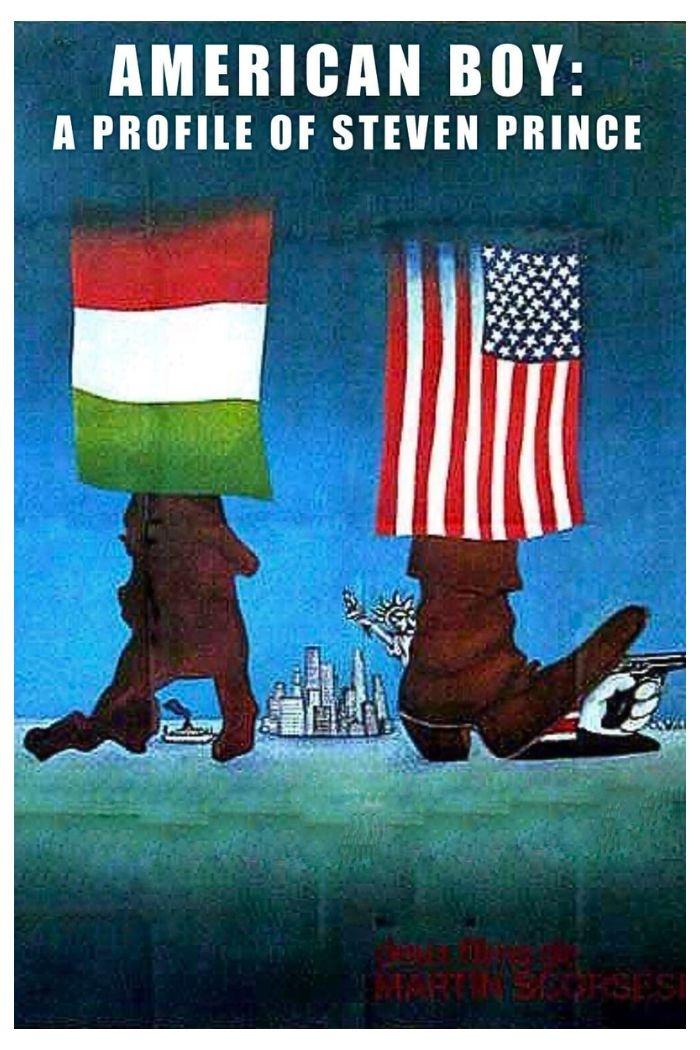
Martin Scorsese spends an evening with larger-than-life raconteur Steven Prince—a former drug addict, road manager for Neil Diamond, and actor—as he recounts stories from his colorful life.