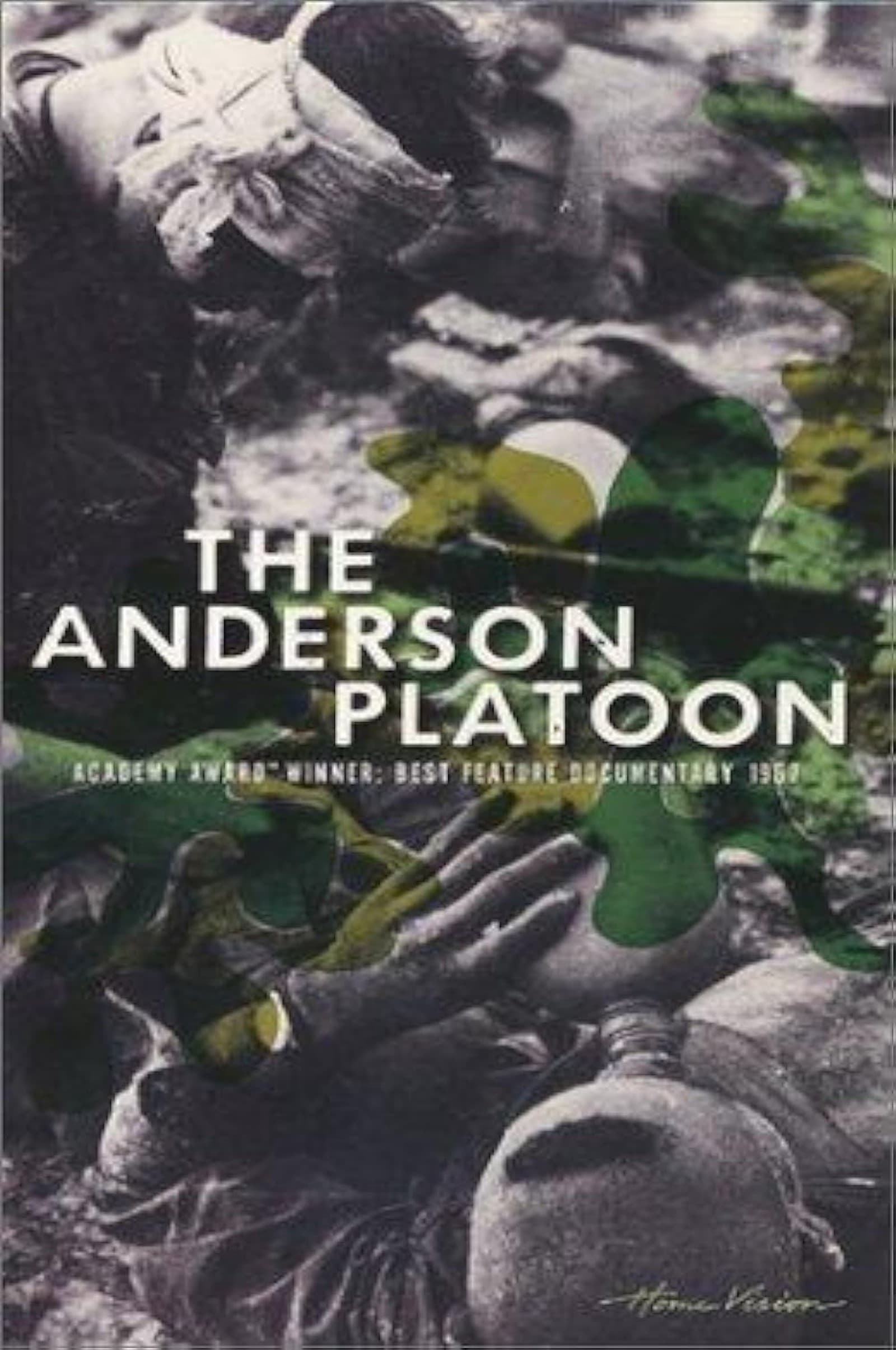
"No editorials, no opinions . . . just the real story of the brutal Vietnam War."
A documentary feature by Pierre Schoendoerffer about the Vietnam War. Winner of the 1968 Academy Award for best Documentary Feature.
Social & External
The people behind it
Pierre Schoendoerffer
narrator
Joseph B. Anderson
self
Stuart Whitman
narrator (English)
Three steelworkers enlist in the army and are sent to Vietnam, one leaving behind a rushed marriage, the others a shared love. What they encounter during the war changes their lives forever.
Three childhood friends from the slums of Hong Kong flee to war-time Saigon after accidentally murdering a gang leader, but their troubles only escalate.
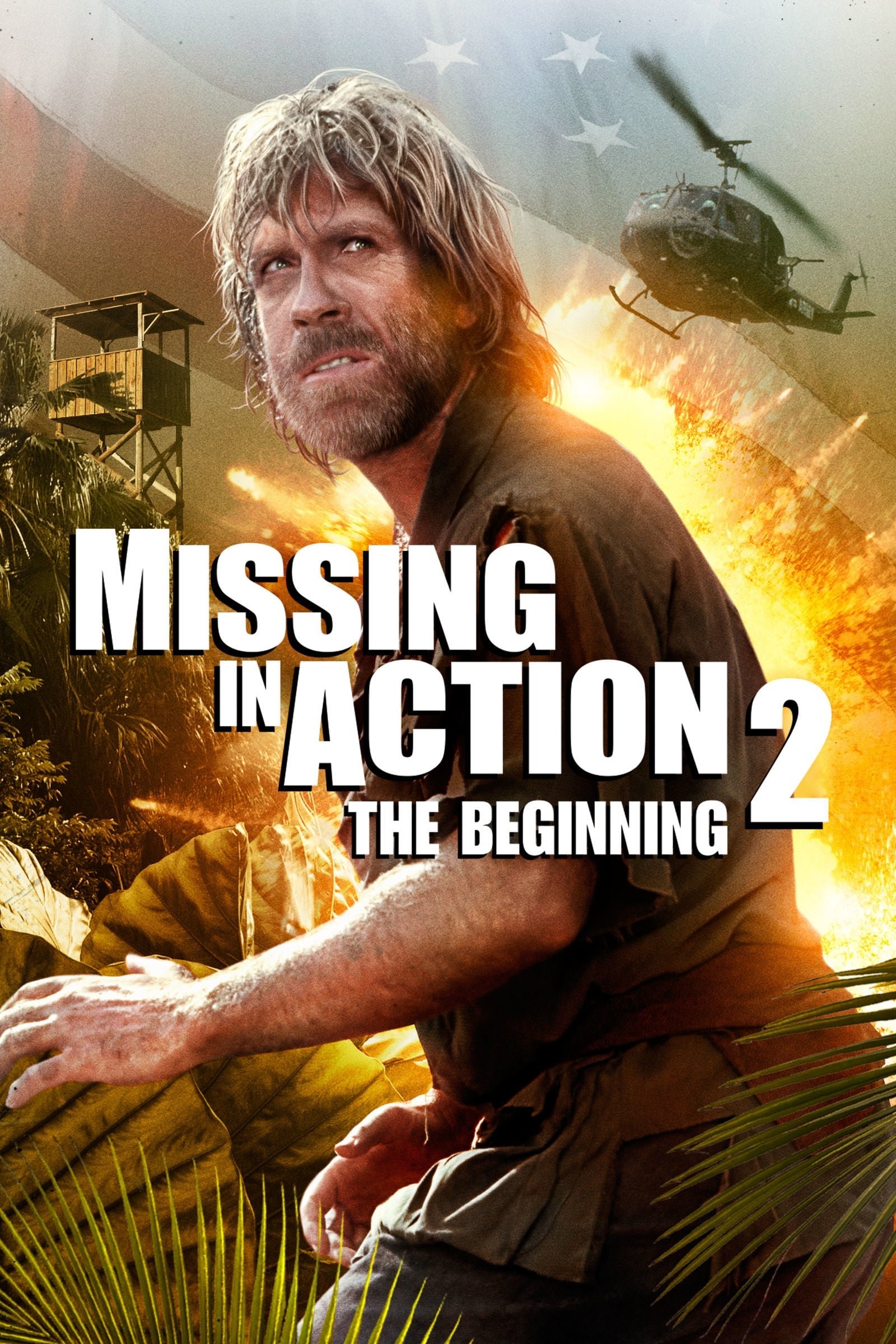
Prequel to the first Missing In Action, set in the early 1980s it shows the capture of Colonel Braddock during the Vietnam war in the 1970s, and his captivity with other American POWs in a brutal prison camp, and his plans to escape.
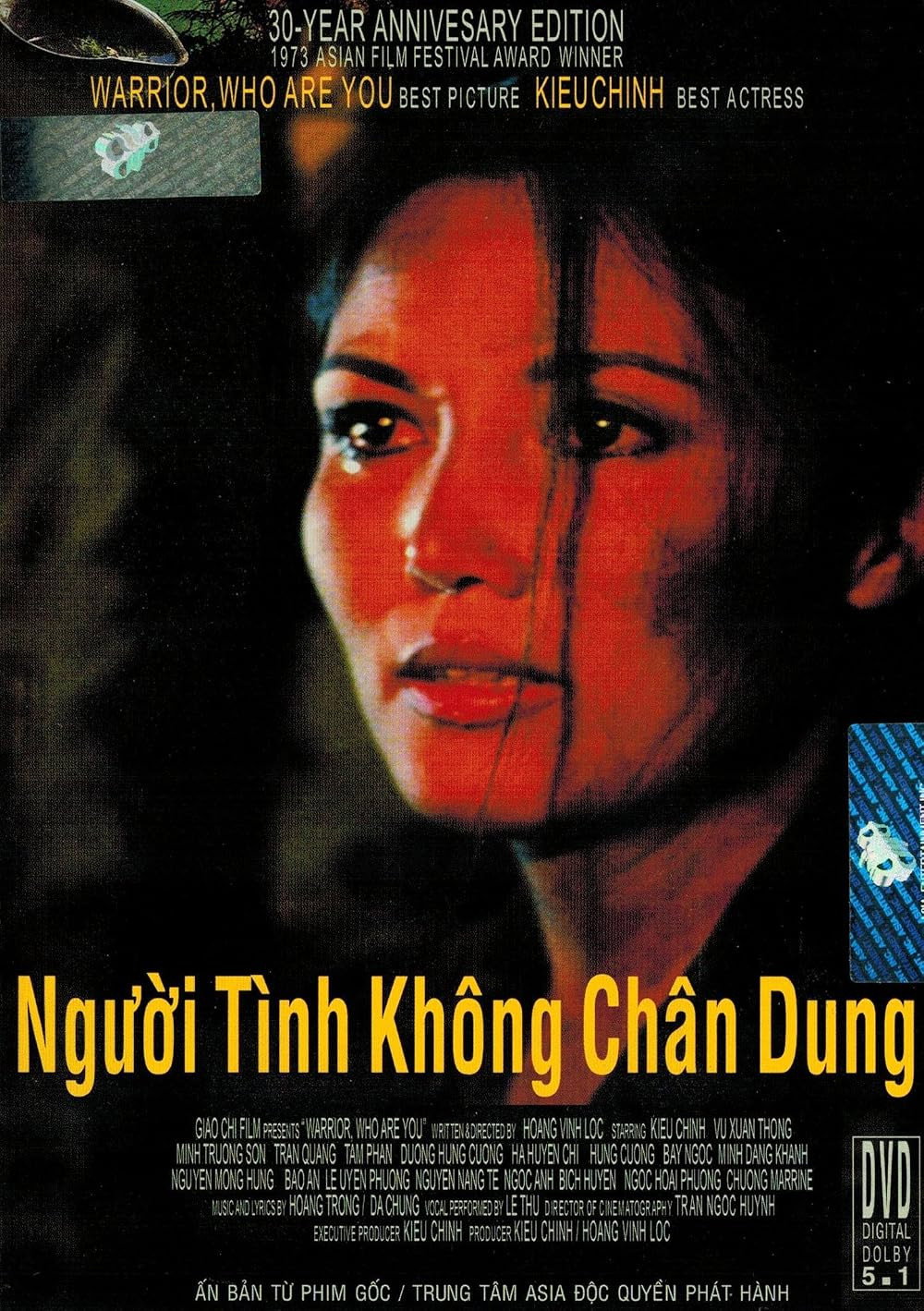
A beautiful reporter goes to the front line to find a soldier with whom she fell in love through correspondences.
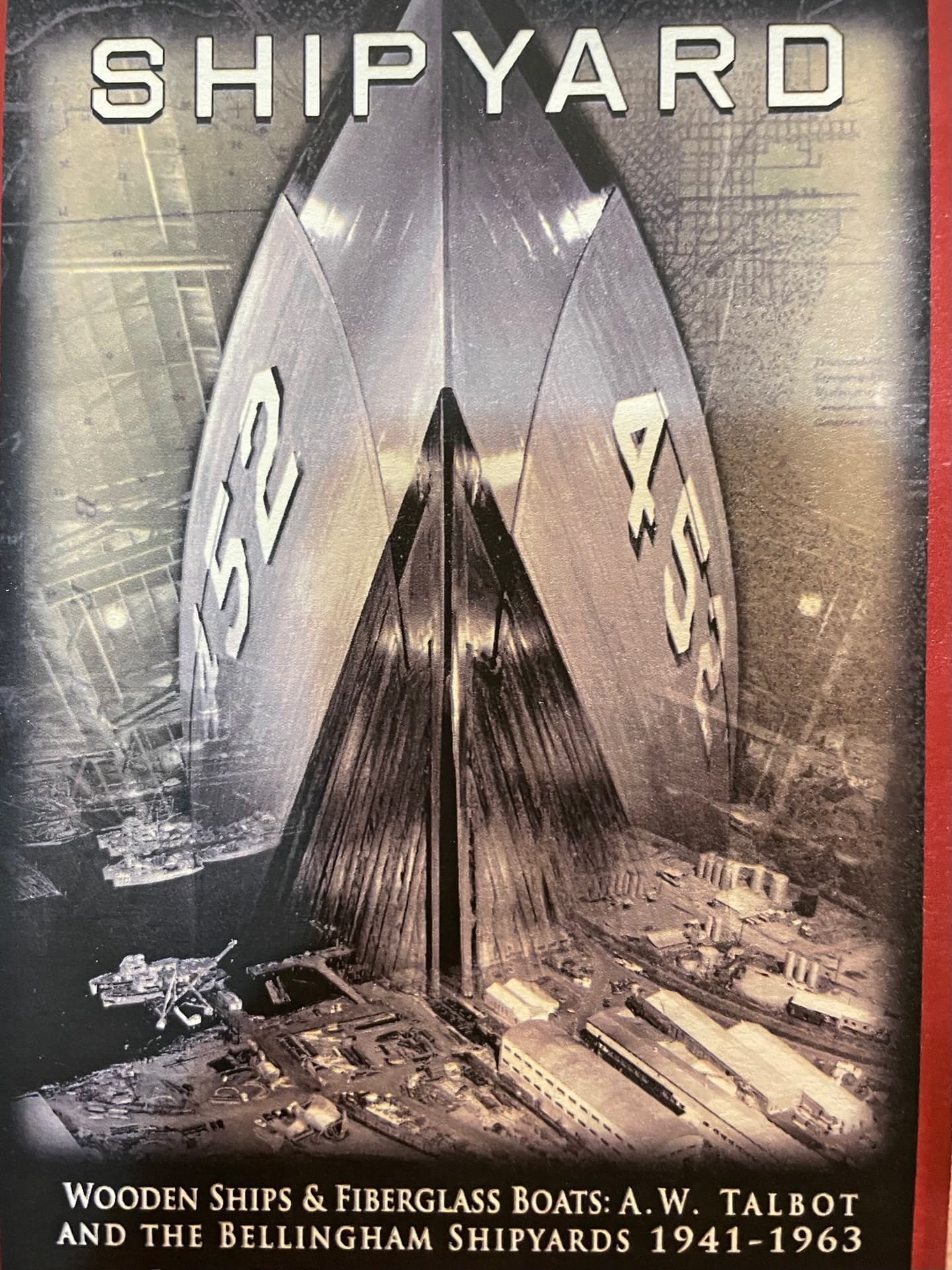
Shipyard is a landmark documentary covering the creation and life of Bellingham, Washington's wooden boat shipyard, which was built in response to the Axis threat of WWII, it's continued growth through the '50's and '60's, as well as it's innovative role in the development and production of fiberglass boats, including patrol riverboats for the Vietnam war.
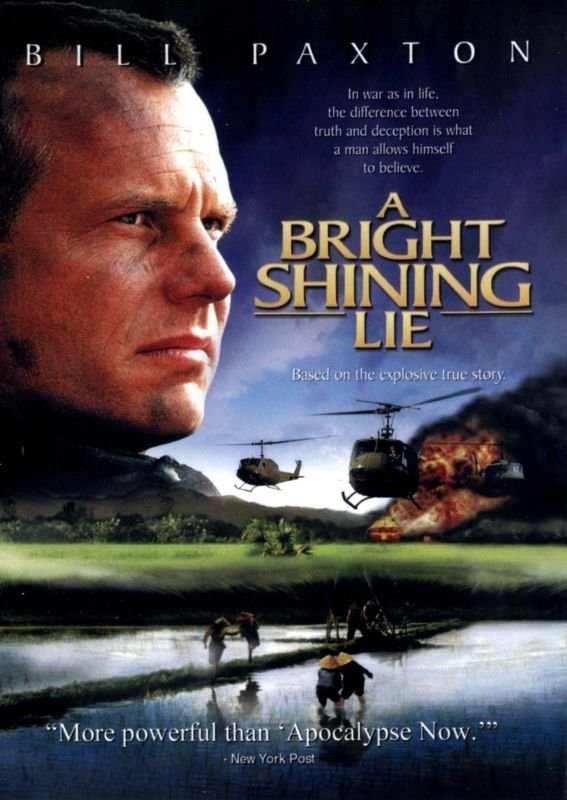
Something in his past keeps career Army man John Paul Vann from advancing past colonel. He views being sent to Vietnam as part of the US military advisory force a stepping stone to promotion. However, he disagrees vocally (and on the record) with the way the war is being run and is forced to leave the military. Returning to Vietnam as a civilian working with the Army, he comes to despise some South Vietnamese officers while he takes charge of some of the U.S. forces and continues his liaisons with Vietnamese women.
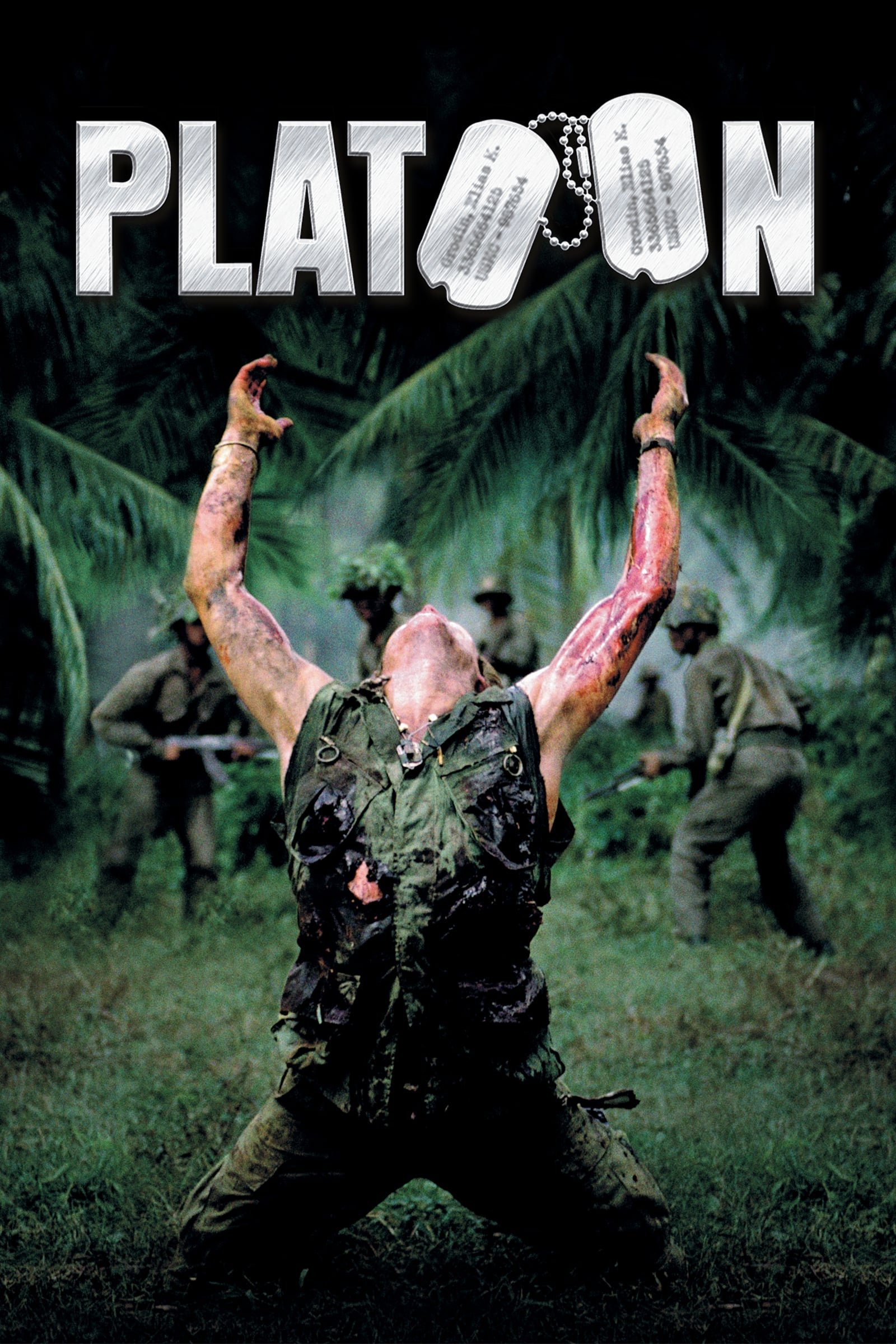
As a young and naive recruit in Vietnam, Chris Taylor faces a moral crisis when confronted with the horrors of war and the duality of man.
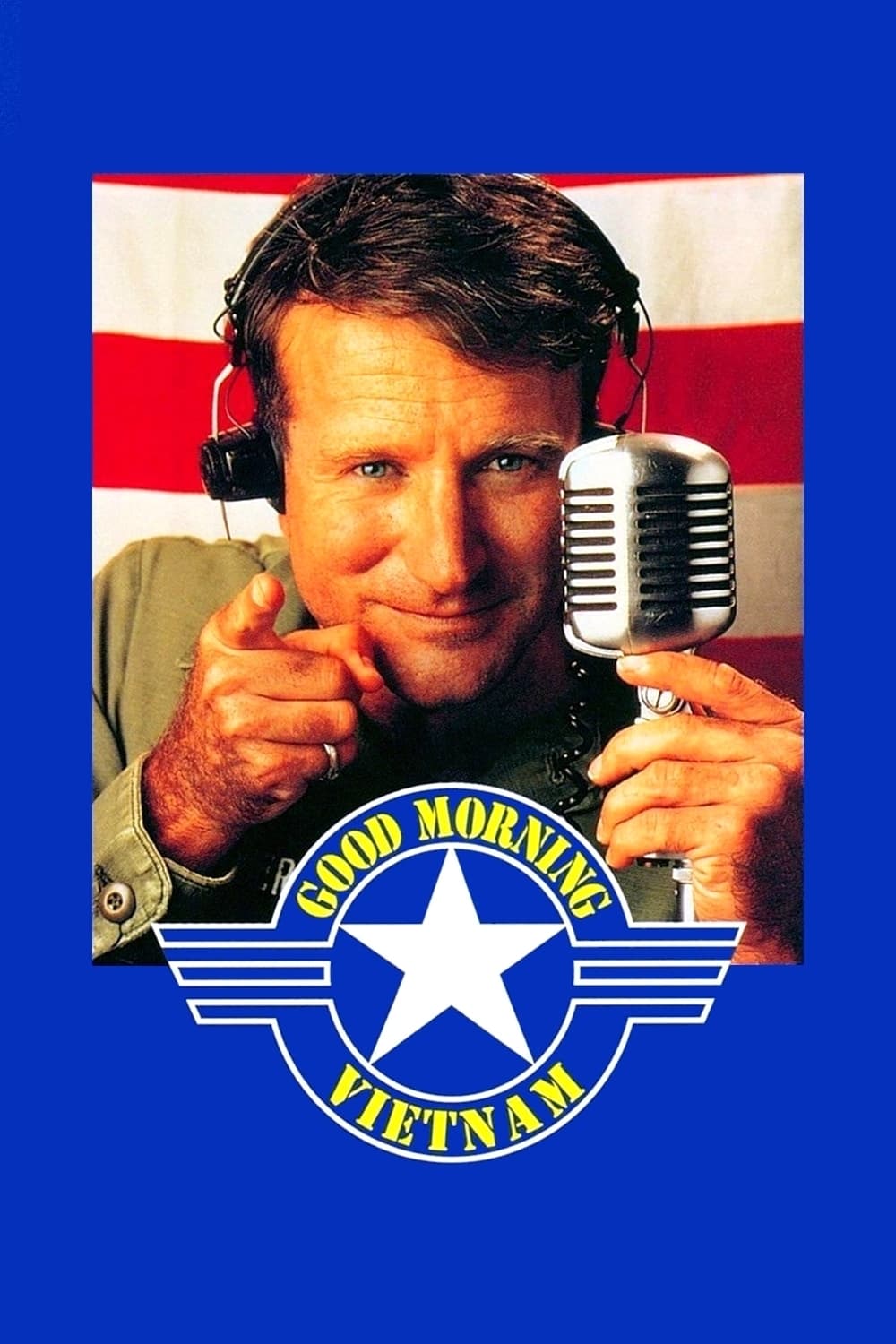
A disk jockey goes to Vietnam to work for the Armed Forces Radio Service. While he becomes popular among the troops, his superiors disapprove of his humor.
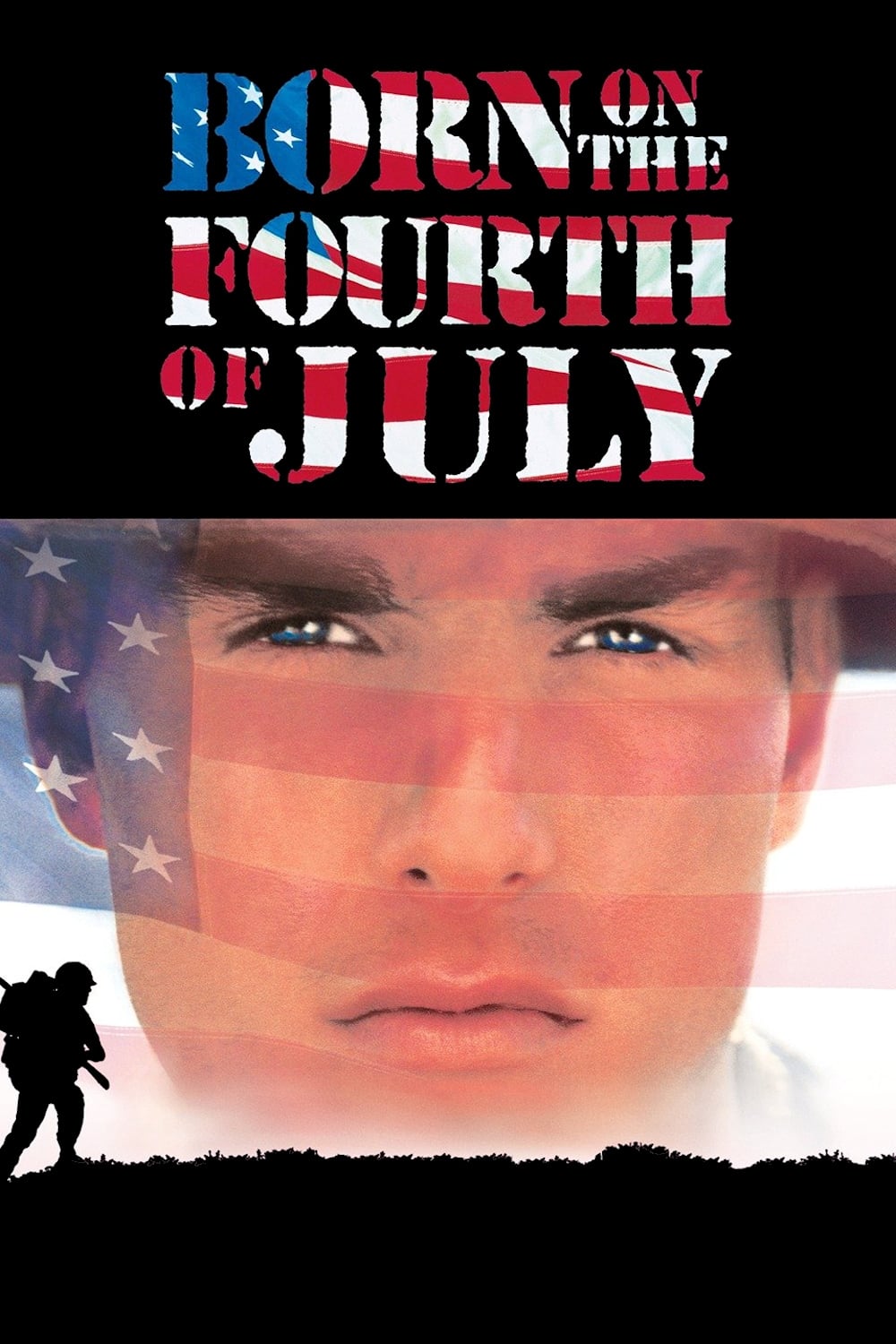
Paralyzed in the Vietnam war, Ron Kovic becomes an anti-war and pro-human rights political activist after feeling betrayed by the country he fought for.
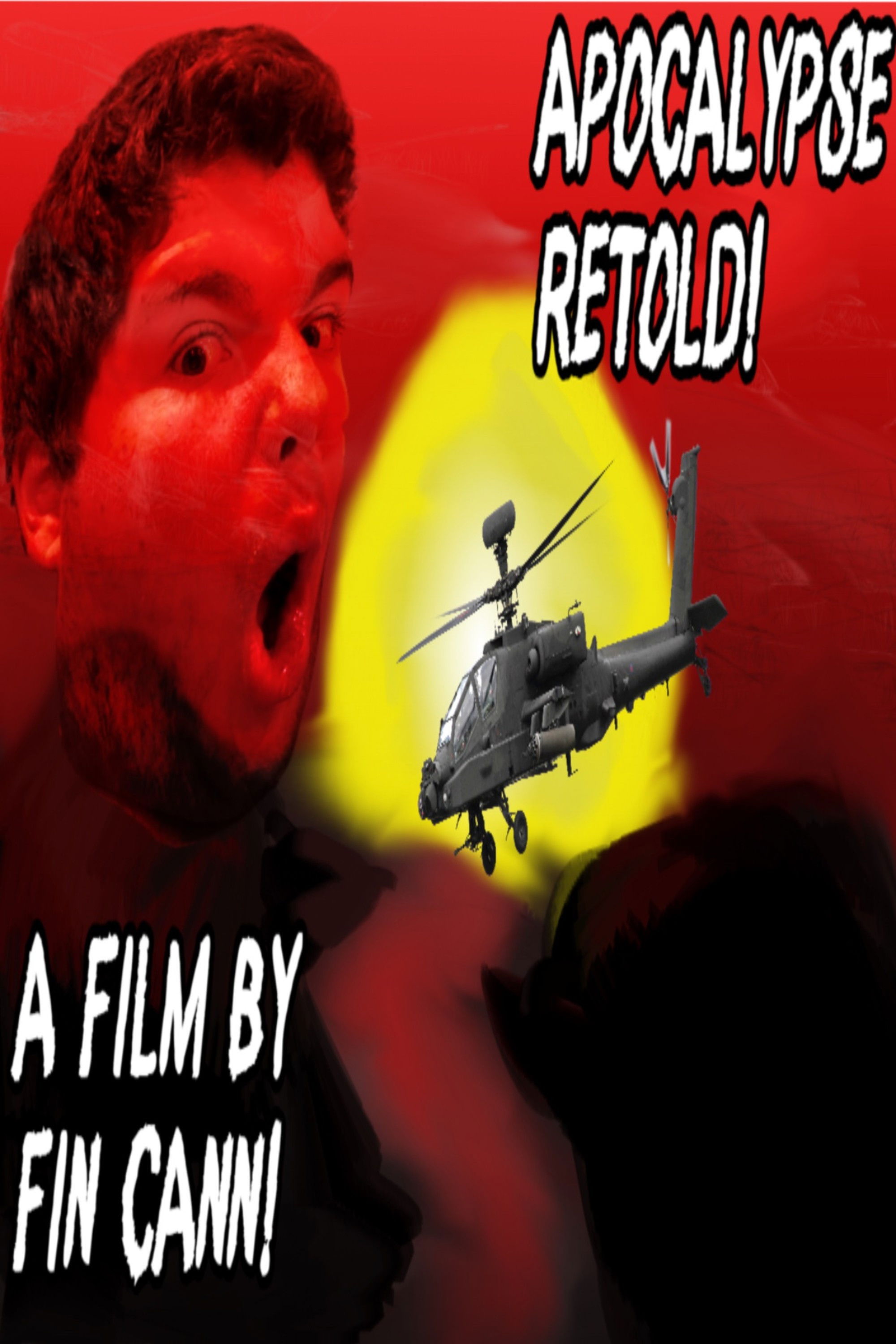
In a world full of movies that cost millions to make with many people who are in the production process and the best of effects and camera equipment… One man decides to film a remake of apocalypse now (a movie he has never really seen) by himself filmed and edited with his iPhone 16 which using stock footage stock images stock audio and his own music with a budget of 100 dollars… this is Apocalypse Retold!!!
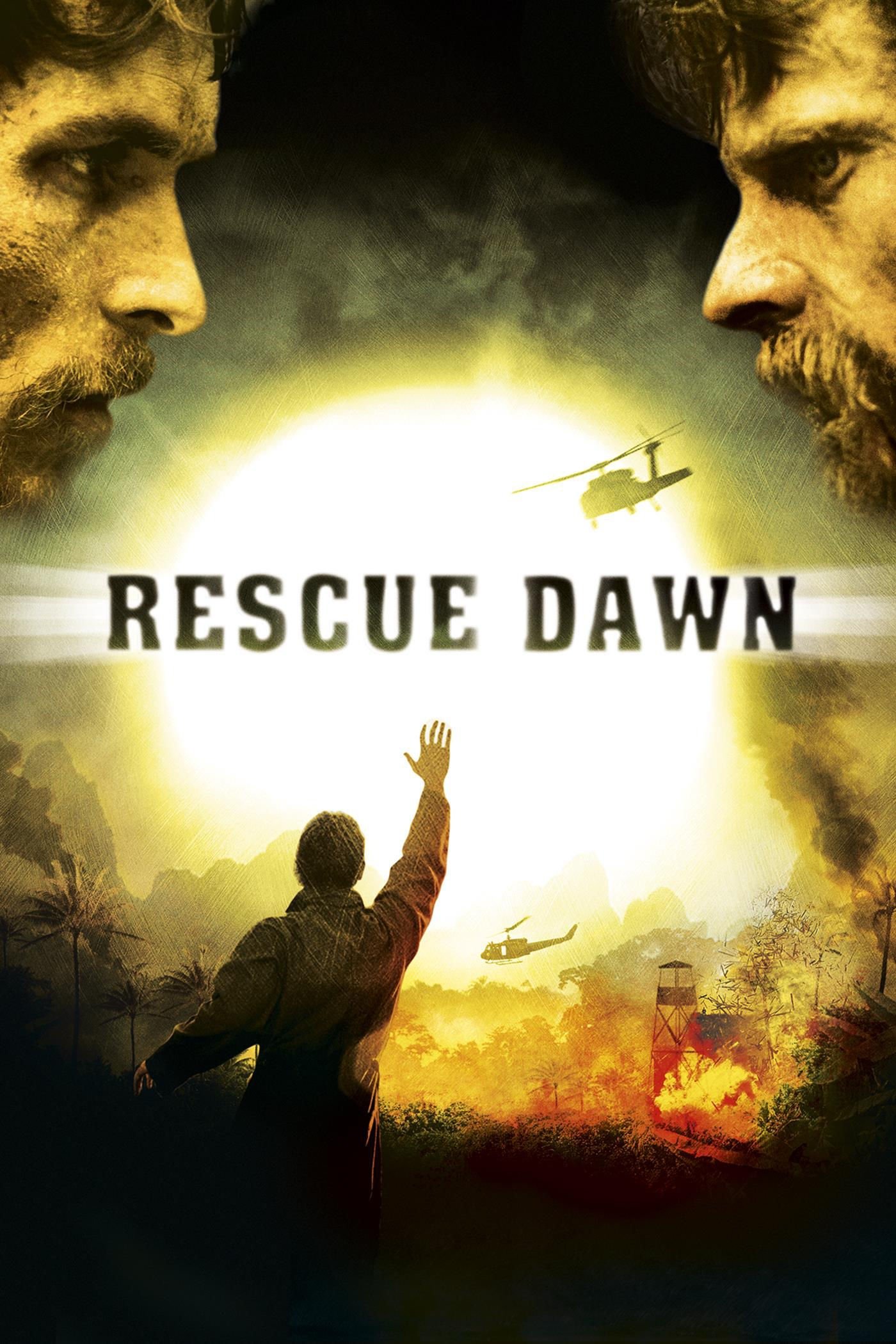
A US Fighter pilot's epic struggle of survival after being shot down on a mission over Laos during the Vietnam War.
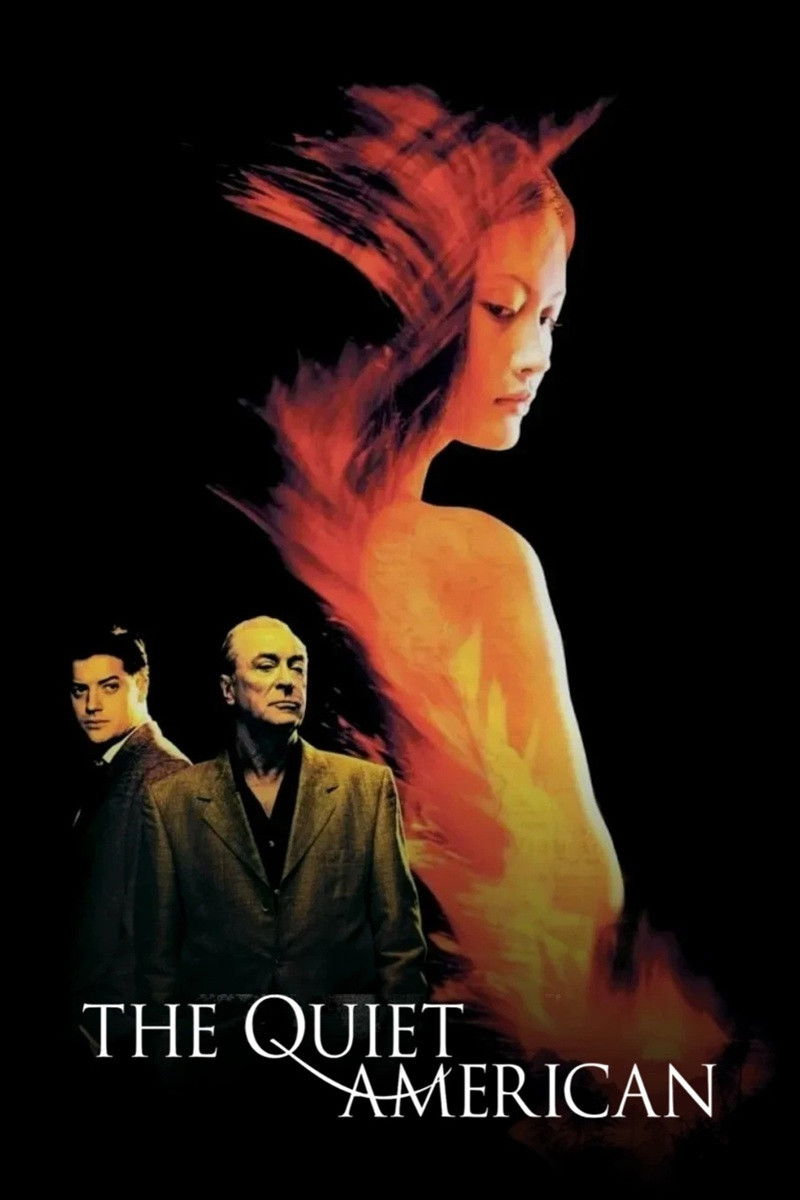
Cynical British journalist Fowler falls in love with a young Vietnamese woman but is dismayed when a naïve U.S. official also begins vying for her attention. In retaliation, Fowler informs the communists that the American is selling arms to their enemy.
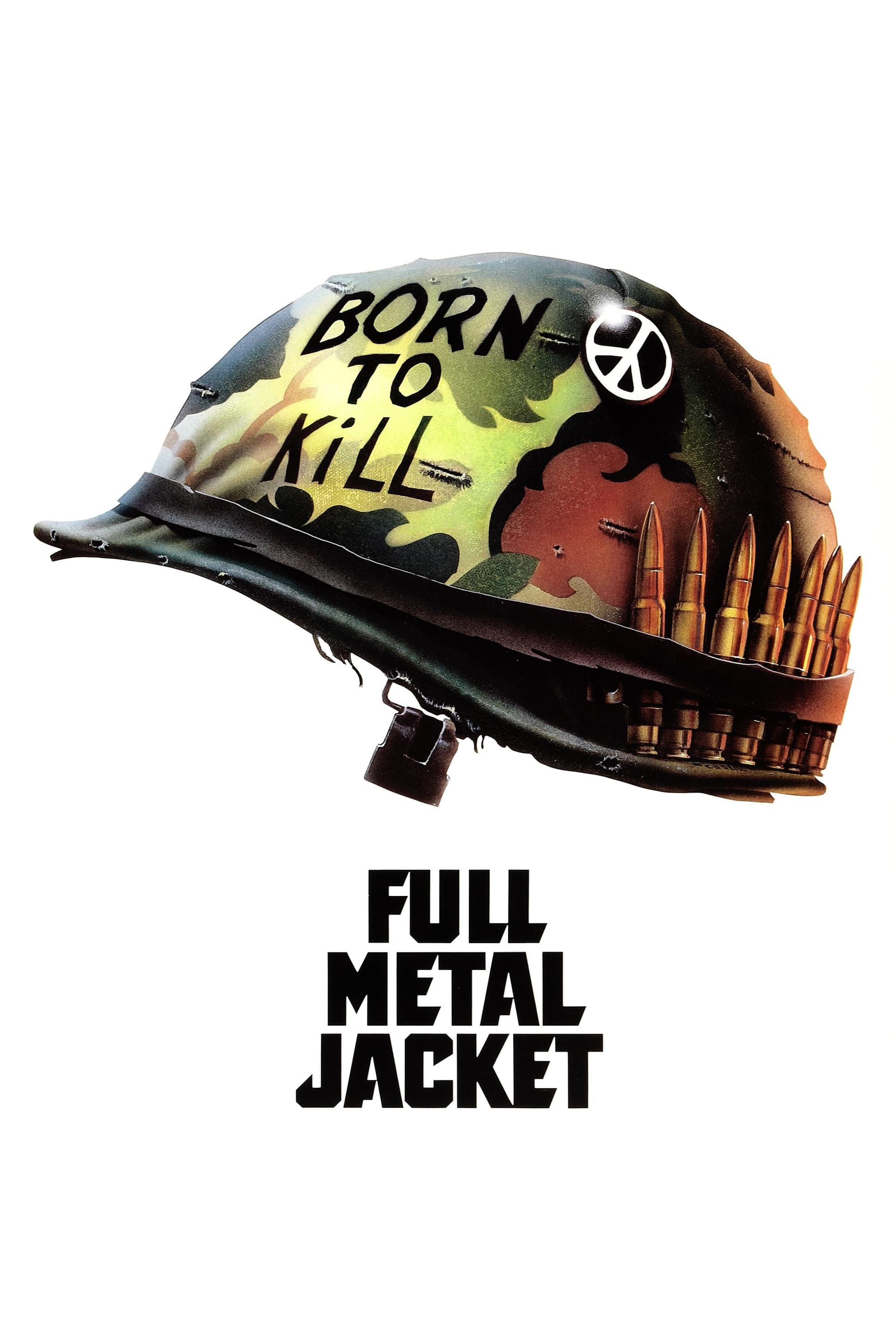
A pragmatic U.S. Marine observes the dehumanizing effects the U.S.-Vietnam War has on his fellow recruits from their brutal boot camp training to the bloody street fighting in Hue.
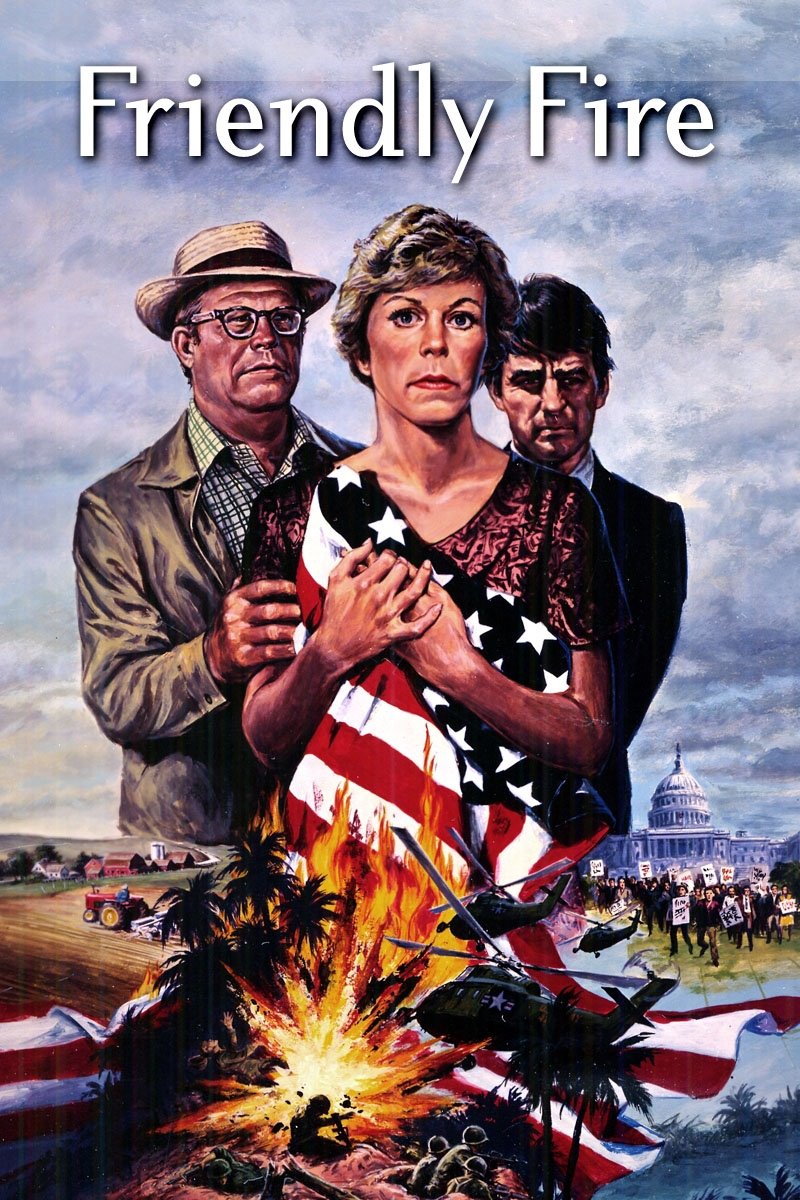
In March 1970, a U.S. Army officer arrived at the Iowa farm of Peg and Gene Mullen and informed them that their son Michael had been killed in Vietnam by "friendly fire." Their determined attempts to learn more about the circumstances of their son's death are the subject of this true account film.
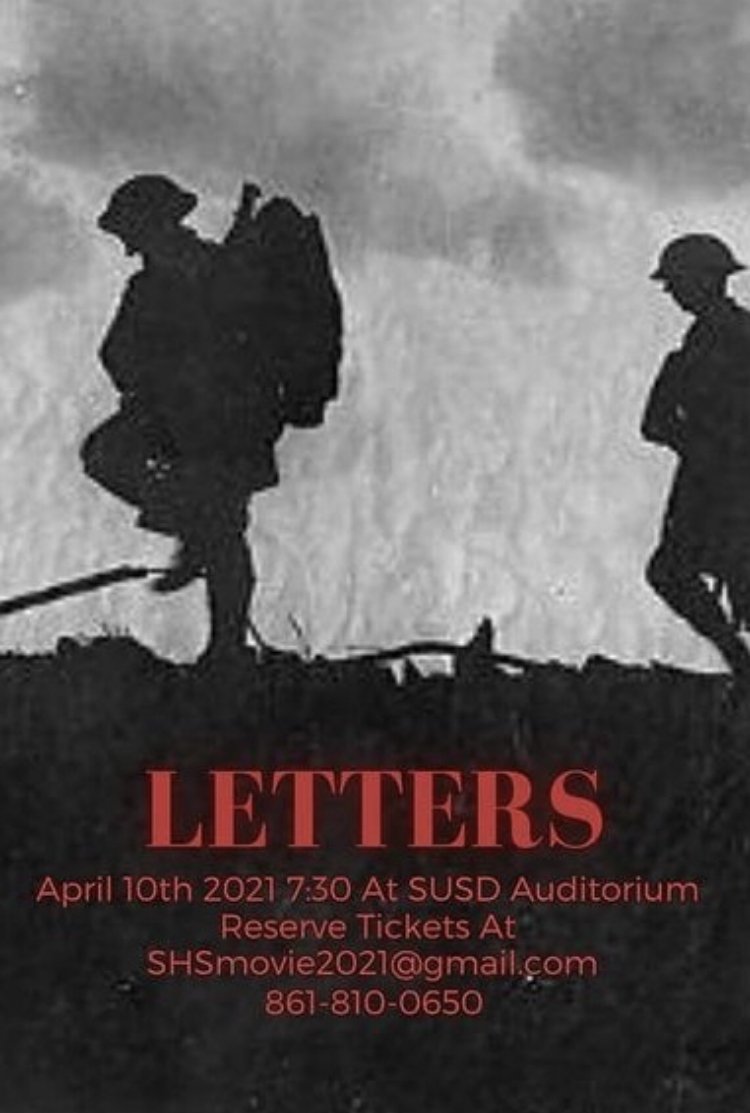
LETTERS, a dramatic historical fiction written by Mrs. Evelyn Merritt in 2010, tells the story of U.S. soldiers and their loved ones through their correspondence beginning with the Civil War and ending with the War in Iraq. Sahuarita High School students adapted the Readers’ Theatre play into a movie, reasoning the student actors would be kept safe from Covid-19 by filming them individually, and afterward the footage could be reassembled into a screenplay following the original dialogue.
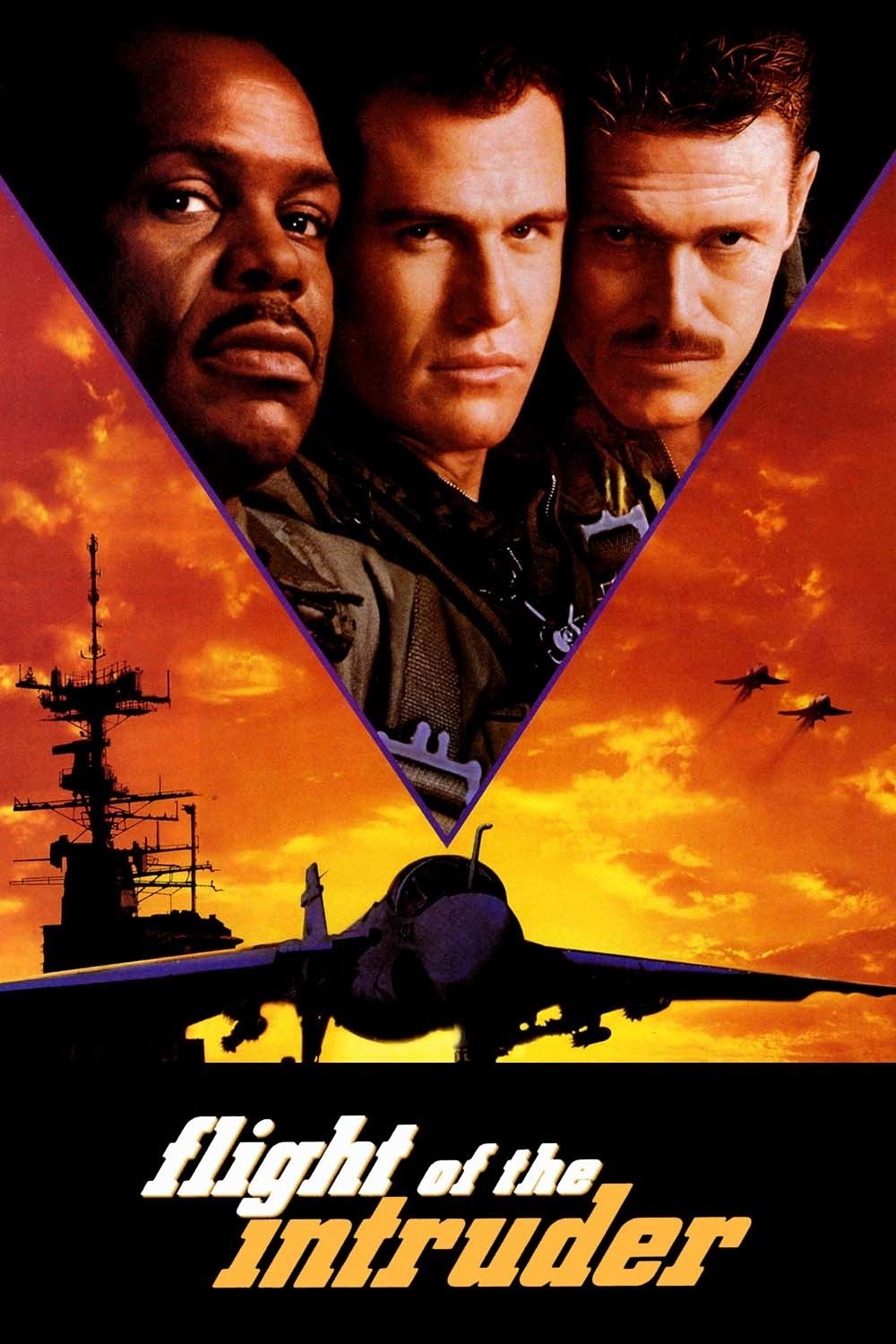
U.S. Navy pilot Lt. Jake Grafton and his bombardier buddy, Lt. Cmdr. Virgil Cole, are two soldiers embedded in the Vietnam War growing frustrated by the military's constraints on their missions. Despite the best efforts of their commanding officer, Cmdr. Frank Camparelli, to re-engage them, this disillusioned pair decide to take the war effort into their own hands with an explosive battle plan that could well get them court-martialed.
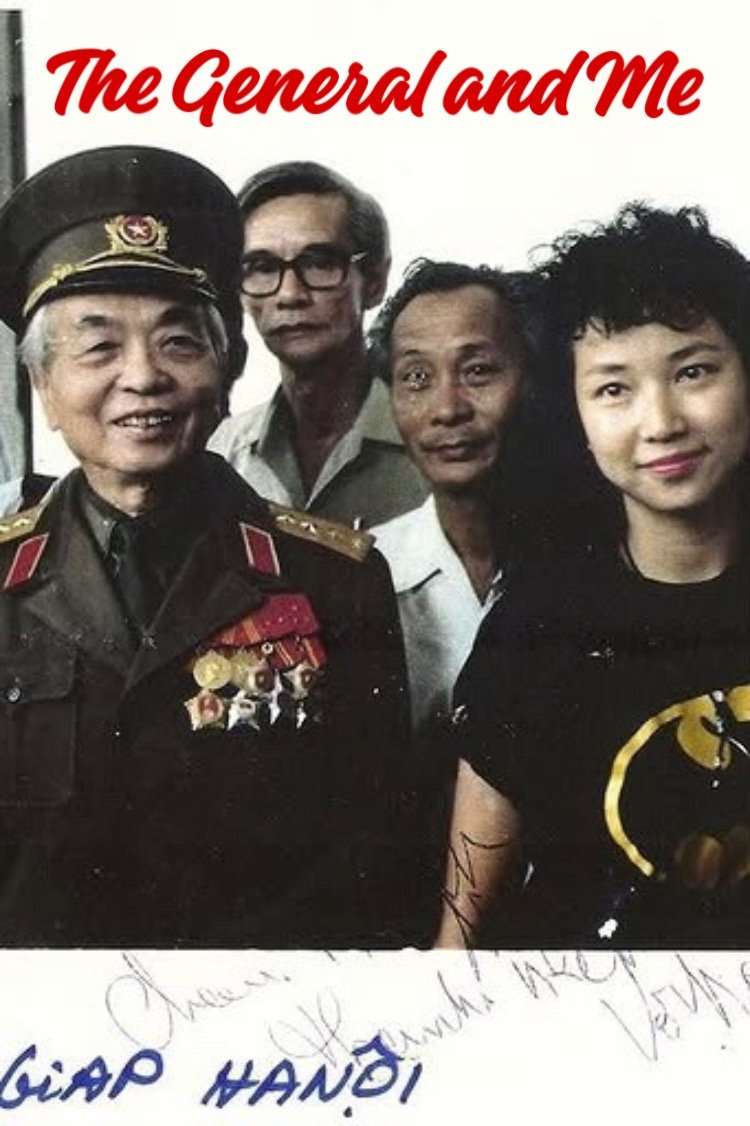
Over the period of 25 years the director met General Võ Nguyên Giáp, a legendary hero of Vietnam’s independence wars, a number of times. She was the first American who entered the home of the “Red Napoleon”. The fruit of this friendship is a film, personal and politically involved at the same time. Travelling across the country and talking to important figures as well as ordinary people, the director finds out more about her roots and offers the audience a unique perspective on Vietnam’s present and past.
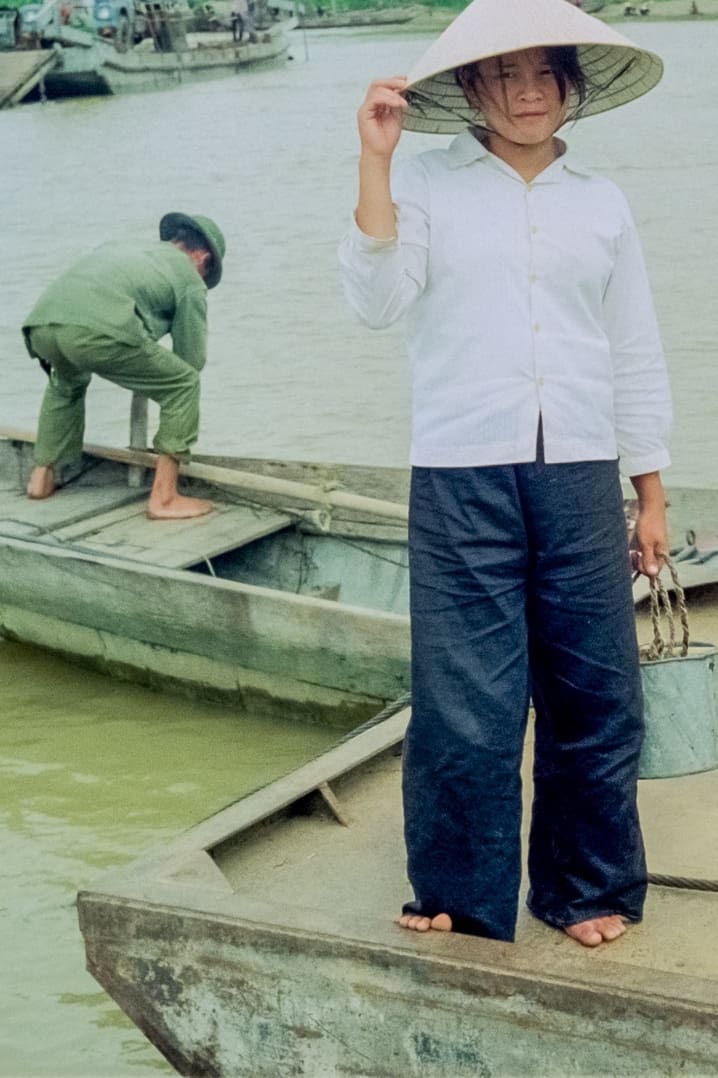
The production is a poetic impression, its tone is mournful. The film shows the landscape of Vietnam two years after the end of the war. There is no commentary in the production, the image is accompanied by Mozart's composition.
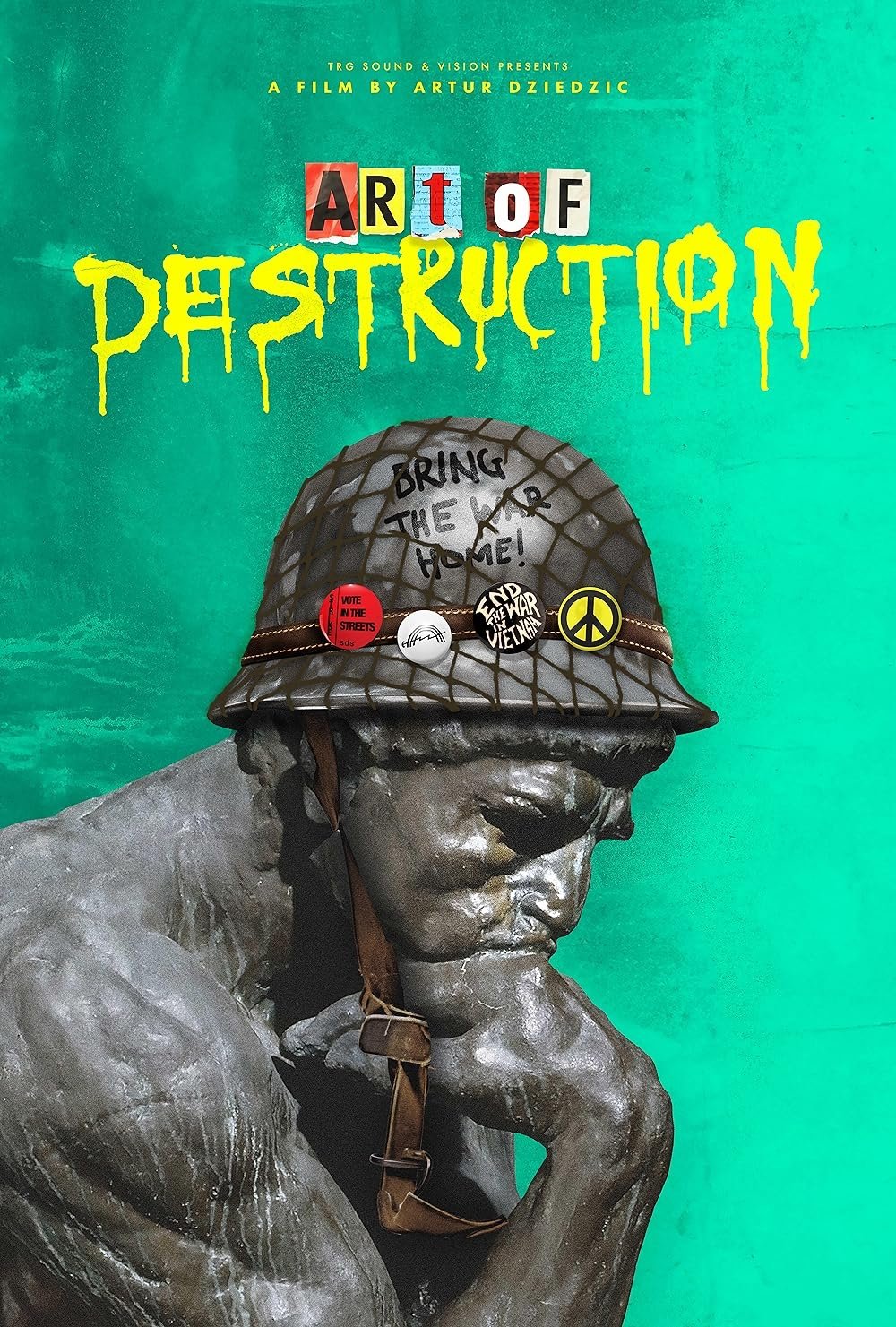
We follow the story of The Thinker bombing at the Cleveland Museum of Art, trying to solve the mystery behind it because no one was ever caught. By following this case, we unravel the whole landscape of Cleveland and the USA in the 60s/70s - student protests, social justice movements, anti-war movements, and radical militant groups. We give a context to the bombing, which is symbolic on so many levels - it's an art piece that randomly became a target for political violence that, by being left unrepaired, became a reminder of the complicated history of the 60s/70s. The Thinker is a silent witness to this fascinating decade, looking down from his pedestal, still thinking about our place in the world as humans.
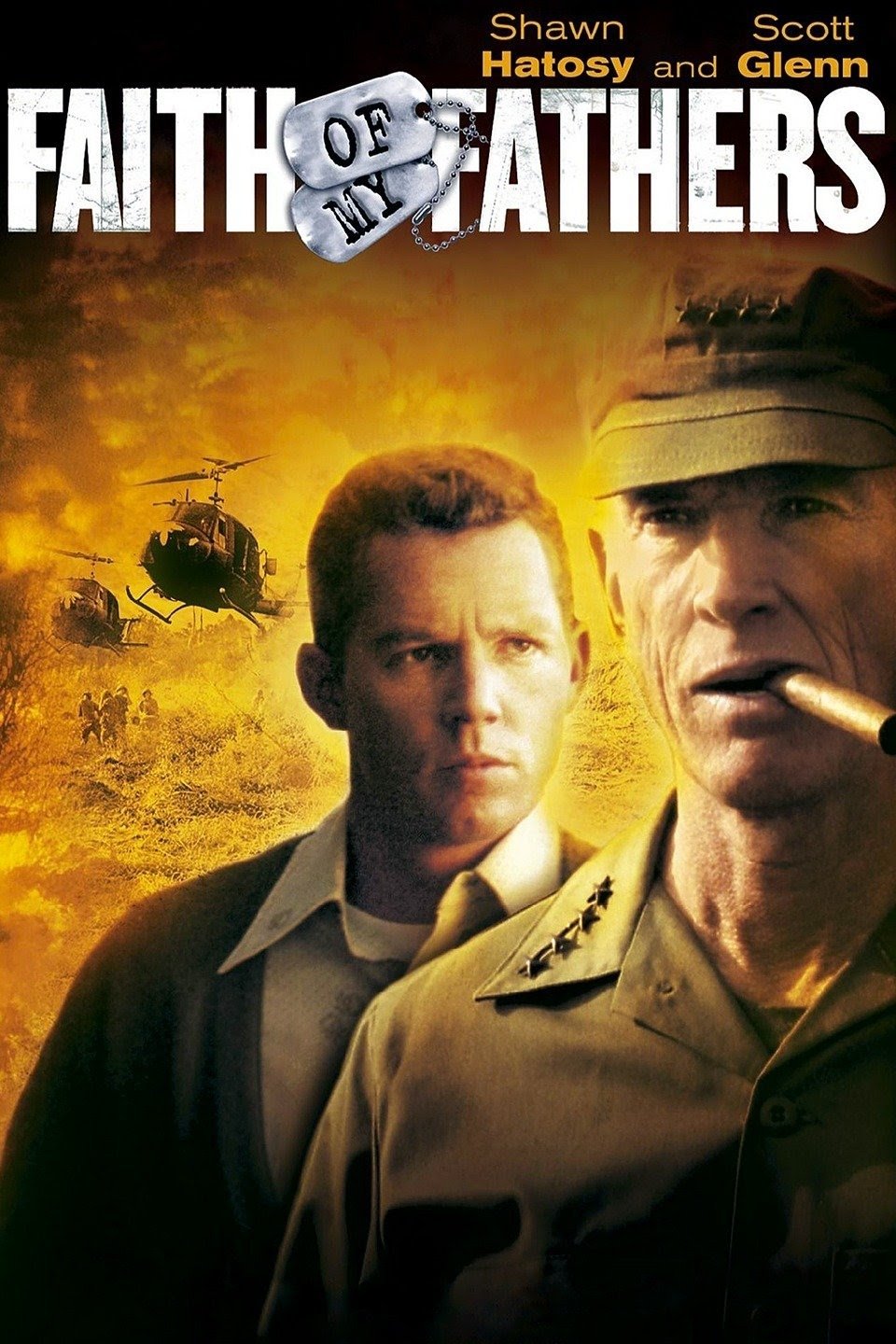
Faith of My Fathers is based on the story of Lieutenant Commander John McCain's experiences as a prisoner of war in North Vietnam for five and a half years during the Vietnam War, interleaved with his memories of growing up in a heritage rich with military service.
“The Soviet Story” is a story of an Allied power, which helped the Nazis to fight Jews and which slaughtered its own people on an industrial scale. Assisted by the West, this power triumphed on May 9th, 1945. Its crimes were made taboo, and the complete story of Europe’s most murderous regime has never been told. Until now...
Prelude to War was the first film of Frank Capra's Why We Fight propaganda film series, commissioned by the Pentagon and George C. Marshall. It was made to convince American troops of the necessity of combating the Axis Powers during World War II. This film examines the differences between democratic and fascist states.
Amid the failing counteroffensive, a journalist follows a Ukrainian platoon on their mission to traverse one mile of heavily fortified forest and liberate a strategic village from Russian occupation. But the farther they advance through their destroyed homeland, the more they realize that this war may never end.
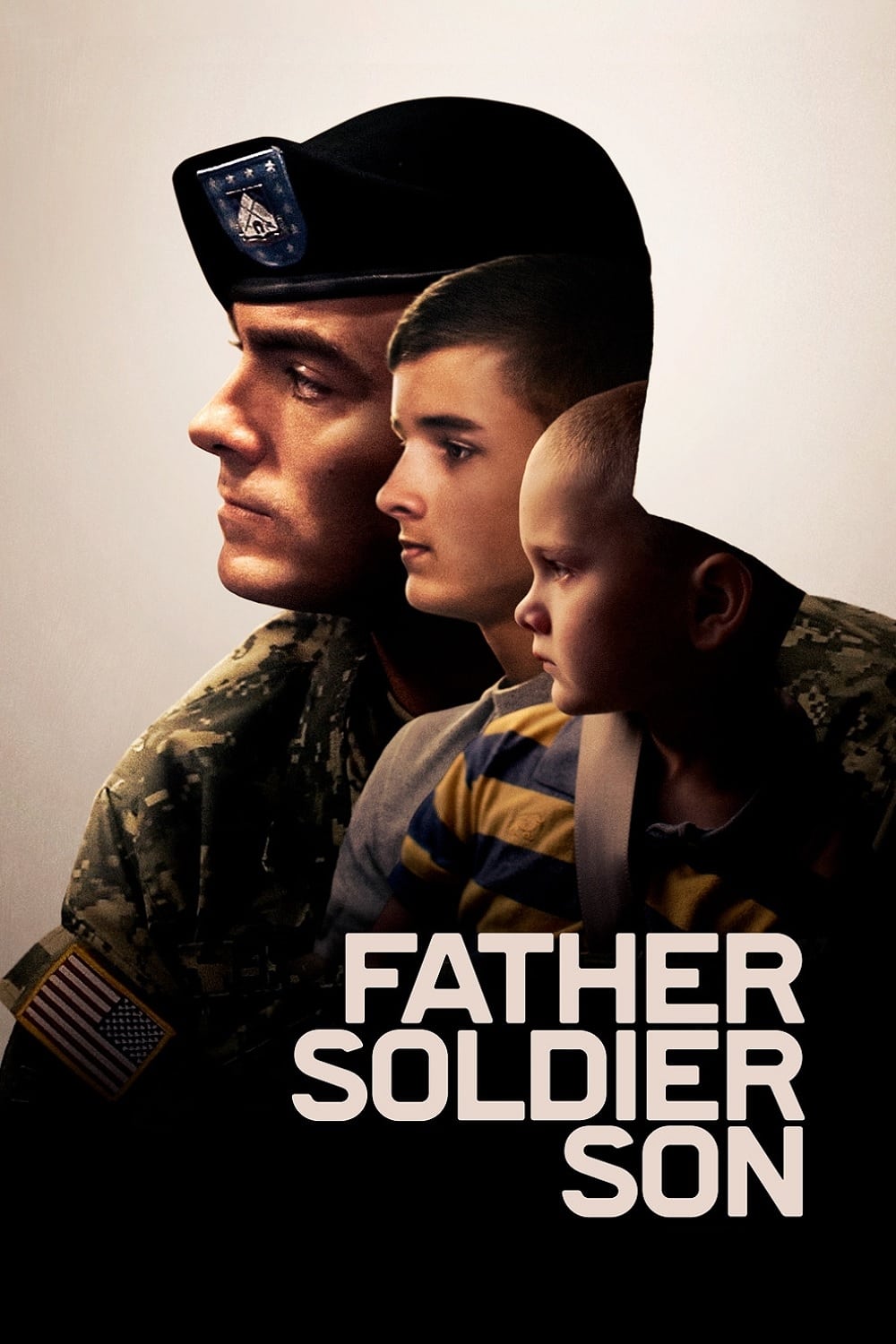
When Sgt. First Class Brian Eisch is critically wounded in Afghanistan, it sets him and his sons on a journey of love, loss, redemption and legacy.
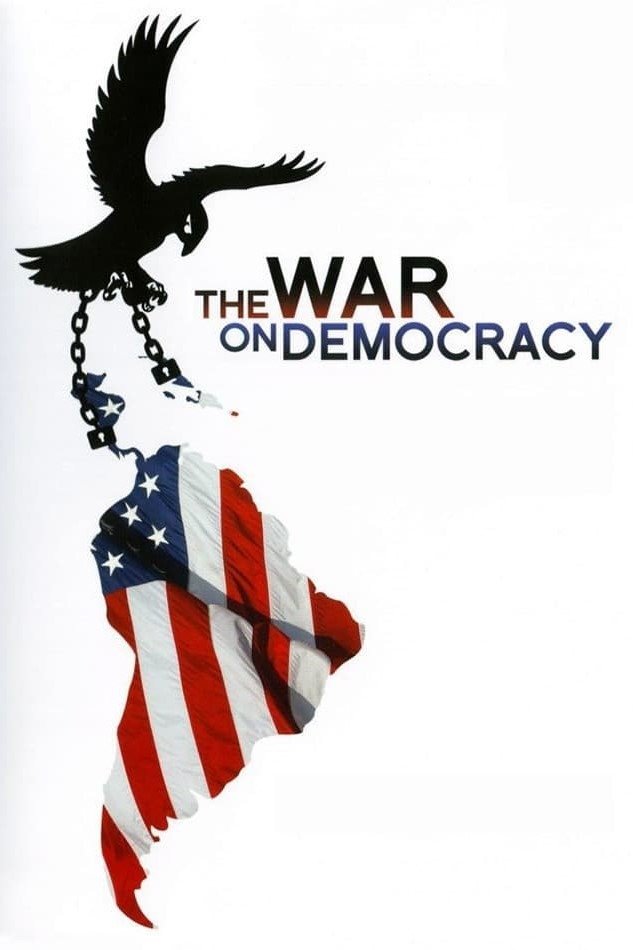
Set both in Latin America and the United States, the film explores the historic and current relationship of Washington with countries such as Venezuela, Bolivia and Chile. Pilger says that the film "...tells a universal story... analysing and revealing, through vivid testimony, the story of great power behind its venerable myths. It allows us to understand the true nature of the so-called "war on terror". According to Pilger, the film’s message is that the greed and power of empire is not invincible and that people power is always the "seed beneath the snow".
A documentary about World War I with never-before-seen footage to commemorate the centennial of Armistice Day, and the end of the war.
During the chaotic final weeks of the Vietnam War, the North Vietnamese Army closes in on Saigon as the panicked South Vietnamese people desperately attempt to escape. On the ground, American soldiers and diplomats confront a moral quandary: whether to obey White House orders to evacuate only U.S. citizens.
"Trinity and Beyond" is an unsettling yet visually fascinating documentary presenting the history of nuclear weapons development and testing between 1945-1963. Narrated by William Shatner and featuring an original score performed by the Moscow Symphony Orchestra, this award-winning documentary reveals previously unreleased and classified government footage from several countries.
This documentary movie is about the battle of San Pietro, a small village in Italy. Over 1,100 US soldiers were killed while trying to take this location, that blocked the way for the Allied forces from the Germans. Preserved by the Academy Film Archive in 2005.
A love letter from a young mother to her daughter, the film tells the story of Waad al-Kateab’s life through five years of the uprising in Aleppo, Syria as she falls in love, gets married and gives birth to Sama, all while cataclysmic conflict rises around her. Her camera captures incredible stories of loss, laughter and survival as Waad wrestles with an impossible choice– whether or not to flee the city to protect her daughter’s life, when leaving means abandoning the struggle for freedom for which she has already sacrificed so much.
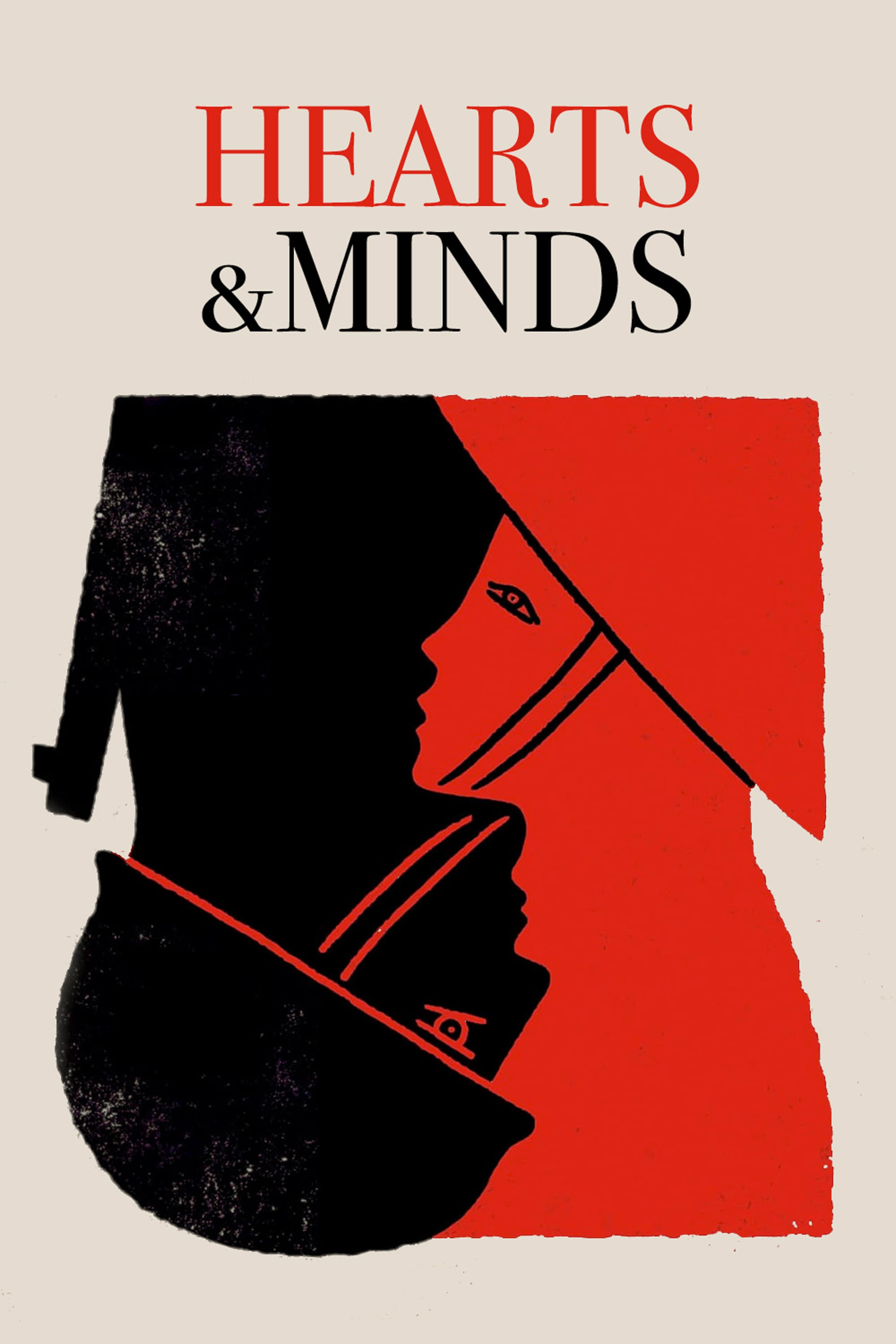
Many times during his presidency, Lyndon B. Johnson said that ultimate victory in the Vietnam War depended upon the U.S. military winning the "hearts and minds" of the Vietnamese people. Filmmaker Peter Davis uses Johnson's phrase in an ironic context in this anti-war documentary, filmed and released while the Vietnam War was still under way, juxtaposing interviews with military figures like U.S. Army Chief of Staff William C. Westmoreland with shocking scenes of violence and brutality.
Filmmaker Alain Resnais documents the atrocities behind the walls of Hitler's concentration camps.
Meet the real-life airmen who inspired Masters of the Air as they share the harrowing and transformative events of the 100th Bomb Group.
Pete Postlethwaite stars as a man living alone in the devastated future world of 2055, looking at old footage from 2008 and asking: why didn’t we stop climate change when we had the chance?
An inside look at one of the most anticipated movie sequels ever with James Cameron and cast.
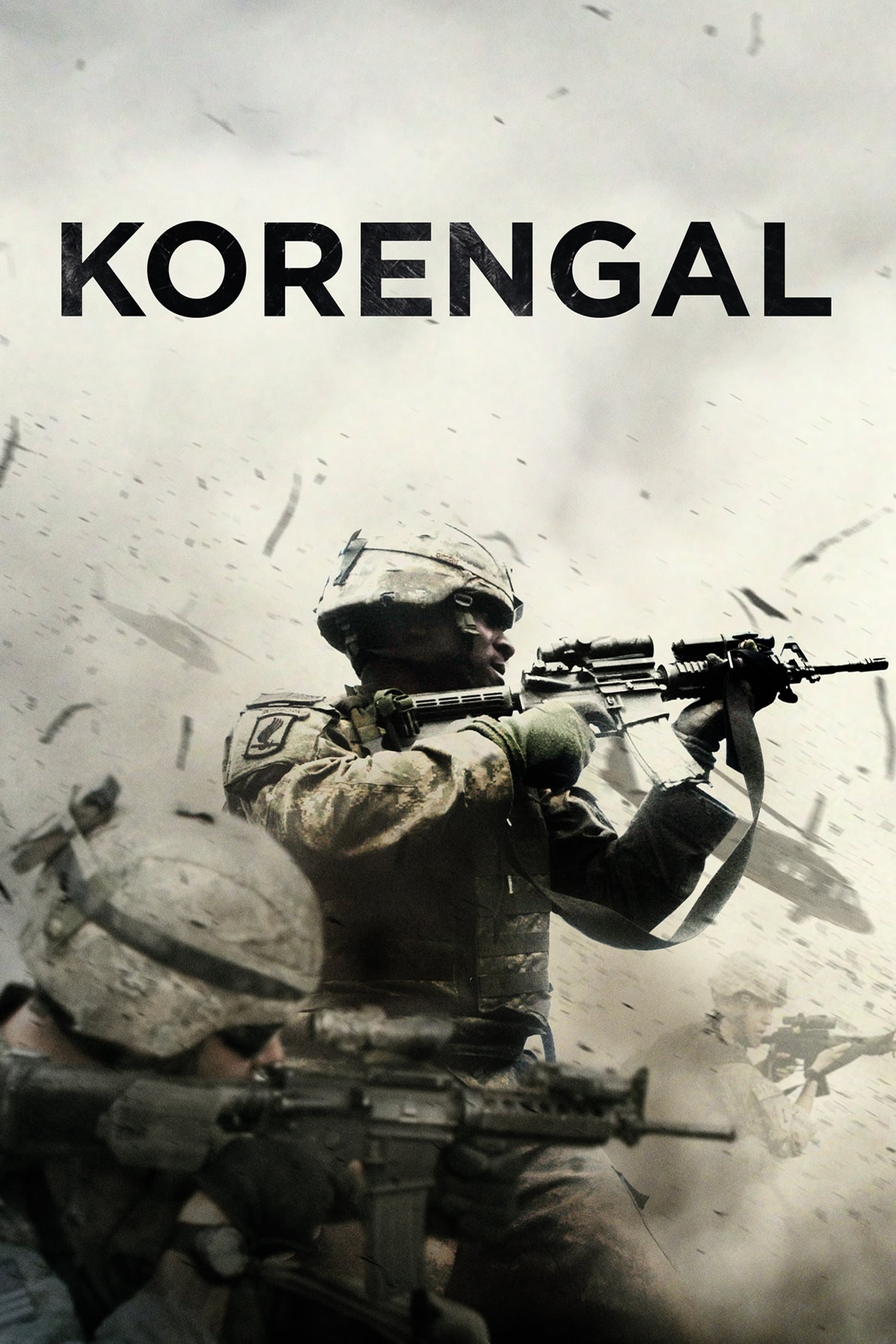
Korengal picks up where Restrepo left off; the same men, the same valley, the same commanders, but a very different look at the experience of war.
The final entry in a trilogy of films produced for the U.S. government by John Huston. Some returning combat veterans suffer scars that are more psychological than physical. This film follows patients and staff during their treatment. It deals with what would now be called PTSD, but at the time was categorised as psychoneurosis or shell-shock. Government officials deemed this 1946 film counterproductive to postwar efforts; it was not shown publicly until 1981.
As the Russian invasion begins, a team of Ukrainian journalists trapped in the besieged city of Mariupol struggle to continue their work documenting the war's atrocities.
A documentary on the making of the three Godfather films, with interviews and recollections from the film makers and cast. This feature also includes the original screen tests of some of the actors for "The Godfather" film, and some candid moments on the set of "The Godfather: Part III."
Oliver Stone charts the history of the United States from the Second World War to the present.