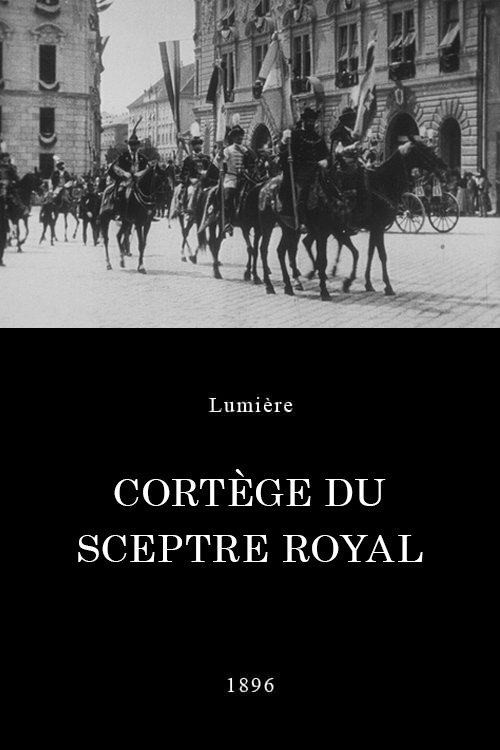
These two views were taken during the celebrations given in 1896 on the occasion of the millennium of the foundation of the kingdom of Hungary. Horsemen and men on foot parade, all dressed in historic uniforms.
Social & External
This film records the vast public response to the early death of Vera Kholodnaya, the first star of Russian cinema.
An appreciative, uncritical look at silent film comedies and thrillers from early in the century through the 1920s.
Madrid, Spain, 1949. The Circo Americano arrives in the city. While the big top is pitched in a vacant lot, the troupe parades through the grand avenues: the band, a witty impersonator, the Balodys, acrobats, jugglers, acrobatic skaters, clowns and… Buffallo Bill.
This pioneering documentary film depicts the lives of the indigenous Inuit people of Canada's northern Quebec region. Although the production contains some fictional elements, it vividly shows how its resourceful subjects survive in such a harsh climate, revealing how they construct their igloo homes and find food by hunting and fishing. The film also captures the beautiful, if unforgiving, frozen landscape of the Great White North, far removed from conventional civilization.
A documentary about the cultural effect of film censorship, focusing on the tumultuous times of the teens and early 1920s in America.
The Dangers of the Fly is an educational film made by Ernesto Gunche and Eduardo Martínez de la Pera, also responsible for Gaucho Nobility (1915), the biggest blockbuster of Argentinean silent cinema. De la Pera was a talented photographer, always willing to try new gadgets and techniques. This film experiments with microphotography in the style of Jean Comandon's films for Pathé and it is part of a series which included a film about mosquitoes and paludism and another one about cancer, which are considered lost. Flies were a popular subject of silent films and there are more than a dozen titles featuring them in the teens and early twenties.
A day in the city of Berlin, which experienced an industrial boom in the 1920s, and still provides an insight into the living and working conditions at that time. Germany had just recovered a little from the worst consequences of the First World War, the great economic crisis was still a few years away and Hitler was not yet an issue at the time.
Short documentary on a central african tribe called 'The Chillouks'.
The first woman to appear in front of an Edison motion picture camera and possibly the first woman to appear in a motion picture within the United States. In the film, Carmencita is recorded going through a routine she had been performing at Koster & Bial's in New York since February 1890.
"All sounds travel in waves much the same as ripples in water." Educational film produced by Bray Studios New York, which was the dominant animation studio based in the United States in the years surrounding World War I.
"Bagong Buhay" is a short experimental film that dispels the common belief that packing up and moving to a new place will magically improve one's quality of life. The film challenges this presumption by portraying two contrasting ways of life through objects and locations, encouraging viewers to think critically about the complexities of what makes a better life. In the Philippines, it's believed that relocating to a new area will bring about positive changes in one's existence. True satisfaction is a complex and multifaceted notion, and "Bagong Buhay" encourages us to ponder that relocating to a new place is not a surefire way to attain it.
A cameraman wanders around with a camera slung over his shoulder, documenting urban life with dazzling inventiveness.
Finnish filmmaker and artist Sami van Ingen is a great-grandson of documentary pioneer Robert Flaherty, and seemingly the sole member of the family with a hands-on interest in continuing the directing legacy. Among the materials he found in the estate of Robert and Frances Flaherty’s daughter Monica were the film reels and video tapes detailing several years of work on realising her lifelong dream project: a sound version of her parents’ 1926 docu-fiction axiom, Moana: A Romance of the Golden Age.
Documentary about the lost 1914 film "Sperduti nel buio". Film historian Denis Lotto journeys across Europe following the trail of the lost movie.
Egypt's only modernist architect Hassan Fathy (1900-1989) was committed to ecology and sustainability in his architecture. This film takes us with slow steps, in still images, to two villages he created. Fathy's historically grounded, forward-looking designs prompt us to reflect on the past as well as contemplate new solutions for the future.
Short documentary released in 1907.
It is a dramatic film, with its colossal explosion and smouldering remains. Within seconds of the chimney's collapse, crowds swarm in to inspect the site; issues of the crowd's health and safety are clearly not a concern, as people smile, wave and salute the camera.
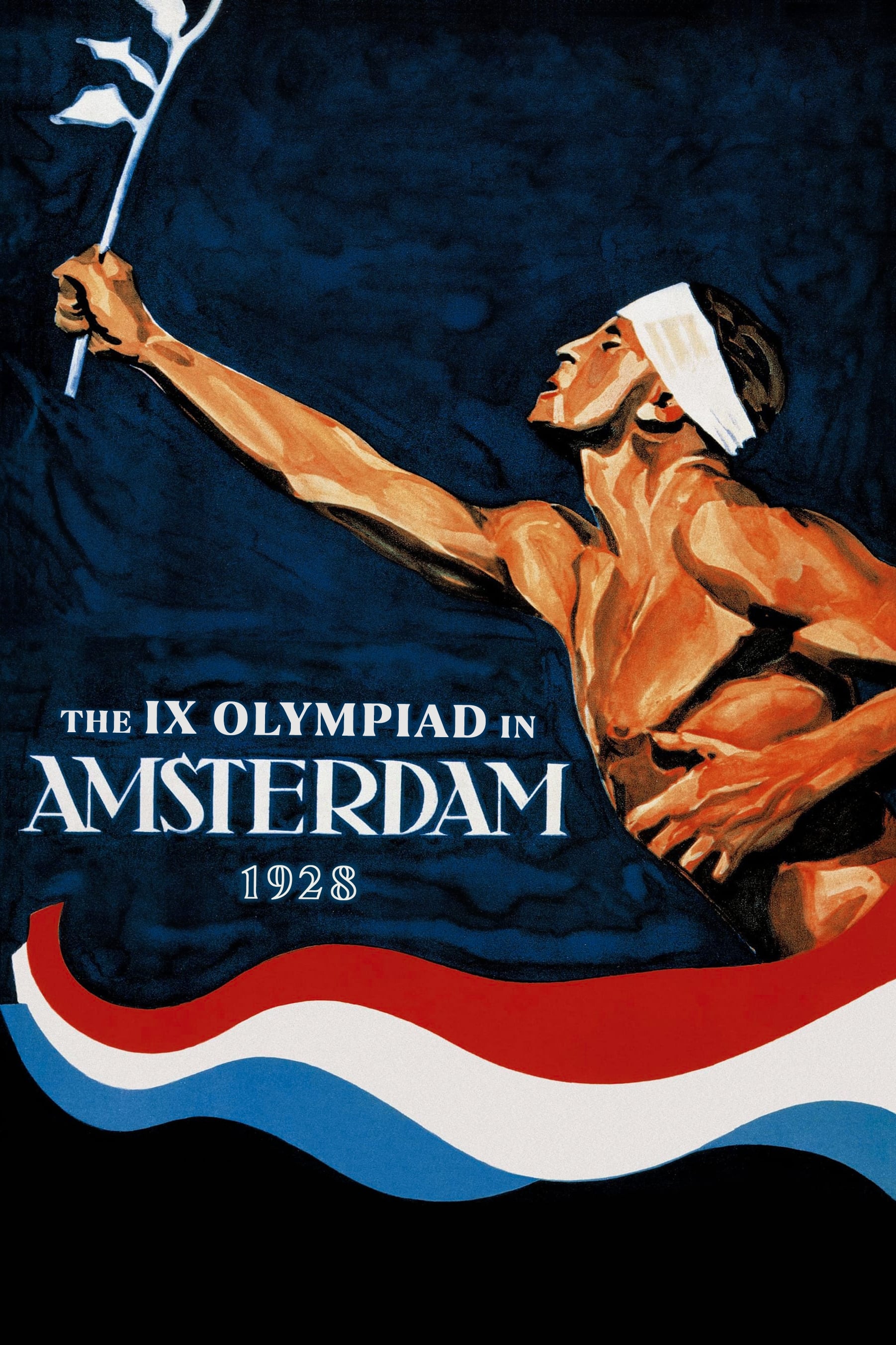
A documentary on the 1928 Olympic Games in Amsterdam. Made by Istituto Luce, there is an understandable focus on Italian athletes, but it is the first Olympic documentary that describes the techniques of certain events.
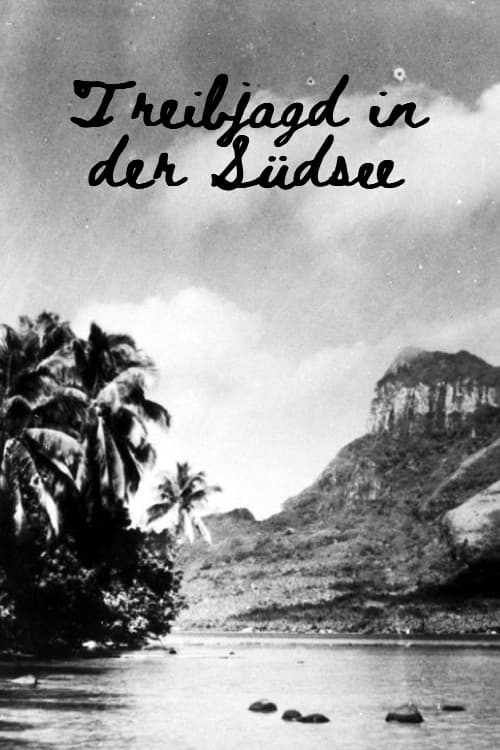
The film depicts one of the great hunts the South Sea Islanders. Come schools of fish in one of the bays on the island, so hurry on an alarm signal all the people out to sea to seal off the bay to drive the fish towards the coast and to impose there with spears.