Social & External
The people behind it
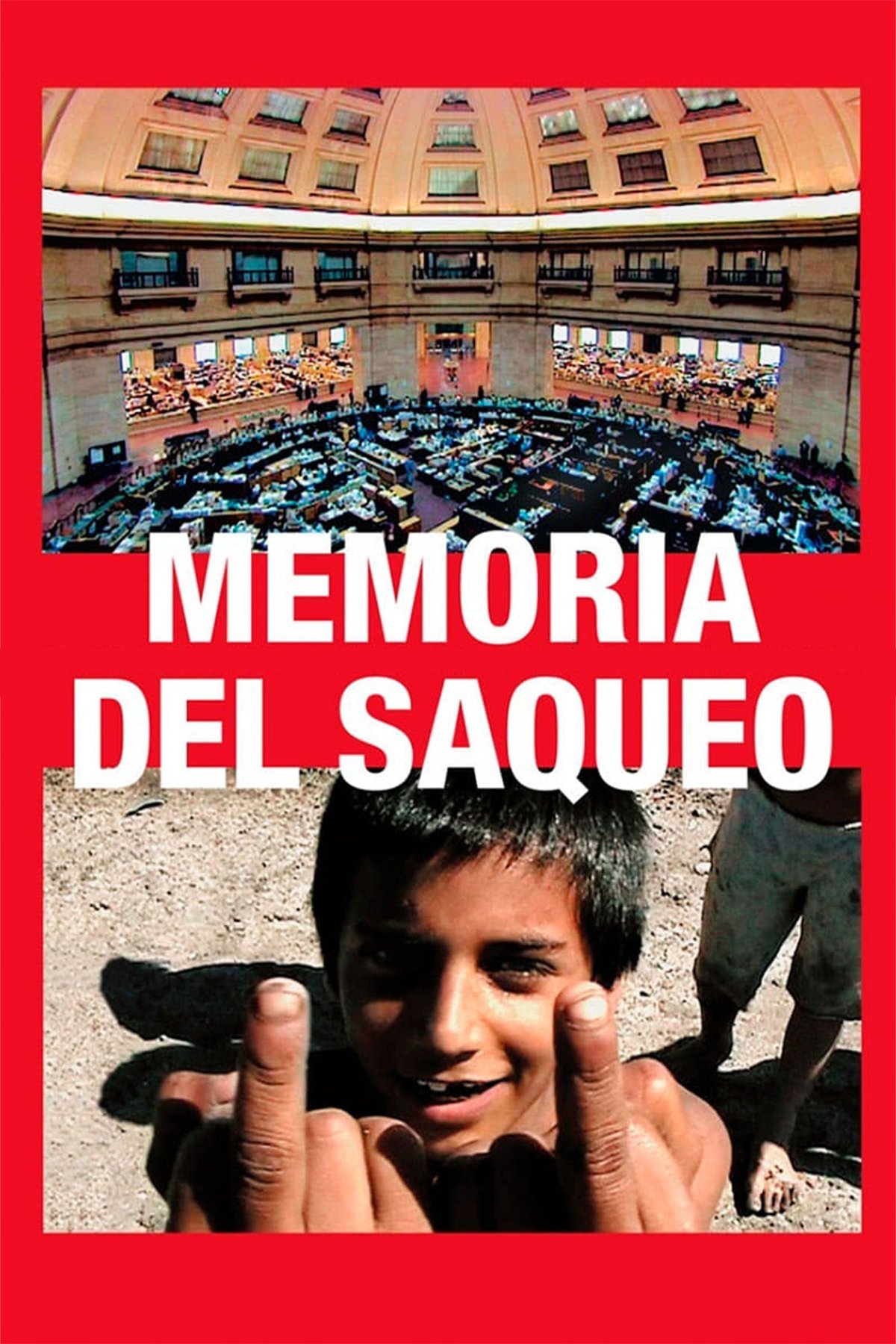
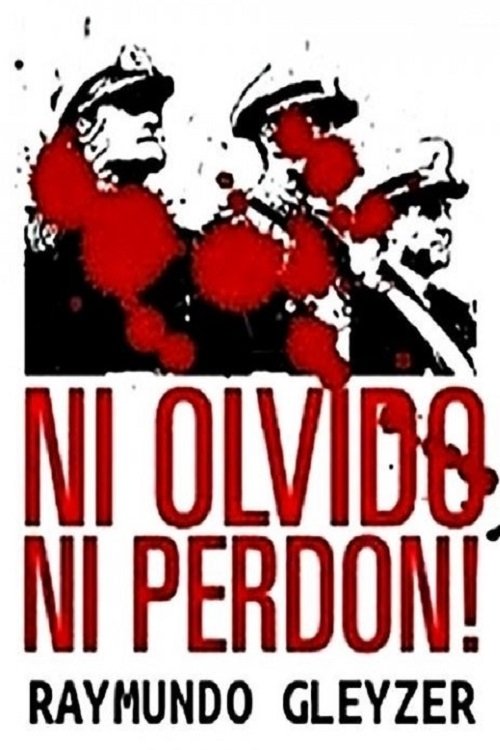
After the fall of the military dictatorship in 1983, successive democratic governments launched a series of reforms purporting to turn Argentina into the world's most liberal and prosperous economy. Less than twenty years later, the Argentinians have lost literally everything: major national companies have been sold well below value to foreign corporations; the proceeds of privatizations have been diverted into the pockets of corrupt officials; revised labour laws have taken away all rights from employees; in a country that is traditionally an important exporter of foodstuffs, malnutrition is widespread; millions of people are unemployed and sinking into poverty; and their savings have disappeared in a final banking collapse. The film highlights numerous political, financial, social and judicial aspects that mark out Argentina's road to ruin.
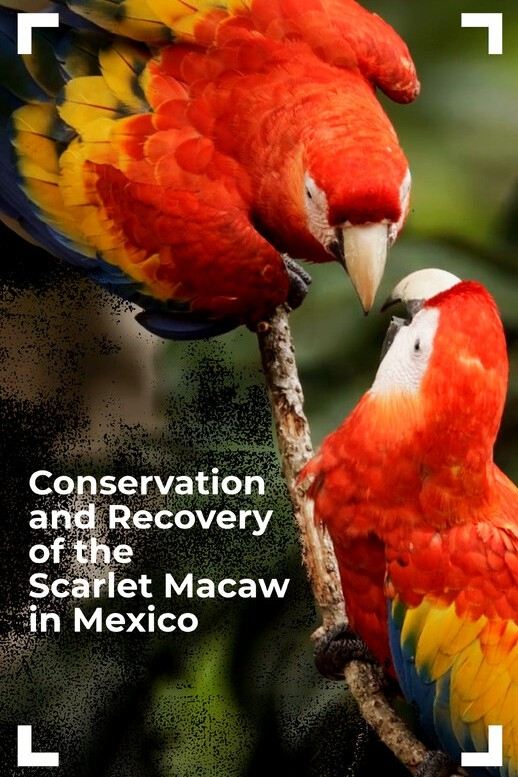
The Scarlet Macaw, a vibrant symbol of the Mexican rainforest, is disappearing from the ecosystem. Conservation and Recovery of the Scarlet Macaw in Mexico explores the tireless efforts of Natura y Ecosistemas Mexicanos (NEM) to save the last remaining viable population of these iconic birds. Facing the constant threat of poaching, NEM works diligently to rescue hatchlings from vulnerable nests before they are looted. By forging partnerships with local communities, they have developed a network of dedicated individuals to locate and protect macaw nests. This compelling film showcases the resilience of both people and wildlife in a united fight to preserve a species that has long symbolized the beauty and diversity of the region's natural heritage.
The lifetime of the great Argentinian man of letters Jorge Luis Borges through narration and interviews of such key players in his life as Leonor de Acevedo —his mother—, María Kodama —his second wife—, and Adolfo Bioy Casares —his best friend and collaborator for decades.
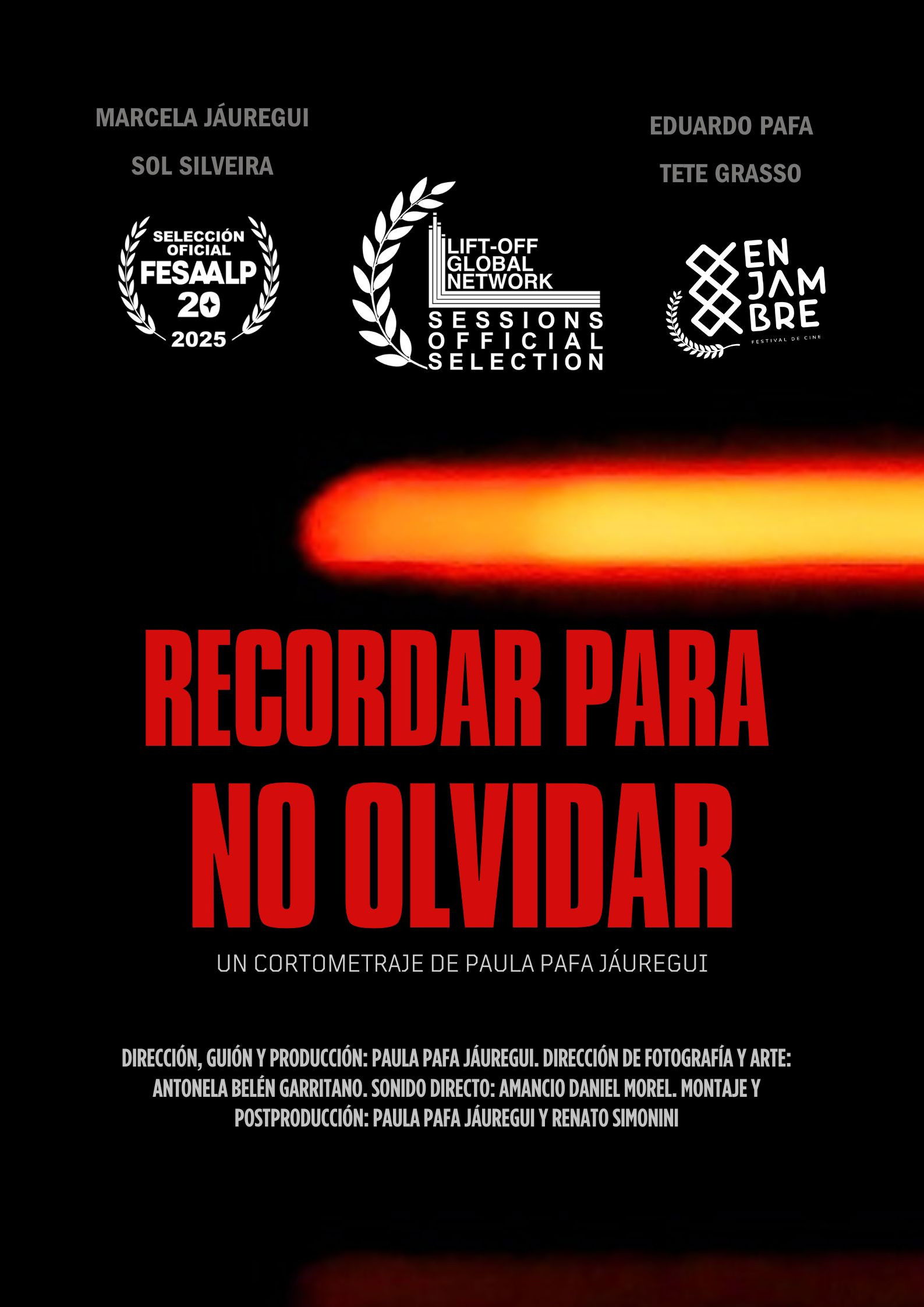
Poetic images emerge from everyday life, interweaving with narratives that recall traces of events from the last civic-ecclesiastical-military dictatorship in the city of La Plata.
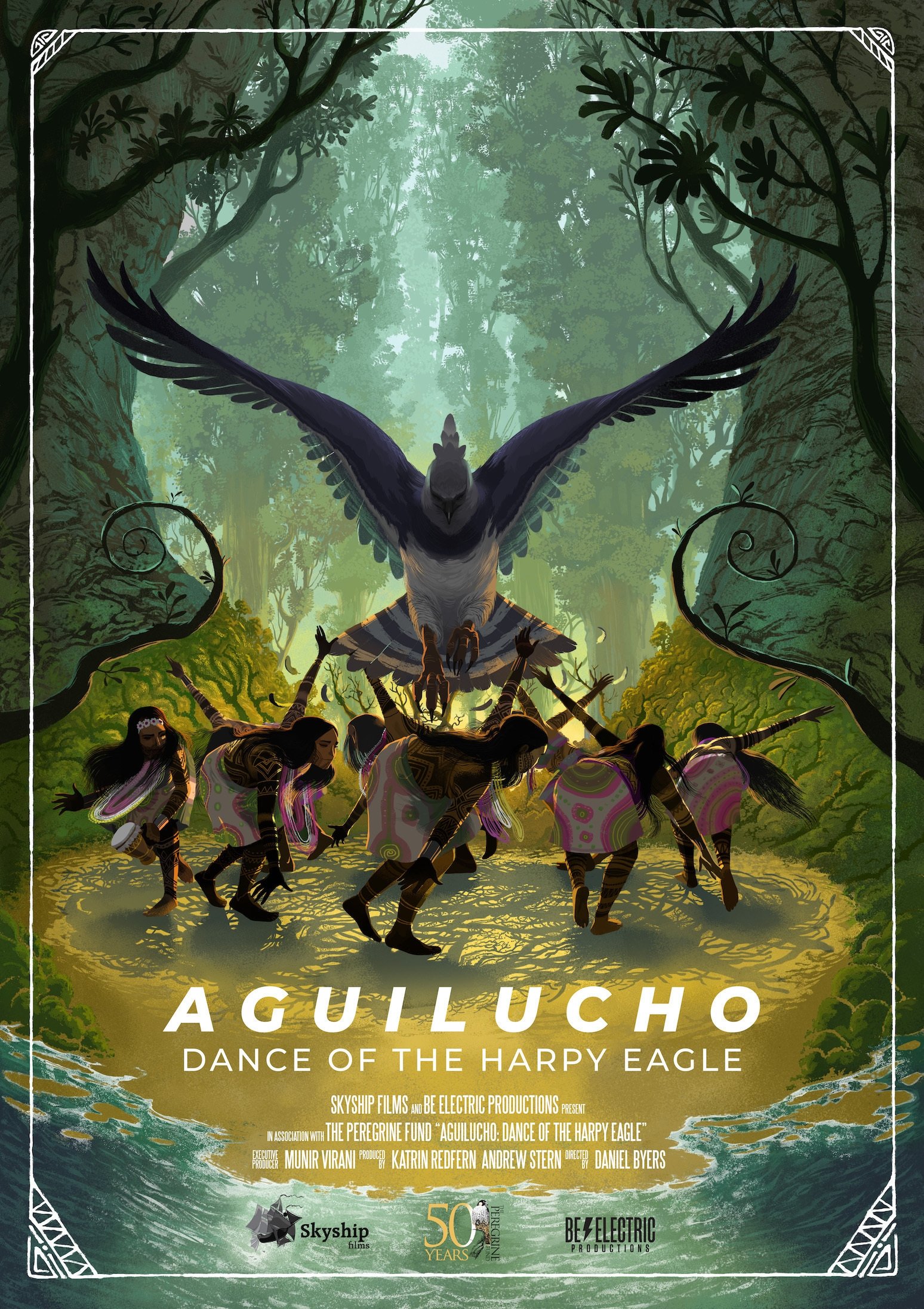
The indigenous people of the Darién Gap rainforest work with conservationists to use their heritage and traditions to protect the endangered Harpy Eagle and, in turn, protect their community.
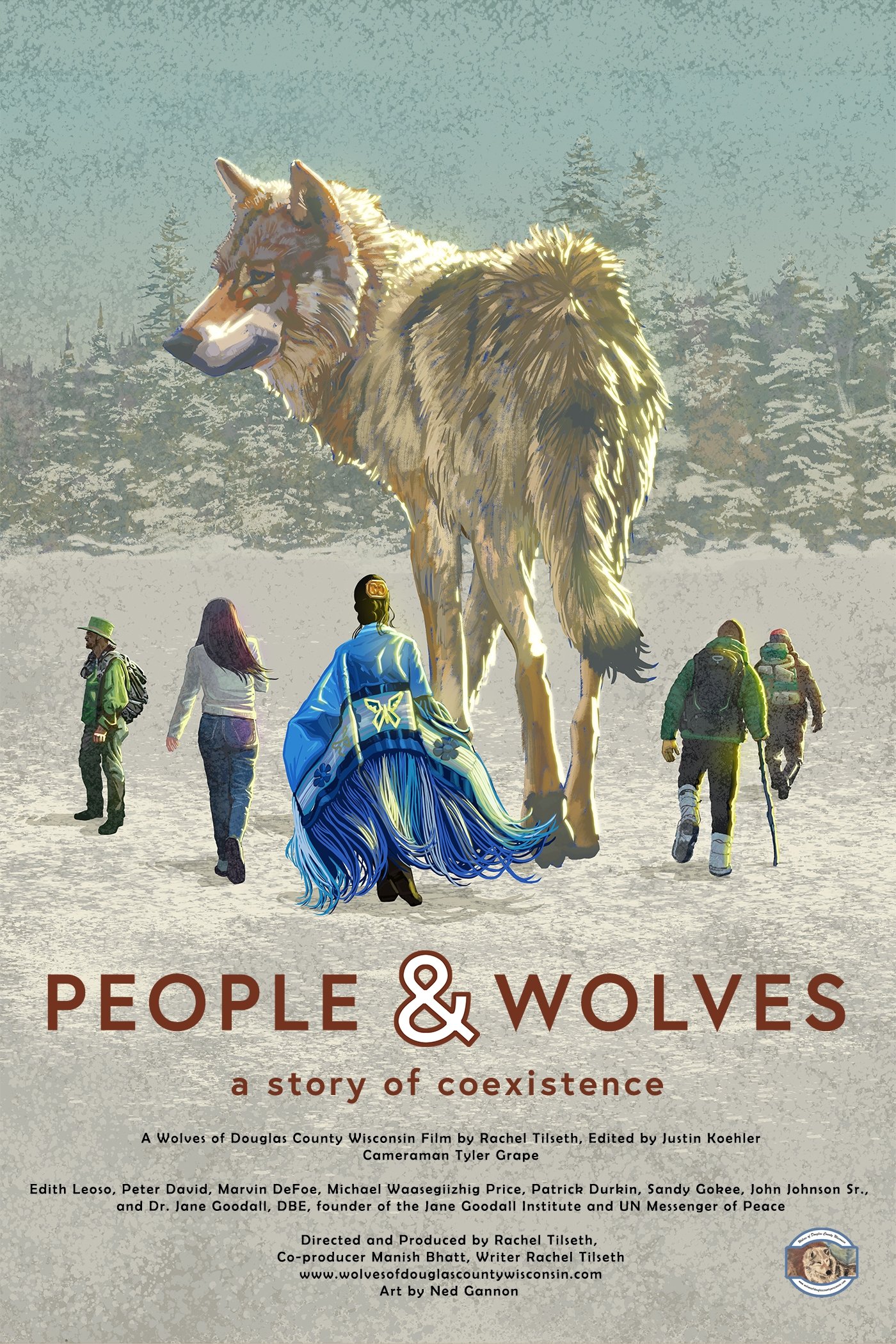
For centuries, the Ojibwe have lived alongside their brother Ma’iingan,(wolf). In February 2021, a brutal assault, a hunt on their wolf relative, stirs emotion and grief for Ma’iingan as they know what happens to him happens to them.
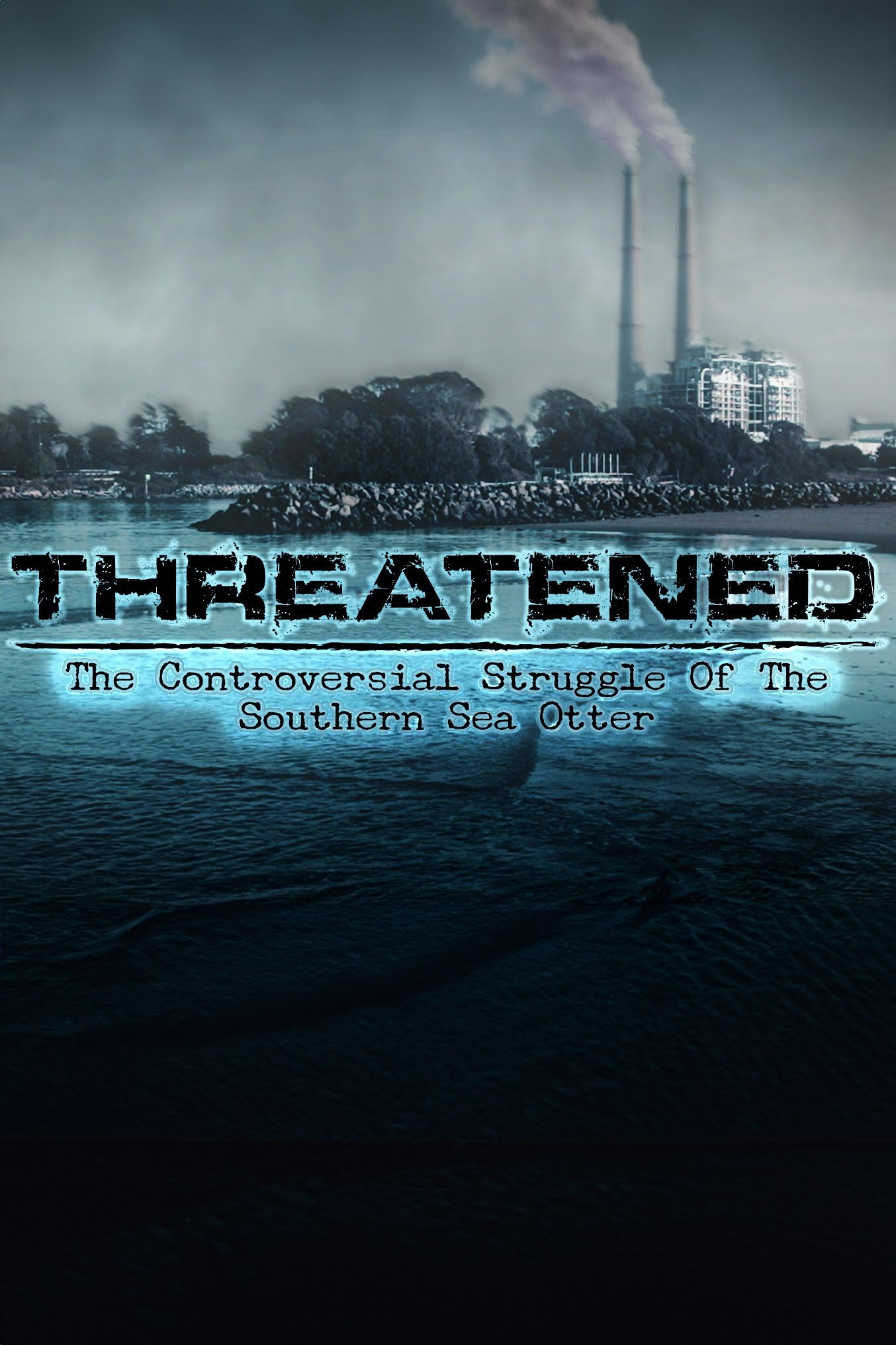
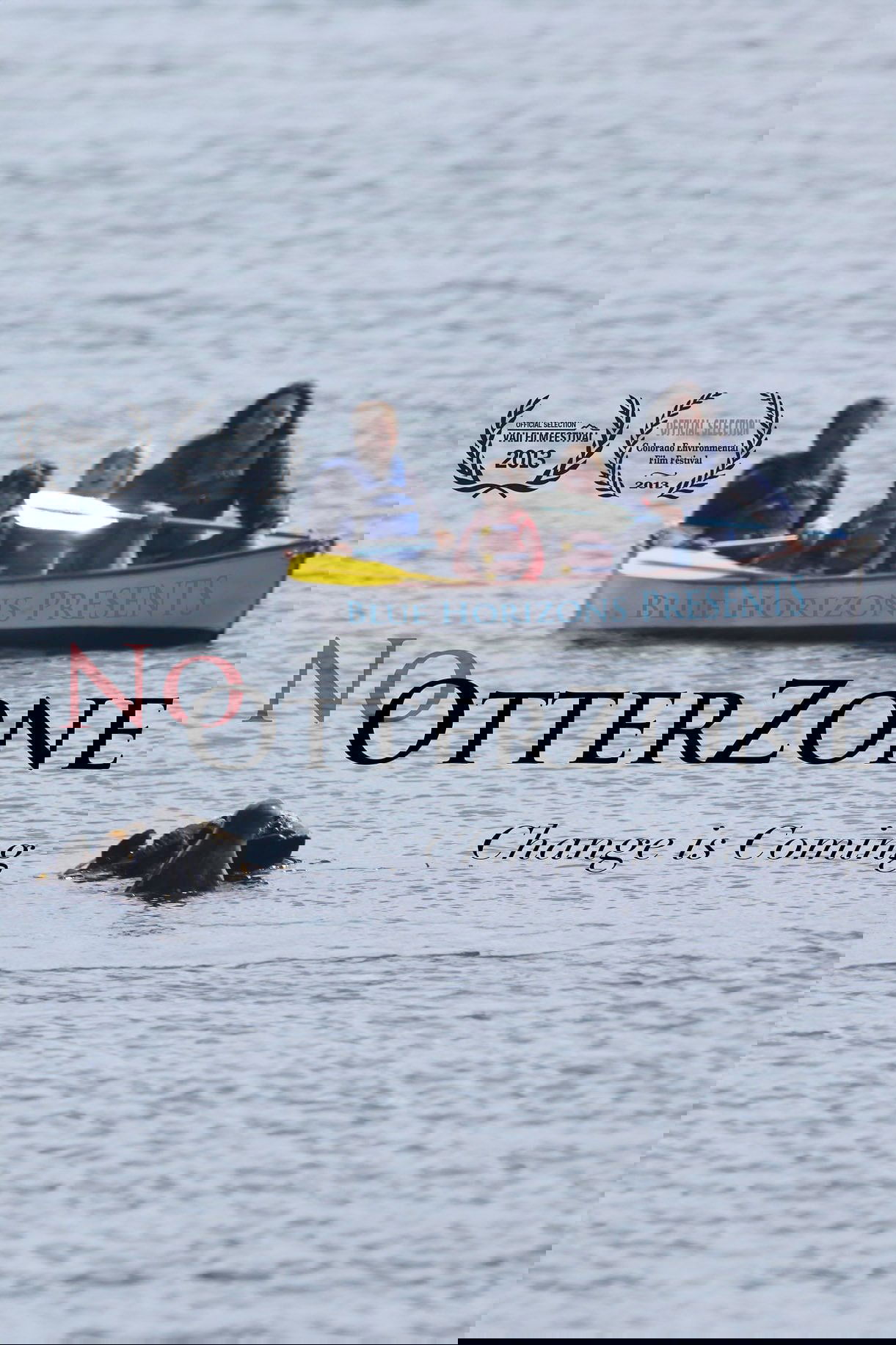
Sea otters are once again in peril after being brought back from the brink of extinction. An unprecedented number of sea otter deaths have occurred along the California coast in the last three years. Meanwhile, the Fish & Wildlife Services decision to eliminate their No Otter Zone from Southern California waters remains controversial. This fragile species threatened by pollution, infectious diseases, starvation, and competition with fishermen struggles for survival.
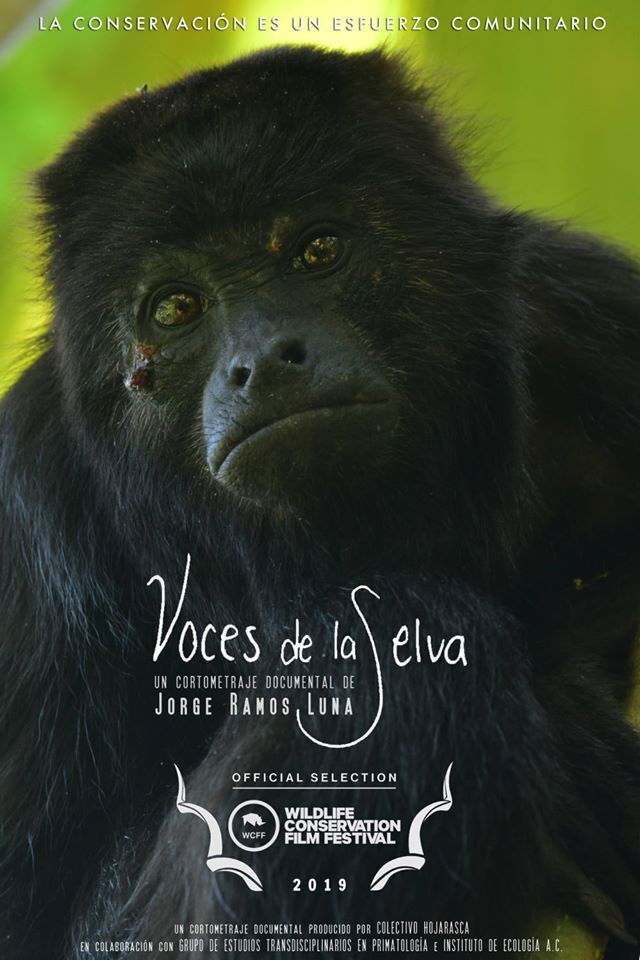
A group of conservationists take on the task of revitalizing the Balancán, Tabasco, research station and protect the howler monkey.
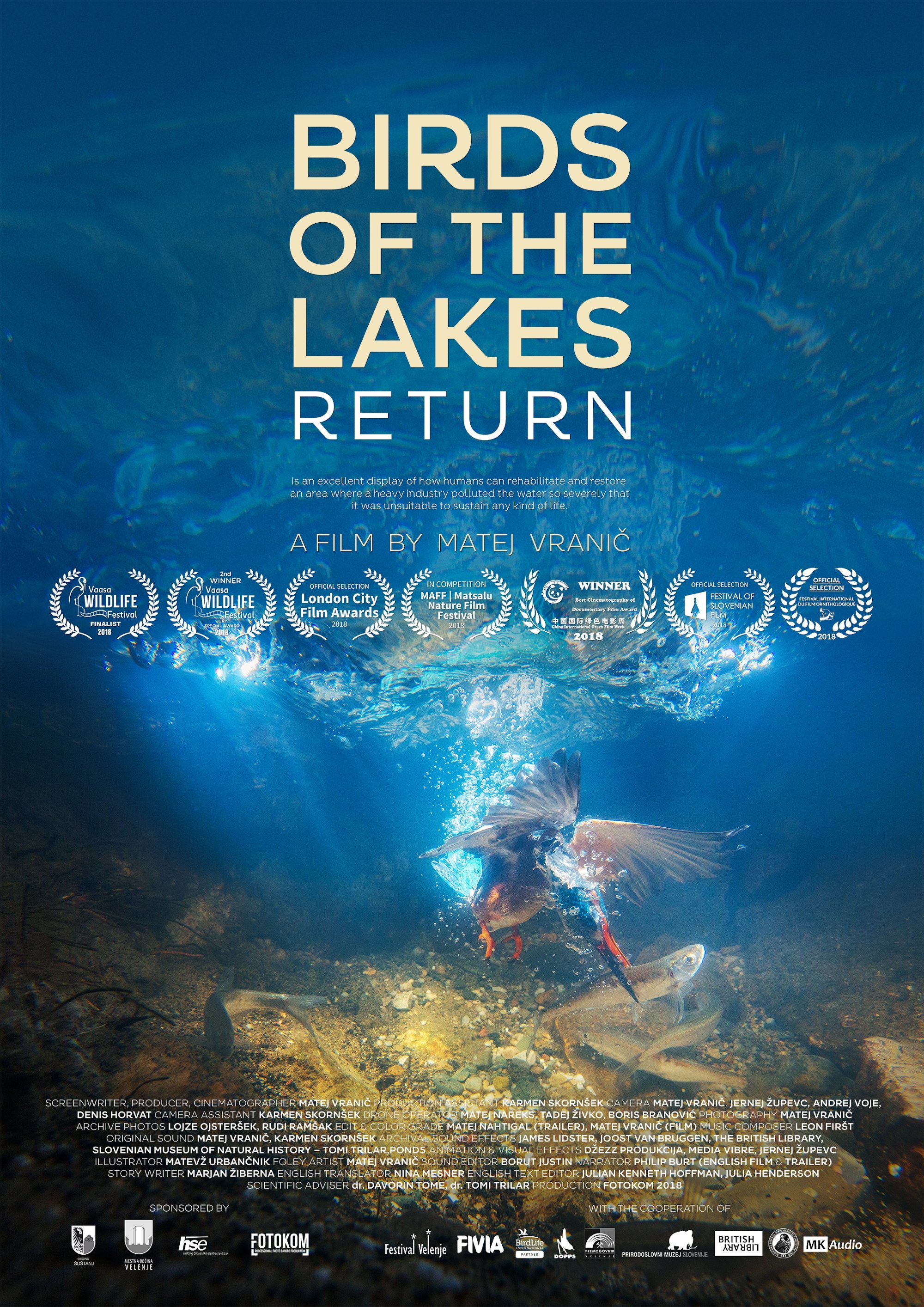
An excellent display of how humans can rehabilitate and restore an area where a heavy industry polluted the water so severely that it was unsuitable to sustain any kind of life. A a film showing how birds returned to an environment once devastated by industry. The lakes around the northern Slovenian town of Velenje, placed in the Central Europe, are geographic center of the film. They emerged as the land above the lignite mines subsided and the depressions were filled with water. The mines started operating at the end of the 19th century. In the mid 20th century a power plant was built that caused a severe pollution of the lake waters to the extent of the lakes not being fit for any kind of life. As a consequence many birds moved from these parts. After a long ecological restoration that started in the mid 1980s, life returned to the water. Gradually the birds returned as well, including some there were previously never observed in this area.
On August 15, 1972, during the dictatorial government of General Lanusse, twenty political prisoners belonging to the PRT- ERP, FAR and Montoneros, escaped from Rawson prison in the Patagonian province of Chubut.
In the mountains of Sichuan, China, a researcher forms a bond with Qian Qian, a panda who is about to experience nature for the first time.
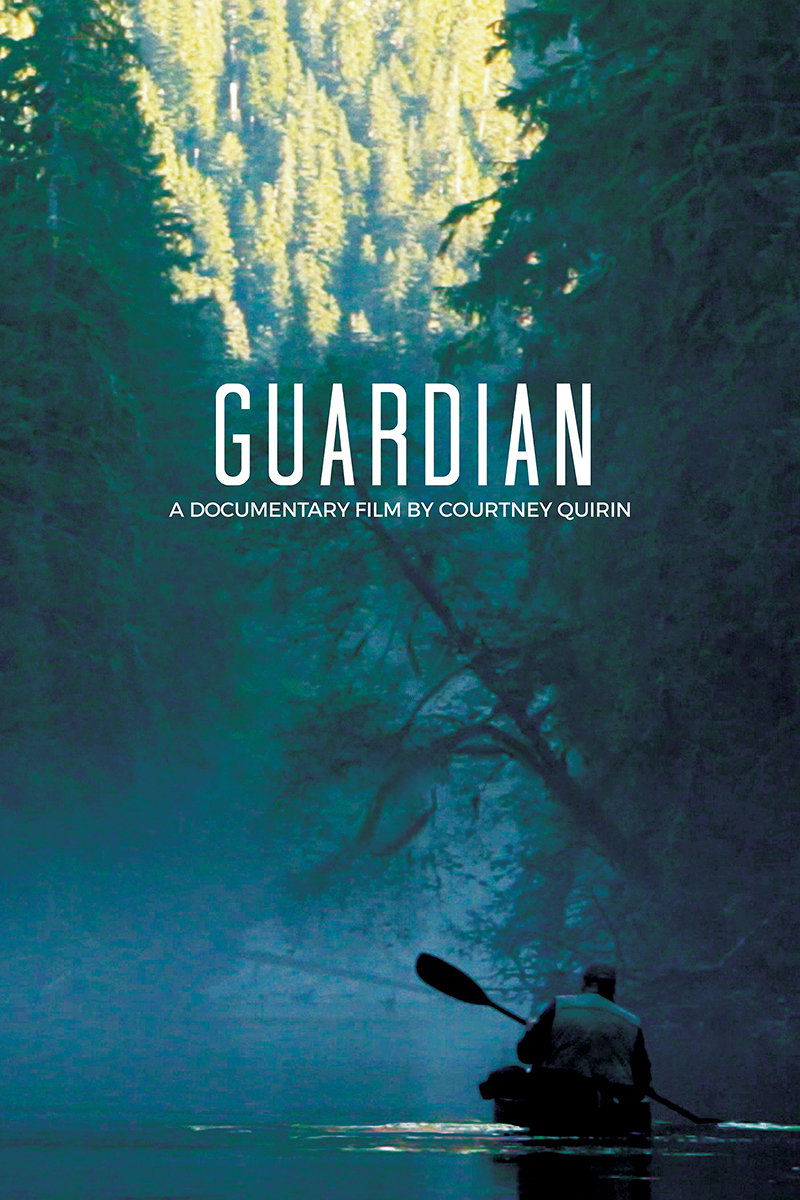
Guardian chronicles the work of wildlife stewards amid sweeping legislative rollbacks of environmental protections in Canada. Part hermit, part biologist, Guardians live on boats, full-time, in one of the last pristine frontiers of the world to monitor salmon, the backbone of the ecosystem, economy, and culture along British Columbia's coast. But, in an age of science censorship and soaring resource extraction in the form of fracking for oil and natural gas, Guardians and the wildlife they have dedicated their lives to protect are now disappearing.
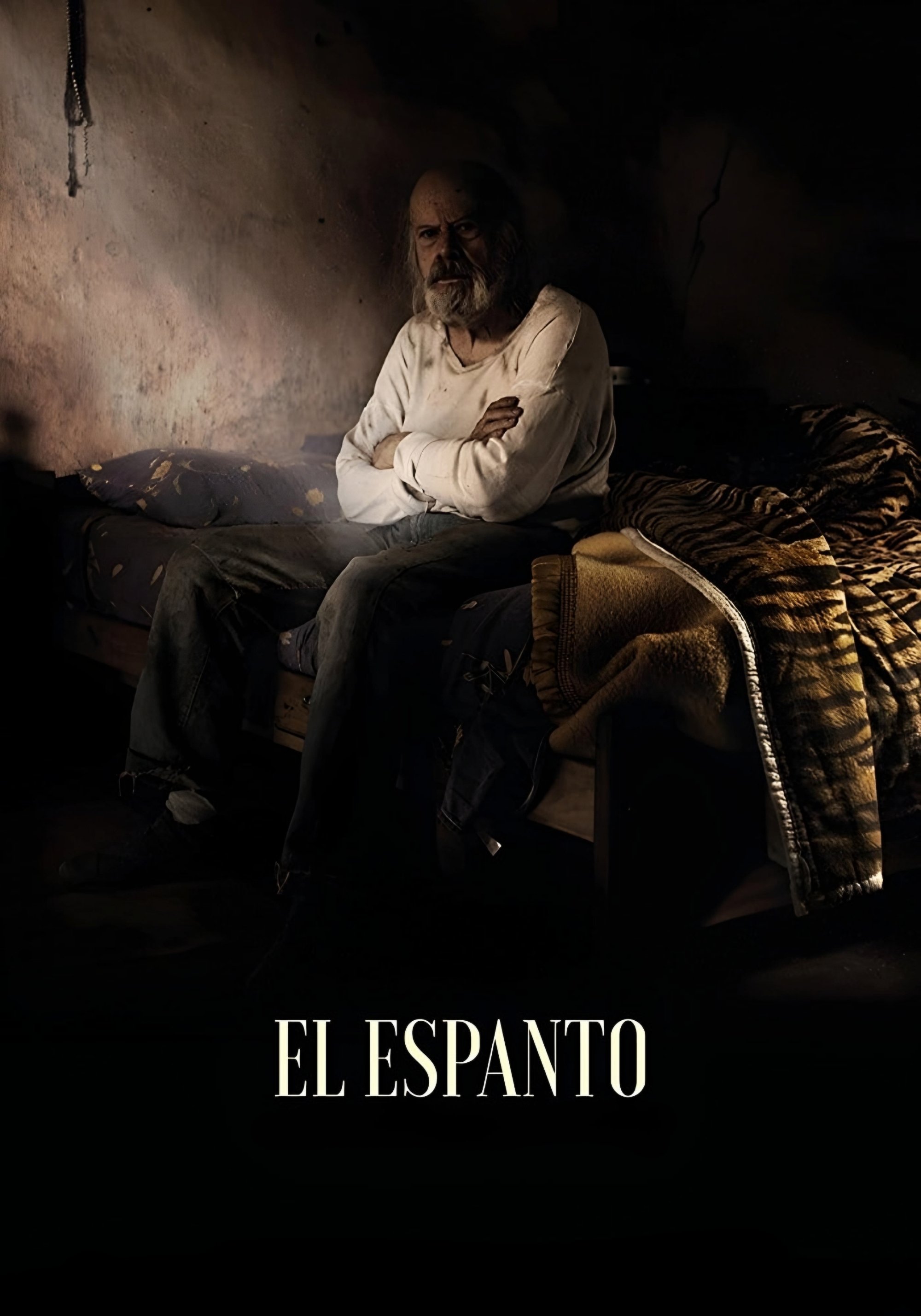
The villagers of El Dorado, Argentina, shy away from doctors. Then again, they hardly need one. They have almost as many cures for ailments and illnesses as there are residents in the village. 65 year old Jorge can also cure the most dreaded ailment of them all, the much feared espanto.
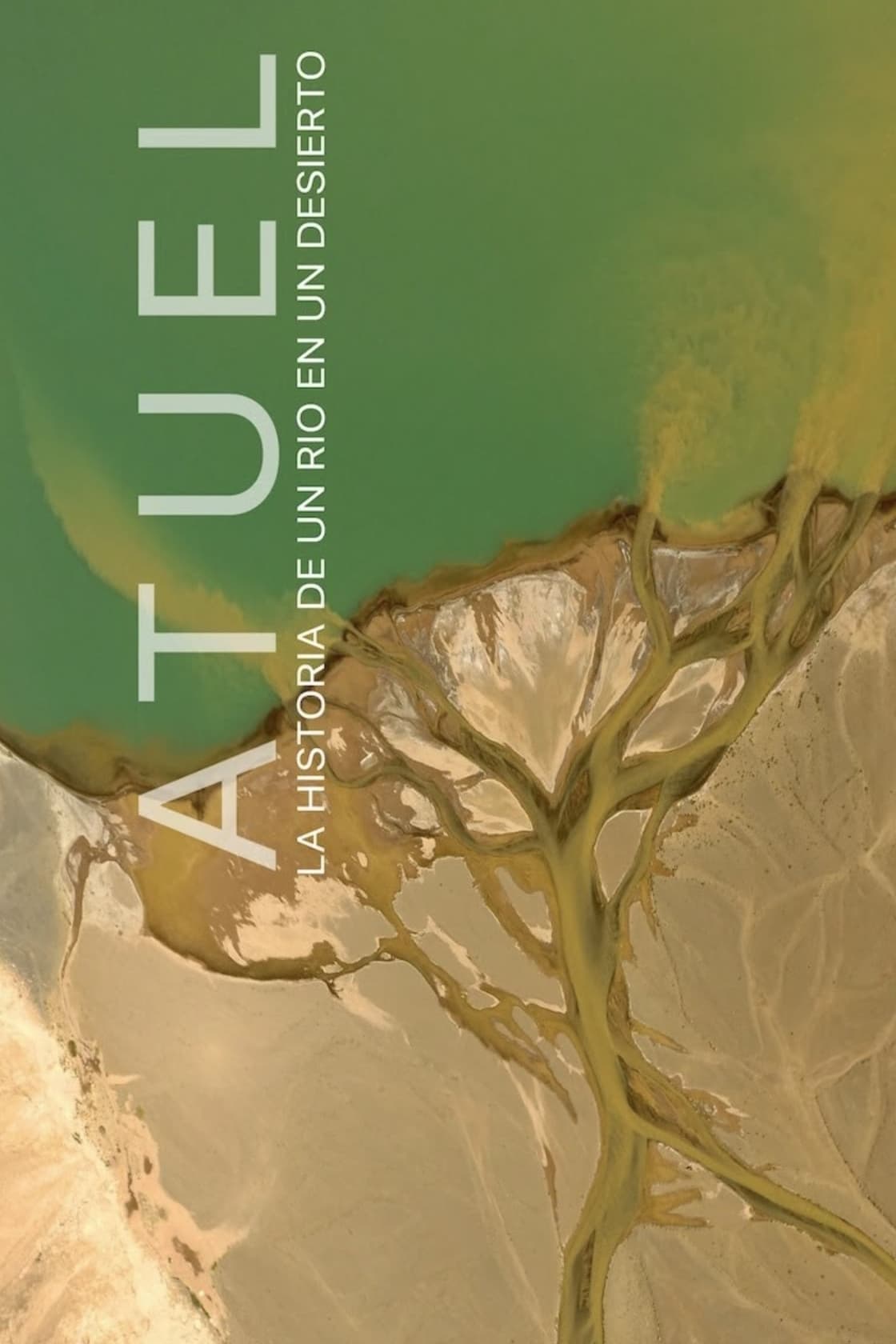
ATUEL is the story of a community and its river; of a river and its community. Everyone in the province of Mendoza, Argentina, lives in one of three oases. The southern oasis, home to the cities of San Rafael and General Alvear, depends primarily on The Atuel River. Yet incredulously, the river remains under threat. People cannot care for what they don’t know and so we decided to ask the river what story it would like to tell about itself. To do so, we travelled its entire length from its source in the heart of The Andes to where it dries out prematurely in the sands of The Cuyo Desert. We’re told we are the first to do so since 1884 and the first ever to do so by boat. 43 days. 480 kilometres. 38 people interviewed about their relationship with the river.
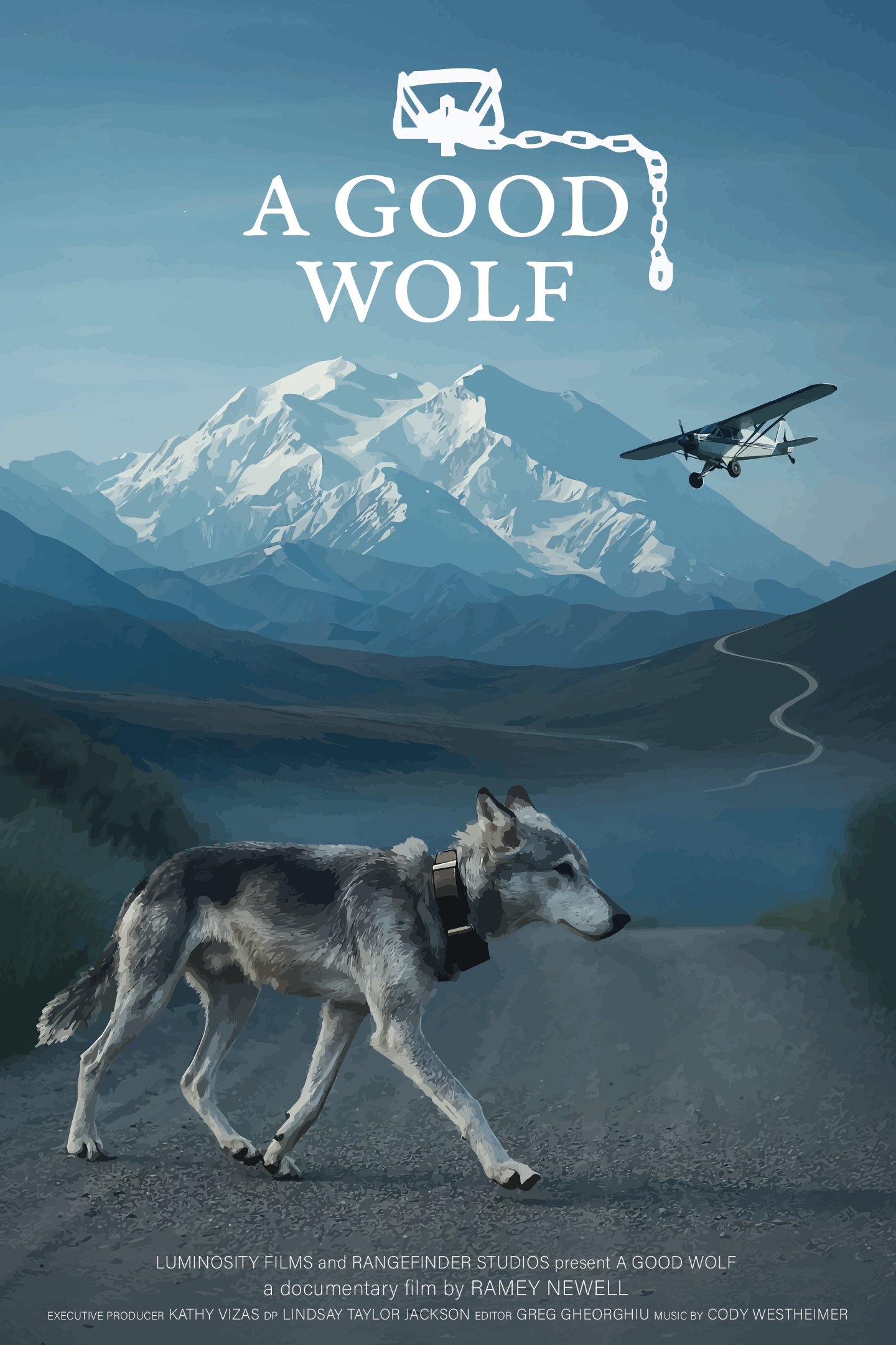
A Good Wolf is a feature-length documentary film examining a 40-year conflict over a single tract of land adjacent to Denali National Park—a volatile struggle between state and federal authorities, fur trappers and wildlife advocates, and competing human interests on public lands. Armed with thorough data, biologists and activists bring a new proposal to state authorities, hoping to regain protections for wolves near the park boundary. But local trappers are adamantly opposed. Hanging in the balance are some of America’s most iconic landscapes and wildlife -- including the remarkable Wolf 1202.
The Southern Sea Otter was historically abundant along the California coastline until intense hunting pressures reduced their numbers to near-extinction levels. But now the otters are coming back, and with them they bring the potential for drastic change to the modern-day economics and ecology of the Santa Barbara Channel.
Images of Argentinian companies and factories in the first light of day, seen from the inside of a car, while the director reads out documents in voiceover that reveals the collusion of the same concerns in the military dictatorship’s terror.
Sir David Attenborough is larger than life, his distinctive voice as recognisable as his name. In this program, renowned Australian journalist Ray Martin turns the cameras away from the beloved wildlife Sir David has spent his life documenting and onto the man himself. The show is an edited interview culled from a series of sold-out events held in theatres across Australia in 2012 and 2013.
From the heights of her modeling fame to her tragic death, this documentary reveals Anna Nicole Smith through the eyes of the people closest to her.
Amber Heard and Nicole Kidman discuss their characters Mera and Atlanna.
A visual montage portrait of our contemporary world dominated by globalized technology and violence.
A string of threatening emails escalates into a revenge plot involving a newly married US marshal and his ex-girlfriend.
Through deeply personal interviews with her siblings and an examination of the photographs, letters, and belongings left behind, Mariska assembles a new portrait of her mother Jayne Mansfield, an extraordinary and complex woman.
A documentary about the making of David Fincher's 2008 film THE CURIOUS CASE OF BENJAMIN BUTTON. Virtually every element in the evolution of the Fincher's film is documented here, from the project's attachment to numerous other directors during the 1990s, to its shoot in 2006 and 2007 in New Orleans, to its complex, CGI-intensive postproduction process.
In an intimate and joyful story of love in the face of loss, celebrated poets Andrea Gibson and Megan Falley find strength—and unexpected hilarity—in what might be their final year together.
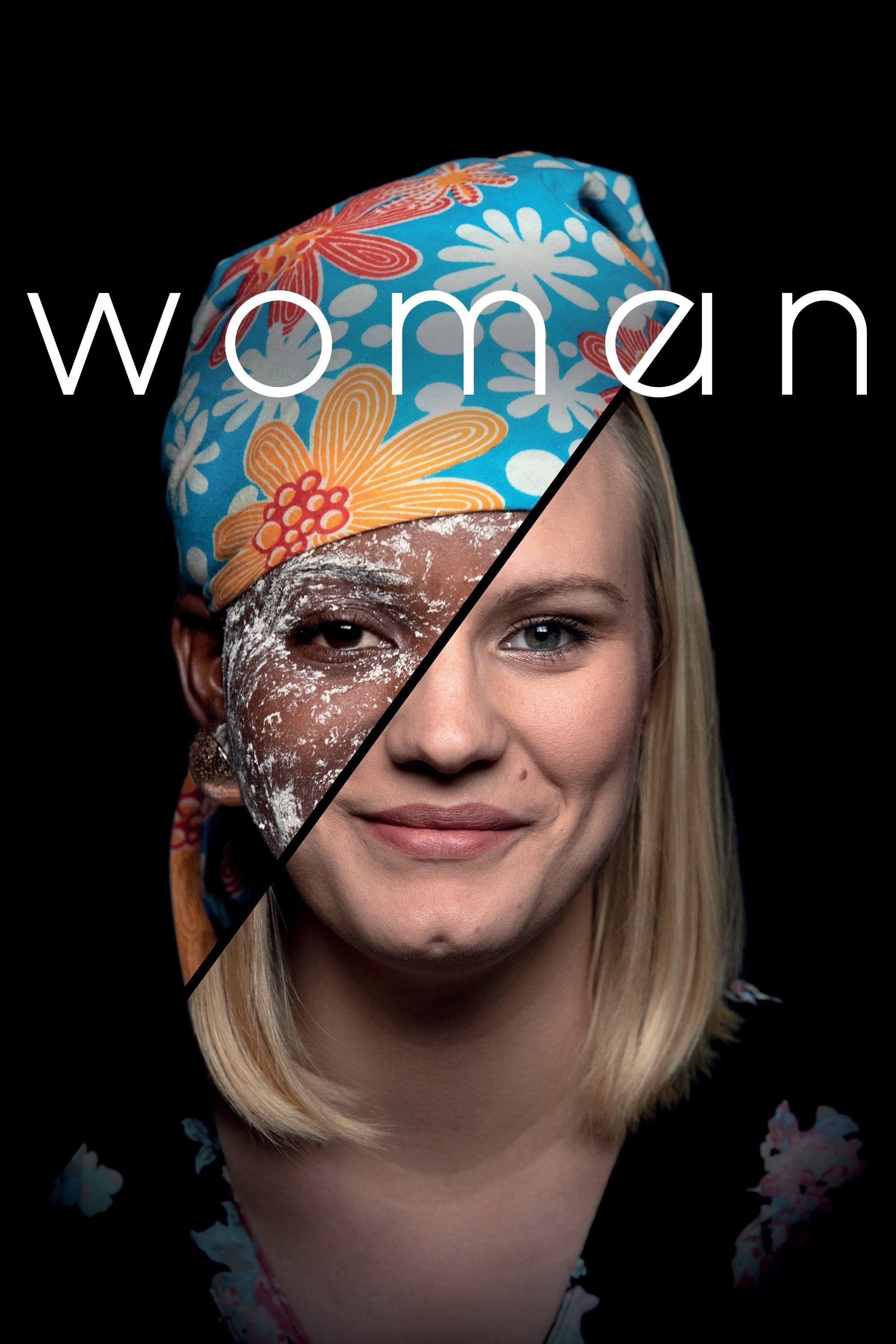
The film is based on interviews with 2,000 women from 50 countries, and covers the status of women all over the world. The topics covered include forced marriages, sexual assault, female genital mutilation, acid attacks, motherhood, sexuality, menstruation, education and the professional success of women.
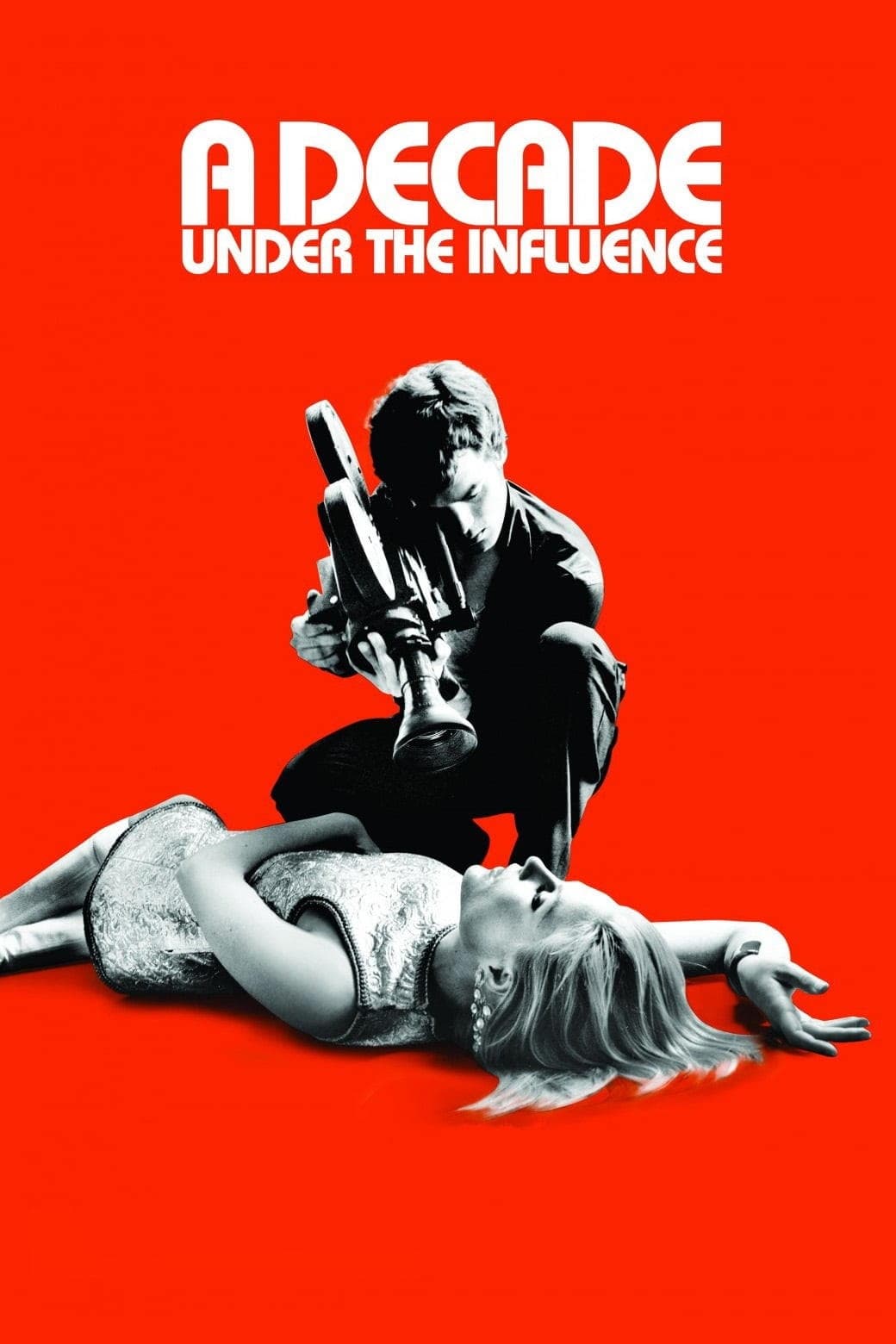
A documentary examining the decade of the 1970s as a turning point in American cinema. Some of today's best filmmakers interview the influential directors of that time.
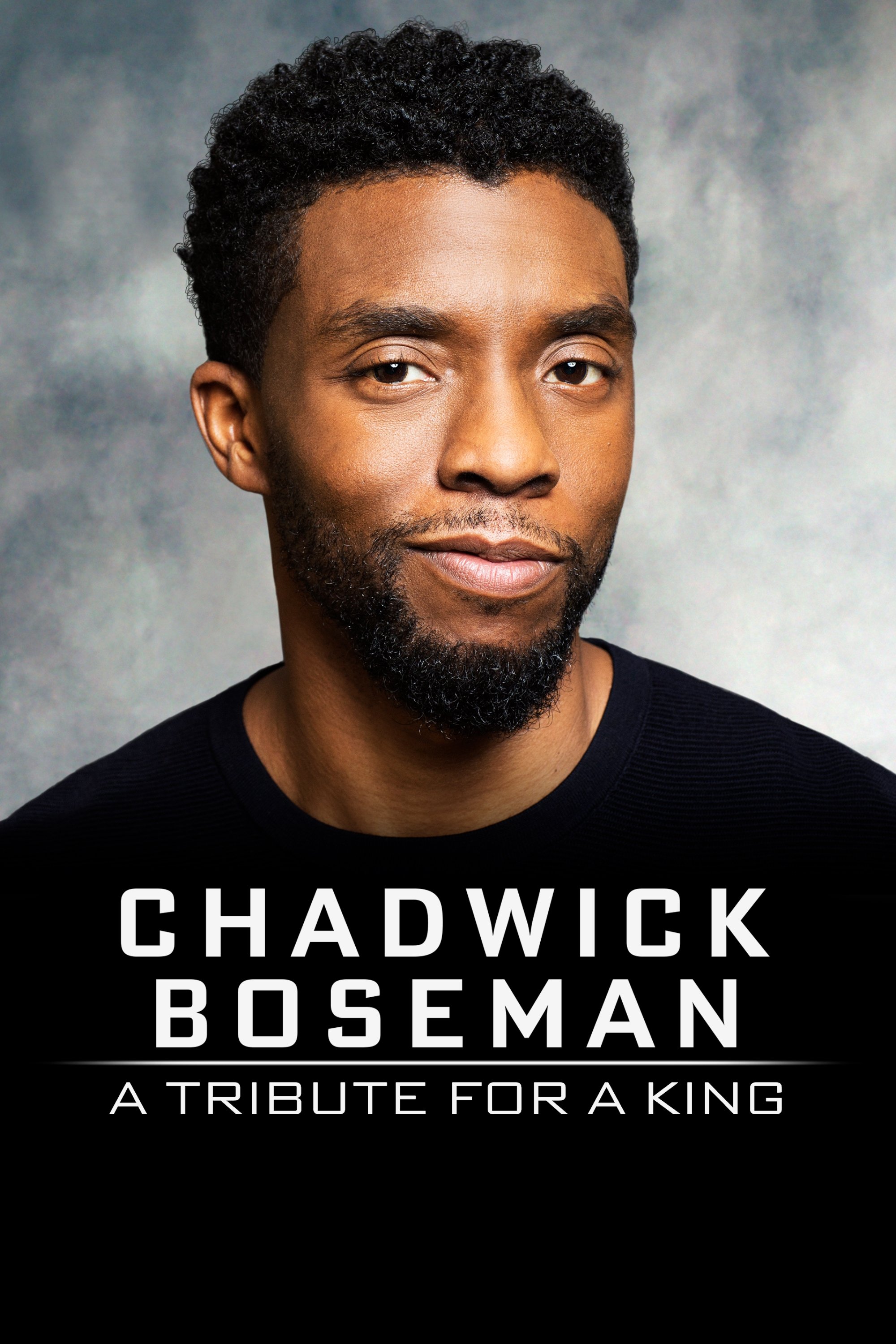
A tribute to Chadwick Boseman, celebrating his life and legacy.
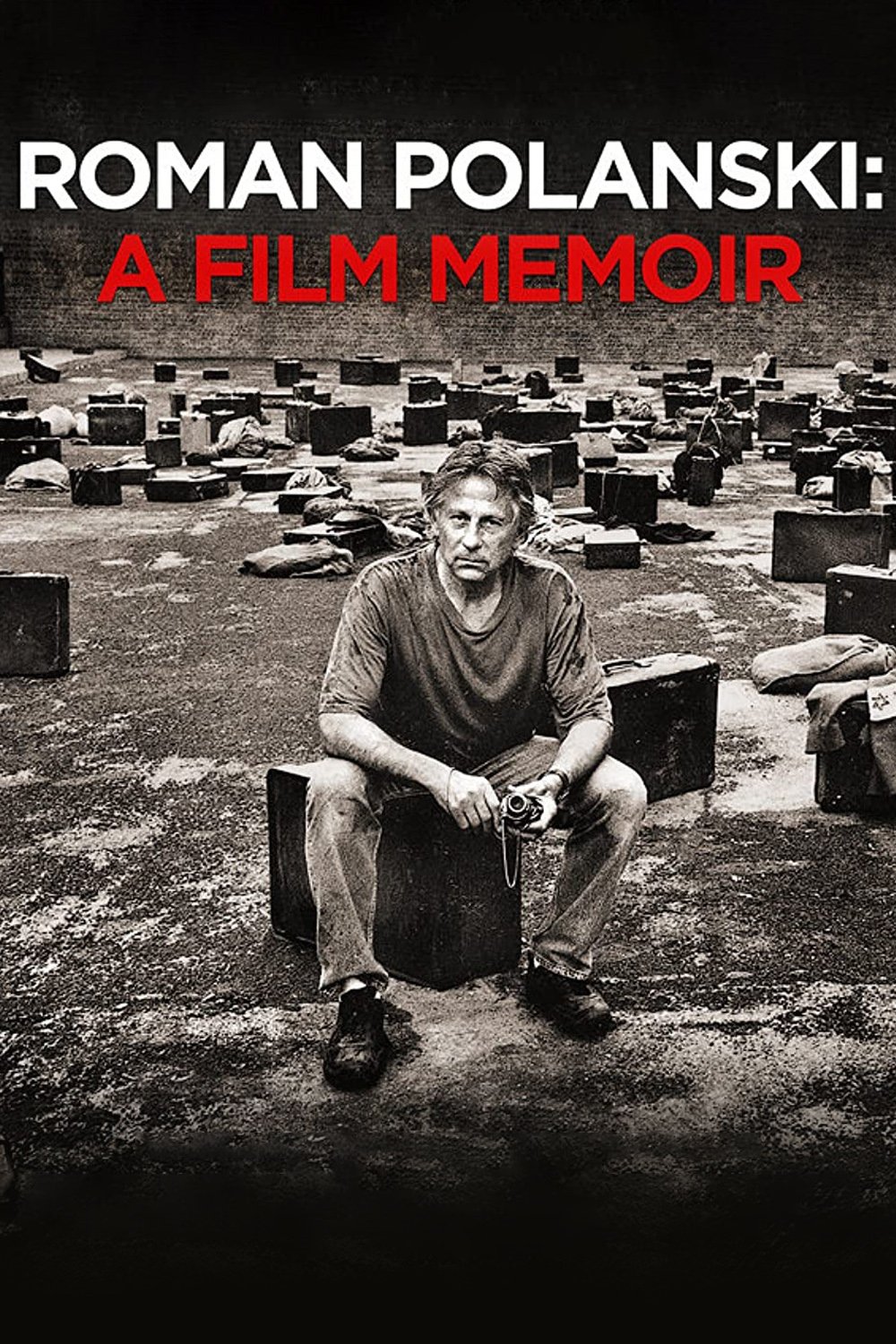
An interview with film director Roman Polanski conducted during his period of house arrest, discussing his life and work.
Those who knew iconic funnyman John Candy best share his story, in their own words, through never-before-seen archival footage, imagery, and interviews.
While in San Francisco for the promotion of her last film in October 1967, Agnès Varda, tipped by her friend Tom Luddy, gets to know a relative she had never heard of before, Jean Varda, nicknamed "Yanco". This hitherto unknown uncle lives on a boat in Sausalito, is a painter, has adopted a hippie lifestyle and loves life. The meeting is a very happy one.
Over 35 years after Bob Lazar's revelations, this documentary exposes secrets of a facility the government still denies. Featuring Lazar's testimony, recreations, and new evidence, it reopens a case that continues to spark global curiosity
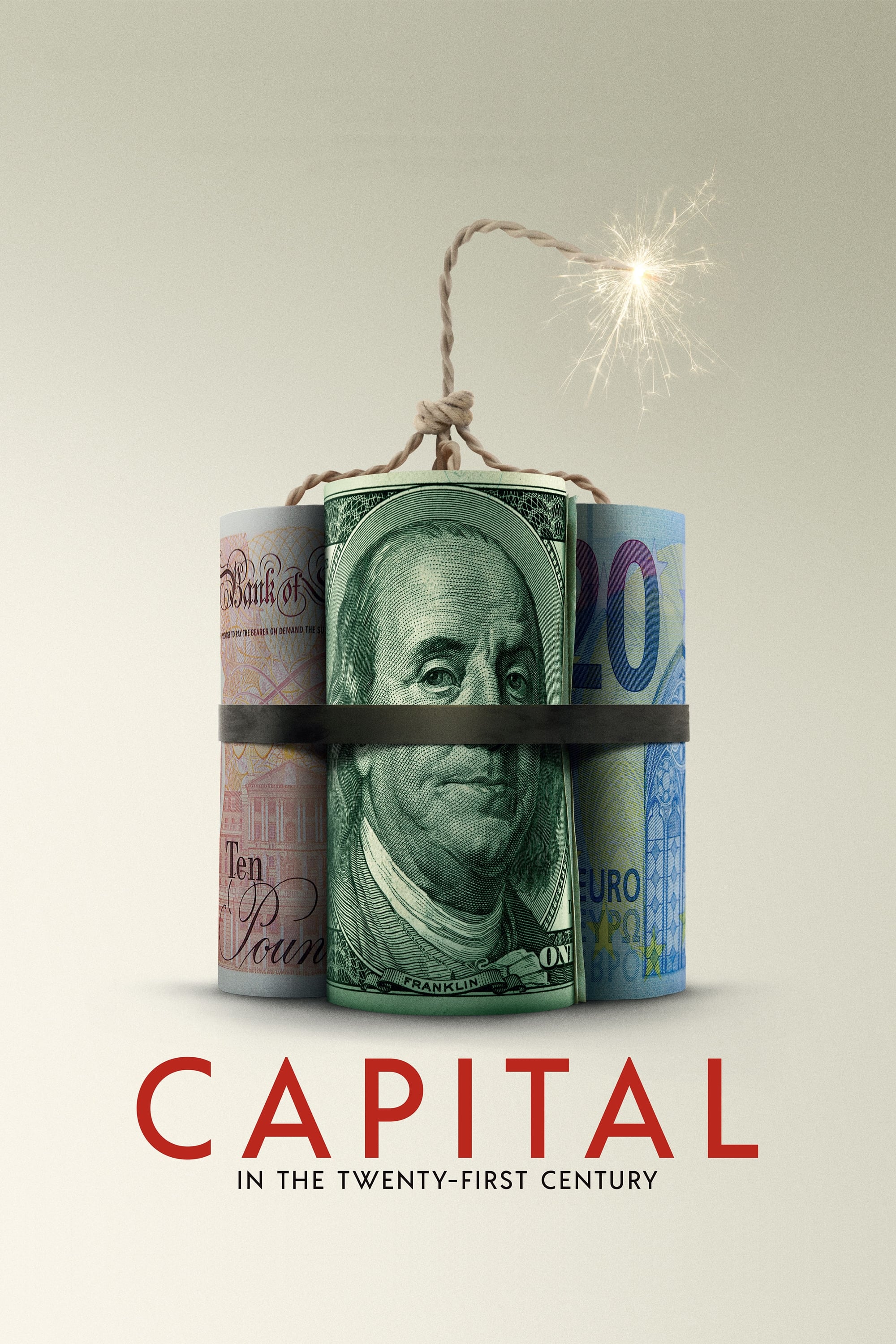
Film adaptation of French economist Thomas Piketty's ground-breaking global bestseller of the same name: an eye-opening journey through wealth and power.
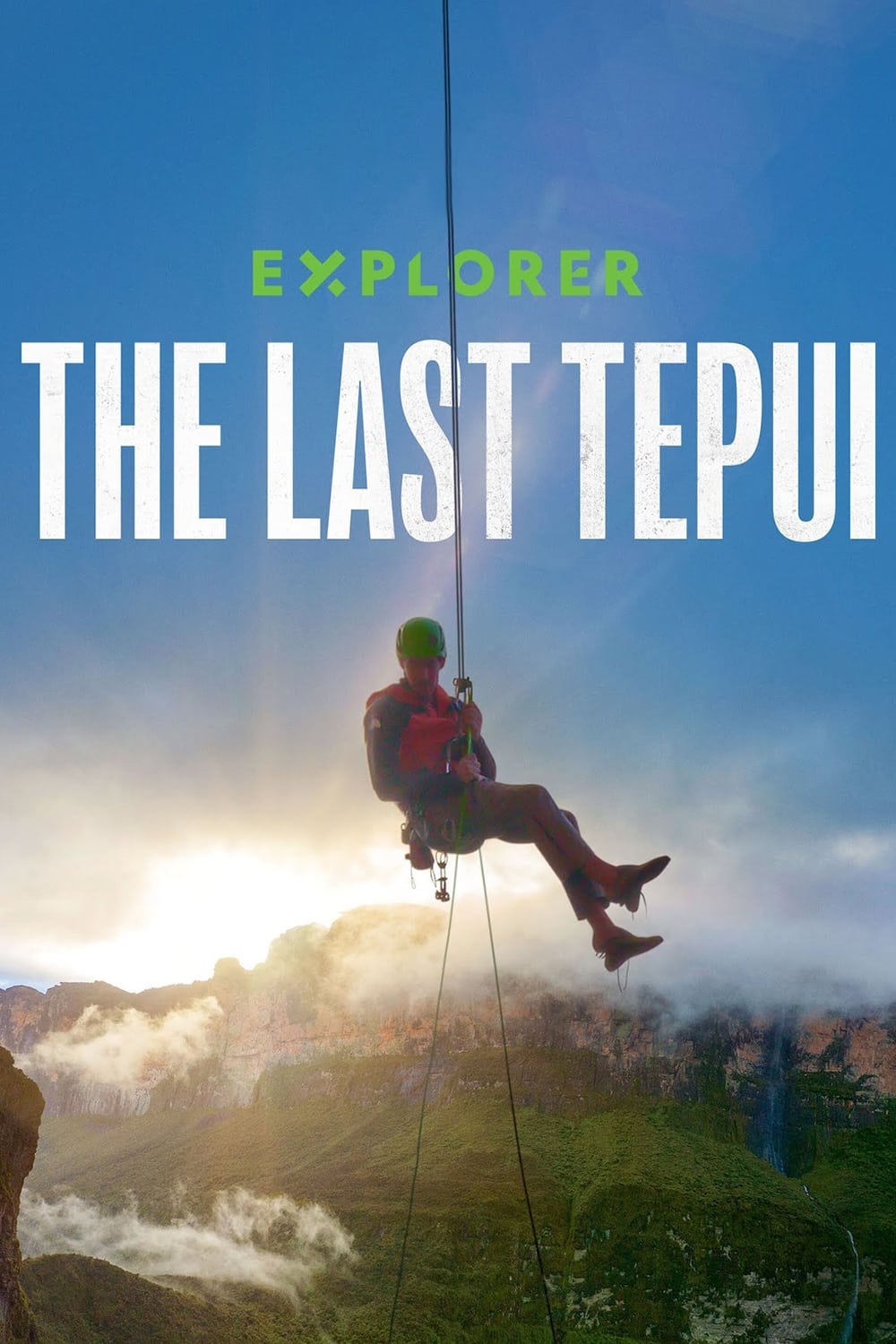
This documentary starring climber Alex Honnold and famous biologist Bruce Means document their expedition to the South American sky islands in search of new species and discoveries. Follows elite climber Alex Honnold and a world-class climbing team led by National Geographic Explorer and climber Mark Synnott on a grueling mission deep in the Amazon jungle as they attempt a first-ascent climb up a 1000 foot sheer cliff.
Join the likes of Jeremy Renner, Hailee Steinfeld, Florence Pugh, and Vincent D’Onofrio as they reveal how Marvel Studios’ “Hawkeye” was conceived and created. Witness firsthand what it took to pull off the show’s pulse-pounding action set pieces, and discover how iconic characters from the pages of Marvel Comics such as Kate Bishop were adapted and brought to life for the six-episode series.
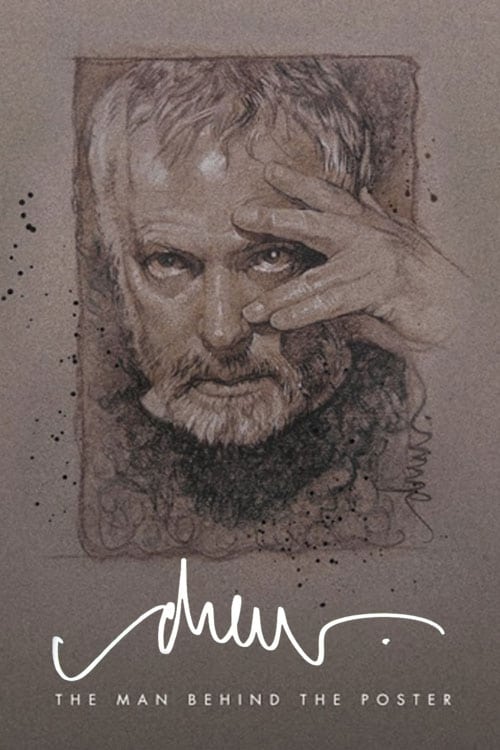
A documentary on legendary movie-poster artist Drew Struzan.
Behind the scenes look at fight choreography and action training.
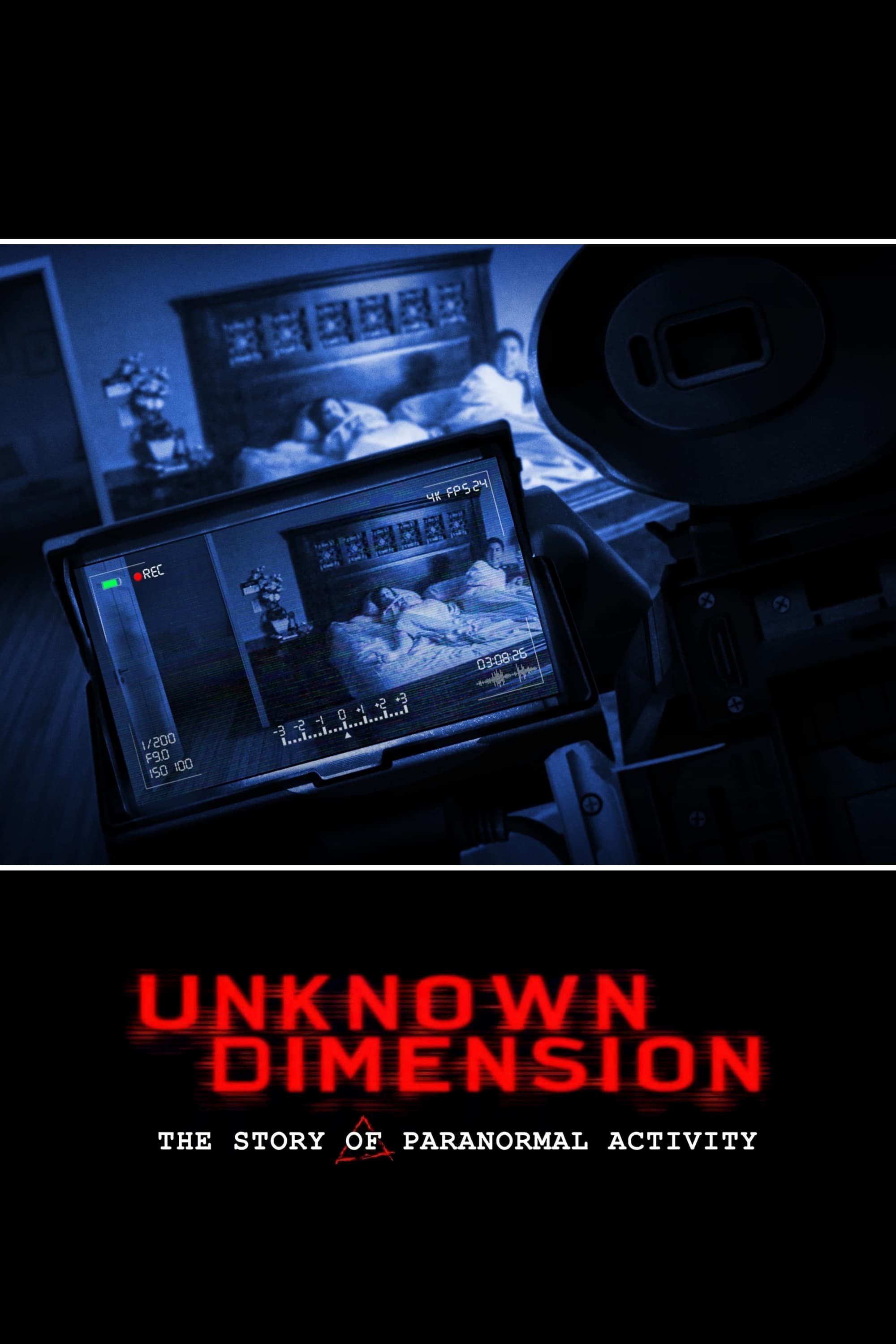
A deep dive into the making of the Paranormal Activity films with first time ever interviews with cast and crew, never-before-seen footage from the movies, and a preview of the seventh installment in the franchise.