Social & External
The people behind it
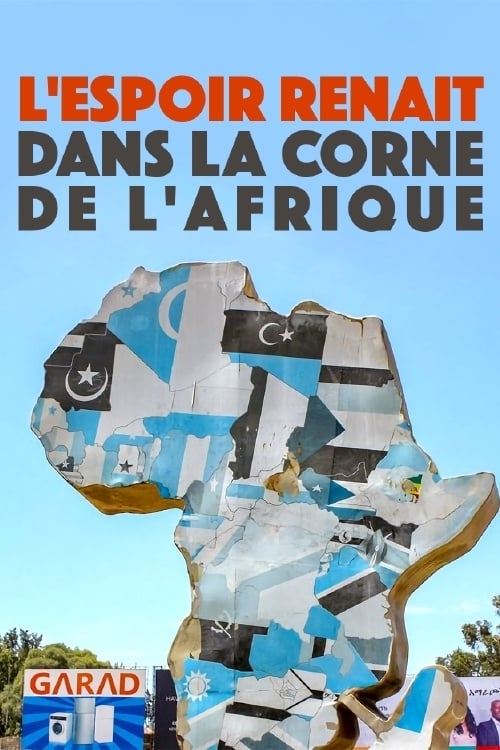
Haile Gerima and Ryszard Kapuscinski travel around Ethiopia talking to people about their current situations and what needs to be done for a prosperous country.
Turkey's history has been shaped by two major political figures: Mustafa Kemal (1881-1934), known as Atatürk, the Father of the Turks, founder of the modern state, and the current president Recep Tayyıp Erdoğan, who apparently wants Turkey to regain the political and military pre-eminence it had as an empire under the Ottoman dynasty.
"A Walk to Beautiful" tells the story of five women in Ethiopia suffering from devastating childbirth injuries. Rejected by their husbands and ostracized by their communities, these women are left to spend the rest of their lives in loneliness and shame. The trials they endure and their attempts to rebuild their lives tell a universal story of hope, courage, and transformation.
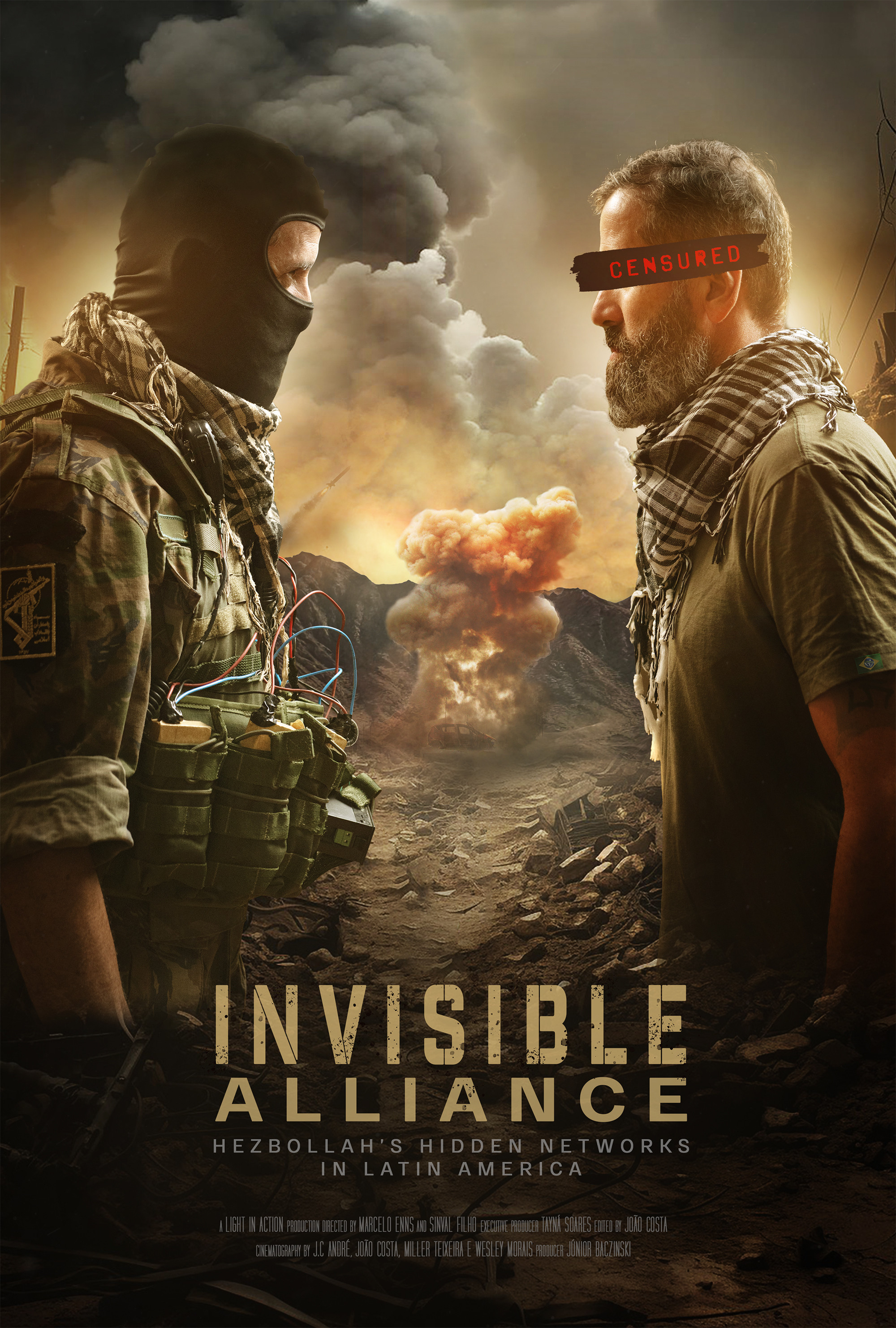
A Hezbollah suicide bomber breaks silence to reveal the inner workings of the organization and his involvement in a narcotrafficking alliance with the FARC. Discover the hidden agendas between Iran, Latin American governments and organized crime.
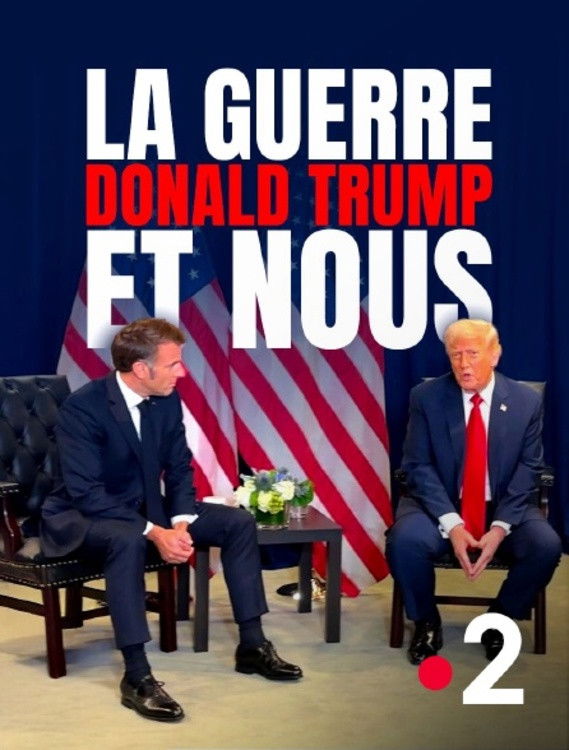
2025, the year of the intensification of a total and deadly war, which nothing and no one seems able to stop, targeting military personnel and civilians, and which has now claimed more than 1.5 million lives or left that many wounded on both sides. But 2025 is also the year of our break with Donald Trump's America, an America with violent and unpredictable reactions, which risks abandoning the old continent, its most loyal ally for 80 years, for Vladimir Putin. How can we stop this bloodshed on our doorstep? How can we contain the master of the Kremlin, a dictator whose predatory logic threatens to spread beyond Ukraine? Sabotage, ghost ships, interference operations, and drone flights: he is already waging a hybrid war against the rest of Europe. Is armed conflict between Europe and Russia now a possibility?
An intimate look inside the immigrant community in Portland, Maine, as told by Nyamuon Nguany Machar who arrived as refugee in 1995 and David Zwalita Mota who came as an asylum seeker in 2019.
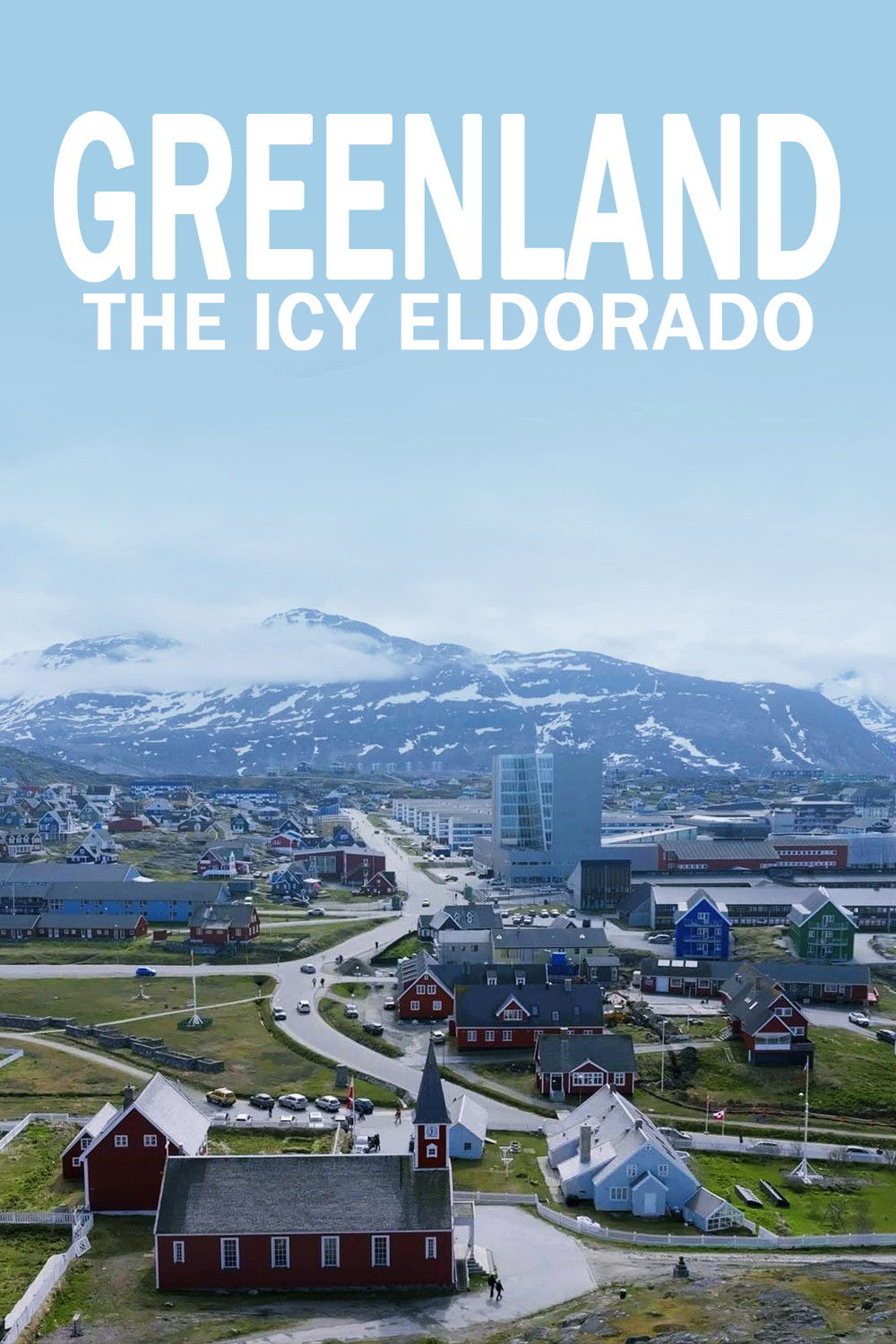
Greenland has become a major geopolitical issue between the United States, Europe, Russia, and China due to its geographical location and mineral resources. Its geopolitical destiny will have significant ecological consequences for the entire planet. What choice will the people of Greenland make? The largest island in the world, with its 2.2 million square kilometers covered 80% by ice, is also one of the least densely populated territories on Earth, with barely 57,000 inhabitants. Mainly living off fishing, tourism, and Danish subsidies, yet sitting on a potential treasure. We are talking about 25% of the world's hydrocarbon reserves, the third-largest uranium reserves, and 20% of rare earths. An icy Eldorado that today sparks all sorts of ambitions, one of the hotspots where the future of our multipolar world is being shaped. This is what the film will explore, addressing both its economic and commercial challenges, as well as its geo-ecological and military implications.
The history of art in Ethiopia. The film emphasizes the styles, materials, etc. ofpaintings on walls and roofs of ancient churche
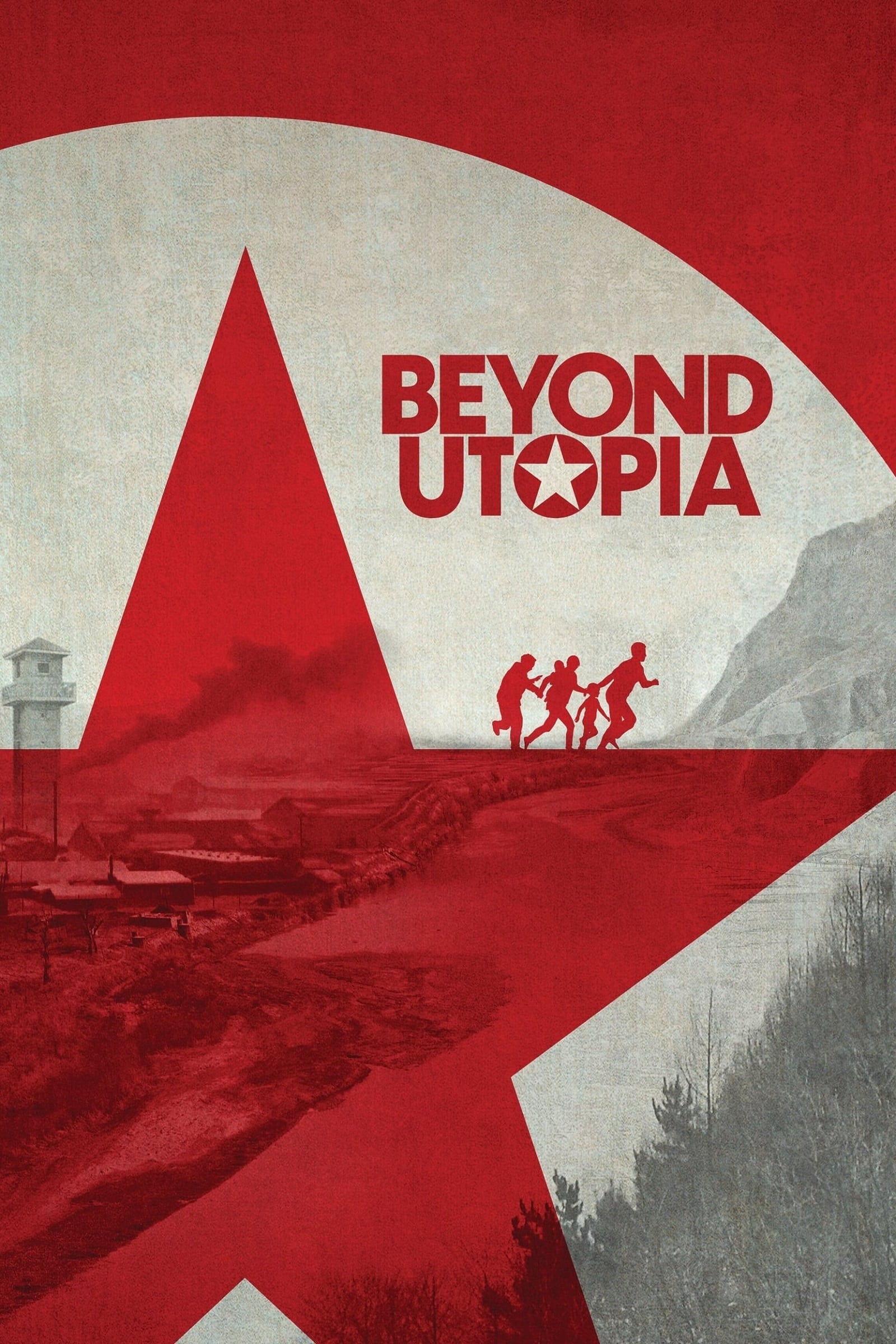
A courageous pastor uses his underground network to rescue and aid North Korean families as they risk their lives to embrace freedom.
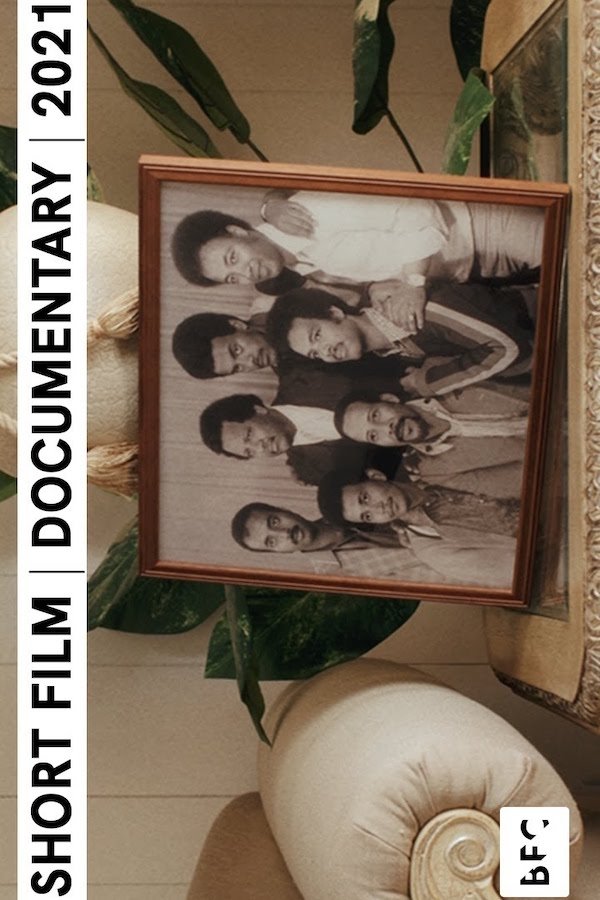
A short film documenting Ethiopian musician Hailu Mergia's life as the leader of the Walias Band in the 1970, his immigration to the United States and his subsequent re-emergence as a performer in 2014.
When two women with a video camera follow an HIV research team to Eritrea, Africa, they find a strange and magical country which transforms their documentary into an intimate investigation of their own capacities to love, suffer and forgive.
Vladimir Putin and Donald Trump — one the President of the United States, the other the President of Russia. Two men at the pinnacle of global power whose relationship keeps the world on edge. One a former businessman, the other a former KGB agent. Both have been active in politics for years. What drives them? The struggle over a possible ceasefire — or even peace — in Ukraine brought the two together last summer in Anchorage. But the question remains: who wants what? And who is succeeding with what agenda?
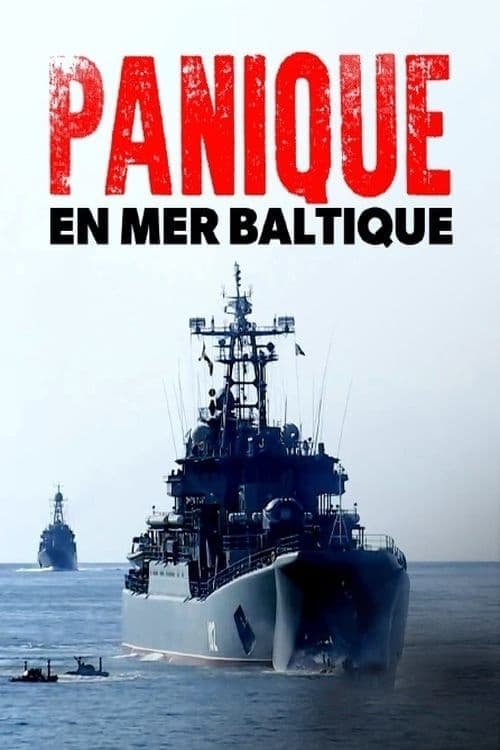
After the end of the Cold War, the Baltic was viewed almost as a quiet backwater. A nice place to visit to see charming Hanseatic cities and sandy beaches. But since the war in Ukraine the Baltic sea, bordered by eight European Union countries as well as Russia, has become a hot spot of world geopolitics. And tensions are high.
A "Chinese" father reflects on the changing relationship of China and US during his trip to Beijing to retrieve his 3-year-old "American" daughter who has been stranded because of the recent "decoupling" of the two countries. Born in China and living in the American Midwest, filmmaker Yinan Wang attempts to unpack his own experience of how a transnational migrant family deals with the distress caused by identity, nationalism, and geopolitics.
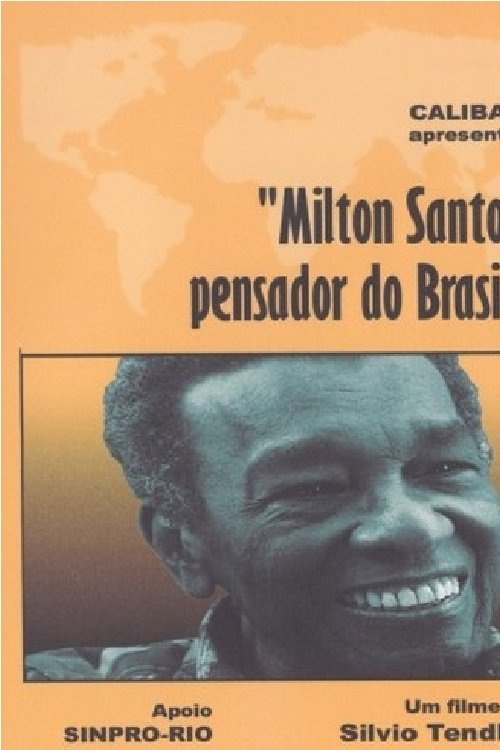
The interview, held on January 4, 2001, was the last given by Professor Milton Santos, who died from cancer on June 24 of the same year. The geographer is gone, but his thoughts remains. Its political and cultural ideals inspire the debate on Brazilian society and the construction of a new world. His statement is a true testimony, a lesson that the world can be better. Based on geography, Milton Santos performs a reading of the contemporary world that reveals the different faces of the phenomenon of globalization. It is in the evidence of contradictions and paradoxes that constitute everyday life that Milton Santos sees the possibilities of building another reality. He innovates when, instead of standing against globalization, proposes and points out ways for another globalization.
A look back over nine years of the Syrian Civil War, an inextricable conflict, like a black box, due to the competing interests of the many factions in presence and those of the foreign powers.
A string of threatening emails escalates into a revenge plot involving a newly married US marshal and his ex-girlfriend.
In an intimate and joyful story of love in the face of loss, celebrated poets Andrea Gibson and Megan Falley find strength—and unexpected hilarity—in what might be their final year together.
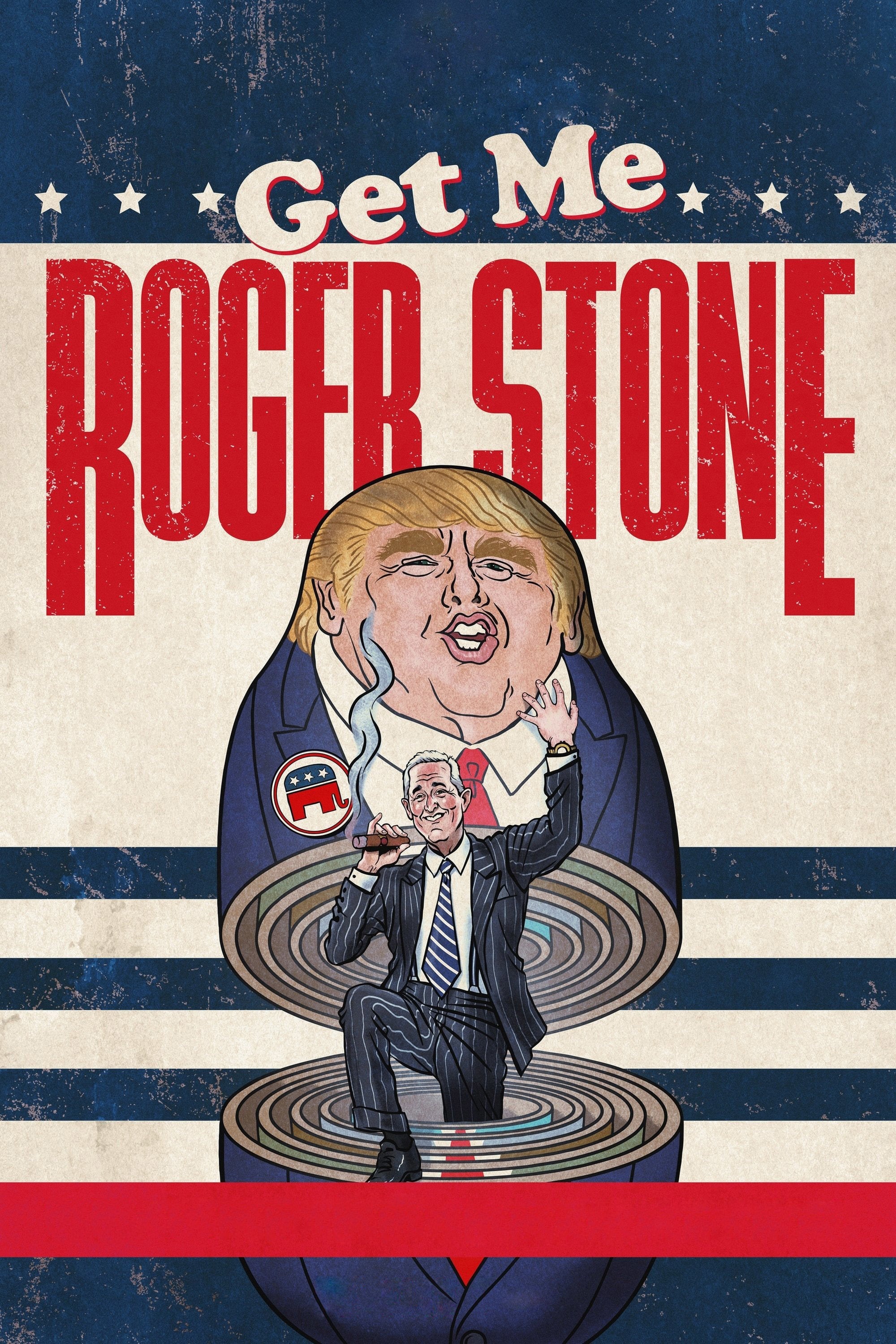
From his days of testifying at the Watergate hearings to advising recent presidential candidate Donald Trump, Roger Stone has long offended people on both sides of the political fence as a force in conservative America. Outspoken author, pundit, ahead of his time election strategist, this is his story.
An inside look at one of the most anticipated movie sequels ever with James Cameron and cast.
Al Pacino's deeply-felt rumination on Shakespeare's significance and relevance to the modern world through interviews and an in-depth analysis of "Richard III."
After the high-profile killing of Damilola Taylor, Cornelius' family move out of London. But when they discover their new town is run by racists, Cornelius takes a drastic step to survive.
A documentary about how a dominant cultural and demographic institution both sustains their traditional activities and adapts to the digital revolution.
David Blaine's signature brand of street magic mystifies the most recognisable celebrities in the world, such as Jamie Foxx, Bryan Cranston, Aaron Paul, Ricky Gervais, Katy Perry, Woody Allen, and Robert DeNiro, to name a few. He goes to the homes of Kanye West and Harrison Ford, Will Smith and Olivia Wilde. He pays a visit to Stephen Hawking at his office in Cambridge University. Blaine also travels the world, astonishing people from all walks of life with never-before seen, inconceivable magic.
“Showrunners” is the first ever feature length documentary film to explore the fascinating world of US television showrunners and the creative forces aligned around them. These are the people responsible for creating, writing and overseeing every element of production on one of the United State’s biggest exports – television drama and comedy series. Often described as the most complex job in the entertainment business, a showrunner is the chief writer / producer on a TV series and, in most instances, the show’s creator. Battling daily between art and commerce, showrunners manage every aspect of a TV show’s development and production: creative, financial and logistical.
A purely observational non-fiction film that takes viewers into the ethically murky world of end-of-life decision making in a public hospital.
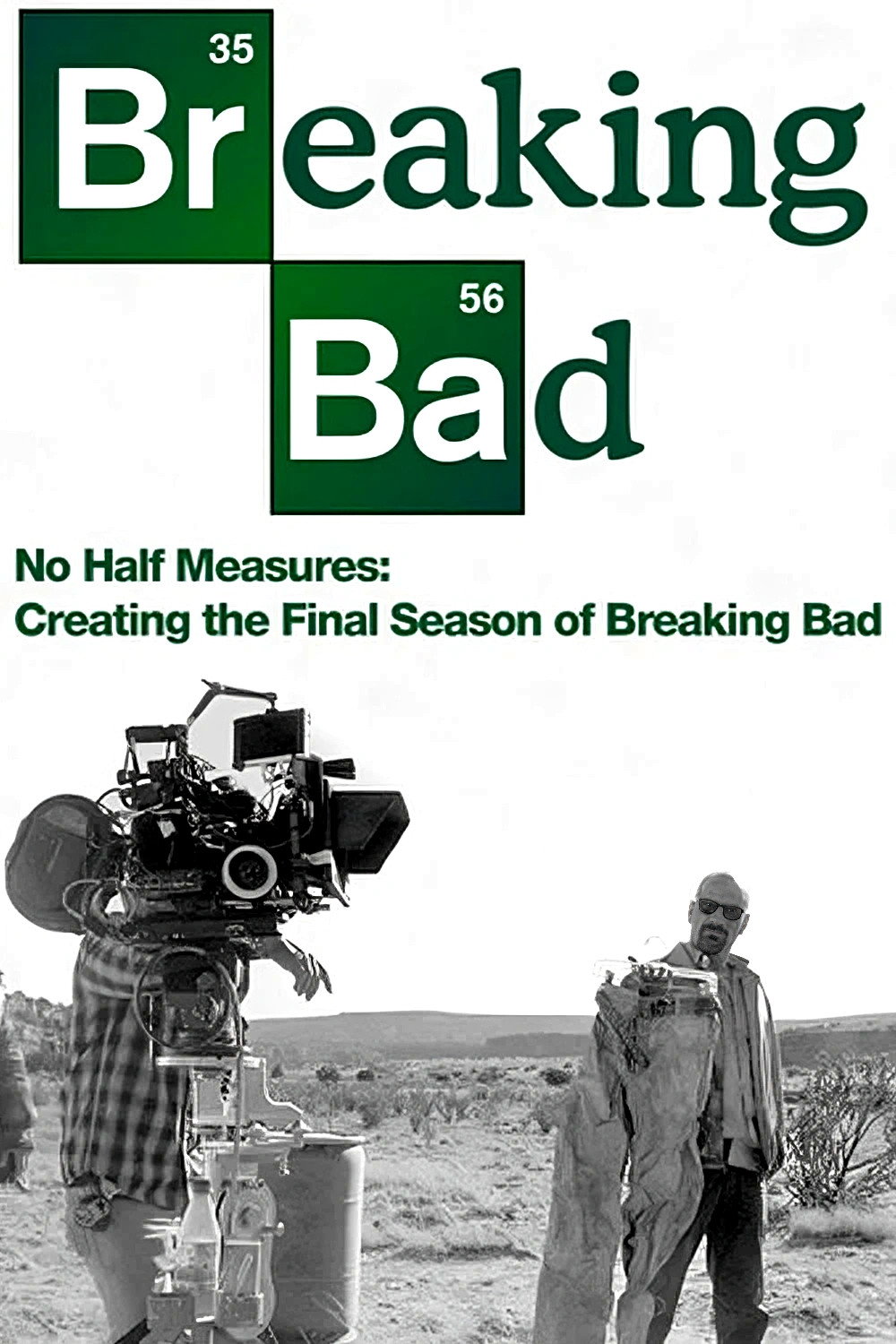
A documentary about the making of season five of the acclaimed AMC series Breaking Bad.
A documentary about the making of David Fincher's 2008 film THE CURIOUS CASE OF BENJAMIN BUTTON. Virtually every element in the evolution of the Fincher's film is documented here, from the project's attachment to numerous other directors during the 1990s, to its shoot in 2006 and 2007 in New Orleans, to its complex, CGI-intensive postproduction process.
Through deeply personal interviews with her siblings and an examination of the photographs, letters, and belongings left behind, Mariska assembles a new portrait of her mother Jayne Mansfield, an extraordinary and complex woman.
A documentary on the expletive's origin, why it offends some people so deeply, and what can be gained from its use.
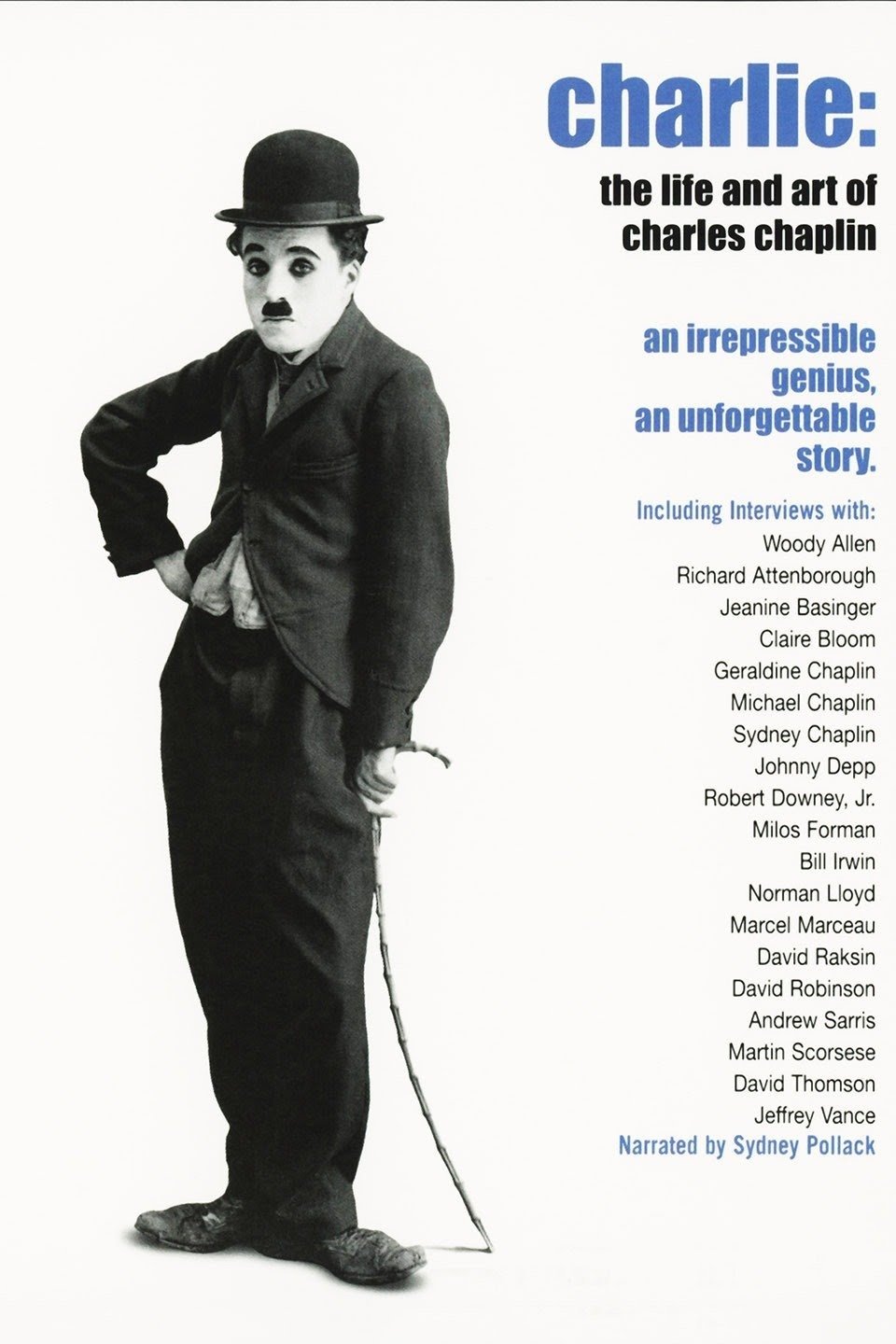
Brilliant, long in-the-works story of the life and art of the world's greatest comedian and the cinema's first genius, Charlie Chaplin. Produced, written and directed by renowned film critic Richard Schickel.
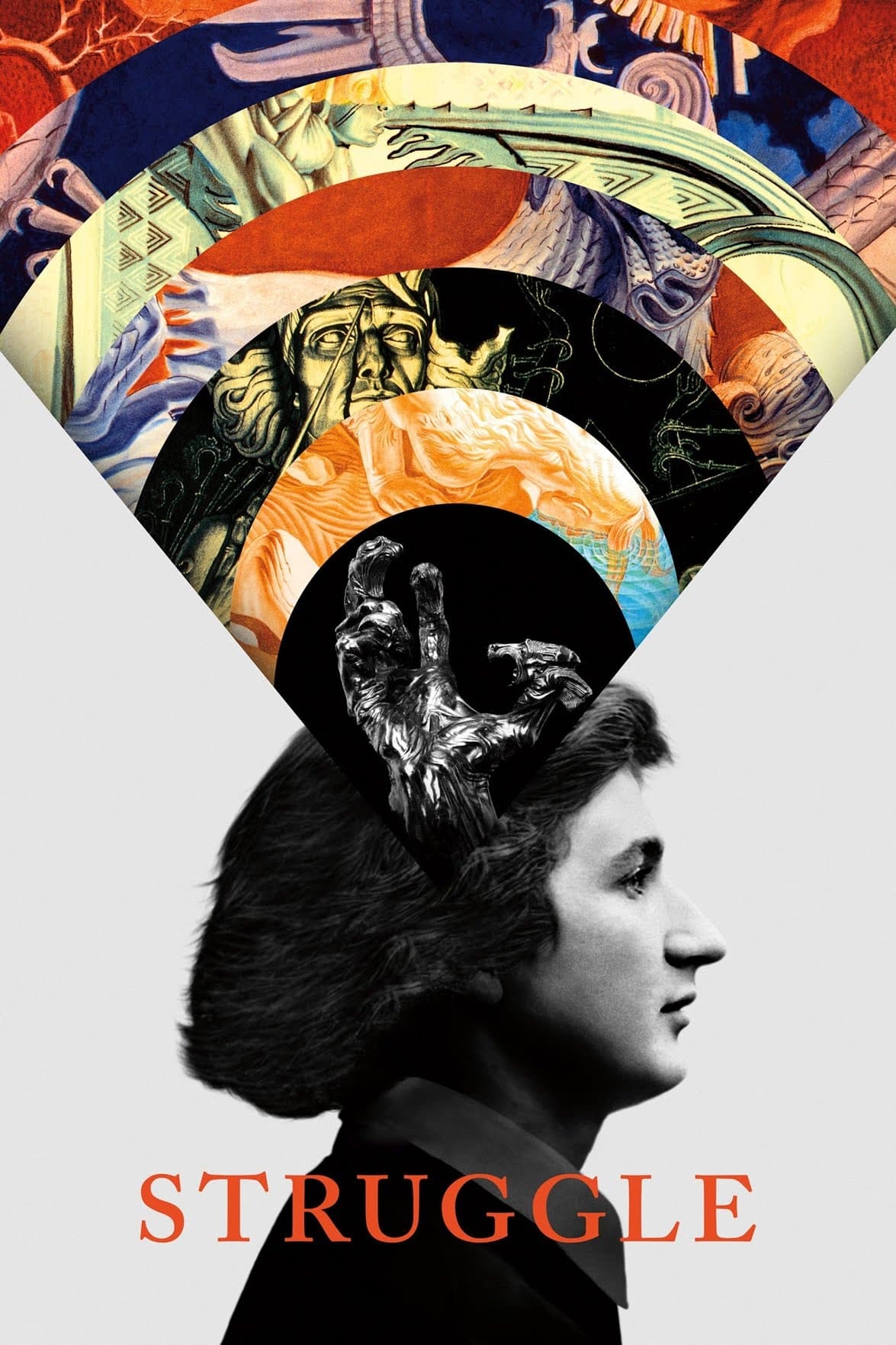
Artists in LA discover the work of forgotten Polish sculptor Stanislav Szukalski, a mad genius whose true story unfolds chapter by astounding chapter.
A look at the origins, history and conspiracies behind the "Majestic 12", a clandestine group of military and corporate figureheads charged with reverse-engineering extraterrestrial technology.
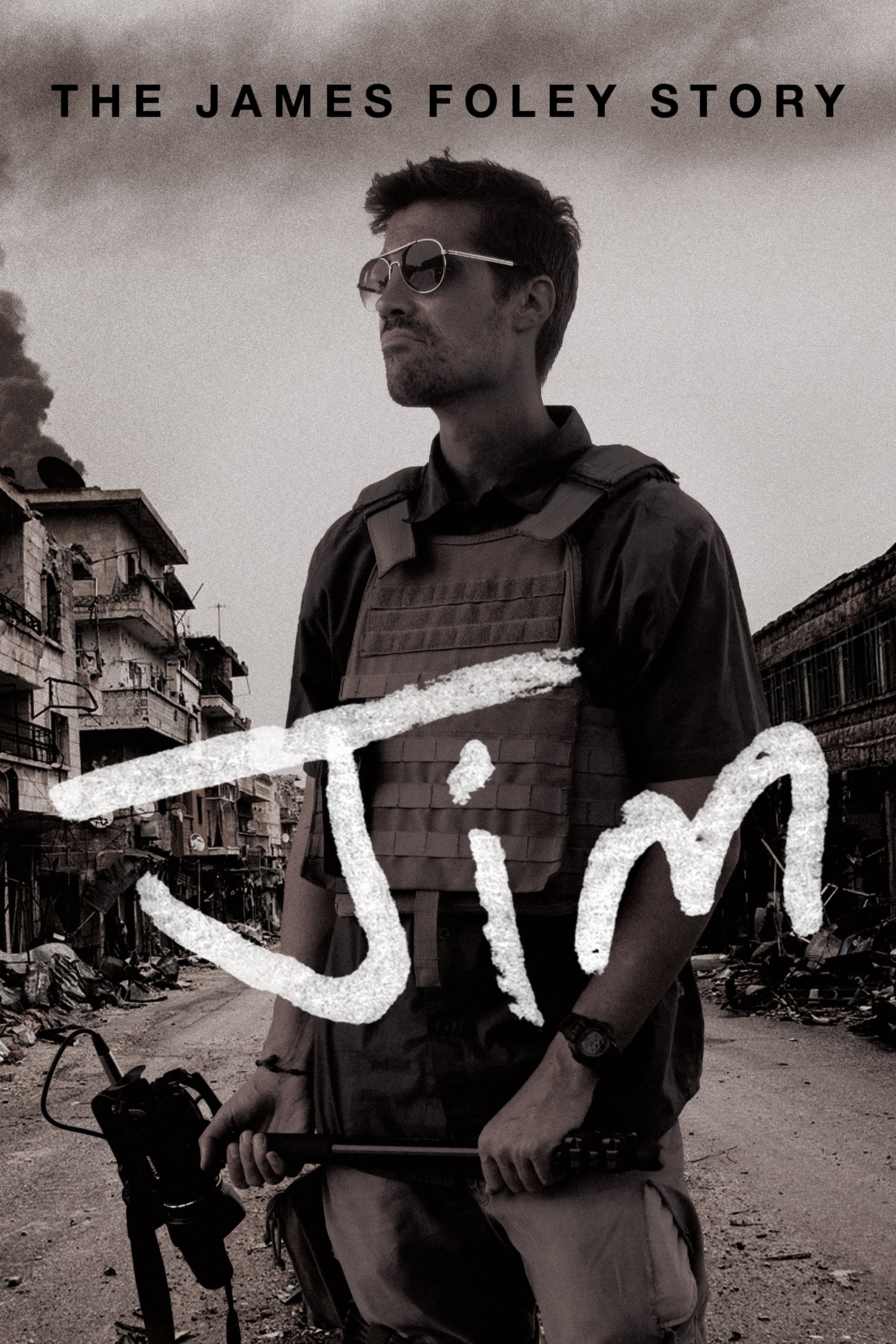
In August, 2014, a video of the public execution of American photojournalist James Foley rippled across the globe. Foley wore an orange jumpsuit as he knelt beside an ISIS militant dressed in black. That image challenged the world to deal with a new face of terror. And it tested one American family. Seen through the lens of filmmaker Brian Oakes, Foley’s close childhood friend, Jim takes us from small-town New England to the adrenaline-fueled front lines of Libya and Syria, where Foley pushed the limits of danger to report on the plight of civilians impacted by war.
A documentary about the life and films of director John Ford.
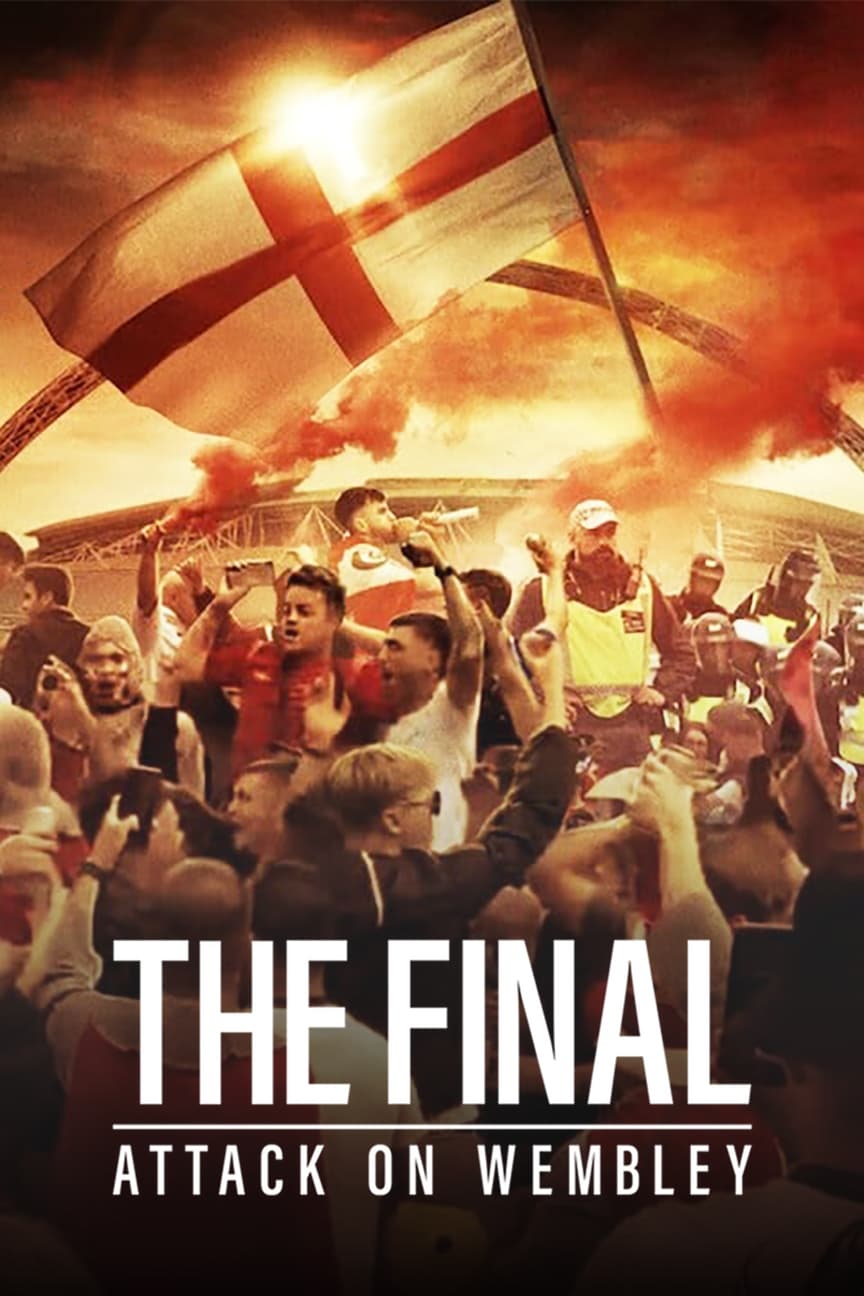
As England reach the final of the Euros at last, 6,000 ticketless football fans storm Wembley stadium, leaving destruction in their wake.