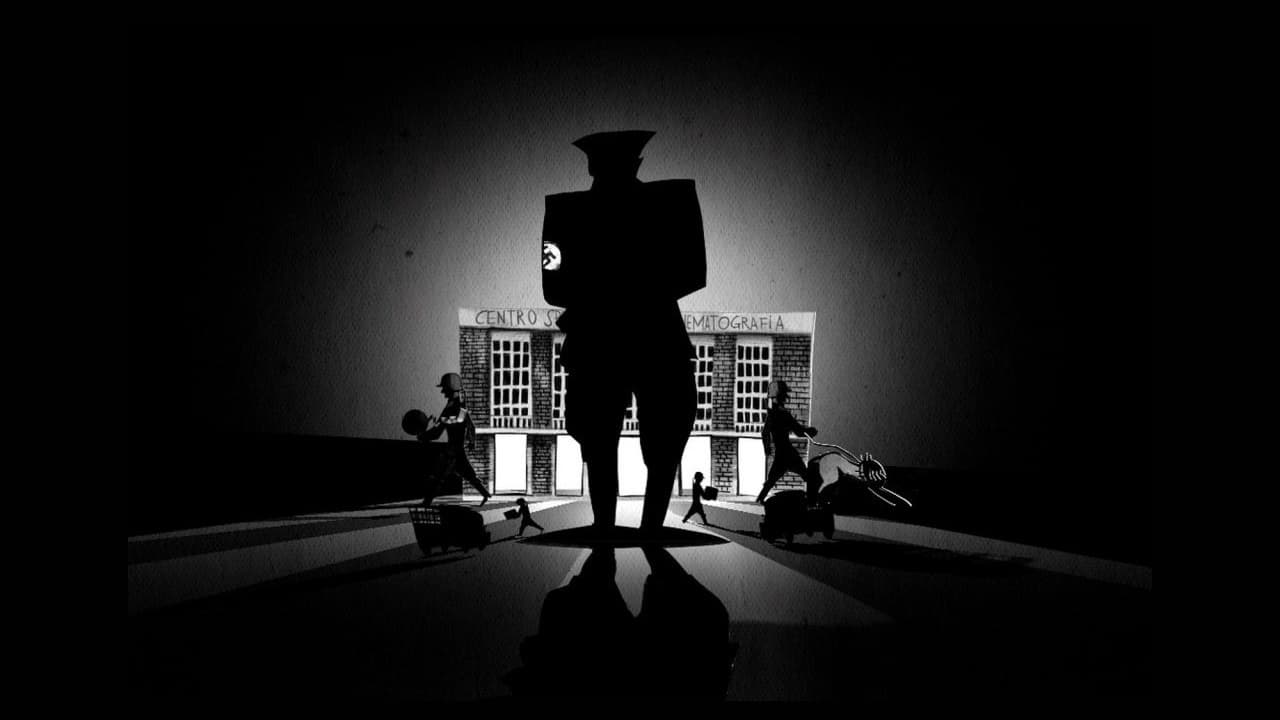
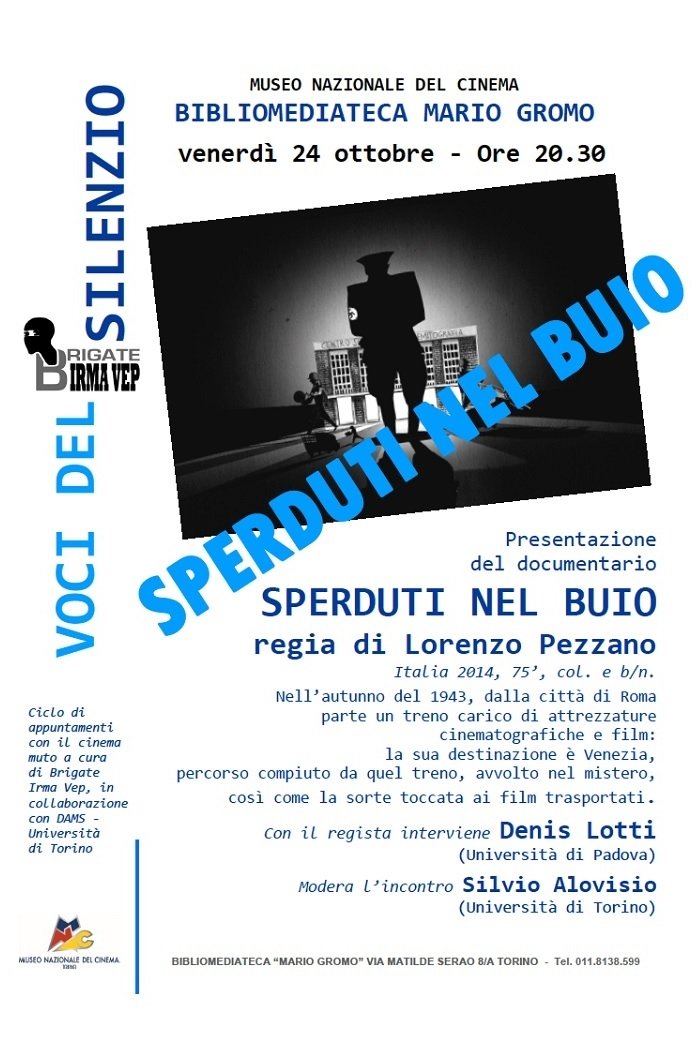
Documentary about the lost 1914 film "Sperduti nel buio". Film historian Denis Lotto journeys across Europe following the trail of the lost movie.
Social & External
The people behind it
Denis Lotti
Himself
Carlo Lizzani
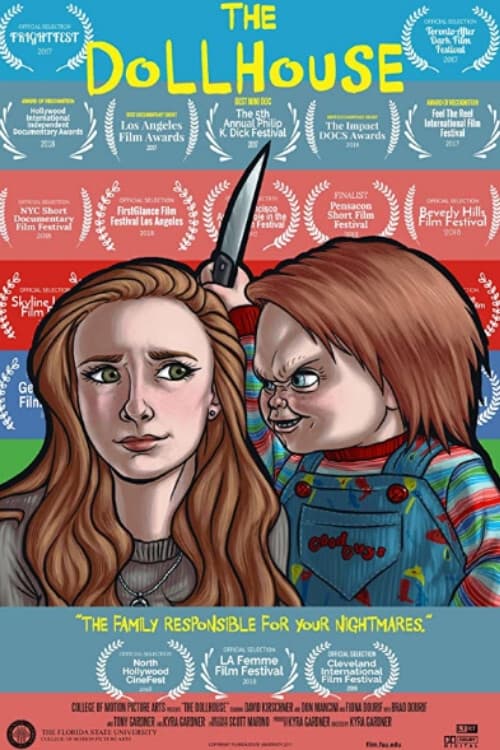
Kyra Gardner's loving tribute to growing up in the world of the psycho killer doll, Chucky.
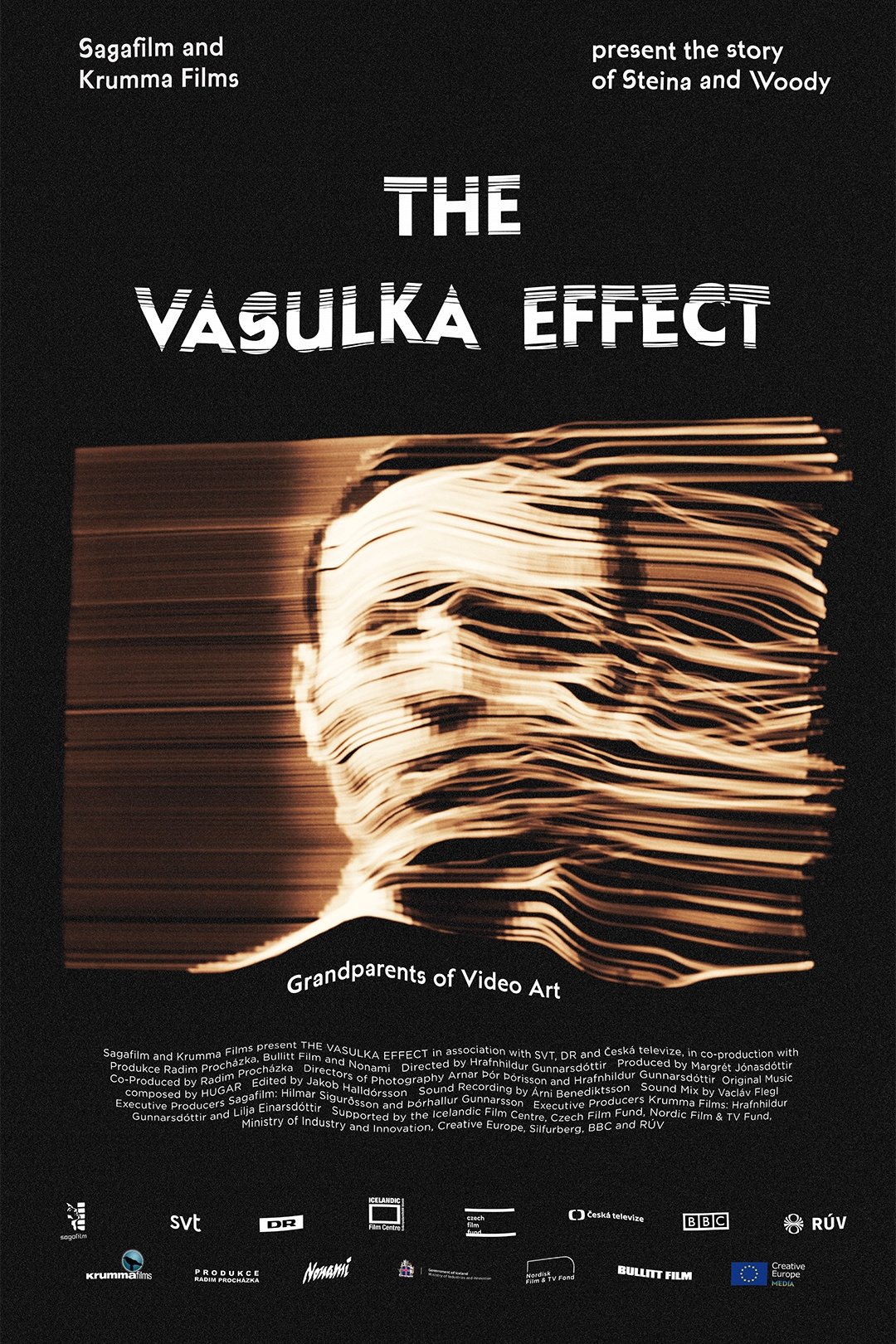
The opening of The Vasulka Effect couldn’t be more apt: Steina Vasulka addresses her husband Woody through various TV screens. He does the same and replies. A perfect image of the relationship between the free-spirited, groundbreaking pioneers of video art. After meeting in Prague in the early 1960s, they relocated from Czechoslovakia to New York, where they later founded The Kitchen, their legendary art and performance gallery.
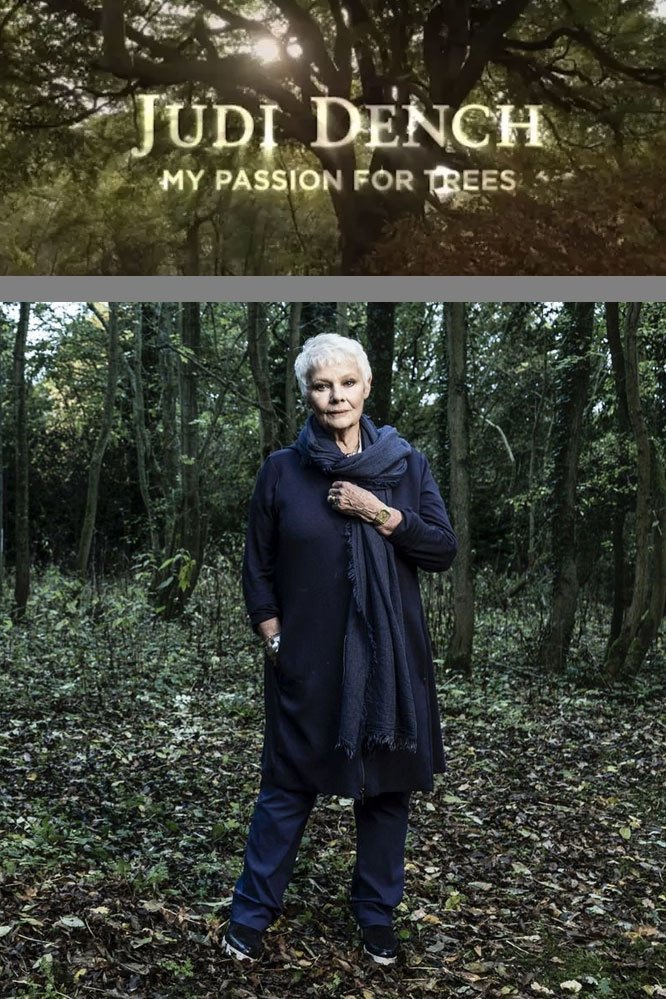
A fungi expert also shows Judi the incredible action going on beneath her feet, revealing an astonishing underground fungal network that looks up to the tips of tree roots, connecting many trees in a forest together. It's an incredible system known as the 'wood wide web'. It is confirmation for Judi that trees aren't just trees, they are a real community that help each other, humans and the planet.
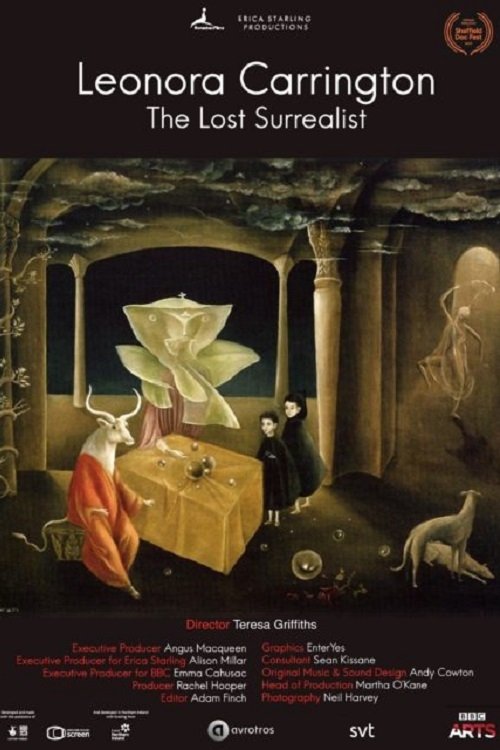
British surrealist Leonora Carrington was a key part of the surrealist movement during its heyday in Paris and yet, until recently, remained a virtual unknown in the country of her birth. This film explores her dramatic evolution from British debutante to artist in exile, living out her days in Mexico City, and takes us on a journey into her darkly strange and cinematic world.
Documentary about documentary filmmaker Stig Wesslén.
It is estimated that one in six men are victims of rape, but only 10% of these men report the crime to the police. This film tells the stories of three men who are now breaking their silence, revealing a unique perspective on male rape in Britain today.
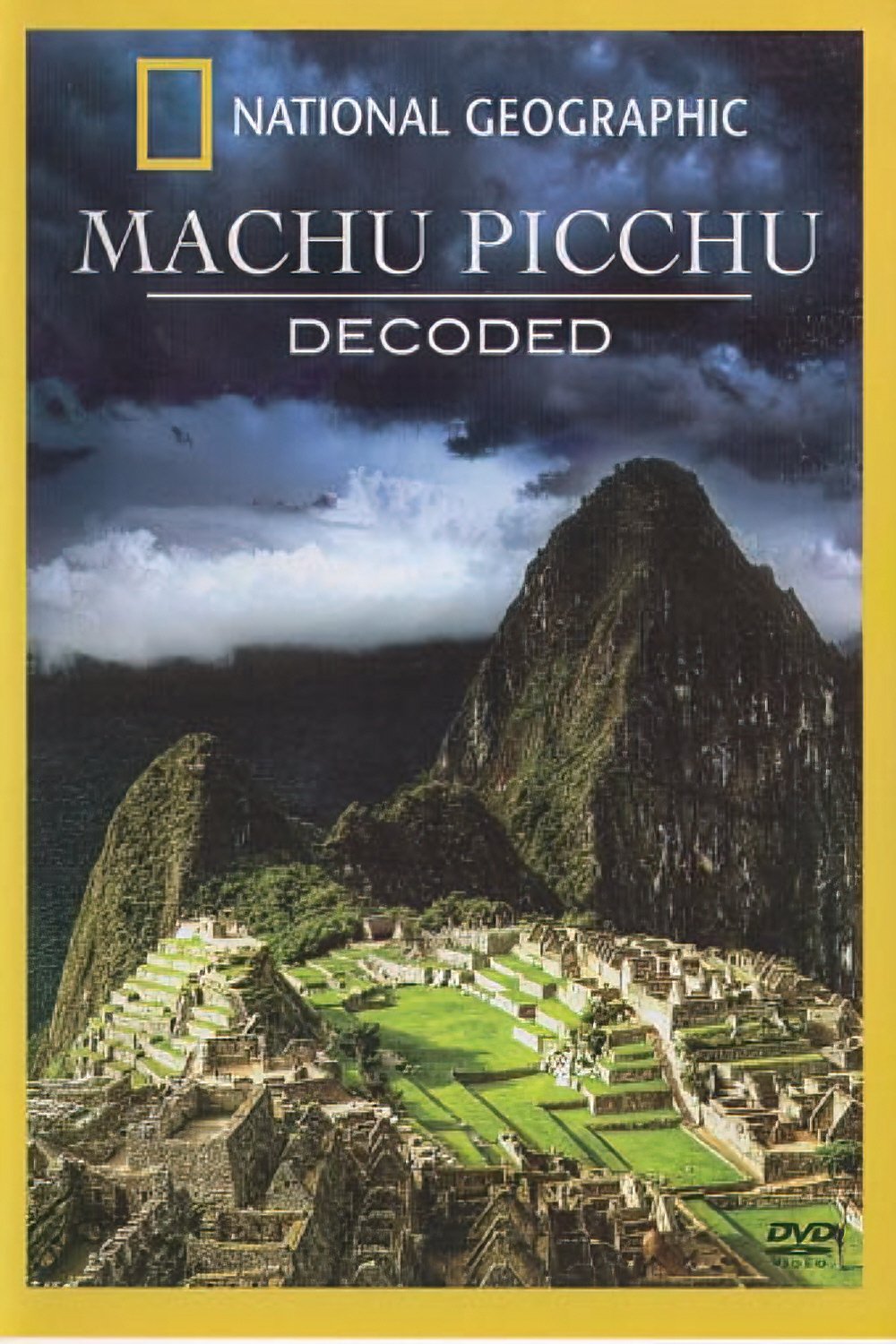
Deep in the Andean mountains lays a mysterious ruin named Machu Picchu. For 400 years it sat abandoned on its misty cliff, the quintessential lost city in the jungle. Rediscovered in 1911, it contained no written records or carvings, nothing that could shed light on its history. For a century since, it has defied the endless scores of visitors and scientists who attempted to understand its purpose. Who were the mysterious people who built it and why did they build it here? Today an international team of archeologists, engineers and scientists are finally piecing together the clues. Together they are discovering astonishing new burials, revealing the intricacies of its ingenious engineering and finally decoding the secrets of Machu Picchu.
At the end of the Victorian era, E. W. Barton-Wright combined jiujitsu, kickboxing, and stick fighting into the "Gentlemanly Art of Self Defence" known as Bartitsu. After Barton-Wright's School of Arms mysteriously closed in 1902, Bartitsu was almost forgotten save for a famous, cryptic reference in Sir Arthur Conan Doyle's The Adventure of the Empty House. Hosted by Tony Wolf and featuring interviews with Harry Cook, Emelyne Godfrey, Mark Donnelly, Graham Noble, Neal Stephenson and Will Thomas, Bartitsu: the Lost Martial Art of Sherlock Holmes relates the fascinating history, rediscovery and revival of Barton-Wright's pioneering mixed martial art.
A small island, a great history. Long before giving its name to the country, the Mozambique island had a fundamental role in the Indian Ocean during centuries. Anchor point for caravels, meeting point for pirates, it is a melting pot of races. It raises its walls in the middle of the sea. Its winding streets full of life reveal small palaces, churches and white houses. Its inhabitants are eccentric characters, proud of the island's past history. As we wander through the streets we meet an historian, a maritime archaeologist, a fisherman, the "doorman" of the island, a dancer, many spirits...
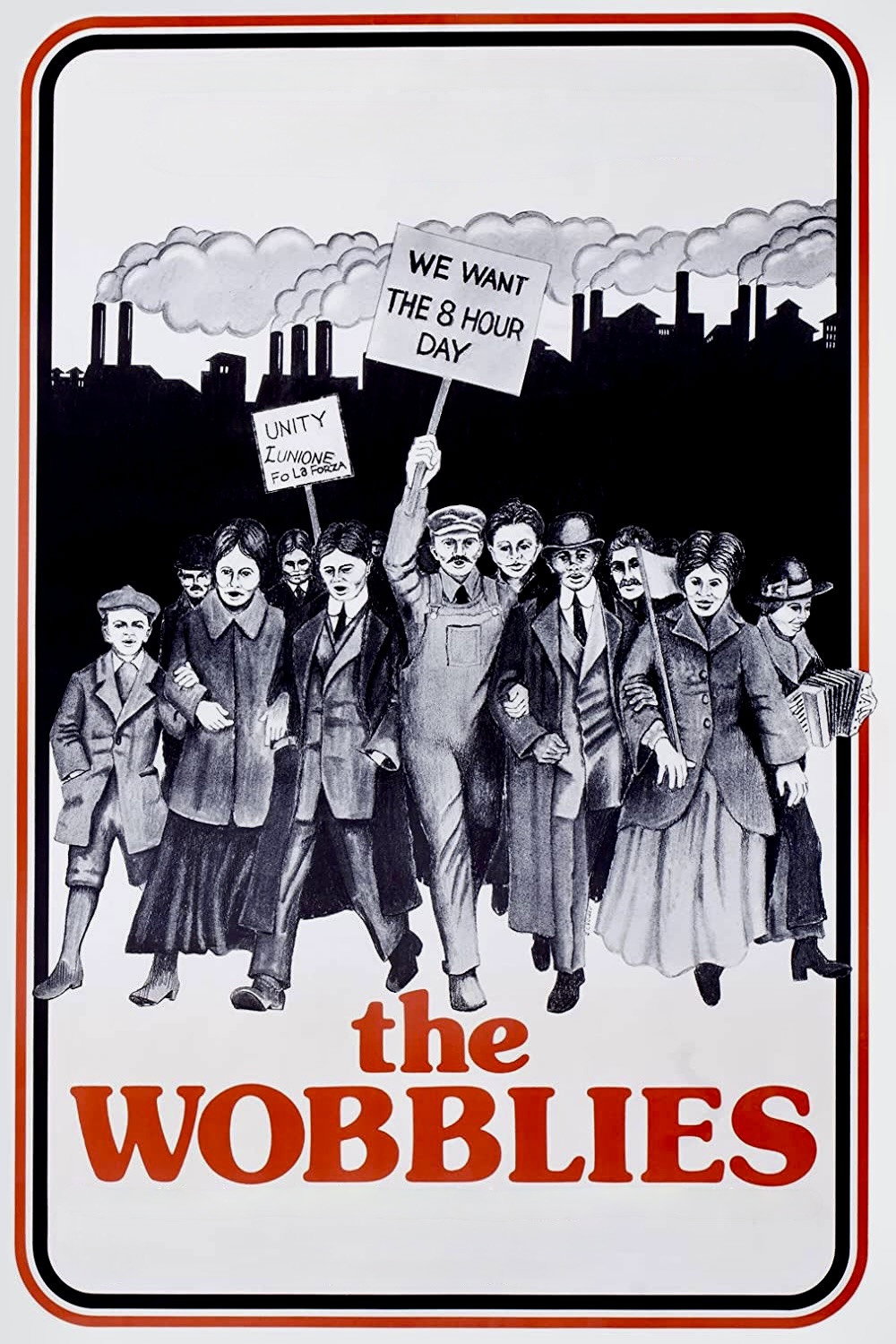
Through oral histories, archival footage, photographs, and songs associated with the movement, "The Wobblies" tells the story of the Industrial Workers of the World, the radical union founded in Chicago in 1905 to organize workers across trades. Featuring interviews with aging Wobbly members alongside historical materials from early twentieth-century labor struggles, the film explores the union’s role in strikes, worker activism, and the broader fight for labor rights in the United States.
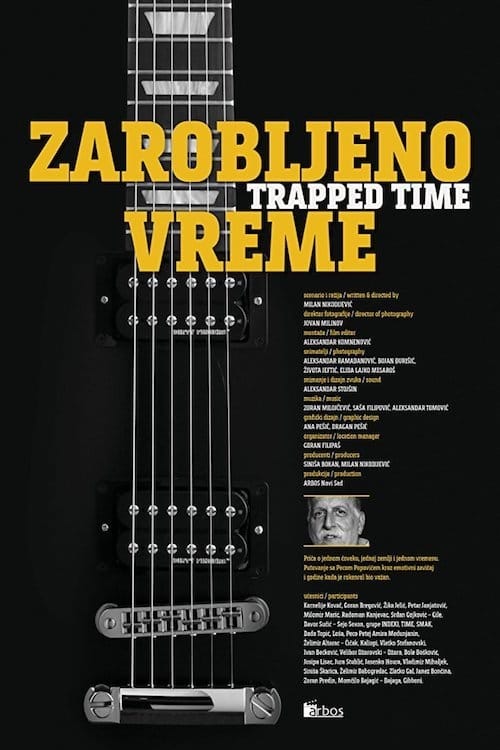
Petar Peca Popović is one of the greatest, most famous, most authoritative and for sure, the best, connoisseur of Rock and Roll in the former Yugoslavia. He promoted Rock and Roll in those heroic times. We are going on a peculiar kind of trip with him, along an "emotional homeland", of ex-Yu, "searching for the lost times" and dear friends, the most significant representatives of this culture - rock'n'roll legends.
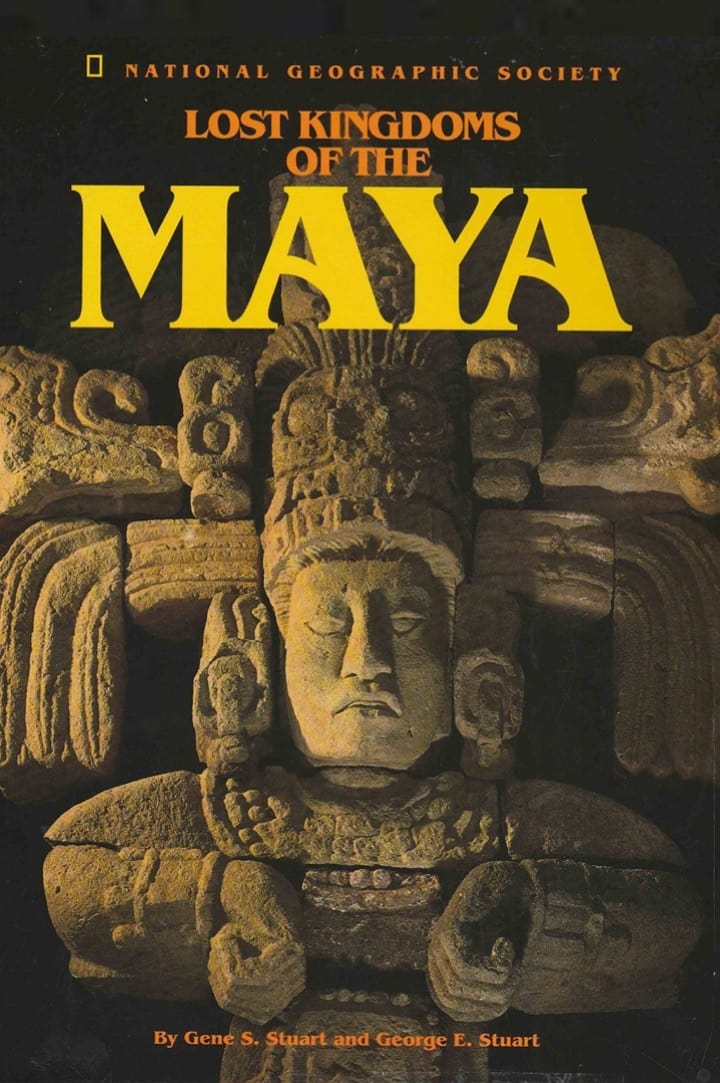
Long before Columbus, the Maya established one of the most highly developed civilizations of their time in the jungles of Mexico and Central America. Yet this advanced society of priests, astronomers, artisans, and farmers suddenly and mysteriously collapsed more than a thousand years ago. Accompany archaeologists to Copan, Dos Pilas, and other spectacular Classic Maya ruins as they unearth artifacts and huge temples of incredible beauty. Recently deciphered hieroglyphics and other new discoveries offer astounding clues to the lives of these ancient people. You'll hear the startling story of one kingdom's downfall and its final desperate hours of violent warfare. Through spine-tingling recreations, witness ancient rituals reenacted on sites where they originally occured. And meet the enduring Maya who still maintain many of their ancestor's traditions. You'll hear the voices of a magnificent civilization as you uncover LOST KINGDOMS OF THE MAYA.
In the 1870s Victorian politicians debated the virtues of constructing a 20km-long railway through Melbourne's east, simply to circumvent a privately-owned railway from South Yarra to Flinders Street Station. By 1878 the private railway had been purchased by the Victorian Government and there was no longer a need to build the orbital railway. But greedy politicians pushed legislation through parliament, authorising the construction of the railway through their own private land holdings. This is the story of Melbourne's Outer Circle Railway.
Egypt's only modernist architect Hassan Fathy (1900-1989) was committed to ecology and sustainability in his architecture. This film takes us with slow steps, in still images, to two villages he created. Fathy's historically grounded, forward-looking designs prompt us to reflect on the past as well as contemplate new solutions for the future.
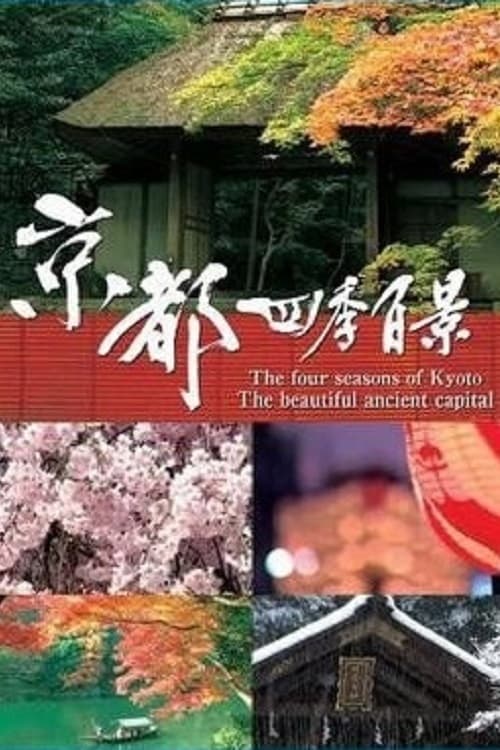
The documentary shows the types of the four seasons, when the story returns to the capital of Kyoto in 1200, where the traditions breathe beauty. Many historical sites and temples, various festivals taking place here, in an environment of good music walk in the most beautiful places of Kyoto.
A short documentary about Persepolis
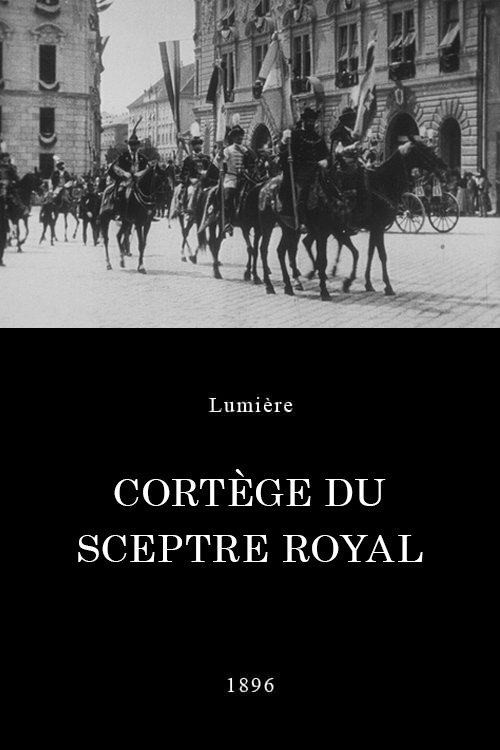
These two views were taken during the celebrations given in 1896 on the occasion of the millennium of the foundation of the kingdom of Hungary. Horsemen and men on foot parade, all dressed in historic uniforms.
Luiz Roberto Galizia died very young, but he left behind a wealth of personal archives. 30 years later, his niece Ana Galizia plunges into these archives to follow the traces of this uncle she never met.
Introduction to an extensive training program for everyone professionally involved in the process of film conservation and film restoration. The realization of this training program was initiated and coordinated by ECIPAR (Bologna-Italy) and the Cineteca del Comune di Bologna. It was produced in co-operation with eleven European film archives and film laboratories and co-financed by the FILM project - FORCE program of the European Community.
Tells the history and importance of The National Film Registry, a roll call of American cinema treasures that reflects the diversity of film, and indeed the American experience itself.
Told through performances, TV interviews, home movies, family photographs, private letters and unpublished memoirs, the film reveals the essence of an extraordinary woman who rose from humble beginnings in New York City to become a glamorous international superstar and one of the greatest artists of all time.
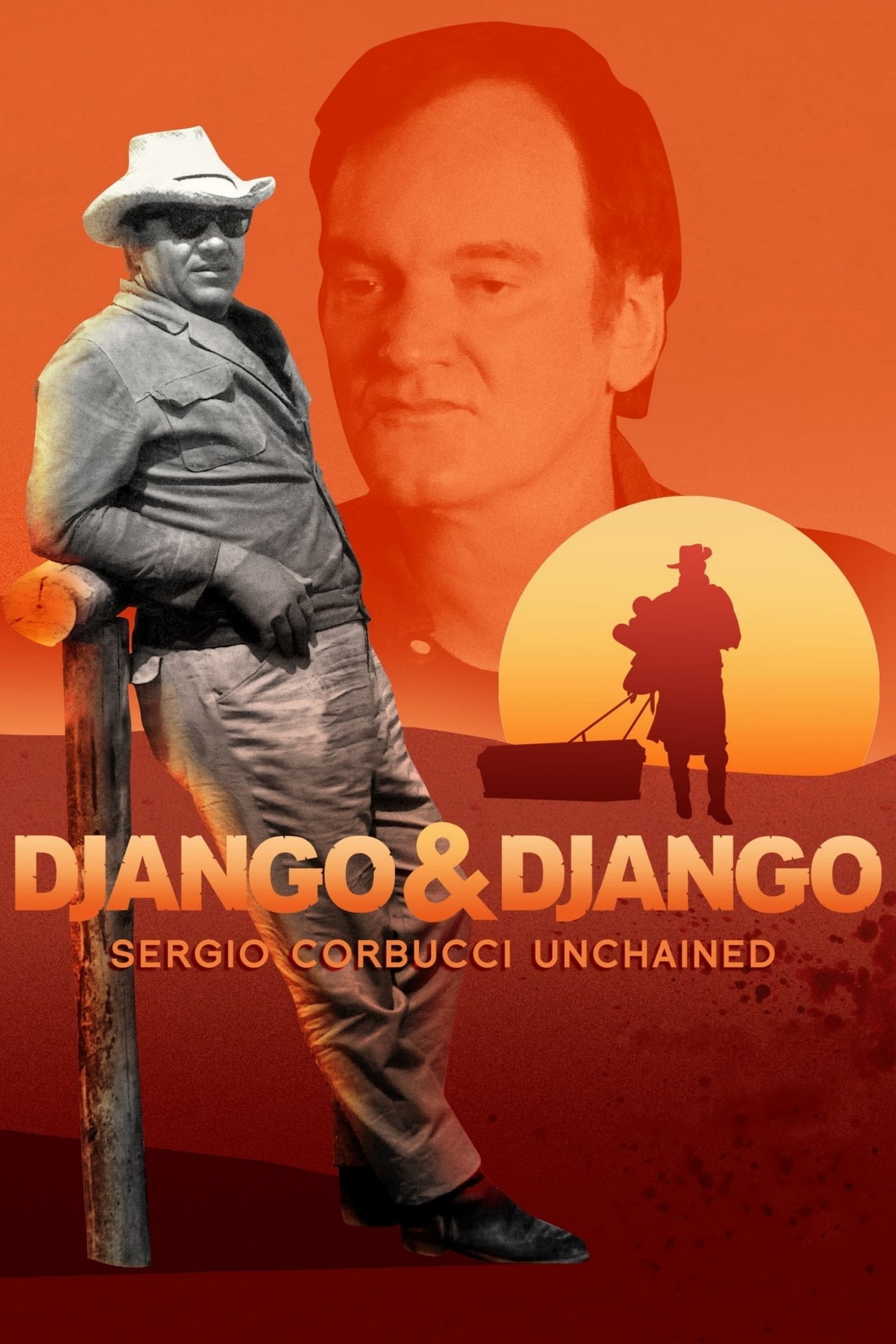
A tribute to Italian filmmaker Sergio Corbucci (1926-90), presented by American filmmaker Quentin Tarantino.
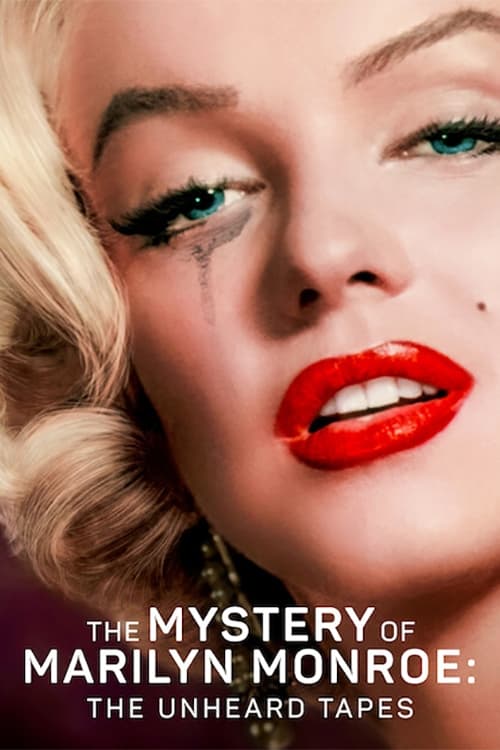
This documentary explores the mystery surrounding the death of movie icon Marilyn Monroe through previously unheard interviews with her inner circle.
Daniel Craig candidly reflects on his 15 year adventure as James Bond. Including never-before-seen archival footage from Casino Royale to the upcoming 25th film No Time To Die, Craig shares his personal memories in conversation with 007 producers, Michael G Wilson and Barbara Broccoli.
Director Michael Apted revisits the same group of British-born adults after a 7 year wait. The subjects are interviewed as to the changes that have occurred in their lives during the last seven years.
This revealing documentary honors the legendary Sidney Poitier—iconic actor, filmmaker, and civil rights activist. Featuring interviews with Denzel Washington, Spike Lee, Halle Berry, and more.
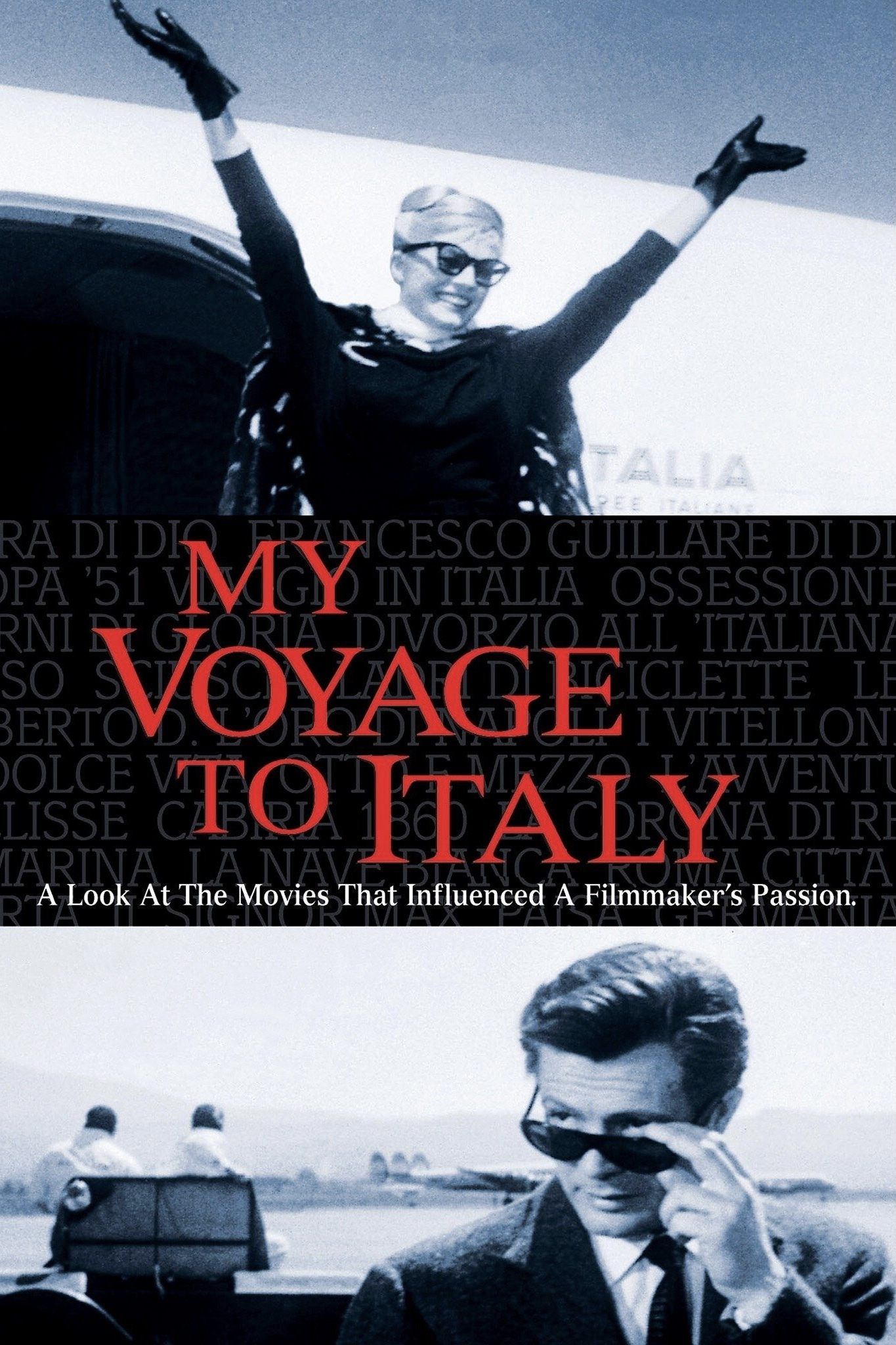
World-renowned director Martin Scorsese narrates this journey through his favorites in Italian cinema.
The definitive documentary on the history of nudity in feature films from the early silent days to the present, studying the changes in morality that led to the use of nudity in films while emphasizing the political, sociological and artistic changes that shaped that history. Skin will also study the gender inequality in presenting nude images in motion pictures and will follow the revolution that has created nude gender equality in feature films today.
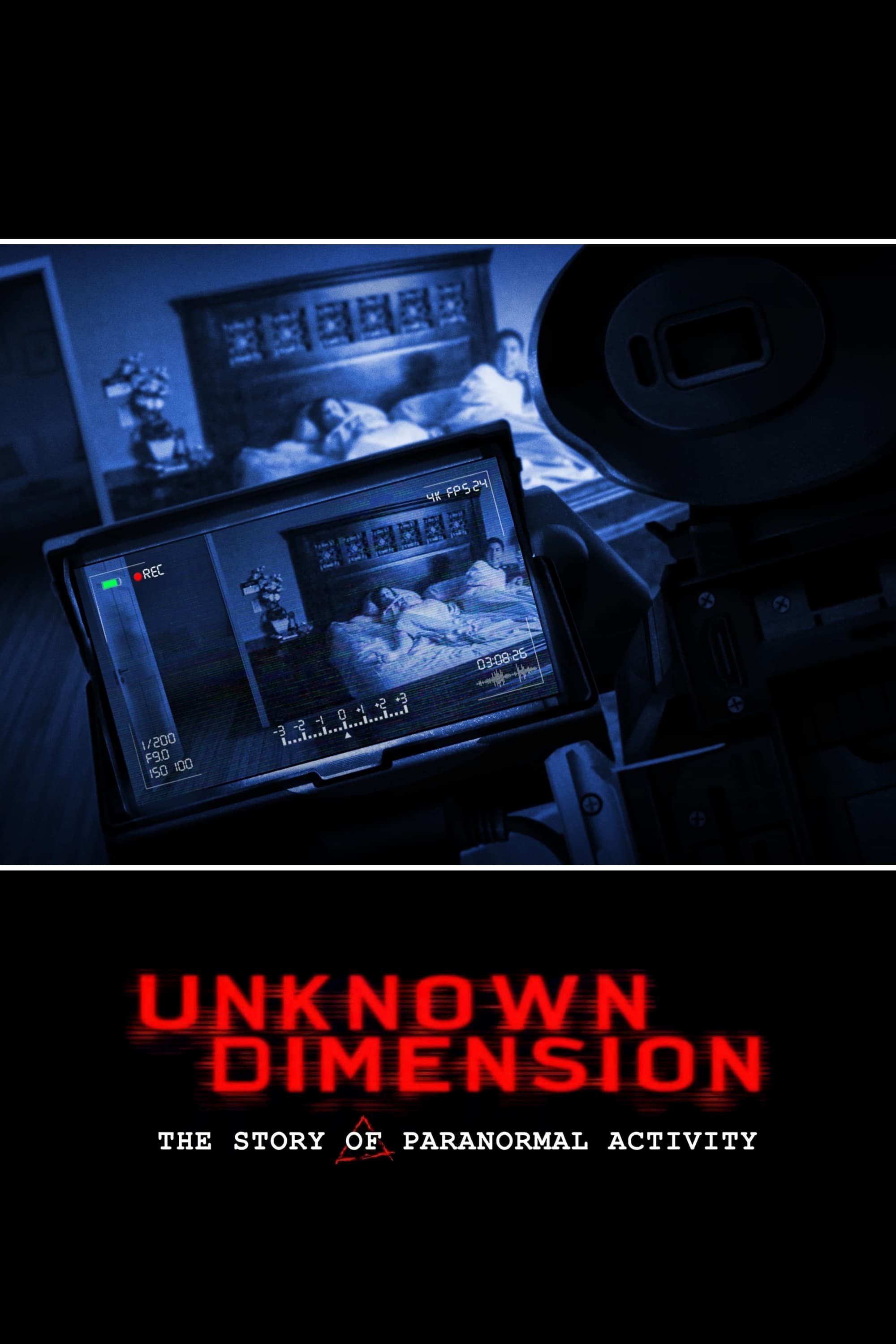
A deep dive into the making of the Paranormal Activity films with first time ever interviews with cast and crew, never-before-seen footage from the movies, and a preview of the seventh installment in the franchise.
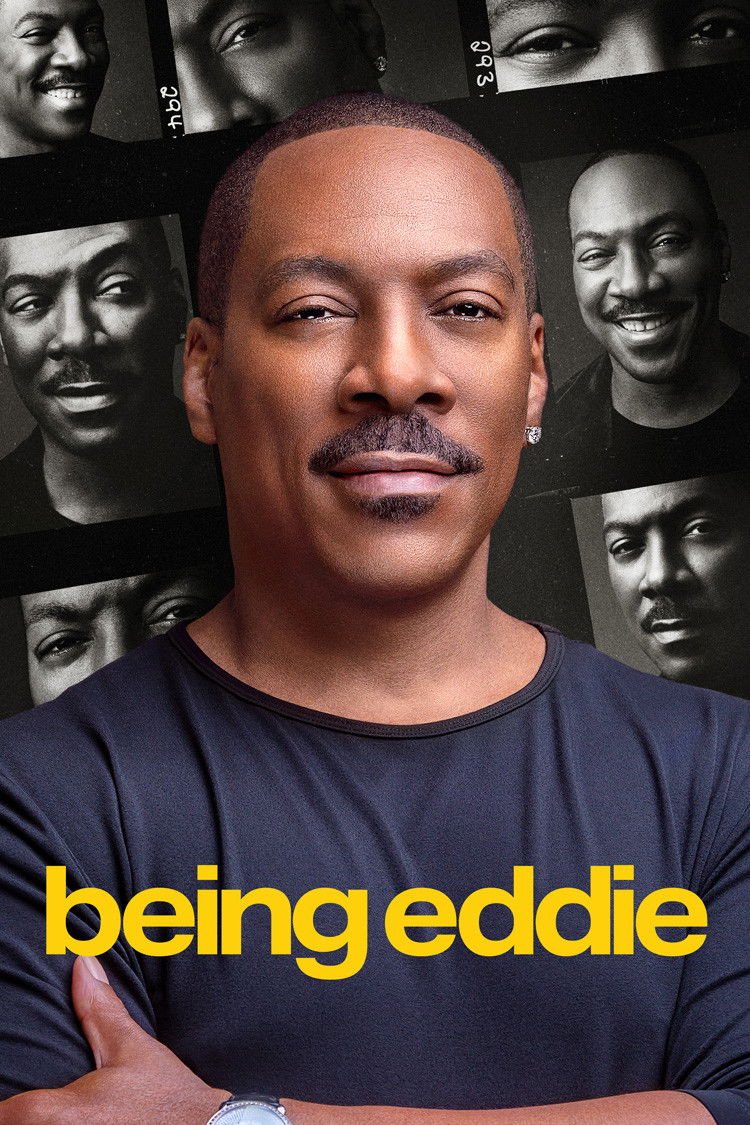
From teen comedian to Hollywood legend, Eddie Murphy revisits his extraordinary showbiz ride with raw honesty and humor.
A love letter from a young mother to her daughter, the film tells the story of Waad al-Kateab’s life through five years of the uprising in Aleppo, Syria as she falls in love, gets married and gives birth to Sama, all while cataclysmic conflict rises around her. Her camera captures incredible stories of loss, laughter and survival as Waad wrestles with an impossible choice– whether or not to flee the city to protect her daughter’s life, when leaving means abandoning the struggle for freedom for which she has already sacrificed so much.
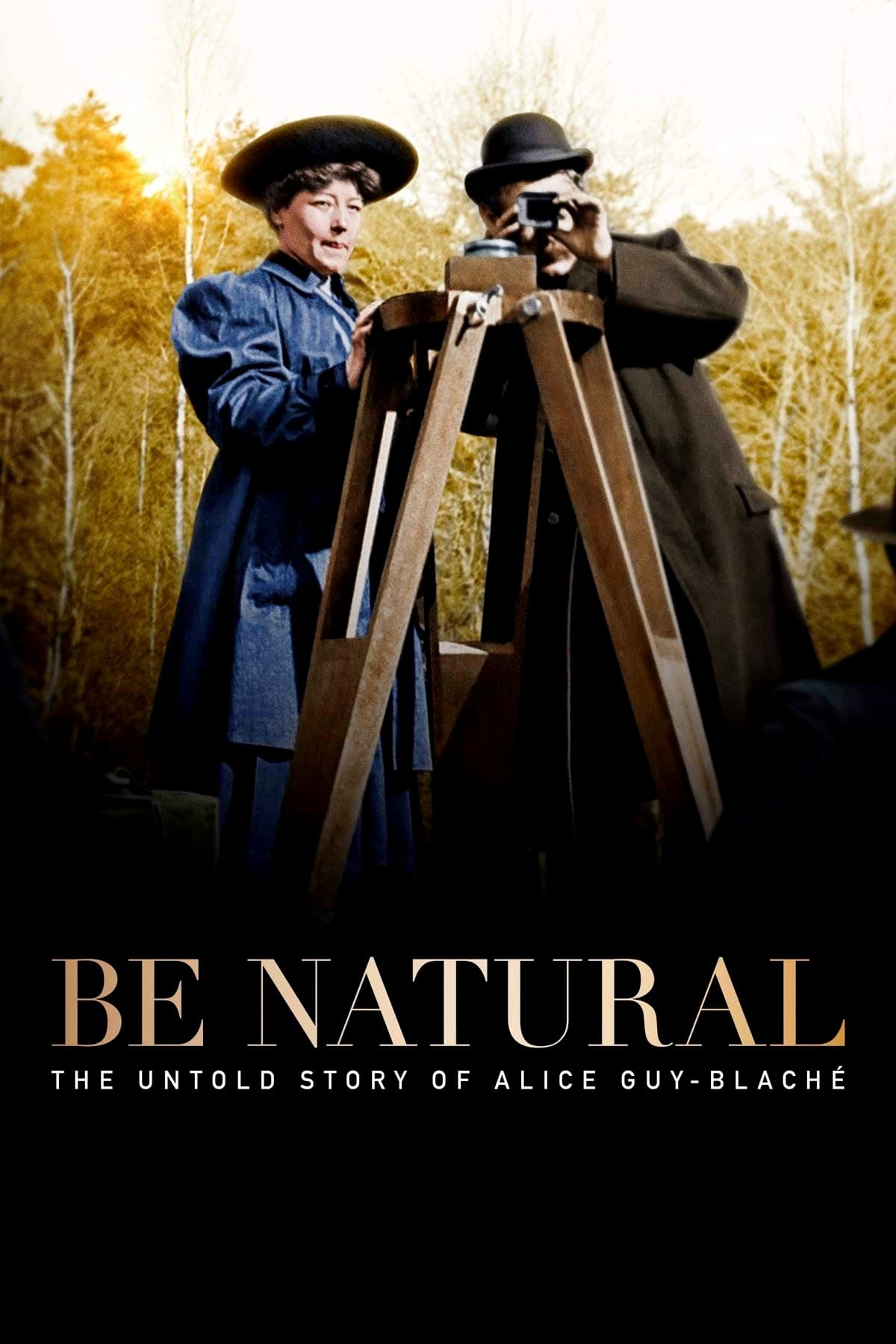
The epic life story of Alice Guy-Blaché (1873–1968), a French screenwriter, director and producer, true pioneer of cinema, the first person who made a narrative fiction film; author of hundreds of movies, but banished from history books. Ignored and forgotten. At last remembered.
SEDUCED AND ABANDONED combines acting legend Alec Baldwin with director James Toback as they lead us on a troublesome and often hilarious journey of raising financing for their next feature film. Moving from director to financier to star actor, the two players provide us with a unique look behind the curtain at the world's biggest and most glamourous film festival, shining a light on the bitter-sweet relationship filmmakers have with Cannes and the film business. Featuring insights from directors Martin Scorsese, 'Bernando Bertolucci' and Roman Polanski; actors Ryan Gosling and Jessica Chastain and a host of film distribution luminaries.
In 1972, a seemingly typical shoestring budget pornographic film was made in a Florida hotel: "Deep Throat," starring Linda Lovelace. This film would surpass the wildest expectation of everyone involved to become one of the most successful independent films of all time. It caught the public imagination which met the spirit of the times, even as the self-appointed guardians of public morality struggled to suppress it, and created, for a brief moment, a possible future where sexuality in film had a bold artistic potential. This film covers the story of the making of this controversial film, its stunning success, its hysterical opposition along with its dark side of mob influence and allegations of the on set mistreatment of the film's star.
In an intimate and joyful story of love in the face of loss, celebrated poets Andrea Gibson and Megan Falley find strength—and unexpected hilarity—in what might be their final year together.
A compilation of over 30 years of private home movie footage shot by Lithuanian-American avant-garde director Jonas Mekas, assembled by Mekas "purely by chance", without concern for chronological order.
The history of cinematic sound, told by legendary sound designers and visionary filmmakers.
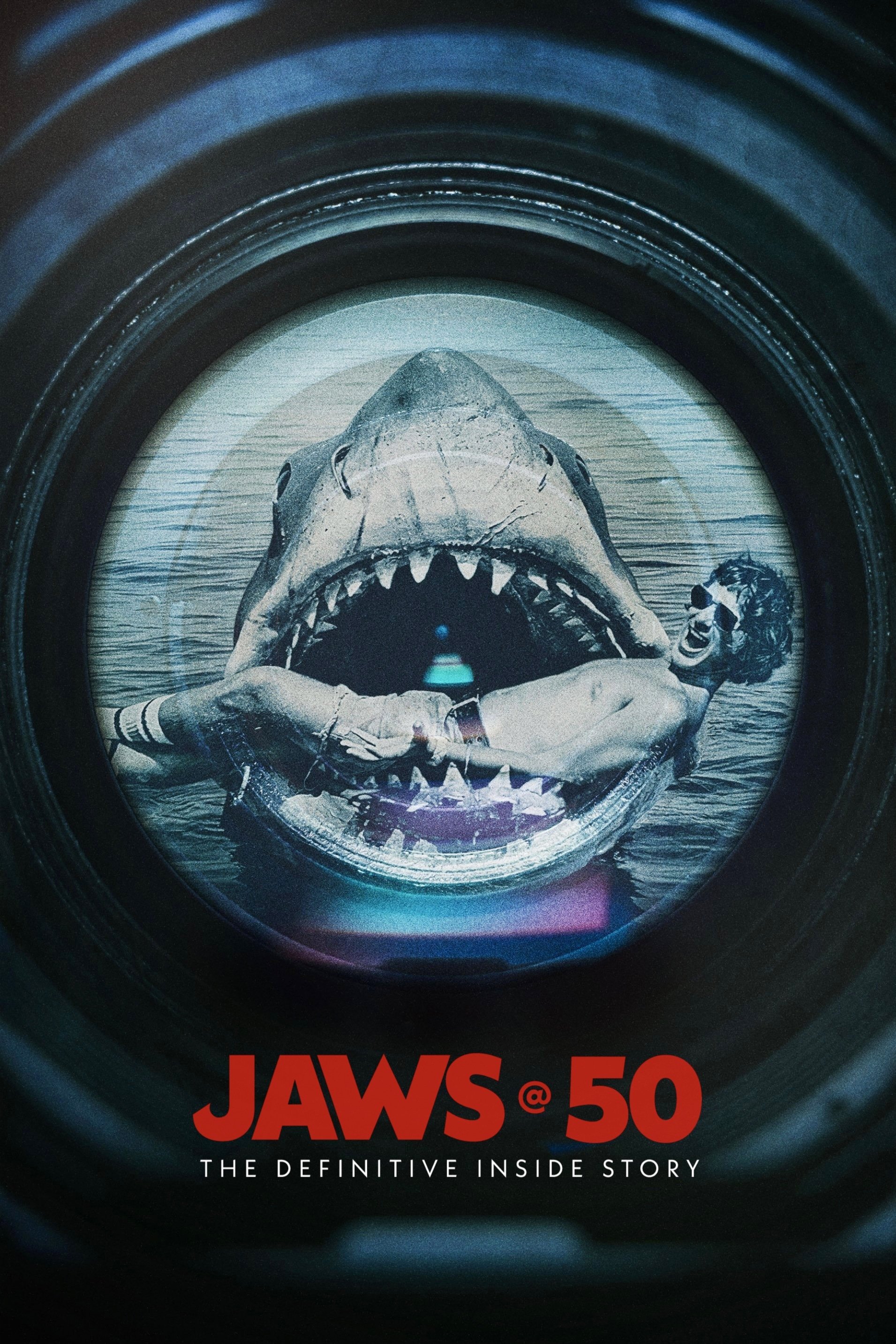
The authorized documentary celebrating the film that redefined Hollywood, 50 years after its premiere. Featuring rare archival footage and interviews with acclaimed Hollywood directors alongside Steven Spielberg, top shark scientists, and conservationists, the film uncovers the behind-the-scenes chaos and how the film launched the summer blockbuster, inspired a new wave of filmmakers, and paved the way for shark conservation that continues today.
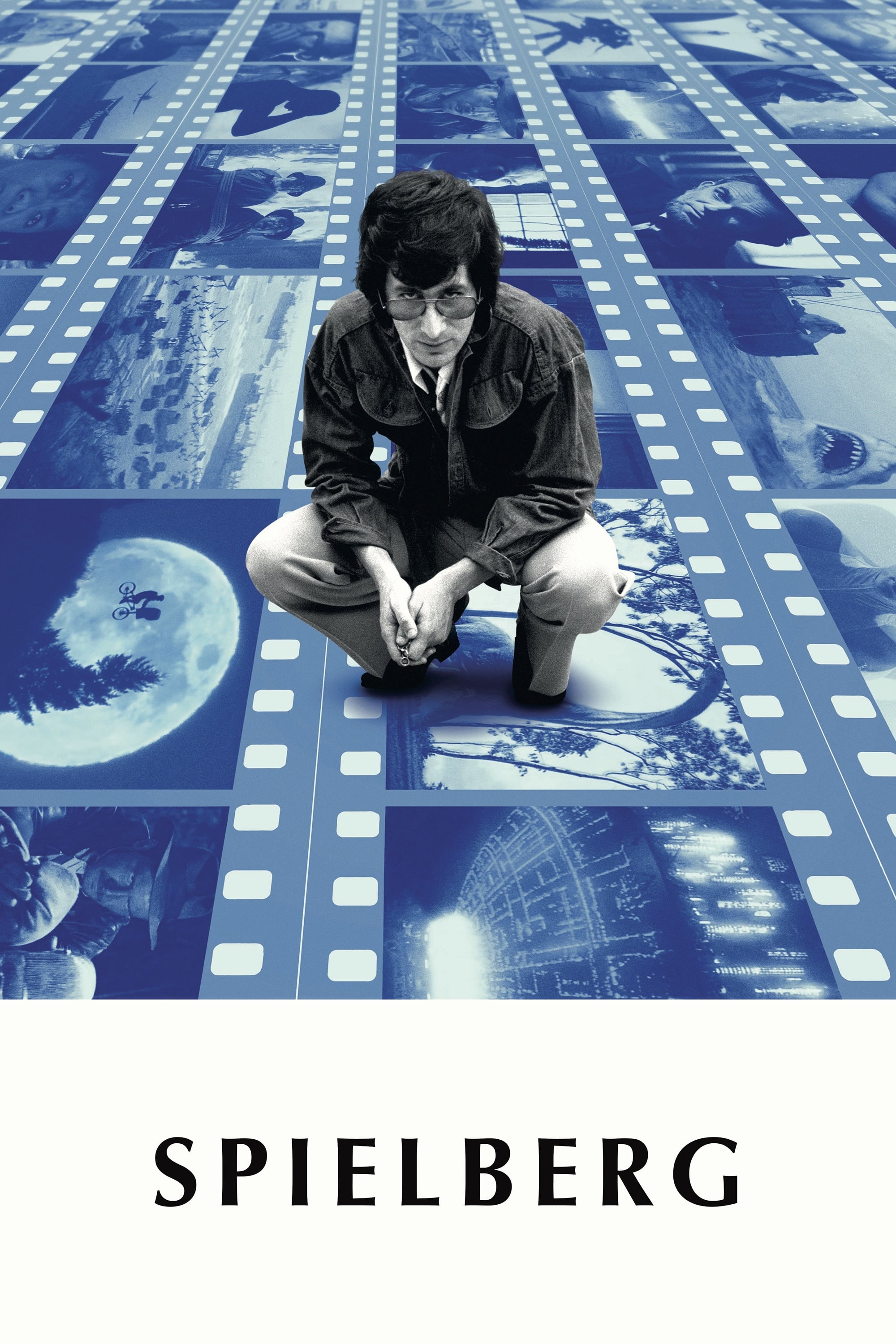
A documentary on the life and career of one of the most influential film directors of all time, Steven Spielberg.