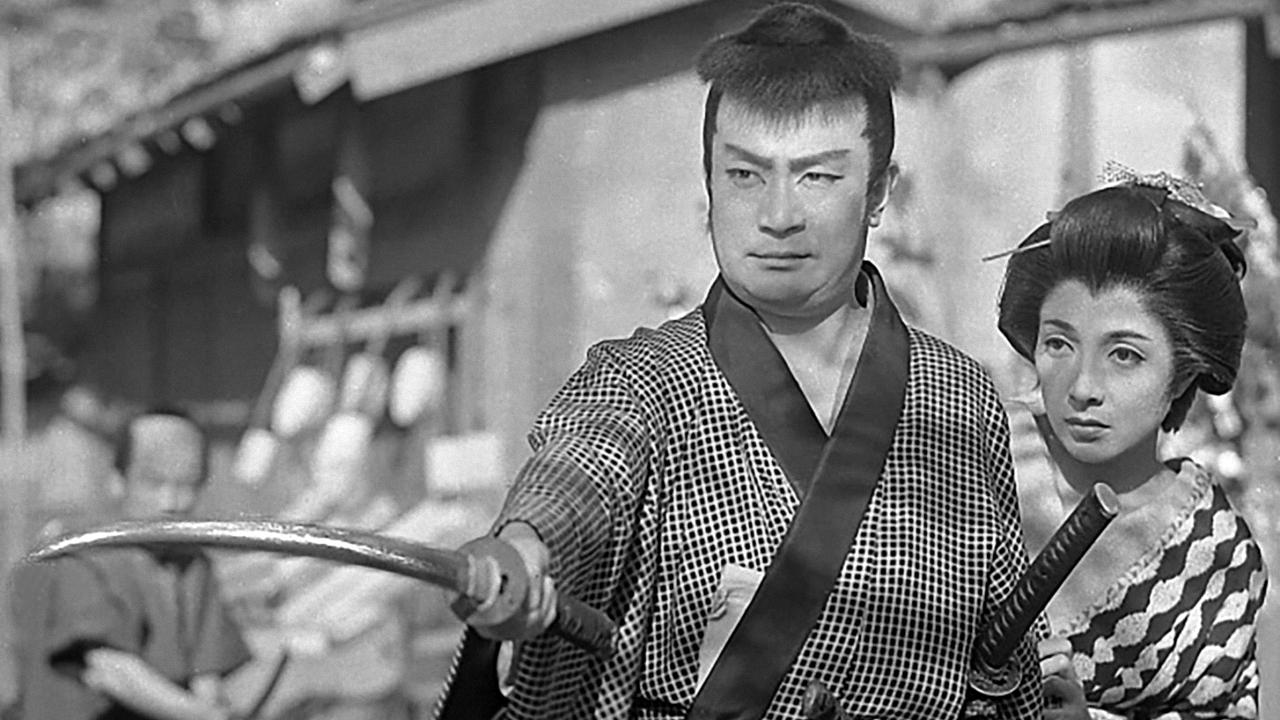
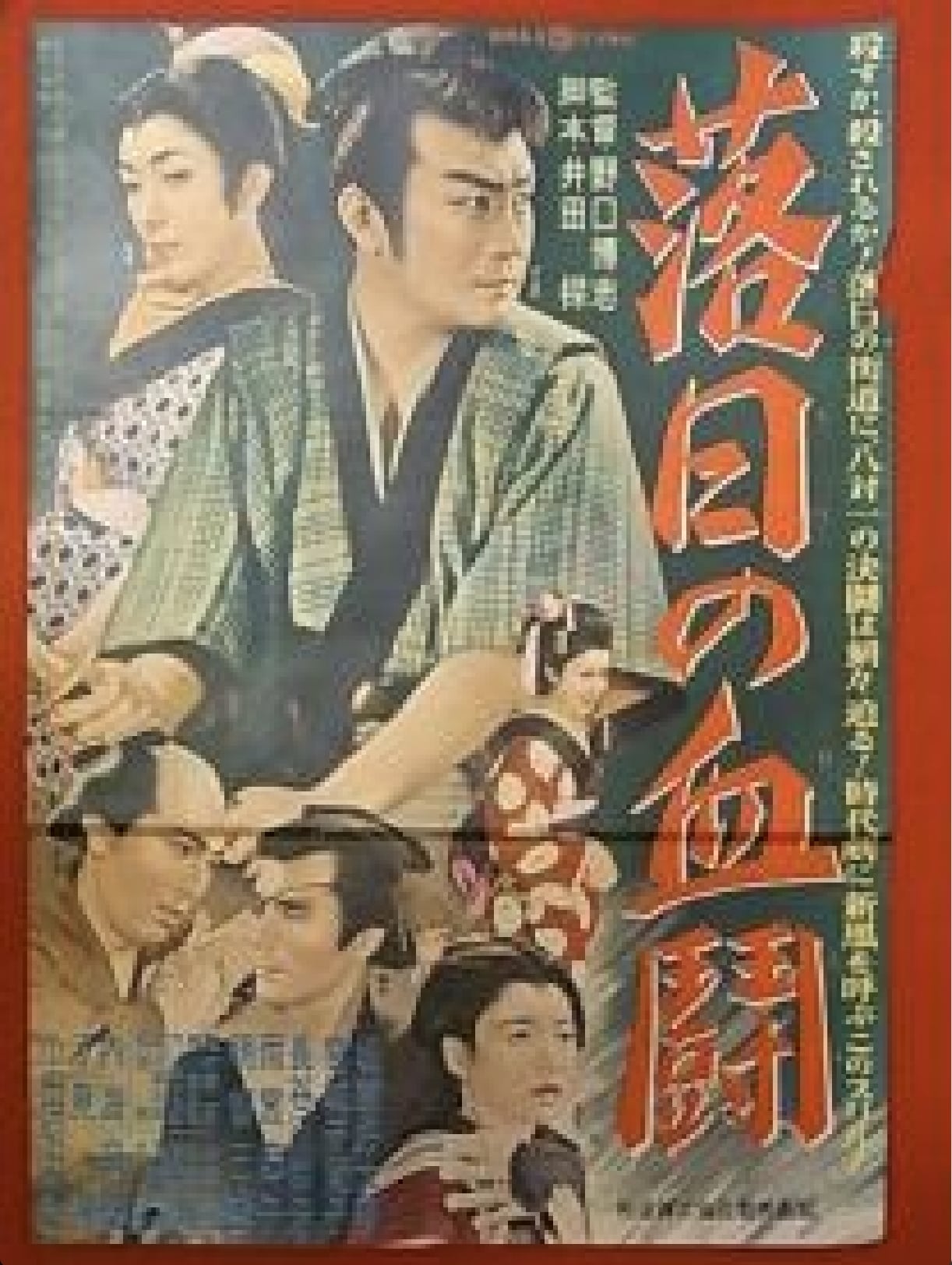
A remake of High Noon (1952) as a Japanese jidai-geki sword-fighting movie.
Social & External
The people behind it
Kōtarō Bandō
Yasunosuke
Chikako Miyagi
Okinu
Kenzaburo Akechi
Kikuko Hasegawa
Okyo
Miki Odagiri
Okatsu
Setsuko Amamiya
Emi
Kenjiro Uemura
Shuriken no Ginji
Michisaburō Segawa
Kumagura
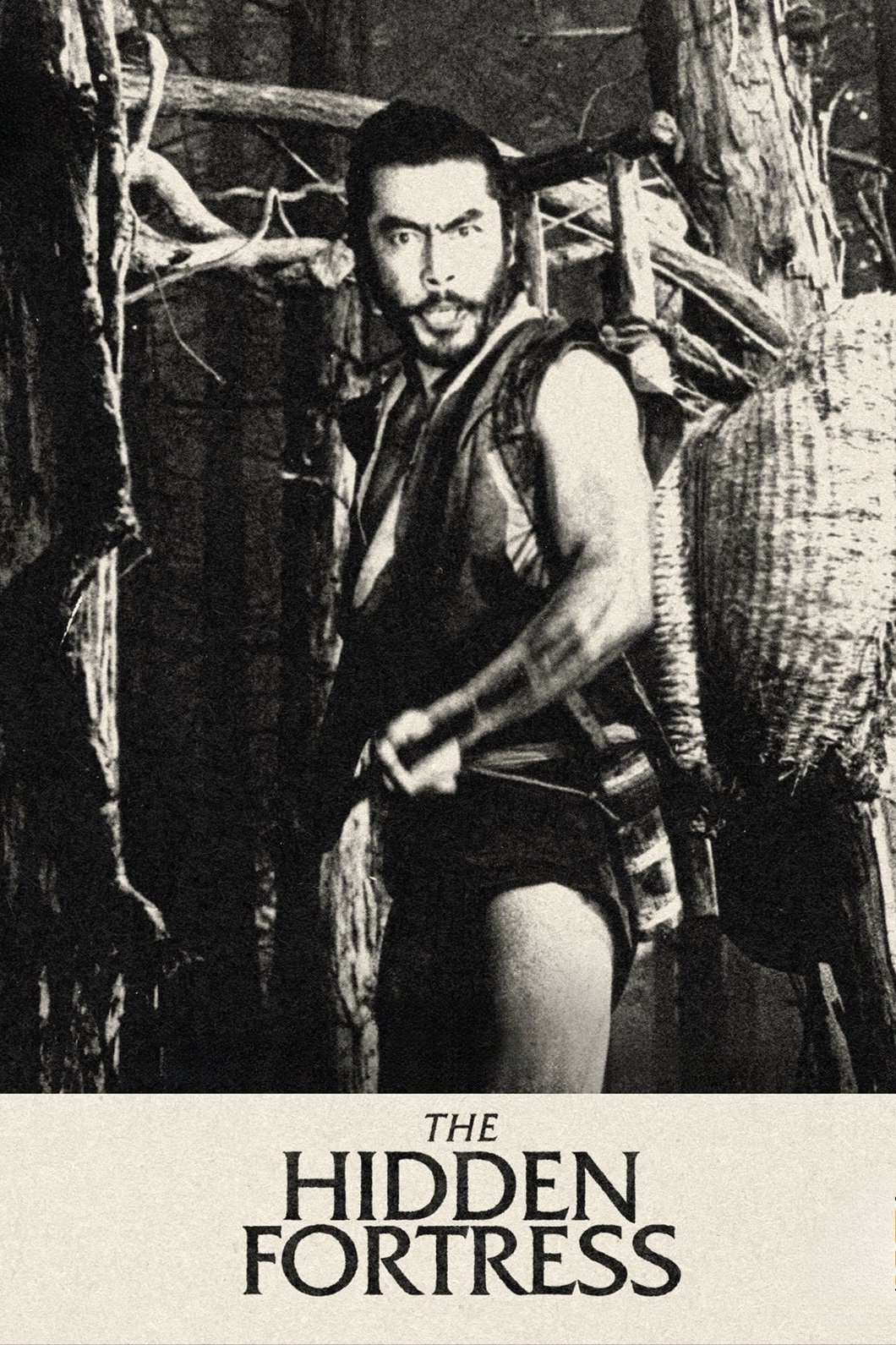
In feudal Japan, during a bloody war between clans, two cowardly and greedy peasants, soldiers of a defeated army, stumble upon a mysterious man who guides them to a fortress hidden in the mountains.
The man is chased by losing the beauty and preciousness of love and the foundation of life without overcoming the hardship of life.
Yagyu Jubei, the finest swordsman in the land, is called upon to bare his blade to help Iemitsu keep his post. Meanwhile a fishmonger named Isshin Tasuke who bears an amazing resemblance to Shogun Iemitsu may be called upon to put his life on the line by acting as the Shogun's double. At the same time, the tragic story of Banzuiin Chobei and Mizuno Jurozaemon is unfolding.
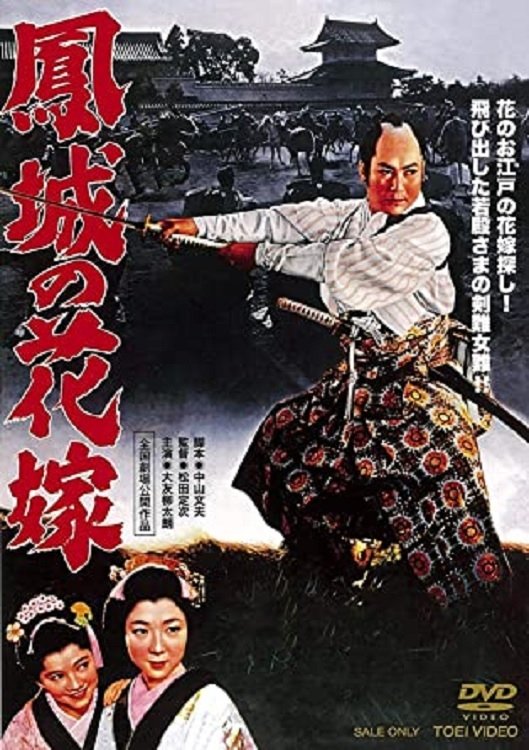
Young Lord Gentaro (Otomo Ryutaro) takes a journey to Edo in search of his future wife. Easier said than done, evil forces lurk in Edo and Gentaro must use his phenomenal sword skills to overcome the evil and find the love of his life. Another must have for fans of the great Otomo Ryutaro. And don't let the "silly" English title fool you, this is a great movie!
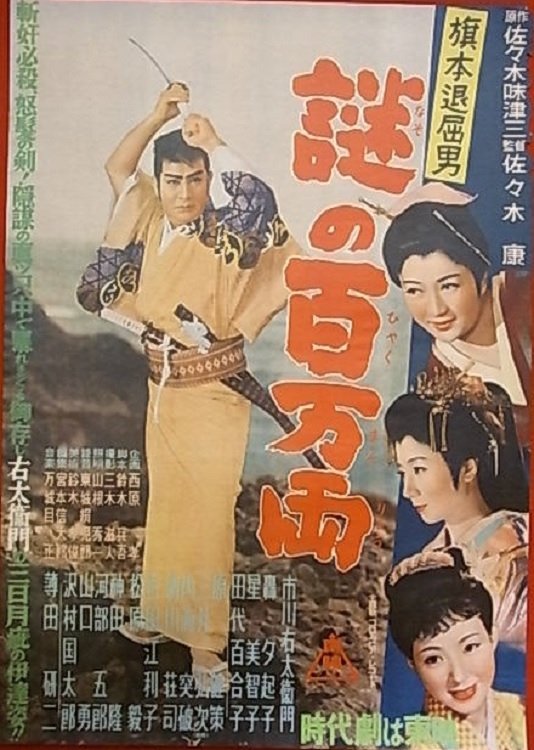
Bored Hatamoto film #16.
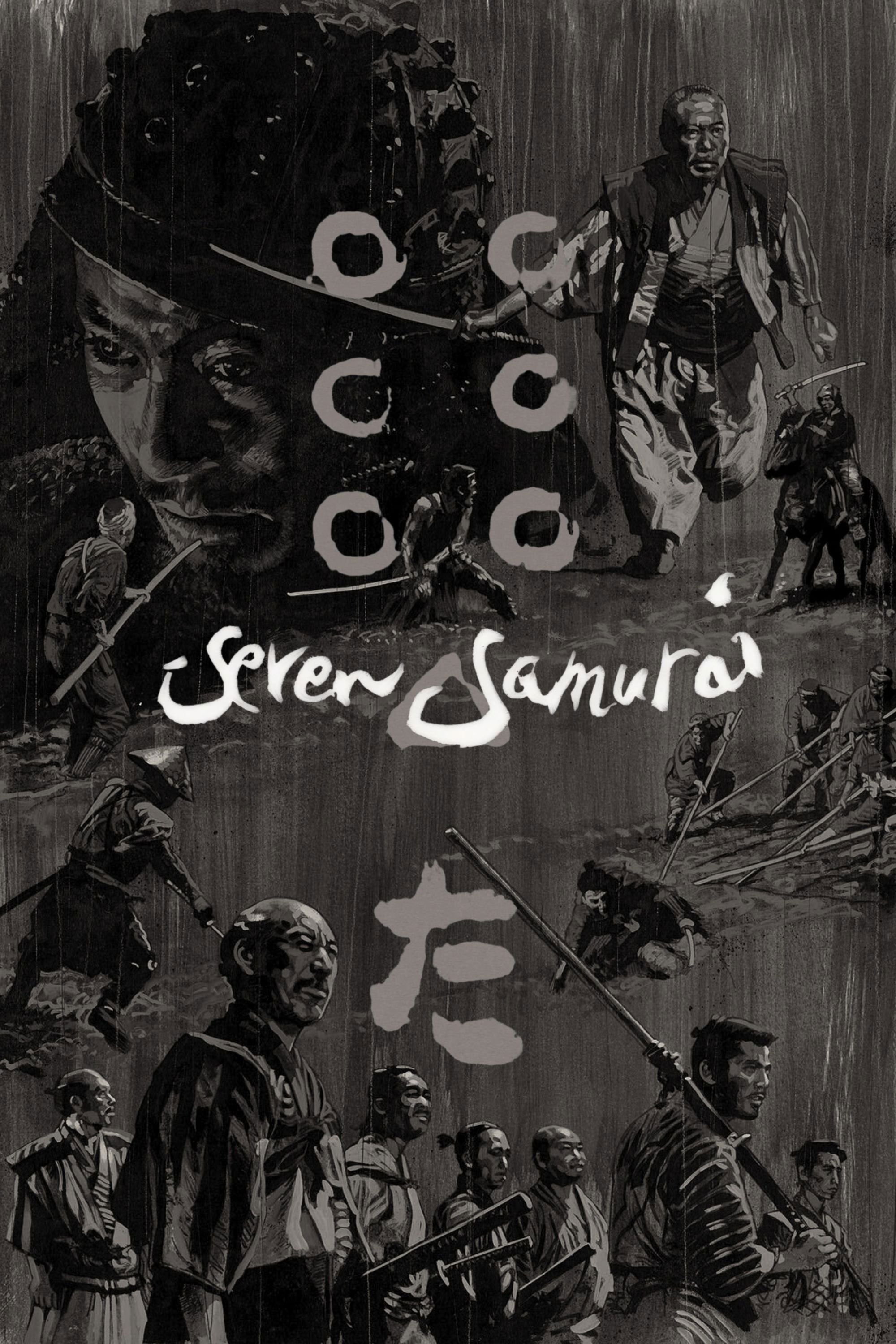
A samurai answers a village's request for protection after he falls on hard times. The town needs protection from bandits, so the samurai gathers six others to help him teach the people how to defend themselves, and the villagers provide the soldiers with food.
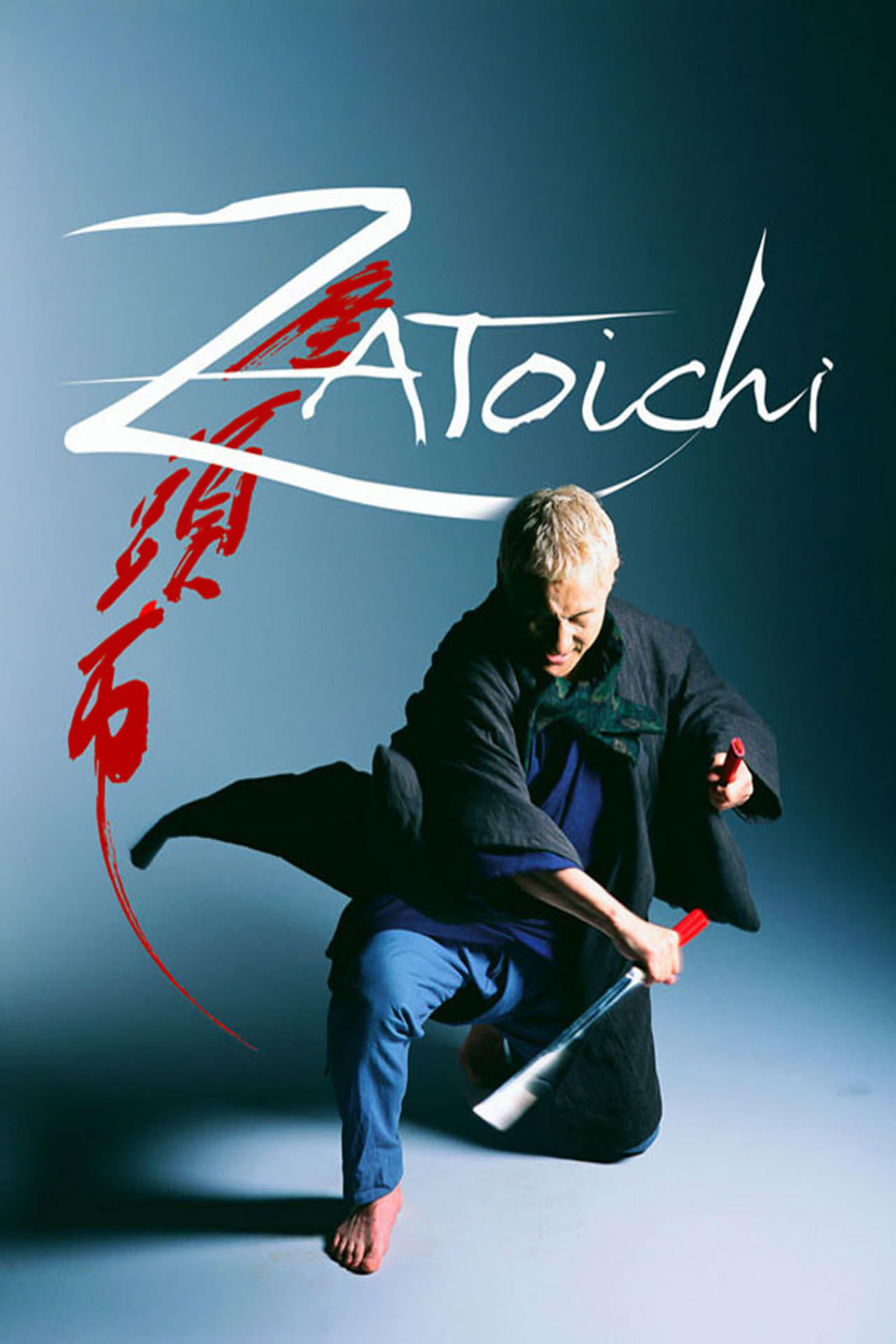
Blind traveler Zatoichi is a master swordsman and a masseur with a fondness for gambling on dice games. When he arrives in a village torn apart by warring gangs, he sets out to protect the townspeople.
Set at the end of the Sengoku period to early Edo period, "Sanada Ten Braves" follows 10 members of a ninja group who all serve under samurai warrior Yukimura Sanada.
Even though Gennosuke and Oboro are from rival ninja villages, they are secretly in love. At an annual conference with the Lord, it is dictated that a competition--a fight to the death--will take place between the five best shinobi from each village. Gennosuke and Oboro's love is made even more impossible when they each got picked as the leader of the five to represent their respective villages.
Fifth movie in the Hissatsu (Sure Death!) Series. At the behest of a corrupt bureaucrat, a mysterious band of murderers wage a bloody battle against three deadly assassins.
A group of ruthless gangsters, an unknown woman and an escaped convict have met, in The Forest of Resurrection, the 444th portal to the other side. Their troubles start when those once killed and buried in the forest come back from the dead.
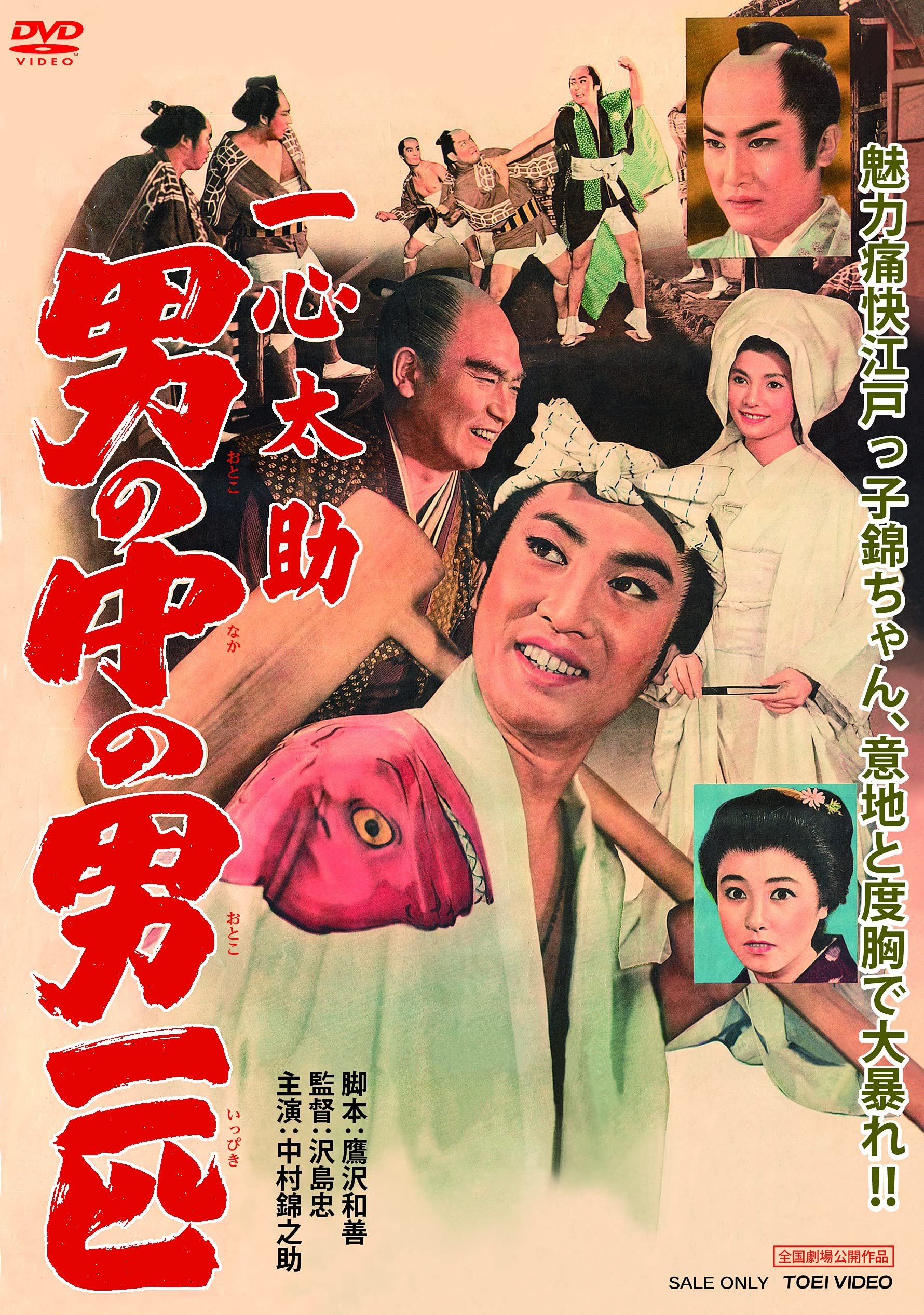
In the third entry into this mega-hit series, Isshin Tasuke, a spirited fishmonger in Edo who looks just like Shogun Iemitsu undergoes a series of unforeseen troubles in his newly wedded life.
In a world where vendettas are officially sanctioned, the people sometimes needed help in carrying out their vengeance. Sanada Hiroyuki stars as Sukeroku the Helper, a ‘cool and rambling yakuza’ that has made a business out of helping victims carry out their revenge. When he returns to his hometown to pay a visit to his mother’s grave he meets a deadly ronin who carries a secret which eventually leads him into a vendetta of his own.
Ichibei, a thief known as "Yami no Kiba," and his daughter Oasa are caught by members of a street performer family with a nationwide organization when the kite they are riding falls deep into the mountains of Owari. Nitayu, the key person in the clan, learns of Ichibei's obsession to avenge his father's murder by the Tokugawas and promises to help him. When Ichibei learns of Shogun Ienari's plan to transport a pure gold statue of Prince Ieyasu from Sunpu to Edo Castle, he joins forces with the bandit Kojiro to steal it. ......
The second Bounty Hunter film, when master killer Shikoro Ichibei takes up the cause of a group of farmers being driven to despair by the vile Lord Ozeki. The villainous lord has driven them to mounting their last stand at a deserted fort against an army of attackers. Wakayama Tomisaburo is superb as an expert in killing and military tactics, who leaves his medical practice at a clinic for the poor in order to counter the vicious tactics of that vile lord.
During the latter part of the 16th Century, Japan's Warring States era was coming to a close. After crushing almost all of his enemies, Date Masamune aka the "Hawk of the North" sets his eyes on Hatakeyama's lands. The young warlord is about to face his greatest challenge.
A lone gambler tries to keep a yakuza family from taking over a festival in Kitakyushu. After away from his hometown for 13 years, Ryuji comes back and saves the town that is becoming run-down from yakuza’s ill deeds.
The ever versatile Kazuki Kitamura stars as masterless samurai Kyutaro Madarame, a feared swordsman who has fallen on hard times in old Edo. Caught between two warring gangs in an epic battle of cat lovers and dog lovers, he begrudgingly accepts the canine faction's offer to assassinate the opposite leader's beloved pet: an adorable white cat. Yet upon raising his lethal sword, he cannot bring himself to go through with the act, and the cat melts his ronin heart. But before finding peace as a newly minted cat person, the still fearsome Madarame will have to take on both gangs in a classic samurai street brawl.
Master thief Kinosuke arrives in Edo to pull off one final heist for a tea-server who resembles his long-lost love, while Hasegawa Heizo’s spy Kumehachi tries to stop him, only to be exposed and trapped alongside the thief by Kinosuke's own crew.
A tale of friendship, betrayal, and forbidden love—set against the backdrop of Edo’s criminal underworld. While patrolling the Honjo district, the legendary samurai detective Heizo Hasegawa crosses paths with his old dojo friend, Samanosuke Kishii, and a local ruffian, Hikoju of Sagami. When they discover that Ofusa, the woman they both once loved, has been forced into marriage with a corrupt lord, their reunion takes a dark turn. As secrets from their past resurface, a deeper conspiracy tied to their former mentor begins to unravel—one that will test Heizo’s loyalty, honor, and sense of justice.
Ogami Itto is hired to kill a tattooed female assassin and battles Retsudo, head of the Yagyu clan, and his son Gunbei.
A group of Russian mobsters have stolen a huge supply of paper for printing U.S. currency, and are now flooding the market with conterfeit bills. When one of the mobsters decides to give herself in and hand over a data CD to the DA, she is shot and killed, but not before handing the disc to an unsuspecting Tommy Lee. Despite working with the police as a martial arts instructor, Lee doesn't go to the cops with the disc, but instead goes on the run, giving the mafia time to kidnap his daughter and hold as a hostage in exchange for return of the disc. Will Tommy ever see his daughter again?
A group of top female agents from American, British, Chinese, Colombian, and German government agencies are drawn together to try and stop an organization from acquiring a deadly weapon to send the world into chaos.
Hiding out with his son Taylor on the Mexican coast, Nero hopes to put his violent Special Forces career behind him. But after Nero’s home is attacked and Taylor is abducted, the mysterious Mzamo orders Nero to slaughter the members of three rival crime syndicates. If he fails, Taylor will die. Now, with bullets flying and bodies dropping as Nero completes his mission, he races to find Mzamo’s hideout and seek revenge.
Official Shogunate executioner Ogami Itto has been framed for disloyalty to the Shogunate by the Yagyu clan, against whom he now is waging a one-man war, along with his infant son, Daigoro.
After his son is wrongly accused of kidnapping, a deacon who has just lost his wife takes matters into his own hands and fights a crooked police gang to clear him.
A U.S. Army Captain uses her years of tactical training to save humanity from sixteen nuclear missiles launched at the U.S. as a violent attack threatens her remote missile interceptor station.
In 1993, Maureen’s six-year-old daughter Amina is snuck out of the country by her ex-husband, Karim. After years of unsuccessful attempts to find her, Maureen intersects with a professional retriever of internationally abducted children who promises to help her find Amina in exchange for her collaboration.
In the not-too-distant future, two drifters traveling through the desert stumble across the biggest gold nugget ever found and the dream of immense wealth and greed takes hold. They hatch a plan to excavate their bounty, with one man leaving to secure the necessary tools while the other remains with the gold. The man who remains must endure harsh desert elements, ravenous wild dogs, and mysterious intruders, while battling the sinking suspicion that he has been abandoned to his fate.
In an alternate version of 1949 Japan in which World War II never happened, the Japanese capital of Teito is home to both an ultra rich upper class and the dirt poor masses. The city is thrown into a state of panic when a phantom thief called “The Kaijin (Fiend) with 20 Faces” (K-20 for short) begins to use his mysterious abilities to steal from the rich and give to the poor. One day a circus acrobat named Heikichi Endo (Takeshi Kaneshiro) is framed for K-20’s crimes and becomes determined to clear his name. He teams up with K-20’s next target, a wealthy duchess named Yoko Hashiba (Takako Matsu) and her detective fiancé (Toru Nakamura), to take K-20 down once and for all.
A former DEA agent and a former undercover operative revisit their romance during a fateful weekend in Taipei, unaware of the dangerous consequences of their past.
With most of his family already dead at Ogami Itto's hands, Retsudo launches one final plot to destroy him, and when that fails, unleashes the fury of every remaining member of the Yagyu clan.
A news team is sent to Burundi to capture and bring home a legendary 25-foot crocodile. Their difficult task turns potentially deadly when a warlord targets them for death.
A tenacious party girl fights to survive after three thieves commandeer her luxury yacht. Unable to escape and trapped on the yacht at high seas, the prey becomes the hunter as she turns the tables on the intruders and takes matters into her own hands.
Good-natured teen surfer Mitchell Goosen finds himself staying with his aunt and uncle in Cincinnati, Ohio when his parents head to Australia for work. There he meets his cousin, Wiley, and together they try to navigate the perils of high school—avoid the bullies, get the girl, and win a little respect.
In 1879, Kenshin and his allies face their strongest enemy yet: his former brother-in-law Enishi Yukishiro and his minions, who've vowed their revenge.
When a reclusive survivalist and his daughter rescue a mysterious, wounded woman from a river, they become entangled in a deadly web of violence and revenge, forcing them to confront a brutal criminal to survive.
Struggling to elevate himself from his low caste in 17th century Japan, Miyamoto trains to become a mighty samurai warrior.
A rag-tag team of divers attempting to salvage a sunken car from a river are thwarted by a highly aggressive bull shark.
A sadistic Daimyo (feudal lord) rapes a woman and murders both her and her husband, but even when one of his own vassals commits suicide to bring attention to the crime, the matter is quickly hushed up. Not only will there be no punishment, but because the Daimyo is the Shogun's younger brother, he will soon be appointed to a high political position from which he could wreak even more havoc. Convinced that the fate of the Shogunate hangs in the balance, a plot is hatched to assassinate the Daimyo. The two most brilliant strategic minds of their generation find themselves pitted against each other; one is tasked to defend a man he despises, and has a small army at his disposal. The other is given a suicide mission, and has 12 brave men. They are the 13 Assassins.