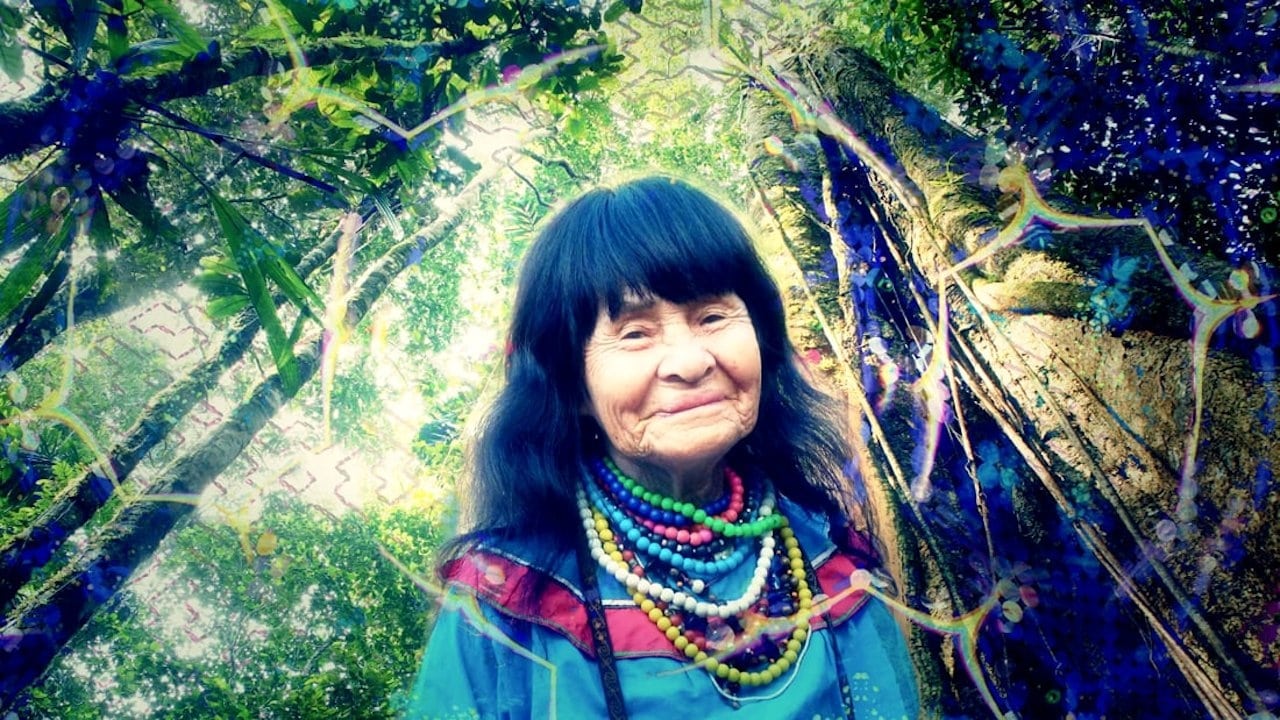
Shipibo healer Ricardo Amaringo describes how he prepares, teaches, and shares the plant medicine ayahuasca. Olivia and Julian Arévalo sing examples of icaros (healing songs) in the Shipibo language.
Social & External
Himself
Herself
This free-form film is a self-portrait, which revisits more than 40 years of the author’s filmography and questions the major stations of his life, while capturing the political tremors of the time.
Steeped in the long oral tradition of Waorani storytelling, Gange Yeti shares her own coming-of-age story as a young Waorani woman living deep within the Amazon rainforest. Following Gange and her community for over 11 years, the film captures her transition from a quiet teenager into a confident young mother at a critical turning point for her culture and rainforest. As the granddaughter of one of the last Waorani elders that lived in complete isolation before outside contact, Gange is determined to capture her grandmother’s unique experience while she still can -- balancing school, motherhood, and tradition along the way.
The documentary "Caixa D'água: Qui-lombo is this?" It reports, through testimonies from former residents and photographic collections, the importance in the cultural and historical scope of the Getúlio Vargas neighborhood located in Aracaju, capital of Sergipe. Emphasis is placed on black culture and the presence of black slaves and their descendants, with the rescue of issues related to their origin, orality, geographical location and awareness of their racial identity, showing that, although this community exists in an urban area, it still maintains many aspects of the quilombo life of the former black slaves in Brazil.
An environmental account of Henry Ford’s Amazon experience decades after its failure. The story addressed by the film begins in 1927, when the Ford Motor Company attempted to establish rubber plantations on the Tapajós River, a primary tributary of the Amazon. This film addresses the recent transition from failed rubber to successful soybean cultivation for export, and its implication for land usage.

An intimate documentary portrait of world-class improvisational and traditional pianist Mike Garson as he tours, performs, and teaches.
Documentation of the preparations and expeditions of the Frente de Atração Arara da Funai, in the state of Pará, Brazil. With the construction of the Transamazônica, the Arara territory (without contact with the white man) is cut in half, and the Indians react by attacking the workers. Aware that all contact is a creation of dependency, the sertanista Sydney Possuelo, who also reflexively narrates the documentary, leads the expeditions that aim to identify the groups, how many individuals there are, establishing territorial limits to protect the area against invaders and loggers in the region.
Luis Tayori is an indigenous Harakbut descendant whose origins trace back to the depths of the Peruvian jungle. Years after the first contact with Dominican missionaries, Luis recounts the memories of his childhood and those of his grandparents.
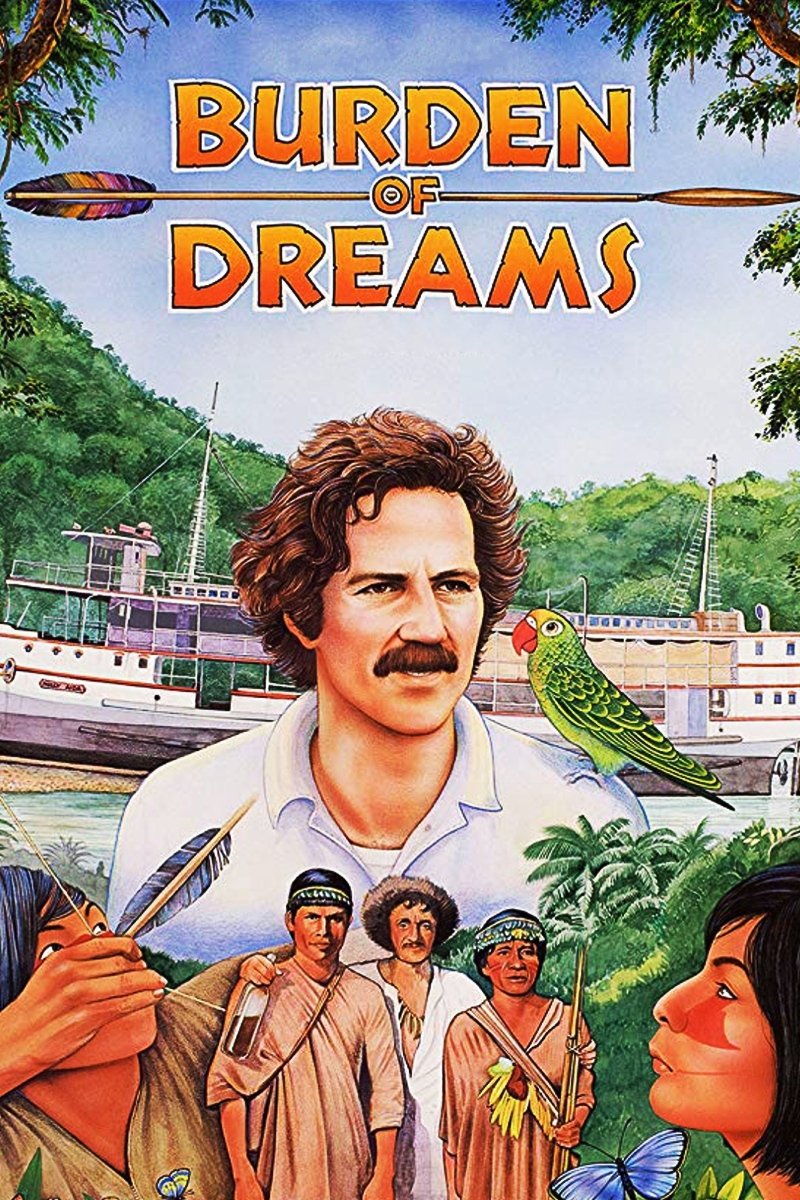
Werner Herzog returns to the South American jungle with Juliane Koepcke, the German woman who was the sole survivor of a plane crash there in 1971. They find the remains of the plane and recreate her journey out of the jungle.
SHAMANS OF THE AMAZON is a personal account of filmmaker Dean Jefferys as he returns to the Amazon with his partner and one year old daughter. They journey deep into the Ecuadorian rainforest to learn about and experience the ancient ayahuasca healing ceremony. The film brings to the viewer an intimate and fascinating look at the shamans of the Amazon, and the life that is threatened by ecological destruction.
What happens when western anthropologists descend on the Amazon and make one of the last unacculturated tribes in existence, the Yanomami, the most exhaustively filmed and studied tribe on the planet? Despite their "do no harm" creed and scientific aims, the small army of anthropologists that has studied the Yanomami since the 1960s has wreaked havoc among the tribe – and sparked a war within the anthropology community itself.
A voyage into the labyrinthic memories of a Uitoto man, who worked for the drug Lords in the Colombian Amazon back in the 80s. Following his path between the forest and the ruin of a Narco´s mansion imitating the Carrington mansion in the soap opera Dynasty, the film unfolds the hallucinatory account of a near-death experience.
Lima Grita is a Peruvian music documentary that juxtaposes places and moments from within the city of Lima's underground experimental music scene. The film offers an immersive experience into a soundscape made up of characters, conversations and poetic events.
After many years of life marked by PTSD, men and women veterans of the wars in Vietnam, Afghanistan, and Iraq travel to the Peruvian Amazon to participate in shamanic ceremonies to heal their traumas.
The secrets about unlocking the mysteries of consciousness by plant-drugs. The related chances and risks involved in this shamanism. While filming Blueberry, the Secret Experience, Jan Kounen met the Shipibo healers of the Peruvian Amazon and discovered their sacred plant: Ayahuasca, the spirit vine. Deeply affected by this experience, he decided to return to Peru to shoot a documentary on the plant and the medicinal rites of the shamans. To this end, he filmed the natives but also met neurologists, philosophers, artists, and chemists working on this subject. He notably interviewed Jean Giraud, the illustrator of Blueberry, and Kary Mullis, winner of the 1993 Nobel Prize in Chemistry. More than a traditional documentary, the film is an invitation to travel, a half-open door to another world or another perception of reality. The secrets about unlocking the mysteries of consciousness by plant-drugs. The related chances and risks involved in this shamanism.
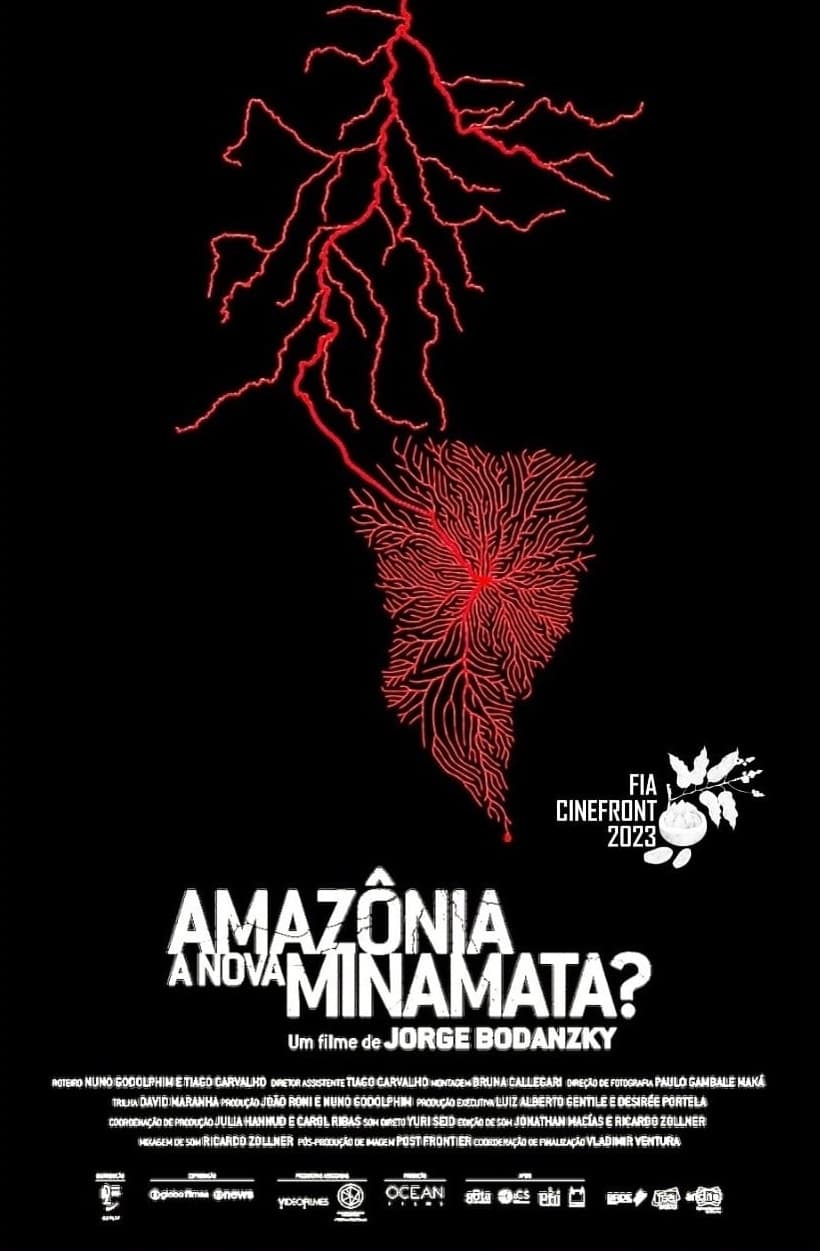
Filmmaker Michal Siewierski embarks on an audacious journey to expose the real reasons behind the Amazon forest fires and the alarming rate of deforestation in Brazil. Ranging from people’s food choices, to major political corruption, corporate greed and crimes against people and nature. Takeout tackles the facts and stories that traditional media outlets are too afraid to cover.
‘Tuire Kayapó’ (First Contact) is a moving portrait of the most important female chief of the Kayapó people, known for her environmental activism in the Brazilian Amazon since the late 1980s. In her first interview ever, which took place on January 13th, 2017 in her village in Kaprankrere, Tuire speaks about the issues of the Kayapó people such as deforestation, expansion of the cities towards the Indigenous territories, demarcation, discrimination, national agricultural policies, public administration, corruption and infectious diseases as a result of all this.
Sacsayhuamán, an ancient citadel amidst the Peruvian Andes, is an architectural marvel. It was built more than 900 years ago, and no living person knows how such large rocks were fitted so perfectly into walls. This documentary takes us on a tour of Sacsayhuamán, offering a brief history of the site, and clues that may help to its understand how it was made. It was edited from photos and video taken in July 2012, when Russian geophysicists conducted soil research there, at the request of Peru's Ministry of Culture.
Beautifully shot, alternately joyful and horrifying, Alma captures the ecological, and even spiritual, cost of meat, dairy, and leather production in the Amazon.