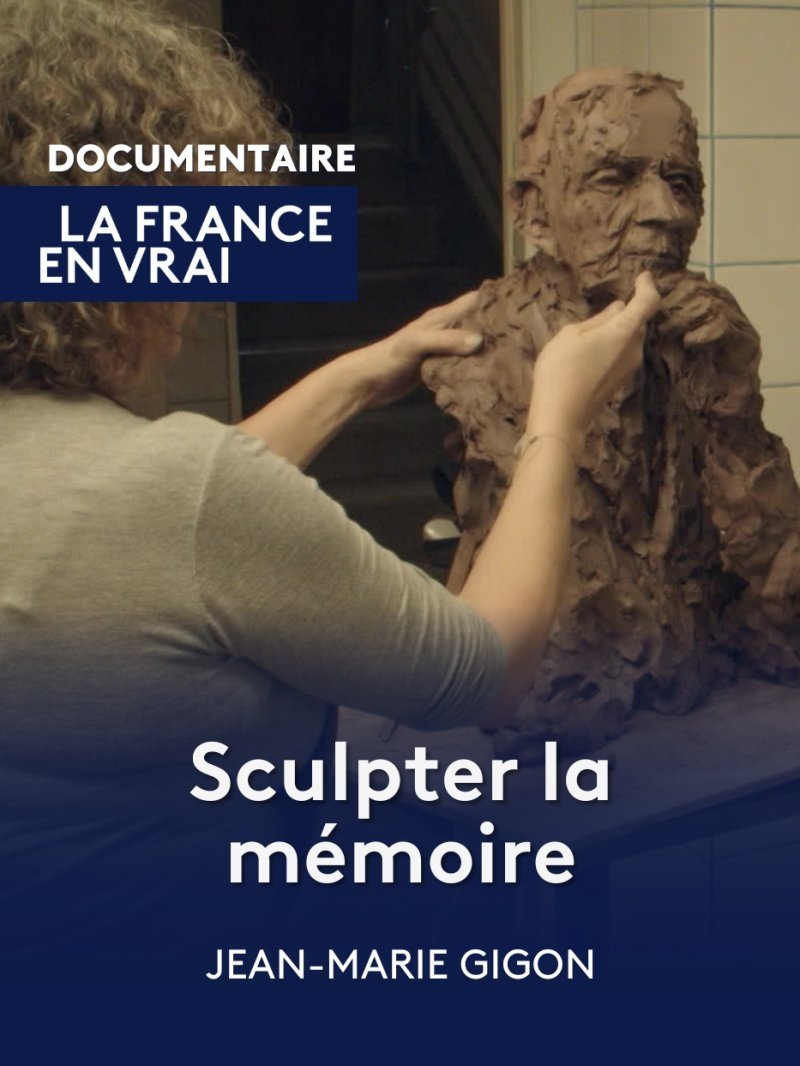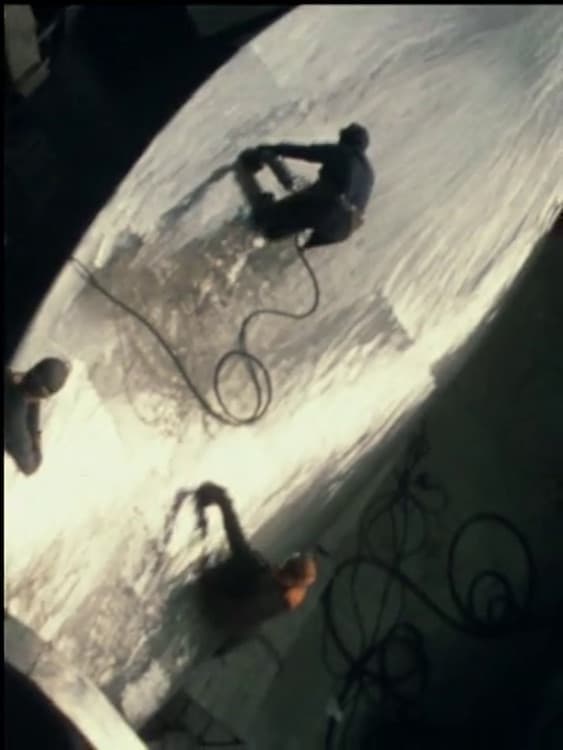
In 1971, Jean-Daniel Pollet & Guy Seligmann directed for French TV a documentary about French artist César Baldaccini. It was part of L'invité du dimanche show.
Social & External
Self
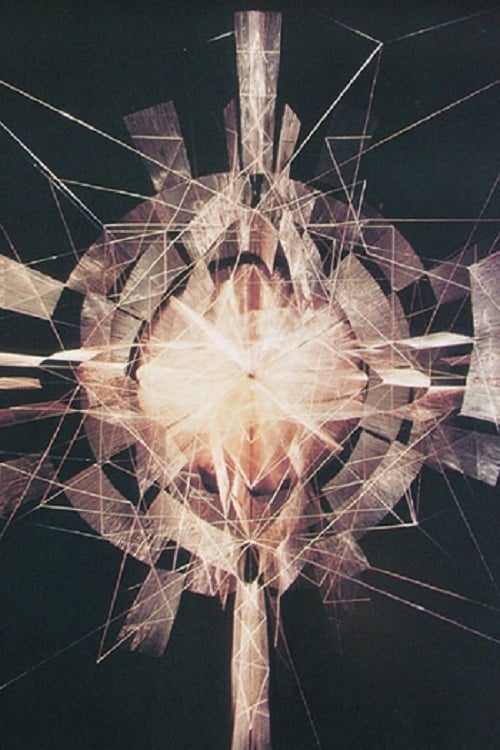
Documentary examining the work of sculptor Richard Lippold, particular his sculpture of the sun at the Metropolitan Museum of Art.
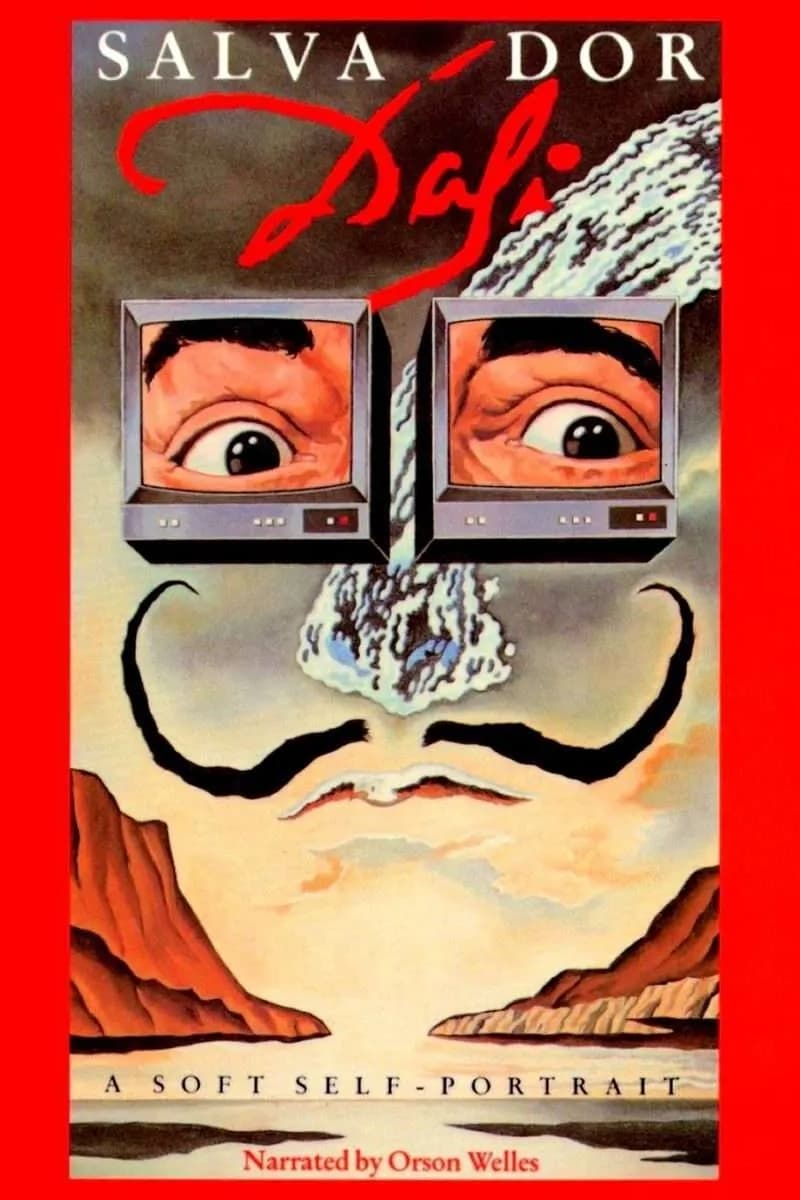
A documentary about surrealist artist Salvador Dali, narrated by Orson Welles.
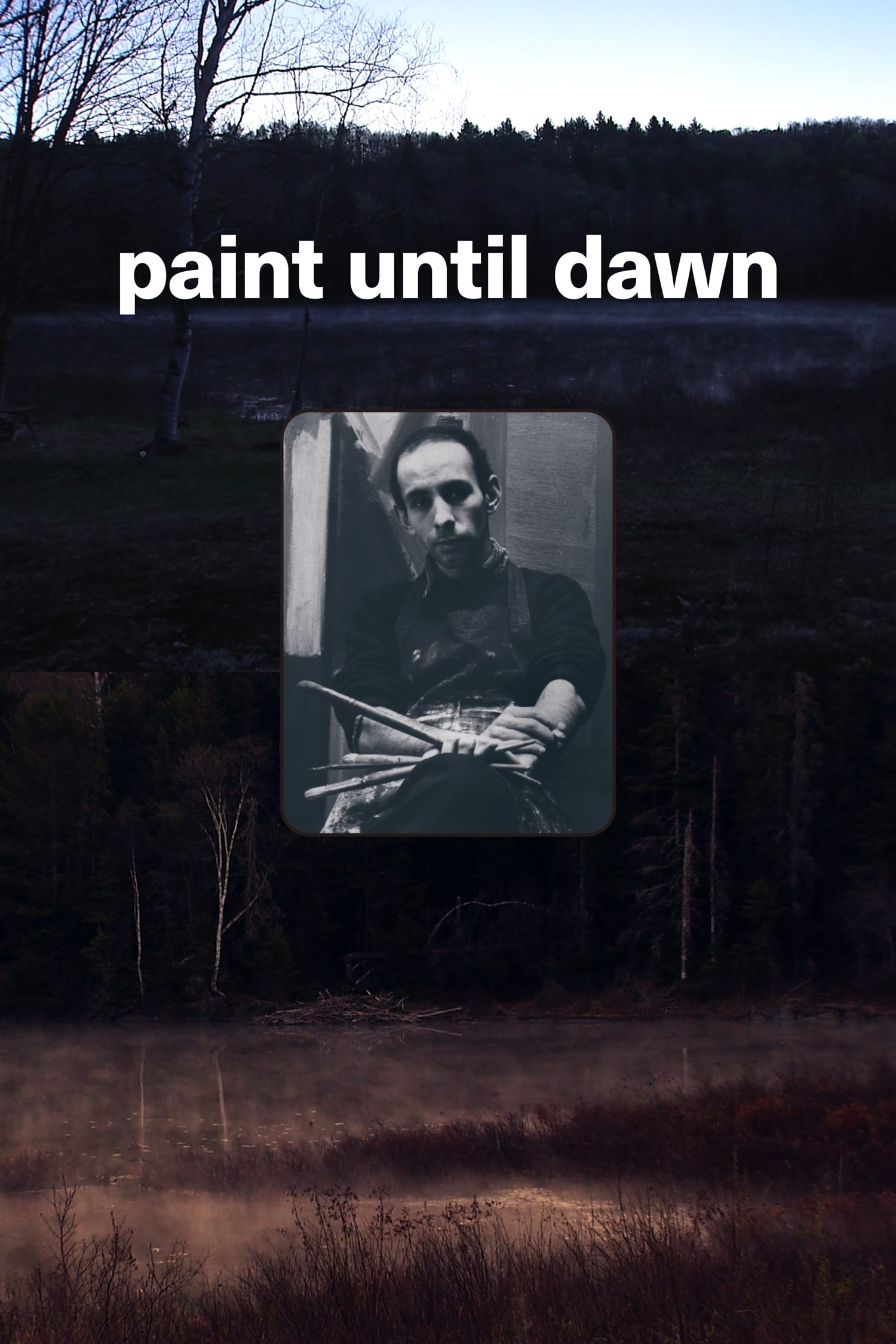
Seeing is to painting what listening is to politics. Survival as an artist demands both. Paint Until Dawn is a documentary on art in the life of James Gahagan (1927-1999), who painted all night to push the limits of vision. His life and thought reveal a correlation between art and activism through an interesting angle: the creative process itself.
56-year-old artist Mindy Alper has suffered severe depression and anxiety for most of her life. For a time she even lost the power of speech, and it was during this period that her drawings became extraordinarily articulate.
In the fall of 1987, Philippe Haas accompanied the sculptor Richard Long to the Algerian Sahara and filmed him tracing with his feet, or constructing with desert stones, simple geometric figures (straight lines, circles, spirals). In counterpoint to the images, Richard Long explains his approach. Since 1967, Richard Long (1945, Bristol), who belongs to the land art movement, has traveled the world on foot and installed, in places often inaccessible to the public, stones, sticks and driftwood found in situ. His ephemeral works are reproduced through photography. He thus made walking an art, and land art an aspiration of modern man for solitude in nature.
Two screens of film about - and sometimes shot by - Claes Oldenburg, detailing his inspiration, his methods and his relationship with his partner Hannah Wilke.
Destroying your own artwork. For many artists it is unmentionable, but Loes Heebink from Kolderveen irreparably destroyed her artwork "Fluisteraars" herself and came up with the idea for a documentary of the same name, directed by Saskia Jeulink.
Short documentary of David Lynch building a lamp.
A group of artists settle in a swamp on the banks of the Indre River. Meanwhile, a voice describes a utopian world.
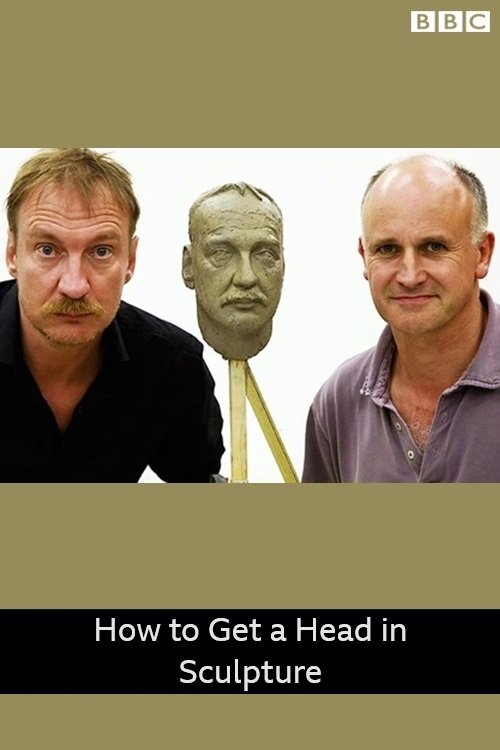
From the heads of Roman Emperors to the 'blood head' of contemporary British artist Marc Quinn, the greatest figures in world sculpture have continually turned to the head to re-evaluate what it means to be human and to reformulate how closely sculpture can capture it. Witty, eclectic and insightful, this film is a journey through the most enduring subject for world sculpture, one that carves a path through politics and religion, the ancient and the modern. Actor David Thewlis has his head sculpted by three different sculptors, while the Archbishop of Canterbury Dr Rowan Williams, artist Maggi Hambling and art critic Rachel Johnston discuss art's most enduring preoccupation, ourselves.
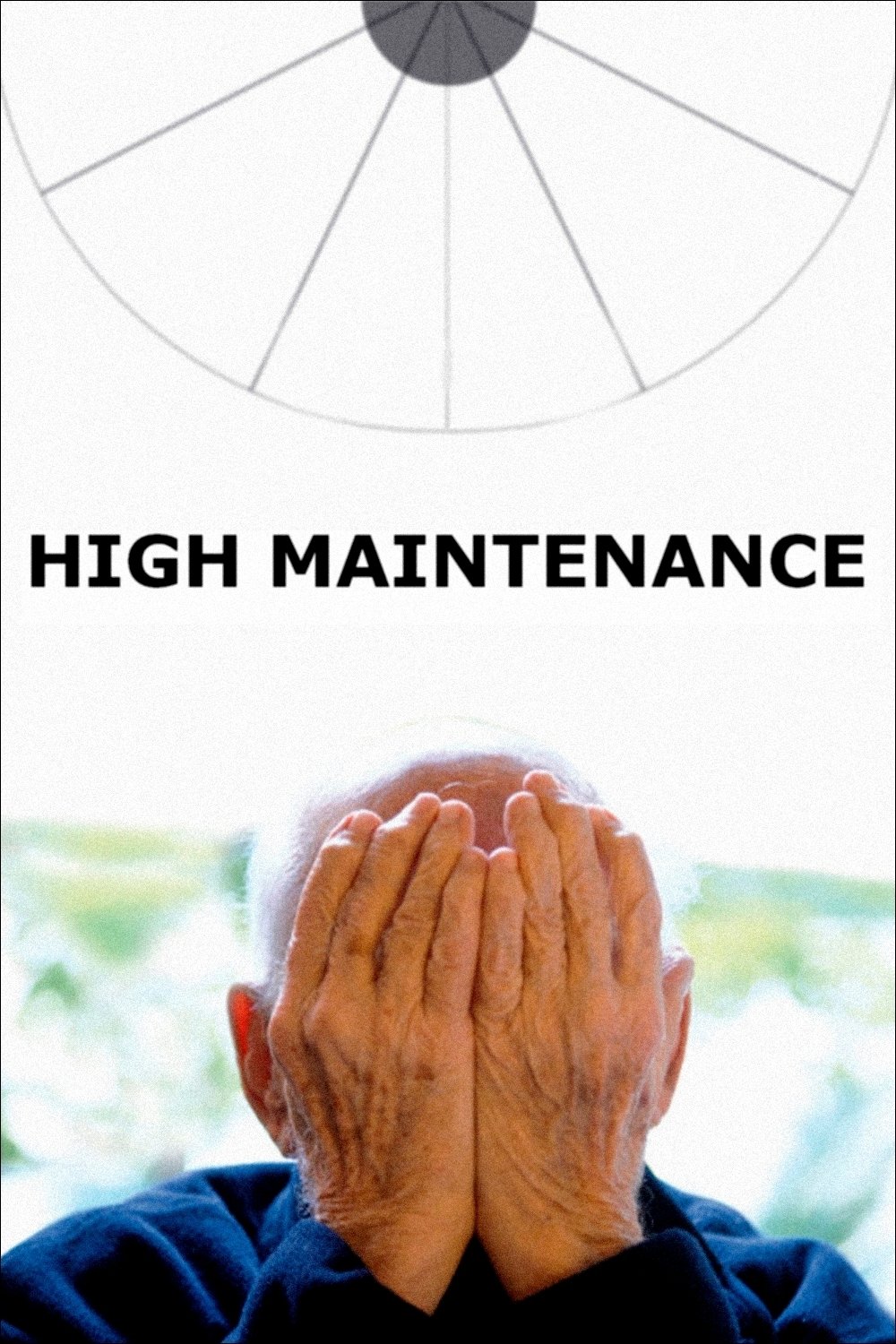
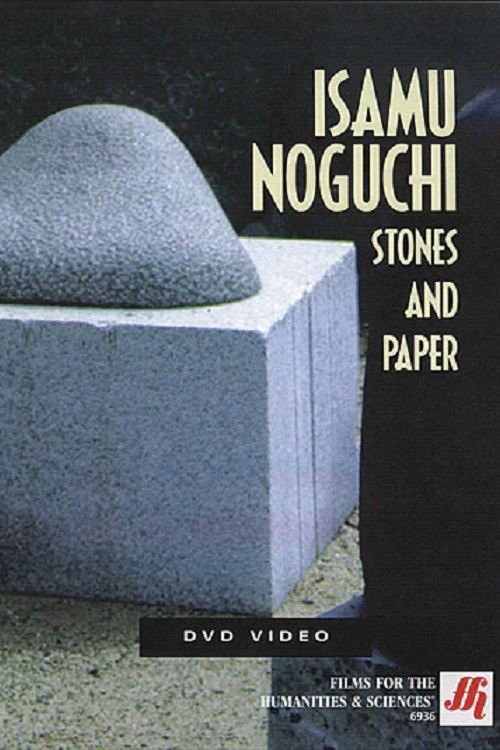
Isamu Noguchi was a sculptor, designer, architect, and craftsman. Throughout his life he struggled to see, alter, and recreate his natural surroundings. His gardens and fountains were transformations meant to bring out the beauty their locations had always possessed.
With his seemingly naïve, symbolic paintings, Joan Miró formed a new artistic language in the 20th century. Brought up in Barcelona, the painter, graphic artist and sculptor was drawn to Paris and, under the influence of the surrealists, developed his unique style and poetic imagery that unite Catalan folk art and fantastic elements. Robin Lough followed the 85-year-old Miró to theatre rehearsals and went to see him in his studio on Majorca. There he met with an amazingly creative and disciplined artist, whose visionary pictures paved the way for abstract expressionism.
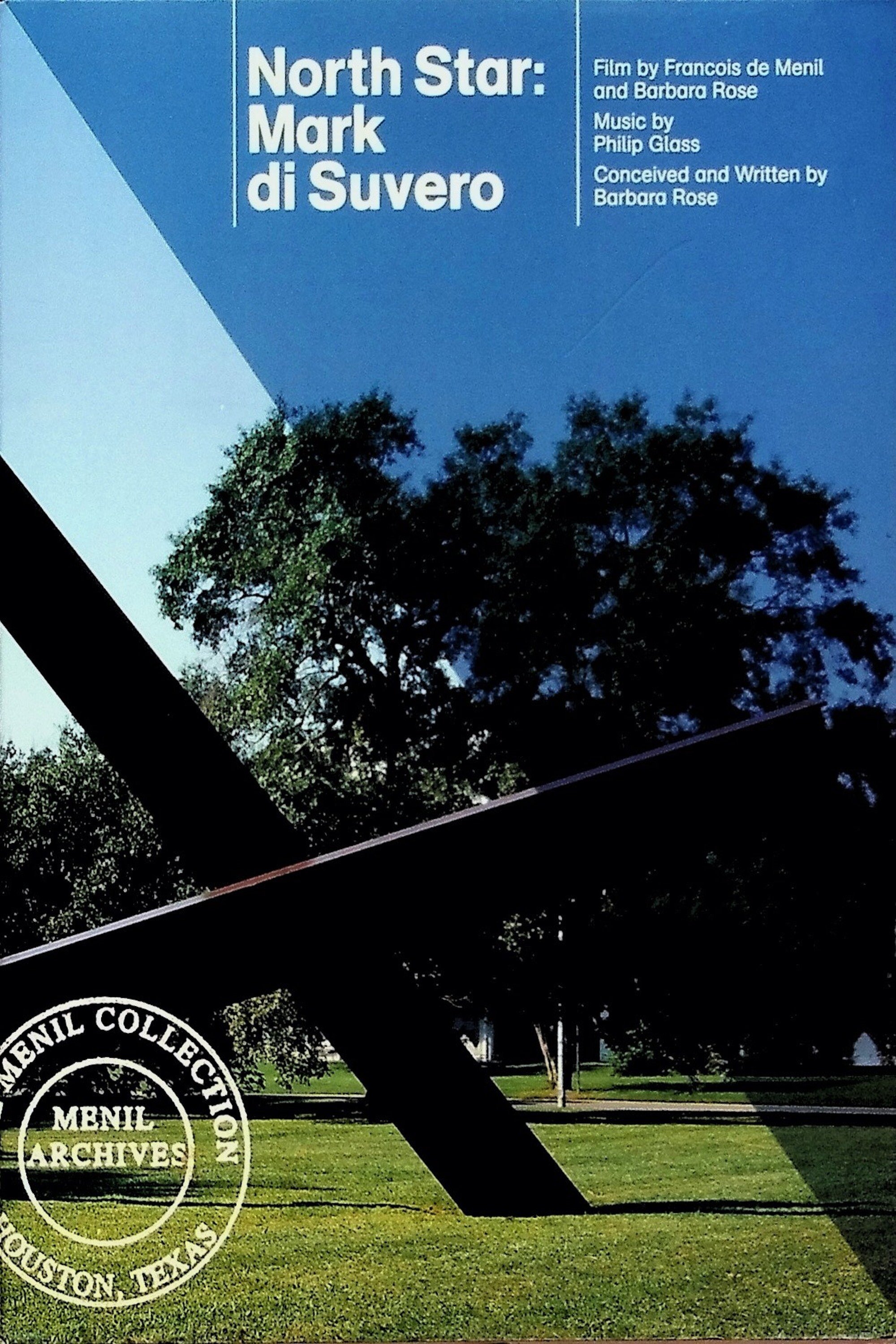
North Star: Mark di Suvero is a 1977 documentary film about Mark di Suvero that was produced by François de Menil and Barbara Rose. Born in 1933, di Suvero has become one of the most recognized sculptors of the late 20th and early 21st centuries. From about 1975 to 1977, fairly early in di Suvero's long career, filmmaker de Menil and art historian Rose produced this film, which was characterized at the time as "a tribute to the extraordinary work and life of the innovative American sculptor of monumental but delicate constructions." The film shows di Suvero making and installing several of his very large sculptures, and incorporates informal interviews of di Suvero, his mother, and others involved in his career and life at that time. From 1971 to 1975 di Suvero, an American, lived in a self-imposed exile in France in protest of US involvement in war in Vietnam and Southeast Asia, and the filming spans the end of his exile and his return to New York.
In decades past, Native American artists who wanted to sell to mainstream collectors had little choice but to create predictable, Hollywood-style western scenes. Then came a generation of painters and sculptors led by Allan Houser (or Haozous), a Chiricahua Apache artist with no interest in stereotyped imagery and a belief that his own rich heritage was compatible with modernist ideas and techniques. Narrated by actor Val Kilmer and originally commissioned as part of an exhibit of Houser’s work at the Oklahoma History Center, this program depicts the artist’s tribal ancestry, his rise to regional and national acclaim, and the continuing success of his sons as they expand upon and depart from their father’s achievements. Key works are documented, as is Houser’s tenure at the Santa Fe–based Institute of American Indian Arts.
To mark the artist Fernando Botero's 75th birthday, Peter Schamoni made a documentary film about his moving life. Fernando Botero is immediately recognizable by his colourful and exuberant works. Schamoni convinces us that, behind the cliché of the naïve, Fernando Botero is an artist who also devotes himself to serious and profound themes. Schamoni not only accompanies Botero to Tuscany, where he creates his sculptures, and to his Parisian painter's studio. The film also takes us on a journey to Colombia, where Schamoni lets the viewer take part in the world in which the artist lives and works, in the highs and lows of his life.

A series of filmed interviews with Rebecca Horn, performance artist, filmmaker and sculptress whose work explores the themes of sexuality, human vulnerability and emotional fragility.
A docudrama about art and creativity; based on modern art gallery in Tehran and its founder Jazeh Tabatabai.
A biographical documentary about Moisés Avendaño, artist, athlete, sportsman, adventurer, and doctor from Veracruz, Mexico. Seen from his golden years, until his imminent encounter with Parkinson's disease, in the present.
The first chapter in our Masters of Modern Sculpture series looks at groundbreaking work from the brilliant minds that reshaped sculptural art and inspired generations to come. Narrated by George Segal, The Pioneers explores famed pieces from sculptors such as Rodin, Maillol and Picasso.
Centered around the emergence of Constructivism, Futurism, Surrealism and Dada, Beyond Cubism takes a closer look at the artists who ignited the new movements and the alterations of artistic culture brought forth by World War II. Creating out of their philosophy and ideology, artists such as Vladimir Tatlin, Barbara Hepworth and Henry Moore pushed sculpture to new limits of abstraction and possibility, feverently building on their predecessors.