Three women, wear makeup or masks, having a meal.
Social & External
Unknown Role
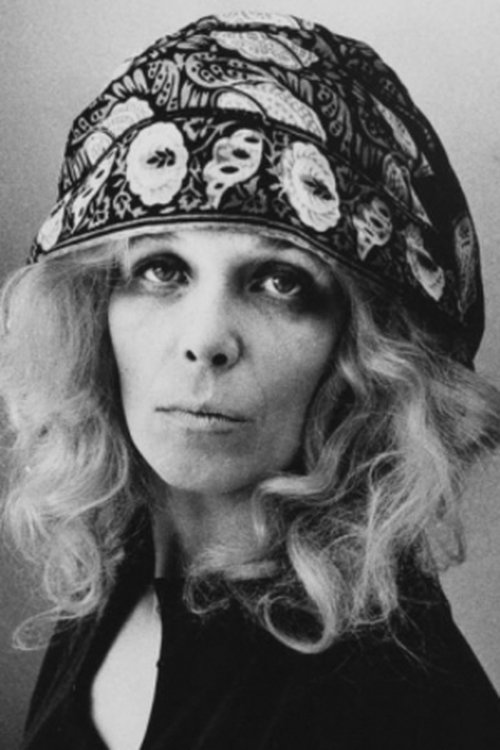
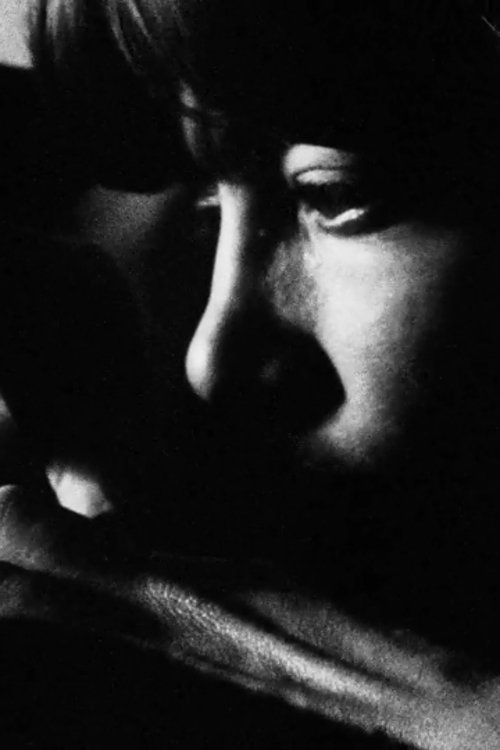
Featuring Joan Adler (who also appears in Chinese Checkers), Soliloquy is one of the four early Stephen Dwoskin films that were awarded the Solvey prize at the EXPRMNTL festival in Knokke, Belgium in 1967. “In Soliloquy a girl broods uncertainly over a failed love affair, while the camera roves over her fingers, her cigarette, her knuckles, her lips and the hand mirror in which she peers. In its dark reflection one isolated eye seems a dead thing, twitching; the split between her body and her spoken thoughts becomes a strange bilocation of consciousness; towards the end, an aeroplane drones overhead” (Raymond Durgnat)
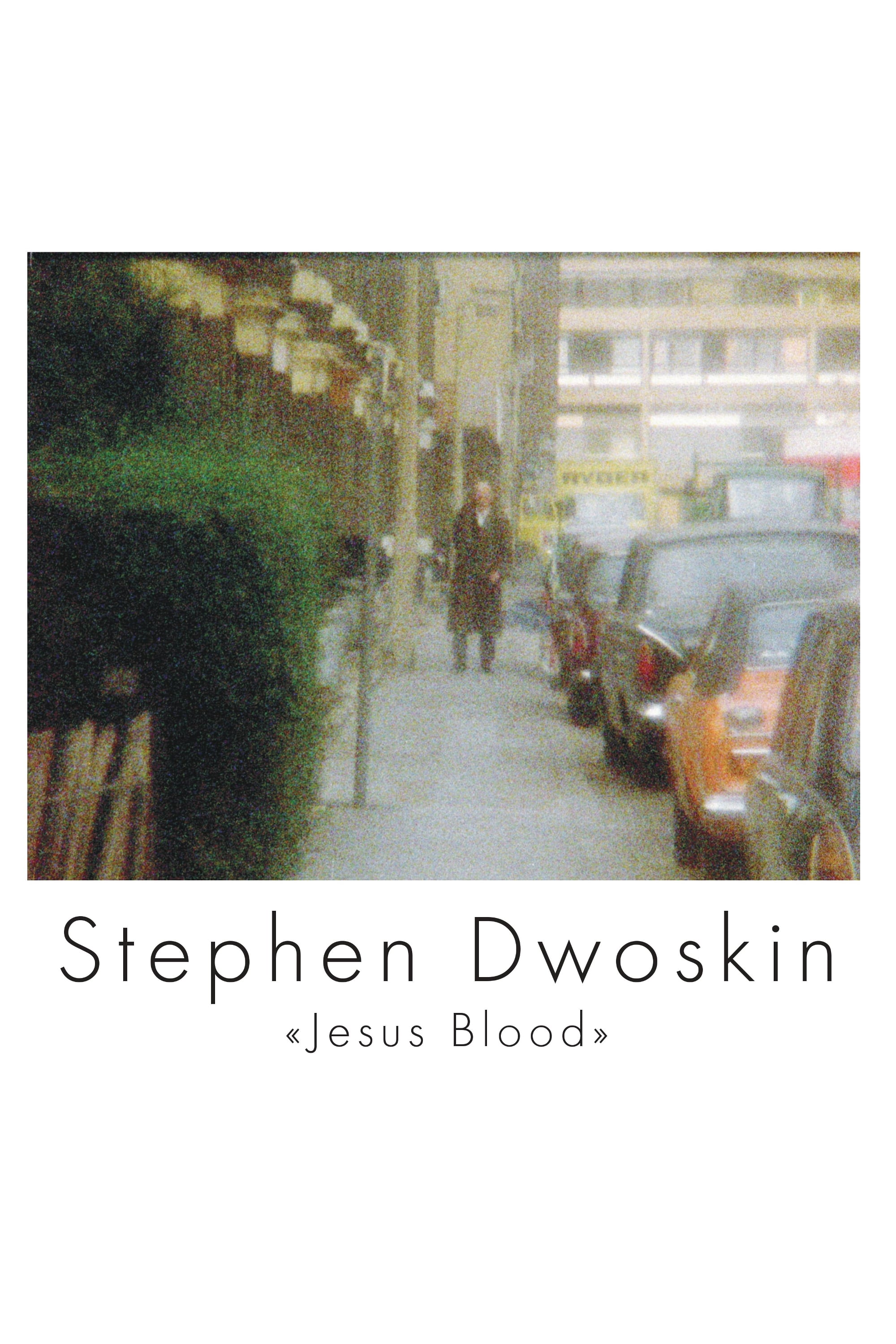
A man walks towards the camera down the end of a street to the sound of 'Jesus’ Blood Never Failed Me Yet', a composition by Gavin Bryars based on a loop of an anonymous homeless man singing the song. The man’s voice is progressively intensified by an instrumental accompaniment, which increases in density and richness, before the whole thing gradually fades out. Dwoskin’s film was produced to be shown during the premiere of Jesus' Blood Never Failed Me Yet at the Queen Elizabeth Hall, London in December 1972. For Dwoskin, it represents “… the singing voice of the last days of a London drunk (anonymous) as the orchestra raises him to heaven. The faint ghost image of a figure swims gradually to you through the grains of film low light…”
A documentary portrait of Utopia, loosely framed by Plato’s invocation of the lost continent of Atlantis in 360 BC and its re-resurrection via a 1970s science fiction pulp novel.
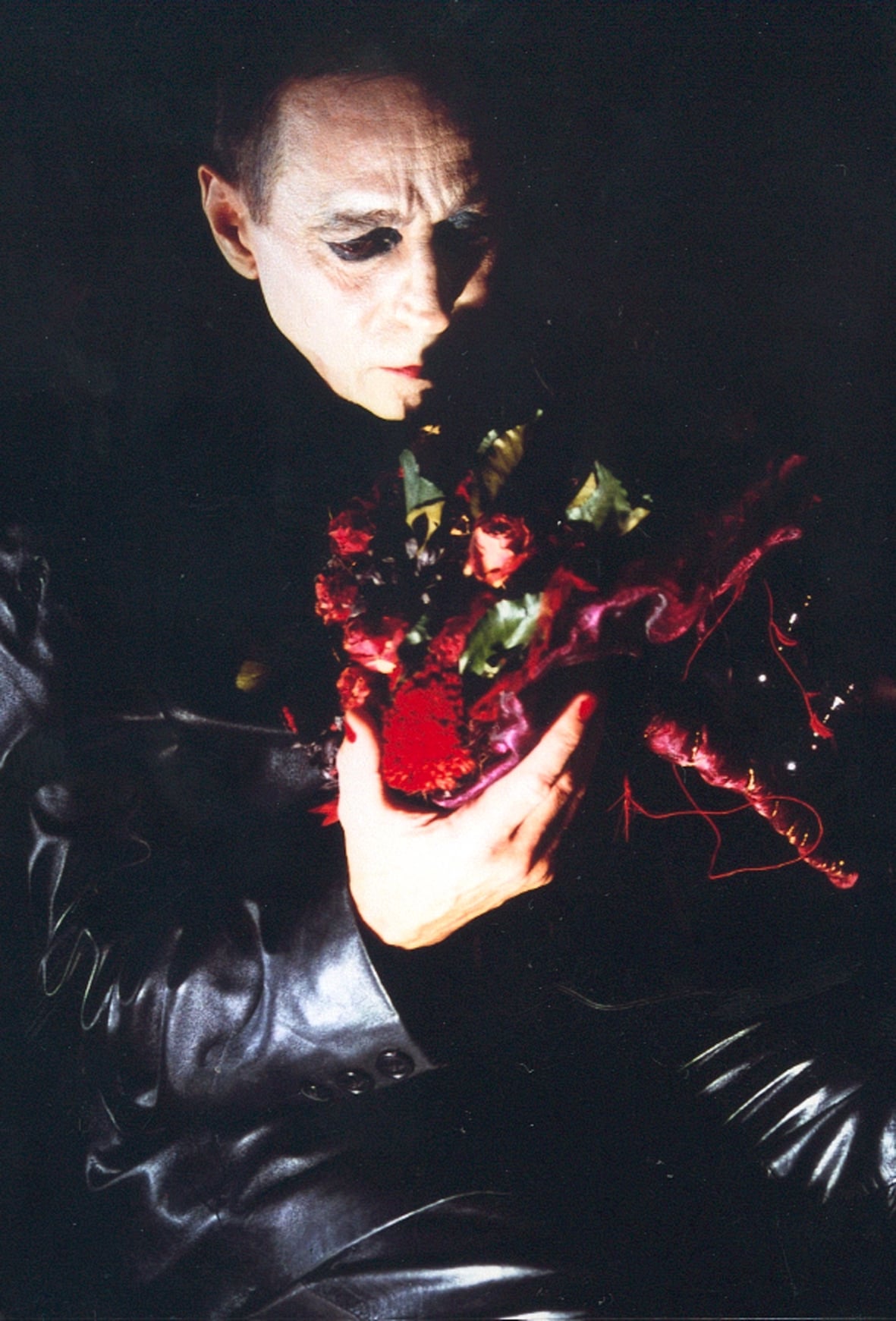
The film appears like a ritual with splendids and crypteds psalms. The Great Master of Order (Marcel Mazé, new fetish actor after Aloual) seduces the young male prey with a running cinema projector which carves Murnau's Nosferatu extracts on their bodies. Metamorphosis, rituals passages, Eros and Thanotos, illusion and reality, film into the film are the themes and images in perpetual osmosis in this Stéphane Marti's opus.
Playtime’s cosmopolitan spectacle, presented in a kaleidoscopic montage across seven large screens, interconnects the lives of its archetypical characters—hedge fund managers and art world players in London; a photographer in Reykjavik; and a Filipina houseworker in Dubai—each of whom is based on a real-life individual directly affected by the market collapse.
Marguerite loses her wallet, and it's found by Georges, a seemingly happy head of family. As he looks through the wallet and examines the photos of Marguerite, he finds he's fascinated with her and her life, and soon his curiosity about her becomes an obsession.
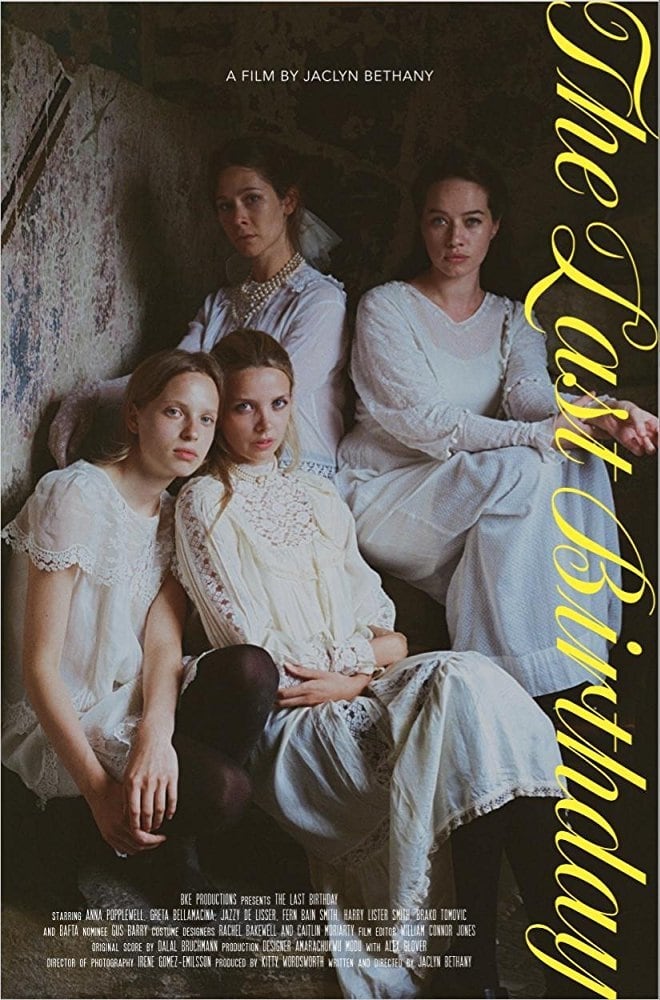
An experimental re-telling of the last days of the Romanov sisters.
A group of friends share a cinematographical experience in a particular region of Spain, Galicia. The goal is simple: to film what they like, without preconceived ideas about what should be filmed. They want their images to reflect the feelings that unite them with the people they find along the way.
Things become shrouded when The Loner discovers a dead body outside his home. His mind becomes a prison of contradiction, falsification and fear when a series of dreams push him to realize the truth.
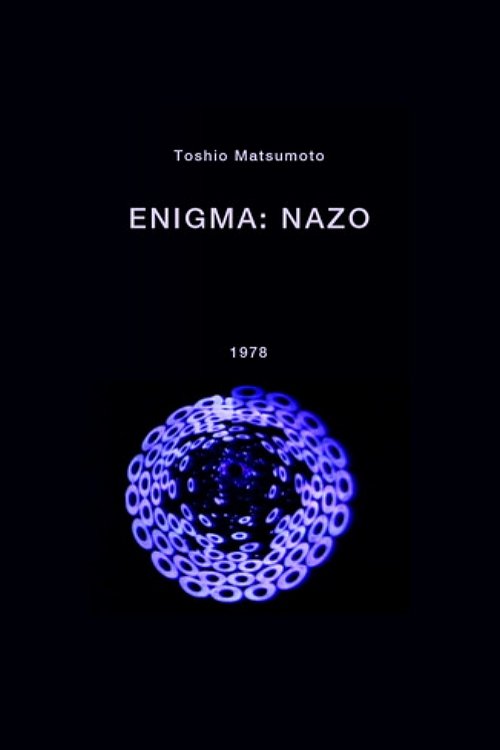
Enigma is something of a more glamorous version of White Hole, with a wide variety of elaborate textures (often composed of iconographic and religious symbols) converging towards the centre of the screen.
The title comes from Sergei Yesenin's last poem before comiting suicide. Using Virginia Woolf's last letters as a base, this film is meditation on the power of the word and its undertsanding and the the last moments before saying "goodbye".
A man and woman embark on a sexual journey to detach mind from body. The relationship slowly grows into one of emotional domination, physical disease, abandonment and the creation of personal pornography.
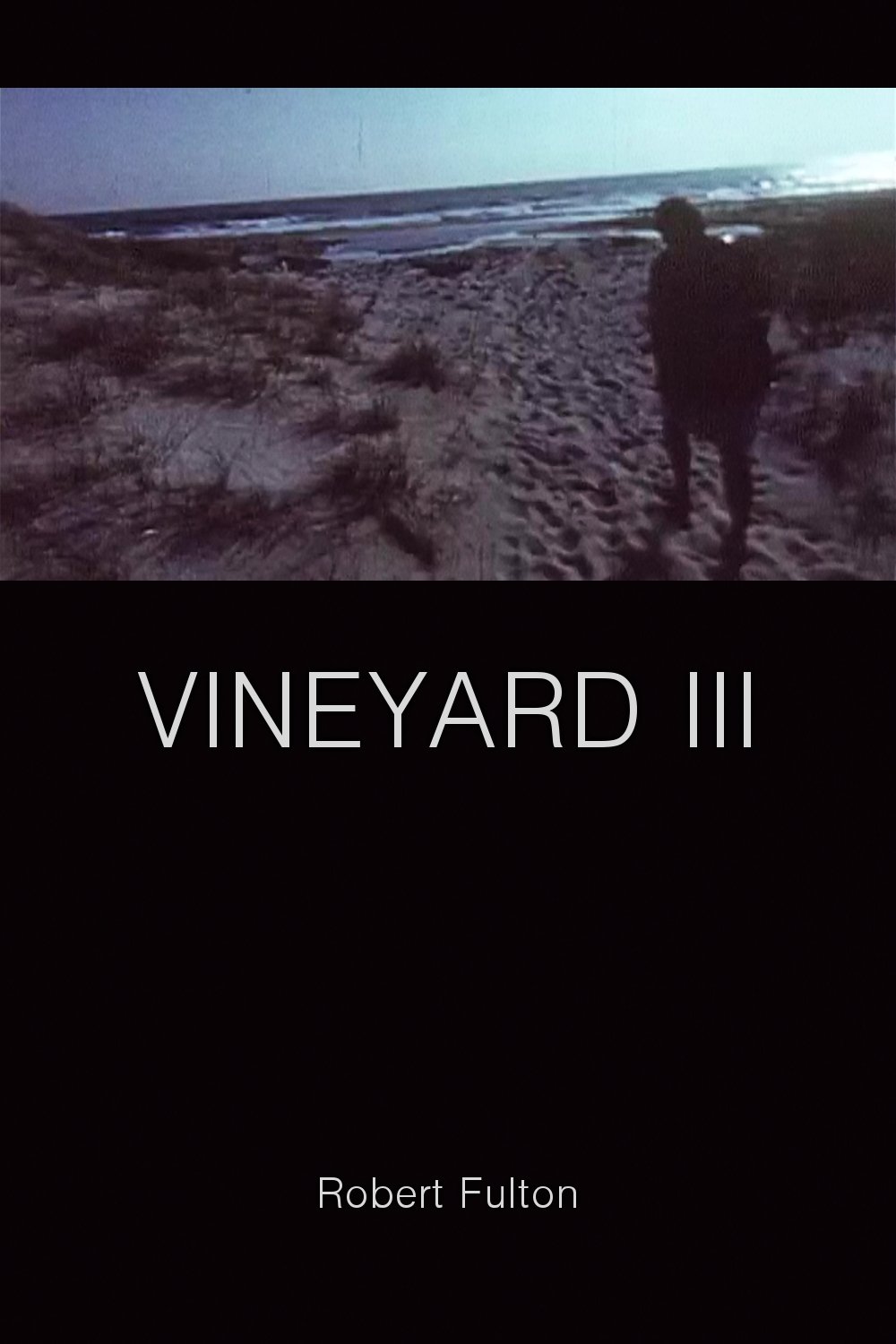
Crashing waves, the cry of a gull, silence.
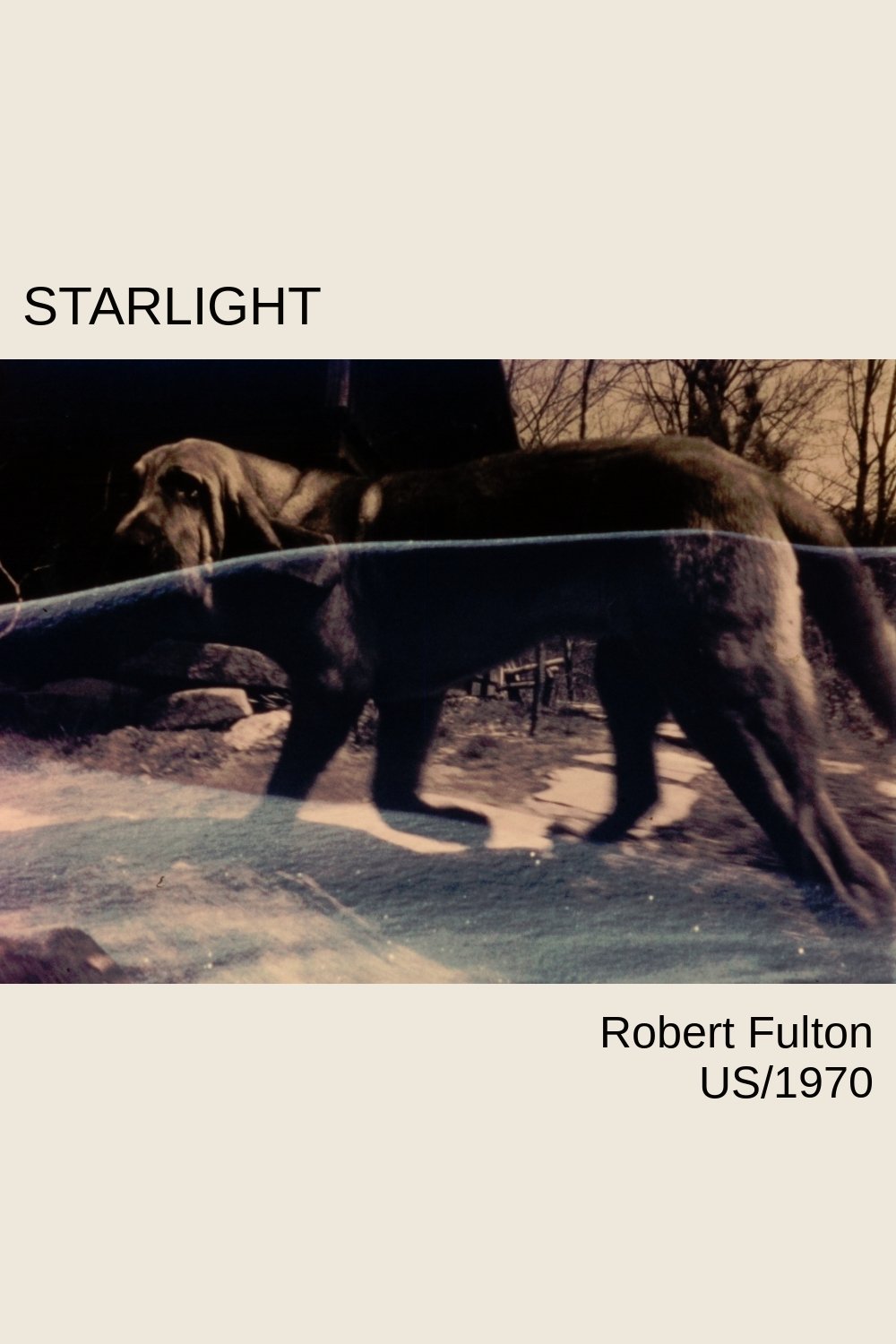
A Tibetan Lama. His disciple. The disciple's wife, young boy and terrier. An old tugboat crossing the Mississippi River. A man in his seventh month of solitude. His hermitage built by his own hands. The man's bloodhound; his cat. Clouds crossing the Continental Divide. A mountain stream. A girl. The sun.
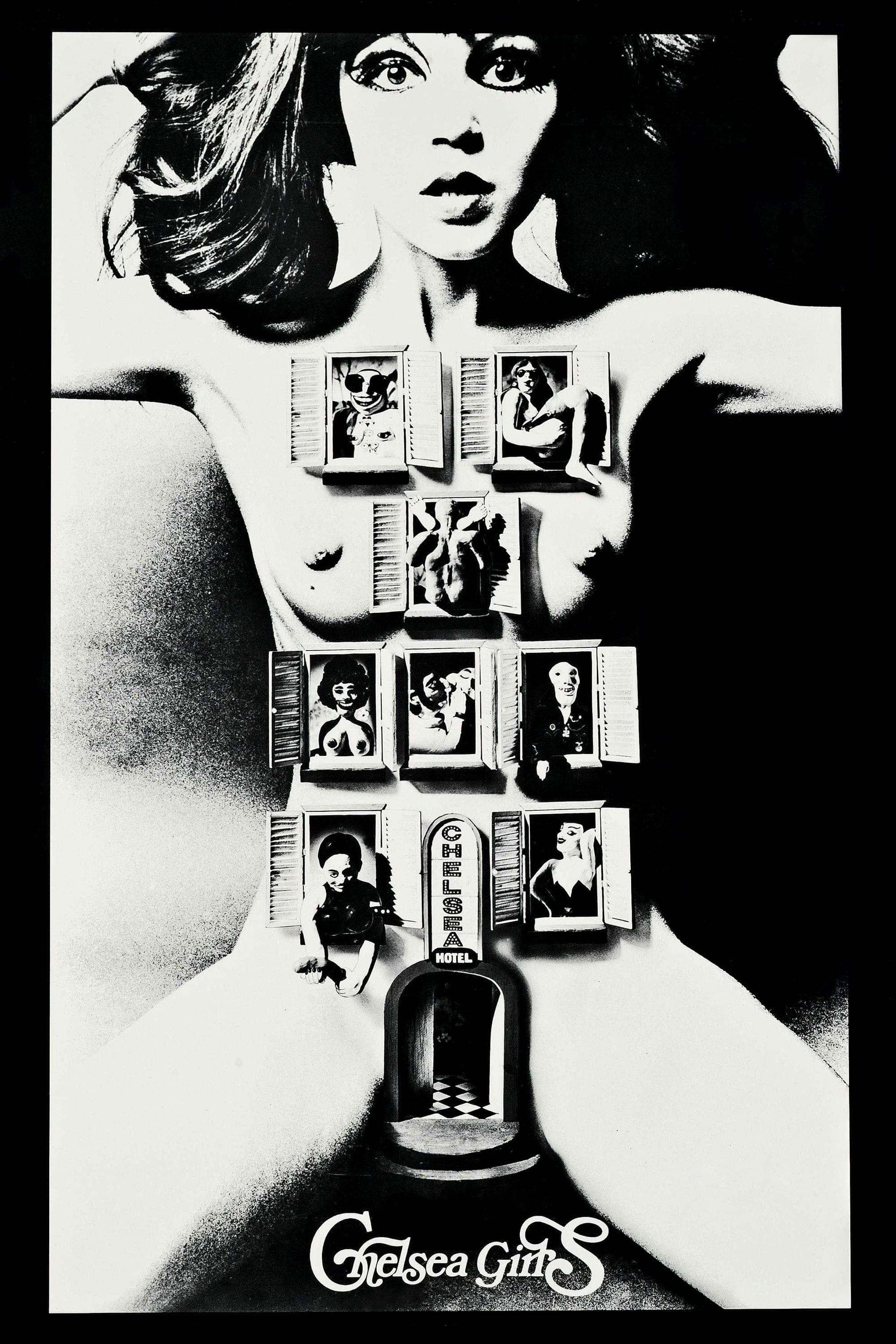
Lacking a formal narrative, Warhol's mammoth film follows various residents of the Chelsea Hotel in 1966 New York City. The film was intended to be screened via dual projector set-up.
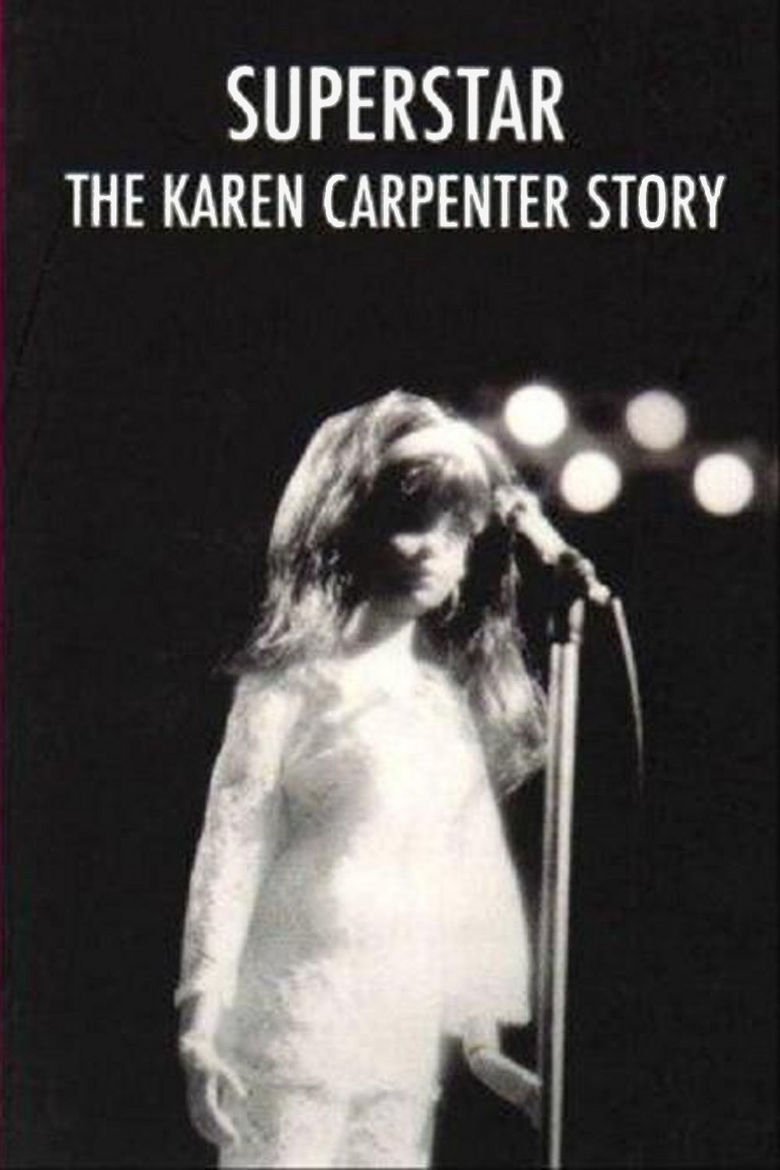
The final 17 years of American singer and musician Karen Carpenter, performed almost entirely by modified Barbie dolls.
This film describes a psychological state "kin to moonstruck, its images emblems (not quite symbols) of suspension-of-self within consciousness and then that feeling of falling away from conscious thought. The film can only be said to describe or be emblematic of this state because I cannot imagine symbolizing or otherwise representing an equivalent of thoughtlessness itself. Thus the actors in the film, Jane Brakhage, Tom and Gloria Bartek, Williams Burroughs, Allen Ginsberg, Peter Olovsky and Phillip Whalen are figments of this 'Thought-Fallen Process', as are their images in the film to find themselves being photographed."
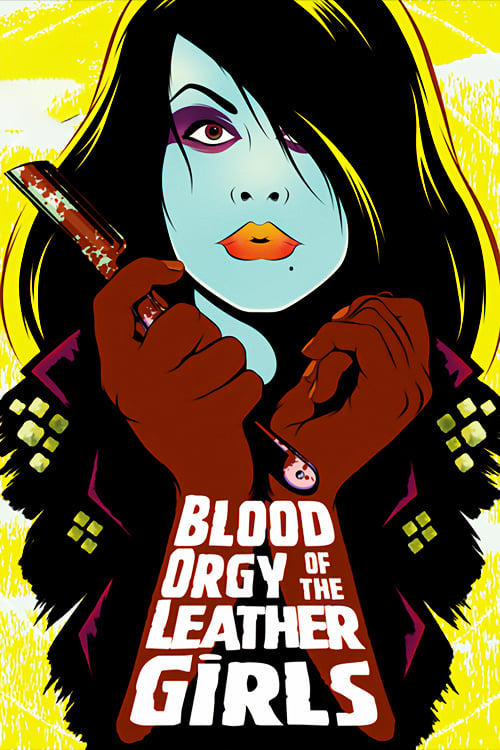
A gang of women wreak havoc in the city, killing various men who have treated women poorly. And sometimes they do it just for fun.
Combining high definition and Super 8 footage, Lampedusa is composed of interwoven narratives based on a series of real events. In 1831, a volcanic island suddenly erupted from the sea a few kilometers off the southern coast of Sicily. An international dispute ensued, as a number of European powers laid claim to this newfound “land”. The island receded below sea level six months later, leaving only a rocky ledge under the sea…
This film is depicts early lesbian sexuality, using reenacted scenes from the experience of a 12-year old girl as the platform for a meditation on forbidden desire, transgression, and Lacanian psychoanalytic concepts of identity formation. Raw adolescent memories counterpoint staged scenes, exploring mechanisms of power and submission.