Social & External
The people behind it
Baptiste Grard
Himself
Ranch Album depicts real cowboy life and rough country ranching in Northern Arizona season by season, revealing a sense of spirit and culture that have survived in the American west for a very long time.
From the Black Earth is a collaboration between Bristol based company Cables and Cameras, and a local farmer Humphrey Lloyd. Employing both lucid speakers and poetic camera work, the film poses stark questions such as; why does food poverty exist in a nation of plenty, and why are people of colour so under represented not only in our countryside and farms, but in the environmental movement more broadly? By giving a platform to people of colour who are connecting with nature and working the land, this short documentary starts to unpick these questions...
For almost three years, nature filmmaker and ecologist David Cebulla has been observing wild Common hamsters. He not only tries to learn more about the species, but also documents why hamsters are globally threatened with extinction. David travels from the western border of the distribution area in France via Germany, Poland, Austria and Hungary to the eastern border of the distribution area in the Kazakh steppe. In the process, he manages to capture some unique and fantastic images. But during the project, it becomes increasingly difficult to find animals living in the wild.
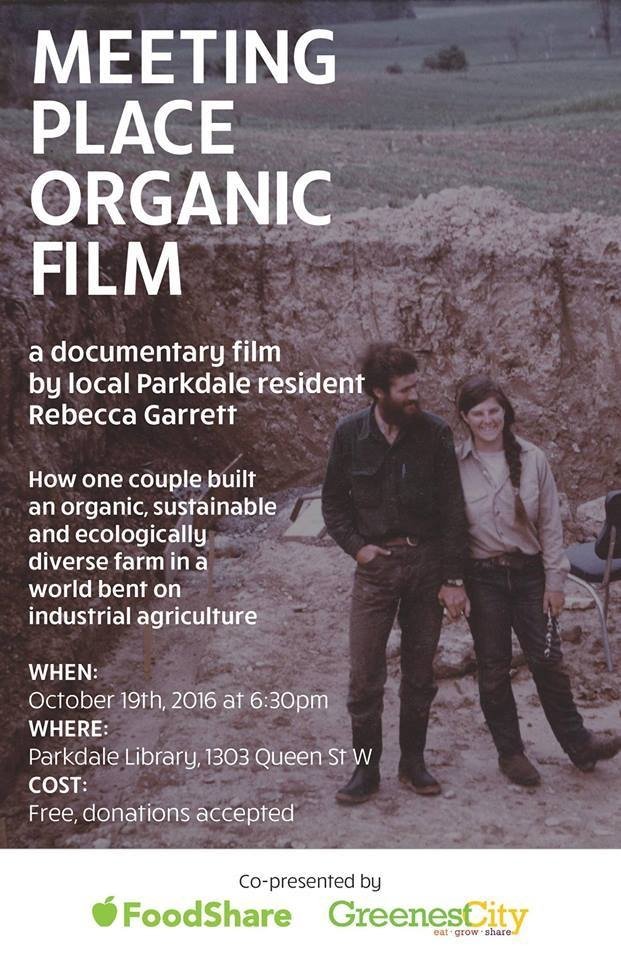
Local, organic, and sustainable are words we associate with food production today, but 40 years ago, when Fran and Tony McQuail started farming in Southwestern Ontario, they were barely spoken. Since 1973, the McQuails have been helping to build the organic farming community and support the next generation of organic farmers. This is a documentary about the McQuails that explores the very real ways their farm has contributed to the long term ecological viability of agriculture in Ontario. It is a call to action for all those who believe there is a better way to take care of our planet and feed the world.
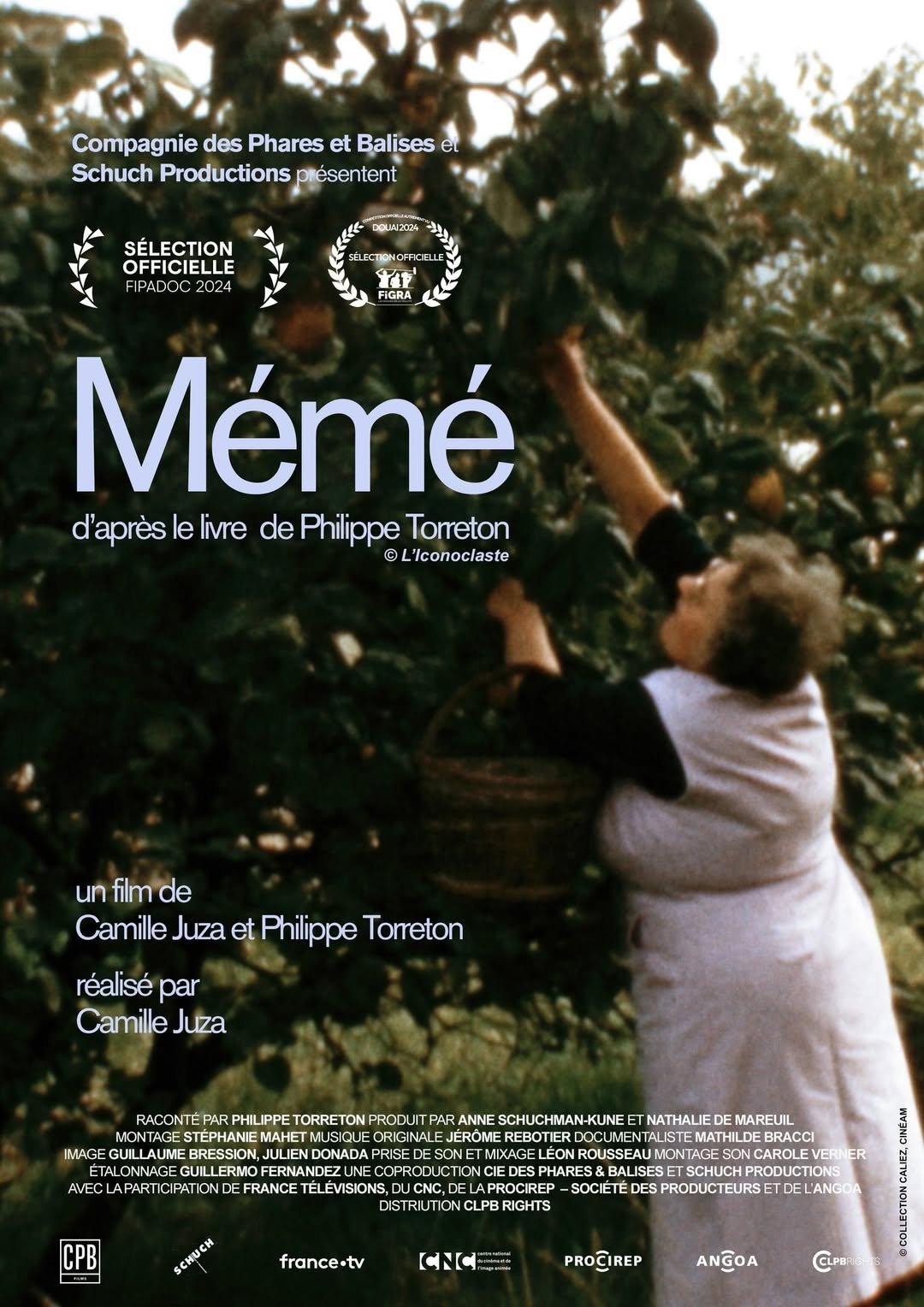
Adapted from famous French actor Philippe Torreton’s best-seller, GRANDMA is the portrait of the actor’s grandmother: a modest, unique but universal Norman peasant. Enriched with amateur films, nourished by major historical events, GRANDMA also tells the story of the end of a world, that of the countryside of our grandmothers, before the abyss of modernity.
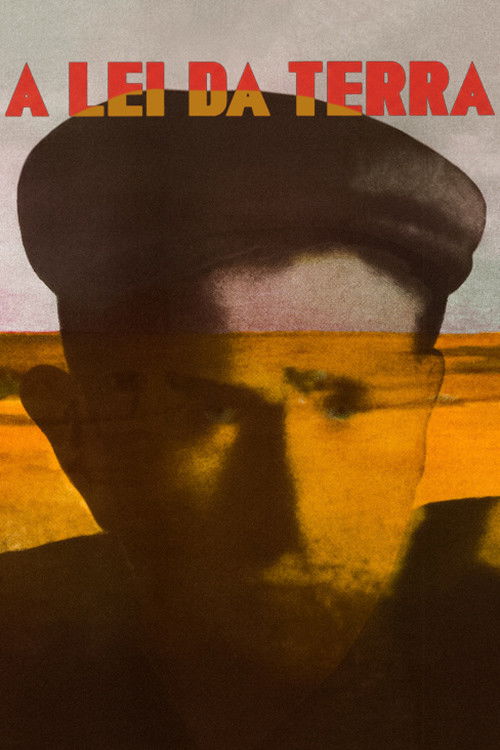
The agriculture reforming process, after the 1974 revolution, is seen through an analysis of the social structures and class struggles of the Portuguese society.
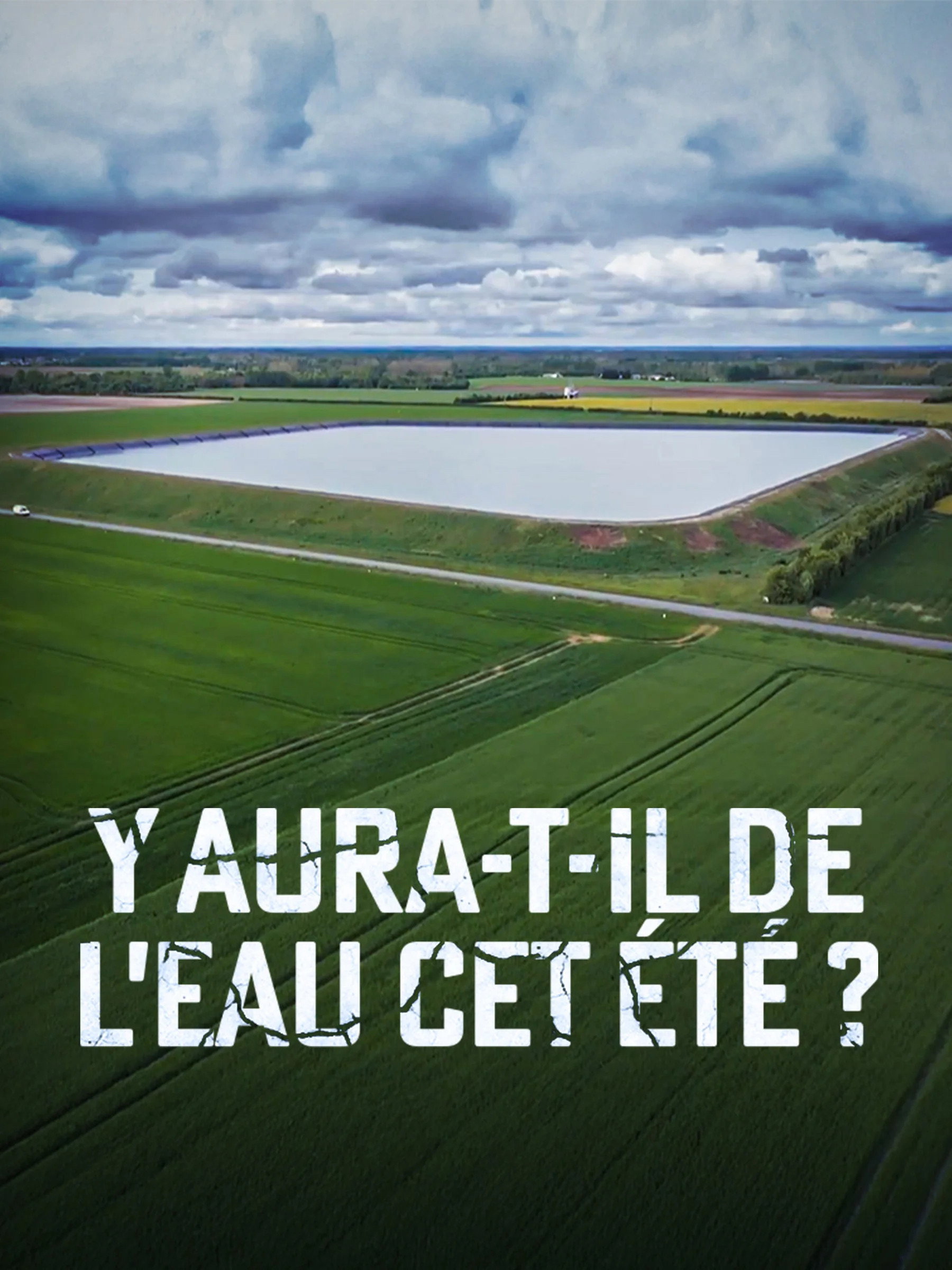
Through encounters with a hydrologist, a farmer, and citizens mobilized around the Marais Poitevin, the director helps us understand the effects—on biodiversity and the state of rivers—of substitution reservoirs, also known as megabassins. For several years, Anne-Morwenn, David, Patrick, Yann, and others have been fighting for fair water sharing and devising ways to convince as many people as possible that it is time to change the agricultural model.
Documentary filmmaker Robert Kenner examines how mammoth corporations have taken over all aspects of the food chain in the United States, from the farms where our food is grown to the chain restaurants and supermarkets where it's sold. Narrated by author and activist Eric Schlosser, the film features interviews with average Americans about their dietary habits, commentary from food experts like Michael Pollan and unsettling footage shot inside large-scale animal processing plants.
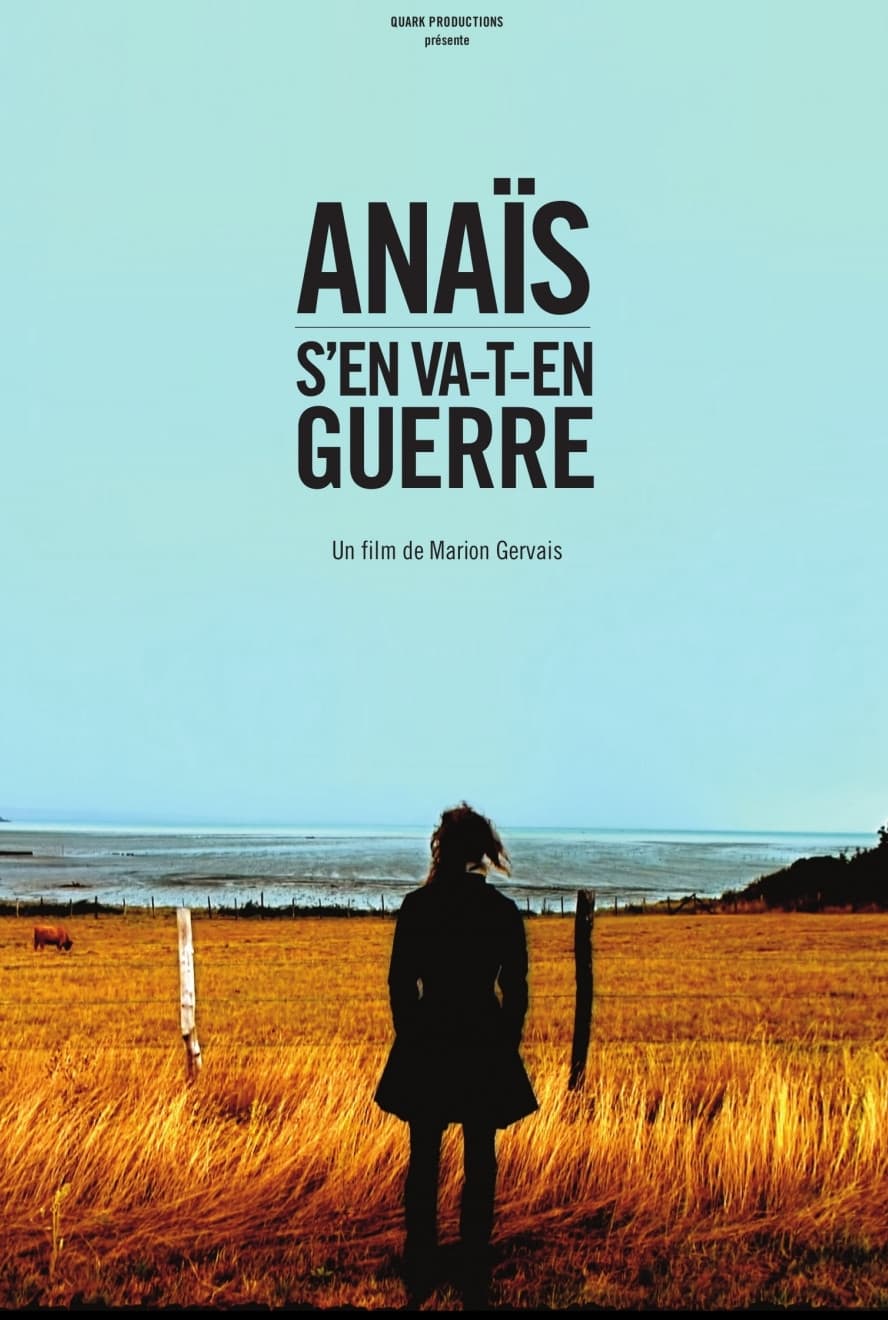
Anaïs is 24 and nothing can stop her. Neither the bureaucratic rules of administration, nor the misogynistic teachers, nor the out-of-order tractor, nor the whims of the weather. One day she will be a farmer and grow her own aromatic and medicinal herbs. The film follows this hard liner, all alone against the rest of the world. She doesn’t care.
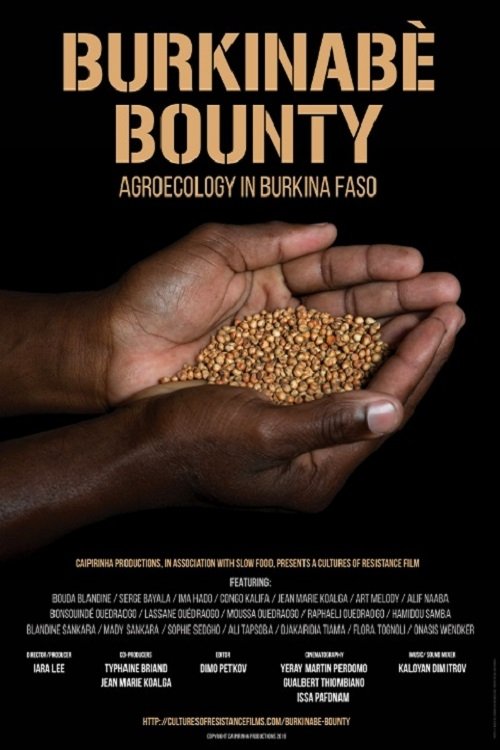
This documentary chronicles agricultural resistance and the fight for food sovereignty in Burkina Faso – a small, landlocked country in West Africa. Showcasing activist farmers, students, artists and leaders in the local Slow Food movement, the film looks at how the Burkinabé people are reclaiming their land and defending their traditions against the encroachment of corporate agribusiness. From women gaining economic independence by selling artisanal “dolo” beer, to youth marching in the streets against companies like Monsanto, to hip-hop musicians setting up their own farms and reviving the revolutionary spirit of Thomas Sankara through their music, Burkinabè Bounty shows the creative tactics people are using to take back control of their food, seeds, and future.
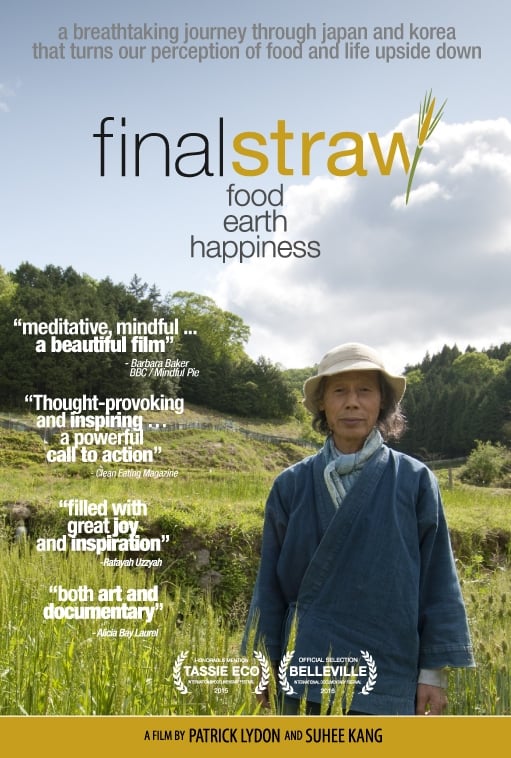
A deep and visually stunning survey of age-old ideas about food, ecological connectedness, and personal happiness. The film's warm cast guide audiences on a transformational journey through Japan, Korea, and the United States.
A film about the importance of beet brigades. It shows the preparation of beet seed and the course of the growing season of the sugar beet, especially the moments when farmers cannot do without the help of part-time workers.
Document about the experiences of peasants from the first joint harvests of the unified agricultural cooperative in Vinařice.
A string of threatening emails escalates into a revenge plot involving a newly married US marshal and his ex-girlfriend.
A comedic, brutally honest documentary following self-destructive TV writer Dan Harmon as he takes his live podcast on a national tour.
In an intimate and joyful story of love in the face of loss, celebrated poets Andrea Gibson and Megan Falley find strength—and unexpected hilarity—in what might be their final year together.
“Showrunners” is the first ever feature length documentary film to explore the fascinating world of US television showrunners and the creative forces aligned around them. These are the people responsible for creating, writing and overseeing every element of production on one of the United State’s biggest exports – television drama and comedy series. Often described as the most complex job in the entertainment business, a showrunner is the chief writer / producer on a TV series and, in most instances, the show’s creator. Battling daily between art and commerce, showrunners manage every aspect of a TV show’s development and production: creative, financial and logistical.
An inside look at one of the most anticipated movie sequels ever with James Cameron and cast.
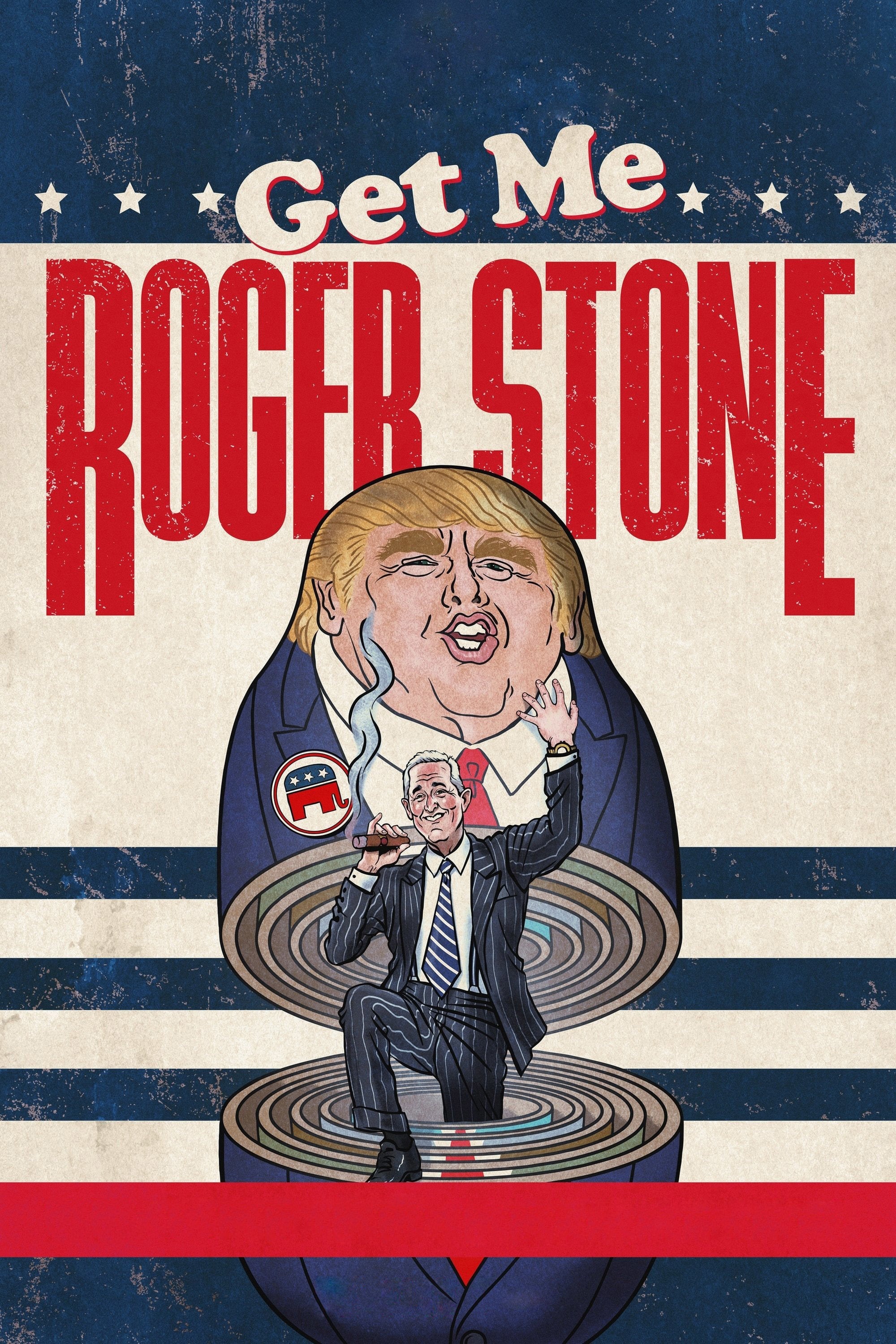
From his days of testifying at the Watergate hearings to advising recent presidential candidate Donald Trump, Roger Stone has long offended people on both sides of the political fence as a force in conservative America. Outspoken author, pundit, ahead of his time election strategist, this is his story.
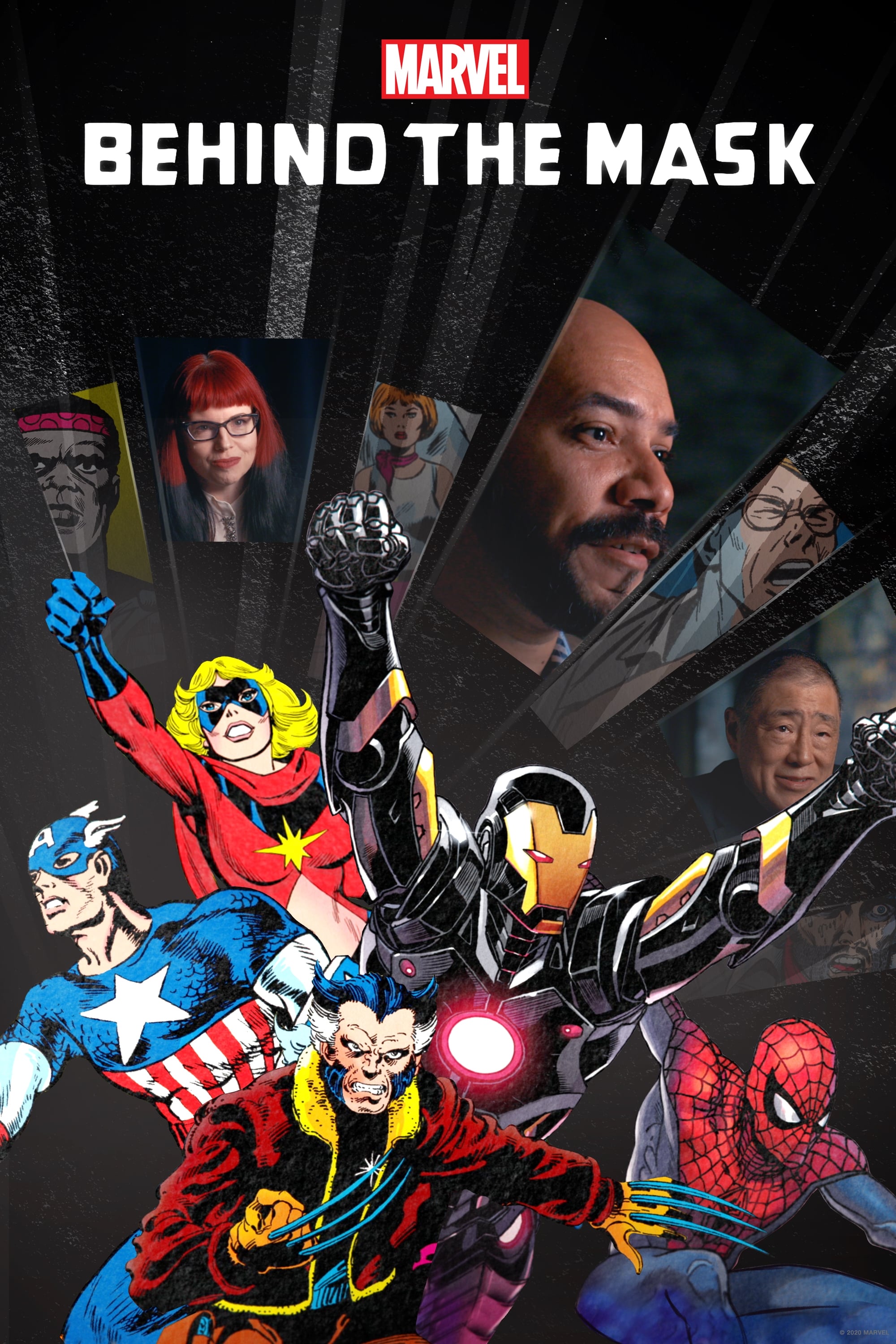
A documentary special that explores the power of identity behind the iconic superheroes we know and love today. These legendary Marvel creations and stories have not only reflected the world outside our window – they have become a reflection of our own identities and who we truly are.
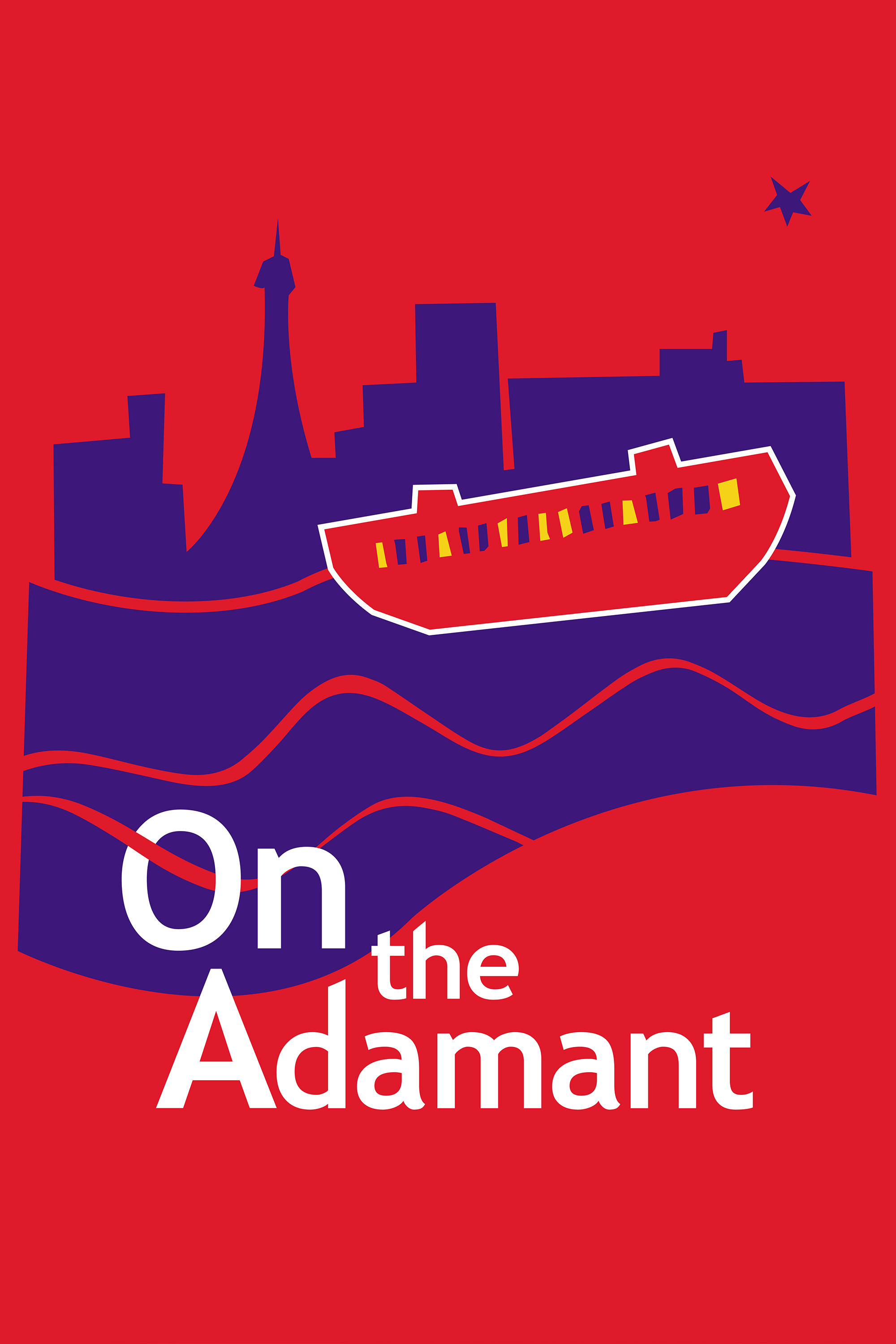
The Adamant is a unique day-care centre. A floating structure located on the Seine in the heart of Paris, it welcomes adults suffering from mental disorders, offering the kind of care that grounds them in time and space and helps them to recover or keep up their spirits. The team running it tries to resist the deterioration and dehumanisation of psychiatry as best as they can.
Brilliant, long in-the-works story of the life and art of the world's greatest comedian and the cinema's first genius, Charlie Chaplin. Produced, written and directed by renowned film critic Richard Schickel.
A purely observational non-fiction film that takes viewers into the ethically murky world of end-of-life decision making in a public hospital.
SEDUCED AND ABANDONED combines acting legend Alec Baldwin with director James Toback as they lead us on a troublesome and often hilarious journey of raising financing for their next feature film. Moving from director to financier to star actor, the two players provide us with a unique look behind the curtain at the world's biggest and most glamourous film festival, shining a light on the bitter-sweet relationship filmmakers have with Cannes and the film business. Featuring insights from directors Martin Scorsese, 'Bernando Bertolucci' and Roman Polanski; actors Ryan Gosling and Jessica Chastain and a host of film distribution luminaries.
A documentary about the making of season five of the acclaimed AMC series Breaking Bad.
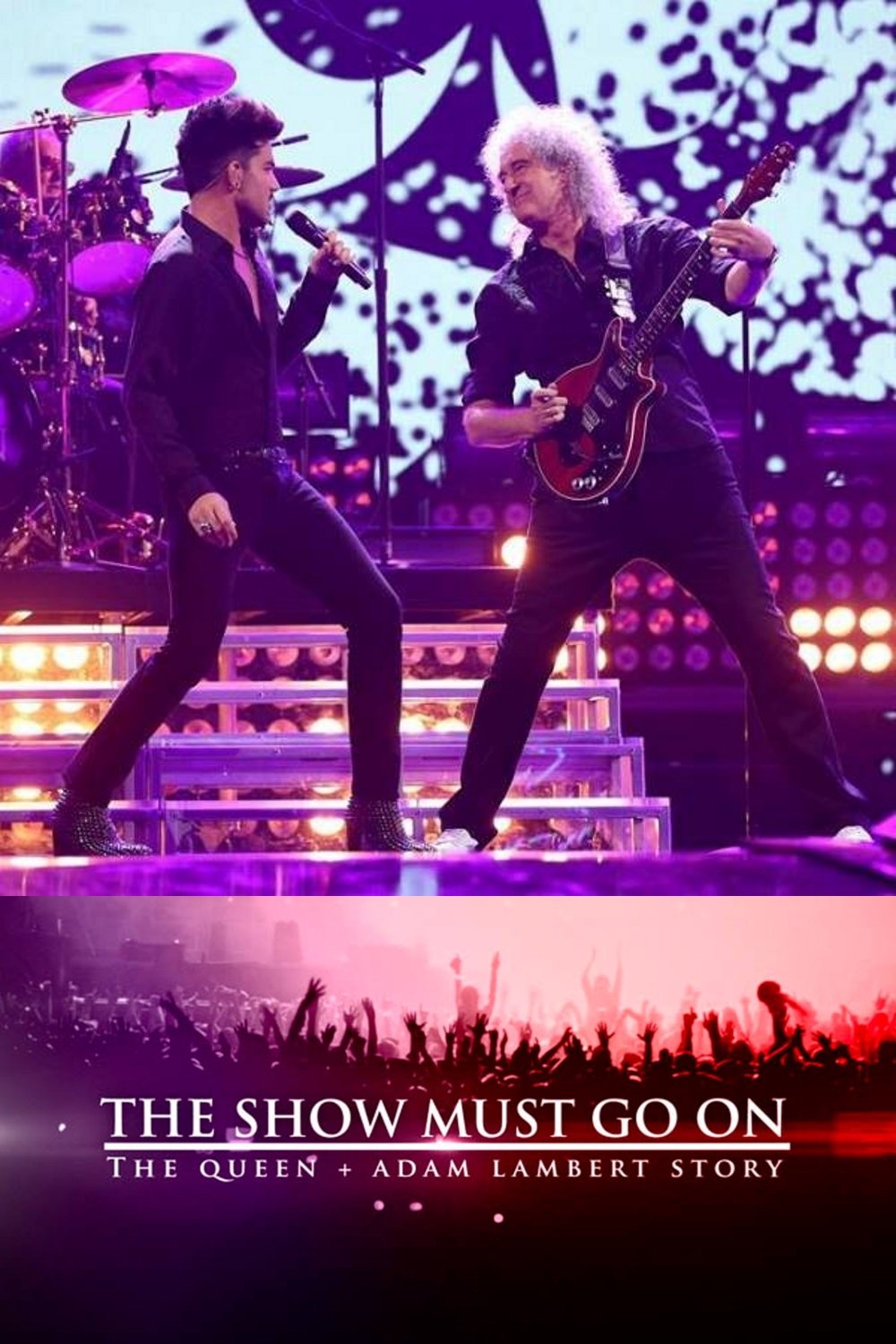
A documentary chronicling Queen and Lambert's incredible journey since they first shared the stage together on "American Idol" in 2009.
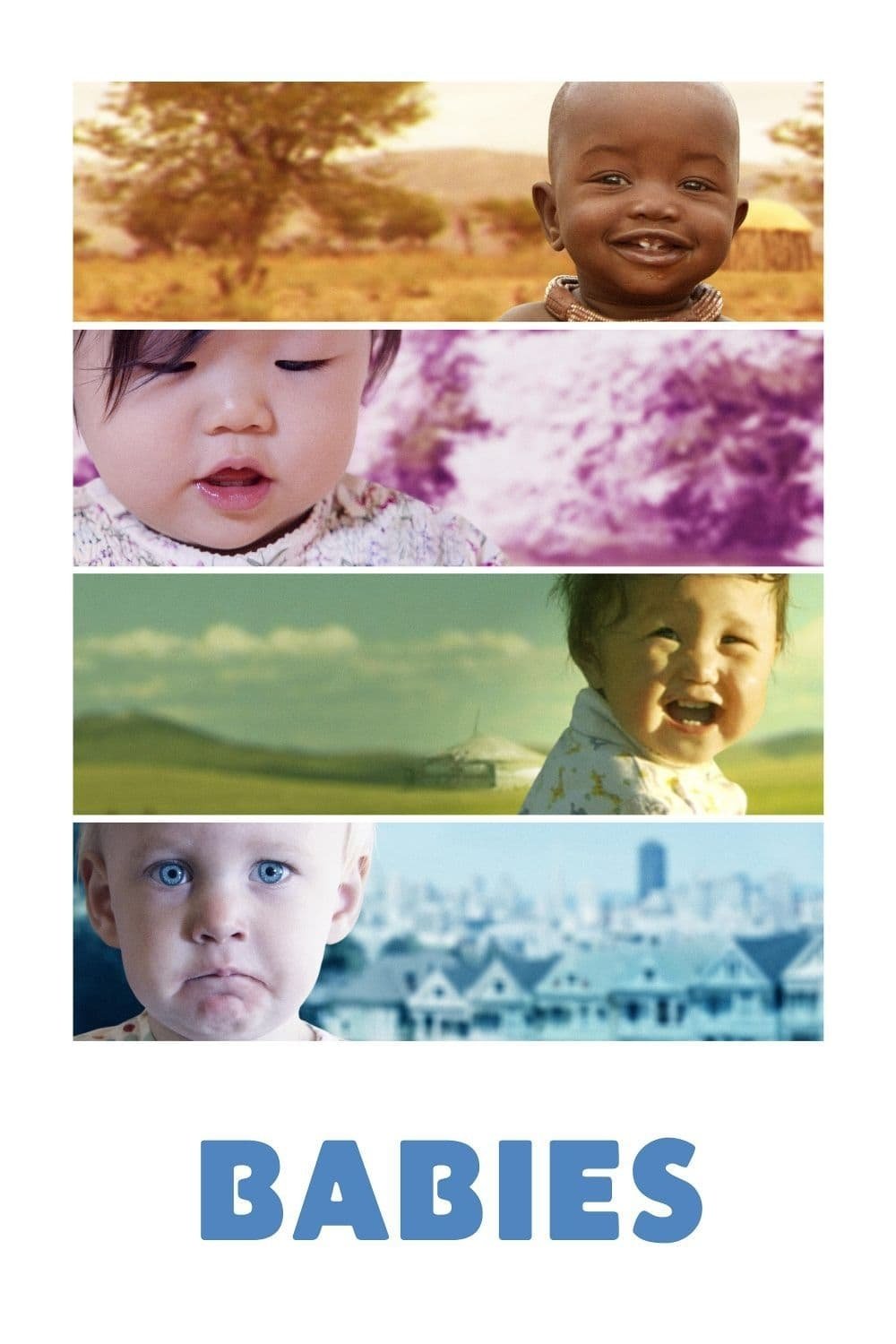
A non-narrated documentary following the lovesome lives of four infants from birth to their first birthday. The babies featured are two from rural areas: Ponijao from Opuwo, Namibia, and Bayar from Bayanchandmani, Mongolia, as well as two from urban areas: Mari from Tokyo, Japan, and Hattie from San Francisco, USA.
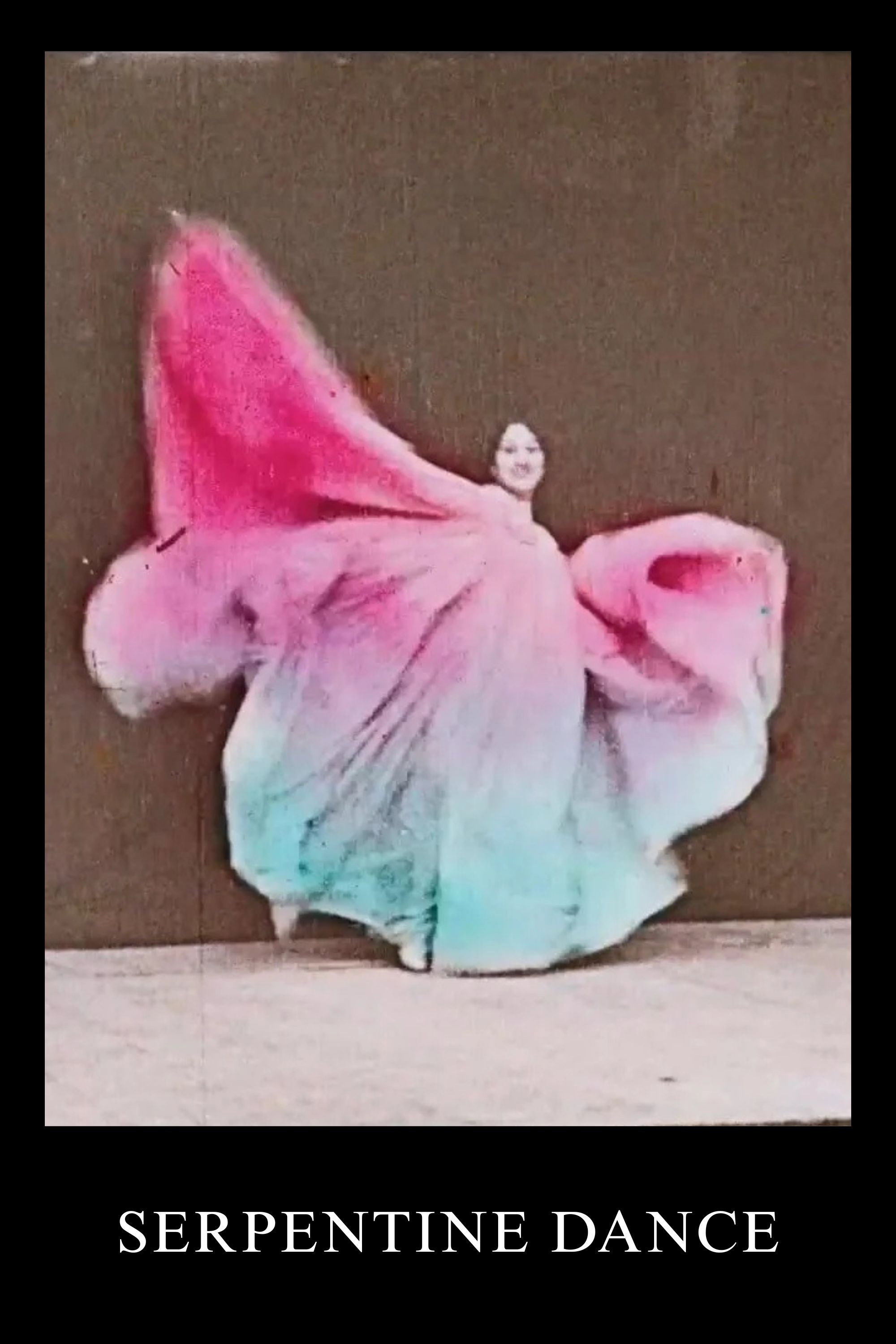
Angelic and demonic serpentine dance from dawn of cinema. Hand-colored frame by frame. Lumière no. 765 or 765.1 (colorized, different dancer?).
Through deeply personal interviews with her siblings and an examination of the photographs, letters, and belongings left behind, Mariska assembles a new portrait of her mother Jayne Mansfield, an extraordinary and complex woman.
Featuring interviews with filmmakers and industry legends, discover the origins and evolution of The Joker, and learn why The Clown Prince of Crime is universally hailed as the greatest comic-book supervillain of all time.
The Making-of James Cameron's Avatar. It shows interesting parts of the work on the set.
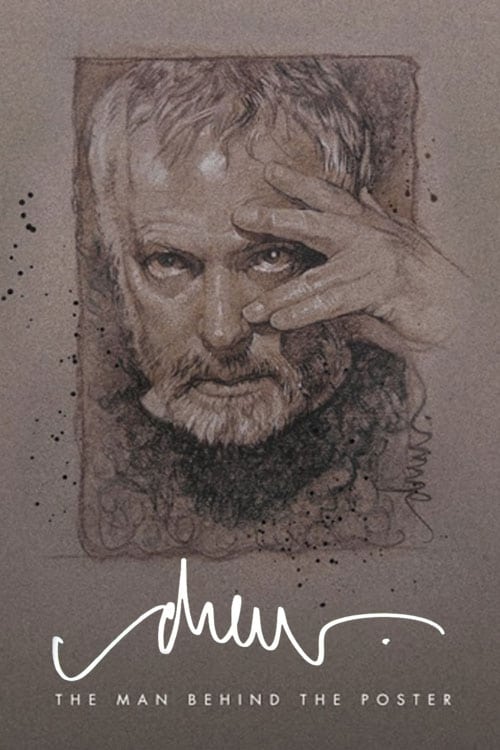
A documentary on legendary movie-poster artist Drew Struzan.
Musician and performance artist Laurie Anderson reflects on the deaths of her husband Lou Reed, her mother and her beloved dog.