The history of Amos, a town in Abitibi-Témiscamingue (Quebec).

Social & External
Narrator
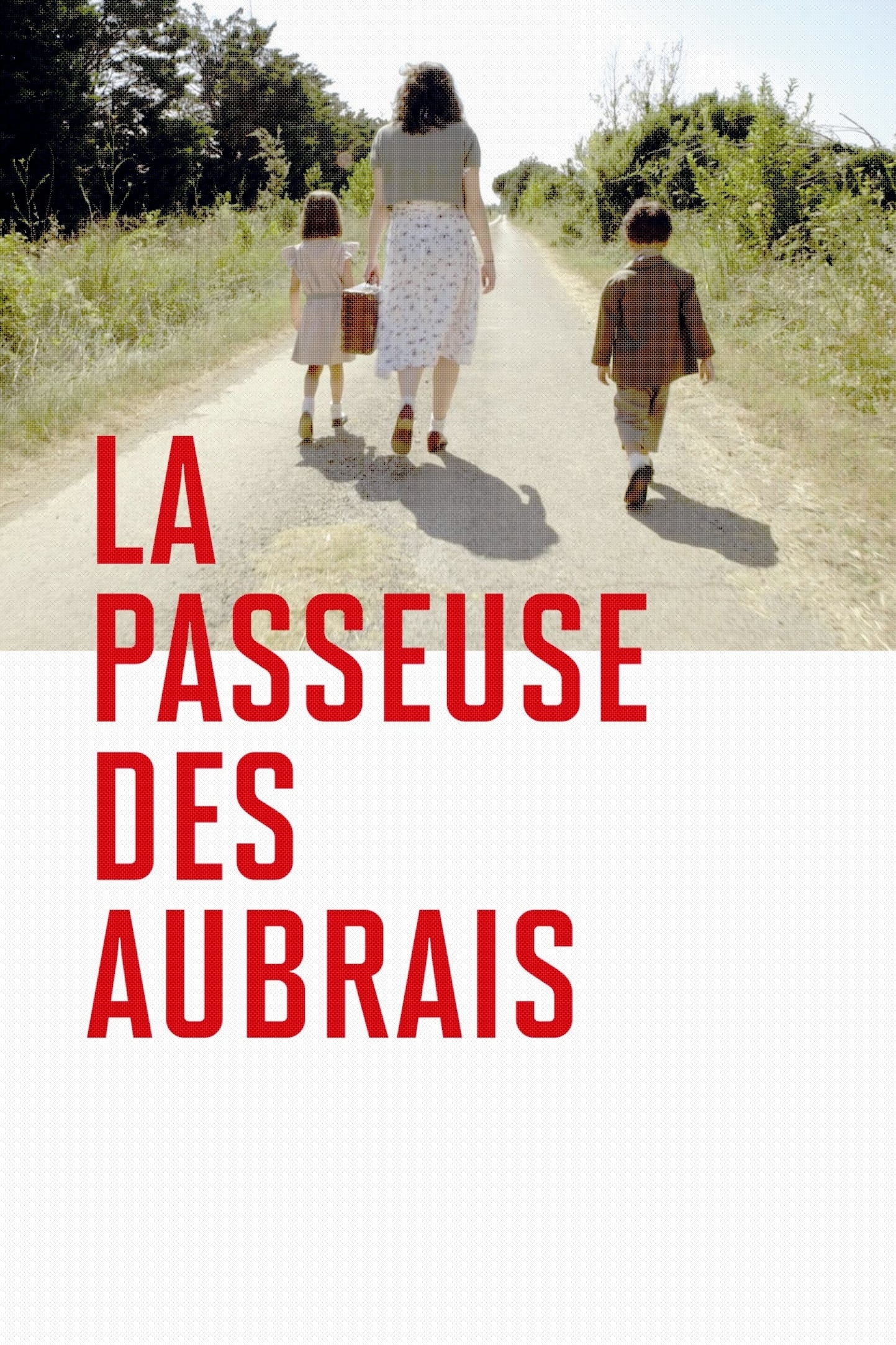
A captivating and personal detective story that uncovers the truth behind the childhood of Michaël Prazan's father, who escaped from Nazi-occupied France in 1942 thanks to the efforts of a female smuggler with mysterious motivations.
Produced by the Army Pictorial Service, Signal Corps, with the cooperation of the Army Air Forces and the United States Navy, and released by Warner Bros. for the War Activities Committee shortly after the surrender of Japan. Follow General Douglas MacArthur and his men from their exile from the Philippines in early 1942, through the signing of the instrument of surrender on the USS Missouri on September 1, 1945. Preserved by the Academy Film Archive in 2013.
An undocumented immigrant explores his and his family's immigration trauma while grasping hope through a voicemail.
Werner Herzog's documentary film about the "Grizzly Man" Timothy Treadwell and what the thirteen summers in a National Park in Alaska were like in one man's attempt to protect the grizzly bears. The film is full of unique images and a look into the spirit of a man who sacrificed himself for nature.
From her precocious status as a sex symbol to her consecration as a filmmaker, Jodie Foster's story is about a feminist struggle, albeit atypical, fought on and off the screen. This film sets out to retrace her remarkable journey within the Hollywood industry.
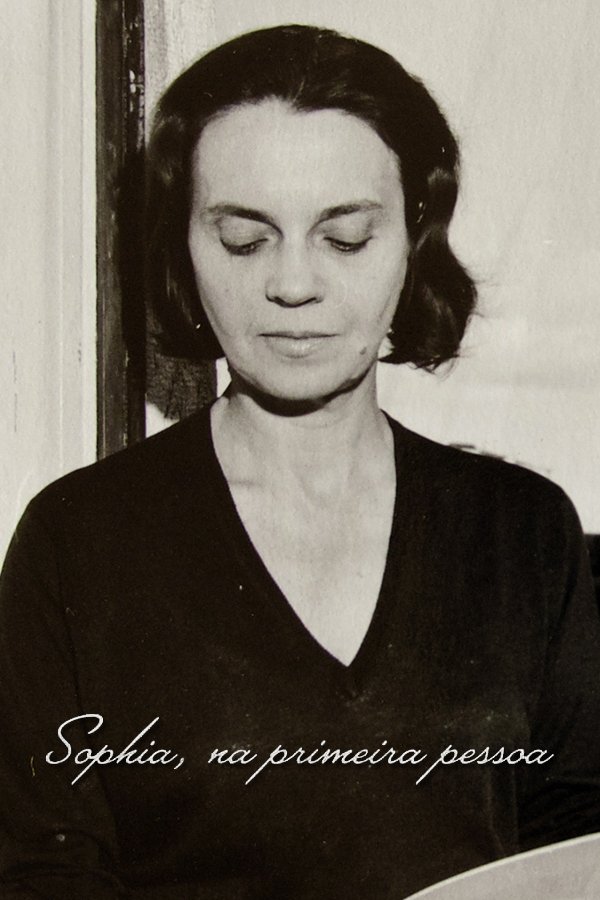
Using the author's personal estate, current images of places where she lived or were dear to her, and archival images of television and film; using parts of her prose and poetry always with first-person testimonies; from Porto to Lisbon, from Granja to Lagos, from the Atlantic Sea to the Mediterranean, from Greece to 25 April: the passions and disappointments of a life and work dedicated to the search for the real, freedom and justice.
Charlotte Gainsbourg looks at her mother Jane Birkin in a way she never did, overcoming a sense of reserve. Using a camera lens, they expose themselves to each other, begin to step back, leaving space for a mother-daughter relationship.
For the first time one of Hollywood's greatest stars tells his own story, in his own words. From a childhood of poverty to global fame, Cary Grant, the ultimate self-made star, explores his own screen image and what it took to create it.
France is at the heart of Madonna's life. She is inspired by French culture and its values and has surrounded herself with French artists for many years. To celebrate the 40th anniversary of the Queen of Pop's career, this film revisits the close and unique bond between Madonna and France and features testimonials from close collaborators and French friends who have helped create her unique artistic universe: Maripol, Jean Paul Gaultier, Julien d'Ys, Nicolas Huchard, and Marion Motin. Today's artists such as Florence Foresti, Leïla Slimani, Victor Weinsanto and HollySiz talk about the influence of this emancipating figure, which extends far beyond music.
As Russian writer Boris Pasternak (1890-1960) thinks it is impossible that his novel Doctor Zhivago is published in the Soviet Union, because it supposedly shows a critical view of the October Revolution, he decides to smuggle several copies of the manuscript out of the country. It is first published in 1957 in Italia and the author receives the Nobel Prize in Literature in 1958, which has consequences.
The viewpoints of women from a country that no longer exists preserved on low-band U-matic tape. GDR-FRG. Courageous, self-confident and emancipated: female industry workers talk about gaining autonomy.
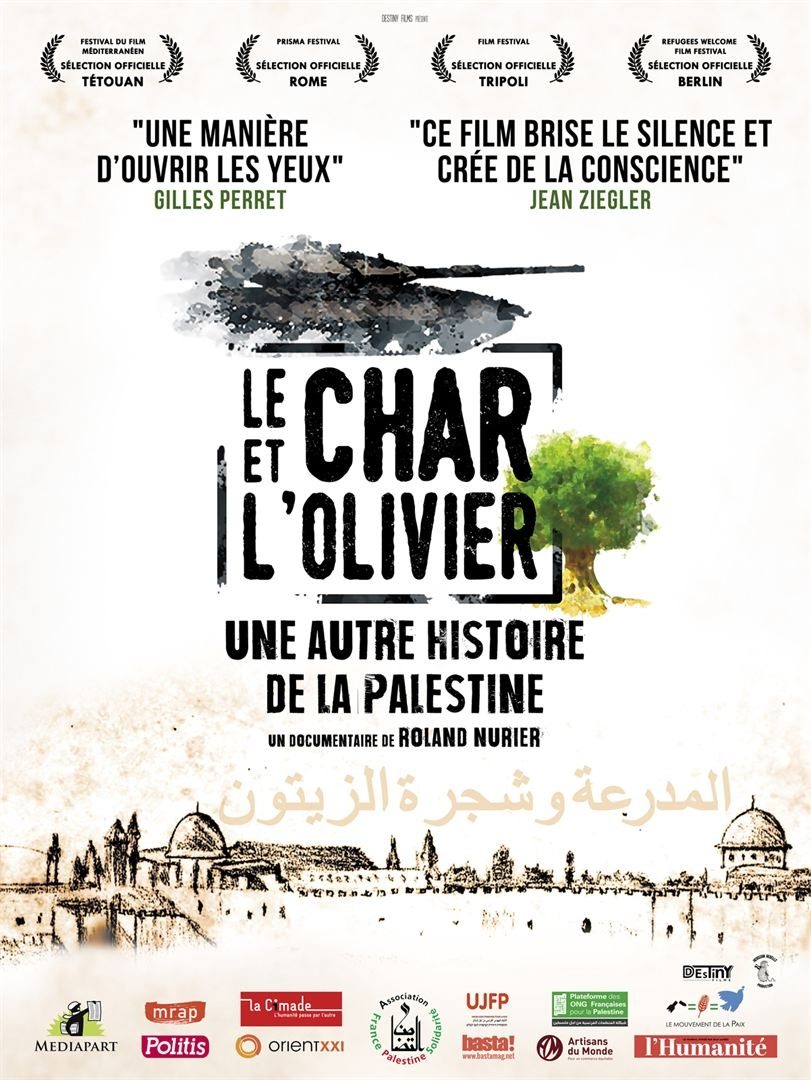
This film made by a Palestinian-Israeli collective shows the destruction of the occupied West Bank's Masafer Yatta by Israeli soldiers and the alliance which develops between the Palestinian activist Basel and Israeli journalist Yuval.
An intimate look at the Woodstock Music & Art Festival held in Bethel, NY in 1969, from preparation through cleanup, with historic access to insiders, blistering concert footage, and portraits of the concertgoers; negative and positive aspects are shown, from drug use by performers to naked fans sliding in the mud, from the collapse of the fences by the unexpected hordes to the surreal arrival of National Guard helicopters with food and medical assistance for the impromptu city of 500,000.
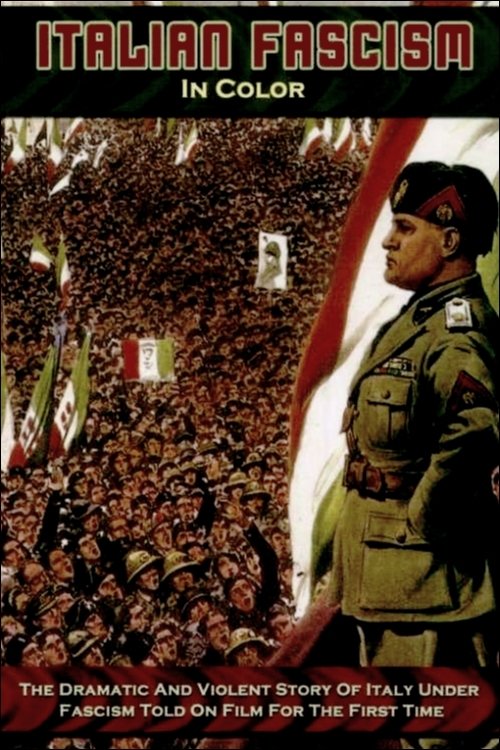
After the World War I, Mussolini's perspective on life is severely altered; once a willful socialist reformer, now obsessed with the idea of power, he founds the National Fascist Party in 1921 and assumes political power in 1922, becoming the Duce, dictator of Italy. His success encourages Hitler to take power in Germany in 1933, opening the dark road to World War II. (Originally released as a two-part miniseries. Includes colorized archival footage.)
Documentary about Queen Elizabeth Square, Sir Basil Spence's block of Brutalist style flats built to replace the Gorbal's tenements in Glasgow during the 1960s. His vision was based on architect Le Corbusier's ideas and inspired him to transform the Gorbals into a Modernist Utopia. The film is about the life and times of one building told by some of the people involved in its history. The block was dynamited in 1993 amidst controversy and the death of a spectator. It is mentioned in Pevsner's Notable Buildings of Britain. This film was shown on BBC Scotland's Ex-S strand in 1993. Produced by May Miller and directed by Conrad Blakemore. This film is posted for educational and research purposes only and is copyright of BBC Scotland. Archive material courtesy of the Scottish Film Archive and the film's contributors.
A documentary about climate change in Brazil, especially at Atafona Beach (in the Campos de Goytacazes region), which is being swallowed up by the sea. Narrated by Sonia Guajajara and Sidarta Ribeiro, the film deals with the genocide of the native people of Goytacazes.