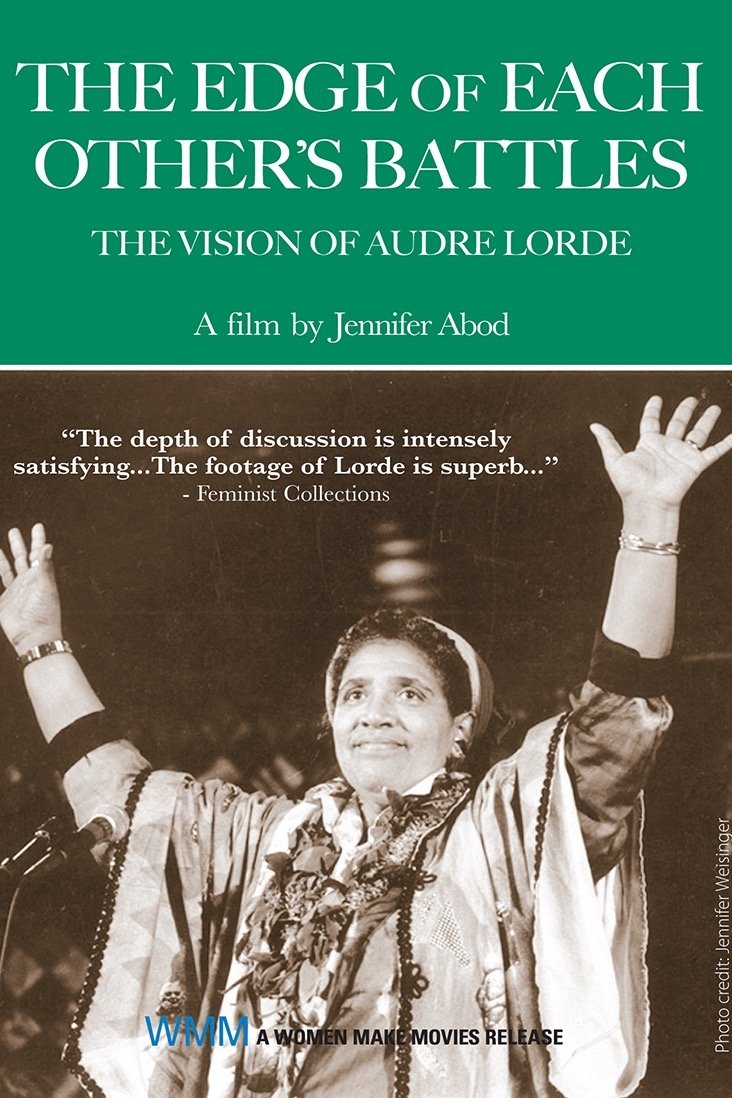
A tribute to legendary black lesbian feminist poet Audre Lorde, one of the most celebrated icons of feminism's second wave.
Social & External
The people behind it
Audre Lorde
Self (archive footage)
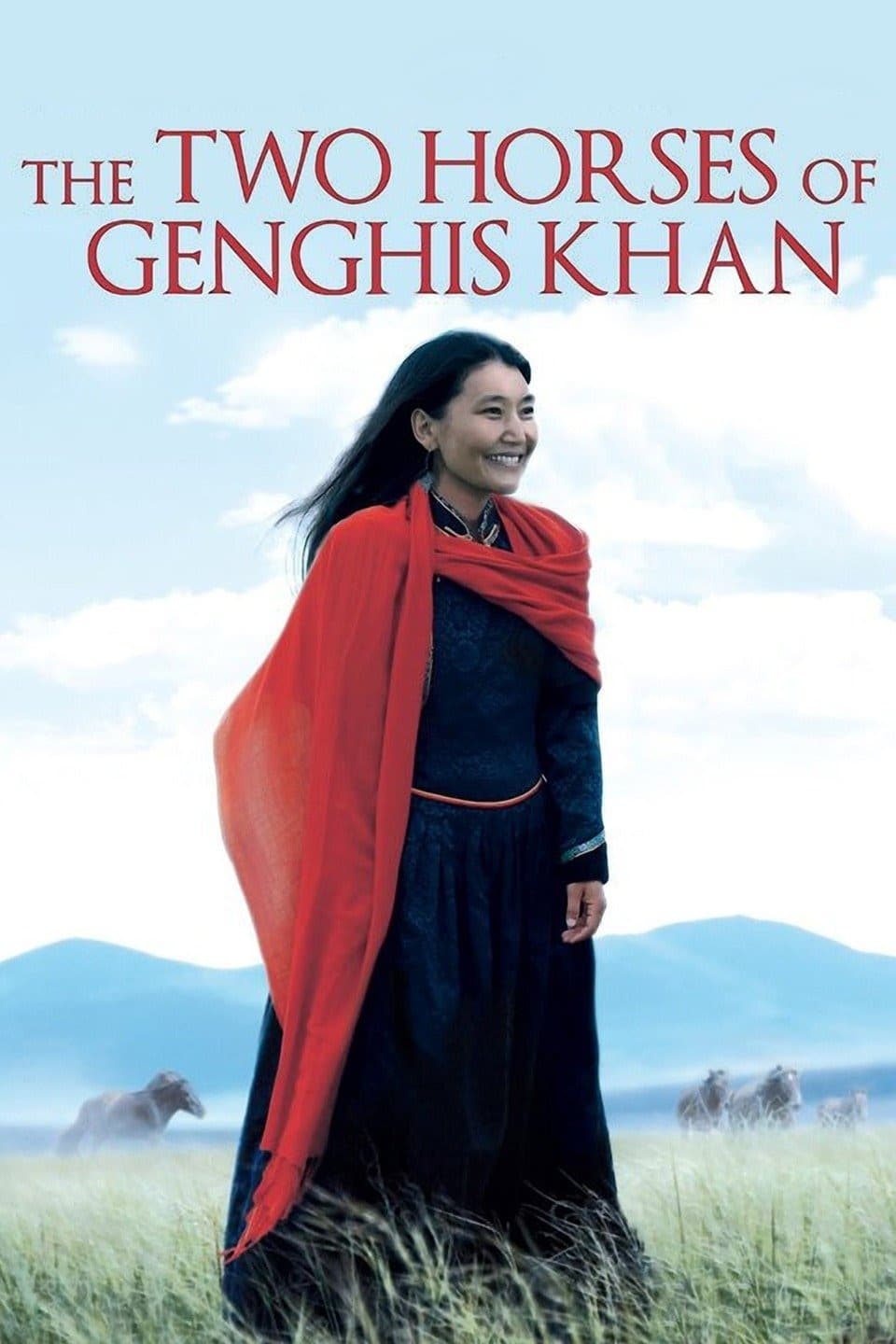
An old, broken morin khurr (horse head fiddle) compels renowned Mongolian singer Urna Chahar Tugchi to take a road journey to Ulan Bator and the steppes of Mongolia.
In a courtroom in Queens, women facing prostitution charges may earn a chance at redemption thanks to an experimental program established by a team of rebel heroines working to change the system.
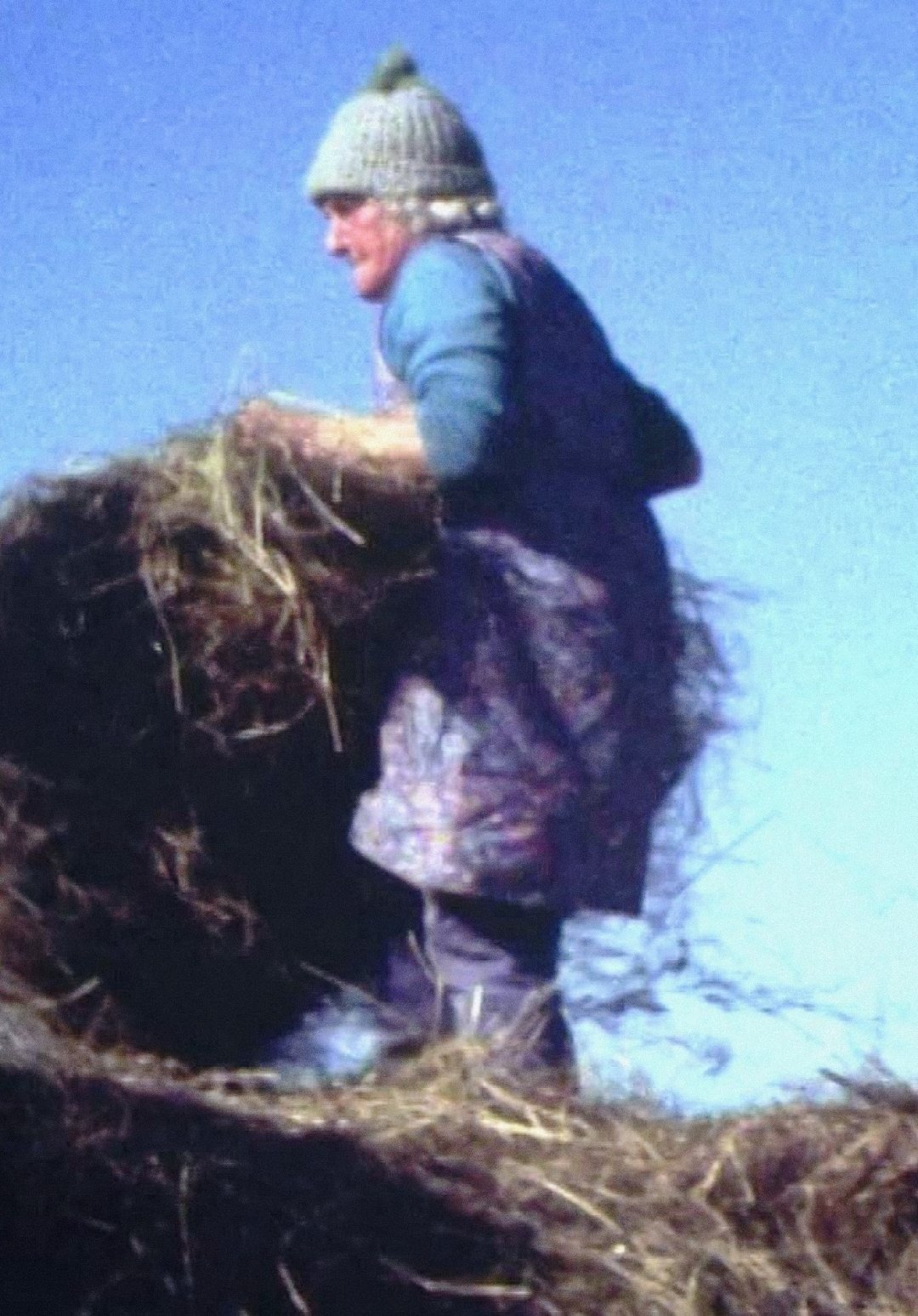
"This is a landscape study of an Orkney croft, with the figure of the crofter, Mary Graham Sinclair, very much in the picture. The croft is West Aith, on the edge of a small loch, which almost every passing visitor stops to photograph or draw or paint. I have been filming this beautiful place since 1977, observing many of the human activities which alter and define how it looks." Margaret Tait
A Perfect 14 explores the fascinating world of plus-size models fighting to reshape the fashion industry and the beauty standards of society.
This spellbinding documentary re-examines the issues raised by Oliver Stone's JFK, and explores the late Jim Garrison's contention that there was a "second conspiracy" to cover up the truth, including attempts to ruin his own reputation.
Frederico Fellini's unmade film ll Viaggio di G. Mastorna Detto Fernet became a graphic novel, just before Fellini's death in 1993. This is the story of how that came to be, as told by long time Fellini collaborator and illustrator for ll Viaggio di G. Mastorna, Milo Manera. Combining still photography and moving images, the piece which was produced in conjunction with Fabrica, premiered at the Toronto International Film Festival in 2011. The short is anchored by an interview with Milo Minara shot entirely in stills. The interview discusses his personal take on the main existentialist themes of the book; this interview has been intercut with the actual graphic novel and what appears to be the lost footage (via recreation) of the story's first scene. This short doc is an exploration into dreams and fantasy, moving through different realities. Shot between Milan, Italy and Koln, Germany.
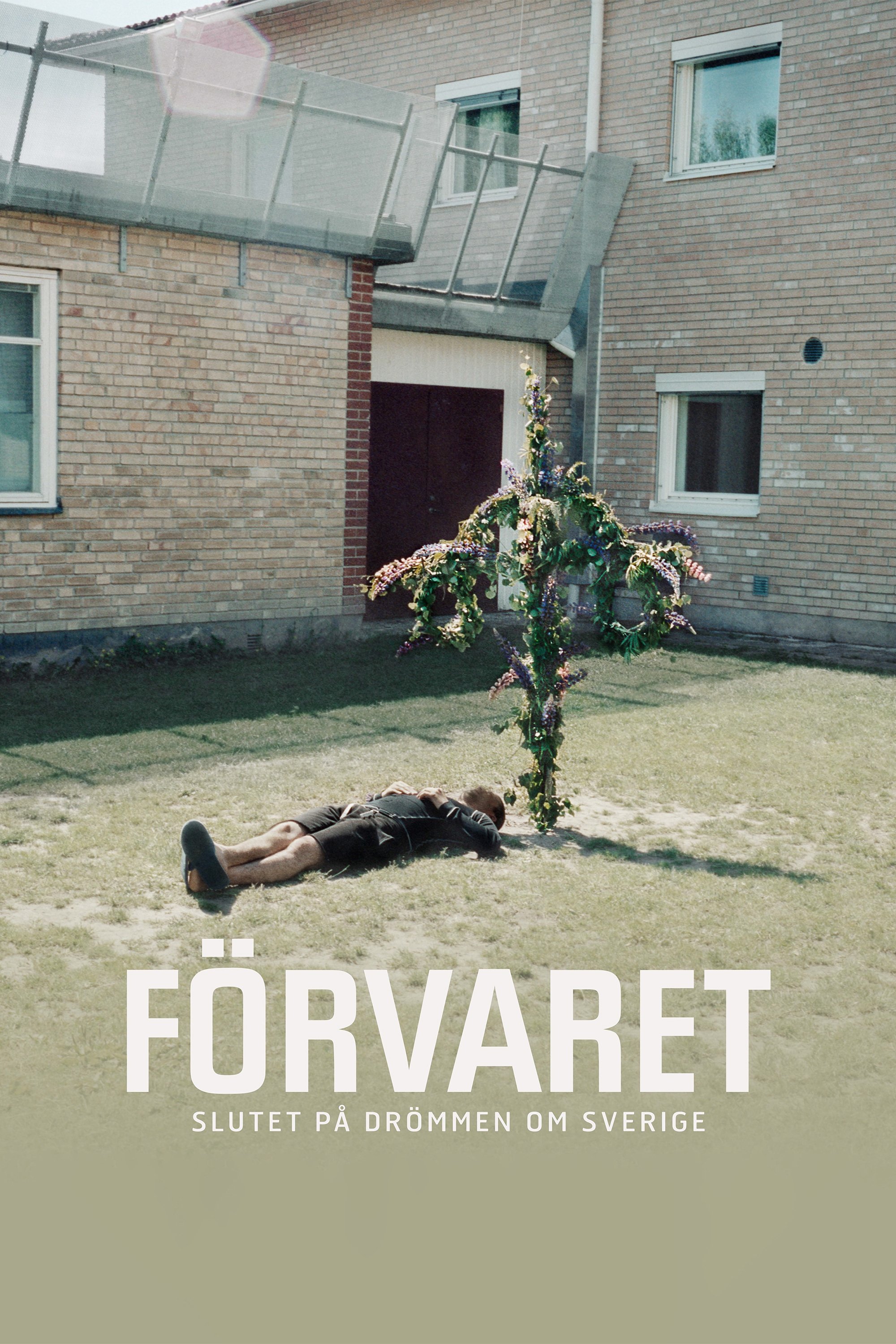
A documentary from within the Swedish Migration Board's locked repository where people are in custody awaiting forced deportation. Prisoner and guard are in close proximity around the clock. Converses during sleepless nights and playing football during hot summer days. We follow Sophie, 29, who loves her job at the repository, Sami, 20, the young rebel who is locked up but free inside, and Aina, 47, who were separated from her children and kept locked up while the police are stepping up efforts to enforce their expulsion order.
RADICAL GRACE follows three fearless nuns who risk their place in the Catholic Church to follow another higher calling: social justice. When the Vatican reprimands the sisters – citing their “radical feminism” – they become the spiritual and symbolic center of a battle for the heart of the Catholic Church. From their cross-country Nuns on the Bus tour, to serving those on the margins, to a continued struggle for women’s religious equality under Pope Francis, these sisters are transforming American politics — and the Church itself.
Three Norwegian teenaged girlfriends get caught smuggling cocaine out of Bolivia. Why does only one take the fall? Cue a tabloid media storm, professional kidnappers and a behind-bars pregnancy in this sensational exposé.
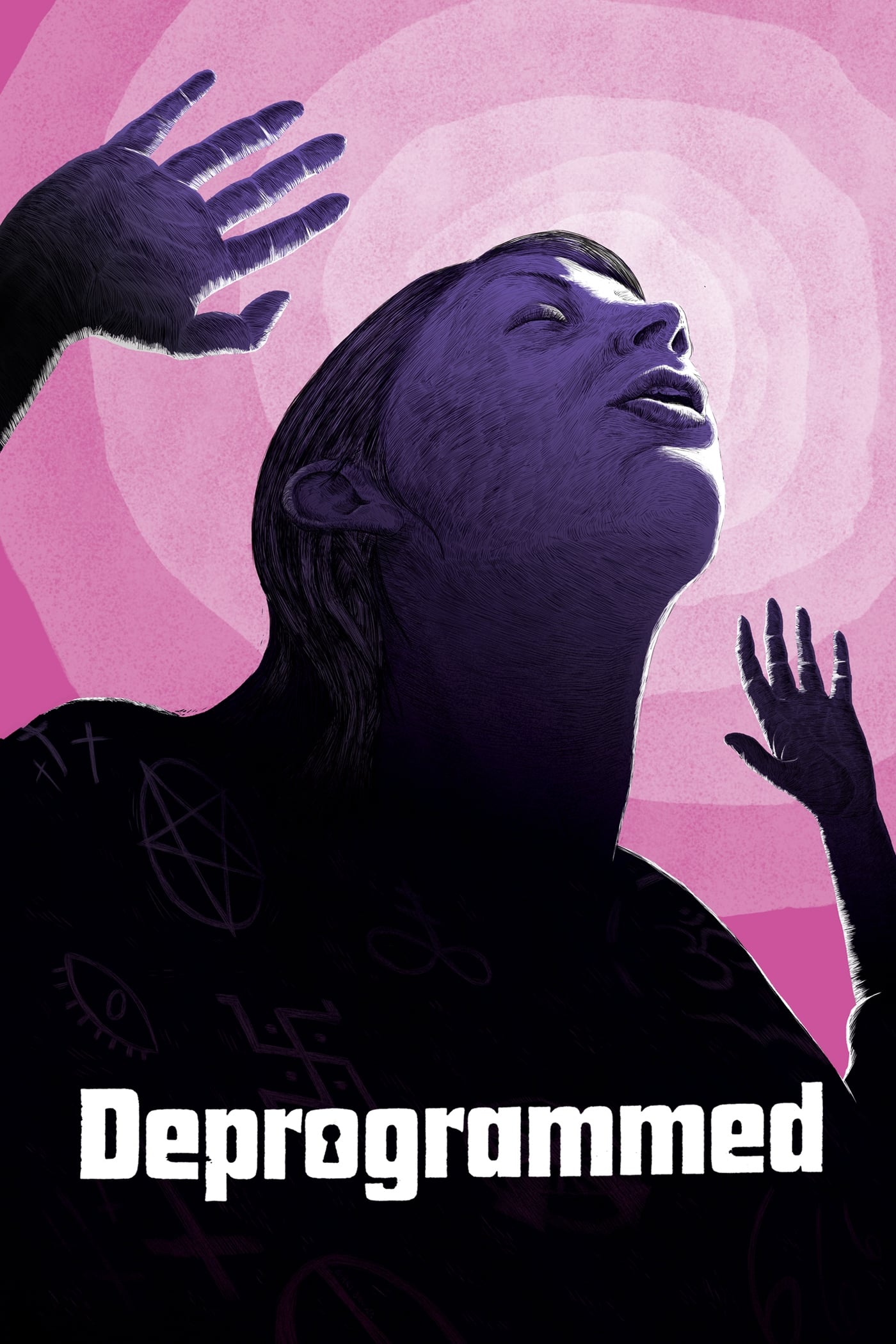
Ted "Black Lightning" Patrick's practice of "deprogramming," also known as "reverse brainwashing," started in the early 1970s and quickly snowballed into a vast underground movement composed of concerned parents, ex-cultists-turned-deprogrammers and some sympathetic law-enforcers whose mission was to physically and mentally remove individuals from cults.
EMPIRE OF THE MOON wryly deconstructs the experience of being a tourist. Paris, gorgeously photographed in black-and-white, is the setting for cultural explorations ranging from the mundane to the sublime, as visitors trek from icon to icon, snapping the same photos, climbing the same steps and at times experiencing the transformative wonder they came to find.
Following the journey of an Evangelical minister trying to find the courage to preach about the growing toll of gun violence in America. Reverend Rob Schenck, anti-abortion activist and fixture on the political far right, breaks with orthodoxy by questioning whether being pro-gun is consistent with being pro-life.
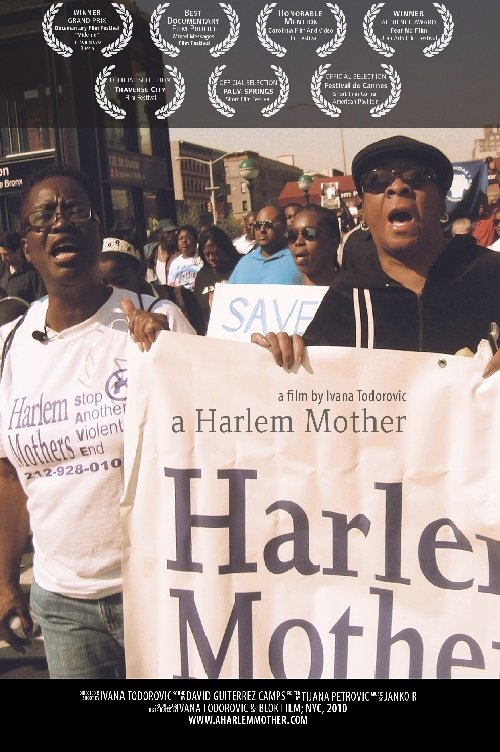
In 1998, 18 year old Latron Parker made documentary about difficulties growing up in Harlem. Eights years later he was shot dead on the street. Today his mother Jean fights youth gun violence and helps other parents to survive the pain through her organization, Harlem Mothers. Weaving footage from Latron’s own film with scenes from Jean’s new life today.
BEIJING TAXI is a timely, uncensored and richly cinematic portrait of China’s ancient capital as it undergoes a profound transformation. The film takes an intimate and compelling look at the lives of three cab drivers as they confront modern issues and changing values against the backdrop of the 2008 Summer Olympic Games. Through their daily struggles infused with humor and quiet determination, BEIJING TAXI reveals the complexity and contradictions of China’s shifting paradigm.
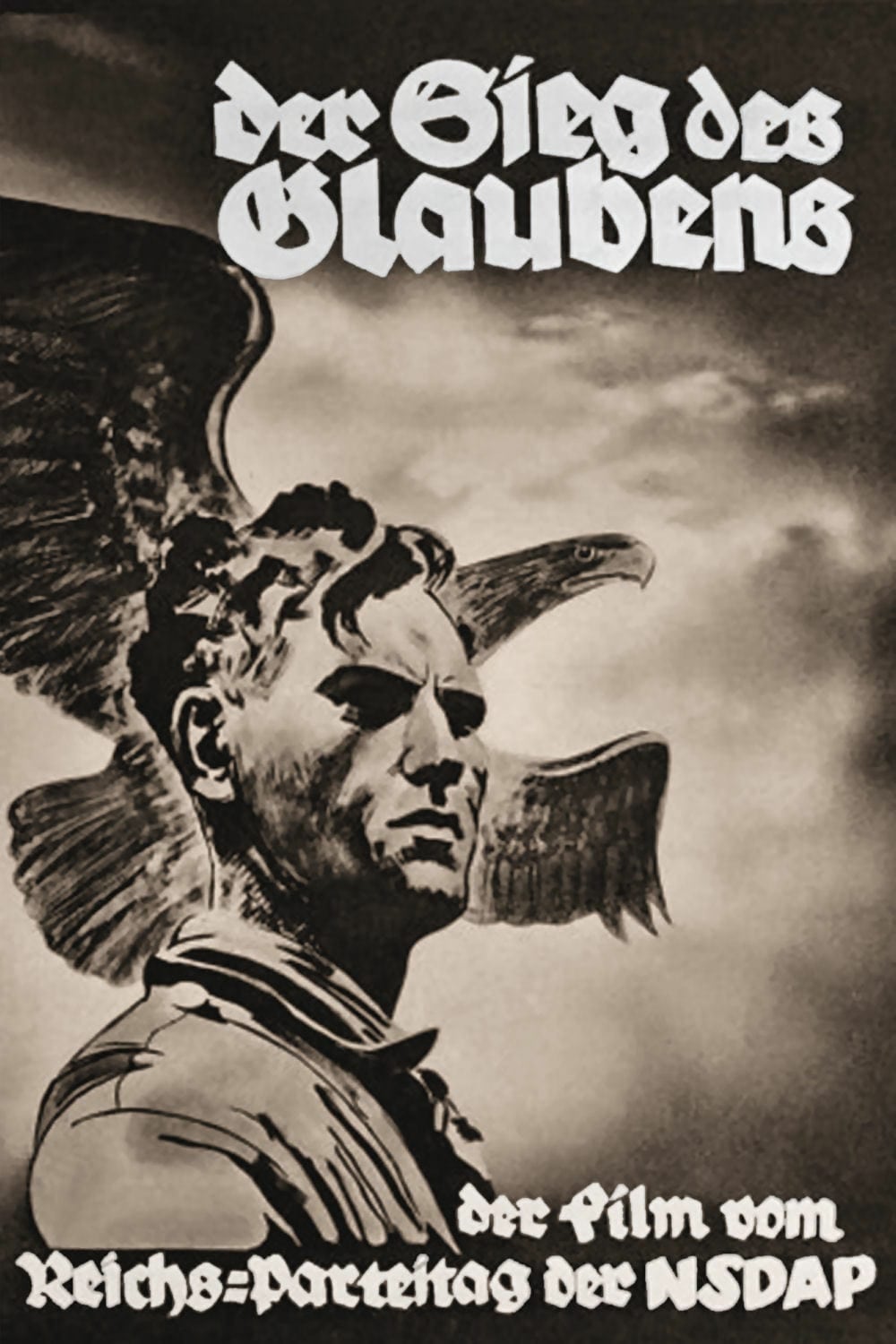
Follows the Fifth Nazi Party Rally (Nuremberg, 30 August–3 September 1933) and shows the then close relationship between Adolf Hitler and Ernest Rõhm.
This new and revealing programme provides an incredibly detailed account of how Jimi Hendrix, a legendary guitarist touched by genius, lived his life in the high powered world of 60's Rock 'n' Roll.
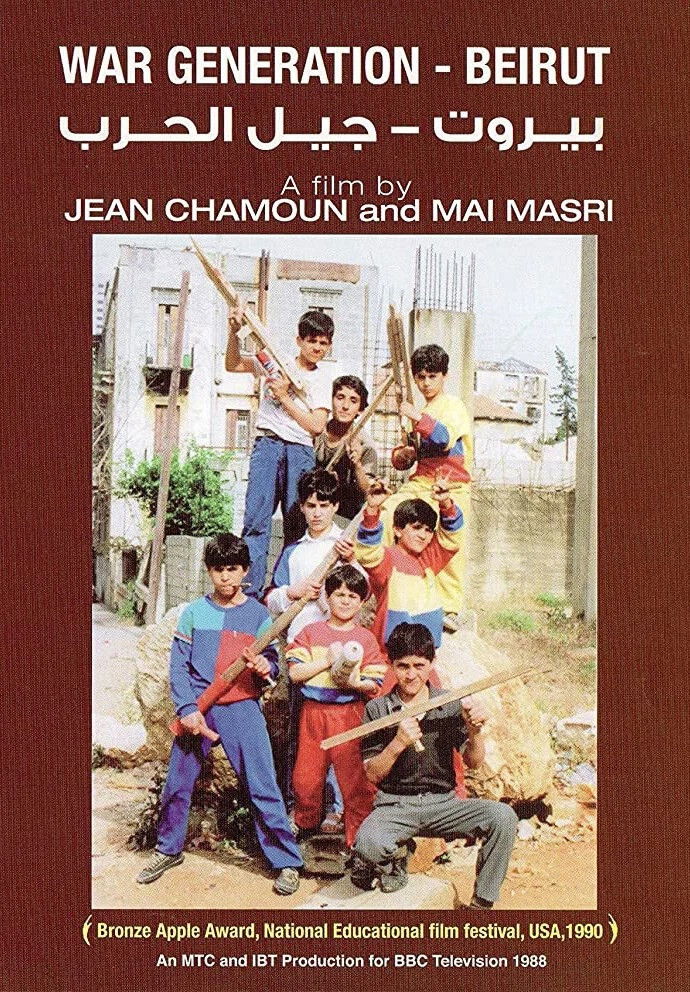
War Generation - Beirut explores the lives, dreams and fears of three generations of young people living in the heart of the civil war in Lebanon. This seminal work from Jean Chamoun and Mai Masri remains one of the most powerful anti-war documents of the period.
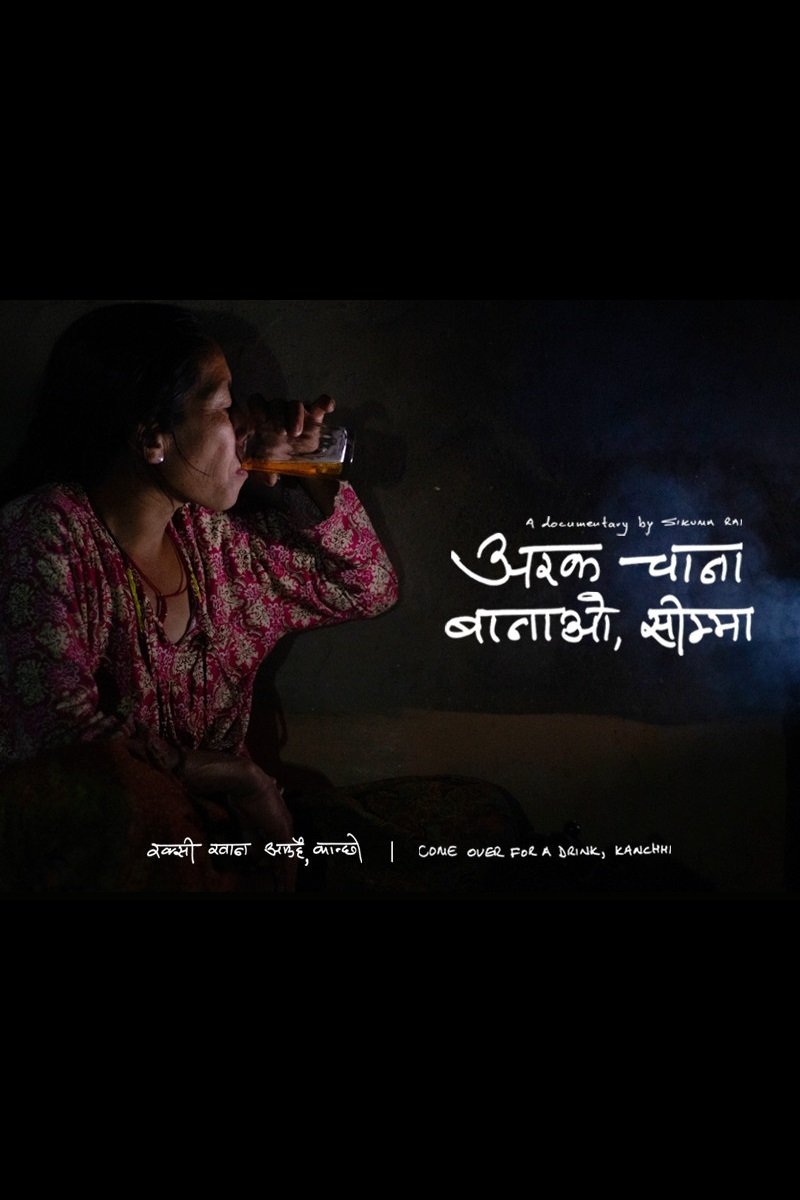
The filmmaker confronts the popular narrative in Nepal that alcoholism is the leading cause of the indigenous Rai community's perceived backwardness by detailing the personal stories of Rai women of Sikteltar, Bhojpur who use alcohol to forget their sorrows and deal with routine hardships.
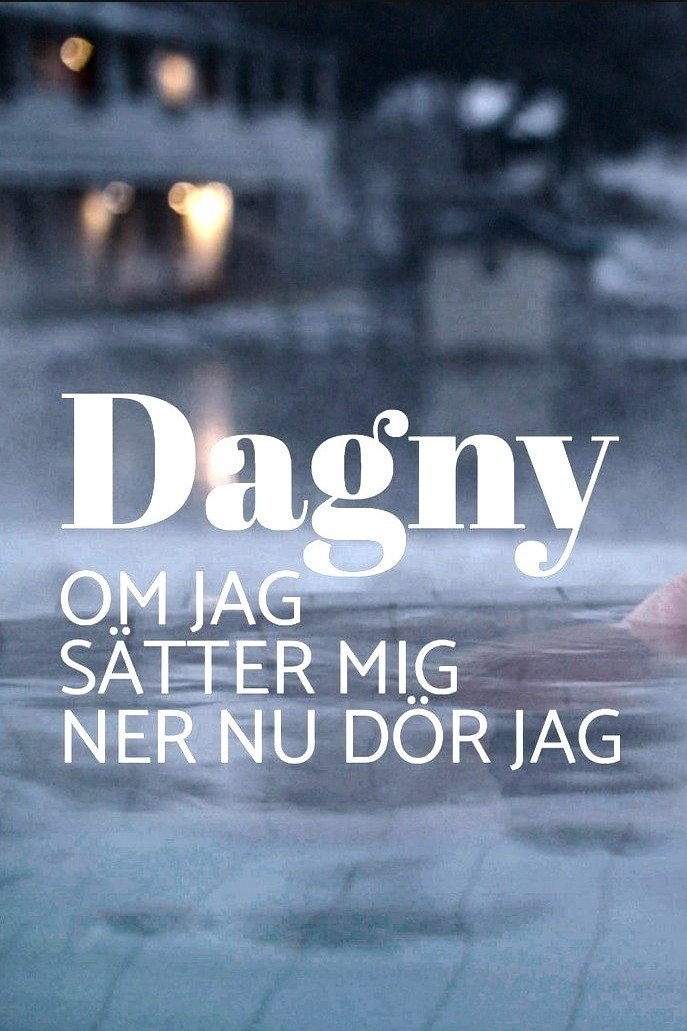
In 2015, Dagny Carlsson quickly garnered the attention of millions of Swedes when she started blogging for the first time at age 102. Now at age 106, wanting to experience as much as she can, she accepts an invitation from a Finnish film director who wants her to star in a short film. So, off to Åland she goes!
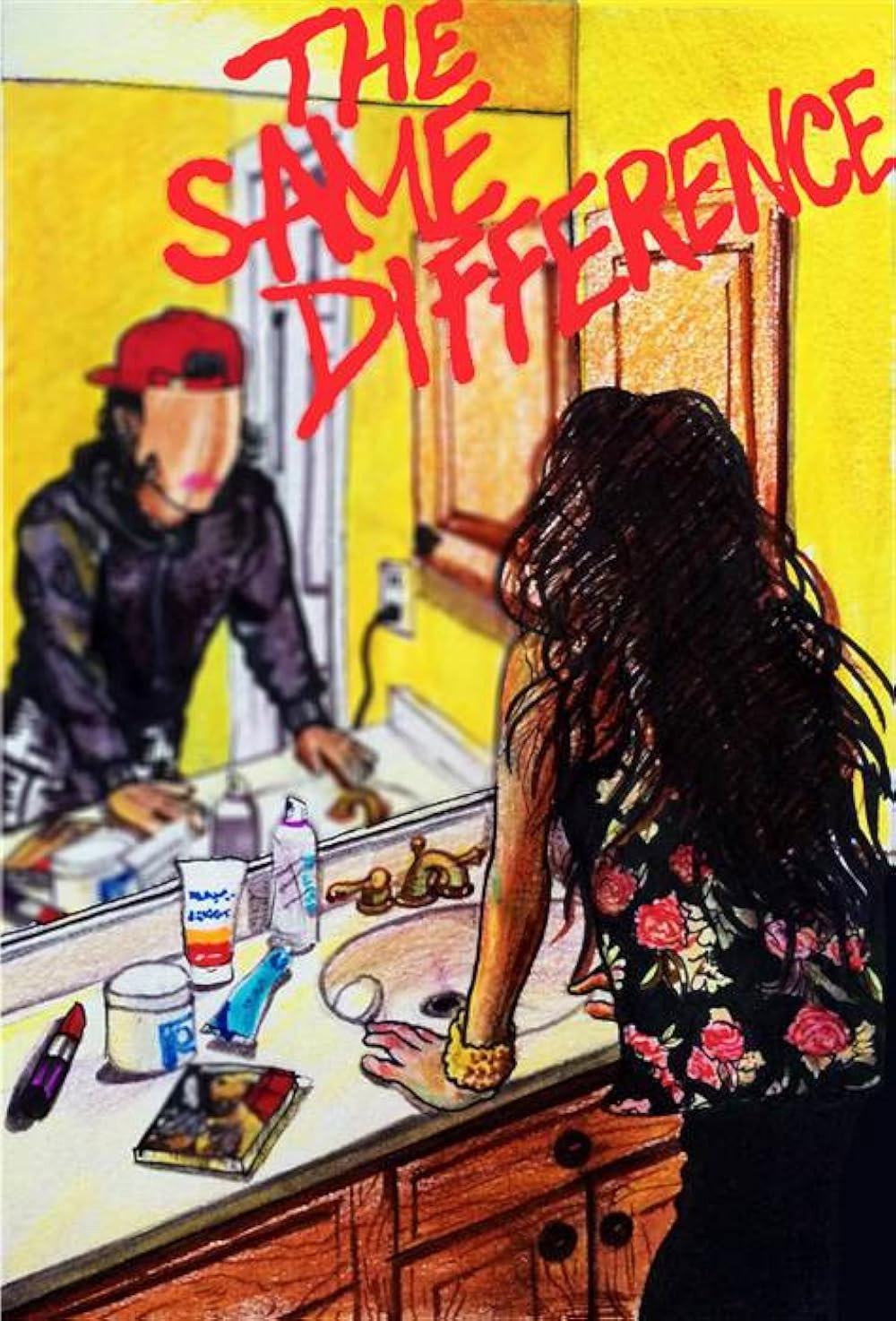
The Same Difference is a documentary about lesbians who discriminate against other lesbians! The Same Difference, through a series of lesbian women stories, discusses the hypocrisy in terms of gender roles and the per formative expectations.
In 1977, a book of photographs captured an awakening - women shedding the cultural restrictions of their childhoods and embracing their full humanity. This documentary revisits those photos, those women and those times and takes aim at our culture today that alarmingly shows the need for continued change.
Musician and performance artist Laurie Anderson reflects on the deaths of her husband Lou Reed, her mother and her beloved dog.
An investigative look and analysis of gender disparity in Hollywood, featuring accounts from well-known actors, executives and artists in the Industry.
Using the book 'Fragments', which collects Marilyn Monroe's poems, notes and letters, and with participation from the Arthur Miller and Truman Capote estates who have contributed more material, each of the actresses will embody the legend at various stages in her life.
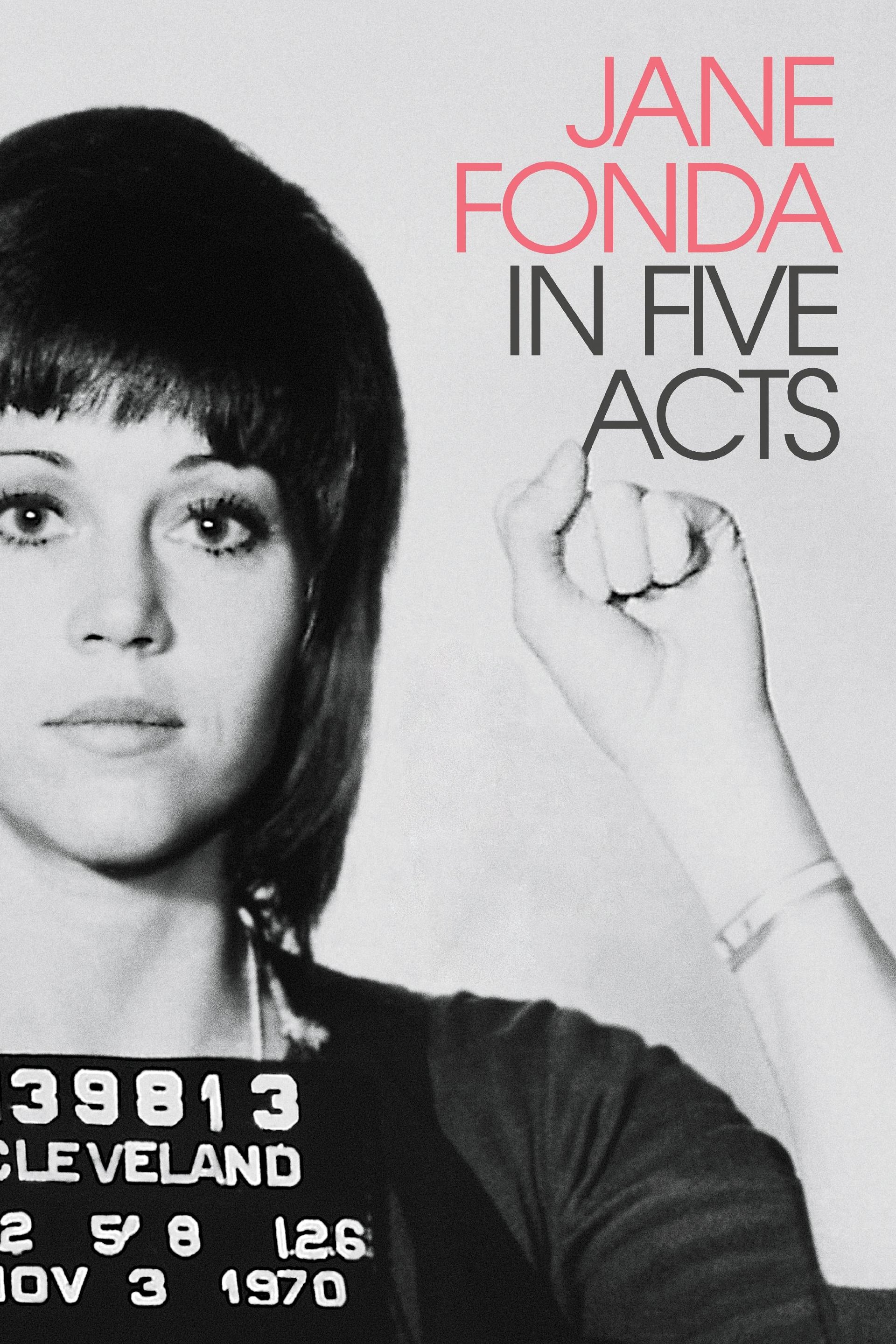
Girl next door, activist, so-called traitor, fitness tycoon, Oscar winner: Jane Fonda has lived a life of controversy, tragedy and transformation – and she’s done it all in the public eye. An intimate look at one woman’s singular journey.
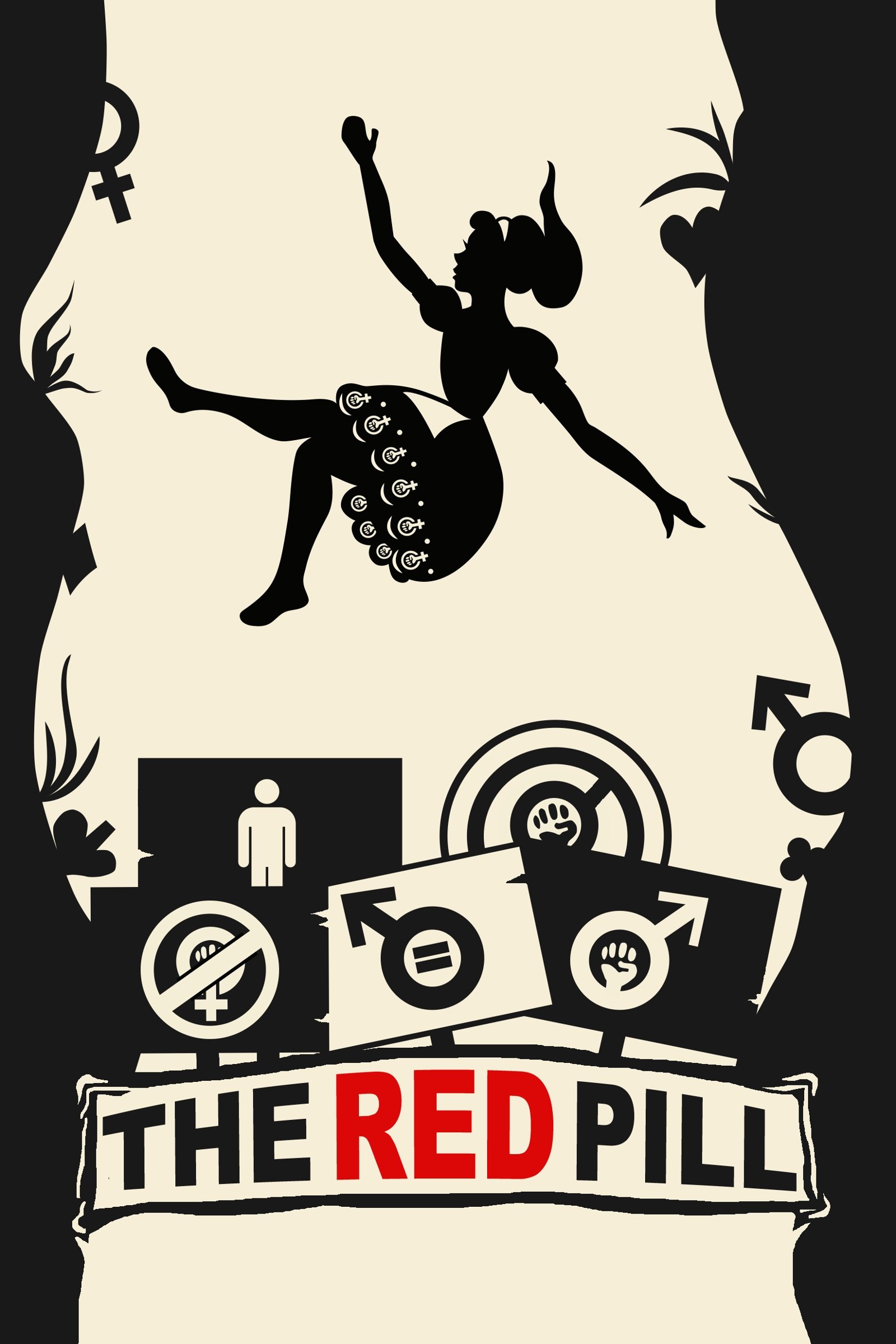
When a feminist filmmaker sets out to document the mysterious and polarizing world of the Men’s Rights Movement, she begins to question her own beliefs. Chronicling Cassie Jaye’s journey exploring an alternate perspective on gender equality, power and privilege.
In an intimate and joyful story of love in the face of loss, celebrated poets Andrea Gibson and Megan Falley find strength—and unexpected hilarity—in what might be their final year together.
14-year-old Laura Dekker sets out on a two-year voyage in pursuit of her dream to become the youngest person ever to sail around the world alone.
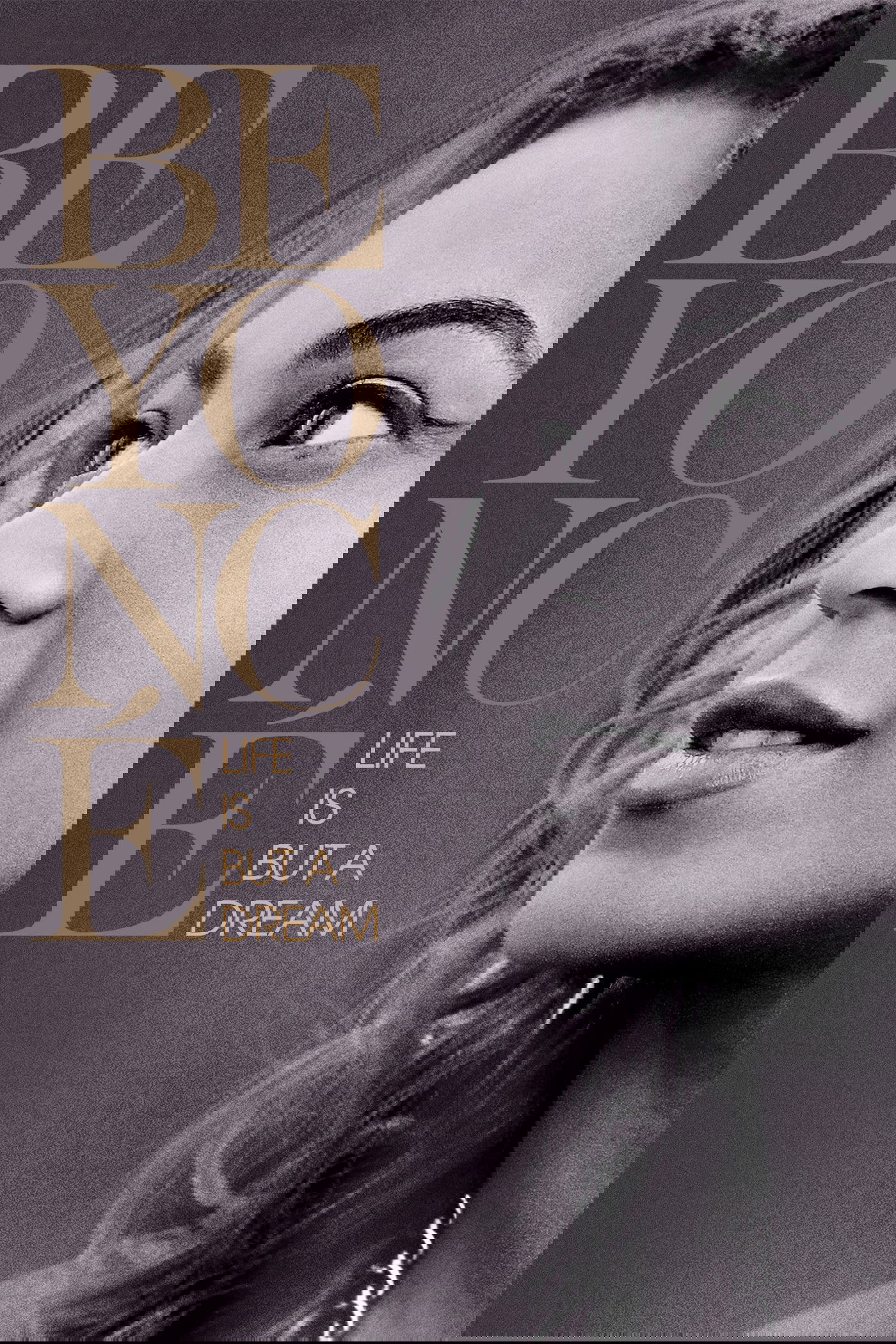
Life Is But a Dream is a HBO documentary about the life of US singer Beyoncé Knowles during the years 2011 and 2012 and on the recording of her fifth album. The film was directed by Beyoncé herself. The film shows Beyoncé from intimate moments of her pregnancy to behind the scenes and rehearsals of the main concerts of that time.
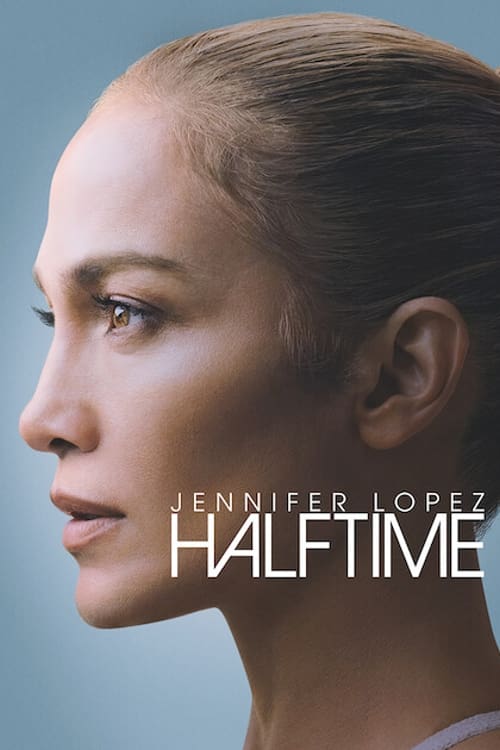
Global superstar Jennifer Lopez reflects on her multifaceted career and the pressure of life in the spotlight in this intimate documentary.
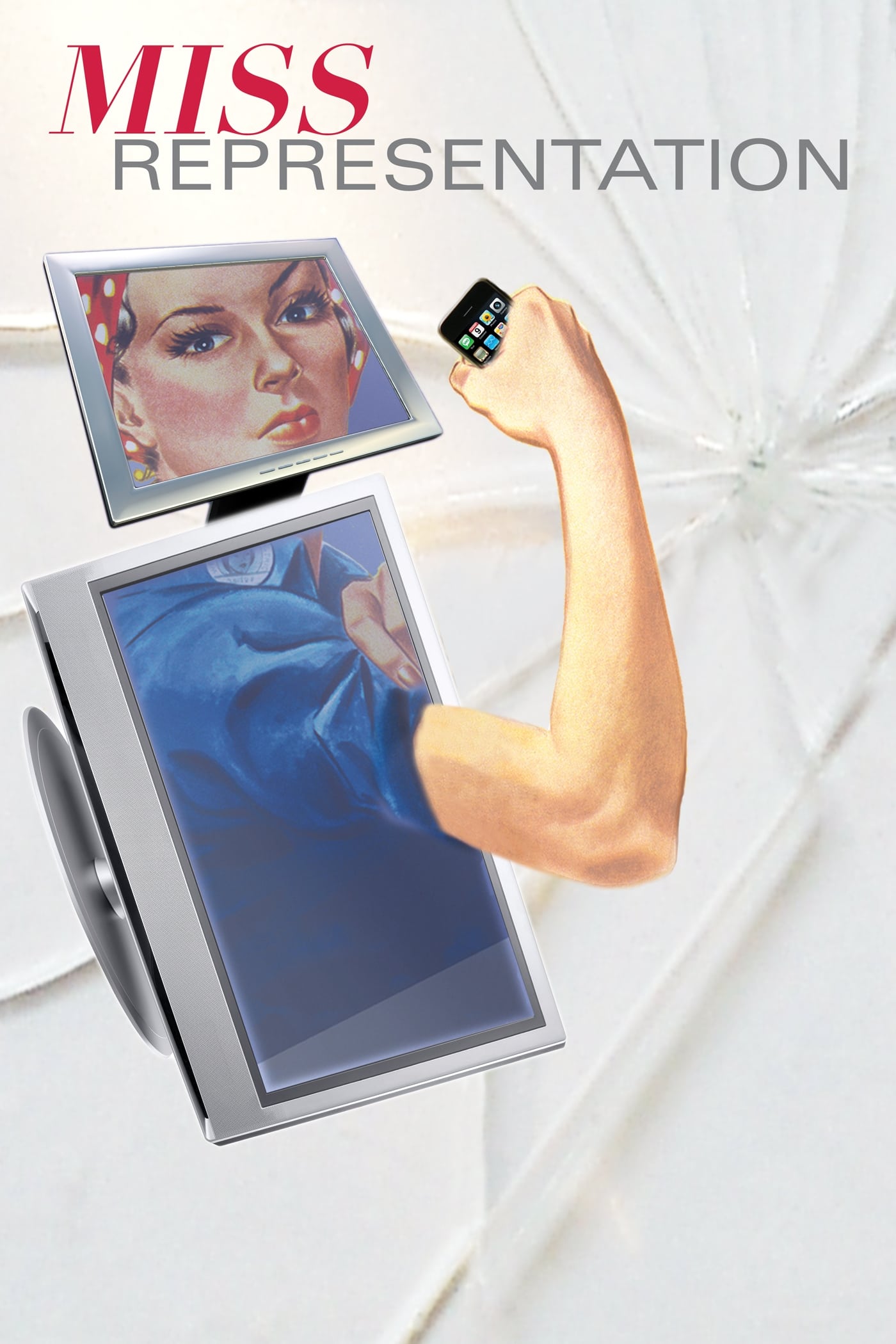
The film MISS REPRESENTATION exposes how American youth are being sold the concept that women and girls’ value lies in their youth, beauty and sexuality. Explores the under-representation of women in positions of power and influence in America, and challenges the media's limited portrayal of what it means to be a powerful woman. It’s time to break that cycle of mistruths.
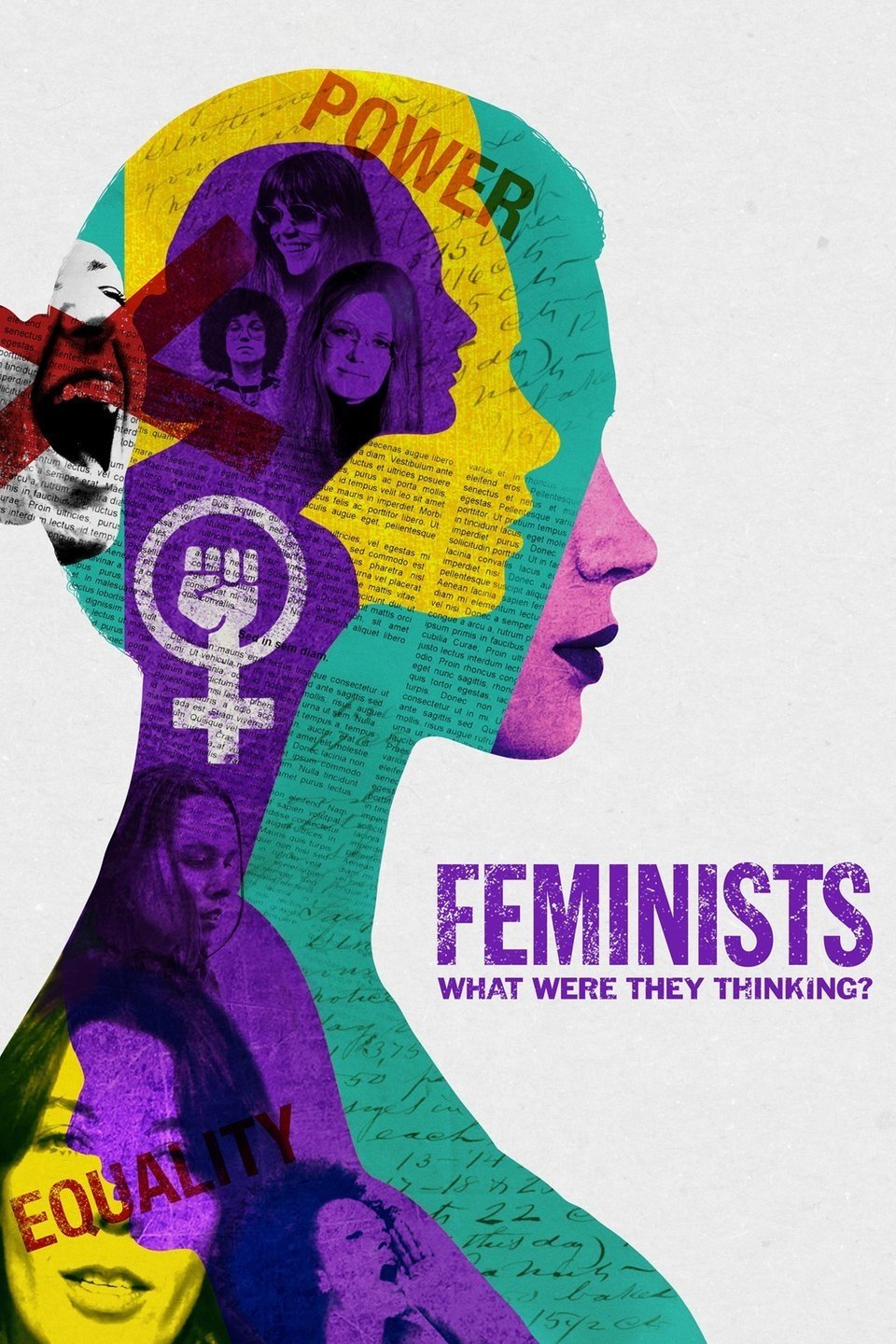
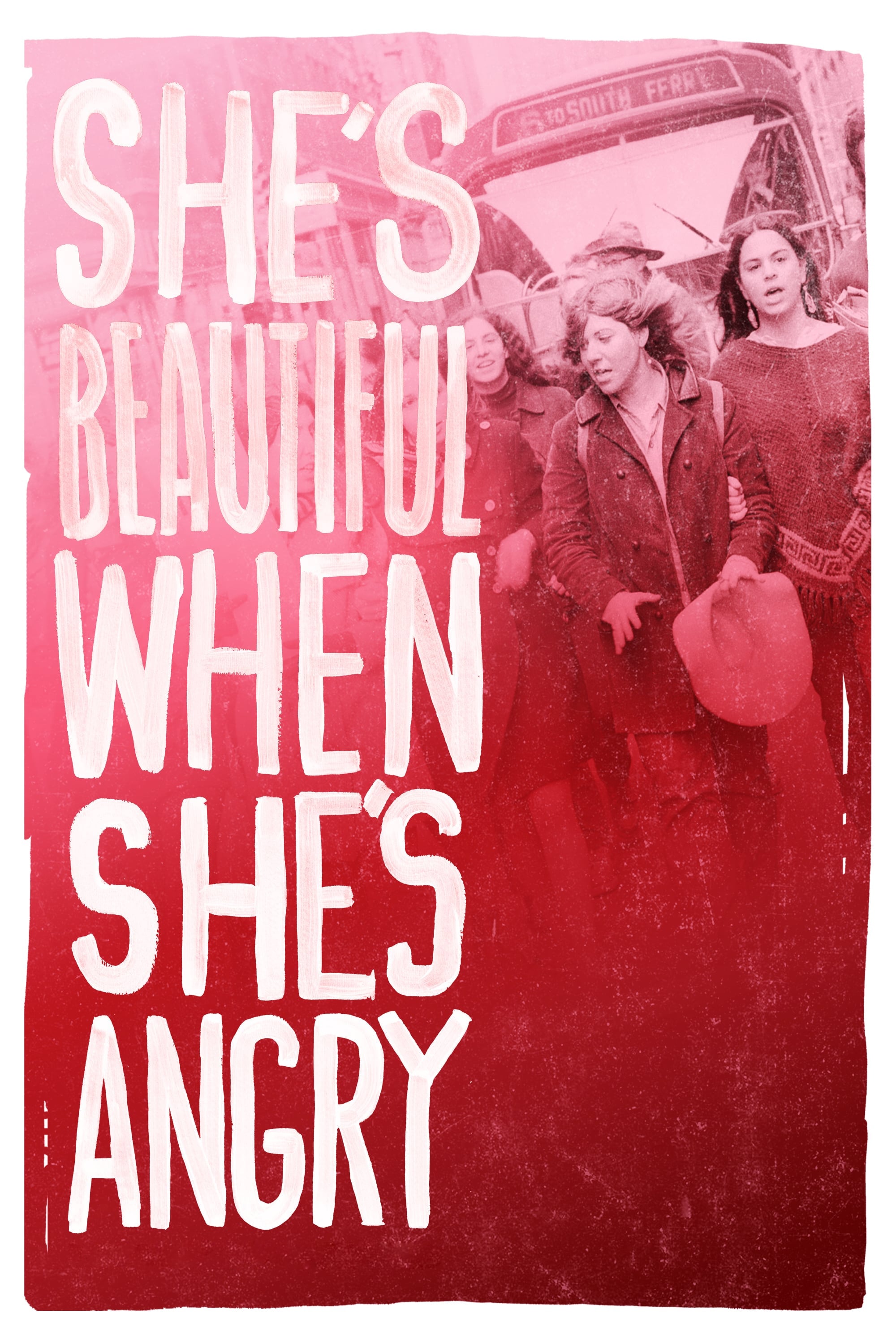
A documentary that resurrects the buried history of the outrageous, often brilliant women who founded the modern women's movement from 1966 to 1971.
In the Realms of the Unreal is a documentary about the reclusive Chicago-based artist Henry Darger. Henry Darger was so reclusive that when he died his neighbors were surprised to find a 15,145-page manuscript along with hundreds of paintings depicting The Story of the Vivian Girls, in What is Known as the Realms of the Unreal, of the Glodeco-Angelinnian War Storm, Cased by the Child Slave Rebellion.
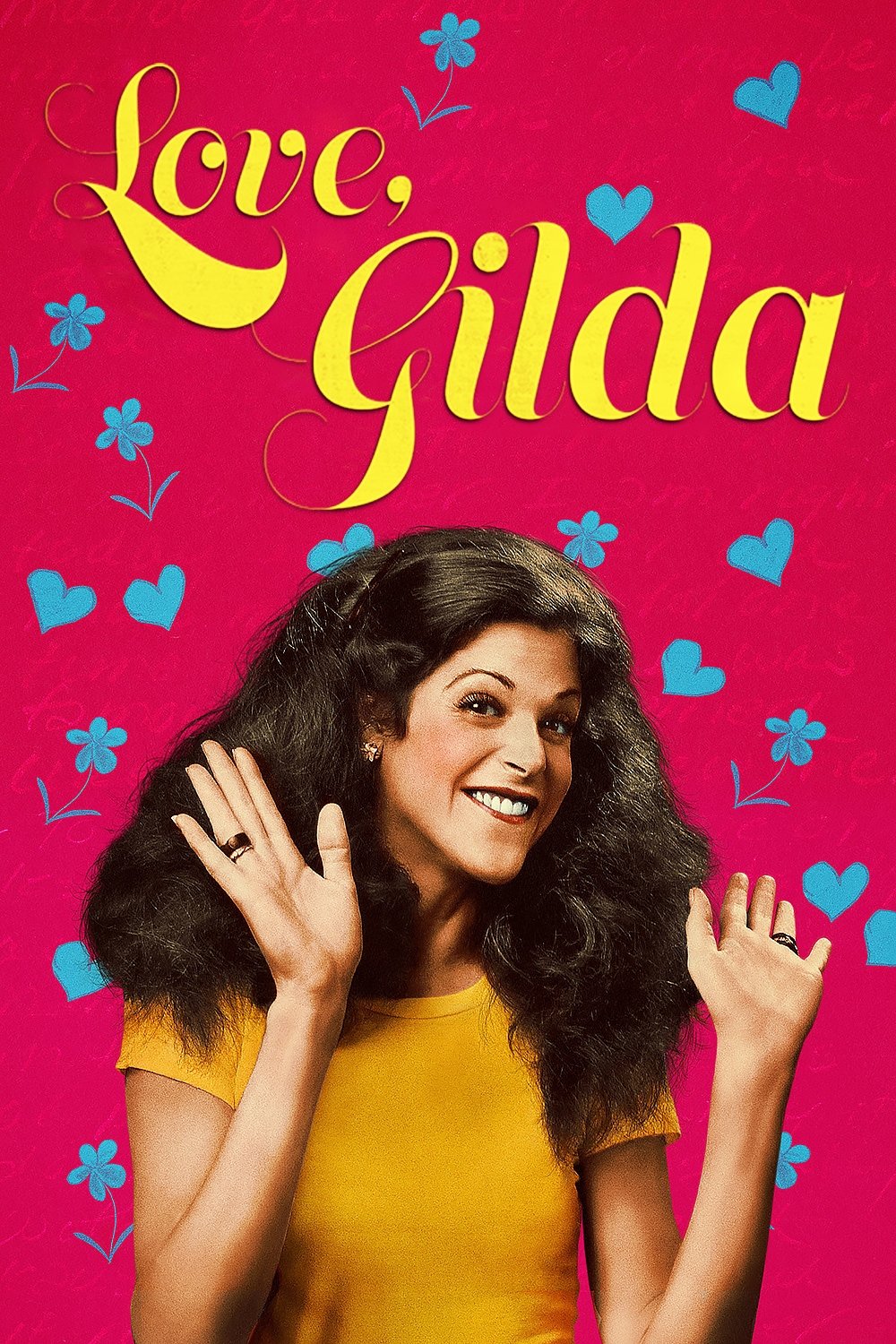
Diaries, audiotapes, videotapes and testimonials from friends and colleagues offer insight into the life and career of Gilda Radner -- the beloved comic and actress who became an icon on Saturday Night Live.
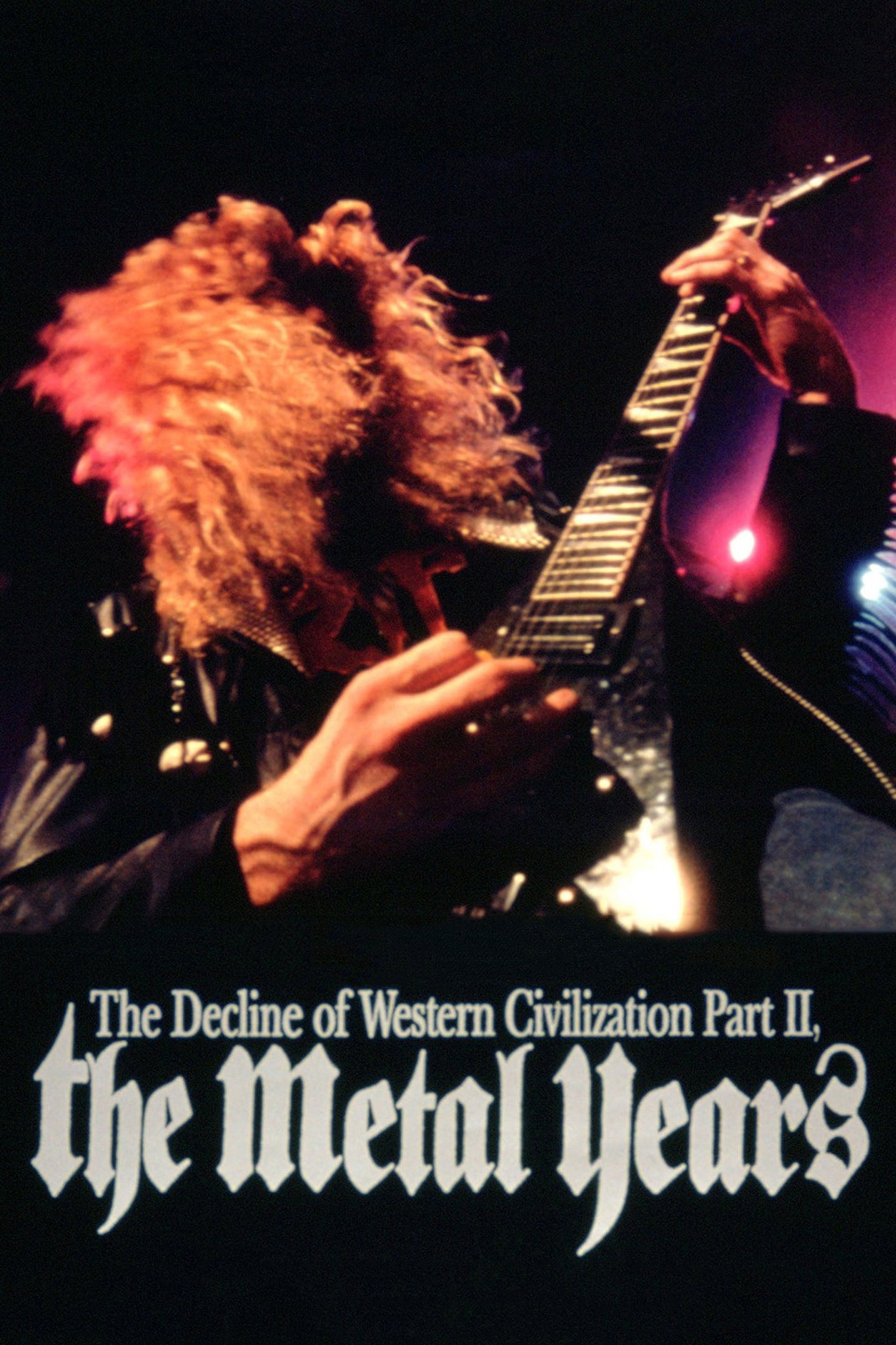
An exploration of the heavy metal scene in Los Angeles, with particular emphasis on glam metal. It features concert footage and interviews of legendary heavy metal and hard rock bands and artists such as Aerosmith, Alice Cooper, Kiss, Megadeth, Motörhead, Ozzy Osbourne and W.A.S.P..
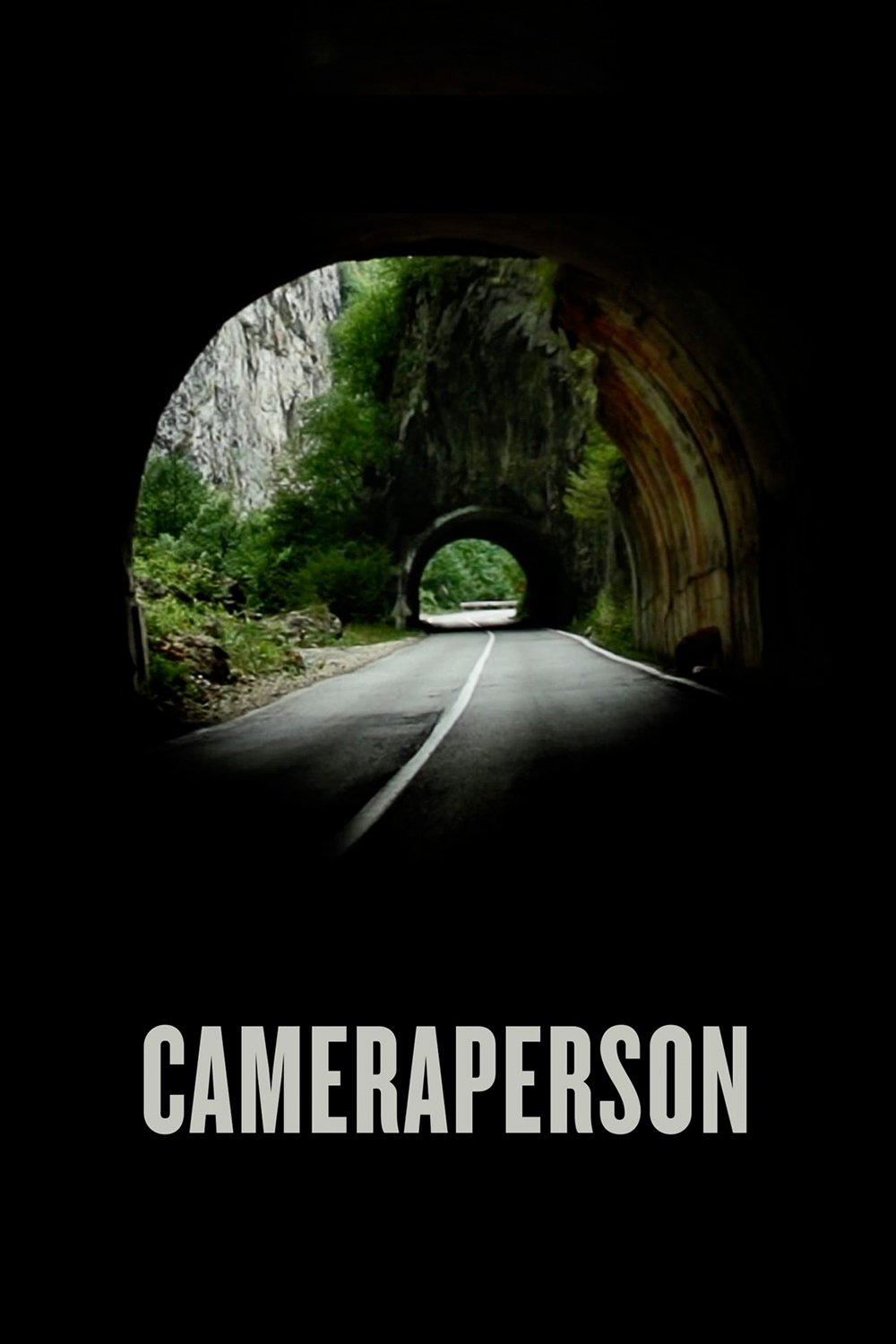
As a visually radical memoir, CAMERAPERSON draws on the remarkable footage that filmmaker Kirsten Johnson has shot and reframes it in ways that illuminate moments and situations that have personally affected her. What emerges is an elegant meditation on the relationship between truth and the camera frame, as Johnson transforms scenes that have been presented on Festival screens as one kind of truth into another kind of story—one about personal journey, craft, and direct human connection.
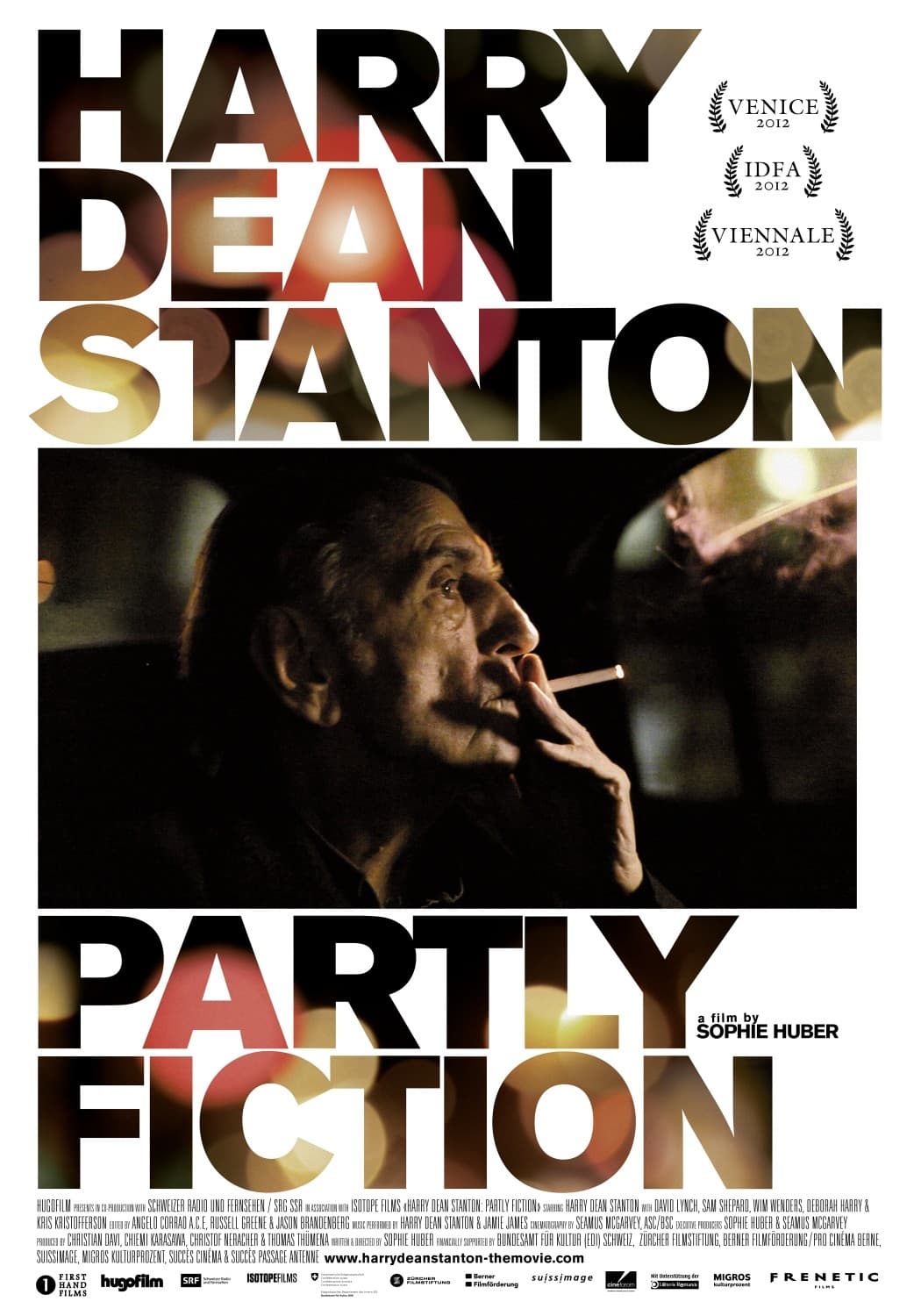
An impressionistic portrait of the iconic actor Harry Dean Stanton comprised of intimate moments, film clips from some of his 250 films and his renditions of American folk songs.
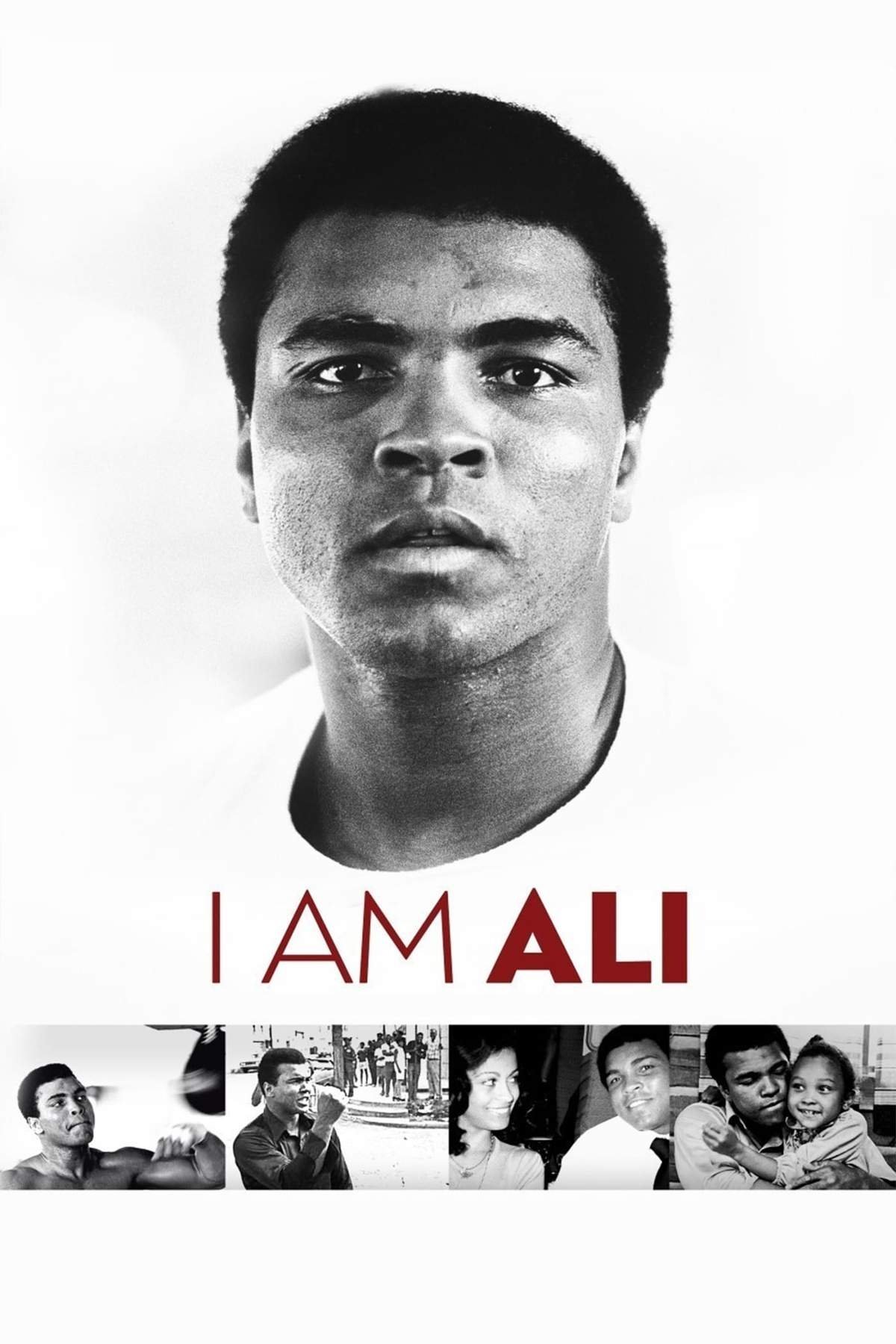
Unprecedented access to Muhammad Ali's personal archive of "audio journals" as well as interviews and testimonials from his inner circle of family and friends are used to tell the legend's life story.
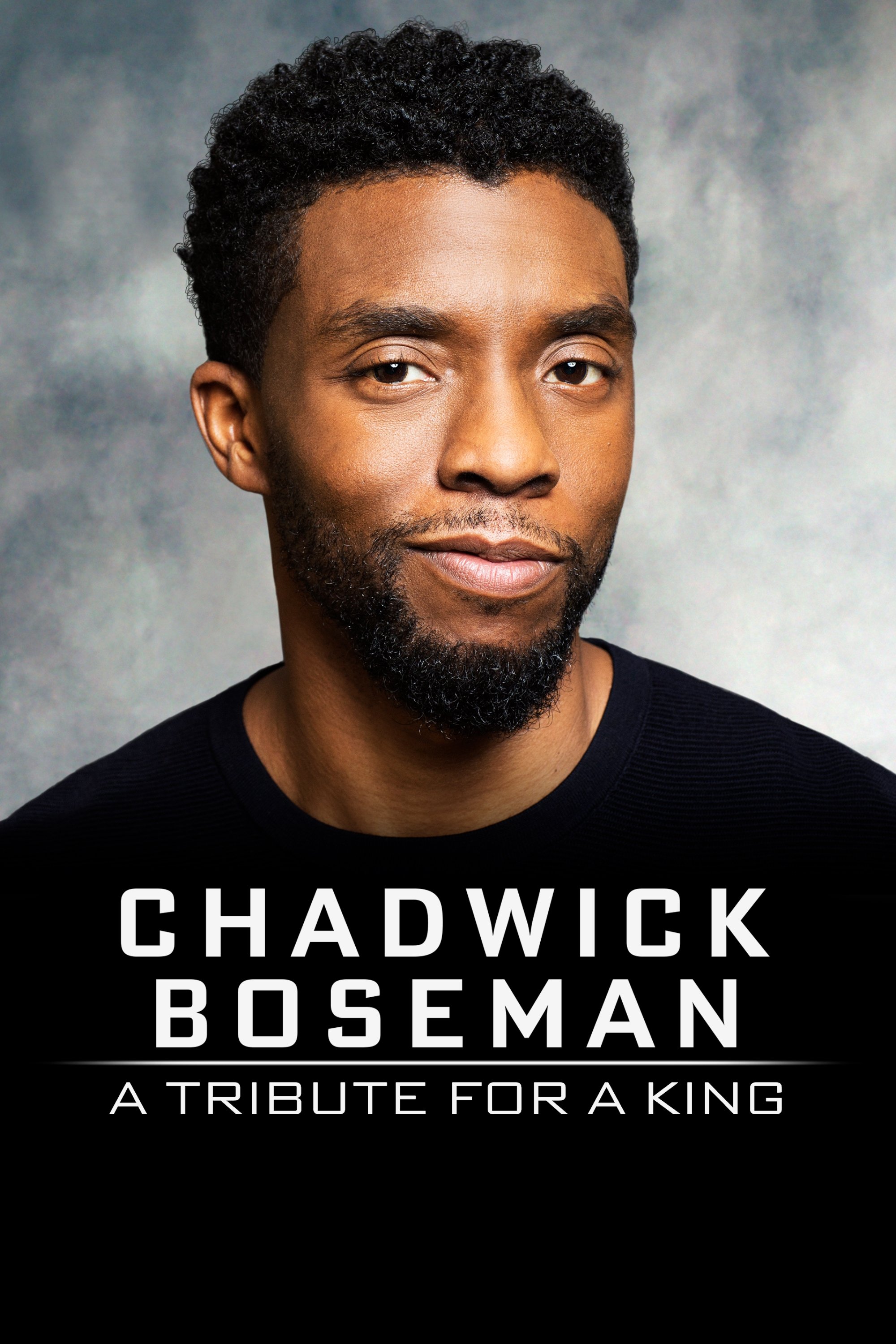
A tribute to Chadwick Boseman, celebrating his life and legacy.
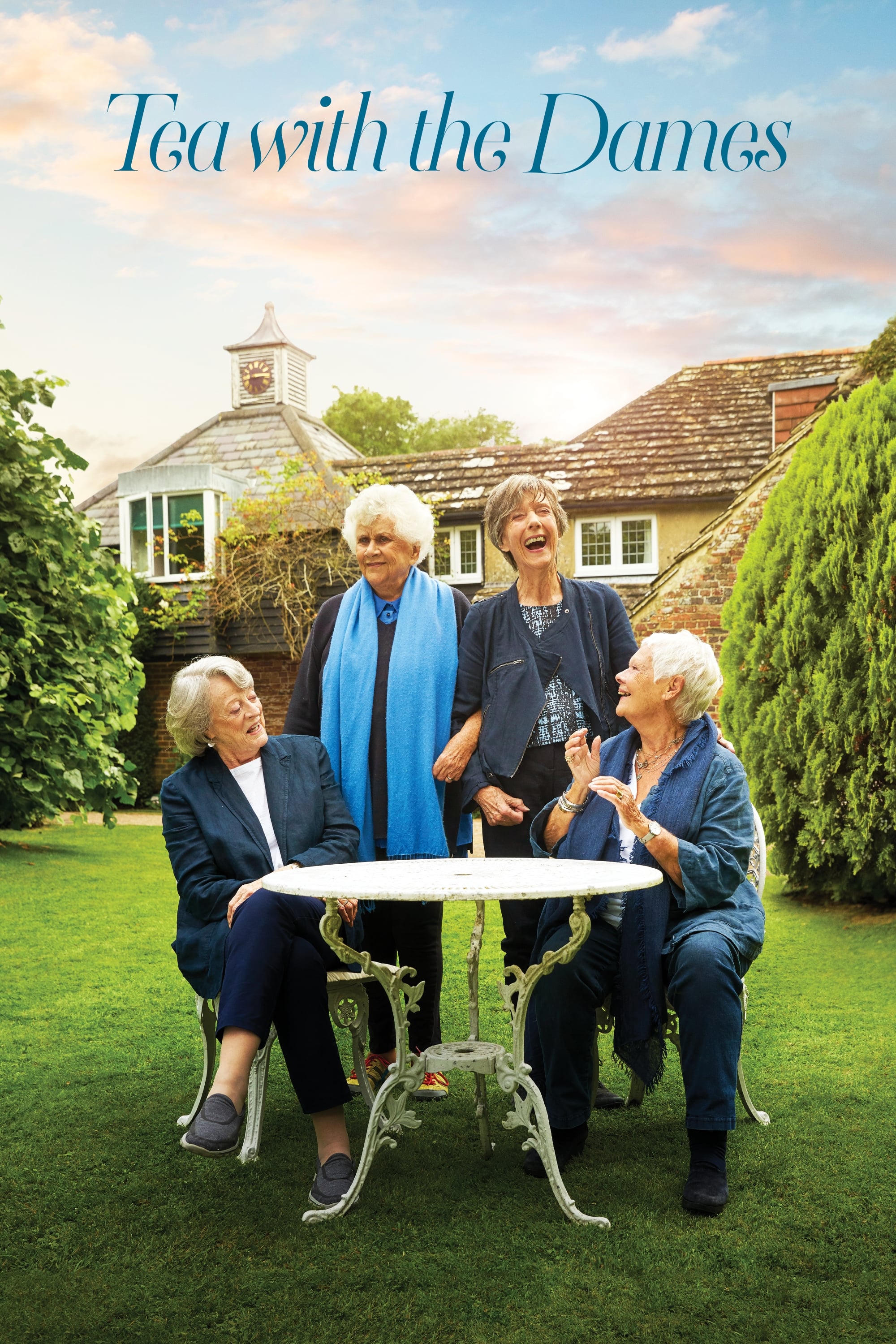
BBC Arena's documentary on the Dames of British Theatre and film featuring Maggie Smith, Eileen Atkins, Judi Dench and Joan Plowright on screen together for the first time as they reminisce over a long summer weekend in a house Joan once shared with Sir Laurence Olivier.