Social & External
The people behind it
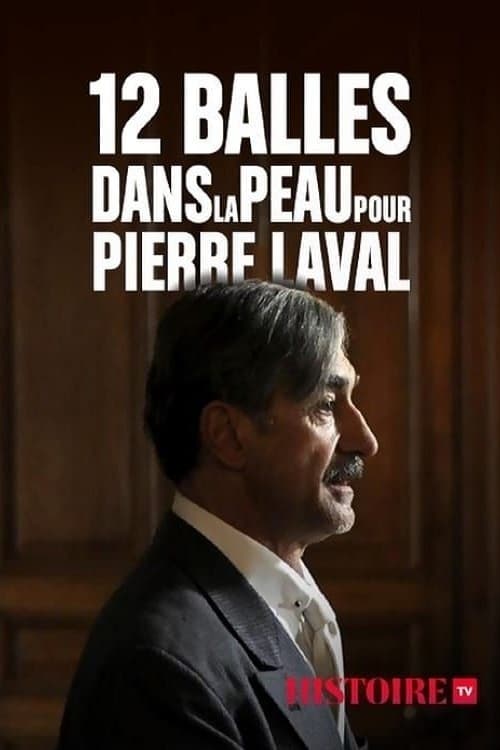
Christophe Malavoy
Pierre Laval
Didier Agostini
Juré 1
Patrice Bertrand
Docteur Paul
Jean Bouchaud
Procureur Mornet
Philippe Laudenbach
Mongibeaux
Julien Bukowski
Juré 2
Jean-Marc Boissé
Maître Naud
Yves Collignon
Gardien chef
Czechoslovakia, 1941. As the war continues, Reich Protector Reinhard Heydrich arrives in Nazi-occupied Prague and establishes a regime of terror that will force freedom fighters to act. But the price to pay will be too high.
Hacktivist and blockchain expert Lauri Love fights extradition in TRUST MACHINE—his computer skills a threat to the US government. Tech innovators strike a raw nerve as banks and network pundits rush to condemn volatile cryptocurrencies and their underlying blockchain technology. Why are banks terrified while UNICEF embraces it to help refugee children? Award–winning filmmaker Alex Winter reveals that proponents of blockchain—a verified digital ledger—are already using the technology to change the world; fighting income inequality, the refugee crisis and world hunger.
Lucie was born with a protruding ear that she got from her mother. In this documentary she tries to find answers in her fathers' features.
This 1978 documentary classic is an inside look at the old-style Chicago Machine politics of the Richard J. Daley era, where Alderman Vito Marzullo ran his West Side 25th Ward virtually unchallenged from 1953-1985.
Tells the story of climate refugees across six continents, celebrating the voices and experiences of people living at the forefront of the climate crisis, displaced from their homes by climate disasters.
A depiction of the last living generation of German participants in Adolf Hitler’s Third Reich.
Located nearly 80 kilometres north of Berlin, Germany, the former municipality of Ravensbrück was home to a prison between 1939 and 1945 that became a concentration camp designed specifically for women. It was built by order of Heinreich Himmler, a high dignitary of the Third Reich and head of the SS. Of the more than 130,000 people who were deported there, almost 90,000 never returned. Based on witnesses, international experts and computer-generated images, the document reveals the atrocities committed in Ravensbrück.
The story of the Battle of Midway, and the leaders and soldiers who used their instincts, fortitude and bravery to overcome massive odds.
Re-enactment of World War 2 Battle of Arnhem using the survivors from the battle.
Deep Web gives the inside story of one of the most important and riveting digital crime sagas of the century -- the arrest of Ross William Ulbricht, the 30-year-old entrepreneur convicted of being 'Dread Pirate Roberts,' creator and operator of online black market Silk Road. As the only film with exclusive access to the Ulbricht family, Deep Web explores how the brightest minds and thought leaders behind the Deep Web and Bitcoin are now caught in the crosshairs of the battle for control of a future inextricably linked to technology, with our digital rights hanging in the balance.
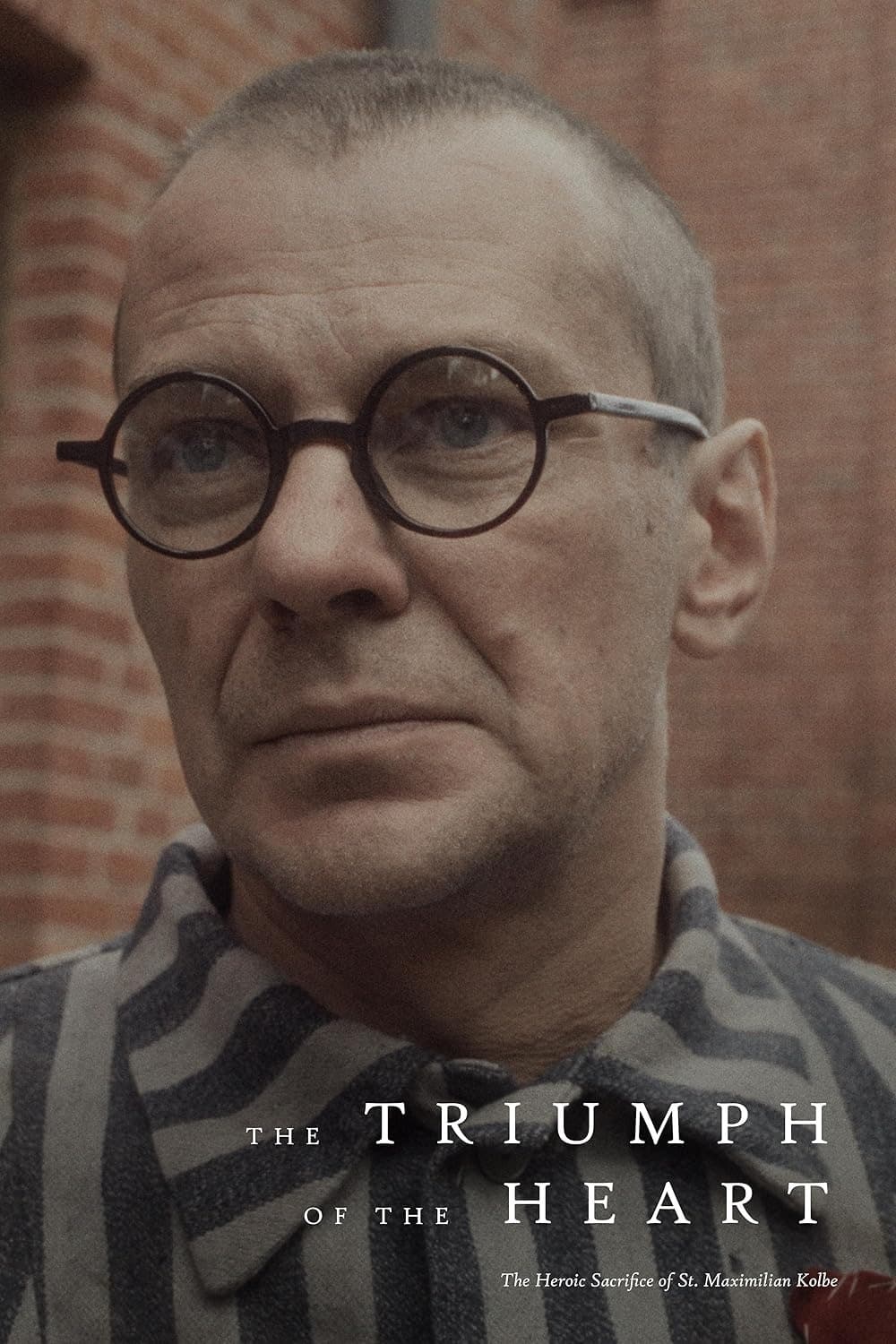
The extraordinary true story of St. Maximilian Kolbe, a Polish Catholic priest who volunteered to die in place of another man in Auschwitz during World War II.
A documentary about the daily lives, hopes, aspirations and demands of though living in the Sahrawi refugee camps of Dajla.
This documentary illustrates the story of Gdeim Izik through the voices of the Sahrawis themselves, giving personal accounts of how the camp was dismantled, what happened in the following weeks, and what it meant for them, as a people and as a nation. Our aim is to shed light on what really happened in Gdeim Izik during the autumn of 2010. The documentary is homage to the courage and strength of the Sahrawi people in their historic and unprecedented action, and it seeks recognition of their role in setting off the revolutions in the Arab world. Its aim is also to report and denounce the hypocritical role of foreign governments, the Moroccan government’s concealment of facts, and the way the Spanish government has been complicit in the situation through its policy of non-intervention in a conflict in which it is unavoidably involved.
Mektub portrays a day in the life in the Sahrawi refugee camps, along with the declarations of some of its protagonists. But behind this seemingly calm life hides a common fight, which is to continue fighting and protesting to accomplish the single common goal that all Sahrawis have as a nation: to take back the occupied land, rebuild their country, and reunite with their families.
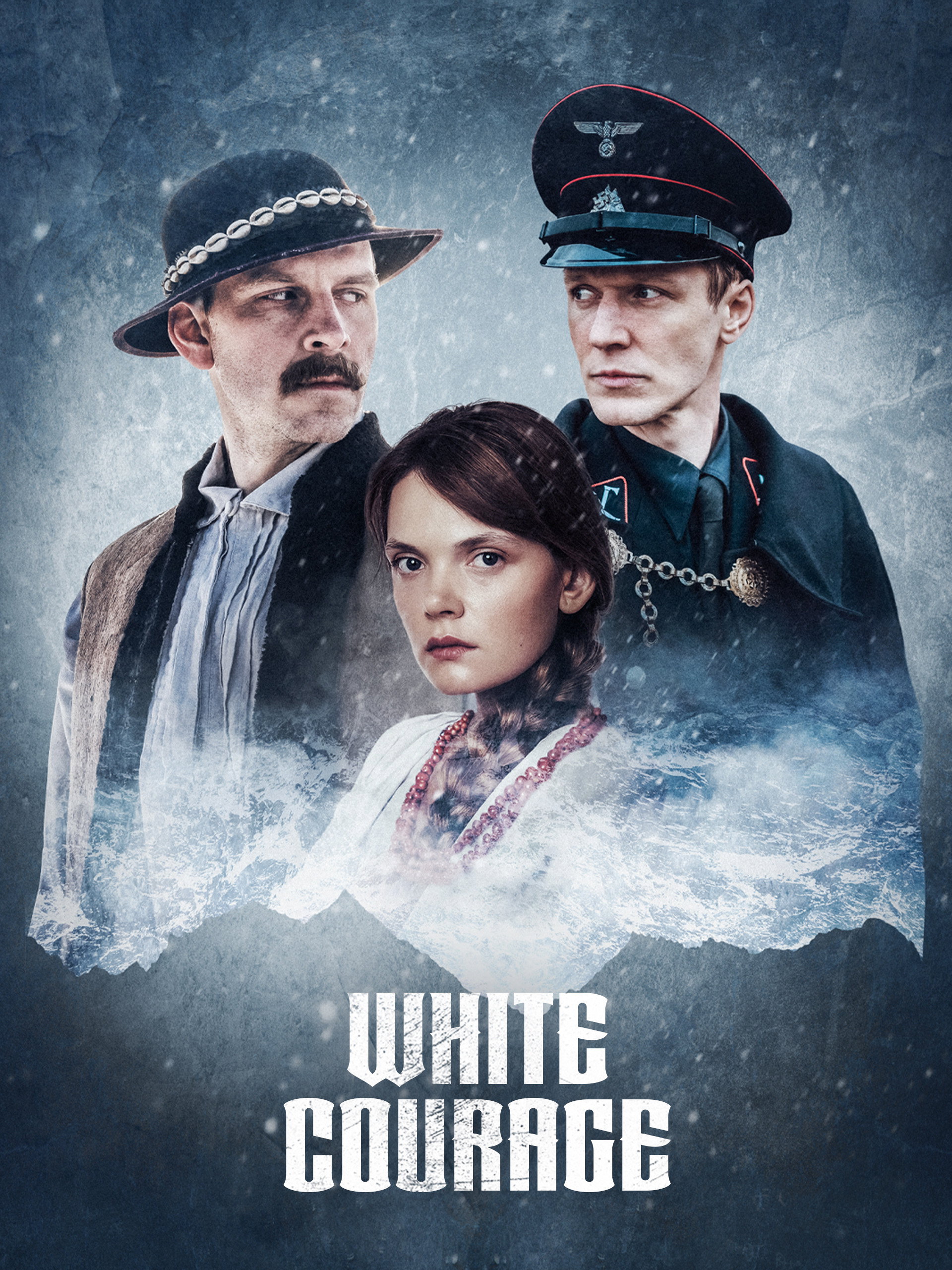
The film tells the story of two Highlander brothers – Maciek and Andrzej. After the death of their father, which Andrzej contributed to, and the loss of his beloved Bronka, Andrzej leaves the family home. On his way, he meets the mysterious Wolfram, an anthropologist and climber. He shares with him his mountaineering technique and knowledge about the Prague origins of the highlanders. Andrzej returns to Zakopane, war breaks out. To protect the Highlanders from wartime destruction, he wants to persuade them to cooperate with the Germans. Andrzej and Maciek are standing on opposite sides of the barricade. The brothers' confrontation is bloody and painful.
The story follows the Kosovar partisan hero known as Lisi (Oak), from WWII days, subsequent liberation, until mid-1960s. Lisi was a brave warrior, yet he and his generation remains largely uneducated. However his nephew starts as a courier, and becomes doctor afterwards.
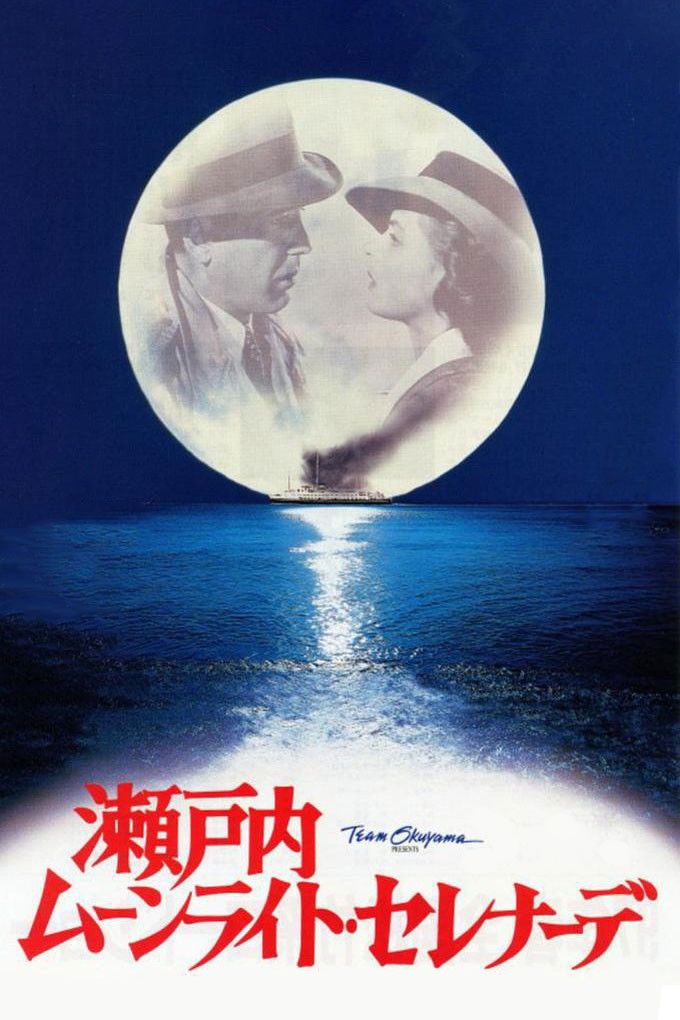
A journalist reporting on the 1997 Kobe earthquake recalls a boat trip he took as a boy after WWII to bury his brother's ashes, during which his family grapples with life in occupied Japan.
Mohamed lives in Nouadhibou, in Mauritania. But he can always see the ghost of his former town in front of his eyes. Aalien, the postman, fled to refugee camps in Tindouf, Algeria. But he's still thinking about the houses and the streets where he used to deliver letters. Zeinabu, in Tenerife, looks at the Ocean from her terrace. She looks in the direction of La Güera, her town that no longer exists. The stories of the inhabitants of a "ghost town", located on the border between Mauritania and the Sahrawi Arab Democratic Republic (Sadr). The destiny of a forgotten land hidden under the sand. "La Güera, my forgotten land" is a 29 minutes documentary, which tells the story of this city and, through it, the story of a whole people.
“The Soviet Story” is a story of an Allied power, which helped the Nazis to fight Jews and which slaughtered its own people on an industrial scale. Assisted by the West, this power triumphed on May 9th, 1945. Its crimes were made taboo, and the complete story of Europe’s most murderous regime has never been told. Until now...
Prelude to War was the first film of Frank Capra's Why We Fight propaganda film series, commissioned by the Pentagon and George C. Marshall. It was made to convince American troops of the necessity of combating the Axis Powers during World War II. This film examines the differences between democratic and fascist states.
This documentary movie is about the battle of San Pietro, a small village in Italy. Over 1,100 US soldiers were killed while trying to take this location, that blocked the way for the Allied forces from the Germans. Preserved by the Academy Film Archive in 2005.
A documentary about World War I with never-before-seen footage to commemorate the centennial of Armistice Day, and the end of the war.
Amid the failing counteroffensive, a journalist follows a Ukrainian platoon on their mission to traverse one mile of heavily fortified forest and liberate a strategic village from Russian occupation. But the farther they advance through their destroyed homeland, the more they realize that this war may never end.
Set both in Latin America and the United States, the film explores the historic and current relationship of Washington with countries such as Venezuela, Bolivia and Chile. Pilger says that the film "...tells a universal story... analysing and revealing, through vivid testimony, the story of great power behind its venerable myths. It allows us to understand the true nature of the so-called "war on terror". According to Pilger, the film’s message is that the greed and power of empire is not invincible and that people power is always the "seed beneath the snow".
"Trinity and Beyond" is an unsettling yet visually fascinating documentary presenting the history of nuclear weapons development and testing between 1945-1963. Narrated by William Shatner and featuring an original score performed by the Moscow Symphony Orchestra, this award-winning documentary reveals previously unreleased and classified government footage from several countries.
When Sgt. First Class Brian Eisch is critically wounded in Afghanistan, it sets him and his sons on a journey of love, loss, redemption and legacy.
Oliver Stone charts the history of the United States from the Second World War to the present.
WWII from Space delivers World War II in a way you've never experienced it before. This HISTORY special uses an all-seeing CGI eye that offers a satellite view of the conflict, allowing you to experience it in a way that puts key events and tipping points in a global perspective. By re-creating groundbreaking moments that could never have been captured on camera, and by illustrating the importance of simultaneity and the hidden effects of crucial incidents, HISTORY presents the war's monumental moments in a never-before-seen context. And with new information brought to the forefront, you'll better understand how a nation ranked 19th in the world's militaries in 1939 emerged six years later as the planet's only atomic superpower.
Director Claude Lanzmann spent 11 years on this sprawling documentary about the Holocaust, conducting his own interviews and refusing to use a single frame of archival footage. Dividing Holocaust witnesses into three categories – survivors, bystanders, and perpetrators – Lanzmann presents testimonies from survivors of the Chelmno concentration camp, an Auschwitz escapee, and witnesses of the Warsaw Ghetto Uprising, as well as a chilling report of gas chambers from an SS officer at Treblinka.
Meet the real-life airmen who inspired Masters of the Air as they share the harrowing and transformative events of the 100th Bomb Group.
Filmmaker Alain Resnais documents the atrocities behind the walls of Hitler's concentration camps.
The final entry in a trilogy of films produced for the U.S. government by John Huston. Some returning combat veterans suffer scars that are more psychological than physical. This film follows patients and staff during their treatment. It deals with what would now be called PTSD, but at the time was categorised as psychoneurosis or shell-shock. Government officials deemed this 1946 film counterproductive to postwar efforts; it was not shown publicly until 1981.
Experience the events of September 11, 2001 through the eyes of President Bush and his closest advisors as they personally detail the crucial hours and key decisions from that historic day.
The Japanese attack on Midway in June 1942, filmed as it happened. Preserved by the Academy Film Archive, in partnership with Twentieth Century Fox Film Corporation, in 2006.
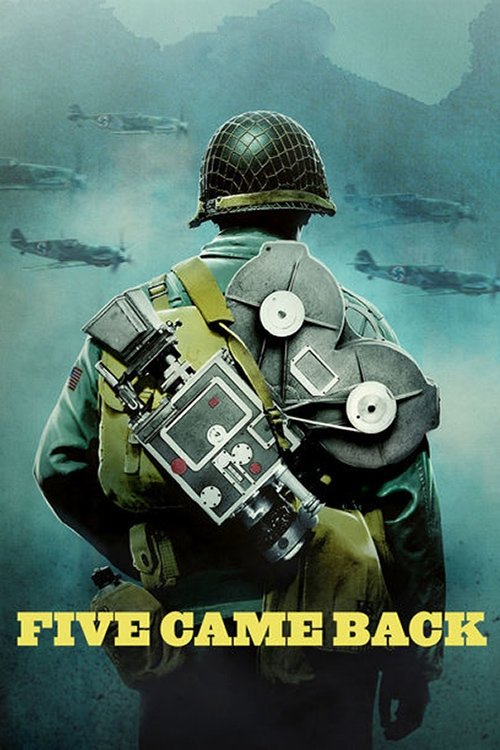
The extraordinary story of how Hollywood changed World War II – and how World War II changed Hollywood, through the interwoven experiences of five legendary filmmakers who went to war to serve their country and bring the truth to the American people: John Ford, William Wyler, John Huston, Frank Capra, and George Stevens. Based on Mark Harris’ best-selling book, “Five Came Back: A Story of Hollywood and the Second World War.”
The history of cinematic sound, told by legendary sound designers and visionary filmmakers.
Pete Postlethwaite stars as a man living alone in the devastated future world of 2055, looking at old footage from 2008 and asking: why didn’t we stop climate change when we had the chance?
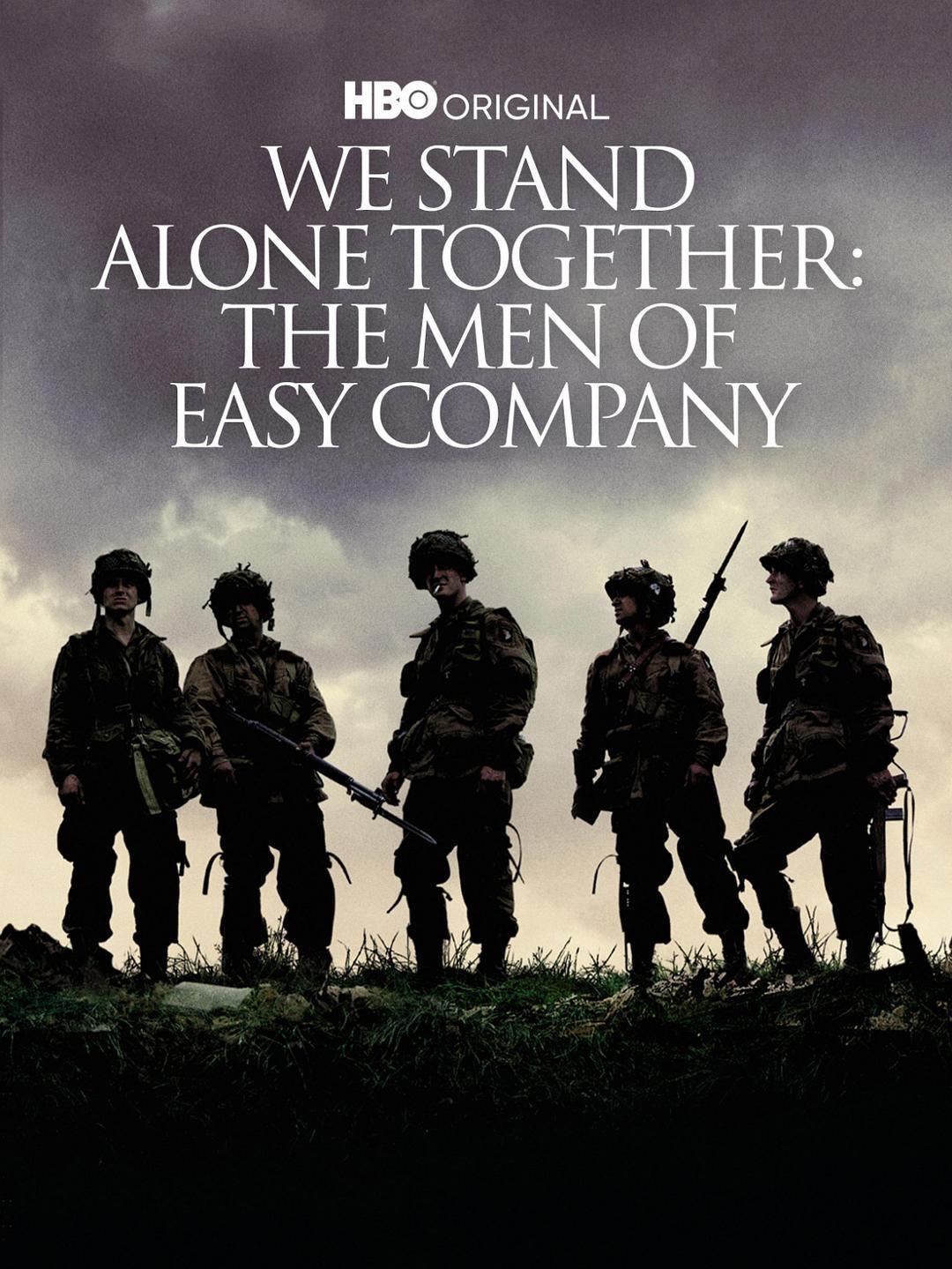
Over a period of two years, Mark Cowen and his crew travelled to thirty U.S. states and ten European cities, to interview the veterans of Easy Company. The stories told by the veterans themselves, create a history of the Second World War from the point of view of this heroic company of men, made famous in the mini-series Band of Brothers.