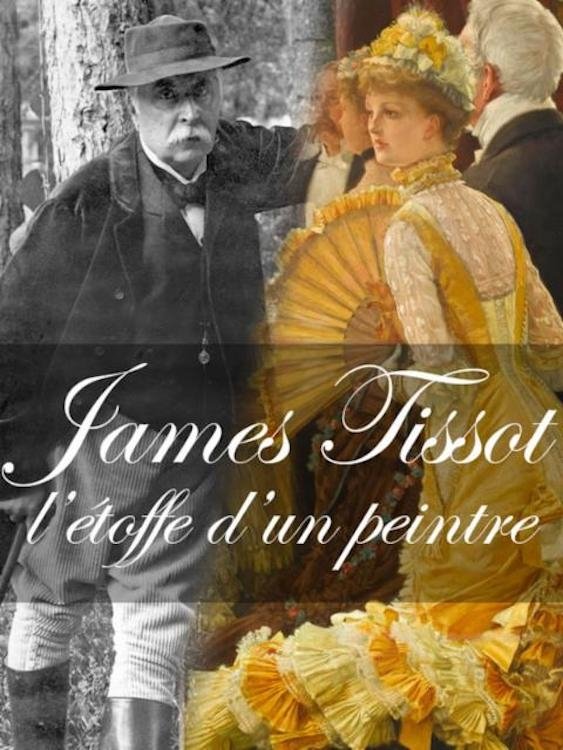
A movie about James Tissot (1836-1902), a French painter and portraitist
Social & External
The people behind it
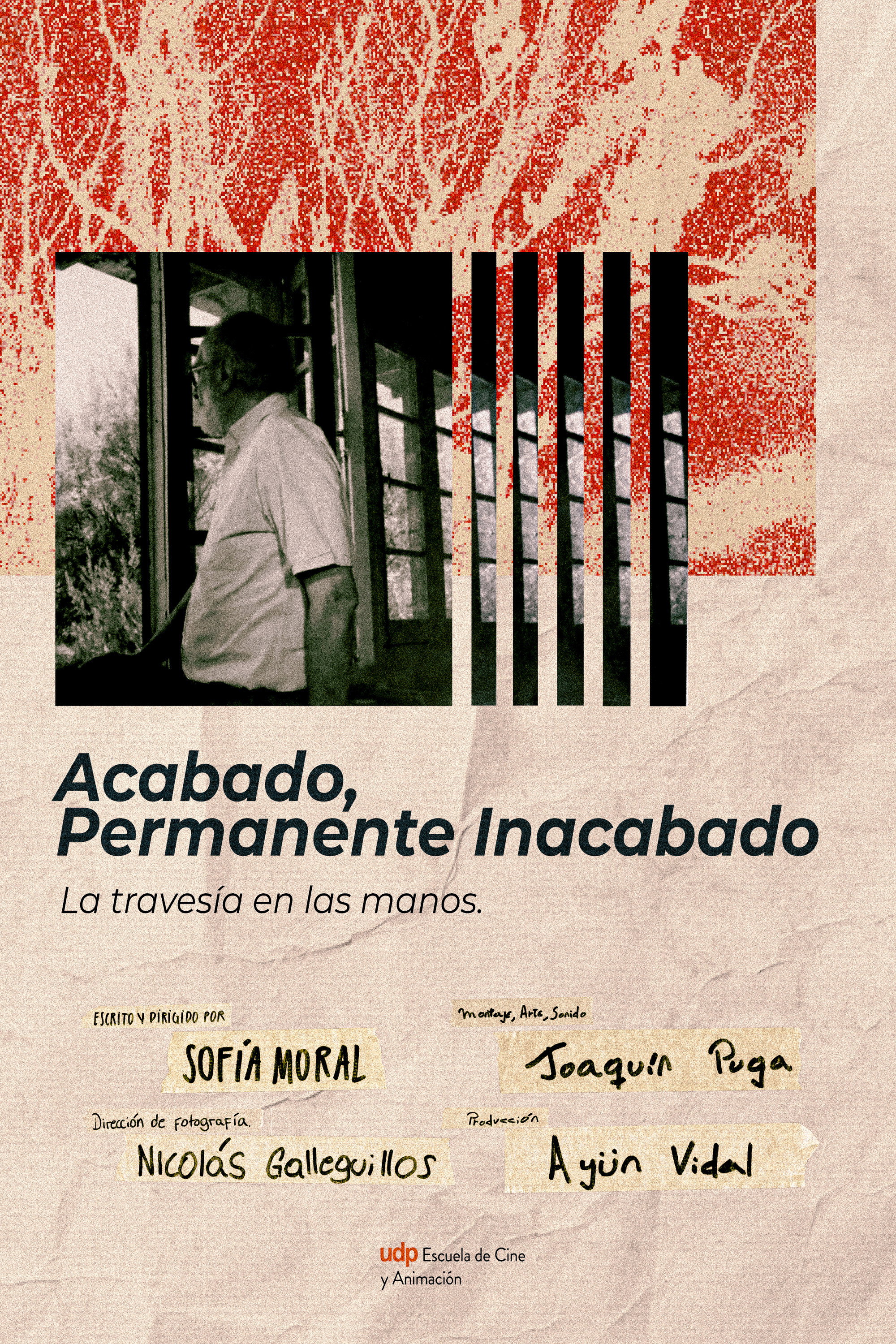
Between documentary images of a craftsman in his workshop and spaces threaded with loose strands, Acabado, Permanente Inacabado constructs a living journey that questions the illusion of a finished work, insisting on the possibility of returning, unraveling and allowing the act of creation to bloom.
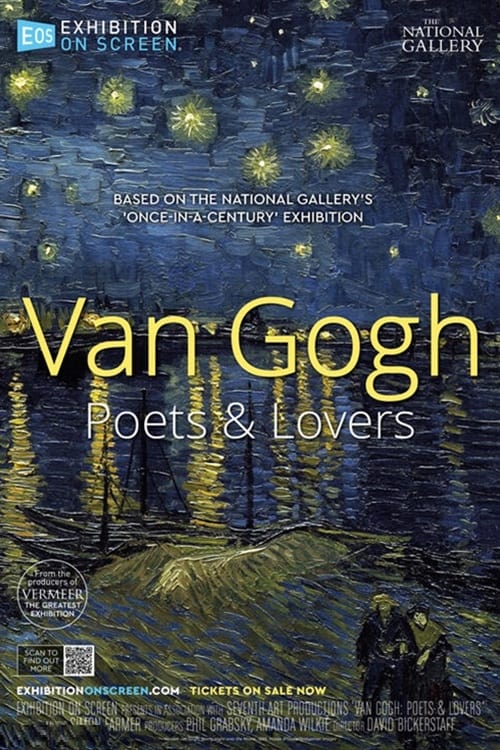
200 years after its opening and a century after acquiring its first Van Gogh works, the National Gallery is hosting the UK’s biggest ever Van Gogh exhibition. Van Gogh is not only one of the most beloved artists of all time, but perhaps the most misunderstood. This film is a chance to reexamine and better understand this iconic artist. Focusing on his unique creative process, Van Gogh: Poets & Lovers explores the artist’s years in the south of France, where he revolutionised his style. Van Gogh became consumed with a passion for storytelling in his art, turning the world around him into vibrant, idealised spaces and symbolic characters.
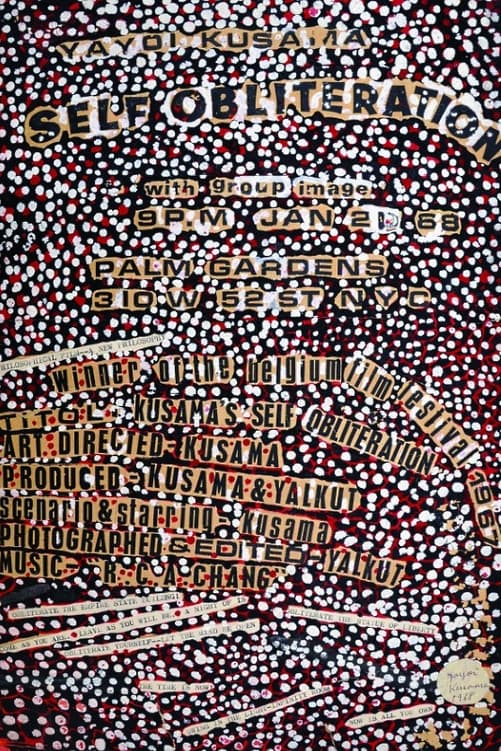
A film exploration of the work and aesthetic concepts of Yayoi Kusama, painter, sculptor, and environmentalist, conceived in terms of an intense emotional experience with metaphysical overtones, an extension of my ultimate interest in a total fusion of the arts in a spirit of mutual collaboration. —Jud Yalkut
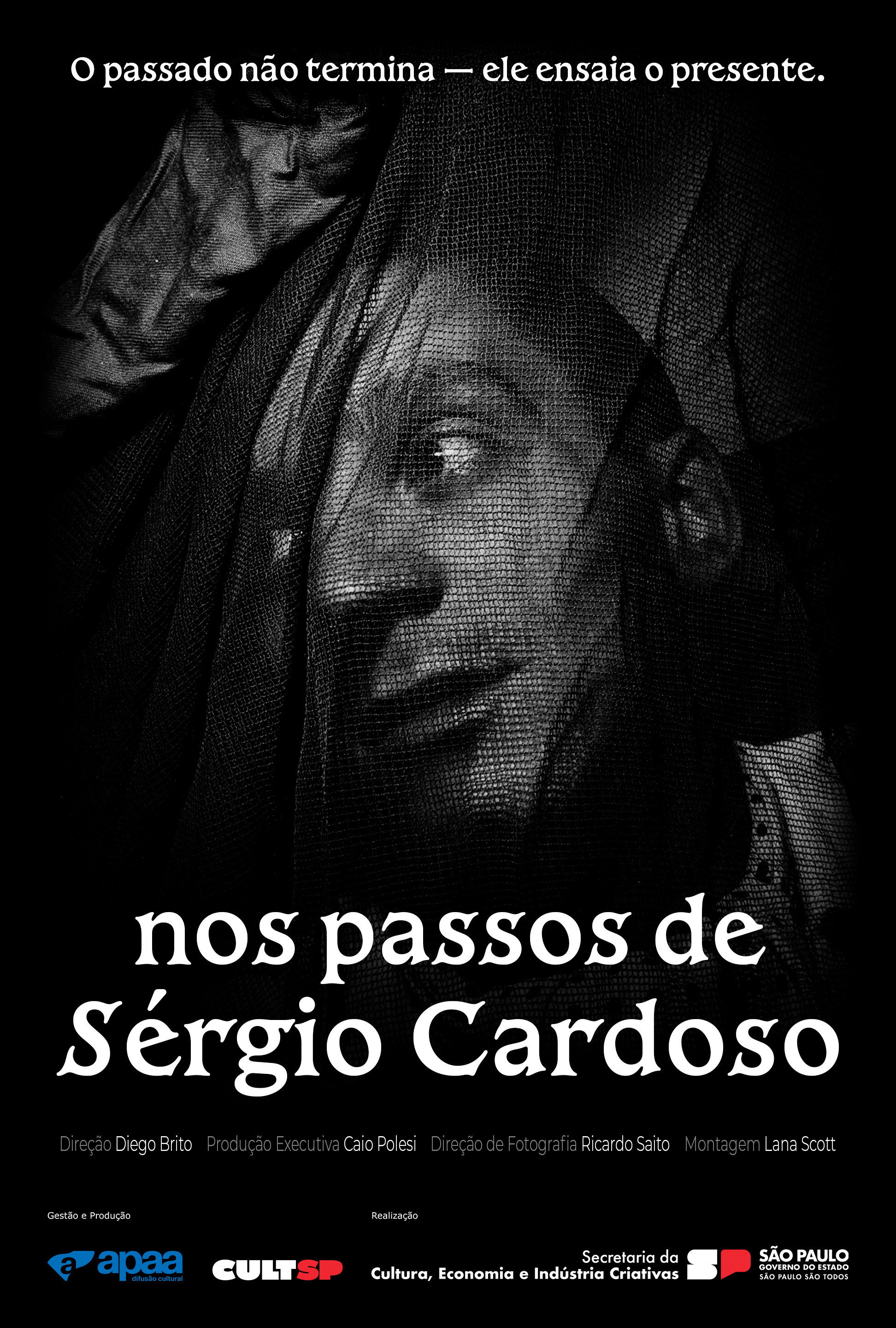
A century after his birth, Sérgio Cardoso — one of the greatest stars of Brazilian theater and television — still inhabits the country’s cultural imagination. A symbol of a generation that helped shape modern stage language in Brazil, his presence endures as an artistic, political, and emotional legacy. Through archives, memories, and the rehearsals of the play “Six Actors in Search of Sérgio Cardoso,” the documentary moves between past and present to explore not only the trajectory of a monumental actor, but also what remains of an artist when time transforms men into myth. As a new generation of performers attempts to rediscover his voice, rigor, and restless spirit, the film reveals how Sérgio Cardoso continues to resonate within contemporary theater — as a ghost, an inspiration, and a founding force of a stage tradition still trying to understand itself.
A documentary diptych made during my internship at Secant Space in Istanbul: the first part focuses on Eléonore Varone, curator and director of Secant Space, and the second on the space itself. Though the two parts differ narratively, the diptych explores shared themes of independence, networks, and the sense of value within the market.
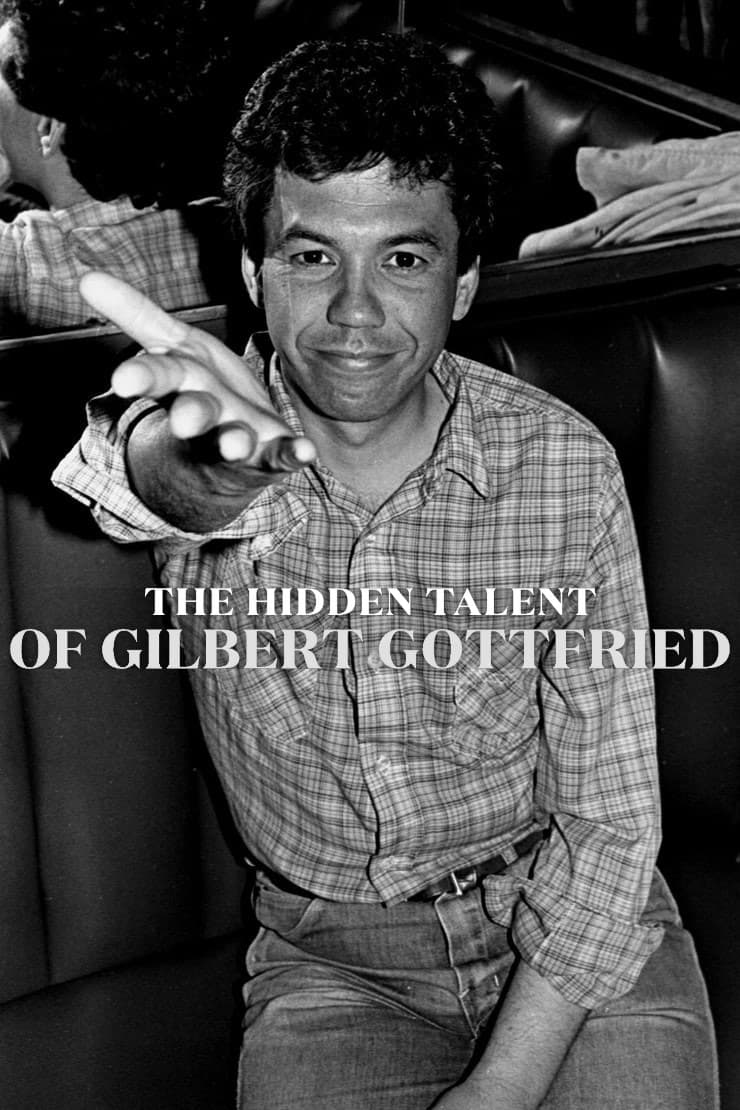
Gilbert Gottfried was world famous for his comedy, but most people didn't realize that he was also a very talent visual artist! Inspired by his passing in 2022, his daughter, Lily Gottfried, made a documentary short about her father's hidden talent.
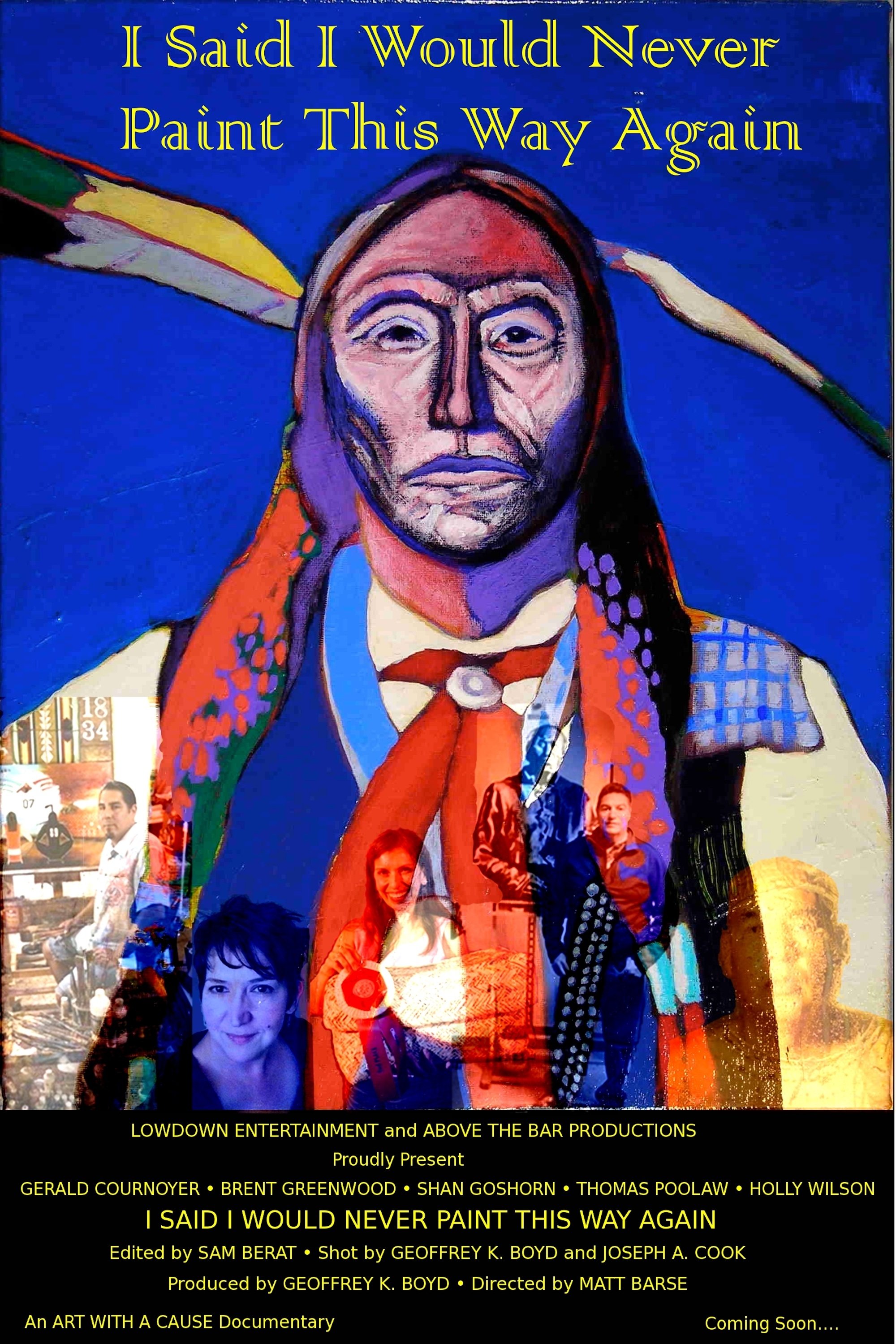
A documentary that tells the story of five American Indian artists, the Urban Indian 5 (UI5), and their unique partnership.
Many twentieth century European artists, such as Paul Gauguin or Pablo Picasso, were influenced by art brought to Europe from African and Asian colonies. How to frame these Modernist works today when the idea of the primitive in art is problematic?
Research and dissemination documentary-film about contemporary art in which more than 30 staff members of museums and galleries, visual and sound artists, collectors, art critics and curators share their knowledge and give an account of their experiences and anecdotes.
A cinematic approach to the reclusive painter Joe Hackbarth, who became known as a jazz musician in the 1950s.
A look at the Sun, the star that revolves at the center of the Solar System, and its representation in art throughout history.
Three life models pose naked for an artist. They are Kate Dunne, Dylan Jon Matthews, and Izabella Linuza. We see them pose naked as the artist draws and paints them. They tell us about how they got into life modeling, what it feels like to stand naked in front of strangers, body image, and sexual issues. We explore the ancient and mysterious relationship between the artist and the life model. At the end, Dylan draws Kate and Izabella naked. Then Kate and Izabella draw Dylan naked. We demonstrate the similarities and differences between the male gaze and the female gaze.
The artistic treasures of the National Gallery of Art are beautifully explored.This video is ideal for anyone who desires a lasting portrayal of this glorious art museum.
In the 17th century, advances in the natural sciences and the invention of the telescope led Dutch women painters to closely study nature and include reptiles and insects in their art. Women such as Maria Sibylla Merian, Alida Withoos and Maria Moninckx advanced botany and zoology with their highly detailed paintings. Almost forgotten, now their works hang in many important museums around the world.
A documentary on the making of the three Godfather films, with interviews and recollections from the film makers and cast. This feature also includes the original screen tests of some of the actors for "The Godfather" film, and some candid moments on the set of "The Godfather: Part III."
Journey into the extraordinary world of "The Witcher" — from casting the roles to Jaskier's catchy song — in this behind-the-scenes look at the series.
In 1997, Louis Theroux made a documentary about the world of male porn performers in Los Angeles. 15 years later, he returns to find a business struggling with the deluge of free porn on the internet. Louis revisits some of the original programme's contributors as well as meeting the latest crop of porn performers dreaming of porn stardom.
In an intimate and joyful story of love in the face of loss, celebrated poets Andrea Gibson and Megan Falley find strength—and unexpected hilarity—in what might be their final year together.
On September 15, 1963, a bomb destroyed a black church in Birmingham, Alabama, killing four young girls who were there for Sunday school. It was a crime that shocked the nation--and a defining moment in the history of the civil-rights movement. Spike Lee re-examines the full story of the bombing, including a revealing interview with former Alabama Governor George Wallace.
Director Michael Apted revisits the same group of British-born adults after a 7 year wait. The subjects are interviewed as to the changes that have occurred in their lives during the last seven years.
Artists in LA discover the work of forgotten Polish sculptor Stanislav Szukalski, a mad genius whose true story unfolds chapter by astounding chapter.
This revealing documentary honors the legendary Sidney Poitier—iconic actor, filmmaker, and civil rights activist. Featuring interviews with Denzel Washington, Spike Lee, Halle Berry, and more.
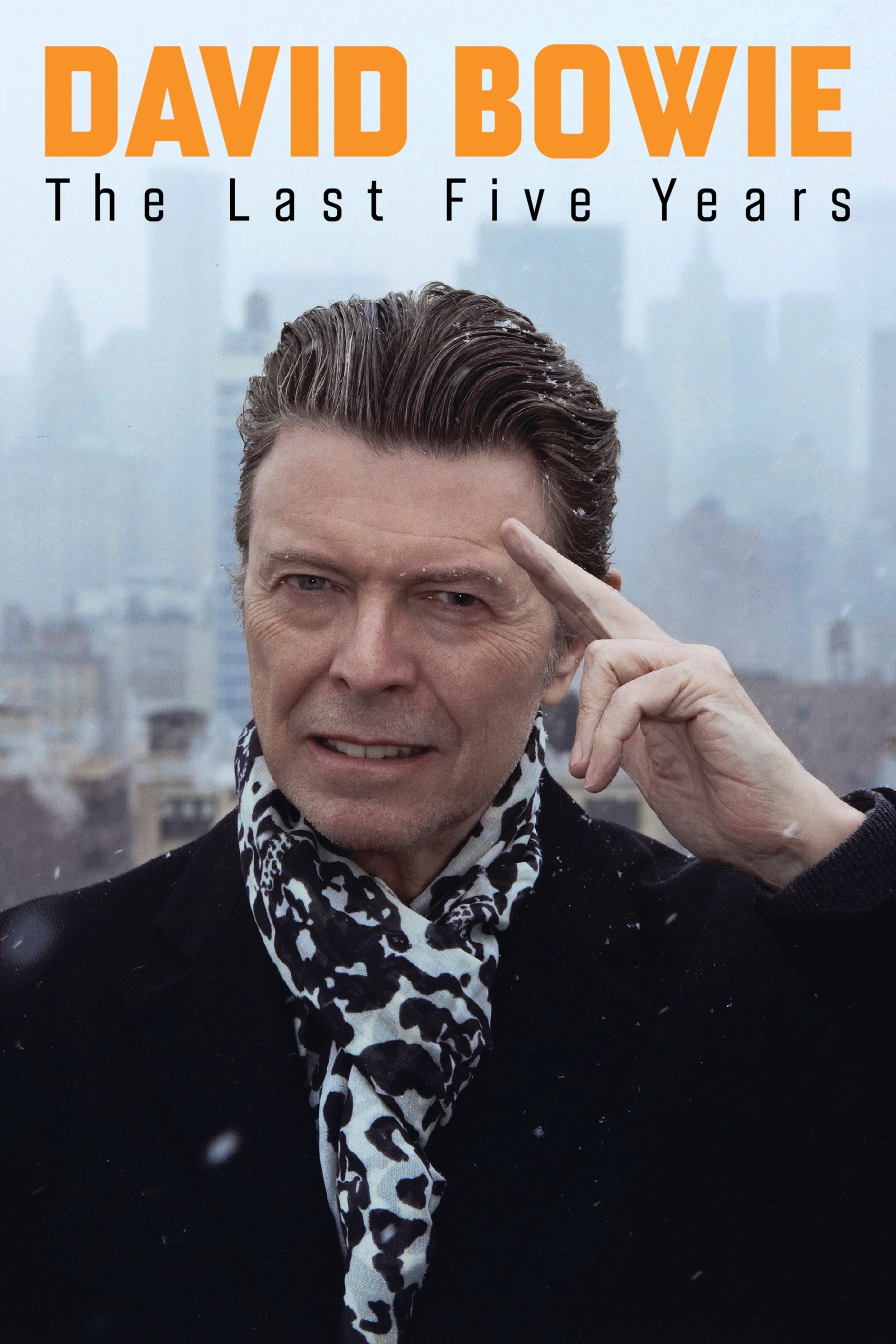
In the last five years of his life, David Bowie ended nearly a decade of silence to engage in an extraordinary burst of activity, producing two groundbreaking albums and a musical. David Bowie: The Last Five Years explores this unexpected end to a remarkable career. Made with remarkable access, Francis Whately’s documentary is a revelatory follow-up to his acclaimed 2013 documentary David Bowie: Five Years, which chronicled Bowie’s golden ‘70s and early-‘80s period.
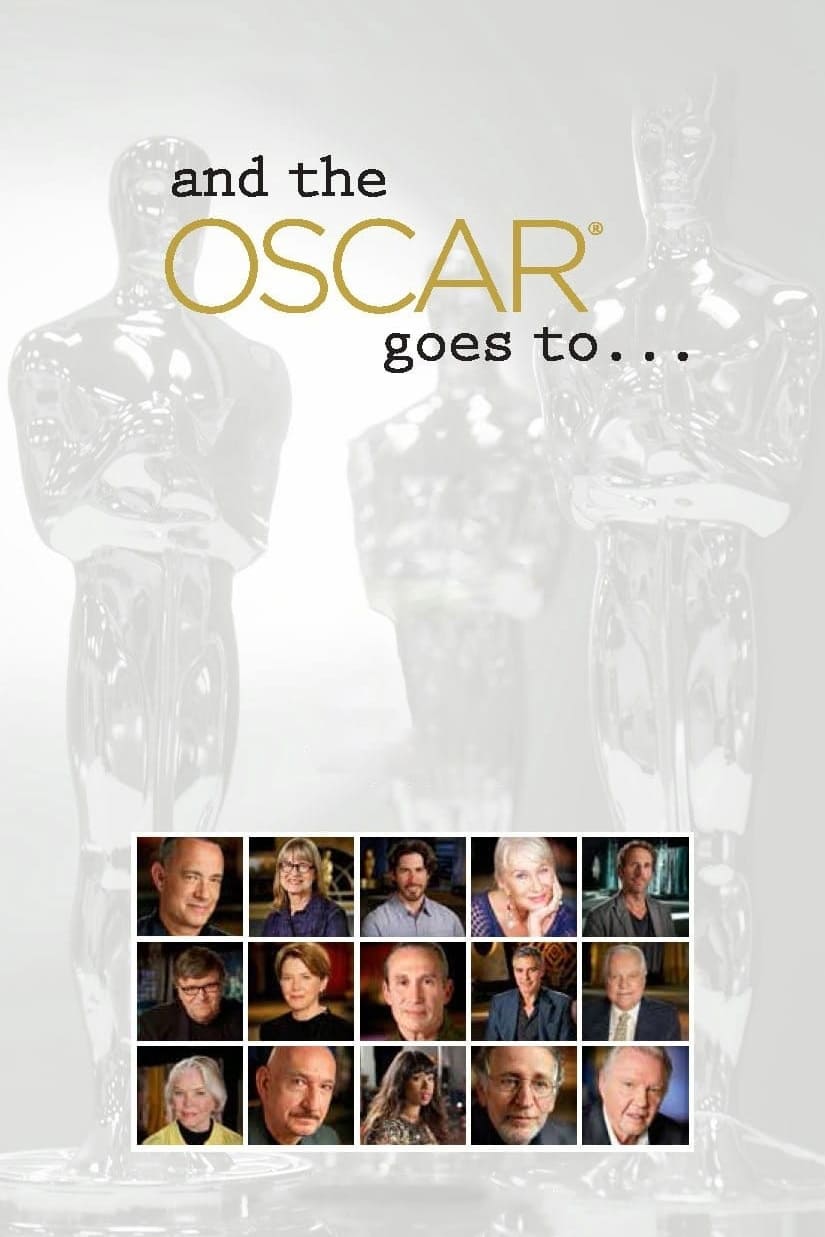
The story of the gold-plated statuette that became the film industry's most coveted prize, AND THE OSCAR GOES TO... traces the history of the Academy itself, which began in 1927 when Louis B. Mayer, then head of MGM, led other prominent members of the industry in forming this professional honorary organization. Two years later the Academy began bestowing awards, which were nicknamed "Oscar," and quickly came to represent the pinnacle of cinematic achievement.
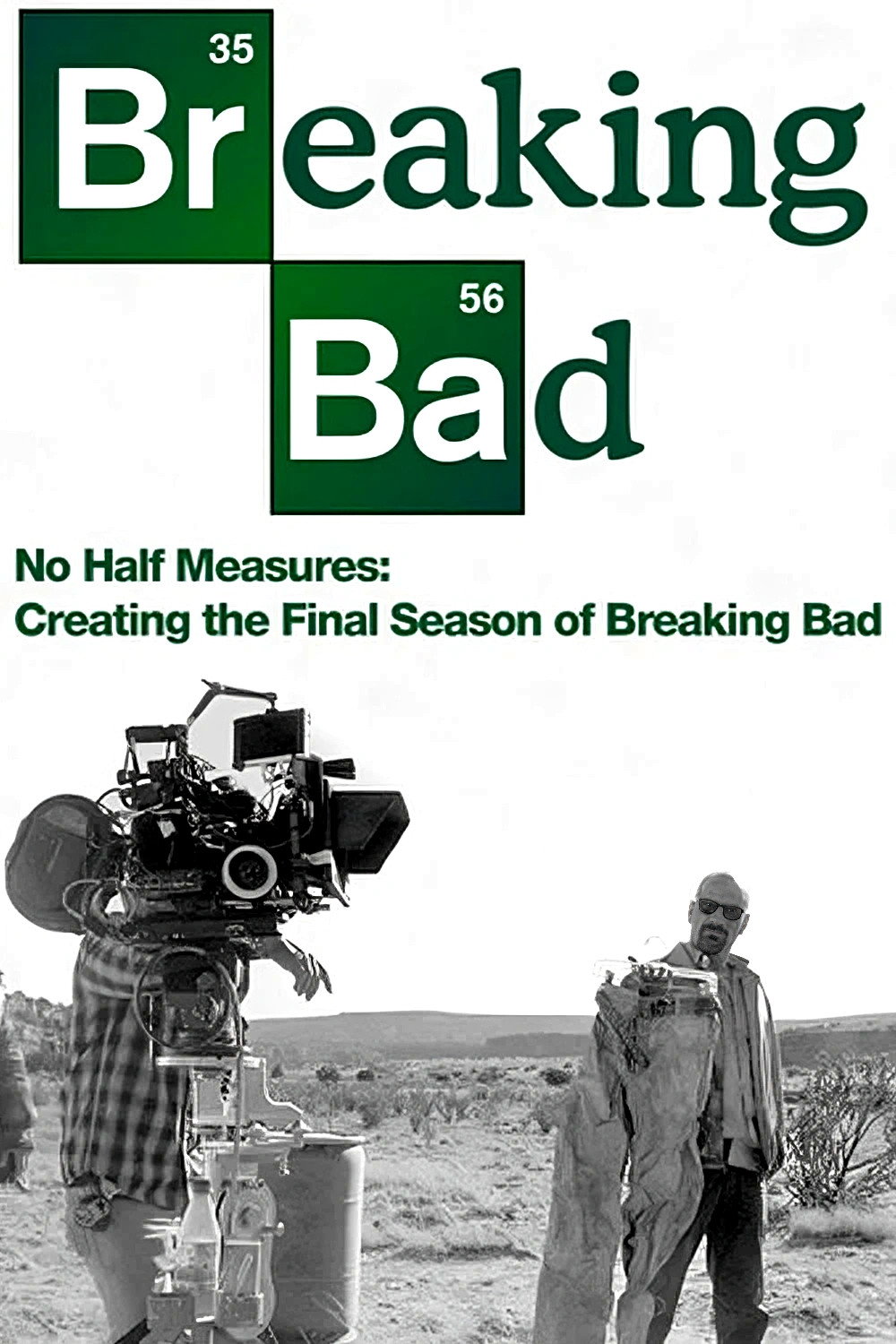
A documentary about the making of season five of the acclaimed AMC series Breaking Bad.
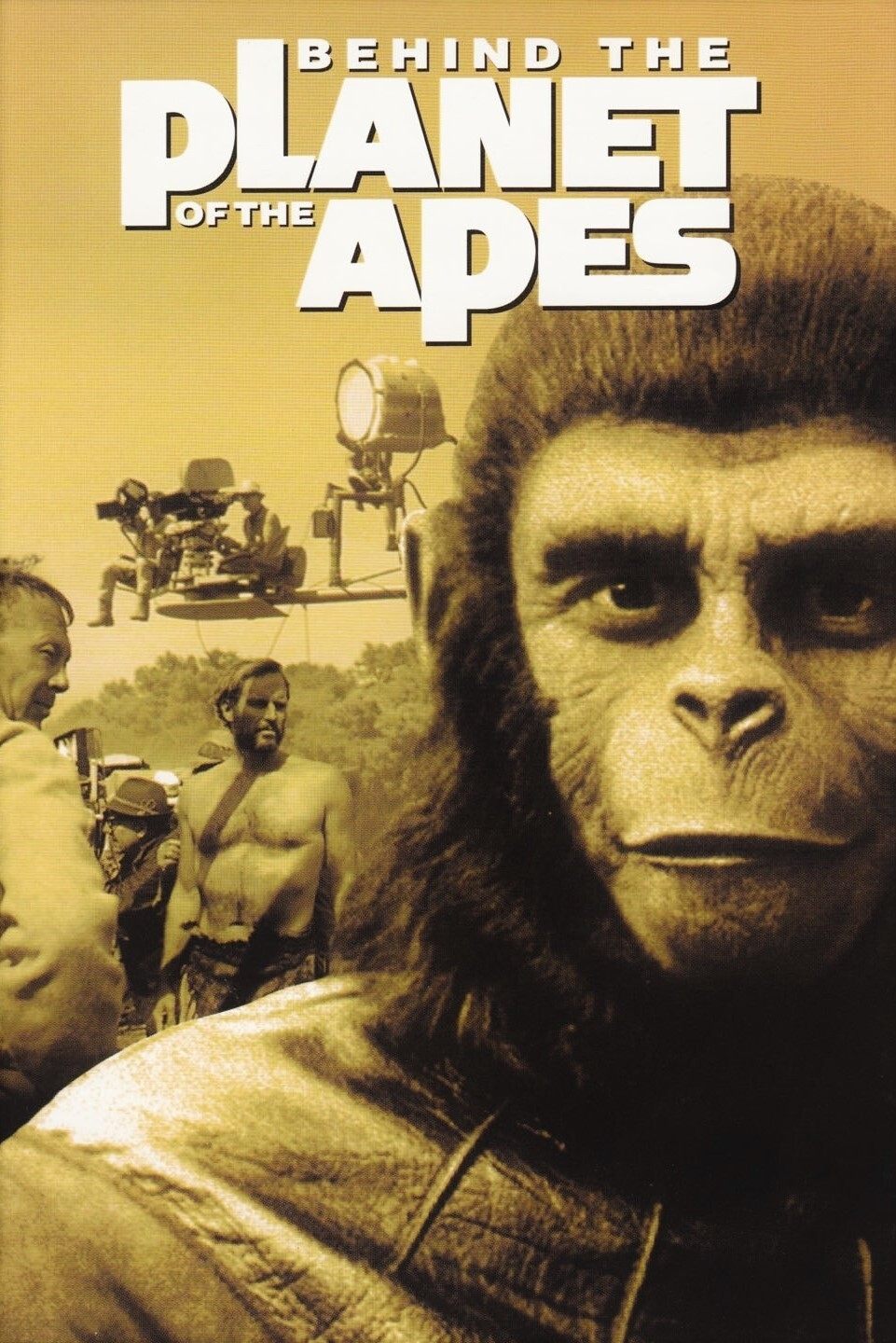
Roddy McDowall takes you, film by film, from production meetings to make-up sessions, then right onto the movie set to see the actual filming of the science fiction masterpiece. The most comprehensive history of Planet of the Apes ever created, this fascinating 127-minute documentary explores one of the most imaginative and influential series in movie history.
The history of cinematic sound, told by legendary sound designers and visionary filmmakers.
The life and career of an actor, artist, and icon. His own journey through his own camera.
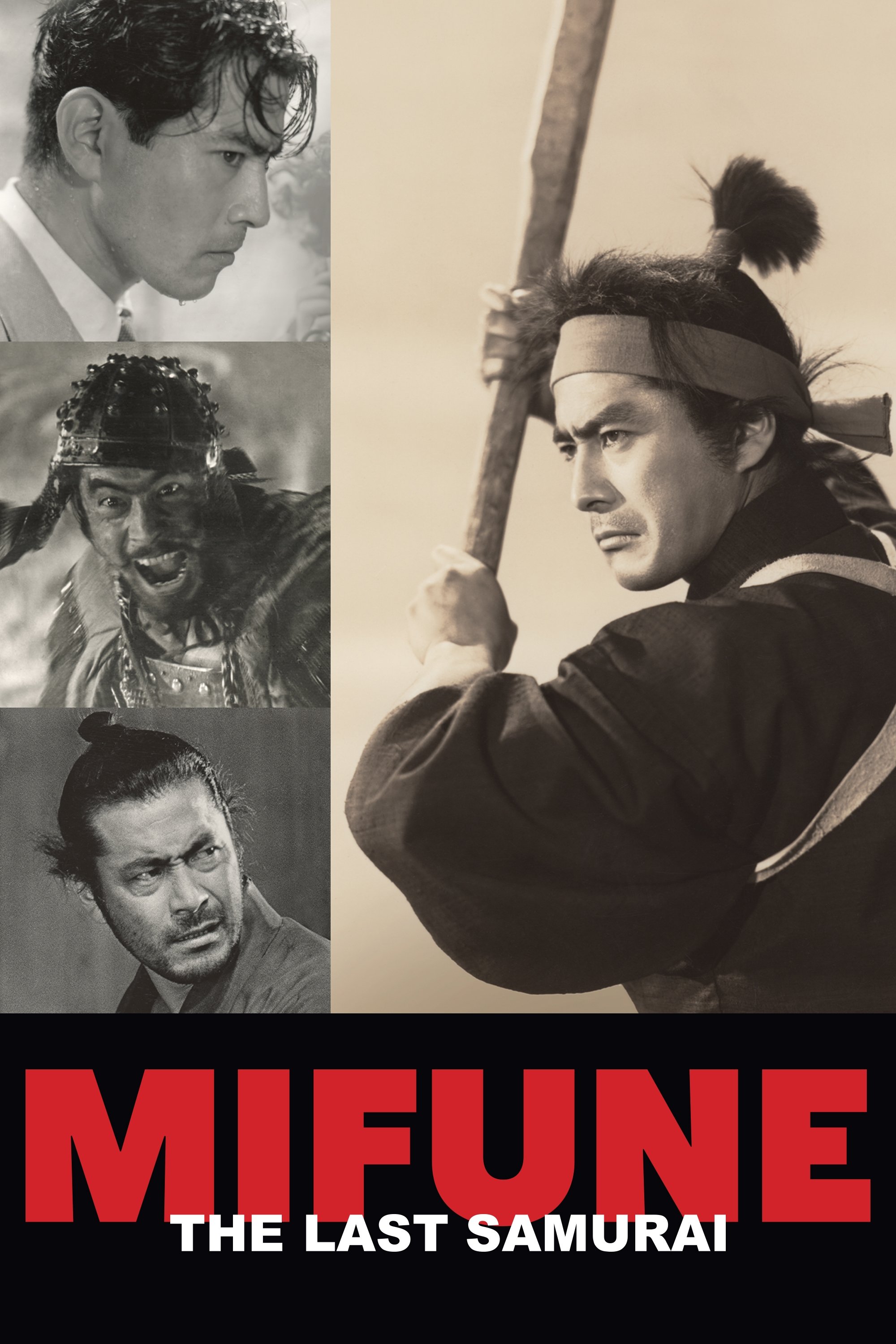
An account of the life and work of legendary Japanese actor Toshirō Mifune (1920-97), the most prominent actor of the Golden Age of Japanese cinema.
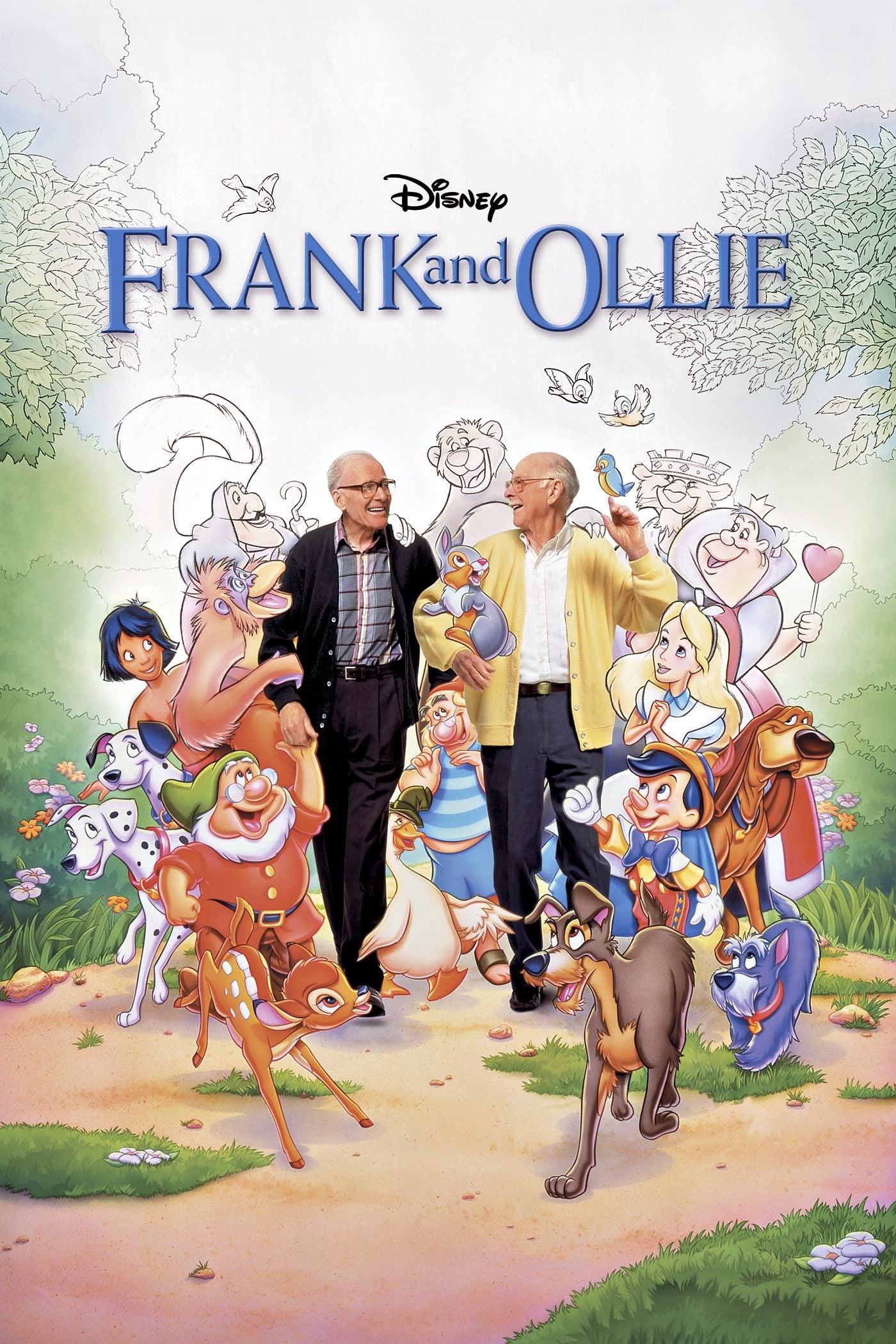
Before computer graphics, special effects wizardry, and out-of-this world technology, the magic of animation flowed from the pencils of two of the greatest animators The Walt Disney Company ever produced -- Frank Thomas and Ollie Johnston. Frank and Ollie, the talent behind BAMBI, PINOCCHIO, LADY AND THE TRAMP, THE JUNGLE BOOK, and others, set the standard for such modern-day hits as THE LION KING. It was their creative genius that helped make Disney synonymous with brilliant animation, magnificent music, and emotional storytelling. Take a journey with these extraordinary artists as they share secrets, insights, and the inspiration behind some of the greatest animated movies the world has ever known!
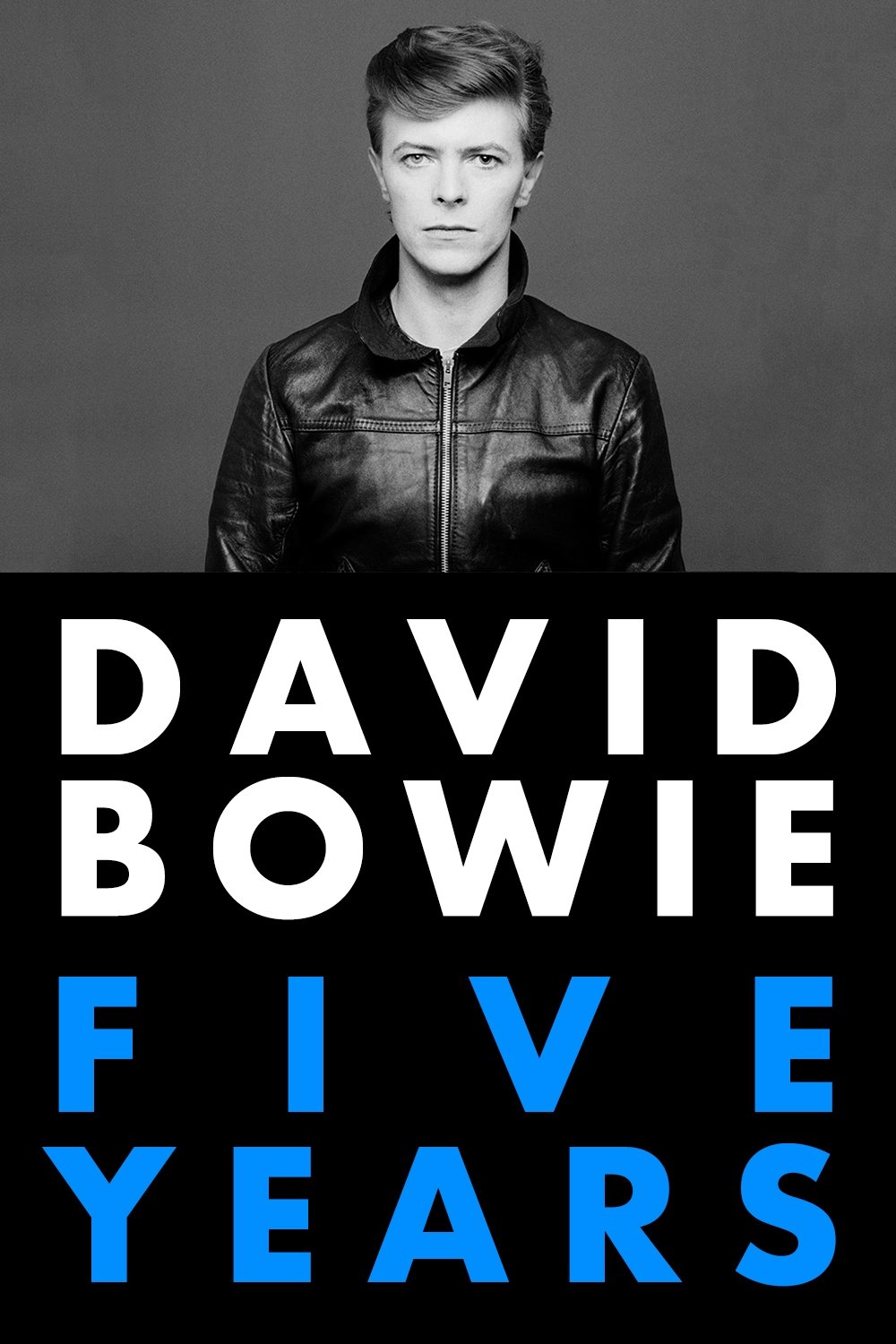
Featuring a wealth of previously unseen archive, this film looks at how Bowie continually evolved: from Ziggy Stardust to the Soul Star of Young Americans, to the ‘Thin White Duke’. It explores his regeneration in Berlin with the critically acclaimed album Heroes, his triumph with Scary Monsters and his global success with Let’s Dance. With interviews with all his closest collaborators, David Bowie - Five Years presents a unique account of why Bowie has become an ‘icon of our times’.
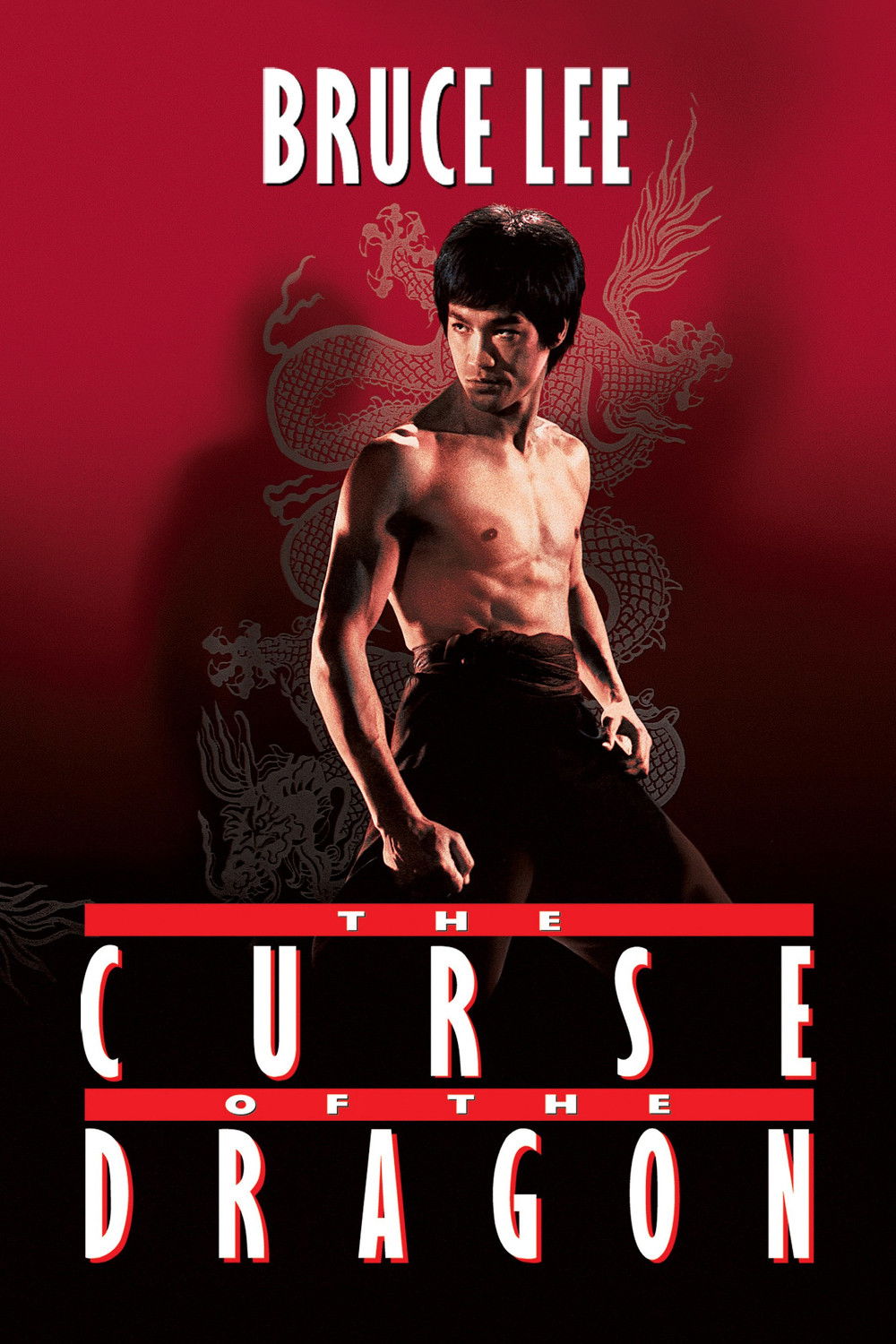
A 1993 documentary film about Bruce Lee. The film includes interviews from some of his fellow students and opponents who worked alongside him in his movies.
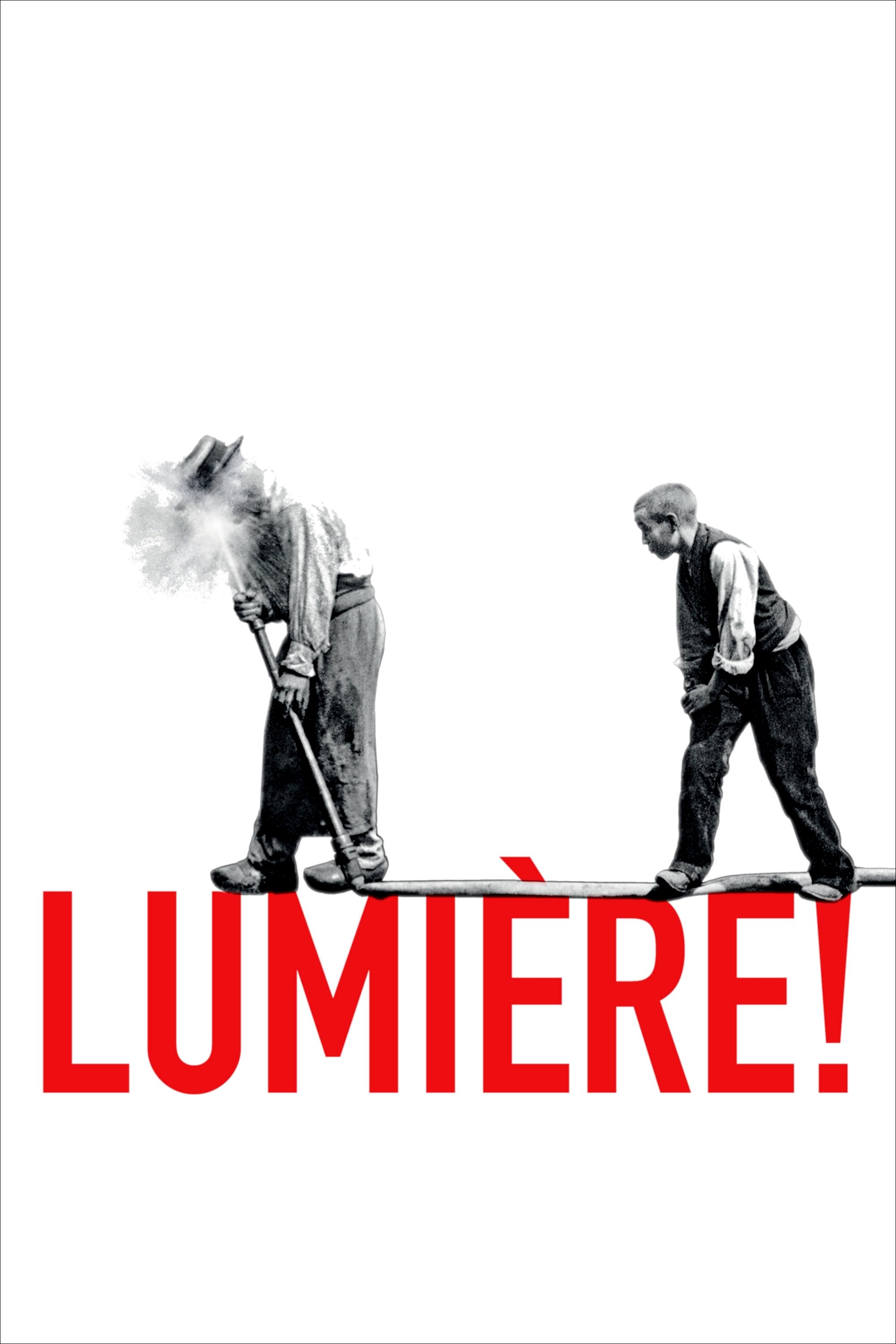
A collection of restored prints from the Lumière Brothers.
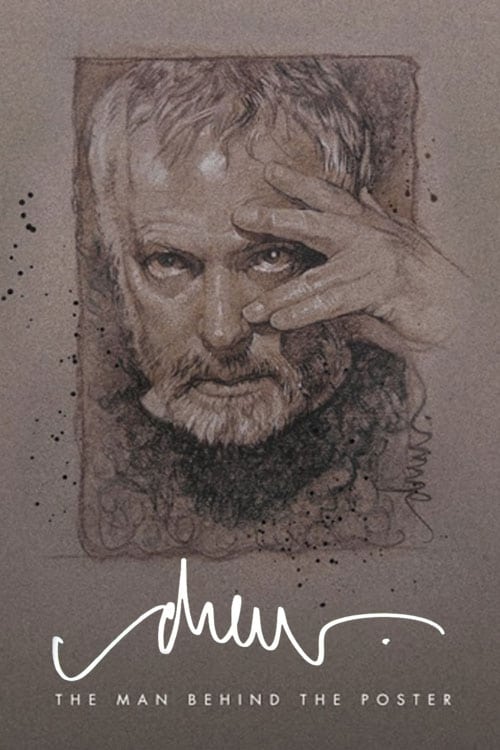
A documentary on legendary movie-poster artist Drew Struzan.