
Social & External
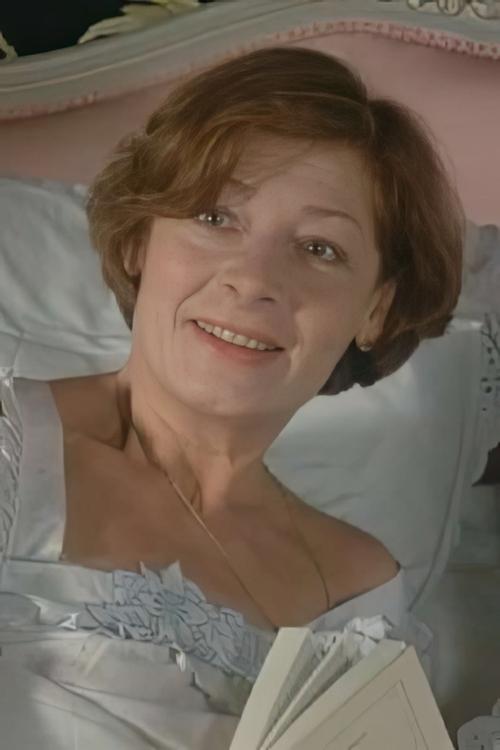
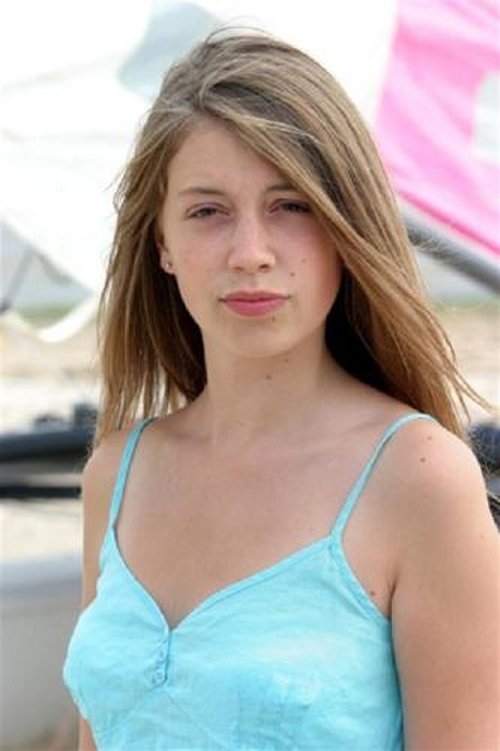
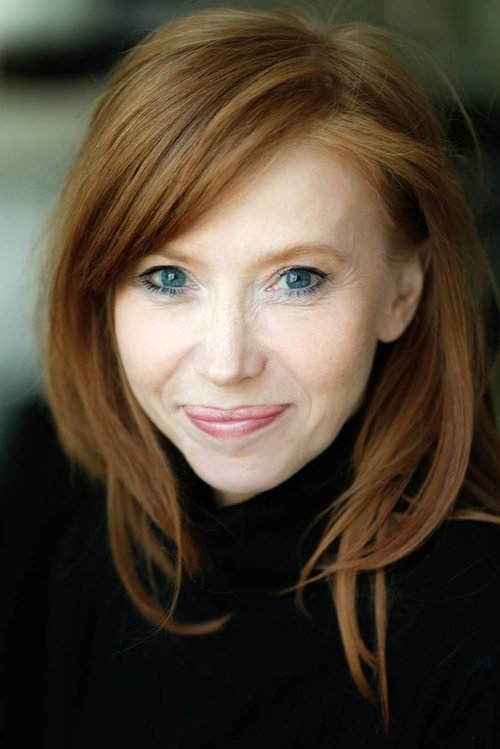
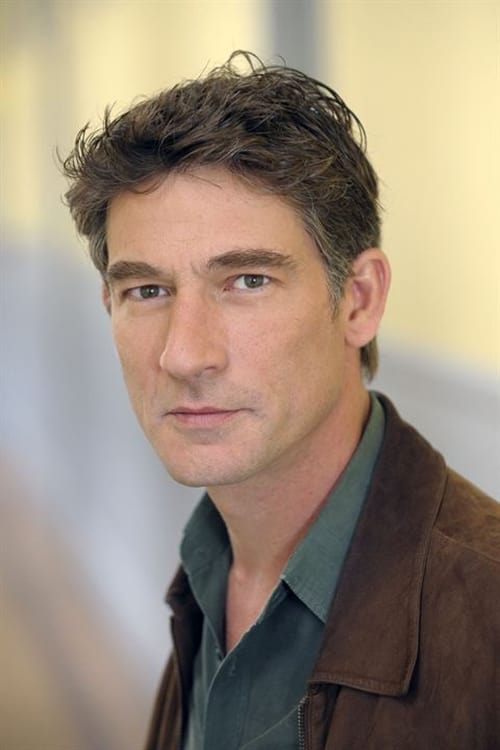
Laurence Dorlaville
Stéphane Delage
Ganasse
Duchêne
David
Betty
Lou
Claire
Gérard Lecas
Victor Blanc
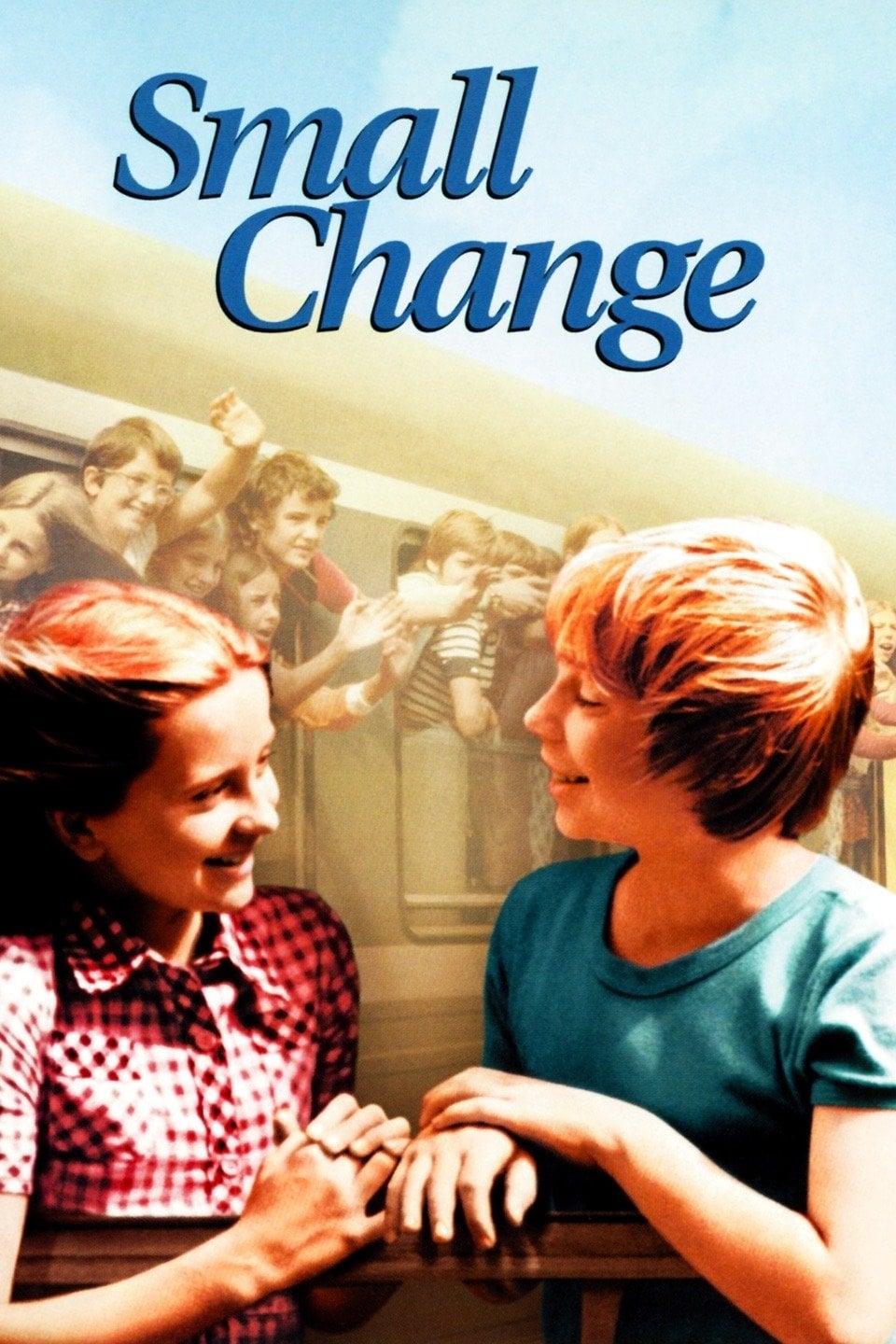
The lives of a motherless young man, who's just starting to find interest in women, and his physically abused, poverty stricken friend, are mixed with more or less innocent childhood experiences and challenges most their age experience.
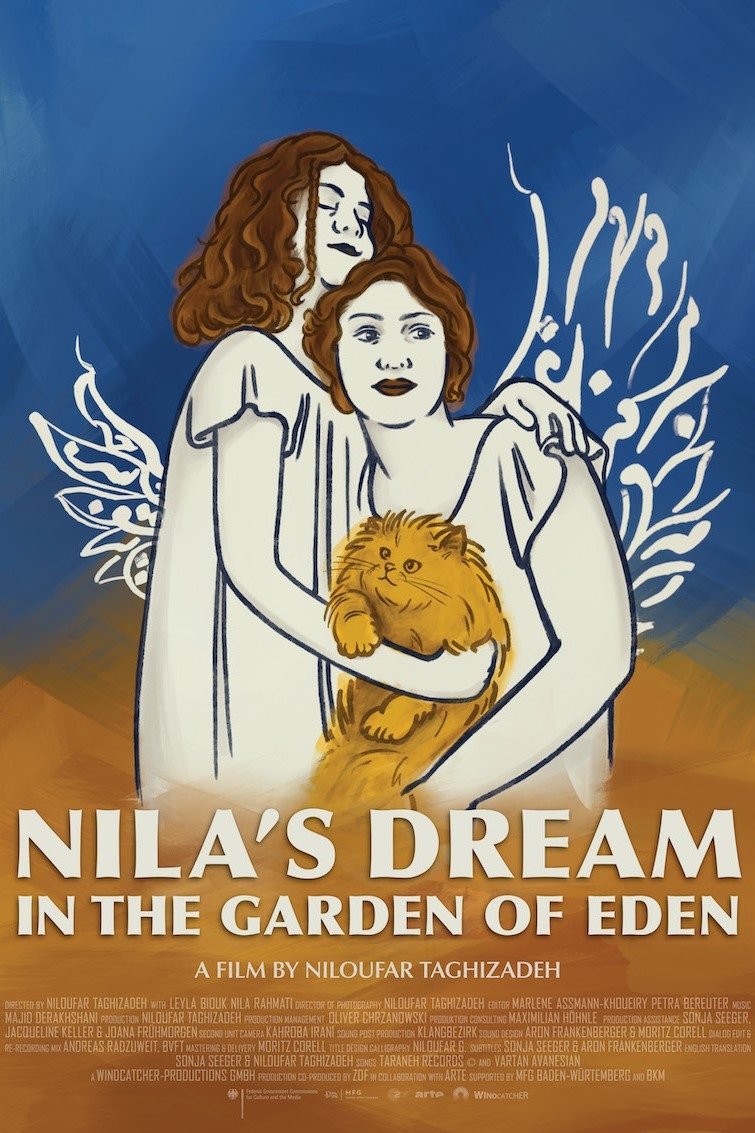
Leyla and her six-year-old daughter Nila live in the holy city of Mashhad in Iran. Nila is the result of a temporary marriage, which allows a man to marry a woman even if he is already married. Children born from such a relationship are legally non-existent. As long as the father does not recognize the child, no birth certificate can be issued and Nila cannot attend school. The documentary depicts Leyla's tireless efforts to clarify Nila's legal status in order to offer her a perspective for her future. In a never-ending bureaucratic battle, Leyla fights not only against the legal system, but also against a judgmental society.
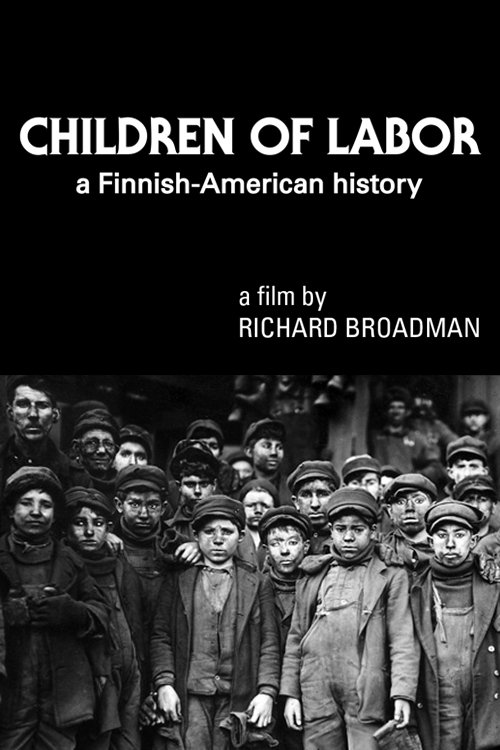
How Finnish immigrants came into contact — and conflict — with industrial America. Three generations of Finnish-Americans recount how they coped with harsh realities by creating their own institutions: churches, temperance halls, socialist halls, and cooperatives.
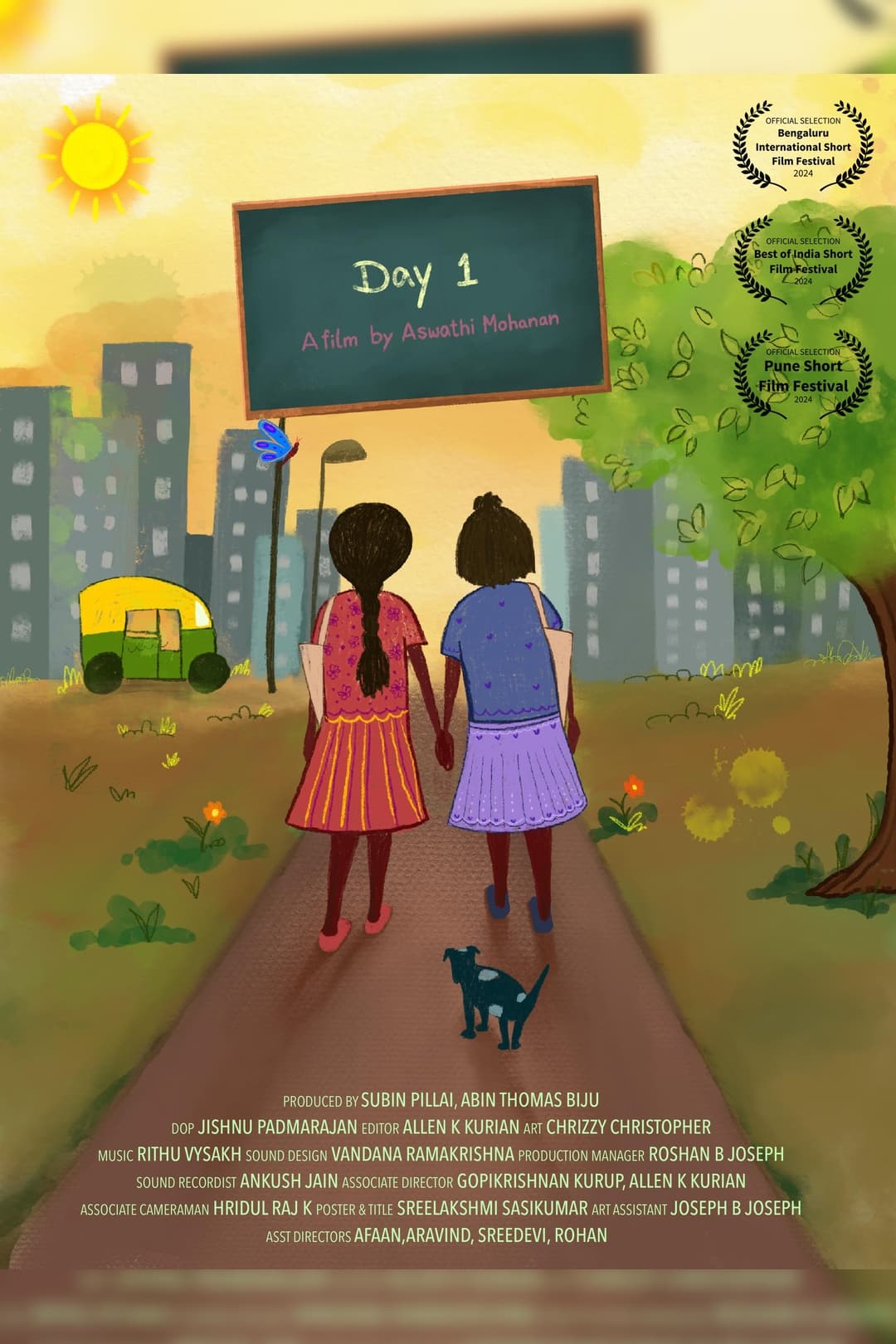
In the big city of Bengaluru, schools are reopening after 2 years of virtual classes due to COVID-19. A little girl named Sukhi is still asleep without a care in the world however her mother is insistent that she be on time on her first day.
The story of the children who work 12-14 hour days in the fields without the protection of child labor laws. These children are not toiling in the fields in some far away land. They are working in America.
The important tradition of Islamic education in Senegal has been left to develop in disturbingly perverted ways. 50.000 koranic students (Talibes), young boys between 4 and 15 years old are subjected to exploitation in conditions akin to slavery. They are forced to beg on the streets by their koranic schoolteachers and suffer severe physical abuse and neglect. Following the staff of local grassroots NGO La Maison de la Gare (MDG) in their efforts to combat this, the documentary sets out on a poetic exploration of the nature and circumstances that breed and prolong the suffering of the children.
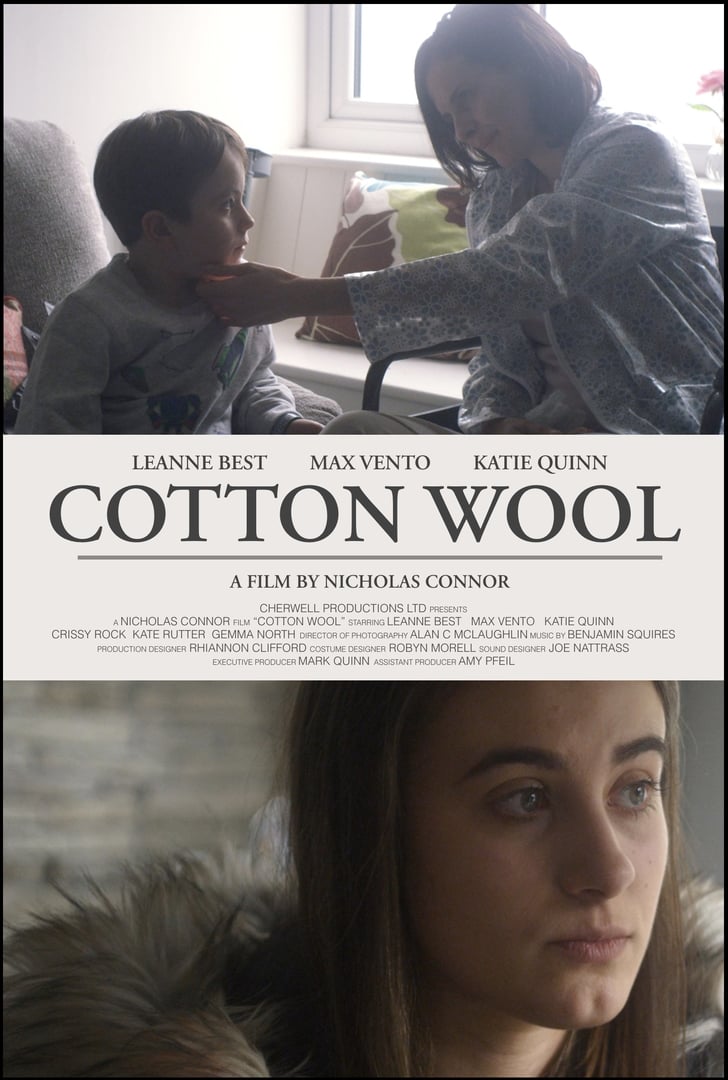
A single mother suffers a devastating stroke leaving her teenage daughter and 7-year-old son to care for her, testing the family's strength to hold things together as their roles are reversed.
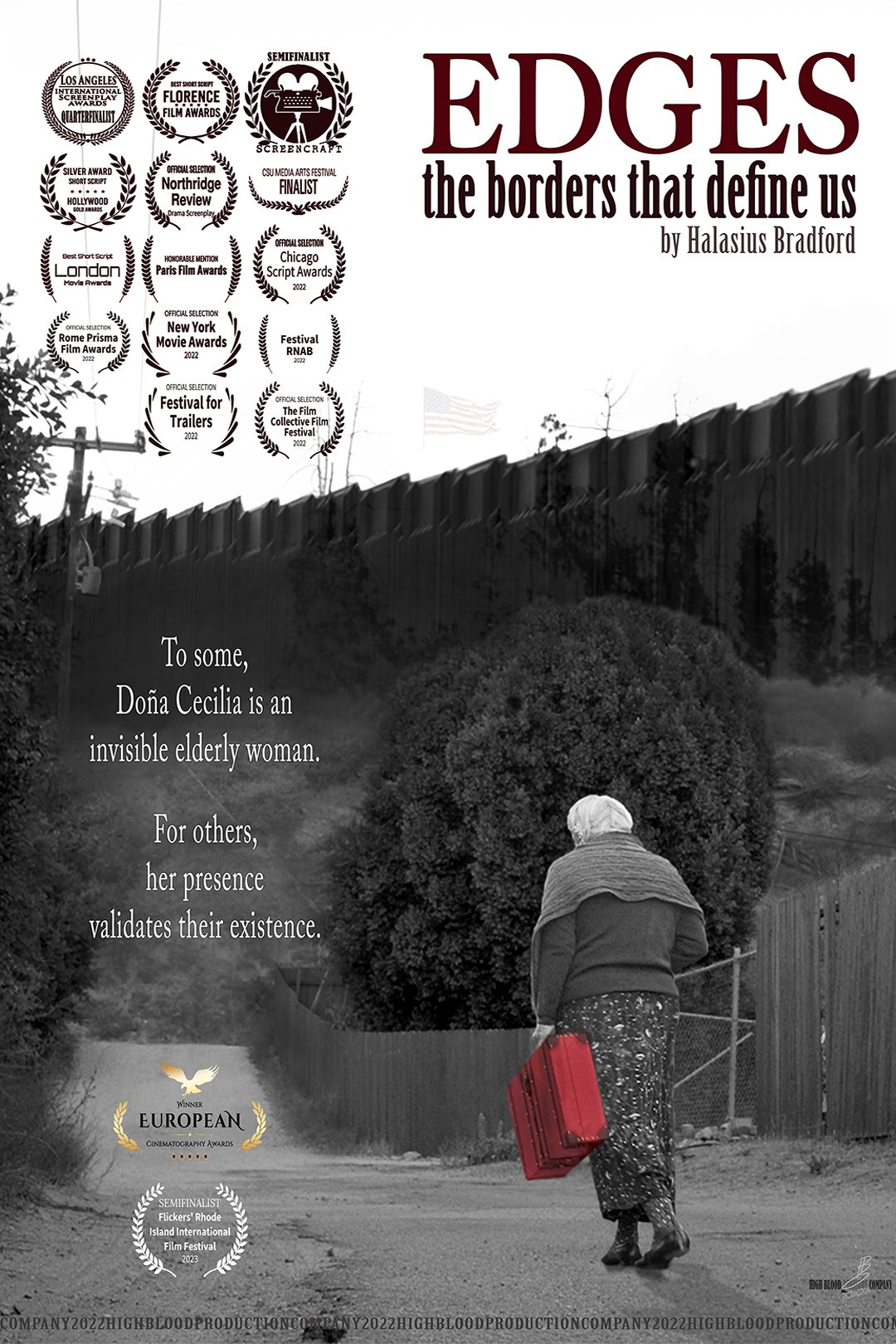
To some, Doña Cecilia is an invisible, elderly woman. For others, her presence validates their existence. This movie on children's civil rights shows how borders are transformed into bridges by the power of unconditional love and music.
At 14 Rabha El Haimer was an illiterate child bride, beaten, raped and then rejected. Ten years later, she is a single mother, fighting to legalise her sham marriage and secure a future for her illegitimate daughter. With unprecedented access to the Moroccan justice system, “Bastards” follows Rabha’s fight from the Casablanca slums to the high courts.
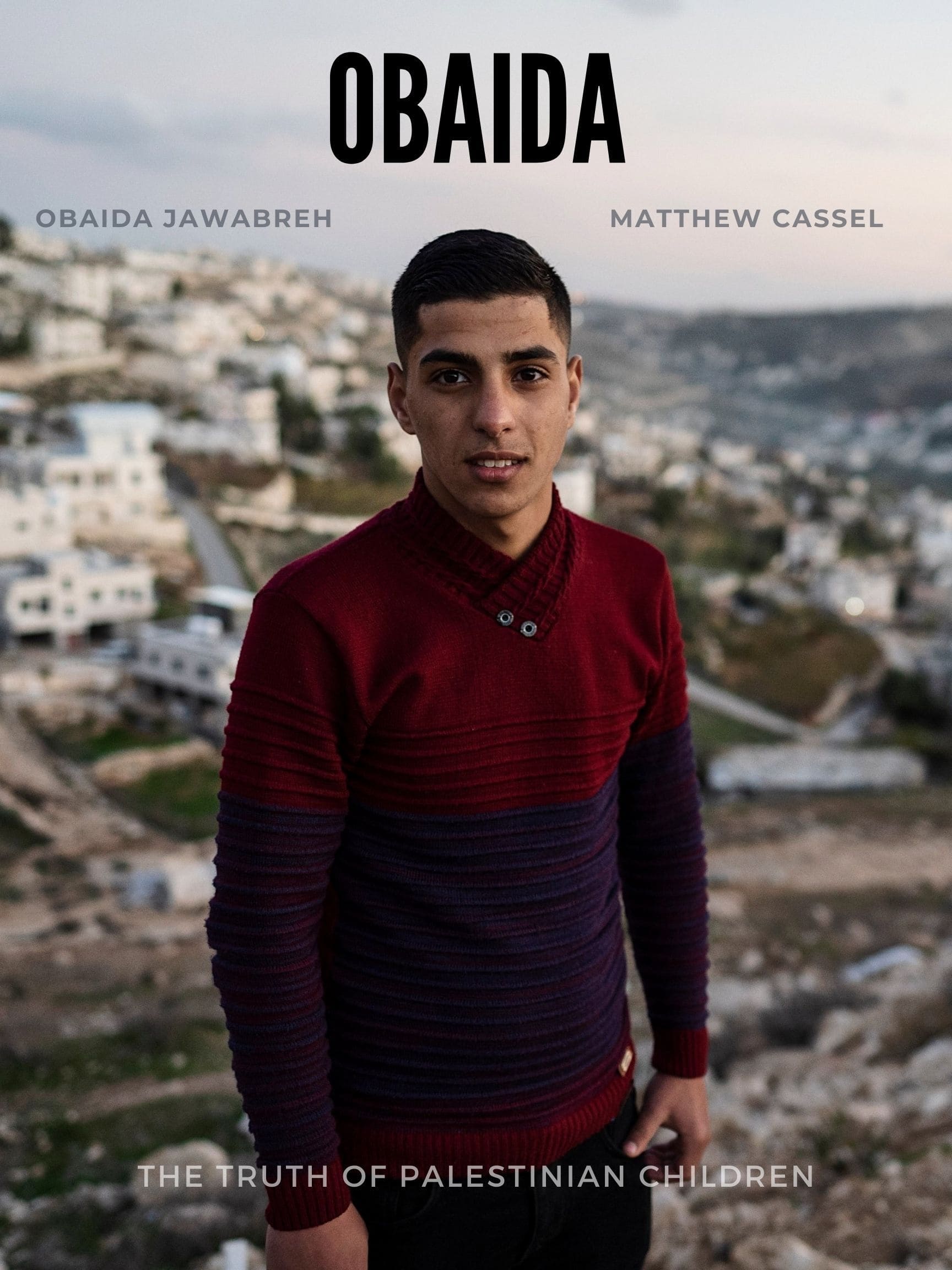
OBAIDA, a short film by Matthew Cassel, explores a Palestinian child’s experience of Israeli military arrest. Each year, some 700 Palestinian children undergo military detention in a system where ill-treatment is widespread and institutionalized. For these young detainees, few rights are guaranteed, even on paper. After release, the experience of detention continues to shape and mark former child prisoners’ path forward.
A feature-length documentary film by Carol Mansour and Muna Khalidi. After 43 horrific days working round the clock under constant bombardment in the emergency rooms of Gaza’s Al Shifa and Al Ahli hospitals, British-Palestinian reconstructive surgeon, Dr. Ghassan Abu Sittah, emerged to find himself as a face of Palestinian resistance.
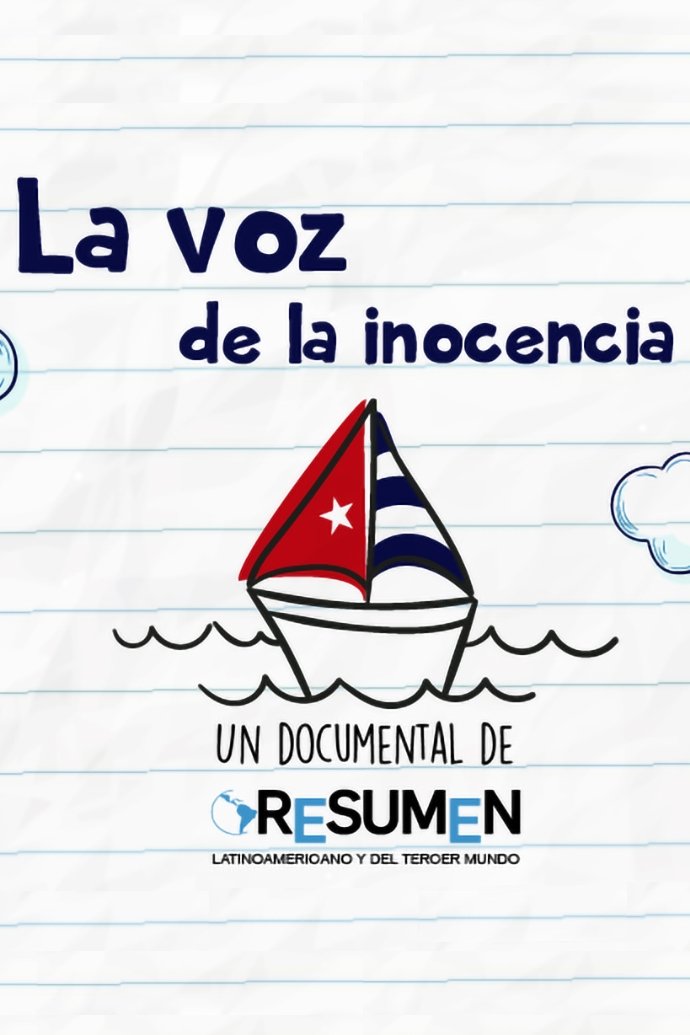
"The Voice of Innocence" is a documentary that shows how, starting in 1959, the Cuban Revolution put into practice a comprehensive and universal policy of safeguarding the rights of the child, even under the multiple difficulties resulting from the economic, commercial and financial blockade imposed by the United States more than six decades ago. Cuba is one of the main signatories of the Convention on the Rights of the Child, signed on 20 November 1989, when the country had already made extraordinary progress in protecting the rights of the child, in comparison to developed countries, such as the United States, which as of today hasn't yet ratified the Convention.
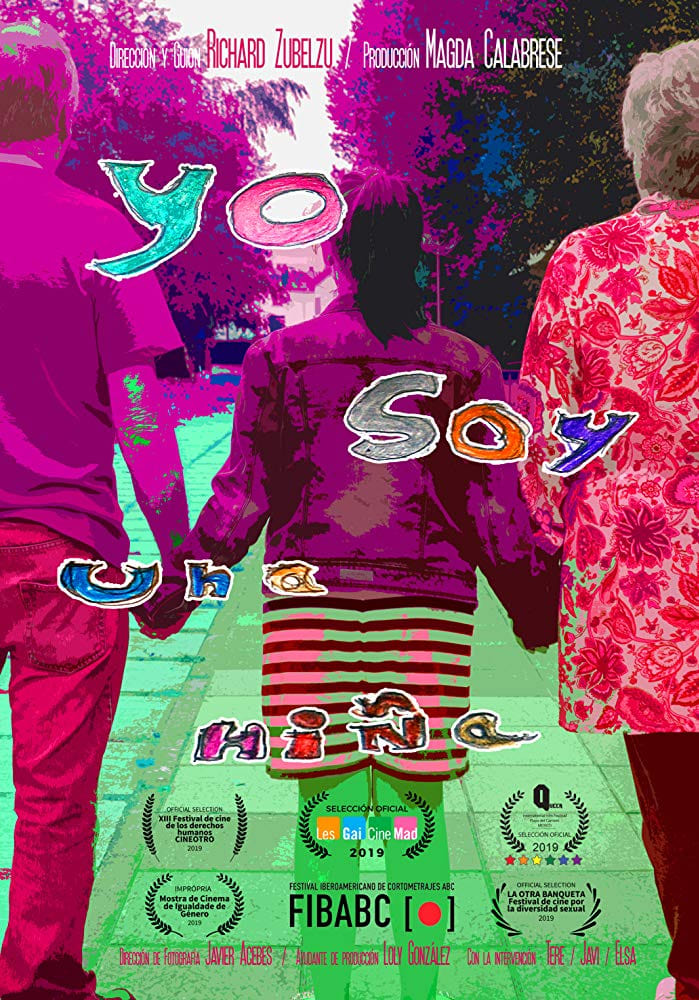
This short film brings light to the reality of transsexuality during childhood and aims to emphasize the importance of the role of grandparents.
An entertaining video filmed over two years. Kids, teachers, heads, parents, ex-pupils tell the story of this unique experimental school. “Kids don’t have to go to lessons at Summerhill and can wear and do mostly what they want. How does that work??!!
The film LOCKDOWN CHILDREN'S RIGHTS gives a voice to children and adolescents, but also to experts who are concerned with their health, and can provide insight into the traces that dealing with the Corona crisis has already left and will continue to leave. This film was developed together with children and young people: they filmed from their point of view and thus show how the lockdown affects their very personal experience.
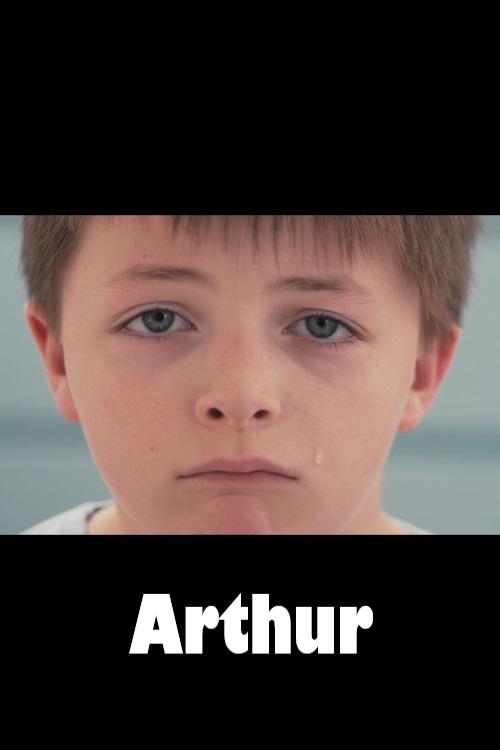
Sometimes tales for children are turning into nightmares... « Arthur » is an awareness movie about children's rights, to learn how to look at them, to listen and to protect them.
The story of two youngster girls who became the victims of female genital mutilation.
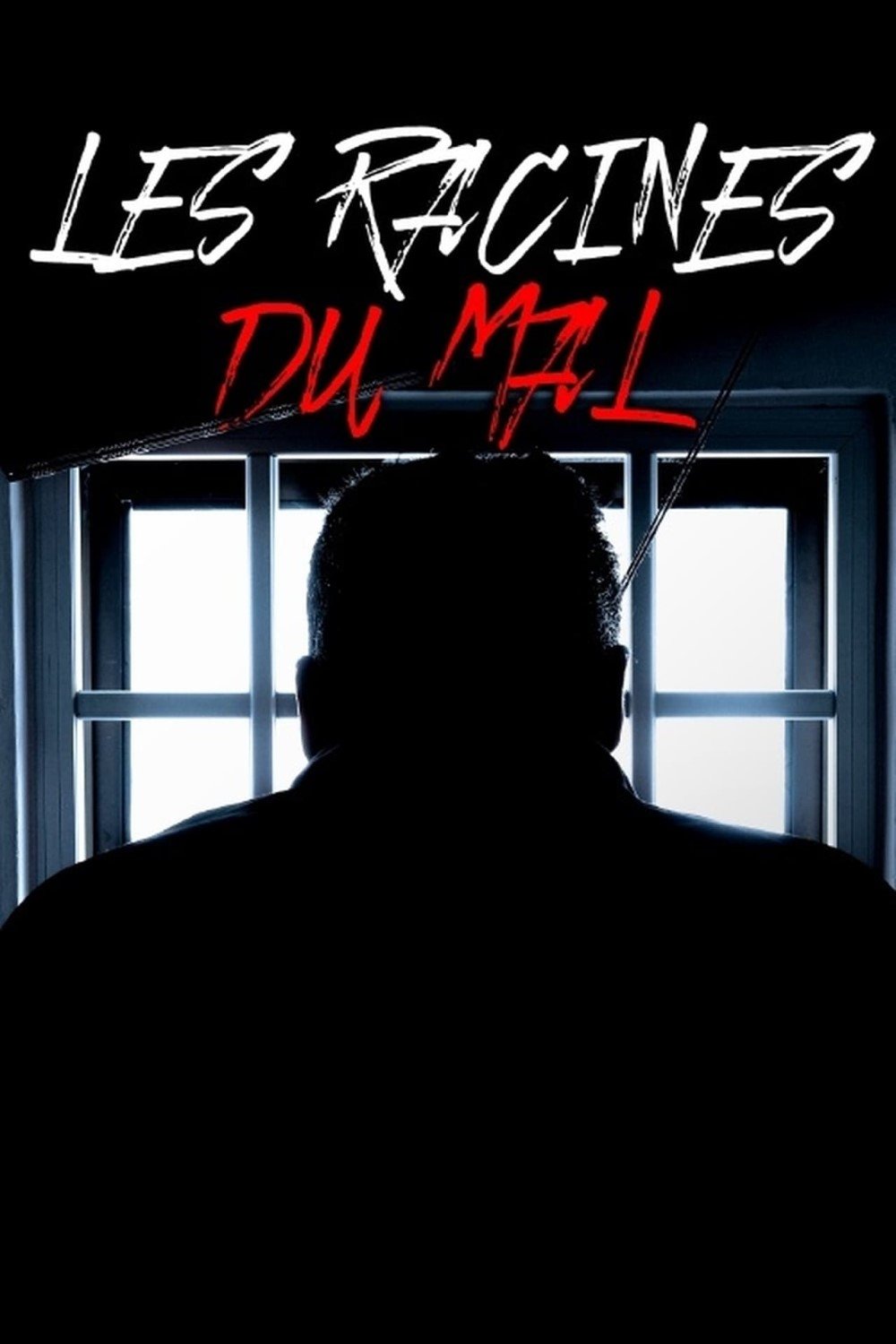
Why is a person evil? Is evil in the genes? These questions have always preoccupied people. The approaches to explaining evil are as varied as evil itself. The latest science assumes that there are three factors that shape human behavior: genes, the environment and the individual situation. All three factors interact and influence each other. The film presents the latest research and addresses one of the most exciting questions in behavioral research.
Loyal gang member Iron Panther takes the heat for his boss after a dustup with their rivals, only to end up betrayed in this vintage kung fu yarn.
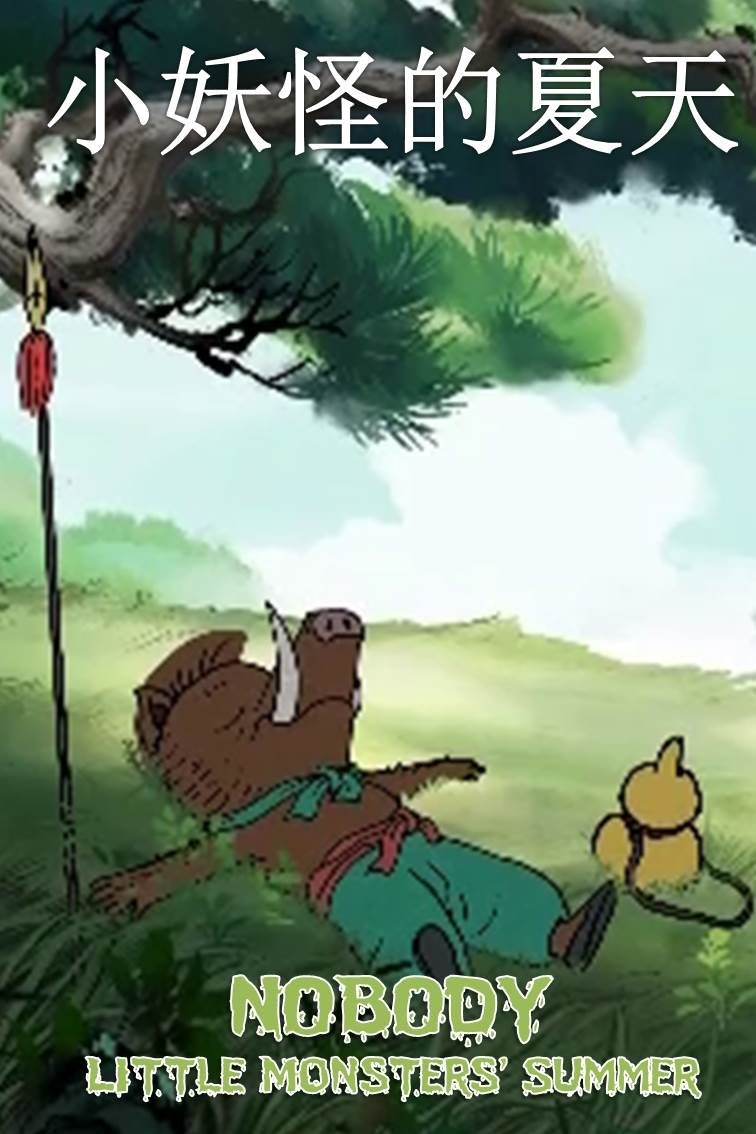
Prequel of the film Nobody, 浪浪山的小妖怪, introducing us to the pig as one of the main characters!
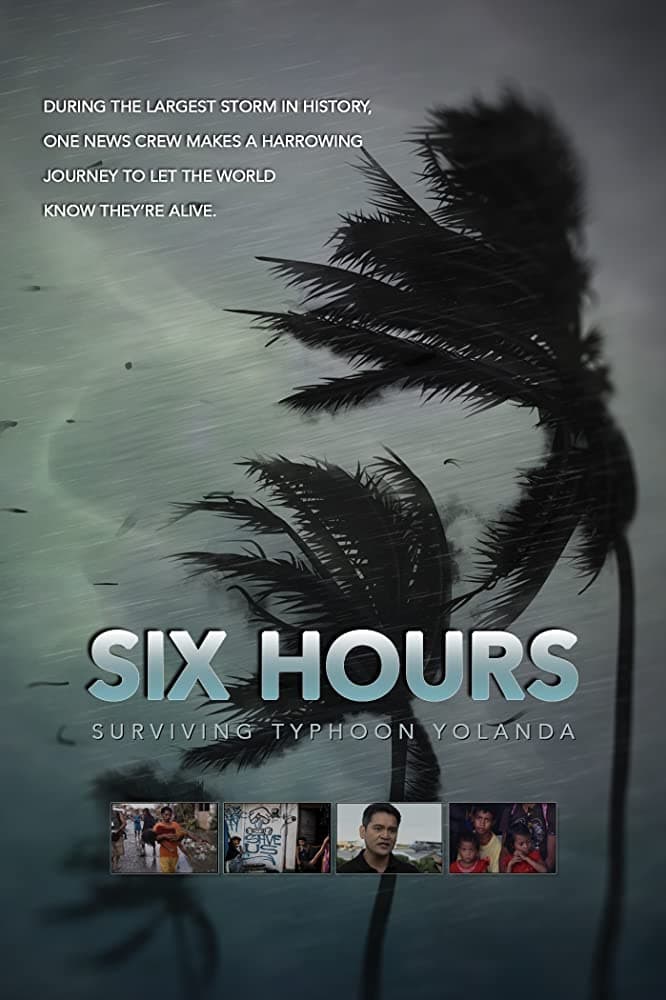
In the middle of a broadcast about Typhoon Yolanda's initial impact, reporter Jiggy Manicad was faced with the reality that he no longer had communication with his station. They were, for all intents and purposes, stranded in Tacloban. With little option, and his crew started the six hour walk to Alto, where the closest broadcast antenna was to be found. Letting the world know what was happening to was a priority, but they were driven by the need to let their families and friends know they were all still alive. Along the way, they encountered residents and victims of the massive typhoon, and with each step it became increasingly clear just how devastating this storm was. This was a storm that was going to change lives.
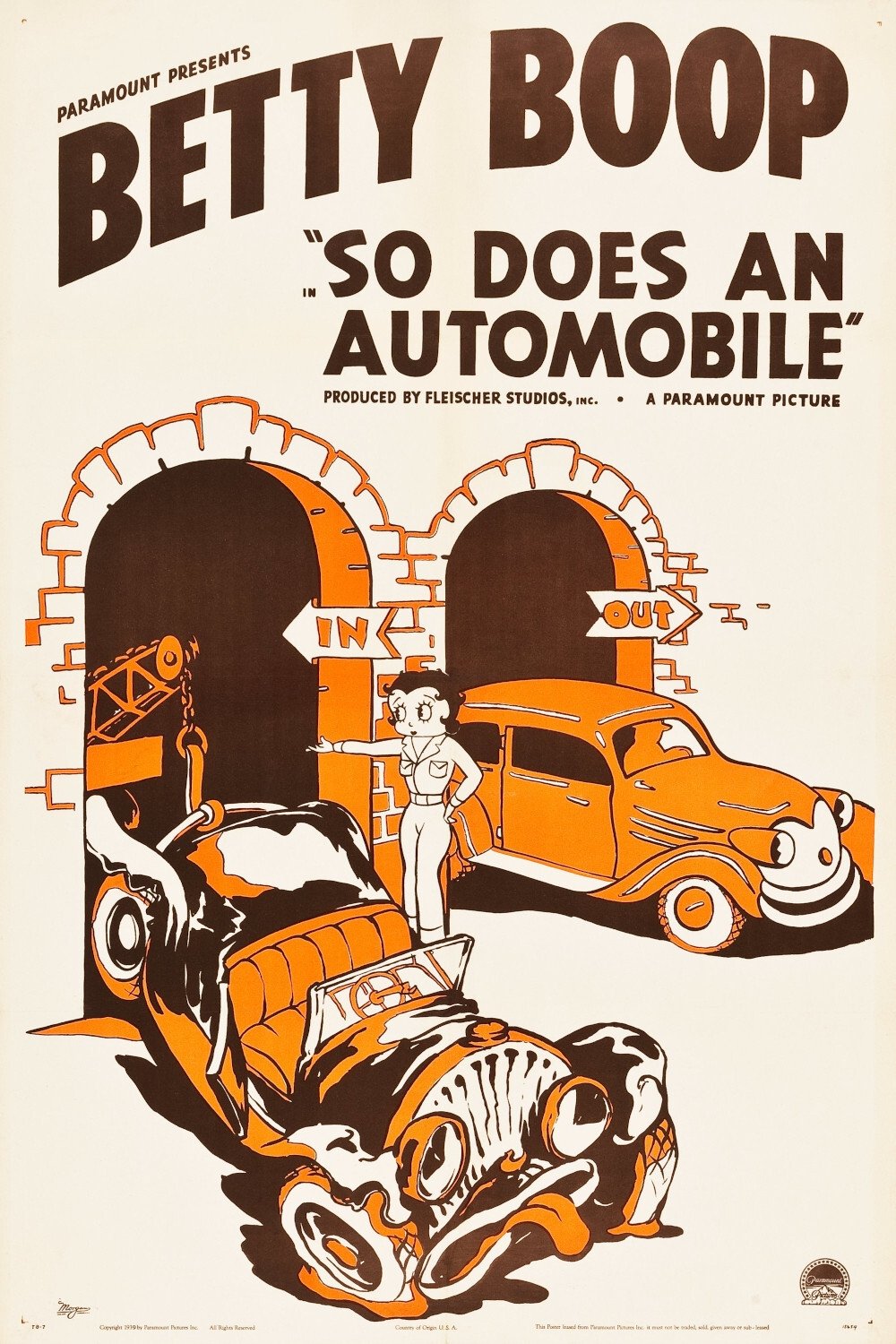
At Betty Boop's Auto Hospital, the cars are treated for various humanlike ailments.
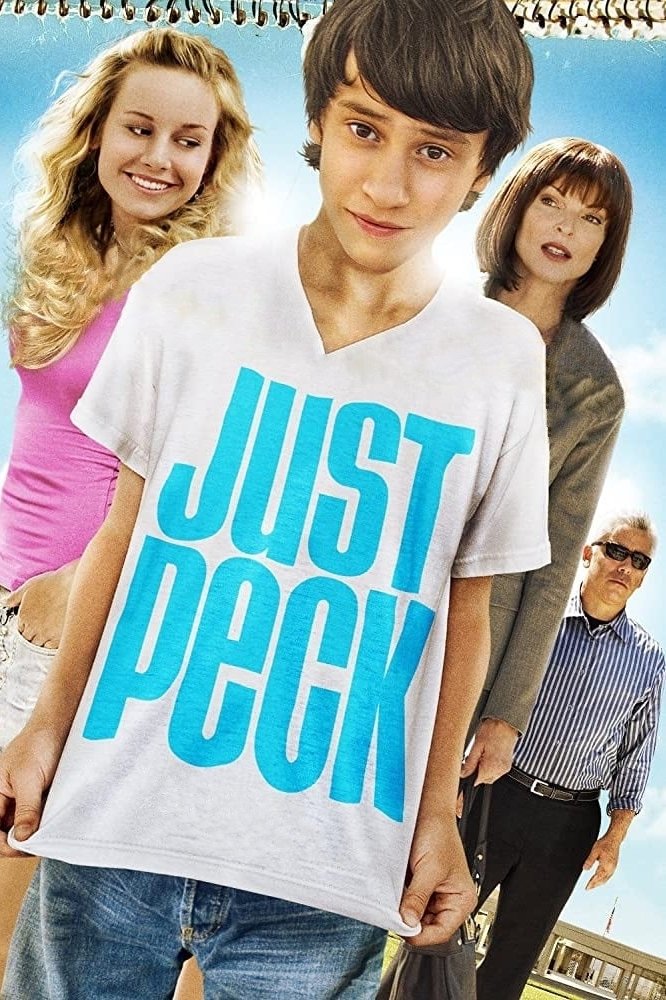
At 104 pounds dripping wet, baby-faced sophomore Michael Peck (age 15) is not exactly the coolest guy at American High. Peck’s teachers make him feel like an idiot, his classmates make him feel like a geek and his home life is just as bad, with parents who schedule family time in their planners and require him to sign contracts with them about his extra-curricular activities.
A Dutch family on their last full day of their camping holiday in France. On the moment that nobody wants to join father Aad on the traditional hiking tour, everybody experiences their own adventure.
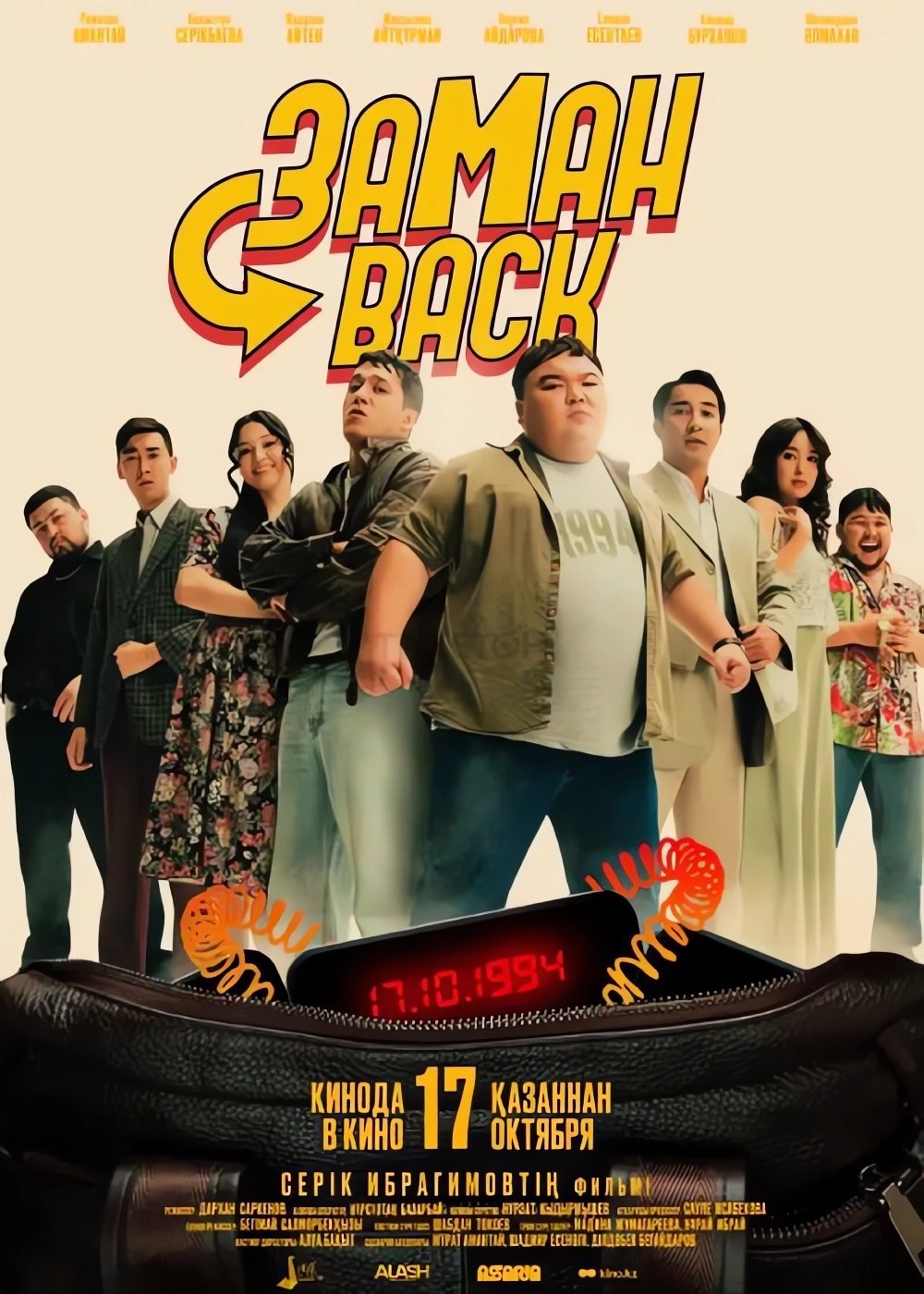
Azat blames his father for not achieving financial success in his youth and drinking a lot. After a quarrel caused by these problems, Azat finds himself in 1994, the year when his parents had just married. As a result, he tries to avoid a repeat of their fate and thinks, by interfering with their wedding, that he has the opportunity to change his life.
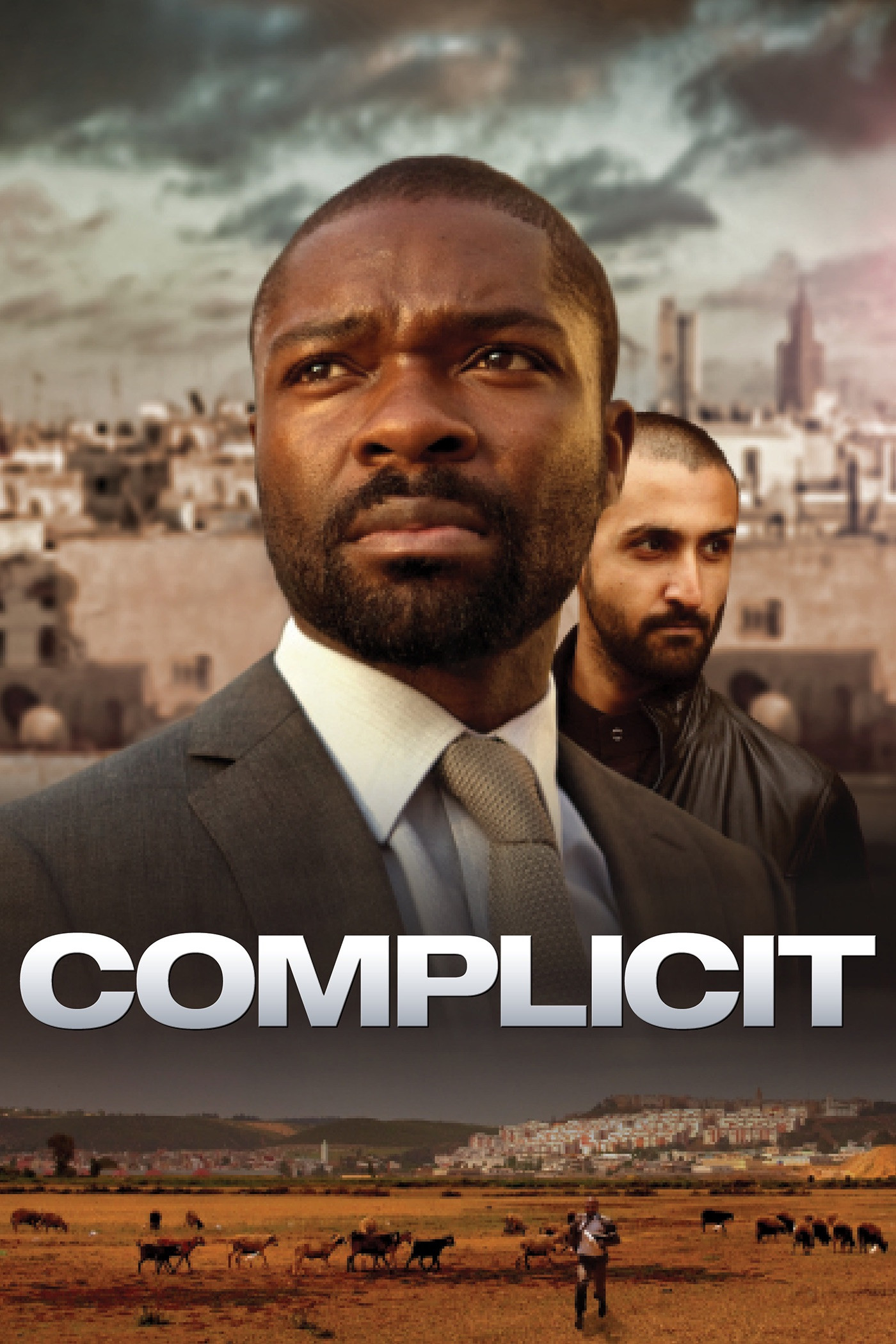
An MI5 officer's attempts to foil a possible terrorist plot are undermined by bureaucracy and moral dilemmas. Will he make the world a safer place or be complicit in making a tense situation even worse?
Directed by Robert W. Paul.
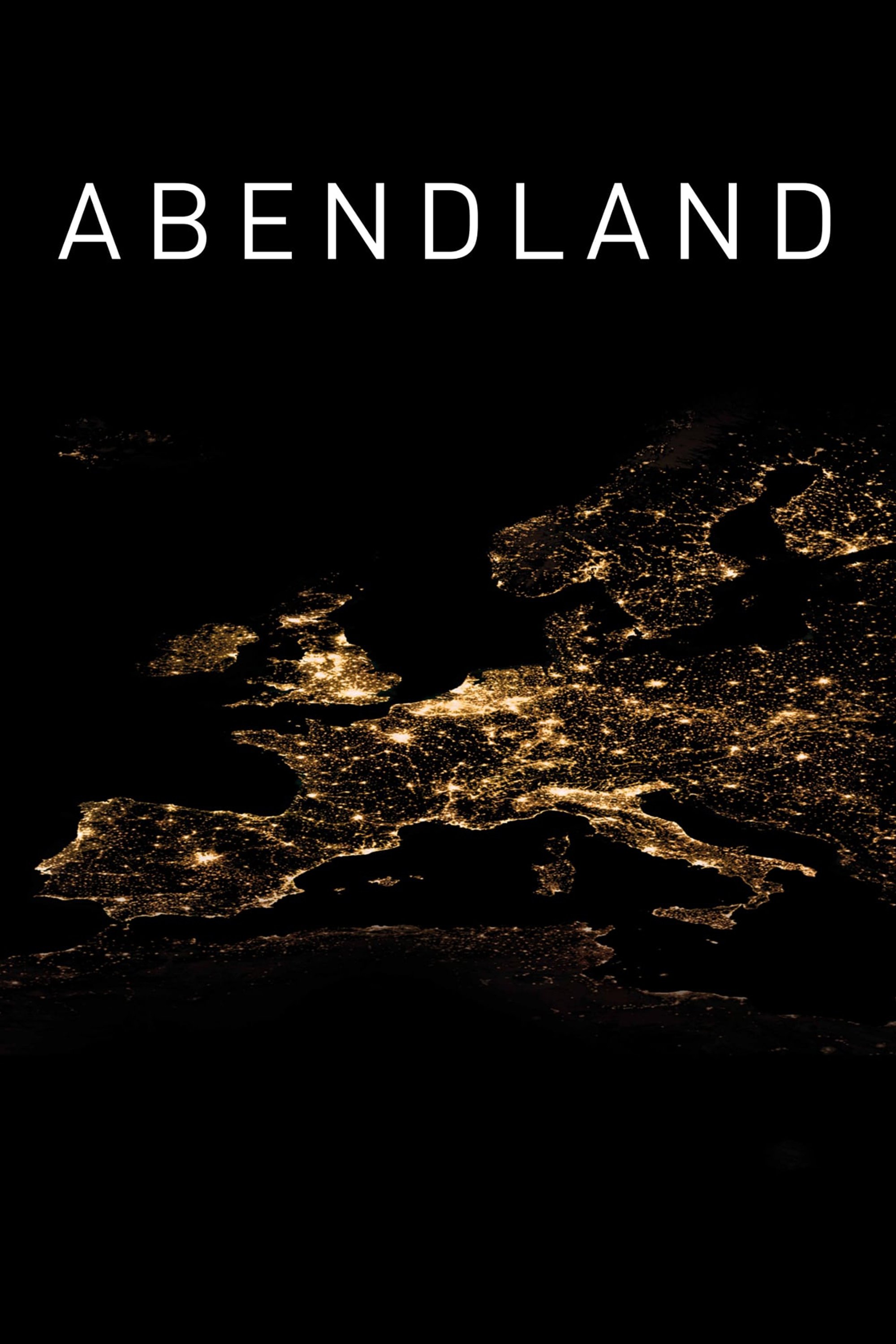
Some things can be seen more clearly at night.. . A film poem about a continent at night, a culture on which the sun’s going down, though it’s hyper alert at the same time, an “Abendland” that, often somewhat self-obsessively, sees itself as the crown of human civilization, while its service economy is undergoing rapid growth in a thoroughly pragmatic way. Nikolaus Geyrhalter takes a look at a paradise with a quite diverse understanding of protection. Night work juxtaposed with oblivious evening digression, birth and death, questions that await answers in the semi-darkness, a Babel of languages, the routine of the daily news, and political negotiation: All this has been captured in images with a wealth of details that make us look at things in a new way. The longer you consider a word, the more distant is its return gaze: ABENDLAND.
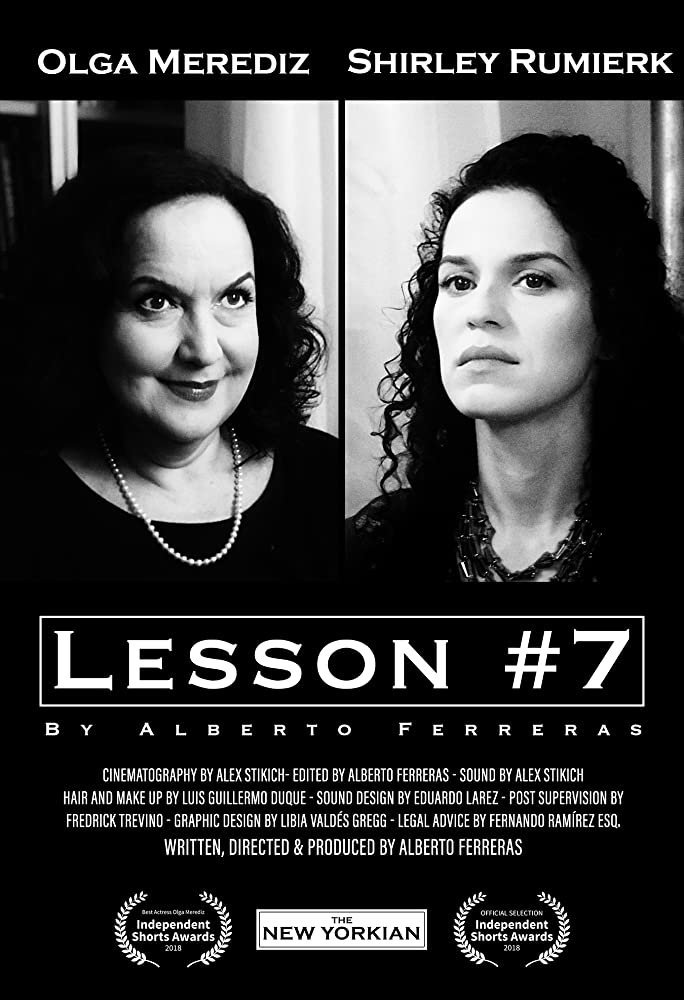
A daughter confronts her mother with the most difficult question, and gets an answer she was not expecting.