Video installation by UMMMI.
Social & External
The people behind it
Momoko Ishihara
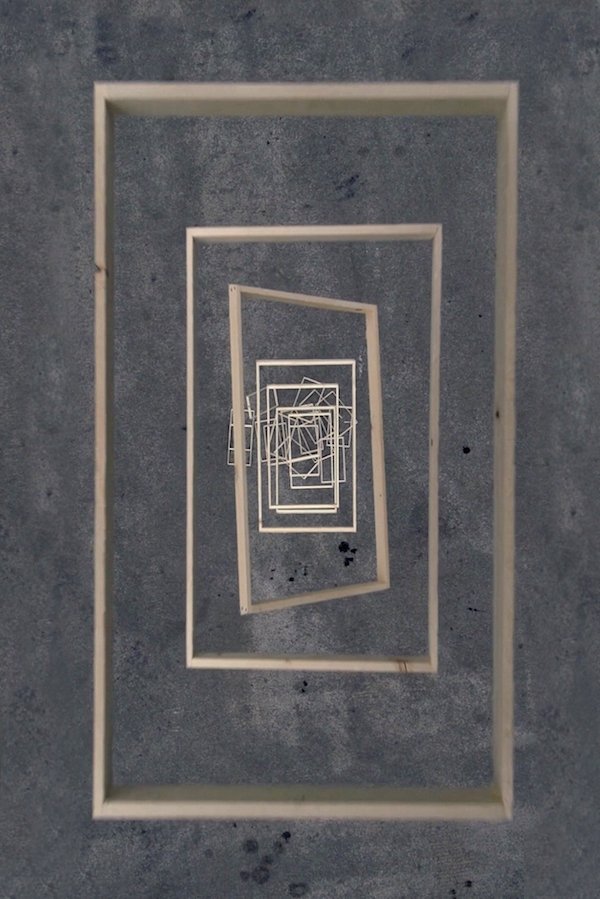
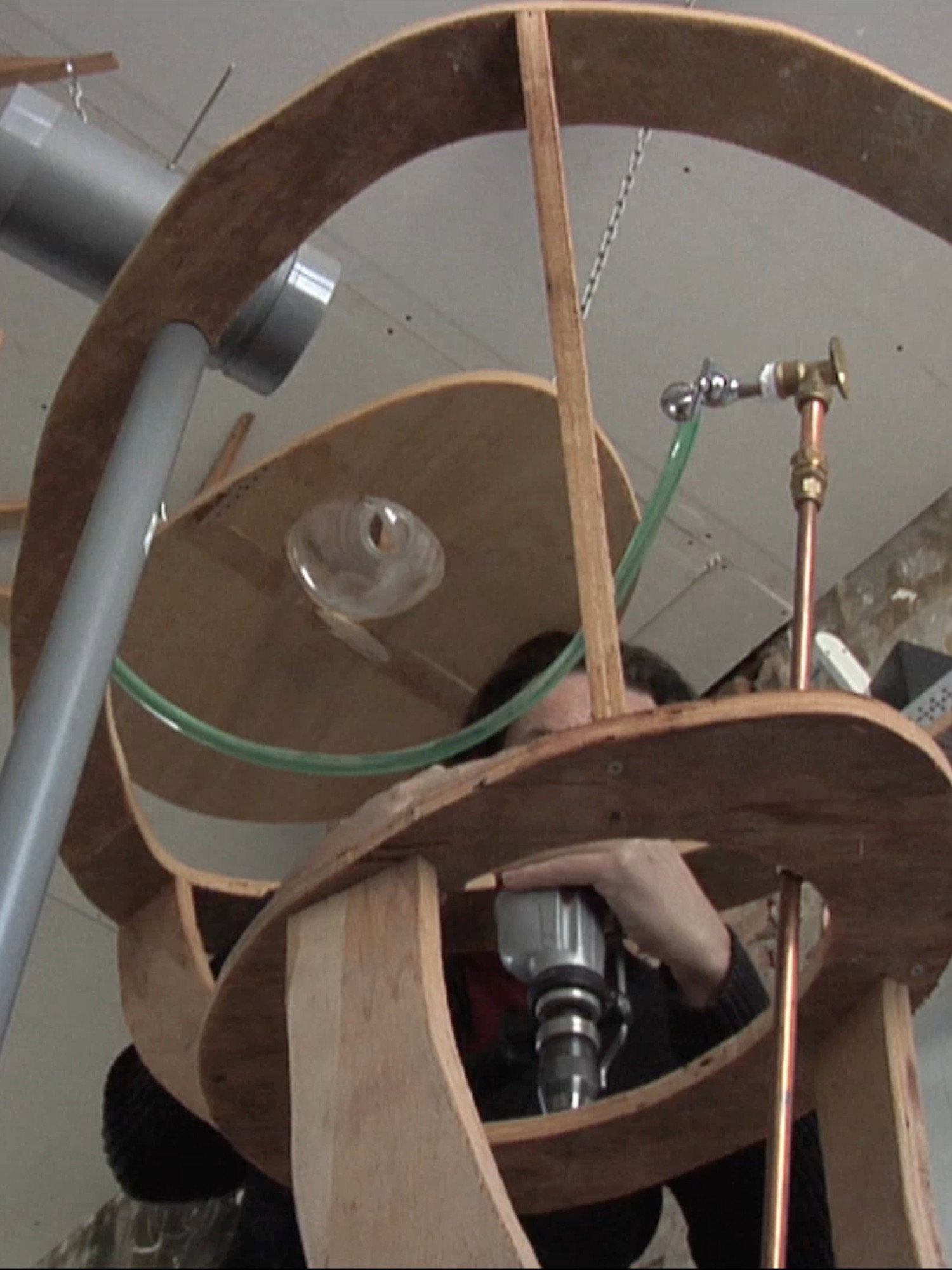
Falling Frames is the first fragment of a series in which Langkamp explores the framing and visualization of three-dimensional perspective through the two-dimensional medium of video, both technically as well as conceptually. To record the work, a special device was built that's attached to a tall industrial crane, which contains a stack of wooden picture frames that can be released from a height of ten to fifteen meters. The camera is placed right in the center of the action and captures the frames' movement while they fall down. The slow motion recording of 240 still frames per second allows us to experience every millimeter of movement to the very detail. While the frames get smaller and smaller in perspective as they move further away from our view, they are immediately followed by the next frame and the next one, until they've all reached the floor and found a place to rest.
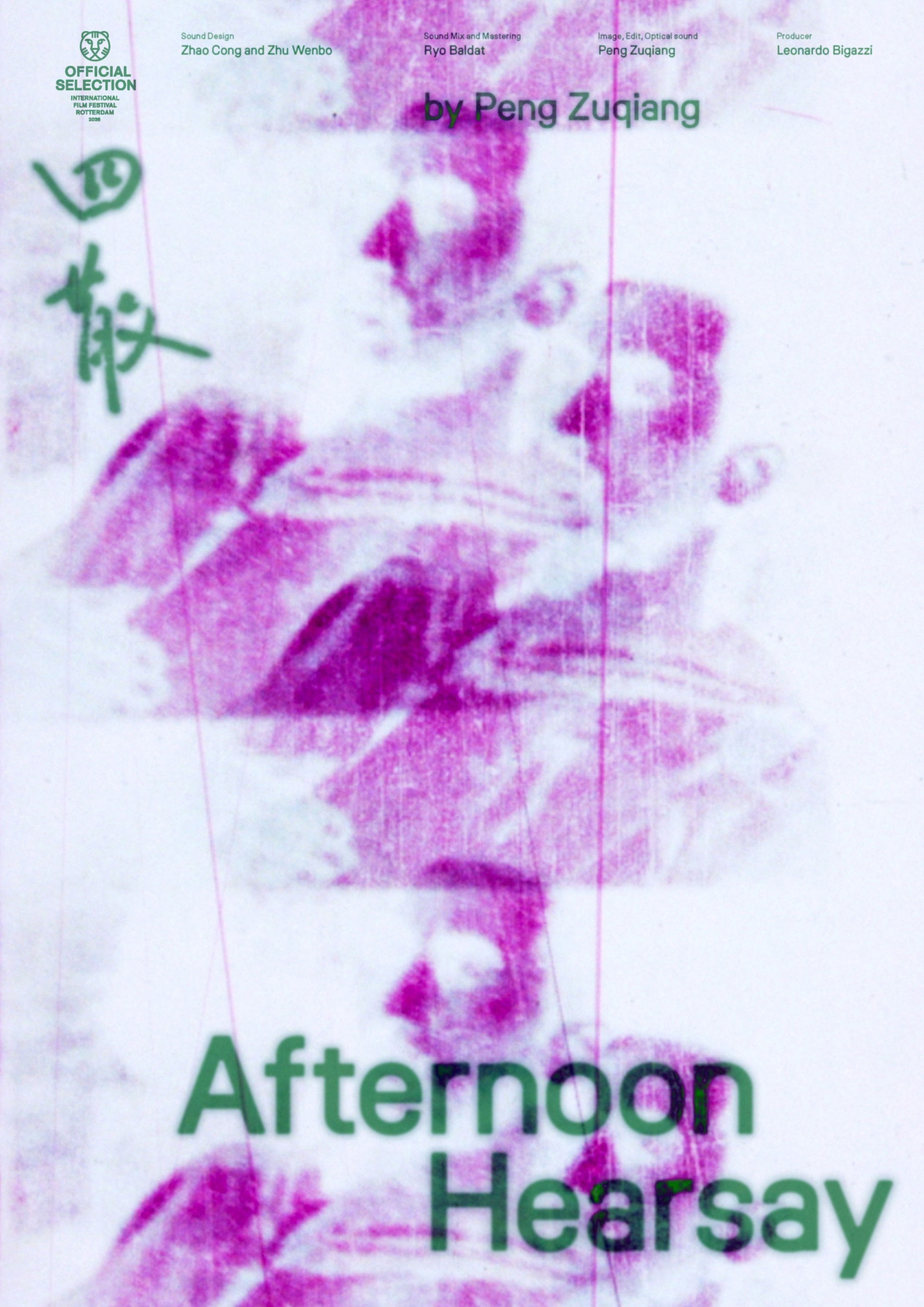
8.75mm is a celluloid format unique to China, one which no camera was made for. The film reimagines this camera-less medium through photogrammed archival prints, folding images and sounds of resistance into cinematic histories and opening the format to new narratives.
Brazilian short film, directed by Julia Murat.
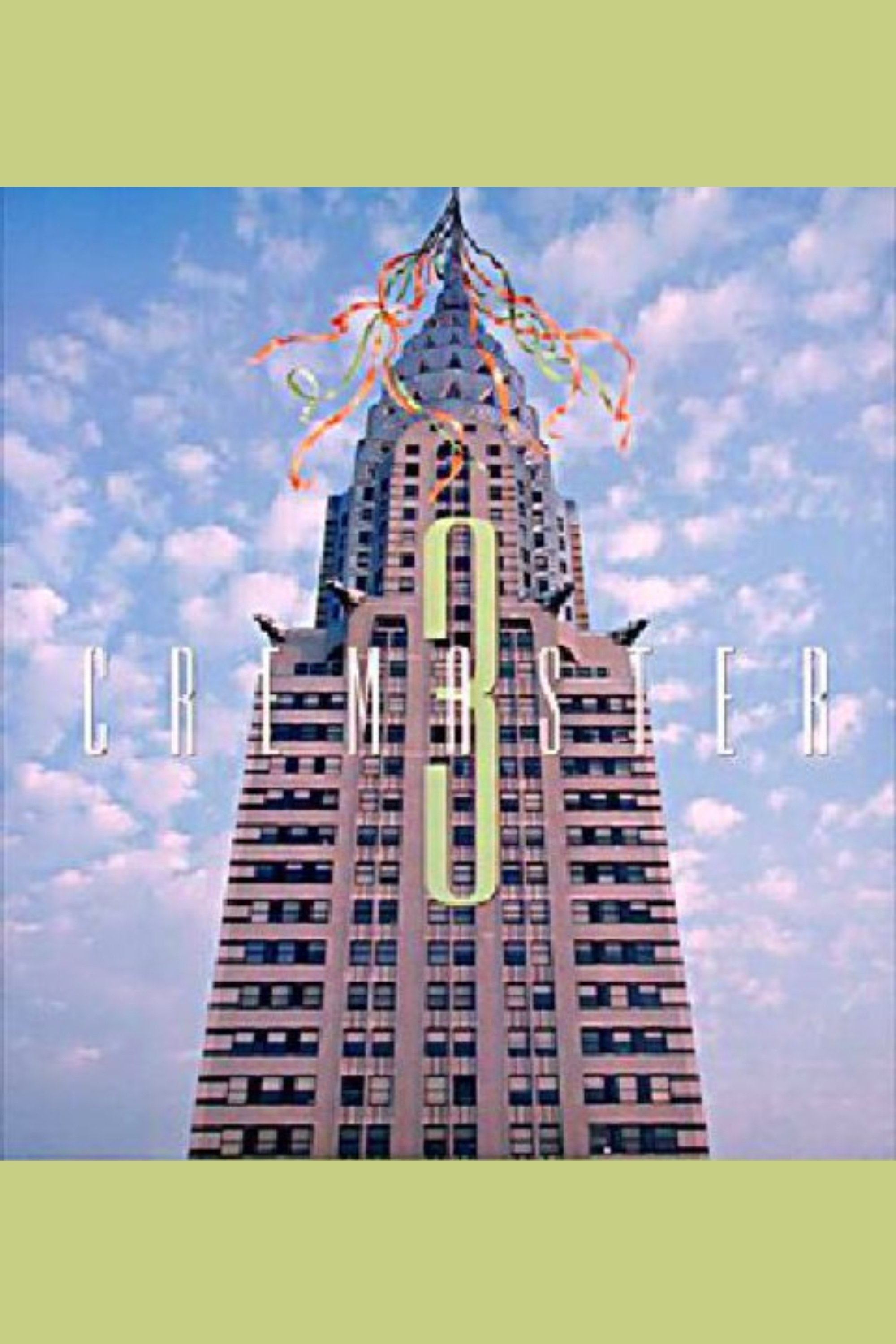
CREMASTER 3 is set in New York City and narrates the construction of the Chrysler Building, which is in itself a character - host to inner, antagonistic forces at play for access to the process of (spiritual) transcendence. These factions find form in the struggle between Hiram Abiff or the Architect...
The decision to move to Holland doesn't sound like a wise idea. Why move to a country that could be flooded at any moment? For the last 25 years, the political climate has shifted. The public debate on migration has become harsher, more heated, and polarized. What would have been considered right-wing xenophobia back then, is now considered mainstream. Populists simplify complex realities into good and evil, victims and perpetrators: ‘us’ versus ‘them’. Their rhetoric often consists of dehumanizing words and metaphors. One of these is ‘water’. In reality, water is not an immediate threat to the average Dutch person; but it is a huge threat to the thousands trying to reach the Netherlands. People trying to survive the Mediterranean Sea in rubber boats. Trying to survive winter on the Aegean coast in primitive tents. To them, water really is deadly.
REkOGNIZE is a three-channel video installation and a meditation on photography, memory, and movement. Artist and Academy Award-nominated cinematographer Bradford Young (Selma, Arrival) finds inspiration in Pittsburgh’s Hill District neighborhood, a site of the early 20th-century Great Migration. During this time, millions of African Americans moved from the rural southern United States to cities in the north and west. The Hill District saw a flourishing of culture during these years and was a site of artistic development for luminaries such as August Wilson, Charles “Teenie” Harris, Errol Garner, and many others. REkOGNIZE takes its visual cues from the Pittsburgh landscape, especially the city’s tunnels, which serve not only as literal entry points into the city, but also as metaphors for this movement of people and culture.
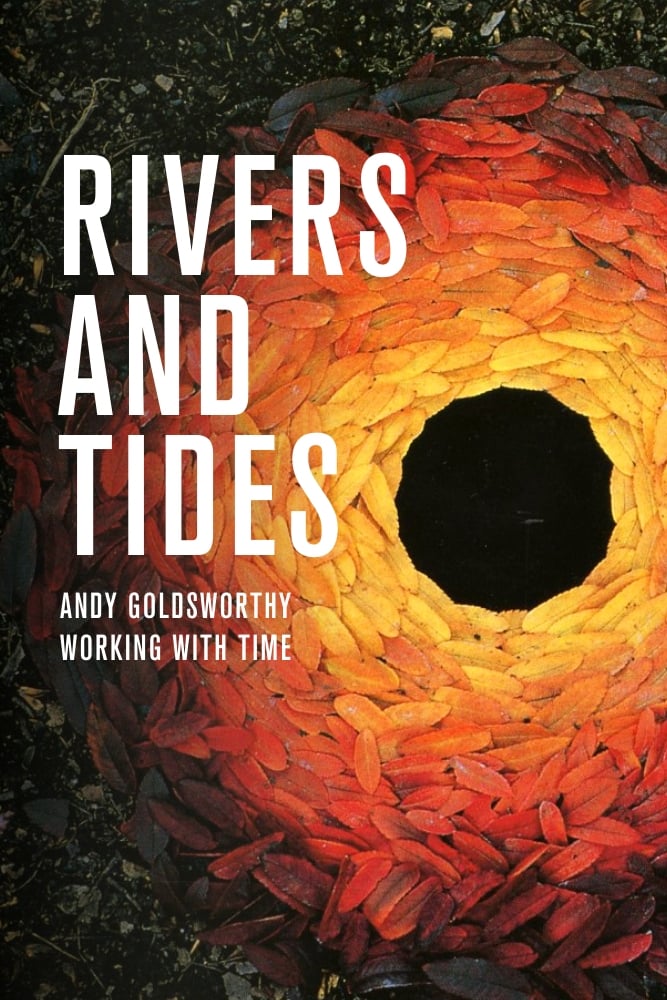
Portrait of Andy Goldsworthy, an artist whose specialty is ephemeral sculptures made from elements of nature.
This experimental "film" consists of an empty room with a bare lightbulb, and windows covered with a translucent material, for a duration of 24 hours. It is not necessary for visitors to stay for the entire duration - they can come and go as they please. Created by Anthony McCall, it is based on the architectural framing of time and light. It came at the end of a series of works in which McCall was stripping back cinema to its absolute minimum - light, time, and human experience/perception.
An exploration of how the U.S. military employs video game technology to train troops for war. Filmed at the United States Marine Corps Air Ground Combat Center, Watson is Down pairs footage of soldiers at computers engaging in combat-simulation training with scenes from the video games.
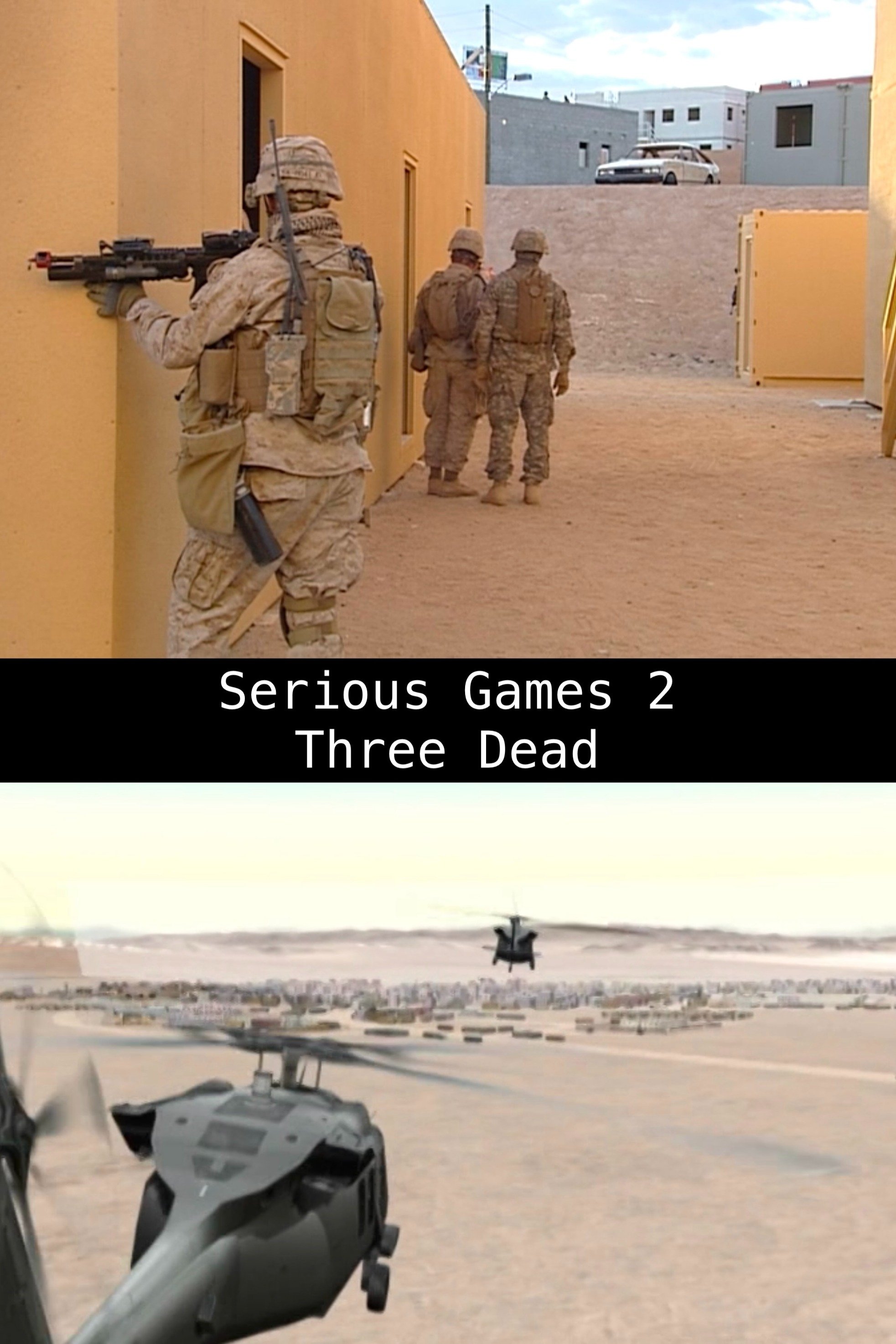
An exploration of how the U.S. military employs video game technology to train troops for war. Three Dead depicts a military exercise within a mock Iraqi town built on the outskirts of Twentynine Palms, California, blurring the line between computer simulation and reality.
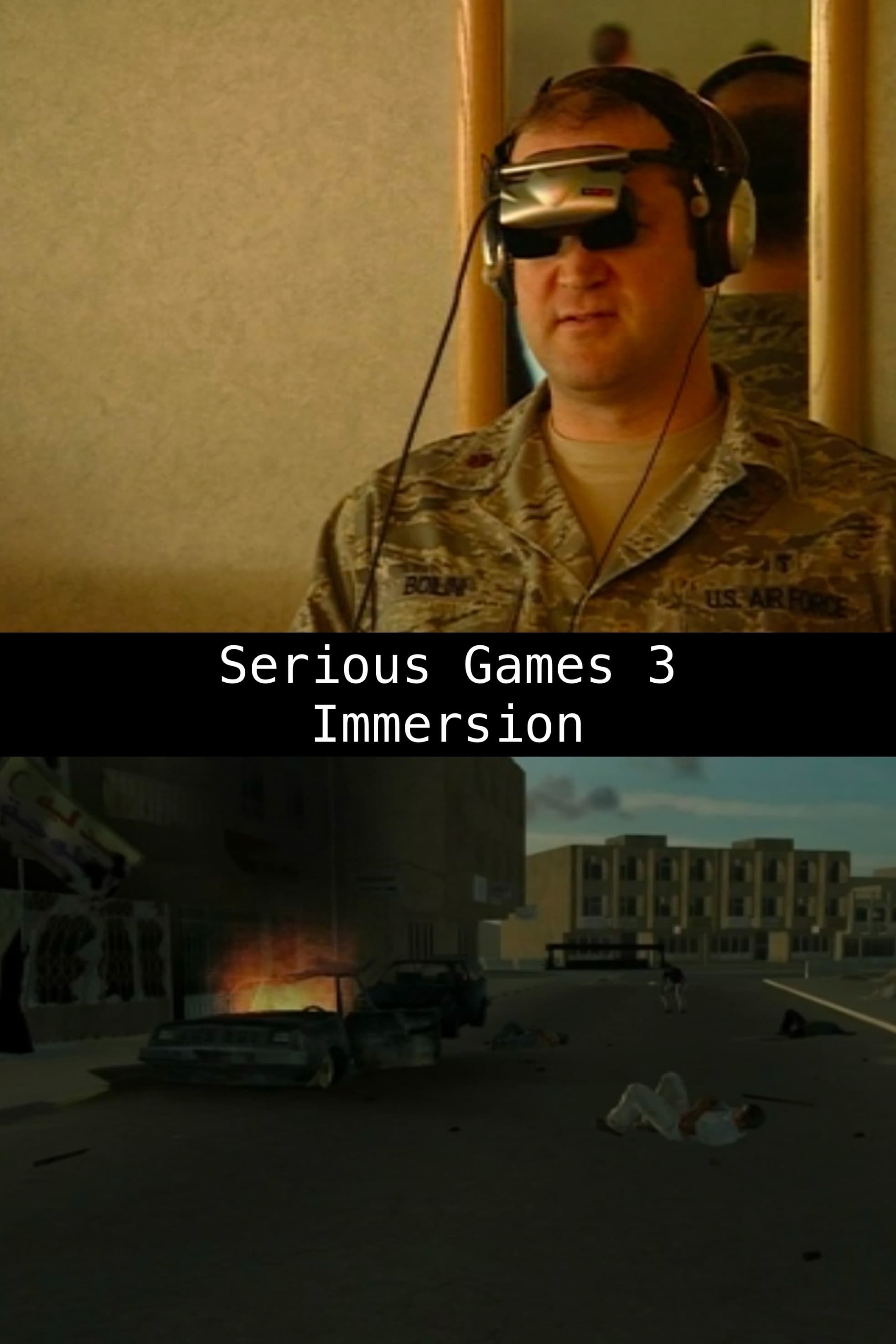
An exploration of how the U.S. military employs video game technology to train troops for war. In Immersion, Farocki presents footage of a role-playing exercise in which military psychologists demonstrate how to use the PTSD program on their colleagues, who describe traumatic wartime experiences. On a second channel, their descriptions play out as virtual renderings.
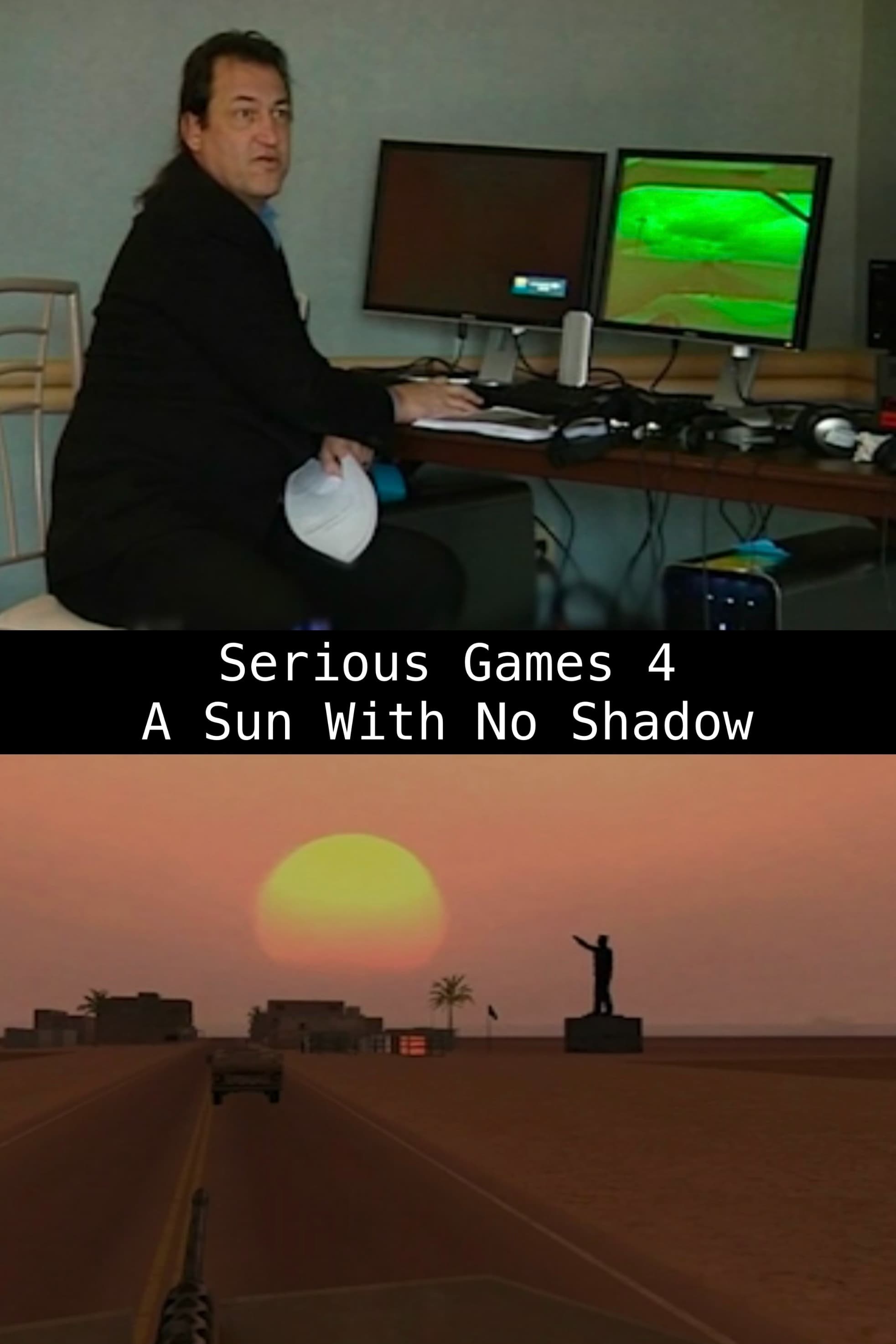
An exploration of how the U.S. military employs video game technology to train troops for war. In A Sun With No Shadow, Farocki calls attention to the subtle differences between the simulations for combat training and PTSD. With the former, the sun can be programmed to cast shadows in the virtual combat zones, while the latter, less expensive technology does not offer this feature.
Experimental film & Installation. This is the video editing used for video projections in the short film "Caverne". The video was then passed in negative and projected onto walls of a cave.2011
2 Small Channel Video Installation, featuring a monologue excerpted from an untitled novel by Alissa Bennett
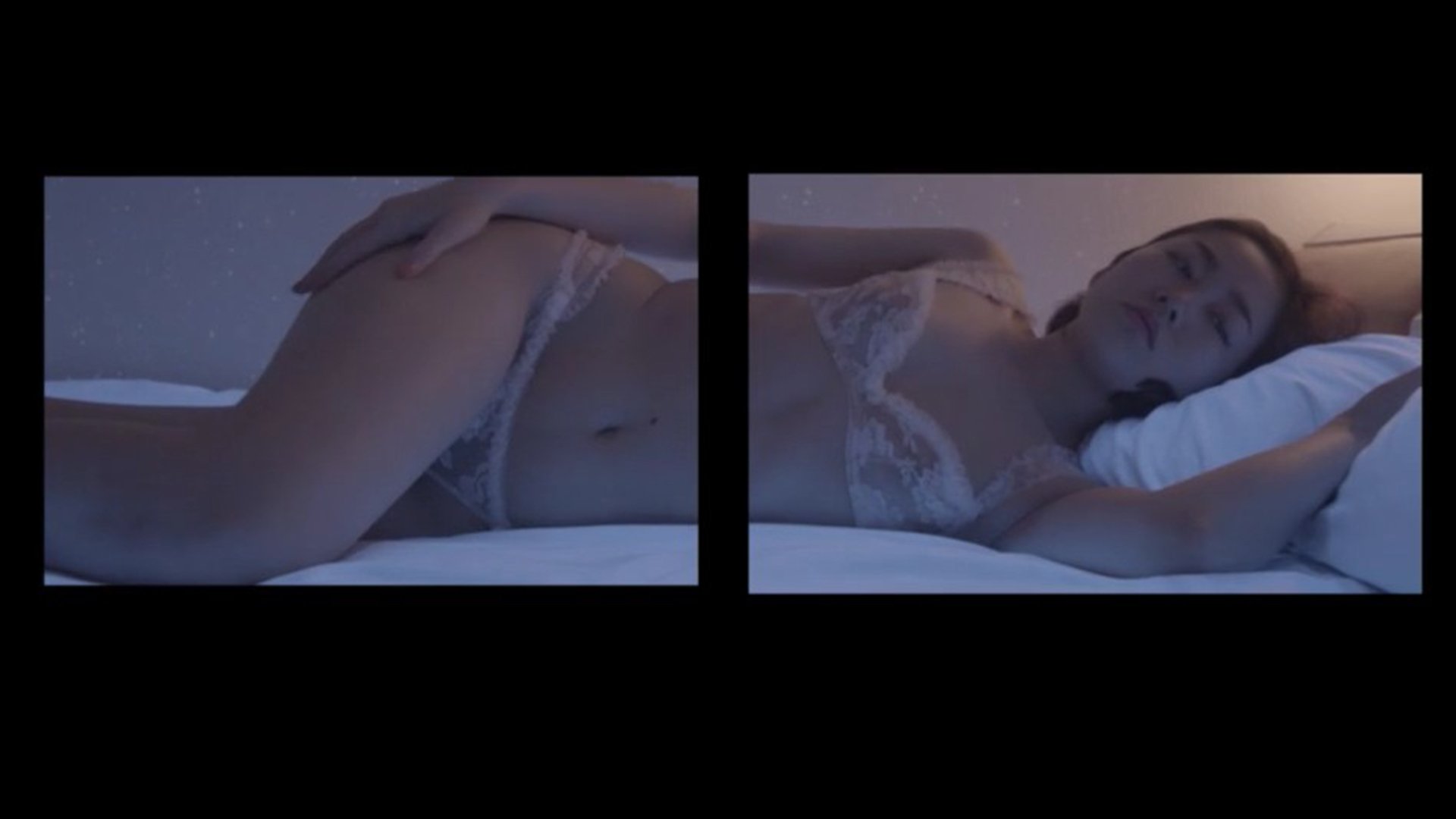
"This installation piece explores the forewarning signs which occur before a defining event taking place. It develops through a mixture of documentary and scripted footages of my father, with texts related to my memory of him mixed into it. Since the Great East Japan Earthquake Disaster of 2011, I have felt that the people of Japan are now forced to live more consciously of the forewarning signs before an incident. This feels as if it’s universally bearing over general social issues as well as miniscule personal level incidents. I decided to feature my own father in this video piece filmed in the style of a fictional documentation. This is all bout Drinking, and weakness." -UMMMI.
"Ummmi’s Lonely Girl features a young Shibuya girl, sometimes she messes things up, sometimes she is sad or depressed but she lives her life for the fun moments. In these moments she can forget everything which has come before her in life. She needs these moments to keep her going. In constructing this work I tried to embracing the feeling of the fluctuating heart, bouncing between happiness and sadness. Playing with the stereotypes of youth culture, such as loneliness, and a life of excess, I carried this drunk girl from my parents apartment on edge of Shibuya, to Shibuya Station to wait for the first train home. This is a performance archive video." -UMMMI.
"This experimental melodrama follows Hikari, and her boyfriend Taro’s visit to his family home. While there Hikari forms an unexpected relationship with Taro’s auntie, Kyoto. As their relationship develops it becomes clear that Kyoko is struggling to control her mental state and the issues that ensue. Taro discovers that Hikari has had a brief affair with a friend of Kyoko’s and cannot control his emotions. This film is about the destruction of old love, and the cultivation of new love becoming tainted by history repeating itself." -UMMMI.
Following in the great tradition of his classic "How To" animated shorts of the 1940's, Goofy makes his return to the big screen in "How to Hook Up Your Home Theater". When Goofy is desperate to watch the Big Game, he heads to his local electronics store to tackle every consumer's nightmare - selecting the perfect home theater system and worse, trying to hook it all up.
The Immaculate Collection is the first commercially released greatest videos compilation by singer Madonna. Released on November 13, 1990 to accompany the audio CD, it contained hits spanning 1983-1990. The collection won "Best Long Form Video" category at the 1991 MTV Video Music Awards. Includes the following videos: 1. Lucky Star 2. Borderline 3. Like a Virgin 4. Material Girl 5. Papa Don't Preach 6. Open Your Heart 7. La Isla Bonita 8. Like a Prayer 9. Express Yourself 10. Cherish 11. Oh Father 12. Vogue 13. Vogue (1990 MTV Awards Show Performance)
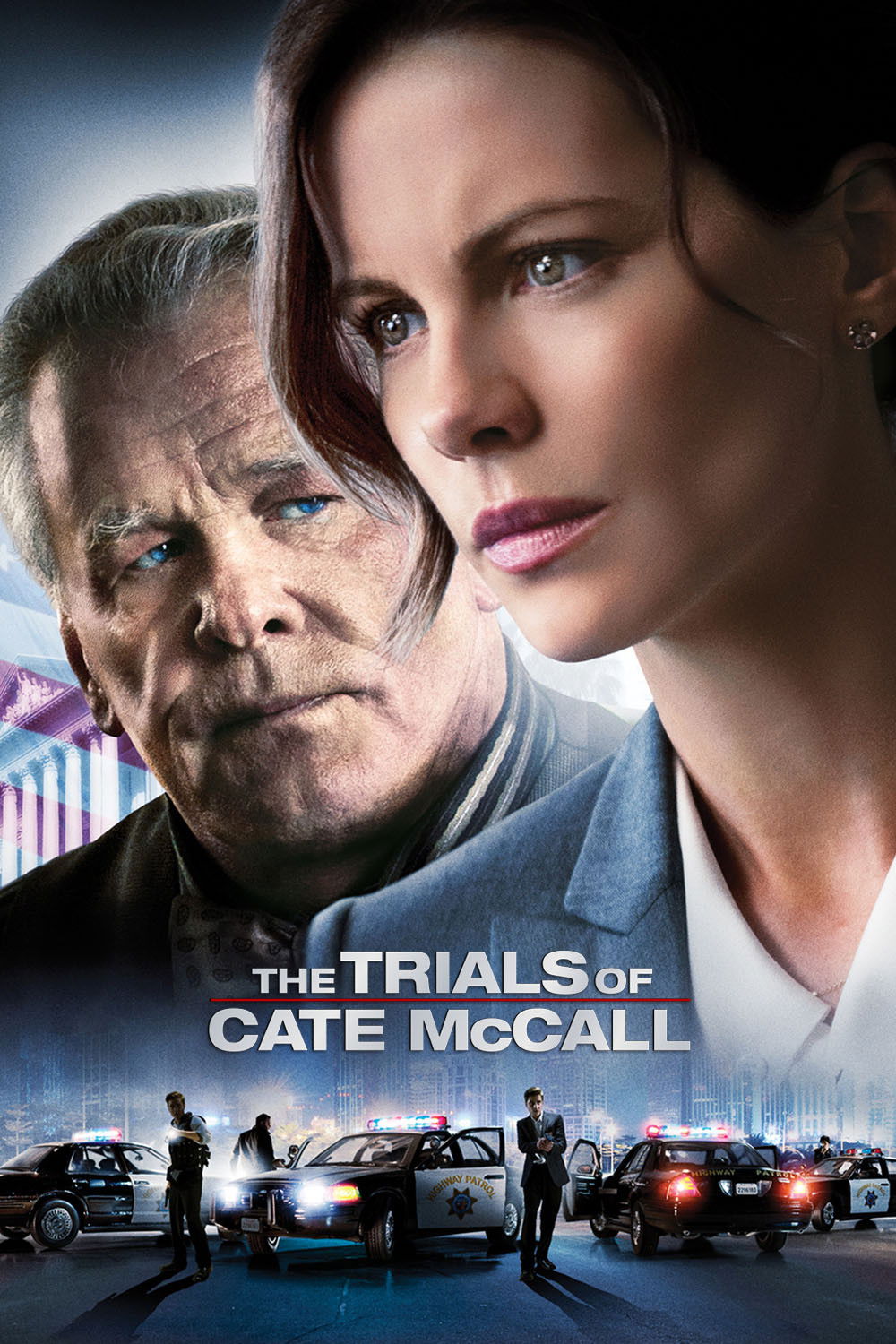
In order to be reinstated to the bar and recover custody of her daughter, a hotshot lawyer, now in recovery and on probation, must take on the appeal of a woman wrongfully convicted of murder.
In a suburban landscape, the lives of several families interlace with loss, despair and personal crisis. Esther Gold has lost focus on all but caring for her comatose son, Paul, and neglects her daughter and husband. Lawyer Jim Train is devoted to his career, not his family. Helen Christianson wants to find a new spark in life, while Annette Jennings tries to rebuild hers.
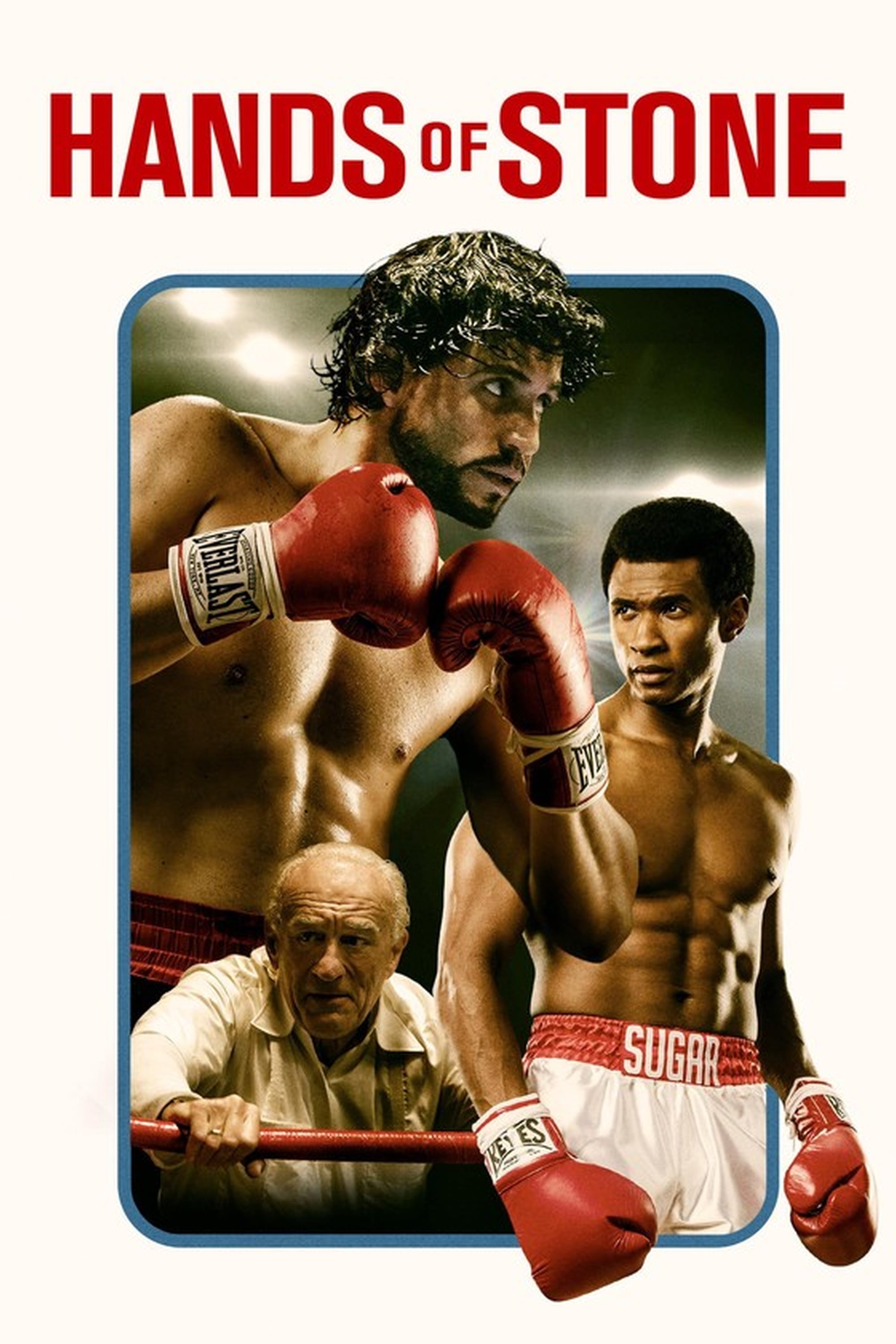
The legendary Roberto Duran and his equally legendary trainer Ray Arcel change each other's lives.
WrestleMania 31 was the thirty-first annual WrestleMania professional wrestling pay-per-view (PPV) event produced by WWE. It took place on March 29, 2015, at Levi's Stadium in Santa Clara, California.
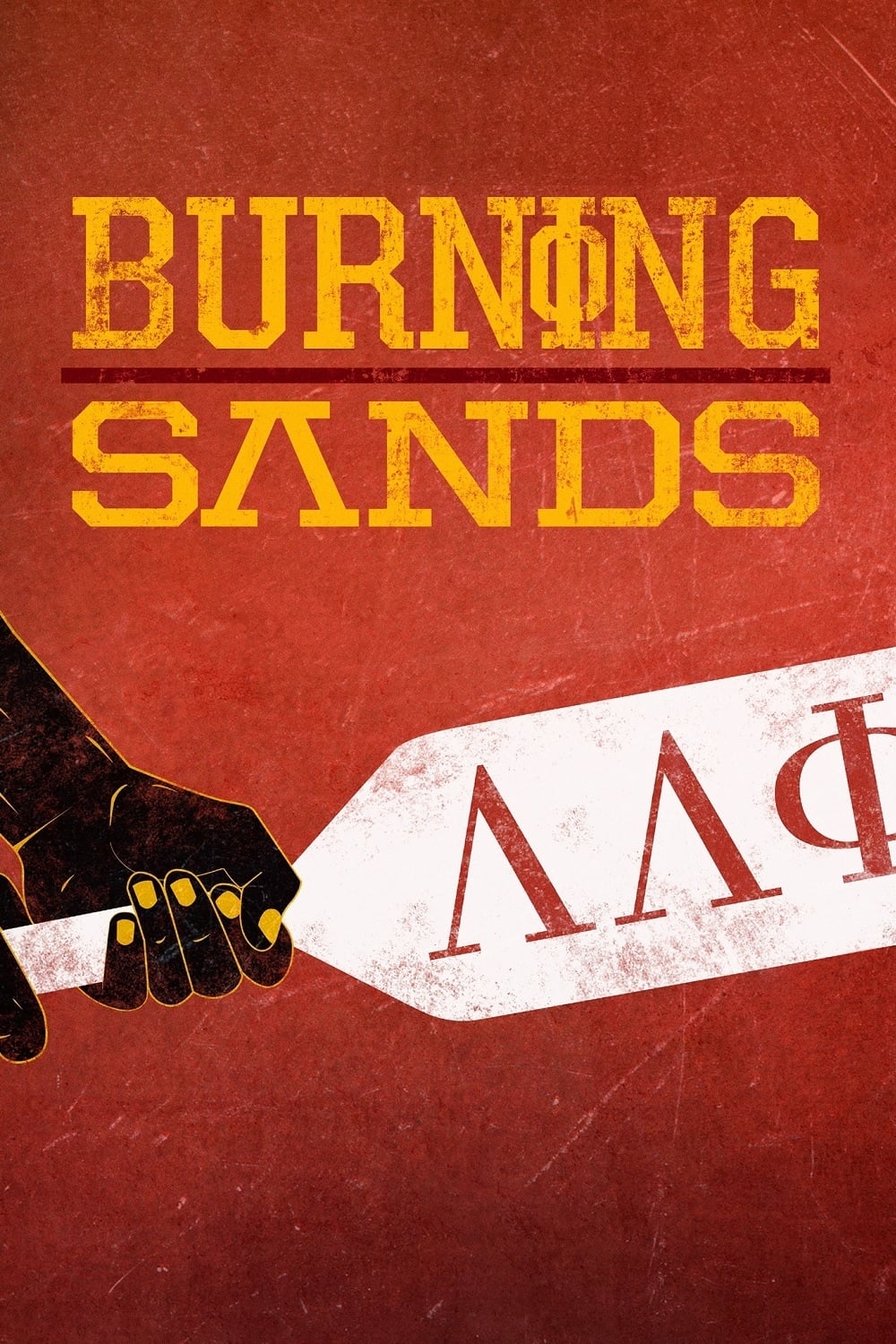
Deep into Hell Week, a favored pledgee is torn between honoring his code of silence or standing up against the intensifying violence of underground hazing.
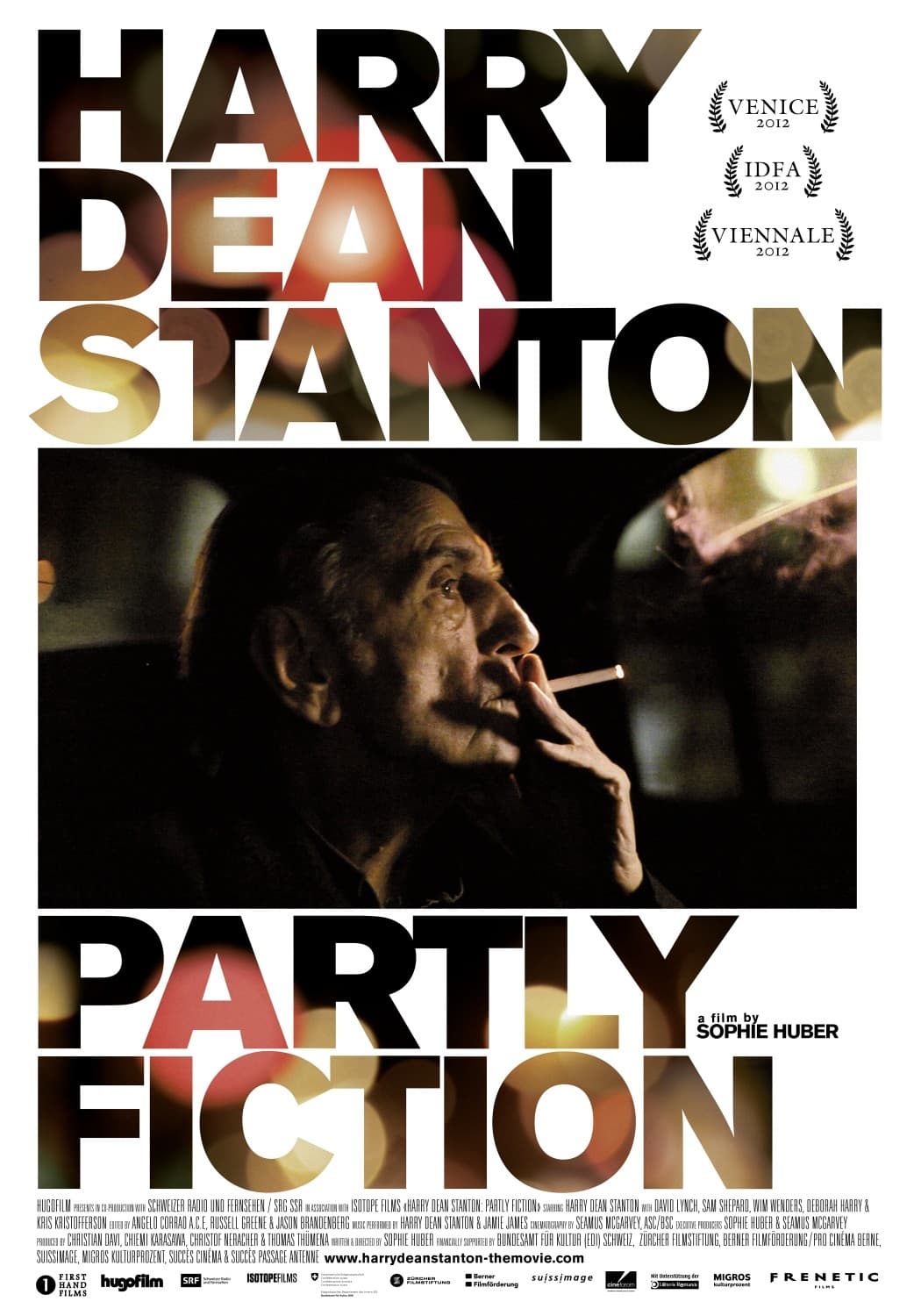
An impressionistic portrait of the iconic actor Harry Dean Stanton comprised of intimate moments, film clips from some of his 250 films and his renditions of American folk songs.
When Brooke’s boyfriend, Ethan, breaks up with her just before the holidays, she agrees to go home with Joel, an actor who will pose as her boyfriend.
Tempted away from Newcastle United to join Real Madrid, rising star Santiago Munez finds this latest change of fortune the greatest challenge yet - personally as well as professionally. He is reunited with Gavin Harris, though they must compete to be on the team, and estranged from fiancee Roz, whose nursing career keeps her back home.
An uptight advertising exec has his entire life in a filofax organizer which mistakenly ends up in the hands of a friendly convict who poses as him.
94-year-old Eleanor Morgenstein tries to rebuild her life after the death of her best friend. As a result, she moves back to New York City after living in Florida for decades.
An 11-year-old aspiring wrestler enters a competition to become the next WWE superstar by using special powers from a magical mask.
The life and career of an actor, artist, and icon. His own journey through his own camera.
Musician and performance artist Laurie Anderson reflects on the deaths of her husband Lou Reed, her mother and her beloved dog.
A 21-year-old girl is released from prison, only to deal with the neighborhood gossip about her and family conflicts. She decides to save one million yen, move to where no one knows her and keep repeating the process.
To help his divorced neighbor claim a substantial inheritance, a family man poses as her husband. The ruse spills over into his career in advertising, and his recent promotion relies on his wholesome and moral appearance.
A man in his mid-20s, still living at home with his mother and stepfather, puts all his eggs in one basket: the girl who works at his local coffee shop. The problem is, she has a serious boyfriend. As they become closer, the line between friendship and intimacy is blurred, and the situation forces both to examine where they are in their lives.
Amy, Kiki and Carla – three under-appreciated and over-burdened women – rebel against the challenges and expectations of the Super Bowl for mothers: Christmas. And if creating a more perfect holiday for their families wasn’t hard enough, they have to do all of that while hosting and entertaining their own mothers.
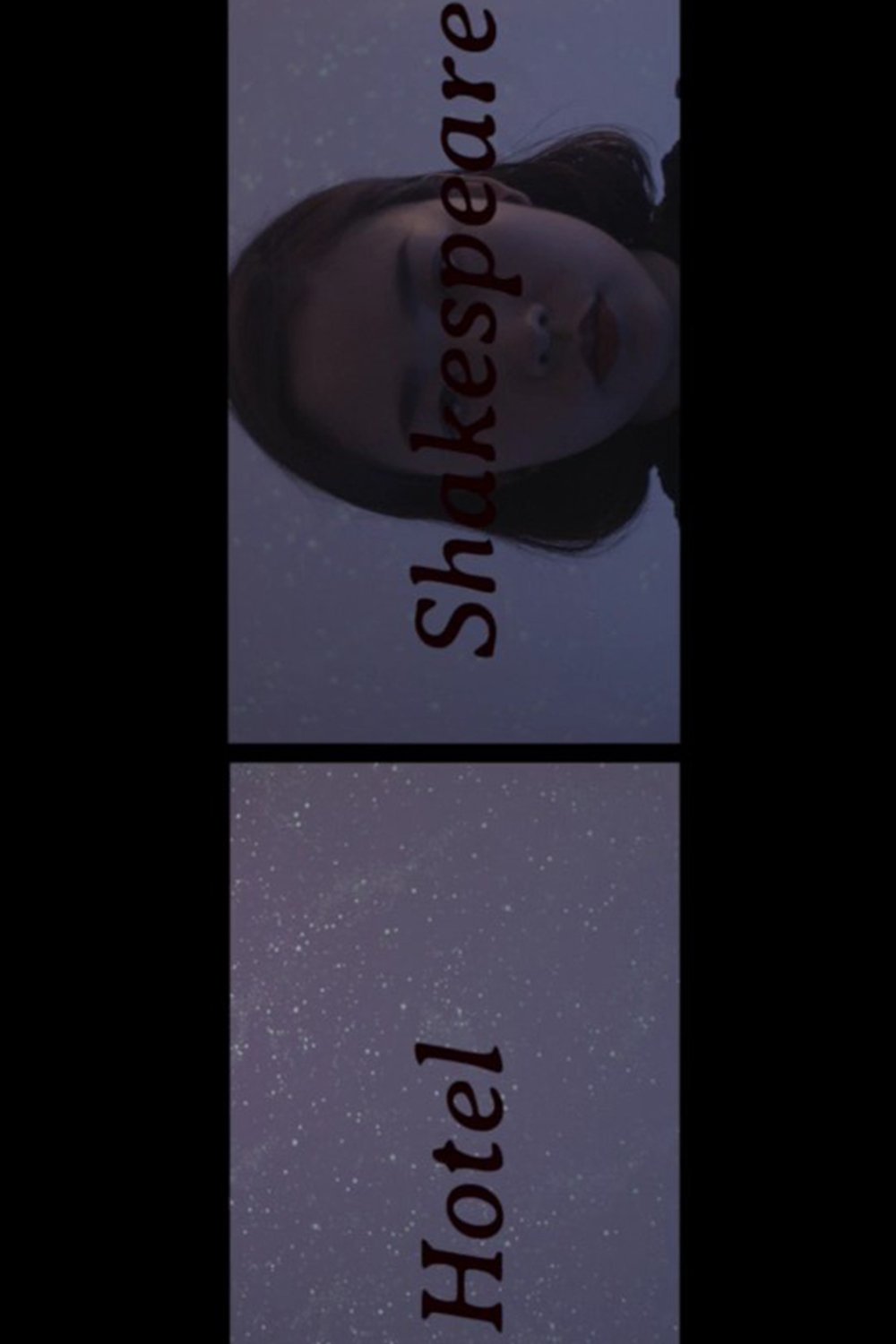
A nameless drifter navigates a barren landscape punctuated by satellite dishes, radio towers and droning airplanes. Stopping periodically in anonymous hotel rooms, she makes attempts to connect to an unidentified second party.