Social & External
Unknown Role
Commentary (voice)
Local, organic, and sustainable are words we associate with food production today, but 40 years ago, when Fran and Tony McQuail started farming in Southwestern Ontario, they were barely spoken. Since 1973, the McQuails have been helping to build the organic farming community and support the next generation of organic farmers. This is a documentary about the McQuails that explores the very real ways their farm has contributed to the long term ecological viability of agriculture in Ontario. It is a call to action for all those who believe there is a better way to take care of our planet and feed the world.
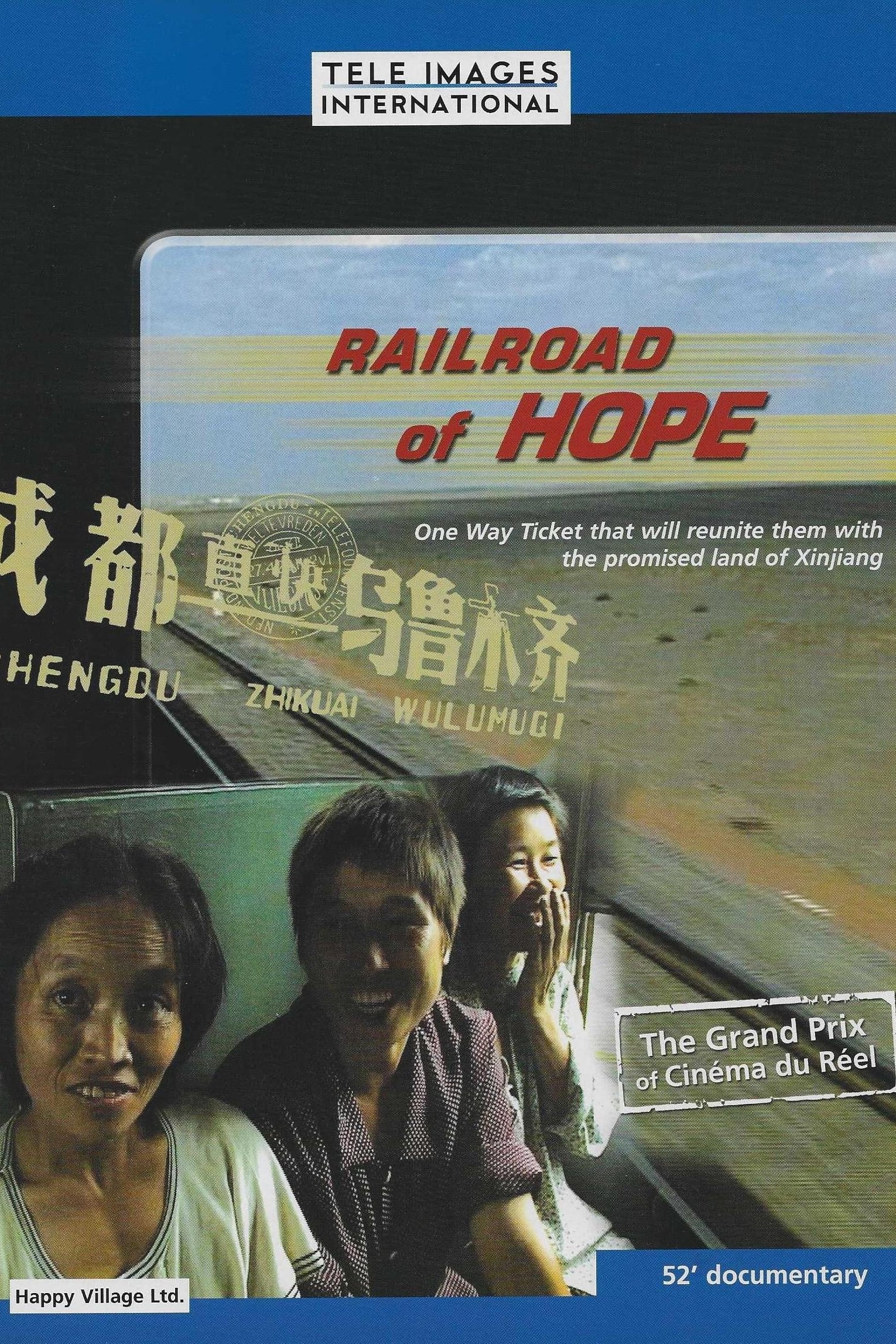
Railroad of Hope consists of interviews and footage collected over three days by Ning Ying of migrant agricultural workers traveling from Sichuan in China's interior, to the Xinjiang Autonomous Region, China's northwest frontier.[1] Through informal interviews aboard the cramped rail cars, Ning Ying explores the hopes and dreams of the workers, many of whom have never left their homes before.
The film exposes the links between Agrifood and politics. With a pool of international experts it analyses the many problems related to factory farming: water pollution, migrants exploitation, biodiversity loss and antibiotic resistance.
In 1980, Jack Shae and Allen Moore, two ethnographic filmmakers from Harvard University, moved their families to the island of Berneray in the Outer Hebrides. Over the course of 18 months they documented the everyday lives and struggles of the crofters they lived among, whom were even then a vanishing breed. The film is in English and Gaelic. This carefully observed documentary by filmmakers Jack Shae and Allen Moore is a poetic ethnographic film in the style of their mentor, Robert Gardner (“Dead Birds”). It follows the rhythm of life on a wind-swept island in the Outer Hebrides through the four seasons and in the filmmakers’ observation of the day-to-day struggles of a vanishing society we see the deep-time legacy of their kind. The film is in English and Gaelic.
The story of government chemist Dr. Harvey Wiley who, determined to banish dangerous substances from dinner tables, took on the powerful food manufacturers and their allies.
Documentary filmmaker Robert Kenner examines how mammoth corporations have taken over all aspects of the food chain in the United States, from the farms where our food is grown to the chain restaurants and supermarkets where it's sold. Narrated by author and activist Eric Schlosser, the film features interviews with average Americans about their dietary habits, commentary from food experts like Michael Pollan and unsettling footage shot inside large-scale animal processing plants.
In California’s Central Valley, tucked between the county jail and the shooting range, 100 Mexican-American farmworking families live, love and strive at the Artesi II Migrant Family Housing Center. Until every December, that is, when they’re asked to leave.
In search of a more sustainable food system, three organic farming pioneers discuss their hopes and doubts with a spectrum of experts and stakeholders.
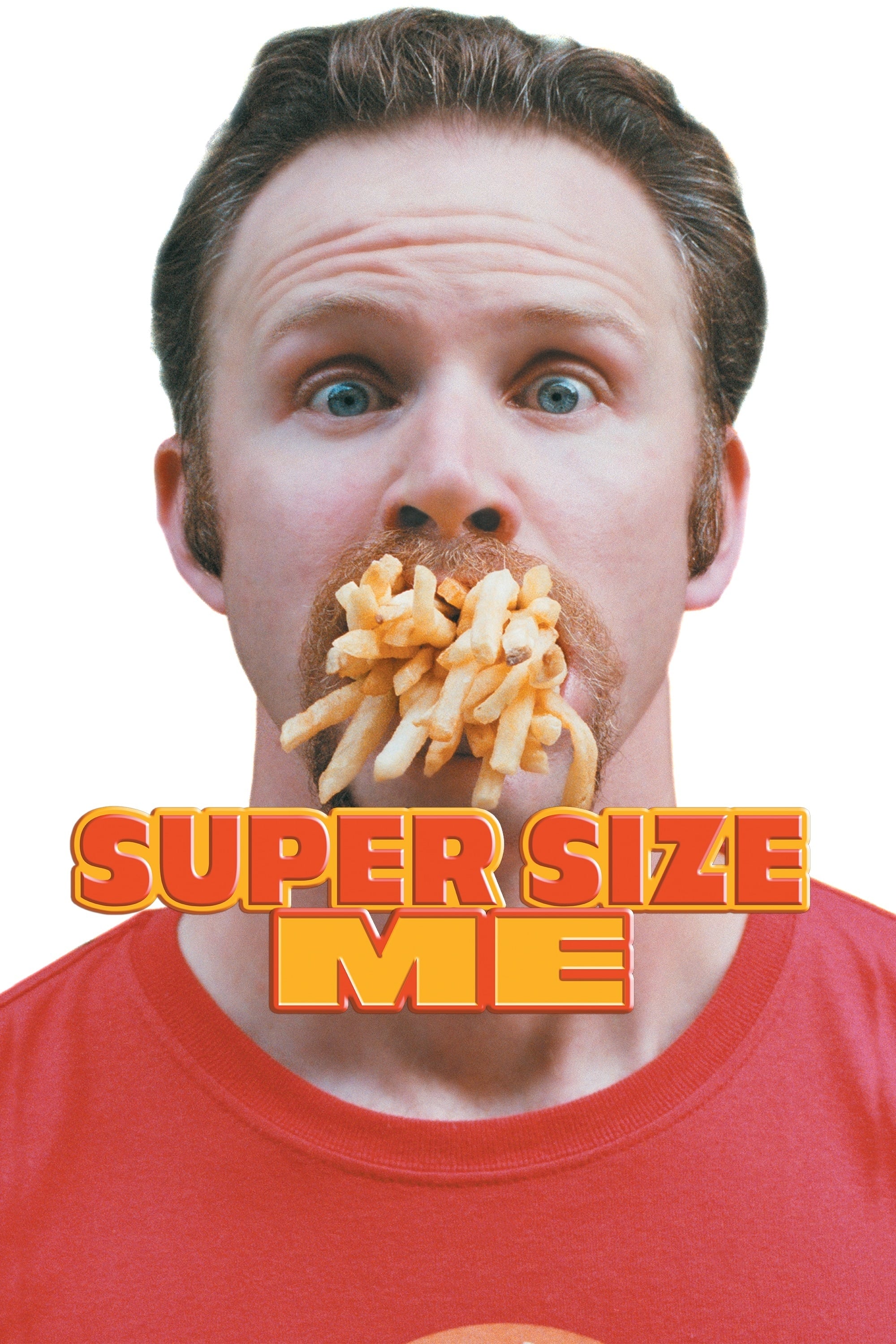
Morgan Spurlock subjects himself to a diet based only on McDonald's fast food three times a day for thirty days without exercising to try to prove why so many Americans are fat or obese. He submits himself to a complete check-up by three doctors, comparing his weight along the way, resulting in a scary conclusion.