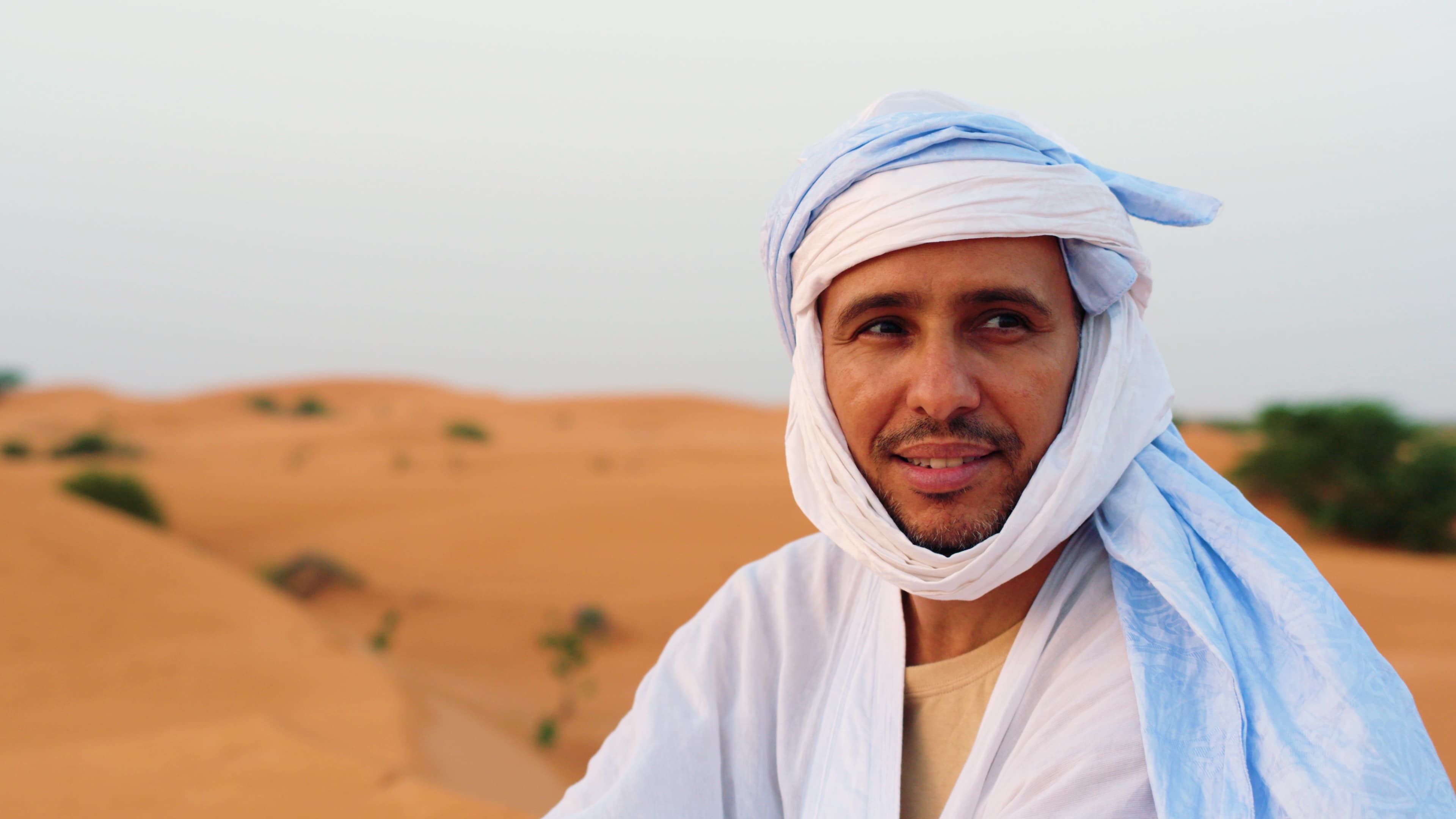
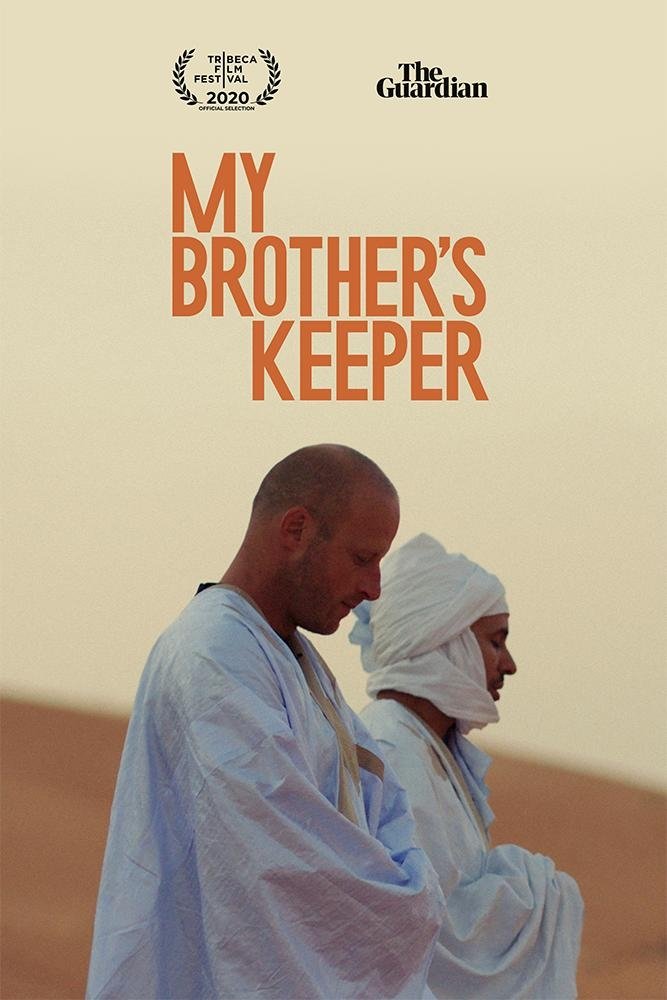
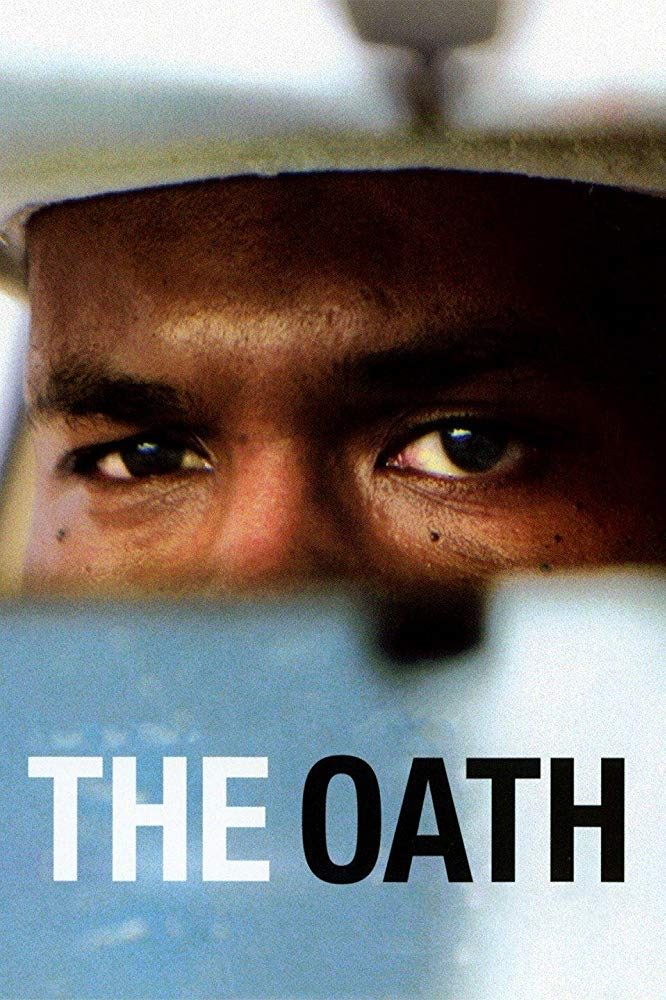
A Former Guantánamo detainee and best-selling author and his one-time American guard form an unlikely friendship.
Social & External
The people behind it
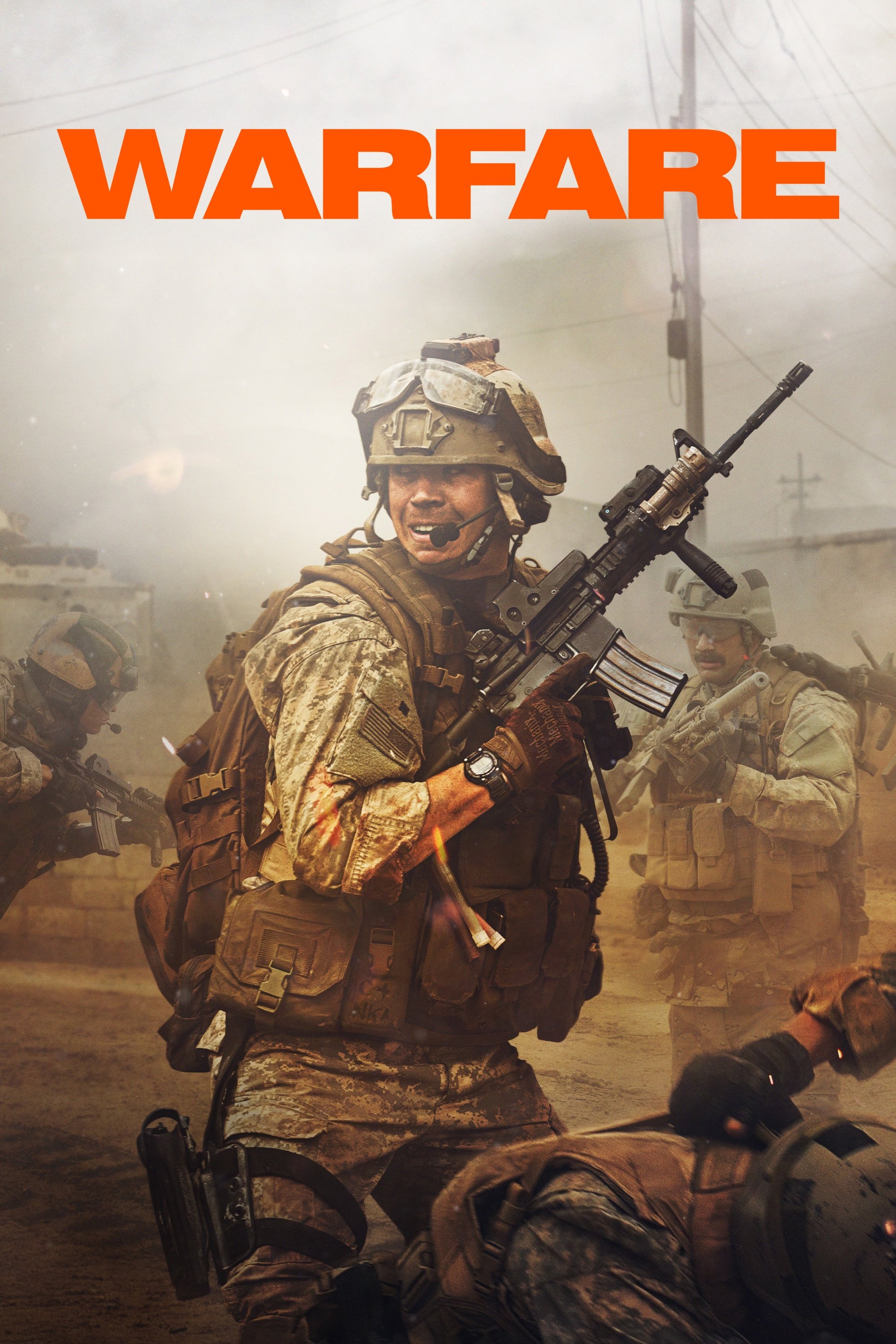
A platoon of Navy SEALs embarks on a dangerous mission in Ramadi, Iraq, with the chaos and brotherhood of war retold through their memories of the event.
The History Channel marks the 20th anniversary of 9/11 with a new groundbreaking documentary about the biggest manhunt in human history. This documentary draws on interviews and stories told in the Museum's special exhibition of the same name, and features interviews with Jan Seidler Ramirez, chief curator and executive vice president of collections, to tell the sweeping tale, linking policy, intelligence, and military decision-making as they converged on a mysterious compound in Abbottabad, Pakistan.
After the 9/11 attacks, after the smoke was gone, after the rubble cleared away, New Yorkers had a city to rebuild. In response to fast-tracked redevelopment plans, more than 5,000 people gathered in the largest town hall in American history. They came to vote on the city’s six proposals for rebuilding Ground Zero. But instead, the people rejected the top down approach and successfully charted a new path forward. Their work determined what is at Ground Zero today. And their story is an example of what democracy can look like.
Three women in a re-entry house experience the reality of reintegration and attempt to acclimate to life after being released from incarceration and battling addiction.
A group of sceptics and believers try and resolve the questions of 9/11.
A documentary about 7 World Trade Center.
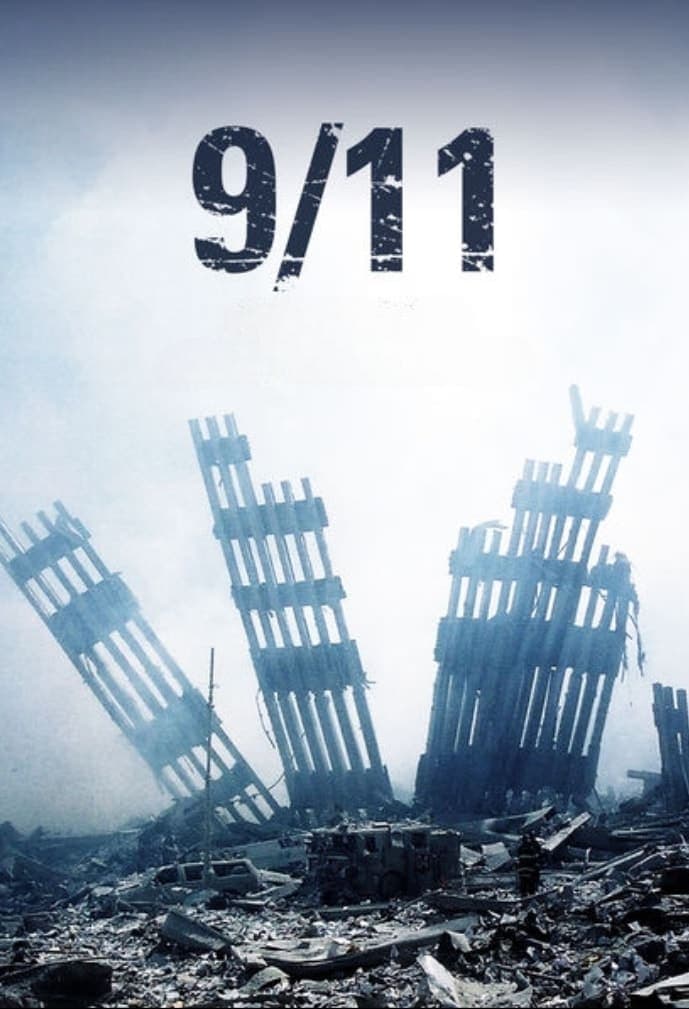
A look at the facts of 9/11
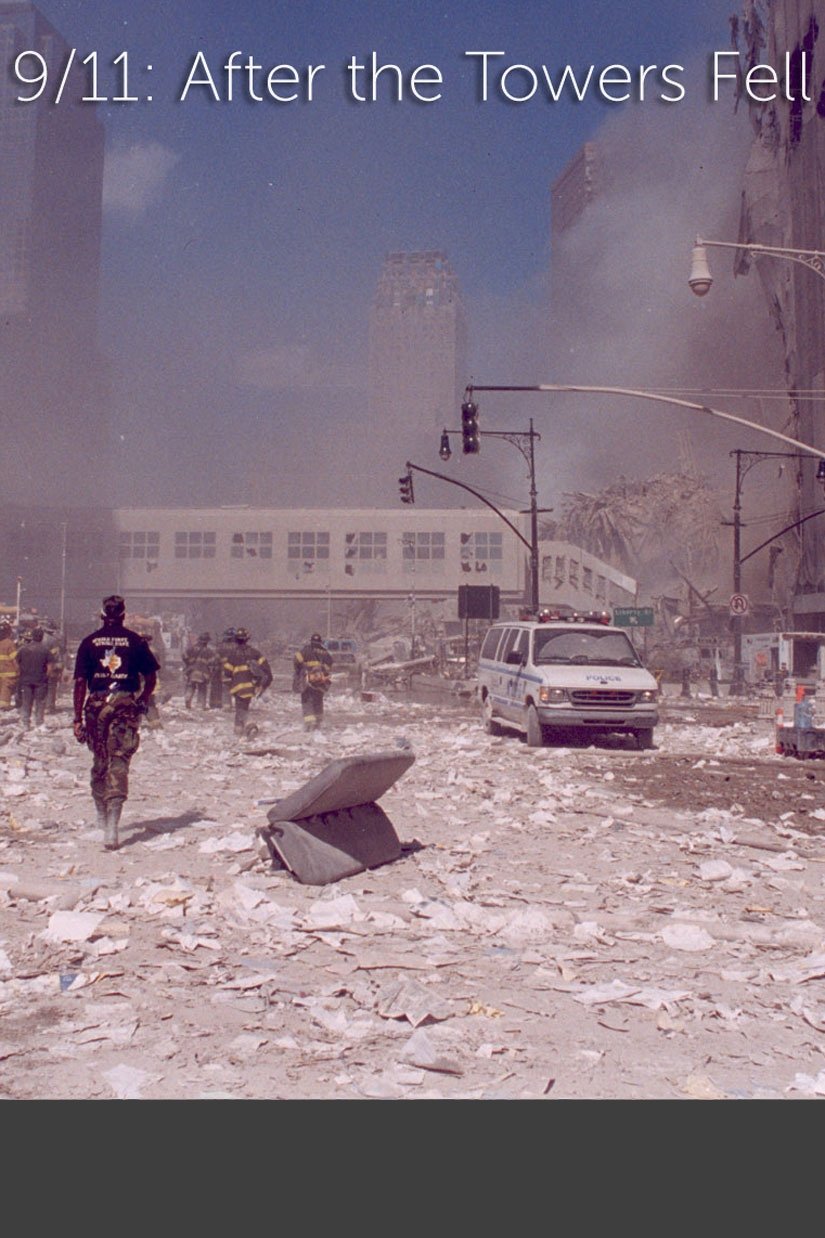
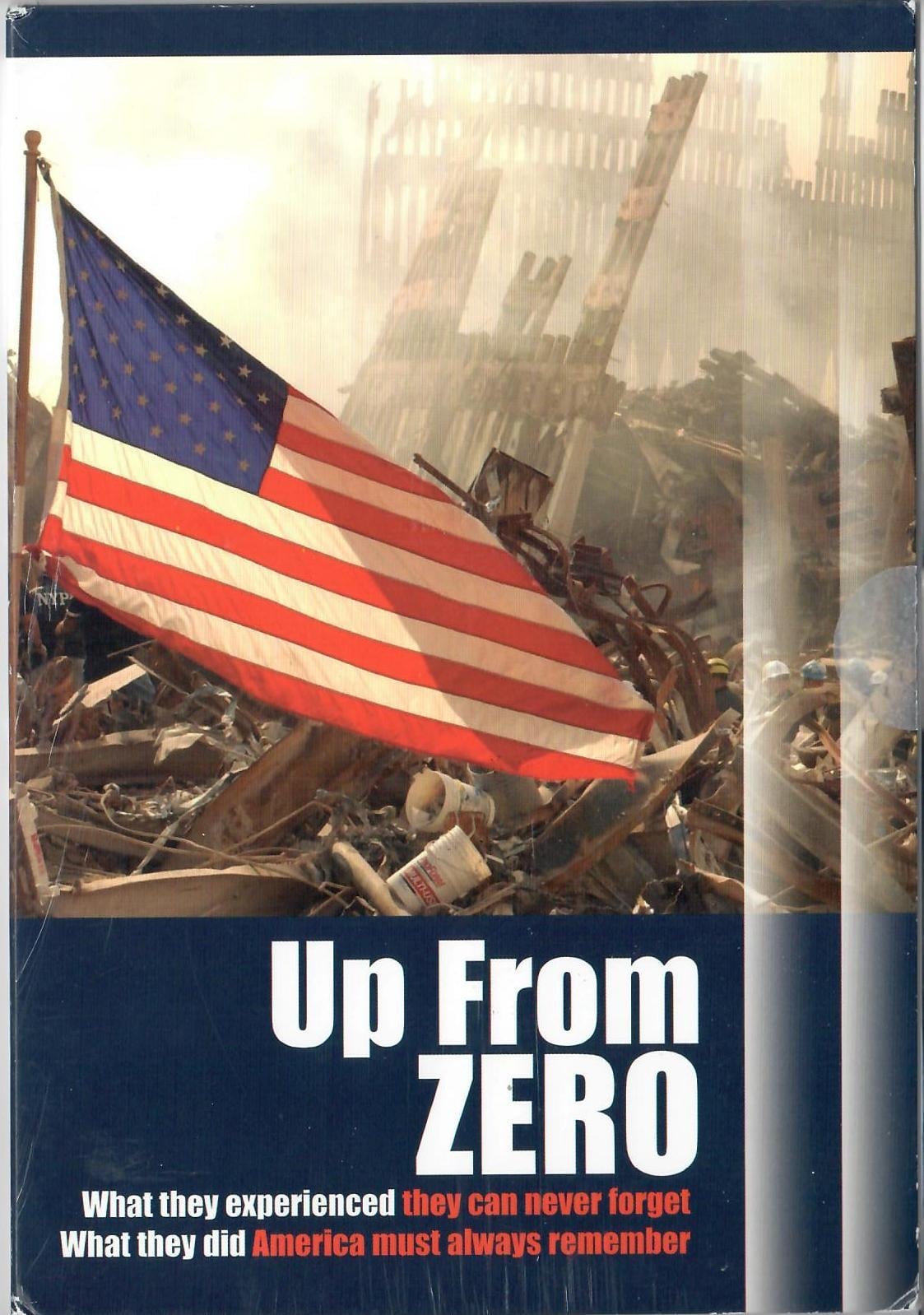
When the Twin Towers collapsed on September 11, 2001, thousands were feared trapped beneath the tons of steel and rubble. These are the stories of the rescue workers and civilians who raced to Ground Zero to rescue the buried. Immediately after the collapse, rescue workers are convinced that they will find survivors in the ruins – and, miraculously, a handful are found. As the last survivors are pulled from the rubble, the rescuers shift focus to the monumental task to identify and recover the lost among the ruins. After the Towers Fell is the first in-depth look at the aftermath of the Towers' collapse and the heroes who selflessly took on the monumental task of rescue and recovery of their fellow New Yorkers
In the fall of 2001 just a month and a half after the 9/11 attack on New York, David Kramer's studio suffers a devastating gas explosion. Kramer tries to find the significance of these two national tragedies.
This movie was released by the U.S. Department of Labor as a way to document those who were involved with the cleanup of New York City after the 9/11 attack on the World Trade Center.
In commemoration of the 10th anniversary of 9/11, this documentary short chronicles the streets of New York City on September 12th, 2001, the day after the attacks. Directed by Alexander Baack & released to Vimeo.
A look back at how America's national pastime, Major League Baseball, brought the victims' families, New York City, the fans, and the entire country back to some sense of normalcy after the terrorist attacks on the World Trade Center on 9/11. Manager of the New York Yankees, Joe Torre, and the New York Mets, Bobby Valentine, guide us through the heartfelt stories that show the resilience of the city and country, and a message of hope that people can bounce back from tragedy.
In times of conflict, a companion can be the final thread linking one to human connection. In Call of Duty: Warzone, communication is fractured, making it even harder to truly know those you play with. Dialogue is just a series of terse exchanges of orders and instructions; everything revolves around the game, everything is subsumed by war. Forming a meaningful connection with an anonymous player seems nearly impossible. In The Zone, the protagonists confront this challenge, pushing beyond the fleeting interactions dictated by random matchmaking. They seek to reclaim their humanity, engaging with pressing themes — religion, terrorism, and representation — subtly embedded in the game’s mechanics and geography.
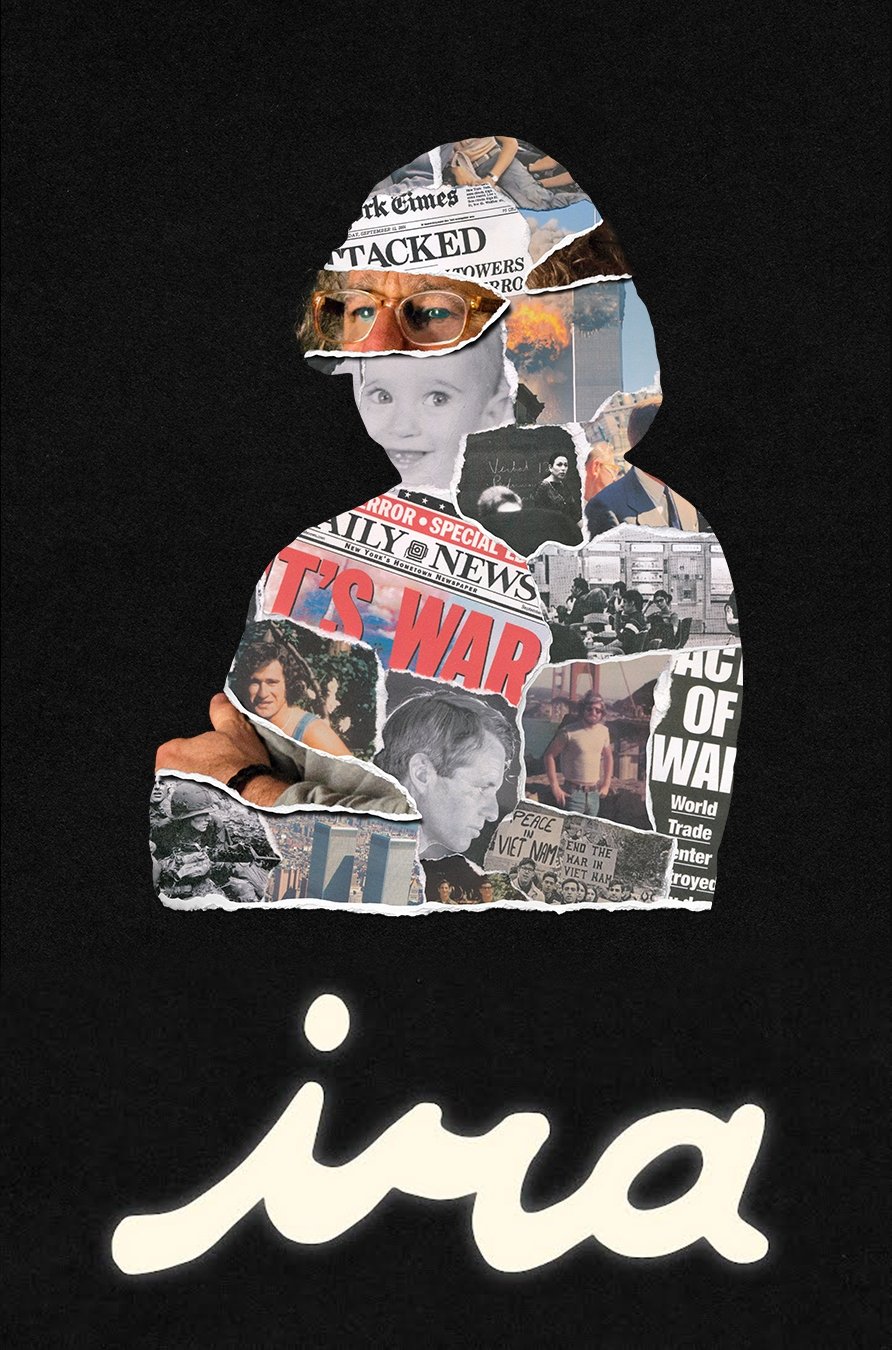
A documentary-short on the life of Ira Sanders, a commodity trader turned educator whose first-hand experiences on 9/11 greatly influence his life.
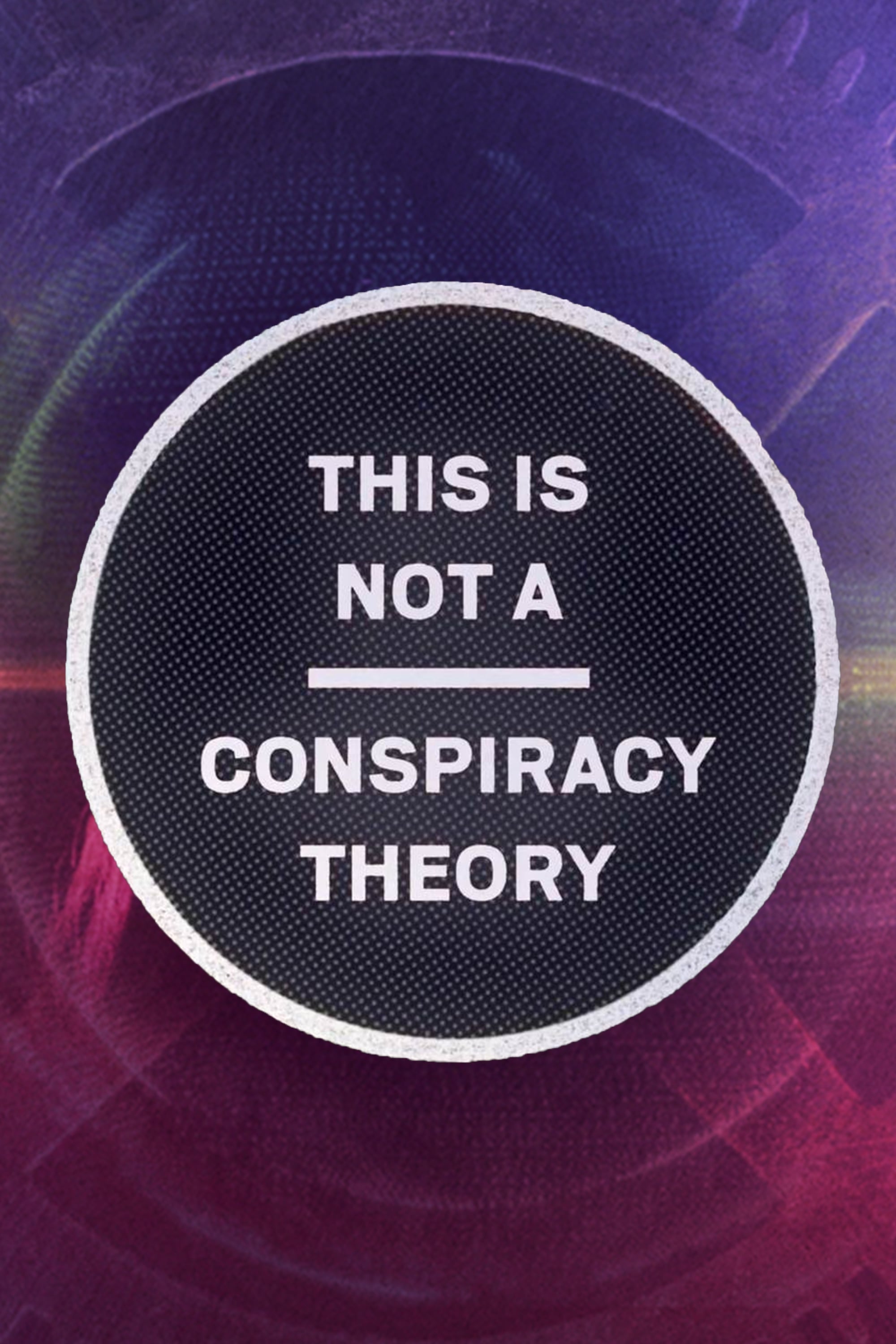
This is Not a Conspiracy Theory is a documentary about where conspiracy theories come from, what they reveal about all of us, and the real quest to discover the hidden forces that shape our lives. With trust in governments low and media fractured into an infinite number of contested opinions, conspiracy theories are an appealing way to understand the world. They project human intentions onto complex events to explain why things happen and assign blame.
A look at the spread of Al-Qaeda in the UK
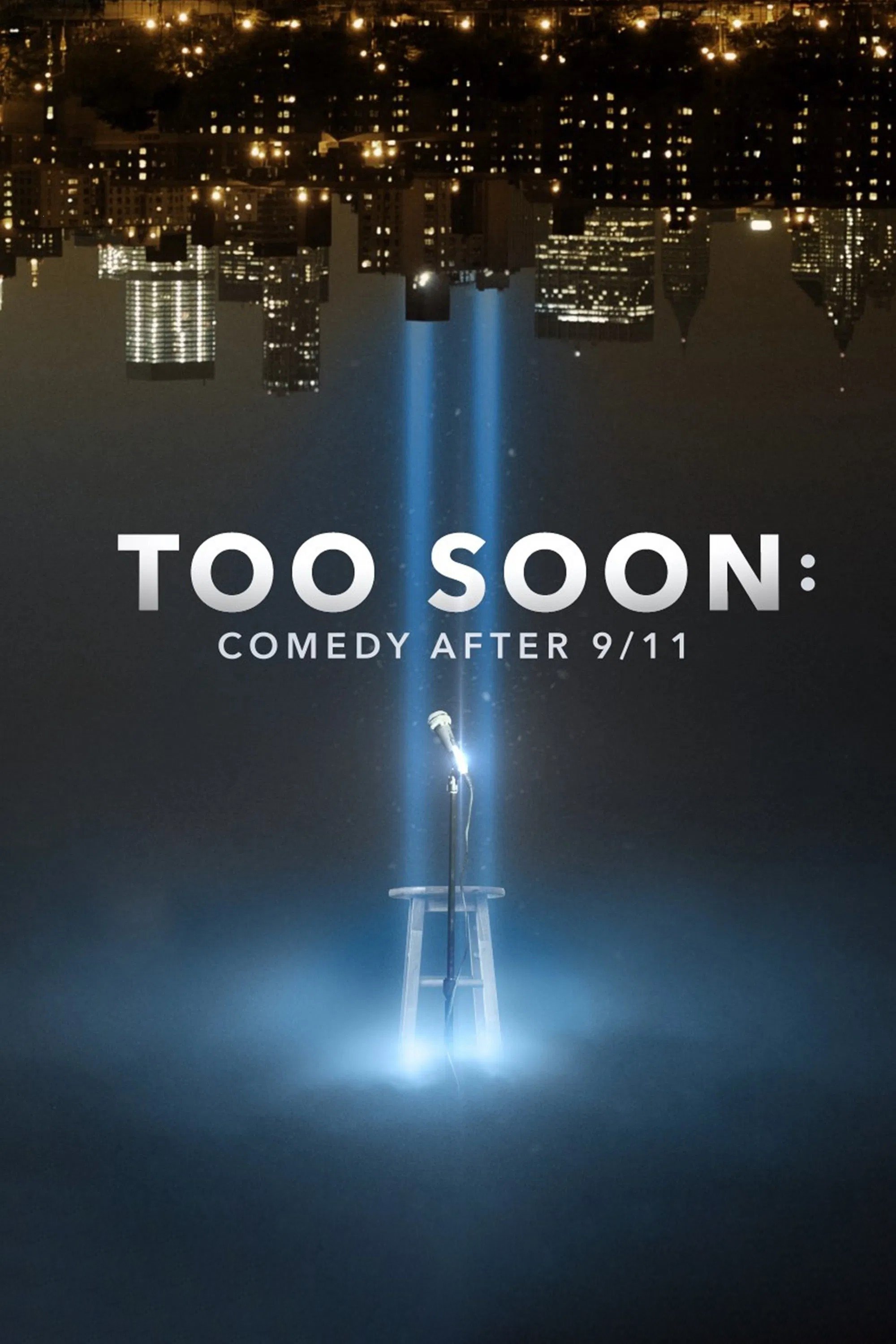
From the immediate aftermath of 9/11 to today stand-up comedians, talk-show hosts, sketch performers, television animators and other entertainers have used often-controversial jokes to unite and heal in the face of tragedy.
Tells the story of two men, Abu Jandal and Salim Ahmed Hamdan, whose fateful encounter in 1996 set them on a course of events that led them to Afghanistan, Osama bin Laden, 9/11, Guantanamo, and the U.S. Supreme Court.
In this inspirational tale, Chris Sader and Hulk Hogan relate how they met and developed a bond through mutual struggles and personal loss that each would have faced alone if not for the unlikely friendship that develops between them.
Seventy-Nine US Navy SEALS have paid the ultimate sacrifice since 9/11/2001. Retired Navy SEAL Sniper, Dave Hall, and LA Artist, Ellwood T. Risk, created a work of art from the target Dave shot 79 times from 911 yards on 9/11/2012. Documenting the journey of a SEAL, injured in a firefight who wants to reset the day, to the stories of the lives of the fallen, as told by their families, woven among the creation of the art, Until it Hurts meets along the way a retired Navy SEAL Lieutenant who survived being shot in the face, a civilian couple who purchased the art, a seventeen year-old who wants to be a Navy SEAL and the NYPD Officer who's best friends were killed in 9-11.
Prelude to War was the first film of Frank Capra's Why We Fight propaganda film series, commissioned by the Pentagon and George C. Marshall. It was made to convince American troops of the necessity of combating the Axis Powers during World War II. This film examines the differences between democratic and fascist states.
Amid the failing counteroffensive, a journalist follows a Ukrainian platoon on their mission to traverse one mile of heavily fortified forest and liberate a strategic village from Russian occupation. But the farther they advance through their destroyed homeland, the more they realize that this war may never end.
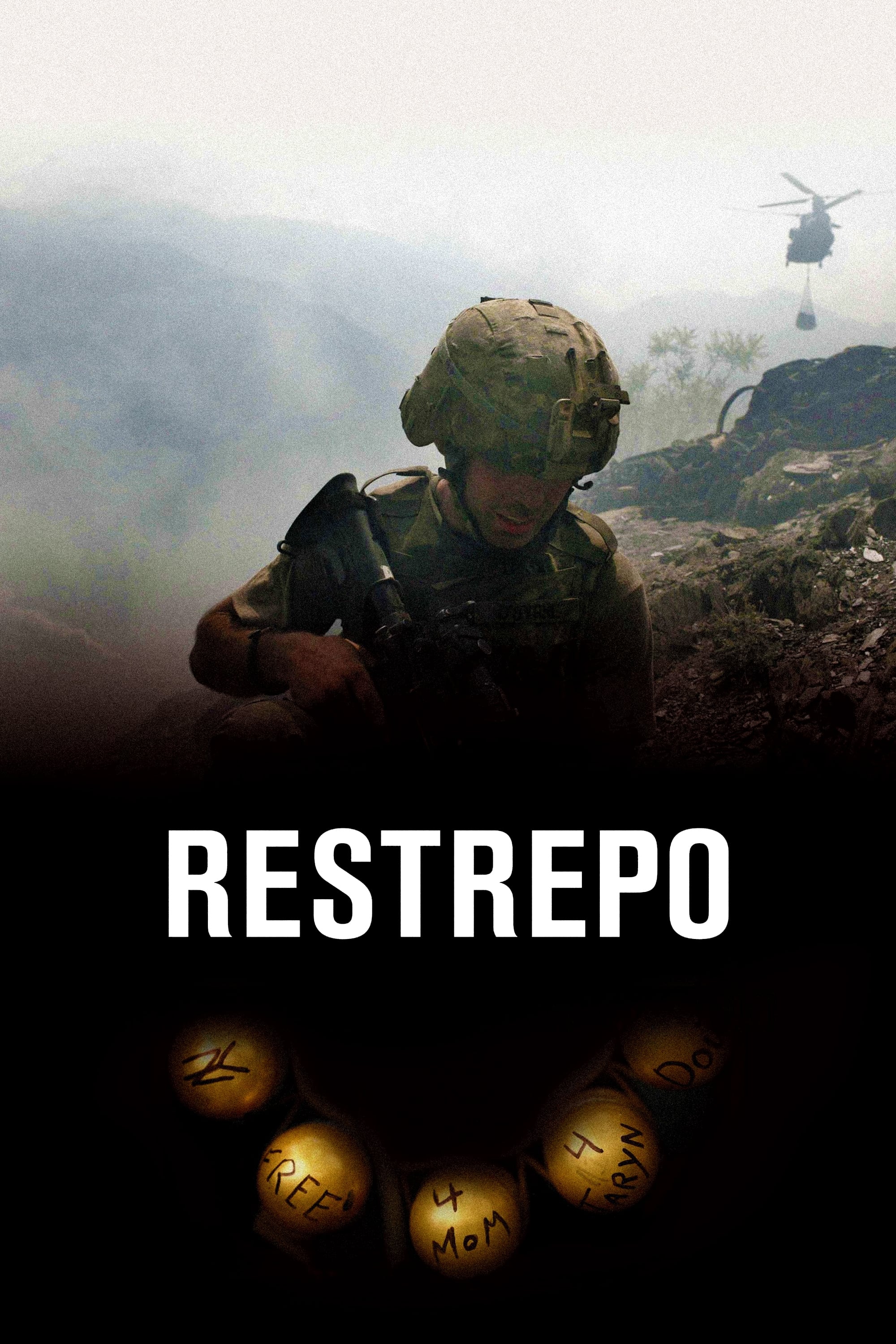
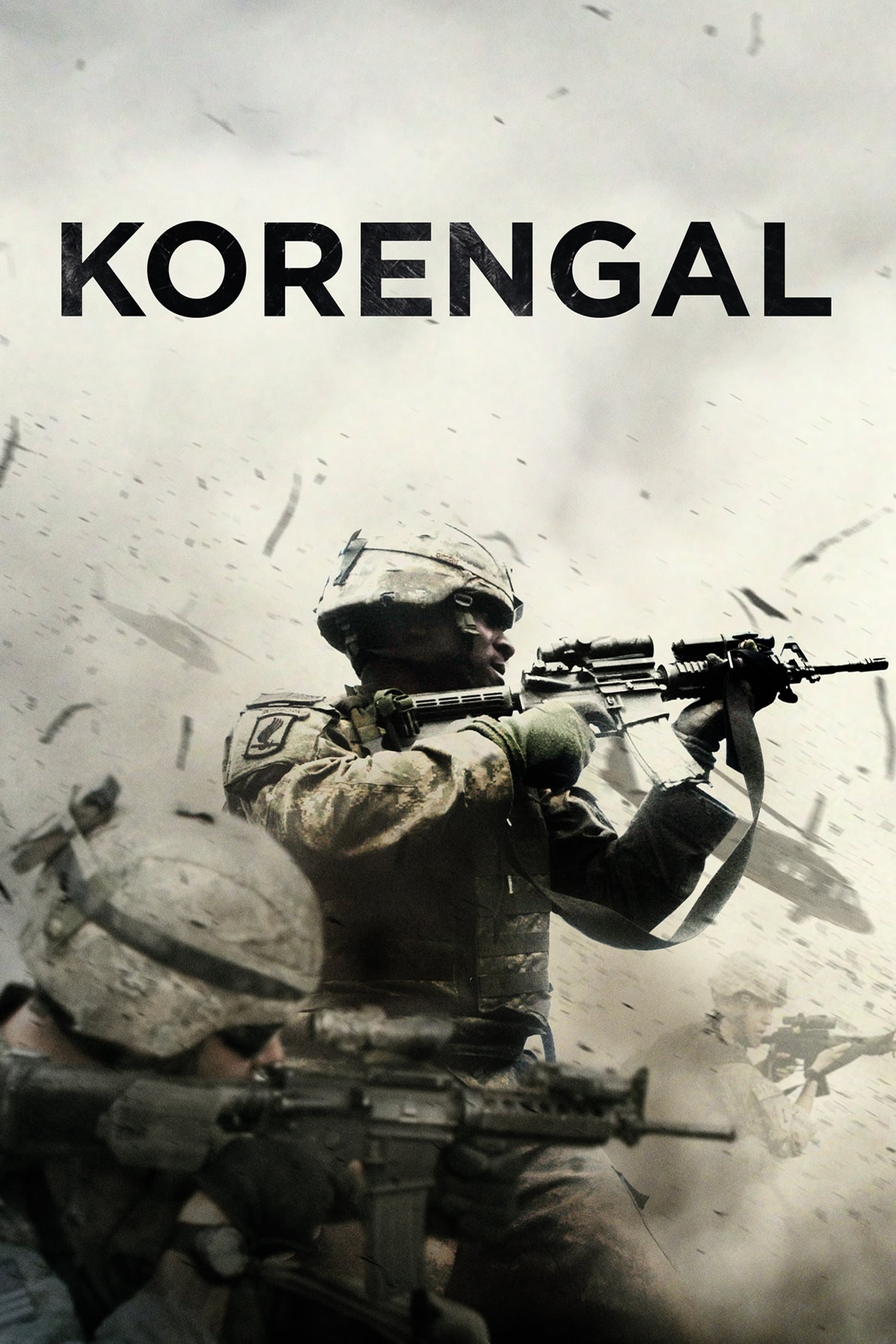
Directors Hetherington and Junger spend a year with the 2nd Battalion of the United States Army located in one of Afghanistan's most dangerous valleys. The documentary provides insight and empathy on how to win the battle through hard work, deadly gunfights and mutual friendships while the unit must push back the Taliban.
“The Soviet Story” is a story of an Allied power, which helped the Nazis to fight Jews and which slaughtered its own people on an industrial scale. Assisted by the West, this power triumphed on May 9th, 1945. Its crimes were made taboo, and the complete story of Europe’s most murderous regime has never been told. Until now...
A string of threatening emails escalates into a revenge plot involving a newly married US marshal and his ex-girlfriend.
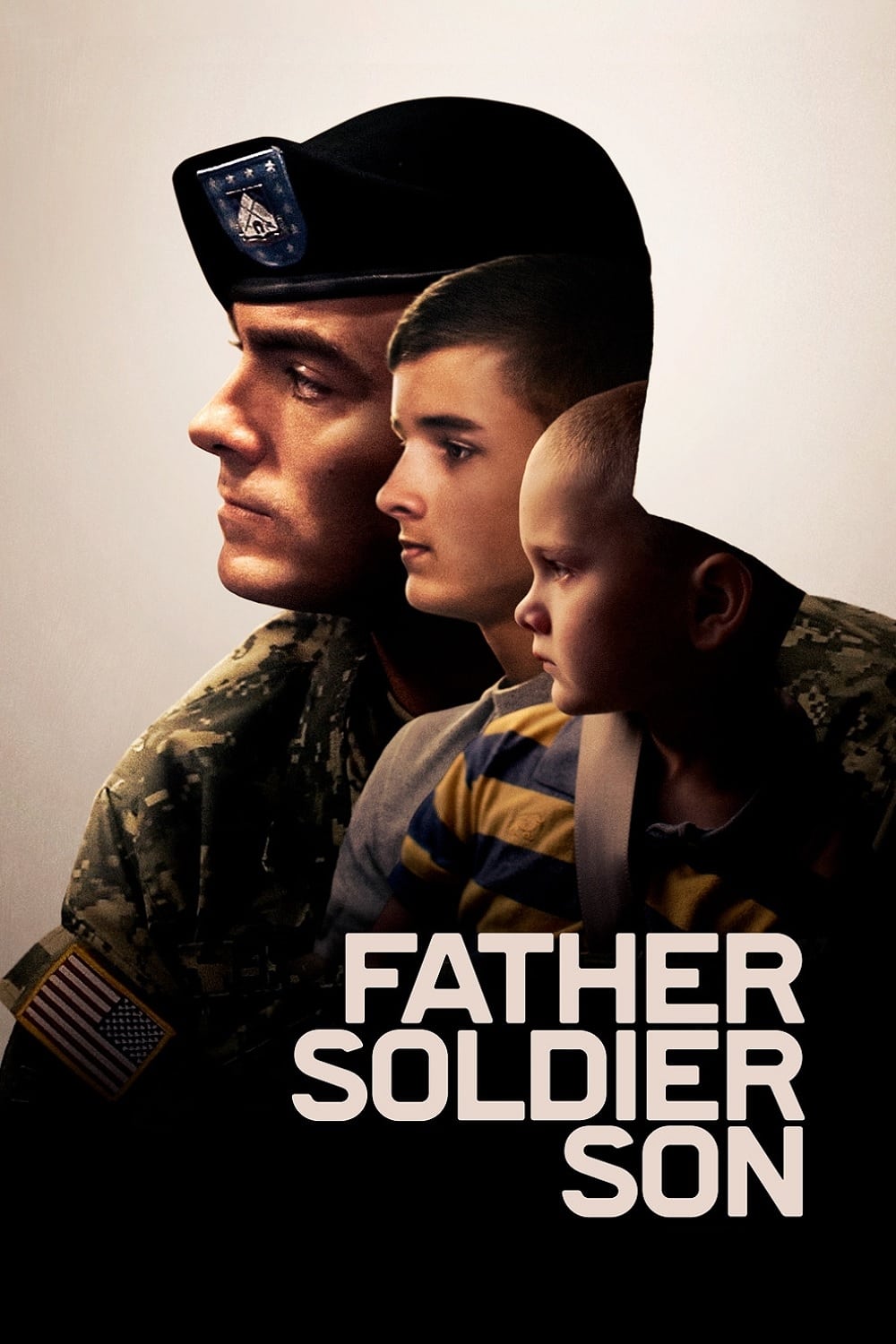
When Sgt. First Class Brian Eisch is critically wounded in Afghanistan, it sets him and his sons on a journey of love, loss, redemption and legacy.
A love letter from a young mother to her daughter, the film tells the story of Waad al-Kateab’s life through five years of the uprising in Aleppo, Syria as she falls in love, gets married and gives birth to Sama, all while cataclysmic conflict rises around her. Her camera captures incredible stories of loss, laughter and survival as Waad wrestles with an impossible choice– whether or not to flee the city to protect her daughter’s life, when leaving means abandoning the struggle for freedom for which she has already sacrificed so much.
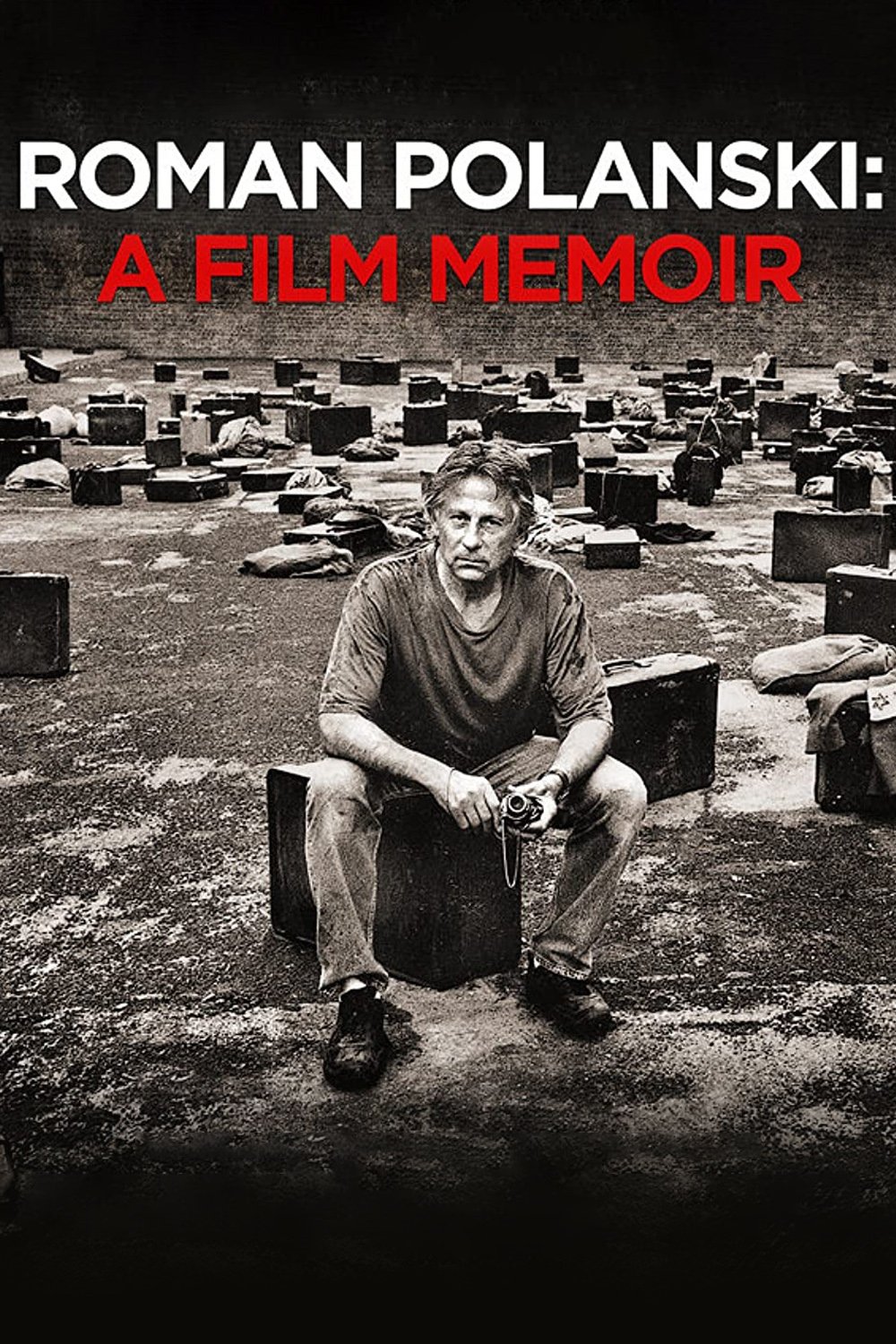
An interview with film director Roman Polanski conducted during his period of house arrest, discussing his life and work.
A documentary about World War I with never-before-seen footage to commemorate the centennial of Armistice Day, and the end of the war.
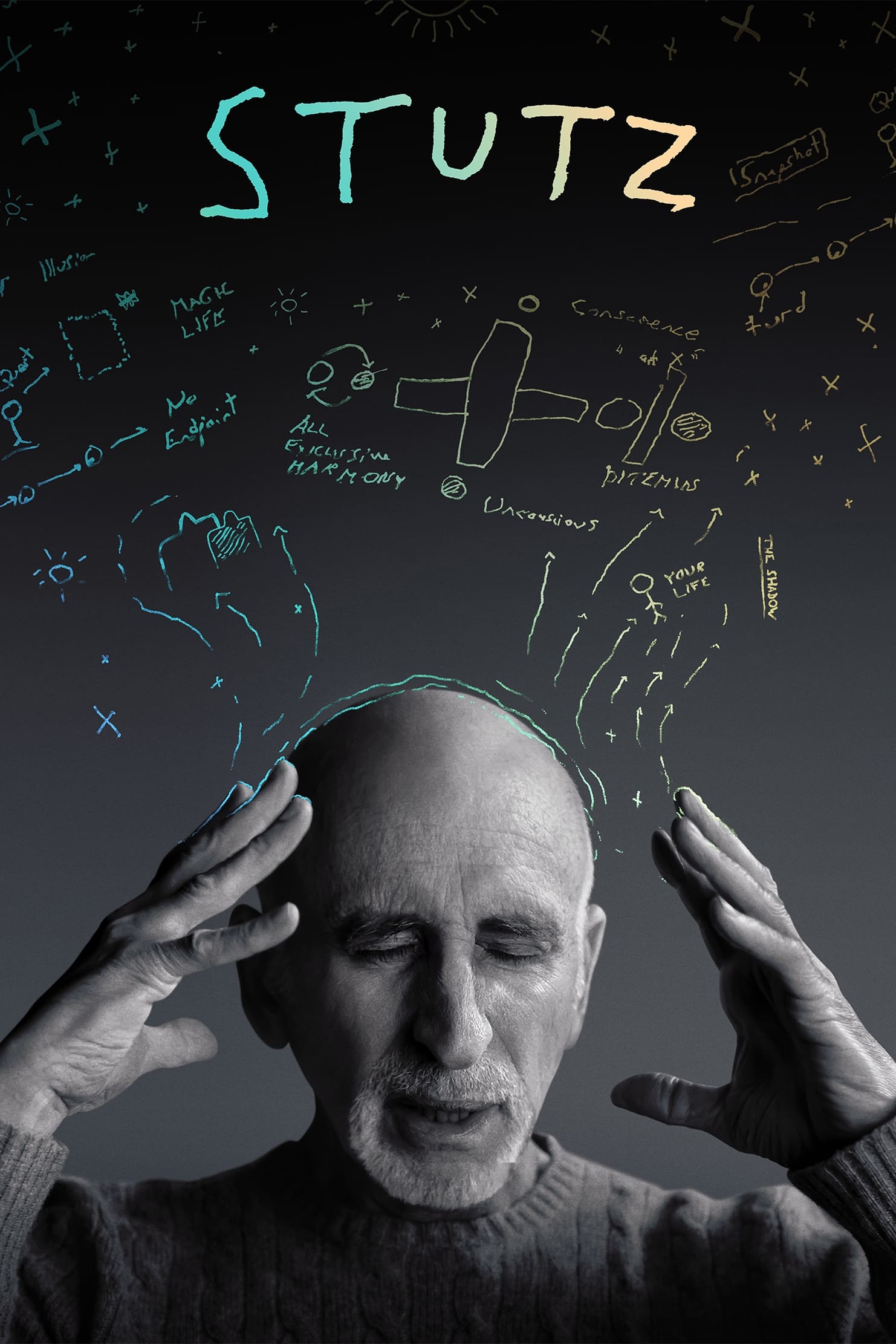
In candid conversations with actor Jonah Hill, leading psychiatrist Phil Stutz explores his early life experiences and unique, visual model of therapy.
An on-the-scene documentary following the events of September 11, 2001 from an insider's view, through the lens of two French filmmakers who simply set out to make a movie about a rookie NYC fireman and ended up filming the tragic event that changed our lives forever.
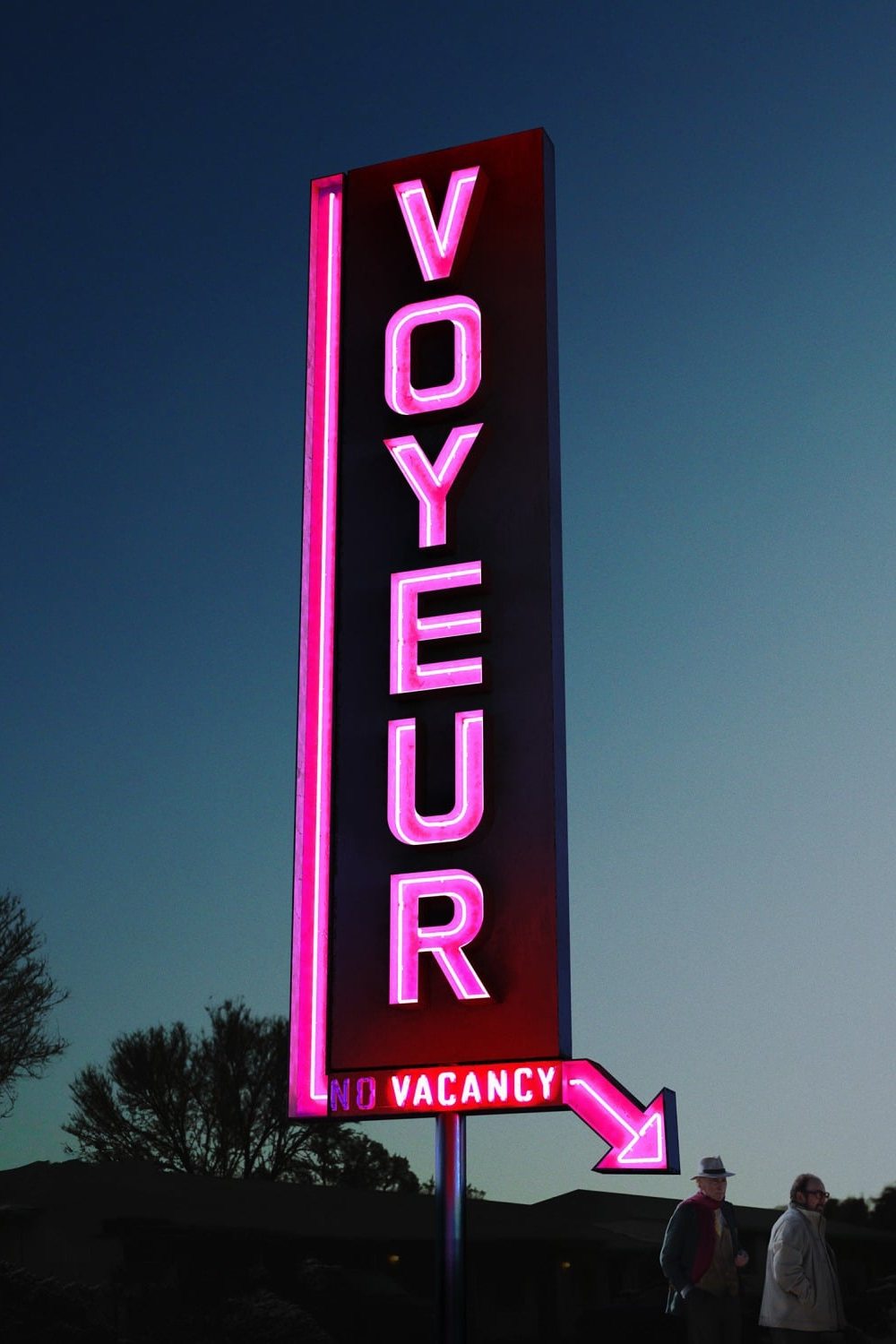
Legendary journalist Gay Talese unmasks a motel owner who spied on his guests for decades. But his bombshell story soon becomes a scandal of its own.
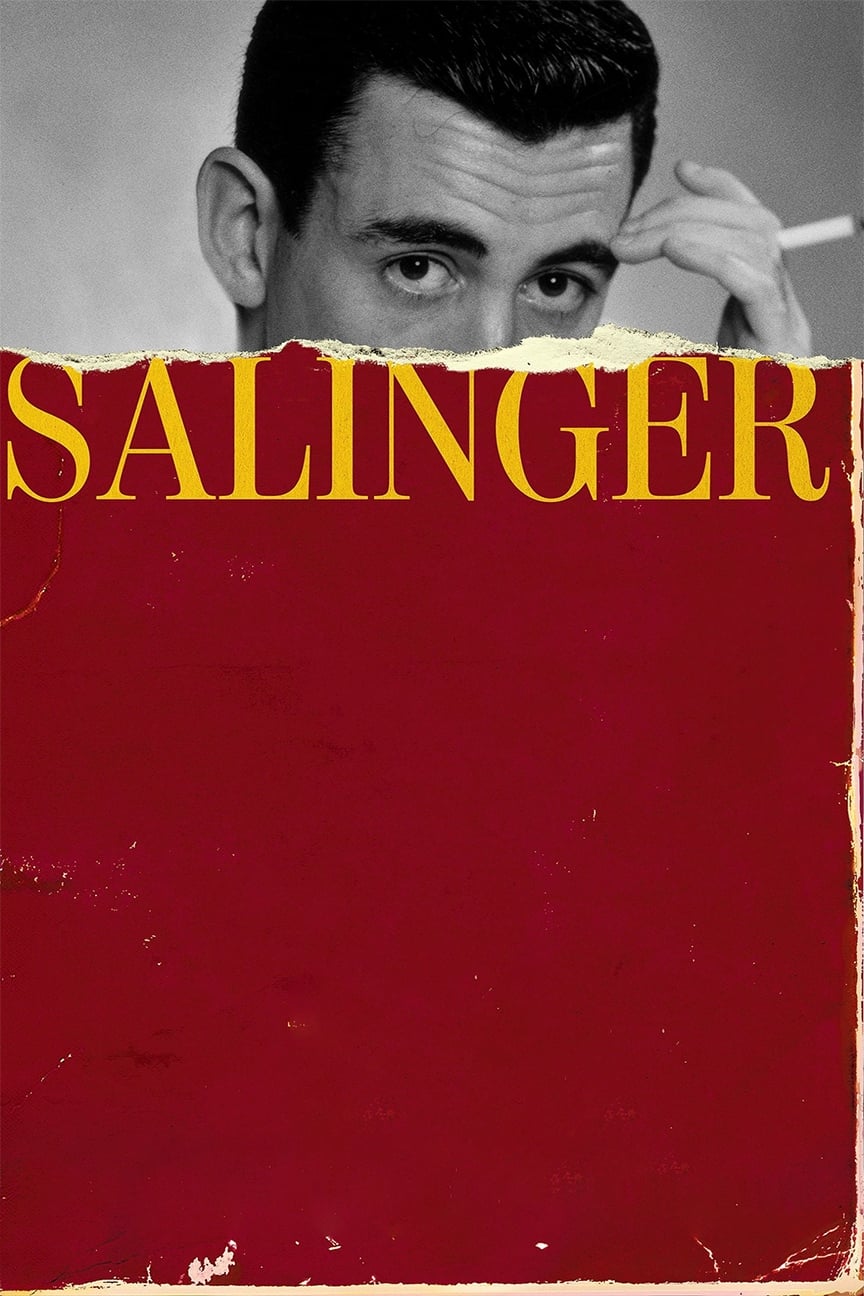
An in-depth investigation into the private world of the American writer J. D. Salinger (1919-2010), who lived most of his life behind the impenetrable wall of a self-imposed seclusion: how his dramatic experiences during World War II influenced his life and work, his relationships with very young women, his obsessive writing methods, his many literary secrets.
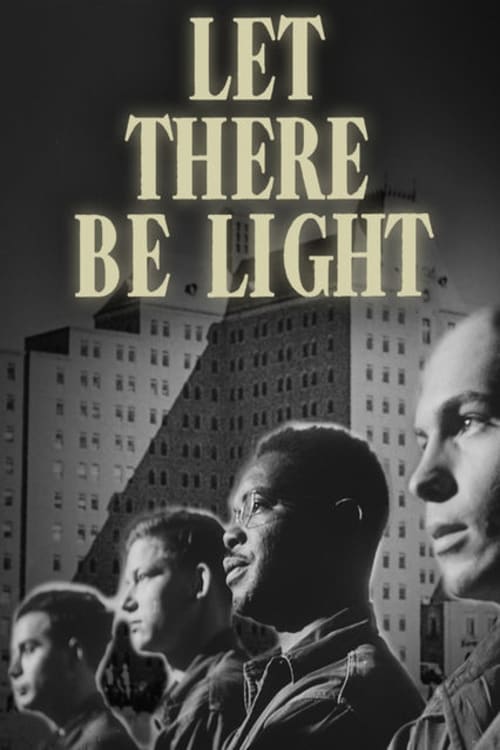
The final entry in a trilogy of films produced for the U.S. government by John Huston. Some returning combat veterans suffer scars that are more psychological than physical. This film follows patients and staff during their treatment. It deals with what would now be called PTSD, but at the time was categorised as psychoneurosis or shell-shock. Government officials deemed this 1946 film counterproductive to postwar efforts; it was not shown publicly until 1981.
Korengal picks up where Restrepo left off; the same men, the same valley, the same commanders, but a very different look at the experience of war.
When Allied forces liberated the Nazi concentration camps in 1944-45, their terrible discoveries were recorded by army and newsreel cameramen, revealing for the first time the full horror of what had happened. Making use of British, Soviet and American footage, the Ministry of Information’s Sidney Bernstein (later founder of Granada Television) aimed to create a documentary that would provide lasting, undeniable evidence of the Nazis’ unspeakable crimes. He commissioned a wealth of British talent, including editor Stewart McAllister, writer and future cabinet minister Richard Crossman – and, as treatment advisor, his friend Alfred Hitchcock. Yet, despite initial support from the British and US Governments, the film was shelved, and only now, 70 years on, has it been restored and completed by Imperial War Museums under its original title "German Concentration Camps Factual Survey".
In an intimate and joyful story of love in the face of loss, celebrated poets Andrea Gibson and Megan Falley find strength—and unexpected hilarity—in what might be their final year together.
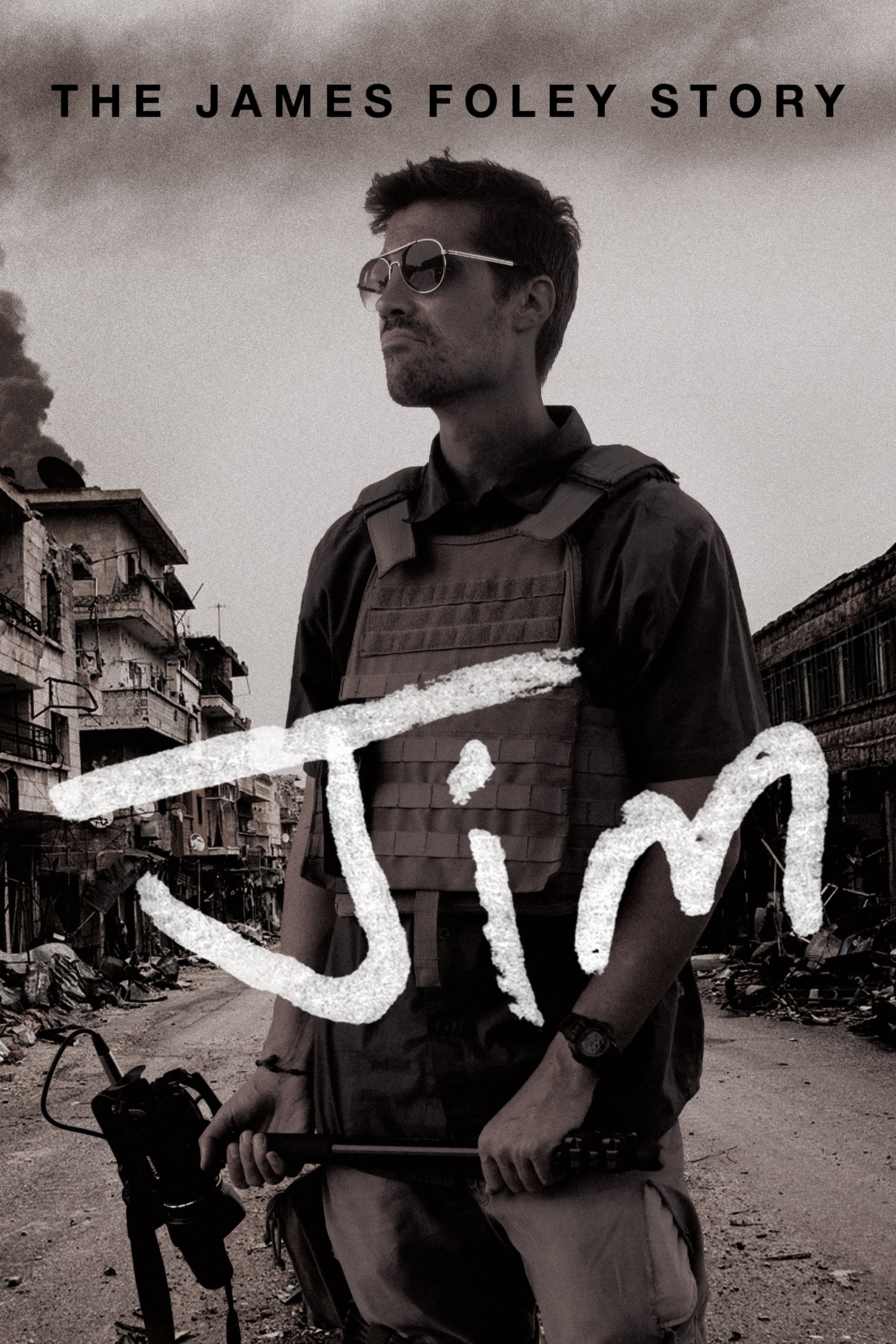
In August, 2014, a video of the public execution of American photojournalist James Foley rippled across the globe. Foley wore an orange jumpsuit as he knelt beside an ISIS militant dressed in black. That image challenged the world to deal with a new face of terror. And it tested one American family. Seen through the lens of filmmaker Brian Oakes, Foley’s close childhood friend, Jim takes us from small-town New England to the adrenaline-fueled front lines of Libya and Syria, where Foley pushed the limits of danger to report on the plight of civilians impacted by war.
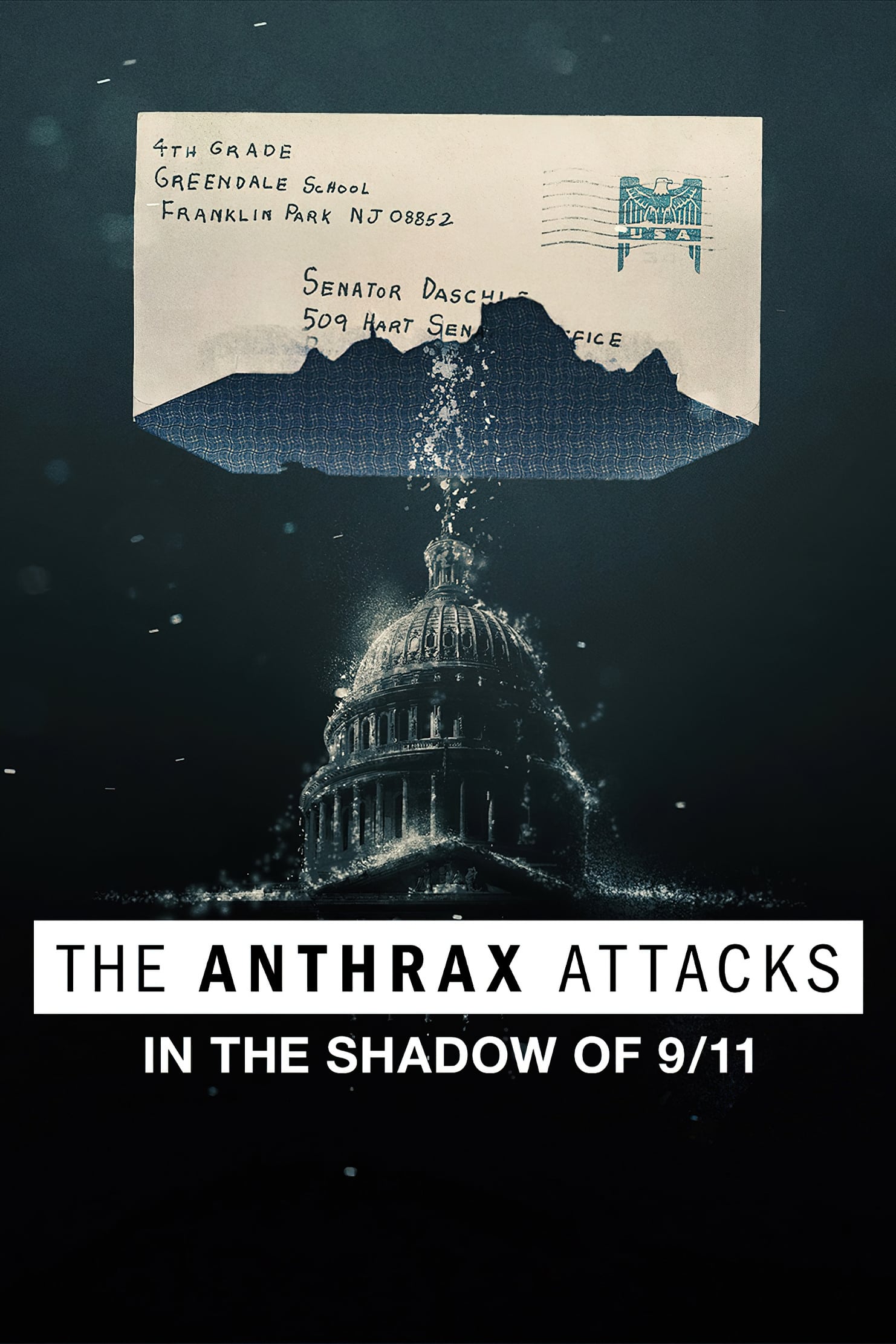
Days after 9/11, letters containing fatal anthrax spores spark panic and tragedy in the US. This documentary follows the subsequent FBI investigation.
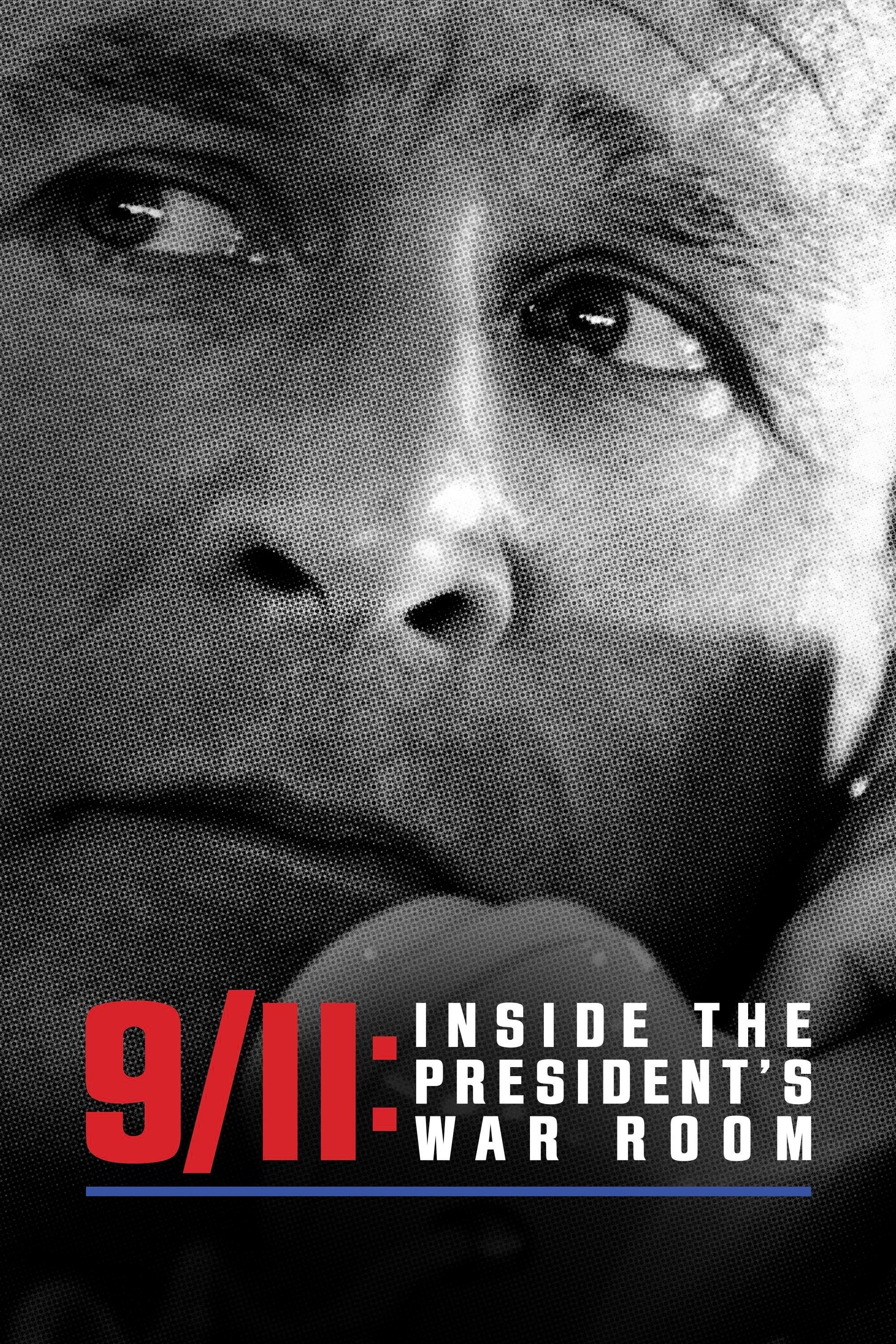
Experience the events of September 11, 2001 through the eyes of President Bush and his closest advisors as they personally detail the crucial hours and key decisions from that historic day.