Social & External
Self
An inspiring 75min DIY documentary film on new art and the young artists behind it. It was all filmed on the heat of live action of the first NOVA Contemporary Culture Festival, July and August 2010 in São Paulo, Brazil.
The Mona Lisa Curse is a Grierson award-winning polemic documentary by art critic Robert Hughes that examines how the world's most famous painting came to influence the art world. With his trademark style, Hughes explores how museums, the production of art and the way we experience it have radically changed in the last 50 years, telling the story of the rise of contemporary art and looking back over a life spent talking and writing about the art he loves, and loathes. In these postmodern days it has been said that there is no more passé a vocation than that of the professional art critic. Perceived as the gate keeper for opinions regarding art and culture, the art critic has supposedly been rendered obsolete by an ever expanding pluralism in the art world, where all practices and disciplines are purported to be equal and valid. Robert Hughes, however, is one art critic who has delivered a message that must not be ignored.
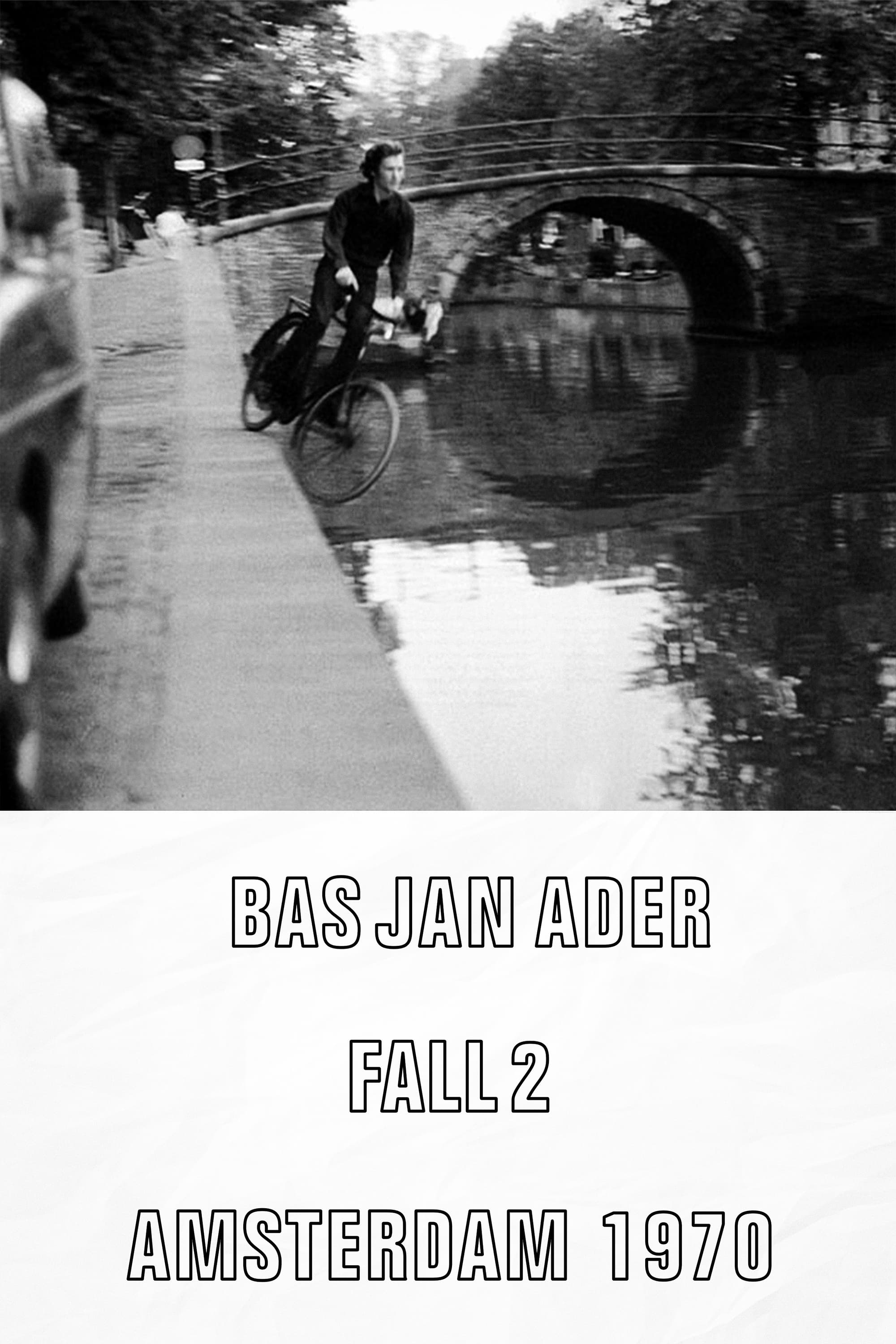
Bas Jan Ader rides his bike into a canal in Amsterdam.
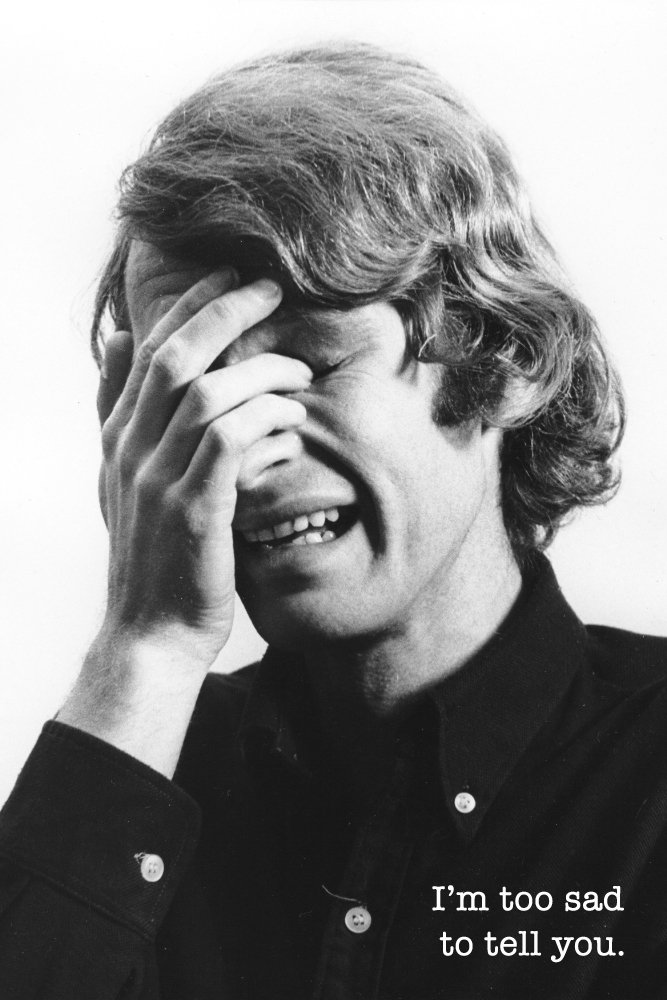
This short film is part of a mixed media artwork of the same name, which also included postcards of Ader crying, sent to friends of his, with the title of the work as a caption. The film was initially ten minutes long, and included Ader rubbing his eyes to produce the tears, but was cut down to three and a half minutes. This shorter version captures Ader at his most anguished. His face is framed closely. There is no introduction or conclusion, no reason given and no relief from the anguish that is presented.
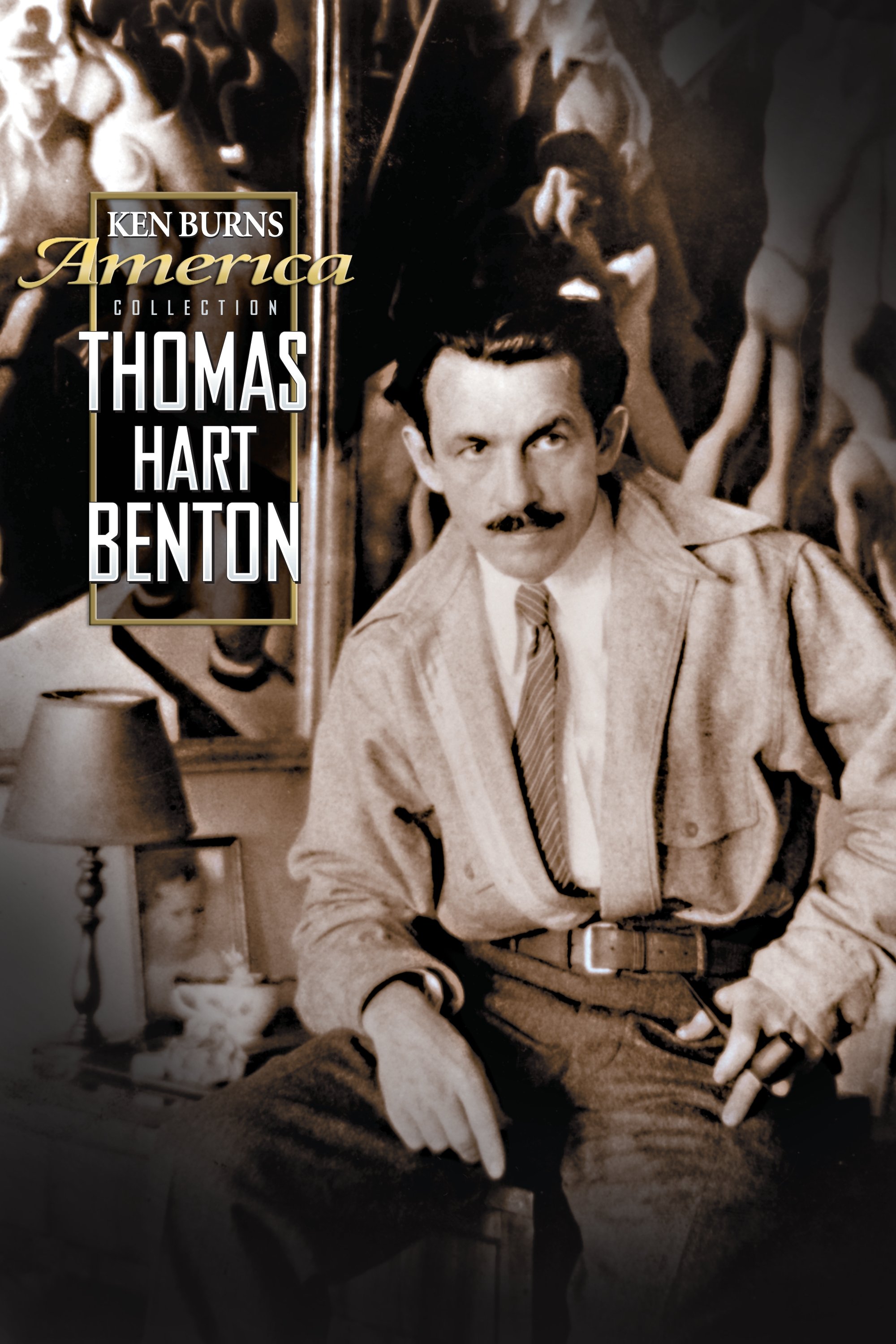
Thomas Hart Benton's paintings were energetic and uncompromising. Today his works are in museums, but Benton hung them in saloons for ordinary people to appreciate.
Up until the end of her life, Beatrice Wood continued to influence younger artists with her definitive, free-wheeling ways. She was central to the American Dada movement and was the last surviving member of this group. In this program she recalls her friends Man Ray, Picabia and others, and her ex-husband Marcel Duchamp. She died in 1999 at 105 years of age.
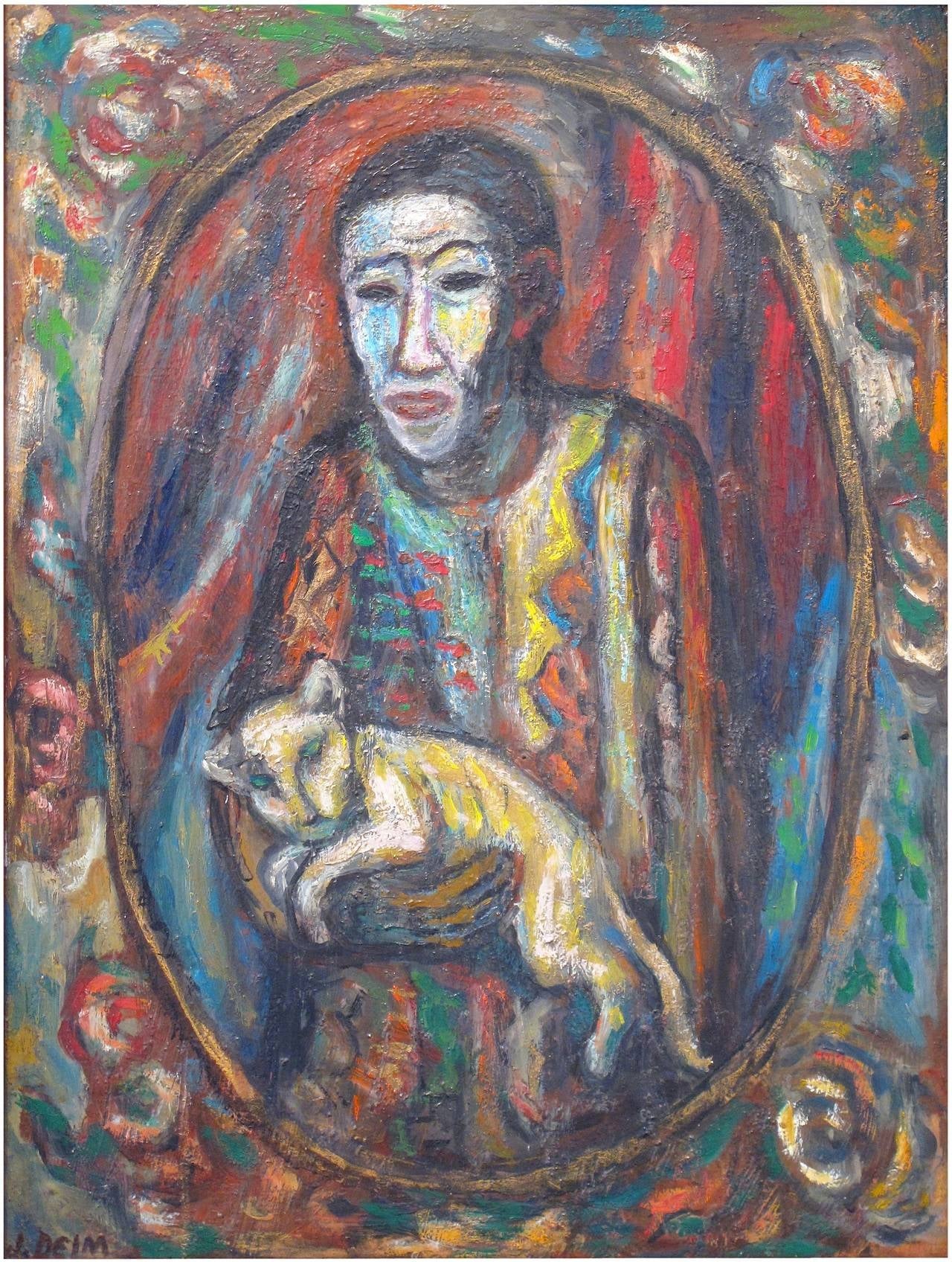
This award-winning documentary looks at the life and times of Judith Deim, an artist and musician who gained an international reputation for her expressive paintings and her friendships with the likes of John Steinbeck and Garcia Lorca, and who also influenced many of her children and grandchildren to take up lives in the arts.
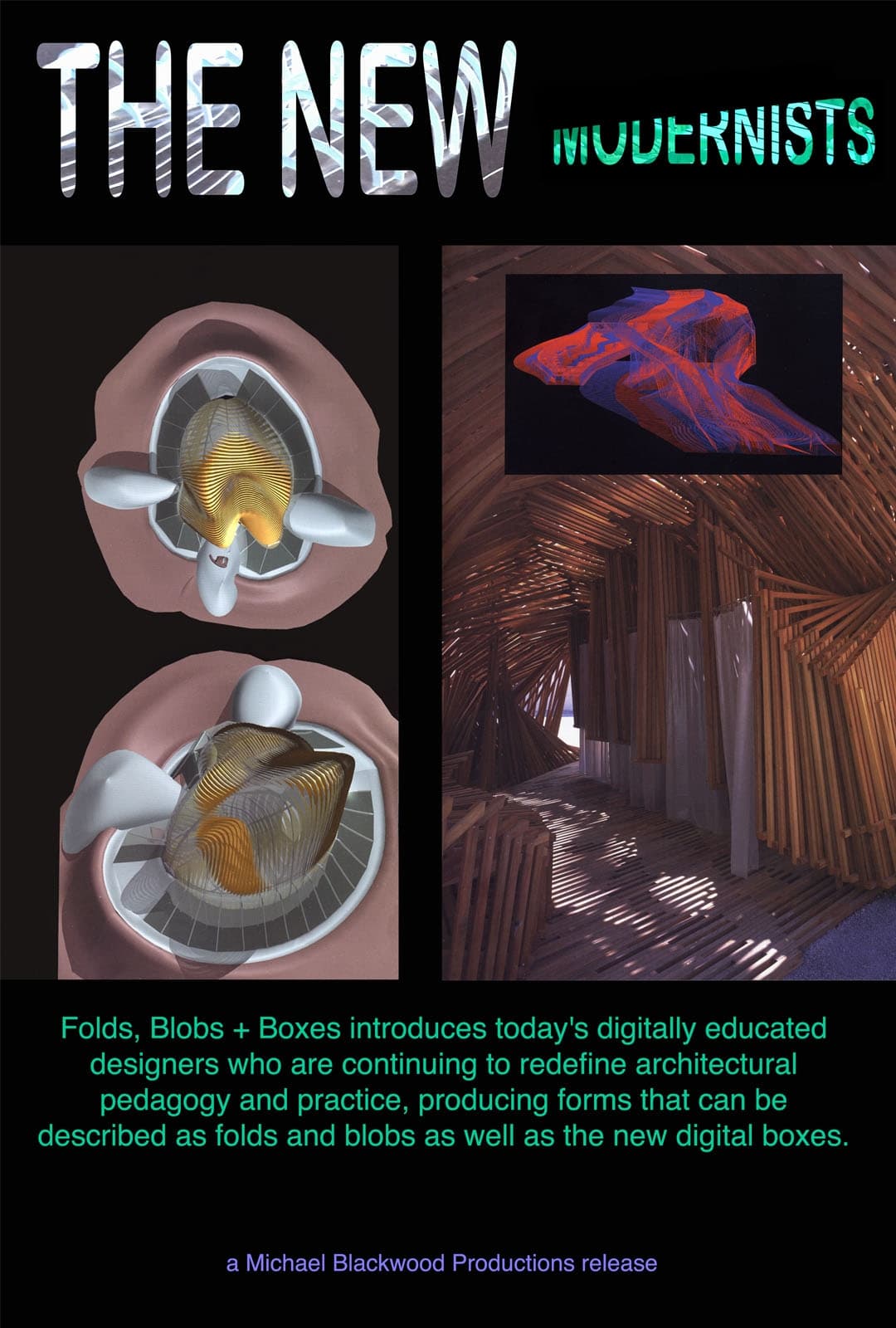
The New Modernists: Folds, Blobs and Boxes, Architecture in the Digital Era approaches the topic of artistic technological advances, and the modern architects who were educated with this new influx of electronic techniques. In this detailed portrait we visit the exhibition entitled Folds, Blobs + Boxes at the Carnegie Museum of Art where ten architect/designers discuss their approaches to digital architecture with curator of the exhibition, Joseph Rosa. By abandoning the traditional notions of aesthetic beauty, scale and proportion, a new freedom has formed amongst these contemporary creators.
The video revolution of the 1970s offered unprecedented access to the moving image for artists and performers. This Is Not a Dream explores the legacies of this revolution and its continued impact on contemporary art and performance. Charting a path across four decades of avant-garde experiment and radical escapism, This Is Not a Dream traces the influences of Andy Warhol, John Waters and Jack Smith to the perverted frontiers of YouTube and Chatroulette, taking in subverted talk shows and soap operas, streetwalker fashions and glittery magic penises along the way.
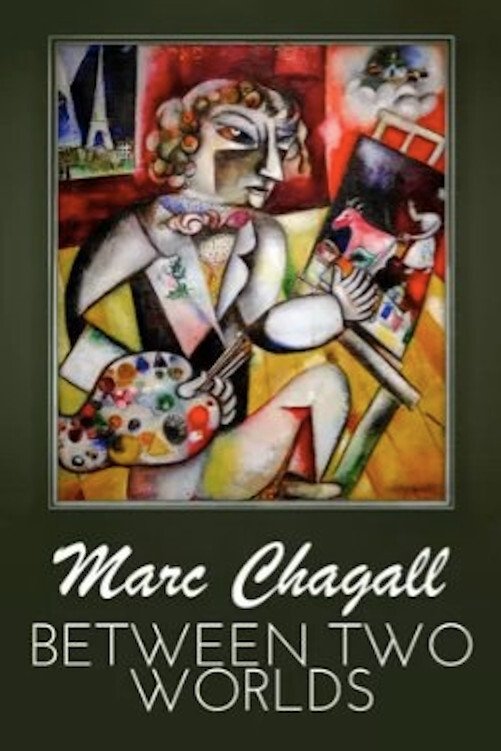
Marc Chagall was an artist caught between two worlds, between traditional art and modernism, figuration and abstraction. The film accompanies him on an important stage of his life from 1910 to 1930, between Paris and Vitebsk. Chagall's home town was a laboratory for the artistic avant-garde in Belarus, while Paris was the center of modern art movements.
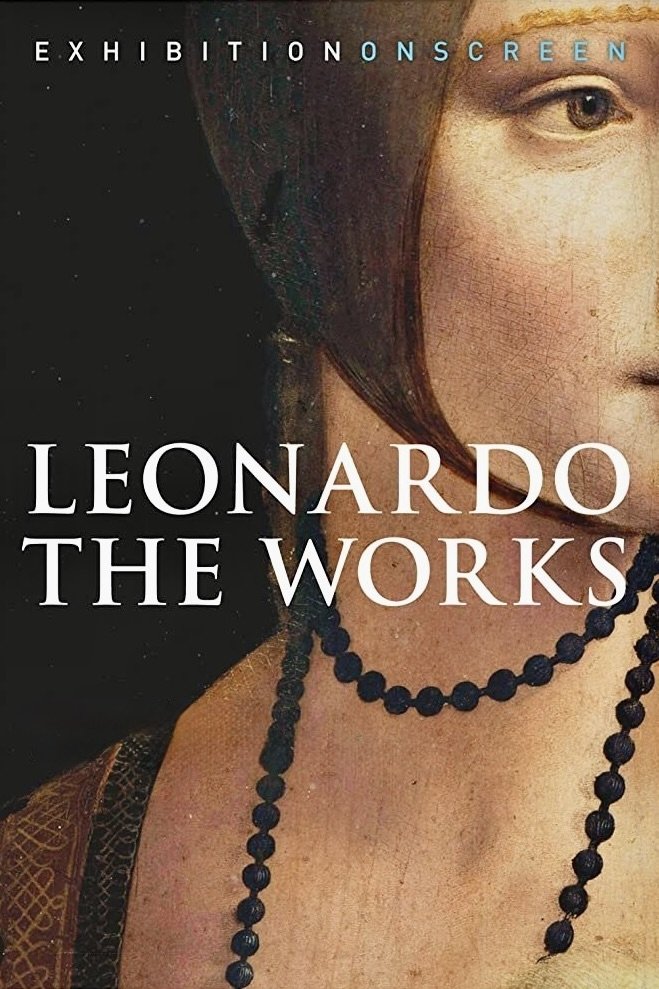
Leonardo da Vinci is acclaimed as the world’s favourite artist. Many TV shows and feature films have showcased this extraordinary genius but often not examined closely enough is the most crucial element of all: his art. Leonardo’s peerless paintings and drawings will be the focus of Leonardo: The Works, as EXHIBITION ON SCREEN presents every single attributed painting, in Ultra HD quality, never seen before on the big screen. Key works include The Mona Lisa, The Last Supper, Lady with an Ermine, Ginevra de’ Benci, Madonna Litta, Virgin of the Rocks, and more than a dozen others.
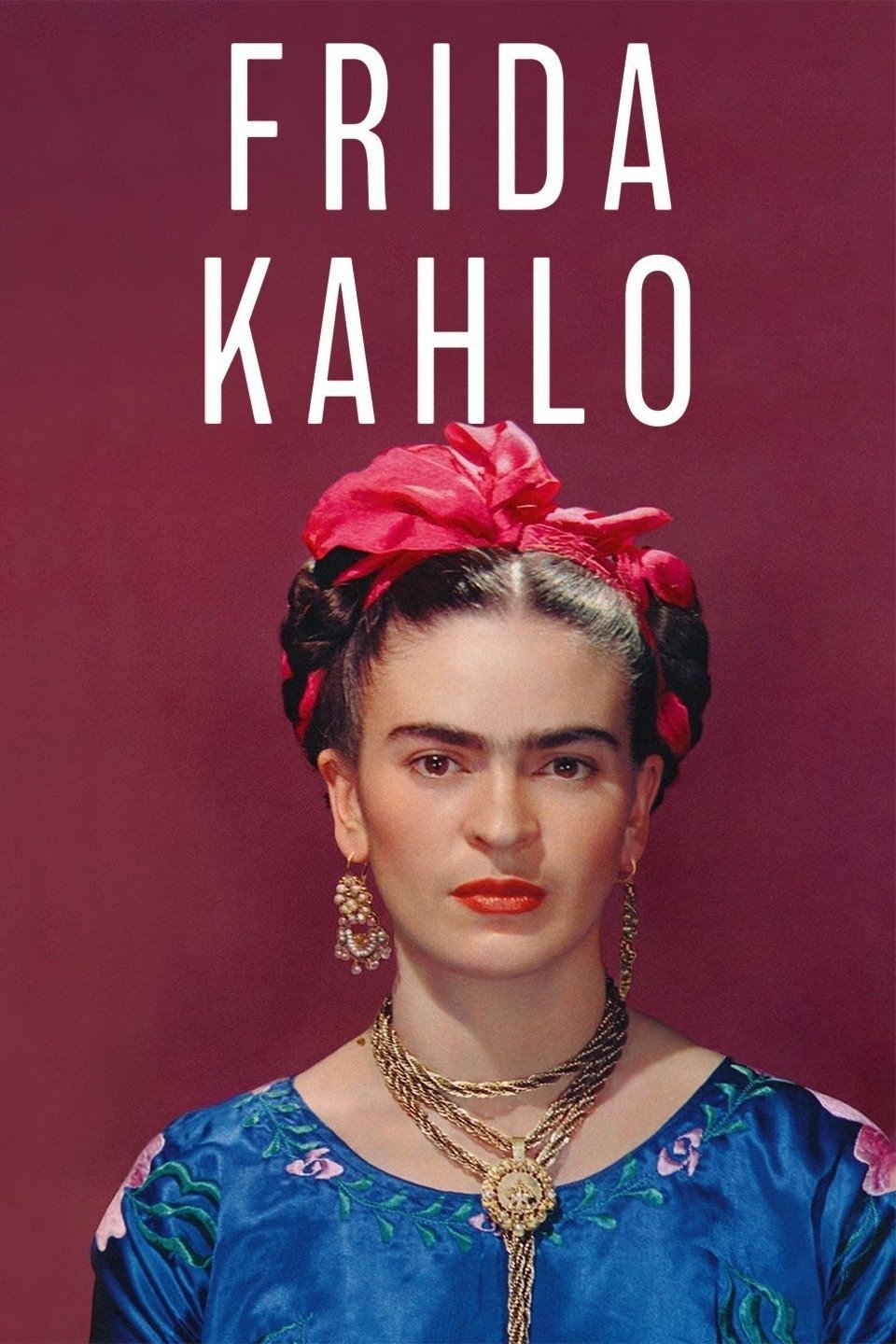
She was a prolific self-portraitist, using the canvas as a mirror through all stages of her turbulent and, at times, tragic life. This highly engaging film takes us on a journey through the life of one of the most prevalent female icons: Frida Kahlo. Displaying a treasure trove of colour and a feast of vibrancy on screen, this personal and intimate film offers privileged access to her works and highlights the source of her feverish creativity, her resilience and her unmatched lust for life, men, women, politics and her cultural heritage.
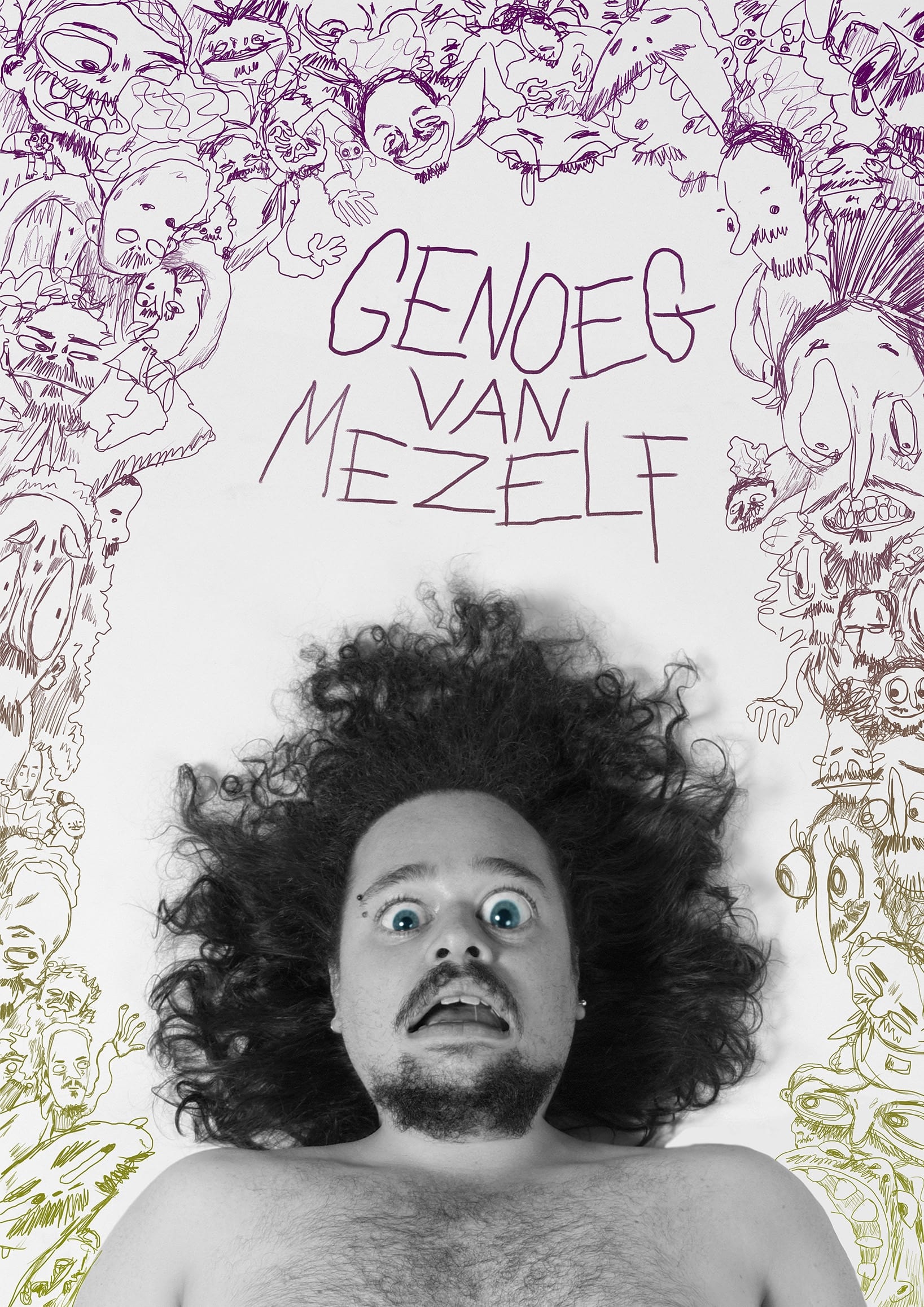
Do you ever wonder why you are the way you are? One day I decided to ask myself this question and I have been struggling to put the answer together ever since. “Enough of Myself” is my visualization of this process. When I finally had the headspace to consider my own emotions, it turned out to be a lot harder than I had thought. When you start to examine your own thoughts and patterns, the digging doesn’t stop. You keep digging deeper and finding new connections that you might have preferred stay hidden. But to ignore these things is to give in to them. Growth requires a certain level of vulnerability, not just towards others but towards yourself as well. To grow beyond those negative patterns, you need to look them in the eye first. In my film I tried to capture this emotional process in an array of animations. I hope that I haven’t just captured my own emotional process, but some deeper universal emotions as well.
Gray Matters explores the long, fascinating life and complicated career of architect and designer Eileen Gray, whose uncompromising vision defined and defied the practice of modernism in decoration, design and architecture. Making a reputation with her traditional lacquer work in the first decade of the 20th century, she became a critically acclaimed and sought after designer and decorator in the next before reinventing herself as an architect, a field in which she laboured largely in obscurity. Apart from the accolades that greeted her first building –persistently and perversely credited to her mentor–her pioneering work was done quietly, privately and to her own specifications. But she lived long enough (98) to be re-discovered and acclaimed. Today, with her work commanding extraordinary prices and attention, her legacy, like its creator, remains elusive, contested and compelling.
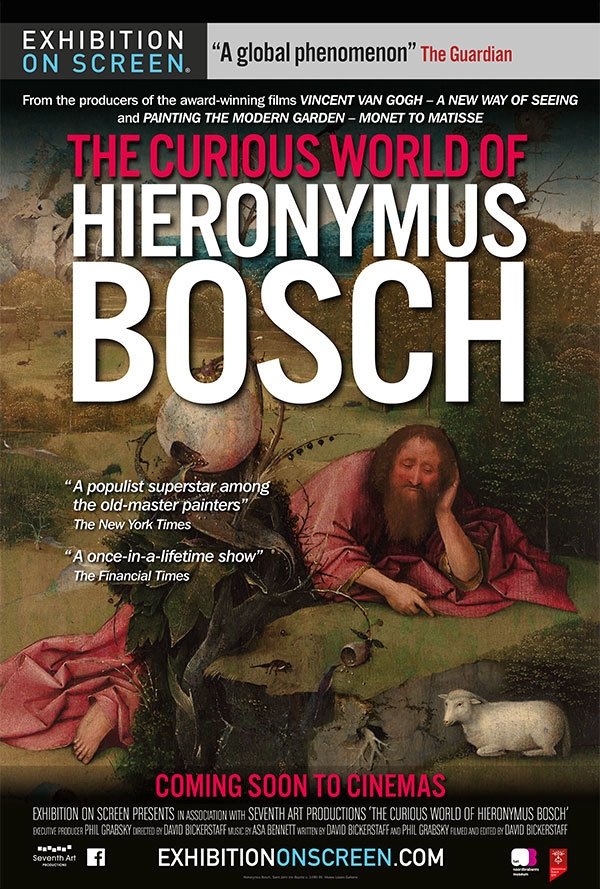
Exhibition on Screen's latest release celebrates the life and masterpieces of Hieronymus Bosch brought together from around the world to his hometown in the Netherlands as a one-off exhibition. With exclusive access to the gallery and the show, this stunning film explores this mysterious, curious, medieval painter who continues to inspire today's creative geniuses. Over 420,000 people flocked to the exhibition to marvel at Bosch's bizarre creations but now, audiences can enjoy a front row seat at Bosch's extraordinary homecoming from the comfort of their own home anywhere in the world. Expert insights from curators and leading cultural critics explore the inspiration behind Bosch's strange and unsettling works. Close-up views of the curiosities allow viewers to appreciate the detail of his paintings like never before. Bosch's legendary altarpieces, which have long been divided among museums, were brought back together for the exhibition and feature in the film.
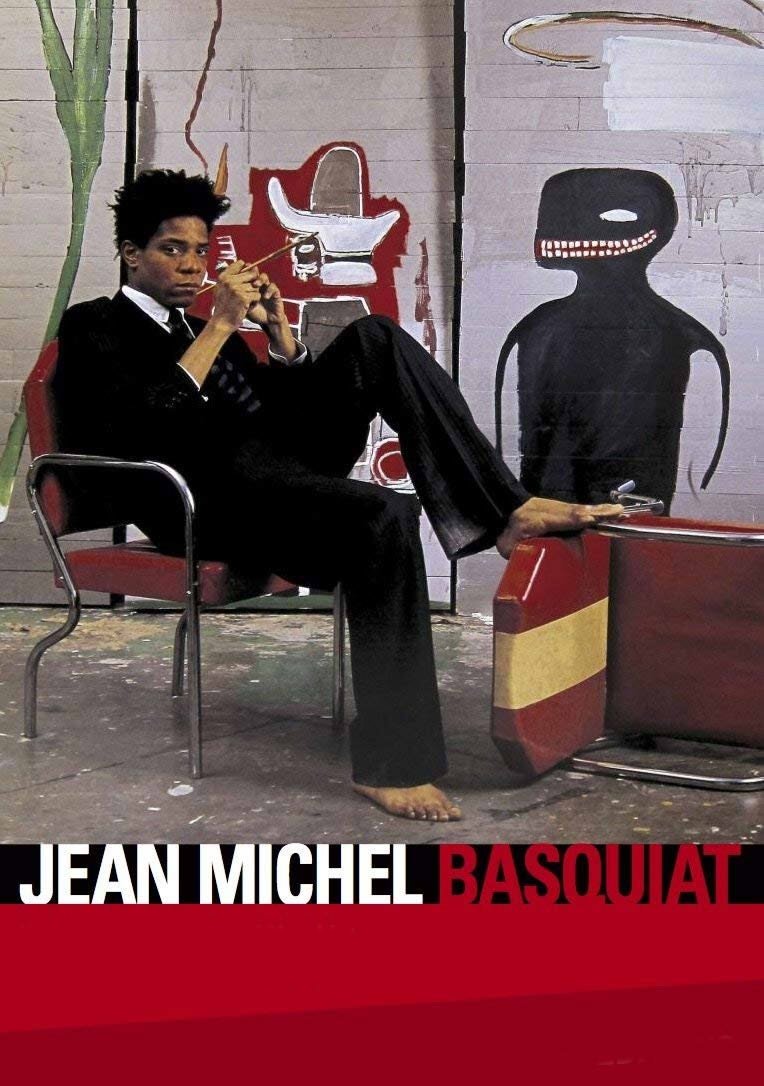
From Brooklyn to the Bronx, Soho to Greenwich, Union Square to Wall Street... Join us and the friends, collaborators and gallery owners who supported Jean-Michel Basquiat throughout his life. The first ever recognized graffiti artist, who saw international success as a neo-expressionist painter in the 80s, Basquiat is a true contemporary hero who died at the peak of his career.
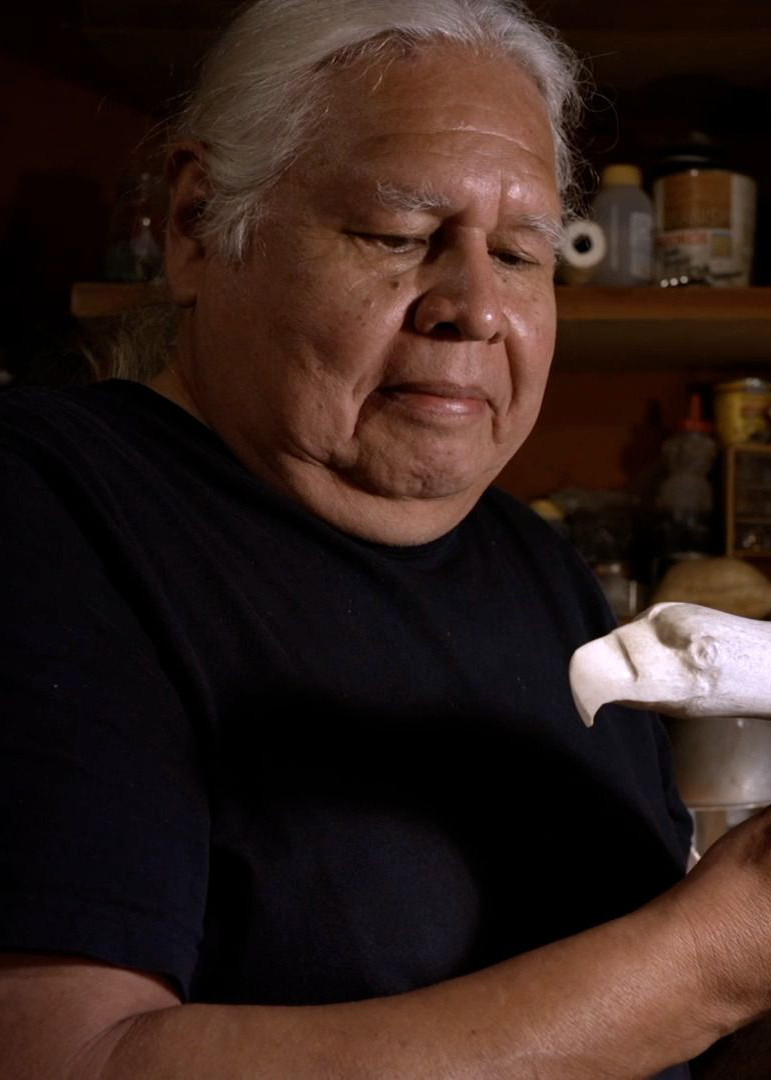
Stan Hill Jr. is a Haudenosaunee artist living in Miawpukek First Nation Reserve, Conne River, Newfoundland. In “The Bear Inside a Whale,” he and his family discuss racism, identity, religion, creation and art, along with the cultural extinction of the Beothuk of Newfoundland. Throughout the film, we follow Stan carving a bear out of a whale vertebra. And we visit The Rooms (museum) in St. John’s, Newfoundland, where Stan talks about viewing and reclaiming Indigenous artefacts.
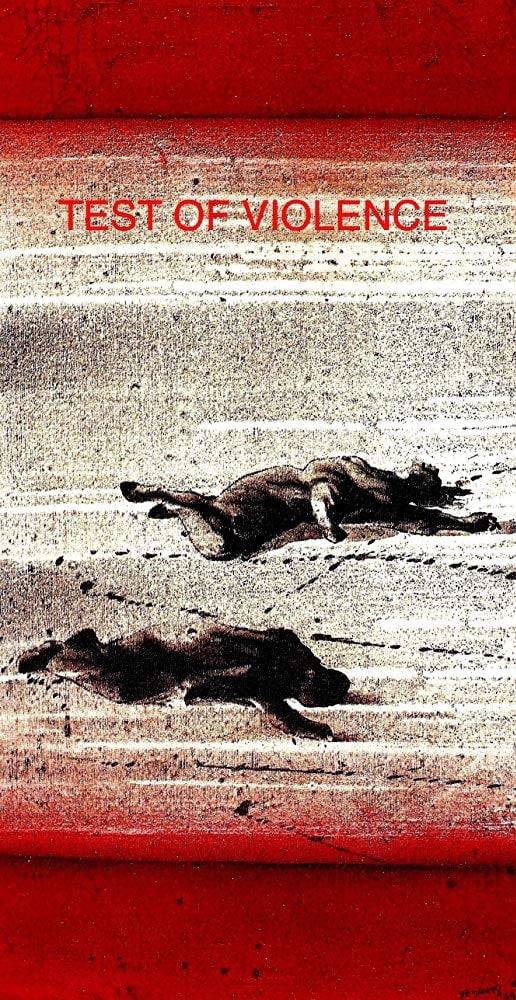
Stuart Cooper's short about the work of Spanish artist Juan Genovés is an inspired introduction to the works of this extraordinary artist, exploring its minimalist aesthetic and storytelling qualities through a variety of cinematic techniques, including rostrum, animation, news footage and live action recreations.
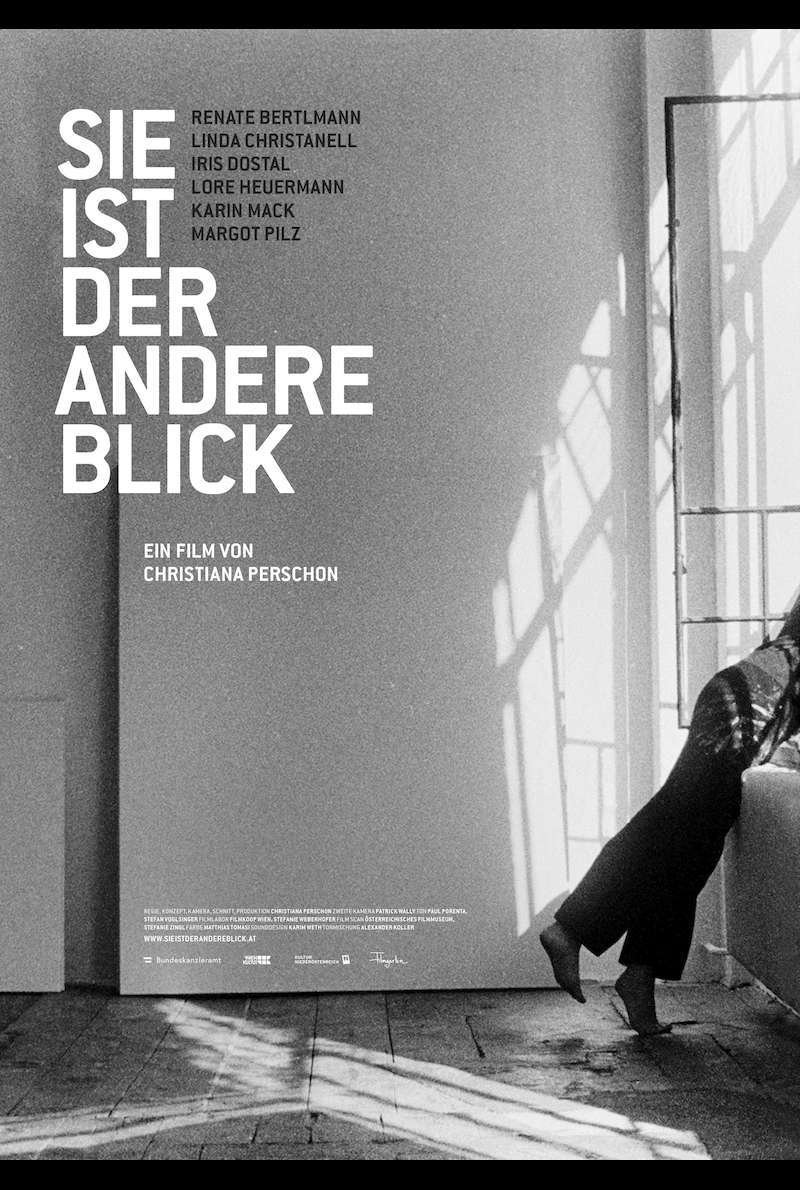
Every encounter with an image, every interaction searches for its own form. She is the other gaze is a collaboration with five female visual artists of an older generation who have been part of the Viennese art scene since the 1970s and engaged in the women's movement. In dialogue with the filmmaker Renate Bertlmann, Linda Christanell, Lore Heuermann, Karin Mack and Margot Pilz share their early works and artistic practices. They remember how their self-determination evolved between artistic ambitions, economic constraints, adaptation and resistance to the prevailing patriarchal social structures. In their role as feminist pioneers, the protagonists are a great influence on the contemporary art scene and the self-understanding of younger artists today. With their voices and narratives, they become collaborators passing on feminist thinking and artistic experiences.
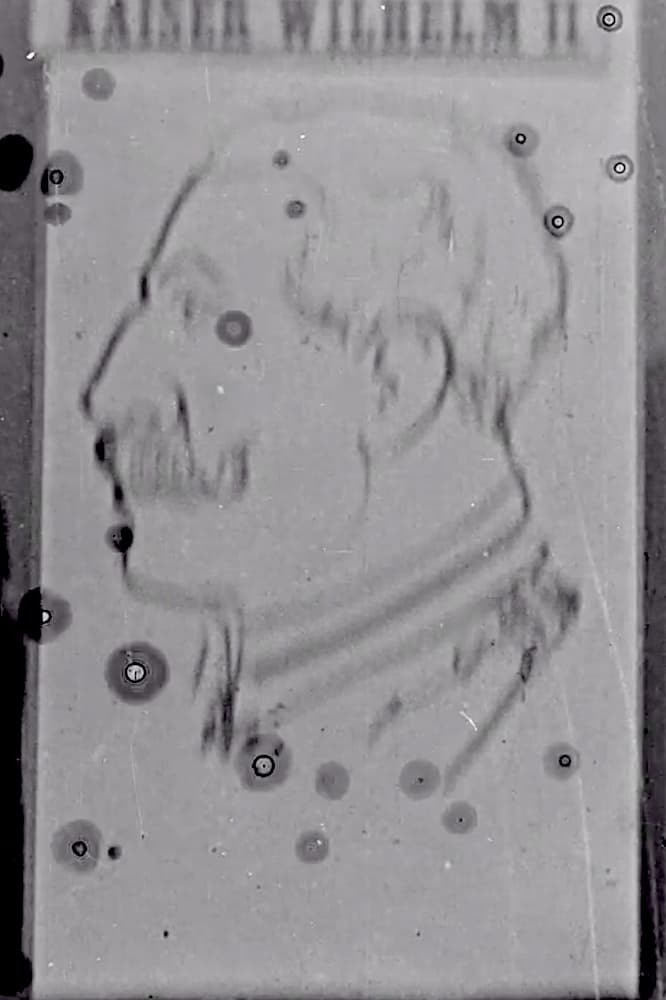
A tiny fragment of an actuality film of Tom Merry (William Mechem), a 'lightning sketch' caricaturist performing his act for the camera and producing a large profile caricature of Kaiser Wilhelm II. The loss of the rest of the film has bequeathed us 6 seconds that are of Mechem standing next to the completed portrait and sadly, that is all there is. An early film made by Birt Acres for R.W. Paul. (see release information for further detail).
Artists in LA discover the work of forgotten Polish sculptor Stanislav Szukalski, a mad genius whose true story unfolds chapter by astounding chapter.
An intimately raw and magical journey through the life, mind, and heart of iconic artist Frida Kahlo. Told through her own words for the very first time — drawn from her diary, revealing letters, essays, and print interviews — and brought vividly to life by lyrical animation inspired by her unforgettable artwork.
Those who knew iconic funnyman John Candy best share his story, in their own words, through never-before-seen archival footage, imagery, and interviews.
Using the book 'Fragments', which collects Marilyn Monroe's poems, notes and letters, and with participation from the Arthur Miller and Truman Capote estates who have contributed more material, each of the actresses will embody the legend at various stages in her life.
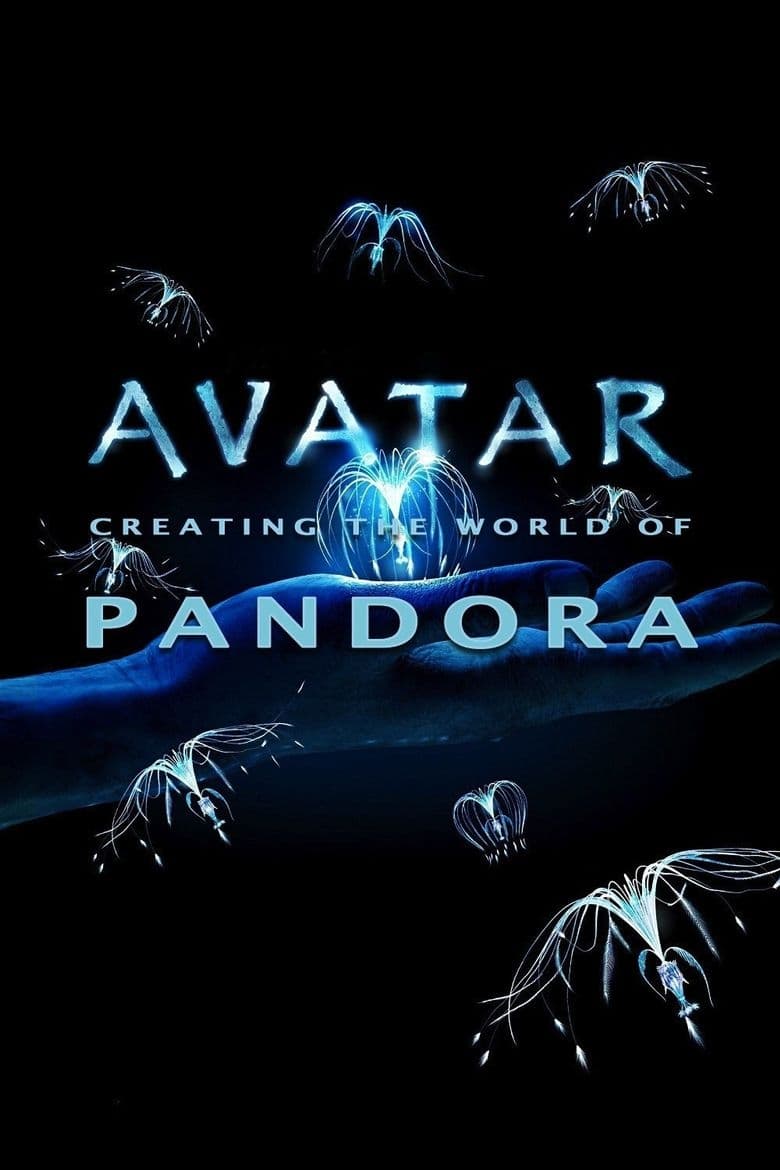
The Making-of James Cameron's Avatar. It shows interesting parts of the work on the set.
A portrait of the day-to-day operations of the National Gallery of London, that reveals the role of the employees and the experiences of the Gallery's visitors. The film portrays the role of the curators and conservators; the education, scientific, and conservation departments; and the audience of all kinds of people who come to experience it.
A visual montage portrait of our contemporary world dominated by globalized technology and violence.
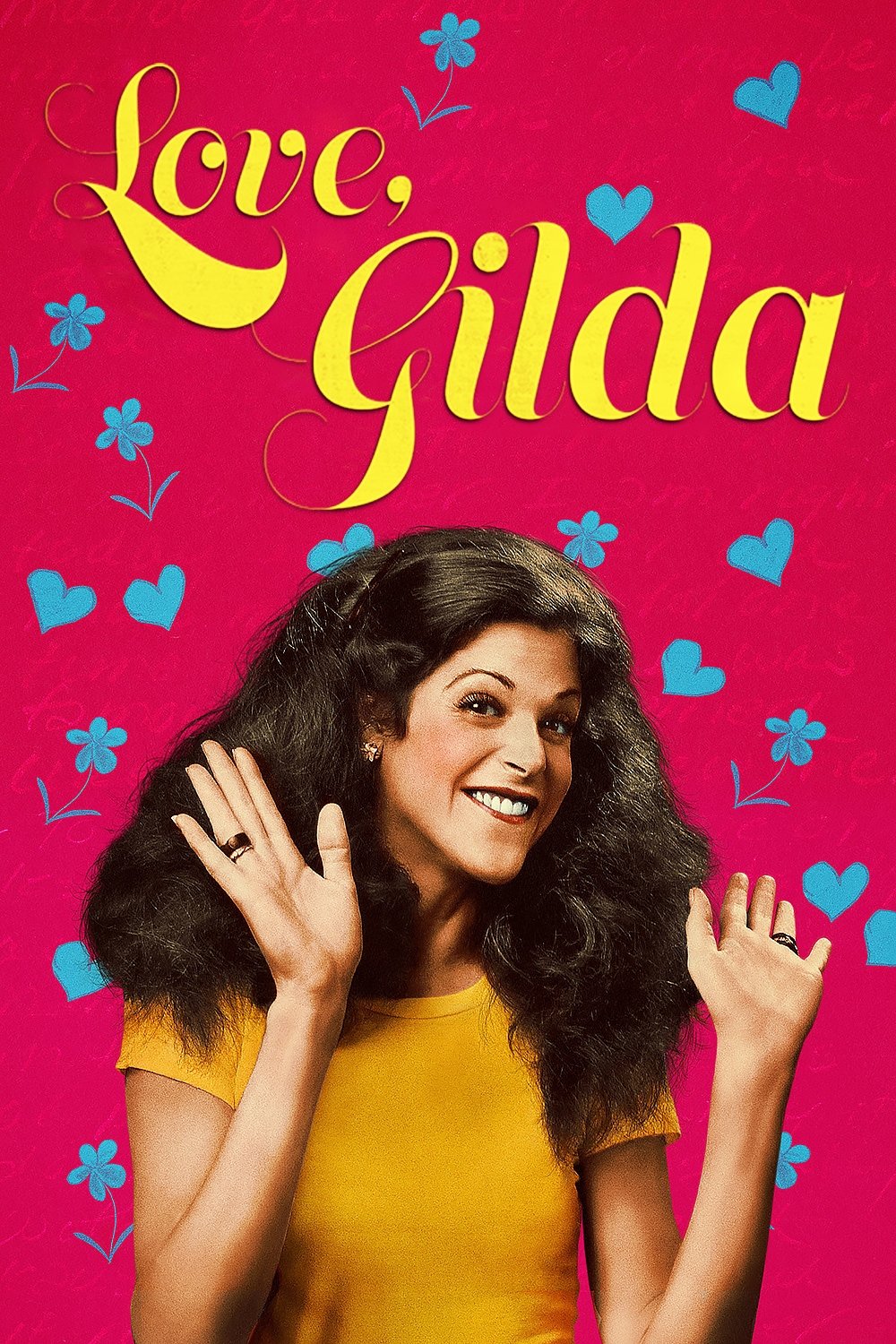
Diaries, audiotapes, videotapes and testimonials from friends and colleagues offer insight into the life and career of Gilda Radner -- the beloved comic and actress who became an icon on Saturday Night Live.
A personal and intimate look into Demi Lovato's life as not only a regular 25 year old, but also one of the biggest pop stars in the world.
Al Pacino's deeply-felt rumination on Shakespeare's significance and relevance to the modern world through interviews and an in-depth analysis of "Richard III."
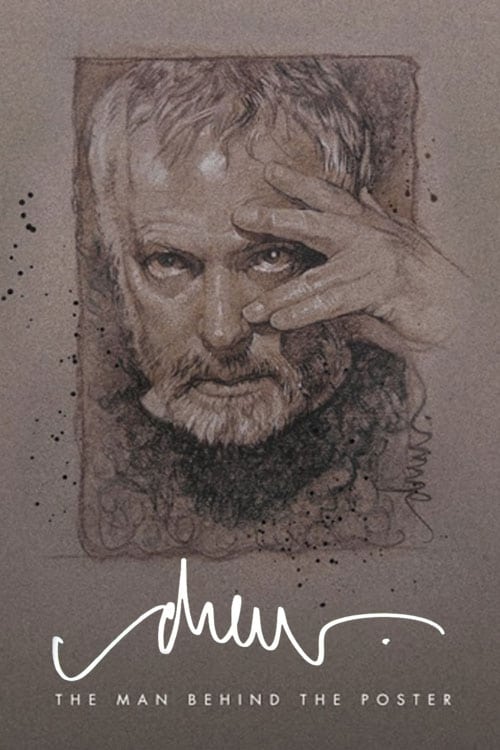
A documentary on legendary movie-poster artist Drew Struzan.
In this genre-bending tale, Errol Morris explores the mysterious death of a U.S. scientist entangled in a secret Cold War program known as MK-Ultra.
A purely observational non-fiction film that takes viewers into the ethically murky world of end-of-life decision making in a public hospital.
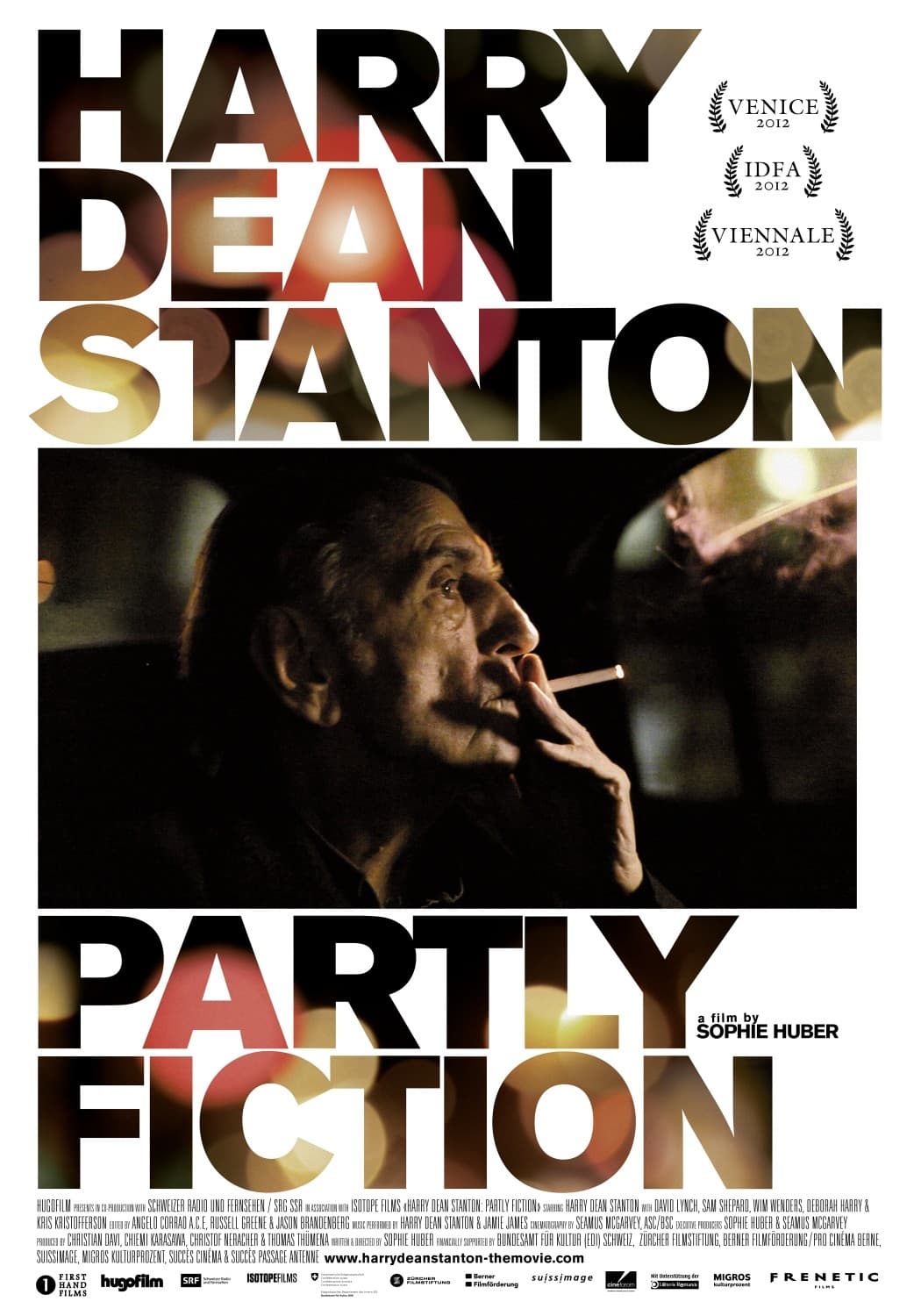
An impressionistic portrait of the iconic actor Harry Dean Stanton comprised of intimate moments, film clips from some of his 250 films and his renditions of American folk songs.
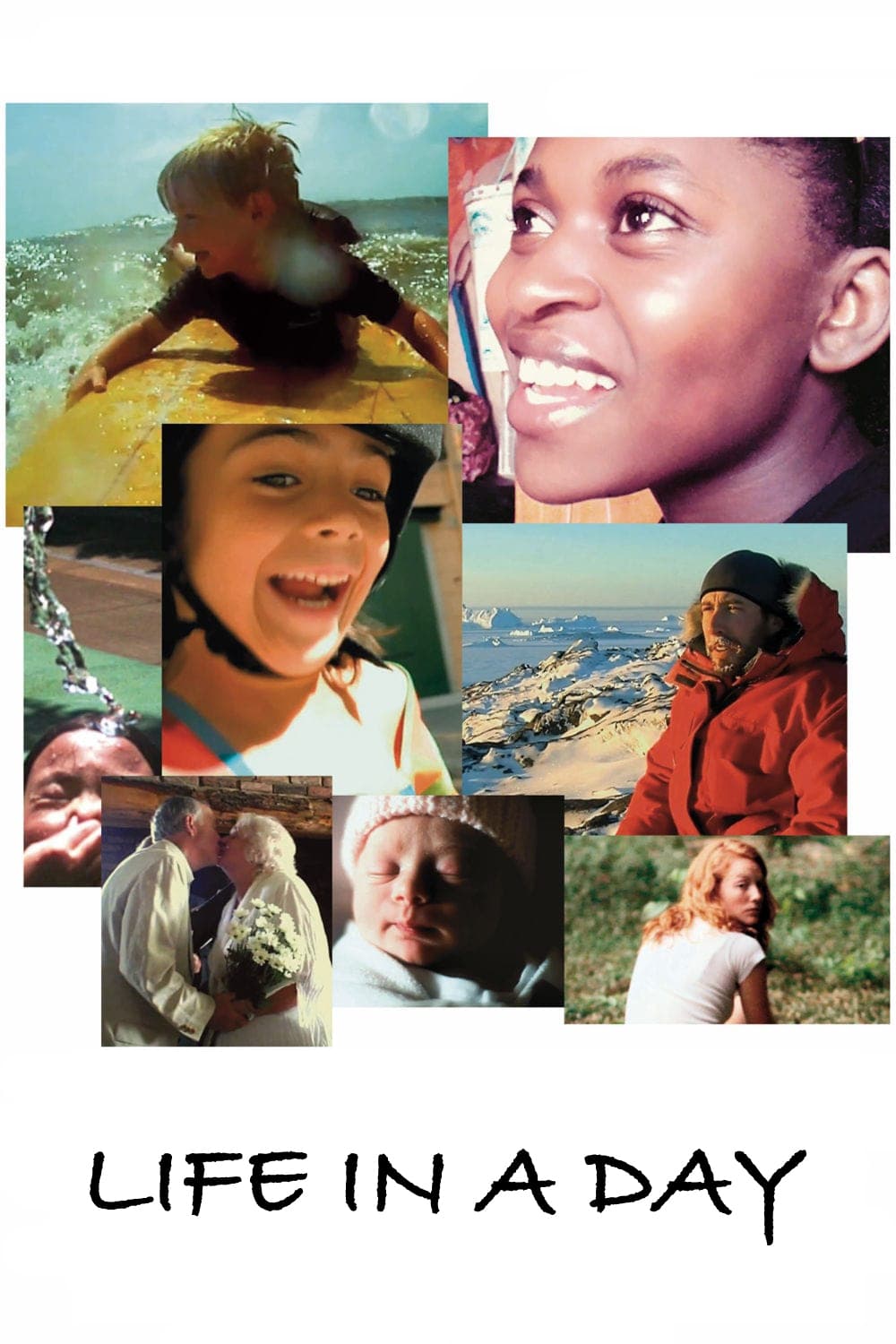
A documentary shot by filmmakers all over the world that serves as a time capsule to show future generations what it was like to be alive on the 24th of July, 2010.
A documentary on the expletive's origin, why it offends some people so deeply, and what can be gained from its use.
The life and career of one of comedy's most inimitable modern voices, Mr. Gilbert Gottfried.
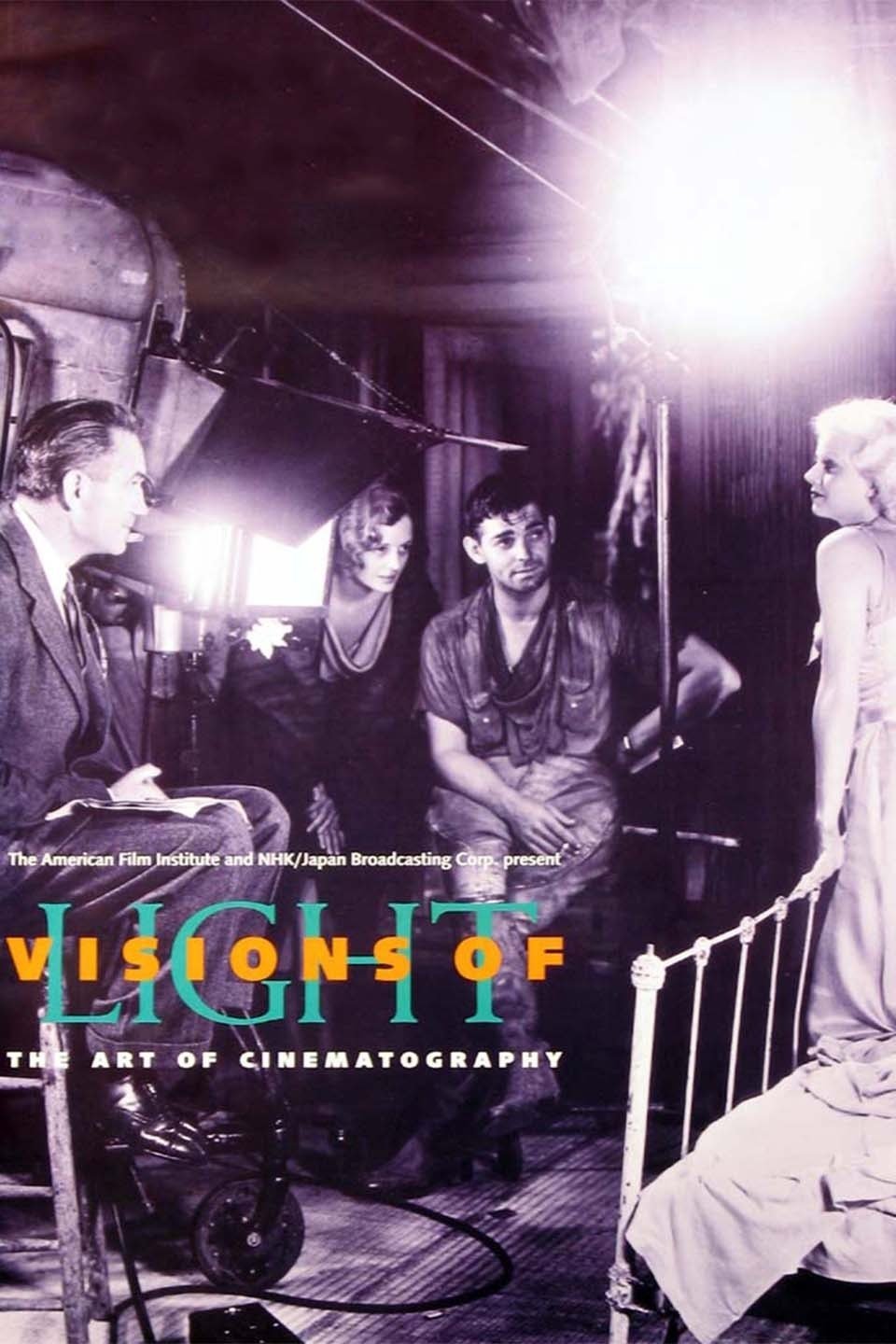
Cameramen and women discuss the craft and art of cinematography and of the "DP" (the director of photography), illustrating their points with clips from 100 films, from Birth of a Nation to Do the Right Thing. Themes: the DP tells people where to look; changes in movies (the arrival of sound, color, and wide screens) required creative responses from DPs; and, these artisans constantly invent new equipment and try new things, with wonderful results. The narration takes us through the identifiable studio styles of the 30s, the emergence of noir, the New York look, and the impact of Europeans. Citizen Kane, The Conformist, and Gordon Willis get special attention.
As a visually radical memoir, CAMERAPERSON draws on the remarkable footage that filmmaker Kirsten Johnson has shot and reframes it in ways that illuminate moments and situations that have personally affected her. What emerges is an elegant meditation on the relationship between truth and the camera frame, as Johnson transforms scenes that have been presented on Festival screens as one kind of truth into another kind of story—one about personal journey, craft, and direct human connection.
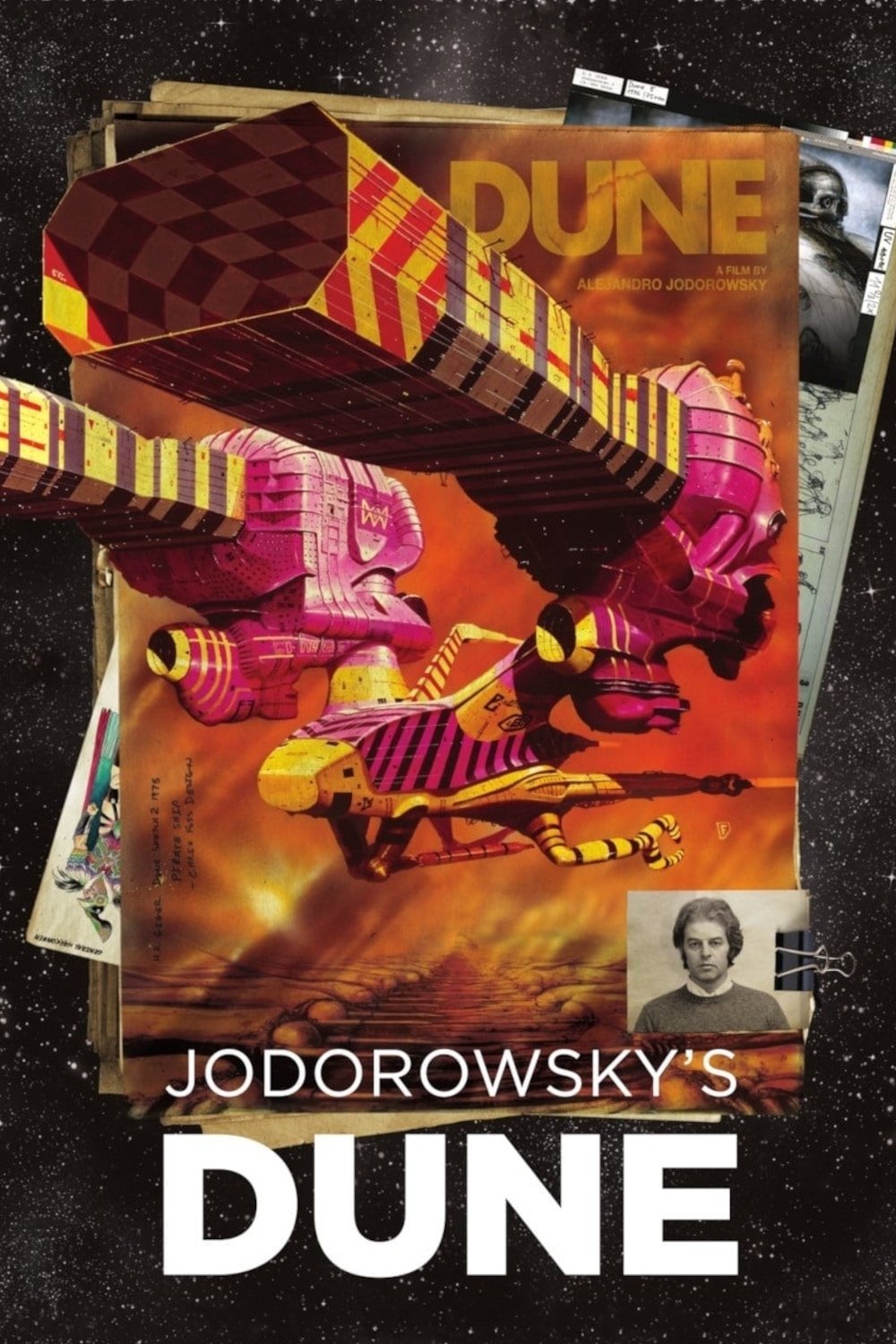
In 1974, Chilean-French director Alejandro Jodorowsky embarked on the quixotic project of adapting Frank Herbert's influential novel Dune (1969) for the big screen. After investing two years, and millions of dollars, the gigantic project ended in failure; but the artists Jodorowsky brought together to carry it out continued to work together, and ended up laying the foundations for modern science fiction cinema.