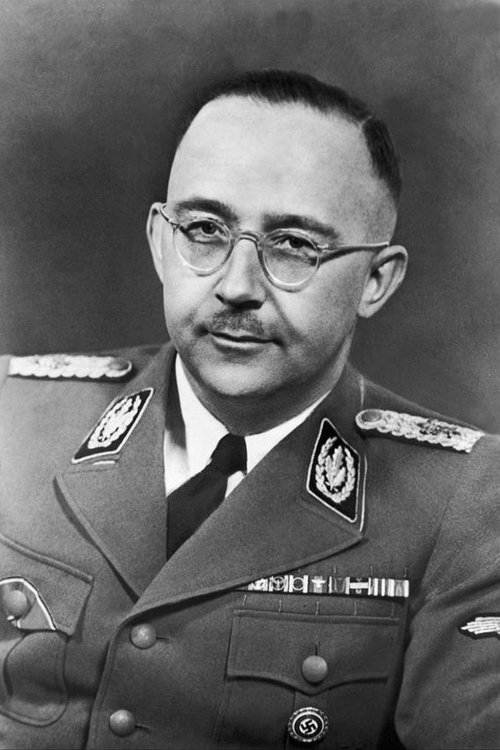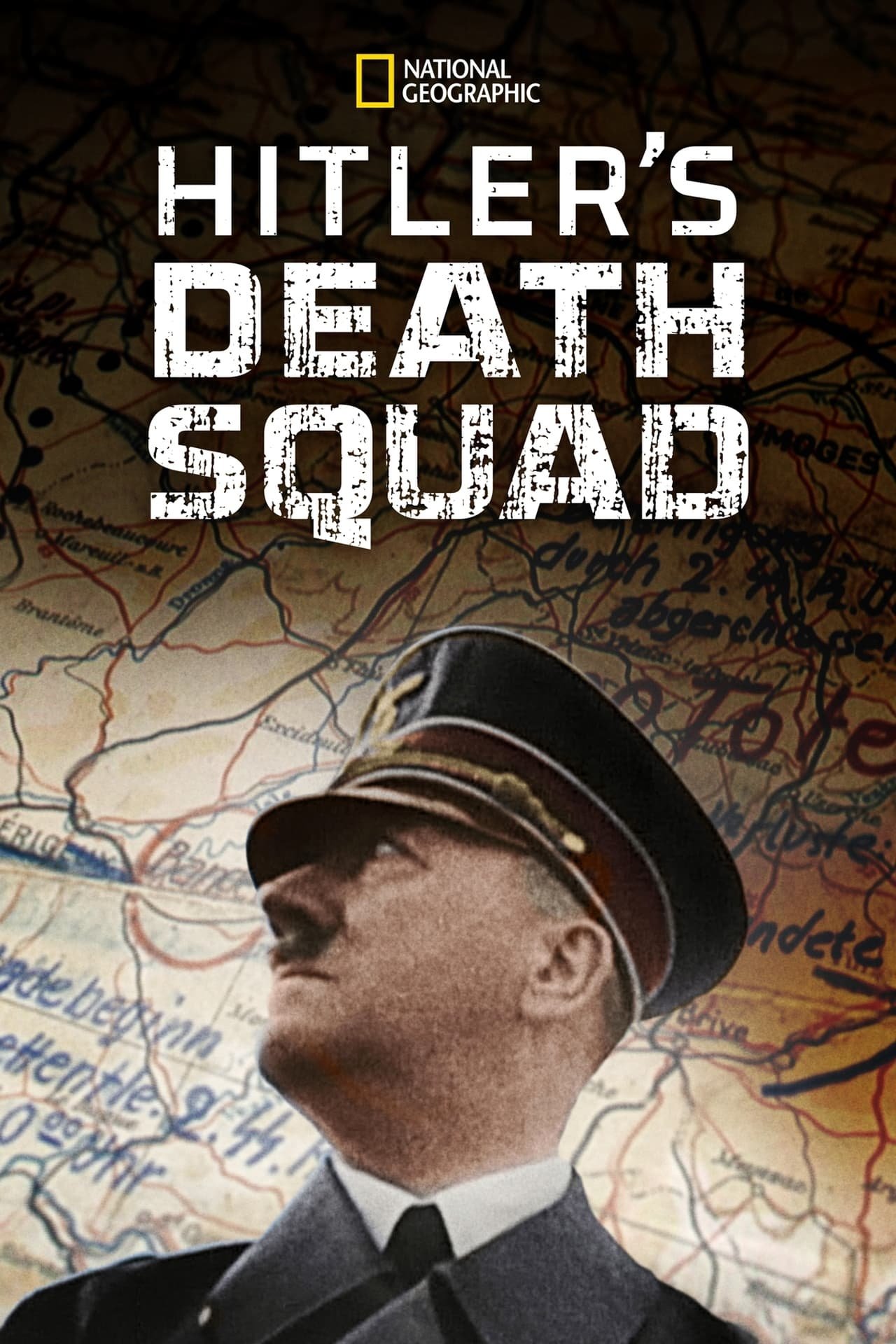
Born into a Bavarian bourgeois family, Heinrich Himmler became the driving force behind the indescribable crimes that made the Nazi regime so unique in modern history.
Social & External
Self (archive footage)
Narrator (voice)
1938. While the Nazi troops march into Vienna, the lawyer Josef Bartok hastily tries to escape to the USA with his wife but is arrested by the Gestapo. Bartok remains steadfast and refuses to cooperate with the Gestapo that requires confidential information from him. Thrown into solitary confinement, Bartok is psychologically tormented for months and begins to weaken. However, when he steals an old book about chess it sets him on course to overcome the mental suffering inflicted upon him, until it becomes a dangerous obsession.
On June 6, 1944, the Allied Forces executed Operation Overlord, the largest seaborne invasion in history, storming the beaches of Normandy. This pivotal event, known as D-Day, liberated France and Western Europe. A new documentary features interviews with historians, experts, and eyewitnesses, providing detailed insights into the events leading up to this crucial day that played a vital role in bringing an end to World War II.
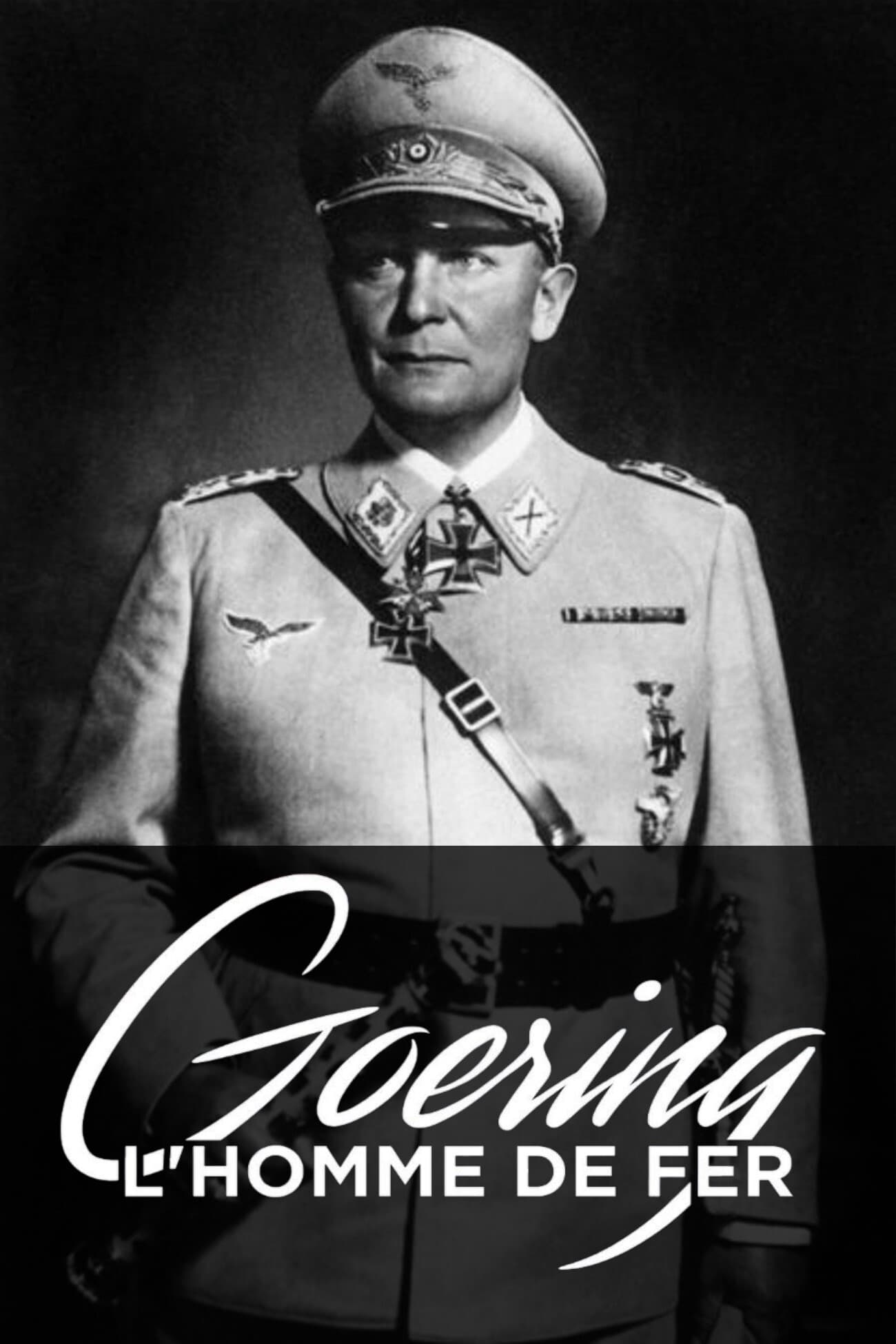
This is the story of an incredible rise to power, the most comprehensive documentary on Hermann Goering ever made. He was a man of many faces: vain, ambitious, more brutal than any other of Hitler's minions, yet the most popular Nazi official of all, at times even more popular than Hitler himself. He embodied the jovial side of the Third Reich. Yet the same man who organised dissolute bacchanals also founded the Gestapo, set up the first concentration camps, and had his own comrades murdered in the purge of 1934. These unique personal records form the largest and most important single film find from the Nazi era in past years.
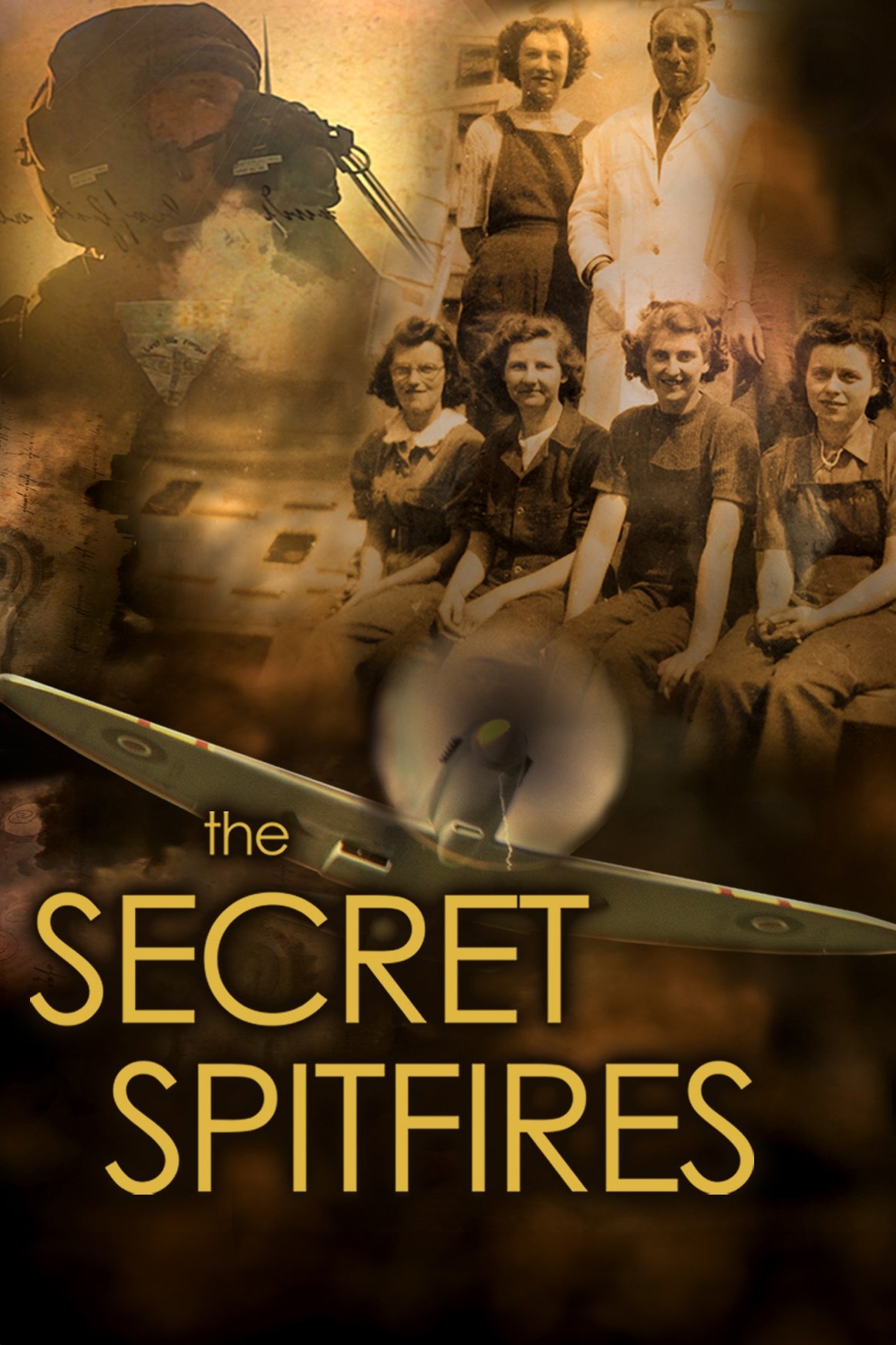
Spitfires were the nemesis of the Luftwaffe and the instrument which halted Hitler’s plans for invasion. After relentless bombing of the Spitfire factories in Southampton, the Germans were convinced they had halted the production of the Spitfires for good. But across the South of England, hidden in sheds, garages, back gardens, bedrooms, a bus depot, and even a hotel, a workforce of unskilled young girls, boys, women, elderly men, and a handful of engineers secretly built thousands of Spitfires to help win the war. Witnesses recount this never-before-told story of amazing achievement.
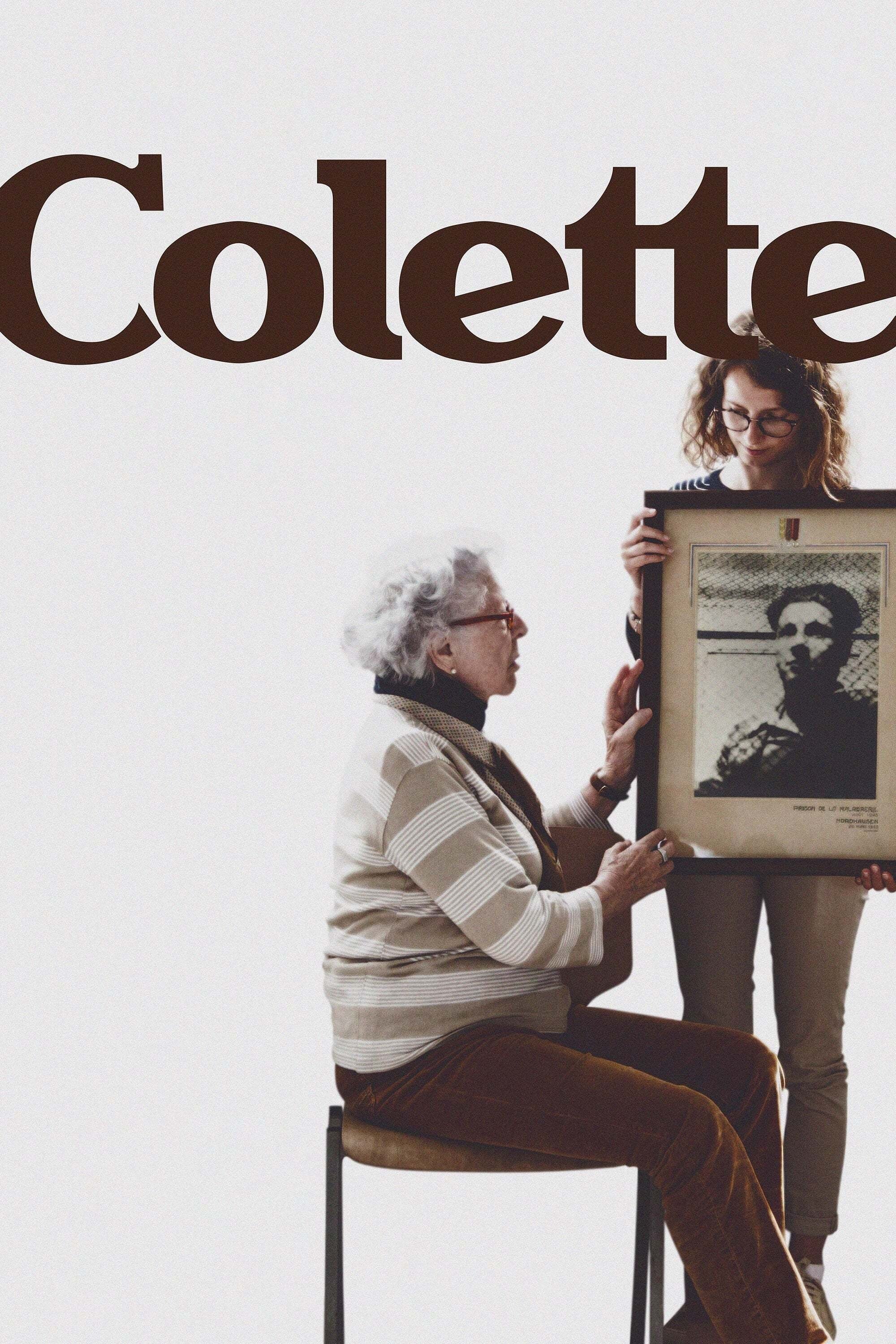
World War II. Not all warriors wore uniforms. Not all warriors were men. Meet ninety-year-old Colette Catherine who, as a young girl, fought the Nazis as a member of the French Resistance. Now she’s about to re-open old wounds, re-visting the terrors of that time. Some nightmares are too terrible to remember. But also, too dangerous to forget.
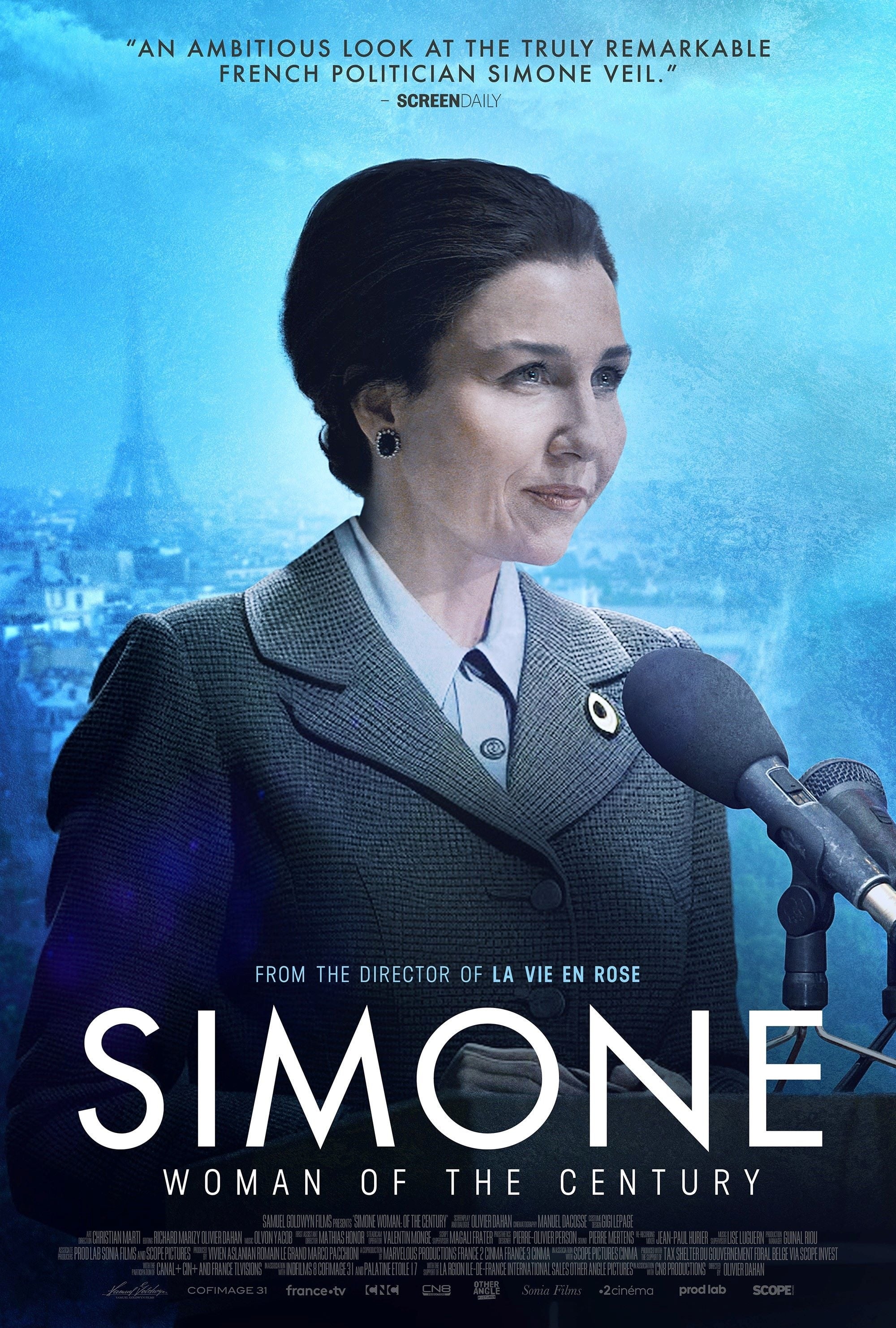
Simone Veil's life story through the pivotal events of Twentieth Century. Her childhood, her political battles, her tragedies. An intimate and epic portrait of an extraordinary woman who eminently challenged and transformed her era defending a humanist message still keenly relevant today.
Dark Fellowships attempts to uncover the truth about a bizarre occult group, whose members allegedly included many leaders of the Nazi Party, even Hitler himself.
Documentary looking back at a Britain during the darkest days of WWII using stunning new archived footage and interviews with people who lived through it.
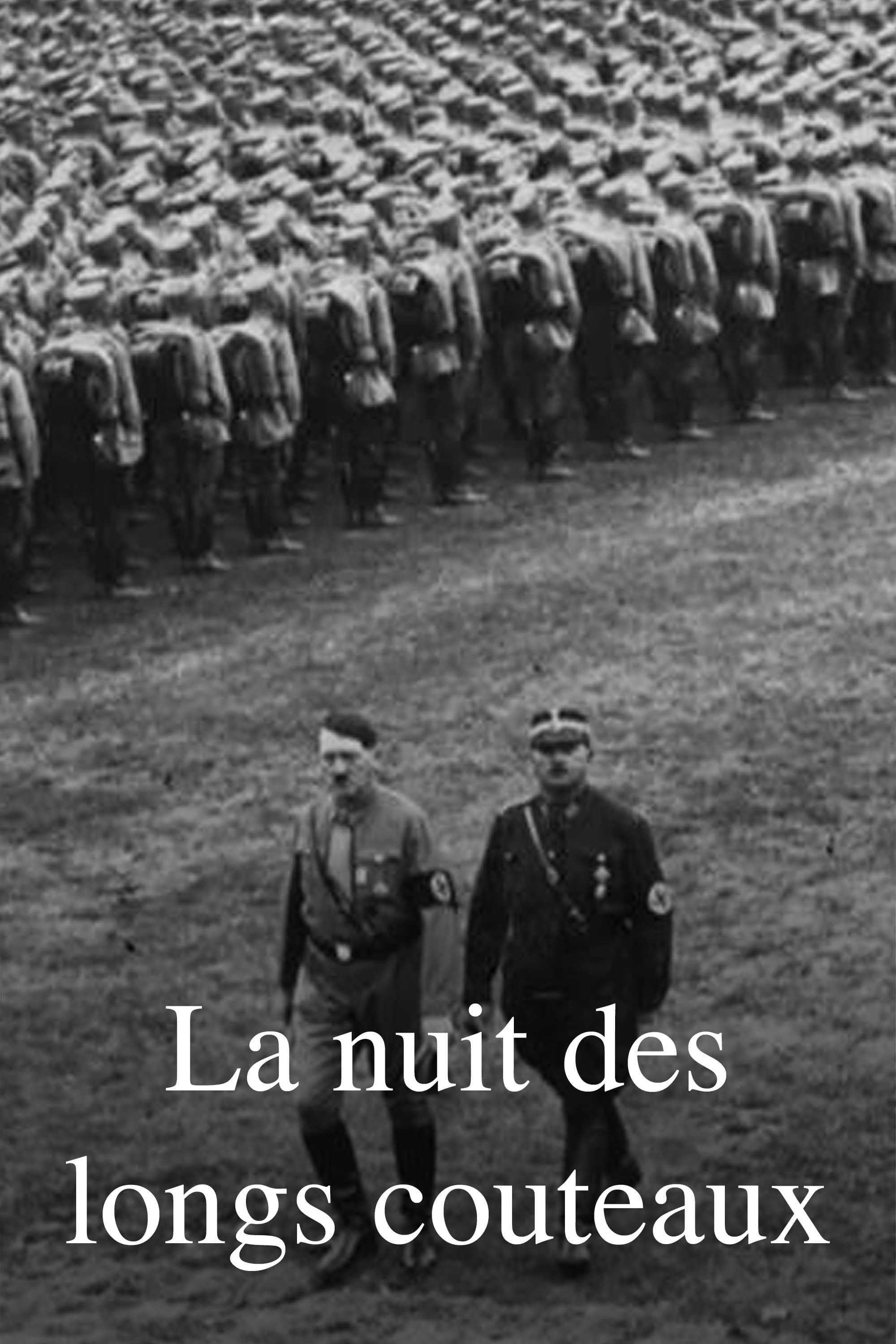
In June 1934, Hitler decided to eliminate the powerful leadership of the SA. With his pistol drawn, he entered the Hotel Hanselbauer in Bad Wiessee on June 30, where his friend Ernst Röhm and other SA functionaries were staying. The three-day murder operation within the SA's own ranks has gone down in history as the "Night of the Long Knives".
During the Nazi-occupied Ustasha regime "NDH" in former Yugoslavia during WWII, little girl Dara is sent to the concentration camp complex Jasenovac in Croatia also known as "Balkan's Auschwitz".
D-Day, June 6th, 1944. As the Allies storm the beaches of Normandy, Hitler orders the return of the Das Reich, the infamous Panzer elite division known for its mass murders in Ukraine and Belarus, based at that time in southwest of France. Its mission: to push the Allies back into the Atlantic and turn the tide of the conflict in favor of the Nazi Germany.
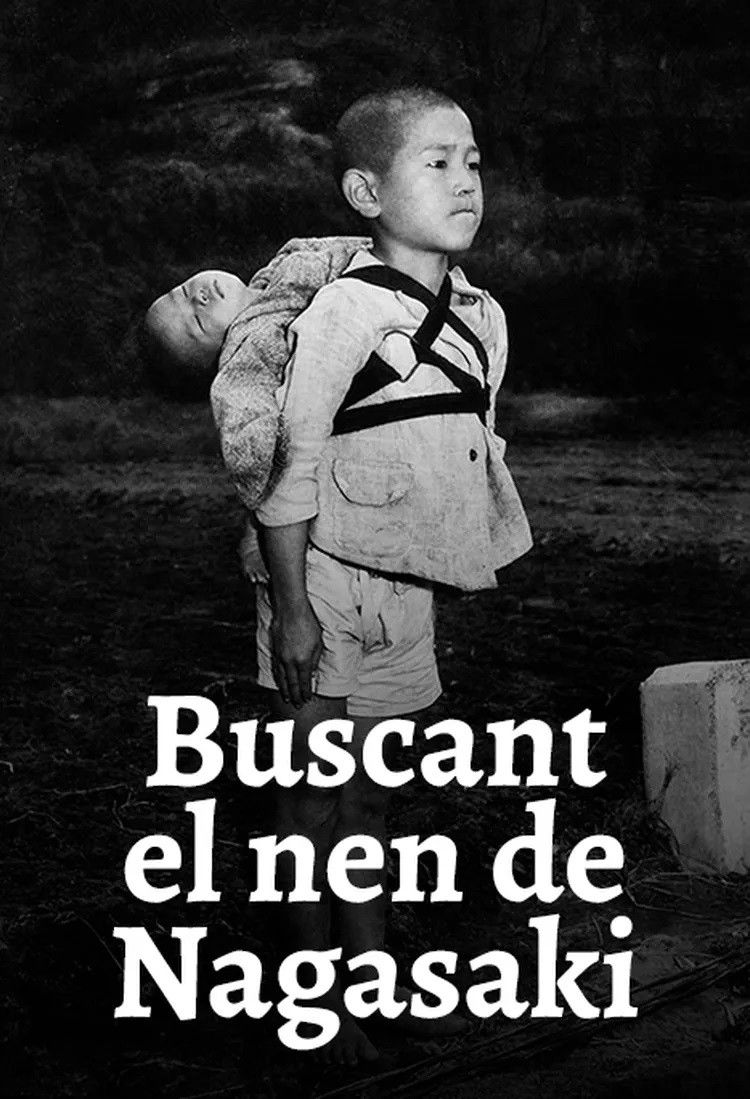
October 1945. A young Japanese boy in the devastated city of Nagasaki, two months after the atomic bomb, carries on his back the lifeless body of his younger brother. An American military photographer, Joe O'Donnell, took a picture of the boy standing stoically near a cremation pit. No one knows the subject's name, but the photo has become an iconic image of the human tragedy of nuclear war. This documentary follows the continuing efforts to deepen understanding of the photograph, while exploring the fate of thousands of atomic-bomb orphans and their struggles to survive the aftermath of World War II.
Just 80 years ago, the peaceful sea was a battlefield. Soldiers continued to fight, dreaming of returning home, and their families continued to pray and wait for their safety. What stories were there in each of their lives, and what were they each thinking?
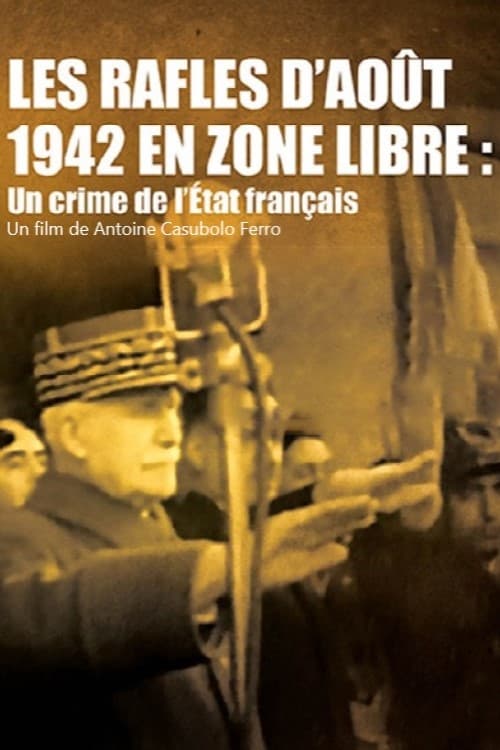
The untold story of a world-renowned place of remembrance of the Holocaust in France, the internment camp of Drancy, which was the central transit for the near totality of the 76 000 deported Jews of France during World War II.
The seventh and final film of Frank Capra's Why We Fight World War II propaganda film series. This entry attempts to describe the factors leading up to America's entry into the Second World War.
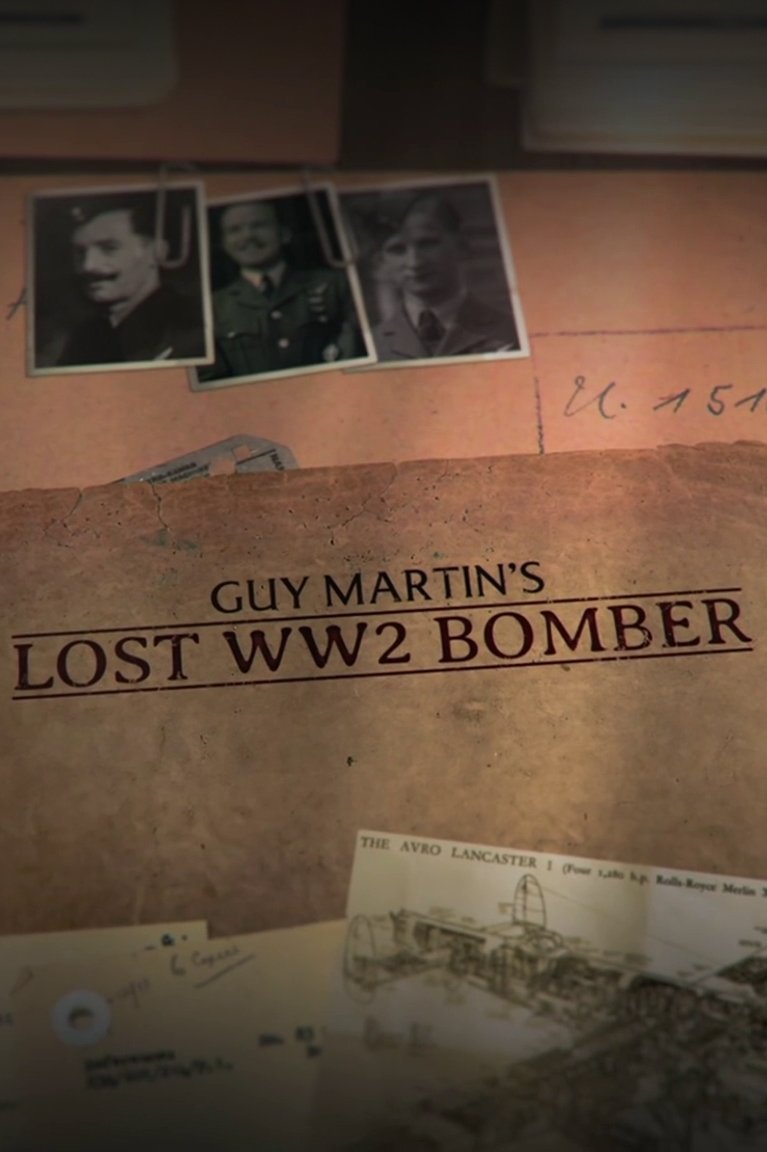
Guy joins an ambitious engineering project to recover a crashed WW2 Lancaster Bomber – and the remains of its missing crew members – from the depths of the Dutch lake where it’s lain for 80 years.
A keen chronicle of the unlikely rise to power of Adolf Hitler (1889-1945) and a dissection of the Third Reich (1933-1945), but also an analysis of mass psychology and how the desperate crowd can be deceived and shepherded to the slaughterhouse.
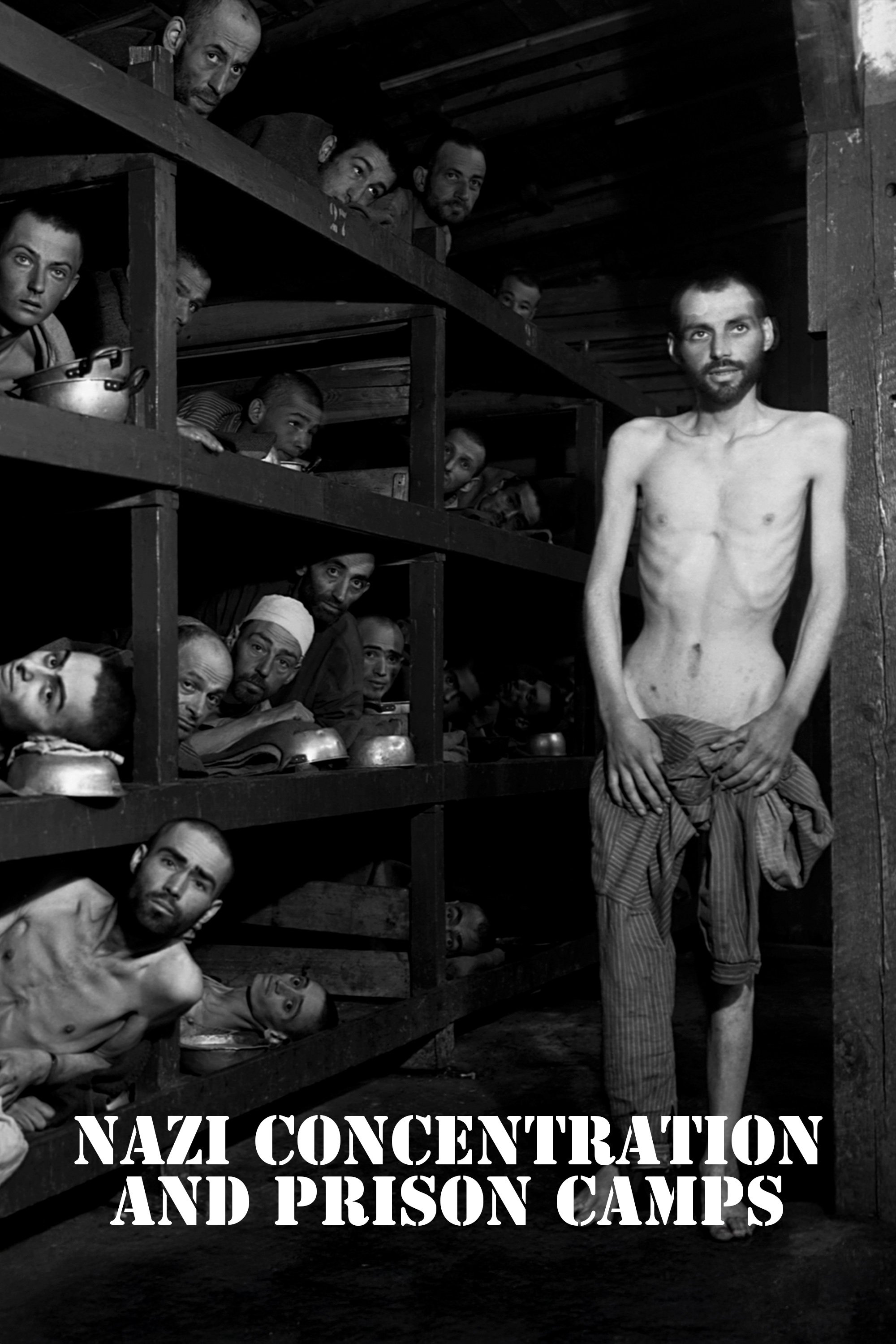
When Allied forces liberated the Nazi concentration camps in 1944-45, their terrible discoveries were recorded by army and newsreel cameramen, revealing for the first time the full horror of what had happened. Making use of British, Soviet and American footage, the Ministry of Information’s Sidney Bernstein (later founder of Granada Television) aimed to create a documentary that would provide lasting, undeniable evidence of the Nazis’ unspeakable crimes. He commissioned a wealth of British talent, including editor Stewart McAllister, writer and future cabinet minister Richard Crossman – and, as treatment advisor, his friend Alfred Hitchcock. Yet, despite initial support from the British and US Governments, the film was shelved, and only now, 70 years on, has it been restored and completed by Imperial War Museums under its original title "German Concentration Camps Factual Survey".
Produced and presented as evidence at the Nuremberg war crimes trial of Hermann Göring and twenty other Nazi leaders, this film consists primarily of dead and surviving prisoners and of facilities used to kill and torture during the World War II.
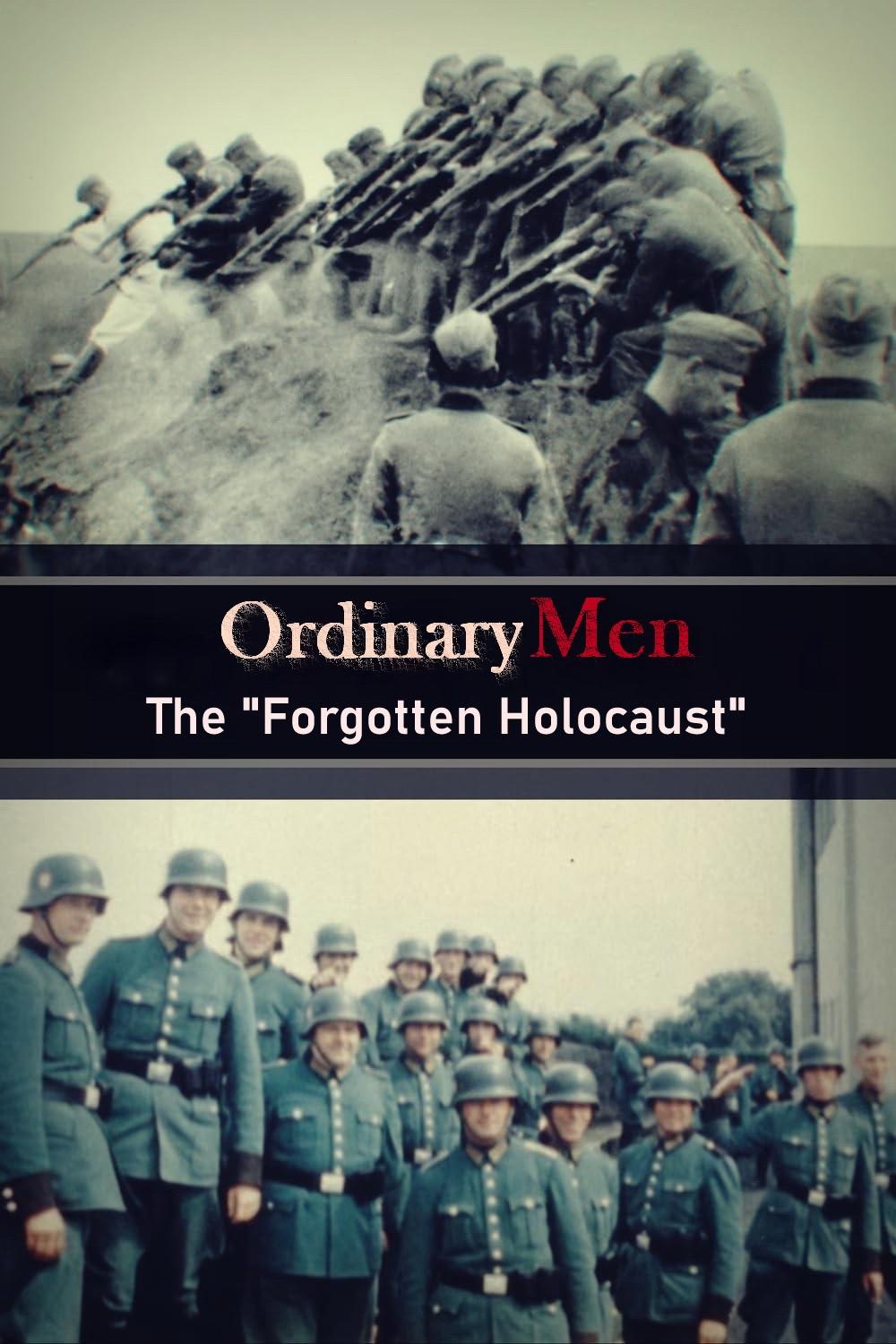
Six million Jews died during World War II, both in the extermination camps and murdered by the mobile commandos of the Einsatzgruppen and police battalions, whose members shot men, women and children, day after day, obediently, as if it were a normal job, a fact that is hardly known today. Who were these men and how could they commit such crimes?
The history of cinematic sound, told by legendary sound designers and visionary filmmakers.
Oliver Stone charts the history of the United States from the Second World War to the present.
Prelude to War was the first film of Frank Capra's Why We Fight propaganda film series, commissioned by the Pentagon and George C. Marshall. It was made to convince American troops of the necessity of combating the Axis Powers during World War II. This film examines the differences between democratic and fascist states.

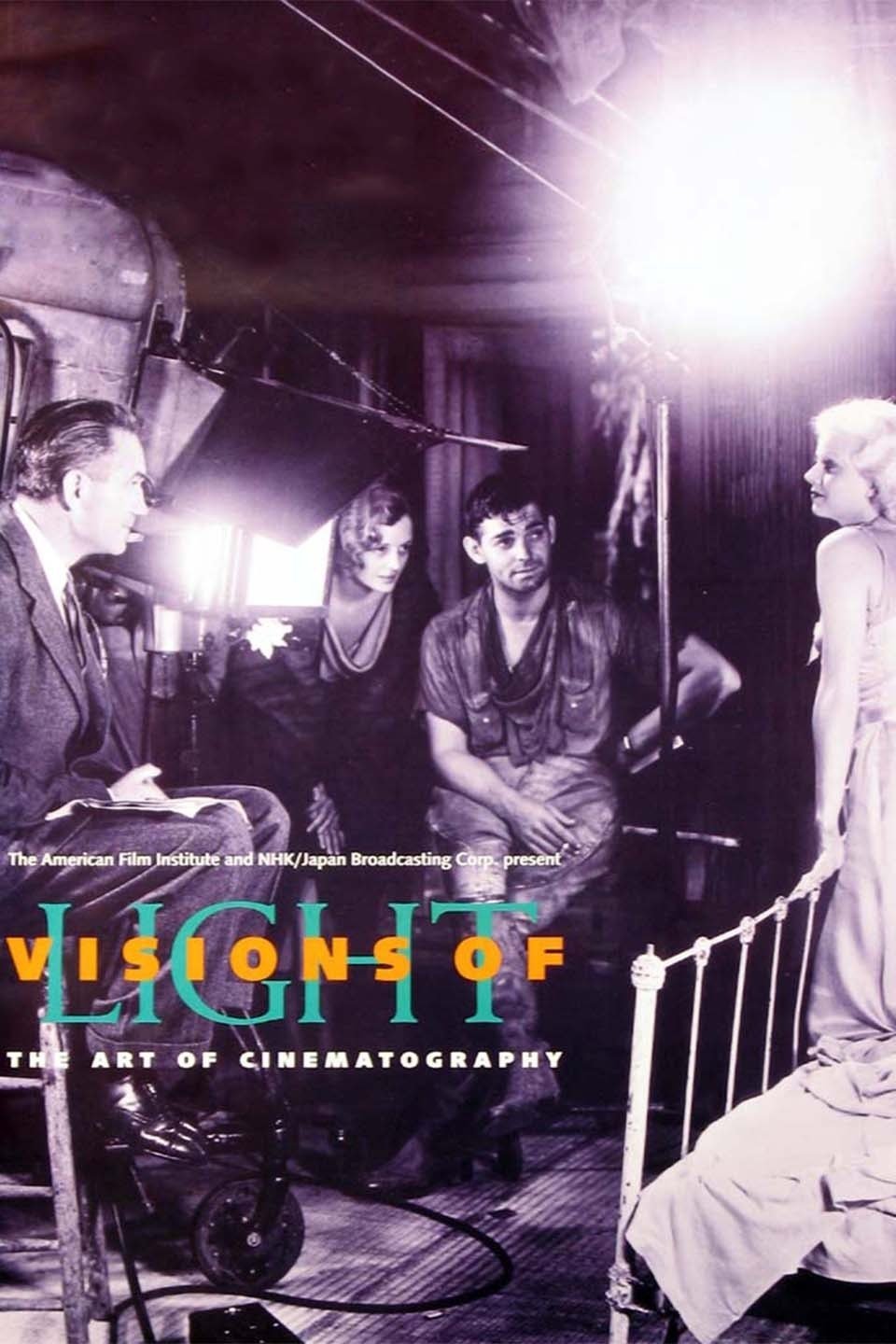
Cameramen and women discuss the craft and art of cinematography and of the "DP" (the director of photography), illustrating their points with clips from 100 films, from Birth of a Nation to Do the Right Thing. Themes: the DP tells people where to look; changes in movies (the arrival of sound, color, and wide screens) required creative responses from DPs; and, these artisans constantly invent new equipment and try new things, with wonderful results. The narration takes us through the identifiable studio styles of the 30s, the emergence of noir, the New York look, and the impact of Europeans. Citizen Kane, The Conformist, and Gordon Willis get special attention.
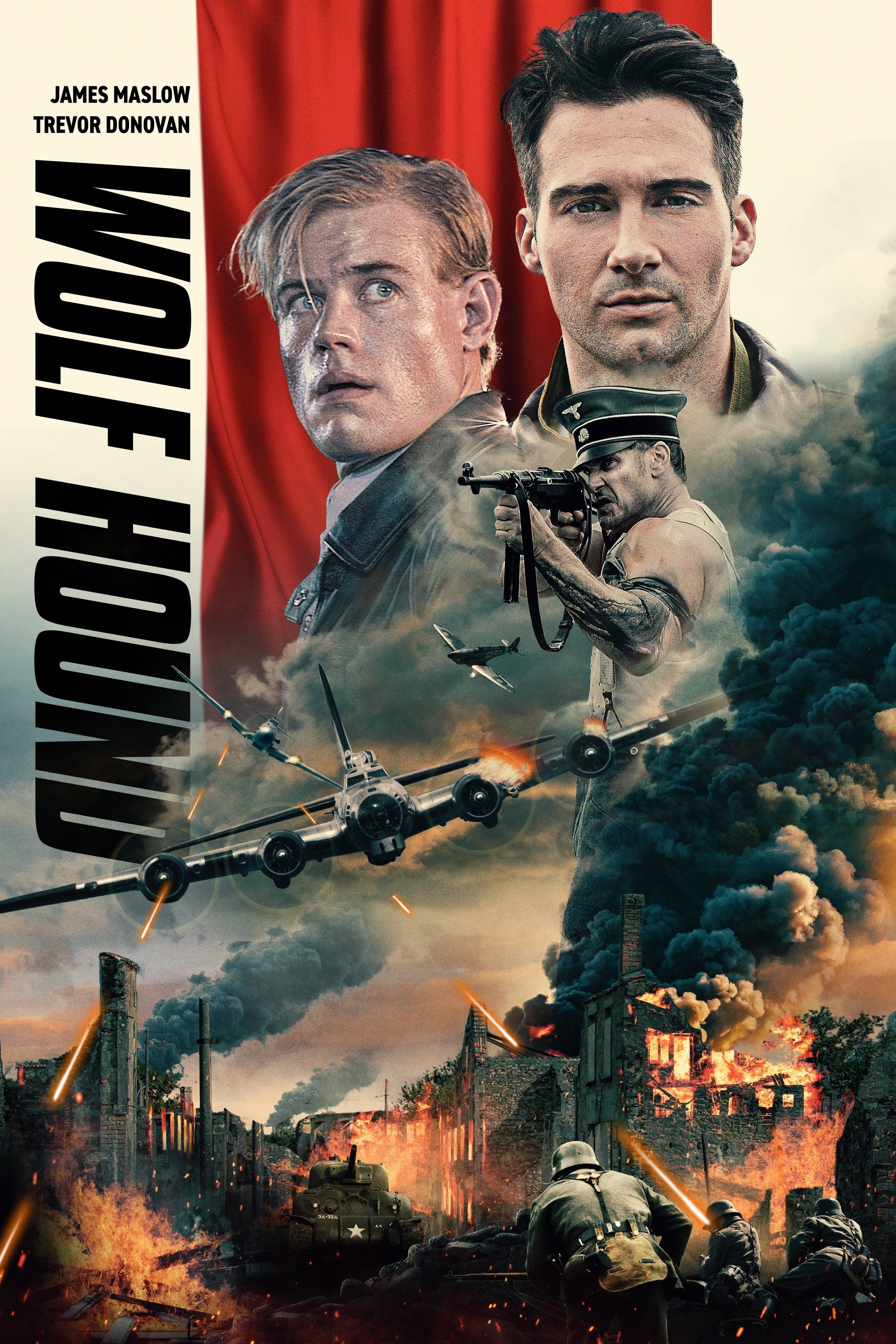
Inspired by the real-life German special operations unit KG 200 that shot down, repaired, and flew Allied aircraft as Trojan horses, "Wolf Hound" takes place in 1944 German-occupied France and follows the daring exploits of Jewish-American fighter pilot Captain David Holden. Ambushed behind enemy lines, Holden must rescue a captured B-17 Flying Fortress crew, evade a ruthless enemy stalking him at every turn, and foil a plot that could completely alter the outcome of World War II.
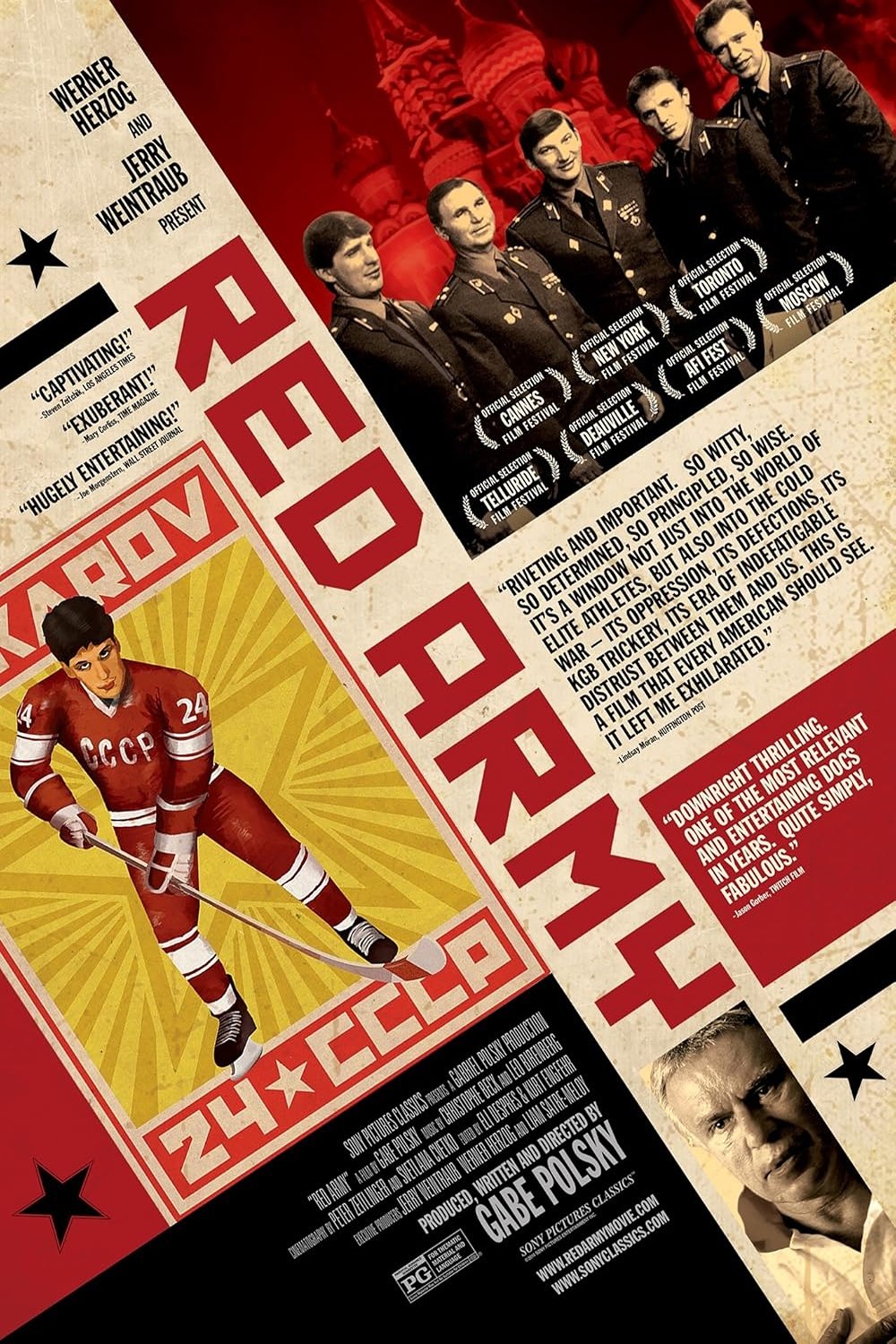
A documentary highlighting the Soviet Union's legendary and enigmatic hockey training culture and world-dominating team through the eyes of the team's Captain Slava Fetisov, following his shift from hockey star and celebrated national hero to political enemy.
A documentary examining possible historical and modern conspiracies surrounding Christianity, the 9/11 terrorist attacks, and the Federal Reserve bank.
Diaries, audiotapes, videotapes and testimonials from friends and colleagues offer insight into the life and career of Gilda Radner -- the beloved comic and actress who became an icon on Saturday Night Live.
The life and career of one of comedy's most inimitable modern voices, Mr. Gilbert Gottfried.
A documentary on the expletive's origin, why it offends some people so deeply, and what can be gained from its use.
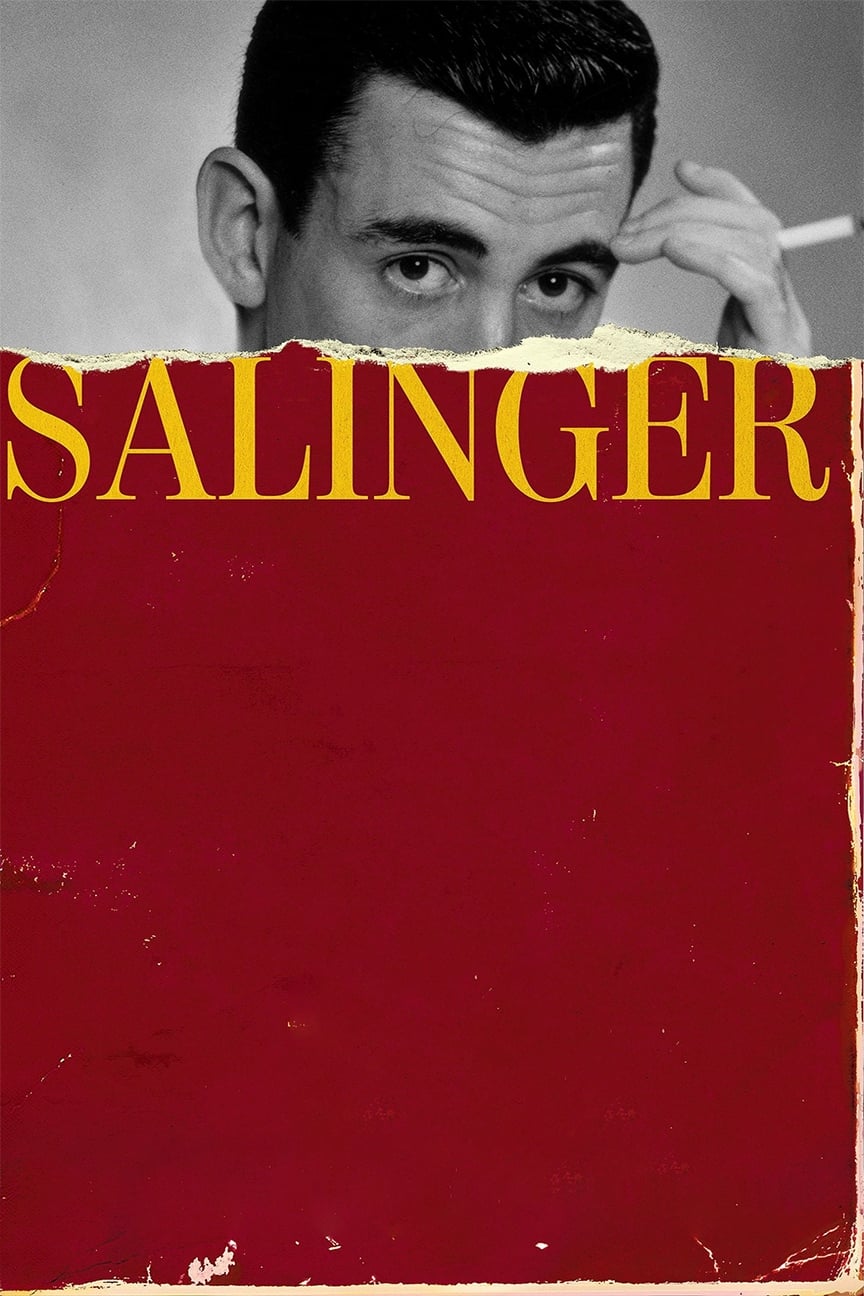
An in-depth investigation into the private world of the American writer J. D. Salinger (1919-2010), who lived most of his life behind the impenetrable wall of a self-imposed seclusion: how his dramatic experiences during World War II influenced his life and work, his relationships with very young women, his obsessive writing methods, his many literary secrets.
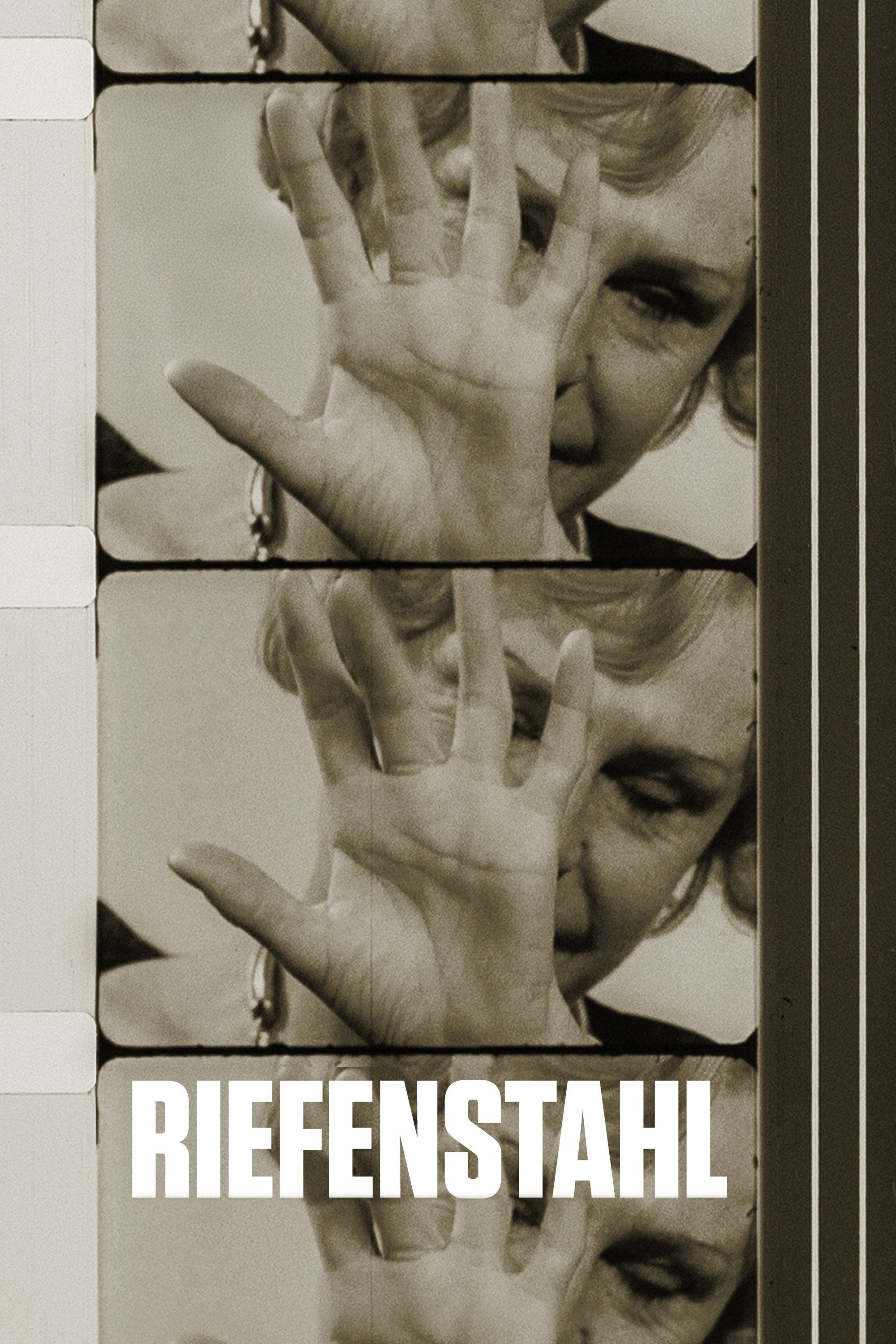
Explores Leni Riefenstahl's artistic legacy and her complex ties to the Nazi regime, juxtaposing her self-portrayal with evidence suggesting awareness of the regime's atrocities.
Documentary about the art of film editing. Clips are shown from many groundbreaking films with innovative editing styles.
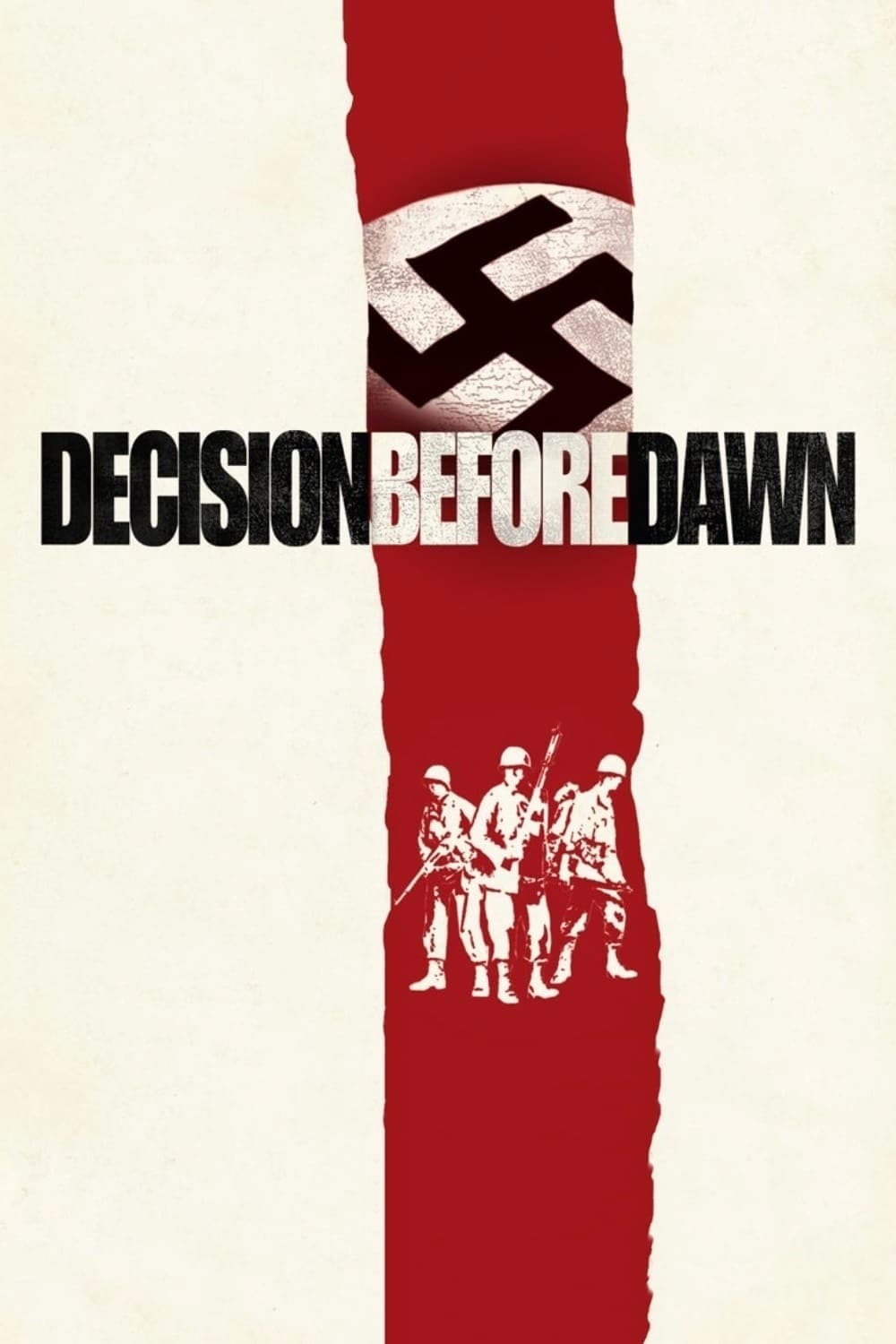
WWII is entering its last phase: Germany is in ruins, but does not yield. The US army lacks crucial knowledge about the German units operating on the opposite side of the Rhine, and decides to send two German prisoners to gather information. The scheme is risky: the Gestapo retains a terribly efficient network to identify and capture spies and deserters. Moreover, it is not clear that "Tiger", who does not mind any dirty work as long as the price is right, and war-weary "Happy", who might be easily betrayed by his feelings, are dependable agents. After Tiger and another American agent are successfully infiltrated, Happy is parachuted in Bavaria. His duty: find out the whereabouts of a powerful German armored unit moving towards the western front.
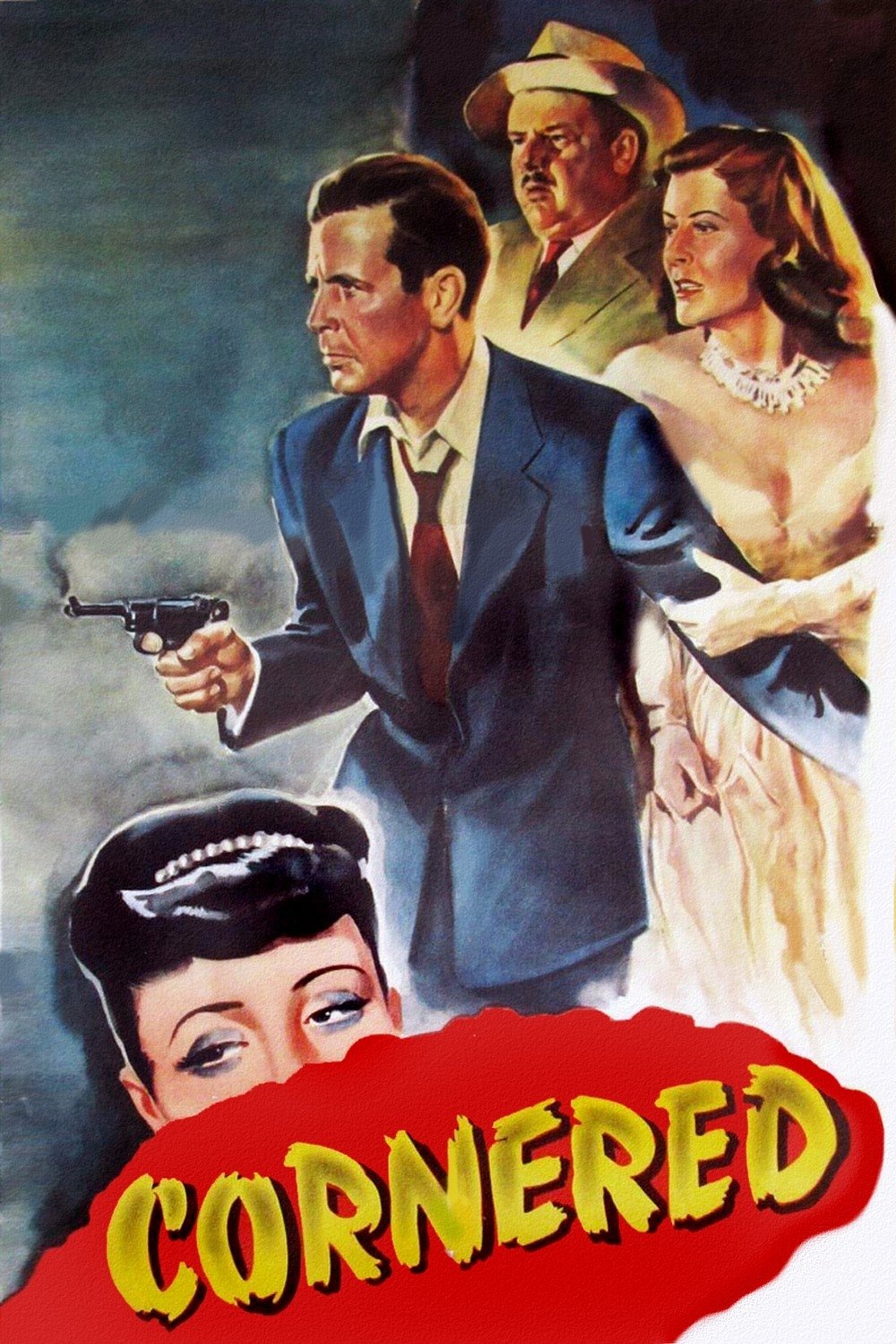
A World War II veteran hunts down the Nazi collaborators who killed his wife.
Journey into the extraordinary world of "The Witcher" — from casting the roles to Jaskier's catchy song — in this behind-the-scenes look at the series.