The BBC looks at our current weather and climate compared to the climate of our past to see if it really is changing...which it is and they explain science behind it
Social & External
Narrator (voice)
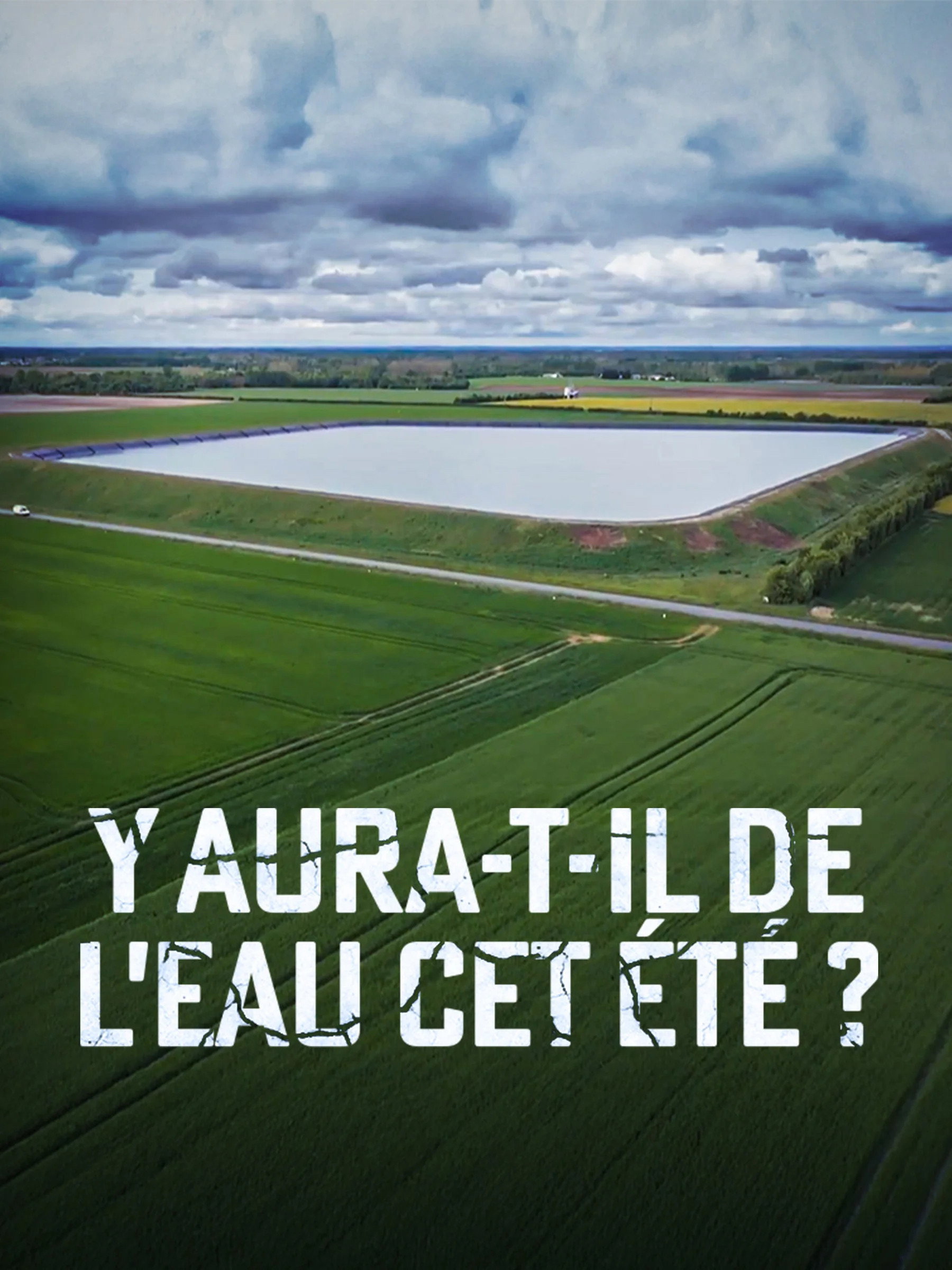
A low budget, comedic documentary following a young man trying to take a deeper look into water, its purpose, and how we, as a society have chosen to use it.
A mountain landscape, and in the distance, a tiny dot with two gigantic horns. This is the realm of the Alpine Ibex. Our film tells the life story of Buck, a single dominant male. The film opens with his dying moments in Italy’s Gran Paradiso National Park, in the shadow of the same summit that witnessed his birth. In the flashbacks that follow, we relive the most important moments of his life.
In a dark, ambiguous environment, minuscule particles drift slowly before the lens. The image focuses to reveal spruce trees and tall pines, while Innu voices tell us the story of this territory, this flooded forest. Muffled percussive sounds gradually become louder, suggesting the presence of a hydroelectric dam. The submerged trees gradually transform into firebrands as whispers bring back the stories of this forest.
The flower meadow is home to countless species of animals. Some live underground, some among the blades of grass and others populate the colorful canopy. It's a genuine paradise, but one that is increasingly rare. This award-winning documentary is a technical tour de force that uses time-lapse photography, special effects and CGI to track the development of one meadow back to the ice age.
Every summer, a renowned chamber music festival takes place in the small Finnish town of Kuhmo. Musicians and guests from all over the world populate the streets and enjoy nature. Only Pertte and Lassi, two retired friends, don't like the hustle and bustle and prefer to spend their time fishing at the lake and in the sauna. Until they have no other choice and are persuaded by their wives to go to a concert...
Learn to become a true survivor in the wild as this amazing guide teaches invaluable skills against the Seven Enemies that threaten your life. This must-have program program includes life-saving tips, practical survival skills and other priceless information that can save your life out in the wild!
Bacteria, viruses, but also fungi, algae, pollen, and even insects: micro-organisms thrive and circulate constantly in our sky. How can so many living beings find their way into the air and circulate? How do they survive? And what influence do they have on our lives and the living world? Biodiversity, health, climate: it is only recently that scientists have begun to understand how this discreet aerial "plankton" affects our lives and our ecosystem. But despite their many virtues, some of these micro-organisms are now threatened by human activities. With the help of experts and 3D models, this scientific investigation plunges us into the heart of a still mysterious world, and reveals the diversity and fragility of the air we breathe.
For two-thirds of the year, the Little Rann is a desert. Suddenly, in August, monsoon winds whip up the Arabian Sea and carry it 100 km inland. The desert and these mounds soon become islands and homes to high concentrations of rarely-seen, endangered and spectacular wildlife.
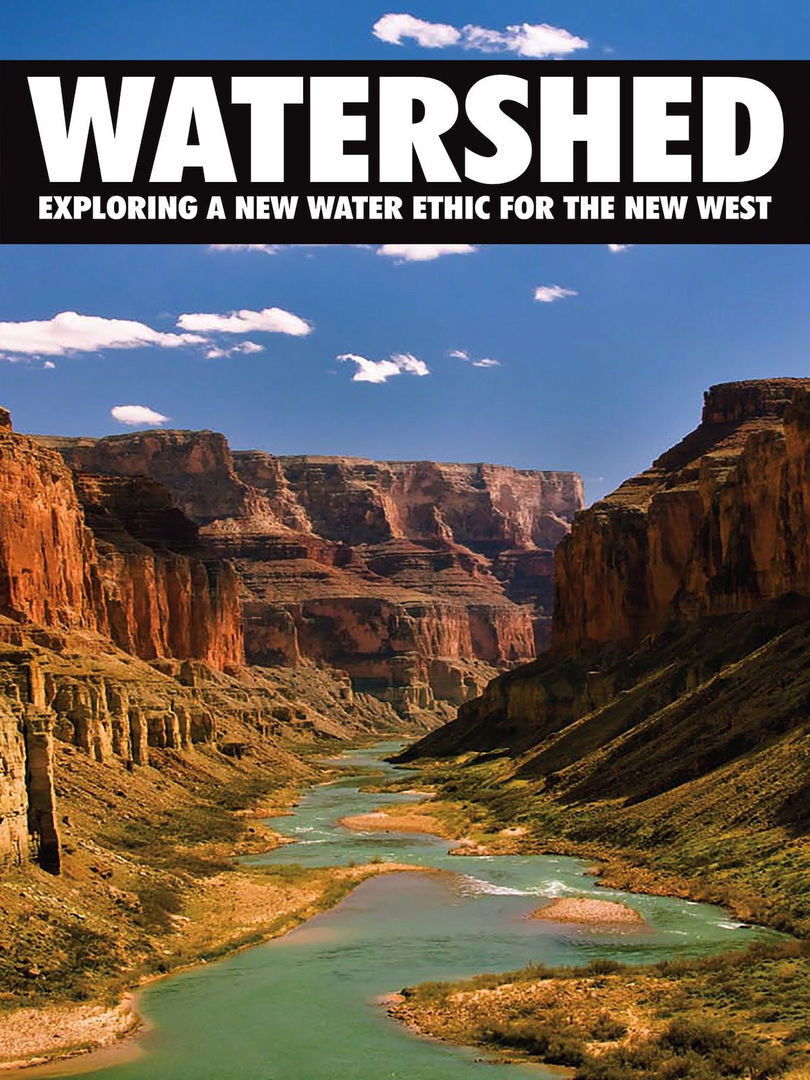
As the most dammed, dibbed, and diverted river in the world struggles to support thirty million people and the peace-keeping agreement known as the Colorado River Pact reaches its limits, WATERSHED introduces hope. Can we meet the needs of a growing population in the face of rising temperatures and lower rainfall in an already arid land? Can we find harmony amongst the competing interests of cities, agriculture, industry, recreation, wildlife, and indigenous communities with rights to the water? Sweeping through seven U.S. and two Mexican states, the Colorado River is a lifeline to expanding populations and booming urban centers that demand water for drinking, sanitation and energy generation. And with 70% of the rivers’ water supporting agriculture, the river already runs dry before it reaches its natural end at the Gulf of California. Unless action is taken, the river will continue its retreat – a potentially catastrophic scenario for the millions who depend on it.
As wildfires rage ever more fiercely across Europe, Finnish and Portuguese firefighters join forces on the front lines. This visually stunning documentary takes viewers into the flames and shows humanity's struggle against nature's most destructive force.
By land, by air, and by sea, viewers can now experience the struggle that millions of creatures endure in the name of migration as wildlife photographers show just how deeply survival instincts have become ingrained into to the animals of planet Earth. From the monarch butterflies that swarm the highlands of Mexico to the birds who navigate by the stars and the millions of red crabs who make the perilous land journey across Christmas Island, this release offers a look at animal instinct in it's purest form.
ARCTIC SUMMER is a poetic meditation on Tuktoyaktuk, an Indigenous community in the Arctic. The film captures Tuk during one of the last summers before climate change forced Tuk's coastal population to relocate to more habitable land.
In the company of zoologist Patrick Aryee, a discovery of the 37 species of felines that inhabit the planet, some little known, others threatened.
The highest mountain range in the world, the Himalayan range is far reaching, spanning thousands of miles, and holds within it an exceptionally diverse ecology. Coniferous and subtropical forests, wetlands, and montane grasslands are as much a part of this world as the inhospitable, frozen mountaintops that tower above. The word Himalaya is Sanskrit for abode of snow, fitting for a stretch of land that houses the world’s largest non polar ice masses. Extensive glacial networks feed Asia's major rivers including the Ganges, Indus, and Brahmaputra. More than a billion people rely on these glacier-fed water sources for drinking water and agriculture. The Himalayas are not only a remarkable expanse of natural beauty. They're also crucial for our survival.
Florida is home to beaches, coral reefs, pine forests and the famous Everglades wetland, but a growing human population and abandoned exotic pets like pythons are threatening this wild paradise. Can Florida’s ecosystems continue to weather the storm?
In an increasingly technologically advanced world, only the bravest dare to live life in a simpler way. In this masterpiece, Carlos, better known as "Legendboy", documents his thrilling journey from his quarters to his friends' house, recounting all the ups and downs and unique moments along the way. Special commentary by "Morais".
Art has always investigated nature and man's connection with the world. Several contemporary artists have questioned the issues of climate change and environmental sustainability and have tried to amplify our ecological consciousness. Through the testimonies of artists of different generations such as Olafur Eliasson, Christo, Michelangelo Pistoletto and the gaze of critics such as Germano Celant and Carolyn Christov-Bakargiev, we retrace some of the most significant works.

An up-to-date look at the climate change research currently being done by the scientists stationed in Antarctica.
A record in 35mm film of the first drenching rain on Los Angeles after the devastation of the wildfires.
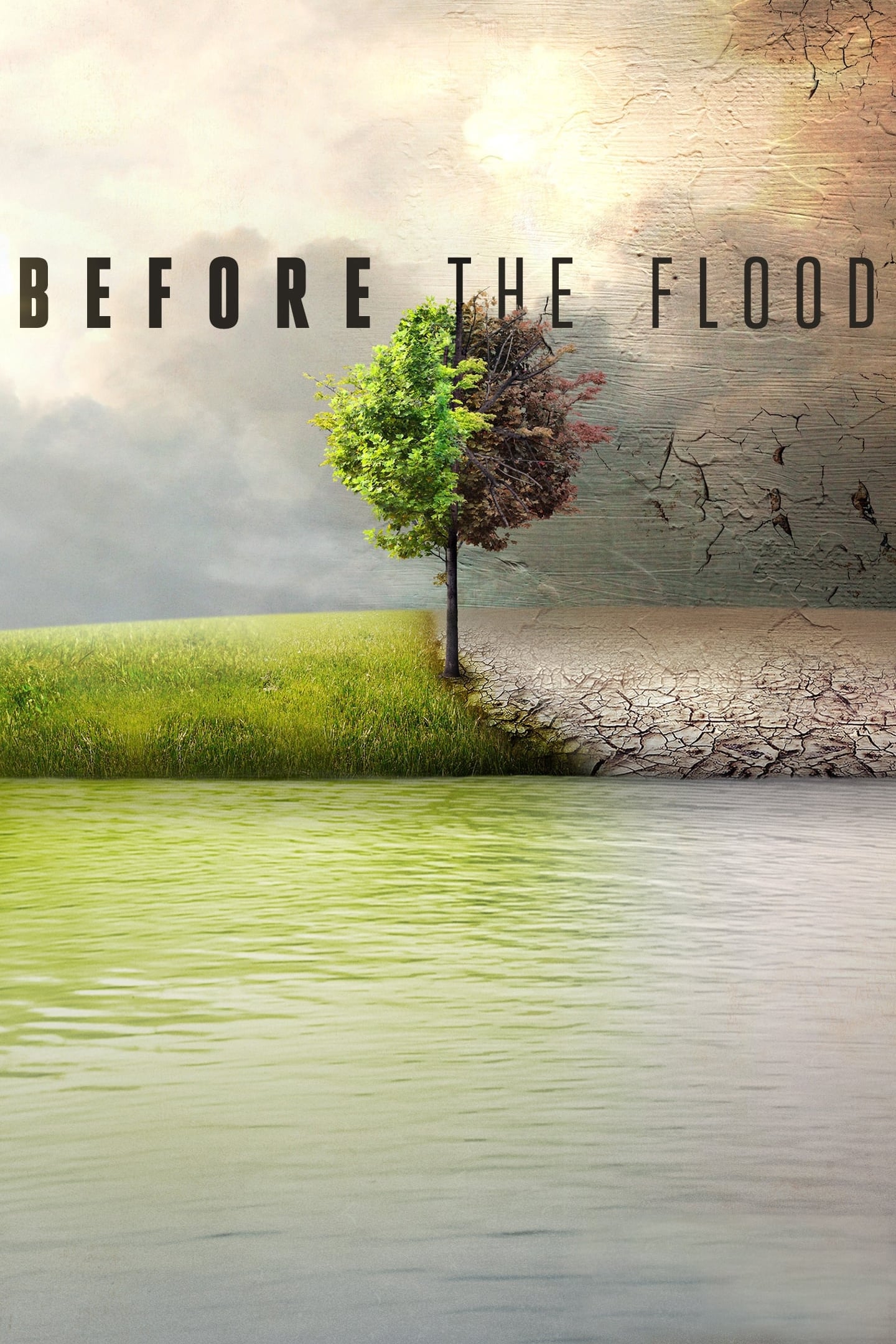
An eye-opening documentary that asks the question: Are we going to let climate change destroy civilization, or will we act on technologies that can reverse it? Featuring never-before-seen solutions on the many ways we can reduce carbon in the atmosphere thus paving the way for temperatures to go down, saving civilization.

A look at the state of the global environment including visionary and practical solutions for restoring the planet's ecosystems. Featuring ongoing dialogues of experts from all over the world, including former Soviet Prime Minister Mikhail Gorbachev, renowned scientist Stephen Hawking, former head of the CIA R. James Woolse
The story of life on our planet by the man who has seen more of the natural world than any other. In more than 90 years, Attenborough has visited every continent on the globe, exploring the wild places of our planet and documenting the living world in all its variety and wonder. Addressing the biggest challenges facing life on our planet, the film offers a powerful message of hope for future generations.
A look at how climate change affects our environment and what society can do to prevent the demise of endangered species, ecosystems, and native communities across the planet.
A decade after An Inconvenient Truth brought climate change into the heart of popular culture comes the riveting and rousing follow-up that shows just how close we are to a real energy revolution. Vice President Al Gore continues his tireless fight, traveling around the world training an army of climate champions and influencing international climate policy. Cameras follow him behind the scenes—in moments private and public, funny and poignant—as he pursues the empowering notion that while the stakes have never been higher, the perils of climate change can be overcome with human ingenuity and passion.
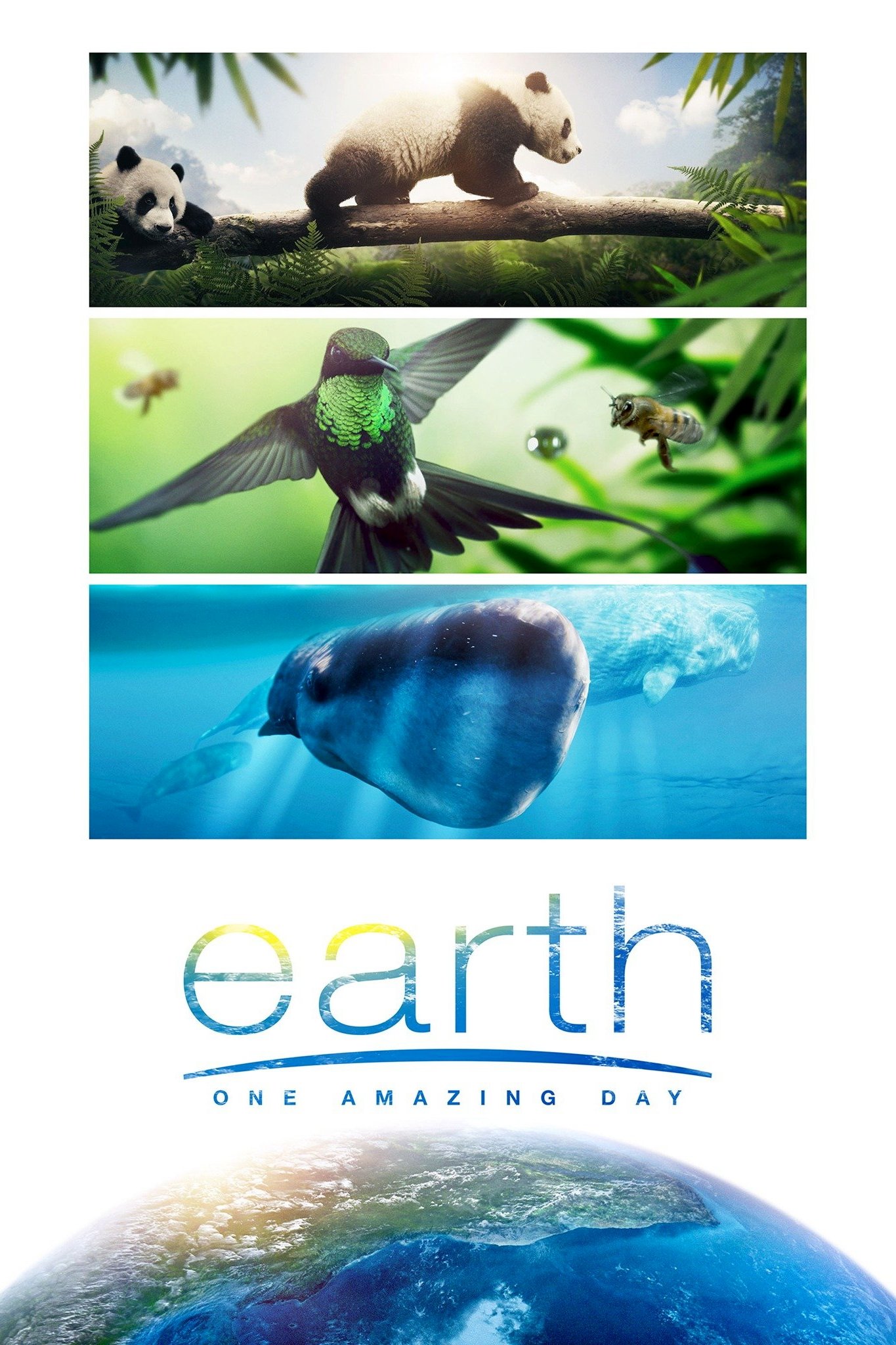
An astonishing journey revealing the awesome power of the natural world. Over the course of one single day, we track the sun from the highest mountains to the remotest islands to exotic jungles.
In this special documentary that inspired a two-season television series, scientists and other experts speculate about what the Earth, animal life, and plant life might be like if, suddenly, humanity no longer existed, as well as the effect humanity's disappearance might have on the artificial aspects of civilization.
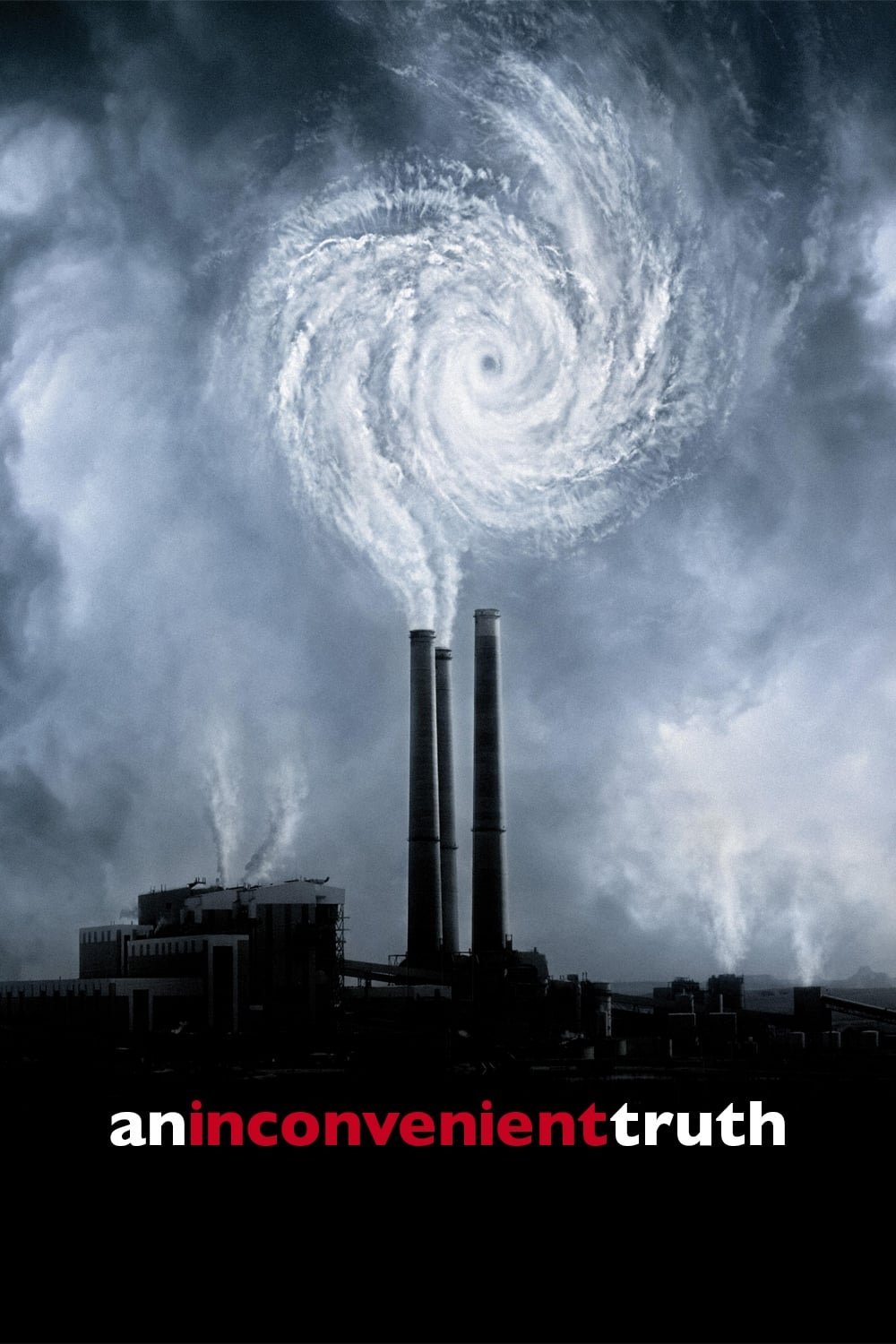
A documentary on Al Gore's campaign to make the issue of global warming a recognized problem worldwide.
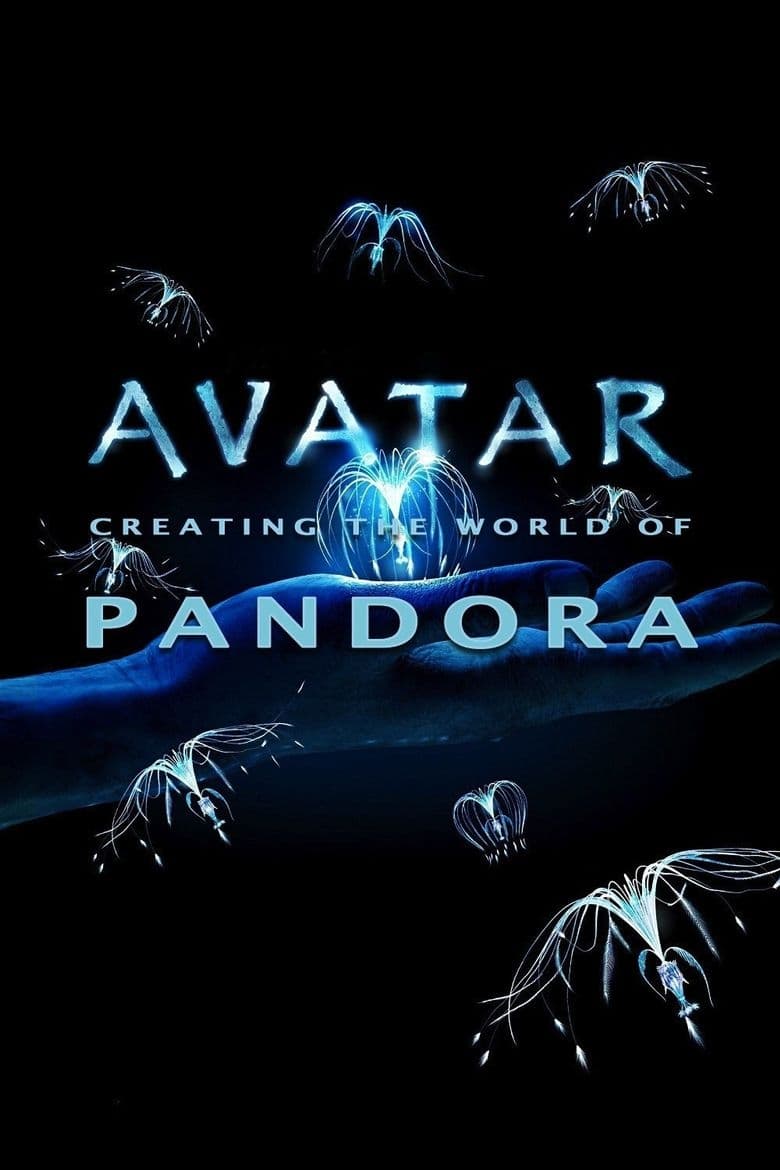
The Making-of James Cameron's Avatar. It shows interesting parts of the work on the set.
This remarkable journey across our planet and universe explores how meteorites, shooting stars, and deep impacts have awoken our wonder about other realms—and make us rethink our destinies.
A purely observational non-fiction film that takes viewers into the ethically murky world of end-of-life decision making in a public hospital.
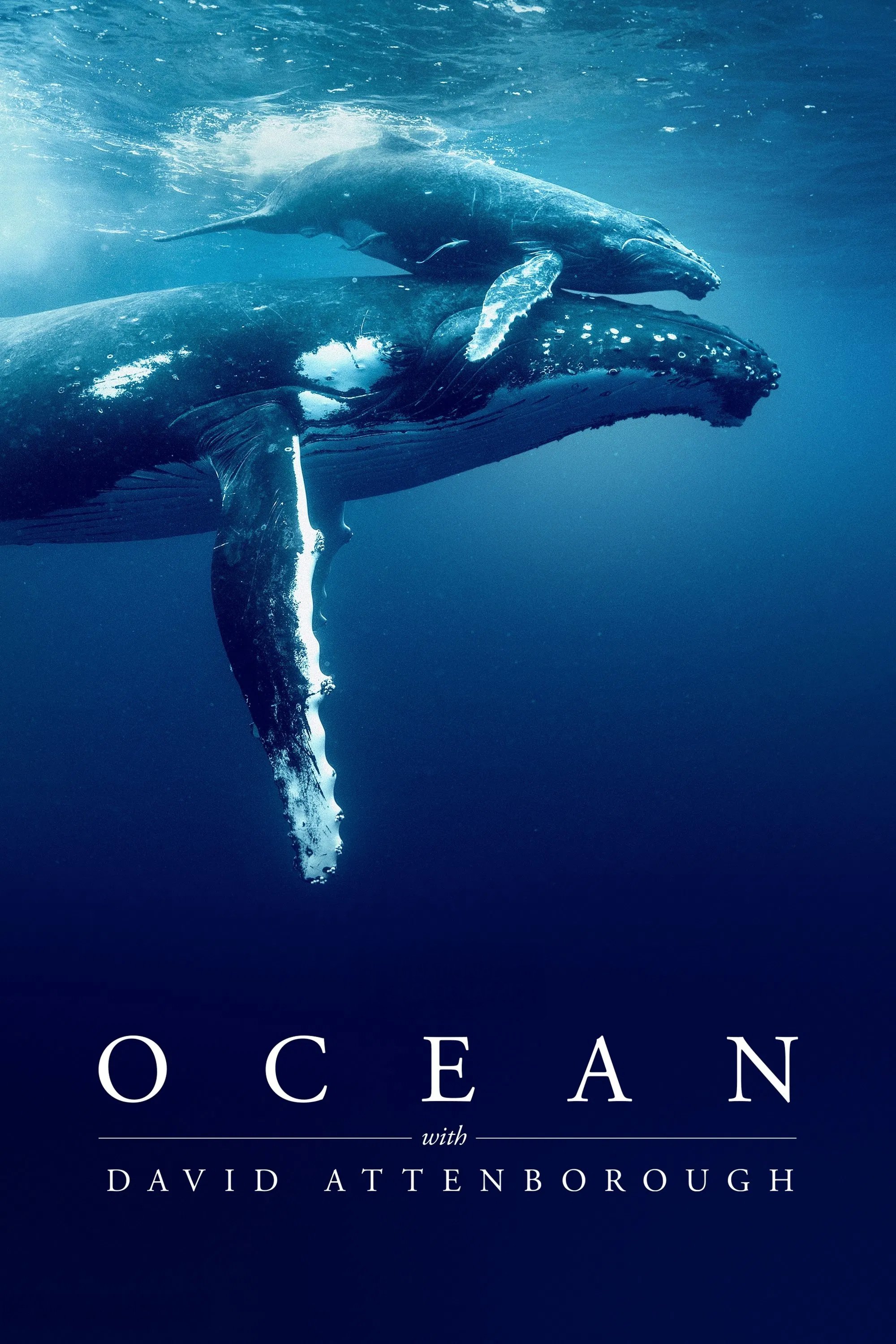
David Attenborough takes viewers on a breathtaking journey showing there is nowhere more vital for our survival, more full of life, wonder, or surprise, than the ocean. Through spectacular sequences featuring coral reefs, kelp forests and the open ocean, Attenborough shares why a healthy ocean keeps the entire planet stable and flourishing.
Capturing Avatar is a feature length behind-the-scenes documentary about the making of Avatar. It uses footage from the film's development, as well as stock footage from as far back as the production of Titanic in 1995. Also included are numerous interviews with cast, artists, and other crew members. The documentary was released as a bonus feature on the extended collector's edition of Avatar.
A documentary about the making of season five of the acclaimed AMC series Breaking Bad.
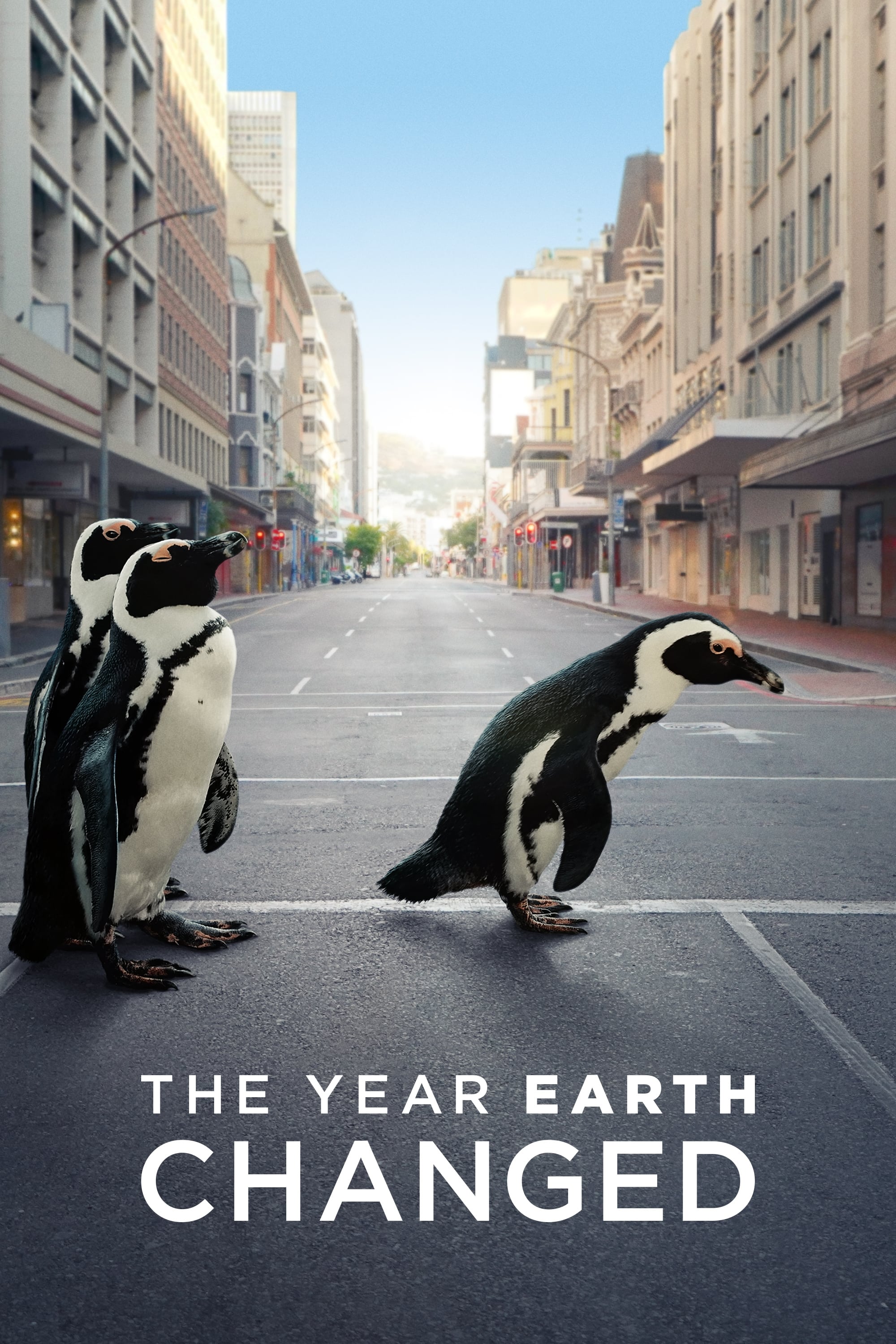
Never-before-seen footage shows how our living in lockdown opened the door for nature to bounce back and thrive. Across the seas, skies, and lands, Earth found its rhythm when we came to a stop.
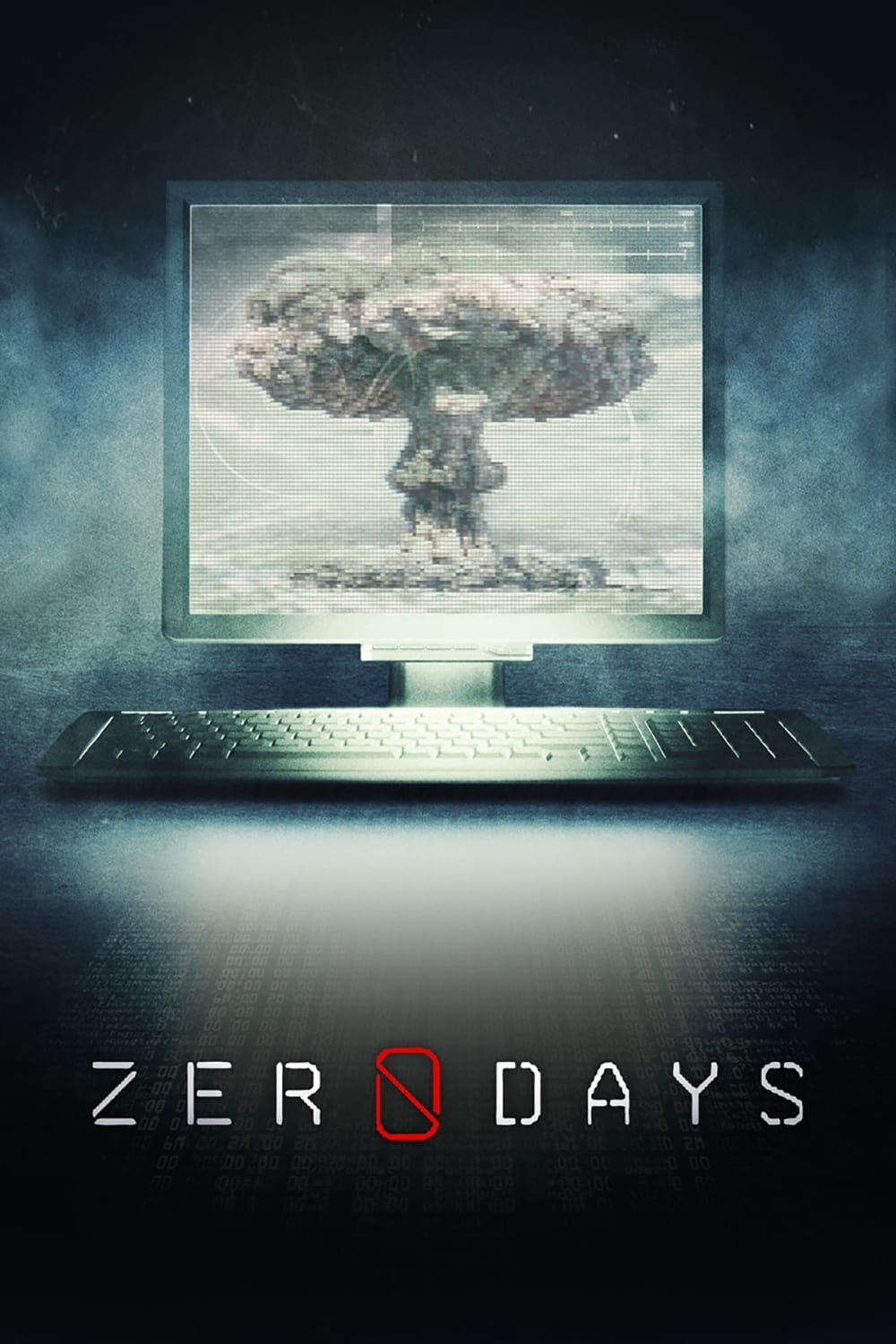
Alex Gibney explores the phenomenon of Stuxnet, a self-replicating computer virus discovered in 2010 by international IT experts. Evidently commissioned by the US and Israeli governments, this malware was designed to specifically sabotage Iran’s nuclear programme. However, the complex computer worm ended up not only infecting its intended target but also spreading uncontrollably.
A comedic, brutally honest documentary following self-destructive TV writer Dan Harmon as he takes his live podcast on a national tour.
JB Smoove and Martin Starr host a celebration of 20 years of "Spider-Man" movies, from the Sam Raimi trilogy to Marc Webb's movies and the trio from Jon Watts.
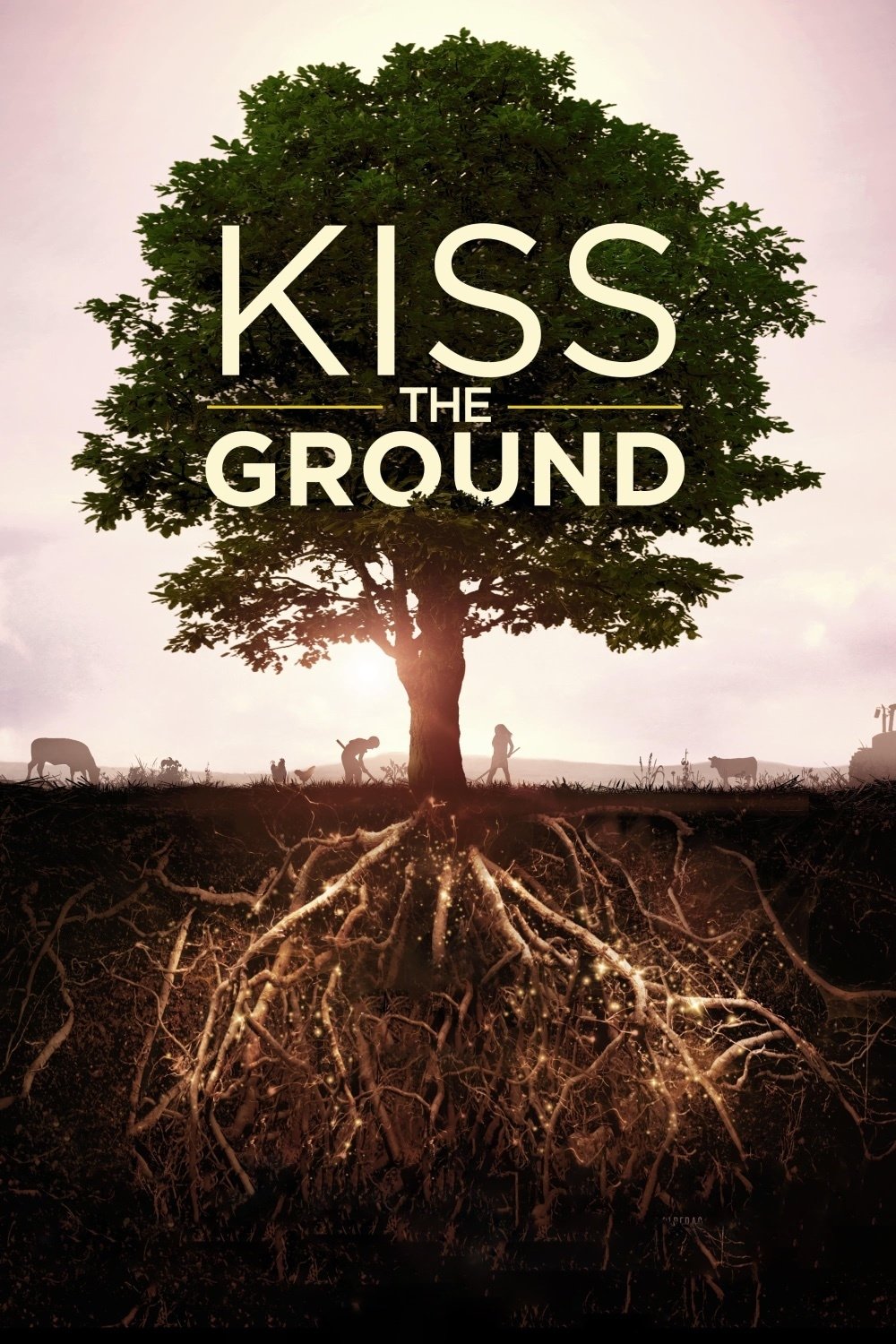
Sheds light on an alternative approach to farming called “regenerative agriculture” that could balance our climate, replenish our vast water supplies, and feed the world.
Carefully picked scenes of nature and civilization are viewed at high speed using time-lapse cinematography in an effort to demonstrate the history of various regions.