Social & External
The people behind it
A 3-year-old girl and her family's long journey from a Greek refugee centre to Uppsala.
Throughout the Islamic world, each year hundreds of women are shot, stabbed, strangled or burned to death by male relatives because they are thought to have “dishonoured” their families. They may have lost their virginity, refused an arranged marriage or left an abusive husband. Even if a woman is raped or merely the victim of gossip, she must pay the price. Crimes of Honour documents the terrible reality of femicide – the belief that a girl’s body is the property of the family, and any suggestion of sexual impropriety must be cleansed with her blood. We meet women in hiding from their families, a brother who describes his reasons for killing the sister he loved, and a handful of women who have committed themselves to the protection of young women in danger of losing their lives.
In 2025, as MLB's Dodgers and Cubs clash in Tokyo for a historic season opener, their games become a lens into Japan's passionate baseball culture and the values that bind two nations through America's pastime.
Through first person narration, Tari reveals personal stories related to her decision to work in Taiwan, her strained family relationships, the risks involved in working abroad and the traps she has fallen into.
'Fired Up, Ready To Go' follows a number of hopeful and, above all, fanatical grassroots campaigners in New York who are committed to Obama's presidency. A documentary that does not look at Obama's closest associates, but rather at the people on the ground. People who sacrifice a lot to make Obama the first black president of the US.
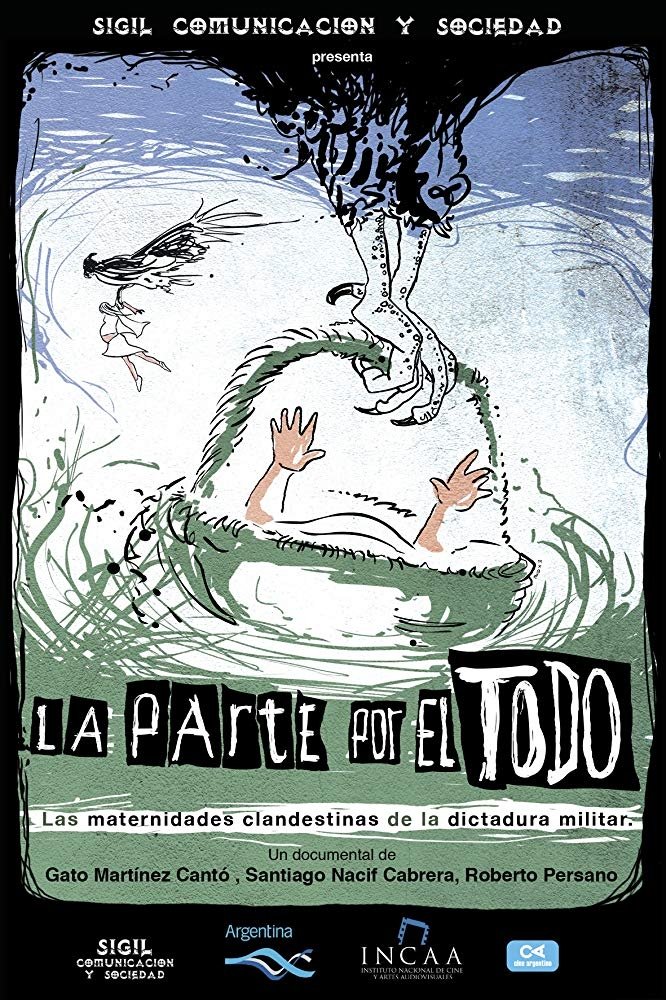
During the last argentine military dictatorship, the Army developed a systematic plan for the abduction of children, with maternity wards inside the clandestine detention centers. This film proposes itself as a trip to the truth "to bring to light the places where lots of babies saw the light for the first time"; Three restored children show the part for the whole :how a genocide was orchestrated,a scheme which planned the deprivation of identity of babies born in captivity, children of illegally kidnapped and detained women.
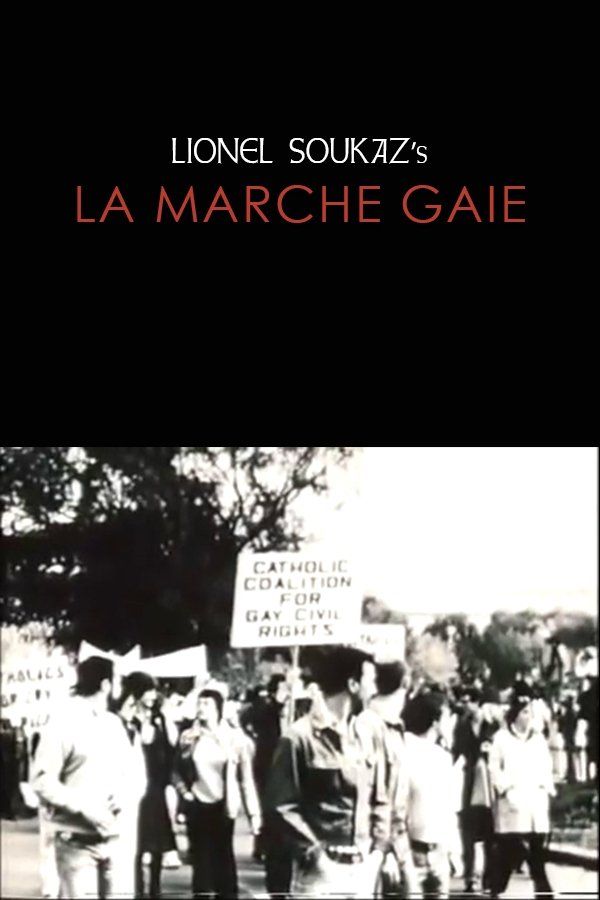
A short documentary about the October 14 1979 March For Lesbian And Gay Rights in Washington D.C.
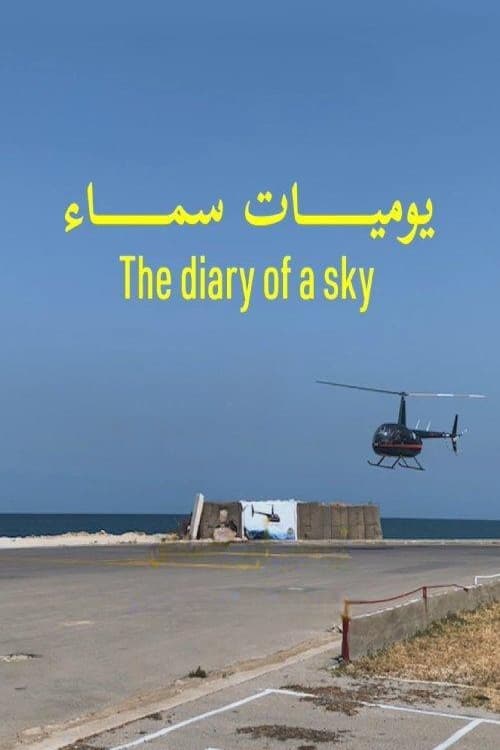
The film unfolds an atmospheric symphony of violence over Beirut, revealing the haunting fusion of incessant Israeli military flights and the hum of generators during blackouts. This 45-minute video essay plunges viewers into a chilling chronicle of daily life transformed by the weaponization of the air, where the terror of repeated incursions becomes a disconcertingly banal backdrop.
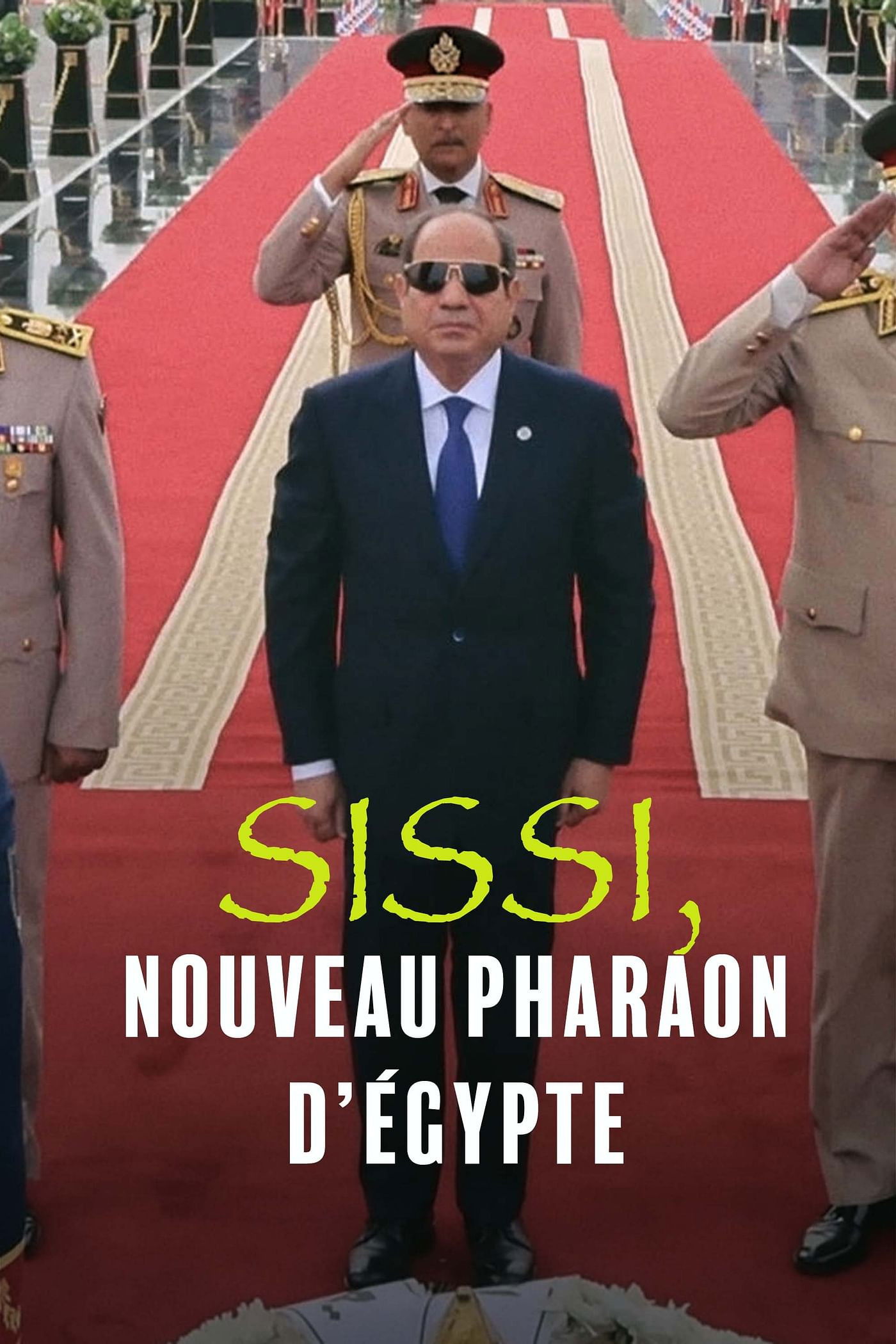
Egypt, nicknamed "the mother of the world" by its people, is unrecognizable. Gigantic construction sites have sprung up in the desert at an exponential rate, including roads, bridges, and megaprojects on the Mediterranean coast. This new Egypt is an illusion: in 10 years, the population has sunk into unprecedented poverty. The regime shows no mercy to the poor. Abdel Fattah el-Sisi, the new pharaoh, and his army have set up a pyramid-shaped financial system, built on subsidies from major international institutions—including the European Union—and foreign investment. The most populous nation in the Arab world finds itself on the brink of collapse.
The bleached palette and home-movie aesthetics of Super 8 footage provide the image track for this testimonial about an illegal abortion in Mexico City in the 1960s, delivered in voiceover by the filmmaker’s mother. In its account of this intimate and disorienting memory, Lesser Choices summons a time of profound uncertainty—a moment from an era without rights—and offers a warning to the present.
A feature-length documentary about the Free Kevin movement and the hacker world.
Gdańsk, Poland, September 1980. Lech Wałęsa and other Lenin shipyard workers found Solidarność (Solidarity), the first independent trade union behind the Iron Curtain. The long and hard battle to bring down communist dictatorship has begun.
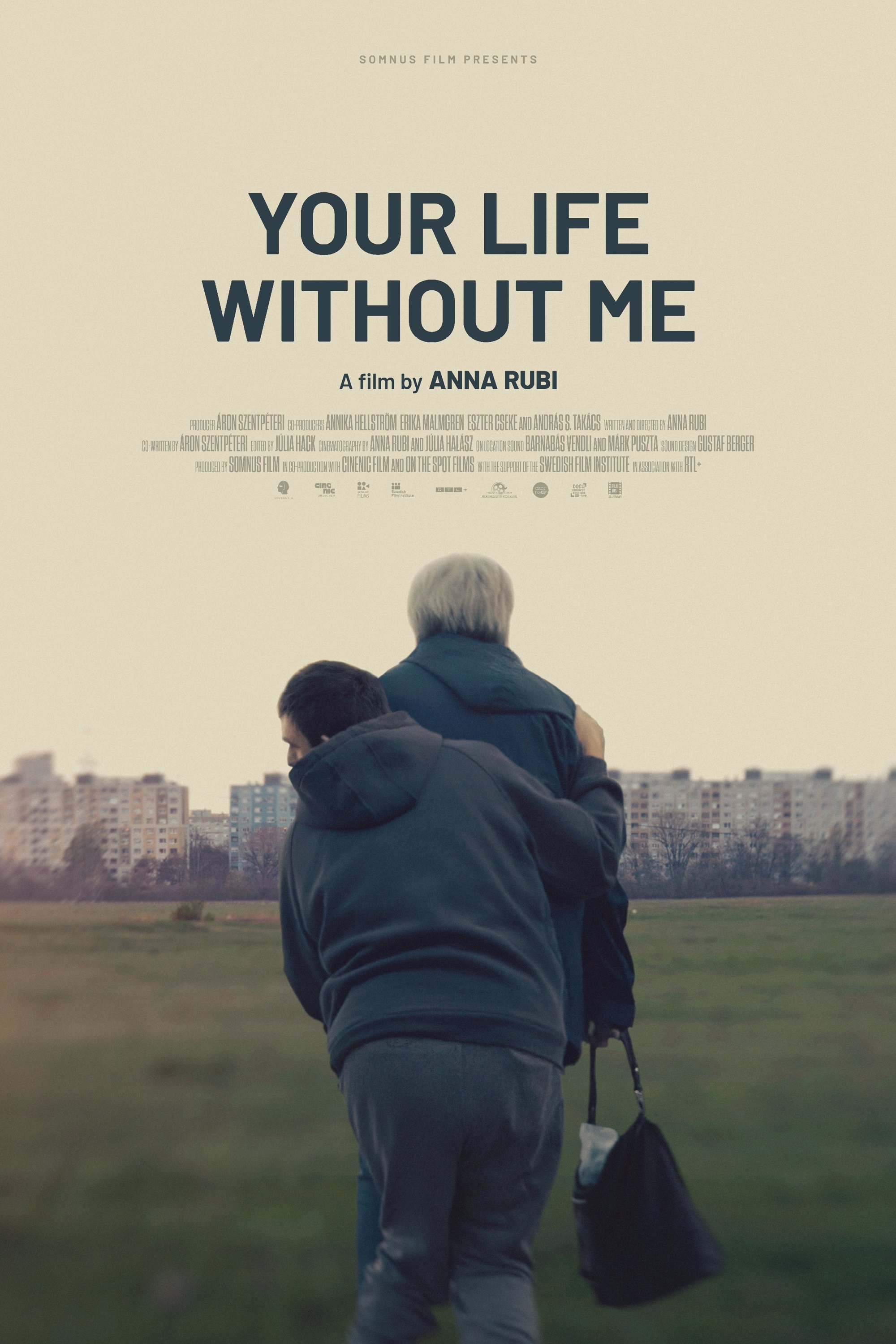
Magdi, a strong-willed, but lonely caregiver faces a daunting reality as she grows older: If she were to pass away, her disabled adult son, Feri would be left to the inhumane conditions of the Hungarian state care system, and would quickly follow her. Determined to secure a future for Feri, Magdi unites with a group of mothers who are in the same situation and they take legal action against the state. “Your Life Without Me” is a story of the strength and sacrifices of these women who find their own voice through the common fight and their community.
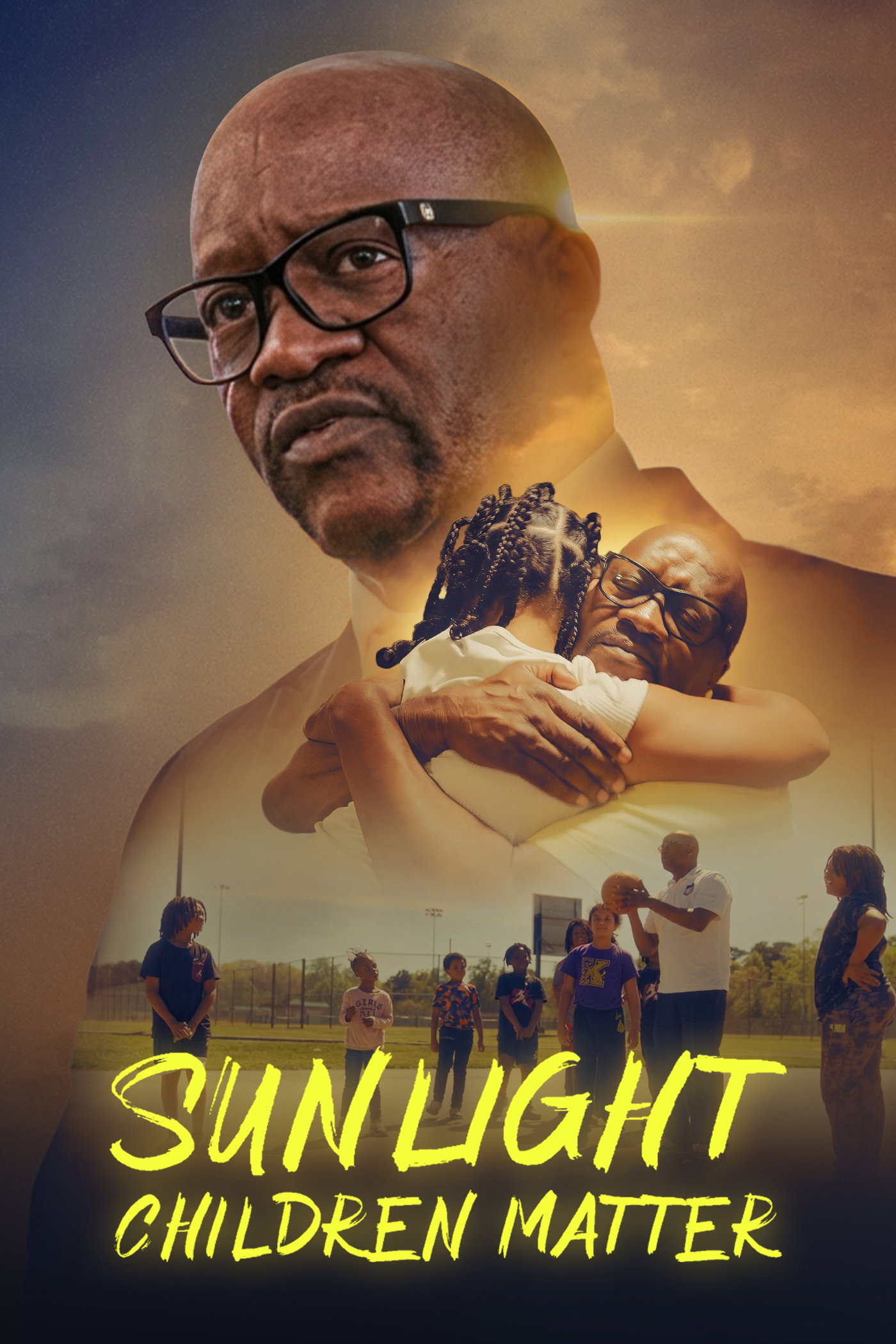
Sunlight is the inspirational story of Donald Gray’s quest to save children trapped in the darkness of economic and social despair. His team works daily to “save one child at a time,” from a cycle of poverty, drugs, violence, and family disintegration.
Journalist Shiori Ito embarks on a courageous investigation of her own sexual assault in an improbable attempt to prosecute her high-profile offender. Her quest becomes a landmark case in Japan, exposing the country's outdated judicial and societal systems.
Jesus 'Chuy' Aceves and a dozen living members of his extended family suffer from the very rare condition of congenital hypertrichosis, meaning they were born with excessive hair on their faces and bodies. Due to their appearance, they suffer from discrimination in all areas of their lives: the children are made fun of at school and abandoned by their 'non-hairy' parents, and the adults cannot find work unless they choose to exhibit themselves as freaks in circuses. This moving and visually arresting documentary is a portrait of Chuy and his family members. It examines their day-to-day lives and their struggle to find love, acceptance and employment.
I have been pretty satisfied with my life before I got on the bus. When I do in June 2011, my whole life turns upside down. I am just a regular passenger at first. Like other people I was sorry, and felt obliged to help and care for other passengers. Then I begin to film these common heroes with my camera. Those who speak about hope, who provide it and get on the bus, Ms. Kim Jin-suk, and other crane laborers who risk their safety while demonstrating for their rights on high. She, while stationed insecurely on high, begins interacting with the world through Twitter and makes friends. Then I realize I really love her. Will we have her back safely?
This raucous journey into the heart of democracy captures an unusual rite of passage: 1,100 teenage boys from across Texas coming together to build a representative government from the ground up.
An interview with film director Roman Polanski conducted during his period of house arrest, discussing his life and work.
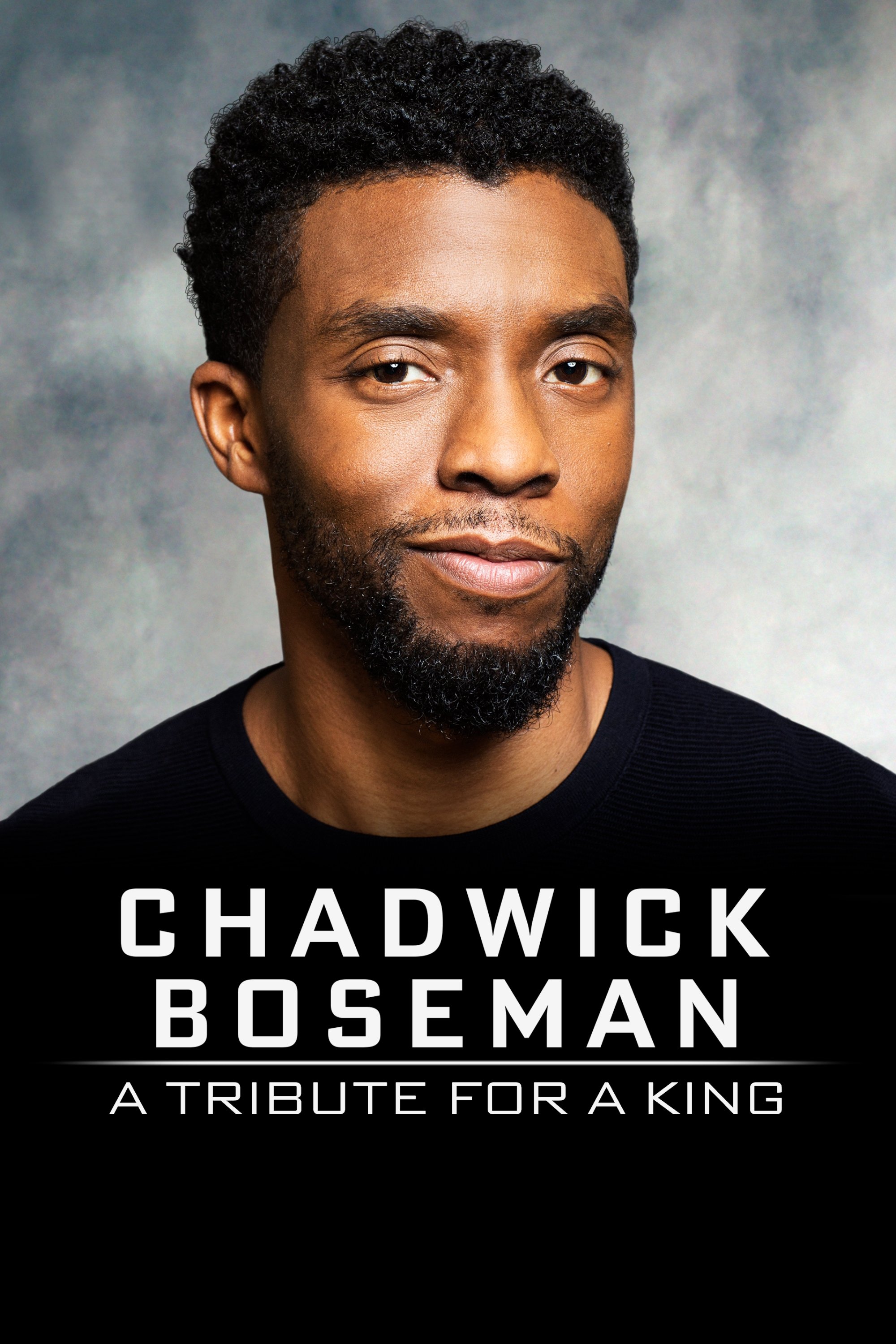
A tribute to Chadwick Boseman, celebrating his life and legacy.
An inside look at one of the most anticipated movie sequels ever with James Cameron and cast.
A detailing of the rise to prominence and global sporting superstardom of six supremely talented young Manchester United football players (David Beckham, Nicky Butt, Ryan Giggs, Paul Scholes, Phil and Gary Neville). The film covers the period 1992-1999, culminating in Manchester United's European Cup triumph.
Ranjit, a farmer in India, takes on the fight of his life when he demands justice for his 13-year-old daughter, the victim of a brutal gang rape. His decision to support his daughter is virtually unheard of, and his journey unprecedented.
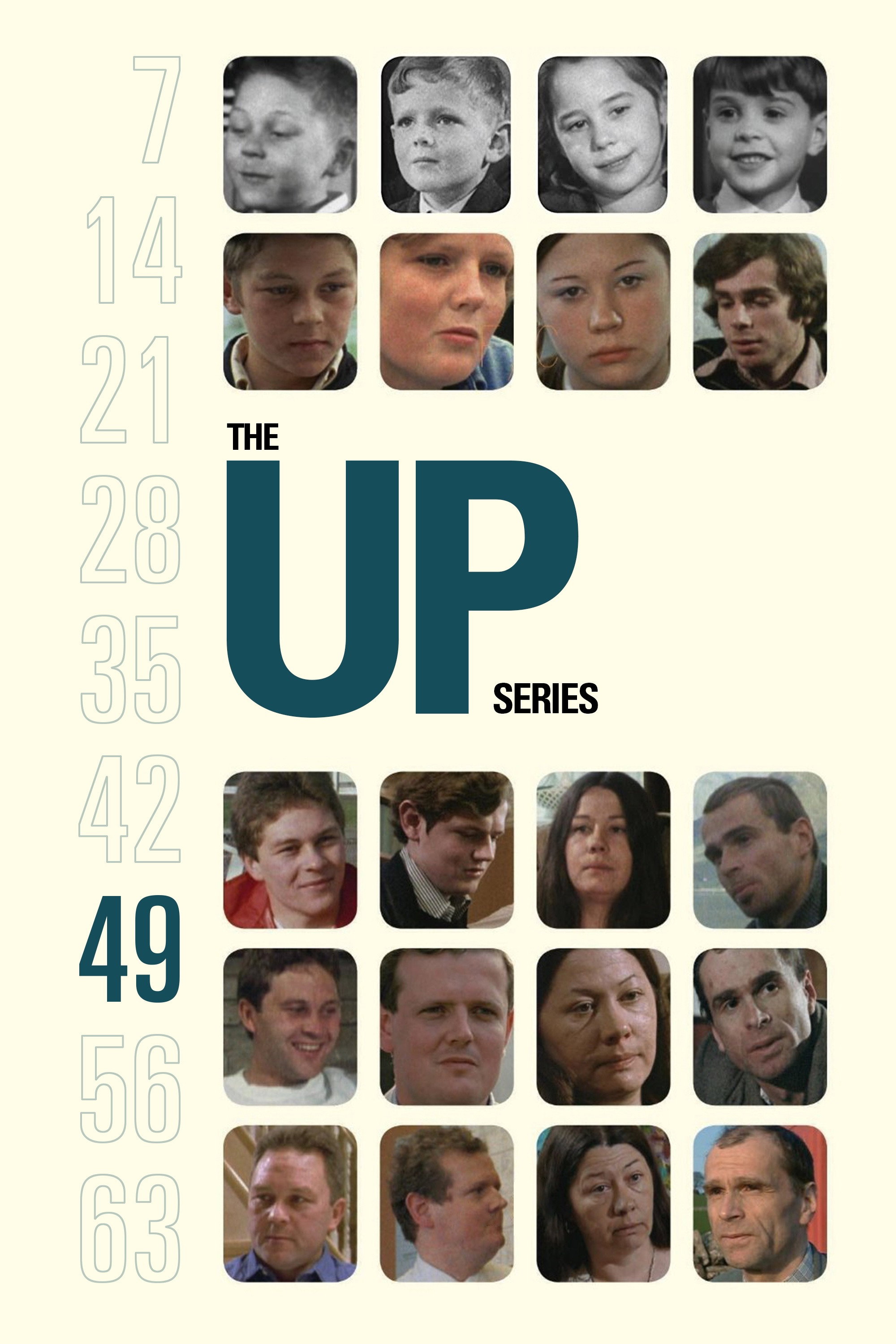
49 Up is the seventh film in a series of landmark documentaries that began 42 years ago when UK-based Granada's World in Action team, inspired by the Jesuit maxim "Give me the child until he is seven and I will give you the man," interviewed a diverse group of seven-year-old children from all over England, asking them about their lives and their dreams for the future. Michael Apted, a researcher for the original film, has returned to interview the "children" every seven years since, at ages 14, 21, 28, 35, 42 and now again at age 49.In this latest chapter, more life-changing decisions are revealed, more shocking announcements made and more of the original group take part than ever before, speaking out on a variety of subjects including love, marriage, career, class and prejudice.
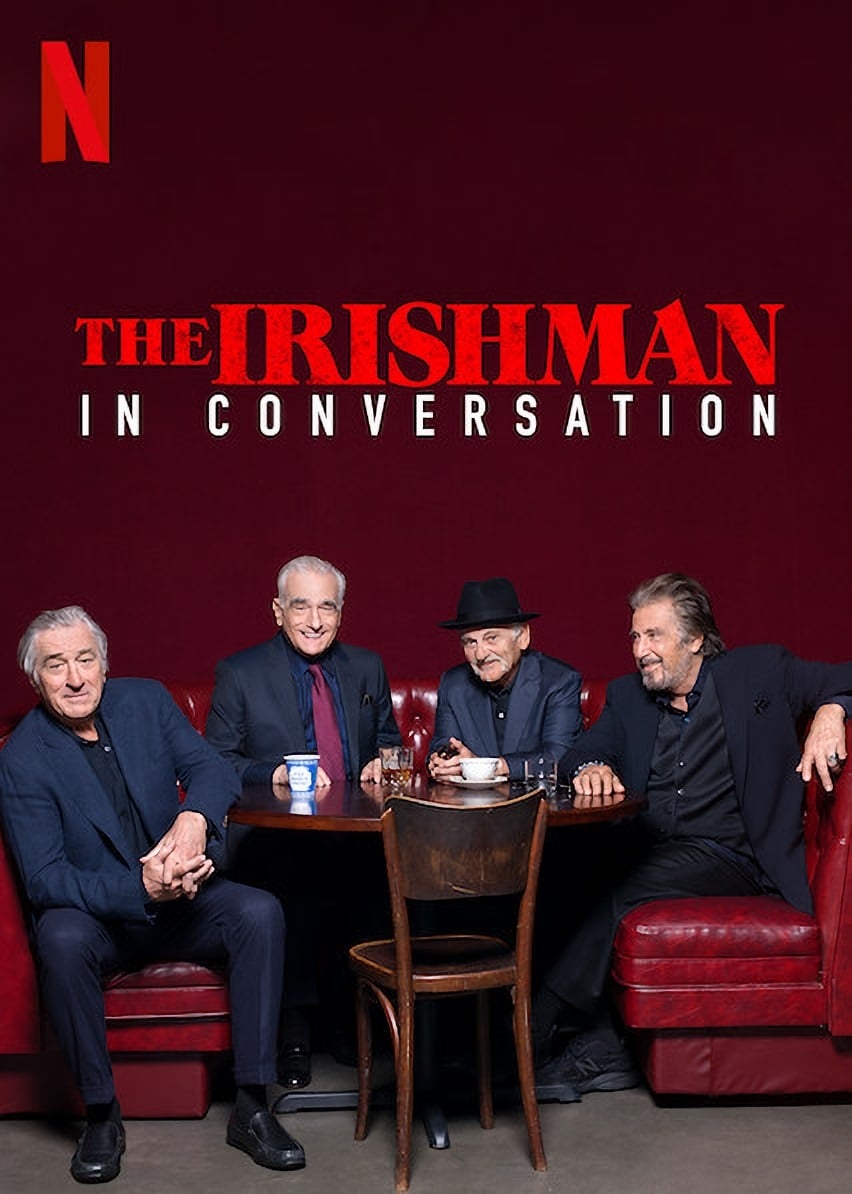
Martin Scorsese, Robert De Niro, Joe Pesci, and Al Pacino in conversation about The Irishman.
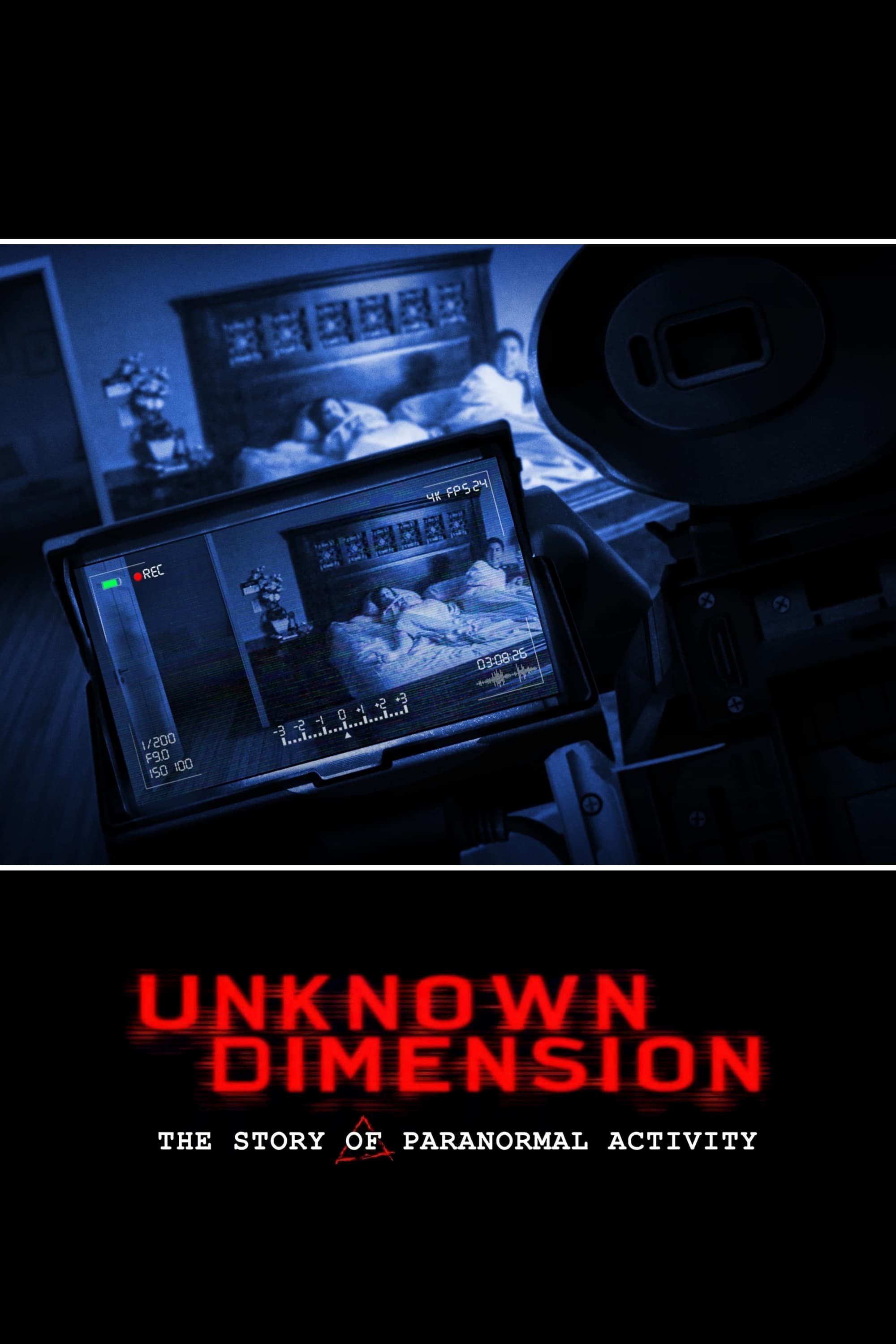
A deep dive into the making of the Paranormal Activity films with first time ever interviews with cast and crew, never-before-seen footage from the movies, and a preview of the seventh installment in the franchise.
A visual montage portrait of our contemporary world dominated by globalized technology and violence.
Amber Heard and Nicole Kidman discuss their characters Mera and Atlanna.
A string of threatening emails escalates into a revenge plot involving a newly married US marshal and his ex-girlfriend.
A documentary on the expletive's origin, why it offends some people so deeply, and what can be gained from its use.
Through deeply personal interviews with her siblings and an examination of the photographs, letters, and belongings left behind, Mariska assembles a new portrait of her mother Jayne Mansfield, an extraordinary and complex woman.
Filmmaker Christopher Quinn observes the ordeal of three Sudanese refugees -- Jon Bul Dau, Daniel Abul Pach and Panther Bior -- as they try to come to terms with the horrors they experienced in their homeland, while adjusting to their new lives in the United States.
A look at the "Hell House" performed annually in October by the youth members of Trinity Church (Assemblies of God) in Cedar Hill, Texas (a Dallas suburb) — seen by over 10,000 visitors each year.
Behind the scenes look at fight choreography and action training.
Captured during Billie Eilish's sold-out world tour, a concert experience from one of the most celebrated and successful artists of her generation, presented in immersive 3D.
In the Realms of the Unreal is a documentary about the reclusive Chicago-based artist Henry Darger. Henry Darger was so reclusive that when he died his neighbors were surprised to find a 15,145-page manuscript along with hundreds of paintings depicting The Story of the Vivian Girls, in What is Known as the Realms of the Unreal, of the Glodeco-Angelinnian War Storm, Cased by the Child Slave Rebellion.
When a 5-year-old girl falls from her father's apartment, her mother embarks on a quest for justice — and is put under the national spotlight.