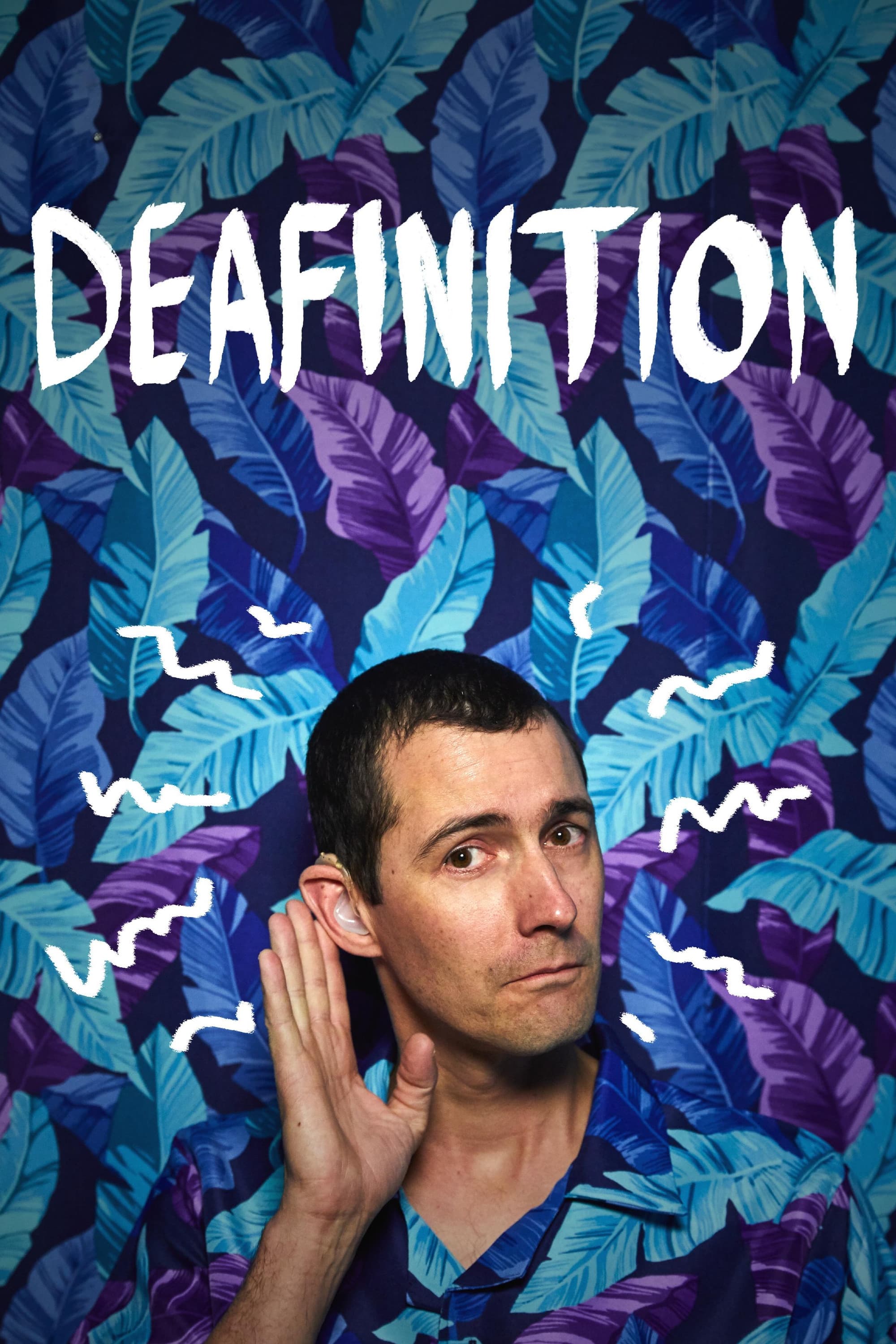
Documentary following Deafinitely Theatre as they translate a classic Shakespeare play for a Deaf audience.
Social & External
Down the road from Woodstock in the early 1970s, a revolution blossomed in a ramshackle summer camp for disabled teenagers, transforming their young lives and igniting a landmark movement.
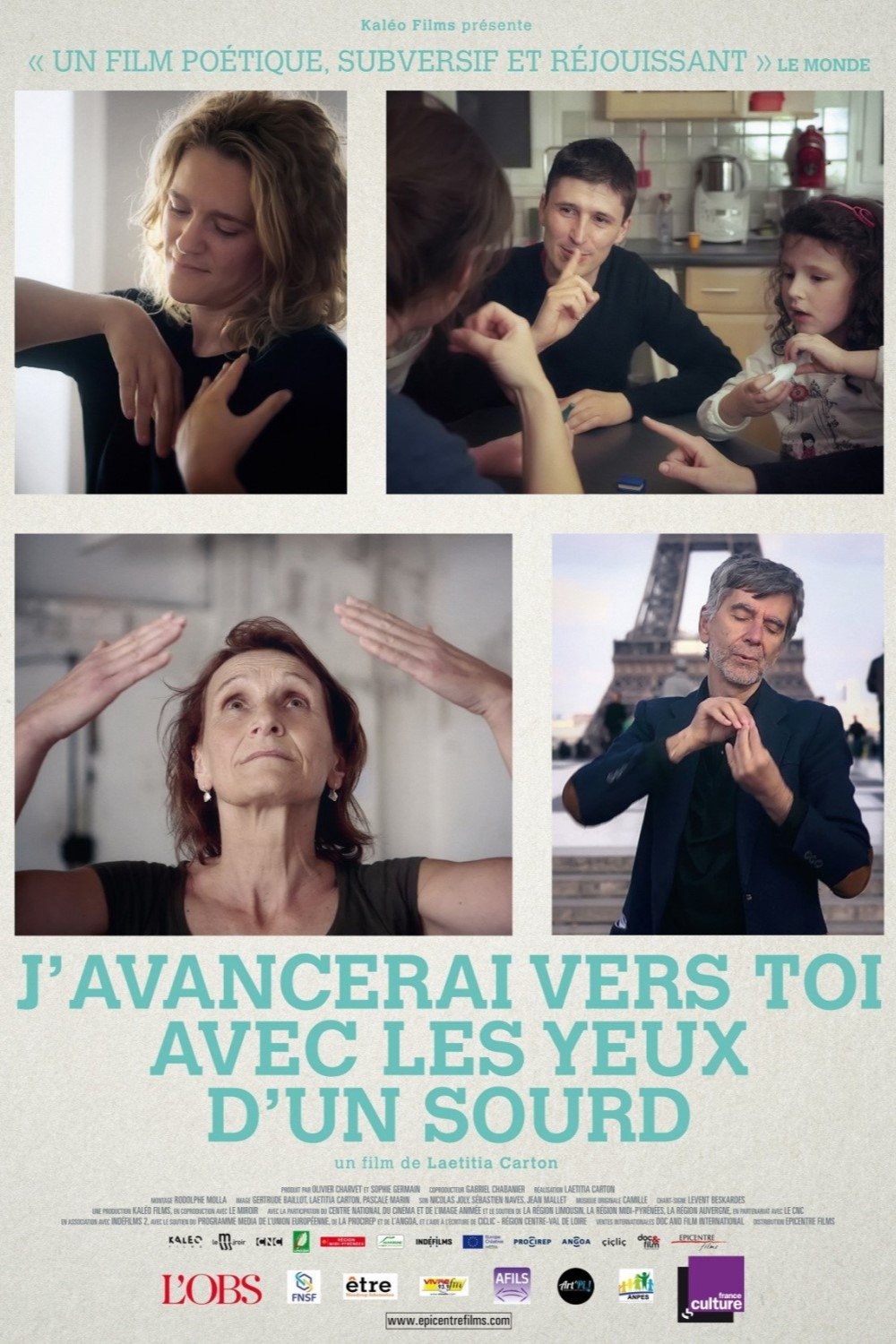
This film is a letter to my friend Vincent who died ten years ago. Vincent was Deaf. He introduced me to his language, his culture, his world. Through Vincent ‘s life, the film will examine the roots of the distress that plagues the Deaf, and also explore a rich and fascinating world, a people that struggles to preserve its Sign Language and Culture.
Artistic director of the National Theater Eric de Vroedt writes and directs a performance about his own mother Winnie, who passed away in 2020. This piece, titled The Century of My Mother, is a family story about the migration from the Dutch East Indies to the Netherlands. It is De Vroedt's way of examining the relationship with his mother and not having to say goodbye to her yet: 'I can let her live on stage, but when the curtain falls, when the play is completely finished, then she is really dead'.
A Deafblind fencer and author competes in all arenas just for the right to be seen.
Firas, Jallow and Batoul just arrived in Berlin. They meet one another in a theatre group. They are searching for the good life in Germany - yet things don’t turn out the way they hoped. Through video letters, they reveal their deepest emotions to their families and friends back in their war-torn or poverty-stricken home countries.
Because Quebec Sign Language cannot be captured on paper, videography has revealed itself to be the best way to represent this visual language. The first ‘comic strip’ in sign language, the film depicts snatches of conversations between various deaf and hearing protagonists. A visit to a silent world, where the hearing impaired ask us to listen to them.
Through examining Fini Straubinger, an old woman who has been deaf and blind since her teens, and her work on behalf of other deaf-blind people, this film shows how the deaf-blind struggle to understand and accept a world from which they are almost wholly isolated.
Lotte (18) and Roos (16) are sisters and both have Usher syndrome. That means they will soon become deaf and blind. It is not known how fast that will go, but they already see and hear a lot worse than their peers. How do these two high-spirited girls deal with their development into adulthood, while the time bomb of deafness and blindness ticks inexorably? They are not deterred from getting the most out of life: Lotte is studying to become a photographer and Roos is passing her final exams. At the same time, they also want to do a few things before it is too late, such as seeing the Northern Lights with their own eyes. Director Kim Smeekes followed Lotte and Roos for the film for two years.
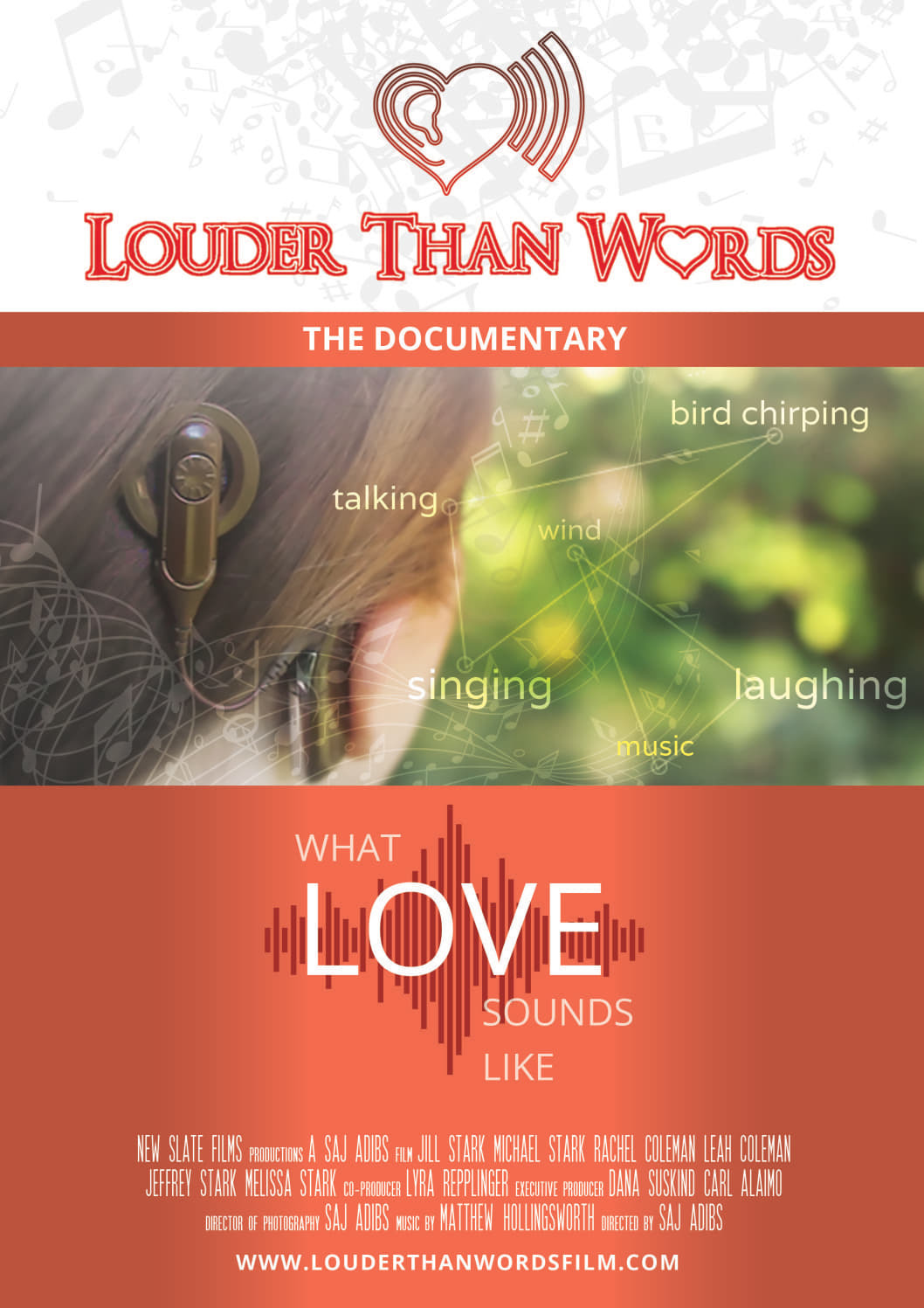
Jill and Michael Stark are both deaf, as are their two children. Stuck between two cultures and wanting the best future for their children, they make the controversial choice for both of their children to undergo surgery for cochlear implants. They are part of only a handful of deaf parents in the US to choose implants for their children. After this seven year journey, was the result of the cochlear implant what they had hoped for?
Through intimate stories and day-to-day routines we get a naturalistic glimpse into the lives of individuals with disabilities in the bustling urban landscape of São Paulo. The film captures personal moments and how modern societies confront (or fail to confront) ableism and inclusion.
A documentary that follows Dr. Penny Patterson's current scientific study of Koko, a gorilla who communicates through American Sign Language.
Young-Chan comes from planet of snail where deaf blind people live slow and quiet lives. When Young-Chan came to Earth, nobody understood his language and he was desperate. Then an angel walked into his life. Soon-Ho knows how it is to be lonely and soon becomes an inseparable part of his life. Young-Chan also discovers an amazing world under his fingers as he learned to read books with braille. Hopes began to grow and he dreams of writing a book. However, Soon-Ho cannot always be there for him because of her own problem of spine disability. The couple now should learn to survive alone. While Soon-Ho uneasily spends her first day waiting for his return, Young-Chan goes out for the biggest adventure of his life.
Filmmaker Irene Taylor Brodsky aims her camera at her own life to capture the remarkable transformation of her deaf parents, who decided to undergo a life-changing procedure to restore their hearing after spending 65 years in silence. Chronicling her parents' experiences over their first year of having sound in their lives, Brodsky tells a deeply personal tale that moved viewers to bestow it with the Documentary Audience Award at Sundance 2007.
Frida, a deaf girl, shows us La Casa del Sordo through her eyes and hands: a space where deafness ceases to be a barrier and becomes the identity of an entire community.
The profound impact of technology on the lives and identities of young deaf adults is explored in The Listening Project. Fourteen deaf people tell stories beginning with a childhood wide-eyed about sound, into the growing pains of adolescence and, eventually, their professional lives. Sometimes humorous, always tender, The Listening Project is a timely coming of age story, one we haven't heard before.
This inspirational documentary follows four deaf entertainers: a comic, drummer, actor and a singer as they attempt to cross over to mainstream audiences. These uniquely talented entertainers overcome great challenges to celebrate success.
Viktor, who was born deaf, worships the figure of the samurai warrior. When bombs start falling on his countryside home in Kharkiv, his quasi-romantic obsession with war is put to the test.
To My Father depicts Deaf actor Troy Kotsur's journey to winning an Oscar and his father's inspiring influence on him, despite a tragic accident.
Children of Deaf Adults, known as CODA, are caught in the middle, between the deaf and the hearing, between isolation and community, and between childhood and adulthood. Through the stories of three CODAs, discover how the unique upbringing of hearing children born to deaf parents can be considered both a burden and an opportunity and how it shapes who they are and who they become. Also hear from the parents themselves about how their condition unwittingly puts an impossible weight of responsibility on their children, who are forced into adulthood from the moment they learn to talk. Mother, Father, Deaf offers a previously unseen portrayal of contemporary reality for deaf families. Their stories, while deeply personal, mirror the experiences of CODAs around the world.
Unseen footage from the British Deaf Association archives is used to tell the story of the Deaf community's fight for civil rights.